Primary Antibodies
Primary antibodies are immunoglobulins that bind specifically to an antigen of interest, allowing for the detection and quantification of proteins, peptides, or other biomolecules. These antibodies are critical tools in a wide range of applications, including Western blotting, immunohistochemistry, and ELISA. At CymitQuimica, we offer an extensive selection of high-quality primary antibodies that provide specificity and sensitivity for various research needs, including cancer, immunology, and cell biology studies.
Subcategories of "Primary Antibodies"
- Cancer Research Antibodies(3,620 products)
- Cardiovascular Antibodies(2 products)
- Developmental Biology(751 products)
- Epigenetics Antibodies(162 products)
- Immunology Antibodies(2,551 products)
- Metabolism Antibodies(279 products)
- Microbiology Antibodies(740 products)
- Signal Transduction(2,717 products)
- Tags & Cellular Markers(33 products)
Show 1 more subcategories
Found 75447 products of "Primary Antibodies"
Sort by
Purity (%)
0
100
|
0
|
50
|
90
|
95
|
100
Tubulin α (Acetyl Lys401) rabbit pAb
Microtubules of the eukaryotic cytoskeleton perform essential and diverse functions and are composed of a heterodimer of alpha and beta tubulins. The genes encoding these microtubule constituents belong to the tubulin superfamily, which is composed of six distinct families. Genes from the alpha, beta and gamma tubulin families are found in all eukaryotes. The alpha and beta tubulins represent the major components of microtubules, while gamma tubulin plays a critical role in the nucleation of microtubule assembly. There are multiple alpha and beta tubulin genes, which are highly conserved among species. This gene encodes alpha tubulin and is highly similar to the mouse and rat Tuba1 genes. Northern blotting studies have shown that the gene expression is predominantly found in morphologically differentiated neurologic cells. This gene is one of three alpha-tubulin genes in a cluster on chromosome 12q.FCGRN rabbit pAb
This gene encodes a receptor that binds the Fc region of monomeric immunoglobulin G. The encoded protein transfers immunoglobulin G antibodies from mother to fetus across the placenta. This protein also binds immunoglobulin G to protect the antibody from degradation. Alternative splicing results in multiple transcript variants. [provided by RefSeq, Apr 2009],TF (phospho Ser290) rabbit pAb
This gene encodes coagulation factor III which is a cell surface glycoprotein. This factor enables cells to initiate the blood coagulation cascades, and it functions as the high-affinity receptor for the coagulation factor VII. The resulting complex provides a catalytic event that is responsible for initiation of the coagulation protease cascades by specific limited proteolysis. Unlike the other cofactors of these protease cascades, which circulate as nonfunctional precursors, this factor is a potent initiator that is fully functional when expressed on cell surfaces. There are 3 distinct domains of this factor: extracellular, transmembrane, and cytoplasmic. This protein is the only one in the coagulation pathway for which a congenital deficiency has not been described. Alternate splicing results in multiple transcript variants.[provided by RefSeq, May 2010],IRF-5 rabbit pAb
This gene encodes a member of the interferon regulatory factor (IRF) family, a group of transcription factors with diverse roles, including virus-mediated activation of interferon, and modulation of cell growth, differentiation, apoptosis, and immune system activity. Members of the IRF family are characterized by a conserved N-terminal DNA-binding domain containing tryptophan (W) repeats. Multiple transcript variants encoding different isoforms have been found for this gene, and a 30-nt indel polymorphism (SNP rs60344245) can result in loss of a 10-aa segment. [provided by RefSeq, Mar 2010],TNF-R1 rabbit pAb
This gene encodes a member of the TNF receptor superfamily of proteins. The encoded receptor is found in membrane-bound and soluble forms that interact with membrane-bound and soluble forms, respectively, of its ligand, tumor necrosis factor alpha. Binding of membrane-bound tumor necrosis factor alpha to the membrane-bound receptor induces receptor trimerization and activation, which plays a role in cell survival, apoptosis, and inflammation. Proteolytic processing of the encoded receptor results in release of the soluble form of the receptor, which can interact with free tumor necrosis factor alpha to inhibit inflammation. Mutations in this gene underlie tumor necrosis factor receptor-associated periodic syndrome (TRAPS), characterized by fever, abdominal pain and other features. Mutations in this gene may also be associated with multiple sclerosis in human patients. [provided by ReTIS11B rabbit pAb
This gene is a member of the TIS11 family of early response genes, which are induced by various agonists such as the phorbol ester TPA and the polypeptide mitogen EGF. This gene is well conserved across species and has a promoter that contains motifs seen in other early-response genes. The encoded protein contains a distinguishing putative zinc finger domain with a repeating cys-his motif. This putative nuclear transcription factor most likely functions in regulating the response to growth factors. Alternatively spliced transcript variants encoding different isoforms have been found for this gene. [provided by RefSeq, Sep 2011],VPS26B rabbit pAb
function:Probable component of the retromer complex, a complex required to retrieve lysosomal enzyme receptors (IGF2R and M6PR) from endosomes to the trans-Golgi network.,PTM:Phosphorylated upon DNA damage, probably by ATM or ATR.,similarity:Belongs to the VPS26 family.,subcellular location:Does not localize to endosomes.,subunit:Probable component of the retromer complex composed of VPS26 (VPS26A or VPS26B), VPS29, VPS35, SNX1 and SNX2. Interacts directly with VPS35.,CLC4E rabbit pAb
This gene encodes a member of the C-type lectin/C-type lectin-like domain (CTL/CTLD) superfamily. Members of this family share a common protein fold and have diverse functions, such as cell adhesion, cell-cell signalling, glycoprotein turnover, and roles in inflammation and immune response. The encoded type II transmembrane protein is a downstream target of CCAAT/enhancer binding protein (C/EBP), beta (CEBPB) and may play a role in inflammation. Alternative splice variants have been described but their full-length sequence has not been determined. This gene is closely linked to other CTL/CTLD superfamily members on chromosome 12p13 in the natural killer gene complex region. [provided by RefSeq, Jul 2008],Moesin/Ezrin/Radixin (phospho Thr558) rabbit pAb
Moesin (for membrane-organizing extension spike protein) is a member of the ERM family which includes ezrin and radixin. ERM proteins appear to function as cross-linkers between plasma membranes and actin-based cytoskeletons. Moesin is localized to filopodia and other membranous protrusions that are important for cell-cell recognition and signaling and for cell movement. [provided by RefSeq, Jul 2008],Cdk2 rabbit pAb
cyclin dependent kinase 2(CDK2) Homo sapiens This gene encodes a member of a family of serine/threonine protein kinases that participate in cell cycle regulation. The encoded protein is the catalytic subunit of the cyclin-dependent protein kinase complex, which regulates progression through the cell cycle. Activity of this protein is especially critical during the G1 to S phase transition. This protein associates with and regulated by other subunits of the complex including cyclin A or E, CDK inhibitor p21Cip1 (CDKN1A), and p27Kip1 (CDKN1B). Alternative splicing results in multiple transcript variants. [provided by RefSeq, Mar 2014],Rec8 rabbit pAb
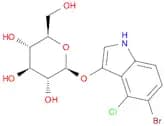
This gene encodes a member of the kleisin family of SMC (structural maintenance of chromosome) protein partners. The protein localizes to the axial elements of chromosomes during meiosis in both oocytes and spermatocytes. In the mouse, the homologous protein is a key component of the meiotic cohesion complex, which regulates sister chromatid cohesion and recombination between homologous chromosomes. Multiple alternatively spliced variants, encoding the same protein, have been found for this gene. [provided by RefSeq, Jul 2008],(2Z)-3-ethyl-2-{2-[(2Z)-3-ethyl-6-sulfo-1,3-benzothiazol-2-ylidene]hydrazin-1-ylidene}-1,3-benzothiazole-6-sulfonic acid diamine
CAS:Formula:C18H24N6O6S4Purity:98%Color and Shape:SolidMolecular weight:548.6798Ref: IN-DA0031P9
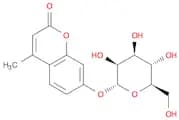
1g49.00€5g127.00€10g201.00€25g308.00€50g526.00€100gTo inquire250gTo inquire250mg30.00€2H-1-Benzopyran-2-one, 7-(α-D-mannopyranosyloxy)-4-methyl-
CAS:Formula:C16H18O8Purity:97%Color and Shape:SolidMolecular weight:338.3093MMP8 (Cleaved-Leu101) rabbit pAb
catalytic activity:Cleavage of interstitial collagens in the triple helical domain. Unlike EC 3.4.24.7, this enzyme cleaves type III collagen more slowly than type I.,cofactor:Binds 2 zinc ions per subunit.,cofactor:Binds 3 calcium ions per subunit.,domain:The conserved cysteine present in the cysteine-switch motif binds the catalytic zinc ion, thus inhibiting the enzyme. The dissociation of the cysteine from the zinc ion upon the activation-peptide release activates the enzyme.,enzyme regulation:Cannot be activated without removal of the activation peptide.,function:Can degrade fibrillar type I, II, and III collagens.,similarity:Belongs to the peptidase M10A family.,similarity:Contains 4 hemopexin-like domains.,subcellular location:Stored in intracellular granules.,tissue specificity:Neutrophils.,FKBP3 rabbit pAb
The protein encoded by this gene is a member of the immunophilin protein family, which play a role in immunoregulation and basic cellular processes involving protein folding and trafficking. This encoded protein is a cis-trans prolyl isomerase that binds the immunosuppressants FK506 and rapamycin, as well as histone deacetylases, the transcription factor YY1, casein kinase II, and nucleolin. It has a higher affinity for rapamycin than for FK506 and thus may be an important target molecule for immunosuppression by rapamycin. [provided by RefSeq, Sep 2008],COL18A1 rabbit pAb
This gene encodes the alpha chain of type XVIII collagen. This collagen is one of the multiplexins, extracellular matrix proteins that contain multiple triple-helix domains (collagenous domains) interrupted by non-collagenous domains. A long isoform of the protein has an N-terminal domain that is homologous to the extracellular part of frizzled receptors. Proteolytic processing at several endogenous cleavage sites in the C-terminal domain results in production of endostatin, a potent antiangiogenic protein that is able to inhibit angiogenesis and tumor growth. Mutations in this gene are associated with Knobloch syndrome. The main features of this syndrome involve retinal abnormalities, so type XVIII collagen may play an important role in retinal structure and in neural tube closure. Alternative splicing results in multiple transcript variants. [provided by RefSeq, Dec 2014],NLGN2 rabbit pAb
This gene encodes a member of a family of neuronal cell surface proteins. Members of this family may act as splice site-specific ligands for beta-neurexins and may be involved in the formation and remodeling of central nervous system synapses. [provided by RefSeq, Jul 2008],Nap1 rabbit pAb
AZI2, or NAP1, contributes to the activation of NFKB (see MIM 164011)-dependent gene expression by activating IKK-related kinases, such as NAK (TBK1; MIM 604834) (Fujita et al., 2003 [PubMed 14560022]).[supplied by OMIM, Mar 2008],UBE2K rabbit pAb
The protein encoded by this gene belongs to the ubiquitin-conjugating enzyme family. This protein interacts with RING finger proteins, and it can ubiquitinate huntingtin, the gene product for Huntington's disease. Known functions for this protein include a role in aggregate formation of expanded polyglutamine proteins and the suppression of apoptosis in polyglutamine diseases, a role in the dislocation of newly synthesized MHC class I heavy chains from the endoplasmic reticulum, and involvement in foam cell formation. Multiple transcript variants encoding different isoforms have been identified for this gene. [provided by RefSeq, Jul 2008],Vav1 (phospho Tyr174) rabbit pAb
This gene is a member of the VAV gene family. The VAV proteins are guanine nucleotide exchange factors (GEFs) for Rho family GTPases that activate pathways leading to actin cytoskeletal rearrangements and transcriptional alterations. The encoded protein is important in hematopoiesis, playing a role in T-cell and B-cell development and activation. The encoded protein has been identified as the specific binding partner of Nef proteins from HIV-1. Coexpression and binding of these partners initiates profound morphological changes, cytoskeletal rearrangements and the JNK/SAPK signaling cascade, leading to increased levels of viral transcription and replication. Alternatively spliced transcript variants encoding multiple isoforms have been observed for this gene. [provided by RefSeq, Apr 2012],KIF13B rabbit pAb
function:May be involved in reorganization of the cortical cytoskeleton. May be functionally important for the intracellular trafficking of MAGUKs and associated protein complexes.,PTM:Phosphorylated upon DNA damage, probably by ATM or ATR.,similarity:Belongs to the kinesin-like protein family.,similarity:Contains 1 CAP-Gly domain.,similarity:Contains 1 FHA domain.,similarity:Contains 1 kinesin-motor domain.,subunit:Binds to DLG1 and DLG4.,tissue specificity:Ubiquitous.,LAT (phospho-Tyr171) rabbit pAb
The protein encoded by this gene is phosphorylated by ZAP-70/Syk protein tyrosine kinases following activation of the T-cell antigen receptor (TCR) signal transduction pathway. This transmembrane protein localizes to lipid rafts and acts as a docking site for SH2 domain-containing proteins. Upon phosphorylation, this protein recruits multiple adaptor proteins and downstream signaling molecules into multimolecular signaling complexes located near the site of TCR engagement. Alternative splicing results in multiple transcript variants encoding different isoforms. [provided by RefSeq, Jul 2008],COX IV Mouse mAb
The enzyme cytochrome c oxidase or Complex IV, EC 1.9.3.1) is a large transmembrane protein complex found in bacteria and the mitochondrion.It is the last enzyme in the respiratory electron transport chain of mitochondria (or bacteria) located in the mitochondrial (or bacterial) membrane. It receives an electron from each of four cytochrome c molecules, and transfers them to one oxygen molecule, converting molecular oxygen to two molecules of water. In the process, it binds four protons from the inner aqueous phase to make water, and in addition translocates four protons across the membrane, helping to establish a transmembrane difference of proton electrochemical potential that the ATP synthase then uses to synthesize ATP.FR-α rabbit pAb
The protein encoded by this gene is a member of the folate receptor family. Members of this gene family bind folic acid and its reduced derivatives, and transport 5-methyltetrahydrofolate into cells. This gene product is a secreted protein that either anchors to membranes via a glycosyl-phosphatidylinositol linkage or exists in a soluble form. Mutations in this gene have been associated with neurodegeneration due to cerebral folate transport deficiency. Due to the presence of two promoters, multiple transcription start sites, and alternative splicing, multiple transcript variants encoding the same protein have been found for this gene. [provided by RefSeq, Oct 2009],PRRX2 rabbit pAb
The DNA-associated protein encoded by this gene is a member of the paired family of homeobox proteins. Expression is localized to proliferating fetal fibroblasts and the developing dermal layer, with downregulated expression in adult skin. Increases in expression of this gene during fetal but not adult wound healing suggest a possible role in mechanisms that control mammalian dermal regeneration and prevent formation of scar response to wounding. The expression patterns provide evidence consistent with a role in fetal skin development and a possible role in cellular proliferation. [provided by RefSeq, Jul 2008],α-actinin Rabbit pAb
α-Actinin belongs to the spectrin family of cytoskeletal proteins. α-Actinin is necessary for the attachment of actin filaments to the Z-lines in skeletal muscle cells, and to the dense bodies in smooth muscle cells. The functional protein is an anti-parallel dimer, which cross-links the thin filaments in adjacent sarcomeres, and therefore coordinated contractions between sarcomeres in the horizontal axis.mAChR M5 rabbit pAb
The muscarinic cholinergic receptors belong to a larger family of G protein-coupled receptors. The functional diversity of these receptors is defined by the binding of acetylcholine and includes cellular responses such as adenylate cyclase inhibition, phosphoinositide degeneration, and potassium channel mediation. Muscarinic receptors influence many effects of acetylcholine in the central and peripheral nervous system. The clinical implications of this receptor are unknown; however, stimulation of this receptor is known to increase cyclic AMP levels. [provided by RefSeq, Jul 2008],LIFR rabbit pAb
leukemia inhibitory factor receptor alpha(LIFR) Homo sapiens This gene encodes a protein that belongs to the type I cytokine receptor family. This protein combines with a high-affinity converter subunit, gp130, to form a receptor complex that mediates the action of the leukemia inhibitory factor, a polyfunctional cytokine that is involved in cellular differentiation, proliferation and survival in the adult and the embryo. Mutations in this gene cause Schwartz-Jampel syndrome type 2, a disease belonging to the group of the bent-bone dysplasias. A translocation that involves the promoter of this gene, t(5;8)(p13;q12) with the pleiomorphic adenoma gene 1, is associated with salivary gland pleiomorphic adenoma, a common type of benign epithelial tumor of the salivary gland. Multiple splice variants encoding the same protein have been found for this gene. [provided by RefSeq, Jul 2008],CSH1 rabbit pAb
The protein encoded by this gene is a member of the somatotropin/prolactin family of hormones and plays an important role in growth control. The gene is located at the growth hormone locus on chromosome 17 along with four other related genes in the same transcriptional orientation; an arrangement which is thought to have evolved by a series of gene duplications. Although the five genes share a remarkably high degree of sequence identity, they are expressed selectively in different tissues. Alternative splicing generates additional isoforms of each of the five growth hormones, leading to further diversity and potential for specialization. This particular family member is expressed mainly in the placenta and utilizes multiple transcription initiation sites. Expression of the identical mature proteins for chorionic somatomammotropin hormones 1 and 2 is upregulated during development, alDbf4 rabbit pAb
function:Regulatory subunit for CDC7 which activates its kinase activity thereby playing a central role in DNA replication and cell proliferation. Required for progression of S phase. The complex CDC7-DBF4A selectively phosphorylates MCM2 subunit at 'Ser-40' and 'Ser-53' and then is involved in regulating the initiation of DNA replication during cell cycle.,induction:Induced in G1 phase at low level, increased during G1-S phase and remain high during S and G2-M phase.,PTM:Phosphorylated upon DNA damage, probably by ATM or ATR.,similarity:Contains 1 DBF4-type zinc finger.,similarity:Contains 2 BRCT domains.,subunit:Forms a complex with CDC7. Note that CDC7 forms distinct complex either with DBF4A or DBF4B. Such complexes are stable upon replication stress. Interacts with MEN1, MCM2, ORC2L, ORC4L and ORC6L.,tissue specificity:Highly expressed in testis and thymus. Expressed also in most cancer cells lines.,FAK (phospho Tyr576) rabbit pAb
protein tyrosine kinase 2(PTK2) Homo sapiens This gene encodes a cytoplasmic protein tyrosine kinase which is found concentrated in the focal adhesions that form between cells growing in the presence of extracellular matrix constituents. The encoded protein is a member of the FAK subfamily of protein tyrosine kinases but lacks significant sequence similarity to kinases from other subfamilies. Activation of this gene may be an important early step in cell growth and intracellular signal transduction pathways triggered in response to certain neural peptides or to cell interactions with the extracellular matrix. Several transcript variants encoding different isoforms have been found for this gene, but the full-length natures of only four of them have been determined. [provided by RefSeq, Oct 2015],FOG1 rabbit pAb
domain:The CCHC-type zinc fingers 1, 5, 6 and 9 directly bind to GATA-type zinc fingers. The Tyr residue adjacent to the last Cys of the CCHC-type zinc finger is essential for the interaction with GATA-type zinc fingers.,function:Transcription regulator that plays an essential role in erythroid and megakaryocytic cell differentiation. Essential cofactor that acts via the formation of a heterodimer with transcription factors of the GATA family GATA1, GATA2 and GATA3. Such heterodimer can both activate or repress transcriptional activity, depending on the cell and promoter context. The heterodimer formed with GATA proteins is essential to activate expression of genes such as NFE2, ITGA2B, alpha- and beta-globin, while it represses expression of KLF1. May be involved in regulation of some genes in gonads. May also be involved in cardiac development, in a non-redundant way with ZFPM2/FOG2.,PTM:Phosphorylated upon DNA damage, probably by ATM or ATR.,similarity:Belongs to the FOG (Friend of GATA) family.,similarity:Contains 4 C2H2-type zinc fingers.,similarity:Contains 5 C2HC-type zinc fingers.,subunit:Interacts with corepressor CTBP2; this interaction is however not essential for corepressor activity (By similarity). Interacts with the N-terminal zinc-finger of GATA1, GATA2 and probably GATA3.,tissue specificity:Mainly expressed in hematopoietic tissues. Also expressed in adult cerebellum, stomach, lymph node, liver and pancreas. Expressed in fetal heart, liver and spleen.,APOBEC3D/F rabbit pAb
This gene is a member of the cytidine deaminase gene family. It is one of a group of related genes found in a cluster, thought to result from gene duplication, on chromosome 22. Members of the cluster encode proteins that are structurally and functionally related to the C to U RNA-editing cytidine deaminase APOBEC1 and inhibit retroviruses, such as HIV, by deaminating cytosine residues in nascent retroviral cDNA. [provided by RefSeq, Jul 2008],Relaxin Receptor 2 rabbit pAb
This gene encodes a member of the GPCR (G protein-coupled, 7-transmembrane receptor) family. Mutations in this gene are associated with cryptorchidism. Alternatively spliced transcript variants encoding different isoforms have been found for this gene.[provided by RefSeq, Oct 2009],ZKSCAN4 rabbit pAb
function:May be involved in the transcriptional activation of MDM2 and EP300 genes.,PTM:Phosphorylated upon DNA damage, probably by ATM or ATR.,similarity:Belongs to the krueppel C2H2-type zinc-finger protein family.,similarity:Contains 1 KRAB domain.,similarity:Contains 1 SCAN box domain.,similarity:Contains 7 C2H2-type zinc fingers.,tissue specificity:Expressed in adult heart, brain, placenta, lung and kidney, but not in adult liver and skeletal muscle. In 17-day old embryo, detected in liver, skeletal muscle, brain, heart and small intestine.,Nkx-2.6 rabbit pAb
This gene encodes a homeobox-containing protein that belongs to the NK-2 homeobox family. This protein is a vertebrate homolog of Drosophila homeobox-containing protein called 'tinman', which has been shown to be essential for development of the heart-like dorsal vessel. In conjunction with related gene, NKX2-5, this gene may play a role in both pharyngeal and cardiac embryonic development. Mutations in this gene are associated with persistent truncus arteriosus.[provided by RefSeq, Aug 2011],CDK3 rabbit pAb
cyclin dependent kinase 3(CDK3) Homo sapiens This gene encodes a member of the cyclin-dependent protein kinase family. The protein promotes entry into S phase, in part by activating members of the E2F family of transcription factors. The protein also associates with cyclin C and phosphorylates the retinoblastoma 1 protein to promote exit from G0. [provided by RefSeq, Jul 2008],Tubulin α rabbit pAb
Microtubules of the eukaryotic cytoskeleton perform essential and diverse functions and are composed of a heterodimer of alpha and beta tubulins. The genes encoding these microtubule constituents belong to the tubulin superfamily, which is composed of six distinct families. Genes from the alpha, beta and gamma tubulin families are found in all eukaryotes. The alpha and beta tubulins represent the major components of microtubules, while gamma tubulin plays a critical role in the nucleation of microtubule assembly. There are multiple alpha and beta tubulin genes, which are highly conserved among species. This gene encodes alpha tubulin and is highly similar to the mouse and rat Tuba1 genes. Northern blotting studies have shown that the gene expression is predominantly found in morphologically differentiated neurologic cells. This gene is one of three alpha-tubulin genes in a cluster on chromosome 12q.Histone H3 (Acetyl Lys27) rabbit pAb
Histones are basic nuclear proteins that are responsible for the nucleosome structure of the chromosomal fiber in eukaryotes. This structure consists of approximately 146 bp of DNA wrapped around a nucleosome, an octamer composed of pairs of each of the four core histones (H2A, H2B, H3, and H4). The chromatin fiber is further compacted through the interaction of a linker histone, H1, with the DNA between the nucleosomes to form higher order chromatin structures. This gene is intronless and encodes a replication-dependent histone that is a member of the histone H3 family. Transcripts from this gene lack polyA tails; instead, they contain a palindromic termination element. This gene is found in the large histone gene cluster on chromosome 6p22-p21.3. [provided by RefSeq, Aug 2015],RANG rabbit pAb
This gene encodes a protein that forms a complex with Ras-related nuclear protein (Ran) and metabolizes guanoside triphosphate (GTP). This complex participates in the regulation of the cell cycle by controlling transport of proteins and nucleic acids into the nucleus. There are multiple pseudogenes for this gene on chromosomes 9, 12, 17, and X. Alternative splicing results in multiple transcript variants. [provided by RefSeq, Jul 2013],ECFP rabbit pAb
Cyan Fluorescent Protein (CFP) is a genetic mutant of green fluorescent protein (GFP) originally derived from the jellyfish Aequorea victoria.BEX3 rabbit pAb
domain:The nuclear export signal is required for export from the nucleus and the interactions with itself and p75NTR/NGFR.,function:May be a signaling adapter molecule involved in p75NTR-mediated apoptosis induced by NGF. Plays a role in zinc-triggered neuronal death (By similarity). May play an important role in the pathogenesis of neurogenetic diseases.,miscellaneous:Binds transition metals.,PTM:Ubiquitinated. Degraded by the proteasome.,similarity:Belongs to the BEX family.,subcellular location:Shuttles between the cytoplasm and the nucleus. Associates with replicating mitochondria.,subunit:Self-associates. Interacts with 14-3-3 epsilon (YWHAE). Interacts with DIABLO/SMAC (By similarity). Binds to the DEATH domain of p75NTR/NGFR.,tissue specificity:Found in ovarian granulosa cells, testis, prostate and seminal vesicle tissue. High levels also detected in liver.,CDCP1 (phospho-Tyr734) rabbit pAb
This gene encodes a transmembrane protein which contains three extracellular CUB domains and acts as a substrate for Src family kinases. The protein plays a role in the tyrosine phosphorylation-dependent regulation of cellular events that are involved in tumor invasion and metastasis. Alternative splicing results in multiple transcript variants of this gene. [provided by RefSeq, May 2013],DHRS2 rabbit pAb
function:May inhibit cell replication either by catalyzing the oxidation of estrogen and androgen or by converting cortisone in cortisol.,similarity:Belongs to the short-chain dehydrogenases/reductases (SDR) family.,Casein Kinase Iε rabbit pAb
casein kinase 1 epsilon(CSNK1E) Homo sapiens The protein encoded by this gene is a serine/threonine protein kinase and a member of the casein kinase I protein family, whose members have been implicated in the control of cytoplasmic and nuclear processes, including DNA replication and repair. The encoded protein is found in the cytoplasm as a monomer and can phosphorylate a variety of proteins, including itself. This protein has been shown to phosphorylate period, a circadian rhythm protein. Two transcript variants encoding the same protein have been found for this gene. [provided by RefSeq, Feb 2014],Kv4.2 rabbit pAb
Voltage-gated potassium (Kv) channels represent the most complex class of voltage-gated ion channels from both functional and structural standpoints. Their diverse functions include regulating neurotransmitter release, heart rate, insulin secretion, neuronal excitability, epithelial electrolyte transport, smooth muscle contraction, and cell volume. Four sequence-related potassium channel genes - shaker, shaw, shab, and shal - have been identified in Drosophila, and each has been shown to have human homolog(s). This gene encodes a member of the potassium channel, voltage-gated, shal-related subfamily, members of which form voltage-activated A-type potassium ion channels and are prominent in the repolarization phase of the action potential. This member mediates a rapidly inactivating, A-type outward potassium current which is not under the control of the N terminus as iRAPSN rabbit pAb
This gene encodes a member of a family of proteins that are receptor associated proteins of the synapse. The encoded protein contains a conserved cAMP-dependent protein kinase phosphorylation site, and plays a critical role in clustering and anchoring nicotinic acetylcholine receptors at synaptic sites by linking the receptors to the underlying postsynaptic cytoskeleton, possibly by direct association with actin or spectrin. Mutations in this gene may play a role in postsynaptic congenital myasthenic syndromes. Alternatively spliced transcript variants encoding multiple isoforms have been observed for this gene. [provided by RefSeq, Apr 2011],MRP-L22 rabbit pAb
Mammalian mitochondrial ribosomal proteins are encoded by nuclear genes and help in protein synthesis within the mitochondrion. Mitochondrial ribosomes (mitoribosomes) consist of a small 28S subunit and a large 39S subunit. They have an estimated 75% protein to rRNA composition compared to prokaryotic ribosomes, where this ratio is reversed. Another difference between mammalian mitoribosomes and prokaryotic ribosomes is that the latter contain a 5S rRNA. Among different species, the proteins comprising the mitoribosome differ greatly in sequence, and sometimes in biochemical properties, which prevents easy recognition by sequence homology. This gene encodes a 39S subunit protein that belongs to the L22 ribosomal protein family. A pseudogene corresponding to this gene is found on chromosome 4q. Two transcript variants encoding different isoforms have been found for this gene. [providePDLIM5 rabbit pAb
This gene encodes a member of a family of proteins that possess a 100-amino acid PDZ domain at the N terminus and one to three LIM domains at the C-terminus. This family member functions as a scaffold protein that tethers protein kinases to the Z-disk in striated muscles. It is thought to function in cardiomyocyte expansion and in restraining postsynaptic growth of excitatory synapses. Alternative splicing of this gene results in multiple transcript variants. [provided by RefSeq, Jan 2012],MAP2 Mouse mAb
MAP2 is the major microtubule associated protein of brain tissue. There are three forms of MAP2; two are similarily sized with apparent molecular weights of 280 kDa (MAP2a and MAP2b) and the third with a lower molecular weight of 70 kDa (MAP2c). In the newborn rat brain, MAP2b and MAP2c are present, while MAP2a is absent. Between postnatal days 10 and 20, MAP2a appears. At the same time, the level of MAP2c drops by 10-fold. This change happens during the period when dendrite growth is completed and when neurons have reached their mature morphology. MAP2 is degraded by a Cathepsin D-like protease in the brain of aged rats. There is some indication that MAP2 is expressed at higher levels in some types of neurons than in other types. MAP2 is known to promote microtubule assembly and to form side-arms on microtubules. It also interacts with neurofilaments, actin, and other elements of the cytoskeleton.MIB2 rabbit pAb
function:E3 ubiquitin-protein ligase that mediates ubiquitination of Delta receptors, which act as ligands of Notch proteins. Positively regulates the Delta-mediated Notch signaling by ubiquitinating the intracellular domain of Delta, leading to endocytosis of Delta receptors.,induction:Down-regulated in many primary skin melanomas. Treatment with a demethylating agent, 5'-aza-2-deoxycytidine, restores expression, suggesting that down-regulation is the result of methylation of the gene.,pathway:Protein modification; protein ubiquitination.,PTM:Ubiquitinated. Possibly via autoubiquitination.,similarity:Contains 1 ZZ-type zinc finger.,similarity:Contains 2 MIB/HERC2 domains.,similarity:Contains 2 RING-type zinc fingers.,similarity:Contains 9 ANK repeats.,subcellular location:Colocalizes with endosomal compartments.,subunit:Interacts with actin monomer.,tissue specificity:Expressed in skeletal muscle, and to a lesser extent in heart, brain and kidney.,Tau (phospho Ser214) rabbit pAb
This gene encodes the microtubule-associated protein tau (MAPT) whose transcript undergoes complex, regulated alternative splicing, giving rise to several mRNA species. MAPT transcripts are differentially expressed in the nervous system, depending on stage of neuronal maturation and neuron type. MAPT gene mutations have been associated with several neurodegenerative disorders such as Alzheimer's disease, Pick's disease, frontotemporal dementia, cortico-basal degeneration and progressive supranuclear palsy. [provided by RefSeq, Jul 2008],AMRP rabbit pAb
This gene encodes a protein that interacts with the low density lipoprotein (LDL) receptor-related protein and facilitates its proper folding and localization by preventing the binding of ligands. Mutations in this gene have been identified in individuals with myopia 23. Alternative splicing results in multiple transcript variants. [provided by RefSeq, Dec 2013],Mnk1 (phospho Thr250) rabbit pAb
MAP kinase interacting serine/threonine kinase 1(MKNK1) Homo sapiens This gene encodes a Ser/Thr protein kinase that interacts with, and is activated by ERK1 and p38 mitogen-activated protein kinases, and thus may play a role in the response to environmental stress and cytokines. This kinase may also regulate transcription by phosphorylating eIF4E via interaction with the C-terminal region of eIF4G. Alternatively spliced transcript variants have been noted for this gene. [provided by RefSeq, Jan 2012],C/EBP ζ rabbit pAb
This gene belongs to the CEBP family. The encoded protein plays a role in cellular response to environmental stimuli through a transcriptional process that involves heat shock factors, conserved DNA elements (heat shock elements or HSEs) and CCAAT boxes. The protein acts as a DNA-binding transcriptional activator and regulates the heat-shock protein 70 (HSP70) promoter in a CCAAT-dependent manner. The protein is also involved in cell growth and differentiation, particularly, hematopoietic differentiation. Methylation of the promoter of this gene or mutations within the gene may be correlated with occurance of acute myeloid leukemia (AML). [provided by RefSeq, Jun 2016],MBNL3 rabbit pAb
This gene encodes a member of the muscleblind-like family of proteins. The encoded protein may function in regulation of alternative splicing and may play a role in the pathophysiology of myotonic dystrophy. Alternatively spliced transcript variants have been described. [provided by RefSeq, Dec 2009],C/EBP α (phospho Thr226) rabbit pAb
This intronless gene encodes a transcription factor that contains a basic leucine zipper (bZIP) domain and recognizes the CCAAT motif in the promoters of target genes. The encoded protein functions in homodimers and also heterodimers with CCAAT/enhancer-binding proteins beta and gamma. Activity of this protein can modulate the expression of genes involved in cell cycle regulation as well as in body weight homeostasis. Mutation of this gene is associated with acute myeloid leukemia. The use of alternative in-frame non-AUG (GUG) and AUG start codons results in protein isoforms with different lengths. Differential translation initiation is mediated by an out-of-frame, upstream open reading frame which is located between the GUG and the first AUG start codons. [provided by RefSeq, Dec 2013],PICK1 rabbit pAb
protein interacting with PRKCA 1(PICK1) Homo sapiens The protein encoded by this gene contains a PDZ domain, through which it interacts with protein kinase C, alpha (PRKCA). This protein may function as an adaptor that binds to and organizes the subcellular localization of a variety of membrane proteins. It has been shown to interact with multiple glutamate receptor subtypes, monoamine plasma membrane transporters, as well as non-voltage gated sodium channels, and may target PRKCA to these membrane proteins and thus regulate their distribution and function. This protein has also been found to act as an anchoring protein that specifically targets PRKCA to mitochondria in a ligand-specific manner. Three transcript variants encoding the same protein have been found for this gene. [provided by RefSeq, Jul 2008],VPS54 rabbit pAb
This gene encodes for a protein that in yeast forms part of a trimeric vacuolar-protein-sorting complex that is required for retrograde transport of proteins from prevacuoles to the late Golgi compartment. As in yeast, mammalian Vps54 proteins contain a coiled-coil region and dileucine motifs. Alternative splicing results in multiple transcript variants encoding different isoforms [provided by RefSeq, Jul 2008],MMTAG2 rabbit pAb
Transcription factor that plays an important role in cellular development and cell survival. Regulates the expression of numerous target genes, including EPO. Plays an essential role for development of the urogenital system. Recognizes and binds to the DNA sequence 5'-CGCCCCCGC-3'. It has a tumor suppressor as well as an oncogenic role in tumor formation. Function may be isoform-specific: isoforms lacking the KTS motif may act as transcription factors. Isoforms containing the KTS motif may bind mRNA and play a role in mRNA metabolism or splicing. Isoform 1 has lower affinity for DNA, and can bind RNA. Transcription factor that plays an important role in cellular development and cell survival. Regulates the expression of numerous target genes, including EPO. Plays an essential role for development of the urogenital system. Recognizes and binds to the DNA sequence 5'-CGCCCCCGC-3'. It has a tumor suppressor as well as an oncogenic role in tumor formation. Function may be isoform-specific: isoforms lacking the KTS motif may act as transcription factors. Isoforms containing the KTS motif may bind mRNA and play a role in mRNA metabolism or splicing. Isoform 1 has lower affinity for DNA, and can bind RNA.Zic1/2/3 rabbit pAb
This gene encodes a member of the ZIC family of C2H2-type zinc finger proteins. Members of this family are important during development. Aberrant expression of this gene is seen in medulloblastoma, a childhood brain tumor. This gene is closely linked to the gene encoding zinc finger protein of the cerebellum 4, a related family member on chromosome 3. This gene encodes a transcription factor that can bind and transactivate the apolipoprotein E gene. [provided by RefSeq, Jul 2008],RLA1 rabbit pAb
Ribosomes, the organelles that catalyze protein synthesis, consist of a small 40S subunit and a large 60S subunit. Together these subunits are composed of 4 RNA species and approximately 80 structurally distinct proteins. This gene encodes a ribosomal phosphoprotein that is a component of the 60S subunit. The protein, which is a functional equivalent of the E. coli L7/L12 ribosomal protein, belongs to the L12P family of ribosomal proteins. It plays an important role in the elongation step of protein synthesis. Unlike most ribosomal proteins, which are basic, the encoded protein is acidic. Its C-terminal end is nearly identical to the C-terminal ends of the ribosomal phosphoproteins P0 and P2. The P1 protein can interact with P0 and P2 to form a pentameric complex consisting of P1 and P2 dimers, and a P0 monomer. The protein is located in the cytoplasm. Two alternatively splicFlt-1 (phospho Tyr1213) rabbit pAb
This gene encodes a member of the vascular endothelial growth factor receptor (VEGFR) family. VEGFR family members are receptor tyrosine kinases (RTKs) which contain an extracellular ligand-binding region with seven immunoglobulin (Ig)-like domains, a transmembrane segment, and a tyrosine kinase (TK) domain within the cytoplasmic domain. This protein binds to VEGFR-A, VEGFR-B and placental growth factor and plays an important role in angiogenesis and vasculogenesis. Expression of this receptor is found in vascular endothelial cells, placental trophoblast cells and peripheral blood monocytes. Multiple transcript variants encoding different isoforms have been found for this gene. Isoforms include a full-length transmembrane receptor isoform and shortened, soluble isoforms. The soluble isoforms are associated with the onset of pre-eclampsia.[provided by RefSeq, May 2009],PMEPA1 rabbit pAb
This gene encodes a transmembrane protein that contains a Smad interacting motif (SIM). Expression of this gene is induced by androgens and transforming growth factor beta, and the encoded protein suppresses the androgen receptor and transforming growth factor beta signaling pathways though interactions with Smad proteins. Overexpression of this gene may play a role in multiple types of cancer. Alternatively spliced transcript variants encoding multiple isoforms have been observed for this gene. [provided by RefSeq, Dec 2011],hnRNP LL rabbit pAb
heterogeneous nuclear ribonucleoprotein L like(HNRNPLL) Homo sapiens HNRNPLL is a master regulator of activation-induced alternative splicing in T cells. In particular, it alters splicing of CD45 (PTPRC; MIM 151460), a tyrosine phosphatase essential for T-cell development and activation (Oberdoerffer et al., 2008 [PubMed 18669861]).[supplied by OMIM, Aug 2008],CD155 rabbit pAb
The protein encoded by this gene is a transmembrane glycoprotein belonging to the immunoglobulin superfamily. The external domain mediates cell attachment to the extracellular matrix molecule vitronectin, while its intracellular domain interacts with the dynein light chain Tctex-1/DYNLT1. The gene is specific to the primate lineage, and serves as a cellular receptor for poliovirus in the first step of poliovirus replication. Multiple transcript variants encoding different isoforms have been found for this gene. [provided by RefSeq, Oct 2008],TRAIL rabbit pAb
The protein encoded by this gene is a cytokine that belongs to the tumor necrosis factor (TNF) ligand family. This protein preferentially induces apoptosis in transformed and tumor cells, but does not appear to kill normal cells although it is expressed at a significant level in most normal tissues. This protein binds to several members of TNF receptor superfamily including TNFRSF10A/TRAILR1, TNFRSF10B/TRAILR2, TNFRSF10C/TRAILR3, TNFRSF10D/TRAILR4, and possibly also to TNFRSF11B/OPG. The activity of this protein may be modulated by binding to the decoy receptors TNFRSF10C/TRAILR3, TNFRSF10D/TRAILR4, and TNFRSF11B/OPG that cannot induce apoptosis. The binding of this protein to its receptors has been shown to trigger the activation of MAPK8/JNK, caspase 8, and caspase 3. Alternatively spliced transcript variants encoding different isoforms have been found for this gene. [proviCREB Rabbit pAb
CREB (cAMP response element-binding protein) is a cellular transcription factor. This protein binds the cAMP response element (CRE), a sequence present in many viral and cellular promoters. CREB is closely related in structure and function to CREM (cAMP response element modulator) and ATF-1 (activating transcription factor-1) proteins. CREB proteins are expressed in many animals.OCTN2 rabbit pAb
Polyspecific organic cation transporters in the liver, kidney, intestine, and other organs are critical for elimination of many endogenous small organic cations as well as a wide array of drugs and environmental toxins. The encoded protein is a plasma integral membrane protein which functions both as an organic cation transporter and as a sodium-dependent high affinity carnitine transporter. The encoded protein is involved in the active cellular uptake of carnitine. Mutations in this gene are the cause of systemic primary carnitine deficiency (CDSP), an autosomal recessive disorder manifested early in life by hypoketotic hypoglycemia and acute metabolic decompensation, and later in life by skeletal myopathy or cardiomyopathy. Alternative splicing of this gene results in multiple transcript variants. [provided by RefSeq, Apr 2015],UBP20 rabbit pAb
This gene encodes a ubiquitin specific processing protease that was first identified as a substrate of the VHL (von Hippel-Lindau disease) protein E3 ubiquitin ligase complex. In addition to being ubiquitinated by the VHL-E3 ligase complex, this enzyme deubiquitinates hypoxia-inducible factor (HIF)-1 alpha and thereby causes increased expression of HIF-1alpha targeted genes which play a role in angiogenesis, glucose metabolism, cell proliferation and metastasis. The enzyme encoded by this gene also regulates G-protein coupled receptor signaling by mediating the deubiquitination of beta-2 adrenergic receptor (ADRB2). This enzyme is a ubiquitously expressed thiolester hydrolase. Alternative splicing results in multiple transcript variants encoding the same protein. [provided by RefSeq, Jan 2013],UBC9 rabbit pAb
The modification of proteins with ubiquitin is an important cellular mechanism for targeting abnormal or short-lived proteins for degradation. Ubiquitination involves at least three classes of enzymes: ubiquitin-activating enzymes, or E1s, ubiquitin-conjugating enzymes, or E2s, and ubiquitin-protein ligases, or E3s. This gene encodes a member of the E2 ubiquitin-conjugating enzyme family. Four alternatively spliced transcript variants encoding the same protein have been found for this gene. [provided by RefSeq, Jul 2008],EDC4 rabbit pAb
function:In the process of mRNA degradation, seems to play a role in mRNA decapping. Component of a complex containing DCP2 and DCP1A which functions in decapping of ARE-containing mRNAs. Promotes complex formation between DCP1A and DCP2. Enhances the catalytic activity of DCP2 (in vitro).,PTM:Phosphorylated upon DNA damage, probably by ATM or ATR.,similarity:Belongs to the WD repeat EDC4 family.,similarity:Contains 4 WD repeats.,subunit:Part of a decapping complex consisting of DCP1A, DCP2, EDC3, EDC4 and probably DDX6. Part of a complex consisting of DCP1A, EDC3, EDC4 and DDX6. Part of a complex consisting of DCP1B, EDC3, EDC4 and DDX6. Interacts with DCP2.,GNLY rabbit pAb
The product of this gene is a member of the saposin-like protein (SAPLIP) family and is located in the cytotoxic granules of T cells, which are released upon antigen stimulation. This protein is present in cytotoxic granules of cytotoxic T lymphocytes and natural killer cells, and it has antimicrobial activity against M. tuberculosis and other organisms. Alternatively spliced transcript variants encoding different isoforms have been identified. [provided by RefSeq, Jul 2008],CL12A rabbit pAb
This gene encodes a member of the C-type lectin/C-type lectin-like domain (CTL/CTLD) superfamily. Members of this family share a common protein fold and have diverse functions, such as cell adhesion, cell-cell signaling, glycoprotein turnover, and roles in inflammation and immune response. The protein encoded by this gene is a negative regulator of granulocyte and monocyte function. Several alternatively spliced transcript variants of this gene have been described, but the full-length nature of some of these variants has not been determined. This gene is closely linked to other CTL/CTLD superfamily members in the natural killer gene complex region on chromosome 12p13. [provided by RefSeq, May 2011],PTPRM rabbit pAb
The protein encoded by this gene is a member of the protein tyrosine phosphatase (PTP) family. PTPs are known to be signaling molecules that regulate a variety of cellular processes including cell growth, differentiation, mitotic cycle, and oncogenic transformation. This PTP possesses an extracellular region, a single transmembrane region, and two tandem catalytic domains, and thus represents a receptor-type PTP. The extracellular region contains a meprin-A5 antigen-PTP mu (MAM) domain, an Ig-like domain and four fibronectin type III-like repeats. This PTP has been shown to mediate cell-cell aggregation through the interaction with another molecule of this PTP on an adjacent cell. This PTP can interact with scaffolding protein RACK1/GNB2L1, which may be necessary for the downstream signaling in response to cell-cell adhesion. Alternative splicing results in multiple transcripLIRA1 rabbit pAb
This gene encodes an activating member of the leukocyte immunoglobulin-like receptor (LIR) family, which is found in a gene cluster at chromosomal region 19q13.4. The encoded protein is predominantly expressed in B cells, interacts with major histocompatibility complex class I ligands, and contributes to the regulation of immune responses. Alternative splicing results in multiple transcript variants encoding different isoforms. [provided by RefSeq, May 2013],P55G rabbit pAb
Phosphatidylinositol 3-kinase (PI3K) phosphorylates phosphatidylinositol and similar compounds, which then serve as second messengers in growth signaling pathways. PI3K is composed of a catalytic and a regulatory subunit. The protein encoded by this gene represents a regulatory subunit of PI3K. The encoded protein contains two SH2 domains through which it binds activated protein tyrosine kinases to regulate their activity. [provided by RefSeq, Jun 2016],CaMKK2 rabbit pAb
The product of this gene belongs to the Serine/Threonine protein kinase family, and to the Ca(2+)/calmodulin-dependent protein kinase subfamily. The major isoform of this gene plays a role in the calcium/calmodulin-dependent (CaM) kinase cascade by phosphorylating the downstream kinases CaMK1 and CaMK4. Protein products of this gene also phosphorylate AMP-activated protein kinase (AMPK). This gene has its strongest expression in the brain and influences signalling cascades involved with learning and memory, neuronal differentiation and migration, neurite outgrowth, and synapse formation. Alternative splicing results in multiple transcript variants encoding distinct isoforms. The identified isoforms differ in their ability to undergo autophosphorylation and to phosphorylate downstream kinases. [provided by RefSeq, Jul 2012],p53 (phospho Ser366) rabbit pAb
tumor protein p53(TP53) Homo sapiens This gene encodes a tumor suppressor protein containing transcriptional activation, DNA binding, and oligomerization domains. The encoded protein responds to diverse cellular stresses to regulate expression of target genes, thereby inducing cell cycle arrest, apoptosis, senescence, DNA repair, or changes in metabolism. Mutations in this gene are associated with a variety of human cancers, including hereditary cancers such as Li-Fraumeni syndrome. Alternative splicing of this gene and the use of alternate promoters result in multiple transcript variants and isoforms. Additional isoforms have also been shown to result from the use of alternate translation initiation codons (PMIDs: 12032546, 20937277). [provided by RefSeq, Feb 2013],DQB1 rabbit pAb
major histocompatibility complex, class II, DQ beta 1(HLA-DQB1) Homo sapiens HLA-DQB1 belongs to the HLA class II beta chain paralogs. This class II molecule is a heterodimer consisting of an alpha (DQA) and a beta chain (DQB), both anchored in the membrane. It plays a central role in the immune system by presenting peptides derived from extracellular proteins. Class II molecules are expressed in antigen presenting cells (APC: B lymphocytes, dendritic cells, macrophages). The beta chain is approximately 26-28 kDa and it contains six exons. Exon 1 encodes the leader peptide, exons 2 and 3 encode the two extracellular domains, exon 4 encodes the transmembrane domain and exon 5 encodes the cytoplasmic tail. Within the DQ molecule both the alpha chain and the beta chain contain the polymorphisms specifying the peptide binding specificities, resulting in up to four different molecules. Typing for these polymorphisms is routinely done for bone marroActin α1 rabbit pAb
The product encoded by this gene belongs to the actin family of proteins, which are highly conserved proteins that play a role in cell motility, structure and integrity. Alpha, beta and gamma actin isoforms have been identified, with alpha actins being a major constituent of the contractile apparatus, while beta and gamma actins are involved in the regulation of cell motility. This actin is an alpha actin that is found in skeletal muscle. Mutations in this gene cause nemaline myopathy type 3, congenital myopathy with excess of thin myofilaments, congenital myopathy with cores, and congenital myopathy with fiber-type disproportion, diseases that lead to muscle fiber defects. [provided by RefSeq, Jul 2008],MEF-2C rabbit pAb
This locus encodes a member of the MADS box transcription enhancer factor 2 (MEF2) family of proteins, which play a role in myogenesis. The encoded protein, MEF2 polypeptide C, has both trans-activating and DNA binding activities. This protein may play a role in maintaining the differentiated state of muscle cells. Mutations and deletions at this locus have been associated with severe mental retardation, stereotypic movements, epilepsy, and cerebral malformation. Alternatively spliced transcript variants have been described. [provided by RefSeq, Jul 2010],TCAL5 rabbit pAb
This gene, which is located on the X chromosome, encodes a protein which contains a BEX (brain expressed X-liked like family) domain. This domain is found in proteins encoded by the TCEAL elongation factor (transcription elongation factor A (SII)-like) gene family also located on the X chromosome. The coding region for this gene is located entirely in the terminal exon. [provided by RefSeq, Sep 2011],CALRL rabbit pAb
function:Receptor for calcitonin-gene-related peptide (CGRP) together with RAMP1 and receptor for adrenomedullin together with RAMP2 or RAMP3 (By similarity). The activity of this receptor is mediated by G proteins which activate adenylyl cyclase.,similarity:Belongs to the G-protein coupled receptor 2 family.,subunit:Heterodimer of CALCRL and RAMP1, RAMP2 or RAMP3.,tissue specificity:Predominantly expressed in the lung and heart.,



![(2Z)-3-ethyl-2-{2-[(2Z)-3-ethyl-6-sulfo-1,3-benzothiazol-2-ylidene]hydrazin-1-ylidene}-1,3-benzoth…](/_next/image/?url=https%3A%2Fstatic.cymitquimica.com%2Fproducts%2FIN%2Fthumb-webp%2FDA0031P9.webp&w=3840&q=75)