Primary Antibodies
Primary antibodies are immunoglobulins that bind specifically to an antigen of interest, allowing for the detection and quantification of proteins, peptides, or other biomolecules. These antibodies are critical tools in a wide range of applications, including Western blotting, immunohistochemistry, and ELISA. At CymitQuimica, we offer an extensive selection of high-quality primary antibodies that provide specificity and sensitivity for various research needs, including cancer, immunology, and cell biology studies.
Subcategories of "Primary Antibodies"
- Cancer Research Antibodies(3,620 products)
- Cardiovascular Antibodies(2 products)
- Developmental Biology(751 products)
- Epigenetics Antibodies(162 products)
- Immunology Antibodies(2,551 products)
- Metabolism Antibodies(279 products)
- Microbiology Antibodies(740 products)
- Signal Transduction(2,717 products)
- Tags & Cellular Markers(33 products)
Show 1 more subcategories
Found 75448 products of "Primary Antibodies"
Sort by
Purity (%)
0
100
|
0
|
50
|
90
|
95
|
100
Catalase (phospho Tyr386) rabbit pAb
This gene encodes catalase, a key antioxidant enzyme in the bodies defense against oxidative stress. Catalase is a heme enzyme that is present in the peroxisome of nearly all aerobic cells. Catalase converts the reactive oxygen species hydrogen peroxide to water and oxygen and thereby mitigates the toxic effects of hydrogen peroxide. Oxidative stress is hypothesized to play a role in the development of many chronic or late-onset diseases such as diabetes, asthma, Alzheimer's disease, systemic lupus erythematosus, rheumatoid arthritis, and cancers. Polymorphisms in this gene have been associated with decreases in catalase activity but, to date, acatalasemia is the only disease known to be caused by this gene. [provided by RefSeq, Oct 2009],Hox-A7 rabbit pAb
In vertebrates, the genes encoding the class of transcription factors called homeobox genes are found in clusters named A, B, C, and D on four separate chromosomes. Expression of these proteins is spatially and temporally regulated during embryonic development. This gene is part of the A cluster on chromosome 7 and encodes a DNA-binding transcription factor which may regulate gene expression, morphogenesis, and differentiation. For example, the encoded protein represses the transcription of differentiation-specific genes during keratinocyte proliferation, but this repression is then overcome by differentiation signals. This gene is highly similar to the antennapedia (Antp) gene of Drosophila. [provided by RefSeq, Jul 2008],Cdc42EP3 rabbit pAb
This gene encodes a member of a small family of guanosine triphosphate (GTP) metabolizing proteins that contain a CRIB (Cdc42, Rac interactive binding) domain. Members of this family of proteins act as effectors of CDC42 function. The encoded protein is involved in actin cytoskeleton re-organization during cell shape changes, including pseudopodia formation. A pseudogene of this gene is found on chromosome 19. Alternative splicing results in multiple transcript variants. [provided by RefSeq, Jul 2012],MAGC3 rabbit pAb
This gene is a member of the MAGEC gene family. The members of this family are not expressed in normal tissues, except for testis, and are expressed in tumors of various histological types. The MAGEC genes are clustered on chromosome Xq26-q27. Two transcript variants encoding distinct isoforms have been found for this gene. [provided by RefSeq, Jul 2008],UBAP1 rabbit pAb
This gene is a member of the UBA domain family, whose members include proteins having connections to ubiquitin and the ubiquitination pathway. The ubiquitin associated domain is thought to be a non-covalent ubiquitin binding domain consisting of a compact three helix bundle. This particular protein originates from a gene locus in a refined region on chromosome 9 undergoing loss of heterozygosity in nasopharyngeal carcinoma (NPC). Taking into account its cytogenetic location, this UBA domain family member is being studies as a putative target for mutation in nasopharyngeal carcinomas. Multiple alternatively spliced transcript variants encoding different isoforms have been found for this gene. [provided by RefSeq, Jan 2010],PP1RA rabbit pAb
This gene encodes a protein phosphatase 1 binding protein. The encoded protein plays a role in many cellular processes including cell cycle progression, DNA repair and apoptosis by regulating the activity of protein phosphatase 1. This gene lies within the major histocompatibility complex class I region on chromosome 6, and alternatively spliced transcript variants have been observed for this gene. [provided by RefSeq, Jul 2012],GCP3 rabbit pAb
alternative products:Experimental confirmation may be lacking for some isoforms,function:Gamma-tubulin complex is necessary for microtubule nucleation at the centrosome.,similarity:Belongs to the GCP family.,subunit:Gamma-tubulin complex is composed of gamma-tubulin, GCP2, GCP3, GCP4, GCP5 and GCP6.,tissue specificity:Ubiquitously expressed.,CRMP-2 (phospho Thr509) rabbit pAb
This gene encodes a member of the collapsin response mediator protein family. Collapsin response mediator proteins form homo- and hetero-tetramers and facilitate neuron guidance, growth and polarity. The encoded protein promotes microtubule assembly and is required for Sema3A-mediated growth cone collapse, and also plays a role in synaptic signaling through interactions with calcium channels. This gene has been implicated in multiple neurological disorders, and hyperphosphorylation of the encoded protein may play a key role in the development of Alzheimer's disease. Alternatively spliced transcript variants encoding multiple isoforms have been observed for this gene. [provided by RefSeq, Sep 2011],NXF3 rabbit pAb
This gene is one member of a family of nuclear RNA export factor genes. Common domain features of this family are a noncanonical RNP-type RNA-binding domain (RBD), 4 leucine-rich repeats (LRRs), a nuclear transport factor 2 (NTF2)-like domain that allows heterodimerization with NTF2-related export protein-1 (NXT1), and a ubiquitin-associated domain that mediates interactions with nucleoporins. The LRRs and NTF2-like domains are required for export activity. Alternative splicing seems to be a common mechanism in this gene family. The encoded protein of this gene has shortened LRR and ubiquitin-associated domains and its RDB is unable to bind RNA. It is located in the nucleoplasm but is not associated with either the nuclear envelope or the nucleolus. [provided by RefSeq, Jul 2008],SOLH1 rabbit pAb
This gene encodes one of testis-specific transcription factors which are essential for spermatogenesis, oogenesis and folliculogenesis. This gene is located on chromosome 9. Mutations in this gene are associated with nonobstructive azoospermia. Alternatively spliced transcript variants encoding different isoforms have been found for this gene. [provided by RefSeq, Aug 2013],ALMS1 rabbit pAb
This gene encodes a protein containing a large tandem-repeat domain as well as additional low complexity regions. The encoded protein functions in microtubule organization, particularly in the formation and maintanance of cilia. Mutations in this gene cause Alstrom syndrome. There is a pseudogene for this gene located adjacent in the same region of chromosome 2. Alternative splice variants have been described but their full length nature has not been determined. [provided by RefSeq, Apr 2014],Mob1A rabbit pAb
The protein encoded by this gene is similar to the yeast Mob1 protein. Yeast Mob1 binds Mps1p, a protein kinase essential for spindle pole body duplication and mitotic checkpoint regulation. Three transcript variants encoding different isoforms have been found for this gene. [provided by RefSeq, Sep 2011],Ethanolamine kinase 2 rabbit pAb
The protein encoded by this gene is a member of choline/ethanolamine kinase family which catalyzes the first step of phosphatidylethanolamine (PtdEtn) biosynthesis via the cytidine diphosphate (CDP) ethanolamine pathway. Alternative splicing results in multiple transcript variants. [provided by RefSeq, Jul 2014],Fractalkine Receptor rabbit pAb
Fractalkine is a transmembrane protein and chemokine involved in the adhesion and migration of leukocytes. The protein encoded by this gene is a receptor for fractalkine. The encoded protein also is a coreceptor for HIV-1, and some variations in this gene lead to increased susceptibility to HIV-1 infection and rapid progression to AIDS. Four transcript variants encoding two different isoforms have been found for this gene. [provided by RefSeq, Jan 2010],ATP5F1 rabbit pAb
This gene encodes a subunit of mitochondrial ATP synthase. Mitochondrial ATP synthase catalyzes ATP synthesis, utilizing an electrochemical gradient of protons across the inner membrane during oxidative phosphorylation. ATP synthase is composed of two linked multi-subunit complexes: the soluble catalytic core, F1, and the membrane-spanning component, Fo, comprising the proton channel. The catalytic portion of mitochondrial ATP synthase consists of 5 different subunits (alpha, beta, gamma, delta, and epsilon) assembled with a stoichiometry of 3 alpha, 3 beta, and a single representative of the other 3. The proton channel seems to have nine subunits (a, b, c, d, e, f, g, F6 and 8). This gene encodes the b subunit of the proton channel. [provided by RefSeq, Jul 2008],GMCLL rabbit pAb
This locus shares a high degree of identity with the multi-exon germ cell-less gene on chromosome 2. Despite its single-exon nature, this chromosome 5 locus contains an open reading frame that could putatively encode a full-length germ cell-less related protein. [provided by RefSeq, Jul 2008],PKP3 rabbit pAb
This gene encodes a member of the arm-repeat (armadillo) and plakophilin gene families. Plakophilin proteins contain numerous armadillo repeats, localize to cell desmosomes and nuclei, and participate in linking cadherins to intermediate filaments in the cytoskeleton. This protein may act in cellular desmosome-dependent adhesion and signaling pathways. Two transcript variants encoding different isoforms have been found for this gene. [provided by RefSeq, Dec 2014],NBPF1/9/10/12/14/15/16/20 rabbit pAb
This gene is a member of the neuroblastoma breakpoint family (NBPF) which consists of dozens of recently duplicated genes primarily located in segmental duplications on human chromosome 1. This gene family has experienced its greatest expansion within the human lineage and has expanded, to a lesser extent, among primates in general. Members of this gene family are characterized by tandemly repeated copies of DUF1220 protein domains. Gene copy number variations in the human chromosomal region 1q21.1, where most DUF1220 domains are located, have been implicated in a number of developmental and neurogenetic diseases such as microcephaly, macrocephaly, autism, schizophrenia, mental retardation, congenital heart disease, neuroblastoma, and congenital kidney and urinary tract anomalies. Altered expression of some gene family members is associated with several types of cancer. ThisFibronectin rabbit pAb
This gene encodes fibronectin, a glycoprotein present in a soluble dimeric form in plasma, and in a dimeric or multimeric form at the cell surface and in extracellular matrix. The encoded preproprotein is proteolytically processed to generate the mature protein. Fibronectin is involved in cell adhesion and migration processes including embryogenesis, wound healing, blood coagulation, host defense, and metastasis. The gene has three regions subject to alternative splicing, with the potential to produce 20 different transcript variants, at least one of which encodes an isoform that undergoes proteolytic processing. The full-length nature of some variants has not been determined. [provided by RefSeq, Jan 2016],Nucleophosmin rabbit pAb
This gene encodes a phosphoprotein which moves between the nucleus and the cytoplasm. The gene product is thought to be involved in several processes including regulation of the ARF/p53 pathway. A number of genes are fusion partners have been characterized, in particular the anaplastic lymphoma kinase gene on chromosome 2. Mutations in this gene are associated with acute myeloid leukemia. More than a dozen pseudogenes of this gene have been identified. Alternative splicing results in multiple transcript variants.[provided by RefSeq, Nov 2009],mOrange-Tag Rabbit pAb
mOrange and mOrange2 are extremely bright orange fluorescent protein monomers which can be used as tags or reporters. Both mOrange fluorescent proteins are mutants derived from mRFP1, a monomeric mutant of DsRed.STAT3 Rabbit pAb
Signal transducer and activator of transcription 3, also known as STAT3, is a transcription factor which in humans is encoded by the STAT3 gene. Stat3 is constitutively activated in a number of human tumors and possesses oncogenic potential and anti-apoptotic activities.SPG7 rabbit pAb
This gene encodes a mitochondrial metalloprotease protein that is a member of the AAA family. Members of this protein family share an ATPase domain and have roles in diverse cellular processes including membrane trafficking, intracellular motility, organelle biogenesis, protein folding, and proteolysis. Mutations in this gene cause autosomal recessive spastic paraplegia 7. Two transcript variants encoding distinct isoforms have been identified. [provided by RefSeq, Mar 2014],Tak1 (phospho Thr187) rabbit pAb
The protein encoded by this gene is a member of the serine/threonine protein kinase family. This kinase mediates the signaling transduction induced by TGF beta and morphogenetic protein (BMP), and controls a variety of cell functions including transcription regulation and apoptosis. In response to IL-1, this protein forms a kinase complex including TRAF6, MAP3K7P1/TAB1 and MAP3K7P2/TAB2; this complex is required for the activation of nuclear factor kappa B. This kinase can also activate MAPK8/JNK, MAP2K4/MKK4, and thus plays a role in the cell response to environmental stresses. Four alternatively spliced transcript variants encoding distinct isoforms have been reported. [provided by RefSeq, Jul 2008],CYTS rabbit pAb
The cystatin superfamily encompasses proteins that contain multiple cystatin-like sequences. Some of the members are active cysteine protease inhibitors, while others have lost or perhaps never acquired this inhibitory activity. There are three inhibitory families in the superfamily, including the type 1 cystatins (stefins), type 2 cystatins and the kininogens. The type 2 cystatin proteins are a class of cysteine proteinase inhibitors found in a variety of human fluids and secretions. The cystatin locus on chromosome 20 contains the majority of the type 2 cystatin genes and pseudogenes. This gene is located in the cystatin locus and encodes a type 2 salivary cysteine peptidase inhibitor. The protein is an S-type cystatin, based on its high level of expression in saliva, tears and seminal plasma. The specific role in these fluids is unclear but antibacterial and antiviral activity is present, consistent withTRML1 rabbit pAb
This gene encodes a member of the triggering receptor expressed on myeloid cells-like (TREM) family. The encoded protein is a type 1 single Ig domain orphan receptor localized to the alpha-granule membranes of platelets. The encoded protein is involved in platelet aggregation, inflammation, and cellular activation and has been linked to Gray platelet syndrome. Alternative splicing results in multiple transcript variants [provided by RefSeq, Nov 2012],LYRM4 rabbit pAb
The protein encoded by this gene is found in both mitochondria and the nucleus, where it binds cysteine desulfurase and helps free inorganic sulfur for Fe/S clusters. Disruption of this gene negatively impacts mitochondrial and cytosolic iron homeostasis. [provided by RefSeq, Sep 2016],ZP4 rabbit pAb
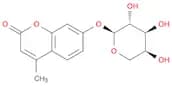
The zona pellucida is an extracellular matrix that surrounds the oocyte and early embryo. It is composed primarily of three or four glycoproteins with various functions during fertilization and preimplantation development. The nascent protein contains a N-terminal signal peptide sequence, a conserved ZP domain, a consensus furin cleavage site, and a C-terminal transmembrane domain. It is hypothesized that furin cleavage results in release of the mature protein from the plasma membrane for subsequent incorporation into the zona pellucida matrix. However, the requirement for furin cleavage in this process remains controversial based on mouse studies. Previously, this gene has been referred to as ZP1 or ZPB and thought to have similar functions as mouse Zp1. However, a human gene with higher similarity and chromosomal synteny to mouse Zp1 has been assigned the symbol ZP1 and this gene has been4-Methylumbelliferyl a-L-arabinopyranoside
CAS:Formula:C15H16O7Purity:98%Color and Shape:SolidMolecular weight:308.2833CYP2U1 rabbit pAb
This gene encodes a member of the cytochrome P450 superfamily of enzymes. The cytochrome P450 proteins are monooxygenases which catalyze many reactions involved in drug metabolism and synthesis of cholesterol, steroids and other lipids. This enzyme is a hydroxylase that metabolizes arachidonic acid, docosahexaenoic acid, and other long chain fatty acids. [provided by RefSeq, Jul 2008],ELOB rabbit pAb
This gene encodes the protein elongin B, which is a subunit of the transcription factor B (SIII) complex. The SIII complex is composed of elongins A/A2, B and C. It activates elongation by RNA polymerase II by suppressing transient pausing of the polymerase at many sites within transcription units. Elongin A functions as the transcriptionally active component of the SIII complex, whereas elongins B and C are regulatory subunits. Elongin A2 is specifically expressed in the testis, and capable of forming a stable complex with elongins B and C. The von Hippel-Lindau tumor suppressor protein binds to elongins B and C, and thereby inhibits transcription elongation. Two alternatively spliced transcript variants encoding different isoforms have been described for this gene. Pseudogenes have been identified on chromosomes 11 and 13. [provided by RefSeq, Aug 2008],THRSP rabbit pAb
The protein encoded by this gene is similar to the gene product of S14, a rat gene whose expression is limited to liver and adipose tissue and is controlled by nutritional and hormonal factors. This gene has been shown to be expressed in liver and adipocytes, particularly in lipomatous modules. It is also found to be expressed in lipogenic breast cancers, which suggests a role in controlling tumor lipid metabolism. [provided by RefSeq, Jul 2008],CIS rabbit pAb
cytokine inducible SH2 containing protein(CISH) Homo sapiens The protein encoded by this gene contains a SH2 domain and a SOCS box domain. The protein thus belongs to the cytokine-induced STAT inhibitor (CIS), also known as suppressor of cytokine signaling (SOCS) or STAT-induced STAT inhibitor (SSI), protein family. CIS family members are known to be cytokine-inducible negative regulators of cytokine signaling. The expression of this gene can be induced by IL2, IL3, GM-CSF and EPO in hematopoietic cells. Proteasome-mediated degradation of this protein has been shown to be involved in the inactivation of the erythropoietin receptor. Multiple transcript variants encoding different isoforms have been found for this gene. [provided by RefSeq, Aug 2008],IκB-α (phospho Tyr305) rabbit pAb
This gene encodes a member of the NF-kappa-B inhibitor family, which contain multiple ankrin repeat domains. The encoded protein interacts with REL dimers to inhibit NF-kappa-B/REL complexes which are involved in inflammatory responses. The encoded protein moves between the cytoplasm and the nucleus via a nuclear localization signal and CRM1-mediated nuclear export. Mutations in this gene have been found in ectodermal dysplasia anhidrotic with T-cell immunodeficiency autosomal dominant disease. [provided by RefSeq, Aug 2011],RHBT2 rabbit pAb
The protein encoded by this gene is a small Rho GTPase and a candidate tumor suppressor. The encoded protein interacts with the cullin-3 protein, a ubiquitin E3 ligase necessary for mitotic cell division. This protein inhibits the growth and spread of some types of breast cancer. Three transcript variants encoding different isoforms have been found for this gene. [provided by RefSeq, Nov 2011],TACE rabbit pAb
ADAM metallopeptidase domain 17(ADAM17) Homo sapiens This gene encodes a member of the ADAM (a disintegrin and metalloprotease domain) family. Members of this family are membrane-anchored proteins structurally related to snake venom disintegrins, and have been implicated in a variety of biologic processes involving cell-cell and cell-matrix interactions, including fertilization, muscle development, and neurogenesis. The encoded preproprotein is proteolytically processed to generate the mature protease. The encoded protease functions in the ectodomain shedding of tumor necrosis factor-alpha, in which soluble tumor necrosis factor-alpha is released from the membrane-bound precursor. This protease also functions in the processing of numerous other substrates, including cell adhesion proteins, cytokine and growth factor receptors and epidermal growth factor (EGF) receptor ligands. The encoded protein also plays a prominent role in the activation oAP-2γ rabbit pAb
transcription factor AP-2 gamma(TFAP2C) Homo sapiens The protein encoded by this gene is a sequence-specific DNA-binding transcription factor involved in the activation of several developmental genes. The encoded protein can act as either a homodimer or heterodimer with other family members and is induced during retinoic acid-mediated differentiation. It plays a role in the development of the eyes, face, body wall, limbs, and neural tube. [provided by RefSeq, Jul 2008],Cyclin L1 rabbit pAb
alternative products:Ccnl1 is an immediate-early gene with independently regulated isoforms,domain:Contains a RS region (arginine-serine dipeptide repeat) within the C-terminal domain which is the hallmark of the SR family of splicing factors. This region probably plays a role in protein-protein interactions.,function:Transcriptional regulator which participates in regulating the pre-mRNA splicing process. Seems to be involved in the regulation of RNA polymerase II (pol II). Functions in association with cyclin-dependent kinases (CDKs) and has a role in the second step of splicing. May be a candidate proto-oncogene in head and neck squamous cell carcinomas (HNSCC). Inhibited by the CDK-specific inhibitor p21.,miscellaneous:CCNL1 is amplified in several HNSCC. May play a critical role in the formation of loco-regional metastases and an unfavorable clinical outcome of HNSCC.,sequence caution:Probable cloning artifact.,similarity:Belongs to the cyclin family. Cyclin L subfamily.,subcellular location:More specifically found in nuclear intrachromatin granules clusters (IGC), also called nuclear speckles, which are storage compartments for nuclear proteins involved in mRNA processing.,subunit:Interacts with POLR2A via its hyperphosphorylated C-terminal domain (CTD) (By similarity). Interacts with CDC2L1 or CDC2L2, and SFRS2.,tissue specificity:Ubiquitous with higher level in thymus. Overexpression in primary tumors of head and neck squamous cell carcinomas (HNSCC).,Integrin β1 (phospho Thr788) rabbit pAb
Integrins are heterodimeric proteins made up of alpha and beta subunits. At least 18 alpha and 8 beta subunits have been described in mammals. Integrin family members are membrane receptors involved in cell adhesion and recognition in a variety of processes including embryogenesis, hemostasis, tissue repair, immune response and metastatic diffusion of tumor cells. This gene encodes a beta subunit. Multiple alternatively spliced transcript variants which encode different protein isoforms have been found for this gene. [provided by RefSeq, Jul 2008],GNG12 Polyclona Antibody
function:Guanine nucleotide-binding proteins (G proteins) are involved as a modulator or transducer in various transmembrane signaling systems. The beta and gamma chains are required for the GTPase activity, for replacement of GDP by GTP, and for G protein-effector interaction.,similarity:Belongs to the G protein gamma family.,subunit:G proteins are composed of 3 units, alpha, beta and gamma.,Cdk2/Cdc2 (phospho Thr160) rabbit pAb
cyclin dependent kinase 2(CDK2) Homo sapiens This gene encodes a member of a family of serine/threonine protein kinases that participate in cell cycle regulation. The encoded protein is the catalytic subunit of the cyclin-dependent protein kinase complex, which regulates progression through the cell cycle. Activity of this protein is especially critical during the G1 to S phase transition. This protein associates with and regulated by other subunits of the complex including cyclin A or E, CDK inhibitor p21Cip1 (CDKN1A), and p27Kip1 (CDKN1B). Alternative splicing results in multiple transcript variants. [provided by RefSeq, Mar 2014],O6C75 rabbit pAb
Olfactory receptors interact with odorant molecules in the nose, to initiate a neuronal response that triggers the perception of a smell. The olfactory receptor proteins are members of a large family of G-protein-coupled receptors (GPCR) arising from single coding-exon genes. Olfactory receptors share a 7-transmembrane domain structure with many neurotransmitter and hormone receptors and are responsible for the recognition and G protein-mediated transduction of odorant signals. The olfactory receptor gene family is the largest in the genome. The nomenclature assigned to the olfactory receptor genes and proteins for this organism is independent of other organisms. [provided by RefSeq, Jul 2008],Stat6 (phospho Thr645) rabbit pAb
The protein encoded by this gene is a member of the STAT family of transcription factors. In response to cytokines and growth factors, STAT family members are phosphorylated by the receptor associated kinases, and then form homo- or heterodimers that translocate to the cell nucleus where they act as transcription activators. This protein plays a central role in exerting IL4 mediated biological responses. It is found to induce the expression of BCL2L1/BCL-X(L), which is responsible for the anti-apoptotic activity of IL4. Knockout studies in mice suggested the roles of this gene in differentiation of T helper 2 (Th2) cells, expression of cell surface markers, and class switch of immunoglobulins. Alternative splicing results in multiple transcript variants.[provided by RefSeq, May 2010],BTR1 rabbit pAb
This gene encodes a voltage-regulated, electrogenic sodium-coupled borate cotransporter that is essential for borate homeostasis, cell growth and cell proliferation. Mutations in this gene have been associated with a number of endothelial corneal dystrophies including recessive corneal endothelial dystrophy 2, corneal dystrophy and perceptive deafness, and Fuchs endothelial corneal dystrophy. Multiple transcript variants encoding different isoforms have been described. [provided by RefSeq, Mar 2010],N4BP1 rabbit pAb
PTM:Monoubiquitinated.,PTM:Phosphorylated upon DNA damage, probably by ATM or ATR.,similarity:Belongs to the N4BP1 family.,subcellular location:In discrete circular structures.,subunit:Binds NEDD4.,tissue specificity:Detected in heart, lung, brain, liver, skeletal muscle, pancreas, kidney, spleen, testis and ovary.,SODE rabbit pAb
This gene encodes a member of the superoxide dismutase (SOD) protein family. SODs are antioxidant enzymes that catalyze the conversion of superoxide radicals into hydrogen peroxide and oxygen, which may protect the brain, lungs, and other tissues from oxidative stress. Proteolytic processing of the encoded protein results in the formation of two distinct homotetramers that differ in their ability to interact with the extracellular matrix (ECM). Homotetramers consisting of the intact protein, or type C subunit, exhibit high affinity for heparin and are anchored to the ECM. Homotetramers consisting of a proteolytically cleaved form of the protein, or type A subunit, exhibit low affinity for heparin and do not interact with the ECM. A mutation in this gene may be associated with increased heart disease risk. [provided by RefSeq, Oct 2015],CSPG4 rabbit pAb
A human melanoma-associated chondroitin sulfate proteoglycan plays a role in stabilizing cell-substratum interactions during early events of melanoma cell spreading on endothelial basement membranes. CSPG4 represents an integral membrane chondroitin sulfate proteoglycan expressed by human malignant melanoma cells. [provided by RefSeq, Jul 2008],VEGI rabbit pAb
The protein encoded by this gene is a cytokine that belongs to the tumor necrosis factor (TNF) ligand family. This protein is abundantly expressed in endothelial cells, but is not expressed in either B or T cells. The expression of this protein is inducible by TNF and IL-1 alpha. This cytokine is a ligand for receptor TNFRSF25 and decoy receptor TNFRSF21/DR6. It can activate NF-kappaB and MAP kinases, and acts as an autocrine factor to induce apoptosis in endothelial cells. This cytokine is also found to inhibit endothelial cell proliferation, and thus may function as an angiogenesis inhibitor. Two transcript variants encoding different isoforms have been found for this gene. [provided by RefSeq, Feb 2011],FoxO1A (Acetyl Lys248) rabbit pAb
disease:Chromosomal aberrations involving FOXO1 are a cause of rhabdomyosarcoma 2 (RMS2) [MIM:268220]; also known as alveolar rhabdomyosarcoma. Translocation (2;13)(q35;q14) with PAX3; translocation t(1;13)(p36;q14) with PAX7. The resulting protein is a transcriptional activator.,function:Transcription factor.,PTM:Phosphorylated by AKT1; insulin-induced (By similarity). IGF1 rapidly induces phosphorylation of Ser-256, Thr-24, and Ser-319. Phosphorylation of Ser-256 decreases DNA-binding activity and promotes the phosphorylation of Thr-24, and Ser-319, permitting phosphorylation of Ser-322 and Ser-325, probably by CK1, leading to nuclear exclusion and loss of function. Phosphorylation of Ser-329 is independent of IGF1 and leads to reduced function. Phosphorylated upon DNA damage, probably by ATM or ATR.,similarity:Contains 1 fork-head DNA-binding domain.,subcellular location:Shuttles between cytoplasm and nucleus.,subunit:Interacts with LRPPRC.,tissue specificity:Ubiquitous.,NTF2 rabbit pAb
This gene encodes a cytosolic factor that facilitates protein transport into the nucleus. The encoded protein is required for nuclear import of the small Ras-like GTPase, Ran which is involved in numerous cellular processes. This protein also interacts with the nuclear pore complex glycoprotein p62. [provided by RefSeq, Apr 2016],Integrin β4 rabbit pAb
Integrins are heterodimers comprised of alpha and beta subunits, that are noncovalently associated transmembrane glycoprotein receptors. Different combinations of alpha and beta polypeptides form complexes that vary in their ligand-binding specificities. Integrins mediate cell-matrix or cell-cell adhesion, and transduced signals that regulate gene expression and cell growth. This gene encodes the integrin beta 4 subunit, a receptor for the laminins. This subunit tends to associate with alpha 6 subunit and is likely to play a pivotal role in the biology of invasive carcinoma. Mutations in this gene are associated with epidermolysis bullosa with pyloric atresia. Multiple alternatively spliced transcript variants encoding distinct isoforms have been found for this gene. [provided by RefSeq, Jul 2008],PRD10 rabbit pAb
The protein encoded by this gene is a transcription factor that contains C2H2-type zinc-fingers. It also contains a positive regulatory domain, which has been found in several other zinc-finger transcription factors including those involved in B cell differentiation and tumor suppression. Studies of the mouse counterpart suggest that this protein may be involved in the development of the central nerve system (CNS), as well as in the pathogenesis of neuronal storage disease. Multiple alternatively spliced transcript variants encoding distinct isoforms have been observed. [provided by RefSeq, Jul 2008],Actin-α/γ rabbit pAb
Actins are highly conserved proteins that are involved in various types of cell motility. Polymerization of globular actin (G-actin) leads to a structural filament (F-actin) in the form of a two-stranded helix. Each actin can bind to four others. The protein encoded by this gene belongs to the actin family which is comprised of three main groups of actin isoforms, alpha, beta, and gamma. The alpha actins are found in muscle tissues and are a major constituent of the contractile apparatus. Defects in this gene have been associated with idiopathic dilated cardiomyopathy (IDC) and familial hypertrophic cardiomyopathy (FHC). [provided by RefSeq, Jul 2008],PMEPA1 rabbit pAb
This gene encodes a transmembrane protein that contains a Smad interacting motif (SIM). Expression of this gene is induced by androgens and transforming growth factor beta, and the encoded protein suppresses the androgen receptor and transforming growth factor beta signaling pathways though interactions with Smad proteins. Overexpression of this gene may play a role in multiple types of cancer. Alternatively spliced transcript variants encoding multiple isoforms have been observed for this gene. [provided by RefSeq, Dec 2011],Frizzled-5 rabbit pAb
frizzled class receptor 5(FZD5) Homo sapiens Members of the 'frizzled' gene family encode 7-transmembrane domain proteins that are receptors for Wnt signaling proteins. The FZD5 protein is believed to be the receptor for the Wnt5A ligand. [provided by RefSeq, Jul 2008],BRE rabbit pAb
This gene encodes an anti-apoptotic, death receptor-associated protein that interacts with tumor necrosis factor-receptor-1. The encoded protein acts as an adapter in several protein complexes, including the BRCA1-A complex and the BRISC complex. The BRCA1-A complex possesses ubiquitinase activity and targets sites of double strand DNA breaks, while the BRISC complex exhibits deubiquitinase activity and is involved in mitotic spindle assembly. This gene is upregulated in several types of cancer. [provided by RefSeq, Jun 2016],HCCS rabbit pAb
holocytochrome c synthase(HCCS) Homo sapiens The protein encoded by this gene is an enzyme that covalently links a heme group to the apoprotein of cytochrome c. Defects in this gene are a cause of microphthalmia syndromic type 7 (MCOPS7). Three transcript variants encoding the same protein have been found for this gene. [provided by RefSeq, Jan 2010],TXLNG rabbit pAb
This gene encodes a member of the taxilin family. The encoded protein binds to the C-terminal coiled-coil region of syntaxin family members 1A, 3A and 4A, and may play a role in intracellular vesicle trafficking. This gene is up-regulated by lipopolysaccharide and the gene product may be involved in cell cycle regulation. The related mouse protein was also shown to inhibit activating transcription factor 4-mediated transcription and thus regulate bone mass accrual. Alternatively spliced transcript variants encoding different isoforms have been found for this gene. [provided by RefSeq, Dec 2009],SNAP 25 rabbit pAb
Synaptic vesicle membrane docking and fusion is mediated by SNAREs (soluble N-ethylmaleimide-sensitive factor attachment protein receptors) located on the vesicle membrane (v-SNAREs) and the target membrane (t-SNAREs). The assembled v-SNARE/t-SNARE complex consists of a bundle of four helices, one of which is supplied by v-SNARE and the other three by t-SNARE. For t-SNAREs on the plasma membrane, the protein syntaxin supplies one helix and the protein encoded by this gene contributes the other two. Therefore, this gene product is a presynaptic plasma membrane protein involved in the regulation of neurotransmitter release. Two alternative transcript variants encoding different protein isoforms have been described for this gene. [provided by RefSeq, Jul 2008],HSP90β (phospho Ser226) rabbit pAb
This gene encodes a member of the heat shock protein 90 family; these proteins are involved in signal transduction, protein folding and degradation and morphological evolution. This gene encodes the constitutive form of the cytosolic 90 kDa heat-shock protein and is thought to play a role in gastric apoptosis and inflammation. Alternative splicing results in multiple transcript variants. Pseudogenes have been identified on multiple chromosomes. [provided by RefSeq, Dec 2012],Trx-Tag Mouse mAb
Thioredoxin is a class of small redox proteins known to be present in all organisms. It plays a role in many important biological processes, including redox signaling. Thioredoxins are proteins that act as antioxidants by facilitating the reduction of other proteins by cysteine thiol-disulfide exchange. Thioredoxins are found in nearly all known organisms and are essential for life in mammals.DPYL5 rabbit pAb
This gene encodes a member of the CRMP (collapsing response mediator protein) family thought to be involved in neural development. Antibodies to the encoded protein were found in some patients with neurologic symptoms who had paraneoplastic syndrome. A pseudogene of this gene is found on chromosome 11. Multiple alternatively spliced variants, encoding the same protein, have been identified. [provided by RefSeq, Dec 2011],HDAC5 rabbit pAb
Histones play a critical role in transcriptional regulation, cell cycle progression, and developmental events. Histone acetylation/deacetylation alters chromosome structure and affects transcription factor access to DNA. The protein encoded by this gene belongs to the class II histone deacetylase/acuc/apha family. It possesses histone deacetylase activity and represses transcription when tethered to a promoter. It coimmunoprecipitates only with HDAC3 family member and might form multicomplex proteins. It also interacts with myocyte enhancer factor-2 (MEF2) proteins, resulting in repression of MEF2-dependent genes. This gene is thought to be associated with colon cancer. Two transcript variants encoding different isoforms have been found for this gene. [provided by RefSeq, Jul 2008],DNA Ligase IV rabbit pAb
The protein encoded by this gene is a DNA ligase that joins single-strand breaks in a double-stranded polydeoxynucleotide in an ATP-dependent reaction. This protein is essential for V(D)J recombination and DNA double-strand break (DSB) repair through nonhomologous end joining (NHEJ). This protein forms a complex with the X-ray repair cross complementing protein 4 (XRCC4), and further interacts with the DNA-dependent protein kinase (DNA-PK). Both XRCC4 and DNA-PK are known to be required for NHEJ. The crystal structure of the complex formed by this protein and XRCC4 has been resolved. Defects in this gene are the cause of LIG4 syndrome. Alternatively spliced transcript variants encoding the same protein have been observed. [provided by RefSeq, Jul 2008],Glucosidase IIβ rabbit pAb
This gene encodes the beta-subunit of glucosidase II, an N-linked glycan-processing enzyme in the endoplasmic reticulum. The encoded protein is an acidic phosphoprotein known to be a substrate for protein kinase C. Mutations in this gene have been associated with the autosomal dominant polycystic liver disease. Alternative splicing results in multiple transcript variants. [provided by RefSeq, Jan 2014],Sp1 (phospho Thr739) rabbit pAb
The protein encoded by this gene is a zinc finger transcription factor that binds to GC-rich motifs of many promoters. The encoded protein is involved in many cellular processes, including cell differentiation, cell growth, apoptosis, immune responses, response to DNA damage, and chromatin remodeling. Post-translational modifications such as phosphorylation, acetylation, glycosylation, and proteolytic processing significantly affect the activity of this protein, which can be an activator or a repressor. Three transcript variants encoding different isoforms have been found for this gene. [provided by RefSeq, Nov 2014],Flag-Tag Rabbit pAb
The DYKDDDDK peptide (Flag-tag) is a small component of an epitope which does not appear to interfere with the bioactivity or the biodistribution of the recombinant protein. It has been used extensively as a general epitope tag in expression vectors. It can be used for affinity chromatography, then used to separate recombinant, overexpressed protein from wild-type protein expressed by the host organism. It can also be used in the isolation of protein complexes with multiple subunits.A Flag-tag can be used in many different assays that require recognition by an antibody. If there is no antibody against the studied protein, adding a Flag-tag to this protein allows one to follow the protein with an antibody against the Flag sequence.Serine racemase rabbit pAb
catalytic activity:L-serine = D-serine.,cofactor:Pyridoxal phosphate.,function:Catalyzes the synthesis of D-serine from L-serine.,similarity:Belongs to the serine/threonine dehydratase family.,tissue specificity:Brain: expressed at high levels in hippocampus and corpus callosum, intermediate levels in substantia nigra and caudate, and low levels in amygdala, thalamus, and subthalamic nuclei. Expressed in heart, skeletal muscle, kidney and liver.,NDF4 rabbit pAb
function:Appears to mediate neuronal differentiation.,PTM:Serine or threonine phosphorylation within the basic region may regulate neurogenic activity.,similarity:Contains 1 basic helix-loop-helix (bHLH) domain.,subunit:Efficient DNA binding requires dimerization with another bHLH protein.,SFTA1 rabbit pAb
This gene encodes a lung surfactant protein that is a member of a subfamily of C-type lectins called collectins. The encoded protein binds specific carbohydrate moieties found on lipids and on the surface of microorganisms. This protein plays an essential role in surfactant homeostasis and in the defense against respiratory pathogens. Mutations in this gene are associated with idiopathic pulmonary fibrosis. Alternate splicing results in multiple transcript variants. [provided by RefSeq, May 2010],FGF-4 rabbit pAb
The protein encoded by this gene is a member of the fibroblast growth factor (FGF) family. FGF family members possess broad mitogenic and cell survival activities and are involved in a variety of biological processes including embryonic development, cell growth, morphogenesis, tissue repair, tumor growth and invasion. This gene was identified by its oncogenic transforming activity. This gene and FGF3, another oncogenic growth factor, are located closely on chromosome 11. Co-amplification of both genes was found in various kinds of human tumors. Studies on the mouse homolog suggested a function in bone morphogenesis and limb development through the sonic hedgehog (SHH) signaling pathway. [provided by RefSeq, Jul 2008],Olfactory receptor 6Q1 rabbit pAb
Olfactory receptors interact with odorant molecules in the nose, to initiate a neuronal response that triggers the perception of a smell. The olfactory receptor proteins are members of a large family of G-protein-coupled receptors (GPCR) arising from single coding-exon genes. Olfactory receptors share a 7-transmembrane domain structure with many neurotransmitter and hormone receptors and are responsible for the recognition and G protein-mediated transduction of odorant signals. The olfactory receptor gene family is the largest in the genome. The nomenclature assigned to the olfactory receptor genes and proteins for this organism is independent of other organisms. This olfactory receptor gene is a segregating pseudogene, where some individuals have an allele that encodes a functional olfactory receptor, while other individuals have an allele encoding aDok-2 (phospho Tyr345) rabbit pAb
docking protein 2(DOK2) Homo sapiens The protein encoded by this gene is constitutively tyrosine phosphorylated in hematopoietic progenitors isolated from chronic myelogenous leukemia (CML) patients in the chronic phase. It may be a critical substrate for p210(bcr/abl), a chimeric protein whose presence is associated with CML. This encoded protein binds p120 (RasGAP) from CML cells. [provided by RefSeq, Jul 2008],Olfactory receptor 5M1 rabbit pAb
olfactory receptor family 5 subfamily M member 1(OR5M1) Homo sapiens Olfactory receptors interact with odorant molecules in the nose, to initiate a neuronal response that triggers the perception of a smell. The olfactory receptor proteins are members of a large family of G-protein-coupled receptors (GPCR) arising from single coding-exon genes. Olfactory receptors share a 7-transmembrane domain structure with many neurotransmitter and hormone receptors and are responsible for the recognition and G protein-mediated transduction of odorant signals. The olfactory receptor gene family is the largest in the genome. The nomenclature assigned to the olfactory receptor genes and proteins for this organism is independent of other organisms. [provided by RefSeq, Jul 2008],CYP11A1 rabbit pAb
cytochrome P450 family 11 subfamily A member 1(CYP11A1) Homo sapiens This gene encodes a member of the cytochrome P450 superfamily of enzymes. The cytochrome P450 proteins are monooxygenases which catalyze many reactions involved in drug metabolism and synthesis of cholesterol, steroids and other lipids. This protein localizes to the mitochondrial inner membrane and catalyzes the conversion of cholesterol to pregnenolone, the first and rate-limiting step in the synthesis of the steroid hormones. Two transcript variants encoding different isoforms have been found for this gene. The cellular location of the smaller isoform is unclear since it lacks the mitochondrial-targeting transit peptide. [provided by RefSeq, Jul 2008],Histone H3(mono methyl K79) Monoclonal antibody
Histone H3 is one of the five main histone proteins involved in the structure of chromatin in eukaryotic cells. Core component of nucleosome. Nucleosomes wrap and compact DNA into chromatin, limiting DNA accessibility to the cellular machineries which require DNA as a template. Histones thereby play a central role in transcription regulation, DNA repair, DNA replication and chromosomal stability.CYP21A2 rabbit pAb
cytochrome P450 family 21 subfamily A member 2(CYP21A2) Homo sapiens This gene encodes a member of the cytochrome P450 superfamily of enzymes. The cytochrome P450 proteins are monooxygenases which catalyze many reactions involved in drug metabolism and synthesis of cholesterol, steroids and other lipids. This protein localizes to the endoplasmic reticulum and hydroxylates steroids at the 21 position. Its activity is required for the synthesis of steroid hormones including cortisol and aldosterone. Mutations in this gene cause congenital adrenal hyperplasia. A related pseudogene is located near this gene; gene conversion events involving the functional gene and the pseudogene are thought to account for many cases of steroid 21-hydroxylase deficiency. Two transcript variants encoding different isoforms have been found for this gene. [provided by RefSeq, Jul 2008],LTOR2 rabbit pAb
The product of this gene is highly conserved with a mouse protein associated with the cytoplasmic face of late endosomes and lysosomes. The mouse protein interacts with MAPK scaffold protein 1, a component of the mitogen-activated protein kinase pathway. In humans, a mutation in this gene has been associated with a primary immunodeficiency syndrome, and suggests a role for this protein in endosomal biogenesis. Multiple transcript variants encoding different isoforms have been found for this gene. [provided by RefSeq, Feb 2009],