Primary Antibodies
Primary antibodies are immunoglobulins that bind specifically to an antigen of interest, allowing for the detection and quantification of proteins, peptides, or other biomolecules. These antibodies are critical tools in a wide range of applications, including Western blotting, immunohistochemistry, and ELISA. At CymitQuimica, we offer an extensive selection of high-quality primary antibodies that provide specificity and sensitivity for various research needs, including cancer, immunology, and cell biology studies.
Subcategories of "Primary Antibodies"
- Cancer Research Antibodies(3,721 products)
- Cardiovascular Antibodies(2 products)
- Developmental Biology(764 products)
- Epigenetics Antibodies(162 products)
- Immunology Antibodies(2,585 products)
- Metabolism Antibodies(286 products)
- Microbiology Antibodies(741 products)
- Signal Transduction(2,765 products)
- Tags & Cellular Markers(34 products)
Show 1 more subcategories
Found 75562 products of "Primary Antibodies"
Sort by
Purity (%)
0
100
|
0
|
50
|
90
|
95
|
100
PCB rabbit pAb
This gene encodes pyruvate carboxylase, which requires biotin and ATP to catalyse the carboxylation of pyruvate to oxaloacetate. The active enzyme is a homotetramer arranged in a tetrahedron which is located exclusively in the mitochondrial matrix. Pyruvate carboxylase is involved in gluconeogenesis, lipogenesis, insulin secretion and synthesis of the neurotransmitter glutamate. Mutations in this gene have been associated with pyruvate carboxylase deficiency. Alternatively spliced transcript variants with different 5' UTRs, but encoding the same protein, have been found for this gene. [provided by RefSeq, Jul 2008],Akt1 (phospho Ser129) rabbit pAb
The serine-threonine protein kinase encoded by the AKT1 gene is catalytically inactive in serum-starved primary and immortalized fibroblasts. AKT1 and the related AKT2 are activated by platelet-derived growth factor. The activation is rapid and specific, and it is abrogated by mutations in the pleckstrin homology domain of AKT1. It was shown that the activation occurs through phosphatidylinositol 3-kinase. In the developing nervous system AKT is a critical mediator of growth factor-induced neuronal survival. Survival factors can suppress apoptosis in a transcription-independent manner by activating the serine/threonine kinase AKT1, which then phosphorylates and inactivates components of the apoptotic machinery. Mutations in this gene have been associated with the Proteus syndrome. Multiple alternatively spliced transcript variants have been found for this gene. [provided by RefSeq, Jul 2011]PDCD7 rabbit pAb
This gene encodes a 59 kDa protein that is associated with the U11 small nuclear ribonucleoprotein (snRNP), which is a component of the minor U12-type spliceosome responsible for catalyzing pre-mRNA splicing of U12-type introns. [provided by RefSeq, Dec 2010],TXLNA rabbit pAb
caution:Was originally (PubMed:8327514) thought to be a high molecular weight interleukin (IL-14 or IL14).,function:May be involved in intracellular vesicle traffic and potentially in calcium-dependent exocytosis in neuroendocrine cells.,similarity:Belongs to the taxilin family.,subunit:Binds to the C-terminal coiled coil region of syntaxin family members STX1A, STX3A and STX4A, but not when these proteins are complexed with SNAP25, VAMP2 or STXBP1, suggesting that it interacts with syntaxins that do not form the SNARE complex.,tissue specificity:Ubiquitous, with much higher expression in heart, kidney, liver and pancreas.,PHLP1 rabbit pAb
PH domain and leucine rich repeat protein phosphatase 1(PHLPP1) Homo sapiens This gene encodes a member of the serine/threonine phosphatase family. The encoded protein promotes apoptosis by dephosphorylating and inactivating the serine/threonine kinase Akt, and functions as a tumor suppressor in multiple types of cancer. Increased expression of this gene may also play a role in obesity and type 2 diabetes by interfering with Akt-mediated insulin signaling. [provided by RefSeq, Dec 2011],BMP-8B rabbit pAb
This gene encodes a secreted ligand of the TGF-beta (transforming growth factor-beta) superfamily of proteins. Ligands of this family bind various TGF-beta receptors leading to recruitment and activation of SMAD family transcription factors that regulate gene expression. The encoded preproprotein is proteolytically processed to generate each subunit of the disulfide-linked homodimer. The encoded protein stimulates thermogenesis in brown adipose tissue. Expression of this gene may be downregulated in pancreatic cancer. This gene may have arose from a gene duplication event and its gene duplicate is also present on chromosome 1. [provided by RefSeq, Jul 2016],IRF-7 (phospho-Ser477) rabbit pAb
IRF7 encodes interferon regulatory factor 7, a member of the interferon regulatory transcription factor (IRF) family. IRF7 has been shown to play a role in the transcriptional activation of virus-inducible cellular genes, including interferon beta chain genes. Inducible expression of IRF7 is largely restricted to lymphoid tissue. Multiple IRF7 transcript variants have been identified, although the functional consequences of these have not yet been established. [provided by RefSeq, Jul 2008],NFκB-p105 (phospho Ser907) rabbit pAb
nuclear factor kappa B subunit 1(NFKB1) Homo sapiens This gene encodes a 105 kD protein which can undergo cotranslational processing by the 26S proteasome to produce a 50 kD protein. The 105 kD protein is a Rel protein-specific transcription inhibitor and the 50 kD protein is a DNA binding subunit of the NF-kappa-B (NFKB) protein complex. NFKB is a transcription regulator that is activated by various intra- and extra-cellular stimuli such as cytokines, oxidant-free radicals, ultraviolet irradiation, and bacterial or viral products. Activated NFKB translocates into the nucleus and stimulates the expression of genes involved in a wide variety of biological functions. Inappropriate activation of NFKB has been associated with a number of inflammatory diseases while persistent inhibition of NFKB leads to inappropriate immune cell development or delayed cell growth. Alternative splicing results in multiple transcript variants encoding different isofIL-31RB rabbit pAb
disease:Defects in OSMR are the cause of amyloidosis type 9 (AMYL9) [MIM:105250]; also known as primary cutaneous amyloidosis (PCA), primary localized cutaneous amyloidosis (PLCA), familial lichen amyloidosis or familial cutaneous lichen amyloidosis. AMYL9 is a hereditary primary amyloidosis characterized by localized cutaneous amyloid deposition. This condition usually presents with itching (especially on the lower legs) and visible changes of skin hyperpigmentation and thickening (lichenification) that may be exacerbated by chronic scratching and rubbing. The amyloid deposits probably reflect a combination of degenerate keratin filaments, serum amyloid P component, and deposition of immunoglobulins.,domain:The box 1 motif is required for JAK interaction and/or activation.,domain:The WSXWS motif appears to be necessary for proper protein folding and thereby efficient intracellular transport and cell-surface receptor binding.,function:Associates with IL31RA to form the IL31 receptor. Binds IL31 to activate STAT3 and possibly STAT1 and STAT5. Capable of transducing OSM-specific signaling events.,induction:Activated by oncostatin-M. Up-regulated by IFNG and lipopolysaccharide.,similarity:Belongs to the type I cytokine receptor family. Type 2 subfamily.,similarity:Contains 4 fibronectin type-III domains.,subunit:Heterodimer composed of OSMR and IL6ST (type II OSM receptor). Heterodimer with IL31RA to form the IL31 receptor.,tissue specificity:Expressed at relatively high levels in all neural cells as well as fibroblast, epithelial and a variety of tumor cell lines.,IDUA rabbit pAb
This gene encodes an enzyme that hydrolyzes the terminal alpha-L-iduronic acid residues of two glycosaminoglycans, dermatan sulfate and heparan sulfate. This hydrolysis is required for the lysosomal degradation of these glycosaminoglycans. Mutations in this gene that result in enzymatic deficiency lead to the autosomal recessive disease mucopolysaccharidosis type I (MPS I). [provided by RefSeq, Jul 2008],NCS1 rabbit pAb
This gene is a member of the neuronal calcium sensor gene family, which encode calcium-binding proteins expressed predominantly in neurons. The protein encoded by this gene regulates G protein-coupled receptor phosphorylation in a calcium-dependent manner and can substitute for calmodulin. The protein is associated with secretory granules and modulates synaptic transmission and synaptic plasticity. Multiple transcript variants encoding different isoforms have been found for this gene. [provided by RefSeq, Jul 2008],VWA1 rabbit pAb
VWA1 belongs to the von Willebrand factor (VWF; MIM 613160) A (VWFA) domain superfamily of extracellular matrix proteins and appears to play a role in cartilage structure and function (Fitzgerald et al., 2002 [PubMed 12062410]).[supplied by OMIM, Nov 2010],UBC rabbit pAb
This gene represents a ubiquitin gene, ubiquitin C. The encoded protein is a polyubiquitin precursor. Conjugation of ubiquitin monomers or polymers can lead to various effects within a cell, depending on the residues to which ubiquitin is conjugated. Ubiquitination has been associated with protein degradation, DNA repair, cell cycle regulation, kinase modification, endocytosis, and regulation of other cell signaling pathways. [provided by RefSeq, Aug 2010],ATF-5 (Acetyl Lys29) rabbit pAb
function:Transcriptional activator which binds the cAMP response element (CRE) (consensus: 5'-GTGACGT[AC][AG]-3'), a sequence present in many viral and cellular promoters and blocks the differentiation of neuroprogenitor cells into neurons. Its transcriptional activity is enhanced by CCND3 and slightly inhibited by CDK4.,similarity:Belongs to the bZIP family.,similarity:Contains 1 bZIP domain.,subunit:Binds DNA as a dimer. Interacts with PTP4A1/PRL-1 (By similarity). Interacts with CCND3, but not with CCND1 or CCND2.,IRS-1 (phospho Ser1101) rabbit pAb
This gene encodes a protein which is phosphorylated by insulin receptor tyrosine kinase. Mutations in this gene are associated with type II diabetes and susceptibility to insulin resistance. [provided by RefSeq, Nov 2009],TRPA1 rabbit pAb
transient receptor potential cation channel subfamily A member 1(TRPA1) Homo sapiens The structure of the protein encoded by this gene is highly related to both the protein ankyrin and transmembrane proteins. The specific function of this protein has not yet been determined; however, studies indicate the function may involve a role in signal transduction and growth control. [provided by RefSeq, Jul 2008],MGST2 rabbit pAb
The MAPEG (Membrane Associated Proteins in Eicosanoid and Glutathione metabolism) family consists of six human proteins, several of which are involved in the production of leukotrienes and prostaglandin E, important mediators of inflammation. This gene encodes a protein which catalyzes the conjugation of leukotriene A4 and reduced glutathione to produce leukotriene C4. Alternatively spliced transcript variants encoding different isoforms have been identified in this gene. [provided by RefSeq, Feb 2011],CYP21A2 rabbit pAb
cytochrome P450 family 21 subfamily A member 2(CYP21A2) Homo sapiens This gene encodes a member of the cytochrome P450 superfamily of enzymes. The cytochrome P450 proteins are monooxygenases which catalyze many reactions involved in drug metabolism and synthesis of cholesterol, steroids and other lipids. This protein localizes to the endoplasmic reticulum and hydroxylates steroids at the 21 position. Its activity is required for the synthesis of steroid hormones including cortisol and aldosterone. Mutations in this gene cause congenital adrenal hyperplasia. A related pseudogene is located near this gene; gene conversion events involving the functional gene and the pseudogene are thought to account for many cases of steroid 21-hydroxylase deficiency. Two transcript variants encoding different isoforms have been found for this gene. [provided by RefSeq, Jul 2008],Bmx (phospho Tyr566) rabbit pAb
This gene encodes a non-receptor tyrosine kinase belonging to the Tec kinase family. The protein contains a PH-like domain, which mediates membrane targeting by binding to phosphatidylinositol 3,4,5-triphosphate (PIP3), and a SH2 domain that binds to tyrosine-phosphorylated proteins and functions in signal transduction. The protein is implicated in several signal transduction pathways including the Stat pathway, and regulates differentiation and tumorigenicity of several types of cancer cells. Alternatively spliced transcript variants have been found for this gene. [provided by RefSeq, Mar 2016],OR1F1 rabbit pAb
olfactory receptor family 1 subfamily F member 1(OR1F1) Homo sapiens Olfactory receptors interact with odorant molecules in the nose, to initiate a neuronal response that triggers the perception of a smell. The olfactory receptor proteins are members of a large family of G-protein-coupled receptors (GPCR) arising from single coding-exon genes. Olfactory receptors share a 7-transmembrane domain structure with many neurotransmitter and hormone receptors and are responsible for the recognition and G protein-mediated transduction of odorant signals. The olfactory receptor gene family is the largest in the genome. The nomenclature assigned to the olfactory receptor genes and proteins for this organism is independent of other organisms. [provided by RefSeq, Jul 2008],PTPRB rabbit pAb
The protein encoded by this gene is a member of the protein tyrosine phosphatase (PTP) family. PTPs are known to be signaling molecules that regulate a variety of cellular processes including cell growth, differentiation, mitotic cycle, and oncogenic transformation. This PTP contains an extracellular domain, a single transmembrane segment and one intracytoplasmic catalytic domain, thus belongs to receptor type PTP. The extracellular region of this PTP is composed of multiple fibronectin type_III repeats, which was shown to interact with neuronal receptor and cell adhesion molecules, such as contactin and tenascin C. This protein was also found to interact with sodium channels, and thus may regulate sodium channels by altering tyrosine phosphorylation status. The functions of the interaction partners of this protein implicate the roles of this PTP in cell adhesion, neurite groOlfactory receptor 4F6 rabbit pAb
olfactory receptor family 4 subfamily F member 6(OR4F6) Homo sapiens Olfactory receptors interact with odorant molecules in the nose, to initiate a neuronal response that triggers the perception of a smell. The olfactory receptor proteins are members of a large family of G-protein-coupled receptors (GPCR) arising from single coding-exon genes. Olfactory receptors share a 7-transmembrane domain structure with many neurotransmitter and hormone receptors and are responsible for the recognition and G protein-mediated transduction of odorant signals. The olfactory receptor gene family is the largest in the genome. The nomenclature assigned to the olfactory receptor genes and proteins for this organism is independent of other organisms. [provided by RefSeq, Jul 2008],Presenilin 1 rabbit pAb
Alzheimer's disease (AD) patients with an inherited form of the disease carry mutations in the presenilin proteins (PSEN1; PSEN2) or in the amyloid precursor protein (APP). These disease-linked mutations result in increased production of the longer form of amyloid-beta (main component of amyloid deposits found in AD brains). Presenilins are postulated to regulate APP processing through their effects on gamma-secretase, an enzyme that cleaves APP. Also, it is thought that the presenilins are involved in the cleavage of the Notch receptor, such that they either directly regulate gamma-secretase activity or themselves are protease enzymes. Several alternatively spliced transcript variants encoding different isoforms have been identified for this gene, the full-length nature of only some have been determined. [provided by RefSeq, Aug 2008],ACE1 rabbit pAb
This gene encodes an enzyme involved in catalyzing the conversion of angiotensin I into a physiologically active peptide angiotensin II. Angiotensin II is a potent vasopressor and aldosterone-stimulating peptide that controls blood pressure and fluid-electrolyte balance. This enzyme plays a key role in the renin-angiotensin system. Many studies have associated the presence or absence of a 287 bp Alu repeat element in this gene with the levels of circulating enzyme or cardiovascular pathophysiologies. Multiple alternatively spliced transcript variants encoding different isoforms have been identified, and two most abundant spliced variants encode the somatic form and the testicular form, respectively, that are equally active. [provided by RefSeq, May 2010],PR48 rabbit pAb
Protein phosphatase 2 (formerly named type 2A) is one of the four major Ser/Thr phosphatases and is implicated in the negative control of cell growth and division. Protein phosphatase 2 holoenzymes are heterotrimeric proteins composed of a structural subunit A, a catalytic subunit C, and a regulatory subunit B. The regulatory subunit is encoded by a diverse set of genes that have been grouped into the B/PR55, B'/PR61, and B''/PR72 families. These different regulatory subunits confer distinct enzymatic specificities and intracellular localizations to the holozenzyme. The product of this gene belongs to the B'' family. The B'' family has been further divided into subfamilies. The product of this gene belongs to the beta subfamily of regulatory subunit B''. [provided by RefSeq, Apr 2010],DRA rabbit pAb
HLA-DRA is one of the HLA class II alpha chain paralogues. This class II molecule is a heterodimer consisting of an alpha and a beta chain, both anchored in the membrane. It plays a central role in the immune system by presenting peptides derived from extracellular proteins. Class II molecules are expressed in antigen presenting cells (APC: B lymphocytes, dendritic cells, macrophages). The alpha chain is approximately 33-35 kDa and its gene contains 5 exons. Exon 1 encodes the leader peptide, exons 2 and 3 encode the two extracellular domains, and exon 4 encodes the transmembrane domain and the cytoplasmic tail. DRA does not have polymorphisms in the peptide binding part and acts as the sole alpha chain for DRB1, DRB3, DRB4 and DRB5. [provided by RefSeq, Jul 2008],SF3B1 (phospho-Thr313) rabbit pAb
This gene encodes subunit 1 of the splicing factor 3b protein complex. Splicing factor 3b, together with splicing factor 3a and a 12S RNA unit, forms the U2 small nuclear ribonucleoproteins complex (U2 snRNP). The splicing factor 3b/3a complex binds pre-mRNA upstream of the intron's branch site in a sequence independent manner and may anchor the U2 snRNP to the pre-mRNA. Splicing factor 3b is also a component of the minor U12-type spliceosome. The carboxy-terminal two-thirds of subunit 1 have 22 non-identical, tandem HEAT repeats that form rod-like, helical structures. Alternative splicing results in multiple transcript variants encoding different isoforms. [provided by RefSeq, Jul 2008],MOR-1 rabbit pAb
This gene encodes one of at least three opioid receptors in humans; the mu opioid receptor (MOR). The MOR is the principal target of endogenous opioid peptides and opioid analgesic agents such as beta-endorphin and enkephalins. The MOR also has an important role in dependence to other drugs of abuse, such as nicotine, cocaine, and alcohol via its modulation of the dopamine system. The NM_001008503.2:c.118A>G allele has been associated with opioid and alcohol addiction and variations in pain sensitivity but evidence for it having a causal role is conflicting. Multiple transcript variants encoding different isoforms have been found for this gene. Though the canonical MOR belongs to the superfamily of 7-transmembrane-spanning G-protein-coupled receptors some isoforms of this gene have only 6 transmembrane domains. [provided by RefSeq, Oct 2013],IFIX rabbit pAb
The protein encoded by this gene belongs to the HIN-200 family of interferon-inducible proteins that share a 200-amino acid signature motif at their C-termini. HIN200 proteins are primarily nuclear and are involved in transcriptional regulation of genes important for cell cycle control, differentiation, and apoptosis. Downregulation of this gene is associated with breast cancer. This protein acts as a tumor suppressor by promoting ubiquitination and subsequent degradation of MDM2, which leads to stabilization of p53/TP53. Alternatively spliced transcript variants encoding different isoforms have been described for this gene. [provided by RefSeq, Aug 2011],CYP2R1 rabbit pAb
This gene encodes a member of the cytochrome P450 superfamily of enzymes. The cytochrome P450 proteins are monooxygenases which catalyze many reactions involved in drug metabolism and synthesis of cholesterol, steroids and other lipids. This enzyme is a microsomal vitamin D hydroxylase that converts vitamin D into the active ligand for the vitamin D receptor. A mutation in this gene has been associated with selective 25-hydroxyvitamin D deficiency. [provided by RefSeq, Jul 2008],TudorSN rabbit pAb
This gene encodes a transcriptional co-activator that interacts with the acidic domain of Epstein-Barr virus nuclear antigen 2 (EBNA 2), a transcriptional activator that is required for B-lymphocyte transformation. Other transcription factors that interact with this protein are signal transducers and activators of transcription, STATs. This protein is also thought to be essential for normal cell growth. A similar protein in mammals and other organisms is a component of the RNA-induced silencing complex (RISC). [provided by RefSeq, Jul 2016],Olfactory receptor 2A5/14 rabbit pAb
Olfactory receptors interact with odorant molecules in the nose, to initiate a neuronal response that triggers the perception of a smell. The olfactory receptor proteins are members of a large family of G-protein-coupled receptors (GPCR) arising from single coding-exon genes. Olfactory receptors share a 7-transmembrane domain structure with many neurotransmitter and hormone receptors and are responsible for the recognition and G protein-mediated transduction of odorant signals. The olfactory receptor gene family is the largest in the genome. The nomenclature assigned to the olfactory receptor genes and proteins for this organism is independent of other organisms. [provided by RefSeq, Jul 2008],ALPK3 rabbit pAb
function:Kinases that recognize phosphorylation sites in which the surrounding peptides have an alpha-helical conformation. Plays a role in cardiomyocyte differentiation.,similarity:Belongs to the protein kinase superfamily. Alpha-type protein kinase family. ALPK subfamily.,similarity:Contains 1 alpha-type protein kinase domain.,similarity:Contains 1 Ig-like (immunoglobulin-like) domain.,Cleaved-Caspase-7 (S199) rabbit pAb
This gene encodes a member of the cysteine-aspartic acid protease (caspase) family. Sequential activation of caspases plays a central role in the execution-phase of cell apoptosis. Caspases exist as inactive proenzymes which undergo proteolytic processing at conserved aspartic residues to produce two subunits, large and small, that dimerize to form the active enzyme. The precursor of the encoded protein is cleaved by caspase 3 and 10, is activated upon cell death stimuli and induces apoptosis. Alternatively spliced transcript variants encoding multiple isoforms have been observed for this gene. [provided by RefSeq, May 2012],FA7 (light chain, Cleaved-Ala61) rabbit pAb
catalytic activity:Selective cleavage of Arg-|-Ile bond in factor X to form factor Xa.,disease:Defects in F7 are the cause of factor VII deficiency [MIM:227500]. Factor VII deficiency is a rare hereditary hemorrhagic disease. The clinical picture can be very severe, with the early occurrence of intracerebral hemorrhages or hemarthroses, or, in contrast, moderate with cutaneous-mucosal hemorrhages (epistaxis, menorrhagia) or hemorrhages provoked by a surgical intervention. Numerous subjects are completely asymptomatic despite a very low F7 level.,function:Initiates the extrinsic pathway of blood coagulation. Serine protease that circulates in the blood in a zymogen form. Factor VII is converted to factor VIIa by factor Xa, factor XIIa, factor IXa, or thrombin by minor proteolysis. In the presence of tissue factor and calcium ions, factor VIIa then converts factor X to factor Xa by limited proteolysis. Factor VIIa will also convert factor IX to factor IXa in the presence of tissue factor and calcium.,online information:Factor VII entry,online information:The Singapore human mutation and polymorphism database,pharmaceutical:Available under the names Niastase or Novoseven (Novo Nordisk). Used for the treatment of bleeding episodes in hemophilia A or B patients with antibodies to coagulation factors VIII or IX.,polymorphism:Individuals with the Q allele (Gln-413) seems to have a decreased susceptibility to myocardial infarction.,PTM:The iron and 2-oxoglutarate dependent 3-hydroxylation of aspartate and asparagine is (R) stereospecific within EGF domains.,PTM:The vitamin K-dependent, enzymatic carboxylation of some glutamate residues allows the modified protein to bind calcium.,similarity:Belongs to the peptidase S1 family.,similarity:Contains 1 Gla (gamma-carboxy-glutamate) domain.,similarity:Contains 1 peptidase S1 domain.,similarity:Contains 2 EGF-like domains.,subunit:Heterodimer of a light chain and a heavy chain linked by a disulfide bond.,tissue specificity:Plasma.,Jak2 (phospho-Tyr1008) rabbit pAb
This gene product is a protein tyrosine kinase involved in a specific subset of cytokine receptor signaling pathways. It has been found to be constituitively associated with the prolactin receptor and is required for responses to gamma interferon. Mice that do not express an active protein for this gene exhibit embryonic lethality associated with the absence of definitive erythropoiesis. [provided by RefSeq, Jul 2008],WNT4 rabbit pAb
The WNT gene family consists of structurally related genes which encode secreted signaling proteins. These proteins have been implicated in oncogenesis and in several developmental processes, including regulation of cell fate and patterning during embryogenesis. This gene is a member of the WNT gene family, and is the first signaling molecule shown to influence the sex-determination cascade. It encodes a protein which shows 98% amino acid identity to the Wnt4 protein of mouse and rat. This gene and a nuclear receptor known to antagonize the testis-determining factor play a concerted role in both the control of female development and the prevention of testes formation. This gene and another two family members, WNT2 and WNT7B, may be associated with abnormal proliferation in breast tissue. Mutations in this gene can result in Rokitansky-Kuster-Hauser syndrome and in SERKAL syndrome. [provided by RefSeBCL7B rabbit pAb
This gene encodes a member of the BCL7 family including BCL7A, BCL7B and BCL7C proteins. This member is BCL7B, which contains a region that is highly similar to the N-terminal segment of BCL7A or BCL7C proteins. The BCL7A protein is encoded by the gene known to be directly involved in a three-way gene translocation in a Burkitt lymphoma cell line. This gene is located at a chromosomal region commonly deleted in Williams syndrome. This gene is highly conserved from C. elegans to human. Multiple alternatively spliced transcript variants have been found for this gene. [provided by RefSeq, Oct 2010],GABAA Rγ1 rabbit pAb
The protein encoded by this gene belongs to the ligand-gated ionic channel family. It is an integral membrane protein and plays an important role in inhibiting neurotransmission by binding to the benzodiazepine receptor and opening an integral chloride channel. This gene is clustered with three other family members on chromosome 4. [provided by RefSeq, Jul 2008],eNOS Mouse mAb
Nitric oxide synthases (EC 1.14.13.39) (NOSs) are a family of enzymes catalyzing the production of nitric oxide (NO) from L-arginine. NO is an important cellular signaling molecule. Endothelial NOS (eNOS), also known as nitric oxide synthase 3 (NOS3), generates NO in blood vessels and is involved with regulating vascular function.VATO rabbit pAb
This gene encodes a portion of the V0 domain of vacuolar ATPase (V-ATPase), a multisubunit enzyme that mediates acidification of eukaryotic intracellular organelles. Activity of this enzyme is necessary for such varied processes as protein sorting, zymogen activation, receptor-mediated endocytosis, and synaptic vesicle proton gradient generation. Alternative splicing results in multiple transcript variants. [provided by RefSeq, Jun 2014],UTER rabbit pAb
This gene encodes a member of the secretoglobin family of small secreted proteins. The encoded protein has been implicated in numerous functions including anti-inflammation, inhibition of phospholipase A2 and the sequestering of hydrophobic ligands. Defects in this gene are associated with a susceptibility to asthma. [provided by RefSeq, May 2010],NFκB-p100 (phospho Ser869) rabbit pAb
nuclear factor kappa B subunit 2(NFKB2) Homo sapiens This gene encodes a subunit of the transcription factor complex nuclear factor-kappa-B (NFkB). The NFkB complex is expressed in numerous cell types and functions as a central activator of genes involved in inflammation and immune function. The protein encoded by this gene can function as both a transcriptional activator or repressor depending on its dimerization partner. The p100 full-length protein is co-translationally processed into a p52 active form. Chromosomal rearrangements and translocations of this locus have been observed in B cell lymphomas, some of which may result in the formation of fusion proteins. There is a pseudogene for this gene on chromosome 18. Alternative splicing results in multiple transcript variants. [provided by RefSeq, Dec 2013],S39AA rabbit pAb
Zinc is an essential cofactor for hundreds of enzymes. It is involved in protein, nucleic acid, carbohydrate, and lipid metabolism, as well as in the control of gene transcription, growth, development, and differentiation. SLC39A10 belongs to a subfamily of proteins that show structural characteristics of zinc transporters (Taylor and Nicholson, 2003 [PubMed 12659941]).[supplied by OMIM, Mar 2008],RAB9A rabbit pAb
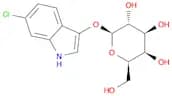
function:Involved in the transport of proteins between the endosomes and the trans Golgi network.,similarity:Belongs to the small GTPase superfamily. Rab family.,β-D-Galactopyranoside, 6-chloro-1H-indol-3-yl
CAS:Formula:C14H16ClNO6Purity:98%Molecular weight:329.7329OCT3 rabbit pAb
Polyspecific organic cation transporters in the liver, kidney, intestine, and other organs are critical for elimination of many endogenous small organic cations as well as a wide array of drugs and environmental toxins. This gene is one of three similar cation transporter genes located in a cluster on chromosome 6. The encoded protein contains twelve putative transmembrane domains and is a plasma integral membrane protein. [provided by RefSeq, Jul 2008],HNF-4α/γ rabbit pAb
The protein encoded by this gene is a nuclear transcription factor which binds DNA as a homodimer. The encoded protein controls the expression of several genes, including hepatocyte nuclear factor 1 alpha, a transcription factor which regulates the expression of several hepatic genes. This gene may play a role in development of the liver, kidney, and intestines. Mutations in this gene have been associated with monogenic autosomal dominant non-insulin-dependent diabetes mellitus type I. Alternative splicing of this gene results in multiple transcript variants encoding several different isoforms. [provided by RefSeq, Apr 2012],Bombesin Receptor 2 rabbit pAb
Gastrin-releasing peptide (GRP) regulates numerous functions of the gastrointestinal and central nervous systems, including release of gastrointestinal hormones, smooth muscle cell contraction, and epithelial cell proliferation and is a potent mitogen for neoplastic tissues. The effects of GRP are mediated through the gastrin-releasing peptide receptor. This receptor is a glycosylated, 7-transmembrane G-protein coupled receptor that activates the phospholipase C signaling pathway. The receptor is aberrantly expressed in numerous cancers such as those of the lung, colon, and prostate. An individual with autism and multiple exostoses was found to have a balanced translocation between chromosome 8 and a chromosome X breakpoint located within the gastrin-releasing peptide receptor gene.SPIT2 rabbit pAb
This gene encodes a transmembrane protein with two extracellular Kunitz domains that inhibits a variety of serine proteases. The protein inhibits HGF activator which prevents the formation of active hepatocyte growth factor. This gene is a putative tumor suppressor, and mutations in this gene result in congenital sodium diarrhea. Multiple transcript variants encoding different isoforms have been found for this gene. [provided by RefSeq, Oct 2009],NFAT1 (Phospho Ser326) rabbit pAb
This gene is a member of the nuclear factor of activated T cells (NFAT) family. The product of this gene is a DNA-binding protein with a REL-homology region (RHR) and an NFAT-homology region (NHR). This protein is present in the cytosol and only translocates to the nucleus upon T cell receptor (TCR) stimulation, where it becomes a member of the nuclear factors of activated T cells transcription complex. This complex plays a central role in inducing gene transcription during the immune response. Alternate transcriptional splice variants encoding different isoforms have been characterized. [provided by RefSeq, Apr 2012],Na+/K+-ATPase α1 rabbit pAb
The protein encoded by this gene belongs to the family of P-type cation transport ATPases, and to the subfamily of Na+/K+ -ATPases. Na+/K+ -ATPase is an integral membrane protein responsible for establishing and maintaining the electrochemical gradients of Na and K ions across the plasma membrane. These gradients are essential for osmoregulation, for sodium-coupled transport of a variety of organic and inorganic molecules, and for electrical excitability of nerve and muscle. This enzyme is composed of two subunits, a large catalytic subunit (alpha) and a smaller glycoprotein subunit (beta). The catalytic subunit of Na+/K+ -ATPase is encoded by multiple genes. This gene encodes an alpha 1 subunit. Multiple transcript variants encoding different isoforms have been found for this gene. [provided by RefSeq, May 2009],STRN3 rabbit pAb
alternative products:Additional isoforms seem to exist,caution:Was originally (PubMed:7864889) thought to be nuclear.,function:Binds calmodulin in a calcium dependent manner. May function as scaffolding or signaling protein.,similarity:Belongs to the WD repeat striatin family.,similarity:Contains 6 WD repeats.,subunit:Interacts with protein phosphatase 2A (PP2A) .,BMP-4 rabbit pAb
disease:Defects in BMP4 are the cause of microphthalmia syndromic type 6 (MCOPS6) [MIM:607932]; also known as microphthalmia and pituitary anomalies or microphthalmia with brain and digit developmental anomalies. Microphthalmia is a clinically heterogeneous disorder of eye formation, ranging from small size of a single eye to complete bilateral absence of ocular tissues (anophthalmia). In many cases, microphthalmia/anophthalmia occurs in association with syndromes that include non-ocular abnormalities. MCOPS6 is characterized by microphthalmia/anophthalmia associated with facial, genital, skeletal, neurologic and endocrine anomalies.,function:Induces cartilage and bone formation. Also act in mesoderm induction, tooth development, limb formation and fracture repair.,online information:Bone morphogenetic protein 4 entry,similarity:Belongs to the TGF-beta family.,subunit:Homodimer; disulfide-linked (By similarity). Interacts with GREM2 (By similarity) and SOSTDC1. Part of a complex consisting of TWSG1 and CHRD.,tissue specificity:Expressed in the lung and lower levels seen in the kidney. Present also in normal and neoplastic prostate tissues, and prostate cancer cell lines.,Synuclein-α rabbit pAb
Alpha-synuclein is a member of the synuclein family, which also includes beta- and gamma-synuclein. Synucleins are abundantly expressed in the brain and alpha- and beta-synuclein inhibit phospholipase D2 selectively. SNCA may serve to integrate presynaptic signaling and membrane trafficking. Defects in SNCA have been implicated in the pathogenesis of Parkinson disease. SNCA peptides are a major component of amyloid plaques in the brains of patients with Alzheimer's disease. Alternatively spliced transcripts encoding different isoforms have been identified for this gene. [provided by RefSeq, Feb 2016],DESP rabbit pAb
This gene encodes a protein that anchors intermediate filaments to desmosomal plaques and forms an obligate component of functional desmosomes. Mutations in this gene are the cause of several cardiomyopathies and keratodermas, including skin fragility-woolly hair syndrome. Alternative splicing results in multiple transcript variants. [provided by RefSeq, Jan 2016],F90AK rabbit pAb
FAM90A20 belongs to subfamily II of the primate-specific FAM90A gene family, which originated from multiple duplications and rearrangements (Bosch et al., 2007 [PubMed 17684299]). For background information on the FAM90A gene family, as well as information on the evolution of FAM90A genes, see FAM90A1 (MIM 613041).[supplied by OMIM, Oct 2009],ANPRA rabbit pAb
Guanylyl cyclases, catalyzing the production of cGMP from GTP, are classified as soluble and membrane forms (Garbers and Lowe, 1994 [PubMed 7982997]). The membrane guanylyl cyclases, often termed guanylyl cyclases A through F, form a family of cell-surface receptors with a similar topographic structure: an extracellular ligand-binding domain, a single membrane-spanning domain, and an intracellular region that contains a protein kinase-like domain and a cyclase catalytic domain. GC-A and GC-B function as receptors for natriuretic peptides; they are also referred to as atrial natriuretic peptide receptor A (NPR1) and type B (NPR2; MIM 108961). Also see NPR3 (MIM 108962), which encodes a protein with only the ligand-binding transmembrane and 37-amino acid cytoplasmic domains. NPR1 is a membrane-bound guanylate cyclase that serves as the receptor for both atrial and brain natriuretic peptides (ARibosomal Protein S12 rabbit pAb
Ribosomes, the organelles that catalyze protein synthesis, consist of a small 40S subunit and a large 60S subunit. Together these subunits are composed of 4 RNA species and approximately 80 structurally distinct proteins. This gene encodes a ribosomal protein that is a component of the 40S subunit. The protein belongs to the S12E family of ribosomal proteins. It is located in the cytoplasm. Increased expression of this gene in colorectal cancers compared to matched normal colonic mucosa has been observed. As is typical for genes encoding ribosomal proteins, there are multiple processed pseudogenes of this gene dispersed through the genome. [provided by RefSeq, Jul 2008],Cdc25B rabbit pAb
cell division cycle 25B(CDC25B) Homo sapiens CDC25B is a member of the CDC25 family of phosphatases. CDC25B activates the cyclin dependent kinase CDC2 by removing two phosphate groups and it is required for entry into mitosis. CDC25B shuttles between the nucleus and the cytoplasm due to nuclear localization and nuclear export signals. The protein is nuclear in the M and G1 phases of the cell cycle and moves to the cytoplasm during S and G2. CDC25B has oncogenic properties, although its role in tumor formation has not been determined. Multiple transcript variants for this gene exist. [provided by RefSeq, Jul 2008],Rab 26 rabbit pAb
Members of the RAB protein family, including RAB26, are important regulators of vesicular fusion and trafficking. The RAB family of small G proteins regulates intercellular vesicle trafficking, including exocytosis, endocytosis, and recycling (summary by Seki et al., 2000 [PubMed 11043516]).[supplied by OMIM, Nov 2010],CaMKIIα/β/δ rabbit pAb
The product of this gene belongs to the serine/threonine protein kinases family, and to the Ca(2+)/calmodulin-dependent protein kinases subfamily. Calcium signaling is crucial for several aspects of plasticity at glutamatergic synapses. This calcium calmodulin-dependent protein kinase is composed of four different chains: alpha, beta, gamma, and delta. The alpha chain encoded by this gene is required for hippocampal long-term potentiation (LTP) and spatial learning. In addition to its calcium-calmodulin (CaM)-dependent activity, this protein can undergo autophosphorylation, resulting in CaM-independent activity. Two transcript variants encoding distinct isoforms have been identified for this gene. [provided by RefSeq, Nov 2008],CO3 rabbit pAb
Complement component C3 plays a central role in the activation of complement system. Its activation is required for both classical and alternative complement activation pathways. The encoded preproprotein is proteolytically processed to generate alpha and beta subunits that form the mature protein, which is then further processed to generate numerous peptide products. The C3a peptide, also known as the C3a anaphylatoxin, modulates inflammation and possesses antimicrobial activity. Mutations in this gene are associated with atypical hemolytic uremic syndrome and age-related macular degeneration in human patients. [provided by RefSeq, Nov 2015],OR2J1 rabbit pAb
Olfactory receptors interact with odorant molecules in the nose, to initiate a neuronal response that triggers the perception of a smell. The olfactory receptor proteins are members of a large family of G-protein-coupled receptors (GPCR) arising from single coding-exon genes. Olfactory receptors share a 7-transmembrane domain structure with many neurotransmitter and hormone receptors and are responsible for the recognition and G protein-mediated transduction of odorant signals. The olfactory receptor gene family is the largest in the genome. The nomenclature assigned to the olfactory receptor genes and proteins for this organism is independent of other organisms. [provided by RefSeq, Jul 2008],TReP-132 rabbit pAb
This gene encodes a zinc-finger transcriptional regulating protein which interacts with CBP/p300 to regulate the human gene CYP11A1. Alternative splicing results in multiple transcript variants encoding different isoforms. [provided by RefSeq, Jul 2014],CstF-64T rabbit pAb
function:May play a significant role in AAUAAA-independent mRNA polyadenylation in germ cells. Directly involved in the binding to pre-mRNAs.,PTM:Phosphorylated upon DNA damage, probably by ATM or ATR.,similarity:Contains 1 RRM (RNA recognition motif) domain.,MRP-L50 rabbit pAb
Mammalian mitochondrial ribosomal proteins are encoded by nuclear genes and help in protein synthesis within the mitochondrion. Mitochondrial ribosomes (mitoribosomes) consist of a small 28S subunit and a large 39S subunit. They have an estimated 75% protein to rRNA composition compared to prokaryotic ribosomes, where this ratio is reversed. Another difference between mammalian mitoribosomes and prokaryotic ribosomes is that the latter contain a 5S rRNA. Among different species, the proteins comprising the mitoribosome differ greatly in sequence, and sometimes in biochemical properties, which prevents easy recognition by sequence homology. This gene encodes a putative 39S subunit protein and belongs to the L47P ribosomal protein family. Pseudogenes corresponding to this gene are found on chromosomes 2p, 2q, 5p, and 10q. [provided by RefSeq, Jul 2008],NEB2 rabbit pAb
This gene encodes a scaffold protein that functions as a regulatory subunit of protein phosphatase 1a. Expression of this gene is particularly high in dendritic spines, suggesting that the encoded protein may play a role in receiving signals from the central nervous system. The encoded protein has putative tumor suppressor function and decreased expression has been observed in tumors. [provided by RefSeq, Feb 2014],NBR1 (7C3) Mouse mAb
NBR1 protein is known for its encoding gene proximity to the BRCA1 tumor suppressor gene. N-terminal Phox and Bem1p (PB1) domains of NBR1 mediate its interaction with muscle specific titin kinase and scaffolding protein p62. NBR1 plays a role in autophagy by facilitating the autophagosomal degradation of ubiquitinated proteins independently and also in concert with p62.ANX11 rabbit pAb
This gene encodes a member of the annexin family, a group of calcium-dependent phospholipid-binding proteins. Annexins have unique N-terminal domains and conserved C-terminal domains, which contain calcium-dependent phospholipid-binding sites. The encoded protein is a 56-kD antigen recognized by sera from patients with various autoimmune diseases. Several transcript variants encoding two different isoforms have been identified. [provided by RefSeq, Dec 2015],SO4C1 rabbit pAb
SLCO4C1 belongs to the organic anion transporter (OATP) family. OATPs are involved in the membrane transport of bile acids, conjugated steroids, thyroid hormone, eicosanoids, peptides, and numerous drugs in many tissues (Mikkaichi et al., 2004 [PubMed 14993604]).[supplied by OMIM, Mar 2008],PLK-5 rabbit pAb
PLK5 (Polo Like Kinase 5) is a Protein Coding gene. Gene Ontology (GO) annotations related to PLK5 include transferase activity, transferring phosphorus-containing groups and protein kinase activity. An important paralog of PLK5 is PLK4.ERAP2 rabbit pAb
This gene encodes a zinc metalloaminopeptidase of the M1 protease family that resides in the endoplasmic reticulum and functions in N-terminal trimming antigenic epitopes for presentation by major histocompatibility complex (MHC) class I molecules. Certain mutations in this gene are associated with the inflammatory arthritis syndrome ankylosing spondylitis and pre-eclampsia. This gene is located adjacent to a closely related aminopeptidase gene on chromosome 5. [provided by RefSeq, Jul 2016],GPR146 rabbit pAb
function:Orphan receptor.,similarity:Belongs to the G-protein coupled receptor 1 family.,TFDP1 rabbit pAb
This gene encodes a member of a family of transcription factors that heterodimerize with E2F proteins to enhance their DNA-binding activity and promote transcription from E2F target genes. The encoded protein functions as part of this complex to control the transcriptional activity of numerous genes involved in cell cycle progression from G1 to S phase. Alternative splicing results in multiple transcript variants. Pseudogenes of this gene are found on chromosomes 1, 15, and X.[provided by RefSeq, Jan 2009],RGS17 rabbit pAb
This gene encodes a member of the regulator of G-protein signaling family. This protein contains a conserved, 120 amino acid motif called the RGS domain and a cysteine-rich region. The protein attenuates the signaling activity of G-proteins by binding to activated, GTP-bound G alpha subunits and acting as a GTPase activating protein (GAP), increasing the rate of conversion of the GTP to GDP. This hydrolysis allows the G alpha subunits to bind G beta/gamma subunit heterodimers, forming inactive G-protein heterotrimers, thereby terminating the signal. [provided by RefSeq, Jul 2008],SLC43A1 rabbit pAb
SLC43A1 belongs to the system L family of plasma membrane carrier proteins that transports large neutral amino acids (Babu et al., 2003 [PubMed 12930836]).[supplied by OMIM, Mar 2008],Dok-2 (phospho Tyr345) rabbit pAb
docking protein 2(DOK2) Homo sapiens The protein encoded by this gene is constitutively tyrosine phosphorylated in hematopoietic progenitors isolated from chronic myelogenous leukemia (CML) patients in the chronic phase. It may be a critical substrate for p210(bcr/abl), a chimeric protein whose presence is associated with CML. This encoded protein binds p120 (RasGAP) from CML cells. [provided by RefSeq, Jul 2008],Serine racemase rabbit pAb
catalytic activity:L-serine = D-serine.,cofactor:Pyridoxal phosphate.,function:Catalyzes the synthesis of D-serine from L-serine.,similarity:Belongs to the serine/threonine dehydratase family.,tissue specificity:Brain: expressed at high levels in hippocampus and corpus callosum, intermediate levels in substantia nigra and caudate, and low levels in amygdala, thalamus, and subthalamic nuclei. Expressed in heart, skeletal muscle, kidney and liver.,MY18B rabbit pAb
The protein encoded by this gene may regulate muscle-specific genes when in the nucleus and may influence intracellular trafficking when in the cytoplasm. The encoded protein functions as a homodimer and may interact with F actin. Mutations in this gene are associated with lung cancer. [provided by RefSeq, Jul 2008],PI 3-Kinase p110γ rabbit pAb
Phosphoinositide 3-kinases (PI3Ks) phosphorylate inositol lipids and are involved in the immune response. The protein encoded by this gene is a class I catalytic subunit of PI3K. Like other class I catalytic subunits (p110-alpha p110-beta, and p110-delta), the encoded protein binds a p85 regulatory subunit to form PI3K. This gene is located in a commonly deleted segment of chromosome 7 previously identified in myeloid leukemias. Several transcript variants encoding the same protein have been found for this gene. [provided by RefSeq, Jun 2015],TBC1D4 rabbit pAb
This gene is a member of the Tre-2/BUB2/CDC16 domain family. The protein encoded by this gene is a Rab-GTPase-activating protein, and contains two phopshotyrosine-binding domains (PTB1 and PTB2), a calmodulin-binding domain (CBD), a Rab-GTPase domain, and multiple AKT phosphomotifs. This protein is thought to play an important role in glucose homeostasis by regulating the insulin-dependent trafficking of the glucose transporter 4 (GLUT4), important for removing glucose from the bloodstream into skeletal muscle and fat tissues. Reduced expression of this gene results in an increase in GLUT4 levels at the plasma membrane, suggesting that this protein is important in intracellular retention of GLUT4 under basal conditions. When exposed to insulin, this protein is phosphorylated, dissociates from GLUT4 vesicles, resulting in increased GLUT4 at the cell surface, and enhanced glucose transport. PhAQP6 rabbit pAb
The protein encoded by this gene is an aquaporin protein, which functions as a water channel in cells. Aquaporins are a family of small integral membrane proteins related to the major intrinsic protein (MIP or AQP0). This protein is specific for the kidney. This gene and related family members AQP0, AQP2, and AQP5 reside in a cluster on chromosome 12q13. [provided by RefSeq, Jul 2008],