Primary Antibodies
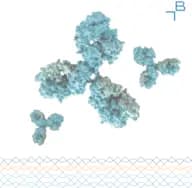
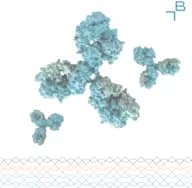
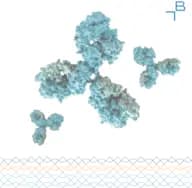
Primary antibodies are immunoglobulins that bind specifically to an antigen of interest, allowing for the detection and quantification of proteins, peptides, or other biomolecules. These antibodies are critical tools in a wide range of applications, including Western blotting, immunohistochemistry, and ELISA. At CymitQuimica, we offer an extensive selection of high-quality primary antibodies that provide specificity and sensitivity for various research needs, including cancer, immunology, and cell biology studies.
Subcategories of "Primary Antibodies"
- Cancer Research Antibodies(3,620 products)
- Cardiovascular Antibodies(2 products)
- Developmental Biology(751 products)
- Epigenetics Antibodies(162 products)
- Immunology Antibodies(2,624 products)
- Metabolism Antibodies(279 products)
- Microbiology Antibodies(736 products)
- Signal Transduction(2,717 products)
- Tags & Cellular Markers(33 products)
Show 1 more subcategories
Found 75324 products of "Primary Antibodies"
Sort by
Purity (%)
0
100
|
0
|
50
|
90
|
95
|
100
U1SNRNPBP antibody
<p>U1SNRNPBP antibody was raised using the N terminal of U1SNRNPBP corresponding to a region with amino acids RAVWRAMLARYVPNKGVIGDPLLTLFVARLNLQTKEDKLKEVFSRYGDIR</p>CTSL2 antibody
<p>CTSL2 antibody was raised in rabbit using the C terminal of CTSL2 as the immunogen</p>VHL antibody
<p>The VHL antibody is a multidrug monoclonal antibody that specifically targets molecules involved in endothelial growth. It is widely used in Life Sciences research to study the role of growth factors, chemokines, and other signaling molecules in various cellular processes. This antibody has been shown to effectively neutralize the activity of activated growth factors, leading to a decrease in cell proliferation and migration. Additionally, it has demonstrated cytotoxic effects on cancer cells through its ability to induce cell death via various mechanisms, including hybridization and cell cytotoxicity. The VHL antibody is an essential tool for researchers studying angiogenesis, tumor biology, and therapeutic development.</p>Doublecortin antibody
<p>The Doublecortin antibody is a highly specialized antibody that is activated by plasmin activity. It is commonly used in Life Sciences research to study protein-protein interactions and proteolytic processes. This antibody specifically targets hepcidin, a peptide hormone involved in iron metabolism, and has been shown to have neuroprotective effects. Additionally, the Doublecortin antibody has been found to inhibit glutamate-induced cell cytotoxicity and fibrinogen binding. It is available as both a monoclonal and polyclonal antibody, allowing researchers to choose the best option for their specific needs. With its high specificity and ability to target specific amino acid residues, the Doublecortin antibody is a valuable tool in various research applications.</p>RGS20 antibody
<p>RGS20 antibody was raised using the N terminal of RGS20 corresponding to a region with amino acids KHFSRPSIWTQFLPLFRAQRYNTDIHQITENEGDLRAVPDIKSFPPAQLP</p>ROCK2 antibody
<p>ROCK2 antibody was raised in rabbit using the middle region of ROCK2 as the immunogen</p>SH3BP5 antibody
<p>SH3BP5 antibody was raised in rabbit using the C terminal of SH3BP5 as the immunogen</p>CD49b antibody (Azide Free)
<p>CD49b antibody (Azide free) was raised in rat using RIL-2-propagated NK1.1+ cells from C57BL/6 mice as the immunogen.</p>CCT6B antibody
<p>CCT6B antibody was raised using a synthetic peptide corresponding to a region with amino acids VARTSLQTKVHAELADVLTEVVVDSVLAVRRPGYPIDLFMVEIMEMKHKL</p>GFAP antibody
GFAP antibody was raised in mouse using intermediate filament cytoskeleton from cultured human glioma cells as the immunogen.NT5DC1 antibody
<p>NT5DC1 antibody was raised using the N terminal of NT5DC1 corresponding to a region with amino acids EWKHFLSDTGMACRSGKYYFYDNYFDLPGALLCARVVDYLTKLNNGQKTF</p>JAB1 antibody
<p>The JAB1 antibody is a highly specialized product in the field of Life Sciences. It is an anti-mesothelin antibody that specifically binds to mesothelin, a protein involved in cell growth and differentiation. This antibody has been extensively studied and shown to have neutralizing properties against mesothelin, making it a valuable tool for research purposes.</p>CMV antibody (FITC)
CMV antibody (FITC) was raised in goat using purified virions of strain AD169 as the immunogen.NOS3 antibody
<p>The NOS3 antibody is a highly specialized monoclonal antibody used in Life Sciences research. It specifically targets and binds to the NOS3 protein, also known as endothelial nitric oxide synthase. This antibody is widely used in various applications, including immunohistochemistry, Western blotting, and ELISA assays.</p>FAM121B antibody
<p>FAM121B antibody was raised using the N terminal Of Fam121B corresponding to a region with amino acids PASLSLLTFKVYAAPKKDSPPKNSVKVDELSLYSVPEGQSKYVEEARSQL</p>cRel antibody
<p>The cRel antibody is a highly specialized monoclonal antibody that targets the cRel protein. This antibody has been extensively studied in the field of Life Sciences and has shown promising results in various applications. The cRel antibody specifically binds to the glutamate residues of the cRel protein, which plays a crucial role in regulating gene expression and immune response.</p>KIAA1191 antibody
KIAA1191 antibody was raised using the middle region of KIAA1191 corresponding to a region with amino acids TKYLRVAEALHKLKLQSGEVTKEERQPASAQSTPSTTPHSSPKQRPRGWFPBLD antibody
PBLD antibody was raised using the N terminal of PBLD corresponding to a region with amino acids KLPIFIADAFTARAFRGNPAAVCLLENELDEDMHQKIAREMNLSETAFIRRPL8 antibody
<p>RPL8 antibody was raised using the C terminal of RPL8 corresponding to a region with amino acids EHPFGGGNHQHIGKPSTIRRDAPAGRKVGLIAARRTGRLRGTKTVQEKEN</p>SMPX antibody
<p>SMPX antibody was raised using the middle region of SMPX corresponding to a region with amino acids TPEVEEGVPPTSDEEKKPIPGAKKLPGPAVNLSEIQNIKSELKYVPKAEQ</p>MVD antibody
<p>The MVD antibody is a highly specialized monoclonal antibody that targets the protein MVD (mevalonate diphosphate decarboxylase). This antibody is commonly used in Life Sciences research to study the function and regulation of MVD in various biological processes. It has been shown to interact with interleukin-6, chemokines, and nuclear proteins, indicating its involvement in immune responses and cellular signaling pathways.</p>IGF1R antibody
<p>The IGF1R antibody is a growth factor that belongs to the class of monoclonal antibodies. It is similar to trastuzumab and other antibodies in its ability to target specific proteins and inhibit their activity. The IGF1R antibody specifically targets the insulin-like growth factor 1 receptor (IGF1R), which plays a crucial role in cell proliferation, differentiation, and survival. By binding to IGF1R, this antibody prevents the activation of downstream signaling pathways, thereby inhibiting tumor growth.</p>COX4I1 antibody
<p>COX4I1 antibody was raised using the N terminal of COX4I1 corresponding to a region with amino acids AISTSVCVRAHESVVKSEDFSLPAYMDRRDHPLPEVAHVKHLSASQKALK</p>AES antibody
<p>AES antibody was raised using the C terminal of AES corresponding to a region with amino acids GLQPPSLPAVSAGTGLLSLSALGSQAHLSKEDKNGHDGDTHQEDDGEKSD</p>NF kappaB p65 antibody
<p>The NF kappaB p65 antibody is a highly specialized monoclonal antibody used in the field of life sciences. It is designed to specifically bind to the NF kappaB p65 protein, which plays a critical role in regulating gene expression and cellular processes. This antibody has been extensively tested and validated for its receptor binding activity in human serum.</p>ERK8 antibody
<p>The ERK8 antibody is a polyclonal antibody that specifically targets the protein kinase ERK8. It is commonly used in life sciences research to study the expression and function of this important signaling molecule. The antibody can be used for various applications, including immunofluorescence, immunohistochemistry, and Western blotting. It has been shown to effectively detect ERK8 in microvessel endothelial cells and other cell types. The ERK8 antibody is a valuable tool for researchers studying signal transduction pathways, cell proliferation, and differentiation. Its high specificity and sensitivity make it an essential component of any laboratory studying protein kinases and their role in cellular processes.</p>SFTPB antibody
<p>The SFTPB antibody is a specific antibody used in Life Sciences research. It is a monoclonal antibody that specifically binds to surfactant protein B (SFTPB), which plays a crucial role in lung function. This antibody can be used for various applications, including the detection and quantification of SFTPB in samples such as human serum or tissue lysates. Additionally, it has been shown to have serum albumin-binding properties, making it useful for studies involving serum albumin or related proteins. The SFTPB antibody can also be used in combination with other antibodies, such as anti-thyroglobulin antibodies or phospholipid scramblase antibodies, to investigate specific pathways or protein interactions. Its high affinity and specificity make it an essential tool for researchers studying lung biology or related fields.</p>Aggrecan antibody
The Aggrecan antibody is a monoclonal antibody that specifically targets the aggrecan molecule. Aggrecan is a large proteoglycan found in the extracellular matrix of various tissues, including cartilage and intervertebral discs. This antibody has been shown to have cytotoxic effects on cells that express high levels of aggrecan, making it a potential therapeutic option for conditions involving excessive aggrecan production or accumulation.CrkII antibody
<p>The 6-Fluoro-3-indoxyl-beta-D-galactopyranoside is a powerful antituberculosis drug that falls under the class of rifamycins. It is known for its bactericidal activity against tuberculosis infections. This active compound works by inhibiting bacterial growth through binding to DNA-dependent RNA polymerase, thereby preventing transcription and replication. Additionally, it has been shown to specifically bind to markers expressed in Mycobacterium tuberculosis strains, leading to inhibition of cell growth. The metabolization process involves various transformations, such as hydrolysis by esterases or glucuronidases, oxidation by cytochrome P450 enzymes, reduction by glutathione reductase, or conjugation with glucuronic acid.</p>BRAF antibody
<p>The BRAF antibody is a monoclonal antibody that is used in the field of Life Sciences. It specifically targets and binds to the BRAF protein, which plays a crucial role in cell growth and division. By binding to this protein, the antibody inhibits its catalase activity, preventing abnormal cell proliferation.</p>PDE10A antibody
The PDE10A antibody is a highly specialized inhibitor used in Life Sciences research. It targets the mitogen-activated protein kinase kinase (MAPKK) pathway, which plays a crucial role in cell growth and differentiation. This antibody has been extensively tested and proven effective in blocking the activity of PDE10A, a protein kinase that regulates various cellular processes.LGALS3BP antibody
The LGALS3BP antibody is a highly specific monoclonal antibody that targets the LGALS3BP protein. This protein plays a crucial role in various biological processes, including cell adhesion, migration, and immune response. The LGALS3BP antibody has been engineered to have high affinity and specificity for the LGALS3BP protein, making it an ideal tool for research in Life Sciences.Troponin I antibody
<p>Troponin I antibody is a polyclonal antibody that specifically targets troponin I, a protein found in cardiac muscle. This antibody has a high affinity for troponin I and can be used in various applications such as immunoassays, western blotting, and immunohistochemistry. It has been shown to have low background binding and excellent sensitivity, making it an ideal tool for detecting and quantifying troponin I levels in biological samples. The neutralizing properties of this antibody allow for the inhibition of troponin I function, providing valuable insights into its role in cardiac muscle contraction. Additionally, this antibody can be used for endocytic uptake studies to investigate the internalization of troponin I and its potential involvement in cellular processes. With its nanocomposite colloidal formulation, this antibody offers enhanced stability and ease of use. Whether you are conducting research in the field of life sciences or developing diagnostic assays, the troponin I antibody is an essential tool for studying</p>Connexin 26 antibody
<p>Connexin 26 antibody is a highly specialized family kinase inhibitor that belongs to the class of polyclonal antibodies. It targets the epidermal growth factor and other growth factors, inhibiting their activity and preventing cell proliferation. This antibody can also be used in Life Sciences research to study the activation of various signaling pathways, including those involving interferon and β-catenin. Additionally, it has been shown to inhibit phosphatase activity and block the expression of virus surface antigens. Connexin 26 antibody is available as both monoclonal and polyclonal antibodies, providing researchers with a variety of options for their experiments. Its cytotoxic properties make it a valuable tool for studying protein interactions and developing targeted inhibitors.</p>Cytokeratin 19 antibody
Cytokeratin 19 antibody is a highly specific monoclonal antibody that targets protein isoforms of cytokeratin 19, a glycoprotein expressed in various tissues. This antibody acts as an inhibitor, blocking the activity of cytokeratin 19 and preventing its interaction with other proteins. It can be used in research and diagnostic applications to study the role of cytokeratin 19 in different cellular processes.CK19 antibody
<p>The CK19 antibody is a highly specialized monoclonal antibody used in the field of life sciences. It is designed to target and bind to the protein known as cytokeratin 19 (CK19). This glycopeptide is found in various tissues, including epithelial cells and certain types of cancer cells.</p>FRK antibody
The FRK antibody is a protein that has various functions in the body. It acts as an anticoagulant, meaning it helps prevent blood clotting. Additionally, it plays a role in regulating glucagon and erythropoietin levels, which are important hormones involved in metabolism and red blood cell production, respectively.nNOS antibody (Ser852)
<p>Synthetic human phosphopeptide nNOS (Ser847) region immunogen, Rabbit polyclonal nNOS antibody (Ser852)</p>ID3 antibody
<p>The ID3 antibody is a monoclonal antibody that specifically targets and binds to the protein ID3. This protein is involved in cholinergic signaling and plays a crucial role in various cellular processes. The ID3 antibody can be used for research purposes, such as studying the function of ID3 in different cell types or investigating its role in disease development.</p>SNAP25 antibody
<p>The SNAP25 antibody is a monoclonal antibody that specifically targets clostridial neurotoxins. It is widely used in the field of Life Sciences for research purposes. This antibody has been shown to effectively neutralize the effects of clostridial neurotoxins by binding to them and preventing their interaction with target cells. The SNAP25 antibody is highly specific and does not cross-react with other proteins or molecules commonly found in biological samples. It has been extensively tested in various sample matrices, including human serum, and has shown excellent performance. Additionally, this antibody has been proven to be stable under different storage conditions and retains its activity even after multiple freeze-thaw cycles. Researchers rely on the SNAP25 antibody for its reliability and accuracy in detecting and quantifying clostridial neurotoxins in their experiments.</p>ACTB antibody
<p>The ACTB antibody is a monoclonal antibody used in the field of Life Sciences. It specifically targets and binds to ACTB, which stands for Actin Beta, an important protein involved in cellular processes such as cell movement and structure. This antibody has been shown to have inhibitory effects on interferon, a signaling molecule involved in the immune response.</p>TRPM4 antibody
<p>The 6-Fluoro-3-indoxyl-beta-D-galactopyranoside is a powerful antituberculosis drug that falls under the class of rifamycins. It is highly effective in treating tuberculosis infections and contains active compounds that exhibit bactericidal activity. This drug works by binding to DNA-dependent RNA polymerase, preventing transcription and replication, thus inhibiting bacterial growth. Extensive research has shown its high frequency of human activity using a patch-clamp technique on human erythrocytes. Metabolically, it undergoes various transformations such as hydrolysis by esterases or glucuronidases, oxidation by cytochrome P450 enzymes, reduction by glutathione reductase, or conjugation with glucuronic acid. Additionally, it specifically targets markers expressed at high levels in Mycobacterium tuberculosis strains and inhibits their cell growth in culture.</p>SFRS12IP1 antibody
<p>SFRS12IP1 antibody was raised using the middle region of SFRS12IP1 corresponding to a region with amino acids NEEEEKKKEKSKEKIKLKKKRKRSYSSSSTEEDTSKQKKQKYQKKEKKKE</p>TGFB2 antibody
<p>The TGFB2 antibody is a highly specialized antibody that targets the protein transforming growth factor beta 2 (TGFB2). It belongs to the class of antibodies known as polyclonal antibodies, which are produced by multiple B cell clones and can recognize different epitopes on the target antigen. This antibody is widely used in life sciences research to study the role of TGFB2 in various biological processes.</p>GAPDH antibody
<p>The GAPDH antibody is a highly specialized monoclonal antibody that targets the glyceraldehyde-3-phosphate dehydrogenase (GAPDH) protein. This cysteine-rich protein plays a crucial role in various cellular processes, including glycolysis and energy metabolism. Additionally, GAPDH has been identified as an angiogenic inducer and an activated growth factor.</p>HSC70 antibody
<p>The 6-Fluoro-3-indoxyl-beta-D-galactopyranoside is an antituberculosis drug that belongs to the class of rifamycins. It is highly effective in treating tuberculosis infection due to its bactericidal activity. This active compound works by binding to DNA-dependent RNA polymerase, inhibiting transcription and replication. Its potency has been demonstrated through various techniques such as the patch-clamp technique on human erythrocytes. The drug undergoes several metabolic transformations, including hydrolysis by esterases or glucuronidases, oxidation by cytochrome P450 enzymes, reduction by glutathione reductase, or conjugation with glucuronic acid. Additionally, it specifically targets markers expressed in Mycobacterium tuberculosis strains and inhibits their growth in culture.</p>