Primary Antibodies
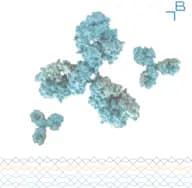
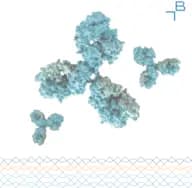
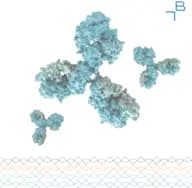
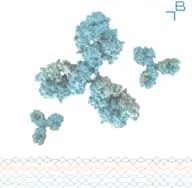
Primary antibodies are immunoglobulins that bind specifically to an antigen of interest, allowing for the detection and quantification of proteins, peptides, or other biomolecules. These antibodies are critical tools in a wide range of applications, including Western blotting, immunohistochemistry, and ELISA. At CymitQuimica, we offer an extensive selection of high-quality primary antibodies that provide specificity and sensitivity for various research needs, including cancer, immunology, and cell biology studies.
Subcategories of "Primary Antibodies"
- Cancer Research Antibodies(3,620 products)
- Cardiovascular Antibodies(2 products)
- Developmental Biology(751 products)
- Epigenetics Antibodies(162 products)
- Immunology Antibodies(2,624 products)
- Metabolism Antibodies(279 products)
- Microbiology Antibodies(736 products)
- Signal Transduction(2,717 products)
- Tags & Cellular Markers(33 products)
Show 1 more subcategories
Found 75324 products of "Primary Antibodies"
Sort by
Purity (%)
0
100
|
0
|
50
|
90
|
95
|
100
BECN1 antibody
The BECN1 antibody is a highly active agent that belongs to the class of monoclonal antibodies used in Life Sciences. It specifically targets and binds to BECN1, a protein involved in autophagy regulation. This antibody has been shown to have a high affinity for BECN1, making it an effective tool for studying autophagy processes in various cell types.TRIM45 antibody
<p>TRIM45 antibody was raised using the middle region of TRIM45 corresponding to a region with amino acids EVDPAKCVLQGEDLHRAREKQTASFTLLCKDAAGEIMGRGGDNVQVAVVP</p>AKT1 antibody
The AKT1 antibody is a powerful tool in the field of Life Sciences. It is an acidic polymerase that exhibits endonuclease activity and plays a crucial role in regulating protein synthesis. This Monoclonal Antibody specifically targets the growth factor p38 mitogen-activated protein, as well as β-catenin. The activated form of this monoclonal antibody has been shown to have cytotoxic effects on various cell types, including those expressing nuclear factor kappa-light-chain-enhancer. With its high specificity and potency, the AKT1 antibody is an invaluable asset for researchers studying cellular signaling pathways and protein interactions.CDKN1B antibody
<p>The CDKN1B antibody is a monoclonal antibody that specifically targets the cyclin-dependent kinase inhibitor 1B (CDKN1B). CDKN1B is a protein that plays a crucial role in cell cycle regulation and acts as a tumor suppressor. This antibody binds to CDKN1B and inhibits its function, leading to uncontrolled cell growth and proliferation.</p>GATA6 antibody
The GATA6 antibody is a highly specific monoclonal antibody that targets the human serum. It has been extensively used in Life Sciences research to study the role of GATA6, an important transcription factor involved in various cellular processes. This antibody binds to GATA6 with high affinity and specificity, allowing for accurate detection and quantification of GATA6 levels in biological samples.MARCKS antibody
<p>The MARCKS antibody is a highly specialized monoclonal antibody used in Life Sciences research. It specifically targets the protein MARCKS (Myristoylated Alanine-Rich C Kinase Substrate), which plays a crucial role in cellular processes such as cell adhesion, migration, and signaling. The antibody recognizes specific epitopes on the MARCKS protein, including egf-like domains and sugar moieties.</p>FSIP1 antibody
<p>FSIP1 antibody was raised using the middle region of FSIP1 corresponding to a region with amino acids DEKDSGLSSSEGDQSGWVVPVKGYELAVTQHQQLAEIDIKLQELSAASPT</p>SLC4A1 antibody
<p>SLC4A1 antibody was raised using a synthetic peptide corresponding to a region with amino acids PSQPLLPQHSSLETQLFCEQGDGGTEGHSPSGILEKIPPDSEATLVLVGR</p>MB antibody
<p>MB antibody is a polyclonal antibody that specifically targets the isoenzyme of creatine kinase known as MB. This antibody is widely used in the field of Life Sciences to study various aspects of cardiovascular health and disease. The MB antibody has been shown to be effective in neutralizing the activity of collagen, a protein involved in tissue repair and remodeling. Additionally, this antibody can also be used as a diagnostic tool for detecting the presence of autoantibodies associated with certain cardiovascular conditions. The MB antibody is available in both monoclonal and polyclonal forms, providing researchers with options to suit their specific experimental needs.</p>Histone H3 antibody
<p>The Histone H3 antibody is a highly specialized product used in the field of Life Sciences. It belongs to the category of Polyclonal Antibodies and is specifically designed to target and bind to the histone H3 antigen. This antibody is widely used in various research applications, including immunohistochemistry, western blotting, and chromatin immunoprecipitation.</p>RAB6B antibody
<p>The RAB6B antibody is a highly specific monoclonal antibody that is widely used in Life Sciences research. It specifically targets RAB6B, a small GTPase protein involved in intracellular vesicle trafficking. The antibody can be used for various applications such as immunofluorescence, Western blotting, and immunoprecipitation.</p>Lamin Type A and C antibody
<p>Lamin Type A and C antibody was raised in mouse using Nuclear pore complex-lamina fraction of bovine liver as the immunogen.</p>TIMP2 antibody
The TIMP2 antibody is a monoclonal antibody that specifically binds to tissue inhibitor of metalloproteinase 2 (TIMP2). It plays a crucial role in regulating the activity of matrix metalloproteinases (MMPs), which are enzymes involved in the breakdown of extracellular matrix proteins. The TIMP2 antibody inhibits the binding of MMPs to their substrates, thereby preventing tissue degradation and promoting tissue repair.CRP antibody
<p>CRP antibody was raised in mouse using human CRP derived from pleural/ascetic fluid or plasma as the immunogen.</p>ALDH3B1 antibody
<p>ALDH3B1 antibody was raised using the N terminal of ALDH3B1 corresponding to a region with amino acids DPLGDTLRRLREAFHAGRTRPAEFRAAQLQGLGRFLQENKQLLHDALAQD</p>PPP1R15A antibody
The PPP1R15A antibody is a powerful tool used in various research applications. This antibody specifically targets the PPP1R15A protein, which plays a crucial role in cellular responses to stress and the regulation of protein synthesis.ASXL1 antibody
ASXL1 antibody was raised in mouse using recombinant Human Additional Sex Combs Like 1 (Drosophila) (Asxl1)EXOSC7 antibody
<p>EXOSC7 antibody was raised using the N terminal of EXOSC7 corresponding to a region with amino acids EVETDVVSNTSGSARVKLGHTDILVGVKAEMGTPKLEKPNEGYLEFFVDC</p>MIOX antibody
<p>The MIOX antibody is a powerful tool in the field of Life Sciences. It is an antibody that specifically targets alpha-fetoprotein, an important antigen involved in various biological processes. This antibody is highly specific and has been extensively validated for its accuracy and reliability.</p>ST6GAL1 antibody
<p>The ST6GAL1 antibody is a polyclonal antibody commonly used in the field of Life Sciences. It is specifically designed to target and bind to the ST6GAL1 protein, which plays a crucial role in various cellular processes. This antibody has been extensively tested and validated for its high specificity and sensitivity.</p>GOLM1 antibody
The GOLM1 antibody is a monoclonal antibody that specifically targets and binds to the Golgi membrane protein 1 (GOLM1). This antibody is widely used in various industries, including the life sciences, for research purposes. GOLM1 is involved in various cellular processes, such as polypeptide expression and trafficking. It is highly expressed in microvessel endothelial cells and has been implicated in diseases like non-alcoholic steatohepatitis.LARP1 antibody
<p>LARP1 antibody was raised using the N terminal of LARP1 corresponding to a region with amino acids HKSVQPQSHKPQPTRKLPPKKDMKEQEKGEGSDSKESPKTKSDESGEEKN</p>Keratin K20 antibody
Keratin K20 antibody was raised in mouse using electrophoretically purified keratin K20 from human intestinal mucosa as the immunogen.PRPH antibody
<p>PRPH antibody was raised using the N terminal of PRPH corresponding to a region with amino acids RFANFIEKVRFLEQQNAALRGELSQARGQEPARADQLCQQELRELRRELE</p>CHUK antibody
<p>CHUK antibody was raised in Mouse using a purified recombinant fragment of human CHUK expressed in E. coli as the immunogen.</p>Toll-like receptor 4 antibody (allophycocyanin)
<p>Rat monoclonal Toll-like receptor 4 antibody (allophycocyanin)</p>SPO11 antibody
<p>The SPO11 antibody is a highly specialized protein that plays a crucial role in the process of DNA recombination during meiosis. It specifically targets and binds to the SPO11 protein, which is responsible for initiating the formation of double-strand breaks in DNA. This antibody has been extensively studied in the field of life sciences and is widely used as a research tool in various applications.</p>West Nile virus antibody
<p>The West Nile virus antibody is a monoclonal antibody used in Life Sciences. It binds to specific proteins and inhibits the growth factor GM-CSF, which is involved in the production of white blood cells. This antibody can be used as a research tool for studying the effects of GM-CSF inhibitors on cell growth and differentiation. Additionally, it has been shown to interact with other antibodies, such as transferrin and actin filaments, further expanding its potential applications in various experimental settings. With its ability to modulate colony-stimulating factors and impact cell function, this antibody offers promising opportunities for scientific advancements in the field of immunology and beyond.</p>CD56 antibody
CD56 antibody is a monoclonal antibody used in Life Sciences research. It specifically targets the CD56 antigen, which is expressed on various cell types, including natural killer cells and neural tissues. This antibody is commonly used in studies involving growth factors such as GM-CSF and TGF-β1, as well as colony-stimulating factors. CD56 antibody has been shown to have high affinity and specificity for its target antigen, making it a valuable tool for detecting and analyzing CD56-expressing cells in samples such as human serum or tissue sections. Its binding mechanism involves disulfide bonds, ensuring stable and reliable results. Additionally, this antibody can be utilized in techniques such as immunohistochemistry or flow cytometry to investigate the role of CD56 in various biological processes.LCMT2 antibody
<p>LCMT2 antibody was raised using the C terminal of LCMT2 corresponding to a region with amino acids PVLSDWHFLHVGTMAWVRIPVEGEVPEARHSHSACTWQGGALIAGGLGAS</p>CD69 antibody
<p>The CD69 antibody is a monoclonal antibody that specifically targets the CD69 antigen. CD69 is a cell surface protein that is expressed on activated immune cells, such as T cells and natural killer cells. This antibody can be used in various research applications in the field of Life Sciences to study immune cell activation and function. It has been shown to inhibit hemolysis caused by mycoplasma genitalium infection and can be used as an inhibitor in related studies. The CD69 antibody is also used for the production of human monoclonal antibodies, which are important tools for studying hormone peptides, steroids, and other molecules involved in immune responses. Its unique ability to bind to CD69 dimers makes it a valuable tool for detecting autoantibodies or studying adipose tissue biology.</p>Calicin antibody
Calicin antibody was raised using the C terminal of CCIN corresponding to a region with amino acids TTSVPVLPNSCPLDVSHAICSIGDSKVFVCGGVTTASDVQTKDYTINPNACytochrome P450 2D6 antibody
<p>The Cytochrome P450 2D6 antibody is a highly specialized monoclonal antibody that has the unique ability to neutralize the activity of the Cytochrome P450 2D6 enzyme. This enzyme plays a crucial role in drug metabolism and can affect the efficacy and safety of various medications.</p>PDE3B antibody
<p>The PDE3B antibody is a protein-based product that belongs to the category of antibodies. It is specifically designed to target and bind to the PDE3B enzyme, which plays a crucial role in various cellular processes. This monoclonal antibody has been extensively tested and validated for its specificity and efficacy.</p>SOX12 antibody
SOX12 antibody was raised in mouse using recombinant Human Sry (Sex Determining Region Y)-Box 12RP11-78J21.1 antibody
<p>RP11-78J21.1 antibody was raised using the N terminal of RP11-78J21.1 corresponding to a region with amino acids MSKSASPKEPEQLRKLFIGGLSFETTDESLRSHFEQWGTLTDCVVMRDPN</p>RBMS2 antibody
RBMS2 antibody was raised using the N terminal of RBMS2 corresponding to a region with amino acids MLLSVTSRPGISTFGYNRNNKKPYVSLAQQMAPPSPSNSTPNSSSGSNGNEIF4H antibody
<p>EIF4H antibody was raised using the C terminal of EIF4H corresponding to a region with amino acids TEEERAQRPRLQLKPRTVATPLNQVANPNSAIFGGARPREEVVQKEQE</p>RPN2 antibody
<p>The RPN2 antibody is a highly specialized antibody used in the field of Life Sciences. It is commonly used in research and diagnostic applications to study insulin and its related functions. This antibody is available in both polyclonal and monoclonal forms, allowing researchers to choose the most appropriate option for their specific needs.</p>NUDT21 antibody
<p>NUDT21 antibody was raised in mouse using recombinant Human Nudix (Nucleoside Diphosphate Linked Moiety X)-Type Motif 21 (Nudt21)</p>AIF antibody
The AIF antibody is a monoclonal antibody that specifically targets the apoptosis-inducing factor (AIF). This antibody has been widely used in life sciences research to study the role of AIF in various cellular processes. It acts as a neutralizing agent, inhibiting the activity of AIF and preventing its interaction with other proteins in the cell. The AIF antibody has shown promise as a potential therapeutic agent for diseases involving abnormal cell growth, such as cancer. Its ability to bind to specific antigens makes it a valuable tool for researchers studying protein complexes and signaling pathways. Additionally, this antibody has been found to interact with other molecules involved in lipid metabolism, insulin-like growth factor signaling, and nuclear receptors such as the mineralocorticoid receptor.CDC7 antibody
<p>The CDC7 antibody is a powerful tool in the field of life sciences. It is a polyclonal antibody that specifically targets CDC7, a protein kinase involved in the regulation of cell cycle progression and DNA replication. This antibody can be used for various applications, such as immunofluorescence, Western blotting, and immunohistochemistry.</p>Synaptotagmin antibody
<p>The Synaptotagmin antibody is a diagnostic reagent used in Life Sciences. It is an antibody that specifically binds to the protein Synaptotagmin, which plays a crucial role in neurotransmitter release. This antibody can be used for various applications, including research on synaptic transmission and the study of neurological disorders. The Synaptotagmin antibody is produced using recombinant cells and has high specificity and sensitivity. It is a valuable tool for scientists and researchers working in the field of neuroscience. Additionally, this antibody can also be used as a medicament for therapeutic purposes, such as targeting specific proteins involved in diseases like botulinum poisoning or calpain-related disorders. With its wide range of applications, the Synaptotagmin antibody is an essential tool for any researcher or clinician working in the field of Life Sciences.</p>FES antibody
<p>FES antibody was raised in Mouse using a purified recombinant fragment of FES expressed in E. coli as the immunogen.</p>IGF2BP2 antibody
<p>IGF2BP2 antibody was raised using the middle region of IGF2BP2 corresponding to a region with amino acids QANLIPGLNLSALGIFSTGLSVLSPPAGPRGAPPAAPYHPFTTHSGYFSS</p>YPEL5 antibody
<p>The YPEL5 antibody is a powerful tool in Life Sciences research. It is a polyclonal antibody that specifically targets and binds to the YPEL5 protein, a basic protein involved in various cellular processes. This antibody has been extensively tested and validated for its specificity and sensitivity.</p>CTNNB1 antibody
The CTNNB1 antibody is a highly potent and effective agent used in the field of Life Sciences. This antibody has shown promising results in various applications, including as a serum marker for telomerase activity and interferon-stimulated gene expression. It has also been found to play a crucial role in pluripotent stem cell maintenance and differentiation. Additionally, the CTNNB1 antibody has demonstrated its efficacy as an anti-mesothelin agent, inhibiting the growth of cancer cells expressing this glycoprotein. Its mechanism of action involves targeting glycogen synthase kinase and interfering with key signaling pathways involved in cell proliferation and survival. With its high-flux binding capacity, this monoclonal antibody offers a reliable solution for researchers and clinicians seeking effective medicaments for their studies or therapeutic interventions.DAND5 antibody
<p>The 6-Fluoro-3-indoxyl-beta-D-galactopyranoside is a powerful antituberculosis drug that falls under the class of rifamycins. It is specifically designed to combat tuberculosis infections by targeting the active compounds responsible for bactericidal activity. This drug inhibits bacterial growth by binding to DNA-dependent RNA polymerase, preventing transcription and replication. Its effectiveness has been demonstrated through extensive research using the patch-clamp technique on human erythrocytes. The active form of this drug undergoes various metabolic transformations, including hydrolysis by esterases or glucuronidases, oxidation by cytochrome P450 enzymes, reduction by glutathione reductase, or conjugation with glucuronic acid. Additionally, it binds specifically to markers expressed at high levels in Mycobacterium tuberculosis strains and inhibits their cell growth in culture.</p>ATG4D antibody
<p>The ATG4D antibody is a highly specialized product in the field of Life Sciences. It is an essential tool for researchers and scientists working in the area of antibodies and theranostics. This antibody specifically targets the proline-rich protein ATG4D, which plays a crucial role in autophagy, a cellular process involved in maintaining cellular homeostasis.</p>NAT2 antibody
<p>NAT2 antibody was raised using a synthetic peptide corresponding to a region with amino acids CLTEERGIWYLDQIRREQYITNKEFLNSHLLPKKKHQKIYLFTLEPRTIE</p>BTK antibody
<p>The 6-Fluoro-3-indoxyl-beta-D-galactopyranoside is a powerful antituberculosis drug that falls under the class of rifamycins. It is highly effective in treating tuberculosis infections and contains active compounds that exhibit bactericidal activity. This drug works by binding to DNA-dependent RNA polymerase, preventing transcription and replication, thereby inhibiting bacterial growth. Its efficacy has been demonstrated through extensive research using techniques like patch-clamp on human erythrocytes. The drug undergoes various metabolic transformations, including hydrolysis by esterases or glucuronidases, oxidation by cytochrome P450 enzymes, reduction by glutathione reductase, or conjugation with glucuronic acid. Additionally, it specifically targets markers expressed at high levels in Mycobacterium tuberculosis strains and inhibits their growth in culture.</p>