Primary Antibodies
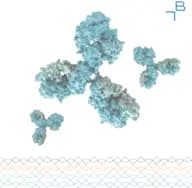
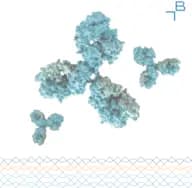
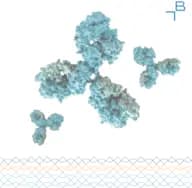
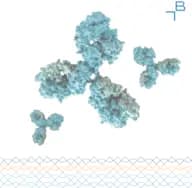
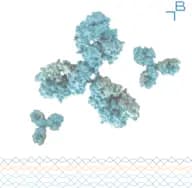
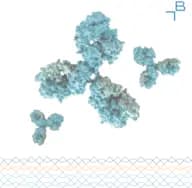
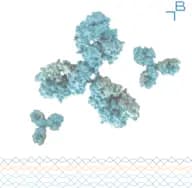
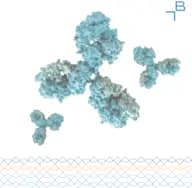
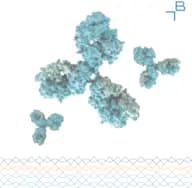
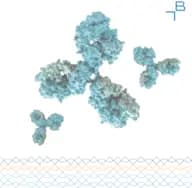
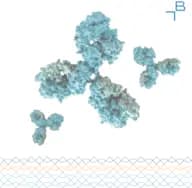
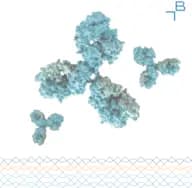
Primary antibodies are immunoglobulins that bind specifically to an antigen of interest, allowing for the detection and quantification of proteins, peptides, or other biomolecules. These antibodies are critical tools in a wide range of applications, including Western blotting, immunohistochemistry, and ELISA. At CymitQuimica, we offer an extensive selection of high-quality primary antibodies that provide specificity and sensitivity for various research needs, including cancer, immunology, and cell biology studies.
Subcategories of "Primary Antibodies"
- Cancer Research Antibodies(3,620 products)
- Cardiovascular Antibodies(2 products)
- Developmental Biology(751 products)
- Epigenetics Antibodies(162 products)
- Immunology Antibodies(2,776 products)
- Metabolism Antibodies(279 products)
- Microbiology Antibodies(736 products)
- Signal Transduction(2,717 products)
- Tags & Cellular Markers(33 products)
Show 1 more subcategories
Found 75326 products of "Primary Antibodies"
Sort by
Purity (%)
0
100
|
0
|
50
|
90
|
95
|
100
CRP antibody
<p>CRP antibody was raised in mouse using human CRP derived from pleural/ascetic fluid or plasma as the immunogen.</p>ALDH3B1 antibody
<p>ALDH3B1 antibody was raised using the N terminal of ALDH3B1 corresponding to a region with amino acids DPLGDTLRRLREAFHAGRTRPAEFRAAQLQGLGRFLQENKQLLHDALAQD</p>PPP1R15A antibody
The PPP1R15A antibody is a powerful tool used in various research applications. This antibody specifically targets the PPP1R15A protein, which plays a crucial role in cellular responses to stress and the regulation of protein synthesis.ASXL1 antibody
ASXL1 antibody was raised in mouse using recombinant Human Additional Sex Combs Like 1 (Drosophila) (Asxl1)EXOSC7 antibody
<p>EXOSC7 antibody was raised using the N terminal of EXOSC7 corresponding to a region with amino acids EVETDVVSNTSGSARVKLGHTDILVGVKAEMGTPKLEKPNEGYLEFFVDC</p>MIOX antibody
<p>The MIOX antibody is a powerful tool in the field of Life Sciences. It is an antibody that specifically targets alpha-fetoprotein, an important antigen involved in various biological processes. This antibody is highly specific and has been extensively validated for its accuracy and reliability.</p>ST6GAL1 antibody
<p>The ST6GAL1 antibody is a polyclonal antibody commonly used in the field of Life Sciences. It is specifically designed to target and bind to the ST6GAL1 protein, which plays a crucial role in various cellular processes. This antibody has been extensively tested and validated for its high specificity and sensitivity.</p>CD127 antibody
<p>CD127 antibody is a polyclonal antibody that targets the TGF-beta protein. It is commonly used in life sciences research to study collagen and other related proteins. This antibody can be used in various applications, such as polymerase chain reaction (PCR), hybridization, and cytotoxic assays. CD127 antibody specifically binds to TGF-beta1 and can be used to detect its presence in samples. Additionally, this antibody has been shown to have an inhibitory effect on lectins, which are glycan-binding proteins. CD127 antibody is also known to promote the growth of human hepatocytes and exhibit natriuretic properties. Overall, this versatile antibody is a valuable tool for researchers studying TGF-beta signaling pathways and related biological processes.</p>PEX5 antibody
<p>The PEX5 antibody is a monoclonal antibody that targets fibronectin, a growth factor involved in various cellular processes. This antibody specifically binds to PEX5, a protein involved in peroxisome biogenesis and function. It has been shown to inhibit endothelial cell growth and proliferation, making it a potential therapeutic option for diseases characterized by abnormal blood vessel formation. Additionally, the PEX5 antibody has demonstrated efficacy as a multidrug combination therapy when used in conjunction with other targeted therapies, such as epidermal growth factor inhibitors or anti-HER2 antibodies like trastuzumab. Its ability to modulate signaling pathways involving β-catenin and VEGF-C further highlights its potential applications in life sciences research. With its high specificity and affinity for its target, the PEX5 antibody offers valuable insights into peroxisome biology and holds promise for future therapeutic interventions.</p>PLXDC2 antibody
<p>The PLXDC2 antibody is a highly specialized monoclonal antibody that has been developed for use in the field of Life Sciences. It is designed to specifically target and neutralize the activity of PLXDC2, a glycoconjugate receptor involved in various cellular processes. This antibody has been shown to be cytotoxic against cells expressing high levels of PLXDC2, making it a promising tool for targeted therapy.</p>Factor VIIIc antibody
<p>Factor VIIIc antibody was raised in mouse using human factor VIII antigen as the immunogen.</p>Septin 9 antibody
<p>The Septin 9 antibody is a highly specialized monoclonal antibody that targets a specific cell antigen. It has been extensively studied in the field of pluripotent stem cells and has shown promising results in various applications. This antibody has been used in research studies involving the treatment of cancer with doxorubicin, as well as in polymerase chain reactions (PCR) to detect specific messenger RNA molecules.</p>IGJ antibody
<p>The IGJ antibody is a monoclonal antibody that specifically targets insulin in the human body. It is designed to bind to insulin molecules and prevent their interaction with insulin receptors, thereby inhibiting their activity. This antibody is commonly used in Life Sciences research to study the role of insulin in various physiological processes.</p>FBXL4 antibody
FBXL4 antibody was raised in mouse using recombinant Human F-Box And Leucine-Rich Repeat Protein 4 (Fbxl4)Giardia lamblia antibody
The Giardia lamblia antibody is a monoclonal antibody that has been developed for use in the field of Life Sciences. It is specifically designed to target and bind to Giardia lamblia, a common parasite that causes gastrointestinal infections in humans. This antibody works by recognizing and binding to specific proteins on the surface of Giardia lamblia, effectively neutralizing its activity and preventing further infection.EIF4G3 antibody
<p>EIF4G3 antibody was raised using the middle region of EIF4G3 corresponding to a region with amino acids MRGGSSKDLLDNQSQEEQRREMLETVKQLTGGVDVERNSTEAERNKTRES</p>BCKDK antibody
BCKDK antibody was raised using the N terminal of BCKDK corresponding to a region with amino acids CLPFIIGCNPTILHVHELYIRAFQKLTDFPPIKDQADEAQYCQLVRQLLDANXA3 antibody
ANXA3 antibody is a monoclonal antibody that targets mesothelin, a growth factor that is overexpressed in various types of cancer. This antibody specifically binds to mesothelin and neutralizes its activity, inhibiting tumor growth and metastasis. ANXA3 antibody has been shown to have high specificity and affinity for mesothelin, making it an effective tool for diagnostic assays and potential therapeutic applications. Additionally, this antibody can be used in research studies to investigate the role of mesothelin in cancer development and progression. Overall, ANXA3 antibody offers promise as a valuable tool in the fight against cancer.Adiponectin antibody
Adiponectin antibody was raised in mouse using recombinant human adiponectin (15-244aa) purified from E. coli as the immunogen.C5ORF24 antibody
<p>C5ORF24 antibody was raised using the middle region of C5Orf24 corresponding to a region with amino acids SIEIKDELKKKKNLNRSGKRGRPSGTTKSAGYRTSTGRPLGTTKAAGFKT</p>CCNB1 antibody
<p>CCNB1 antibody was raised in Mouse using a purified recombinant fragment of human CCNB1 expressed in E. coli as the immunogen.</p>BECN1 antibody
<p>The BECN1 antibody is a monoclonal antibody that specifically targets the epidermal growth factor-like domain of BECN1. It has been shown to neutralize the activity of TNF-α, a pro-inflammatory cytokine involved in various diseases. This specific antibody can inhibit the binding of TNF-α to its receptor and prevent downstream signaling pathways associated with inflammation. In addition, the BECN1 antibody has been found to block the interaction between growth factors and fibronectin, inhibiting cell migration and proliferation. It also shows potential in modulating chemokine expression and regulating TGF-beta signaling. With its wide range of applications in life sciences, this antibody holds promise for research and therapeutic purposes in collagen-related diseases and other inflammatory conditions.</p>TECK antibody
TECK antibody was raised in mouse using highly pure recombinant human TECK as the immunogen.Carbonic Anhydrase IV antibody
<p>Carbonic Anhydrase IV antibody was raised using the middle region of CA4 corresponding to a region with amino acids DGEHFAMEMHIVHEKEKGTSRNVKEAQDPEDEIAVLAFLVEAGTQVNEGF</p>STAG2 antibody
<p>The STAG2 antibody is a polypeptide used in Life Sciences research. It is a polyclonal antibody that specifically targets the STAG2 antigen. This antibody is commonly used in studies involving nucleic acids and can be used to detect and analyze various nucleic acid molecules. Its high specificity and sensitivity make it an essential tool for researchers working in the field of molecular biology and genetics. With its wide range of applications, the STAG2 antibody is a valuable asset for any laboratory or research facility.</p>SOD3 antibody
<p>The SOD3 antibody is a highly specialized product in the field of Life Sciences. It is designed to target and neutralize the activity of Superoxide Dismutase 3 (SOD3), an enzyme involved in oxidative stress regulation. This antibody can be used as a research tool to study the role of SOD3 in various biological processes.</p>NAP1L1 antibody
NAP1L1 antibody was raised in mouse using recombinant Human Nucleosome Assembly Protein 1-Like 1FBXO24 antibody
<p>FBXO24 antibody was raised using the N terminal of FBXO24 corresponding to a region with amino acids VCDGEGVWRRICRRLSPRLQDQDTKGLYFQAFGGRRRCLSKSVAPLLAHG</p>WNT16 antibody
<p>WNT16 antibody was raised using the middle region of WNT16 corresponding to a region with amino acids KTKRKMRRREKDQRKIPIHKDDLLYVNKSPNYCVEDKKLGIPGTQGRECN</p>LGALS3BP antibody
The LGALS3BP antibody is a powerful inhibitor that targets a specific antigen. This monoclonal antibody has been extensively studied and proven effective in various assays, including immunohistochemistry. It specifically binds to annexin A2, a protein involved in cell signaling and membrane organization.LDOC1 antibody
<p>LDOC1 antibody was raised in mouse using recombinant Human Leucine Zipper, Down-Regulated In Cancer 1 (Ldoc1)</p>SAA1 Antibody
The SAA1 Antibody is a highly specialized antibody used in the field of Life Sciences. It is designed to immobilize and detect specific human proteins, making it an essential tool for research and diagnostic purposes. This Monoclonal Antibody is specifically activated to bind to amyloid protein, which is reactive and often associated with various diseases.POR antibody
The POR antibody is a monoclonal antibody that specifically targets the enzyme POR (P450 oxidoreductase). It is a chimeric protein that has been designed to bind to and inhibit the activity of POR. The antibody has been shown to have high affinity for POR and effectively neutralizes its function.IGJ antibody
<p>The IGJ antibody is a monoclonal antibody that specifically targets insulins. It is cytotoxic and works by binding to insulin molecules, rendering them inactive. This colloidal antibody has neutralizing properties, meaning it can effectively counteract the effects of autoantibodies that may be present in the body. The IGJ antibody is designed to target specific amino acid residues on insulin, ensuring precise and effective binding. It has been extensively tested in Life Sciences research and has shown high affinity for insulin in human serum samples. With its histidine-rich structure, this monoclonal antibody offers a reliable tool for studying insulin-related processes and mechanisms.</p>DCC antibody
<p>The DCC antibody is a powerful tool for researchers studying kinase signaling pathways. It specifically targets the kinase kinase of the mitogen-activated protein (MAP) kinase pathway, making it an essential component in understanding cellular responses to growth factors and other stimuli. The DCC antibody is available as both monoclonal and polyclonal antibodies, allowing researchers to choose the best option for their specific experiments.</p>PLAT antibody
<p>PLAT antibody is a test compound used to detect the presence of autoantibodies in samples. These autoantibodies are antibodies that target and attack the body's own tissues or cells. The PLAT antibody can be used in various assays and experiments to study the role of these autoantibodies in different diseases and conditions.</p>Akt antibody (Ser124)
<p>Akt, or Protein Kinase B (PKB), is a kinase crucial for cell growth, survival, metabolism, and proliferation within the PI3K/Akt/mTOR pathway, which responds to external signals like growth factors. Activated through phosphorylation at specific sites, Akt influences key cellular processes by promoting cell survival, aiding protein synthesis through mTOR activation, regulating glucose metabolism, and supporting blood vessel formation and cell movement. Its hyperactivation is common in cancers, making it a target for cancer therapies, while its role in glucose regulation links it to insulin resistance and type 2 diabetes.</p>BIN3 antibody
The BIN3 antibody is a highly specialized monoclonal antibody that targets specific growth factors and proteins in the body. It has been extensively studied for its ability to neutralize the effects of hepatocyte growth factor, collagen, and other proteins involved in cell growth and development. This antibody has also shown promising results in inhibiting multidrug resistance in cancer cells by targeting cytochrome enzymes involved in drug metabolism. Additionally, the BIN3 antibody has been found to interact with fibronectin and low-density lipoprotein receptors, suggesting potential therapeutic applications in cardiovascular diseases. With its unique properties and specificity, this monoclonal antibody holds great promise for future research and development in various fields of medicine.CD4 antibody (PE)
<p>CD4 antibody (PE) was raised in mouse using P815 cell transfected with human CD4 as the immunogen.</p>CSF2 antibody
<p>CSF2 antibody was raised in Mouse using a purified recombinant fragment of human CSF2(aa18-144) expressed in E. coli as the immunogen.</p>FXN antibody
<p>The FXN antibody is a growth factor that belongs to the family of epidermal growth factor-like proteins. It is a cytotoxic conjugate used in Life Sciences research, specifically in the field of Monoclonal Antibodies. This antibody targets specific proteins, such as basic protein, and has cytotoxic properties that can inhibit cell growth and division. The FXN antibody can be used in various applications, including the development of inhibitors for specific proteins or as a tool to study autoantibodies. It is also commonly used in combination with other antibodies, such as anti-CD33 antibody, to enhance its effectiveness. With its high specificity and potency, the FXN antibody is a valuable tool for researchers in the field of Life Sciences.</p>NGAL antibody
The NGAL antibody is a monoclonal antibody that targets the glycoprotein NGAL (Neutrophil Gelatinase-Associated Lipocalin). NGAL is involved in various biological processes, including collagen metabolism, glutamate homeostasis, and regulation of TGF-beta signaling. The NGAL antibody specifically recognizes sugar moieties present on the surface of NGAL and can be used for various applications in Life Sciences.CD3 antibody (biotin)
CD3 antibody (biotin) was raised in mouse using the epsilon chain of CD3/T-cell antigen receptor complex as the immunogen.LETM1 antibody
<p>LETM1 antibody was raised using the middle region of LETM1 corresponding to a region with amino acids MALKNKAAKGSATKDFSVFFQKIRETGERPSNEEIMRFSKLFEDELTLDN</p>GRK2 antibody
The GRK2 antibody is a monoclonal antibody that targets the G protein-coupled receptor kinase 2 (GRK2). This antibody has shown efficacy in neutralizing the effects of GRK2, which plays a crucial role in various cellular processes. It has been found to inhibit the activation of growth factors and mesenchymal stem cells, making it a potential therapeutic option for conditions related to abnormal cell growth. Additionally, the GRK2 antibody has been studied for its potential anticoagulant properties, as it can bind to fatty acids and antiphospholipid antibodies, reducing their plasma levels. This specific antibody shows promise in the field of Life Sciences and may have applications in treating conditions such as insulin resistance and complications associated with oral contraceptives.OGDH antibody
<p>OGDH antibody was raised using the N terminal of OGDH corresponding to a region with amino acids MFHLRTCAAKLRPLTASQTVKTFSQNRPAAARTFQQIRCYSAPVAAEPFL</p>EPM2A antibody
EPM2A antibody was raised in mouse using recombinant human EPM2A (243-331aa) purified from E. coli as the immunogen.