Primary Antibodies
Primary antibodies are immunoglobulins that bind specifically to an antigen of interest, allowing for the detection and quantification of proteins, peptides, or other biomolecules. These antibodies are critical tools in a wide range of applications, including Western blotting, immunohistochemistry, and ELISA. At CymitQuimica, we offer an extensive selection of high-quality primary antibodies that provide specificity and sensitivity for various research needs, including cancer, immunology, and cell biology studies.
Subcategories of "Primary Antibodies"
- Cancer Research Antibodies(3,721 products)
- Cardiovascular Antibodies(2 products)
- Developmental Biology(764 products)
- Epigenetics Antibodies(162 products)
- Immunology Antibodies(2,585 products)
- Metabolism Antibodies(286 products)
- Microbiology Antibodies(741 products)
- Signal Transduction(2,765 products)
- Tags & Cellular Markers(34 products)
Show 1 more subcategories
Found 75594 products of "Primary Antibodies"
Sort by
Purity (%)
0
100
|
0
|
50
|
90
|
95
|
100
TCAM2 rabbit pAb
TIRP is a Toll/interleukin-1 receptor (IL1R; MIM 147810) (TIR) domain-containing adaptor protein involved in Toll receptor signaling (see TLR4; MIM 603030).[supplied by OMIM, Apr 2004],CP3A5 rabbit pAb
This gene encodes a member of the cytochrome P450 superfamily of enzymes. The cytochrome P450 proteins are monooxygenases which catalyze many reactions involved in drug metabolism and synthesis of cholesterol, steroids and other lipids. The encoded protein metabolizes drugs as well as the steroid hormones testosterone and progesterone. This gene is part of a cluster of cytochrome P450 genes on chromosome 7q21.1. Two pseudogenes of this gene have been identified within this cluster on chromosome 7. Expression of this gene is widely variable among populations, and a single nucleotide polymorphism that affects transcript splicing has been associated with susceptibility to hypertensions. Alternative splicing results in multiple transcript variants. [provided by RefSeq, Apr 2014],IL-34 rabbit pAb
Interleukin-34 is a cytokine that promotes the differentiation and viability of monocytes and macrophages through the colony-stimulating factor-1 receptor (CSF1R; MIM 164770) (Lin et al., 2008 [PubMed 18467591]).[supplied by OMIM, May 2008],DFFB rabbit pAb
Apoptosis is a cell death process that removes toxic and/or useless cells during mammalian development. The apoptotic process is accompanied by shrinkage and fragmentation of the cells and nuclei and degradation of the chromosomal DNA into nucleosomal units. DNA fragmentation factor (DFF) is a heterodimeric protein of 40-kD (DFFB) and 45-kD (DFFA) subunits. DFFA is the substrate for caspase-3 and triggers DNA fragmentation during apoptosis. DFF becomes activated when DFFA is cleaved by caspase-3. The cleaved fragments of DFFA dissociate from DFFB, the active component of DFF. DFFB has been found to trigger both DNA fragmentation and chromatin condensation during apoptosis. Alternatively spliced transcript variants encoding distinct isoforms have been found for this gene but the biological validity of some of these variants has not been determined. [provided by RefSeq, Sep 2013],MEK-1 rabbit pAb
The protein encoded by this gene is a member of the dual specificity protein kinase family, which acts as a mitogen-activated protein (MAP) kinase kinase. MAP kinases, also known as extracellular signal-regulated kinases (ERKs), act as an integration point for multiple biochemical signals. This protein kinase lies upstream of MAP kinases and stimulates the enzymatic activity of MAP kinases upon wide variety of extra- and intracellular signals. As an essential component of MAP kinase signal transduction pathway, this kinase is involved in many cellular processes such as proliferation, differentiation, transcription regulation and development. [provided by RefSeq, Jul 2008],AChE rabbit pAb
Acetylcholinesterase hydrolyzes the neurotransmitter, acetylcholine at neuromuscular junctions and brain cholinergic synapses, and thus terminates signal transmission. It is also found on the red blood cell membranes, where it constitutes the Yt blood group antigen. Acetylcholinesterase exists in multiple molecular forms which possess similar catalytic properties, but differ in their oligomeric assembly and mode of cell attachment to the cell surface. It is encoded by the single ACHE gene, and the structural diversity in the gene products arises from alternative mRNA splicing, and post-translational associations of catalytic and structural subunits. The major form of acetylcholinesterase found in brain, muscle and other tissues is the hydrophilic species, which forms disulfide-linked oligomers with collagenous, or lipid-containing structural subunits. The other, alternativelyCABYR rabbit pAb
To reach fertilization competence, spermatozoa undergo a series of morphological and molecular maturational processes, termed capacitation, involving protein tyrosine phosphorylation and increased intracellular calcium. The protein encoded by this gene localizes to the principal piece of the sperm flagellum in association with the fibrous sheath and exhibits calcium-binding when phosphorylated during capacitation. A pseudogene on chromosome 3 has been identified for this gene. Alternatively spliced transcript variants encoding distinct protein isoforms have been found for this gene. [provided by RefSeq, Jul 2013],SCAND1 rabbit pAb
This gene encodes a SCAN box domain-containing protein. The SCAN domain is a highly conserved, leucine-rich motif of approximately 60 aa originally found within a subfamily of zinc finger proteins. This gene belongs to a family of genes that encode an isolated SCAN domain, but no zinc finger motif. This protein binds to and may regulate the function of the transcription factor myeloid zinc finger 1B. Alternate splicing results in multiple transcript variants.[provided by RefSeq, Jan 2011],CLD14 rabbit pAb
Tight junctions represent one mode of cell-to-cell adhesion in epithelial or endothelial cell sheets, forming continuous seals around cells and serving as a physical barrier to prevent solutes and water from passing freely through the paracellular space. These junctions are comprised of sets of continuous networking strands in the outwardly facing cytoplasmic leaflet, with complementary grooves in the inwardly facing extracytoplasmic leaflet. The protein encoded by this gene, a member of the claudin family, is an integral membrane protein and a component of tight junction strands. The encoded protein also binds specifically to the WW domain of Yes-associated protein. Defects in this gene are the cause of an autosomal recessive form of nonsyndromic sensorineural deafness. It is also reported that four synonymous variants in this gene are associated with kidney stones and reduced bone mineral density. SeveralDOR-1 rabbit pAb
function:Inhibits neurotransmitter release by reducing calcium ion currents and increasing potassium ion conductance. Highly stereoselective. receptor for enkephalins.,online information:Delta opioid receptor entry,similarity:Belongs to the G-protein coupled receptor 1 family.,subunit:Interacts with GPRASP1.,RHG30 rabbit pAb
function:GTPase activator for the Rho-type GTPases by converting them to an inactive GDP-bound state.,similarity:Contains 1 Rho-GAP domain.,OR1FC rabbit pAb
Olfactory receptors interact with odorant molecules in the nose, to initiate a neuronal response that triggers the perception of a smell. The olfactory receptor proteins are members of a large family of G-protein-coupled receptors (GPCR) arising from single coding-exon genes. Olfactory receptors share a 7-transmembrane domain structure with many neurotransmitter and hormone receptors and are responsible for the recognition and G protein-mediated transduction of odorant signals. The olfactory receptor gene family is the largest in the genome. The nomenclature assigned to the olfactory receptor genes and proteins for this organism is independent of other organisms. [provided by RefSeq, Jul 2008],TRI11 rabbit pAb
The protein encoded by this gene is a member of the tripartite motif (TRIM) family. The TRIM motif includes three zinc-binding domains, a RING, a B-box type 1 and a B-box type 2, and a coiled-coil region. This protein localizes to the nucleus and the cytoplasm. Its function has not been identified. [provided by RefSeq, Jul 2008],EAA2 rabbit pAb
This gene encodes a member of a family of solute transporter proteins. The membrane-bound protein is the principal transporter that clears the excitatory neurotransmitter glutamate from the extracellular space at synapses in the central nervous system. Glutamate clearance is necessary for proper synaptic activation and to prevent neuronal damage from excessive activation of glutamate receptors. Mutations in and decreased expression of this protein are associated with amyotrophic lateral sclerosis. Alternatively spliced transcript variants of this gene have been identified. [provided by RefSeq, Sep 2010],Fer rabbit pAb
The protein encoded by this gene is a member of the FPS/FES family of non-transmembrane receptor tyrosine kinases. It regulates cell-cell adhesion and mediates signaling from the cell surface to the cytoskeleton via growth factor receptors. Alternative splicing results in multiple transcript variants. A related pseudogene has been identified on chromosome X. [provided by RefSeq, Apr 2015],DCTN3 rabbit pAb
This gene encodes the smallest subunit of dynactin, a macromolecular complex consisting of 10 subunits ranging in size from 22 to 150 kD. Dynactin binds to both microtubules and cytoplasmic dynein. It is involved in a diverse array of cellular functions, including ER-to-Golgi transport, the centripetal movement of lysosomes and endosomes, spindle formation, cytokinesis, chromosome movement, nuclear positioning, and axonogenesis. This subunit, like most other dynactin subunits, exists only as a part of the dynactin complex. It is primarily an alpha-helical protein with very little coiled coil, and binds directly to the largest subunit (p150) of dynactin. Alternative splicing results in multiple transcript variants. [provided by RefSeq, Jul 2013],COP ζ1 rabbit pAb
This gene encodes a subunit of the cytoplasmic coatamer protein complex, which is involved in autophagy and intracellular protein trafficking. The coatomer protein complex is comprised of seven subunits and functions as the coat protein of coat protein complex (COP)I-vesicles. Alternative splicing results in multiple transcript variants. [provided by RefSeq, Nov 2012],Olfactory receptor 4A16 rabbit pAb
Olfactory receptors interact with odorant molecules in the nose, to initiate a neuronal response that triggers the perception of a smell. The olfactory receptor proteins are members of a large family of G-protein-coupled receptors (GPCR) arising from single coding-exon genes. Olfactory receptors share a 7-transmembrane domain structure with many neurotransmitter and hormone receptors and are responsible for the recognition and G protein-mediated transduction of odorant signals. The olfactory receptor gene family is the largest in the genome. The nomenclature assigned to the olfactory receptor genes and proteins for this organism is independent of other organisms. [provided by RefSeq, Jul 2008],SESN3 rabbit pAb
This gene encodes a member of the sestrin family of stress-induced proteins. The encoded protein reduces the levels of intracellular reactive oxygen species induced by activated Ras downstream of RAC-alpha serine/threonine-protein kinase (Akt) and FoxO transcription factor. The protein is required for normal regulation of blood glucose, insulin resistance and plays a role in lipid storage in obesity. Alternative splicing results in multiple transcript variants. [provided by RefSeq, Oct 2012],Musculin rabbit pAb
The protein encoded by this gene is a transcriptional repressor capable of binding an E-box element either as a homodimer or as a heterodimer with E2A in vitro. The encoded protein also forms heterodimers with E2A proteins in vivo. This protein is capable of inhibiting the transactivation capability of E47, an E2A protein, in mammalian cells. This gene is a downstream target of the B-cell receptor signal transduction pathway. [provided by RefSeq, Jul 2008],SPC25 rabbit pAb
This gene encodes a protein that may be involved in kinetochore-microtubule interaction and spindle checkpoint activity. [provided by RefSeq, Jul 2008],ZDH13 rabbit pAb
catalytic activity:Palmitoyl-CoA + protein-cysteine = S-palmitoyl protein + CoA.,domain:The DHHC domain is required for palmitoyltransferase activity.,function:May be involved in the NF-kappa-B signaling pathway.,sequence caution:Translated as Cys.,similarity:Belongs to the DHHC palmitoyltransferase family. AKR/ZDHHC17 subfamily.,similarity:Contains 1 DHHC-type zinc finger.,similarity:Contains 6 ANK repeats.,AChRα1 rabbit pAb
The muscle acetylcholine receptor consiststs of 5 subunits of 4 different types: 2 alpha subunits and 1 each of the beta, gamma, and delta subunits. This gene encodes an alpha subunit that plays a role in acetlycholine binding/channel gating. Alternatively spliced transcript variants encoding different isoforms have been identified. [provided by RefSeq, Nov 2012],MRAP rabbit pAb
melanocortin 2 receptor accessory protein(MRAP) Homo sapiens This gene encodes a melanocortin receptor-interacting protein. The encoded protein regulates trafficking and function of the melanocortin 2 receptor in the adrenal gland. The encoded protein can also modulate signaling of other melanocortin receptors. Mutations in this gene have been associated with familial glucocorticoid deficiency type 2. Alternatively spliced transcript variants have been described. [provided by RefSeq, Dec 2009],2,5-Dioxopyrrolidin-1-yl 7-hydroxy-2-oxo-2H-chromene-3-carboxylate
CAS:Formula:C14H9NO7Purity:96%Color and Shape:SolidMolecular weight:303.2238Wee 1 rabbit pAb
WEE1 G2 checkpoint kinase(WEE1) Homo sapiens This gene encodes a nuclear protein, which is a tyrosine kinase belonging to the Ser/Thr family of protein kinases. This protein catalyzes the inhibitory tyrosine phosphorylation of CDC2/cyclin B kinase, and appears to coordinate the transition between DNA replication and mitosis by protecting the nucleus from cytoplasmically activated CDC2 kinase. [provided by RefSeq, Jul 2008],CYP2C8 rabbit pAb
This gene encodes a member of the cytochrome P450 superfamily of enzymes. The cytochrome P450 proteins are monooxygenases which catalyze many reactions involved in drug metabolism and synthesis of cholesterol, steroids and other lipids. This protein localizes to the endoplasmic reticulum and its expression is induced by phenobarbital. The enzyme is known to metabolize many xenobiotics, including the anticonvulsive drug mephenytoin, benzo(a)pyrene, 7-ethyoxycoumarin, and the anti-cancer drug taxol. This gene is located within a cluster of cytochrome P450 genes on chromosome 10q24. Several transcript variants encoding a few different isoforms have been found for this gene. [provided by RefSeq, Nov 2010],DOC2A rabbit pAb
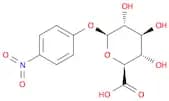
There are at least two protein isoforms of the Double C2 protein, namely alpha (DOC2A) and beta (DOC2B), which contain two C2-like domains. DOC2A and DOC2B are encoded by different genes; these genes are at times confused with the unrelated DAB2 gene which was initially named DOC-2. DOC2A is mainly expressed in brain and is suggested to be involved in Ca(2+)-dependent neurotransmitter release. Alternative splicing results in multiple transcript variants. [provided by RefSeq, Aug 2013],4-Nitrophenyl b-D-glucosiduronic acid
CAS:Formula:C12H13NO9Purity:98%Color and Shape:SolidMolecular weight:315.2329CK7 Mouse mAb
Cytokeratin 7 is a 54kD intermediate filament protein found in a variety of glandularepithelia. Cytokeratin 7 has been found in columnar and glandular epithelium of the lung, cervix, breast, bile ducts and larger collecting ducts of the kidney. It is present in the transitional epithelium of bladder as well as ovarian and lungepithelia, and occasionally staining of blood vessel cell walls, particularly endothelial cells, may be observed. However, Cytokeratin 7 is not expressed by epithelial cells of the gastrointestinal tract, colon or prostate. Keratin 7 is often co expressed with keratin 19.Nek4 rabbit pAb
catalytic activity:ATP + a protein = ADP + a phosphoprotein.,cofactor:Magnesium.,function:Seems to act exclusively upon threonine residues.,similarity:Belongs to the protein kinase superfamily.,similarity:Belongs to the protein kinase superfamily. NEK Ser/Thr protein kinase family. NIMA subfamily.,similarity:Contains 1 protein kinase domain.,tissue specificity:Highest expression in adult heart, followed by pancreas, skeletal muscle, brain, liver, kidney, lung and placenta. Present in most primary carcinomas.,DOCK7 rabbit pAb
The protein encoded by this gene is a guanine nucleotide exchange factor (GEF) that plays a role in axon formation and neuronal polarization. The encoded protein displays GEF activity toward RAC1 and RAC3 Rho small GTPases but not toward CDC42. Several transcript variants encoding different isoforms have been found for this gene. [provided by RefSeq, Dec 2012],Olfactory receptor 2AK2 rabbit pAb
Olfactory receptors interact with odorant molecules in the nose, to initiate a neuronal response that triggers the perception of a smell. The olfactory receptor proteins are members of a large family of G-protein-coupled receptors (GPCR) arising from single coding-exon genes. Olfactory receptors share a 7-transmembrane domain structure with many neurotransmitter and hormone receptors and are responsible for the recognition and G protein-mediated transduction of odorant signals. The olfactory receptor gene family is the largest in the genome. The nomenclature assigned to the olfactory receptor genes and proteins for this organism is independent of other organisms. [provided by RefSeq, Jul 2008],GRIN2D rabbit pAb
N-methyl-D-aspartate (NMDA) receptors are a class of ionotropic glutamate receptors. NMDA channel has been shown to be involved in long-term potentiation, an activity-dependent increase in the efficiency of synaptic transmission thought to underlie certain kinds of memory and learning. NMDA receptor channels are heteromers composed of the key receptor subunit NMDAR1 (GRIN1) and 1 or more of the 4 NMDAR2 subunits: NMDAR2A (GRIN2A), NMDAR2B (GRIN2B), NMDAR2C (GRIN2C), and NMDAR2D (GRIN2D). [provided by RefSeq, Mar 2010],ACBD6 rabbit pAb
function:Binds long-chain acyl-coenzyme A molecules with a strong preference for unsaturated C18:1-CoA, lower affinity for unsaturated C20:4-CoA, and very weak affinity for saturated C16:0-CoA. Does not bind fatty acids.,similarity:Contains 1 ACB (acyl-CoA-binding) domain.,similarity:Contains 2 ANK repeats.,subunit:Monomer.,tissue specificity:Detected in placenta and spleen (at protein level). Detected in placenta, umbilical cord blood, CD34-positive hematopoietic progenitor cells and bone marrow.,WDR44 rabbit pAb
This gene encodes a protein that interacts with the small GTPase rab11. A similar protein in rat binds the GTP-containing active form of rab11. This protein may play a role in endosome recycling. Alternate splicing results in multiple transcript variants.[provided by RefSeq, May 2010],AMPKβ1 rabbit pAb
The protein encoded by this gene is a regulatory subunit of the AMP-activated protein kinase (AMPK). AMPK is a heterotrimer consisting of an alpha catalytic subunit, and non-catalytic beta and gamma subunits. AMPK is an important energy-sensing enzyme that monitors cellular energy status. In response to cellular metabolic stresses, AMPK is activated, and thus phosphorylates and inactivates acetyl-CoA carboxylase (ACC) and beta-hydroxy beta-methylglutaryl-CoA reductase (HMGCR), key enzymes involved in regulating de novo biosynthesis of fatty acid and cholesterol. This subunit may be a positive regulator of AMPK activity. The myristoylation and phosphorylation of this subunit have been shown to affect the enzyme activity and cellular localization of AMPK. This subunit may also serve as an adaptor molecule mediating the association of the AMPK complex. [providedCPO Polyclona Antibody
carboxypeptidase O(CPO) Homo sapiens This gene is a member of the metallocarboxypeptidase gene family. [provided by RefSeq, Jan 2011],CYP11A1 rabbit pAb
cytochrome P450 family 11 subfamily A member 1(CYP11A1) Homo sapiens This gene encodes a member of the cytochrome P450 superfamily of enzymes. The cytochrome P450 proteins are monooxygenases which catalyze many reactions involved in drug metabolism and synthesis of cholesterol, steroids and other lipids. This protein localizes to the mitochondrial inner membrane and catalyzes the conversion of cholesterol to pregnenolone, the first and rate-limiting step in the synthesis of the steroid hormones. Two transcript variants encoding different isoforms have been found for this gene. The cellular location of the smaller isoform is unclear since it lacks the mitochondrial-targeting transit peptide. [provided by RefSeq, Jul 2008],p300 (Acetyl Lys1542) rabbit pAb
E1A binding protein p300(EP300) Homo sapiens This gene encodes the adenovirus E1A-associated cellular p300 transcriptional co-activator protein. It functions as histone acetyltransferase that regulates transcription via chromatin remodeling and is important in the processes of cell proliferation and differentiation. It mediates cAMP-gene regulation by binding specifically to phosphorylated CREB protein. This gene has also been identified as a co-activator of HIF1A (hypoxia-inducible factor 1 alpha), and thus plays a role in the stimulation of hypoxia-induced genes such as VEGF. Defects in this gene are a cause of Rubinstein-Taybi syndrome and may also play a role in epithelial cancer. [provided by RefSeq, Jul 2008],YAP (phospho-Ser397) rabbit pAb
This gene encodes a downstream nuclear effector of the Hippo signaling pathway which is involved in development, growth, repair, and homeostasis. This gene is known to play a role in the development and progression of multiple cancers as a transcriptional regulator of this signaling pathway and may function as a potential target for cancer treatment. Alternative splicing results in multiple transcript variants encoding different isoforms. [provided by RefSeq, Aug 2013],Sds22 rabbit pAb
This gene encodes a protein subunit that regulates the activity of the serine/threonine phosphatase, protein phosphatase-1. The encoded protein is required for completion of the mitotic cycle and for targeting protein phosphatase-1 to mitotic kinetochores. Alternate splicing results in multiple transcript variants. [provided by RefSeq, Sep 2013],CREB rabbit pAb
This gene encodes a transcription factor that is a member of the leucine zipper family of DNA binding proteins. This protein binds as a homodimer to the cAMP-responsive element, an octameric palindrome. The protein is phosphorylated by several protein kinases, and induces transcription of genes in response to hormonal stimulation of the cAMP pathway. Alternate splicing of this gene results in several transcript variants encoding different isoforms. [provided by RefSeq, Mar 2016],ATF-2 rabbit pAb
activating transcription factor 2(ATF2) Homo sapiens This gene encodes a transcription factor that is a member of the leucine zipper family of DNA binding proteins. The encoded protein has been identified as a moonlighting protein based on its ability to perform mechanistically distinct functions This protein binds to the cAMP-responsive element (CRE), an octameric palindrome. It forms a homodimer or a heterodimer with c-Jun and stimulates CRE-dependent transcription. This protein is also a histone acetyltransferase (HAT) that specifically acetylates histones H2B and H4 in vitro; thus it may represent a class of sequence-specific factors that activate transcription by direct effects on chromatin components. The encoded protein may also be involved in cell's DNA damage response independent of its role in transcriptional regulation. Several alternatively spliced transcript variants have been found for this gene [provided by RefSeq, Jan 2014PHX2A rabbit pAb
paired like homeobox 2a(PHOX2A) Homo sapiens The protein encoded by this gene contains a paired-like homeodomain most similar to that of the Drosophila aristaless gene product. The encoded protein plays a central role in development of the autonomic nervous system. It regulates the expression of tyrosine hydroxylase and dopamine beta-hydroxylase, two catecholaminergic biosynthetic enzymes essential for the differentiation and maintenance of the noradrenergic neurotransmitter phenotype. The encoded protein has also been shown to regulate transcription of the alpha3 nicotinic acetylcholine receptor gene. Mutations in this gene have been associated with autosomal recessive congenital fibrosis of the extraocular muscles. [provided by RefSeq, Jul 2008],PAKα (phospho Ser204) rabbit pAb
This gene encodes a family member of serine/threonine p21-activating kinases, known as PAK proteins. These proteins are critical effectors that link RhoGTPases to cytoskeleton reorganization and nuclear signaling, and they serve as targets for the small GTP binding proteins Cdc42 and Rac. This specific family member regulates cell motility and morphology. Alternatively spliced transcript variants encoding different isoforms have been found for this gene. [provided by RefSeq, Apr 2010],MTNB rabbit pAb
APIP is an APAF1 (MIM 602233)-interacting protein that acts as a negative regulator of ischemic/hypoxic injury (Cho et al., 2004 [PubMed 15262985]).[supplied by OMIM, Dec 2008],Sin1 (phospho-Thr86) rabbit pAb
This gene encodes a protein that is highly similar to the yeast SIN1 protein, a stress-activated protein kinase. Alternatively spliced transcript variants encoding distinct isoforms have been described. Alternate polyadenylation sites as well as alternate 3' UTRs have been identified for transcripts of this gene. [provided by RefSeq, Jul 2008],GPR110 rabbit pAb
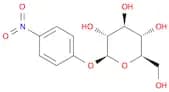
function:Orphan receptor.,similarity:Belongs to the G-protein coupled receptor 2 family. LN-TM7 subfamily.,similarity:Contains 1 GPS domain.,similarity:Contains 1 SEA domain.,β-D-Glucopyranoside, 4-nitrophenyl
CAS:Formula:C12H15NO8Purity:98%Color and Shape:SolidMolecular weight:301.2494NCOA1 rabbit pAb
The protein encoded by this gene acts as a transcriptional coactivator for steroid and nuclear hormone receptors. It is a member of the p160/steroid receptor coactivator (SRC) family and like other family members has histone acetyltransferase activity and contains a nuclear localization signal, as well as bHLH and PAS domains. The product of this gene binds nuclear receptors directly and stimulates the transcriptional activities in a hormone-dependent fashion. Alternatively spliced transcript variants encoding different isoforms have been identified. [provided by RefSeq, Jul 2008],Filamin 1 (phospho Ser2152) rabbit pAb
filamin A(FLNA) Homo sapiens The protein encoded by this gene is an actin-binding protein that crosslinks actin filaments and links actin filaments to membrane glycoproteins. The encoded protein is involved in remodeling the cytoskeleton to effect changes in cell shape and migration. This protein interacts with integrins, transmembrane receptor complexes, and second messengers. Defects in this gene are a cause of several syndromes, including periventricular nodular heterotopias (PVNH1, PVNH4), otopalatodigital syndromes (OPD1, OPD2), frontometaphyseal dysplasia (FMD), Melnick-Needles syndrome (MNS), and X-linked congenital idiopathic intestinal pseudoobstruction (CIIPX). Two transcript variants encoding different isoforms have been found for this gene.[provided by RefSeq, Mar 2009],TFPI rabbit pAb
This gene encodes a Kunitz-type serine protease inhibitor that regulates the tissue factor (TF)-dependent pathway of blood coagulation. The coagulation process initiates with the formation of a factor VIIa-TF complex, which proteolytically activates additional proteases (factors IX and X) and ultimately leads to the formation of a fibrin clot. The product of this gene inhibits the activated factor X and VIIa-TF proteases in an autoregulatory loop. Inhibition of the encoded protein restores hemostasis in animal models of hemophilia. This gene encodes multiple protein isoforms that differ in their inhibitory activity, specificity and cellular localization. [provided by RefSeq, Jul 2016],Mad 4 rabbit pAb
This gene is a member of the MAD gene family . The MAD genes encode basic helix-loop-helix-leucine zipper proteins that heterodimerize with MAX protein, forming a transcriptional repression complex. The MAD proteins compete for MAX binding with MYC, which heterodimerizes with MAX forming a transcriptional activation complex. Studies in rodents suggest that the MAD genes are tumor suppressors and contribute to the regulation of cell growth in differentiating tissues. [provided by RefSeq, Jul 2008],DEF6 rabbit pAb
defensin alpha 6(DEFA6) Homo sapiens Defensins are a family of antimicrobial and cytotoxic peptides thought to be involved in host defense. They are abundant in the granules of neutrophils and also found in the epithelia of mucosal surfaces such as those of the intestine, respiratory tract, urinary tract, and vagina. Members of the defensin family are highly similar in protein sequence and distinguished by a conserved cysteine motif. Several alpha defensin genes appear to be clustered on chromosome 8. The protein encoded by this gene, defensin, alpha 6, is highly expressed in the secretory granules of Paneth cells of the small intestine, and likely plays a role in host defense of human bowel. [provided by RefSeq, Oct 2014],TNNI3K rabbit pAb
This gene encodes a protein that belongs to the MAP kinase kinase kinase (MAPKKK) family of protein kinases. The protein contains ankyrin repeat, protein kinase and serine-rich domains and is thought to play a role in cardiac physiology. [provided by RefSeq, Sep 2012],NIFK (phospho Thr234) rabbit pAb
This gene encodes a protein that interacts with the forkhead-associated domain of the Ki-67 antigen. The encoded protein may bind RNA and may play a role in mitosis and cell cycle progression. Multiple pseudogenes exist on chromosomes 5, 10, 12, 15, and 19.[provided by RefSeq, Jan 2009],IRGM rabbit pAb
immunity related GTPase M(IRGM) Homo sapiens This gene encodes a member of the p47 immunity-related GTPase family. The encoded protein may play a role in the innate immune response by regulating autophagy formation in response to intracellular pathogens. Polymorphisms that affect the normal expression of this gene are associated with a susceptibility to Crohn's disease and tuberculosis.[provided by RefSeq, Oct 2010],LRC42 rabbit pAb
PTM:Phosphorylated upon DNA damage, probably by ATM or ATR.,similarity:Belongs to the LRRC42 family.,similarity:Contains 2 LRR (leucine-rich) repeats.,TAF12 rabbit pAb
Control of transcription by RNA polymerase II involves the basal transcription machinery which is a collection of proteins. These proteins with RNA polymerase II, assemble into complexes which are modulated by transactivator proteins that bind to cis-regulatory elements located adjacent to the transcription start site. Some modulators interact directly with the basal complex, whereas others may act as bridging proteins linking transactivators to the basal transcription factors. Some of these associated factors are weakly attached while others are tightly associated with TBP in the TFIID complex. Among the latter are the TAF proteins. Different TAFs are predicted to mediate the function of distinct transcriptional activators for a variety of gene promoters and RNA polymerases. TAF12 interacts directly with TBP as well as with TAF2I. Two transcript variants encoding the same prM4K5 rabbit pAb
mitogen-activated protein kinase kinase kinase kinase 5(MAP4K5) Homo sapiens This gene encodes a member of the serine/threonine protein kinase family, that is highly similar to yeast SPS1/STE20 kinase. Yeast SPS1/STE20 functions near the beginning of the MAP kinase signal cascades that is essential for yeast pheromone response. This kinase was shown to activate Jun kinase in mammalian cells, which suggested a role in stress response. Two alternatively spliced transcript variants encoding the same protein have been described for this gene. [provided by RefSeq, Jul 2008],Histone H3 (Tri Methyl Lys27) rabbit pAb
Histones are basic nuclear proteins that are responsible for the nucleosome structure of the chromosomal fiber in eukaryotes. This structure consists of approximately 146 bp of DNA wrapped around a nucleosome, an octamer composed of pairs of each of the four core histones (H2A, H2B, H3, and H4). The chromatin fiber is further compacted through the interaction of a linker histone, H1, with the DNA between the nucleosomes to form higher order chromatin structures. This gene is intronless and encodes a replication-dependent histone that is a member of the histone H3 family. Transcripts from this gene lack polyA tails; instead, they contain a palindromic termination element. This gene is found in the large histone gene cluster on chromosome 6p22-p21.3. [provided by RefSeq, Aug 2015],SGLT-2 rabbit pAb
This gene encodes a member of the sodium glucose cotransporter family which are sodium-dependent glucose transport proteins. The encoded protein is the major cotransporter involved in glucose reabsorption in the kidney. Mutations in this gene are associated with renal glucosuria. Two transcript variants, one protein-coding and one not, have been found for this gene. [provided by RefSeq, Feb 2015],PTPα (phospho Tyr798) rabbit pAb
The protein encoded by this gene is a member of the protein tyrosine phosphatase (PTP) family. PTPs are known to be signaling molecules that regulate a variety of cellular processes including cell growth, differentiation, mitotic cycle, and oncogenic transformation. This PTP contains an extracellular domain, a single transmembrane segment and two tandem intracytoplasmic catalytic domains, and thus represents a receptor-type PTP. This PTP has been shown to dephosphorylate and activate Src family tyrosine kinases, and is implicated in the regulation of integrin signaling, cell adhesion and proliferation. Three alternatively spliced variants of this gene, which encode two distinct isoforms, have been reported. [provided by RefSeq, Jul 2008],eIF4G (phospho Ser1148) rabbit pAb
The protein encoded by this gene is a component of the multi-subunit protein complex EIF4F. This complex facilitates the recruitment of mRNA to the ribosome, which is a rate-limiting step during the initiation phase of protein synthesis. The recognition of the mRNA cap and the ATP-dependent unwinding of 5'-terminal secondary structure is catalyzed by factors in this complex. The subunit encoded by this gene is a large scaffolding protein that contains binding sites for other members of the EIF4F complex. A domain at its N-terminus can also interact with the poly(A)-binding protein, which may mediate the circularization of mRNA during translation. Alternative splicing results in multiple transcript variants, some of which are derived from alternative promoter usage. [provided by RefSeq, Aug 2010],UB2R2 rabbit pAb
Protein kinase CK2 is a ubiquitous and pleiotropic Ser/Thr protein kinase involved in cell growth and transformation. This gene encodes a protein similar to the E2 ubiquitin conjugating enzyme UBC3/CDC34. Studies suggest that CK2-dependent phosphorylation of this ubiquitin-conjugating enzyme functions by regulating beta-TrCP substrate recognition and induces its interaction with beta-TrCP, enhancing beta-catenin degradation. [provided by RefSeq, Jul 2008],NEUR2 rabbit pAb
This gene belongs to a family of glycohydrolytic enzymes which remove sialic acid residues from glycoproteins and glycolipids. Expression studies in COS7 cells confirmed that this gene encodes a functional sialidase. Its cytosolic localization was demonstrated by cell fractionation experiments. [provided by RefSeq, Jul 2008],Tak1 (phospho Thr187) rabbit pAb
The protein encoded by this gene is a member of the serine/threonine protein kinase family. This kinase mediates the signaling transduction induced by TGF beta and morphogenetic protein (BMP), and controls a variety of cell functions including transcription regulation and apoptosis. In response to IL-1, this protein forms a kinase complex including TRAF6, MAP3K7P1/TAB1 and MAP3K7P2/TAB2; this complex is required for the activation of nuclear factor kappa B. This kinase can also activate MAPK8/JNK, MAP2K4/MKK4, and thus plays a role in the cell response to environmental stresses. Four alternatively spliced transcript variants encoding distinct isoforms have been reported. [provided by RefSeq, Jul 2008],PKR (phospho Thr446) rabbit pAb
The protein encoded by this gene is a serine/threonine protein kinase that is activated by autophosphorylation after binding to dsRNA. The activated form of the encoded protein can phosphorylate translation initiation factor EIF2S1, which in turn inhibits protein synthesis. This protein is also activated by manganese ions and heparin. Three transcript variants encoding two different isoforms have been found for this gene. [provided by RefSeq, Oct 2011],NDUA7 rabbit pAb
This gene encodes a subunit of NADH:ubiquinone oxidoreductase (complex I), which is a multiprotein complex located in the inner mitochondrial membrane. Complex I functions in the transfer of electrons from NADH to the respiratory chain. [provided by RefSeq, Mar 2011],SRp20 rabbit pAb
The protein encoded by this gene is a member of the serine/arginine (SR)-rich family of pre-mRNA splicing factors, which constitute part of the spliceosome. Each of these factors contains an RNA recognition motif (RRM) for binding RNA and an RS domain for binding other proteins. The RS domain is rich in serine and arginine residues and facilitates interaction between different SR splicing factors. In addition to being critical for mRNA splicing, the SR proteins have also been shown to be involved in mRNA export from the nucleus and in translation. Two transcript variants, one protein-coding and the other non-coding, have been found for this gene. [provided by RefSeq, Sep 2010],Histone H2A.Z (Acetyl Lys7) rabbit pAb
Histones are basic nuclear proteins that are responsible for the nucleosome structure of the chromosomal fiber in eukaryotes. Nucleosomes consist of approximately 146 bp of DNA wrapped around a histone octamer composed of pairs of each of the four core histones (H2A, H2B, H3, and H4). The chromatin fiber is further compacted through the interaction of a linker histone, H1, with the DNA between the nucleosomes to form higher order chromatin structures. This gene encodes a replication-independent member of the histone H2A family that is distinct from other members of the family. Studies in mice have shown that this particular histone is required for embryonic development and indicate that lack of functional histone H2A leads to embryonic lethality. [provided by RefSeq, Jul 2008],OR3A4 rabbit pAb
Olfactory receptors interact with odorant molecules in the nose, to initiate a neuronal response that triggers the perception of a smell. The olfactory receptor proteins are members of a large family of G-protein-coupled receptors (GPCR) arising from single coding-exon genes. Olfactory receptors share a 7-transmembrane domain structure with many neurotransmitter and hormone receptors and are responsible for the recognition and G protein-mediated transduction of odorant signals. The olfactory receptor gene family is the largest in the genome. The nomenclature assigned to the olfactory receptor genes and proteins for this organism is independent of other organisms. This olfactory receptor gene is transcribed and contains an intact ORF, but it is predicted to be a pseudogene due to a poorly conserved 7-transmembrane domain structure. [provided by RefSeq, Sep 2008Cdc42EP4 rabbit pAb
The product of this gene is a member of the CDC42-binding protein family. Members of this family interact with Rho family GTPases and regulate the organization of the actin cytoskeleton. This protein has been shown to bind both CDC42 and TC10 GTPases in a GTP-dependent manner. When overexpressed in fibroblasts, this protein was able to induce pseudopodia formation, which suggested a role in inducing actin filament assembly and cell shape control. [provided by RefSeq, Jul 2008],ZN407 rabbit pAb
This gene encodes a zinc finger protein whose exact function is not known. It may be involved in transcriptional regulation. Several alternatively spliced transcript variants encoding different isoforms have been found for this gene. [provided by RefSeq, Sep 2009],Olfactory receptor 51G2 rabbit pAb
Olfactory receptors interact with odorant molecules in the nose, to initiate a neuronal response that triggers the perception of a smell. The olfactory receptor proteins are members of a large family of G-protein-coupled receptors (GPCR) arising from single coding-exon genes. Olfactory receptors share a 7-transmembrane domain structure with many neurotransmitter and hormone receptors and are responsible for the recognition and G protein-mediated transduction of odorant signals. The olfactory receptor gene family is the largest in the genome. The nomenclature assigned to the olfactory receptor genes and proteins for this organism is independent of other organisms. [provided by RefSeq, Jul 2008],SH21A rabbit pAb
This gene encodes a protein that plays a major role in the bidirectional stimulation of T and B cells. This protein contains an SH2 domain and a short tail. It associates with the signaling lymphocyte-activation molecule, thereby acting as an inhibitor of this transmembrane protein by blocking the recruitment of the SH2-domain-containing signal-transduction molecule SHP-2 to its docking site. This protein can also bind to other related surface molecules that are expressed on activated T, B and NK cells, thereby modifying signal transduction pathways in these cells. Mutations in this gene cause lymphoproliferative syndrome X-linked type 1 or Duncan disease, a rare immunodeficiency characterized by extreme susceptibility to infection with Epstein-Barr virus, with symptoms including severe mononucleosis and malignant lymphoma. Multiple transcript variants encoding different isoforms have been fIKKγ rabbit pAb
This gene encodes the regulatory subunit of the inhibitor of kappaB kinase (IKK) complex, which activates NF-kappaB resulting in activation of genes involved in inflammation, immunity, cell survival, and other pathways. Mutations in this gene result in incontinentia pigmenti, hypohidrotic ectodermal dysplasia, and several other types of immunodeficiencies. A pseudogene highly similar to this locus is located in an adjacent region of the X chromosome. [provided by RefSeq, Mar 2016],CD45 Mouse mAb
CD45 is a family of single chain transmembraneous glycoproteins consisting of at least four isoforms which share a common large intracellular domain. Their extracellular domains are heavily glycosylated. The different isoforms are produced by alternative messenger RNA splicing of three exons of a single gene on chromosome 1. CD45 is expressed on cells of the human hematopoietic lineage (including hematopoietic stem cells) with the exception of mature red cells. It is not detected on differentiated cells of other tissues. It is likely that CD45 plays an important role in signal transduction, inhibition or upregulation of various immunological functions. Antibodies recognising a common epitope on all of the isoforms are termed CD45.Desmoplakin (phospho-Ser165/166) rabbit pAb
This gene encodes a protein that anchors intermediate filaments to desmosomal plaques and forms an obligate component of functional desmosomes. Mutations in this gene are the cause of several cardiomyopathies and keratodermas, including skin fragility-woolly hair syndrome. Alternative splicing results in multiple transcript variants. [provided by RefSeq, Jan 2016],CY24A rabbit pAb
Cytochrome b is comprised of a light chain (alpha) and a heavy chain (beta). This gene encodes the light, alpha subunit which has been proposed as a primary component of the microbicidal oxidase system of phagocytes. Mutations in this gene are associated with autosomal recessive chronic granulomatous disease (CGD), that is characterized by the failure of activated phagocytes to generate superoxide, which is important for the microbicidal activity of these cells. [provided by RefSeq, Jul 2008],OAS2 rabbit pAb
2'-5'-oligoadenylate synthetase 2(OAS2) Homo sapiens This gene encodes a member of the 2-5A synthetase family, essential proteins involved in the innate immune response to viral infection. The encoded protein is induced by interferons and uses adenosine triphosphate in 2'-specific nucleotidyl transfer reactions to synthesize 2',5'-oligoadenylates (2-5As). These molecules activate latent RNase L, which results in viral RNA degradation and the inhibition of viral replication. The three known members of this gene family are located in a cluster on chromosome 12. Alternatively spliced transcript variants encoding different isoforms have been described. [provided by RefSeq, Jul 2008],GEM rabbit pAb
The protein encoded by this gene belongs to the RAD/GEM family of GTP-binding proteins. It is associated with the inner face of the plasma membrane and could play a role as a regulatory protein in receptor-mediated signal transduction. Alternative splicing occurs at this locus and two transcript variants encoding the same protein have been identified. [provided by RefSeq, Jul 2008],TFIIH p44 rabbit pAb
This gene is part of a 500 kb inverted duplication on chromosome 5q13. This duplicated region contains at least four genes and repetitive elements which make it prone to rearrangements and deletions. The repetitiveness and complexity of the sequence have also caused difficulty in determining the organization of this genomic region. This gene is within the telomeric copy of the duplication. Deletion of this gene sometimes accompanies deletion of the neighboring SMN1 gene in spinal muscular atrophy (SMA) patients but it is unclear if deletion of this gene contributes to the SMA phenotype. This gene encodes the 44 kDa subunit of RNA polymerase II transcription initiation factor IIH which is involved in basal transcription and nucleotide excision repair. Transcript variants for this gene have been described, but their full length nature has not been determined. A second copy of tSCNBA rabbit pAb
Voltage-gated sodium channels are membrane protein complexes that play a fundamental role in the rising phase of the action potential in most excitable cells. Alpha subunits, such as SCN11A, mediate voltage-dependent gating and conductance, while auxiliary beta subunits regulate the kinetic properties of the channel and facilitate membrane localization of the complex. Aberrant expression patterns or mutations of alpha subunits underlie a number of disorders. Each alpha subunit consists of 4 domains connected by 3 intracellular loops; each domain consists of 6 transmembrane segments and intra- and extracellular linkers.[supplied by OMIM, Apr 2004],SH-PTP2 (phospho Tyr542) rabbit pAb
The protein encoded by this gene is a member of the protein tyrosine phosphatase (PTP) family. PTPs are known to be signaling molecules that regulate a variety of cellular processes including cell growth, differentiation, mitotic cycle, and oncogenic transformation. This PTP contains two tandem Src homology-2 domains, which function as phospho-tyrosine binding domains and mediate the interaction of this PTP with its substrates. This PTP is widely expressed in most tissues and plays a regulatory role in various cell signaling events that are important for a diversity of cell functions, such as mitogenic activation, metabolic control, transcription regulation, and cell migration. Mutations in this gene are a cause of Noonan syndrome as well as acute myeloid leukemia. [provided by RefSeq, Aug 2016],