Primary Antibodies
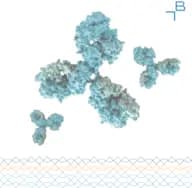
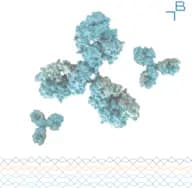
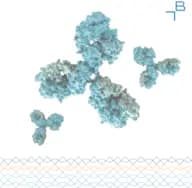
Primary antibodies are immunoglobulins that bind specifically to an antigen of interest, allowing for the detection and quantification of proteins, peptides, or other biomolecules. These antibodies are critical tools in a wide range of applications, including Western blotting, immunohistochemistry, and ELISA. At CymitQuimica, we offer an extensive selection of high-quality primary antibodies that provide specificity and sensitivity for various research needs, including cancer, immunology, and cell biology studies.
Subcategories of "Primary Antibodies"
- Cancer Research Antibodies(3,620 products)
- Cardiovascular Antibodies(2 products)
- Developmental Biology(751 products)
- Epigenetics Antibodies(162 products)
- Immunology Antibodies(2,494 products)
- Metabolism Antibodies(279 products)
- Microbiology Antibodies(736 products)
- Signal Transduction(2,717 products)
- Tags & Cellular Markers(33 products)
Show 1 more subcategories
Found 75302 products of "Primary Antibodies"
Sort by
Purity (%)
0
100
|
0
|
50
|
90
|
95
|
100
Myoglobin antibody
<p>Myoglobin antibody was raised in goat using human heart myoglobin as the immunogen.</p>HIV1 gp41 antibody (HRP)
<p>HIV1 gp41 antibody (HRP) was raised in mouse using purified, full length Recombinant gp41 (HIV-1) produced in E. coli expression system as the immunogen.</p>Gastrin antibody
<p>Gastrin antibody was raised in rabbit using human gastrin as the immunogen.</p>Purity:Min. 95%Cortisol 3 antibody
<p>Cortisol 3 antibody was raised in mouse using cortisol-3-BSA as the immunogen.</p>ST2 antibody
<p>The ST2 antibody is a monoclonal antibody that has neutralizing properties against amyloid plaque. It works by binding to dopamine growth factor, which is present in human serum. This antibody is widely used in the field of life sciences for research purposes. Additionally, it has shown potential as an antiviral medicament due to its ability to inhibit the replication of certain viruses. The ST2 antibody can be used in various applications, including immunoassays and diagnostic tests. Its high specificity and affinity make it a valuable tool for studying alpha-fetoprotein and other biomarkers. With its carbon electrode technology, this monoclonal antibody offers enhanced sensitivity and accuracy in detecting target molecules.</p>HIV1 protease antibody
<p>Rabbit Polyclonal HIV1 protease antibody; 1mg/ml; Supplied in frozen form.</p>CD4 antibody
<p>CD4 antibody was raised in rabbit using human T-Cell CD4 serum as the immunogen.</p>Purity:Min. 95%Thyroxine antibody
<p>Thyroxine antibody is a highly reactive collagen-based monoclonal antibody used in Life Sciences research. It is commonly used for the detection and quantification of thyroxine levels in human serum samples. This antibody specifically targets and binds to thyroxine, preventing its interaction with other molecules. The immobilization of this antibody on an electrode surface allows for efficient and sensitive detection of thyroxine levels. Additionally, studies have shown that this antibody has neutralizing effects on interleukin-6, a pro-inflammatory cytokine involved in various diseases. Furthermore, it has been observed that the binding of this antibody to thyroxine can inhibit the production of reactive oxygen species, making it potentially useful in antioxidant therapies.</p>Progesterone 3 antibody
<p>Progesterone 3 antibody was raised in rabbit using progesterone 3-CMO-BSA as the immunogen.</p>Purity:With Sensitivity ToLDH antibody
<p>LDH antibody was raised in rabbit using porcine lactate dehydrogenase-H4 as the immunogen.</p>Purity:Min. 95%HIV2 p26 antibody
<p>HIV2 p26 antibody was raised in mouse using purified, full length recombinant p26 (HIV-2 ROD) produced in E. coli expression system as the immunogen.</p>Thyroxine antibody
<p>Thyroxine antibody was raised in rabbit using thyroxine-BSA as the immunogen.</p>Purity:Min. 95%Placental Lactogen antibody
<p>Placental lactogen antibody was raised in rabbit using human placental lactogen as the immunogen.</p>Purity:Min. 95%Helicobacter pylori antibody
<p>Helicobacter pylori antibody is a molecular docking protein used in Life Sciences. It specifically targets the Helicobacter bacteria, which is known to cause various gastrointestinal diseases. This antibody has been extensively studied and proven to have a high affinity for H. pylori antigens, making it an effective tool for research and diagnostic purposes. Additionally, it has been shown to inhibit the chemokine production by H. pylori, thereby reducing inflammation caused by the bacteria. The antibody can be immobilized on surfaces such as ferritin or glycopeptide for use in assays or diagnostic tests. Monoclonal Antibodies with specific glycosylation patterns are available, allowing researchers to target different epitopes of the bacteria. Furthermore, this antibody has shown potential as a therapeutic agent against H. pylori infections by inhibiting its growth factor TGF-beta and phosphatase activity. Overall, Helicobacter pylori antibody is a valuable tool in the fight against H. pylori-related diseases</p>SIV mac251 p28 antibody
<p>SIV mac251 p28 antibody was raised in rabbit using full length recombinant p28 (SIVmac251) as the immunogen.</p>Purity:Min. 95%Ebola Virus antibody
<p>The Ebola Virus antibody is a powerful tool in the field of Life Sciences. This monoclonal antibody is specifically designed to target and neutralize the glycoprotein of the Ebola virus. It has been extensively tested and proven to be highly effective in detecting and binding to the virus, making it an essential component in research and diagnostics related to Ebola.</p>HPV6 antibody
<p>HPV6 antibody was raised in mouse using papilloma virus type 6 as the immunogen.</p>HRP2 antibody
<p>The HRP2 antibody is a highly specialized monoclonal antibody used in Life Sciences research. It has a high affinity for streptavidin and can be used in various applications such as immunohistochemistry, Western blotting, and ELISA assays. This antibody specifically targets the hepatocyte growth factor (HGF) and can neutralize its activity. Additionally, it has been shown to bind to other growth factors such as trastuzumab, transferrin, and epidermal growth factor (EGF). The HRP2 antibody is also capable of inhibiting the activity of tumor necrosis factor-alpha (TNF-α), which plays a crucial role in inflammation. With its ability to specifically target activated CXCR4 receptors, this antibody holds great potential in cancer research and therapeutics.</p>Gentamicin antibody
<p>Gentamicin antibody was raised in rabbit using gentamycin-KLH as the immunogen.</p>Purity:DependentZalifrelimab
CAS:<p>Human monoclonal antibody targeting cytotoxic T-lymphocyte -associated protein 4 (CTLA-4)</p>CD4 (T cell receptor) antibody (FITC)
<p>Mouse monoclonal CD4 (T-cell) antibody (FITC); IgG1; 100 ug per vial; clone 45</p>HIV1 p24 antibody (IgG purified)
<p>HIV1 p24 antibody (IgG purified) was raised in sheep using purified full length recombinant p24 as the immunogen.</p>Fluorescein Isothiocyanate (mixture of 5- and 6- isomers)
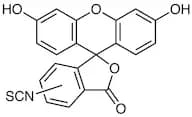
CAS:Formula:C21H11NO5SPurity:>97.0%(T)(HPLC)Color and Shape:Light yellow to Brown powder to crystalMolecular weight:389.38o-Dianisidine Dihydrochloride [for Biochemical Research]
CAS:Formula:C14H16N2O2·2HClPurity:>98.0%(HPLC)Color and Shape:White to Gray to Red powder to crystalMolecular weight:317.21Zika Virus Envelope Antigen Mouse Monoclonal Antibody
<p>This mouse monoclonal antibody is complementary to the Zika envelope protein, with batches of the IgG1k immunoglobulin subclass available. It has been purified by DEAE column chromatography and is presented as a liquid in 0.015M potassium phosphate, 0.85% NaCl, pH 7.2.</p> <p>Transmitted by infected mosquitoes, the Zika virus, although it causes asymptotic and mild symptoms in the majority of cases, it can lead to neurological complications and Guillain-Barr&eacute; syndrome in adults. Furthermore during pregnancy, infants may be born with microcephaly and congenital malformations, known as Zika syndrome. The envelope protein located on the Zika viral membrane and to which this mouse Mab is complementary, is involved in virus and host cell surface receptor binding. It has 3 domains (I, II and III) and a stem-transmembrane domain. Domain I functions to link Domain III (which is the host cell receptor binding domain) to Domain II in order to dimerise and form a fusion loop.</p> <p>The accessible location of the Envelope protein on the viral membrane means it can be an important target for neutralising antibodies and vaccine development. This product can further be used in the rapid lateral flow detection of Zika envelope protein and other antibody and antigen interaction dependent assays such as ELISA and western blot.</p>Candida Albicans Antigen
<p>A wild strain sourced Candida Albicans Antigen, consisting of cytoplasmic and cell wall components presented in an alkaline pH glycine buffer. The antigen is presented as washed harvested organisms that have been disrupted and subjected to an extraction process. The infectivity has been confirmed negative by the absence of growth under original cell culture conditions. It is important to note this product needs to be sonicated before used and repeated freezing and thawing needs to be avoided.The Candida Albicans Antigen is a part of the human fungal pathogen Candida Albicans in humans, mainly colonizing in areas of the gastrointestinal tract, vagina and cutaneous areas. The cell wall components of this antigen are home to the immunodominant antigens in candidiasis and are responsible for generating a response from the host's immune system. Proteins and the glycoproteins mannoproteins, located within this cell wall, interact with the exocellular environment. Research applications of this antigen can be in the development of immunoassays such as ELISA.</p>Purity:Min. 95%HBsAg Mouse Monoclonal Antibody
<p>Purified by Protein A chromatography in PBS, pH 7.4, this mouse monoclonal antibody product is complementary to native hepatitis B surface antigen (HBsAg) and is available as two clones: 1005011 and 1005021. Potential applications of this Mab are in ELISA and lateral flow assays and in the diagnosis of the Hepatitis B (HB) infection which is a necroinflammatory liver disease with the potential to cause liver cirrhosis and heptacellular carcinoma. Clone 1005021 is recommended as a capture antibody and clone 1005011 is recommended as detection antibody.<br>The term HBsAg collectively refers to the three particle forms: Dane, filamentous and spherical of the HB virus which are made up of small HBs proteins (SHBs), middle HBs proteins (MHBs) and large HBs proteins (LHBs). These HBsAg proteins envelop the viral nucleocapsid and binds to the viral core. The LHB has a pre-S1, pre-S2 and S domain, the MHB does not have this pre-S1 domain while SHBs only have the S domain. The S domains ability to form disulphide cross-linked dimers allows Dane particles of the HBsAg to interact with sulphated proteoglycans on host cells, resulting in the activation of HB infection. Furthermore residues 2-48 which make up a conserved N-terminal sequence on the pre-S1 domain allows HBsAg to bind to the Na+-Taurocholate Co-transporter Polypeptide (NTCP) on hepatocytes.</p>WASF3 antibody
<p>WASF3 antibody was raised using the N terminal of WASF3 corresponding to a region with amino acids NMKKAFKSSTVQDQQVVSKNSIPNPVADIYNQSDKPPPLNILTPYRDDKK</p>Testosterone 3 antibody
<p>Testosterone 3 antibody was raised in rabbit using testosterone-3 BSA as the immunogen.</p>PSCA antibody
<p>The 6-Fluoro-3-indoxyl-beta-D-galactopyranoside is a powerful antituberculosis drug that falls under the class of rifamycins. It is specifically designed to target tuberculosis infections and contains active compounds that exhibit bactericidal activity. This drug works by binding to DNA-dependent RNA polymerase, which prevents transcription and replication, thereby inhibiting bacterial growth. Its effectiveness has been demonstrated through various scientific techniques such as the patch-clamp technique on human erythrocytes. The active form of this drug undergoes several metabolic transformations, including hydrolysis by esterases or glucuronidases, oxidation by cytochrome P450 enzymes, reduction by glutathione reductase, or conjugation with glucuronic acid. Additionally, it binds to markers expressed at high levels in Mycobacterium tuberculosis strains and inhibits cell growth in culture.</p>TOE1 antibody
<p>TOE1 antibody was raised using a synthetic peptide corresponding to a region with amino acids VVDVQSNNFKEMWPSLLLAIKTANFVAVDTELSGLGDRKSLLNQCIEERY</p>TSH beta antibody F(ab)'2 Fragment
<p>TSH beta antibody was raised against Human TSH (intact).</p>Purity:Min. 95%Beta Lactamase antibody
<p>Beta Lactamase antibody was raised using the middle region of LACTB corresponding to a region with amino acids QEKEGKSNEKNDFTKFKTEQENEAKCRNSKPGKKKNDFEQGELYLREKFE</p>UROD antibody
<p>The UROD antibody is a highly specialized monoclonal antibody that has neutralizing properties against annexin A2. This antibody is colloidal in nature and is used in Life Sciences research to study the role of annexin A2 in various cellular processes. It has been shown to inhibit the activity of glucagon, a hormone involved in glucose metabolism. The UROD antibody specifically targets the amino-terminal region of annexin A2, which is activated under certain conditions. This monoclonal antibody can be used in experiments to investigate the function of annexin A2 and its potential as a therapeutic target for various diseases, including cardiomyocyte dysfunction and natriuretic factor regulation. Additionally, polyclonal antibodies targeting annexin A2 are also available for research purposes.</p>HUS1B antibody
<p>HUS1B antibody was raised using a synthetic peptide corresponding to a region with amino acids ELFIHVSGTVARLAKVCVLRVRPDSLCFGPAGSGGLHEARLWCEVRQGAF</p>CEA antibody
<p>CEA antibody was raised in mouse using human colon adrenocarcinoma as the immunogen.</p>Cip1 antibody
<p>Cip1 antibody was raised in rabbit using residues 139-164 of the p21 protein as the immunogen.</p>Purity:Min. 95%LDHC antibody
<p>LDHC antibody was raised using the middle region of LDHC corresponding to a region with amino acids IVIVTAGARQQEGETRLALVQRNVAIMKSIIPAIVHYSPDCKILVVSNPV</p>ARSA antibody
<p>ARSA antibody was raised using the middle region of ARSA corresponding to a region with amino acids KQLQLLKAQLDAAVTFGPSQVARGEDPALQICCHPGCTPRPACCHCPDPH</p>anti-Testosterone Monoclonal
<p>This Monoclonal anti-Testosterone antibody is suitable for ELISA and LFD applications.</p>Purity:Min. 95%Tetanus toxin antibody
<p>Tetanus toxin antibody is a monoclonal antibody that acts as an inhibitor of the tetanus toxin. It belongs to the class of antibodies known as neutralizing antibodies, which are active agents in the field of life sciences. This monoclonal antibody specifically targets and neutralizes the effects of tetanus toxin by binding to it and preventing it from causing harm. Additionally, this antibody has been shown to have potential therapeutic applications in other areas, such as inhibiting the activity of epidermal growth factor (EGF) and atypical hemolytic autoantibodies. With its versatility and efficacy, this monoclonal antibody offers promising possibilities for medical research and treatment options.</p>Purity:>92% By Gel Electrophoresis And Gel ScanningSDK1 antibody
<p>SDK1 antibody was raised in rabbit using the middle region of SDK1 as the immunogen</p>Purity:Min. 95%RBP4 antibody
<p>The RBP4 antibody is a highly specialized antibody that can be used for various applications. It is available in both polyclonal and monoclonal forms, allowing for flexibility in experimental design. This antibody specifically targets retinol-binding protein 4 (RBP4), which plays a crucial role in the transport of retinol (vitamin A) in human serum.</p>Carbonic Anhydrase I antibody
<p>Carbonic Anhydrase I antibody was raised using the N terminal of CA1 corresponding to a region with amino acids ASPDWGYDDKNGPEQWSKLYPIANGNNQSPVDIKTSETKHDTSLKPISVS</p>C5ORF39 antibody
<p>C5ORF39 antibody was raised using the N terminal Of C5Orf39 corresponding to a region with amino acids EQHFLGCVKRAWDSAEVAPEPQPPPIVSSEDRGPWPLPLYPVLGEYSLDS</p>ROD1 antibody
<p>The ROD1 antibody is a neutralizing antibody that belongs to the category of polyclonal antibodies. It is used in life sciences research to study the role of interleukins and other growth factors. This antibody specifically targets nuclear binding proteins and can be used in various assays and experiments. Whether you need a monoclonal or polyclonal version, the ROD1 antibody is an essential tool for researchers looking to study the effects of specific proteins or develop new drug antibodies. With its high specificity and reliability, this antibody is a valuable addition to any laboratory's toolkit.</p>ITGA6 antibody
<p>The ITGA6 antibody is a powerful tool in the field of Life Sciences. It plays a crucial role in various biological processes, including adipose tissue development, dopamine signaling, and immune response. This monoclonal antibody specifically targets the integrin alpha 6 (ITGA6), which is a protein complex involved in cell adhesion and migration.</p>PAK7 antibody
<p>The PAK7 antibody is a highly specialized product in the field of Life Sciences. It is an anti-MERTK antibody that specifically targets and binds to the activated form of the MERTK protein. This antibody is designed to facilitate antigen-antibody reactions, making it an essential tool for various research applications.</p>...C-peptide antibody
<p>The C-peptide antibody is a synthetic, recombinant protein that has been activated for use in various life sciences assays. This antibody is specifically designed to detect and bind to C-peptide, a protein fragment that is cleaved from proinsulin during insulin synthesis. The C-peptide antibody can be used in electrophoresis and other laboratory techniques to study the presence and function of C-peptide in human serum samples. This monoclonal antibody is highly specific and has been extensively characterized for its performance and reliability. It can be used as a valuable tool in research and diagnostic applications related to diabetes, insulin secretion, and related disorders. With its buffered formulation and high sensitivity, the C-peptide antibody ensures accurate and reproducible results in various experimental settings. Trust this antibody for your research needs in the field of endocrinology and beyond.</p>SOX10 antibody
<p>The SOX10 antibody is a growth factor that plays a crucial role in various biological processes. It interacts with fibronectin and calpain, and its activity can be modulated by substances such as taxol. This antibody has been extensively studied in the field of Life Sciences and has shown promising results in different research areas.</p>PAK4 antibody
<p>The PAK4 antibody is a protein that specifically targets and neutralizes the activity of PAK4. It belongs to the class of polyclonal antibodies, which are widely used in life sciences research. PAK4 is an important enzyme involved in various cellular processes, including cell migration, proliferation, and survival. The PAK4 antibody can be used in experiments to study the role of PAK4 in these processes. It can also be used as a diagnostic tool to detect the presence of autoantibodies against PAK4 in certain diseases. Additionally, monoclonal antibodies targeting PAK4 have been developed and can be used as therapeutic agents to inhibit its activity. The PAK4 antibody is available as both polyclonal and monoclonal forms, and it has been extensively validated for its specificity and efficacy.</p>TEK antibody
<p>The TEK antibody is a highly specialized monoclonal antibody that targets the activated cholinergic receptor. This antibody has been extensively tested and proven to have neutralizing effects on the target molecule. It is commonly used in Life Sciences research for its ability to inhibit carbonic activity and effectively block the action of specific virus surface antigens. Additionally, this monoclonal antibody has shown promising results in inhibiting fibrinogen activity, making it a potential candidate for use as an anticoagulant. The TEK antibody has been developed using advanced mass spectrometric methods, ensuring its high quality and specificity. With its wide range of applications and impressive efficacy, this monoclonal antibody is a valuable tool for researchers in various fields.</p>FABP3 antibody
<p>FABP3 antibody was raised using a synthetic peptide corresponding to a region with amino acids MTKPTTIIEKNGDILTLKTHSTFKNTEISFKLGVEFDETTADDRKVKSIV</p>ACTL7B antibody
<p>ACTL7B antibody was raised using the middle region of ACTL7B corresponding to a region with amino acids KLITIGQERFRCSEMLFQPSLAGSTQPGLPELTAACLGRCQDTGFKEEMA</p>












![o-Dianisidine Dihydrochloride [for Biochemical Research]](/_next/image/?url=https%3A%2Fstatic.cymitquimica.com%2Fproducts%2F3B%2Fthumb-webp%2FD3893.webp&w=3840&q=75)