Primary Antibodies
Primary antibodies are immunoglobulins that bind specifically to an antigen of interest, allowing for the detection and quantification of proteins, peptides, or other biomolecules. These antibodies are critical tools in a wide range of applications, including Western blotting, immunohistochemistry, and ELISA. At CymitQuimica, we offer an extensive selection of high-quality primary antibodies that provide specificity and sensitivity for various research needs, including cancer, immunology, and cell biology studies.
Subcategories of "Primary Antibodies"
- Cancer Research Antibodies(3,620 products)
- Cardiovascular Antibodies(2 products)
- Developmental Biology(751 products)
- Epigenetics Antibodies(162 products)
- Immunology Antibodies(2,624 products)
- Metabolism Antibodies(279 products)
- Microbiology Antibodies(736 products)
- Signal Transduction(2,717 products)
- Tags & Cellular Markers(33 products)
Show 1 more subcategories
Found 75324 products of "Primary Antibodies"
Sort by
Purity (%)
0
100
|
0
|
50
|
90
|
95
|
100
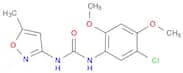
N-(5-CHLORO-2,4-DIMETHOXYPHENYL)-N'-(5-METHYL-3-ISOXAZOLYL)-UREA
CAS:Formula:C13H14ClN3O4Purity:98%Color and Shape:SolidMolecular weight:311.7210PPAR-γ (phospho Ser112) rabbit pAb
peroxisome proliferator activated receptor gamma(PPARG) Homo sapiens This gene encodes a member of the peroxisome proliferator-activated receptor (PPAR) subfamily of nuclear receptors. PPARs form heterodimers with retinoid X receptors (RXRs) and these heterodimers regulate transcription of various genes. Three subtypes of PPARs are known: PPAR-alpha, PPAR-delta, and PPAR-gamma. The protein encoded by this gene is PPAR-gamma and is a regulator of adipocyte differentiation. Additionally, PPAR-gamma has been implicated in the pathology of numerous diseases including obesity, diabetes, atherosclerosis and cancer. Alternatively spliced transcript variants that encode different isoforms have been described. [provided by RefSeq, Jul 2008],MRP-L52 rabbit pAb
Mammalian mitochondrial ribosomal proteins are encoded by nuclear genes and help in protein synthesis within the mitochondrion. Mitochondrial ribosomes (mitoribosomes) consist of a small 28S subunit and a large 39S subunit. They have an estimated 75% protein to rRNA composition compared to prokaryotic ribosomes, where this ratio is reversed. Another difference between mammalian mitoribosomes and prokaryotic ribosomes is that the latter contain a 5S rRNA. Among different species, the proteins comprising the mitoribosome differ greatly in sequence, and sometimes in biochemical properties, which prevents easy recognition by sequence homology. This gene encodes a 39S subunit protein which has no bacterial homolog. Multiple transcript variants encoding different protein isoforms were identified through sequence analysis. [provided by RefSeq, Jul 2008],HSPB8/HSP22 Mouse mAb
Heat shock protein beta-8 is a protein that in humans is encoded by the HSPB8 gene. HSPB8 (HSP22) is a member of the small heat shock protein superfamily and the human protein is most closely related to HSP27.Ribosomal Protein L3L rabbit pAb
This gene encodes a protein that shares sequence similarity with ribosomal protein L3. The protein belongs to the L3P family of ribosomal proteins. Unlike the ubiquitous expression of ribosomal protein genes, this gene has a tissue-specific pattern of expression, with the highest levels of expression in skeletal muscle and heart. It is not currently known whether the encoded protein is a functional ribosomal protein or whether it has evolved a function that is independent of the ribosome. [provided by RefSeq, Jul 2008],Abl1/2 (phospho Tyr393/439) rabbit pAb
This gene is a protooncogene that encodes a protein tyrosine kinase involved in a variety of cellular processes, including cell division, adhesion, differentiation, and response to stress. The activity of the protein is negatively regulated by its SH3 domain, whereby deletion of the region encoding this domain results in an oncogene. The ubiquitously expressed protein has DNA-binding activity that is regulated by CDC2-mediated phosphorylation, suggesting a cell cycle function. This gene has been found fused to a variety of translocation partner genes in various leukemias, most notably the t(9;22) translocation that results in a fusion with the 5' end of the breakpoint cluster region gene (BCR; MIM:151410). Alternative splicing of this gene results in two transcript variants, which contain alternative first exons that are spliced to the remaining common exons. [prATG5 (3C7) Mouse mAb
Autophagy is generally activated by conditions of nutrient deprivation but has also been associated with a number of physiological processes including development, differentiation, neurodegeneration, infection, and cancer. Formation of the autophagosome involves a ubiquitin-like conjugation system in which Atg12 is covalently bound to Atg5 and targeted to autophagosome vesicles. This conjugation reaction is mediated by the ubiquitin E1-like enzyme Atg7 and the E2-like enzyme Atg10.SPEG rabbit pAb
This gene encodes a protein with similarity to members of the myosin light chain kinase family. This protein family is required for myocyte cytoskeletal development. Along with the desmin gene, expression of this gene may be controlled by the desmin locus control region. Mutations in this gene are associated with centronuclear myopathy 5. [provided by RefSeq, Jun 2016],Nup160 rabbit pAb
nucleoporin 160(NUP160) Homo sapiens NUP160 is 1 of up to 60 proteins that make up the 120-MD nuclear pore complex, which mediates nucleoplasmic transport.[supplied by OMIM, Apr 2004],Paxillin rabbit pAb
This gene encodes a cytoskeletal protein involved in actin-membrane attachment at sites of cell adhesion to the extracellular matrix (focal adhesion). Alternatively spliced transcript variants encoding different isoforms have been described for this gene. These isoforms exhibit different expression pattern, and have different biochemical, as well as physiological properties (PMID:9054445). [provided by RefSeq, Aug 2011],DONS rabbit pAb
This gene lies downstream of the SON gene and spans 10 kb on chromosome 21. The function of this gene is unknown. [provided by RefSeq, Jul 2008],SIGIR rabbit pAb
function:Acts as a negative regulator of the Toll-like and IL-1R receptor signaling pathways. Attenuates the recruitment of receptor-proximal signaling components to the TLR4 receptor, probably through an TIR-TIR domain interaction with TLR4. Through its extracellular domain interferes with the heterodimerization of Il1R1 and IL1RAP.,similarity:Belongs to the interleukin-1 receptor family.,similarity:Contains 1 Ig-like C2-type (immunoglobulin-like) domain.,similarity:Contains 1 TIR domain.,subunit:Interacts with IL1R1, IRAK1, TLR4, TLR5, TLR9 and TRAF6. Upon IL-1 stimulation found in a complex at least composed of IL1R1, SIGIRR, MYD88, IRAK1 and TRAF6. Upon stimulation with LPC found in a complex at least composed of TLR4, SIG1IR, MYD88, IRAK1 and TRAF6.,tissue specificity:Mainly expressed in epithelial tissues such as kidney, lung and gut.,CD88 rabbit pAb
function:Receptor for the chemotactic and inflammatory peptide anaphylatoxin C5a. This receptor stimulates chemotaxis, granule enzyme release and superoxide anion production.,PTM:Sulfation plays a critical role in the association of the receptor with C5a, but no significant role in the ability of the receptor to transduce a signal and mobilize calcium in response to a small peptide agonist.,similarity:Belongs to the G-protein coupled receptor 1 family.,Cleaved-Integrin α5 LC (E895) rabbit pAb
integrin subunit alpha 5(ITGA5) Homo sapiens The product of this gene belongs to the integrin alpha chain family. Integrins are heterodimeric integral membrane proteins composed of an alpha subunit and a beta subunit that function in cell surface adhesion and signaling. The encoded preproprotein is proteolytically processed to generate light and heavy chains that comprise the alpha 5 subunit. This subunit associates with the beta 1 subunit to form a fibronectin receptor. This integrin may promote tumor invasion, and higher expression of this gene may be correlated with shorter survival time in lung cancer patients. Note that the integrin alpha 5 and integrin alpha V subunits are encoded by distinct genes. [provided by RefSeq, Oct 2015],