Primary Antibodies
Primary antibodies are immunoglobulins that bind specifically to an antigen of interest, allowing for the detection and quantification of proteins, peptides, or other biomolecules. These antibodies are critical tools in a wide range of applications, including Western blotting, immunohistochemistry, and ELISA. At CymitQuimica, we offer an extensive selection of high-quality primary antibodies that provide specificity and sensitivity for various research needs, including cancer, immunology, and cell biology studies.
Subcategories of "Primary Antibodies"
- Cancer Research Antibodies(3,721 products)
- Cardiovascular Antibodies(2 products)
- Developmental Biology(764 products)
- Epigenetics Antibodies(162 products)
- Immunology Antibodies(2,585 products)
- Metabolism Antibodies(286 products)
- Microbiology Antibodies(740 products)
- Signal Transduction(2,765 products)
- Tags & Cellular Markers(34 products)
Show 1 more subcategories
Found 75512 products of "Primary Antibodies"
Sort by
Purity (%)
0
100
|
0
|
50
|
90
|
95
|
100
Acetyl Lysine Rabbit pAb
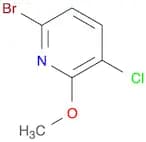
Acetylation of lysine, like phosphorylation of serine, threonine or tyrosine, is an important reversible modification controlling protein activity. The role of acetylation in intracellular signaling has been inferred from the binding of acetylated peptides by the conserved bromodomain.6-Bromo-3-chloro-2-methoxypyridine
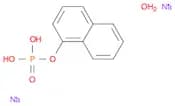
CAS:Formula:C6H5BrClNOPurity:95%Color and Shape:SolidMolecular weight:222.4670Sodium naphthalen-1-yl phosphate hydrate
CAS:Formula:C10H9Na2O5PPurity:95%Color and Shape:SolidMolecular weight:286.1288AMPKα1 (phospho Ser496) rabbit pAb
The protein encoded by this gene belongs to the ser/thr protein kinase family. It is the catalytic subunit of the 5'-prime-AMP-activated protein kinase (AMPK). AMPK is a cellular energy sensor conserved in all eukaryotic cells. The kinase activity of AMPK is activated by the stimuli that increase the cellular AMP/ATP ratio. AMPK regulates the activities of a number of key metabolic enzymes through phosphorylation. It protects cells from stresses that cause ATP depletion by switching off ATP-consuming biosynthetic pathways. Alternatively spliced transcript variants encoding distinct isoforms have been observed. [provided by RefSeq, Jul 2008],Rad50 (phospho-Ser635) rabbit pAb
RAD50 double strand break repair protein(RAD50) Homo sapiens The protein encoded by this gene is highly similar to Saccharomyces cerevisiae Rad50, a protein involved in DNA double-strand break repair. This protein forms a complex with MRE11 and NBS1. The protein complex binds to DNA and displays numerous enzymatic activities that are required for nonhomologous joining of DNA ends. This protein, cooperating with its partners, is important for DNA double-strand break repair, cell cycle checkpoint activation, telomere maintenance, and meiotic recombination. Knockout studies of the mouse homolog suggest this gene is essential for cell growth and viability. Mutations in this gene are the cause of Nijmegen breakage syndrome-like disorder.[provided by RefSeq, Apr 2010],SYT8 rabbit pAb
This gene encodes a member of the synaptotagmin protein family. Synaptotagmins are membrane proteins that are important in neurotransmission and hormone secretion, both of which involve regulated exocytosis. Expression of the encoded protein in human pancreatic islets has been connected to activity of the promoter for the insulin gene, on the same chromosome several hundred kilobases away (PMID: 21336277 and 22928559). This association would link response to gluclose to insulin secretion. Alternative splicing results in multiple transcript variants encoding different isoforms. [provided by RefSeq, Mar 2014],JDP2 (phospho Thr148) rabbit pAb
function:Component of the AP-1 transcription factor that represses transactivation mediated by the Jun family of proteins. Involved in a variety of transcriptional responses associated with AP-1 such as UV-induced apoptosis, cell differentiation, tumorigenesis and antitumogeneris. Can also function as a repressor by recruiting histone deacetylase 3/HDAC3 to the promoter region of JUN. May control transcription via direct regulation of the modification of histones and the assembly of chromatin.,PTM:Phosphorylation of Thr-148 by MAPK8 in response to different stress conditions such as, UV irradiation, oxidatives stress and anisomycin treatments.,similarity:Belongs to the bZIP family. ATF subfamily.,similarity:Contains 1 bZIP domain.,subunit:Forms homodimer or heterodimer with JUN, JUNB, JUND, CEBPG and ATF2 thereby inhibiting transactivation by JUN, ATF2 and CEBPG (By similarity). Binds multiple DNA elements such as cAMP-response element (CRE) and TPA response element (TRE) either as homodimer or heterodimer.,CD15 rabbit pAb
The product of this gene transfers fucose to N-acetyllactosamine polysaccharides to generate fucosylated carbohydrate structures. It catalyzes the synthesis of the non-sialylated antigen, Lewis x (CD15). [provided by RefSeq, Jan 2009],Acyclovir
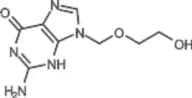
CAS:Acyclovir (Aciclovir) is a synthetic analog of the purine nucleoside, guanosine, with potent antiviral activity against herpes simplex viruses type 1 and 2,Formula:C8H11N5O3Purity:99.77% - >99.99%Color and Shape:Crystals From Methanol SolidMolecular weight:225.2BAGE3 rabbit pAb
function:Unknown. Candidate gene encoding tumor antigens.,miscellaneous:The ancestral BAGE gene was generated by juxtacentromeric reshuffling of the MLL3 gene. The BAGE family was expanded by juxtacentromeric movement and/or acrocentric exchanges. BAGE family is composed of expressed genes that map to the juxtacentromeric regions of chromosomes 13 and 21 and of unexpressed gene fragments that scattered in the juxtacentromeric regions of several chromosomes, including chromosomes 9, 13, 18 and 21.,similarity:Belongs to the BAGE family.,tissue specificity:Not expressed in normal tissues except in testis. Expressed in 22% of melanomas, in bladder and lung carcinomas.,tissue specificity:Not expressed in normal tissues except in testis. Expressed in melanoma, bladder and lung carcinomas.,AIRE-1 rabbit pAb
This gene encodes a transcriptional regulator that forms nuclear bodies and interacts with the transcriptional coactivator CREB binding protein. The encoded protein plays an important role in immunity by regulating the expression of autoantigens and negative selection of autoreactive T-cells in the thymus. Mutations in this gene cause the rare autosomal-recessive systemic autoimmune disease termed autoimmune polyendocrinopathy with candidiasis and ectodermal dystrophy (APECED). [provided by RefSeq, Jun 2012],ZIM2 rabbit pAb
In human, ZIM2 and PEG3 (GeneID:5178) are two distinct genes that share a set of 5' exons and have a common promoter, and both genes are paternally expressed. Alternative splicing events connect the shared exons either with the remaining 4 exons unique to ZIM2, or with the remaining 2 exons unique to PEG3. This is in contrast to mouse and cow, where ZIM2 and PEG3 genes do not share exons in common, and the imprinting status of ZIM2 is also not conserved amongst mammals. Additional 5' alternatively spliced transcripts encoding the same protein have been found for the human ZIM2 gene. [provided by RefSeq, Oct 2010],Tensin-1 (phospho Tyr1326) rabbit pAb
The protein encoded by this gene localizes to focal adhesions, regions of the plasma membrane where the cell attaches to the extracellular matrix. This protein crosslinks actin filaments and contains a Src homology 2 (SH2) domain, which is often found in molecules involved in signal transduction. This protein is a substrate of calpain II. Alternative splicing results in multiple transcript variants encoding different isoforms. [provided by RefSeq, Apr 2015],Renin rabbit pAb
Renin catalyzes the first step in the activation pathway of angiotensinogen--a cascade that can result in aldosterone release,vasoconstriction, and increase in blood pressure. Renin, an aspartyl protease, cleaves angiotensinogen to form angiotensin I, which is converted to angiotensin II by angiotensin I converting enzyme, an important regulator of blood pressure and electrolyte balance. Transcript variants that encode different protein isoforms and that arise from alternative splicing and the use of alternative promoters have been described, but their full-length nature has not been determined. Mutations in this gene have been shown to cause familial hyperproreninemia. [provided by RefSeq, Jul 2008],Histone H3 (Di Methyl Lys9) rabbit pAb
Histones are basic nuclear proteins that are responsible for the nucleosome structure of the chromosomal fiber in eukaryotes. This structure consists of approximately 146 bp of DNA wrapped around a nucleosome, an octamer composed of pairs of each of the four core histones (H2A, H2B, H3, and H4). The chromatin fiber is further compacted through the interaction of a linker histone, H1, with the DNA between the nucleosomes to form higher order chromatin structures. This gene is intronless and encodes a replication-dependent histone that is a member of the histone H3 family. Transcripts from this gene lack polyA tails; instead, they contain a palindromic termination element. This gene is found in the large histone gene cluster on chromosome 6p22-p21.3. [provided by RefSeq, Aug 2015],ALK (phospho-Tyr1078) rabbit pAb
This gene encodes a receptor tyrosine kinase, which belongs to the insulin receptor superfamily. This protein comprises an extracellular domain, an hydrophobic stretch corresponding to a single pass transmembrane region, and an intracellular kinase domain. It plays an important role in the development of the brain and exerts its effects on specific neurons in the nervous system. This gene has been found to be rearranged, mutated, or amplified in a series of tumours including anaplastic large cell lymphomas, neuroblastoma, and non-small cell lung cancer. The chromosomal rearrangements are the most common genetic alterations in this gene, which result in creation of multiple fusion genes in tumourigenesis, including ALK (chromosome 2)/EML4 (chromosome 2), ALK/RANBP2 (chromosome 2), ALK/ATIC (chromosome 2), ALK/TFG (chromosome 3), ALK/NPM1 (chromosome 5), ALK/SQSTM1 (chromosomeLKB1 rabbit pAb
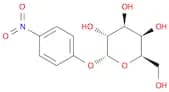
This gene, which encodes a member of the serine/threonine kinase family, regulates cell polarity and functions as a tumor suppressor. Mutations in this gene have been associated with Peutz-Jeghers syndrome, an autosomal dominant disorder characterized by the growth of polyps in the gastrointestinal tract, pigmented macules on the skin and mouth, and other neoplasms. Alternate transcriptional splice variants of this gene have been observed but have not been thoroughly characterized. [provided by RefSeq, Jul 2008],4-Nitrophenyl a-D-galactopyranoside
CAS:Formula:C12H15NO8Purity:97%Color and Shape:SolidMolecular weight:301.2494