Primary Antibodies
Primary antibodies are immunoglobulins that bind specifically to an antigen of interest, allowing for the detection and quantification of proteins, peptides, or other biomolecules. These antibodies are critical tools in a wide range of applications, including Western blotting, immunohistochemistry, and ELISA. At CymitQuimica, we offer an extensive selection of high-quality primary antibodies that provide specificity and sensitivity for various research needs, including cancer, immunology, and cell biology studies.
Subcategories of "Primary Antibodies"
- Cancer Research Antibodies(3,620 products)
- Cardiovascular Antibodies(2 products)
- Developmental Biology(751 products)
- Epigenetics Antibodies(162 products)
- Immunology Antibodies(2,776 products)
- Metabolism Antibodies(279 products)
- Microbiology Antibodies(736 products)
- Signal Transduction(2,717 products)
- Tags & Cellular Markers(33 products)
Show 1 more subcategories
Found 75326 products of "Primary Antibodies"
Sort by
Purity (%)
0
100
|
0
|
50
|
90
|
95
|
100
ADAM8 rabbit pAb
This gene encodes a member of the ADAM (a disintegrin and metalloprotease domain) family. Members of this family are membrane-anchored proteins structurally related to snake venom disintegrins, and have been implicated in a variety of biological processes involving cell-cell and cell-matrix interactions, including fertilization, muscle development, and neurogenesis. The protein encoded by this gene may be involved in cell adhesion during neurodegeneration, and it is thought to be a target for allergic respiratory diseases, including asthma. Alternative splicing results in multiple transcript variants. [provided by RefSeq, Aug 2009],Glut1 rabbit pAb
This gene encodes a major glucose transporter in the mammalian blood-brain barrier. The encoded protein is found primarily in the cell membrane and on the cell surface, where it can also function as a receptor for human T-cell leukemia virus (HTLV) I and II. Mutations in this gene have been found in a family with paroxysmal exertion-induced dyskinesia. [provided by RefSeq, Apr 2013],Cleaved-Lamin A (N231) rabbit pAb
lamin A/C(LMNA) Homo sapiens The nuclear lamina consists of a two-dimensional matrix of proteins located next to the inner nuclear membrane. The lamin family of proteins make up the matrix and are highly conserved in evolution. During mitosis, the lamina matrix is reversibly disassembled as the lamin proteins are phosphorylated. Lamin proteins are thought to be involved in nuclear stability, chromatin structure and gene expression. Vertebrate lamins consist of two types, A and B. Alternative splicing results in multiple transcript variants. Mutations in this gene lead to several diseases: Emery-Dreifuss muscular dystrophy, familial partial lipodystrophy, limb girdle muscular dystrophy, dilated cardiomyopathy, Charcot-Marie-Tooth disease, and Hutchinson-Gilford progeria syndrome. [provided by RefSeq, Apr 2012],GABA T-3 rabbit pAb
The protein encoded by this gene is a sodium-dependent transporter that uptakes gamma-aminobutyric acid (GABA), an inhibitory neurotransmitter, which ends the GABA neurotransmission. Defects in this gene may result in epilepsy, behavioral problems, or intellectual problems. Two transcript variants encoding different isoforms have been found for this gene. [provided by RefSeq, Dec 2015],Flt-3 (phospho Tyr969) rabbit pAb
This gene encodes a class III receptor tyrosine kinase that regulates hematopoiesis. This receptor is activated by binding of the fms-related tyrosine kinase 3 ligand to the extracellular domain, which induces homodimer formation in the plasma membrane leading to autophosphorylation of the receptor. The activated receptor kinase subsequently phosphorylates and activates multiple cytoplasmic effector molecules in pathways involved in apoptosis, proliferation, and differentiation of hematopoietic cells in bone marrow. Mutations that result in the constitutive activation of this receptor result in acute myeloid leukemia and acute lymphoblastic leukemia. [provided by RefSeq, Jan 2015],HES-6 rabbit pAb
This gene encodes a member of a subfamily of basic helix-loop-helix transcription repressors that have homology to the Drosophila enhancer of split genes. Members of this gene family regulate cell differentiation in numerous cell types. The protein encoded by this gene functions as a cofactor, interacting with other transcription factors through a tetrapeptide domain in its C-terminus. Alternatively spliced transcript variants encoding different isoforms have been described.[provided by RefSeq, Dec 2008],RN103 rabbit pAb
The protein encoded by this gene contains a RING-H2 finger, a motif known to be involved in protein-protein and protein-DNA interactions. This gene is highly expressed in normal cerebellum, but not in the cerebral cortex. The expression of the rat counterpart in the frontal cortex and hippocampus was shown to be induced by elctroconvulsive treatment (ECT) as well as chronic antidepressant treatment, suggesting that this gene may be a molecular target for ECT and antidepressants. The protein is a ubiquitin ligase that functions in the endoplasmic reticulum-associated degradation pathway. Alternative splicing of this gene results in multiple transcript variants. Read-through transcription also exists between this gene and the downstream CHMP3 (charged multivesicular body protein 3) gene. [provided by RefSeq, Oct 2011],GCNT7 rabbit pAb
function:Glycosyltransferase.,pathway:Protein modification; protein glycosylation.,sequence caution:Translated as Gln.,similarity:Belongs to the glycosyltransferase 14 family.,TAF II p68 rabbit pAb
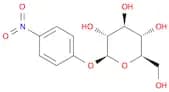
This gene encodes a member of the TET family of RNA-binding proteins. The encoded protein plays a role in RNA polymerase II gene transcription as a component of a distinct subset of multi-subunit transcription initiation factor TFIID complexes. Translocations involving this gene play a role in acute leukemia and extraskeletal myxoid chondrosarcoma, and mutations in this gene may play a role in amyotrophic lateral sclerosis. Alternatively spliced transcript variants encoding multiple isoforms have been observed for this gene. [provided by RefSeq, May 2012],β-D-Glucopyranoside, 4-nitrophenyl
CAS:Formula:C12H15NO8Purity:98%Color and Shape:SolidMolecular weight:301.2494LPAR4 rabbit pAb
lysophosphatidic acid receptor 4(LPAR4) Homo sapiens This gene encodes a member of the lysophosphatidic acid receptor family. It may also be related to the P2Y receptors, a family of receptors that bind purine and pyrimidine nucleotides and are coupled to G proteins. The encoded protein may play a role in monocytic differentiation. [provided by RefSeq, Feb 2009],Nrf2 Rabbit pAb
Nuclear factor (erythroid-derived 2)-like 2, also known as NFE2L2 or Nrf2, is a transcription factor that in humans is encoded by the NFE2L2 gene. Small amounts of constitutive nuclear NRF2 maintain cellular homeostasis through regulation of basal expression of antioxidant response genes.DHRS9 rabbit pAb
This gene encodes a member of the short-chain dehydrogenases/reductases (SDR) family. The encoded protein has been identified as a moonlighting protein based on its ability to perform mechanistically distinct functions. This protein demonstrates oxidoreductase activity toward hydroxysteroids and is able to convert 3-alpha-tetrahydroprogesterone to dihydroxyprogesterone and 3-alpha-androstanediol to dihydroxyprogesterone in the cytoplasm, and may additionally function as a transcriptional repressor in the nucleus. Alternative splicing results in multiple transcript variants. [provided by RefSeq, Jan 2014],