Primary Antibodies
Primary antibodies are immunoglobulins that bind specifically to an antigen of interest, allowing for the detection and quantification of proteins, peptides, or other biomolecules. These antibodies are critical tools in a wide range of applications, including Western blotting, immunohistochemistry, and ELISA. At CymitQuimica, we offer an extensive selection of high-quality primary antibodies that provide specificity and sensitivity for various research needs, including cancer, immunology, and cell biology studies.
Subcategories of "Primary Antibodies"
- Cancer Research Antibodies(3,721 products)
- Cardiovascular Antibodies(2 products)
- Developmental Biology(764 products)
- Epigenetics Antibodies(162 products)
- Immunology Antibodies(2,585 products)
- Metabolism Antibodies(286 products)
- Microbiology Antibodies(741 products)
- Signal Transduction(2,765 products)
- Tags & Cellular Markers(34 products)
Show 1 more subcategories
Found 75594 products of "Primary Antibodies"
Sort by
Purity (%)
0
100
|
0
|
50
|
90
|
95
|
100
UNC5B rabbit pAb
This gene encodes a member of the netrin family of receptors. This particular protein mediates the repulsive effect of netrin-1 and is a vascular netrin receptor. This encoded protein is also in a group of proteins called dependence receptors (DpRs) which are involved in pro- and anti-apoptotic processes. Many DpRs are involved in embryogenesis and in cancer progression. Two alternatively spliced transcript variants have been described for this gene. [provided by RefSeq, Oct 2011],PKA IIβ reg (phospho Ser113) rabbit pAb
cAMP is a signaling molecule important for a variety of cellular functions. cAMP exerts its effects by activating the cAMP-dependent protein kinase, which transduces the signal through phosphorylation of different target proteins. The inactive kinase holoenzyme is a tetramer composed of two regulatory and two catalytic subunits. cAMP causes the dissociation of the inactive holoenzyme into a dimer of regulatory subunits bound to four cAMP and two free monomeric catalytic subunits. Four different regulatory subunits and three catalytic subunits have been identified in humans. The protein encoded by this gene is one of the regulatory subunits. This subunit can be phosphorylated by the activated catalytic subunit. This subunit has been shown to interact with and suppress the transcriptional activity of the cAMP responsive element binding protein 1 (CREB1) in activCyclin B1 rabbit pAb
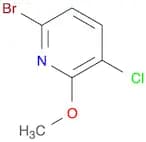
The protein encoded by this gene is a regulatory protein involved in mitosis. The gene product complexes with p34(cdc2) to form the maturation-promoting factor (MPF). Two alternative transcripts have been found, a constitutively expressed transcript and a cell cycle-regulated transcript, that is expressed predominantly during G2/M phase. The different transcripts result from the use of alternate transcription initiation sites. [provided by RefSeq, Jul 2008],6-Bromo-3-chloro-2-methoxypyridine
CAS:Formula:C6H5BrClNOPurity:96%Color and Shape:SolidMolecular weight:222.4670SMPX rabbit pAb
This gene encodes a small protein that has no known functional domains. Mutations in this gene are a cause of X-linked deafness-4, and the encoded protein may play a role in the maintenance of inner ear cells subjected to mechanical stress. Alternatively spliced transcript variants have been observed for this gene. [provided by RefSeq, Dec 2011],CUL4A rabbit pAb
CUL4A is the ubiquitin ligase component of a multimeric complex involved in the degradation of DNA damage-response proteins (Liu et al., 2009 [PubMed 19481525]).[supplied by OMIM, Oct 2009],Olfactory receptor 56B1 rabbit pAb
Olfactory receptors interact with odorant molecules in the nose, to initiate a neuronal response that triggers the perception of a smell. The olfactory receptor proteins are members of a large family of G-protein-coupled receptors (GPCR) arising from single coding-exon genes. Olfactory receptors share a 7-transmembrane domain structure with many neurotransmitter and hormone receptors and are responsible for the recognition and G protein-mediated transduction of odorant signals. The olfactory receptor gene family is the largest in the genome. The nomenclature assigned to the olfactory receptor genes and proteins for this organism is independent of other organisms. [provided by RefSeq, Jul 2008],IL-21 rabbit pAb
This gene encodes a member of the common-gamma chain family of cytokines with immunoregulatory activity. The encoded protein plays a role in both the innate and adaptive immune responses by inducing the differentiation, proliferation and activity of multiple target cells including macrophages, natural killer cells, B cells and cytotoxic T cells. Dysregulation of this gene plays a role in multiple immune-mediated diseases including lupus, psoriasis and chronic inflammatory diseases. Alternatively spliced transcript variants encoding multiple isoforms have been observed for this gene. [provided by RefSeq, Dec 2011],HSC70 Rabbit pAb
Heat shock 70 kDa protein 8 also known as heat shock cognate 71 kDa protein or Hsc70 or Hsp73 is a heat shock protein that in humans is encoded by the HSPA8 gene. As a member of the heat shock protein 70 family and a chaperone protein, it facilitates the proper folding of newly translated and misfolded proteins, as well as stabilize or degrade mutant proteins.Bc10 rabbit pAb
This gene encodes a protein that reduces cell growth by stimulating apoptosis. Alternative splicing and the use of alternative promoters result in multiple transcript variants encoding the same protein. This gene is imprinted in brain where different transcript variants are expressed from each parental allele. Transcript variants initiating from the upstream promoter are expressed preferentially from the maternal allele, while transcript variants initiating downstream of the interspersed NNAT gene (GeneID:4826) are expressed from the paternal allele. Transcripts at this locus may also undergo A to I editing, resulting in amino acid changes at three positions in the N-terminus of the protein. [provided by RefSeq, Nov 2015],53BP1 rabbit pAb
function:May have a role in checkpoint signaling during mitosis (By similarity). Enhances TP53-mediated transcriptional activation. Plays a role in the response to DNA damage.,PTM:Asymmetrically dimethylated on Arg residues by PRMT1. Methylation is required for DNA binding.,PTM:Phosphorylated at basal level in the absence of DNA damage. Hyper-phosphorylated in an ATM-dependent manner in response to DNA damage induced by ionizing radiation. Hyper-phosphorylated in an ATR-dependent manner in response to DNA damage induced by UV irradiation.,similarity:Contains 2 BRCT domains.,subcellular location:Associated with kinetochores. Both nuclear and cytoplasmic in some cells. Recruited to sites of DNA damage, such as double stand breaks. Methylation of histone H4 at 'Lys-20' is required for efficient localization to double strand breaks.,subunit:Interacts with IFI202A (By similarity). Binds to the central domain of TP53/p53. May form homo-oligomers. Interacts with DCLRE1C. Interacts with histone H2AFX and this requires phosphorylation of H2AFX on 'Ser-139'. Interacts with histone H4 that has been dimethylated at 'Lys-20'. Has low affinity for histone H4 containing monomethylated 'Lys-20'. Does not bind histone H4 containing unmethylated or trimethylated 'Lys-20'. Has low affinity for histone H3 that has been dimethylated on 'Lys-79'. Has very low affinity for histone H3 that has been monomethylated on 'Lys-79' (in vitro). Does not bind unmethylated histone H3.,PEPCK-C rabbit pAb
This gene is a main control point for the regulation of gluconeogenesis. The cytosolic enzyme encoded by this gene, along with GTP, catalyzes the formation of phosphoenolpyruvate from oxaloacetate, with the release of carbon dioxide and GDP. The expression of this gene can be regulated by insulin, glucocorticoids, glucagon, cAMP, and diet. Defects in this gene are a cause of cytosolic phosphoenolpyruvate carboxykinase deficiency. A mitochondrial isozyme of the encoded protein also has been characterized. [provided by RefSeq, Jul 2008],CD299 rabbit pAb
This gene encodes a transmembrane receptor and is often referred to as L-SIGN because of its expression in the endothelial cells of the lymph nodes and liver. The encoded protein is involved in the innate immune system and recognizes numerous evolutionarily divergent pathogens ranging from parasites to viruses, with a large impact on public health. The protein is organized into three distinct domains: an N-terminal transmembrane domain, a tandem-repeat neck domain and C-type lectin carbohydrate recognition domain. The extracellular region consisting of the C-type lectin and neck domains has a dual function as a pathogen recognition receptor and a cell adhesion receptor by binding carbohydrate ligands on the surface of microbes and endogenous cells. The neck region is important for homo-oligomerization which allows the receptor to bind multivalent ligands with high avidity. VariationsLCE2B rabbit pAb
This gene is one of the at least 20 genes expressed during epidermal differentiation and located on chromosomal band 1q21. This gene is involved in epidermal differentiation, and it is expressed at high levels in normal and psoriatic skin, but not in cultured keratinocytes or in any other tested cell types or tissues. [provided by RefSeq, Jul 2008],OSB11 rabbit pAb
This gene encodes a member of the oxysterol-binding protein (OSBP) family, a group of intracellular lipid receptors. Like most members, the encoded protein contains an N-terminal pleckstrin homology domain and a highly conserved C-terminal OSBP-like sterol-binding domain. [provided by RefSeq, Jul 2008],SPAK (phospho Ser309) rabbit pAb
This gene encodes a serine/threonine kinase that is thought to function in the cellular stress response pathway. The kinase is activated in response to hypotonic stress, leading to phosphorylation of several cation-chloride-coupled cotransporters. The catalytically active kinase specifically activates the p38 MAP kinase pathway, and its interaction with p38 decreases upon cellular stress, suggesting that this kinase may serve as an intermediate in the response to cellular stress. [provided by RefSeq, Jul 2008],ARHGAP9 rabbit pAb
This gene encodes a member of the Rho-GAP family of GTPase activating proteins. The protein has substantial GAP activity towards several Rho-family GTPases in vitro, converting them to an inactive GDP-bound state. It is implicated in regulating adhesion of hematopoietic cells to the extracellular matrix. Multiple transcript variants encoding different isoforms have been found for this gene. [provided by RefSeq, Jul 2008],Hck rabbit pAb
The protein encoded by this gene is a member of the Src family of tyrosine kinases. This protein is primarily hemopoietic, particularly in cells of the myeloid and B-lymphoid lineages. It may help couple the Fc receptor to the activation of the respiratory burst. In addition, it may play a role in neutrophil migration and in the degranulation of neutrophils. Multiple isoforms with different subcellular distributions are produced due to both alternative splicing and the use of alternative translation initiation codons, including a non-AUG (CUG) codon. [provided by RefSeq, Feb 2010],TRPV5 rabbit pAb
transient receptor potential cation channel subfamily V member 5(TRPV5) Homo sapiens This gene is a member of the transient receptor family and the TrpV subfamily. The calcium-selective channel encoded by this gene has 6 transmembrane-spanning domains, multiple potential phosphorylation sites, an N-linked glycosylation site, and 5 ANK repeats. This protein forms homotetramers or heterotetramers and is activated by a low internal calcium level. [provided by RefSeq, Jul 2008],ZC3H1 rabbit pAb
PTM:Phosphorylated upon DNA damage, probably by ATM or ATR.,similarity:Contains 1 C3H1-type zinc finger.,similarity:Contains 5 TPR repeats.,similarity:Contains 6 HAT repeats.,Mcl-1 (phospho Ser159) rabbit pAb
This gene encodes an anti-apoptotic protein, which is a member of the Bcl-2 family. Alternative splicing results in multiple transcript variants. The longest gene product (isoform 1) enhances cell survival by inhibiting apoptosis while the alternatively spliced shorter gene products (isoform 2 and isoform 3) promote apoptosis and are death-inducing. [provided by RefSeq, Oct 2010],CHST5 rabbit pAb
The protein encoded by this gene belongs to the Gal/GalNAc/GlcNAc 6-O-sulfotransferase (GST) family, members of which catalyze the transfer of sulfate to position 6 of galactose (Gal), N-acetylgalactosamine (GalNAc), or N-acetylglucosamine (GlcNAc) residues within proteoglycans, and sulfation of O-linked sugars of mucin-type acceptors. Carbohydrate sulfation plays a critical role in many biologic processes. This gene is predominantly expressed in colon and small intestine. [provided by RefSeq, Aug 2011],Acetyl-EPAS-1 (K385) rabbit pAb
endothelial PAS domain protein 1(EPAS1) Homo sapiens This gene encodes a transcription factor involved in the induction of genes regulated by oxygen, which is induced as oxygen levels fall. The encoded protein contains a basic-helix-loop-helix domain protein dimerization domain as well as a domain found in proteins in signal transduction pathways which respond to oxygen levels. Mutations in this gene are associated with erythrocytosis familial type 4. [provided by RefSeq, Nov 2009],CDV3 rabbit pAb
similarity:Belongs to the CDV3 family.,tissue specificity:Expression levels correlate with those of HER-2/neu in breast cancer cells.,Aquaporin 4 Mouse mAb
Aquaporin 4 belongs to the Aquaporin family of integral membrane proteins that conduct water through the cell membrane.TTC19 rabbit pAb
This gene encodes a protein with a tetratricopeptide repeat (TPR) domain containing several TPRs of about 34 aa each. These repeats are found in a variety of organisms including bacteria, fungi and plants, and are involved in a variety of functions including protein-protein interactions. This protein is embedded in the inner mitochondrial membrane and is involved in the formation of the mitochondrial respiratory chain III. It has also been suggested that this protein plays a role in cytokinesis. Mutations in this gene cause mitochondrial complex III deficiency. Alternatively spliced transcript variants have been found for this gene. [provided by RefSeq, Sep 2012],RBMS2 rabbit pAb
The protein encoded by this gene is a member of a small family of proteins which bind single stranded DNA/RNA. These proteins are characterized by the presence of two sets of ribonucleoprotein consensus sequence (RNP-CS) that contain conserved motifs, RNP1 and RNP2, originally described in RNA binding proteins, and required for DNA binding. The RBMS proteins have been implicated in such diverse functions as DNA replication, gene transcription, cell cycle progression and apoptosis. This protein was isolated by phenotypic complementation of cdc2 and cdc13 mutants of yeast and is thought to suppress cdc2 and cdc13 mutants through the induction of translation of cdc2. [provided by RefSeq, Jul 2008],Akt (phospho Ser124) rabbit pAb
The serine-threonine protein kinase encoded by the AKT1 gene is catalytically inactive in serum-starved primary and immortalized fibroblasts. AKT1 and the related AKT2 are activated by platelet-derived growth factor. The activation is rapid and specific, and it is abrogated by mutations in the pleckstrin homology domain of AKT1. It was shown that the activation occurs through phosphatidylinositol 3-kinase. In the developing nervous system AKT is a critical mediator of growth factor-induced neuronal survival. Survival factors can suppress apoptosis in a transcription-independent manner by activating the serine/threonine kinase AKT1, which then phosphorylates and inactivates components of the apoptotic machinery. Mutations in this gene have been associated with the Proteus syndrome. Multiple alternatively spliced transcript variants have been found for this gene. [provided by RefSeq, Jul 2011]C-Myc-Tag Mouse mAb
c-Myc-tag antibody is part of the Tag series of antibodies, the best quality in the research. Myc protein is a transcription factor that activates expression of a great number of genes through binding on consensus sequences (Enhancer Box sequences (E-boxes)) and recruiting histone acetyltransferases (HATs). A recent study demonstrated that temporary inhibition of Myc selectively kills mouse lung cancer cells, making it a potential cancer drug target.Casein Kinase I α1/1L rabbit pAb
catalytic activity:ATP + a protein = ADP + a phosphoprotein.,function:Casein kinases are operationally defined by their preferential utilization of acidic proteins such as caseins as substrates. It can phosphorylate a large number of proteins. Participates in Wnt signaling.,similarity:Belongs to the protein kinase superfamily. CK1 Ser/Thr protein kinase family. Casein kinase I subfamily.,similarity:Contains 1 protein kinase domain.,H2B1L rabbit pAb
Histones are basic nuclear proteins that are responsible for the nucleosome structure of the chromosomal fiber in eukaryotes. Two molecules of each of the four core histones (H2A, H2B, H3, and H4) form an octamer, around which approximately 146 bp of DNA is wrapped in repeating units, called nucleosomes. The linker histone, H1, interacts with linker DNA between nucleosomes and functions in the compaction of chromatin into higher order structures. This gene is intronless and encodes a replication-dependent histone that is a member of the histone H2B family. Transcripts from this gene lack polyA tails but instead contain a palindromic termination element. This gene is found in the small histone gene cluster on chromosome 6p22-p21.3. [provided by RefSeq, Aug 2015],WAVE1 rabbit pAb
The protein encoded by this gene, a member of the Wiskott-Aldrich syndrome protein (WASP)-family, plays a critical role downstream of Rac, a Rho-family small GTPase, in regulating the actin cytoskeleton required for membrane ruffling. It has been shown to associate with an actin nucleation core Arp2/3 complex while enhancing actin polymerization in vitro. Wiskott-Aldrich syndrome is a disease of the immune system, likely due to defects in regulation of actin cytoskeleton. Multiple alternatively spliced transcript variants encoding the same protein have been found for this gene. [provided by RefSeq, Jul 2008],PKHA1 rabbit pAb
This gene encodes a pleckstrin homology domain-containing adapter protein. The encoded protein is localized to the plasma membrane where it specifically binds phosphatidylinositol 3,4-bisphosphate. This protein may be involved in the formation of signaling complexes in the plasma membrane. Polymorphisms in this gene are associated with age-related macular degeneration. Alternate splicing results in multiple transcript variants. A pseudogene of this gene is found on chromosome 5.[provided by RefSeq, Sep 2010],Lfc rabbit pAb
Rho GTPases play a fundamental role in numerous cellular processes that are initiated by extracellular stimuli that work through G protein coupled receptors. The encoded protein may form complex with G proteins and stimulate rho-dependent signals. Alternatively spliced transcript variants encoding different isoforms have been identified.[provided by RefSeq, Jun 2009],RBQ-3 rabbit pAb
This gene encodes a ubiquitously expressed nuclear protein which belongs to a highly conserved subfamily of WD-repeat proteins. The encoded protein binds directly to retinoblastoma protein, which regulates cell proliferation. It interacts preferentially with the underphosphorylated retinoblastoma protein via the E1A-binding pocket B. Three alternatively spliced transcript variants that encode different protein isoforms have been described for this gene. [provided by RefSeq, Jul 2010],FRS2 rabbit pAb
function:Adapter protein that links FGR and NGF receptors to downstream signaling pathways. Involved in the activation of MAP kinases. Modulates signaling via SHC1 by competing for a common binding site on NTRK1.,PTM:Phosphorylated on tyrosine residues upon stimulation by NGF.,PTM:Ubiquitinated when tyrosine phosphorylated and in a complex with GRB2. The unphosphorylated form is not subject to ubiquitination.,sequence caution:Translated as stop.,similarity:Contains 1 IRS-type PTB domain.,subcellular location:Cytoplasmic, membrane-bound.,subunit:Part of a complex containing FRS2, GRB2 and SOS1. Part of a complex containing GRB2 and CBL. Binds RET (By similarity). Binds FGFR1, SUC1, NTRK1, NTRK2, NTRK3 and SRC. The tyrosine-phosphorylated protein binds the SH2 domains of GRB2 and PTPN11.,tissue specificity:Highly expressed in heart, brain, spleen, lung, liver, skeletal muscle, kidney and testis.,BLM rabbit pAb
The Bloom syndrome gene product is related to the RecQ subset of DExH box-containing DNA helicases and has both DNA-stimulated ATPase and ATP-dependent DNA helicase activities. Mutations causing Bloom syndrome delete or alter helicase motifs and may disable the 3'-5' helicase activity. The normal protein may act to suppress inappropriate recombination. [provided by RefSeq, Jul 2008],CD32-A rabbit pAb
Fc fragment of IgG receptor IIa(FCGR2A) Homo sapiens This gene encodes one member of a family of immunoglobulin Fc receptor genes found on the surface of many immune response cells. The protein encoded by this gene is a cell surface receptor found on phagocytic cells such as macrophages and neutrophils, and is involved in the process of phagocytosis and clearing of immune complexes. Alternative splicing results in multiple transcript variants. [provided by RefSeq, Oct 2008],CD180 rabbit pAb
CD180 is a cell surface molecule consisting of extracellular leucine-rich repeats (LRR) and a short cytoplasmic tail. The extracellular LRR is associated with a molecule called MD-1 and form the cell surface receptor complex, RP105/MD-1. It belongs to the family of pathogen receptors, Toll-like receptors (TLR). RP105/MD1, by working in concert with TLR4, controls B cell recognition and signaling of lipopolysaccharide (LPS), a membrane constituent of Gram-negative bacteria. [provided by RefSeq, Jul 2008],Stat3 (phospho-Ser754) rabbit pAb
The protein encoded by this gene is a member of the STAT protein family. In response to cytokines and growth factors, STAT family members are phosphorylated by the receptor associated kinases, and then form homo- or heterodimers that translocate to the cell nucleus where they act as transcription activators. This protein is activated through phosphorylation in response to various cytokines and growth factors including IFNs, EGF, IL5, IL6, HGF, LIF and BMP2. This protein mediates the expression of a variety of genes in response to cell stimuli, and thus plays a key role in many cellular processes such as cell growth and apoptosis. The small GTPase Rac1 has been shown to bind and regulate the activity of this protein. PIAS3 protein is a specific inhibitor of this protein. Mutations in this gene are associated with infantile-onset multisystem autoimmune disease and hyperCleaved-KLK11 (I54) rabbit pAb
Kallikreins are a subgroup of serine proteases having diverse physiological functions. Growing evidence suggests that many kallikreins are implicated in carcinogenesis and some have potential as novel cancer and other disease biomarkers. This gene is one of the fifteen kallikrein subfamily members located in a cluster on chromosome 19. Alternate splicing of this gene results in multiple transcript variants encoding distinct isoforms which are differentially expressed.[provided by RefSeq, Nov 2009],GPR120 rabbit pAb
This gene encodes a G protein-coupled receptor (GPR) which belongs to the rhodopsin family of GPRs. The encoded protein functions as a receptor for free fatty acids, including omega-3, and participates in suppressing anti-inflammatory responses and insulin sensitizing. Multiple transcript variants encoding different isoforms have been found for this gene. [provided by RefSeq, Feb 2012],Caspase-2 rabbit pAb
This gene encodes a member of the cysteine-aspartic acid protease (caspase) family. Caspases mediate cellular apoptosis through the proteolytic cleavage of specific protein substrates. The encoded protein may function in stress-induced cell death pathways, cell cycle maintenance, and the suppression of tumorigenesis. Increased expression of this gene may play a role in neurodegenerative disorders including Alzheimer's disease, Huntington's disease and temporal lobe epilepsy. Alternatively spliced transcript variants encoding multiple isoforms have been observed for this gene. [provided by RefSeq, Jan 2011],Probable ganciclovir kinase U69 Polyclona Antibody
P52446 Phosphotransferase(U69) Human herpesvirus 6B function:Phosphorylates the antiviral nucleoside analog ganciclovir.,similarity:Belongs to the protein kinase superfamily. Tyr protein kinase family. HCMV ganciclovir subfamily.,PI 3-kinase p110α rabbit pAb
Phosphatidylinositol 3-kinase is composed of an 85 kDa regulatory subunit and a 110 kDa catalytic subunit. The protein encoded by this gene represents the catalytic subunit, which uses ATP to phosphorylate PtdIns, PtdIns4P and PtdIns(4,5)P2. This gene has been found to be oncogenic and has been implicated in cervical cancers. A pseudogene of this gene has been defined on chromosome 22. [provided by RefSeq, Apr 2016],PDRG1 rabbit pAb
function:May play a role in chaperone-mediated protein folding .,induction:By UV and repressed by TP53/p53.,similarity:Belongs to the prefoldin subunit beta family.,tissue specificity:Predominantly expressed in normal testis and exhibits reduced but detectable expression in other organs.,CKAP2 rabbit pAb
This gene encodes a cytoskeleton-associated protein that stabalizes microtubules and plays a role in the regulation of cell division. The encoded protein is itself regulated through phosphorylation at multiple serine and threonine residues. There is a pseudogene of this gene on chromosome 14. Alternative splicing results in multiple transcript variations. [provided by RefSeq, Nov 2013],Dab1 (Phospho Tyr220) rabbit pAb
domain:The PID domain specifically binds to the Asn-Pro-Xaa-Tyr(P) motif found in many tyrosine-phosphorylated proteins.,function:Adapter molecule functioning in neural development. May regulate SIAH1 activity.,PTM:Phosphorylated on Tyr-198 and Tyr-220 upon reelin induction in embryonic neurons (By similarity). Also phosphorylated on Ser-524 independently of reelin signaling.,similarity:Contains 1 PID domain.,subunit:Associates with the SH2 domains of SRC, FYN and ABL. Interacts with DAB2IP and SIAH1 (By similarity). Interacts with LRP1.,F90A9 rabbit pAb
FAM90A9 belongs to subfamily II of the primate-specific FAM90A gene family, which originated from multiple duplications and rearrangements (Bosch et al., 2007 [PubMed 17684299]). For background information on the FAM90A gene family, as well as information on the evolution of FAM90A genes, see FAM90A1 (MIM 613041).[supplied by OMIM, Oct 2009],PCF11 rabbit pAb
The protein encoded by this gene binds to CLP1 to form pre-mRNA cleavage factor IIm. The encoded protein is necessary for efficient Pol II transcription termination and may be involved in degradation of the 3' product of polyA site cleavage. [provided by RefSeq, Oct 2016],SOD-1 rabbit pAb
The protein encoded by this gene binds copper and zinc ions and is one of two isozymes responsible for destroying free superoxide radicals in the body. The encoded isozyme is a soluble cytoplasmic protein, acting as a homodimer to convert naturally-occuring but harmful superoxide radicals to molecular oxygen and hydrogen peroxide. The other isozyme is a mitochondrial protein. Mutations in this gene have been implicated as causes of familial amyotrophic lateral sclerosis. Rare transcript variants have been reported for this gene. [provided by RefSeq, Jul 2008],Actinin-α1 rabbit pAb
Alpha actinins belong to the spectrin gene superfamily which represents a diverse group of cytoskeletal proteins, including the alpha and beta spectrins and dystrophins. Alpha actinin is an actin-binding protein with multiple roles in different cell types. In nonmuscle cells, the cytoskeletal isoform is found along microfilament bundles and adherens-type junctions, where it is involved in binding actin to the membrane. In contrast, skeletal, cardiac, and smooth muscle isoforms are localized to the Z-disc and analogous dense bodies, where they help anchor the myofibrillar actin filaments. This gene encodes a nonmuscle, cytoskeletal, alpha actinin isoform and maps to the same site as the structurally similar erythroid beta spectrin gene. Three transcript variants encoding different isoforms have been found for this gene. [provided by RefSeq, Jul 2008],NR5A2 rabbit pAb
The protein encoded by this gene is a DNA-binding zinc finger transcription factor and is a member of the fushi tarazu factor-1 subfamily of orphan nuclear receptors. The encoded protein is involved in the expression of genes for hepatitis B virus and cholesterol biosynthesis, and may be an important regulator of embryonic development. [provided by RefSeq, Jun 2016],CD179b rabbit pAb
immunoglobulin lambda like polypeptide 1(IGLL1) Homo sapiens The preB cell receptor is found on the surface of proB and preB cells, where it is involved in transduction of signals for cellular proliferation, differentiation from the proB cell to the preB cell stage, allelic exclusion at the Ig heavy chain gene locus, and promotion of Ig light chain gene rearrangements. The preB cell receptor is composed of a membrane-bound Ig mu heavy chain in association with a heterodimeric surrogate light chain. This gene encodes one of the surrogate light chain subunits and is a member of the immunoglobulin gene superfamily. This gene does not undergo rearrangement. Mutations in this gene can result in B cell deficiency and agammaglobulinemia, an autosomal recessive disease in which few or no gamma globulins or antibodies are made. Two transcript variants encoding different isoforms have been found for this gene. [provided by RefSeq, Jul 2008],STAC rabbit pAb
function:Probably involved in a neuron-specific signal transduction.,similarity:Contains 1 phorbol-ester/DAG-type zinc finger.,similarity:Contains 1 SH3 domain.,Cystatin B rabbit pAb
The cystatin superfamily encompasses proteins that contain multiple cystatin-like sequences. Some of the members are active cysteine protease inhibitors, while others have lost or perhaps never acquired this inhibitory activity. There are three inhibitory families in the superfamily, including the type 1 cystatins (stefins), type 2 cystatins and kininogens. This gene encodes a stefin that functions as an intracellular thiol protease inhibitor. The protein is able to form a dimer stabilized by noncovalent forces, inhibiting papain and cathepsins l, h and b. The protein is thought to play a role in protecting against the proteases leaking from lysosomes. Evidence indicates that mutations in this gene are responsible for the primary defects in patients with progressive myoclonic epilepsy (EPM1). One type of mutation responsible for EPM1 is the expansion in the promoter region of this gene of a CCCCGCCCCGCG repEMAL4 rabbit pAb
This gene is a member of the echinoderm microtubule associated protein-like family. The encoded WD-repeat protein may be involved in microtubule formation. Abnormal fusion of parts of this gene with portions of the anaplastic lymphoma receptor tyrosine kinase gene, which generates EML4-ALK fusion transcripts, is one of the primary mutations associated with non-small cell lung cancer. Alternative splicing of this gene results in two transcript variants. [provided by RefSeq, Jan 2015],Cytokeratin 19 rabbit pAb
The protein encoded by this gene is a member of the keratin family. The keratins are intermediate filament proteins responsible for the structural integrity of epithelial cells and are subdivided into cytokeratins and hair keratins. The type I cytokeratins consist of acidic proteins which are arranged in pairs of heterotypic keratin chains. Unlike its related family members, this smallest known acidic cytokeratin is not paired with a basic cytokeratin in epithelial cells. It is specifically expressed in the periderm, the transiently superficial layer that envelopes the developing epidermis. The type I cytokeratins are clustered in a region of chromosome 17q12-q21. [provided by RefSeq, Jul 2008],BAIAP2L2 rabbit pAb
The protein encoded by this gene binds phosphoinositides and promotes the formation of planar or curved membrane structures. The encoded protein is found in RAB13-positive vesicles and at intercellular contacts with the plasma membrane. [provided by RefSeq, Dec 2012],FA10 (light chain, Cleaved-Arg179) rabbit pAb
catalytic activity:Selective cleavage of Arg-|-Thr and then Arg-|-Ile bonds in prothrombin to form thrombin.,function:Factor Xa is a vitamin K-dependent glycoprotein that converts prothrombin to thrombin in the presence of factor Va, calcium and phospholipid during blood clotting.,online information:Factor X entry,PTM:N- and O-glycosylated.,PTM:The activation peptide is cleaved by factor IXa (in the intrinsic pathway), or by factor VIIa (in the extrinsic pathway).,PTM:The iron and 2-oxoglutarate dependent 3-hydroxylation of aspartate and asparagine is (R) stereospecific within EGF domains.,PTM:The vitamin K-dependent, enzymatic carboxylation of some glutamate residues allows the modified protein to bind calcium.,similarity:Belongs to the peptidase S1 family.,similarity:Contains 1 Gla (gamma-carboxy-glutamate) domain.,similarity:Contains 1 peptidase S1 domain.,similarity:Contains 2 EGF-like domains.,subunit:The two chains are formed from a single-chain precursor by the excision of two Arg residues and are held together by 1 or more disulfide bonds.,tissue specificity:Plasma; synthesized in the liver.,MRP-S22 rabbit pAb
Mammalian mitochondrial ribosomal proteins are encoded by nuclear genes and help in protein synthesis within the mitochondrion. Mitochondrial ribosomes (mitoribosomes) consist of a small 28S subunit and a large 39S subunit. They have an estimated 75% protein to rRNA composition compared to prokaryotic ribosomes, where this ratio is reversed. Another difference between mammalian mitoribosomes and prokaryotic ribosomes is that the latter contain a 5S rRNA. Among different species, the proteins comprising the mitoribosome differ greatly in sequence, and sometimes in biochemical properties, which prevents easy recognition by sequence homology. This gene encodes a 28S subunit protein that does not seem to have a counterpart in prokaryotic and fungal-mitochondrial ribosomes. This gene lies telomeric of and is transcribed in the opposite direction from the forkhead box L2 gene. A pseudogeneTubulin α1/3/4 rabbit pAb
Microtubules of the eukaryotic cytoskeleton perform essential and diverse functions and are composed of a heterodimer of alpha and beta tubulins. The genes encoding these microtubule constituents belong to the tubulin superfamily, which is composed of six distinct families. Genes from the alpha, beta and gamma tubulin families are found in all eukaryotes. The alpha and beta tubulins represent the major components of microtubules, while gamma tubulin plays a critical role in the nucleation of microtubule assembly. There are multiple alpha and beta tubulin genes, which are highly conserved among species. This gene encodes alpha tubulin and is highly similar to the mouse and rat Tuba1 genes. Northern blotting studies have shown that the gene expression is predominantly found in morphologically differentiated neurologic cells. This gene is one of three alpha-tubulin genes in a cluster on chromosome 12q.MET22 rabbit pAb
This gene encodes a member of the non-histone lysine methyltransferases. It interacts with its substrate, Kin17, which is involved in DNA repair and replication and mRNA processing. Alternative splicing results in multiple transcript variants. [provided by RefSeq, Jan 2016],MST-3 rabbit pAb
This gene encodes a serine/threonine protein kinase that functions upstream of mitogen-activated protein kinase (MAPK) signaling. The encoded protein is cleaved into two chains by caspases; the N-terminal fragment (MST3/N) translocates to the nucleus and promotes programmed cells death. There is a pseudogene for this gene on chromosome X. Alternative splicing results in multiple transcript variants. [provided by RefSeq, Nov 2013],GMDS rabbit pAb
GDP-mannose 4,6-dehydratase (GMD; EC 4.2.1.47) catalyzes the conversion of GDP-mannose to GDP-4-keto-6-deoxymannose, the first step in the synthesis of GDP-fucose from GDP-mannose, using NADP+ as a cofactor. The second and third steps of the pathway are catalyzed by a single enzyme, GDP-keto-6-deoxymannose 3,5-epimerase, 4-reductase, designated FX in humans (MIM 137020).[supplied by OMIM, Aug 2009],Galectin-3 Mouse mAb
Galectin 3 is one of the more extensively studied members of this family and is a 30 kDa protein. Due to a C-terminal carbohydrate binding site, Galectin 3 is capable of binding IgE and mammalian cell surfaces only when homodimerized or homooligomerized. Galectin 3 is normally distributed in epithelia of many organs, in various inflammatory cells, including macrophages, as well as dendritic cells and Kupffer cells. The expression of this lectin is up-regulated during inflammation, cell proliferation, cell differentiation and through trans-activation by viral proteins.ERMAP rabbit pAb
The protein encoded by this gene is a cell surface transmembrane protein that may act as an erythroid cell receptor, possibly as a mediator of cell adhesion. Polymorphisms in this gene are responsible for the Scianna/Radin blood group system. Two transcript variants encoding the same protein have been found for this gene. [provided by RefSeq, Jul 2008],PDE4B/C/D rabbit pAb
This gene is a member of the type IV, cyclic AMP (cAMP)-specific, cyclic nucleotide phosphodiesterase (PDE) family. The encoded protein regulates the cellular concentrations of cyclic nucleotides and thereby play a role in signal transduction. Altered activity of this protein has been associated with schizophrenia and bipolar affective disorder. Alternative splicing and the use of alternative promoters results in multiple transcript variants encoding different isoforms. [provided by RefSeq, Jul 2014],PPAR-γ rabbit pAb
peroxisome proliferator activated receptor gamma(PPARG) Homo sapiens This gene encodes a member of the peroxisome proliferator-activated receptor (PPAR) subfamily of nuclear receptors. PPARs form heterodimers with retinoid X receptors (RXRs) and these heterodimers regulate transcription of various genes. Three subtypes of PPARs are known: PPAR-alpha, PPAR-delta, and PPAR-gamma. The protein encoded by this gene is PPAR-gamma and is a regulator of adipocyte differentiation. Additionally, PPAR-gamma has been implicated in the pathology of numerous diseases including obesity, diabetes, atherosclerosis and cancer. Alternatively spliced transcript variants that encode different isoforms have been described. [provided by RefSeq, Jul 2008],SFTA1 rabbit pAb
This gene encodes a lung surfactant protein that is a member of a subfamily of C-type lectins called collectins. The encoded protein binds specific carbohydrate moieties found on lipids and on the surface of microorganisms. This protein plays an essential role in surfactant homeostasis and in the defense against respiratory pathogens. Mutations in this gene are associated with idiopathic pulmonary fibrosis. Alternate splicing results in multiple transcript variants. [provided by RefSeq, May 2010],MEK-2 (phospho Thr394) rabbit pAb
The protein encoded by this gene is a dual specificity protein kinase that belongs to the MAP kinase kinase family. This kinase is known to play a critical role in mitogen growth factor signal transduction. It phosphorylates and thus activates MAPK1/ERK2 and MAPK2/ERK3. The activation of this kinase itself is dependent on the Ser/Thr phosphorylation by MAP kinase kinase kinases. Mutations in this gene cause cardiofaciocutaneous syndrome (CFC syndrome), a disease characterized by heart defects, mental retardation, and distinctive facial features similar to those found in Noonan syndrome. The inhibition or degradation of this kinase is also found to be involved in the pathogenesis of Yersinia and anthrax. A pseudogene, which is located on chromosome 7, has been identified for this gene. [provided by RefSeq, Jul 2008],MED15 rabbit pAb
The protein encoded by this gene is a subunit of the multiprotein complexes PC2 and ARC/DRIP and may function as a transcriptional coactivator in RNA polymerase II transcription. This gene contains stretches of trinucleotide repeats and is located in the chromosome 22 region which is deleted in DiGeorge syndrome. Alternative splicing results in multiple transcript variants. [provided by RefSeq, Jun 2014],STXB2 rabbit pAb
This gene encodes a member of the STXBP/unc-18/SEC1 family. The encoded protein is involved in intracellular trafficking, control of SNARE (soluble NSF attachment protein receptor) complex assembly, and the release of cytotoxic granules by natural killer cells. Mutations in this gene are associated with familial hemophagocytic lymphohistiocytosis. Alternatively spliced transcript variants encoding different isoforms have been noted for this gene. [provided by RefSeq, Jan 2013],NDF4 rabbit pAb
function:Appears to mediate neuronal differentiation.,PTM:Serine or threonine phosphorylation within the basic region may regulate neurogenic activity.,similarity:Contains 1 basic helix-loop-helix (bHLH) domain.,subunit:Efficient DNA binding requires dimerization with another bHLH protein.,Tubulin α rabbit pAb
Microtubules of the eukaryotic cytoskeleton perform essential and diverse functions and are composed of a heterodimer of alpha and beta tubulins. The genes encoding these microtubule constituents belong to the tubulin superfamily, which is composed of six distinct families. Genes from the alpha, beta and gamma tubulin families are found in all eukaryotes. The alpha and beta tubulins represent the major components of microtubules, while gamma tubulin plays a critical role in the nucleation of microtubule assembly. There are multiple alpha and beta tubulin genes, which are highly conserved among species. This gene encodes alpha tubulin and is highly similar to the mouse and rat Tuba1 genes. Northern blotting studies have shown that the gene expression is predominantly found in morphologically differentiated neurologic cells. This gene is one of three alpha-tubulin genes in a cluster on chromosome 12q.Cleaved-Cathepsin C HC (R394) rabbit pAb
This gene encodes a member of the peptidase C1 family and lysosomal cysteine proteinase that appears to be a central coordinator for activation of many serine proteinases in cells of the immune system. Alternative splicing results in multiple transcript variants, at least one of which encodes a preproprotein that is proteolytically processed to generate heavy and light chains that form a disulfide-linked dimer. A portion of the propeptide acts as an intramolecular chaperone for the folding and stabilization of the mature enzyme. This enzyme requires chloride ions for activity and can degrade glucagon. Defects in the encoded protein have been shown to be a cause of Papillon-Lefevre syndrome, an autosomal recessive disorder characterized by palmoplantar keratosis and periodontitis. [provided by RefSeq, Nov 2015],CaVα2δ2 rabbit pAb
calcium voltage-gated channel auxiliary subunit alpha2delta 2(CACNA2D2) Homo sapiens Calcium channels mediate the entry of calcium ions into the cell upon membrane polarization. This gene encodes the alpha-2/delta subunit of the voltage-dependent calcium channel complex. The complex consists of the main channel-forming subunit alpha-1, and auxiliary subunits alpha-2/delta, beta, and gamma. The auxiliary subunits function in the assembly and membrane localization of the complex, and modulate calcium currents and channel activation/inactivation kinetics. The subunit encoded by this gene undergoes post-translational cleavage to yield the extracellular alpha2 peptide and a membrane-anchored delta polypeptide. This subunit is a receptor for the antiepileptic drug, gabapentin. Mutations in this gene are associated with early infantile epileptic encephalopathy. Single nucleotide polymorphisms in this gene are correlated with increased sensitivity toZIP1 rabbit pAb
This gene encodes a member of the zinc-iron permease family. The encoded protein is localized to the cell membrane and acts as a zinc uptake transporter. This gene has been linked to prostate cancer, breast cancer, and Alzheimer's disease. Alternative splicing results in multiple transcript variants. [provided by RefSeq, Dec 2012],PCNA rabbit pAb
The protein encoded by this gene is found in the nucleus and is a cofactor of DNA polymerase delta. The encoded protein acts as a homotrimer and helps increase the processivity of leading strand synthesis during DNA replication. In response to DNA damage, this protein is ubiquitinated and is involved in the RAD6-dependent DNA repair pathway. Two transcript variants encoding the same protein have been found for this gene. Pseudogenes of this gene have been described on chromosome 4 and on the X chromosome. [provided by RefSeq, Jul 2008],Tubulin α1/3/4 (phospho Tyr272) rabbit pAb
Microtubules of the eukaryotic cytoskeleton perform essential and diverse functions and are composed of a heterodimer of alpha and beta tubulins. The genes encoding these microtubule constituents belong to the tubulin superfamily, which is composed of six distinct families. Genes from the alpha, beta and gamma tubulin families are found in all eukaryotes. The alpha and beta tubulins represent the major components of microtubules, while gamma tubulin plays a critical role in the nucleation of microtubule assembly. There are multiple alpha and beta tubulin genes, which are highly conserved among species. This gene encodes alpha tubulin and is highly similar to the mouse and rat Tuba1 genes. Northern blotting studies have shown that the gene expression is predominantly found in morphologically differentiated neurologic cells. This gene is one of three alpha-tubulin genes in a cluster on chromosome 12q.SOD2 Rabbit pAb
Superoxide dismutase 2, mitochondrial, also known as SOD2, is an enzyme which in humans is encoded by the SOD2 gene. This gene is a member of the iron/manganese superoxide dismutase family. It encodes a mitochondrial matrix protein that forms a homotetramer and binds one manganese ion per subunit.MAK rabbit pAb
The product of this gene is a serine/threonine protein kinase related to kinases involved in cell cycle regulation. Studies of the mouse and rat homologs have localized the kinase to the chromosomes during meiosis in spermatogenesis, specifically to the synaptonemal complex that exists while homologous chromosomes are paired. Mutations in this gene have been associated with ciliary defects resulting in retinitis pigmentosa 62. Alternative splicing results in multiple transcript variants. [provided by RefSeq, Jan 2016],Carcinoembryonic Antigen/CEA Mouse mAb
CEA is synthesised during development in the fetal gut, and is re-expressed in increased amounts in intestinal carcinomas and several other tumors. Antibodies to CEA are useful in identifying the origin of various metastatic adenocarcinomas and in distinguishing pulmonary adenocarcinomas (60 to 70% are CEA+) from pleural mesotheliomas (rarely or weakly CEA+).ANGL2 rabbit pAb
Angiopoietins are members of the vascular endothelial growth factor family and the only known growth factors largely specific for vascular endothelium. Angiopoietin-1, angiopoietin-2, and angiopoietin-4 participate in the formation of blood vessels. ANGPTL2 protein is a secreted glycoprotein with homology to the angiopoietins and may exert a function on endothelial cells through autocrine or paracrine action. [provided by RefSeq, Jul 2008],Smad3 (phospho Thr179) rabbit pAb
The protein encoded by this gene belongs to the SMAD, a family of proteins similar to the gene products of the Drosophila gene 'mothers against decapentaplegic' (Mad) and the C. elegans gene Sma. SMAD proteins are signal transducers and transcriptional modulators that mediate multiple signaling pathways. This protein functions as a transcriptional modulator activated by transforming growth factor-beta and is thought to play a role in the regulation of carcinogenesis. [provided by RefSeq, Apr 2009],Smad3 (phospho Ser208) rabbit pAb
The protein encoded by this gene belongs to the SMAD, a family of proteins similar to the gene products of the Drosophila gene 'mothers against decapentaplegic' (Mad) and the C. elegans gene Sma. SMAD proteins are signal transducers and transcriptional modulators that mediate multiple signaling pathways. This protein functions as a transcriptional modulator activated by transforming growth factor-beta and is thought to play a role in the regulation of carcinogenesis. [provided by RefSeq, Apr 2009],GPTC8 rabbit pAb
The protein encoded by this gene contains an RNA-processing domain, a zinc finger domain, a lysine-rich region and a serine-rich region. A mutation in the serine-rich region of the protein is thought to be associated with hyperuricemia (PMID: 21594610). Alternative splicing results in multiple transcript variants encoding different isoforms. [provided by RefSeq, Feb 2015],UBE2A/B rabbit pAb
The modification of proteins with ubiquitin is an important cellular mechanism for targeting abnormal or short-lived proteins for degradation. Ubiquitination involves at least three classes of enzymes: ubiquitin-activating enzymes, ubiquitin-conjugating enzymes, and ubiquitin-protein ligases. This gene encodes a member of the E2 ubiquitin-conjugating enzyme family. This enzyme is required for post-replicative DNA damage repair, and may play a role in transcriptional regulation. Mutations in this gene are associated with mental retardation. Alternative splicing results in multiple transcript variants. [provided by RefSeq, Aug 2013],eNOS rabbit pAb
Nitric oxide is a reactive free radical which acts as a biologic mediator in several processes, including neurotransmission and antimicrobial and antitumoral activities. Nitric oxide is synthesized from L-arginine by nitric oxide synthases. Variations in this gene are associated with susceptibility to coronary spasm. Multiple transcript variants encoding different isoforms have been found for this gene. [provided by RefSeq, May 2009],ZKSCAN5 rabbit pAb
This gene encodes a zinc finger protein of the Kruppel family. The protein contains a SCAN box and a KRAB A domain and may be involved in transcriptional regulation. A similar protein in mouse is differentially expressed in spermatogenesis. Alternative splicing results in multiple transcript variants. [provided by RefSeq, Dec 2015],PM34 rabbit pAb
This gene encodes a peroxisomal membrane protein that belongs to the family of mitochondrial solute carriers. It is expressed in the liver, and is likely involved in transport. Alternative splicing results in multiple transcript variants. [provided by RefSeq, Sep 2013],KiSS-1R rabbit pAb
The protein encoded by this gene is a galanin-like G protein-coupled receptor that binds metastin, a peptide encoded by the metastasis suppressor gene KISS1. The tissue distribution of the expressed gene suggests that it is involved in the regulation of endocrine function, and this is supported by the finding that this gene appears to play a role in the onset of puberty. Mutations in this gene have been associated with hypogonadotropic hypogonadism and central precocious puberty. [provided by RefSeq, Jul 2008],SNPH rabbit pAb
Syntaxin-1, synaptobrevin/VAMP, and SNAP25 interact to form the SNARE complex, which is required for synaptic vesicle docking and fusion. The protein encoded by this gene is membrane-associated and inhibits SNARE complex formation by binding free syntaxin-1. Expression of this gene appears to be brain-specific. Alternative splicing results in multiple transcript variants encoding different isoforms. [provided by RefSeq, Dec 2015],DLGP4 rabbit pAb
The product of this gene is a membrane-associated guanylate kinase found at the postsynaptic density in neuronal cells. It is a signaling molecule that can interact with potassium channels and receptors, as well as other signaling molecules. The protein encoded by this gene can interact with PSD-95 through its guanylate kinase domain and may be involved in clustering PSD-95 in the postsynaptic density region. The encoded protein is one of at least four similar proteins that have been found. Alternatively spliced transcript variants encoding different isoforms have been found for this gene. [provided by RefSeq, Jul 2008],PKA IIβ reg rabbit pAb
cAMP is a signaling molecule important for a variety of cellular functions. cAMP exerts its effects by activating the cAMP-dependent protein kinase, which transduces the signal through phosphorylation of different target proteins. The inactive kinase holoenzyme is a tetramer composed of two regulatory and two catalytic subunits. cAMP causes the dissociation of the inactive holoenzyme into a dimer of regulatory subunits bound to four cAMP and two free monomeric catalytic subunits. Four different regulatory subunits and three catalytic subunits have been identified in humans. The protein encoded by this gene is one of the regulatory subunits. This subunit can be phosphorylated by the activated catalytic subunit. This subunit has been shown to interact with and suppress the transcriptional activity of the cAMP responsive element binding protein 1 (CREB1) in activRBMS1 rabbit pAb
This gene encodes a member of a small family of proteins which bind single stranded DNA/RNA. These proteins are characterized by the presence of two sets of ribonucleoprotein consensus sequence (RNP-CS) that contain conserved motifs, RNP1 and RNP2, originally described in RNA binding proteins, and required for DNA binding. These proteins have been implicated in such diverse functions as DNA replication, gene transcription, cell cycle progression and apoptosis. Several transcript variants, resulting from alternative splicing and encoding different isoforms, have been described. A pseudogene for this locus is found on chromosome 12. [provided by RefSeq, Feb 2009],OR2J2 rabbit pAb
olfactory receptor family 2 subfamily J member 2(OR2J2) Homo sapiens Olfactory receptors interact with odorant molecules in the nose, to initiate a neuronal response that triggers the perception of a smell. The olfactory receptor proteins are members of a large family of G-protein-coupled receptors (GPCR) arising from single coding-exon genes. Olfactory receptors share a 7-transmembrane domain structure with many neurotransmitter and hormone receptors and are responsible for the recognition and G protein-mediated transduction of odorant signals. The olfactory receptor gene family is the largest in the genome. The nomenclature assigned to the olfactory receptor genes and proteins for this organism is independent of other organisms. [provided by RefSeq, Jul 2008],APC rabbit pAb
This gene encodes a tumor suppressor protein that acts as an antagonist of the Wnt signaling pathway. It is also involved in other processes including cell migration and adhesion, transcriptional activation, and apoptosis. Defects in this gene cause familial adenomatous polyposis (FAP), an autosomal dominant pre-malignant disease that usually progresses to malignancy. Disease-associated mutations tend to be clustered in a small region designated the mutation cluster region (MCR) and result in a truncated protein product. [provided by RefSeq, Jul 2008],KLK1 rabbit pAb
Kallikreins are a subgroup of serine proteases having diverse physiological functions. Growing evidence suggests that many kallikreins are implicated in carcinogenesis and some have potential as novel cancer and other disease biomarkers. This gene is one of the fifteen kallikrein subfamily members located in a cluster on chromosome 19. This protein is functionally conserved in its capacity to release the vasoactive peptide, Lys-bradykinin, from low molecular weight kininogen. [provided by RefSeq, Jul 2008],Lymphotactin rabbit pAb
This antimicrobial gene encodes a member of the chemokine superfamily. Chemokines function in inflammatory and immunological responses, inducing leukocyte migration and activation. The encoded protein is a member of the C-chemokine subfamily, retaining only two of four cysteines conserved in other chemokines, and is thought to be specifically chemotactic for T cells. This gene and a closely related family member are located on the long arm of chromosome 1. [provided by RefSeq, Sep 2014],Olfactory receptor 2F2 rabbit pAb
olfactory receptor family 2 subfamily F member 2(OR2F2) Homo sapiens Olfactory receptors interact with odorant molecules in the nose, to initiate a neuronal response that triggers the perception of a smell. The olfactory receptor proteins are members of a large family of G-protein-coupled receptors (GPCR) arising from single coding-exon genes. Olfactory receptors share a 7-transmembrane domain structure with many neurotransmitter and hormone receptors and are responsible for the recognition and G protein-mediated transduction of odorant signals. The olfactory receptor gene family is the largest in the genome. The nomenclature assigned to the olfactory receptor genes and proteins for this organism is independent of other organisms. [provided by RefSeq, Jul 2008],TLR1 Rabbit pAb
TLR 1 is a member of the Toll-like receptor family (TLR) of pattern recognition receptors of the innate immune system. TLR1 recognizes pathogen-associated molecular pattern with a specificity for gram-positive bacteria. TLR1 has also been designated as CD281.ATG14L Rabbit pAb
ATG14 is a autophage-related protein. The serine/threonine kinase ULK1 phosphorylates Atg14 at Ser29 to promote autophagosome formation.CD225 rabbit pAb
function:Implicated in the control of cell growth. Component of a multimeric complex involved in the transduction of antiproliferative and homotypic adhesion signals.,induction:By alpha and gamma interferons.,similarity:Belongs to the CD225 family.,RASL2 rabbit pAb
This gene encodes a member of the GAP1 family of GTPase-activating proteins that suppresses the Ras/mitogen-activated protein kinase pathway in response to Ca(2+). Stimuli that increase intracellular Ca(2+) levels result in the translocation of this protein to the plasma membrane, where it activates Ras GTPase activity. Consequently, Ras is converted from the active GTP-bound state to the inactive GDP-bound state and no longer activates downstream pathways that regulate gene expression, cell growth, and differentiation. Multiple transcript variants encoding different isoforms have been found for this gene. [provided by RefSeq, Jul 2008],p53 (phospho Ser392) rabbit pAb
tumor protein p53(TP53) Homo sapiens This gene encodes a tumor suppressor protein containing transcriptional activation, DNA binding, and oligomerization domains. The encoded protein responds to diverse cellular stresses to regulate expression of target genes, thereby inducing cell cycle arrest, apoptosis, senescence, DNA repair, or changes in metabolism. Mutations in this gene are associated with a variety of human cancers, including hereditary cancers such as Li-Fraumeni syndrome. Alternative splicing of this gene and the use of alternate promoters result in multiple transcript variants and isoforms. Additional isoforms have also been shown to result from the use of alternate translation initiation codons (PMIDs: 12032546, 20937277). [provided by RefSeq, Feb 2013],MRP-L41 rabbit pAb
Mammalian mitochondrial ribosomal proteins are encoded by nuclear genes and help in protein synthesis within the mitochondrion. Mitochondrial ribosomes (mitoribosomes) consist of a small 28S subunit and a large 39S subunit. They have an estimated 75% protein to rRNA composition compared to prokaryotic ribosomes, where this ratio is reversed. Another difference between mammalian mitoribosomes and prokaryotic ribosomes is that the latter contain a 5S rRNA. Among different species, the proteins comprising the mitoribosome differ greatly in sequence, and sometimes in biochemical properties, which prevents easy recognition by sequence homology. This gene encodes a 39S subunit protein that belongs to the YmL27 ribosomal protein family. [provided by RefSeq, Jul 2008],YAP (phospho-Ser109) rabbit pAb
This gene encodes a downstream nuclear effector of the Hippo signaling pathway which is involved in development, growth, repair, and homeostasis. This gene is known to play a role in the development and progression of multiple cancers as a transcriptional regulator of this signaling pathway and may function as a potential target for cancer treatment. Alternative splicing results in multiple transcript variants encoding different isoforms. [provided by RefSeq, Aug 2013],SH3G1 rabbit pAb
This gene encodes a member of the endophilin family of Src homology 3 domain-containing proteins. The encoded protein is involved in endocytosis and may also play a role in the cell cycle. Overexpression of this gene may play a role in leukemogenesis, and the encoded protein has been implicated in acute myeloid leukemia as a fusion partner of the myeloid-lymphoid leukemia protein. Pseudogenes of this gene are located on the long arm of chromosomes 11 and 17. Alternatively spliced transcript variants encoding multiple isoforms have been observed for this gene. [provided by RefSeq, Jan 2011],OR2A5 rabbit pAb
olfactory receptor family 2 subfamily A member 5(OR2A5) Homo sapiens Olfactory receptors interact with odorant molecules in the nose, to initiate a neuronal response that triggers the perception of a smell. The olfactory receptor proteins are members of a large family of G-protein-coupled receptors (GPCR) arising from single coding-exon genes. Olfactory receptors share a 7-transmembrane domain structure with many neurotransmitter and hormone receptors and are responsible for the recognition and G protein-mediated transduction of odorant signals. The olfactory receptor gene family is the largest in the genome. The nomenclature assigned to the olfactory receptor genes and proteins for this organism is independent of other organisms. [provided by RefSeq, Jul 2008],PLA1A rabbit pAb
The protein encoded by this gene is a phospholipase that hydrolyzes fatty acids at the sn-1 position of phosphatidylserine and 1-acyl-2-lysophosphatidylserine. This secreted protein hydrolyzes phosphatidylserine in liposomes. Three transcript variants encoding different isoforms have been found for this gene.[provided by RefSeq, May 2011],CNDD3 rabbit pAb
non-SMC condensin II complex subunit D3(NCAPD3) Homo sapiens Condensin complexes I and II play essential roles in mitotic chromosome assembly and segregation. Both condensins contain 2 invariant structural maintenance of chromosome (SMC) subunits, SMC2 (MIM 605576) and SMC4 (MIM 605575), but they contain different sets of non-SMC subunits. NCAPD3 is 1 of 3 non-SMC subunits that define condensin II (Ono et al., 2003 [PubMed 14532007]).[supplied by OMIM, Mar 2008],L-type Ca++ CP γ1 rabbit pAb
calcium voltage-gated channel auxiliary subunit gamma 1(CACNG1) Homo sapiens Voltage-dependent calcium channels are composed of five subunits. The protein encoded by this gene represents one of these subunits, gamma, and is one of two known gamma subunit proteins. This particular gamma subunit is part of skeletal muscle 1,4-dihydropyridine-sensitive calcium channels and is an integral membrane protein that plays a role in excitation-contraction coupling. This gene is part of a functionally diverse eight-member protein subfamily of the PMP-22/EMP/MP20 family and is located in a cluster with two family members that function as transmembrane AMPA receptor regulatory proteins (TARPs). [provided by RefSeq, Dec 2010],HDAC3 (phospho Ser424) rabbit pAb
Histones play a critical role in transcriptional regulation, cell cycle progression, and developmental events. Histone acetylation/deacetylation alters chromosome structure and affects transcription factor access to DNA. The protein encoded by this gene belongs to the histone deacetylase/acuc/apha family. It has histone deacetylase activity and represses transcription when tethered to a promoter. It may participate in the regulation of transcription through its binding with the zinc-finger transcription factor YY1. This protein can also down-regulate p53 function and thus modulate cell growth and apoptosis. This gene is regarded as a potential tumor suppressor gene. [provided by RefSeq, Jul 2008],ApoL6 rabbit pAb
This gene is a member of the apolipoprotein L gene family. The encoded protein is found in the cytoplasm, where it may affect the movement of lipids or allow the binding of lipids to organelles. [provided by RefSeq, Jul 2008],IRK14 rabbit pAb
Potassium channels are present in most mammalian cells, where they participate in a wide range of physiologic responses. The protein encoded by this gene is an integral membrane protein and inward-rectifier type potassium channel, and probably has a role in controlling the excitability of motor neurons. [provided by RefSeq, Feb 2013],DUS7 rabbit pAb
Dual-specificity phosphatases (DUSPs) constitute a large heterogeneous subgroup of the type I cysteine-based protein-tyrosine phosphatase superfamily. DUSPs are characterized by their ability to dephosphorylate both tyrosine and serine/threonine residues. DUSP7 belongs to a class of DUSPs, designated MKPs, that dephosphorylate MAPK (mitogen-activated protein kinase) proteins ERK (see MIM 601795), JNK (see MIM 601158), and p38 (see MIM 600289) with specificity distinct from that of individual MKP proteins. MKPs contain a highly conserved C-terminal catalytic domain and an N-terminal Cdc25 (see MIM 116947)-like (CH2) domain. MAPK activation cascades mediate various physiologic processes, including cellular proliferation, apoptosis, differentiation, and stress responses (summary by Patterson et al., 2009 [PubMed 19228121]).[supplied by OMIM, Dec 2009],TRIF rabbit pAb
This gene encodes an adaptor protein containing a Toll/interleukin-1 receptor (TIR) homology domain, which is an intracellular signaling domain that mediates protein-protein interactions between the Toll-like receptors (TLRs) and signal-transduction components. This protein is involved in native immunity against invading pathogens. It specifically interacts with toll-like receptor 3, but not with other TLRs, and this association mediates dsRNA induction of interferon-beta through activation of nuclear factor kappa-B, during an antiviral immune response. [provided by RefSeq, Jan 2012],RET1 rabbit pAb
retinol binding protein 1(RBP1) Homo sapiens This gene encodes the carrier protein involved in the transport of retinol (vitamin A alcohol) from the liver storage site to peripheral tissue. Vitamin A is a fat-soluble vitamin necessary for growth, reproduction, differentiation of epithelial tissues, and vision. Multiple transcript variants encoding different isoforms have been found for this gene. [provided by RefSeq, Aug 2008],GPRC5B rabbit pAb
This gene encodes a member of the type 3 G protein-coupled receptor family. Members of this superfamily are characterized by a signature 7-transmembrane domain motif. The encoded protein may modulate insulin secretion and increased protein expression is associated with type 2 diabetes. Alternative splicing results in multiple transcript variants. [provided by RefSeq, Feb 2015],PTPα (phospho Tyr798) rabbit pAb
The protein encoded by this gene is a member of the protein tyrosine phosphatase (PTP) family. PTPs are known to be signaling molecules that regulate a variety of cellular processes including cell growth, differentiation, mitotic cycle, and oncogenic transformation. This PTP contains an extracellular domain, a single transmembrane segment and two tandem intracytoplasmic catalytic domains, and thus represents a receptor-type PTP. This PTP has been shown to dephosphorylate and activate Src family tyrosine kinases, and is implicated in the regulation of integrin signaling, cell adhesion and proliferation. Three alternatively spliced variants of this gene, which encode two distinct isoforms, have been reported. [provided by RefSeq, Jul 2008],SH21A rabbit pAb
This gene encodes a protein that plays a major role in the bidirectional stimulation of T and B cells. This protein contains an SH2 domain and a short tail. It associates with the signaling lymphocyte-activation molecule, thereby acting as an inhibitor of this transmembrane protein by blocking the recruitment of the SH2-domain-containing signal-transduction molecule SHP-2 to its docking site. This protein can also bind to other related surface molecules that are expressed on activated T, B and NK cells, thereby modifying signal transduction pathways in these cells. Mutations in this gene cause lymphoproliferative syndrome X-linked type 1 or Duncan disease, a rare immunodeficiency characterized by extreme susceptibility to infection with Epstein-Barr virus, with symptoms including severe mononucleosis and malignant lymphoma. Multiple transcript variants encoding different isoforms have been fFGF-20 rabbit pAb
The protein encoded by this gene is a member of the fibroblast growth factor family. The fibroblast growth factors possess broad mitogenic and cell survival activities, and are involved in a variety of biological processes including embryonic development, cell growth, morphogenesis, tissue repair, tumor growth and invasion. This gene product is a secreted neurotrophic factor but lacks a typical signal peptide. It is expressed in normal brain, particularly the cerebellum, and may regulate central nervous system development and function. Homodimerization of this protein was shown to regulate its receptor binding activity and concentration gradient in the extracellular matrix. Genetic variations of this gene have been associated with Parkinson disease susceptibility. [provided by RefSeq, Oct 2009],EMR4 rabbit pAb
This gene is a member of the EGF-TM7 receptor gene family which is thought to play a role in leukocyte adhesion and migration. In other vertebrates, including nonhuman primates, this gene encodes a protein containing N-terminal EGF domains and a C-terminal transmembrane domain. Sequence evidence for the human gene, however, indicates nucleotide deletion in the genomic sequence would result in frameshift and early termination of translation. A protein expressed by this gene would be soluble rather than expressed on the cell surface. As the encoded protein has not been detected, this gene may represent a transcribed pseudogene. [provided by RefSeq, Aug 2008],Dok-3 rabbit pAb
domain:PTB domain mediates receptor interaction.,function:DOK proteins are enzymatically inert adaptor or scaffolding proteins. They provide a docking platform for the assembly of multimolecular signaling complexes. DOK3 is a negative regulator of JNK signaling in B-cells through interaction with INPP5D/SHIP1. May modulate ABL function.,PTM:Constitutively tyrosine-phosphorylated.,PTM:On IL2 stimulation, phosphorylated on C-terminal tyrosine residues possibly by Src kinases. Can also be phosphorylated by ABL kinase.,similarity:Belongs to the DOK family. Type A subfamily.,similarity:Contains 1 IRS-type PTB domain.,similarity:Contains 1 PH domain.,subunit:On tyrosine phosphorylation, interacts with CSK and INPP5D/SHIP1 via their SH2 domains. Both Tyr-381 and Tyr-398 are required for interaction with INPP5D. Only Tyr-381 is required for interaction with CSK. Binds ABL through the PTB domain and in a kinase-dependent manner. Does not interact with RasGAP.,tissue specificity:Expressed in spleen.,IFN-γ rabbit pAb
This gene encodes a soluble cytokine that is a member of the type II interferon class. The encoded protein is secreted by cells of both the innate and adaptive immune systems. The active protein is a homodimer that binds to the interferon gamma receptor which triggers a cellular response to viral and microbial infections. Mutations in this gene are associated with an increased susceptibility to viral, bacterial and parasitic infections and to several autoimmune diseases. [provided by RefSeq, Dec 2015],GABAA Rβ2 rabbit pAb
The gamma-aminobutyric acid (GABA) A receptor is a multisubunit chloride channel that mediates the fastest inhibitory synaptic transmission in the central nervous system. This gene encodes GABA A receptor, beta 2 subunit. It is mapped to chromosome 5q34 in a cluster comprised of genes encoding alpha 1 and gamma 2 subunits of the GABA A receptor. Alternative splicing of this gene generates 2 transcript variants, differing by a 114 bp insertion. [provided by RefSeq, Jul 2008],NUCB1 rabbit pAb
This gene encodes a member of a small calcium-binding EF-hand protein family. The encoded protein is thought to have a key role in Golgi calcium homeostasis and Ca(2+)-regulated signal transduction events. [provided by RefSeq, Jun 2010],Granulins rabbit pAb
disease:Defects in GRN are the cause of ubiquitin-positive frontotemporal dementia (UP-FTD) [MIM:607485]; also known as tau-negative frontotemporal dementia linked to chromosome 17. Frontotemporal dementia (FTD) is the second most common cause of dementia in people under the age of 65 years. It is an autosomal dominant neurodegenerative disease.,function:Granulin-4 promotes proliferation of the epithelial cell line A431 in culture while granulin-3 acts as an antagonist to granulin-4, inhibiting the growth.,function:Granulins have possible cytokine-like activity. They may play a role in inflammation, wound repair, and tissue remodeling.,PTM:Granulins are disulfide bridged.,similarity:Belongs to the granulin family.,tissue specificity:In myelogenous leukemic cell lines of promonocytic, promyelocytic, and proerythroid lineage, in fibroblasts, and very strongly in epithelial cell lines. Present in inflammatory cells and bone marrow. Highest levels in kidney.,ENTK (light chain, Cleaved-Ile785) rabbit pAb
catalytic activity:Activation of trypsinogen by selective cleavage of 6-Lys-|-Ile-7 bond.,disease:Defects in PRSS7 are a cause of enterokinase deficiency [MIM:226200]; a life-threatening intestinal malabsorption disorder characterized by diarrhea and failure to thrive.,function:Responsible for initiating activation of pancreatic proteolytic proenzymes (trypsin, chymotrypsin and carboxypeptidase A). It catalyzes the conversion of trypsinogen to trypsin which in turn activates other proenzymes including chymotrypsinogen, procarboxypeptidases, and proelastases.,PTM:The chains are derived from a single precursor that is cleaved by a trypsin-like protease.,similarity:Belongs to the peptidase S1 family.,similarity:Contains 1 MAM domain.,similarity:Contains 1 peptidase S1 domain.,similarity:Contains 1 SEA domain.,similarity:Contains 1 SRCR domain.,similarity:Contains 2 CUB domains.,similarity:Contains 2 LDL-receptor class A domains.,subunit:Heterodimer of a catalytic (light) chain and a multidomain (heavy) chain linked by a disulfide bond.,tissue specificity:Intestinal brush border.,KAD8 rabbit pAb
catalytic activity:ATP + AMP = 2 ADP.,similarity:Belongs to the adenylate kinase family.,COX2/Cyclooxygenase 2 Rabbit pAb
Prostaglandin-endoperoxide synthase 2, also known as cyclooxygenase-2 or simply COX-2, is an enzyme that in humans is encoded by the PTGS2 gene. There are two isozymes of COX encoded by distinct gene products: a constitutive COX-1 (this enzyme) and an inducible COX-2, which differ in their regulation of expression and tissue distribution. The expression of these two transcripts is differentially regulated by relevant cytokines and growth factors. A splice variant of COX-1 termed COX-3 was identified in the CNS of dogs, but does not result in a functional protein in humans. Two smaller COX-1-derived proteins (the partial COX-1 proteins PCOX-1A and PCOX-1B) have also been discovered, but their precise roles are yet to be described.DNA pol θ rabbit pAb
POLQ (Polymerase (DNA) Theta) is a Protein Coding gene. Among its related pathways are Platinum Pathway, Pharmacokinetics/Pharmacodynamics and DNA Double-Strand Break Repair. GO annotations related to this gene include nucleic acid binding and damaged DNA binding. An important paralog of this gene is SNRNP200. NA polymerase that promotes microhomology-mediated end-joining (MMEJ), an alternative non-homologous end-joining (NHEJ) machinery triggered in response to double-strand breaks in DNA (PubMed: 25642963, PubMed: 25643323). MMEJ is an error-prone repair pathway that produces deletions of sequences from the strand being repaired and promotes genomic rearrangements, such as telomere fusions, some of them leading to cellular transformation (PubMed: 25642963, PubMed: 25643323). POLQ acts as an inhibitor of homology-recombination repair (HR) pathway by limiting RAD51 accumulation at resected ends (PubMed: 25642963). POLQ-mediated MMEJ may be required to promote the survival of cells with a compromised HR repair pathway, thereby preventing genomic havoc by resolving unrepaired lesions (By similarity). The polymerase acts by binding directly the 2 ends of resected double-strand breaks, allowing microhomologous sequences in the overhangs to form base pairs. It then extends each strand from the base-paired region using the opposing overhang as a template. Requires partially resected DNA containing 2 to 6 base pairs of microhomology to perform MMEJ (PubMed: 25643323). The polymerase activity is highly promiscuous: unlike most polymerases, promotes extension of ssDNA and partial ssDNA (pssDNA) substrates (PubMed: 18503084, PubMed: 21050863, PubMed: 22135286). Also exhibits low-fidelity DNA synthesis, translesion synthesis and lyase activity, and it is implicated in interstrand-cross-link repair, base excision repair and DNA end-joining (PubMed: 14576298, PubMed: 18503084, PubMed: 19188258, PubMed: 24648516). Involved in somatic hypermutation of immunoglobulin genes, a process that requires the activity of DNA polymerases to ultimately introduce mutations at both A/T and C/G base pairs (By similarity).Jak1(phospho-Tyr1034/1035) rabbit pAb
This gene encodes a membrane protein that is a member of a class of protein-tyrosine kinases (PTK) characterized by the presence of a second phosphotransferase-related domain immediately N-terminal to the PTK domain. The encoded kinase phosphorylates STAT proteins (signal transducers and activators of transcription) and plays a key role in interferon-alpha/beta and interferon-gamma signal transduction. Alternative splicing results in multiple transcript variants. [provided by RefSeq, Mar 2016],C/EBP β rabbit pAb
This intronless gene encodes a transcription factor that contains a basic leucine zipper (bZIP) domain. The encoded protein functions as a homodimer but can also form heterodimers with CCAAT/enhancer-binding proteins alpha, delta, and gamma. Activity of this protein is important in the regulation of genes involved in immune and inflammatory responses, among other processes. The use of alternative in-frame AUG start codons results in multiple protein isoforms, each with distinct biological functions. [provided by RefSeq, Oct 2013],Histone H3(di methyl K27) Monoclonal antibody
Histone H3 is one of the five main histone proteins involved in the structure of chromatin in eukaryotic cells. Core component of nucleosome. Nucleosomes wrap and compact DNA into chromatin, limiting DNA accessibility to the cellular machineries which require DNA as a template. Histones thereby play a central role in transcription regulation, DNA repair, DNA replication and chromosomal stability.Rab 41 rabbit pAb
This gene encodes a small GTP-binding protein that belongs to the largest family within the Ras superfamily. These proteins function as regulators of membrane trafficking. They cycle between inactive GDP-bound and activated GTP-bound states, which is controlled by GTP hydrolysis-activating proteins (GAPs). This family member can be activated by the GAP protein RN-Tre, and it is localized to the Golgi complex. [provided by RefSeq, May 2010],Ribosomal Protein S20 rabbit pAb
Ribosomes, the organelles that catalyze protein synthesis, consist of a small 40S subunit and a large 60S subunit. Together these subunits are composed of 4 RNA species and approximately 80 structurally distinct proteins. This gene encodes a ribosomal protein that is a component of the 40S subunit. The protein belongs to the S10P family of ribosomal proteins. It is located in the cytoplasm. This gene is co-transcribed with the small nucleolar RNA gene U54, which is located in its second intron. As is typical for genes encoding ribosomal proteins, there are multiple processed pseudogenes of this gene dispersed through the genome. Two transcript variants encoding different isoforms have been identified for this gene. [provided by RefSeq, Apr 2009],HMGA2 rabbit pAb
This gene encodes a protein that belongs to the non-histone chromosomal high mobility group (HMG) protein family. HMG proteins function as architectural factors and are essential components of the enhancesome. This protein contains structural DNA-binding domains and may act as a transcriptional regulating factor. Identification of the deletion, amplification, and rearrangement of this gene that are associated with myxoid liposarcoma suggests a role in adipogenesis and mesenchymal differentiation. A gene knock out study of the mouse counterpart demonstrated that this gene is involved in diet-induced obesity. Alternate transcriptional splice variants, encoding different isoforms, have been characterized. [provided by RefSeq, Jul 2008],Plant-actin Rabbit pAb
Actin is a highly conserved protein and an essential component of cell cytoskeleton and plays an important role in cytoplasmic streaming, cell shape determination, cell division, organelle movement and extension growth. Preferentially expressed in young and expanding tissues, floral organ primordia, developing seeds and emerging inflorescence. Antibodies against plant Actin are useful as loading controls for Western BlottingK1H2 rabbit pAb
The protein encoded by this gene is a member of the keratin gene family. As a type I hair keratin, it is an acidic protein which heterodimerizes with type II keratins to form hair and nails. The type I hair keratins are clustered in a region of chromosome 17q12-q21 and have the same direction of transcription. [provided by RefSeq, Jul 2008],SQSTM1/p62 (phospho-Ser349) rabbit pAb
This gene encodes a multifunctional protein that binds ubiquitin and regulates activation of the nuclear factor kappa-B (NF-kB) signaling pathway. The protein functions as a scaffolding/adaptor protein in concert with TNF receptor-associated factor 6 to mediate activation of NF-kB in response to upstream signals. Alternatively spliced transcript variants encoding either the same or different isoforms have been identified for this gene. Mutations in this gene result in sporadic and familial Paget disease of bone. [provided by RefSeq, Mar 2009],IRF-1 rabbit pAb
IRF1 encodes interferon regulatory factor 1, a member of the interferon regulatory transcription factor (IRF) family. IRF1 serves as an activator of interferons alpha and beta transcription, and in mouse it has been shown to be required for double-stranded RNA induction of these genes. IRF1 also functions as a transcription activator of genes induced by interferons alpha, beta, and gamma. Further, IRF1 has been shown to play roles in regulating apoptosis and tumor-suppressoion. [provided by RefSeq, Jul 2008],RBM34 rabbit pAb
PTM:Phosphorylated upon DNA damage, probably by ATM or ATR.,similarity:Belongs to the RRM RBM34 family.,similarity:Contains 2 RRM (RNA recognition motif) domains.,Periphilin 1 rabbit pAb
The protein encoded by this gene is one of the several proteins that become sequentially incorporated into the cornified cell envelope during the terminal differentiation of keratinocyte at the outer layers of epidermis. This protein interacts with periplakin, which is known as a precursor of the cornified cell envelope. The cellular localization pattern and insolubility of this protein suggest that it may play a role in epithelial differentiation and contribute to epidermal integrity and barrier formation. Multiple alternatively spliced transcript variants encoding distinct isoforms have been observed. [provided by RefSeq, Jul 2008],IL-13Rα1 rabbit pAb
The protein encoded by this gene is a subunit of the interleukin 13 receptor. This subunit forms a receptor complex with IL4 receptor alpha, a subunit shared by IL13 and IL4 receptors. This subunit serves as a primary IL13-binding subunit of the IL13 receptor, and may also be a component of IL4 receptors. This protein has been shown to bind tyrosine kinase TYK2, and thus may mediate the signaling processes that lead to the activation of JAK1, STAT3 and STAT6 induced by IL13 and IL4. [provided by RefSeq, Jul 2008],MRP-S7 rabbit pAb
Mammalian mitochondrial ribosomal proteins are encoded by nuclear genes and help in protein synthesis within the mitochondrion. Mitochondrial ribosomes (mitoribosomes) consist of a small 28S subunit and a large 39S subunit. They have an estimated 75% protein to rRNA composition compared to prokaryotic ribosomes, where this ratio is reversed. Another difference between mammalian mitoribosomes and prokaryotic ribosomes is that the latter contain a 5S rRNA. Among different species, the proteins comprising the mitoribosome differ greatly in sequence, and sometimes in biochemical properties, which prevents easy recognition by sequence homology. This gene encodes a 28S subunit protein. In the prokaryotic ribosome, the comparable protein is thought to play an essential role in organizing the 3' domain of the 16 S rRNA in the vicinity of the P- and A-sites. Pseudogenes corresponding toCOP1 rabbit pAb
domain:The RING finger domain, in addition to its role in ubiquitination, functions as a structural scaffold to bring two clusters of positive-charged residues within spatial proximity to mimic a bipartite nuclear localization signal (NLS).,function:E3 ubiquitin-protein ligase that mediates ubiquitination and subsequent proteasomal degradation of target proteins. E3 ubiquitin ligases accept ubiquitin from an E2 ubiquitin-conjugating enzyme in the form of a thioester and then directly transfers the ubiquitin to targeted substrates. Involved in JUN ubiquitination and degradation. Directly involved in p53 (TP53) ubiquitination and degradation, thereby abolishing p53-dependent transcription and apoptosis. Ubiquitinates p53 independently of MDM2 or RCHY1. Probably mediates E3 ubiquitin ligase activity by functioning as the essential RING domain subunit of larger E3 complexes. In contrast, it does not constitute the catalytic RING subunit in the DCX DET1-COP1 complex that negatively regulates JUN, the ubiquitin ligase activity being mediated by RBX1.,induction:By p53/TP53.,pathway:Protein modification; protein ubiquitination.,similarity:Belongs to the COP1 family.,similarity:Contains 1 RING-type zinc finger.,similarity:Contains 7 WD repeats.,subcellular location:In the nucleus, it forms nuclear speckles.,subunit:Homodimer. Homodimerization is mediated by the coiled coil domain. Component of the DCX DET1-COP1 ubiquitin ligase complex at least composed of RBX1, DET1, DDB1, CUL4A and COP1. Isoform 2 does not interact with CUL4A but still binds to RBX1, suggesting that the interaction may be mediated by another culllin protein. Isoform 1 and isoform 2 interact with CUL5 but not with CUL1, CUL2 not CUL3. Interacts with bZIP transcription factors JUN, JUNB and JUND but not with FOS, ATF2 nor XBP1. Interacts with p53 (TP53).,tissue specificity:Ubiquitously expressed at low level. Expressed at higher level in testis, placenta, skeletal muscle and heart.,Dyrk1A rabbit pAb
This gene encodes a member of the Dual-specificity tyrosine phosphorylation-regulated kinase (DYRK) family. This member contains a nuclear targeting signal sequence, a protein kinase domain, a leucine zipper motif, and a highly conservative 13-consecutive-histidine repeat. It catalyzes its autophosphorylation on serine/threonine and tyrosine residues. It may play a significant role in a signaling pathway regulating cell proliferation and may be involved in brain development. This gene is a homolog of Drosophila mnb (minibrain) gene and rat Dyrk gene. It is localized in the Down syndrome critical region of chromosome 21, and is considered to be a strong candidate gene for learning defects associated with Down syndrome. Alternative splicing of this gene generates several transcript variants differing from each other either in the 5' UTR or in the 3' coZO1 rabbit pAb
This gene encodes a protein located on a cytoplasmic membrane surface of intercellular tight junctions. The encoded protein may be involved in signal transduction at cell-cell junctions. Alternative splicing of this gene results in multiple transcript variants. [provided by RefSeq, Jul 2014],PKC ζ rabbit pAb
Protein kinase C (PKC) zeta is a member of the PKC family of serine/threonine kinases which are involved in a variety of cellular processes such as proliferation, differentiation and secretion. Unlike the classical PKC isoenzymes which are calcium-dependent, PKC zeta exhibits a kinase activity which is independent of calcium and diacylglycerol but not of phosphatidylserine. Furthermore, it is insensitive to typical PKC inhibitors and cannot be activated by phorbol ester. Unlike the classical PKC isoenzymes, it has only a single zinc finger module. These structural and biochemical properties indicate that the zeta subspecies is related to, but distinct from other isoenzymes of PKC. Alternative splicing results in multiple transcript variants encoding different isoforms. [provided by RefSeq, Jul 2008],HoxB5 rabbit pAb
This gene is a member of the Antp homeobox family and encodes a nuclear protein with a homeobox DNA-binding domain. It is included in a cluster of homeobox B genes located on chromosome 17. The encoded protein functions as a sequence-specific transcription factor that is involved in lung and gut development. Increased expression of this gene is associated with a distinct biologic subset of acute myeloid leukemia (AML) and the occurrence of bronchopulmonary sequestration (BPS) and congenital cystic adenomatoid malformation (CCAM) tissue. [provided by RefSeq, Jul 2008],ABHD7 rabbit pAb
The α/β hydrolase superfamily comprise diverse members that are involved in important biochemical processes and related to various diseases. They have unrelated sequences, various substrates, and different kinds of catalytic activities, yet they share the same canonical α/β hydrolase fold, which consists of an eight-stranded parallel α/β structure. They are also characterized by a catalytic triad composed of a histidine, an acid and a nucleophile. Members of this superfamily are often drug targets for treating diseases, such as diabetes, Alzheimer's disease, obesity and blood clotting disorders. The Ab hydrolase domain containing (ABHD) gene subfamily is comprised of 15 mostly uncharacterized members, most of which utilize a serine nucleophile to form the G-X-S-X-G nucleophile elbow. ABHD7 is a 362 amino acid single-pass type II membrane protein that belongs to the AB hydrolase superfamily and the Epoxide hydrolase family.CaMKIIα/β/δ (phospho Thr305) rabbit pAb
The product of this gene belongs to the serine/threonine protein kinases family, and to the Ca(2+)/calmodulin-dependent protein kinases subfamily. Calcium signaling is crucial for several aspects of plasticity at glutamatergic synapses. This calcium calmodulin-dependent protein kinase is composed of four different chains: alpha, beta, gamma, and delta. The alpha chain encoded by this gene is required for hippocampal long-term potentiation (LTP) and spatial learning. In addition to its calcium-calmodulin (CaM)-dependent activity, this protein can undergo autophosphorylation, resulting in CaM-independent activity. Two transcript variants encoding distinct isoforms have been identified for this gene. [provided by RefSeq, Nov 2008],CEP78 rabbit pAb
similarity:Belongs to the CEP78 family.,similarity:Contains 3 LRR (leucine-rich) repeats.,PI5L1 rabbit pAb
PIP5KL1 is a phosphoinositide kinase-like protein that lacks intrinsic lipid kinase activity but associates with type I PIPKs (see PIP5K1A; MIM 603275) and may play a role in localization of PIPK activity (Chang et al., 2004 [PubMed 14701839]).[supplied by OMIM, Jun 2009],SLC6A15 rabbit pAb
This gene encodes a member of the solute carrier family 6 protein family which transports neutral amino acids. The encoded protein is thought to play a role in neuronal amino acid transport (PMID: 16185194) and may be associated with major depression (PMID: 21521612). Multiple transcript variants encoding different isoforms have been found for this gene. [provided by RefSeq, Feb 2012],Casein Kinase IIα (phospho Tyr255) rabbit pAb
Casein kinase II is a serine/threonine protein kinase that phosphorylates acidic proteins such as casein. It is involved in various cellular processes, including cell cycle control, apoptosis, and circadian rhythm. The kinase exists as a tetramer and is composed of an alpha, an alpha-prime, and two beta subunits. The alpha subunits contain the catalytic activity while the beta subunits undergo autophosphorylation. The protein encoded by this gene represents the alpha subunit. While this gene is found on chromosome 20, a related transcribed pseudogene is found on chromosome 11. Three transcript variants encoding two different proteins have been found for this gene. [provided by RefSeq, Jul 2014],KRT37 rabbit pAb
The protein encoded by this gene is a member of the keratin gene family. As a type I hair keratin, it is an acidic protein which heterodimerizes with type II keratins to form hair and nails. The type I hair keratins are clustered in a region of chromosome 17q12-q21 and have the same direction of transcription. [provided by RefSeq, Jul 2008],EDG-1 (phospho Thr236) rabbit pAb
The protein encoded by this gene is structurally similar to G protein-coupled receptors and is highly expressed in endothelial cells. It binds the ligand sphingosine-1-phosphate with high affinity and high specificity, and suggested to be involved in the processes that regulate the differentiation of endothelial cells. Activation of this receptor induces cell-cell adhesion. Alternative splicing results in multiple transcript variants. [provided by RefSeq, Mar 2016],RB33B rabbit pAb
This gene encodes a small GTP-binding protein of the Rab GTPase family, whose members function in vesicle transport during protein secretion and endocytosis. Rab GTPases are active, membrane-associated proteins that recruit effector proteins in the GTP-bound state and inactive cytosolic proteins when in a GDP-bound state. The protein encoded by this gene is ubiquitously expressed and has been implicated in Golgi to endoplasmic reticulum cycling of Golgi enzymes. In addition, this protein regulates Golgi homeostasis and coordinates intra-Golgi retrograde trafficking. Allelic variants in this gene have been associated with Dyggve-Melchior-Clausen syndrome and Smith-McCort dysplasia 2, which are autosomal recessive spondyloepimetaphyseal dysplasias characterized by skeletal abnormalities. [provided by RefSeq, Sep 2016],Histone H4 (Acetyl Lys8) rabbit pAb
Histones are basic nuclear proteins that are responsible for the nucleosome structure of the chromosomal fiber in eukaryotes. Two molecules of each of the four core histones (H2A, H2B, H3, and H4) form an octamer, around which approximately 146 bp of DNA is wrapped in repeating units, called nucleosomes. The linker histone, H1, interacts with linker DNA between nucleosomes and functions in the compaction of chromatin into higher order structures. This gene is intronless and encodes a replication-dependent histone that is a member of the histone H4 family. Transcripts from this gene lack polyA tails but instead contain a palindromic termination element. This gene is found in the histone microcluster on chromosome 6p21.33. [provided by RefSeq, Aug 2015],4-Methylumbelliferyl a-L-arabinopyranoside
CAS:Formula:C15H16O7Purity:98%Color and Shape:SolidMolecular weight:308.2833PDE6G Polyclona Antibody
This gene encodes the gamma subunit of cyclic GMP-phosphodiesterase, which is composed of alpha- and beta- catalytic subunits and two identical, inhibitory gamma subunits. This gene is expressed in rod photoreceptors and functions in the phototransduction signaling cascade. It is also expressed in a variety of other tissues, and has been shown to regulate the c-Src protein kinase and G-protein-coupled receptor kinase 2. Alternative splicing results in multiple transcript variants. [provided by RefSeq, Feb 2009],