Primary Antibodies
Primary antibodies are immunoglobulins that bind specifically to an antigen of interest, allowing for the detection and quantification of proteins, peptides, or other biomolecules. These antibodies are critical tools in a wide range of applications, including Western blotting, immunohistochemistry, and ELISA. At CymitQuimica, we offer an extensive selection of high-quality primary antibodies that provide specificity and sensitivity for various research needs, including cancer, immunology, and cell biology studies.
Subcategories of "Primary Antibodies"
- Cancer Research Antibodies(3,721 products)
- Cardiovascular Antibodies(2 products)
- Developmental Biology(764 products)
- Epigenetics Antibodies(162 products)
- Immunology Antibodies(2,585 products)
- Metabolism Antibodies(286 products)
- Microbiology Antibodies(741 products)
- Signal Transduction(2,765 products)
- Tags & Cellular Markers(34 products)
Show 1 more subcategories
Found 75594 products of "Primary Antibodies"
Sort by
Purity (%)
0
100
|
0
|
50
|
90
|
95
|
100
B2LA1 rabbit pAb
BCL2 related protein A1(BCL2A1) Homo sapiens This gene encodes a member of the BCL-2 protein family. The proteins of this family form hetero- or homodimers and act as anti- and pro-apoptotic regulators that are involved in a wide variety of cellular activities such as embryonic development, homeostasis and tumorigenesis. The protein encoded by this gene is able to reduce the release of pro-apoptotic cytochrome c from mitochondria and block caspase activation. This gene is a direct transcription target of NF-kappa B in response to inflammatory mediators, and is up-regulated by different extracellular signals, such as granulocyte-macrophage colony-stimulating factor (GM-CSF), CD40, phorbol ester and inflammatory cytokine TNF and IL-1, which suggests a cytoprotective function that is essential for lymphocyte activation as well as cell survival. Alternatively spliced transcript variants encoding different isoforms have been found for this gene. [pCyclin A rabbit pAb
The protein encoded by this gene belongs to the highly conserved cyclin family, whose members are characterized by a dramatic periodicity in protein abundance through the cell cycle. Cyclins function as regulators of CDK kinases. Different cyclins exhibit distinct expression and degradation patterns which contribute to the temporal coordination of each mitotic event. The cyclin encoded by this gene was shown to be expressed in testis and brain, as well as in several leukemic cell lines, and is thought to primarily function in the control of the germline meiotic cell cycle. This cyclin binds both CDK2 and CDC2 kinases, which give two distinct kinase activities, one appearing in S phase, the other in G2, and thus regulate separate functions in cell cycle. This cyclin was found to bind to important cell cycle regulators, such as Rb family proteins, transcription factor E2F-1, and the p21 family proteins. Multic-Fos (phospho Ser362) rabbit pAb
The Fos gene family consists of 4 members: FOS, FOSB, FOSL1, and FOSL2. These genes encode leucine zipper proteins that can dimerize with proteins of the JUN family, thereby forming the transcription factor complex AP-1. As such, the FOS proteins have been implicated as regulators of cell proliferation, differentiation, and transformation. In some cases, expression of the FOS gene has also been associated with apoptotic cell death. [provided by RefSeq, Jul 2008],DPEP2 rabbit pAb
DPEP2 belongs to the membrane-bound dipeptidase (EC 3.4.13.19) family. These enzymes hydrolyze a variety of dipeptides, including leukotriene D4, the beta-lactam ring of some antibiotics, and cystinyl-bis-glycine (cys-bis-gly) formed during glutathione degradation (Habib et al., 2003 [PubMed 12738806]).[supplied by OMIM, Mar 2008],CASZ1 rabbit pAb
The protein encoded by this gene is a zinc finger transcription factor. The encoded protein may function as a tumor suppressor, and single nucleotide polymorphisms in this gene are associated with blood pressure variation. Alternative splicing results in multiple transcript variants that encode different protein isoforms. [provided by RefSeq, Jul 2012],Collagen V α2 (Cleaved-Leu1229) rabbit pAb
This gene encodes an alpha chain for one of the low abundance fibrillar collagens. Fibrillar collagen molecules are trimers that can be composed of one or more types of alpha chains. Type V collagen is found in tissues containing type I collagen and appears to regulate the assembly of heterotypic fibers composed of both type I and type V collagen. This gene product is closely related to type XI collagen and it is possible that the collagen chains of types V and XI constitute a single collagen type with tissue-specific chain combinations. Mutations in this gene are associated with Ehlers-Danlos syndrome, types I and II. [provided by RefSeq, Jul 2008],IPP2L rabbit pAb
PPP1R2P1 (Protein Phosphatase 1 Regulatory Inhibitor Subunit 2 Pseudogene 1) is a Pseudogene. GO annotations related to this gene include protein phosphatase inhibitor activity. Inhibitor of protein-phosphatase 1.Mnk1 (phospho Thr255) rabbit pAb
MAP kinase interacting serine/threonine kinase 1(MKNK1) Homo sapiens This gene encodes a Ser/Thr protein kinase that interacts with, and is activated by ERK1 and p38 mitogen-activated protein kinases, and thus may play a role in the response to environmental stress and cytokines. This kinase may also regulate transcription by phosphorylating eIF4E via interaction with the C-terminal region of eIF4G. Alternatively spliced transcript variants have been noted for this gene. [provided by RefSeq, Jan 2012],LIF rabbit pAb
leukemia inhibitory factor(LIF) Homo sapiens The protein encoded by this gene is a pleiotropic cytokine with roles in several different systems. It is involved in the induction of hematopoietic differentiation in normal and myeloid leukemia cells, induction of neuronal cell differentiation, regulator of mesenchymal to epithelial conversion during kidney development, and may also have a role in immune tolerance at the maternal-fetal interface. Alternatively spliced transcript variants encoding multiple isoforms have been observed for this gene. [provided by RefSeq, Mar 2012],RL27 rabbit pAb
Ribosomes, the organelles that catalyze protein synthesis, consist of a small 40S subunit and a large 60S subunit. Together these subunits are composed of 4 RNA species and approximately 80 structurally distinct proteins. This gene encodes a ribosomal protein that is a component of the 60S subunit. The protein belongs to the L27E family of ribosomal proteins. It is located in the cytoplasm. As is typical for genes encoding ribosomal proteins, there are multiple processed pseudogenes of this gene dispersed through the genome. [provided by RefSeq, Jul 2008],5-LO (phospho Ser523) rabbit pAb
This gene encodes a member of the lipoxygenase gene family and plays a dual role in the synthesis of leukotrienes from arachidonic acid. The encoded protein, which is expressed specifically in bone marrow-derived cells, catalyzes the conversion of arachidonic acid to 5(S)-hydroperoxy-6-trans-8,11,14-cis-eicosatetraenoic acid, and further to the allylic epoxide 5(S)-trans-7,9-trans-11,14-cis-eicosatetrenoic acid (leukotriene A4). Leukotrienes are important mediators of a number of inflammatory and allergic conditions. Mutations in the promoter region of this gene lead to a diminished response to antileukotriene drugs used in the treatment of asthma and may also be associated with atherosclerosis and several cancers. Alternatively spliced transcript variants encoding different isoforms have been found for this gene. [provided by RefSeq, Jan 2012],Casein Kinase Iγ1/2/3 rabbit pAb
This gene encodes a member of the casein kinase I gene family. This family is comprised of serine/threonine kinases that phosphorylate acidic proteins such as caseins. The encoded kinase plays a role in cell cycle checkpoint arrest in response to stalled replication forks by phosphorylating Claspin. A mutation in this gene may be associated with non-syndromic early-onset epilepsy (NSEOE). [provided by RefSeq, Jul 2016],S29A4 rabbit pAb
This gene encodes a member of the SLC29A/ENT transporter protein family. The encoded membrane protein catalyzes the reuptake of monoamines into presynaptic neurons, thus determining the intensity and duration of monoamine neural signaling. It has been shown to transport several compounds, including serotonin, dopamine, and the neurotoxin 1-methyl-4-phenylpyridinium. Alternative splicing results in multiple transcript variants. [provided by RefSeq, Jul 2014],NDUFS5 rabbit pAb
This gene is a member of the NADH dehydrogenase (ubiquinone) iron-sulfur protein family. The encoded protein is a subunit of the NADH:ubiquinone oxidoreductase (complex I), the first enzyme complex in the electron transport chain located in the inner mitochondrial membrane. Alternative splicing results in multiple transcript variants and pseudogenes have been identified on chromosomes 1, 4 and 17. [provided by RefSeq, May 2010],PKM2 rabbit pAb
This gene encodes a protein involved in glycolysis. The encoded protein is a pyruvate kinase that catalyzes the transfer of a phosphoryl group from phosphoenolpyruvate to ADP, generating ATP and pyruvate. This protein has been shown to interact with thyroid hormone and may mediate cellular metabolic effects induced by thyroid hormones. This protein has been found to bind Opa protein, a bacterial outer membrane protein involved in gonococcal adherence to and invasion of human cells, suggesting a role of this protein in bacterial pathogenesis. Several alternatively spliced transcript variants encoding a few distinct isoforms have been reported. [provided by RefSeq, May 2011],Olfactory receptor 10S1 rabbit pAb
Olfactory receptors interact with odorant molecules in the nose, to initiate a neuronal response that triggers the perception of a smell. The olfactory receptor proteins are members of a large family of G-protein-coupled receptors (GPCR) arising from single coding-exon genes. Olfactory receptors share a 7-transmembrane domain structure with many neurotransmitter and hormone receptors and are responsible for the recognition and G protein-mediated transduction of odorant signals. The olfactory receptor gene family is the largest in the genome. The nomenclature assigned to the olfactory receptor genes and proteins for this organism is independent of other organisms. [provided by RefSeq, Jul 2008],NP1L1 rabbit pAb
This gene encodes a member of the nucleosome assembly protein (NAP) family. This protein participates in DNA replication and may play a role in modulating chromatin formation and contribute to the regulation of cell proliferation. Alternative splicing results in multiple transcript variants encoding different isoforms; however, not all have been fully described. [provided by RefSeq, Apr 2015],SDPR rabbit pAb
This gene encodes a calcium-independent phospholipid-binding protein whose expression increases in serum-starved cells. This protein is a substrate for protein kinase C (PKC) phosphorylation and recruits polymerase I and transcript release factor (PTRF) to caveolae. Removal of this protein causes caveolae loss and its over-expression results in caveolae deformation and membrane tubulation.[provided by RefSeq, Sep 2009],P2R3A rabbit pAb
This gene encodes one of the regulatory subunits of the protein phosphatase 2. Protein phosphatase 2 (formerly named type 2A) is one of the four major Ser/Thr phosphatases and is implicated in the negative control of cell growth and division. Protein phosphatase 2 holoenzymes are heterotrimeric proteins composed of a structural subunit A, a catalytic subunit C, and a regulatory subunit B. The regulatory subunit is encoded by a diverse set of genes that have been grouped into the B/PR55, B'/PR61, and B''/PR72 families. These different regulatory subunits confer distinct enzymatic specificities and intracellular localizations to the holozenzyme. The product of this gene belongs to the B'' family. The B'' family has been further divided into subfamilies. The product of this gene belongs to the alpha subfamily of regulatory subunit B&apoCILP1 rabbit pAb
Major alterations in the composition of the cartilage extracellular matrix occur in joint disease, such as osteoarthrosis. This gene encodes the cartilage intermediate layer protein (CILP), which increases in early osteoarthrosis cartilage. The encoded protein was thought to encode a protein precursor for two different proteins; an N-terminal CILP and a C-terminal homolog of NTPPHase, however, later studies identified no nucleotide pyrophosphatase phosphodiesterase (NPP) activity. The full-length and the N-terminal domain of this protein was shown to function as an IGF-1 antagonist. An allelic variant of this gene has been associated with lumbar disc disease. [provided by RefSeq, Sep 2010],HXA2 rabbit pAb
In vertebrates, the genes encoding the class of transcription factors called homeobox genes are found in clusters named A, B, C, and D on four separate chromosomes. Expression of these proteins is spatially and temporally regulated during embryonic development. This gene is part of the A cluster on chromosome 7 and encodes a DNA-binding transcription factor which may regulate gene expression, morphogenesis, and differentiation. The encoded protein may be involved in the placement of hindbrain segments in the proper location along the anterior-posterior axis during development. [provided by RefSeq, Jul 2008],Laminin β-2 rabbit pAb
Laminins, a family of extracellular matrix glycoproteins, are the major noncollagenous constituent of basement membranes. They have been implicated in a wide variety of biological processes including cell adhesion, differentiation, migration, signaling, neurite outgrowth and metastasis. Laminins, composed of 3 non identical chains: laminin alpha, beta and gamma (formerly A, B1, and B2, respectively), form a cruciform structure consisting of 3 short arms, each formed by a different chain, and a long arm composed of all 3 chains. Each laminin chain is a multidomain protein encoded by a distinct gene. Several isoforms of each chain have been described. Different alpha, beta and gamma chain isomers combine to give rise to different heterotrimeric laminin isoforms which are designated by Arabic numerals in the order of their discovery, i.e. alpha1beta1gamma1 heterotrimer is laminin 1. The biological funcCasein Kinase Iδ rabbit pAb
This gene is a member of the casein kinase I (CKI) gene family whose members have been implicated in the control of cytoplasmic and nuclear processes, including DNA replication and repair. The encoded protein may also be involved in the regulation of apoptosis, circadian rhythm, microtubule dynamics, chromosome segregation, and p53-mediated effects on growth. The encoded protein is highly similar to the mouse and rat CK1 delta homologs. Three transcript variants encoding different isoforms have been found for this gene. [provided by RefSeq, Feb 2014],PRLR rabbit pAb
This gene encodes a receptor for the anterior pituitary hormone, prolactin, and belongs to the type I cytokine receptor family. Prolactin-dependent signaling occurs as the result of ligand-induced dimerization of the prolactin receptor. Several alternatively spliced transcript variants encoding different membrane-bound and soluble isoforms have been described for this gene, which may function to modulate the endocrine and autocrine effects of prolactin in normal tissue and cancer. [provided by RefSeq, Feb 2011],FHOD1 rabbit pAb
This gene encodes a protein which is a member of the formin/diaphanous family of proteins. The gene is ubiquitously expressed but is found in abundance in the spleen. The encoded protein has sequence homology to diaphanous and formin proteins within the Formin Homology (FH)1 and FH2 domains. It also contains a coiled-coil domain, a collagen-like domain, two nuclear localization signals, and several potential PKC and PKA phosphorylation sites. It is a predominantly cytoplasmic protein and is expressed in a variety of human cell lines. Alternative splicing results in multiple transcript variants. [provided by RefSeq, Dec 2015],HNF-3α/β/γ rabbit pAb
This gene encodes a member of the forkhead class of DNA-binding proteins. These hepatocyte nuclear factors are transcriptional activators for liver-specific transcripts such as albumin and transthyretin, and they also interact with chromatin. Similar family members in mice have roles in the regulation of metabolism and in the differentiation of the pancreas and liver. [provided by RefSeq, Jul 2008],Caspase-3 (phospho Ser150) rabbit pAb
This gene encodes a protein which is a member of the cysteine-aspartic acid protease (caspase) family. Sequential activation of caspases plays a central role in the execution-phase of cell apoptosis. Caspases exist as inactive proenzymes which undergo proteolytic processing at conserved aspartic residues to produce two subunits, large and small, that dimerize to form the active enzyme. This protein cleaves and activates caspases 6, 7 and 9, and the protein itself is processed by caspases 8, 9 and 10. It is the predominant caspase involved in the cleavage of amyloid-beta 4A precursor protein, which is associated with neuronal death in Alzheimer's disease. Alternative splicing of this gene results in two transcript variants that encode the same protein. [provided by RefSeq, Jul 2008],ELAV1 rabbit pAb
ELAV like RNA binding protein 1(ELAVL1) Homo sapiens The protein encoded by this gene is a member of the ELAVL family of RNA-binding proteins that contain several RNA recognition motifs, and selectively bind AU-rich elements (AREs) found in the 3' untranslated regions of mRNAs. AREs signal degradation of mRNAs as a means to regulate gene expression, thus by binding AREs, the ELAVL family of proteins play a role in stabilizing ARE-containing mRNAs. This gene has been implicated in a variety of biological processes and has been linked to a number of diseases, including cancer. It is highly expressed in many cancers, and could be potentially useful in cancer diagnosis, prognosis, and therapy. [provided by RefSeq, Sep 2012],ARP-1 rabbit pAb
This gene encodes a member of the steroid thyroid hormone superfamily of nuclear receptors. The encoded protein is a ligand inducible transcription factor that is involved in the regulation of many different genes. Alternate splicing results in multiple transcript variants. [provided by RefSeq, Mar 2010],FGFR-4 rabbit pAb
The protein encoded by this gene is a member of the fibroblast growth factor receptor family, where amino acid sequence is highly conserved between members and throughout evolution. FGFR family members differ from one another in their ligand affinities and tissue distribution. A full-length representative protein would consist of an extracellular region, composed of three immunoglobulin-like domains, a single hydrophobic membrane-spanning segment and a cytoplasmic tyrosine kinase domain. The extracellular portion of the protein interacts with fibroblast growth factors, setting in motion a cascade of downstream signals, ultimately influencing mitogenesis and differentiation. The genomic organization of this gene, compared to members 1-3, encompasses 18 exons rather than 19 or 20. Although alternative splicing has been observed, there is no evidence that the C-terminal half of the IgIIPdcd-4 (phospho Ser457) rabbit pAb
This gene is a tumor suppressor and encodes a protein that binds to the eukaryotic translation initiation factor 4A1 and inhibits its function by preventing RNA binding. Alternative splicing results in multiple transcript variants. [provided by RefSeq, Dec 2010],TAF7 rabbit pAb
The intronless gene for this transcription coactivator is located between the protocadherin beta and gamma gene clusters on chromosome 5. The protein encoded by this gene is a component of the TFIID protein complex, a complex which binds to the TATA box in class II promoters and recruits RNA polymerase II and other factors. This particular subunit interacts with the largest TFIID subunit, as well as multiple transcription activators. The protein is required for transcription by promoters targeted by RNA polymerase II. [provided by RefSeq, Jul 2008],NIM1 rabbit pAb
catalytic activity:ATP + a protein = ADP + a phosphoprotein.,cofactor:Magnesium.,enzyme regulation:Activated by phosphorylation at Thr-229, probably by autophosphorylation.,similarity:Belongs to the protein kinase superfamily. CAMK Ser/Thr protein kinase family.,similarity:Contains 1 protein kinase domain.,2ABG rabbit pAb
The product of this gene belongs to the phosphatase 2 regulatory subunit B family. Protein phosphatase 2 is one of the four major Ser/Thr phosphatases, and it is implicated in the negative control of cell growth and division. It consists of a common heteromeric core enzyme, which is composed of a catalytic subunit and a constant regulatory subunit, that associates with a variety of regulatory subunits. The B regulatory subunit might modulate substrate selectivity and catalytic activity. This gene encodes a gamma isoform of the regulatory subunit B55 subfamily. Alternatively spliced transcript variants encoding different isoforms have been identified. [provided by RefSeq, Jul 2008],SOAT1 rabbit pAb
The protein encoded by this gene belongs to the acyltransferase family. It is located in the endoplasmic reticulum, and catalyzes the formation of fatty acid-cholesterol esters. This gene has been implicated in the formation of beta-amyloid and atherosclerotic plaques by controlling the equilibrium between free cholesterol and cytoplasmic cholesteryl esters. Alternatively spliced transcript variants have been found for this gene. [provided by RefSeq, Nov 2011],Cleaved-Factor XII HC (R372) rabbit pAb
This gene encodes coagulation factor XII which circulates in blood as a zymogen. This single chain zymogen is converted to a two-chain serine protease with an heavy chain (alpha-factor XIIa) and a light chain. The heavy chain contains two fibronectin-type domains, two epidermal growth factor (EGF)-like domains, a kringle domain and a proline-rich domain, whereas the light chain contains only a catalytic domain. On activation, further cleavages takes place in the heavy chain, resulting in the production of beta-factor XIIa light chain and the alpha-factor XIIa light chain becomes beta-factor XIIa heavy chain. Prekallikrein is cleaved by factor XII to form kallikrein, which then cleaves factor XII first to alpha-factor XIIa and then to beta-factor XIIa. The active factor XIIa participates in the initiation of blood coagulation, fibrinolysis, and the generation of bradykinin and angiotensin. It activatTR13C rabbit pAb
B cell-activating factor (BAFF) enhances B-cell survival in vitro and is a regulator of the peripheral B-cell population. Overexpression of Baff in mice results in mature B-cell hyperplasia and symptoms of systemic lupus erythematosus (SLE). Also, some SLE patients have increased levels of BAFF in serum. Therefore, it has been proposed that abnormally high levels of BAFF may contribute to the pathogenesis of autoimmune diseases by enhancing the survival of autoreactive B cells. The protein encoded by this gene is a receptor for BAFF and is a type III transmembrane protein containing a single extracellular cysteine-rich domain. It is thought that this receptor is the principal receptor required for BAFF-mediated mature B-cell survival. [provided by RefSeq, Jul 2008],E2F-1 (phospho Thr433) rabbit pAb
The protein encoded by this gene is a member of the E2F family of transcription factors. The E2F family plays a crucial role in the control of cell cycle and action of tumor suppressor proteins and is also a target of the transforming proteins of small DNA tumor viruses. The E2F proteins contain several evolutionally conserved domains found in most members of the family. These domains include a DNA binding domain, a dimerization domain which determines interaction with the differentiation regulated transcription factor proteins (DP), a transactivation domain enriched in acidic amino acids, and a tumor suppressor protein association domain which is embedded within the transactivation domain. This protein and another 2 members, E2F2 and E2F3, have an additional cyclin binding domain. This protein binds preferentially to retinoblastoma protein pRB in a cell-cycle dependent manner. It can mediaPDGF-B rabbit pAb
platelet derived growth factor subunit B(PDGFB) Homo sapiens This gene encodes a member of the protein family comprised of both platelet-derived growth factors (PDGF) and vascular endothelial growth factors (VEGF). The encoded preproprotein is proteolytically processed to generate platelet-derived growth factor subunit B, which can homodimerize, or alternatively, heterodimerize with the related platelet-derived growth factor subunit A. These proteins bind and activate PDGF receptor tyrosine kinases, which play a role in a wide range of developmental processes. Mutations in this gene are associated with meningioma. Reciprocal translocations between chromosomes 22 and 17, at sites where this gene and that for collagen type 1, alpha 1 are located, are associated with dermatofibrosarcoma protuberans, a rare skin tumor. Alternative splicing results in multiple transcript variants. [provided by RefSeq, Oct 2015],IκB-α (phospho Tyr42) rabbit pAb
This gene encodes a member of the NF-kappa-B inhibitor family, which contain multiple ankrin repeat domains. The encoded protein interacts with REL dimers to inhibit NF-kappa-B/REL complexes which are involved in inflammatory responses. The encoded protein moves between the cytoplasm and the nucleus via a nuclear localization signal and CRM1-mediated nuclear export. Mutations in this gene have been found in ectodermal dysplasia anhidrotic with T-cell immunodeficiency autosomal dominant disease. [provided by RefSeq, Aug 2011],HSP90α Rabbit pAb
Hsp90 (heat shock protein 90) is a chaperone protein that assists other proteins to fold properly, stabilizes proteins against heat stress, and aids in protein degradation. In mammalian cells, there are two or more genes encoding cytosolic Hsp90 homologues, with the human Hsp90α showing 85% sequence identity to Hsp90β.ATG4b Rabbit pAb
Autophagy is a catabolic process for the autophagosomic-lysosomal degradation of bulk cytoplasmic contents. Control of autophagy was largely discovered in yeast and involves proteins encoded by a set of autophagy-related genes (Atg). Formation of autophagic vesicles requires a pair of essential ubiquitin-like conjugation systems, Atg12-Atg5 and Atg8-phosphatidylethanolamine (Atg8-PE), which are widely conserved in eukaryotes. Numerous mammalian counterparts to yeast Atg proteins have been described, including three Atg8 proteins (GATE-16, GABARAP, and LC3) and four Atg4 homologs (Atg4A/autophagin-2, Atg4B/autophagin-1, Atg4C/autophagin-3, and Atg4D/autophagin-4).Raf-B rabbit pAb
This gene encodes a protein belonging to the raf/mil family of serine/threonine protein kinases. This protein plays a role in regulating the MAP kinase/ERKs signaling pathway, which affects cell division, differentiation, and secretion. Mutations in this gene are associated with cardiofaciocutaneous syndrome, a disease characterized by heart defects, mental retardation and a distinctive facial appearance. Mutations in this gene have also been associated with various cancers, including non-Hodgkin lymphoma, colorectal cancer, malignant melanoma, thyroid carcinoma, non-small cell lung carcinoma, and adenocarcinoma of lung. A pseudogene, which is located on chromosome X, has been identified for this gene. [provided by RefSeq, Jul 2008],CBY1 rabbit pAb
Beta-catenin is a transcriptional activator and oncoprotein involved in the development of several cancers. The protein encoded by this gene interacts directly with the C-terminal region of beta-catenin, inhibiting oncogenic beta-catenin-mediated transcriptional activation by competing with transcription factors for binding to beta-catenin. Two transcript variants encoding different isoforms have been found for this gene. [provided by RefSeq, Jul 2008],HSPB8/HSP22 Rabbit pAb
Heat shock protein beta-8 is a protein that in humans is encoded by the HSPB8 gene. HSPB8 (HSP22) is a member of the small heat shock protein superfamily and the human protein is most closely related to HSP27.K-cadherin rabbit pAb
This gene encodes a member of the cadherin superfamily. Cadherins are membrane glycoproteins that mediate homophilic cell-cell adhesion and play critical roles in cell differentiation and morphogenesis. The encoded protein is a type II cadherin and may play a role in kidney development as well as endometrium and placenta formation. Decreased expression of this gene may be associated with tumor growth and metastasis. [provided by RefSeq, May 2011],T-cadherin rabbit pAb
This gene encodes a member of the cadherin superfamily. The encoded protein is localized to the surface of the cell membrane and is anchored by a GPI moiety, rather than by a transmembrane domain. The protein lacks the cytoplasmic domain characteristic of other cadherins, and so is not thought to be a cell-cell adhesion glycoprotein. This protein acts as a negative regulator of axon growth during neural differentiation. It also protects vascular endothelial cells from apoptosis due to oxidative stress, and is associated with resistance to atherosclerosis. The gene is hypermethylated in many types of cancer. Alternative splicing results in multiple transcript variants encoding different isoforms. [provided by RefSeq, May 2011],Topo IIα (phospho Ser1525) rabbit pAb
This gene encodes a DNA topoisomerase, an enzyme that controls and alters the topologic states of DNA during transcription. This nuclear enzyme is involved in processes such as chromosome condensation, chromatid separation, and the relief of torsional stress that occurs during DNA transcription and replication. It catalyzes the transient breaking and rejoining of two strands of duplex DNA which allows the strands to pass through one another, thus altering the topology of DNA. Two forms of this enzyme exist as likely products of a gene duplication event. The gene encoding this form, alpha, is localized to chromosome 17 and the beta gene is localized to chromosome 3. The gene encoding this enzyme functions as the target for several anticancer agents and a variety of mutations in this gene have been associated with the development of drug resistance. Reduced activity of this enzyme may also plaCDK5 Activator-binding C42 rabbit pAb
This gene encodes a regulator of cyclin-dependent kinase 5 activity. This protein has also been reported to modify RNA by adding a methylthio-group and may thus have a dual function as an RNA methylthiotransferase and as an inhibitor of cyclin-dependent kinase 5 activity. Alternative splicing results in multiple transcript variants that encode different isoforms. [provided by RefSeq, May 2013],Fgl2 rabbit pAb
fibrinogen like 2(FGL2) Homo sapiens The protein encoded by this gene is a secreted protein that is similar to the beta- and gamma-chains of fibrinogen. The carboxyl-terminus of the encoded protein consists of the fibrinogen-related domains (FRED). The encoded protein forms a tetrameric complex which is stabilized by interchain disulfide bonds. This protein may play a role in physiologic functions at mucosal sites. [provided by RefSeq, Jul 2008],ATF-2 (phospho Thr69) rabbit pAb
activating transcription factor 2(ATF2) Homo sapiens This gene encodes a transcription factor that is a member of the leucine zipper family of DNA binding proteins. The encoded protein has been identified as a moonlighting protein based on its ability to perform mechanistically distinct functions This protein binds to the cAMP-responsive element (CRE), an octameric palindrome. It forms a homodimer or a heterodimer with c-Jun and stimulates CRE-dependent transcription. This protein is also a histone acetyltransferase (HAT) that specifically acetylates histones H2B and H4 in vitro; thus it may represent a class of sequence-specific factors that activate transcription by direct effects on chromatin components. The encoded protein may also be involved in cell's DNA damage response independent of its role in transcriptional regulation. Several alternatively spliced transcript variants have been found for this gene [provided by RefSeq, Jan 2014PAKα rabbit pAb
This gene encodes a family member of serine/threonine p21-activating kinases, known as PAK proteins. These proteins are critical effectors that link RhoGTPases to cytoskeleton reorganization and nuclear signaling, and they serve as targets for the small GTP binding proteins Cdc42 and Rac. This specific family member regulates cell motility and morphology. Alternatively spliced transcript variants encoding different isoforms have been found for this gene. [provided by RefSeq, Apr 2010],DMRTB rabbit pAb
similarity:Belongs to the DMRT family.,similarity:Contains 1 DM DNA-binding domain.,tissue specificity:Testis.,CD307 rabbit pAb
This gene encodes a member of the immunoglobulin receptor superfamily and the Fc-receptor like family. This gene and several other Fc receptor-like gene members are clustered on the long arm of chromosome 1. The encoded protein is a single-pass type I membrane protein and contains 8 immunoglobulin-like C2-type domains. This gene is implicated in B cell development and lymphomagenesis. Alternatively spliced transcript variants encoding different isoforms have been identified. [provided by RefSeq, Sep 2010],ATP-citrate synthase rabbit pAb
ATP citrate lyase(ACLY) Homo sapiens ATP citrate lyase is the primary enzyme responsible for the synthesis of cytosolic acetyl-CoA in many tissues. The enzyme is a tetramer (relative molecular weight approximately 440,000) of apparently identical subunits. It catalyzes the formation of acetyl-CoA and oxaloacetate from citrate and CoA with a concomitant hydrolysis of ATP to ADP and phosphate. The product, acetyl-CoA, serves several important biosynthetic pathways, including lipogenesis and cholesterogenesis. In nervous tissue, ATP citrate-lyase may be involved in the biosynthesis of acetylcholine. Multiple transcript variants encoding distinct isoforms have been identified for this gene. [provided by RefSeq, Dec 2014],Haptoglobin rabbit pAb
haptoglobin(HP) Homo sapiens This gene encodes a preproprotein, which is processed to yield both alpha and beta chains, which subsequently combine as a tetramer to produce haptoglobin. Haptoglobin functions to bind free plasma hemoglobin, which allows degradative enzymes to gain access to the hemoglobin, while at the same time preventing loss of iron through the kidneys and protecting the kidneys from damage by hemoglobin. Mutations in this gene and/or its regulatory regions cause ahaptoglobinemia or hypohaptoglobinemia. This gene has also been linked to diabetic nephropathy, the incidence of coronary artery disease in type 1 diabetes, Crohn's disease, inflammatory disease behavior, primary sclerosing cholangitis, susceptibility to idiopathic Parkinson's disease, and a reduced incidence of Plasmodium falciparum malaria. The protein encoded also exhibits antimicrobial activity against bacteria. A similar duplicated gene is located nexNOL11 rabbit pAb
NOL11 (Nucleolar Protein 11) is a Protein Coding gene. Among its related pathways are rRNA processing in the nucleus and cytosol and Gene Expression. Ribosome biogenesis factor. May be required for both optimal rDNA transcription and small subunit (SSU) pre-rRNA processing at sites A, A0, 1 and 2b.FOXQ1 rabbit pAb
FOXQ1 is a member of the FOX gene family, which is characterized by a conserved 110-amino acid DNA-binding motif called the forkhead or winged helix domain. FOX genes are involved in embryonic development, cell cycle regulation, tissue-specific gene expression, cell signaling, and tumorigenesis (Bieller et al., 2001 [PubMed 11747606]).[supplied by OMIM, May 2009],OR4X2 rabbit pAb
Olfactory receptors interact with odorant molecules in the nose, to initiate a neuronal response that triggers the perception of a smell. The olfactory receptor proteins are members of a large family of G-protein-coupled receptors (GPCR) arising from single coding-exon genes. Olfactory receptors share a 7-transmembrane domain structure with many neurotransmitter and hormone receptors and are responsible for the recognition and G protein-mediated transduction of odorant signals. The olfactory receptor gene family is the largest in the genome. The nomenclature assigned to the olfactory receptor genes and proteins for this organism is independent of other organisms. This olfactory receptor gene is a segregating pseudogene, where some individuals have an allele that encodes a functional olfactory receptor, while other individuals have an allele encoding aCollagen I α1 (Cleaved-Ala1218) rabbit pAb
This gene encodes the pro-alpha1 chains of type I collagen whose triple helix comprises two alpha1 chains and one alpha2 chain. Type I is a fibril-forming collagen found in most connective tissues and is abundant in bone, cornea, dermis and tendon. Mutations in this gene are associated with osteogenesis imperfecta types I-IV, Ehlers-Danlos syndrome type VIIA, Ehlers-Danlos syndrome Classical type, Caffey Disease and idiopathic osteoporosis. Reciprocal translocations between chromosomes 17 and 22, where this gene and the gene for platelet-derived growth factor beta are located, are associated with a particular type of skin tumor called dermatofibrosarcoma protuberans, resulting from unregulated expression of the growth factor. Two transcripts, resulting from the use of alternate polyadenylation signals, have been identified for this gene. [provided by R. Dalgleish, Feb 2008],P21 Rabbit pAb
p21 / WAF1 / CIP1 also known as cyclin-dependent kinase inhibitor 1 or CDK-interacting protein 1 is a protein that in humans is encoded by the CDKN1A gene. p21 is a potent cyclin-dependent kinase inhibitor (CKI). The p21 (CIP1/WAF1) protein binds to and inhibits the activity of cyclin-CDK2, -CDK1, and -CDK4/6 complexes, and thus functions as a regulator of cell cycle progression at G1 and S phase.MLC-2 (phospho Thr17/S18) rabbit pAb
This gene encodes a nonsarcomeric myosin regulatory light chain. This protein is activated by phosphorylation and regulates smooth muscle and non-muscle cell contraction. This protein may also be involved in DNA damage repair by sequestering the transcriptional regulator apoptosis-antagonizing transcription factor (AATF)/Che-1 which functions as a repressor of p53-driven apoptosis. Alternate splicing results in multiple transcript variants. A pseudogene of this gene is found on chromosome 8.[provided by RefSeq, Dec 2014],hnRNP M rabbit pAb
This gene belongs to the subfamily of ubiquitously expressed heterogeneous nuclear ribonucleoproteins (hnRNPs). The hnRNPs are RNA binding proteins and they complex with heterogeneous nuclear RNA (hnRNA). These proteins are associated with pre-mRNAs in the nucleus and appear to influence pre-mRNA processing and other aspects of mRNA metabolism and transport. While all of the hnRNPs are present in the nucleus, some seem to shuttle between the nucleus and the cytoplasm. The hnRNP proteins have distinct nucleic acid binding properties. The protein encoded by this gene has three repeats of quasi-RRM domains that bind to RNAs. This protein also constitutes a monomer of the N-acetylglucosamine-specific receptor which is postulated to trigger selective recycling of immature GlcNAc-bearing thyroglobulin molecules. Alternative splicing results in multiple transcript variants. [providePax-8 rabbit pAb
This gene encodes a member of the paired box (PAX) family of transcription factors. Members of this gene family typically encode proteins that contain a paired box domain, an octapeptide, and a paired-type homeodomain. This nuclear protein is involved in thyroid follicular cell development and expression of thyroid-specific genes. Mutations in this gene have been associated with thyroid dysgenesis, thyroid follicular carcinomas and atypical follicular thyroid adenomas. Alternatively spliced transcript variants encoding different isoforms have been described. [provided by RefSeq, Mar 2010],Cleaved-Factor VII LC (R212) rabbit pAb
This gene encodes coagulation factor VII which is a vitamin K-dependent factor essential for hemostasis. This factor circulates in the blood in a zymogen form, and is converted to an active form by either factor IXa, factor Xa, factor XIIa, or thrombin by minor proteolysis. Upon activation of the factor VII, a heavy chain containing a catalytic domain and a light chain containing 2 EGF-like domains are generated, and two chains are held together by a disulfide bond. In the presence of factor III and calcium ions, the activated factor then further activates the coagulation cascade by converting factor IX to factor IXa and/or factor X to factor Xa. Defects in this gene can cause coagulopathy. Alternative splicing results in multiple transcript variants encoding different isoforms that may undergo similar proteolytic processing to generate mature polypeptides. [provided by RefSeq, Aug 2015],TBX15 rabbit pAb
T-box 15(TBX15) Homo sapiens This gene belongs to the T-box family of genes, which encode a phylogenetically conserved family of transcription factors that regulate a variety of developmental processes. All these genes contain a common T-box DNA-binding domain. Mutations in this gene are associated with Cousin syndrome.[provided by RefSeq, Oct 2009],BACH1 rabbit pAb
This gene encodes a transcription factor that belongs to the cap'n'collar type of basic region leucine zipper factor family (CNC-bZip). The encoded protein contains broad complex, tramtrack, bric-a-brac/poxvirus and zinc finger (BTB/POZ) domains, which is atypical of CNC-bZip family members. These BTB/POZ domains facilitate protein-protein interactions and formation of homo- and/or hetero-oligomers. When this encoded protein forms a heterodimer with MafK, it functions as a repressor of Maf recognition element (MARE) and transcription is repressed. Multiple alternatively spliced transcript variants have been identified for this gene. [provided by RefSeq, May 2009],MYOC rabbit pAb
MYOC encodes the protein myocilin, which is believed to have a role in cytoskeletal function. MYOC is expressed in many occular tissues, including the trabecular meshwork, and was revealed to be the trabecular meshwork glucocorticoid-inducible response protein (TIGR). The trabecular meshwork is a specialized eye tissue essential in regulating intraocular pressure, and mutations in MYOC have been identified as the cause of hereditary juvenile-onset open-angle glaucoma. [provided by RefSeq, Jul 2008],Midline-1 rabbit pAb
midline 1(MID1) Homo sapiens The protein encoded by this gene is a member of the tripartite motif (TRIM) family, also known as the 'RING-B box-coiled coil' (RBCC) subgroup of RING finger proteins. The TRIM motif includes three zinc-binding domains, a RING, a B-box type 1 and a B-box type 2, and a coiled-coil region. This protein forms homodimers which associate with microtubules in the cytoplasm. The protein is likely involved in the formation of multiprotein structures acting as anchor points to microtubules. Mutations in this gene have been associated with the X-linked form of Opitz syndrome, which is characterized by midline abnormalities such as cleft lip, laryngeal cleft, heart defects, hypospadias, and agenesis of the corpus callosum. This gene was also the first example of a gene subject to X inactivation in human while escaping it in mouse. Multiple different transcript variants are generated by alternate splicing; however, tKILIN rabbit pAb
The protein encoded by this intronless gene is found in the nucleus, where it can inhibit DNA synthesis and promote S phase arrest coupled to apoptosis. The expression of this DNA binding protein is upregulated by transcription factor p53. [provided by RefSeq, Dec 2012],MYH7B rabbit pAb
The myosin II molecule is a multi-subunit complex consisting of two heavy chains and four light chains. This gene encodes a heavy chain of myosin II, which is a member of the motor-domain superfamily. The heavy chain includes a globular motor domain, which catalyzes ATP hydrolysis and interacts with actin, and a tail domain in which heptad repeat sequences promote dimerization by interacting to form a rod-like alpha-helical coiled coil. This heavy chain subunit is a slow-twitch myosin. Alternatively spliced transcript variants have been found, but the full-length nature of these variants is not determined. [provided by RefSeq, Mar 2010],Calpain 2 rabbit pAb
The calpains, calcium-activated neutral proteases, are nonlysosomal, intracellular cysteine proteases. The mammalian calpains include ubiquitous, stomach-specific, and muscle-specific proteins. The ubiquitous enzymes consist of heterodimers with distinct large, catalytic subunits associated with a common small, regulatory subunit. This gene encodes the large subunit of the ubiquitous enzyme, calpain 2. Multiple heterogeneous transcriptional start sites in the 5' UTR have been reported. Two transcript variants encoding different isoforms have been found for this gene. [provided by RefSeq, Mar 2009],RHPN2 rabbit pAb
This gene encodes a member of the rhophilin family of Ras-homologous (Rho)-GTPase binding proteins. The encoded protein binds both GTP- and GDP-bound RhoA and GTP-bound RhoB and may be involved in the organization of the actin cytoskeleton. [provided by RefSeq, Apr 2009],TBX10 rabbit pAb
T-box 10(TBX10) Homo sapiens This gene encodes a member of the T-box family of transcription factors. These transcription factors share a DNA-binding domain called the T-box, and play a role in several developmental processes including early embryonic cell fate and organogenesis. The encoded protein is a member of the T-box 1 subfamily. Mutations in this gene are thought to be a cause of isolated cleft lip with or without cleft palate. [provided by RefSeq, Nov 2010],GSTM5 rabbit pAb
Cytosolic and membrane-bound forms of glutathione S-transferase are encoded by two distinct supergene families. At present, eight distinct classes of the soluble cytoplasmic mammalian glutathione S-transferases have been identified: alpha, kappa, mu, omega, pi, sigma, theta and zeta. This gene encodes a glutathione S-transferase that belongs to the mu class. The mu class of enzymes functions in the detoxification of electrophilic compounds, including carcinogens, therapeutic drugs, environmental toxins and products of oxidative stress, by conjugation with glutathione. The genes encoding the mu class of enzymes are organized in a gene cluster on chromosome 1p13.3 and are known to be highly polymorphic. These genetic variations can change an individual's susceptibility to carcinogens and toxins as well as affect the toxicity and efficacy of certain drugs. Diversification of these genes has occurred in regions encoding substrate-binding domains, as well as in tissue expression patterns, to accommodate an increasing number of foreign compounds. [provided by RefSeq, Jul 2008],MRP-L52 rabbit pAb
Mammalian mitochondrial ribosomal proteins are encoded by nuclear genes and help in protein synthesis within the mitochondrion. Mitochondrial ribosomes (mitoribosomes) consist of a small 28S subunit and a large 39S subunit. They have an estimated 75% protein to rRNA composition compared to prokaryotic ribosomes, where this ratio is reversed. Another difference between mammalian mitoribosomes and prokaryotic ribosomes is that the latter contain a 5S rRNA. Among different species, the proteins comprising the mitoribosome differ greatly in sequence, and sometimes in biochemical properties, which prevents easy recognition by sequence homology. This gene encodes a 39S subunit protein which has no bacterial homolog. Multiple transcript variants encoding different protein isoforms were identified through sequence analysis. [provided by RefSeq, Jul 2008],Ribosomal Protein L3L rabbit pAb
This gene encodes a protein that shares sequence similarity with ribosomal protein L3. The protein belongs to the L3P family of ribosomal proteins. Unlike the ubiquitous expression of ribosomal protein genes, this gene has a tissue-specific pattern of expression, with the highest levels of expression in skeletal muscle and heart. It is not currently known whether the encoded protein is a functional ribosomal protein or whether it has evolved a function that is independent of the ribosome. [provided by RefSeq, Jul 2008],TPH1 (phospho Ser260) rabbit pAb
This gene encodes a member of the aromatic amino acid hydroxylase family. The encoded protein catalyzes the first and rate limiting step in the biosynthesis of serotonin, an important hormone and neurotransmitter. Mutations in this gene have been associated with an elevated risk for a variety of diseases and disorders, including schizophrenia, somatic anxiety, anger-related traits, bipolar disorder, suicidal behavior, addictions, and others.[provided by RefSeq, Apr 2009],Ribosomal Protein L34 rabbit pAb
Ribosomes, the organelles that catalyze protein synthesis, consist of a small 40S subunit and a large 60S subunit. Together these subunits are composed of 4 RNA species and approximately 80 structurally distinct proteins. This gene encodes a ribosomal protein that is a component of the 60S subunit. The protein belongs to the L34E family of ribosomal proteins. It is located in the cytoplasm. This gene originally was thought to be located at 17q21, but it has been mapped to 4q. Overexpression of this gene has been observed in some cancer cells. Alternative splicing results in multiple transcript variants, all encoding the same isoform. As is typical for genes encoding ribosomal proteins, there are multiple processed pseudogenes of this gene dispersed through the genome. [provided by RefSeq, Feb 2016],RECQ5 rabbit pAb
The protein encoded by this gene is a helicase that is important for genome stability. The encoded protein also prevents aberrant homologous recombination by displacing RAD51 from ssDNA. Three transcript variants encoding different isoforms have been found for this gene. [provided by RefSeq, Jul 2011],SRBP2 rabbit pAb
This gene encodes a member of the a ubiquitously expressed transcription factor that controls cholesterol homeostasis by regulating transcription of sterol-regulated genes. The encoded protein contains a basic helix-loop-helix-leucine zipper (bHLH-Zip) domain and binds the sterol regulatory element 1 motif. Alternate splicing results in multiple transcript variants. [provided by RefSeq, Jul 2013],E2F-5 rabbit pAb
The protein encoded by this gene is a member of the E2F family of transcription factors. The E2F family plays a crucial role in the control of cell cycle and action of tumor suppressor proteins and is also a target of the transforming proteins of small DNA tumor viruses. The E2F proteins contain several evolutionarily conserved domains that are present in most members of the family. These domains include a DNA binding domain, a dimerization domain which determines interaction with the differentiation regulated transcription factor proteins (DP), a transactivation domain enriched in acidic amino acids, and a tumor suppressor protein association domain which is embedded within the transactivation domain. This protein is differentially phosphorylated and is expressed in a wide variety of human tissues. It has higher identity to E2F4 than to other family members. Both this protein and E2F4 interD106A rabbit pAb
Defensins form a family of antimicrobial and cytotoxic peptides made by neutrophils. Defensins are short, processed peptide molecules that are classified by structure into three groups: alpha-defensins, beta-defensins and theta-defensins. All beta-defensin genes are densely clustered in four to five syntenic chromosomal regions. Chromosome 8p23 contains at least two copies of the duplicated beta-defensin cluster. This duplication results in two identical copies of defensin, beta 106, DEFB106A and DEFB106B, in head-to-head orientation. This gene, DEFB106A, represents the more centromeric copy. [provided by RefSeq, Oct 2014],C27C1 rabbit pAb
cytochrome P450 family 27 subfamily C member 1(CYP27C1) Homo sapiens This gene encodes a member of the cytochrome P450 superfamily of enzymes. The cytochrome P450 proteins are monooxygenases which catalyze many reactions involved in drug metabolism and synthesis of cholesterol, steroids and other lipids. [provided by RefSeq, Jul 2008],EF-Tu rabbit pAb
This gene encodes a protein which participates in protein translation in mitochondria. Mutations in this gene have been associated with combined oxidative phosphorylation deficiency resulting in lactic acidosis and fatal encephalopathy. A pseudogene has been identified on chromosome 17. [provided by RefSeq, Jul 2008],ATP5L2 rabbit pAb
function:Mitochondrial membrane ATP synthase (F(1)F(0) ATP synthase or Complex V) produces ATP from ADP in the presence of a proton gradient across the membrane which is generated by electron transport complexes of the respiratory chain. F-type ATPases consist of two structural domains, F(1) - containing the extramembraneous catalytic core, and F(0) - containing the membrane proton channel, linked together by a central stalk and a peripheral stalk. During catalysis, ATP synthesis in the catalytic domain of F(1) is coupled via a rotary mechanism of the central stalk subunits to proton translocation. Part of the complex F(0) domain. Minor subunit located with subunit a in the membrane.,similarity:Belongs to the ATPase g subunit family.,subunit:F-type ATPases have 2 components, CF(1) - the catalytic core - and CF(0) - the membrane proton channel. CF(0) seems to have nine subunits: a, b, c, d, e, f, g, F6 and 8 (or A6L).,BAMBI rabbit pAb
BMP and activin membrane bound inhibitor(BAMBI) Homo sapiens This gene encodes a transmembrane glycoprotein related to the type I receptors of the transforming growth factor-beta (TGF-beta) family, whose members play important roles in signal transduction in many developmental and pathological processes. The encoded protein however is a pseudoreceptor, lacking an intracellular serine/threonine kinase domain required for signaling. Similar proteins in frog, mouse and zebrafish function as negative regulators of TGF-beta, which has led to the suggestion that the encoded protein may function to limit the signaling range of the TGF-beta family during early embryogenesis. [provided by RefSeq, Jul 2008],DND1 rabbit pAb
This gene encodes a protein that binds to microRNA-targeting sequences of mRNAs, inhibiting microRNA-mediated repression. Reduced expression of this gene has been implicated in tongue squamous cell carcinoma. Two pseudogenes of this gene are located on the long arm of chromosome 17. [provided by RefSeq, Dec 2010],RYK rabbit pAb
The protein encoded by this gene is an atypical member of the family of growth factor receptor protein tyrosine kinases, differing from other members at a number of conserved residues in the activation and nucleotide binding domains. This gene product belongs to a subfamily whose members do not appear to be regulated by phosphorylation in the activation segment. It has been suggested that mediation of biological activity by recruitment of a signaling-competent auxiliary protein may occur through an as yet uncharacterized mechanism. The encoded protein has a leucine-rich extracellular domain with a WIF-type Wnt binding region, a single transmembrane domain, and an intracellular tyrosine kinase domain. This protein is involved in stimulating Wnt signaling pathways such as the regulation of axon pathfinding. Alternative splicing results in multiple transcript variants encoding distinct isoformsDHHC-7 rabbit pAb
catalytic activity:Palmitoyl-CoA + protein-cysteine = S-palmitoyl protein + CoA.,domain:The DHHC domain is required for palmitoyltransferase activity.,function:Palmitoyltransferase with broad specificity. Palmitoylates SNAP25 and DLG4/PSD95. May palmitoylate GABA receptors on their gamma subunit (GABRG1, GABRG2 and GABRG3) and regulate their synaptic clustering and/or cell surface stability.,similarity:Belongs to the DHHC palmitoyltransferase family.,similarity:Contains 1 DHHC-type zinc finger.,PPAR-α rabbit pAb
peroxisome proliferator activated receptor alpha(PPARA) Homo sapiens Peroxisome proliferators include hypolipidemic drugs, herbicides, leukotriene antagonists, and plasticizers; this term arises because they induce an increase in the size and number of peroxisomes. Peroxisomes are subcellular organelles found in plants and animals that contain enzymes for respiration and for cholesterol and lipid metabolism. The action of peroxisome proliferators is thought to be mediated via specific receptors, called PPARs, which belong to the steroid hormone receptor superfamily. PPARs affect the expression of target genes involved in cell proliferation, cell differentiation and in immune and inflammation responses. Three closely related subtypes (alpha, beta/delta, and gamma) have been identified. This gene encodes the subtype PPAR-alpha, which is a nuclear transcription factor.FBP2 rabbit pAb
The KHSRP gene encodes a multifunctional RNA-binding protein implicated in a variety of cellular processes, including transcription, alternative pre-mRNA splicing, and mRNA localization (Min et al., 1997 [PubMed 9136930]; Gherzi et al., 2004 [PubMed 15175153]).[supplied by OMIM, Apr 2010],MRT4 rabbit pAb
This gene encodes a protein sharing a low level of sequence similarity with ribosomal protein P0. While the precise function of the encoded protein is currently unknown, it appears to be involved in mRNA turnover and ribosome assembly. [provided by RefSeq, Jul 2008],RPAP2 rabbit pAb
function:Forms an interface between the RNA polymerase II enzyme and chaperone/scaffolding protein, suggesting that it is required to connect RNA polymerase II to regulators of protein complex formation.,similarity:Belongs to the RPAP2 family.,subunit:Tightly associated with the RNA polymerase II complex.,EMMPRIN rabbit pAb
The protein encoded by this gene is a plasma membrane protein that is important in spermatogenesis, embryo implantation, neural network formation, and tumor progression. The encoded protein is also a member of the immunoglobulin superfamily. Multiple transcript variants encoding different isoforms have been found for this gene. [provided by RefSeq, Jul 2008],GPR143 rabbit pAb
This gene encodes a protein that binds to heterotrimeric G proteins and is targeted to melanosomes in pigment cells. This protein is thought to be involved in intracellular signal transduction mechanisms. Mutations in this gene cause ocular albinism type 1, also referred to as Nettleship-Falls type ocular albinism, a severe visual disorder. A related pseudogene has been identified on chromosome Y. [provided by RefSeq, Dec 2009],ACTR-IB rabbit pAb
This gene encodes an activin A type IB receptor. Activins are dimeric growth and differentiation factors which belong to the transforming growth factor-beta (TGF-beta) superfamily of structurally related signaling proteins. Activins signal through a heteromeric complex of receptor serine kinases which include at least two type I and two type II receptors. This protein is a type I receptor which is essential for signaling. Mutations in this gene are associated with pituitary tumors. Alternate splicing results in multiple transcript variants.[provided by RefSeq, Jun 2010],VPREB rabbit pAb
The protein encoded by this gene belongs to the immunoglobulin superfamily and is expressed selectively at the early stages of B cell development, namely, in proB and early preB cells. This gene encodes the iota polypeptide chain that is associated with the Ig-mu chain to form a molecular complex which is expressed on the surface of pre-B cells. The complex is thought to regulate Ig gene rearrangements in the early steps of B-cell differentiation. Alternative splicing results in multiple transcript variants. [provided by RefSeq, Jan 2015],IL-12B p40 rabbit pAb
This gene encodes a subunit of interleukin 12, a cytokine that acts on T and natural killer cells, and has a broad array of biological activities. Interleukin 12 is a disulfide-linked heterodimer composed of the 40 kD cytokine receptor like subunit encoded by this gene, and a 35 kD subunit encoded by IL12A. This cytokine is expressed by activated macrophages that serve as an essential inducer of Th1 cells development. This cytokine has been found to be important for sustaining a sufficient number of memory/effector Th1 cells to mediate long-term protection to an intracellular pathogen. Overexpression of this gene was observed in the central nervous system of patients with multiple sclerosis (MS), suggesting a role of this cytokine in the pathogenesis of the disease. The promoter polymorphism of this gene has been reported to be associated with the severity of atopic and non-atopic asthma in children. [proviSynaptotagmin rabbit pAb
The synaptotagmins are integral membrane proteins of synaptic vesicles thought to serve as Ca(2+) sensors in the process of vesicular trafficking and exocytosis. Calcium binding to synaptotagmin-1 participates in triggering neurotransmitter release at the synapse (Fernandez-Chacon et al., 2001 [PubMed 11242035]).[supplied by OMIM, Jul 2010],CLN3 rabbit pAb
This gene encodes a protein that is involved in lysosomal function. Mutations in this, as well as other neuronal ceroid-lipofuscinosis (CLN) genes, cause neurodegenerative diseases commonly known as Batten disease or collectively known as neuronal ceroid lipofuscinoses (NCLs). Many alternatively spliced transcript variants have been found for this gene. [provided by RefSeq, Jul 2008],14-3-3 β/ζ (phospho Ser184/186) rabbit pAb
This gene product belongs to the 14-3-3 family of proteins which mediate signal transduction by binding to phosphoserine-containing proteins. This highly conserved protein family is found in both plants and mammals, and this protein is 99% identical to the mouse, rat and sheep orthologs. The encoded protein interacts with IRS1 protein, suggesting a role in regulating insulin sensitivity. Several transcript variants that differ in the 5' UTR but that encode the same protein have been identified for this gene. [provided by RefSeq, Oct 2008],Thyroglobulin rabbit pAb
Thyroglobulin (Tg) is a glycoprotein homodimer produced predominantly by the thryroid gland. It acts as a substrate for the synthesis of thyroxine and triiodothyronine as well as the storage of the inactive forms of thyroid hormone and iodine. Thyroglobulin is secreted from the endoplasmic reticulum to its site of iodination, and subsequent thyroxine biosynthesis, in the follicular lumen. Mutations in this gene cause thyroid dyshormonogenesis, manifested as goiter, and are associated with moderate to severe congenital hypothyroidism. Polymorphisms in this gene are associated with susceptibility to autoimmune thyroid diseases (AITD) such as Graves disease and Hashimoto thryoiditis. [provided by RefSeq, Nov 2009],TENN rabbit pAb
function:Involved in neurite outgrowth and cell migration in hippocampal explants.,similarity:Belongs to the tenascin family.,similarity:Contains 1 fibrinogen C-terminal domain.,similarity:Contains 3 EGF-like domains.,similarity:Contains 9 fibronectin type-III domains.,Synaptotagmin XI rabbit pAb
synaptotagmin 11(SYT11) Homo sapiens This gene is a member of the synaptotagmin gene family and encodes a protein similar to other family members that are known calcium sensors and mediate calcium-dependent regulation of membrane trafficking in synaptic transmission. The encoded protein is also a substrate for ubiquitin-E3-ligase parkin. The gene has previously been referred to as synaptotagmin XII but has been renamed synaptotagmin XI to be consistent with mouse and rat official nomenclature. [provided by RefSeq, Apr 2010],GALM rabbit pAb
This gene encodes an enzyme that catalyzes the epimerization of hexose sugars such as glucose and galactose. The encoded protein is expressed in the cytoplasm and has a preference for galactose. The encoded protein may be required for normal galactose metabolism by maintaining the equilibrium of alpha and beta anomers of galactose.[provided by RefSeq, Mar 2009],Trk B (Phospho-Y817) Polyclonal Antibody
This gene encodes a member of the neurotrophic tyrosine receptor kinase (NTRK) family. This kinase is a membrane-bound receptor that, upon neurotrophin binding, phosphorylates itself and members of the MAPK pathway. Signalling through this kinase leads to cell differentiation. Mutations in this gene have been associated with obesity and mood disorders. Alternative splicing results in multiple transcript variants. [provided by RefSeq, May 2014],Cdk9 (phospho Thr186) rabbit pAb
cyclin dependent kinase 9(CDK9) Homo sapiens The protein encoded by this gene is a member of the cyclin-dependent protein kinase (CDK) family. CDK family members are highly similar to the gene products of S. cerevisiae cdc28, and S. pombe cdc2, and known as important cell cycle regulators. This kinase was found to be a component of the multiprotein complex TAK/P-TEFb, which is an elongation factor for RNA polymerase II-directed transcription and functions by phosphorylating the C-terminal domain of the largest subunit of RNA polymerase II. This protein forms a complex with and is regulated by its regulatory subunit cyclin T or cyclin K. HIV-1 Tat protein was found to interact with this protein and cyclin T, which suggested a possible involvement of this protein in AIDS. [provided by RefSeq, Jul 2008],Vimentin (phospho Tyr61) rabbit pAb
This gene encodes a member of the intermediate filament family. Intermediate filamentents, along with microtubules and actin microfilaments, make up the cytoskeleton. The protein encoded by this gene is responsible for maintaining cell shape, integrity of the cytoplasm, and stabilizing cytoskeletal interactions. It is also involved in the immune response, and controls the transport of low-density lipoprotein (LDL)-derived cholesterol from a lysosome to the site of esterification. It functions as an organizer of a number of critical proteins involved in attachment, migration, and cell signaling. Mutations in this gene causes a dominant, pulverulent cataract.[provided by RefSeq, Jun 2009],RP25L rabbit pAb
This gene encodes a protein that appears to belong to a family of evolutionarily related proteins (DUF78), that may share one or more domains in common. Members of this family are small archaebacterial proteins with no known function. Alternative splicing has been observed at this locus and two variants, both encoding the same protein, have been identified. [provided by RefSeq, Jul 2008],OVOL2 rabbit pAb
This gene encodes a member of the evolutionarily conserved ovo-like protein family. Mammalian members of this family contain a single zinc finger domain composed of a tetrad of C2H2 zinc fingers with variable N- and C-terminal extensions that contain intrinsically disordered domains. Members of this family are involved in epithelial development and differentiation. Knockout of this gene in mouse results in early embryonic lethality with phenotypes that include neurectoderm expansion, impaired vascularization, and heart anomalies. In humans, allelic variants of this gene have been associated with posterior polymorphous corneal dystrophy. [provided by RefSeq, Apr 2016],LSD1 (phospho-Ser131) rabbit pAb
This gene encodes a nuclear protein containing a SWIRM domain, a FAD-binding motif, and an amine oxidase domain. This protein is a component of several histone deacetylase complexes, though it silences genes by functioning as a histone demethylase. Alternative splicing results in multiple transcript variants. [provided by RefSeq, Apr 2009],AKR1A1 rabbit pAb
This gene encodes a member of the aldo/keto reductase superfamily, which consists of more than 40 known enzymes and proteins. This member, also known as aldehyde reductase, is involved in the reduction of biogenic and xenobiotic aldehydes and is present in virtually every tissue. Multiple alternatively spliced transcript variants of this gene exist, all encoding the same protein. [provided by RefSeq, Jan 2011],EYFP-Tag Mouse pAb
Yellow Fluorescent Protein (YFP) is a genetic mutant of green fluorescent protein (GFP) originally derived from the jellyfish Aequorea victoria. Its excitation peak is 514 nm and its emission peak is 527 nm. YFP is a useful tool in cell and molecular biology thanks to its properties useful for fluorescence microscopy.AIRP rabbit pAb
Cytosolic 5-prime nucleotidases, such as NT5C1B, catalyze production of adenosine, which regulates diverse physiologic processes (Sala-Newby and Newby, 2001 [PubMed 11690631]).[supplied by OMIM, Mar 2008],Akt2 Rabbit pAb
RAC-beta serine/threonine-protein kinase is an enzyme that in humans is encoded by the AKT2 gene. This gene is a putative oncogene encoding a protein belonging to the AKT subfamily of serine/threonine kinases that contain SH2-like (Src homology 2-like) domains. The encoded protein is a general protein kinase capable of phosphorylating several known proteins.Vimentin (phospho-Ser39) rabbit pAb
This gene encodes a member of the intermediate filament family. Intermediate filamentents, along with microtubules and actin microfilaments, make up the cytoskeleton. The protein encoded by this gene is responsible for maintaining cell shape, integrity of the cytoplasm, and stabilizing cytoskeletal interactions. It is also involved in the immune response, and controls the transport of low-density lipoprotein (LDL)-derived cholesterol from a lysosome to the site of esterification. It functions as an organizer of a number of critical proteins involved in attachment, migration, and cell signaling. Mutations in this gene causes a dominant, pulverulent cataract.[provided by RefSeq, Jun 2009],Laminin α-2 rabbit pAb
Laminin, an extracellular protein, is a major component of the basement membrane. It is thought to mediate the attachment, migration, and organization of cells into tissues during embryonic development by interacting with other extracellular matrix components. It is composed of three subunits, alpha, beta, and gamma, which are bound to each other by disulfide bonds into a cross-shaped molecule. This gene encodes the alpha 2 chain, which constitutes one of the subunits of laminin 2 (merosin) and laminin 4 (s-merosin). Mutations in this gene have been identified as the cause of congenital merosin-deficient muscular dystrophy. Two transcript variants encoding different proteins have been found for this gene. [provided by RefSeq, Jul 2008],Cdc25A (phospho Thr507) rabbit pAb
cell division cycle 25A(CDC25A) Homo sapiens CDC25A is a member of the CDC25 family of phosphatases. CDC25A is required for progression from G1 to the S phase of the cell cycle. It activates the cyclin-dependent kinase CDC2 by removing two phosphate groups. CDC25A is specifically degraded in response to DNA damage, which prevents cells with chromosomal abnormalities from progressing through cell division. CDC25A is an oncogene, although its exact role in oncogenesis has not been demonstrated. Two transcript variants encoding different isoforms have been found for this gene. [provided by RefSeq, Jul 2008],PAQRA rabbit pAb
This gene encodes a member of the PAQR (progestin and adipoQ receptor) family. Members of this family are evolutionarily conserved with significant sequence identity to bacterial hemolysin-like proteins and are defined by a set of seven transmembrane domains. The protein encoded by this gene localizes to the Golgi apparatus to modulate Ras signaling. Alternative splicing results in multiple transcript variants and protein isoforms. [provided by RefSeq, Jun 2012],ABCF2 rabbit pAb
This gene encodes a member of the ATP-binding cassette (ABC) transporter superfamily. ATP-binding casette proteins transport various molecules across extra- and intracellular membranes. Alterations in this gene may be involved in cancer progression. Alternative splicing results in multiple transcript variants. Related pseudogenes have been identified on chromosomes 3 and 7. [provided by RefSeq, Jul 2013],PI3R6 rabbit pAb
Phosphoinositide 3-kinase gamma is a lipid kinase that produces the lipid second messenger phosphatidylinositol 3,4,5-trisphosphate. The kinase is composed of a catalytic subunit and one of several regulatory subunits, and is chiefly activated by G protein-coupled receptors. This gene encodes a regulatory subunit, and is distantly related to the phosphoinositide-3-kinase, regulatory subunit 5 gene which is located adjacent to this gene on chromosome 7. The orthologous protein in the mouse binds to both the catalytic subunit and to G(beta/gamma), and mediates activation of the kinase subunit downstream of G protein-coupled receptors. Alternative splicing results in multiple transcript variants. [provided by RefSeq, Feb 2014],VGF rabbit pAb
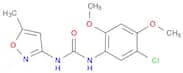
This gene is specifically expressed in a subpopulation of neuroendocrine cells, and is upregulated by nerve growth factor. The structural organization of this gene is similar to that of the rat gene, and both the translated and the untranslated regions show a high degree of sequence similarity to the rat gene. The encoded secretory protein also shares similarities with the secretogranin/chromogranin family, however, its exact function is not known. [provided by RefSeq, Jul 2008],N-(5-CHLORO-2,4-DIMETHOXYPHENYL)-N'-(5-METHYL-3-ISOXAZOLYL)-UREA
CAS:Formula:C13H14ClN3O4Purity:98%Color and Shape:SolidMolecular weight:311.7210MTU1 rabbit pAb
This nuclear gene encodes a mitochondrial tRNA-modifying enzyme. The encoded protein catalyzes the 2-thiolation of uridine on the wobble positions of tRNA(Lys), tRNA(Glu), and tRNA(Gln), resulting in the formation of 5-taurinomethyl-2-thiouridine moieties. Mutations in this gene may cause transient infantile liver failure. Polymorphisms in this gene may also influence the severity of deafness caused by mitochondrial 12S ribosomal RNA mutations. Alternative splicing results in multiple transcript variants. [provided by RefSeq, Sep 2013],FANCA rabbit pAb
The Fanconi anemia complementation group (FANC) currently includes FANCA, FANCB, FANCC, FANCD1 (also called BRCA2), FANCD2, FANCE, FANCF, FANCG, FANCI, FANCJ (also called BRIP1), FANCL, FANCM and FANCN (also called PALB2). The previously defined group FANCH is the same as FANCA. Fanconi anemia is a genetically heterogeneous recessive disorder characterized by cytogenetic instability, hypersensitivity to DNA crosslinking agents, increased chromosomal breakage, and defective DNA repair. The members of the Fanconi anemia complementation group do not share sequence similarity; they are related by their assembly into a common nuclear protein complex. This gene encodes the protein for complementation group A. Alternative splicing results in multiple transcript variants encoding different isoforms. Mutations in this gene are the most common cause of Fanconi anemia. [provided by RefSeq, JulRXFP1 rabbit pAb
This gene encodes a member of the leucine-rich repeat-containing subgroup of the G protein-coupled 7-transmembrane receptor superfamily. The encoded protein plays a critical role in sperm motility, pregnancy and parturition as a receptor for the protein hormone relaxin. Decreased expression of this gene may play a role in endometriosis. Alternatively spliced transcript variants encoding multiple isoforms have been observed for this gene. [provided by RefSeq, Dec 2011],Olfactory receptor 10H4 rabbit pAb
Olfactory receptors interact with odorant molecules in the nose, to initiate a neuronal response that triggers the perception of a smell. The olfactory receptor proteins are members of a large family of G-protein-coupled receptors (GPCR) arising from single coding-exon genes. Olfactory receptors share a 7-transmembrane domain structure with many neurotransmitter and hormone receptors and are responsible for the recognition and G protein-mediated transduction of odorant signals. The olfactory receptor gene family is the largest in the genome. The nomenclature assigned to the olfactory receptor genes and proteins for this organism is independent of other organisms. [provided by RefSeq, Jul 2008],NOR-1 rabbit pAb
This gene encodes a member of the steroid-thyroid hormone-retinoid receptor superfamily. The encoded protein may act as a transcriptional activator. The protein can efficiently bind the NGFI-B Response Element (NBRE). Three different versions of extraskeletal myxoid chondrosarcomas (EMCs) are the result of reciprocal translocations between this gene and other genes. The translocation breakpoints are associated with Nuclear Receptor Subfamily 4, Group A, Member 3 (on chromosome 9) and either Ewing Sarcome Breakpoint Region 1 (on chromosome 22), RNA Polymerase II, TATA Box-Binding Protein-Associated Factor, 68-KD (on chromosome 17), or Transcription factor 12 (on chromosome 15). Multiple transcript variants encoding different isoforms have been found for this gene. [provided by RefSeq, Mar 2010],MRP-L22 rabbit pAb
Mammalian mitochondrial ribosomal proteins are encoded by nuclear genes and help in protein synthesis within the mitochondrion. Mitochondrial ribosomes (mitoribosomes) consist of a small 28S subunit and a large 39S subunit. They have an estimated 75% protein to rRNA composition compared to prokaryotic ribosomes, where this ratio is reversed. Another difference between mammalian mitoribosomes and prokaryotic ribosomes is that the latter contain a 5S rRNA. Among different species, the proteins comprising the mitoribosome differ greatly in sequence, and sometimes in biochemical properties, which prevents easy recognition by sequence homology. This gene encodes a 39S subunit protein that belongs to the L22 ribosomal protein family. A pseudogene corresponding to this gene is found on chromosome 4q. Two transcript variants encoding different isoforms have been found for this gene. [provideRad51B rabbit pAb
RAD51 paralog B(RAD51B) Homo sapiens The protein encoded by this gene is a member of the RAD51 protein family. RAD51 family members are evolutionarily conserved proteins essential for DNA repair by homologous recombination. This protein has been shown to form a stable heterodimer with the family member RAD51C, which further interacts with the other family members, such as RAD51, XRCC2, and XRCC3. Overexpression of this gene was found to cause cell cycle G1 delay and cell apoptosis, which suggested a role of this protein in sensing DNA damage. Rearrangements between this locus and high mobility group AT-hook 2 (HMGA2, GeneID 8091) have been observed in uterine leiomyomata. [provided by RefSeq, Mar 2016],SLU7 rabbit pAb
Pre-mRNA splicing occurs in two sequential transesterification steps. The protein encoded by this gene is a splicing factor that has been found to be essential during the second catalytic step in the pre-mRNA splicing process. It associates with the spliceosome and contains a zinc knuckle motif that is found in other splicing factors and is involved in protein-nucleic acid and protein-protein interactions. [provided by RefSeq, Jul 2008],Lefty rabbit pAb
This gene encodes a secreted ligand of the TGF-beta (transforming growth factor-beta) superfamily of proteins. Ligands of this family bind various TGF-beta receptors leading to recruitment and activation of SMAD family transcription factors that regulate gene expression. The encoded preproprotein is proteolytically processed to generate the mature protein, which plays a role in left-right asymmetry determination of organ systems during development. This gene is closely linked to both a related family member and a related pseudogene. [provided by RefSeq, Aug 2016],MAGE1 rabbit pAb
This gene encodes an alpha-dystrobrevin-associated MAGE (melanoma-associated antigen) protein, which is a member of the MAGE family. The protein contains a nuclear localization signal in the N-terminus, 30 12-amino acid repeats beginning at nt 60 with the consensus sequence ASEGPSTSVLPT, and two MAGE domains in the C-terminus. It may play a signaling role in brain, muscle, and peripheral nerve. This gene is located on X chromosome in a region containing loci linked to mental retardation. [provided by RefSeq, Mar 2010],DB114 rabbit pAb
Defensins form a family of antimicrobial and cytotoxic peptides made by neutrophils. Defensins are short, processed peptide molecules that are classified by structure into three groups: alpha-defensins, beta-defensins and theta-defensins. All beta-defensin genes are densely clustered in four to five syntenic chromosomal regions. The protein encoded by this gene is a beta-defensin with antimicrobial activity against E. coli, S. aureus, and C. albicans. The encoded protein also binds and neutralizes lipopolysaccharide (LPS), a factor involved in inflammatory diseases and male reproductive issues. [provided by RefSeq, Nov 2014],MCM9 rabbit pAb
The protein encoded by this gene is a member of the mini-chromosome maintenance (MCM) protein family that are essential for the initiation of eukaryotic genome replication. Binding of this protein to chromatin has been shown to be a pre-requisite for recruiting the MCM2-7 helicase to DNA replication origins. This protein also binds, and is a positive regulator of, the chromatin licensing and DNA replication factor 1, CDT1. [provided by RefSeq, Nov 2010],EGF Receptor (phospho-Tyr1148) rabbit pAb
The protein encoded by this gene is a transmembrane glycoprotein that is a member of the protein kinase superfamily. This protein is a receptor for members of the epidermal growth factor family. EGFR is a cell surface protein that binds to epidermal growth factor. Binding of the protein to a ligand induces receptor dimerization and tyrosine autophosphorylation and leads to cell proliferation. Mutations in this gene are associated with lung cancer. [provided by RefSeq, Jun 2016],BCKDK rabbit pAb
The branched-chain alpha-ketoacid dehydrogenase complex (BCKD) is an important regulator of the valine, leucine, and isoleucine catabolic pathways. The protein encoded by this gene is found in the mitochondrion, where it phosphorylates and inactivates BCKD. Several transcript variants encoding different isoforms have been found for this gene. [provided by RefSeq, Dec 2012],CD248 rabbit pAb
function:May play a role in tumor angiogenesis.,online information:Endosialin,PTM:May be N-glycosylated.,PTM:O-glycosylated with sialylated oligosaccharides.,similarity:Contains 1 C-type lectin domain.,similarity:Contains 1 EGF-like domain.,similarity:Contains 1 Sushi (CCP/SCR) domain.,tissue specificity:Expressed in tumor endothelial cells but absent or barely detectable in normal endothelial cells. Expressed in metastatic lesions of the liver and during angiogenesis of corpus luteum formation and wound healing. Expressed in vascular endothelial cells of malignant tumors but not in normal blood vessels. Expressed in stromal fibroblasts.,Sgo1 (phospho Ser14) rabbit pAb
The protein encoded by this gene is a member of the shugoshin family of proteins. This protein is thought to protect centromeric cohesin from cleavage during mitotic prophase by preventing phosphorylation of a cohesin subunit. Reduced expression of this gene leads to the premature loss of centromeric cohesion, mis-segregation of sister chromatids, and mitotic arrest. Evidence suggests that this protein also protects a small subset of cohesin found along the length of the chromosome arms during mitotic prophase. An isoform lacking exon 6 has been shown to play a role in the cohesion of centrioles (PMID: 16582621 and PMID:18331714). Mutations in this gene have been associated with Chronic Atrial and Intestinal Dysrhythmia (CAID) syndrome, characterized by the co-occurrence of Sick Sinus Syndrome (SSS) and Chronic Intestinal Pseudo-obstruction (CIPO) within the first four decades of life (PMID:25282101). FibroGPR150 rabbit pAb
function:Orphan receptor.,similarity:Belongs to the G-protein coupled receptor 1 family.,CYP3A4/5 rabbit pAb
This gene encodes a member of the cytochrome P450 superfamily of enzymes. The cytochrome P450 proteins are monooxygenases that catalyze many reactions involved in drug metabolism and synthesis of cholesterol, steroids and other lipids. This protein localizes to the endoplasmic reticulum and its expression is induced by glucocorticoids and some pharmacological agents. This enzyme is involved in the metabolism of approximately half the drugs in use today, including acetaminophen, codeine, cyclosporin A, diazepam and erythromycin. The enzyme also metabolizes some steroids and carcinogens. This gene is part of a cluster of cytochrome P450 genes on chromosome 7q21.1. Previously another CYP3A gene, CYP3A3, was thought to exist; however, it is now thought that this sequence represents a transcript variant of CYP3A4. Alternatively spliced transcript variants encoding different isoforPRIO rabbit pAb
The protein encoded by this gene is a membrane glycosylphosphatidylinositol-anchored glycoprotein that tends to aggregate into rod-like structures. The encoded protein contains a highly unstable region of five tandem octapeptide repeats. This gene is found on chromosome 20, approximately 20 kbp upstream of a gene which encodes a biochemically and structurally similar protein to the one encoded by this gene. Mutations in the repeat region as well as elsewhere in this gene have been associated with Creutzfeldt-Jakob disease, fatal familial insomnia, Gerstmann-Straussler disease, Huntington disease-like 1, and kuru. An overlapping open reading frame has been found for this gene that encodes a smaller, structurally unrelated protein, AltPrp. Alternative splicing results in multiple transcript variants. [provided by RefSeq, Nov 2014],Neurensin-1 rabbit pAb
function:May play an important role in neural organelle transport, and in transduction of nerve signals or in nerve growth. May play a role in neurite extension.,similarity:Belongs to the VMP family.,subcellular location:Localizes mainly to neurites.,tissue specificity:Expressed in brain. Not detectable in other tissues tested.,RPA p32 (phospho Ser33) rabbit pAb
function:Required for DNA recombination, repair and replication. The activity of RP-A is mediated by single-stranded DNA binding and protein interactions.,PTM:Phosphorylated in a cell-cycle-dependent manner (from the S phase until mitosis). Phosphorylated by ATR upon DNA damage, which promotes its translocation to nuclear foci. Can be phosphorylated in vitro by PRKDC/DNA-PK in the presence of Ku and DNA, and by CDC2.,subcellular location:Also present in PML nuclear bodies. Redistributes to discrete nuclear foci upon DNA damage.,subunit:Heterotrimer of 70, 32 and 14 kDa chains. The DNA-binding activity may reside exclusively on the 70 kDa subunit. Binds to SERTAD3/RBT1. Interacts with TIPIN.,Rac1/2/3/CDC42 rabbit pAb
The protein encoded by this gene is a GTPase which belongs to the RAS superfamily of small GTP-binding proteins. Members of this superfamily appear to regulate a diverse array of cellular events, including the control of cell growth, cytoskeletal reorganization, and the activation of protein kinases. Two transcript variants encoding different isoforms have been found for this gene. [provided by RefSeq, Mar 2009],ZCHC8 rabbit pAb
function:May be involved in pre-mRNA splicing.,PTM:Phosphorylated upon DNA damage, probably by ATM or ATR.,similarity:Belongs to the ZCCHC8 family.,similarity:Contains 1 CCHC-type zinc finger.,subunit:Identified in the spliceosome C complex, at least composed of AQR, ASCC3L1, C19orf29, CDC40, CDC5L, CRNKL1, DDX23, DDX41, DDX48, DDX5, DGCR14, DHX35, DHX38, DHX8, EFTUD2, FRG1, GPATC1, HNRPA1, HNRPA2B1, HNRPA3, HNRPC, HNRPF, HNRPH1, HNRPK, HNRPM, HNRPR, HNRPU, KIAA1160, KIAA1604, LSM2, LSM3, MAGOH, MORG1, PABPC1, PLRG1, PNN, PPIE, PPIL1, PPIL3, PPWD1, PRPF19, PRPF4B, PRPF6, PRPF8, RALY, RBM22, RBM8A, RBMX, SART1, SF3A1, SF3A2, SF3A3, SF3B1, SF3B2, SF3B3, SFRS1, SKIV2L2, SNRPA1, SNRPB, SNRPB2, SNRPD1, SNRPD2, SNRPD3, SNRPE, SNRPF, SNRPG, SNW1, SRRM1, SRRM2, SYF2, SYNCRIP, TFIP11, THOC4, U2AF1, WDR57, XAB2 and ZCCHC8.,UBA2 rabbit pAb
Posttranslational modification of proteins by the addition of the small protein SUMO (see SUMO1; MIM 601912), or sumoylation, regulates protein structure and intracellular localization. SAE1 (MIM 613294) and UBA2 form a heterodimer that functions as a SUMO-activating enzyme for the sumoylation of proteins (Okuma et al., 1999 [PubMed 9920803]).[supplied by OMIM, Mar 2010],MRP-S9 rabbit pAb
Mammalian mitochondrial ribosomal proteins are encoded by nuclear genes and help in protein synthesis within the mitochondrion. Mitochondrial ribosomes (mitoribosomes) consist of a small 28S subunit and a large 39S subunit. They have an estimated 75% protein to rRNA composition compared to prokaryotic ribosomes, where this ratio is reversed. Another difference between mammalian mitoribosomes and prokaryotic ribosomes is that the latter contain a 5S rRNA. Among different species, the proteins comprising the mitoribosome differ greatly in sequence, and sometimes in biochemical properties, which prevents easy recognition by sequence homology. This gene encodes a 28S subunit protein. [provided by RefSeq, Jul 2008],c-Fms (phospho Tyr708) rabbit pAb
The protein encoded by this gene is the receptor for colony stimulating factor 1, a cytokine which controls the production, differentiation, and function of macrophages. This receptor mediates most if not all of the biological effects of this cytokine. Ligand binding activates the receptor kinase through a process of oligomerization and transphosphorylation. The encoded protein is a tyrosine kinase transmembrane receptor and member of the CSF1/PDGF receptor family of tyrosine-protein kinases. Mutations in this gene have been associated with a predisposition to myeloid malignancy. The first intron of this gene contains a transcriptionally inactive ribosomal protein L7 processed pseudogene oriented in the opposite direction. Alternative splicing results in multiple transcript variants. [provided by RefSeq, Dec 2013],Acetyl eIF5A/eIF5A2 (K47) rabbit pAb
function:The precise role of eIF-5A in protein biosynthesis is not known but it functions by promoting the formation of the first peptide bond.,PTM:eIF-5A seems to be the only eukaryotic protein to have an hypusine residue which is a post-translational modification of a lysine by the addition of a butylamino group (from spermidine).,similarity:Belongs to the eIF-5A family.,tissue specificity:Expressed in ovarian and colorectal cancer cell lines (at protein level). Highly expressed in testis. Overexpressed in some cancer cells.,IgA rabbit pAb
disease:A chromosomal aberration involving IGHA1 is found in multiple myeloma (MM) cell lines. Translocation t(1;14)(q21;q32) that forms a FCRL4-IGHA1 fusion protein.,function:Ig alpha is the major immunoglobulin class in body secretions. It may serve both to defend against local infection and to prevent access of foreign antigens to the general immunologic system.,PTM:3-Hydroxykynurenine, an oxidized tryptophan metabolite that is common in biological fluids, reacts with alpha-1-microglobulin to form heterogeneous polycyclic chromophores including hydroxanthommatin. The chromophore reacts with accessible cysteines forming non-reducible thioether cross-links with Ig alpha-1 chain C region Cys-352.,similarity:Contains 3 Ig-like (immunoglobulin-like) domains.,subunit:Monomeric or polymeric.,CARD 14 rabbit pAb
This gene encodes a caspase recruitment domain-containing protein that is a member of the membrane-associated guanylate kinase (MAGUK) family of proteins. Members of this protein family are scaffold proteins that are involved in a diverse array of cellular processes including cellular adhesion, signal transduction and cell polarity control. This protein has been shown to specifically interact with BCL10, a protein known to function as a positive regulator of cell apoptosis and NF-kappaB activation. Alternate splicing results in multiple transcript variants. [provided by RefSeq, Apr 2012],GPR124 rabbit pAb
caution:It is uncertain whether Met-1 or Met-8 is the initiator.,domain:Binds to DLG1 through its PDZ-binding motif.,function:Orphan receptor.,similarity:Belongs to the G-protein coupled receptor 2 family. LN-TM7 subfamily.,similarity:Contains 1 GPS domain.,similarity:Contains 1 Ig-like (immunoglobulin-like) domain.,similarity:Contains 5 LRR (leucine-rich) repeats.,subunit:Interacts with DLG1.,tissue specificity:Expressed in endothelial cells (at protein level). Abundantly expressed in tumor vessels, heart, placenta, ovary, small intestine, and colon.,NFkB p65 Mouse mAb
NFkB p65 is ubiquitinated leading to its proteosomal degradation, which is required for termination of the NFkB response. Phosphorylation of NFkB p65 on S536 stimulates acetylation of K310 by CBP, enhancing transcriptional activity. NFkB p65 is also acetylated at K122, enhancing DNA binding and impairing the interaction with NFKBIA. The protein is deacetylated by HDAC3. Invasion of a host by a pathogen is frequently associated with the activation of NF-kB, which coordinates various aspects of immune function required for resistance to infection.p38 (phospho Thr180) rabbit pAb
The protein encoded by this gene is a member of the MAP kinase family. MAP kinases act as an integration point for multiple biochemical signals, and are involved in a wide variety of cellular processes such as proliferation, differentiation, transcription regulation and development. This kinase is activated by various environmental stresses and proinflammatory cytokines. The activation requires its phosphorylation by MAP kinase kinases (MKKs), or its autophosphorylation triggered by the interaction of MAP3K7IP1/TAB1 protein with this kinase. The substrates of this kinase include transcription regulator ATF2, MEF2C, and MAX, cell cycle regulator CDC25B, and tumor suppressor p53, which suggest the roles of this kinase in stress related transcription and cell cycle regulation, as well as in genotoxic stress response. Four alternatively spliced transcript variants of this gene encoding dPP2BC rabbit pAb
Calcineurin is a calcium-dependent, calmodulin-stimulated protein phosphatase involved in the downstream regulation of dopaminergic signal transduction. Calcineurin is composed of a regulatory subunit and a catalytic subunit. The protein encoded by this gene represents one of the regulatory subunits that has been found for calcineurin. Three transcript variants encoding different isoforms have been found for this gene. [provided by RefSeq, Sep 2011],SRGP2 rabbit pAb
This locus encodes a member of the SLIT-ROBO Rho GTPase activating protein family. The encoded protein stimulates GTPase activity of Rac1, and plays a role in cortical neuron development. This locus has several paralogs on human chromosome 1 resulting from segmental duplication. While this locus itself is conserved among various species, the paralogs are found only in the genus Homo, and not in the genomes of non-human great apes. Alternatively spliced transcript variants have been described for this locus. [provided by RefSeq, Jul 2014],DCL-1 rabbit pAb
CD302 is a C-type lectin receptor involved in cell adhesion and migration, as well as endocytosis and phagocytosis (Kato et al., 2007 [PubMed 17947679]).[supplied by OMIM, Aug 2008],P3C2A rabbit pAb
The protein encoded by this gene belongs to the phosphoinositide 3-kinase (PI3K) family. PI3-kinases play roles in signaling pathways involved in cell proliferation, oncogenic transformation, cell survival, cell migration, and intracellular protein trafficking. This protein contains a lipid kinase catalytic domain as well as a C-terminal C2 domain, a characteristic of class II PI3-kinases. C2 domains act as calcium-dependent phospholipid binding motifs that mediate translocation of proteins to membranes, and may also mediate protein-protein interactions. The PI3-kinase activity of this protein is not sensitive to nanomolar levels of the inhibitor wortmanin. This protein was shown to be able to be activated by insulin and may be involved in integrin-dependent signaling. [provided by RefSeq, Jul 2008],CARF rabbit pAb
The protein encoded by this gene regulates the DNA damage response through several different signaling pathways. One such pathway is the p53-HDM2-p21(WAF1) pathway, which is critical to the DNA damage response. Two transcript variants encoding different isoforms have been found for this gene. [provided by RefSeq, Nov 2015],FAM9C rabbit pAb
This gene is a member of a gene family which arose through duplication on the X chromosome. The encoded protein may be localized to the nucleus as the protein contains several nuclear localization signals, and has similarity to a synaptonemal complex protein. [provided by RefSeq, Aug 2011],Ghrelin rabbit pAb
This gene encodes the ghrelin-obestatin preproprotein that is cleaved to yield two peptides, ghrelin and obestatin. Ghrelin is a powerful appetite stimulant and plays an important role in energy homeostasis. Its secretion is initiated when the stomach is empty, whereupon it binds to the growth hormone secretagogue receptor in the hypothalamus which results in the secretion of growth hormone (somatotropin). Ghrelin is thought to regulate multiple activities, including hunger, reward perception via the mesolimbic pathway, gastric acid secretion, gastrointestinal motility, and pancreatic glucose-stimulated insulin secretion. It was initially proposed that obestatin plays an opposing role to ghrelin by promoting satiety and thus decreasing food intake, but this action is still debated. Recent reports suggest multiple metabolic roles for obestatin, including regulating adipocyte functionHXB7 rabbit pAb
This gene is a member of the Antp homeobox family and encodes a protein with a homeobox DNA-binding domain. It is included in a cluster of homeobox B genes located on chromosome 17. The encoded nuclear protein functions as a sequence-specific transcription factor that is involved in cell proliferation and differentiation. Increased expression of this gene is associated with some cases of melanoma and ovarian carcinoma. [provided by RefSeq, Jul 2008],