


Primary Antibodies
Primary antibodies are immunoglobulins that bind specifically to an antigen of interest, allowing for the detection and quantification of proteins, peptides, or other biomolecules. These antibodies are critical tools in a wide range of applications, including Western blotting, immunohistochemistry, and ELISA. At CymitQuimica, we offer an extensive selection of high-quality primary antibodies that provide specificity and sensitivity for various research needs, including cancer, immunology, and cell biology studies.
Subcategories of "Primary Antibodies"
- Cancer Research Antibodies(3,721 products)
- Cardiovascular Antibodies(2 products)
- Developmental Biology(764 products)
- Epigenetics Antibodies(162 products)
- Immunology Antibodies(2,585 products)
- Metabolism Antibodies(286 products)
- Microbiology Antibodies(741 products)
- Signal Transduction(2,765 products)
- Tags & Cellular Markers(34 products)
Show 1 more subcategories
Found 75594 products of "Primary Antibodies"
Sort by
Purity (%)
0
100
|
0
|
50
|
90
|
95
|
100
SFRP4 rabbit pAb
Secreted frizzled-related protein 4 (SFRP4) is a member of the SFRP family that contains a cysteine-rich domain homologous to the putative Wnt-binding site of Frizzled proteins. SFRPs act as soluble modulators of Wnt signaling. The expression of SFRP4 in ventricular myocardium correlates with apoptosis related gene expression. [provided by RefSeq, Jul 2008],Smad1 (phospho Ser187) rabbit pAb
The protein encoded by this gene belongs to the SMAD, a family of proteins similar to the gene products of the Drosophila gene 'mothers against decapentaplegic' (Mad) and the C. elegans gene Sma. SMAD proteins are signal transducers and transcriptional modulators that mediate multiple signaling pathways. This protein mediates the signals of the bone morphogenetic proteins (BMPs), which are involved in a range of biological activities including cell growth, apoptosis, morphogenesis, development and immune responses. In response to BMP ligands, this protein can be phosphorylated and activated by the BMP receptor kinase. The phosphorylated form of this protein forms a complex with SMAD4, which is important for its function in the transcription regulation. This protein is a target for SMAD-specific E3 ubiquitin ligases, such as SMURF1 and SMURF2, and undergoes ubiquitination and proteasome-medTRPM8 rabbit pAb
function:Receptor-activated non-selective cation channel involved in detection of sensations such as coolness, by being activated by cold temperature below 25 degrees Celsius. Activated by icilin, eucalyptol, menthol, cold and modulation of intracellular pH. Involved in menthol sensation. Permeable for monovalent cations sodium, potassium, and cesium and divalent cation calcium. Temperature sensing is tightly linked to voltage-dependent gating. Activated upon depolarization, changes in temperature resulting in graded shifts of its voltage-dependent activation curves. The chemical agonists menthol functions as a gating modifier, shifting activation curves towards physiological membrane potentials. Temperature sensitivity arises from a tenfold difference in the activation energies associated with voltage-dependent opening and closing.,miscellaneous:Its expression in most prostate tumors as well as the presence of an immunogenic epitope suggest that it may be suitable for the design of peptide vaccination strategies for prostate cancers.,miscellaneous:The sensation of coolness triggered by eucalyptol or menthol may be explained by the fact that menthol and cool temperatures sensations are detected by this protein.,similarity:Belongs to the transient receptor family. LTrpC subfamily.,tissue specificity:Expressed in prostate. Also expressed in most in prostate tumors. Also expressed in non-prostatic primary tumors such as colon, lung, breast and skin tumors.,EphA3/4/5 (phospho Tyr779/833) rabbit pAb
This gene belongs to the ephrin receptor subfamily of the protein-tyrosine kinase family. EPH and EPH-related receptors have been implicated in mediating developmental events, particularly in the nervous system. Receptors in the EPH subfamily typically have a single kinase domain and an extracellular region containing a Cys-rich domain and 2 fibronectin type III repeats. The ephrin receptors are divided into 2 groups based on the similarity of their extracellular domain sequences and their affinities for binding ephrin-A and ephrin-B ligands. This gene encodes a protein that binds ephrin-A ligands. Two alternatively spliced transcript variants have been described for this gene. [provided by RefSeq, Jul 2008],IL-7 rabbit pAb
function:Hematopoietic growth factor capable of stimulating the proliferation of lymphoid progenitors. It is important for proliferation during certain stages of B-cell maturation.,online information:Interleukin-7 entry,similarity:Belongs to the IL-7/IL-9 family.,Cav3.3 rabbit pAb
calcium voltage-gated channel subunit alpha1 I(CACNA1I) Homo sapiens This gene encodes the pore-forming alpha subunit of a voltage gated calcium channel. The encoded protein is a member of a subfamily of calcium channels referred to as is a low voltage-activated, T-type, calcium channel. The channel encoded by this protein is characterized by a slower activation and inactivation compared to other T-type calcium channels. This protein may be involved in calcium signaling in neurons. Alternate splicing results in multiple transcript variants. [provided by RefSeq, Oct 2011],OR3A4 rabbit pAb
Olfactory receptors interact with odorant molecules in the nose, to initiate a neuronal response that triggers the perception of a smell. The olfactory receptor proteins are members of a large family of G-protein-coupled receptors (GPCR) arising from single coding-exon genes. Olfactory receptors share a 7-transmembrane domain structure with many neurotransmitter and hormone receptors and are responsible for the recognition and G protein-mediated transduction of odorant signals. The olfactory receptor gene family is the largest in the genome. The nomenclature assigned to the olfactory receptor genes and proteins for this organism is independent of other organisms. This olfactory receptor gene is transcribed and contains an intact ORF, but it is predicted to be a pseudogene due to a poorly conserved 7-transmembrane domain structure. [provided by RefSeq, Sep 2008NTCP rabbit pAb
The protein encoded by this gene belongs to the sodium/bile acid cotransporter family, which are integral membrane glycoproteins that participate in the enterohepatic circulation of bile acids. Two homologous transporters are involved in the reabsorption of bile acids; the ileal sodium/bile acid cotransporter with an apical cell localization that absorbs bile acids from the intestinal lumen, bile duct and kidney, and the liver-specific sodium/bile acid cotransporter, represented by this protein, that is found in the basolateral membranes of hepatocytes. Bile acids are the catabolic product of cholesterol metabolism, hence this protein is important for cholesterol homeostasis. [provided by RefSeq, Oct 2011],Cdk1/2/3 (phospho Thr14) rabbit pAb
cyclin dependent kinase 1(CDK1) Homo sapiens The protein encoded by this gene is a member of the Ser/Thr protein kinase family. This protein is a catalytic subunit of the highly conserved protein kinase complex known as M-phase promoting factor (MPF), which is essential for G1/S and G2/M phase transitions of eukaryotic cell cycle. Mitotic cyclins stably associate with this protein and function as regulatory subunits. The kinase activity of this protein is controlled by cyclin accumulation and destruction through the cell cycle. The phosphorylation and dephosphorylation of this protein also play important regulatory roles in cell cycle control. Alternatively spliced transcript variants encoding different isoforms have been found for this gene. [provided by RefSeq, Mar 2009],SPP2A rabbit pAb
This gene encodes a member of the GXGD family of aspartic proteases, which are transmembrane proteins with two conserved catalytic motifs localized within the membrane-spanning regions, as well as a member of the signal peptide peptidase-like protease (SPPL) family. This protein is expressed in all major adult human tissues and localizes to late endosomal compartments and lysosomal membranes. A pseudogene of this gene also lies on chromosome 15. [provided by RefSeq, Feb 2012],PAF65α rabbit pAb
Initiation of transcription by RNA polymerase II requires the activities of more than 70 polypeptides. The protein that coordinates these activities is transcription factor IID (TFIID), which binds to the core promoter to position the polymerase properly, serves as the scaffold for assembly of the remainder of the transcription complex, and acts as a channel for regulatory signals. TFIID is composed of the TATA-binding protein (TBP) and a group of evolutionarily conserved proteins known as TBP-associated factors or TAFs. TAFs may participate in basal transcription, serve as coactivators, function in promoter recognition or modify general transcription factors (GTFs) to facilitate complex assembly and transcription initiation. This gene encodes a protein that is a component of the PCAF histone acetylase complex and structurally similar to one of the histone-like TAFs,Tau (phospho Ser673) rabbit pAb
This gene encodes the microtubule-associated protein tau (MAPT) whose transcript undergoes complex, regulated alternative splicing, giving rise to several mRNA species. MAPT transcripts are differentially expressed in the nervous system, depending on stage of neuronal maturation and neuron type. MAPT gene mutations have been associated with several neurodegenerative disorders such as Alzheimer's disease, Pick's disease, frontotemporal dementia, cortico-basal degeneration and progressive supranuclear palsy. [provided by RefSeq, Jul 2008],NRX1B rabbit pAb
alternative products:A number of isoforms are produced by alternative promoter usage including the alpha-type (shown here) and beta-type (AC P58400) isoforms which differ in their N-terminus. Additional isoforms may be produced by alternative splicing,alternative products:A number of isoforms, alpha-type (AC Q9ULB1) and beta-type (shown here), are produced by alternative promoter usage. Beta-type isoforms differ from alpha-type isoforms in their N-terminus,function:Neuronal cell surface protein that may be involved in cell recognition and cell adhesion by forming intracellular junctions through binding to neuroligins. May play a role in formation or maintenance of synaptic junctions. May mediate intracellular signaling.,function:Neuronal cell surface protein that may be involved in cell recognition and cell adhesion. May mediate intracellular signaling.,PTM:Highly O-glycosylated and minor N-glycosylated.,PTM:N- and O-glycosylated.,similarity:Belongs to the neurexin family.,similarity:Contains 1 laminin G-like domain.,similarity:Contains 3 EGF-like domains.,similarity:Contains 6 laminin G-like domains.,subunit:The cytoplasmic C-terminal region binds to CASK, CASKIN1 and APBA1. The laminin G-like domain 2 binds to NXPH1. Specific isoforms bind to alpha-dystroglycan and to alpha-latroxin. Interacts with SYT13 and SYTL1.,subunit:The cytoplasmic C-terminal region binds to CASK. Isoforms Beta 4b bind neuroligins NLGN1, NLGN2 and NLGN3, alpha-dystroglycan and alpha-latrotoxin.,tissue specificity:Heart and brain.,TRYG1 rabbit pAb
tryptase gamma 1(TPSG1) Homo sapiens Tryptases comprise a family of trypsin-like serine proteases, the peptidase family S1. Tryptases are enzymatically active only as heparin-stabilized tetramers, and they are resistant to all known endogenous proteinase inhibitors. Several tryptase genes are clustered on chromosome 16p13.3. There is uncertainty regarding the number of genes in this cluster. Currently four functional genes - alpha I, beta I, beta II and gamma I - have been identified. And beta I has an allelic variant named alpha II, beta II has an allelic variant beta III, also gamma I has an allelic variant gamma II. Beta tryptases appear to be the main isoenzymes expressed in mast cells; whereas in basophils, alpha-tryptases predominant. This gene differs from other members of the tryptase gene family in that it has C-terminal hydrophobic domain, which may serve as a membrane anchor. Tryptases have been implicated as mediators in the pathogCHD5 rabbit pAb
This gene encodes a member of the chromodomain helicase DNA-binding protein family. Members of this family are characterized by a chromodomain, a helicase ATP-binding domain and an additional functional domain. This gene encodes a neuron-specific protein that may function in chromatin remodeling and gene transcription. This gene is a potential tumor suppressor gene that may play a role in the development of neuroblastoma. [provided by RefSeq, Feb 2012],CLIC4 rabbit pAb
chloride intracellular channel 4(CLIC4) Homo sapiens Chloride channels are a diverse group of proteins that regulate fundamental cellular processes including stabilization of cell membrane potential, transepithelial transport, maintenance of intracellular pH, and regulation of cell volume. Chloride intracellular channel 4 (CLIC4) protein, encoded by the CLIC4 gene, is a member of the p64 family; the gene is expressed in many tissues and exhibits a intracellular vesicular pattern in Panc-1 cells (pancreatic cancer cells). [provided by RefSeq, Jul 2008],NGFR p75 rabbit pAb
Nerve growth factor receptor contains an extracellular domain containing four 40-amino acid repeats with 6 cysteine residues at conserved positions followed by a serine/threonine-rich region, a single transmembrane domain, and a 155-amino acid cytoplasmic domain. The cysteine-rich region contains the nerve growth factor binding domain. [provided by RefSeq, Jul 2008],DCAM rabbit pAb
This gene encodes an important intermediate enzyme in polyamine biosynthesis. The polyamines spermine, spermidine, and putrescine are low-molecular-weight aliphatic amines essential for cellular proliferation and tumor promotion. Multiple alternatively spliced transcript variants have been identified. Pseudogenes of this gene are found on chromosomes 5, 6, 10, X and Y. [provided by RefSeq, Dec 2013],A-Raf (phospho Tyr302) rabbit pAb
This proto-oncogene belongs to the RAF subfamily of the Ser/Thr protein kinase family, and maybe involved in cell growth and development. Alternatively spliced transcript variants encoding different isoforms have been found for this gene.[provided by RefSeq, Jan 2012],Parafibromin rabbit pAb
This gene encodes a tumor suppressor that is involved in transcriptional and post-transcriptional control pathways. The protein is a component of the the PAF protein complex, which associates with the RNA polymerase II subunit POLR2A and with a histone methyltransferase complex. This protein appears to facilitate the association of 3' mRNA processing factors with actively-transcribed chromatin. Mutations in this gene have been linked to hyperparathyroidism-jaw tumor syndrome, familial isolated hyperparathyroidism, and parathyroid carcinoma. [provided by RefSeq, Jul 2009],Rad18 (phospho-Ser403) rabbit pAb
The protein encoded by this gene is highly similar to S. cerevisiae DNA damage repair protein Rad18. Yeast Rad18 functions through its interaction with Rad6, which is an ubiquitin-conjugating enzyme required for post-replication repair of damaged DNA. Similar to its yeast counterpart, this protein is able to interact with the human homolog of yeast Rad6 protein through a conserved ring-finger motif. Mutation of this motif results in defective replication of UV-damaged DNA and hypersensitivity to multiple mutagens. [provided by RefSeq, Jul 2008],IFI-56K rabbit pAb
This gene encodes a protein containing tetratricopeptide repeats that was originally identified as induced upon treatment with interferon. The encoded protein may inhibit viral replication and translational initiation. This gene is located in a cluster on chromosome 10 with five other closely related genes. There is a pseudogene for this gene on chromosome 13. Alternatively spliced transcript variants encoding multiple isoforms have been observed. [provided by RefSeq, Aug 2012],CRHBP rabbit pAb
Corticotropin-releasing hormone is a potent stimulator of synthesis and secretion of preopiomelanocortin-derived peptides. Although CRH concentrations in the human peripheral circulation are normally low, they increase throughout pregnancy and fall rapidly after parturition. Maternal plasma CRH probably originates from the placenta. Human plasma contains a CRH-binding protein which inactivates CRH and which may prevent inappropriate pituitary-adrenal stimulation in pregnancy. [provided by RefSeq, Jul 2008],H32 rabbit pAb
Histones are basic nuclear proteins that are responsible for the nucleosome structure of the chromosomal fiber in eukaryotes. This structure consists of approximately 146 bp of DNA wrapped around a nucleosome, an octamer composed of pairs of each of the four core histones (H2A, H2B, H3, and H4). The chromatin fiber is further compacted through the interaction of a linker histone, H1, with the DNA between the nucleosomes to form higher order chromatin structures. This gene is intronless and encodes a replication-dependent histone that is a member of the histone H3 family. Transcripts from this gene lack polyA tails; instead, they contain a palindromic termination element. This gene is found in a histone cluster on chromosome 1. This gene is one of four histone genes in the cluster that are duplicated; this record represents the telomeric copy. [provided by RefSeq, Aug 2015],Claudin 11 Antibody
This gene encodes a member of the claudin family. Claudins are integral membrane proteins and components of tight junction strands. Tight junction strands serve as a physical barrier to prevent solutes and water from passing freely through the paracellular space between epithelial or endothelial cell sheets, and also play critical roles in maintaining cell polarity and signal transductions. The protein encoded by this gene is a major component of central nervous system (CNS) myelin and plays an important role in regulating proliferation and migration of oligodendrocytes. Mouse studies showed that the gene deficiency results in deafness and loss of the Sertoli cell epithelial phenotype in the testis. This protein is a tight junction protein at the human blood-testis barrier (BTB), and the BTB disruption is related to a dysfunction of this gene. Alternatively spliced transcript variants encoding different isoADAR2 rabbit pAb
This gene encodes the enzyme responsible for pre-mRNA editing of the glutamate receptor subunit B by site-specific deamination of adenosines. Studies in rat found that this enzyme acted on its own pre-mRNA molecules to convert an AA dinucleotide to an AI dinucleotide which resulted in a new splice site. Alternative splicing of this gene results in several transcript variants, some of which have been characterized by the presence or absence of an ALU cassette insert and a short or long C-terminal region. [provided by RefSeq, Jul 2008],GSC rabbit pAb
goosecoid homeobox(GSC) Homo sapiens This gene encodes a member of the bicoid subfamily of the paired (PRD) homeobox family of proteins. The encoded protein acts as a transcription factor and may be autoregulatory. A similar protein in mice plays a role in craniofacial and rib cage development during embryogenesis. [provided by RefSeq, Jul 2008],O52K2 rabbit pAb
Olfactory receptors interact with odorant molecules in the nose, to initiate a neuronal response that triggers the perception of a smell. The olfactory receptor proteins are members of a large family of G-protein-coupled receptors (GPCR) arising from single coding-exon genes. Olfactory receptors share a 7-transmembrane domain structure with many neurotransmitter and hormone receptors and are responsible for the recognition and G protein-mediated transduction of odorant signals. The olfactory receptor gene family is the largest in the genome. The nomenclature assigned to the olfactory receptor genes and proteins for this organism is independent of other organisms. [provided by RefSeq, Jul 2008],SENP8 rabbit pAb
This gene encodes a cysteine protease that is a member of the sentrin-specific protease family. The encoded protein is involved in processing and deconjugation of the ubiquitin-like protein termed, neural precursor cell expressed developmentally downregulated 8. Alternate splicing results in multiple transcript variants.[provided by RefSeq, Oct 2009],Cav2.2 Rabbit pAb
Voltage-gated Ca2+ channels (CaV), enable the passage of Ca2+ ions in a voltage dependent manner. These heteromeric entities are formed in part by the pore-forming α1 subunit which determines the biophysical and pharmacological properties of the channel.Latrophilin-2 rabbit pAb
This gene encodes a member of the latrophilin subfamily of G-protein coupled receptors. The encoded protein participates in the regulation of exocytosis. The proprotein is thought to be further cleaved within a cysteine-rich G-protein-coupled receptor proteolysis site into two chains that are non-covalently bound at the cell membrane. Alternative splicing results in multiple transcript variants. [provided by RefSeq, Jul 2014],CAD (phospho Thr456) rabbit pAb
The de novo synthesis of pyrimidine nucleotides is required for mammalian cells to proliferate. This gene encodes a trifunctional protein which is associated with the enzymatic activities of the first 3 enzymes in the 6-step pathway of pyrimidine biosynthesis: carbamoylphosphate synthetase (CPS II), aspartate transcarbamoylase, and dihydroorotase. This protein is regulated by the mitogen-activated protein kinase (MAPK) cascade, which indicates a direct link between activation of the MAPK cascade and de novo biosynthesis of pyrimidine nucleotides. Alternative splicing results in multiple transcript variants encoding different isoforms. [provided by RefSeq, Apr 2015],NU214 rabbit pAb
nucleoporin 214(NUP214) Homo sapiens The nuclear pore complex is a massive structure that extends across the nuclear envelope, forming a gateway that regulates the flow of macromolecules between the nucleus and the cytoplasm. Nucleoporins are the main components of the nuclear pore complex in eukaryotic cells. This gene is a member of the FG-repeat-containing nucleoporins. The protein encoded by this gene is localized to the cytoplasmic face of the nuclear pore complex where it is required for proper cell cycle progression and nucleocytoplasmic transport. The 3' portion of this gene forms a fusion gene with the DEK gene on chromosome 6 in a t(6,9) translocation associated with acute myeloid leukemia and myelodysplastic syndrome. Alternative splicing of this gene results in multiple transcript variants encoding different isoforms. [provided by RefSeq, Dec 2015],AP-1 (phospho Ser243) rabbit pAb
This gene is the putative transforming gene of avian sarcoma virus 17. It encodes a protein which is highly similar to the viral protein, and which interacts directly with specific target DNA sequences to regulate gene expression. This gene is intronless and is mapped to 1p32-p31, a chromosomal region involved in both translocations and deletions in human malignancies. [provided by RefSeq, Jul 2008],ARL11 rabbit pAb
This gene encodes a tumor suppressor related to the ADP-ribosylation factor (ARF) family of proteins. The encoded protein may play a role in apoptosis in a caspase-dependent manner. Polymorphisms in this gene have been associated with some familial cancers. [provided by RefSeq, May 2010],ZN709 rabbit pAb
function:May be involved in transcriptional regulation.,similarity:Belongs to the krueppel C2H2-type zinc-finger protein family.,similarity:Contains 1 KRAB domain.,similarity:Contains 19 C2H2-type zinc fingers.,TH (phospho Ser71) rabbit pAb
The protein encoded by this gene is involved in the conversion of tyrosine to dopamine. It is the rate-limiting enzyme in the synthesis of catecholamines, hence plays a key role in the physiology of adrenergic neurons. Mutations in this gene have been associated with autosomal recessive Segawa syndrome. Alternatively spliced transcript variants encoding different isoforms have been noted for this gene. [provided by RefSeq, Jul 2008],FoxO4 rabbit pAb
This gene encodes a member of the O class of winged helix/forkhead transcription factor family. Proteins encoded by this class are regulated by factors involved in growth and differentiation indicating they play a role in these processes. A translocation involving this gene on chromosome X and the homolog of the Drosophila trithorax gene, encoding a DNA binding protein, located on chromosome 11 is associated with leukemia. Multiple transcript variants encoding different isoforms have been found for this gene. [provided by RefSeq, Jan 2010],T2R10 rabbit pAb
This gene product belongs to the family of candidate taste receptors that are members of the G-protein-coupled receptor superfamily. These proteins are specifically expressed in the taste receptor cells of the tongue and palate epithelia. They are organized in the genome in clusters and are genetically linked to loci that influence bitter perception in mice and humans. In functional expression studies, they respond to bitter tastants. This gene maps to the taste receptor gene cluster on chromosome 12p13. [provided by RefSeq, Jul 2008],MMP-1 rabbit pAb
matrix metallopeptidase 1(MMP1) Homo sapiens This gene encodes a member of the peptidase M10 family of matrix metalloproteinases (MMPs). Proteins in this family are involved in the breakdown of extracellular matrix in normal physiological processes, such as embryonic development, reproduction, and tissue remodeling, as well as in disease processes, such as arthritis and metastasis. The encoded preproprotein is proteolytically processed to generate the mature protease. This secreted protease breaks down the interstitial collagens, including types I, II, and III. The gene is part of a cluster of MMP genes on chromosome 11. Mutations in this gene are associated with chronic obstructive pulmonary disease (COPD). Alternative splicing results in multiple transcript variants, at least one of which encodes an isoform that is proteolytically processed. [provided by RefSeq, Jan 2016],MAGI-2 rabbit pAb
The protein encoded by this gene interacts with atrophin-1. Atrophin-1 contains a polyglutamine repeat, expansion of which is responsible for dentatorubral and pallidoluysian atrophy. This encoded protein is characterized by two WW domains, a guanylate kinase-like domain, and multiple PDZ domains. It has structural similarity to the membrane-associated guanylate kinase homologue (MAGUK) family. [provided by RefSeq, Jul 2008],ATG12 rabbit pAb
Autophagy is a process of bulk protein degradation in which cytoplasmic components, including organelles, are enclosed in double-membrane structures called autophagosomes and delivered to lysosomes or vacuoles for degradation. ATG12 is the human homolog of a yeast protein involved in autophagy (Mizushima et al., 1998 [PubMed 9852036]).[supplied by OMIM, Mar 2008],S1A7A rabbit pAb
function:May be involved in epidermal differentiation and inflammation and might therefore be important for the pathogenesis of psoriasis and other diseases.,similarity:Belongs to the S-100 family.,similarity:Contains 2 EF-hand domains.,tissue specificity:Overexpressed in psoriasis.,c-Src (phospho Tyr419) rabbit pAb
This gene is highly similar to the v-src gene of Rous sarcoma virus. This proto-oncogene may play a role in the regulation of embryonic development and cell growth. The protein encoded by this gene is a tyrosine-protein kinase whose activity can be inhibited by phosphorylation by c-SRC kinase. Mutations in this gene could be involved in the malignant progression of colon cancer. Two transcript variants encoding the same protein have been found for this gene. [provided by RefSeq, Jul 2008],GSK3β rabbit pAb
The protein encoded by this gene is a serine-threonine kinase, belonging to the glycogen synthase kinase subfamily. It is involved in energy metabolism, neuronal cell development, and body pattern formation. Polymorphisms in this gene have been implicated in modifying risk of Parkinson disease, and studies in mice show that overexpression of this gene may be relevant to the pathogenesis of Alzheimer disease. Alternatively spliced transcript variants encoding different isoforms have been found for this gene.[provided by RefSeq, Sep 2009],Rsu-1 rabbit pAb
This gene encodes a protein that is involved in the Ras signal transduction pathway, growth inhibition, and nerve-growth factor induced differentiation processes, as determined in mouse and human cell line studies. In mouse, the encoded protein was initially isolated based on its ability to inhibit v-Ras transformation. Multiple alternatively spliced transcript variants for this gene have been reported; one of these variants was found only in glioma tumors. [provided by RefSeq, Jul 2008],Trk A (phospho Tyr701) rabbit pAb
This gene encodes a member of the neurotrophic tyrosine kinase receptor (NTKR) family. This kinase is a membrane-bound receptor that, upon neurotrophin binding, phosphorylates itself and members of the MAPK pathway. The presence of this kinase leads to cell differentiation and may play a role in specifying sensory neuron subtypes. Mutations in this gene have been associated with congenital insensitivity to pain, anhidrosis, self-mutilating behavior, mental retardation and cancer. Alternate transcriptional splice variants of this gene have been found, but only three have been characterized to date. [provided by RefSeq, Jul 2008],Annexin VI rabbit pAb
Annexin VI belongs to a family of calcium-dependent membrane and phospholipid binding proteins. Several members of the annexin family have been implicated in membrane-related events along exocytotic and endocytotic pathways. The annexin VI gene is approximately 60 kbp long and contains 26 exons. It encodes a protein of about 68 kDa that consists of eight 68-amino acid repeats separated by linking sequences of variable lengths. It is highly similar to human annexins I and II sequences, each of which contain four such repeats. Annexin VI has been implicated in mediating the endosome aggregation and vesicle fusion in secreting epithelia during exocytosis. Alternatively spliced transcript variants have been described. [provided by RefSeq, Aug 2010],ARF5 rabbit pAb
ADP ribosylation factor 5(ARF5) Homo sapiens This gene is a member of the human ADP-ribosylation factor (ARF) gene family. These genes encode small guanine nucleotide-binding proteins that stimulate the ADP-ribosyltransferase activity of cholera toxin and play a role in vesicular trafficking and as activators of phospholipase D. The gene products include 6 ARF proteins and 11 ARF-like proteins and constitute 1 family of the RAS superfamily. The ARF proteins are categorized as class I (ARF1, ARF2,and ARF3), class II (ARF4 and ARF5) and class III (ARF6). The members of each class share a common gene organization. [provided by RefSeq, Dec 2010],GFAP (phospho Ser38) rabbit pAb
This gene encodes one of the major intermediate filament proteins of mature astrocytes. It is used as a marker to distinguish astrocytes from other glial cells during development. Mutations in this gene cause Alexander disease, a rare disorder of astrocytes in the central nervous system. Alternative splicing results in multiple transcript variants encoding distinct isoforms. [provided by RefSeq, Oct 2008],KRT81 rabbit pAb
The protein encoded by this gene is a member of the keratin gene family. As a type II hair keratin, it is a basic protein which heterodimerizes with type I keratins to form hair and nails. The type II hair keratins are clustered in a region of chromosome 12q13 and are grouped into two distinct subfamilies based on structure similarity. One subfamily, consisting of KRTHB1, KRTHB3, and KRTHB6, is highly related. The other less-related subfamily includes KRTHB2, KRTHB4, and KRTHB5. All hair keratins are expressed in the hair follicle; this hair keratin, as well as KRTHB3 and KRTHB6, is found primarily in the hair cortex. Mutations in this gene and KRTHB6 have been observed in patients with a rare dominant hair disease, monilethrix. [provided by RefSeq, Jul 2008],INGR2 rabbit pAb
This gene (IFNGR2) encodes the non-ligand-binding beta chain of the gamma interferon receptor. Human interferon-gamma receptor is a heterodimer of IFNGR1 and IFNGR2. Defects in IFNGR2 are a cause of mendelian susceptibility to mycobacterial disease (MSMD), also known as familial disseminated atypical mycobacterial infection. MSMD is a genetically heterogeneous disease with autosomal recessive, autosomal dominant or X-linked inheritance. [provided by RefSeq, Jul 2008],VASP rabbit pAb
Vasodilator-stimulated phosphoprotein (VASP) is a member of the Ena-VASP protein family. Ena-VASP family members contain an EHV1 N-terminal domain that binds proteins containing E/DFPPPPXD/E motifs and targets Ena-VASP proteins to focal adhesions. In the mid-region of the protein, family members have a proline-rich domain that binds SH3 and WW domain-containing proteins. Their C-terminal EVH2 domain mediates tetramerization and binds both G and F actin. VASP is associated with filamentous actin formation and likely plays a widespread role in cell adhesion and motility. VASP may also be involved in the intracellular signaling pathways that regulate integrin-extracellular matrix interactions. VASP is regulated by the cyclic nucleotide-dependent kinases PKA and PKG. [provided by RefSeq, Jul 2008],VE-Cadherin (8E5) Mouse mAb
In endothelial cells, VE-cadherin signaling, expression, and localization correlate with vascular permeability and tumor angiogenesis.GROγ rabbit pAb
This antimicrobial gene encodes a member of the CXC subfamily of chemokines. The encoded protein is a secreted growth factor that signals through the G-protein coupled receptor, CXC receptor 2. This protein plays a role in inflammation and as a chemoattractant for neutrophils. [provided by RefSeq, Sep 2014],ANF rabbit pAb
The protein encoded by this gene belongs to the natriuretic peptide family. Natriuretic peptides are implicated in the control of extracellular fluid volume and electrolyte homeostasis. This protein is synthesized as a large precursor (containing a signal peptide), which is processed to release a peptide from the N-terminus with similarity to vasoactive peptide, cardiodilatin, and another peptide from the C-terminus with natriuretic-diuretic activity. Mutations in this gene have been associated with atrial fibrillation familial type 6. This gene is located adjacent to another member of the natriuretic family of peptides on chromosome 1. [provided by RefSeq, Oct 2015],MerTK/Tyro3 rabbit pAb
This gene is a member of the MER/AXL/TYRO3 receptor kinase family and encodes a transmembrane protein with two fibronectin type-III domains, two Ig-like C2-type (immunoglobulin-like) domains, and one tyrosine kinase domain. Mutations in this gene have been associated with disruption of the retinal pigment epithelium (RPE) phagocytosis pathway and onset of autosomal recessive retinitis pigmentosa (RP). [provided by RefSeq, Jul 2008],MUC5B rabbit pAb
This gene encodes a member of the mucin family of proteins, which are highly glycosylated macromolecular components of mucus secretions. This family member is the major gel-forming mucin in mucus. It is a major contributor to the lubricating and viscoelastic properties of whole saliva, normal lung mucus and cervical mucus. This gene has been found to be up-regulated in some human diseases, including sinus mucosa of chronic rhinosinusitis (CRS), CRS with nasal polyposis, chronic obstructive pulmonary disease (COPD) and H. pylori-associated gastric disease, and it may be involved in the pathogenesis of these diseases. [provided by RefSeq, Jul 2010],SPS1 rabbit pAb
This gene encodes an enzyme that synthesizes selenophosphate from selenide and ATP. Selenophosphate is the selenium donor used to synthesize selenocysteine, which is co-translationally incorporated into selenoproteins at in-frame UGA codons. [provided by RefSeq, Sep 2010],C/EBP α (phospho Thr226) rabbit pAb
This intronless gene encodes a transcription factor that contains a basic leucine zipper (bZIP) domain and recognizes the CCAAT motif in the promoters of target genes. The encoded protein functions in homodimers and also heterodimers with CCAAT/enhancer-binding proteins beta and gamma. Activity of this protein can modulate the expression of genes involved in cell cycle regulation as well as in body weight homeostasis. Mutation of this gene is associated with acute myeloid leukemia. The use of alternative in-frame non-AUG (GUG) and AUG start codons results in protein isoforms with different lengths. Differential translation initiation is mediated by an out-of-frame, upstream open reading frame which is located between the GUG and the first AUG start codons. [provided by RefSeq, Dec 2013],RRP15 rabbit pAb
This gene encodes a protein that co-purifies with human nucleoli. A similar protein in budding yeast is a component of pre-60S ribosomal particles, and is required for the early maturation steps of the 60S subunit. [provided by RefSeq, Jul 2008],M4A6A rabbit pAb
This gene encodes a member of the membrane-spanning 4A gene family. Members of this nascent protein family are characterized by common structural features and similar intron/exon splice boundaries and display unique expression patterns among hematopoietic cells and nonlymphoid tissues. The gene encoding this protein is localized to 11q12.1, among a cluster of family members. Alternative splicing of this gene results in several transcript variants that encode different protein isoforms. [provided by RefSeq, Oct 2011],AMACR/P504S Mouse mAb
AMACR has been recently described as prostate cancer-specific gene that encodes a protein involved in the beta-oxidation of branched chain fatty acids. Expression of AMACR protein is found in prostatic adenocarcinoma but not in benign prostatic tissue. It stains premalignant lesions of prostate: high-grade prostatic intraepithelial neoplasia (PIN) and atypical adenomatous hyperplasia.SPAK rabbit pAb
This gene encodes a serine/threonine kinase that is thought to function in the cellular stress response pathway. The kinase is activated in response to hypotonic stress, leading to phosphorylation of several cation-chloride-coupled cotransporters. The catalytically active kinase specifically activates the p38 MAP kinase pathway, and its interaction with p38 decreases upon cellular stress, suggesting that this kinase may serve as an intermediate in the response to cellular stress. [provided by RefSeq, Jul 2008],CEP76 rabbit pAb
This gene encodes a centrosomal protein which regulates centriole amplification by limiting centriole duplication to once per cell cycle. Alternative splicing results in multiple transcript variants. [provided by RefSeq, Dec 2012],CD34 rabbit pAb
The protein encoded by this gene may play a role in the attachment of stem cells to the bone marrow extracellular matrix or to stromal cells. This single-pass membrane protein is highly glycosylated and phosphorylated by protein kinase C. Two transcript variants encoding different isoforms have been found for this gene. [provided by RefSeq, Aug 2011],NAT10 rabbit pAb
The protein encoded by this gene is an RNA cytidine acetyltransferase involved in histone acetylation, tRNA acetylation, the biosynthesis of 18S rRNA, and the enhancement of nuclear architecture and chromatin organization. [provided by RefSeq, Oct 2016],PENK rabbit pAb
This gene encodes a preproprotein that is proteolytically processed to generate multiple protein products. These products include the pentapeptide opioids Met-enkephalin and Leu-enkephalin, which are stored in synaptic vesicles, then released into the synapse where they bind to mu- and delta-opioid receptors to modulate the perception of pain. Other non-opioid cleavage products may function in distinct biological activities. [provided by RefSeq, Jul 2015],DDR1 (Phospho-Tyr513) Antibody
Receptor tyrosine kinases play a key role in the communication of cells with their microenvironment. These kinases are involved in the regulation of cell growth, differentiation and metabolism. The protein encoded by this gene belongs to a subfamily of tyrosine kinase receptors with homology to Dictyostelium discoideum protein discoidin I in their extracellular domain, and that are activated by various types of collagen. Expression of this protein is restricted to epithelial cells, particularly in the kidney, lung, gastrointestinal tract, and brain. In addition, it has been shown to be significantly overexpressed in several human tumors. Alternatively spliced transcript variants encoding different isoforms have been described for this gene. [provided by RefSeq, Feb 2011],MyoD rabbit pAb
This gene encodes a nuclear protein that belongs to the basic helix-loop-helix family of transcription factors and the myogenic factors subfamily. It regulates muscle cell differentiation by inducing cell cycle arrest, a prerequisite for myogenic initiation. The protein is also involved in muscle regeneration. It activates its own transcription which may stabilize commitment to myogenesis. [provided by RefSeq, Jul 2008],α-Skeletal Muscle Actin Rabbit pAb
Actin, alpha skeletal muscle is a protein that in humans is encoded by the ACTA1 gene. Actin alpha 1 which is expressed in skeletal muscle is one of six different actin isoforms which have been identified. Actins are highly conserved proteins that are involved in cell motility, structure and integrity. Alpha actins are a major constituent of the contractile apparatus.c-Raf Rabbit pAb
A-Raf, B-Raf, and c-Raf (Raf-1) are the main effectors recruited by GTP-bound Ras to activate the MEK-MAP kinase pathway. C-Raf is a member of the Raf kinase family of serine/threonine-specific protein kinases, from the TKL (Tyrosine-kinase-like) group of kinases.NUP54 rabbit pAb
The nuclear envelope creates distinct nuclear and cytoplasmic compartments in eukaryotic cells. It consists of two concentric membranes perforated by nuclear pores, large protein complexes that form aqueous channels to regulate the flow of macromolecules between the nucleus and the cytoplasm. These complexes are composed of at least 100 different polypeptide subunits, many of which belong to the nucleoporin family. This gene encodes a member of the phe-gly (FG) repeat-containing nucleoporin subset. Multiple alternatively spliced transcript variants have been found for this gene. [provided by RefSeq, Jun 2013],CSRNP3 rabbit pAb
function:Binds to the consensus sequence 5'-AGAGTG-3' and has transcriptional activator activity. Plays a role in apoptosis.,sequence caution:Unusual initiator. The initiator methionine is coded by a non-canonical CTG leucine codon.,similarity:Belongs to the AXUD1 family.,Cadherin-16 rabbit pAb
This gene is a member of the cadherin superfamily, genes encoding calcium-dependent, membrane-associated glycoproteins. Mapped to a previously identified cluster of cadherin genes on chromosome 16q22.1, the gene localizes with superfamily members CDH1, CDH3, CDH5, CDH8 and CDH11. The protein consists of an extracellular domain containing 6 cadherin domains, a transmembrane region and a truncated cytoplasmic domain but lacks the prosequence and tripeptide HAV adhesion recognition sequence typical of most classical cadherins. Expression is exclusively in kidney, where the protein functions as the principal mediator of homotypic cellular recognition, playing a role in the morphogenic direction of tissue development. Alternatively spliced transcript variants encoding distinct isoforms have been identified. [provided by RefSeq, Mar 2011],FGF-BP2 rabbit pAb
This gene encodes a member of the fibroblast growth factor binding protein family. The encoded protein is a serum protein that is selectively secreted by cytotoxic lymphocytes and may be involved in cytotoxic lymphocyte-mediated immunity. An increase in the amount of gene product may be associated with atopic asthma and mild extrinsic asthma.[provided by RefSeq Staff, Oct 2008],Olfactory receptor 3A2/3A3 rabbit pAb
olfactory receptor family 3 subfamily A member 3(OR3A3) Homo sapiens Olfactory receptors interact with odorant molecules in the nose, to initiate a neuronal response that triggers the perception of a smell. The olfactory receptor proteins are members of a large family of G-protein-coupled receptors (GPCR) arising from single coding-exon genes. Olfactory receptors share a 7-transmembrane domain structure with many neurotransmitter and hormone receptors and are responsible for the recognition and G protein-mediated transduction of odorant signals. The olfactory receptor gene family is the largest in the genome. The nomenclature assigned to the olfactory receptor genes and proteins for this organism is independent of other organisms. [provided by RefSeq, Jul 2008],FBXL5 rabbit pAb
This gene encodes a member of the F-box protein family which is characterized by an approximately 40 amino acid motif, the F-box. The F-box proteins constitute one of the four subunits of ubiquitin protein ligase complex called SCFs (SKP1-cullin-F-box), which function in phosphorylation-dependent ubiquitination. The F-box proteins are divided into 3 classes: Fbws containing WD-40 domains, Fbls containing leucine-rich repeats, and Fbxs containing either different protein-protein interaction modules or no recognizable motifs. The protein encoded by this gene belongs to the Fbls class and, in addition to an F-box, contains several tandem leucine-rich repeats. Alternatively spliced transcript variants have been described for this locus. [provided by RefSeq, Aug 2010],RN5A rabbit pAb
This gene encodes a component of the interferon-regulated 2-5A system that functions in the antiviral and antiproliferative roles of interferons. Mutations in this gene have been associated with predisposition to prostate cancer and this gene is a candidate for the hereditary prostate cancer 1 (HPC1) allele. [provided by RefSeq, Jul 2008],Kv11.1 rabbit pAb
Voltage-gated potassium (Kv) channels represent the most complex class of voltage-gated ion channels from both functional and structural standpoints. Their diverse functions include regulating neurotransmitter release, heart rate, insulin secretion, neuronal excitability, epithelial electrolyte transport, smooth muscle contraction, and cell volume. This gene encodes a member of the potassium voltage-gated channel subfamily V. This member is identified as a 'silent subunit', and it does not form homomultimers, but forms heteromultimers with several other subfamily members. Through obligatory heteromerization, it exerts a function-altering effect on other potassium channel subunits. This protein is strongly expressed in pancreas and has a weaker expression in several other tissues. [provided by RefSeq, Jul 2008],TM55A rabbit pAb
TMEM55A catalyzes the degradation of phosphatidylinositol 4,5-bisphosphate (PtdIns-4,5-P2) by removing the 4-phosphate (Ungewickell et al., 2005 [PubMed 16365287]).[supplied by OMIM, Mar 2008],ZN423 rabbit pAb
The protein encoded by this gene is a nuclear protein that belongs to the family of Kruppel-like C2H2 zinc finger proteins. It functions as a DNA-binding transcription factor by using distinct zinc fingers in different signaling pathways. Thus, it is thought that this gene may have multiple roles in signal transduction during development. Mutations in this gene are associated with nephronophthisis-14 and Joubert syndrome-19. Alternatively spliced transcript variants encoding different isoforms have been found for this gene. [provided by RefSeq, Oct 2012],IL-10Rα rabbit pAb
The protein encoded by this gene is a receptor for interleukin 10. This protein is structurally related to interferon receptors. It has been shown to mediate the immunosuppressive signal of interleukin 10, and thus inhibits the synthesis of proinflammatory cytokines. This receptor is reported to promote survival of progenitor myeloid cells through the insulin receptor substrate-2/PI 3-kinase/AKT pathway. Activation of this receptor leads to tyrosine phosphorylation of JAK1 and TYK2 kinases. Two transcript variants, one protein-coding and the other not protein-coding, have been found for this gene. [provided by RefSeq, Jan 2009],Catenin-β (phospho Ser37) rabbit pAb
The protein encoded by this gene is part of a complex of proteins that constitute adherens junctions (AJs). AJs are necessary for the creation and maintenance of epithelial cell layers by regulating cell growth and adhesion between cells. The encoded protein also anchors the actin cytoskeleton and may be responsible for transmitting the contact inhibition signal that causes cells to stop dividing once the epithelial sheet is complete. Finally, this protein binds to the product of the APC gene, which is mutated in adenomatous polyposis of the colon. Mutations in this gene are a cause of colorectal cancer (CRC), pilomatrixoma (PTR), medulloblastoma (MDB), and ovarian cancer. Alternative splicing results in multiple transcript variants. [provided by RefSeq, Aug 2016],GST-Tag Rabbit pAb
The glutathione S-transferase (GST, previously known as ligandins) family of enzymes are composed of many cytosolic, mitochondrial, and microsomal proteins. GSTs are present in eukaryotes and in prokaryotes, where they catalyze a variety of reactions and accept endogenous and xenobiotic substrates.GST tag antibody can be helpful in detecting the fusion protein during purification as well as the cleavage of GST from the protein of interest. GST tag antibody has wide applications that could include your research on GST proteins or GST fusion recombinant proteins.RINI rabbit pAb
Placental ribonuclease inhibitor (PRI) is a member of a family of proteinaceous cytoplasmic RNase inhibitors that occur in many tissues and bind to both intracellular and extracellular RNases (summarized by Lee et al., 1988 [PubMed 3219362]). In addition to control of intracellular RNases, the inhibitor may have a role in the regulation of angiogenin (MIM 105850). Ribonuclease inhibitor, of 50,000 Da, binds to ribonucleases and holds them in a latent form. Since neutral and alkaline ribonucleases probably play a critical role in the turnover of RNA in eukaryotic cells, RNH may be essential for control of mRNA turnover; the interaction of eukaryotic cells with ribonuclease may be reversible in vivo.[supplied by OMIM, Jul 2010],OR7D2 rabbit pAb
olfactory receptor family 7 subfamily D member 2(OR7D2) Homo sapiens Olfactory receptors interact with odorant molecules in the nose, to initiate a neuronal response that triggers the perception of a smell. The olfactory receptor proteins are members of a large family of G-protein-coupled receptors (GPCR) arising from single coding-exon genes. Olfactory receptors share a 7-transmembrane domain structure with many neurotransmitter and hormone receptors and are responsible for the recognition and G protein-mediated transduction of odorant signals. The olfactory receptor gene family is the largest in the genome. The nomenclature assigned to the olfactory receptor genes and proteins for this organism is independent of other organisms. [provided by RefSeq, Jul 2008],Cathepsin H rabbit pAb
The protein encoded by this gene is a lysosomal cysteine proteinase important in the overall degradation of lysosomal proteins. It is composed of a dimer of disulfide-linked heavy and light chains, both produced from a single protein precursor. The encoded protein, which belongs to the peptidase C1 protein family, can act both as an aminopeptidase and as an endopeptidase. Increased expression of this gene has been correlated with malignant progression of prostate tumors. Alternate splicing of this gene results in multiple transcript variants encoding different isoforms. [provided by RefSeq, Jan 2016],MFSD8 rabbit pAb
This gene encodes a ubiquitous integral membrane protein that contains a transporter domain and a major facilitator superfamily (MFS) domain. Other members of the major facilitator superfamily transport small solutes through chemiosmotic ion gradients. The substrate transported by this protein is unknown. The protein likely localizes to lysosomal membranes. Mutations in this gene are correlated with a variant form of late infantile-onset neuronal ceroid lipofuscinoses (vLINCL). [provided by RefSeq, Oct 2008],O6C74 rabbit pAb
Olfactory receptors interact with odorant molecules in the nose, to initiate a neuronal response that triggers the perception of a smell. The olfactory receptor proteins are members of a large family of G-protein-coupled receptors (GPCR) arising from single coding-exon genes. Olfactory receptors share a 7-transmembrane domain structure with many neurotransmitter and hormone receptors and are responsible for the recognition and G protein-mediated transduction of odorant signals. The olfactory receptor gene family is the largest in the genome. The nomenclature assigned to the olfactory receptor genes and proteins for this organism is independent of other organisms. [provided by RefSeq, Jul 2008],ABCBB rabbit pAb
The membrane-associated protein encoded by this gene is a member of the superfamily of ATP-binding cassette (ABC) transporters. ABC proteins transport various molecules across extra- and intra-cellular membranes. ABC genes are divided into seven distinct subfamilies (ABC1, MDR/TAP, MRP, ALD, OABP, GCN20, White). This protein is a member of the MDR/TAP subfamily. Members of the MDR/TAP subfamily are involved in multidrug resistance. The protein encoded by this gene is the major canalicular bile salt export pump in man. Mutations in this gene cause a form of progressive familial intrahepatic cholestases which are a group of inherited disorders with severe cholestatic liver disease from early infancy. [provided by RefSeq, Jul 2008],Tubulin α rabbit pAb
Microtubules of the eukaryotic cytoskeleton perform essential and diverse functions and are composed of a heterodimer of alpha and beta tubulins. The genes encoding these microtubule constituents belong to the tubulin superfamily, which is composed of six distinct families. Genes from the alpha, beta and gamma tubulin families are found in all eukaryotes. The alpha and beta tubulins represent the major components of microtubules, while gamma tubulin plays a critical role in the nucleation of microtubule assembly. There are multiple alpha and beta tubulin genes, which are highly conserved among species. This gene encodes alpha tubulin and is highly similar to the mouse and rat Tuba1 genes. Northern blotting studies have shown that the gene expression is predominantly found in morphologically differentiated neurologic cells. This gene is one of three alpha-tubulin genes in a cluster on chromosome 12q.HCFC2 rabbit pAb
This gene encodes one of two proteins which interact with VP16, a herpes simplex virus protein that initiates virus infection. Both the encoded protein and the original Herpes host cell factor interact with VP16 through a beta-propeller domain. The original Herpes host cell factor, however, is effective at initiating viral infection while the encoded protein is not. Transcripts of varying length due to alternative polyadenylation signals have been described. [provided by RefSeq, Jul 2008],MARCH3 rabbit pAb
This gene encodes a member of the membrane-associated RING-CH (MARCH) family. The encoded protein is an E3 ubiquitin-protein ligase that may be involved in regulation of the endosomal transport pathway. [provided by RefSeq, Mar 2013],CCDC102B rabbit pAb
CCDC102B (coiled-coil domain containing 102B), also known as AN, ACY1L or HsT1731, is a 513 amino acid protein that exists as three alternatively spliced isoforms. Widely expressed and found in multiple CNV (copy-number variant) regions, CCDC102B contains the deletion breakpoint of a maternally inherited deletion, which is 2.7 Mb in size, and maps to human chromosome 18q22.1. CCDC102B may play a role in the pathogenesis of diaphragmatic hernia, microphthalmia, colorectal carcinoma and schizophrenia. Encoding over 300 genes, chromosome 18 contains about 76 million bases. Translocation between chromosomes 18 and 14 is the most common translocation in cancers and occurs in follicular lymphomas. Niemann-Pick disease, hereditary hemorrhagic telangiectasia and erythropoietic protoporphyria are associated with chromosome 18.RSLBA rabbit pAb
RASL11A is a member of the small GTPase protein family with a high degree of similarity to RAS (see HRAS, MIM 190020) proteins.[supplied by OMIM, Nov 2008],Granzyme A rabbit pAb
Cytolytic T lymphocytes (CTL) and natural killer (NK) cells share the remarkable ability to recognize, bind, and lyse specific target cells. They are thought to protect their host by lysing cells bearing on their surface 'nonself' antigens, usually peptides or proteins resulting from infection by intracellular pathogens. The protein described here is a T cell- and natural killer cell-specific serine protease that may function as a common component necessary for lysis of target cells by cytotoxic T lymphocytes and natural killer cells. [provided by RefSeq, Jul 2008],NCF1C rabbit pAb
The neutrophil cytosolic factor 1 (NCF1) gene encodes the 47 kDa cytosolic subunit of neutrophil NADPH oxidase, which produces superoxide anion. The NCF1 gene is located in close proximity to two highly similar, multi-exon pseudogenes at chromosome 7q11.23, corresponding to this gene record and GeneID:654816. The two pseudogenes contain a dinucleotide deletion (delta-GT) in exon 2 that results in a frameshift and truncation of the open reading frame, and neither pseudogene is likely to express a protein. Recombination events between the pseudogenes and the functional NCF1 gene can inactivate the NCF1 gene and result in chronic granulomatous disease. [provided by RefSeq, Nov 2009],Hck (phospho Tyr521) rabbit pAb
The protein encoded by this gene is a member of the Src family of tyrosine kinases. This protein is primarily hemopoietic, particularly in cells of the myeloid and B-lymphoid lineages. It may help couple the Fc receptor to the activation of the respiratory burst. In addition, it may play a role in neutrophil migration and in the degranulation of neutrophils. Multiple isoforms with different subcellular distributions are produced due to both alternative splicing and the use of alternative translation initiation codons, including a non-AUG (CUG) codon. [provided by RefSeq, Feb 2010],ADAM8 rabbit pAb
This gene encodes a member of the ADAM (a disintegrin and metalloprotease domain) family. Members of this family are membrane-anchored proteins structurally related to snake venom disintegrins, and have been implicated in a variety of biological processes involving cell-cell and cell-matrix interactions, including fertilization, muscle development, and neurogenesis. The protein encoded by this gene may be involved in cell adhesion during neurodegeneration, and it is thought to be a target for allergic respiratory diseases, including asthma. Alternative splicing results in multiple transcript variants. [provided by RefSeq, Aug 2009],IRAK-1 (phospho Thr100) rabbit pAb
This gene encodes the interleukin-1 receptor-associated kinase 1, one of two putative serine/threonine kinases that become associated with the interleukin-1 receptor (IL1R) upon stimulation. This gene is partially responsible for IL1-induced upregulation of the transcription factor NF-kappa B. Alternatively spliced transcript variants encoding different isoforms have been found for this gene. [provided by RefSeq, Jul 2008],RFP-Tag Mouse pAb
The red fluorescent protein cloned from Discosoma coral (DsRed or drFP583) holds great promise for biotechnology and cell biology as a spectrally distinct companionor substitute for the green fluorescent protein(GFP) from the Aequorea jellyfish.Synapsin-1 (phospho Ser553) rabbit pAb
This gene is a member of the synapsin gene family. Synapsins encode neuronal phosphoproteins which associate with the cytoplasmic surface of synaptic vesicles. Family members are characterized by common protein domains, and they are implicated in synaptogenesis and the modulation of neurotransmitter release, suggesting a potential role in several neuropsychiatric diseases. This member of the synapsin family plays a role in regulation of axonogenesis and synaptogenesis. The protein encoded serves as a substrate for several different protein kinases and phosphorylation may function in the regulation of this protein in the nerve terminal. Mutations in this gene may be associated with X-linked disorders with primary neuronal degeneration such as Rett syndrome. Alternatively spliced transcript variants encoding different isoforms have been identified. [provided by RefSeq, Jul 2008],BID (phospho Ser78) rabbit pAb
This gene encodes a death agonist that heterodimerizes with either agonist BAX or antagonist BCL2. The encoded protein is a member of the BCL-2 family of cell death regulators. It is a mediator of mitochondrial damage induced by caspase-8 (CASP8); CASP8 cleaves this encoded protein, and the COOH-terminal part translocates to mitochondria where it triggers cytochrome c release. Multiple alternatively spliced transcript variants have been found, but the full-length nature of some variants has not been defined. [provided by RefSeq, Jul 2008],Bad (phospho Ser91) rabbit pAb
The protein encoded by this gene is a member of the BCL-2 family. BCL-2 family members are known to be regulators of programmed cell death. This protein positively regulates cell apoptosis by forming heterodimers with BCL-xL and BCL-2, and reversing their death repressor activity. Proapoptotic activity of this protein is regulated through its phosphorylation. Protein kinases AKT and MAP kinase, as well as protein phosphatase calcineurin were found to be involved in the regulation of this protein. Alternative splicing of this gene results in two transcript variants which encode the same isoform. [provided by RefSeq, Jul 2008],pNO40 rabbit pAb
similarity:Contains 1 CCHC-type zinc finger.,similarity:Contains 1 S1 motif domain.,subunit:Interacts with PNN. Associates with the 60S ribosomal subunit.,C/EBP γ rabbit pAb
The C/EBP family of transcription factors regulates viral and cellular CCAAT/enhancer element-mediated transcription. C/EBP proteins contain the bZIP region, which is characterized by two motifs in the C-terminal half of the protein: a basic region involved in DNA binding and a leucine zipper motif involved in dimerization. The C/EBP family consist of several related proteins, C/EBP alpha, C/EBP beta, C/EBP gamma, and C/EBP delta, that form homodimers and that form heterodimers with each other. CCAAT/enhancer binding protein gamma may cooperate with Fos to bind PRE-I enhancer elements. Two transcript variants encoding the same protein have been found for this gene. [provided by RefSeq, Nov 2011],NMDAε2 (phospho Ser1303) rabbit pAb
N-methyl-D-aspartate (NMDA) receptors are a class of ionotropic glutamate receptors. NMDA receptor channel has been shown to be involved in long-term potentiation, an activity-dependent increase in the efficiency of synaptic transmission thought to underlie certain kinds of memory and learning. NMDA receptor channels are heteromers composed of three different subunits: NR1 (GRIN1), NR2 (GRIN2A, GRIN2B, GRIN2C, or GRIN2D) and NR3 (GRIN3A or GRIN3B). The NR2 subunit acts as the agonist binding site for glutamate. This receptor is the predominant excitatory neurotransmitter receptor in the mammalian brain. [provided by RefSeq, Jul 2008],Olfactory receptor 6K2 rabbit pAb
olfactory receptor family 6 subfamily K member 2(OR6K2) Homo sapiens Olfactory receptors interact with odorant molecules in the nose, to initiate a neuronal response that triggers the perception of a smell. The olfactory receptor proteins are members of a large family of G-protein-coupled receptors (GPCR) arising from single coding-exon genes. Olfactory receptors share a 7-transmembrane domain structure with many neurotransmitter and hormone receptors and are responsible for the recognition and G protein-mediated transduction of odorant signals. The olfactory receptor gene family is the largest in the genome. The nomenclature assigned to the olfactory receptor genes and proteins for this organism is independent of other organisms. [provided by RefSeq, Jul 2008],CPN reg rabbit pAb
function:The 83 kDa subunit binds and stabilizes the catalytic subunit at 37 degrees Celsius and keeps it in circulation. Under some circumstances it may be an allosteric modifier of the catalytic subunit.,PTM:Whether or not any Cys residues participate in intrachain bonds is unknown, but they do not form interchain disulfide bonds with the 50 kDa catalytic subunit.,similarity:Contains 13 LRR (leucine-rich) repeats.,subunit:Tetramer of two catalytic chains and two glycosylated inactive chains.,DGCR8 rabbit pAb
This gene encodes a subunit of the microprocessor complex which mediates the biogenesis of microRNAs from the primary microRNA transcript. The encoded protein is a double-stranded RNA binding protein that functions as the non-catalytic subunit of the microprocessor complex. This protein is required for binding the double-stranded RNA substrate and facilitates cleavage of the RNA by the ribonuclease III protein, Drosha. Alternate splicing results in multiple transcript variants. [provided by RefSeq, Jun 2010],IP3KA rabbit pAb
Regulates inositol phosphate metabolism by phosphorylation of second messenger inositol 1,4,5-trisphosphate to Ins(1,3,4,5)P4. The activity of the inositol 1,4,5-trisphosphate 3-kinase is responsible for regulating the levels of a large number of inositol polyphosphates that are important in cellular signaling. Both calcium/calmodulin and protein phosphorylation mechanisms control its activity. It is also a substrate for the cyclic AMP-dependent protein kinase, calcium/calmodulin- dependent protein kinase II, and protein kinase C in vitro.[provided by RefSeq, Apr 2011],TAK1 (phospho-Ser412) rabbit pAb
The protein encoded by this gene is a member of the serine/threonine protein kinase family. This kinase mediates the signaling transduction induced by TGF beta and morphogenetic protein (BMP), and controls a variety of cell functions including transcription regulation and apoptosis. In response to IL-1, this protein forms a kinase complex including TRAF6, MAP3K7P1/TAB1 and MAP3K7P2/TAB2; this complex is required for the activation of nuclear factor kappa B. This kinase can also activate MAPK8/JNK, MAP2K4/MKK4, and thus plays a role in the cell response to environmental stresses. Four alternatively spliced transcript variants encoding distinct isoforms have been reported. [provided by RefSeq, Jul 2008],SYF2 rabbit pAb
This gene encodes a nuclear protein that interacts with cyclin D-type binding-protein 1, which is thought to be a cell cycle regulator at the G1/S transition. Alternate transcriptional splice variants, encoding different isoforms, have been characterized. [provided by RefSeq, Jul 2008],O52P1 rabbit pAb
Olfactory receptors interact with odorant molecules in the nose, to initiate a neuronal response that triggers the perception of a smell. The olfactory receptor proteins are members of a large family of G-protein-coupled receptors (GPCR) arising from single coding-exon genes. Olfactory receptors share a 7-transmembrane domain structure with many neurotransmitter and hormone receptors and are responsible for the recognition and G protein-mediated transduction of odorant signals. The olfactory receptor gene family is the largest in the genome. The nomenclature assigned to the olfactory receptor genes and proteins for this organism is independent of other organisms. [provided by RefSeq, Jul 2008],CDO rabbit pAb
This gene encodes a cell surface receptor that is a member of the immunoglobulin superfamily. The encoded protein contains three fibronectin type III domains and five immunoglobulin-like C2-type domains. This protein is a member of a cell-surface receptor complex that mediates cell-cell interactions between muscle precursor cells and positively regulates myogenesis. [provided by RefSeq, Aug 2011],LSP1 rabbit pAb
This gene encodes an intracellular F-actin binding protein. The protein is expressed in lymphocytes, neutrophils, macrophages, and endothelium and may regulate neutrophil motility, adhesion to fibrinogen matrix proteins, and transendothelial migration. Alternative splicing results in multiple transcript variants encoding different isoforms. [provided by RefSeq, Jul 2008],Akt1 (phospho Tyr474) rabbit pAb
The serine-threonine protein kinase encoded by the AKT1 gene is catalytically inactive in serum-starved primary and immortalized fibroblasts. AKT1 and the related AKT2 are activated by platelet-derived growth factor. The activation is rapid and specific, and it is abrogated by mutations in the pleckstrin homology domain of AKT1. It was shown that the activation occurs through phosphatidylinositol 3-kinase. In the developing nervous system AKT is a critical mediator of growth factor-induced neuronal survival. Survival factors can suppress apoptosis in a transcription-independent manner by activating the serine/threonine kinase AKT1, which then phosphorylates and inactivates components of the apoptotic machinery. Mutations in this gene have been associated with the Proteus syndrome. Multiple alternatively spliced transcript variants have been found for this gene. [provided by RefSeq, Jul 2011]GluR4 rabbit pAb
Glutamate receptors are the predominant excitatory neurotransmitter receptors in the mammalian brain and are activated in a variety of normal neurophysiologic processes. These receptors are heteromeric protein complexes composed of multiple subunits, arranged to form ligand-gated ion channels. The classification of glutamate receptors is based on their activation by different pharmacologic agonists. The subunit encoded by this gene belongs to a family of AMPA (alpha-amino-3-hydroxy-5-methyl-4-isoxazole propionate)-sensitive glutamate receptors, and is subject to RNA editing (AGA->GGA; R->G). Alternative splicing of this gene results in transcript variants encoding different isoforms, which may vary in their signal transduction properties. Some haplotypes of this gene show a positive association with schizophrenia. [provided by RefSeq, Jul 2008],PD-L2 rabbit pAb
function:Involved in the costimulatory signal, essential for T-cell proliferation and IFNG production in a PDCD1-independent manner. Interaction with PDCD1 inhibits T-cell proliferation by blocking cell cycle progression and cytokine production.,induction:Up-regulated by IFNG stimulation in monocytes and induced on dendritic cells grown from peripheral blood mononuclear cells with CSF2 and IL4.,similarity:Belongs to the immunoglobulin superfamily. BTN/MOG family.,similarity:Contains 1 Ig-like C2-type (immunoglobulin-like) domain.,similarity:Contains 1 Ig-like V-type (immunoglobulin-like) domain.,subunit:Interacts with PDCD1.,tissue specificity:Highly expressed in heart, placenta, pancreas, lung and liver and weakly expressed in spleen, lymph nodes and thymus.,Cytokeratin 14 rabbit pAb
This gene encodes a member of the keratin family, the most diverse group of intermediate filaments. This gene product, a type I keratin, is usually found as a heterotetramer with two keratin 5 molecules, a type II keratin. Together they form the cytoskeleton of epithelial cells. Mutations in the genes for these keratins are associated with epidermolysis bullosa simplex. At least one pseudogene has been identified at 17p12-p11. [provided by RefSeq, Jul 2008],EDAR rabbit pAb
This gene encodes a member of the tumor necrosis factor receptor family. The encoded transmembrane protein is a receptor for the soluble ligand ectodysplasin A, and can activate the nuclear factor-kappaB, JNK, and caspase-independent cell death pathways. It is required for the development of hair, teeth, and other ectodermal derivatives. Mutations in this gene result in autosomal dominant and recessive forms of hypohidrotic ectodermal dysplasia. [provided by RefSeq, Jul 2008],Tuberin/TSC2 (phospho-Ser664) rabbit pAb
Mutations in this gene lead to tuberous sclerosis complex. Its gene product is believed to be a tumor suppressor and is able to stimulate specific GTPases. The protein associates with hamartin in a cytosolic complex, possibly acting as a chaperone for hamartin. Alternative splicing results in multiple transcript variants encoding different isoforms. [provided by RefSeq, Jul 2008],ARP rabbit pAb
The protein encoded by this gene is localized in the endoplasmic reticulum (ER) and golgi, and is also secreted. Reducing expression of this gene increases susceptibility to ER stress-induced death and results in cell proliferation. Activity of this protein is important in promoting the survival of dopaminergic neurons. The presence of polymorphisms in the N-terminal arginine-rich region, including a specific mutation that changes an ATG start codon to AGG, have been reported in a variety of solid tumors; however, these polymorphisms were later shown to exist in normal tissues and are thus no longer thought to be tumor-related. [provided by RefSeq, Apr 2014],p130 rabbit pAb
function:Key regulator of entry into cell division. Directly involved in heterochromatin formation by maintaining overall chromatin structure and, in particular, that of constitutive heterochromatin by stabilizing histone methylation. Recruits and targets histone methyltransferases SUV420H1 and SUV420H2, leading to epigenetic transcriptional repression. Controls histone H4 'Lys-20' trimethylation. Probably acts as a transcription repressor by recruiting chromatin-modifying enzymes to promoters. Potent inhibitor of E2F-mediated trans-activation, associates preferentially with E2F5. Binds to cyclins A and E. Binds to and may be involved in the transforming capacity of the adenovirus E1A protein. May act as a tumor suppressor.,miscellaneous:G0-restricted expression.,PTM:During G0 and early G1 phase of the cell cycle, phosphorylated on Ser-639 and on 5 sites within the domain B. Phosphorylation on Ser-672 in G1 leads to its ubiquitin-dependent proteolysis.,similarity:Belongs to the retinoblastoma protein (RB) family.,subunit:Interacts with AATF. Interacts with SUV420H1 and SUV420H2 (By similarity). Component of the DREAM complex (also named LINC complex) at least composed of E2F4, E2F5, LIN9, LIN37, LIN52, LIN54, MYBL1, MYBL2, RBL1, RBL2, RBBP4, TFDP1 and TFDP2. The complex exists in quiescent cells where it represses cell cycle-dependent genes. It dissociates in S phase when LIN9, LIN37, LIN52 and LIN54 form a subcomplex that binds to MYBL2. Interacts with RINT1.,2,5-Pyrrolidinedione, 1-[[4-[[4-(dimethylamino)phenyl]azo]benzoyl]oxy]-
CAS:Formula:C19H18N4O4Purity:96%Color and Shape:SolidMolecular weight:366.3706Cleaved-Integrin α7 LC (E959) rabbit pAb
integrin subunit alpha 7(ITGA7) Homo sapiens The protein encoded by this gene belongs to the integrin alpha chain family. Integrins are heterodimeric integral membrane proteins composed of an alpha chain and a beta chain. They mediate a wide spectrum of cell-cell and cell-matrix interactions, and thus play a role in cell migration, morphologic development, differentiation, and metastasis. This protein functions as a receptor for the basement membrane protein laminin-1. It is mainly expressed in skeletal and cardiac muscles and may be involved in differentiation and migration processes during myogenesis. Defects in this gene are associated with congenital myopathy. Alternatively spliced transcript variants encoding different isoforms have been noted for this gene. [provided by RefSeq, Feb 2009],EGFR (phospho Tyr1092) rabbit pAb
The protein encoded by this gene is a transmembrane glycoprotein that is a member of the protein kinase superfamily. This protein is a receptor for members of the epidermal growth factor family. EGFR is a cell surface protein that binds to epidermal growth factor. Binding of the protein to a ligand induces receptor dimerization and tyrosine autophosphorylation and leads to cell proliferation. Mutations in this gene are associated with lung cancer. [provided by RefSeq, Jun 2016],EIF3A rabbit pAb
function:Component of the eukaryotic translation initiation factor 3 (eIF-3) complex, which is required for several steps in the initiation of protein synthesis. The eIF-3 complex associates with the 40S ribosome and facilitates the recruitment of eIF-1, eIF-1A, eIF-2:GTP:methionyl-tRNAi and eIF-5 to form the 43S preinitiation complex (43S PIC). The eIF-3 complex stimulates mRNA recruitment to the 43S PIC and scanning of the mRNA for AUG recognition. The eIF-3 complex is also required for disassembly and recycling of posttermination ribosomal complexes and subsequently prevents premature joining of the 40S and 60S ribosomal subunits prior to initiation.,mass spectrometry: PubMed:17322308,PTM:Phosphorylated. Phosphorylation is enhanced upon serum stimulation.,similarity:Belongs to the eIF-3 subunit A family.,similarity:Contains 1 PCI domain.,subunit:Interacts with EIF4G1 (By similarity). Component of the eukaryotic translation initiation factor 3 (eIF-3) complex, which is composed of 13 subunits: EIF3A, EIF3B, EIF3C, EIF3D, EIF3E, EIF3F, EIF3G, EIF3H, EIF3I, EIF3J, EIF3K, EIF3L and EIF3M. The eIF-3 complex appears to include 3 stable modules: module A is composed of EIF3A, EIF3B, EIF3G and EIF3I; module B is composed of EIF3F, EIF3H, and EIF3M; and module C is composed of EIF3C, EIF3D, EIF3E, EIF3L and EIF3K. EIF3C of module C binds EIF3B of module A and EIF3H of module B, thereby linking the three modules. EIF3J is a labile subunit that binds to the eIF-3 complex via EIF3B. The eIF-3 complex interacts with RPS6KB1 under conditions of nutrient depletion. Mitogenic stimulation leads to binding and activation of a complex composed of FRAP1 and RAPTOR, leading to phosphorylation and release of RPS6KB1 and binding of EIF4B to eIF-3. Also interacts with KRT7 and PIWIL2.,HLA-DOβ rabbit pAb
HLA-DOB belongs to the HLA class II beta chain paralogues. This class II molecule is a heterodimer consisting of an alpha (DOA) and a beta chain (DOB), both anchored in the membrane. It is located in intracellular vesicles. DO suppresses peptide loading of MHC class II molecules by inhibiting HLA-DM. Class II molecules are expressed in antigen presenting cells (APC: B lymphocytes, dendritic cells, macrophages). The beta chain is approximately 26-28 kDa and its gene contains 6 exons. Exon one encodes the leader peptide, exons 2 and 3 encode the two extracellular domains, exon 4 encodes the transmembrane domain and exon 5 encodes the cytoplasmic tail. [provided by RefSeq, Jul 2008],TANK rabbit pAb
The TRAF (tumor necrosis factor receptor-associated factor) family of proteins associate with and transduce signals from members of the tumor necrosis factor receptor superfamily. The protein encoded by this gene is found in the cytoplasm and can bind to TRAF1, TRAF2, or TRAF3, thereby inhibiting TRAF function by sequestering the TRAFs in a latent state in the cytoplasm. For example, the protein encoded by this gene can block TRAF2 binding to LMP1, the Epstein-Barr virus transforming protein, and inhibit LMP1-mediated NF-kappa-B activation. Three alternatively spliced transcript variants encoding different isoforms have been found for this gene. [provided by RefSeq, Nov 2010],FBN1 rabbit pAb
This gene encodes a member of the fibrillin family of proteins. The encoded preproprotein is proteolytically processed to generate two proteins including the extracellular matrix component fibrillin-1 and the protein hormone asprosin. Fibrillin-1 is an extracellular matrix glycoprotein that serves as a structural component of calcium-binding microfibrils. These microfibrils provide force-bearing structural support in elastic and nonelastic connective tissue throughout the body. Asprosin, secreted by white adipose tissue, has been shown to regulate glucose homeostasis. Mutations in this gene are associated with Marfan syndrome and the related MASS phenotype, as well as ectopia lentis syndrome, Weill-Marchesani syndrome, Shprintzen-Goldberg syndrome and neonatal progeroid syndrome. [provided by RefSeq, Apr 2016],Nrf2 Rabbit pAb
Nuclear factor (erythroid-derived 2)-like 2, also known as NFE2L2 or Nrf2, is a transcription factor that in humans is encoded by the NFE2L2 gene. Small amounts of constitutive nuclear NRF2 maintain cellular homeostasis through regulation of basal expression of antioxidant response genes.SRE-ZBP rabbit pAb
function:May be involved in transcriptional regulation.,induction:By serum stimulation.,similarity:Contains 1 SCAN box domain.,similarity:Contains 8 C2H2-type zinc fingers.,LPAAT-γ rabbit pAb
The protein encoded by this gene is an acyltransferase that converts lysophosphatidic acid into phosphatidic acid, which is the second step in the de novo phospholipid biosynthetic pathway. The encoded protein may be an integral membrane protein. Two transcript variants encoding the same protein have been found for this gene. [provided by RefSeq, Jul 2008],NPY2-R rabbit pAb
function:Receptor for neuropeptide Y and peptide YY. The rank order of affinity of this receptor for pancreatic polypeptides is PYY > NPY > PYY (3-36) > NPY (2-36) > [Ile-31, Gln-34] PP > [Leu-31, Pro-34] NPY > PP, [Pro-34] PYY and NPY free acid.,similarity:Belongs to the G-protein coupled receptor 1 family.,tissue specificity:High levels in amygdala, corpus callosum, hippocampus and subthalamic nucleus. Also detectable in caudate nucleus, hypothalamus and substantia nigra.,EphA7 rabbit pAb
This gene belongs to the ephrin receptor subfamily of the protein-tyrosine kinase family. EPH and EPH-related receptors have been implicated in mediating developmental events, particularly in the nervous system. Receptors in the EPH subfamily typically have a single kinase domain and an extracellular region containing a Cys-rich domain and 2 fibronectin type III repeats. The ephrin receptors are divided into 2 groups based on the similarity of their extracellular domain sequences and their affinities for binding ephrin-A and ephrin-B ligands. Increased expression of this gene is associated with multiple forms of carcinoma. Alternative splicing results in multiple transcript variants. [provided by RefSeq, Dec 2013],RORγ rabbit pAb
The protein encoded by this gene is a DNA-binding transcription factor and is a member of the NR1 subfamily of nuclear hormone receptors. The specific functions of this protein are not known; however, studies of a similar gene in mice have shown that this gene may be essential for lymphoid organogenesis and may play an important regulatory role in thymopoiesis. In addition, studies in mice suggest that the protein encoded by this gene may inhibit the expression of Fas ligand and IL2. Two transcript variants encoding different isoforms have been found for this gene. [provided by RefSeq, Jul 2008],Acetyl Histone H1 (K25) rabbit pAb
Histones are basic nuclear proteins that are responsible for the nucleosome structure of the chromosomal fiber in eukaryotes. Nucleosomes consist of approximately 146 bp of DNA wrapped around a histone octamer composed of pairs of each of the four core histones (H2A, H2B, H3, and H4). The chromatin fiber is further compacted through the interaction of a linker histone, H1, with the DNA between the nucleosomes to form higher order chromatin structures. The protein encoded is a replication-independent histone that is a member of the histone H1 family. This gene contains introns, unlike most histone genes. The related mouse gene is expressed only in oocytes. [provided by RefSeq, Oct 2015],UBE2O rabbit pAb
catalytic activity:ATP + ubiquitin + protein lysine = AMP + diphosphate + protein N-ubiquityllysine.,function:Catalyzes the covalent attachment of ubiquitin to other proteins.,pathway:Protein modification; protein ubiquitination.,similarity:Belongs to the ubiquitin-conjugating enzyme family.,tissue specificity:Predominantly expressed in skeletal muscle and heart.,RBM10 rabbit pAb
This gene encodes a nuclear protein that belongs to a family proteins that contain an RNA-binding motif. The encoded protein associates with hnRNP proteins and may be involved in regulating alternative splicing. Defects in this gene are the cause of the X-linked recessive disorder, TARP syndrome. Alternate splicing results in multiple transcript variants.[provided by RefSeq, Mar 2011],PWWP2B rabbit pAb
PTM:Phosphorylated upon DNA damage, probably by ATM or ATR.,sequence caution:Translation N-terminally shortened.,similarity:Contains 1 PWWP domain.,TP4A1 rabbit pAb
protein tyrosine phosphatase type IVA, member 1(PTP4A1) Homo sapiens This gene encodes a member of a small class of prenylated protein tyrosine phosphatases (PTPs), which contain a PTP domain and a characteristic C-terminal prenylation motif. The encoded protein is a cell signaling molecule that plays regulatory roles in a variety of cellular processes, including cell proliferation and migration. The protein may also be involved in cancer development and metastasis. This tyrosine phosphatase is a nuclear protein, but may associate with plasma membrane by means of its prenylation motif. Pseudogenes related to this gene are located on chromosomes 1, 2, 5, 7, 11 and X. [provided by RefSeq, Jun 2013],Doublecortin (Phospho-Ser378) rabbit pAb
This gene encodes a member of the doublecortin family. The protein encoded by this gene is a cytoplasmic protein and contains two doublecortin domains, which bind microtubules. In the developing cortex, cortical neurons must migrate over long distances to reach the site of their final differentiation. The encoded protein appears to direct neuronal migration by regulating the organization and stability of microtubules. In addition, the encoded protein interacts with LIS1, the regulatory gamma subunit of platelet activating factor acetylhydrolase, and this interaction is important to proper microtubule function in the developing cortex. Mutations in this gene cause abnormal migration of neurons during development and disrupt the layering of the cortex, leading to epilepsy, mental retardation, subcortical band heterotopia ("double cortex" syndrome) in females and lissencephaly ("smooth brain&quoB-Myb rabbit pAb
The protein encoded by this gene, a member of the MYB family of transcription factor genes, is a nuclear protein involved in cell cycle progression. The encoded protein is phosphorylated by cyclin A/cyclin-dependent kinase 2 during the S-phase of the cell cycle and possesses both activator and repressor activities. It has been shown to activate the cell division cycle 2, cyclin D1, and insulin-like growth factor-binding protein 5 genes. Two transcript variants encoding different isoforms have been found for this gene. [provided by RefSeq, Jul 2013],BYST rabbit pAb
Bystin is expressed as a 2-kb major transcript and a 3.6-kb minor transcript in SNG-M cells and in human trophoblastic teratocarcinoma HT-H cells. Protein binding assays determined that bystin binds directly to trophinin and tastin, and that binding is enhanced when cytokeratins 8 and 18 are present. Immunocytochemistry of HT-H cells showed that bystin colocalizes with trophinin, tastin, and the cytokeratins, suggesting that these molecules form a complex in trophectoderm cells at the time of implantation. Using immunohistochemistry it was determined that trophinin and bystin are found in the placenta from the sixth week of pregnancy. Both proteins were localized in the cytoplasm of the syncytiotrophoblast in the chorionic villi and in endometrial decidual cells at the uteroplacental interface. After week 10, the levels of trophinin, tastin, and bystin decreased and then disappeared from placental villi. [provided by RefSeq, Jul 2008],MRP-S18C rabbit pAb
Mammalian mitochondrial ribosomal proteins are encoded by nuclear genes and help in protein synthesis within the mitochondrion. Mitochondrial ribosomes (mitoribosomes) consist of a small 28S subunit and a large 39S subunit. They have an estimated 75% protein to rRNA composition compared to prokaryotic ribosomes, where this ratio is reversed. Another difference between mammalian mitoribosomes and prokaryotic ribosomes is that the latter contain a 5S rRNA. Among different species, the proteins comprising the mitoribosome differ greatly in sequence, and sometimes in biochemical properties, which prevents easy recognition by sequence homology. This gene encodes a 28S subunit protein that belongs to the ribosomal protein S18P family. The encoded protein is one of three that has significant sequence similarity to bacterial S18 proteins. The primary sequences of the three human mitochondriaFoxN4 rabbit pAb
Members of the winged-helix/forkhead family of transcription factors, such as FOXN4, are characterized by a 110-amino acid DNA-binding domain that can fold into a variant of the helix-turn-helix motif consisting of 3 alpha helices flanked by 2 large loops or wings. These transcription factors are involved in a variety of biologic processes as key regulators in development and metabolism (Li et al., 2004 [PubMed 15363391]).[supplied by OMIM, Mar 2008],PTTG1/2/3 rabbit pAb
The encoded protein is a homolog of yeast securin proteins, which prevent separins from promoting sister chromatid separation. It is an anaphase-promoting complex (APC) substrate that associates with a separin until activation of the APC. The gene product has transforming activity in vitro and tumorigenic activity in vivo, and the gene is highly expressed in various tumors. The gene product contains 2 PXXP motifs, which are required for its transforming and tumorigenic activities, as well as for its stimulation of basic fibroblast growth factor expression. It also contains a destruction box (D box) that is required for its degradation by the APC. The acidic C-terminal region of the encoded protein can act as a transactivation domain. The gene product is mainly a cytosolic protein, although it partially localizes in the nucleus. Three transcript variants encoding the same protein have been foFGF-11 rabbit pAb
The protein encoded by this gene is a member of the fibroblast growth factor (FGF) family. FGF family members possess broad mitogenic and cell survival activities, and are involved in a variety of biological processes, including embryonic development, cell growth, morphogenesis, tissue repair, tumor growth and invasion. The function of this gene has not yet been determined. The expression pattern of the mouse homolog implies a role in nervous system development. Alternative splicing results in multiple transcript variants. [provided by RefSeq, Jan 2015],DYL1 rabbit pAb
Cytoplasmic dyneins are large enzyme complexes with a molecular mass of about 1,200 kD. They contain two force-producing heads formed primarily from dynein heavy chains, and stalks linking the heads to a basal domain, which contains a varying number of accessory intermediate chains. The complex is involved in intracellular transport and motility. The protein described in this record is a light chain and exists as part of this complex but also physically interacts with and inhibits the activity of neuronal nitric oxide synthase. Binding of this protein destabilizes the neuronal nitric oxide synthase dimer, a conformation necessary for activity, and it may regulate numerous biologic processes through its effects on nitric oxide synthase activity. Alternate transcriptional splice variants have been characterized. [provided by RefSeq, Jul 2008],Beclin-1 Rabbit pAb
Autophagy is a catabolic process for the autophagosomic-lysosomal degradation of proteins activated in response to nutrient deprivation and in neurodegenerative conditions. One of the proteins critical to this process is Beclin-1.PTH rabbit pAb
This gene encodes a member of the parathyroid family of proteins. The encoded preproprotein is proteolytically processed to generate a protein that binds to the parathyroid hormone/parathyroid hormone-related peptide receptor and regulates blood calcium and phosphate levels. Excess production of the encoded protein, known as hyperparathyroidism, can result in hypercalcemia and kidney stones. On the other hand, defective processing of the encoded protein may lead to hypoparathyroidism, which can result in hypocalcemia and numbness. Alternative splicing results in multiple transcript variants. [provided by RefSeq, Oct 2015],CBX2 rabbit pAb
This gene encodes a component of the polycomb multiprotein complex, which is required to maintain the transcriptionally repressive state of many genes throughout development via chromatin remodeling and modification of histones. Disruption of this gene in mice results in male-to-female gonadal sex reversal. Mutations in this gene are also associated with gonadal dysgenesis in humans. Alternatively spliced transcript variants encoding different isoforms have been noted for this gene.[provided by RefSeq, Mar 2010],PLC γ1 (phospho Tyr783) rabbit pAb
The protein encoded by this gene catalyzes the formation of inositol 1,4,5-trisphosphate and diacylglycerol from phosphatidylinositol 4,5-bisphosphate. This reaction uses calcium as a cofactor and plays an important role in the intracellular transduction of receptor-mediated tyrosine kinase activators. For example, when activated by SRC, the encoded protein causes the Ras guanine nucleotide exchange factor RasGRP1 to translocate to the Golgi, where it activates Ras. Also, this protein has been shown to be a major substrate for heparin-binding growth factor 1 (acidic fibroblast growth factor)-activated tyrosine kinase. Two transcript variants encoding different isoforms have been found for this gene. [provided by RefSeq, Jul 2008],CD24 rabbit pAb
This gene encodes a sialoglycoprotein that is expressed on mature granulocytes and B cells and modulates growth and differentiation signals to these cells. The precursor protein is cleaved to a short 32 amino acid mature peptide which is anchored via a glycosyl phosphatidylinositol (GPI) link to the cell surface. This gene was missing from previous genome assemblies, but is properly located on chromosome 6. Non-transcribed pseudogenes have been designated on chromosomes 1, 15, 20, and Y. Alternative splicing results in multiple transcript variants. [provided by RefSeq, Apr 2014],MMP-9 rabbit pAb
matrix metallopeptidase 9(MMP9) Homo sapiens Proteins of the matrix metalloproteinase (MMP) family are involved in the breakdown of extracellular matrix in normal physiological processes, such as embryonic development, reproduction, and tissue remodeling, as well as in disease processes, such as arthritis and metastasis. Most MMP's are secreted as inactive proproteins which are activated when cleaved by extracellular proteinases. The enzyme encoded by this gene degrades type IV and V collagens. Studies in rhesus monkeys suggest that the enzyme is involved in IL-8-induced mobilization of hematopoietic progenitor cells from bone marrow, and murine studies suggest a role in tumor-associated tissue remodeling. [provided by RefSeq, Jul 2008],ARC rabbit pAb
function:Required for consolidation of synaptic plasticity as well as formation of long-term memory. Regulates endocytosis of AMPA receptors in response to synaptic activity. Required for homeostatic synaptic scaling of AMPA receptors.,similarity:Belongs to the ARC/ARG3.1 family.,subcellular location:Associated with the cell cortex of neuronal soma and dendrites. Enriched in postsynaptic density of dendritic spines. Associated with the sperm tail.,subunit:Interacts with SH3GL1/endophilin-2, SH3GL3/endophilin-3 and DNM2/DYN2.,DOR-1 (phospho Ser363) rabbit pAb
function:Inhibits neurotransmitter release by reducing calcium ion currents and increasing potassium ion conductance. Highly stereoselective. receptor for enkephalins.,online information:Delta opioid receptor entry,similarity:Belongs to the G-protein coupled receptor 1 family.,subunit:Interacts with GPRASP1.,KCNK10(TREK-2) Rabbit pAb
Outward rectifying potassium channel. Produces rapidly activating and non-inactivating outward rectifier K(+) currents. Activated by arachidonic acid and other naturally occurring unsaturated free fatty acids.OTOR rabbit pAb
otoraplin(OTOR) Homo sapiens This gene encodes a member of the melanoma-inhibiting activity gene family. The encoded protein is secreted via the Golgi apparatus and may function in cartilage development and maintenance. A frequent polymorphism in the translation start codon of this gene can abolish translation and may be associated with forms of deafness. [provided by RefSeq, Jul 2013],


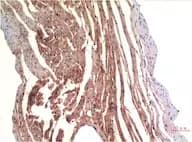
![2,5-Pyrrolidinedione, 1-[[4-[[4-(dimethylamino)phenyl]azo]benzoyl]oxy]-](/_next/image/?url=https%3A%2Fstatic.cymitquimica.com%2Fproducts%2FIN%2Fthumb-webp%2FDA00HXJQ.webp&w=3840&q=75)
