Primary Antibodies
Primary antibodies are immunoglobulins that bind specifically to an antigen of interest, allowing for the detection and quantification of proteins, peptides, or other biomolecules. These antibodies are critical tools in a wide range of applications, including Western blotting, immunohistochemistry, and ELISA. At CymitQuimica, we offer an extensive selection of high-quality primary antibodies that provide specificity and sensitivity for various research needs, including cancer, immunology, and cell biology studies.
Subcategories of "Primary Antibodies"
- Cancer Research Antibodies(3,609 products)
- Cardiovascular Antibodies(2 products)
- Developmental Biology(746 products)
- Epigenetics Antibodies(162 products)
- Immunology Antibodies(2,394 products)
- Metabolism Antibodies(278 products)
- Microbiology Antibodies(736 products)
- Signal Transduction(2,710 products)
- Tags & Cellular Markers(33 products)
Show 1 more subcategories
Found 75081 products of "Primary Antibodies"
Sort by
Purity (%)
0
100
|
0
|
50
|
90
|
95
|
100
DDAH1 rabbit pAb
This gene belongs to the dimethylarginine dimethylaminohydrolase (DDAH) gene family. The encoded enzyme plays a role in nitric oxide generation by regulating cellular concentrations of methylarginines, which in turn inhibit nitric oxide synthase activity. [provided by RefSeq, Jul 2008],Olfactory receptor 5AS1 rabbit pAb
Olfactory receptors interact with odorant molecules in the nose, to initiate a neuronal response that triggers the perception of a smell. The olfactory receptor proteins are members of a large family of G-protein-coupled receptors (GPCR) arising from single coding-exon genes. Olfactory receptors share a 7-transmembrane domain structure with many neurotransmitter and hormone receptors and are responsible for the recognition and G protein-mediated transduction of odorant signals. The olfactory receptor gene family is the largest in the genome. The nomenclature assigned to the olfactory receptor genes and proteins for this organism is independent of other organisms. [provided by RefSeq, Jul 2008],TBX6 rabbit pAb
This gene is a member of a phylogenetically conserved family of genes that share a common DNA-binding domain, the T-box. T-box genes encode transcription factors involved in the regulation of developmental processes. Knockout studies in mice indicate that this gene is important for specification of paraxial mesoderm structures. [provided by RefSeq, Aug 2008],SKI-1 rabbit pAb
This gene encodes a member of the subtilisin-like proprotein convertase family, which includes proteases that process protein and peptide precursors trafficking through regulated or constitutive branches of the secretory pathway. The encoded protein undergoes an initial autocatalytic processing event in the ER to generate a heterodimer which exits the ER and sorts to the cis/medial-Golgi where a second autocatalytic event takes place and the catalytic activity is acquired. It encodes a type 1 membrane bound protease which is ubiquitously expressed and regulates cholesterol or lipid homeostasis via cleavage of substrates at non-basic residues. Mutations in this gene may be associated with lysosomal dysfunction. [provided by RefSeq, Feb 2014],FAT1 rabbit pAb
This gene is an ortholog of the Drosophila fat gene, which encodes a tumor suppressor essential for controlling cell proliferation during Drosophila development. The gene product is a member of the cadherin superfamily, a group of integral membrane proteins characterized by the presence of cadherin-type repeats. In addition to containing 34 tandem cadherin-type repeats, the gene product has five epidermal growth factor (EGF)-like repeats and one laminin A-G domain. This gene is expressed at high levels in a number of fetal epithelia. Its product probably functions as an adhesion molecule and/or signaling receptor, and is likely to be important in developmental processes and cell communication. Transcript variants derived from alternative splicing and/or alternative promoter usage exist, but they have not been fully described. [provided by RefSeq, Jul 2008],Tie2 (phospho-Ser1119) rabbit pAb
This gene encodes a receptor that belongs to the protein tyrosine kinase Tie2 family. The encoded protein possesses a unique extracellular region that contains two immunoglobulin-like domains, three epidermal growth factor (EGF)-like domains and three fibronectin type III repeats. The ligand angiopoietin-1 binds to this receptor and mediates a signaling pathway that functions in embryonic vascular development. Mutations in this gene are associated with inherited venous malformations of the skin and mucous membranes. Alternative splicing results in multiple transcript variants. Additional alternatively spliced transcript variants of this gene have been described, but their full-length nature is not known. [provided by RefSeq, Feb 2014],TH (phospho Ser8) rabbit pAb
The tyrosine hydroxylase encoded by TH is involved in the conversion of tyrosine to dopamine. It is the rate-limiting enzyme in the synthesis of catecholamines, hence plays a key role in the physiology of adrenergic neurons. Mutations in this gene have been associated with autosomal recessive Segawa syndrome. Alternatively spliced transcript variants encoding different isoforms have been noted for this gene.CBP-Tag Mouse mAb
Epitope mapping within the calmodulin binding peptide (CBP) region of the TAP (tandem affinity purification) tag of human.TEF rabbit pAb
TEF, PAR bZIP transcription factor(TEF) Homo sapiens This gene encodes a member of the PAR (proline and acidic amino acid-rich) subfamily of basic region/leucine zipper (bZIP) transcription factors. It is expressed in a broad range of cells and tissues in adult animals, however, during embryonic development, TEF expression appears to be restricted to the developing anterior pituitary gland, coincident with the appearance of thyroid-stimulating hormone, beta (TSHB). Indeed, TEF can bind to, and transactivate the TSHB promoter. It shows homology (in the functional domains) with other members of the PAR-bZIP subfamily of transcription factors, which include albumin D box-binding protein (DBP), human hepatic leukemia factor (HLF) and chicken vitellogenin gene-binding protein (VBP); VBP is considered the chicken homologue of TEF. Different members of the subfamily can readily form heterodimers, and share DNA-binding, and transcriptional regulatoryATP5I rabbit pAb
Mitochondrial ATP synthase catalyzes ATP synthesis, utilizing an electrochemical gradient of protons across the inner membrane during oxidative phosphorylation. It is composed of two linked multi-subunit complexes: the soluble catalytic core, F1, and the membrane-spanning component, Fo, which comprises the proton channel. The F1 complex consists of 5 different subunits (alpha, beta, gamma, delta, and epsilon) assembled in a ratio of 3 alpha, 3 beta, and a single representative of the other 3. The Fo seems to have nine subunits (a, b, c, d, e, f, g, F6 and 8). This gene encodes the e subunit of the Fo complex. Alternative splicing results in multiple transcript variants.[provided by RefSeq, Jun 2010],Cdc2 rabbit pAb
cyclin dependent kinase 1(CDK1) Homo sapiens The protein encoded by this gene is a member of the Ser/Thr protein kinase family. This protein is a catalytic subunit of the highly conserved protein kinase complex known as M-phase promoting factor (MPF), which is essential for G1/S and G2/M phase transitions of eukaryotic cell cycle. Mitotic cyclins stably associate with this protein and function as regulatory subunits. The kinase activity of this protein is controlled by cyclin accumulation and destruction through the cell cycle. The phosphorylation and dephosphorylation of this protein also play important regulatory roles in cell cycle control. Alternatively spliced transcript variants encoding different isoforms have been found for this gene. [provided by RefSeq, Mar 2009],RNF6 rabbit pAb
The protein encoded by this gene contains a RING-H2 finger motif. Deletions and mutations in this gene were detected in esophageal squamous cell carcinoma (ESCC), suggesting that this protein may be a potential tumor suppressor. Studies of the mouse counterpart suggested a role of this protein in the transcription regulation that controls germinal differentiation. Multiple alternatively spliced transcript variants encoding the same protein are observed. [provided by RefSeq, Jul 2008],mAChR M4 rabbit pAb
The muscarinic cholinergic receptors belong to a larger family of G protein-coupled receptors. The functional diversity of these receptors is defined by the binding of acetylcholine and includes cellular responses such as adenylate cyclase inhibition, phosphoinositide degeneration, and potassium channel mediation. Muscarinic receptors influence many effects of acetylcholine in the central and peripheral nervous system. The clinical implications of this receptor are unknown; however, mouse studies link its function to adenylyl cyclase inhibition. [provided by RefSeq, Jul 2008],MCP rabbit pAb
The protein encoded by this gene is a type I membrane protein and is a regulatory part of the complement system. The encoded protein has cofactor activity for inactivation of complement components C3b and C4b by serum factor I, which protects the host cell from damage by complement. In addition, the encoded protein can act as a receptor for the Edmonston strain of measles virus, human herpesvirus-6, and type IV pili of pathogenic Neisseria. Finally, the protein encoded by this gene may be involved in the fusion of the spermatozoa with the oocyte during fertilization. Mutations at this locus have been associated with susceptibility to hemolytic uremic syndrome. Alternatively spliced transcript variants encoding different isoforms have been described. [provided by RefSeq, Jun 2010],MPPB rabbit pAb
This gene is a member of the peptidase M16 family and encodes a protein with a zinc-binding motif. This protein is located in the mitochondrial matrix and catalyzes the cleavage of the leader peptides of precursor proteins newly imported into the mitochondria, though it only functions as part of a heterodimeric complex. [provided by RefSeq, Jul 2008],CCL16 rabbit pAb
This gene is one of several cytokine genes clustered on the q-arm of chromosome 17. Cytokines are a family of secreted proteins involved in immunoregulatory and inflammatory processes. The CC cytokines are proteins characterized by two adjacent cysteines. The cytokine encoded by this gene displays chemotactic activity for lymphocytes and monocytes but not for neutrophils. This cytokine also shows a potent myelosuppressive activity and suppresses proliferation of myeloid progenitor cells. The expression of this gene is upregulated by IL-10. [provided by RefSeq, Jul 2008],Smad4 rabbit pAb
This gene encodes a member of the Smad family of signal transduction proteins. Smad proteins are phosphorylated and activated by transmembrane serine-threonine receptor kinases in response to TGF-beta signaling. The product of this gene forms homomeric complexes and heteromeric complexes with other activated Smad proteins, which then accumulate in the nucleus and regulate the transcription of target genes. This protein binds to DNA and recognizes an 8-bp palindromic sequence (GTCTAGAC) called the Smad-binding element (SBE). The Smad proteins are subject to complex regulation by post-translational modifications. Mutations or deletions in this gene have been shown to result in pancreatic cancer, juvenile polyposis syndrome, and hereditary hemorrhagic telangiectasia syndrome. [provided by RefSeq, Oct 2009],CEP55 (phospho Ser425) rabbit pAb
function:Plays a role in mitotic exit and cytokinesis. Not required for microtubule nucleation. Recruits PDCD6IP and TSG101 to midbody during cytokinesis.,PTM:There is a hierachy of phosphorylation, where both Ser-425 and Ser-428 are phosphorylated at the onset of mitosis, prior to Ser-436. Phosphorylation at Ser-425 and Ser-428 is required for dissociation from the centrosome at the G2/M boundary. Phosphorylation at the 3 sites, Ser-425, Ser-428 and Ser-436, is required for protein function at the final stages of cell division to complete cytokinesis successfully.,subcellular location:Present at the centrosomes at interphase. A small portion is associated preferentially with the mother centriole, whereas the majority localizes to the pericentriolar material. During mitosis, loss of affinity for the centrosome at the onset of prophase and diffusion throughout the cell. This dissociation from the centrosome is phosphorylation-dependent. May remain localized at the centrosome during mitosis in certain cell types. Appears at the cleavage furrow in late anaphase and in the midbody in cytokinesis.,subunit:Homodimer. Interacts (phosphorylated on Ser-425 and Ser-428) with PLK1. Interacts with AKAP9; the interaction occurs in interphase and is lost upon mitotic entry. Interacts with PCNT; the interaction occurs in interphase and is lost upon mitotic entry. Interacts with PDCD6IP; the interaction is direct; CEP55 binds PDCD6IP in a 2:1 stoechiometry; PDCD6IP competes with TSG101 for the same binding site. Interacts with TSG101; TSG101 competes with PDCD6IP for the same binding site; interaction is required for cytokinesis but not for viral budding. Interacts with FAM125A, VPS37B, VPS37C and VPS28.,tissue specificity:Widely expressed, mostly in proliferative tissues. Highly expressed in testis. Intermediate levels in adult and fetal thymus, as well as in various cancer cell lines. Low levels in different parts of the digestive tract, bone marrow, lymph nodes, placenta, fetal heart and fetal spleen. Hardly detected in brain.,MLK1/2 rabbit pAb
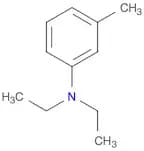
catalytic activity:ATP + a protein = ADP + a phosphoprotein.,cofactor:Magnesium.,enzyme regulation:Homodimerization via the leucine zipper domains is required for autophosphorylation and subsequent activation.,function:Activates the JUN N-terminal pathway.,PTM:Autophosphorylation on serine and threonine residues within the activation loop plays a role in enzyme activation. Thr-312 is likely to be the main autophosphorylation site.,similarity:Belongs to the protein kinase superfamily. STE Ser/Thr protein kinase family. MAP kinase kinase kinase subfamily.,similarity:Contains 1 protein kinase domain.,similarity:Contains 1 SH3 domain.,subunit:Homodimer.,tissue specificity:Expressed in epithelial tumor cell lines of colonic, breast and esophageal origin.,N,N-Diethyl-3-methylaniline
CAS:Formula:C11H17NPurity:98%Color and Shape:LiquidMolecular weight:163.25943-(N-Ethyl-3-methylanilino)-2-hydroxypropanesulfonic acid sodium salt
CAS:Formula:C12H18NNaO4SPurity:98%Color and Shape:SolidMolecular weight:295.3304Ref: IN-DA0038TE
1g99.00€5g246.00€10g596.00€25gTo inquire50gTo inquire100gTo inquire250gTo inquire25mg35.00€100mg38.00€250mg55.00€500mg77.00€ATG4b Rabbit rabbit pAb
Autophagy is the process by which endogenous proteins and damaged organelles are destroyed intracellularly. Autophagy is postulated to be essential for cell homeostasis and cell remodeling during differentiation, metamorphosis, non-apoptotic cell death, and aging. Reduced levels of autophagy have been described in some malignant tumors, and a role for autophagy in controlling the unregulated cell growth linked to cancer has been proposed. This gene encodes a member of the autophagin protein family. The encoded protein is also designated as a member of the C-54 family of cysteine proteases. Alternate transcriptional splice variants, encoding different isoforms, have been characterized. [provided by RefSeq, Jul 2008],NDR2 rabbit pAb
catalytic activity:ATP + a protein = ADP + a phosphoprotein.,cofactor:Magnesium.,enzyme regulation:Activated by binding of S100B which releases autoinhibitory N-lobe interactions, enabling ATP to bind and the autophosphorylation of Ser-282. Thr-442 then undergoes calcium-dependent phosphorylation by an upstream kinase. Interactions between phosphorylated Thr-442 and the N-lobe promote additional structural changes that complete the activation of the kinase. Autoinhibition is also released by the binding of MOB1/MOBKL1A and MOB2/HCCA2 to the N-terminal of STK38L.,function:Involved in the regulation of structural processes in differentiating and mature neuronal cells.,PTM:Phosphorylated upon DNA damage, probably by ATM or ATR.,similarity:Belongs to the protein kinase superfamily. AGC Ser/Thr protein kinase family.,similarity:Contains 1 AGC-kinase C-terminal domain.,similarity:Contains 1 protein kinase domain.,subcellular location:Associated with the actin cytoskeleton.,subunit:Homodimeric S100B binds two molecules of STK38L (By similarity). Interacts with MOB1 and MOB2.,tissue specificity:Ubiquitously expressed with highest levels observed in the thymus.,Doublecortin rabbit pAb
This gene encodes a member of the doublecortin family. The protein encoded by this gene is a cytoplasmic protein and contains two doublecortin domains, which bind microtubules. In the developing cortex, cortical neurons must migrate over long distances to reach the site of their final differentiation. The encoded protein appears to direct neuronal migration by regulating the organization and stability of microtubules. In addition, the encoded protein interacts with LIS1, the regulatory gamma subunit of platelet activating factor acetylhydrolase, and this interaction is important to proper microtubule function in the developing cortex. Mutations in this gene cause abnormal migration of neurons during development and disrupt the layering of the cortex, leading to epilepsy, mental retardation, subcortical band heterotopia ("double cortex" syndrome) in females and lissencephaly ("smooth brain&quoTreacle rabbit pAb
This gene encodes a nucleolar protein with a LIS1 homology domain. The protein is involved in ribosomal DNA gene transcription through its interaction with upstream binding factor (UBF). Mutations in this gene have been associated with Treacher Collins syndrome, a disorder which includes abnormal craniofacial development. Multiple transcript variants encoding different isoforms have been found for this gene. [provided by RefSeq, Sep 2008],SR-2C rabbit pAb
This gene encodes a seven-transmembrane G-protein-coupled receptor. The encoded protein responds to signaling through the neurotransmitter serotonin. The mRNA of this gene is subject to multiple RNA editing events, where adenosine residues encoded by the genome are converted to inosines. RNA editing is predicted to alter the structure of the second intracellular loop, thereby generating alternate protein forms with decreased ability to interact with G proteins. Abnormalities in RNA editing of this gene have been detected in victims of suicide that suffer from depression. In addition, naturally-occuring variation in the promoter and 5' non-coding and coding regions of this gene may show statistically-significant association with mental illness and behavioral disorders. Alternative splicing results in multiple different transcript variants. [provided by RefSeq, Jan 2015],Thioredoxin rabbit pAb
The protein encoded by this gene acts as a homodimer and is involved in many redox reactions. The encoded protein is active in the reversible S-nitrosylation of cysteines in certain proteins, which is part of the response to intracellular nitric oxide. This protein is found in the cytoplasm. Two transcript variants encoding different isoforms have been found for this gene. [provided by RefSeq, Oct 2011],Cdc34 rabbit pAb
The protein encoded by this gene is a member of the ubiquitin-conjugating enzyme family. Ubiquitin-conjugating enzyme catalyzes the covalent attachment of ubiquitin to other proteins. This protein is a part of the large multiprotein complex, which is required for ubiquitin-mediated degradation of cell cycle G1 regulators, and for the initiation of DNA replication. [provided by RefSeq, Jul 2008],MAP1B rabbit pAb
This gene encodes a protein that belongs to the microtubule-associated protein family. The proteins of this family are thought to be involved in microtubule assembly, which is an essential step in neurogenesis. The product of this gene is a precursor polypeptide that presumably undergoes proteolytic processing to generate the final MAP1B heavy chain and LC1 light chain. Gene knockout studies of the mouse microtubule-associated protein 1B gene suggested an important role in development and function of the nervous system. [provided by RefSeq, Jul 2008],CNTN3 rabbit pAb
function:Contactins mediate cell surface interactions during nervous system development. Has some neurite outgrowth-promoting activity.,similarity:Belongs to the immunoglobulin superfamily. Contactin family.,similarity:Contains 4 fibronectin type-III domains.,similarity:Contains 6 Ig-like C2-type (immunoglobulin-like) domains.,tissue specificity:In brain, it is expressed in frontal lobe, occipital lobe, cerebellum and amygdala.,RCC2 rabbit pAb
function:Required for completion of mitosis and cytokinesis. May function as a guanine nucleotide exchange factor for the small GTPase RAC1.,PTM:Phosphorylated upon DNA damage, probably by ATM or ATR.,similarity:Contains 7 RCC1 repeats.,subcellular location:Appears in the nucleus at G2, then concentrates at the inner centromere region of chromosomes during prophase. Redistributes to the midzone of the mitotic spindle during anaphase. Here, the protein covers the entire equatorial diameter from cortex to cortex.,subunit:Binds preferentially to the nucleotide-free form of RAC1. Interacts with microtubules.,FANCA (phospho Ser1149) rabbit pAb
The Fanconi anemia complementation group (FANC) currently includes FANCA, FANCB, FANCC, FANCD1 (also called BRCA2), FANCD2, FANCE, FANCF, FANCG, FANCI, FANCJ (also called BRIP1), FANCL, FANCM and FANCN (also called PALB2). The previously defined group FANCH is the same as FANCA. Fanconi anemia is a genetically heterogeneous recessive disorder characterized by cytogenetic instability, hypersensitivity to DNA crosslinking agents, increased chromosomal breakage, and defective DNA repair. The members of the Fanconi anemia complementation group do not share sequence similarity; they are related by their assembly into a common nuclear protein complex. This gene encodes the protein for complementation group A. Alternative splicing results in multiple transcript variants encoding different isoforms. Mutations in this gene are the most common cause of Fanconi anemia. [provided by RefSeq, JulABCA8 rabbit pAb
The membrane-associated protein encoded by this gene is a member of the superfamily of ATP-binding cassette (ABC) transporters. ABC proteins transport various molecules across extra- and intracellular membranes. ABC genes are divided into seven distinct subfamilies (ABC1, MDR/TAP, MRP, ALD, OABP, GCN20, White). This protein is a member of the ABC1 subfamily. Members of the ABC1 subfamily comprise the only major ABC subfamily found exclusively in multicellular eukaryotes. The encoded protein may regulate lipid metabolism and be involved in the formation and maintenance of myelin. Alternative splicing results in multiple transcript variants. [provided by RefSeq, Jan 2014],MEK4 (F194)Rabbit pAb
SAPK/Erk kinase (SEK1), also known as MEK4 or MKK4 or Jun kinase kinase (JNKK), activates the MAP kinase homologues SAPK and JNK in response to various cellular stresses and inflammatory cytokines . Activation of SEK1 occurs through MEKK phosphorylation of serine and threonine residues at positions 257 and 261, respectively. Like MEK, SEK is a dual-specificity protein kinase that phosphorylates SAPK/JNK at a conserved T*PY* site in its activation loop . Phosphorylation by Akt at Ser80 inhibits SEK1 and suppresses stress-activated signal transduction .RS3A rabbit pAb
Ribosomes, the organelles that catalyze protein synthesis, consist of a small 40S subunit and a large 60S subunit. Together these subunits are composed of 4 RNA species and approximately 80 structurally distinct proteins. This gene encodes a ribosomal protein that is a component of the 40S subunit. The protein belongs to the S3AE family of ribosomal proteins. It is located in the cytoplasm. Disruption of the gene encoding rat ribosomal protein S3a, also named v-fos transformation effector protein, in v-fos-transformed rat cells results in reversion of the transformed phenotype. This gene is co-transcribed with the U73A and U73B small nucleolar RNA genes, which are located in its fourth and third introns, respectively. As is typical for genes encoding ribosomal proteins, there are multiple processed pseudogenes of this gene dispersed through the genome. Alternatively spliced transcript variants haveOTX1 rabbit pAb
This gene encodes a member of the bicoid sub-family of homeodomain-containing transcription factors. The encoded protein acts as a transcription factor and may play a role in brain and sensory organ development. A similar protein in mouse is required for proper brain and sensory organ development and can cause epilepsy. Alternative splicing results in multiple transcript variants. [provided by RefSeq, Jan 2015],P4HA3 rabbit pAb
This gene encodes a component of prolyl 4-hydroxylase, a key enzyme in collagen synthesis composed of two identical alpha subunits and two beta subunits. The encoded protein is one of several different types of alpha subunits and provides the major part of the catalytic site of the active enzyme. In collagen and related proteins, prolyl 4-hydroxylase catalyzes the formation of 4-hydroxyproline that is essential to the proper three-dimensional folding of newly synthesized procollagen chains. Alternative splicing results in multiple transcript variants. [provided by RefSeq, Jan 2014],KBRS2 rabbit pAb
domain:In contrast to other members of the Ras family, the members of the KappaB-Ras subfamily do not contain the conserved Gly and Gln residues in positions 13 and 65, which are replaced by Ala and Leu residues, respectively, and are therefore similar to the constitutively active forms of oncogenic forms of Ras. This suggests that members of this family are clearly different from other small GTPases proteins.,function:Atypical Ras-like protein that acts as a potent regulator of NF-kappa-B activity by preventing the degradation of NF-kappa-B inhibitor beta (NFKBIB) by most signals, explaining why NFKBIB is more resistant to degradation. May act by blocking phosphorylation of NFKBIB and nuclear localization of p65/RELA NF-kappa-B subunit. It is unclear whether it acts as a GTPase. Both GTP- and GDP-bound forms block phosphorylation of NFKBIB.,sequence caution:Absence of residues from position 133 within an exon that change the frame which is not the result of an alternative splicing.,similarity:Belongs to the small GTPase superfamily. Ras family. KappaB-Ras subfamily.,subunit:Interacts with both NF-kappa-B inhibitor alpha (NFKBIA) and beta (NFKBIB) in vitro. However, it probably only interacts with NFKBIB in vivo.,tissue specificity:Widely expressed.,NPBW1 rabbit pAb
function:Interacts specifically with a number of opioid ligands. Receptor for neuropeptides B and W, which may be involved in neuroendocrine system regulation, food intake and the organization of other signals. Has a higher affinity for neuropeptide B.,similarity:Belongs to the G-protein coupled receptor 1 family.,tissue specificity:Found in cerebellum and frontal cortex. Detected at high levels in hipppocampus, amygdala and trachea; at moderate levels in fetal brain, pituitary gland and prostate. Not in caudate, accumbens, kidney or liver. Also detected at high levels in lung carcinoma.,Mi2-β rabbit pAb
The product of this gene belongs to the SNF2/RAD54 helicase family. It represents the main component of the nucleosome remodeling and deacetylase complex and plays an important role in epigenetic transcriptional repression. Patients with dermatomyositis develop antibodies against this protein. Somatic mutations in this gene are associated with serous endometrial tumors. Alternative splicing results in multiple transcript variants encoding different isoforms. [provided by RefSeq, Jul 2014],Histone H3 (phospho Thr3) rabbit pAb
Histones are basic nuclear proteins that are responsible for the nucleosome structure of the chromosomal fiber in eukaryotes. This structure consists of approximately 146 bp of DNA wrapped around a nucleosome, an octamer composed of pairs of each of the four core histones (H2A, H2B, H3, and H4). The chromatin fiber is further compacted through the interaction of a linker histone, H1, with the DNA between the nucleosomes to form higher order chromatin structures. This gene is intronless and encodes a replication-dependent histone that is a member of the histone H3 family. Transcripts from this gene lack polyA tails; instead, they contain a palindromic termination element. This gene is found in the large histone gene cluster on chromosome 6p22-p21.3. [provided by RefSeq, Aug 2015],THRB (heavy chain, Cleaved-Ile364) rabbit pAb
catalytic activity:Selective cleavage of Arg-|-Gly bonds in fibrinogen to form fibrin and release fibrinopeptides A and B.,disease:Defects in F2 are the cause of various forms of dysprothrombinemia [MIM:176930].,disease:Genetic variations in F2 may be a cause of susceptibility to ischemic stroke [MIM:601367]; also known as cerebrovascular accident or cerebral infarction. A stroke is an acute neurologic event leading to death of neural tissue of the brain and resulting in loss of motor, sensory and/or cognitive function. Ischemic strokes, resulting from vascular occlusion, is considered to be a highly complex disease consisting of a group of heterogeneous disorders with multiple genetic and environmental risk factors.,function:Thrombin, which cleaves bonds after Arg and Lys, converts fibrinogen to fibrin and activates factors V, VII, VIII, XIII, and, in complex with thrombomodulin, protein C. Functions in blood homeostasis, inflammation and wound healing.,miscellaneous:It is not known whether 1 or 2 smaller activation peptides, with additional cleavage after Arg-314, are released in natural blood clotting.,miscellaneous:Prothrombin is activated on the surface of a phospholipid membrane that binds the amino end of prothrombin and factors Va and Xa in Ca-dependent interactions; factor Xa removes the activation peptide and cleaves the remaining part into light and heavy chains. The activation process starts slowly because factor V itself has to be activated by the initial, small amounts of thrombin.,miscellaneous:The cleavage after Arg-198, observed in vitro, does not occur in plasma.,miscellaneous:Thrombin can itself cleave the N-terminal fragment (fragment 1) of the prothrombin, prior to its activation by factor Xa.,online information:Thrombin entry,pharmaceutical:The peptide TP508 also known as Chrysalin (Orthologic) could be used to accelerate repair of both soft and hard tissues.,PTM:The gamma-carboxyglutamyl residues, which bind calcium ions, result from the carboxylation of glutamyl residues by a microsomal enzyme, the vitamin K-dependent carboxylase. The modified residues are necessary for the calcium-dependent interaction with a negatively charged phospholipid surface, which is essential for the conversion of prothrombin to thrombin.,similarity:Belongs to the peptidase S1 family.,similarity:Contains 1 Gla (gamma-carboxy-glutamate) domain.,similarity:Contains 1 peptidase S1 domain.,similarity:Contains 2 kringle domains.,tissue specificity:Expressed by the liver and secreted in plasma.,Cleaved-Cathepsin D LC (G65) rabbit pAb
This gene encodes a member of the A1 family of peptidases. The encoded preproprotein is proteolytically processed to generate multiple protein products. These products include the cathepsin D light and heavy chains, which heterodimerize to form the mature enzyme. This enzyme exhibits pepsin-like activity and plays a role in protein turnover and in the proteolytic activation of hormones and growth factors. Mutations in this gene play a causal role in neuronal ceroid lipofuscinosis-10 and may be involved in the pathogenesis of several other diseases, including breast cancer and possibly Alzheimer's disease. [provided by RefSeq, Nov 2015],AF-4 rabbit pAb
This gene encodes a member of the AF4/ lymphoid nuclear protein related to AF4/Fragile X E mental retardation syndrome family of proteins, which have been implicated in childhood lymphoblastic leukemia, Fragile X E site mental retardation, and ataxia. It is the prevalent mixed-lineage leukemia fusion gene associated with spontaneous acute lymphoblastic leukemia. Members of this family have three conserved domains: an N-terminal homology domain, an AF4/ lymphoid nuclear protein related to AF4/Fragile X E mental retardation syndrome domain, and a C-terminal homology domain. The protein functions as a regulator of RNA polymerase II-mediated transcription through elongation and chromatin remodeling functions. Through RNA interference screens, this gene has been shown to promote the expression of CD133, a plasma membrane glycoprotein required for leukemia cell survival. Alternative splicing results in muCyclin H rabbit pAb
The protein encoded by this gene belongs to the highly conserved cyclin family, whose members are characterized by a dramatic periodicity in protein abundance through the cell cycle. Cyclins function as regulators of CDK kinases. Different cyclins exhibit distinct expression and degradation patterns which contribute to the temporal coordination of each mitotic event. This cyclin forms a complex with CDK7 kinase and ring finger protein MAT1. The kinase complex is able to phosphorylate CDK2 and CDC2 kinases, thus functions as a CDK-activating kinase (CAK). This cyclin and its kinase partner are components of TFIIH, as well as RNA polymerase II protein complexes. They participate in two different transcriptional regulation processes, suggesting an important link between basal transcription control and the cell cycle machinery. A pseudogene of this gene is found on chromosome 4. Alternate splicing results in multiple tCENPJ rabbit pAb
This gene encodes a protein that belongs to the centromere protein family. During cell division, this protein plays a structural role in the maintenance of centrosome integrity and normal spindle morphology, and it is involved in microtubule disassembly at the centrosome. This protein can function as a transcriptional coactivator in the Stat5 signaling pathway, and also as a coactivator of NF-kappaB-mediated transcription, likely via its interaction with the coactivator p300/CREB-binding protein. Mutations in this gene are associated with primary autosomal recessive microcephaly, a disorder characterized by severely reduced brain size and mental retardation. Alternatively spliced transcript variants have been found for this gene. [provided by RefSeq, Apr 2012],Cdk8 rabbit pAb
cyclin dependent kinase 8(CDK8) Homo sapiens The protein encoded by this gene is a member of the cyclin-dependent protein kinase (CDK) family. CDK family members are highly similar to the gene products of Saccharomyces cerevisiae cdc28, and Schizosaccharomyces pombe cdc2, and are known to be important regulators of cell cycle progression. This kinase and its regulatory subunit cyclin C are components of the RNA polymerase II holoenzyme complex, which phosphorylates the carboxy-terminal domain (CTD) of the largest subunit of RNA polymerase II. This kinase has also been shown to regulate transcription by targeting the CDK7/cyclin H subunits of the general transcription initiation factor IIH (TFIIH), thus providing a link between the 'Mediator-like' protein complexes and the basal transcription machinery. [provided by RefSeq, Jul 2008],Bag-3 rabbit pAb
BAG proteins compete with Hip for binding to the Hsc70/Hsp70 ATPase domain and promote substrate release. All the BAG proteins have an approximately 45-amino acid BAG domain near the C terminus but differ markedly in their N-terminal regions. The protein encoded by this gene contains a WW domain in the N-terminal region and a BAG domain in the C-terminal region. The BAG domains of BAG1, BAG2, and BAG3 interact specifically with the Hsc70 ATPase domain in vitro and in mammalian cells. All 3 proteins bind with high affinity to the ATPase domain of Hsc70 and inhibit its chaperone activity in a Hip-repressible manner. [provided by RefSeq, Jul 2008],P2RY2 rabbit pAb
purinergic receptor P2Y2(P2RY2) Homo sapiens The product of this gene belongs to the family of P2 receptors, which is activated by extracellular nucleotides and subdivided into P2X ligand-gated ion channels and P2Y G-protein coupled receptors. This family has several receptor subtypes with different pharmacological selectivity, which overlaps in some cases, for various adenosine and uridine nucleotides. This receptor, found on many cell types, is activated by ATP and UTP and is reported to be overexpressed on some cancer cell types. It is involved in many cellular functions, such as proliferation, apoptosis and inflammation. Three transcript variants encoding the same protein have been identified for this gene. [provided by RefSeq, Mar 2013],AIM2 rabbit pAb
AIM2 is a member of the IFI20X /IFI16 family. It plays a putative role in tumorigenic reversion and may control cell proliferation. Interferon-gamma induces expression of AIM2. [provided by RefSeq, Jul 2008],Akt2 (phospho Ser474) rabbit pAb
This gene is a putative oncogene encoding a protein belonging to a subfamily of serine/threonine kinases containing SH2-like (Src homology 2-like) domains. The gene was shown to be amplified and overexpressed in 2 of 8 ovarian carcinoma cell lines and 2 of 15 primary ovarian tumors. Overexpression contributes to the malignant phenotype of a subset of human ductal pancreatic cancers. The encoded protein is a general protein kinase capable of phophorylating several known proteins. [provided by RefSeq, Jul 2008],TEFF2 rabbit pAb
This gene encodes a member of the tomoregulin family of transmembrane proteins. This protein has been shown to function as both an oncogene and a tumor suppressor depending on the cellular context and may regulate prostate cancer cell invasion. Multiple soluble forms of this protein have been identified that arise from both an alternative splice variant and ectodomain shedding. Additionally, this gene has been found to be hypermethylated in multiple cancer types. Alternative splicing results in multiple transcript variants. [provided by RefSeq, Feb 2015],EKLF rabbit pAb
This gene encodes a hematopoietic-specific transcription factor that induces high-level expression of adult beta-globin and other erythroid genes. The zinc-finger protein binds to the DNA sequence CCACACCCT found in the beta hemoglobin promoter. Heterozygous loss-of-function mutations in this gene result in the dominant In(Lu) blood phenotype. [provided by RefSeq, Oct 2009],p27 (phospho Thr187) rabbit pAb
This gene encodes a cyclin-dependent kinase inhibitor, which shares a limited similarity with CDK inhibitor CDKN1A/p21. The encoded protein binds to and prevents the activation of cyclin E-CDK2 or cyclin D-CDK4 complexes, and thus controls the cell cycle progression at G1. The degradation of this protein, which is triggered by its CDK dependent phosphorylation and subsequent ubiquitination by SCF complexes, is required for the cellular transition from quiescence to the proliferative state. Mutations in this gene are associated with multiple endocrine neoplasia type IV (MEN4). [provided by RefSeq, Apr 2014],VGLL4 rabbit pAb
function:May act as a specific coactivator for the mammalian TEFs.,similarity:Belongs to the vestigial family.,subunit:Interacts with TEFs.,GCK/GLK rabbit pAb
mitogen-activated protein kinase kinase kinase kinase 2(MAP4K2) Homo sapiens The protein encoded by this gene is a member of the serine/threonine protein kinase family. Although this kinase is found in many tissues, its expression in lymphoid follicles is restricted to the cells of germinal centre, where it may participate in B-cell differentiation. This kinase can be activated by TNF-alpha, and has been shown to specifically activate MAP kinases. This kinase is also found to interact with TNF receptor-associated factor 2 (TRAF2), which is involved in the activation of MAP3K1/MEKK1. Alternative splicing results in multiple transcript variants. [provided by RefSeq, Apr 2015],Cyclin E1 (phospho Thr77) rabbit pAb
The protein encoded by this gene belongs to the highly conserved cyclin family, whose members are characterized by a dramatic periodicity in protein abundance through the cell cycle. Cyclins function as regulators of CDK kinases. Different cyclins exhibit distinct expression and degradation patterns which contribute to the temporal coordination of each mitotic event. This cyclin forms a complex with and functions as a regulatory subunit of CDK2, whose activity is required for cell cycle G1/S transition. This protein accumulates at the G1-S phase boundary and is degraded as cells progress through S phase. Overexpression of this gene has been observed in many tumors, which results in chromosome instability, and thus may contribute to tumorigenesis. This protein was found to associate with, and be involved in, the phosphorylation of NPAT protein (nuclear protein mapped to the ATM locus), which participates inERα (phospho Ser102) rabbit pAb
This gene encodes an estrogen receptor, a ligand-activated transcription factor composed of several domains important for hormone binding, DNA binding, and activation of transcription. The protein localizes to the nucleus where it may form a homodimer or a heterodimer with estrogen receptor 2. Estrogen and its receptors are essential for sexual development and reproductive function, but also play a role in other tissues such as bone. Estrogen receptors are also involved in pathological processes including breast cancer, endometrial cancer, and osteoporosis. Alternative promoter usage and alternative splicing result in dozens of transcript variants, but the full-length nature of many of these variants has not been determined. [provided by RefSeq, Mar 2014],GPRC6A rabbit pAb
Members of family C of the G protein-coupled receptor (GPCR) superfamily, such as GPRC6A, are characterized by an evolutionarily conserved amino acid-sensing motif linked to an intramembranous 7-transmembrane loop region. Several members of GPCR family C, including GPRC6A, also have a long N-terminal domain (summary by Pi et al., 2005 [PubMed 16199532]).[supplied by OMIM, Nov 2010],NKX62 rabbit pAb
similarity:Contains 1 homeobox DNA-binding domain.,tissue specificity:Highest expression in brain.,Flt-1 (phospho Tyr1213) rabbit pAb
This gene encodes a member of the vascular endothelial growth factor receptor (VEGFR) family. VEGFR family members are receptor tyrosine kinases (RTKs) which contain an extracellular ligand-binding region with seven immunoglobulin (Ig)-like domains, a transmembrane segment, and a tyrosine kinase (TK) domain within the cytoplasmic domain. This protein binds to VEGFR-A, VEGFR-B and placental growth factor and plays an important role in angiogenesis and vasculogenesis. Expression of this receptor is found in vascular endothelial cells, placental trophoblast cells and peripheral blood monocytes. Multiple transcript variants encoding different isoforms have been found for this gene. Isoforms include a full-length transmembrane receptor isoform and shortened, soluble isoforms. The soluble isoforms are associated with the onset of pre-eclampsia.[provided by RefSeq, May 2009],TIMAP rabbit pAb
The protein encoded by this gene is membrane-associated and contains five ankyrin repeats, a protein phosphatase-1-interacting domain, and a carboxy-terminal CAAX box domain. Synthesis of the encoded protein is inhibited by transforming growth factor beta-1. The protein may bind to the membrane through its CAAX box domain and may act as a signaling molecule through interaction with protein phosphatase-1. Alternative splicing results in multiple transcript variants encoding different isoforms that may undergo similar processing to generate mature protein. [provided by RefSeq, Sep 2015],KCNH6 rabbit pAb
Voltage-gated potassium (Kv) channels represent the most complex class of voltage-gated ion channels from both functional and structural standpoints. Their diverse functions include regulating neurotransmitter release, heart rate, insulin secretion, neuronal excitability, epithelial electrolyte transport, smooth muscle contraction, and cell volume. This gene encodes a member of the potassium channel, voltage-gated, subfamily H. This member is a pore-forming (alpha) subunit. Alternative splicing results in multiple transcript variants that encode different isoforms. [provided by RefSeq, Jul 2013],GNAS2 rabbit pAb
This locus has a highly complex imprinted expression pattern. It gives rise to maternally, paternally, and biallelically expressed transcripts that are derived from four alternative promoters and 5' exons. Some transcripts contain a differentially methylated region (DMR) at their 5' exons, and this DMR is commonly found in imprinted genes and correlates with transcript expression. An antisense transcript is produced from an overlapping locus on the opposite strand. One of the transcripts produced from this locus, and the antisense transcript, are paternally expressed noncoding RNAs, and may regulate imprinting in this region. In addition, one of the transcripts contains a second overlapping ORF, which encodes a structurally unrelated protein - Alex. Alternative splicing of downstream exons is also observed, which results in different forms of the stimulatory G-protein alpha subunit, a key element of the classical signal transduction pathway linking receptor-ligand interactions with the activation of adenylyl cyclase and a variety of cellular reponses. Multiple transcript variants encoding different isoforms have been found for this gene. Mutations in this gene result in pseudohypoparathyroidism type 1a, pseudohypoparathyroidism type 1b, Albright hereditary osteodystrophy, pseudopseudohypoparathyroidism, McCune-Albright syndrome, progressive osseus heteroplasia, polyostotic fibrous dysplasia of bone, and some pituitary tumors. [provided by RefSeq, Aug 2012],LFTY1 rabbit pAb
This gene encodes a secreted ligand of the TGF-beta (transforming growth factor-beta) superfamily of proteins. Ligands of this family bind various TGF-beta receptors leading to recruitment and activation of SMAD family transcription factors that regulate gene expression. The encoded preproprotein is proteolytically processed to generate the mature protein, which plays a role in left-right asymmetry determination of organ systems during development. This gene is closely linked to both a related family member and a related pseudogene. [provided by RefSeq, Aug 2016],Neuromedin-U rabbit pAb
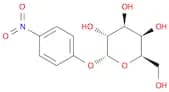
This gene encodes a member of the neuromedin family of neuropeptides. The encoded protein is a precursor that is proteolytically processed to generate a biologically active neuropeptide that plays a role in pain, stress, immune-mediated inflammatory diseases and feeding regulation. Increased expression of this gene was observed in renal, pancreatic and lung cancers. Alternative splicing results in multiple transcript variants encoding different isoforms. Some of these isoforms may undergo similar processing to generate the mature peptide. [provided by RefSeq, Jul 2015],4-Nitrophenyl a-D-galactopyranoside
CAS:Formula:C12H15NO8Purity:97%Color and Shape:SolidMolecular weight:301.2494OTOGL rabbit pAb
The protein encoded by this gene belongs to the otogelin family. This gene is expressed in the inner ear of vertebrates with the highest level of expression seen at the embryonic stage and lowest in adult. Knockdown studies in zebrafish suggest that this gene is essential for normal inner ear function. Mutations in this gene are associated with autosomal recessive deafness. [provided by RefSeq, Dec 2012],WASL rabbit pAb
This gene encodes a member of the Wiskott-Aldrich syndrome (WAS) protein family. Wiskott-Aldrich syndrome proteins share similar domain structure, and associate with a variety of signaling molecules to alter the actin cytoskeleton. The encoded protein is highly expressed in neural tissues, and interacts with several proteins involved in cytoskeletal organization, including cell division control protein 42 (CDC42) and the actin-related protein-2/3 (ARP2/3) complex. The encoded protein may be involved in the formation of long actin microspikes, and in neurite extension. [provided by RefSeq, Jul 2013],Latexin rabbit pAb
This gene encodes the only known protein inhibitor of zinc-dependent metallocarboxypeptidases. [provided by RefSeq, Oct 2008],FCRL4 rabbit pAb
This gene encodes a member of the immunoglobulin receptor superfamily and is one of several Fc receptor-like glycoproteins clustered on the long arm of chromosome 1. The encoded protein has four extracellular C2-type immunoglobulin domains, a transmembrane domain and a cytoplasmic domain that contains three immune-receptor tyrosine-based inhibitory motifs. This protein may play a role in the function of memory B-cells in the epithelia. Aberrations in the chromosomal region encoding this gene are associated with non-Hodgkin lymphoma and multiple myeloma. [provided by RefSeq, Apr 2009],Synphilin-1 rabbit pAb
This gene encodes a protein containing several protein-protein interaction domains, including ankyrin-like repeats, a coiled-coil domain, and an ATP/GTP-binding motif. The encoded protein interacts with alpha-synuclein in neuronal tissue and may play a role in the formation of cytoplasmic inclusions and neurodegeneration. A mutation in this gene has been associated with Parkinson's disease. Alternative splicing results in multiple transcript variants. [provided by RefSeq, Apr 2015],AGTR1 rabbit pAb
Angiotensin II is a potent vasopressor hormone and a primary regulator of aldosterone secretion. It is an important effector controlling blood pressure and volume in the cardiovascular system. It acts through at least two types of receptors. This gene encodes the type 1 receptor which is thought to mediate the major cardiovascular effects of angiotensin II. This gene may play a role in the generation of reperfusion arrhythmias following restoration of blood flow to ischemic or infarcted myocardium. It was previously thought that a related gene, denoted as AGTR1B, existed; however, it is now believed that there is only one type 1 receptor gene in humans. Multiple alternatively spliced transcript variants have been reported for this gene. [provided by RefSeq, Jul 2012],SELV rabbit pAb
This gene encodes a selenoprotein, which contains a selenocysteine (Sec) residue at its active site. The selenocysteine is encoded by the UGA codon that normally signals translation termination. The 3' UTR of selenoprotein genes have a common stem-loop structure, the sec insertion sequence (SECIS), that is necessary for the recognition of UGA as a Sec codon rather than as a stop signal. [provided by RefSeq, Jul 2008],PDE6D rabbit pAb
This gene encodes the delta subunit of rod-specific photoreceptor phosphodiesterase (PDE), a key enzyme in the phototransduction cascade. A similar protein in cow functions in solubilizing membrane-bound PDE. In addition to its role in the PDE complex, the encoded protein is thought to bind to prenyl groups of proteins to target them to subcellular organelles called cilia. Mutations in this gene are associated with Joubert syndrome-22. Alternative splicing results in multiple splice variants. [provided by RefSeq, Mar 2014],Histone H3 (Acetyl Lys18) rabbit pAb
Histones are basic nuclear proteins that are responsible for the nucleosome structure of the chromosomal fiber in eukaryotes. This structure consists of approximately 146 bp of DNA wrapped around a nucleosome, an octamer composed of pairs of each of the four core histones (H2A, H2B, H3, and H4). The chromatin fiber is further compacted through the interaction of a linker histone, H1, with the DNA between the nucleosomes to form higher order chromatin structures. This gene is intronless and encodes a replication-dependent histone that is a member of the histone H3 family. Transcripts from this gene lack polyA tails; instead, they contain a palindromic termination element. This gene is found in the large histone gene cluster on chromosome 6p22-p21.3. [provided by RefSeq, Aug 2015],IP Receptor rabbit pAb
The protein encoded by this gene is a member of the G-protein coupled receptor family 1 and has been shown to be a receptor for prostacyclin. Prostacyclin, the major product of cyclooxygenase in macrovascular endothelium, elicits a potent vasodilation and inhibition of platelet aggregation through binding to this receptor. [provided by RefSeq, Jul 2008],ELL3 rabbit pAb
function:Elongation factor that can increase the catalytic rate of RNA polymerase II transcription by suppressing transient pausing by the polymerase at multiple sites along the DNA.,similarity:Belongs to the ELL/occludin family.,tissue specificity:Testis specific.,ING5 rabbit pAb
This gene encodes a tumor suppressor protein that inhibits cell growth and induces apoptosis. This protein contains a PHD-type zinc finger. It interacts with tumor suppressor p53 and p300, a component of the histone acetyl transferase complex, suggesting a role in transcriptional regulation. Alternative splicing and the use of multiple promoters and 3' terminal exons results in multiple transcript variants. [provided by RefSeq, Aug 2016],Cleaved-PAR-4 (G48) rabbit pAb
This gene encodes a member of the protease-activated receptor subfamily, part of the G-protein coupled receptor 1 family of proteins. The encoded receptor is proteolytically processed to reveal an extracellular N-terminal tethered ligand that binds to and activates the receptor. This receptor plays a role in blood coagulation, inflammation and response to pain. Hypomethylation at this gene may be associated with lung cancer in human patients. [provided by RefSeq, Sep 2016],20S Proteasome α3 (phospho Ser250) rabbit pAb
The proteasome is a multicatalytic proteinase complex with a highly ordered ring-shaped 20S core structure. The core structure is composed of 4 rings of 28 non-identical subunits; 2 rings are composed of 7 alpha subunits and 2 rings are composed of 7 beta subunits. Proteasomes are distributed throughout eukaryotic cells at a high concentration and cleave peptides in an ATP/ubiquitin-dependent process in a non-lysosomal pathway. An essential function of a modified proteasome, the immunoproteasome, is the processing of class I MHC peptides. This gene encodes a member of the peptidase T1A family, that is a 20S core alpha subunit. Two alternative transcripts encoding different isoforms have been identified. [provided by RefSeq, Jul 2008],Axl rabbit pAb
The protein encoded by this gene is a member of the Tyro3-Axl-Mer (TAM) receptor tyrosine kinase subfamily. The encoded protein possesses an extracellular domain which is composed of two immunoglobulin-like motifs at the N-terminal, followed by two fibronectin type-III motifs. It transduces signals from the extracellular matrix into the cytoplasm by binding to the vitamin K-dependent protein growth arrest-specific 6 (Gas6). This gene may be involved in several cellular functions including growth, migration, aggregation and anti-inflammation in multiple cell types. Alternative splicing results in multiple transcript variants of this gene. [provided by RefSeq, Jul 2013],β-actin Rabbit pAb
β-Actin is one of six different actin isoforms that have been identified. The actin molecules found in cells of various species and tissues tend to be very similar in their immunological and physical properties. Therefore, Antibodies against β-Actin are useful as loading controls for Western Blotting. However it should be noted that levels of β-Actin may not be stable in certain cells. For example, expression of β-Actin in adipose tissue is very low and therefore β-Actin should not be used as loading control for these tissues.β-tubulin(HRP Conjugated) Mouse mAb
Microtubules are constituent parts of the mitotic apparatus, cilia, flagella, and elements of the cytoskeleton. They consist principally of 2 soluble proteins, alpha- and beta-tubulin, each of about 55,000 Da. Antibodies against beta Tubulin are useful as loading controls for Western Blotting. However it should be noted that levels of β-Tubulin may not be stable in certain cells. For example, expression of β-Tubulin in adipose tissue is very low and therefore β-Tubulin should not be used as loading control for these tissues.TBK1/NAK (phospho-Ser172) rabbit pAb
The NF-kappa-B (NFKB) complex of proteins is inhibited by I-kappa-B (IKB) proteins, which inactivate NFKB by trapping it in the cytoplasm. Phosphorylation of serine residues on the IKB proteins by IKB kinases marks them for destruction via the ubiquitination pathway, thereby allowing activation and nuclear translocation of the NFKB complex. The protein encoded by this gene is similar to IKB kinases and can mediate NFKB activation in response to certain growth factors. [provided by RefSeq, Oct 2010],hnRNP CL1 rabbit pAb
function:May play a role in nucleosome assembly by neutralizing basic proteins such as A and B core hnRNPs.,similarity:Belongs to the RRM HNRPC family. RALY subfamily.,similarity:Contains 1 RRM (RNA recognition motif) domain.,subcellular location:Component of ribonucleosomes.,FXYD3 rabbit pAb
This gene belongs to a small family of FXYD-domain containing regulators of Na+/K+ ATPases which share a 35-amino acid signature sequence domain, beginning with the sequence PFXYD, and containing 7 invariant and 6 highly conserved amino acids. This gene encodes a cell membrane protein that may regulate the function of ion-pumps and ion-channels. This gene may also play a role in tumor progression. Alternative splicing results in multiple transcript variants encoding distinct isoforms.[provided by RefSeq, Oct 2008],CMTM2 rabbit pAb
This gene belongs to the chemokine-like factor gene superfamily, a novel family that links the chemokine and the transmembrane 4 superfamilies of signaling molecules. The protein encoded by this gene may play an important role in testicular development. [provided by RefSeq, Jul 2008],ZN238 rabbit pAb
This gene encodes a C2H2-type zinc finger protein which acts a transcriptional repressor of genes involved in neuronal development. The encoded protein recognizes a specific sequence motif and recruits components of chromatin to target genes. Alternative splicing results in multiple transcript variants. [provided by RefSeq, May 2013],CP089 rabbit pAb
This gene is expressed predominantly in the thyroid. Based on expression patterns similar to thyroid transcription factors and proteins, this gene may function in the development and function of the thyroid. Multiple transcript variants encoding different isoforms have been found for this gene. [provided by RefSeq, Oct 2011],GPR41 rabbit pAb
function:Receptor for short chain fatty acids through a G(i)-protein-mediated inhibition of adenylyl cyclase and elevation of intracellular calcium. The rank order of potency for agonists of this receptor is propionate = pentanoate = butyrate > acetate > formate.,similarity:Belongs to the G-protein coupled receptor 1 family.,tissue specificity:Highest level in adipose tissue, and lower expression across all tissues tested.,FA2H rabbit pAb
This gene encodes a protein that catalyzes the synthesis of 2-hydroxysphingolipids, a subset of sphingolipids that contain 2-hydroxy fatty acids. Sphingolipids play roles in many cellular processes and their structural diversity arises from modification of the hydrophobic ceramide moiety, such as by 2-hydroxylation of the N-acyl chain, and the existence of many different head groups. Mutations in this gene have been associated with leukodystrophy dysmyelinating with spastic paraparesis with or without dystonia.[provided by RefSeq, Mar 2010],DCAMKL3 rabbit pAb
catalytic activity:ATP + a protein = ADP + a phosphoprotein.,similarity:Belongs to the protein kinase superfamily.,similarity:Belongs to the protein kinase superfamily. CAMK Ser/Thr protein kinase family. CaMK subfamily.,similarity:Contains 1 protein kinase domain.,CD71/TfR rabbit pAb
This gene encodes a cell surface receptor necessary for cellular iron uptake by the process of receptor-mediated endocytosis. This receptor is required for erythropoiesis and neurologic development. Multiple alternatively spliced variants have been identified. [provided by RefSeq, Sep 2015],Myosin IIa (phospho-Ser1943) rabbit pAb
This gene encodes a conventional non-muscle myosin; this protein should not be confused with the unconventional myosin-9a or 9b (MYO9A or MYO9B). The encoded protein is a myosin IIA heavy chain that contains an IQ domain and a myosin head-like domain which is involved in several important functions, including cytokinesis, cell motility and maintenance of cell shape. Defects in this gene have been associated with non-syndromic sensorineural deafness autosomal dominant type 17, Epstein syndrome, Alport syndrome with macrothrombocytopenia, Sebastian syndrome, Fechtner syndrome and macrothrombocytopenia with progressive sensorineural deafness. [provided by RefSeq, Dec 2011],Collagen III Mouse mAb
Collagen alpha-1(III) chain is a fibrillar collagen that is found in extensible connective tissues such as skin, lung, and the vascular system, frequently in association with type I collagen.GPR83 rabbit pAb
function:Orphan receptor. Could be a neuropeptide y receptor.,similarity:Belongs to the G-protein coupled receptor 1 family.,tissue specificity:Brain specific.,CYP39A1 rabbit pAb
cytochrome P450 family 39 subfamily A member 1(CYP39A1) Homo sapiens This gene encodes a member of the cytochrome P450 superfamily of enzymes. The cytochrome P450 proteins are monooxygenases which catalyze many reactions involved in drug metabolism and synthesis of cholesterol, steroids and other lipids. This endoplasmic reticulum protein is involved in the conversion of cholesterol to bile acids. Its substrates include the oxysterols 25-hydroxycholesterol, 27-hydroxycholesterol and 24-hydroxycholesterol. Alternate splicing results in multiple transcript variants. [provided by RefSeq, Jul 2013],Rab 7L1 rabbit pAb
similarity:Belongs to the small GTPase superfamily. Rab family.,tissue specificity:Ubiquitous.,FoxO3a (phospho-Ser425) rabbit pAb
This gene belongs to the forkhead family of transcription factors which are characterized by a distinct forkhead domain. This gene likely functions as a trigger for apoptosis through expression of genes necessary for cell death. Translocation of this gene with the MLL gene is associated with secondary acute leukemia. Alternatively spliced transcript variants encoding the same protein have been observed. [provided by RefSeq, Jul 2008],Siglec-5/14 rabbit pAb
This gene encodes a member of the sialic acid-binding immunoglobulin-like lectin (Siglec) family. These cell surface lectins are characterized by structural motifs in the immunoglobulin (Ig)-like domains and sialic acid recognition sites in the first Ig V set domain. The encoded protein is a member of the CD33-related subset of Siglecs and inhibits the activation of several cell types including monocytes, macrophages and neutrophils. Binding of group B Streptococcus (GBS) to the encoded protein plays a role in GBS immune evasion. [provided by RefSeq, Feb 2012],mStrawberry-Tag Mouse mAb
mStrawberry is a bright, monomeric red fluorescent protein which was developed in Dr. Roger Tsien’s lab by directed mutagenesis of mRFP.ABCA5 rabbit pAb
The membrane-associated protein encoded by this gene is a member of the superfamily of ATP-binding cassette (ABC) transporters. ABC proteins transport various molecules across extra- and intracellular membranes. ABC genes are divided into seven distinct subfamilies (ABC1, MDR/TAP, MRP, ALD, OABP, GCN20, and White). This encoded protein is a member of the ABC1 subfamily. Members of the ABC1 subfamily comprise the only major ABC subfamily found exclusively in multicellular eukaryotes. This gene is clustered among 4 other ABC1 family members on 17q24, but neither the substrate nor the function of this gene is known. Alternative splicing of this gene results in several transcript variants; however, not all variants have been fully described. [provided by RefSeq, Jul 2008],TIP60 rabbit pAb
The protein encoded by this gene belongs to the MYST family of histone acetyl transferases (HATs) and was originally isolated as an HIV-1 TAT-interactive protein. HATs play important roles in regulating chromatin remodeling, transcription and other nuclear processes by acetylating histone and nonhistone proteins. This protein is a histone acetylase that has a role in DNA repair and apoptosis and is thought to play an important role in signal transduction. Alternative splicing of this gene results in multiple transcript variants. [provided by RefSeq, Jul 2008],p38 rabbit pAb
The protein encoded by this gene is a member of the MAP kinase family. MAP kinases act as an integration point for multiple biochemical signals, and are involved in a wide variety of cellular processes such as proliferation, differentiation, transcription regulation and development. This kinase is activated by various environmental stresses and proinflammatory cytokines. The activation requires its phosphorylation by MAP kinase kinases (MKKs), or its autophosphorylation triggered by the interaction of MAP3K7IP1/TAB1 protein with this kinase. The substrates of this kinase include transcription regulator ATF2, MEF2C, and MAX, cell cycle regulator CDC25B, and tumor suppressor p53, which suggest the roles of this kinase in stress related transcription and cell cycle regulation, as well as in genotoxic stress response. Four alternatively spliced transcript variants of this gene encoding dHPLN4 rabbit pAb
function:Binds to hyaluronic acid and may be involved in formation of the extracellular matrix.,similarity:Belongs to the HAPLN family.,similarity:Contains 1 Ig-like C2-type (immunoglobulin-like) domain.,similarity:Contains 2 Link domains.,tissue specificity:Expressed predominantly in brain.,MCH-2R rabbit pAb
function:Receptor for melanin-concentrating hormone, coupled to G proteins that activate phosphoinositide hydrolysis.,similarity:Belongs to the G-protein coupled receptor 1 family.,tissue specificity:Specifically expressed in the brain, with highest levels in cerebral cortex, hippocampus and amygdala. No expression detected in the cerebellum, thalamus or hypothalamus.,Glutaredoxin-1 Polyclona Antibody
This gene encodes a member of the glutaredoxin family. The encoded protein is a cytoplasmic enzyme catalyzing the reversible reduction of glutathione-protein mixed disulfides. This enzyme highly contributes to the antioxidant defense system. It is crucial for several signalling pathways by controlling the S-glutathionylation status of signalling mediators. It is involved in beta-amyloid toxicity and Alzheimer's disease. Multiple alternatively spliced transcript variants encoding the same protein have been identified. [provided by RefSeq, Aug 2011],Olfactory receptor 51G1 rabbit pAb
Olfactory receptors interact with odorant molecules in the nose, to initiate a neuronal response that triggers the perception of a smell. The olfactory receptor proteins are members of a large family of G-protein-coupled receptors (GPCR) arising from single coding-exon genes. Olfactory receptors share a 7-transmembrane domain structure with many neurotransmitter and hormone receptors and are responsible for the recognition and G protein-mediated transduction of odorant signals. The olfactory receptor gene family is the largest in the genome. The nomenclature assigned to the olfactory receptor genes and proteins for this organism is independent of other organisms. This olfactory receptor gene is a segregating pseudogene, where some individuals have an allele that encodes a functional olfactory receptor, while other individuals have an allele encoding aEMR2 (Cleaved-Leu517) rabbit pAb
This gene encodes a member of the class B seven-span transmembrane (TM7) subfamily of G-protein coupled receptors. These proteins are characterized by an extended extracellular region with a variable number of N-terminal epidermal growth factor-like domains coupled to a TM7 domain via a mucin-like spacer domain. The encoded protein is expressed mainly in myeloid cells where it promotes cell-cell adhesion through interaction with chondroitin sulfate chains. This gene is situated in a cluster of related genes on chromosome 19. Alternatively spliced transcript variants encoding multiple isoforms have been observed for this gene. [provided by RefSeq, Aug 2012],CA VB rabbit pAb
Carbonic anhydrases (CAs) are a large family of zinc metalloenzymes that catalyze the reversible hydration of carbon dioxide. They participate in a variety of biological processes, including respiration, calcification, acid-base balance, bone resorption, and the formation of aqueous humor, cerebrospinal fluid, saliva, and gastric acid. They show extensive diversity in tissue distribution and in their subcellular localization. CA VB is localized in the mitochondria and shows the highest sequence similarity to the other mitochondrial CA, CA VA. It has a wider tissue distribution than CA VA, which is restricted to the liver. The differences in tissue distribution suggest that the two mitochondrial carbonic anhydrases evolved to assume different physiologic roles. [provided by RefSeq, Jul 2008],p63 (phospho Ser455) rabbit pAb
tumor protein p63(TP63) Homo sapiens This gene encodes a member of the p53 family of transcription factors. The functional domains of p53 family proteins include an N-terminal transactivation domain, a central DNA-binding domain and an oligomerization domain. Alternative splicing of this gene and the use of alternative promoters results in multiple transcript variants encoding different isoforms that vary in their functional properties. These isoforms function during skin development and maintenance, adult stem/progenitor cell regulation, heart development and premature aging. Some isoforms have been found to protect the germline by eliminating oocytes or testicular germ cells that have suffered DNA damage. Mutations in this gene are associated with ectodermal dysplasia, and cleft lip/palate syndrome 3 (EEC3); split-hand/foot malformation 4 (SHFM4); ankyloblepharon-ectodermal defects-cleft lip/palate; ADULT syndrome (acro-dermato-ungual-lacrimHSPBAP1 rabbit pAb
This gene encodes a protein that binds to one of the small heat shock proteins, specifically hsp27. Hsp27 is involved with cell growth and differentiation. This encoded protein was found to be abnormally expressed in patients with intractable epilepsy, although how brain function is affected remains unknown. [provided by RefSeq, Sep 2011],Myomesin-1 rabbit pAb
The giant protein titin, together with its associated proteins, interconnects the major structure of sarcomeres, the M bands and Z discs. The C-terminal end of the titin string extends into the M line, where it binds tightly to M-band constituents of apparent molecular masses of 190 kD (myomesin 1) and 165 kD (myomesin 2). This protein, myomesin 1, like myomesin 2, titin, and other myofibrillar proteins contains structural modules with strong homology to either fibronectin type III (motif I) or immunoglobulin C2 (motif II) domains. Myomesin 1 and myomesin 2 each have a unique N-terminal region followed by 12 modules of motif I or motif II, in the arrangement II-II-I-I-I-I-I-II-II-II-II-II. The two proteins share 50% sequence identity in this repeat-containing region. The head structure formed by these 2 proteins on one end of the titin string extends into the center of the M band. The integrating structureRASF5 rabbit pAb
This gene is a member of the Ras association domain family. It functions as a tumor suppressor, and is inactivated in a variety of cancers. The encoded protein localizes to centrosomes and microtubules, and associates with the GTP-activated forms of Ras, Rap1, and several other Ras-like small GTPases. The protein regulates lymphocyte adhesion and suppresses cell growth in response to activated Rap1 or Ras. Multiple transcript variants encoding different isoforms have been found for this gene. [provided by RefSeq, Jul 2008],S10A7 rabbit pAb
S100 calcium binding protein A7(S100A7) Homo sapiens The protein encoded by this gene is a member of the S100 family of proteins containing 2 EF-hand calcium-binding motifs. S100 proteins are localized in the cytoplasm and/or nucleus of a wide range of cells, and involved in the regulation of a number of cellular processes such as cell cycle progression and differentiation. S100 genes include at least 13 members which are located as a cluster on chromosome 1q21. This protein differs from the other S100 proteins of known structure in its lack of calcium binding ability in one EF-hand at the N-terminus. The protein is overexpressed in hyperproliferative skin diseases, exhibits antimicrobial activities against bacteria and induces immunomodulatory activities. [provided by RefSeq, Nov 2014],GFP-Tag Mouse mAb
The green fluorescent protein (GFP) is a protein composed of 238 amino acid residues (26.9kDa) that exhibits bright green fluorescence when exposed to light in the blue to ultraviolet range. In cell and molecular biology, the GFP gene is frequently used as a reporter of expression.MMP9 (Cleaved-Phe107) rabbit pAb
catalytic activity:Cleavage of gelatin types I and V and collagen types IV and V.,cofactor:Binds 2 zinc ions per subunit.,cofactor:Binds 3 calcium ions per subunit.,disease:Defects in MMP9 may be a cause of susceptibility to lumbar disk herniation (LDH) [MIM:603932]. LDH is the predominant cause of low-back pain and unilateral leg pain.,domain:The conserved cysteine present in the cysteine-switch motif binds the catalytic zinc ion, thus inhibiting the enzyme. The dissociation of the cysteine from the zinc ion upon the activation-peptide release activates the enzyme.,enzyme regulation:Inhibited by histatin-3 1/24 (histatin-5).,function:May play an essential role in local proteolysis of the extracellular matrix and in leukocyte migration. Could play a role in bone osteoclastic resorption. Cleaves KiSS1 at a Gly-|-Leu bond. Cleaves type IV and type V collagen into large C-terminal three quarter fragments and shorter N-terminal one quarter fragments. Degrades fibronectin but not laminin or Pz-peptide.,induction:Activated by 4-aminophenylmercuric acetate and phorbol ester.,miscellaneous:In the arthritis patient this enzyme might contribute to the pathogenesis of joint destruction and might constitute a useful marker of disease status.,PTM:N- and O-glycosylated.,PTM:Processing of the precursor yields different active forms of 64, 67 and 82 kDa. Sequentially processing by MMP3 yields the 82 kDa matrix metalloproteinase-9.,similarity:Belongs to the peptidase M10A family.,similarity:Contains 3 fibronectin type-II domains.,similarity:Contains 4 hemopexin-like domains.,subunit:Exists as monomer, disulfide-linked homodimer, and as a heterodimer with a 25 kDa protein. Macrophages and transformed cell lines produce only the monomeric form.,tissue specificity:Produced by normal alveolar macrophages and granulocytes.,Casein Kinase IIβ (phospho Ser209) rabbit pAb
This gene encodes the beta subunit of casein kinase II, a ubiquitous protein kinase which regulates metabolic pathways, signal transduction, transcription, translation, and replication. The enzyme is composed of three subunits, alpha, alpha prime and beta, which form a tetrameric holoenzyme. The alpha and alpha prime subunits are catalytic, while the beta subunit serves regulatory functions. The enzyme localizes to the endoplasmic reticulum and the Golgi apparatus. Two transcript variants encoding different isoforms have been found for this gene. [provided by RefSeq, Sep 2013],LPIN2 rabbit pAb
Mouse studies suggest that this gene functions during normal adipose tissue development and may play a role in human triglyceride metabolism. This gene represents a candidate gene for human lipodystrophy, characterized by loss of body fat, fatty liver, hypertriglyceridemia, and insulin resistance. [provided by RefSeq, Jul 2008],3,3-Diaminobenzidine Tetrahydrochloride Hydrate
CAS:Formula:C12H17ClN4OPurity:95%Color and Shape:SolidMolecular weight:268.7426SPTN2 rabbit pAb
Spectrins are principle components of a cell's membrane-cytoskeleton and are composed of two alpha and two beta spectrin subunits. The protein encoded by this gene (SPTBN2), is called spectrin beta non-erythrocytic 2 or beta-III spectrin. It is related to, but distinct from, the beta-II spectrin gene which is also known as spectrin beta non-erythrocytic 1 (SPTBN1). SPTBN2 regulates the glutamate signaling pathway by stabilizing the glutamate transporter EAAT4 at the surface of the plasma membrane. Mutations in this gene cause a form of spinocerebellar ataxia, SCA5, that is characterized by neurodegeneration, progressive locomotor incoordination, dysarthria, and uncoordinated eye movements. [provided by RefSeq, Dec 2009],ATP5A rabbit pAb
This gene encodes a subunit of mitochondrial ATP synthase. Mitochondrial ATP synthase catalyzes ATP synthesis, using an electrochemical gradient of protons across the inner membrane during oxidative phosphorylation. ATP synthase is composed of two linked multi-subunit complexes: the soluble catalytic core, F1, and the membrane-spanning component, Fo, comprising the proton channel. The catalytic portion of mitochondrial ATP synthase consists of 5 different subunits (alpha, beta, gamma, delta, and epsilon) assembled with a stoichiometry of 3 alpha, 3 beta, and a single representative of the other 3. The proton channel consists of three main subunits (a, b, c). This gene encodes the alpha subunit of the catalytic core. Alternatively spliced transcript variants encoding the different isoforms have been identified. Pseudogenes of thihnRNP A2/B1 rabbit pAb
This gene belongs to the A/B subfamily of ubiquitously expressed heterogeneous nuclear ribonucleoproteins (hnRNPs). The hnRNPs are RNA binding proteins and they complex with heterogeneous nuclear RNA (hnRNA). These proteins are associated with pre-mRNAs in the nucleus and appear to influence pre-mRNA processing and other aspects of mRNA metabolism and transport. While all of the hnRNPs are present in the nucleus, some seem to shuttle between the nucleus and the cytoplasm. The hnRNP proteins have distinct nucleic acid binding properties. The protein encoded by this gene has two repeats of quasi-RRM domains that bind to RNAs. This gene has been described to generate two alternatively spliced transcript variants which encode different isoforms. [provided by RefSeq, Jul 2008],IL-1RII rabbit pAb
The protein encoded by this gene is a cytokine receptor that belongs to the interleukin 1 receptor family. This protein binds interleukin alpha (IL1A), interleukin beta (IL1B), and interleukin 1 receptor, type I(IL1R1/IL1RA), and acts as a decoy receptor that inhibits the activity of its ligands. Interleukin 4 (IL4) is reported to antagonize the activity of interleukin 1 by inducing the expression and release of this cytokine. This gene and three other genes form a cytokine receptor gene cluster on chromosome 2q12. Alternative splicing results in multiple transcript variants and protein isoforms. Alternative splicing produces both membrane-bound and soluble proteins. A soluble protein is also produced by proteolytic cleavage. [provided by RefSeq, May 2012],UBP3 rabbit pAb
catalytic activity:Ubiquitin C-terminal thioester + H(2)O = ubiquitin + a thiol.,similarity:Belongs to the peptidase C19 family.,similarity:Contains 1 UBP-type zinc finger.,tissue specificity:Expressed in all tissues examined, with strongest expression in pancreas.,Gl Syn rabbit pAb
The protein encoded by this gene belongs to the glutamine synthetase family. It catalyzes the synthesis of glutamine from glutamate and ammonia in an ATP-dependent reaction. This protein plays a role in ammonia and glutamate detoxification, acid-base homeostasis, cell signaling, and cell proliferation. Glutamine is an abundant amino acid, and is important to the biosynthesis of several amino acids, pyrimidines, and purines. Mutations in this gene are associated with congenital glutamine deficiency, and overexpression of this gene was observed in some primary liver cancer samples. There are six pseudogenes of this gene found on chromosomes 2, 5, 9, 11, and 12. Alternative splicing results in multiple transcript variants. [provided by RefSeq, Dec 2014],NOC3L rabbit pAb
function:May be required for adipogenesis.,similarity:Belongs to the CBF/MAK21 family.,tissue specificity:Expressed in colon, heart, kidney, liver, lung, placenta, skeletal muscle, small intestine, spleen and thymus.,SIAH1 rabbit pAb
This gene encodes a protein that is a member of the seven in absentia homolog (SIAH) family. The protein is an E3 ligase and is involved in ubiquitination and proteasome-mediated degradation of specific proteins. The activity of this ubiquitin ligase has been implicated in the development of certain forms of Parkinson's disease, the regulation of the cellular response to hypoxia and induction of apoptosis. Alternative splicing results in several additional transcript variants, some encoding different isoforms and others that have not been fully characterized. [provided by RefSeq, Jul 2008],Histone H4 (Di Methyl Lys21) rabbit pAb
function:Core component of nucleosome. Nucleosomes wrap and compact DNA into chromatin, limiting DNA accessibility to the cellular machineries which require DNA as a template. Histones thereby play a central role in transcription regulation, DNA repair, DNA replication and chromosomal stability. DNA accessibility is regulated via a complex set of post-translational modifications of histones, also called histone code, and nucleosome remodeling.,PTM:Acetylation at Lys-6, Lys-9, Lys-13 and Lys-17 occurs in coding regions of the genome but not in heterochromatin.,PTM:Citrullination at Arg-4 by PADI4 impairs methylation.,PTM:Monomethylated, dimethylated or trimethylated at Lys-21. Monomethylation is performed by SET8. Trimethylation is performed by SUV420H1 and SUV420H2 and induces gene silencing.,PTM:Monomethylation at Arg-4 by PRMT1 favors acetylation at Lys-9 and Lys-13. Demethylation is performed by JMJD6.,PTM:Sumoylated, which is associated with transcriptional repression.,PTM:Ubiquitinated by the CUL4-DDB-RBX1 complex in response to ultraviolet irradiation. This may weaken the interaction between histones and DNA and facilitate DNA accessibility to repair proteins.,similarity:Belongs to the histone H4 family.,subunit:The nucleosome is a histone octamer containing two molecules each of H2A, H2B, H3 and H4 assembled in one H3-H4 heterotetramer and two H2A-H2B heterodimers. The octamer wraps approximately 147 bp of DNA.,NBR1 Rabbit rabbit pAb
The protein encoded by this gene was originally identified as an ovarian tumor antigen monitored in ovarian cancer. The encoded protein contains a B-box/coiled-coil motif, which is present in many genes with transformation potential. It functions as a specific autophagy receptor for the selective autophagic degradation of peroxisomes by forming intracellular inclusions with ubiquitylated autophagic substrates. This gene is located on a region of chromosome 17q21.1 that is in close proximity to the BRCA1 tumor suppressor gene. Alternative splicing of this gene results in multiple transcript variants. [provided by RefSeq, Apr 2014],SYN2 rabbit pAb
This gene is a member of the synapsin gene family. Synapsins encode neuronal phosphoproteins which associate with the cytoplasmic surface of synaptic vesicles. Family members are characterized by common protein domains, and they are implicated in synaptogenesis and the modulation of neurotransmitter release, suggesting a potential role in several neuropsychiatric diseases. This member of the synapsin family encodes a neuron-specific phosphoprotein that selectively binds to small synaptic vesicles in the presynaptic nerve terminal. Polymorphisms in this gene are associated with abnormal presynaptic function and related neuronal disorders, including autism, epilepsy, bipolar disorder and schizophrenia. Alternative splicing of this gene results in multiple transcript variants. The tissue inhibitor of metalloproteinase 4 gene is located within an intron of this gene and is transcribed in the opposite direction.CCDB1 rabbit pAb
This gene was identified by the interaction of its gene product with Grap2, a leukocyte-specific adaptor protein important for immune cell signaling. The protein encoded by this gene was shown to interact with cyclin D. Transfection of this gene in cells was reported to reduce the phosphorylation of Rb gene product by cyclin D-dependent protein kinase, and inhibit E2F1-mediated transcription activity. This protein was also found to interact with helix-loop-helix protein E12 and is thought to be a negative regulator of liver-specific gene expression. Several alternatively spliced variants have been found for this gene. [provided by RefSeq, Apr 2009],Cyclin D1 (Phospho Ser90) rabbit pAb
disease:A chromosomal aberration involving CCND1 may be a cause of B-lymphocytic malignancy, particularly mantle-cell lymphoma (MCL). Translocation t(11;14)(q13;q32) with immunoglobulin gene regions. Activation of CCND1 may be oncogenic by directly altering progression through the cell cycle.,disease:A chromosomal aberration involving CCND1 may be a cause of multiple myeloma [MIM:254500]. Translocation t(11;14)(q13;q32) with the IgH locus.,disease:A chromosomal aberration involving CCND1 may be a cause of parathyroid adenomas [MIM:168461]. Translocation t(11;11)(q13;p15) with the parathyroid hormone (PTH) enhancer.,function:Essential for the control of the cell cycle at the G1/S (start) transition.,online information:The Singapore human mutation and polymorphism database,PTM:Following DNA damage it is ubiquitinated by some SCF (SKP1-cullin-F-box) protein ligase complex containing FBXO31. Ubiquitination leads to its degradation and G1 arrest.,PTM:Phosphorylation at Thr-286 by MAP kinases is required for ubiquitination and degradation following DNA damage. It probably plays an essential role for recognition by the FBXO31 component of SCF (SKP1-cullin-F-box) protein ligase complex.,similarity:Belongs to the cyclin family.,similarity:Belongs to the cyclin family. Cyclin D subfamily.,subunit:Interacts with the CDK4 and CDK6 protein kinases to form a serine/threonine kinase holoenzyme complex. The cyclin subunit imparts substrate specificity to the complex.,MMP-8 rabbit pAb
matrix metallopeptidase 8(MMP8) Homo sapiens This gene encodes a member of the matrix metalloproteinase (MMP) family of proteins. These proteins are involved in the breakdown of extracellular matrix in embryonic development, reproduction, and tissue remodeling, as well as in disease processes, such as arthritis and metastasis. Proteolysis at different sites on this protein results in multiple active forms of the enzyme with distinct N-termini. This protein functions in the degradation of type I, II and III collagens. The gene is part of a cluster of MMP genes which localize to chromosome 11q22.3. Alternative splicing results in multiple transcript variants. [provided by RefSeq, Jan 2015],Histone H2B (Acetyl Lys5) rabbit pAb
Histones are basic nuclear proteins that are responsible for the nucleosome structure of the chromosomal fiber in eukaryotes. Nucleosomes consist of approximately 146 bp of DNA wrapped around a histone octamer composed of pairs of each of the four core histones (H2A, H2B, H3, and H4). The chromatin fiber is further compacted through the interaction of a linker histone, H1, with the DNA between the nucleosomes to form higher order chromatin structures. This gene is intronless and encodes a member of the histone H2B family. Transcripts from this gene contain a palindromic termination element.BMP-10 rabbit pAb
This gene encodes a secreted ligand of the TGF-beta (transforming growth factor-beta) superfamily of proteins. Ligands of this family bind various TGF-beta receptors leading to recruitment and activation of SMAD family transcription factors that regulate gene expression. The encoded preproprotein is proteolytically processed to generate the mature protein, which binds to the activin receptor-like kinase 1 (ALK1) and plays important roles in cardiovascular development including cardiomyocyte proliferation and regulation of heart size, closure of the ductus arteriosus, angiogenesis and ventricular trabeculation. [provided by RefSeq, Aug 2016],AGT2 rabbit pAb
The protein encoded by this gene is a class III pyridoxal-phosphate-dependent mitochondrial aminotransferase. It catalyzes the conversion of glyoxylate to glycine using L-alanine as the amino donor. It is an important regulator of methylarginines and is involved in the control of blood pressure in kidney. Polymorphisms in this gene affect methylarginine and beta-aminoisobutyrate metabolism, and are associated with carotid atherosclerosis. Alternative splicing results in multiple transcript variants. [provided by RefSeq, Apr 2015],Bax rabbit pAb
The protein encoded by BAX (BCL2 associated X, apoptosis regulator) belongs to the BCL2 protein family. BCL2 family members form hetero- or homodimers and act as anti- or pro-apoptotic regulators that are involved in a wide variety of cellular activities. This protein forms a heterodimer with BCL2, and functions as an apoptotic activator. This protein is reported to interact with, and increase the opening of, the mitochondrial voltage-dependent anion channel (VDAC), which leads to the loss in membrane potential and the release of cytochrome c. The expression of this gene is regulated by the tumor suppressor P53 and has been shown to be involved in P53-mediated apoptosis. Multiple alternatively spliced transcript variants, which encode different isoforms, have been reported for BAX.Huntingtin rabbit pAb
huntingtin(HTT) Homo sapiens Huntingtin is a disease gene linked to Huntington's disease, a neurodegenerative disorder characterized by loss of striatal neurons. This is thought to be caused by an expanded, unstable trinucleotide repeat in the huntingtin gene, which translates as a polyglutamine repeat in the protein product. A fairly broad range of trinucleotide repeats (9-35) has been identified in normal controls, and repeat numbers in excess of 40 have been described as pathological. The huntingtin locus is large, spanning 180 kb and consisting of 67 exons. The huntingtin gene is widely expressed and is required for normal development. It is expressed as 2 alternatively polyadenylated forms displaying different relative abundance in various fetal and adult tissues. The larger transcript is approximately 13.7 kb and is expressed predominantly in adult and fetal brain whereas the smaller transcript of approximately 10.3 kb is more widelCES2 rabbit pAb
This gene encodes a member of the carboxylesterase large family. The family members are responsible for the hydrolysis or transesterification of various xenobiotics, such as cocaine and heroin, and endogenous substrates with ester, thioester, or amide bonds. They may participate in fatty acyl and cholesterol ester metabolism, and may play a role in the blood-brain barrier system. The protein encoded by this gene is the major intestinal enzyme and functions in intestine drug clearance. Alternatively spliced transcript variants have been found for this gene.[provided by RefSeq, Oct 2010],RPA40 rabbit pAb
The protein encoded by this gene is a subunit of both RNA polymerase I and RNA polymerase III complexes. The encoded protein is part of the Pol core element. Mutations in this gene have been associated with Treacher Collins syndrome (TCS) and hypomyelinating leukodystrophy 11. Alternative splicing results in multiple transcript variants. [provided by RefSeq, Jan 2016],OR4D9 rabbit pAb
olfactory receptor family 4 subfamily D member 9(OR4D9) Homo sapiens Olfactory receptors interact with odorant molecules in the nose, to initiate a neuronal response that triggers the perception of a smell. The olfactory receptor proteins are members of a large family of G-protein-coupled receptors (GPCR) arising from single coding-exon genes. Olfactory receptors share a 7-transmembrane domain structure with many neurotransmitter and hormone receptors and are responsible for the recognition and G protein-mediated transduction of odorant signals. The olfactory receptor gene family is the largest in the genome. The nomenclature assigned to the olfactory receptor genes and proteins for this organism is independent of other organisms. [provided by RefSeq, Jul 2008],CDC42 rabbit pAb
The protein encoded by this gene is a small GTPase of the Rho-subfamily, which regulates signaling pathways that control diverse cellular functions including cell morphology, migration, endocytosis and cell cycle progression. This protein is highly similar to Saccharomyces cerevisiae Cdc 42, and is able to complement the yeast cdc42-1 mutant. The product of oncogene Dbl was reported to specifically catalyze the dissociation of GDP from this protein. This protein could regulate actin polymerization through its direct binding to Neural Wiskott-Aldrich syndrome protein (N-WASP), which subsequently activates Arp2/3 complex. Alternative splicing of this gene results in multiple transcript variants. Pseudogenes of this gene have been identified on chromosomes 3, 4, 5, 7, 8 and 20. [provided by RefSeq, Apr 2013],HBP1 rabbit pAb
function:Transcriptional repressor that binds to the promoter region of target genes. Plays a role in the regulation of the cell cycle and of the Wnt pathway. Binds preferentially to the sequence 5'-TTCATTCATTCA-3'. Binding to the H1F0 promoter is enhanced by interaction with RB1. Disrupts the interaction between DNA and TCF4.,similarity:Contains 1 AXH domain.,similarity:Contains 1 HMG box DNA-binding domain.,subunit:Binds the second PAH repeat of SIN3A (By similarity). Binds TCF4 and RB1.,c-Kit rabbit pAb
This gene encodes the human homolog of the proto-oncogene c-kit. C-kit was first identified as the cellular homolog of the feline sarcoma viral oncogene v-kit. This protein is a type 3 transmembrane receptor for MGF (mast cell growth factor, also known as stem cell factor). Mutations in this gene are associated with gastrointestinal stromal tumors, mast cell disease, acute myelogenous lukemia, and piebaldism. Multiple transcript variants encoding different isoforms have been found for this gene. [provided by RefSeq, Jul 2008],p53 (phospho Ser9) rabbit pAb
tumor protein p53(TP53) Homo sapiens This gene encodes a tumor suppressor protein containing transcriptional activation, DNA binding, and oligomerization domains. The encoded protein responds to diverse cellular stresses to regulate expression of target genes, thereby inducing cell cycle arrest, apoptosis, senescence, DNA repair, or changes in metabolism. Mutations in this gene are associated with a variety of human cancers, including hereditary cancers such as Li-Fraumeni syndrome. Alternative splicing of this gene and the use of alternate promoters result in multiple transcript variants and isoforms. Additional isoforms have also been shown to result from the use of alternate translation initiation codons (PMIDs: 12032546, 20937277). [provided by RefSeq, Feb 2013],Olfactory receptor 3A2 rabbit pAb
olfactory receptor family 3 subfamily A member 2(OR3A2) Homo sapiens Olfactory receptors interact with odorant molecules in the nose, to initiate a neuronal response that triggers the perception of a smell. The olfactory receptor proteins are members of a large family of G-protein-coupled receptors (GPCR) arising from single coding-exon genes. Olfactory receptors share a 7-transmembrane domain structure with many neurotransmitter and hormone receptors and are responsible for the recognition and G protein-mediated transduction of odorant signals. The olfactory receptor gene family is the largest in the genome. The nomenclature assigned to the olfactory receptor genes and proteins for this organism is independent of other organisms. [provided by RefSeq, Jul 2008],UB2Q1 rabbit pAb
The modification of proteins with ubiquitin is an important cellular mechanism for targeting abnormal or short-lived proteins for degradation. Ubiquitination involves at least three classes of enzymes: ubiquitin-activating enzymes (E1s), ubiquitin-conjugating enzymes (E2s), and ubiquitin-protein ligases (E3s). This gene encodes a member of the E2 ubiquitin-conjugating enzyme family. The encoded protein is 98% identical to the mouse counterpart. [provided by RefSeq, Jul 2008],STAT5b Rabbit pAb
Signal transducer and activator of transcription 5B is a protein that in humans is encoded by the STAT5B gene. STAT5B orthologs have been identified in most placentals for which complete genome data are available.EZH2 rabbit pAb
enhancer of zeste 2 polycomb repressive complex 2 subunit(EZH2) Homo sapiens This gene encodes a member of the Polycomb-group (PcG) family. PcG family members form multimeric protein complexes, which are involved in maintaining the transcriptional repressive state of genes over successive cell generations. This protein associates with the embryonic ectoderm development protein, the VAV1 oncoprotein, and the X-linked nuclear protein. This protein may play a role in the hematopoietic and central nervous systems. Multiple alternatively splcied transcript variants encoding distinct isoforms have been identified for this gene. [provided by RefSeq, Feb 2011],4-Methylumbelliferyl β-D-ribofuranoside
CAS:Formula:C15H16O7Purity:98%Color and Shape:SolidMolecular weight:308.2833PROX1 rabbit pAb
The protein encoded by this gene is a member of the homeobox transcription factor family. Members of this family contain a homeobox domain that consists of a 60-amino acid helix-turn-helix structure that binds DNA and RNA. The protein encoded by this gene is conserved across vertebrates and may play an essential role during development. Altered levels of this protein have been reported in cancers of different organs, such as colon, brain, blood, breast, pancreas, liver and esophagus. Alternative splicing results in multiple transcript variants. [provided by RefSeq, Jul 2012],INTS2 rabbit pAb
INTS2 is a subunit of the Integrator complex, which associates with the C-terminal domain of RNA polymerase II large subunit (POLR2A; MIM 180660) and mediates 3-prime end processing of small nuclear RNAs U1 (RNU1; MIM 180680) and U2 (RNU2; MIM 180690) (Baillat et al., 2005 [PubMed 16239144]).[supplied by OMIM, Mar 2008],