Primary Antibodies
Primary antibodies are immunoglobulins that bind specifically to an antigen of interest, allowing for the detection and quantification of proteins, peptides, or other biomolecules. These antibodies are critical tools in a wide range of applications, including Western blotting, immunohistochemistry, and ELISA. At CymitQuimica, we offer an extensive selection of high-quality primary antibodies that provide specificity and sensitivity for various research needs, including cancer, immunology, and cell biology studies.
Subcategories of "Primary Antibodies"
- Cancer Research Antibodies(3,620 products)
- Cardiovascular Antibodies(2 products)
- Developmental Biology(751 products)
- Epigenetics Antibodies(162 products)
- Immunology Antibodies(2,566 products)
- Metabolism Antibodies(279 products)
- Microbiology Antibodies(736 products)
- Signal Transduction(2,717 products)
- Tags & Cellular Markers(33 products)
Show 1 more subcategories
Found 75323 products of "Primary Antibodies"
Sort by
Purity (%)
0
100
|
0
|
50
|
90
|
95
|
100
Sox-17 rabbit pAb
This gene encodes a member of the SOX (SRY-related HMG-box) family of transcription factors involved in the regulation of embryonic development and in the determination of the cell fate. The encoded protein may act as a transcriptional regulator after forming a protein complex with other proteins. [provided by RefSeq, Jul 2008],RORα rabbit pAb
The protein encoded by this gene is a member of the NR1 subfamily of nuclear hormone receptors. It can bind as a monomer or as a homodimer to hormone response elements upstream of several genes to enhance the expression of those genes. The encoded protein has been shown to interact with NM23-2, a nucleoside diphosphate kinase involved in organogenesis and differentiation, as well as with NM23-1, the product of a tumor metastasis suppressor candidate gene. Also, it has been shown to aid in the transcriptional regulation of some genes involved in circadian rhythm. Four transcript variants encoding different isoforms have been described for this gene. [provided by RefSeq, Feb 2014],QPCT rabbit pAb
This gene encodes human pituitary glutaminyl cyclase, which is responsible for the presence of pyroglutamyl residues in many neuroendocrine peptides. The amino acid sequence of this enzyme is 86% identical to that of bovine glutaminyl cyclase. [provided by RefSeq, Jul 2008],DGAT2L6 rabbit pAb
This gene is a member of the diacylglycerol acyltransferase 2 family. The encoded protein is a putative acyltransferase and is most likely involved in the synthesis of di- or triacylglycerol, however its substrate specificity is currently unknown. [provided by RefSeq, Feb 2015],CLN5 rabbit pAb
ceroid-lipofuscinosis, neuronal 5(CLN5) Homo sapiens This gene is one of eight which have been associated with neuronal ceroid lipofuscinoses (NCL). Also referred to as Batten disease, NCL comprises a class of autosomal recessive, neurodegenerative disorders affecting children. The genes responsible likely encode proteins involved in the degradation of post-translationally modified proteins in lysosomes. The primary defect in NCL disorders is thought to be associated with lysosomal storage function.[provided by RefSeq, Oct 2008],TBK1/NAK (phospho-Ser172) rabbit pAb
The NF-kappa-B (NFKB) complex of proteins is inhibited by I-kappa-B (IKB) proteins, which inactivate NFKB by trapping it in the cytoplasm. Phosphorylation of serine residues on the IKB proteins by IKB kinases marks them for destruction via the ubiquitination pathway, thereby allowing activation and nuclear translocation of the NFKB complex. The protein encoded by this gene is similar to IKB kinases and can mediate NFKB activation in response to certain growth factors. [provided by RefSeq, Oct 2010],FXYD3 rabbit pAb
This gene belongs to a small family of FXYD-domain containing regulators of Na+/K+ ATPases which share a 35-amino acid signature sequence domain, beginning with the sequence PFXYD, and containing 7 invariant and 6 highly conserved amino acids. This gene encodes a cell membrane protein that may regulate the function of ion-pumps and ion-channels. This gene may also play a role in tumor progression. Alternative splicing results in multiple transcript variants encoding distinct isoforms.[provided by RefSeq, Oct 2008],VN1R4 rabbit pAb
function:Putative pheromone receptor.,miscellaneous:The chimpanzee and gorilla orthologous proteins do not exist, their genes are pseudogenes.,online information:No one nose - Issue 61 of August 2005,polymorphism:Various VN1R4 alleles are known. The sequence shown is that of allele VN1R4*1.,similarity:Belongs to the G-protein coupled receptor 1 family.,APLNR rabbit pAb
This gene encodes a member of the G protein-coupled receptor gene family. The encoded protein is related to the angiotensin receptor, but is actually an apelin receptor that inhibits adenylate cyclase activity and plays a counter-regulatory role against the pressure action of angiotensin II by exerting hypertensive effect. It functions in the cardiovascular and central nervous systems, in glucose metabolism, in embryonic and tumor angiogenesis and as a human immunodeficiency virus (HIV-1) coreceptor. Two transcript variants resulting from alternative splicing have been identified. [provided by RefSeq, Jul 2009],4E-BP1 (phospho Thr46) rabbit pAb
eukaryotic translation initiation factor 4E binding protein 1(EIF4EBP1) Homo sapiens This gene encodes one member of a family of translation repressor proteins. The protein directly interacts with eukaryotic translation initiation factor 4E (eIF4E), which is a limiting component of the multisubunit complex that recruits 40S ribosomal subunits to the 5' end of mRNAs. Interaction of this protein with eIF4E inhibits complex assembly and represses translation. This protein is phosphorylated in response to various signals including UV irradiation and insulin signaling, resulting in its dissociation from eIF4E and activation of mRNA translation. [provided by RefSeq, Jul 2008],TTF-1 (phospho-Ser327) rabbit pAb
This gene encodes a protein initially identified as a thyroid-specific transcription factor. The encoded protein binds to the thyroglobulin promoter and regulates the expression of thyroid-specific genes but has also been shown to regulate the expression of genes involved in morphogenesis. Mutations and deletions in this gene are associated with benign hereditary chorea, choreoathetosis, congenital hypothyroidism, and neonatal respiratory distress, and may be associated with thyroid cancer. Multiple transcript variants encoding different isoforms have been found for this gene. This gene shares the symbol/alias 'TTF1' with another gene, transcription termination factor 1, which plays a role in ribosomal gene transcription. [provided by RefSeq, Feb 2014],AR α2C rabbit pAb
Alpha-2-adrenergic receptors are members of the G protein-coupled receptor superfamily. They include 3 highly homologous subtypes: alpha2A, alpha2B, and alpha2C. These receptors have a critical role in regulating neurotransmitter release from sympathetic nerves and from adrenergic neurons in the central nervous system. The mouse studies revealed that both the alpha2A and alpha2C subtypes were required for normal presynaptic control of transmitter release from sympathetic nerves in the heart and from central noradrenergic neurons. The alpha2A subtype inhibited transmitter release at high stimulation frequencies, whereas the alpha2C subtype modulated neurotransmission at lower levels of nerve activity. This gene encodes the alpha2C subtype, which contains no introns in either its coding or untranslated sequences. [provided by RefSeq, Jul 2008],MCM4 rabbit pAb
The protein encoded by this gene is one of the highly conserved mini-chromosome maintenance proteins (MCM) that are essential for the initiation of eukaryotic genome replication. The hexameric protein complex formed by MCM proteins is a key component of the pre-replication complex (pre_RC) and may be involved in the formation of replication forks and in the recruitment of other DNA replication related proteins. The MCM complex consisting of this protein and MCM2, 6 and 7 proteins possesses DNA helicase activity, and may act as a DNA unwinding enzyme. The phosphorylation of this protein by CDC2 kinase reduces the DNA helicase activity and chromatin binding of the MCM complex. This gene is mapped to a region on the chromosome 8 head-to-head next to the PRKDC/DNA-PK, a DNA-activated protein kinase involved in the repair of DNA double-strand breaks. Alternatively spliced transcriPIGO rabbit pAb
This gene encodes a protein that is involved in glycosylphosphatidylinositol (GPI)-anchor biosynthesis. The GPI-anchor is a glycolipid which contains three mannose molecules in its core backbone. The GPI-anchor is found on many blood cells and serves to anchor proteins to the cell surface. This protein is involved in the transfer of ethanolaminephosphate (EtNP) to the third mannose in GPI. At least three alternatively spliced transcripts encoding two distinct isoforms have been found for this gene. [provided by RefSeq, Jan 2011],CDK19 rabbit pAb
This gene encodes a protein that is one of the components of the Mediator co-activator complex. The Mediator complex is a multi-protein complex required for transcriptional activation by DNA binding transcription factors of genes transcribed by RNA polymerase II. The protein encoded by this gene is similar to cyclin-dependent kinase 8 which can also be a component of the Mediator complex. Alternative splicing results in multiple transcript variants encoding distinct isoforms. [provided by RefSeq, Jul 2014],STAMP2 rabbit pAb
STEAP4 metalloreductase(STEAP4) Homo sapiens The protein encoded by this gene belongs to the STEAP (six transmembrane epithelial antigen of prostate) family, and resides in the golgi apparatus. It functions as a metalloreductase that has the ability to reduce both Fe(3+) to Fe(2+) and Cu(2+) to Cu(1+), using NAD(+) as acceptor. Studies in mice and human suggest that this gene maybe involved in adipocyte development and metabolism, and may contribute to the normal biology of the prostate cell, as well as prostate cancer progression. Alternatively spliced transcript variants encoding different isoforms have been found for this gene. [provided by RefSeq, Apr 2011],SPTA1 rabbit pAb
Spectrin is an actin crosslinking and molecular scaffold protein that links the plasma membrane to the actin cytoskeleton, and functions in the determination of cell shape, arrangement of transmembrane proteins, and organization of organelles. It is a tetramer made up of alpha-beta dimers linked in a head-to-head arrangement. This gene is one member of a family of alpha-spectrin genes. The encoded protein is primarily composed of 22 spectrin repeats which are involved in dimer formation. It forms weaker tetramer interactions than non-erythrocytic alpha spectrin, which may increase the plasma membrane elasticity and deformability of red blood cells. Mutations in this gene result in a variety of hereditary red blood cell disorders, including elliptocytosis type 2, pyropoikilocytosis, and spherocytic hemolytic anemia. [provided by RefSeq, Jul 2008],TRI40 rabbit pAb
This gene encodes a member of the tripartite motif (TRIM) protein family. The encoded protein may play a role as a negative regulator against inflammation and carcinogenesis in the gastrointestinal tract. Alternatively spliced transcript variants that encode different protein isoforms have been described. [provided by RefSeq, Feb 2014],Lyn (phospho-Tyr507) rabbit pAb
This gene encodes a tyrosine protein kinase, which maybe involved in the regulation of mast cell degranulation, and erythroid differentiation. Alternatively spliced transcript variants encoding different isoforms have been found for this gene. [provided by RefSeq, Jul 2011],ApoC-III rabbit pAb
Apolipoprotein C-III is a very low density lipoprotein (VLDL) protein. APOC3 inhibits lipoprotein lipase and hepatic lipase; it is thought to delay catabolism of triglyceride-rich particles. The APOA1, APOC3 and APOA4 genes are closely linked in both rat and human genomes. The A-I and A-IV genes are transcribed from the same strand, while the A-1 and C-III genes are convergently transcribed. An increase in apoC-III levels induces the development of hypertriglyceridemia. [provided by RefSeq, Jul 2008],RO52 rabbit pAb
This gene encodes a member of the tripartite motif (TRIM) family. The TRIM motif includes three zinc-binding domains, a RING, a B-box type 1 and a B-box type 2, and a coiled-coil region. The encoded protein is part of the RoSSA ribonucleoprotein, which includes a single polypeptide and one of four small RNA molecules. The RoSSA particle localizes to both the cytoplasm and the nucleus. RoSSA interacts with autoantigens in patients with Sjogren syndrome and systemic lupus erythematosus. Alternatively spliced transcript variants for this gene have been described but the full-length nature of only one has been determined. [provided by RefSeq, Jul 2008],TRIP15 rabbit pAb
function:Essential component of the COP9 signalosome complex (CSN), a complex involved in various cellular and developmental processes. The CSN complex is an essential regulator of the ubiquitin (Ubl) conjugation pathway by mediating the deneddylation of the cullin subunits of SCF-type E3 ligase complexes, leading to decrease the Ubl ligase activity of SCF-type complexes such as SCF, CSA or DDB2. The complex is also involved in phosphorylation of p53/TP53, c-jun/JUN, IkappaBalpha/NFKBIA, ITPK1 and IRF8/ICSBP, possibly via its association with CK2 and PKD kinases. CSN-dependent phosphorylation of TP53 and JUN promotes and protects degradation by the Ubl system, respectively. Involved in early stage of neuronal differentiation via its interaction with NIF3L1.,PTM:Phosphorylated by CK2 and PKD kinases.,similarity:Belongs to the CSN2 family.,similarity:Contains 1 PCI domain.,subunit:Interacts with NIF3L1 (By similarity). Component of the CSN complex, composed of COPS1/GPS1, COPS2, COPS3, COPS4, COPS5, COP6, COPS7 (COPS7A or COPS7B) and COPS8. In the complex, it probably interacts directly with COPS1, COPS4, COPS5 COPS6 and COPS7 (COPS7A or COPS7B). Interacts with CUL1 and CUL2. Specifically interacts with the ligand binding domain of the thyroid receptor (TR). Does not require the presence of thyroid hormone for its interaction. Interacts with IRF8/ICSBP1 and with nuclear receptors NR2F1 and NR0B1.,Mucin 13 rabbit pAb
Epithelial mucins, such as MUC13, are a family of secreted and cell surface glycoproteins expressed by ductal and glandular epithelial tissues (Williams et al., 2001 [PubMed 11278439]).[supplied by OMIM, Jul 2008],Jun D rabbit pAb
The protein encoded by this intronless gene is a member of the JUN family, and a functional component of the AP1 transcription factor complex. This protein has been proposed to protect cells from p53-dependent senescence and apoptosis. Alternative translation initiation site usage results in the production of different isoforms (PMID:12105216). [provided by RefSeq, Nov 2013],CTNL1 rabbit pAb
function:May modulate the Rho pathway signaling by providing a scaffold for the Lbc Rho guanine nucleotide exchange factor (ARHGEF1).,induction:Down-regulated in cancer pancreatic cells undergoing differentiation and apoptosis.,similarity:Belongs to the vinculin/alpha-catenin family.,subunit:Interacts with ARHGEF1.,tissue specificity:Widely expressed. Expressed at lower level in neural tissues and at the highest level in the adrenal gland.,Olfactory receptor 52W1 rabbit pAb
Olfactory receptors interact with odorant molecules in the nose, to initiate a neuronal response that triggers the perception of a smell. The olfactory receptor proteins are members of a large family of G-protein-coupled receptors (GPCR) arising from single coding-exon genes. Olfactory receptors share a 7-transmembrane domain structure with many neurotransmitter and hormone receptors and are responsible for the recognition and G protein-mediated transduction of odorant signals. The olfactory receptor gene family is the largest in the genome. The nomenclature assigned to the olfactory receptor genes and proteins for this organism is independent of other organisms. [provided by RefSeq, Jul 2008],TESK2 rabbit pAb
testis-specific kinase 2(TESK2) Homo sapiens This gene product is a serine/threonine protein kinase that contains an N-terminal protein kinase domain that is structurally similar to the kinase domains of testis-specific protein kinase-1 and the LIM motif-containing protein kinases (LIMKs). Its overall structure is most related to the former, indicating that it belongs to the TESK subgroup of the LIMK/TESK family of protein kinases. This gene is predominantly expressed in testis and prostate. The developmental expression pattern of the rat gene in testis suggests an important role for this gene in meitoic stages and/or early stages of spermiogenesis. Alternative splicing results in multiple transcript variants. [provided by RefSeq, Mar 2016],MIP-3β rabbit pAb
This antimicrobial gene is one of several CC cytokine genes clustered on the p-arm of chromosome 9. Cytokines are a family of secreted proteins involved in immunoregulatory and inflammatory processes. The CC cytokines are proteins characterized by two adjacent cysteines. The cytokine encoded by this gene may play a role in normal lymphocyte recirculation and homing. It also plays an important role in trafficking of T cells in thymus, and in T cell and B cell migration to secondary lymphoid organs. It specifically binds to chemokine receptor CCR7. [provided by RefSeq, Sep 2014],H1X rabbit pAb
Histones are basic nuclear proteins that are responsible for the nucleosome structure of the chromosomal fiber in eukaryotes. Nucleosomes consist of approximately 146 bp of DNA wrapped around a histone octamer composed of pairs of each of the four core histones (H2A, H2B, H3, and H4). The chromatin fiber is further compacted through the interaction of a linker histone, H1, with the DNA between the nucleosomes to form higher order chromatin structures. This gene encodes a replication-independent histone that is a member of the histone H1 family. [provided by RefSeq, Oct 2015],OR5K2 rabbit pAb
olfactory receptor family 5 subfamily K member 2(OR5K2) Homo sapiens Olfactory receptors interact with odorant molecules in the nose, to initiate a neuronal response that triggers the perception of a smell. The olfactory receptor proteins are members of a large family of G-protein-coupled receptors (GPCR) arising from single coding-exon genes. Olfactory receptors share a 7-transmembrane domain structure with many neurotransmitter and hormone receptors and are responsible for the recognition and G protein-mediated transduction of odorant signals. The olfactory receptor gene family is the largest in the genome. The nomenclature assigned to the olfactory receptor genes and proteins for this organism is independent of other organisms. [provided by RefSeq, Jul 2008],INSI2 rabbit pAb
The protein encoded by this gene is highly similar to the protein product encoded by gene INSIG1. Both INSIG1 protein and this protein are endoplasmic reticulum proteins that block the processing of sterol regulatory element binding proteins (SREBPs) by binding to SREBP cleavage-activating protein (SCAP), and thus prevent SCAP from escorting SREBPs to the Golgi. [provided by RefSeq, Jul 2008],HAND1 rabbit pAb
The protein encoded by this gene belongs to the basic helix-loop-helix family of transcription factors. This gene product is one of two closely related family members, the HAND proteins, which are asymmetrically expressed in the developing ventricular chambers and play an essential role in cardiac morphogenesis. Working in a complementary fashion, they function in the formation of the right ventricle and aortic arch arteries, implicating them as mediators of congenital heart disease. In addition, it has been suggested that this transcription factor may be required for early trophoblast differentiation. [provided by RefSeq, Jul 2008],4E-BP1 (phospho Ser65) rabbit pAb
eukaryotic translation initiation factor 4E binding protein 1(EIF4EBP1) Homo sapiens This gene encodes one member of a family of translation repressor proteins. The protein directly interacts with eukaryotic translation initiation factor 4E (eIF4E), which is a limiting component of the multisubunit complex that recruits 40S ribosomal subunits to the 5' end of mRNAs. Interaction of this protein with eIF4E inhibits complex assembly and represses translation. This protein is phosphorylated in response to various signals including UV irradiation and insulin signaling, resulting in its dissociation from eIF4E and activation of mRNA translation. [provided by RefSeq, Jul 2008],Integrin αE rabbit pAb
integrin subunit alpha E(ITGAE) Homo sapiens Integrins are heterodimeric integral membrane proteins composed of an alpha chain and a beta chain. This gene encodes an I-domain-containing alpha integrin that undergoes post-translational cleavage in the extracellular domain, yielding disulfide-linked heavy and light chains. In combination with the beta 7 integrin, this protein forms the E-cadherin binding integrin known as the human mucosal lymphocyte-1 antigen. This protein is preferentially expressed in human intestinal intraepithelial lymphocytes (IEL), and in addition to a role in adhesion, it may serve as an accessory molecule for IEL activation. [provided by RefSeq, Jul 2008],Dsg1 rabbit pAb
This gene encodes a member of the desmoglein protein subfamily. Desmogleins, along with desmocollins, are cadherin-like transmembrane glycoproteins that are major components of the desmosome. Desmosomes are cell-cell junctions that help resist shearing forces and are found in high concentrations in cells subject to mechanical stress. This gene is found in a cluster with other desmoglein family members on chromosome 18. The encoded protein has been identified as a target of auto-antibodies in the autoimmune skin blistering disease pemphigus foliaceus. Disruption of this gene has also been associated with the skin diseases palmoplantar keratoderma and erythroderma. [provided by RefSeq, Feb 2015],Cofilin rabbit pAb
cofilin 1(CFL1) Homo sapiens The protein encoded by this gene can polymerize and depolymerize F-actin and G-actin in a pH-dependent manner. Increased phosphorylation of this protein by LIM kinase aids in Rho-induced reorganization of the actin cytoskeleton. Cofilin is a widely distributed intracellular actin-modulating protein that binds and depolymerizes filamentous F-actin and inhibits the polymerization of monomeric G-actin in a pH-dependent manner. It is involved in the translocation of actin-cofilin complex from cytoplasm to nucleus.[supplied by OMIM, Apr 2004],Collagen V α2 (Cleaved-Leu1229) rabbit pAb
This gene encodes an alpha chain for one of the low abundance fibrillar collagens. Fibrillar collagen molecules are trimers that can be composed of one or more types of alpha chains. Type V collagen is found in tissues containing type I collagen and appears to regulate the assembly of heterotypic fibers composed of both type I and type V collagen. This gene product is closely related to type XI collagen and it is possible that the collagen chains of types V and XI constitute a single collagen type with tissue-specific chain combinations. Mutations in this gene are associated with Ehlers-Danlos syndrome, types I and II. [provided by RefSeq, Jul 2008],DPP6 rabbit pAb
This gene encodes a single-pass type II membrane protein that is a member of the peptidase S9B family of serine proteases. This protein has no detectable protease activity, most likely due to the absence of the conserved serine residue normally present in the catalytic domain of serine proteases. However, it does bind specific voltage-gated potassium channels and alters their expression and biophysical properties. Variations in this gene may be associated with susceptibility to amyotrophic lateral sclerosis and with idiopathic ventricular fibrillation. Alternative splicing results in multiple transcript variants. [provided by RefSeq, Mar 2014],T2R39 rabbit pAb
The protein encoded by this gene is a bitter taste receptor that detects green tea catechins, soy isoflavones, and theaflavins. The encoded protein is gustducin-linked and may activate alpha gustducin. This gene is intronless. [provided by RefSeq, Dec 2015],GANP rabbit pAb
The minichromosome maintenance protein 3 (MCM3) is one of the MCM proteins essential for the initiation of DNA replication. The protein encoded by this gene is a MCM3 binding protein. It was reported to have phosphorylation-dependent DNA-primase activity, which was up-regulated in antigen immunization induced germinal center. This protein was demonstrated to be an acetyltransferase that acetylates MCM3 and plays a role in DNA replication. The mutagenesis of a nuclear localization signal of MCM3 affects the binding of this protein with MCM3, suggesting that this protein may also facilitate MCM3 nuclear localization. This gene is expressed in the brain or in neuronal tissue. An allelic variant encoding amino acid Lys at 915, instead of conserved Glu, has been identified in patients with mild intellectual disability. [provided by RefSeq, Jan 2014],TACE (phospho Thr735) rabbit pAb
ADAM metallopeptidase domain 17(ADAM17) Homo sapiens This gene encodes a member of the ADAM (a disintegrin and metalloprotease domain) family. Members of this family are membrane-anchored proteins structurally related to snake venom disintegrins, and have been implicated in a variety of biologic processes involving cell-cell and cell-matrix interactions, including fertilization, muscle development, and neurogenesis. The encoded preproprotein is proteolytically processed to generate the mature protease. The encoded protease functions in the ectodomain shedding of tumor necrosis factor-alpha, in which soluble tumor necrosis factor-alpha is released from the membrane-bound precursor. This protease also functions in the processing of numerous other substrates, including cell adhesion proteins, cytokine and growth factor receptors and epidermal growth factor (EGF) receptor ligands. The encoded protein also plays a prominent role in the activation oZNF225 rabbit pAb
function:May be involved in transcriptional regulation.,similarity:Belongs to the krueppel C2H2-type zinc-finger protein family.,similarity:Contains 1 KRAB domain.,similarity:Contains 18 C2H2-type zinc fingers.,APOBEC4 rabbit pAb
This gene encodes a member of the AID/APOBEC family of polynucleotide (deoxy)cytidine deaminases, which convert cytidine to uridine. Other AID/APOBEC family members are involved in mRNA editing, somatic hypermutation and recombination of immunoglobulin genes, and innate immunity to retroviral infection. [provided by RefSeq, Jul 2008],MARK1/2/3/4 (phospho Thr215) rabbit pAb
catalytic activity:ATP + a protein = ADP + a phosphoprotein.,cofactor:Magnesium.,enzyme regulation:Activated by phosphorylation on Thr-215 by STK11 in complex with STE20-related adapter-alpha (STRAD alpha) pseudo kinase and CAB39.,function:May play a role in cytoskeletal stability.,similarity:Belongs to the protein kinase superfamily. CAMK Ser/Thr protein kinase family. MARK subfamily.,similarity:Contains 1 KA1 (kinase-associated) domain.,similarity:Contains 1 protein kinase domain.,similarity:Contains 1 UBA domain.,subcellular location:Appears to localize to an intracellular network.,tissue specificity:Highly expressed in heart, skeletal muscle, brain, fetal brain and fetal kidney.,EGFR (phospho Thr693) rabbit pAb
The protein encoded by this gene is a transmembrane glycoprotein that is a member of the protein kinase superfamily. This protein is a receptor for members of the epidermal growth factor family. EGFR is a cell surface protein that binds to epidermal growth factor. Binding of the protein to a ligand induces receptor dimerization and tyrosine autophosphorylation and leads to cell proliferation. Mutations in this gene are associated with lung cancer. [provided by RefSeq, Jun 2016],Olfactory receptor 8U1/8/9 rabbit pAb
olfactory receptor family 8 subfamily U member 1(OR8U1) Homo sapiens Olfactory receptors interact with odorant molecules in the nose, to initiate a neuronal response that triggers the perception of a smell. The olfactory receptor proteins are members of a large family of G-protein-coupled receptors (GPCR) arising from single coding-exon genes. Olfactory receptors share a 7-transmembrane domain structure with many neurotransmitter and hormone receptors and are responsible for the recognition and G protein-mediated transduction of odorant signals. The olfactory receptor gene family is the largest in the genome. The nomenclature assigned to the olfactory receptor genes and proteins for this organism is independent of other organisms. [provided by RefSeq, Jul 2008],Ran BP-6 rabbit pAb
function:May function in nuclear protein import as nuclear transport receptor.,similarity:Belongs to the importin beta family.,similarity:Contains 7 HEAT repeats.,DHX16 rabbit pAb
DEAD box proteins, characterized by the conserved motif Asp-Glu-Ala-Asp (DEAD), are putative RNA helicases. They are implicated in a number of cellular processes involving alteration of RNA secondary structure such as translation initiation, nuclear and mitochondrial splicing, and ribosome and spliceosome assembly. Based on their distribution patterns, some members of this family are believed to be involved in embryogenesis, spermatogenesis, and cellular growth and division. This gene encodes a DEAD box protein, which is a functional homolog of fission yeast Prp8 protein involved in cell cycle progression. This gene is mapped to the MHC region on chromosome 6p21.3, a region where many malignant, genetic and autoimmune disease genes are linked. Two transcript variants encoding different isoforms have been found for this gene. [provided by RefSeq, Aug 2009],ZSCAN22 rabbit pAb
function:May be involved in transcriptional regulation.,PTM:Phosphorylated upon DNA damage, probably by ATM or ATR.,similarity:Belongs to the krueppel C2H2-type zinc-finger protein family.,similarity:Contains 1 SCAN box domain.,similarity:Contains 8 C2H2-type zinc fingers.,CRY2 rabbit pAb
This gene encodes a flavin adenine dinucleotide-binding protein that is a key component of the circadian core oscillator complex, which regulates the circadian clock. This gene is upregulated by CLOCK/ARNTL heterodimers but then represses this upregulation in a feedback loop using PER/CRY heterodimers to interact with CLOCK/ARNTL. Polymorphisms in this gene have been associated with altered sleep patterns. The encoded protein is widely conserved across plants and animals. Two transcript variants encoding different isoforms have been found for this gene. [provided by RefSeq, Feb 2014],OCRL rabbit pAb
This gene encodes an inositol polyphosphate 5-phosphatase. This protein is involved in regulating membrane trafficking and is located in numerous subcellular locations including the trans-Golgi network, clathrin-coated vesicles and, endosomes and the plasma membrane. This protein may also play a role in primary cilium formation. Mutations in this gene cause oculocerebrorenal syndrome of Lowe and also Dent disease. Alternate splicing results in multiple transcript variants. [provided by RefSeq, Jan 2016],ECE1 rabbit pAb
The protein encoded by this gene is involved in proteolytic processing of endothelin precursors to biologically active peptides. Mutations in this gene are associated with Hirschsprung disease, cardiac defects and autonomic dysfunction. Alternatively spliced transcript variants encoding different isoforms have been noted for this gene.[provided by RefSeq, Sep 2009],Olfactory receptor 4K2 rabbit pAb
olfactory receptor family 4 subfamily K member 2(OR4K2) Homo sapiens Olfactory receptors interact with odorant molecules in the nose, to initiate a neuronal response that triggers the perception of a smell. The olfactory receptor proteins are members of a large family of G-protein-coupled receptors (GPCR) arising from single coding-exon genes. Olfactory receptors share a 7-transmembrane domain structure with many neurotransmitter and hormone receptors and are responsible for the recognition and G protein-mediated transduction of odorant signals. The olfactory receptor gene family is the largest in the genome. The nomenclature assigned to the olfactory receptor genes and proteins for this organism is independent of other organisms. [provided by RefSeq, Jul 2008],ZFHX4 rabbit pAb
disease:A chromosomal aberration involving [ZFHX4] is found in one patient with ptosis. Translocation t(1;8)(p34.3;q21.12).,function:May play a role in neural and muscle differentiation (By similarity). May be involved in transcriptional regulation.,similarity:Belongs to the krueppel C2H2-type zinc-finger protein family.,similarity:Contains 20 C2H2-type zinc fingers.,similarity:Contains 4 homeobox DNA-binding domains.,tissue specificity:Expressed in brain, skeletal muscle and liver. Very low expression in stomach.,Olfactory receptor 5M9 rabbit pAb
olfactory receptor family 5 subfamily M member 9(OR5M9) Homo sapiens Olfactory receptors interact with odorant molecules in the nose, to initiate a neuronal response that triggers the perception of a smell. The olfactory receptor proteins are members of a large family of G-protein-coupled receptors (GPCR) arising from single coding-exon genes. Olfactory receptors share a 7-transmembrane domain structure with many neurotransmitter and hormone receptors and are responsible for the recognition and G protein-mediated transduction of odorant signals. The olfactory receptor gene family is the largest in the genome. The nomenclature assigned to the olfactory receptor genes and proteins for this organism is independent of other organisms. [provided by RefSeq, Jul 2008],PHAX rabbit pAb
function:A phosphoprotein adapter involved in the XPO1-mediated U snRNA export from the nucleus. Bridge components required for U snRNA export, the cap binding complex (CBC)-bound snRNA on the one hand and the GTPase Ran in its active GTP-bound form together with the export receptor XPO1 on the other. Its phosphorylation in the nucleus is required for U snRNA export complex assembly and export, while its dephosphorylation in the cytoplasm causes export complex disassembly. It is recycled back to the nucleus via the importin alpha/beta heterodimeric import receptor. The directionality of nuclear export is thought to be conferred by an asymmetric distribution of the GTP- and GDP-bound forms of Ran between the cytoplasm and nucleus. Its compartmentalized phosphorylation cycle may also contribute to the directionality of export. Binds strongly to m7G-capped U1 and U5 small nuclear RNAs (snRNAs) in a sequence-unspecific manner and phosphorylation-independent manner (By similarity). Plays also a role in the biogenesis of U3 small nucleolar RNA (snoRNA). Involved in the U3 snoRNA transport from nucleoplasm to Cajal bodies. Binds strongly to m7G-capped U3, U8 and U13 precursor snoRNAs and weakly to trimethylated (TMG)-capped U3, U8 and U13 snoRNAs. Binds also to telomerase RNA.,PTM:Phosphorylated in the nucleus. Dephosphorylated in the cytoplasm (By similarity). Phosphorylated upon DNA damage, probably by ATM or ATR.,PTM:Phosphorylated upon DNA damage, probably by ATM or ATR.,similarity:Belongs to the PHAX family.,subcellular location:Located in the nucleoplasm and Cajal bodies. Shuttles between the nucleus and the cytoplasm. Shuttles between the nucleoplasm and Cajal bodies.,subunit:Found in a U snRNA export complex with PHAX/RNUXA, NCBP1, NCBP2, RAN, XPO1 and m7G-capped RNA. Part of a precomplex with PHAX/RNUXA, NCBP1, NCBP2 and m7G-capped RNA. Interacts with NCBP1 (By similarity). Found in a complex with snoRNA.,NKX62 rabbit pAb
similarity:Contains 1 homeobox DNA-binding domain.,tissue specificity:Highest expression in brain.,ACADL rabbit pAb
The protein encoded by this gene belongs to the acyl-CoA dehydrogenase family, which is a family of mitochondrial flavoenzymes involved in fatty acid and branched chain amino-acid metabolism. This protein is one of the four enzymes that catalyze the initial step of mitochondrial beta-oxidation of straight-chain fatty acid. Defects in this gene are the cause of long-chain acyl-CoA dehydrogenase (LCAD) deficiency, leading to nonketotic hypoglycemia. [provided by RefSeq, Jul 2008],CD88 rabbit pAb
function:Receptor for the chemotactic and inflammatory peptide anaphylatoxin C5a. This receptor stimulates chemotaxis, granule enzyme release and superoxide anion production.,PTM:Sulfation plays a critical role in the association of the receptor with C5a, but no significant role in the ability of the receptor to transduce a signal and mobilize calcium in response to a small peptide agonist.,similarity:Belongs to the G-protein coupled receptor 1 family.,ANT3 rabbit pAb
The protein encoded by this gene is a plasma protease inhibitor and a member of the serpin superfamily. This protein inhibits thrombin as well as other activated serine proteases of the coagulation system, and it regulates the blood coagulation cascade. The protein includes two functional domains: the heparin binding-domain at the N-terminus of the mature protein, and the reactive site domain at the C-terminus. The inhibitory activity is enhanced by the presence of heparin. More than 120 mutations have been identified for this gene, many of which are known to cause antithrombin-III deficiency. [provided by RefSeq, Jul 2009],MAPKAPK-2 (phospho Thr334) rabbit pAb
This gene encodes a member of the Ser/Thr protein kinase family. This kinase is regulated through direct phosphorylation by p38 MAP kinase. In conjunction with p38 MAP kinase, this kinase is known to be involved in many cellular processes including stress and inflammatory responses, nuclear export, gene expression regulation and cell proliferation. Heat shock protein HSP27 was shown to be one of the substrates of this kinase in vivo. Two transcript variants encoding two different isoforms have been found for this gene. [provided by RefSeq, Jul 2008],GAPDH Rabbit pAb
Glyceraldehyde 3 phosphate dehydrogenase (GAPDH) is well known as one of the key enzymes involved in glycolysis. GAPDH is constitutively expressed in almost all tissues at high levels, therefore antibodies against GAPDH are useful as loading controls for Western Blotting. Some physiological factors, such as hypoxia and diabetes, increase GAPDH expression in certain cell types.c-Src (phospho Tyr419) rabbit pAb
This gene is highly similar to the v-src gene of Rous sarcoma virus. This proto-oncogene may play a role in the regulation of embryonic development and cell growth. The protein encoded by this gene is a tyrosine-protein kinase whose activity can be inhibited by phosphorylation by c-SRC kinase. Mutations in this gene could be involved in the malignant progression of colon cancer. Two transcript variants encoding the same protein have been found for this gene. [provided by RefSeq, Jul 2008],Olfactory receptor 2T10 rabbit pAb
Olfactory receptors interact with odorant molecules in the nose, to initiate a neuronal response that triggers the perception of a smell. The olfactory receptor proteins are members of a large family of G-protein-coupled receptors (GPCR) arising from single coding-exon genes. Olfactory receptors share a 7-transmembrane domain structure with many neurotransmitter and hormone receptors and are responsible for the recognition and G protein-mediated transduction of odorant signals. The olfactory receptor gene family is the largest in the genome. The nomenclature assigned to the olfactory receptor genes and proteins for this organism is independent of other organisms. [provided by RefSeq, Jul 2008],VASP (phospho Ser157) rabbit pAb
Vasodilator-stimulated phosphoprotein (VASP) is a member of the Ena-VASP protein family. Ena-VASP family members contain an EHV1 N-terminal domain that binds proteins containing E/DFPPPPXD/E motifs and targets Ena-VASP proteins to focal adhesions. In the mid-region of the protein, family members have a proline-rich domain that binds SH3 and WW domain-containing proteins. Their C-terminal EVH2 domain mediates tetramerization and binds both G and F actin. VASP is associated with filamentous actin formation and likely plays a widespread role in cell adhesion and motility. VASP may also be involved in the intracellular signaling pathways that regulate integrin-extracellular matrix interactions. VASP is regulated by the cyclic nucleotide-dependent kinases PKA and PKG. [provided by RefSeq, Jul 2008],OPSG rabbit pAb
This gene encodes for a light absorbing visual pigment of the opsin gene family. The encoded protein is called green cone photopigment or medium-wavelength sensitive opsin. Opsins are G-protein coupled receptors with seven transmembrane domains, an N-terminal extracellular domain, and a C-terminal cytoplasmic domain. The long-wavelength opsin gene and multiple copies of the medium-wavelength opsin gene are tandemly arrayed on the X chromosome and frequent unequal recombination and gene conversion may occur between these sequences. X chromosomes may have fusions of the medium- and long-wavelength opsin genes or may have more than one copy of these genes. Defects in this gene are the cause of deutanopic colorblindness. [provided by RefSeq, Mar 2009],Rpb1 (phospho Ser1619) rabbit pAb
This gene encodes the largest subunit of RNA polymerase II, the polymerase responsible for synthesizing messenger RNA in eukaryotes. The product of this gene contains a carboxy terminal domain composed of heptapeptide repeats that are essential for polymerase activity. These repeats contain serine and threonine residues that are phosphorylated in actively transcribing RNA polymerase. In addition, this subunit, in combination with several other polymerase subunits, forms the DNA binding domain of the polymerase, a groove in which the DNA template is transcribed into RNA. [provided by RefSeq, Jul 2008],PEA-15 rabbit pAb
phosphoprotein enriched in astrocytes 15(PEA15) Homo sapiens This gene encodes a death effector domain-containing protein that functions as a negative regulator of apoptosis. The encoded protein is an endogenous substrate for protein kinase C. This protein is also overexpressed in type 2 diabetes mellitus, where it may contribute to insulin resistance in glucose uptake. Alternative splicing results in multiple transcript variants. [provided by RefSeq, Jul 2014],JAK1 Rabbit pAb
Members of the Janus family of tyrosine kinases (Jak1, Jak2, Jak3 and Tyk2) are activated by ligands binding to a number of associated cytokine receptors.FADD rabbit pAb
The Fas associated via death domain encoded by FADD is an adaptor molecule that interacts with various cell surface receptors and mediates cell apoptotic signals. Through its C-terminal death domain, this protein can be recruited by TNFRSF6/Fas-receptor, tumor necrosis factor receptor, TNFRSF25, and TNFSF10/TRAIL-receptor, and thus it participates in the death signaling initiated by these receptors. Interaction of this protein with the receptors unmasks the N-terminal effector domain of this protein, which allows it to recruit caspase-8, and thereby activate the cysteine protease cascade. Knockout studies in mice also suggest the importance of this protein in early T cell development.5HT3C rabbit pAb
The product of this gene belongs to the ligand-gated ion channel receptor superfamily. This gene encodes subunit C of the type 3 receptor for 5-hydroxytryptamine (serotonin), a biogenic hormone that functions as a neurotransmitter, a hormone, and a mitogen. This receptor causes fast, depolarizing responses in neurons after activation. Genes encoding subunits C, D and E form a cluster on chromosome 3. [provided by RefSeq, Jul 2008],PGRP3 rabbit pAb
This gene encodes a peptidoglycan recognition protein, which belongs to the N-acetylmuramoyl-L-alanine amidase 2 family. These proteins are part of the innate immune system and recognize peptidoglycan, a ubiquitous component of bacterial cell walls. This antimicrobial protein binds to murein peptidoglycans of Gram-positive bacteria. [provided by RefSeq, Oct 2014],FA8B (Cleaved-Ser760) rabbit pAb
disease:Defects in F8 are the cause of hemophilia A (HEMA) [MIM:306700]. HEMA is a common recessive X-linked coagulation disorder. The frequency of hemophilia A is 1-2 in 10,000 male births in all ethnic groups. About 50% of patients have severe hemophilia A with F8C activity less than 1% of normal; they have frequent spontaneous bleeding into joints, muscles and internal organs. Moderately severe hemophilia A occurs in about 10% of patients; F8C activity is 2-5% of normal, and there is bleeding after minor trauma. Mild hemophilia A, which occurs in 30-40% of patients, is associated with F8C activity of 5-30% and bleeding occurs only after significant trauma or surgery. Of particular interest for the understanding of the function of F8C is the category of CRM (cross-reacting material) positive patients (approximately 5%) that have considerable amount of F8C in their plasma (at least 30% of normal), but the protein is non-functional; i.e., the F8C activity is much less than the plasma protein level. CRM-reduced is another category of patients in which the F8C antigen and activity are reduced to approximately the same level. Most mutations are CRM negative, and probably affect the folding and stability of the protein.,domain:Domain F5/8 type C 2 is responsible for phospholipid-binding and essential for factor VIII activity.,function:Factor VIII, along with calcium and phospholipid, acts as a cofactor for factor IXa when it converts factor X to the activated form, factor Xa.,mass spectrometry:Disulfated PubMed:10368977,mass spectrometry:Monosulfated PubMed:10368977,mass spectrometry:Nonsulfated PubMed:10368977,mass spectrometry:Sulfated PubMed:10368977,mass spectrometry:Trisulfated PubMed:10368977,online information:Factor VIII entry,online information:Factor VIII mutation db,pharmaceutical:Available under the names Kogenate (Bayer) and Recombinate (Baxter and American Home Products). Used to treat hemophilia A.,PTM:Sulfation on Tyr-1699 is essential for binding vWF.,similarity:Belongs to the multicopper oxidase family.,similarity:Contains 1 F5/8 type C domain.,similarity:Contains 2 F5/8 type C domains.,similarity:Contains 3 F5/8 type A domains.,similarity:Contains 6 plastocyanin-like domains.,subunit:Interacts with vWF. vWF binding is essential for the stabilization of F8 in circulation.,HAO1 rabbit pAb
This gene is one of three related genes that have 2-hydroxyacid oxidase activity yet differ in encoded protein amino acid sequence, tissue expression and substrate preference. Subcellular location of the encoded protein is the peroxisome. Specifically, this gene is expressed primarily in liver and pancreas and the encoded protein is most active on glycolate, a two-carbon substrate. The protein is also active on 2-hydroxy fatty acids. The transcript detected at high levels in pancreas may represent an alternatively spliced form or the use of a multiple near-consensus upstream polyadenylation site. [provided by RefSeq, Jul 2008],SPOP rabbit pAb
This gene encodes a protein that may modulate the transcriptional repression activities of death-associated protein 6 (DAXX), which interacts with histone deacetylase, core histones, and other histone-associated proteins. In mouse, the encoded protein binds to the putative leucine zipper domain of macroH2A1.2, a variant H2A histone that is enriched on inactivated X chromosomes. The BTB/POZ domain of this protein has been shown in other proteins to mediate transcriptional repression and to interact with components of histone deacetylase co-repressor complexes. Alternative splicing of this gene results in multiple transcript variants encoding the same protein. [provided by RefSeq, Jul 2008],DNA pol γ2 rabbit pAb
This gene encodes the processivity subunit of the mitochondrial DNA polymerase gamma. The encoded protein forms a heterotrimer containing one catalytic subunit and two processivity subunits. This protein enhances DNA binding and promotes processive DNA synthesis. Mutations in this gene result in autosomal dominant progressive external ophthalmoplegia with mitochondrial DNA deletions.[provided by RefSeq, Sep 2009],ATG5 (3C7) Mouse mAb
Autophagy is generally activated by conditions of nutrient deprivation but has also been associated with a number of physiological processes including development, differentiation, neurodegeneration, infection, and cancer. Formation of the autophagosome involves a ubiquitin-like conjugation system in which Atg12 is covalently bound to Atg5 and targeted to autophagosome vesicles. This conjugation reaction is mediated by the ubiquitin E1-like enzyme Atg7 and the E2-like enzyme Atg10.IRF-2 rabbit pAb
IRF2 encodes interferon regulatory factor 2, a member of the interferon regulatory transcription factor (IRF) family. IRF2 competitively inhibits the IRF1-mediated transcriptional activation of interferons alpha and beta, and presumably other genes that employ IRF1 for transcription activation. However, IRF2 also functions as a transcriptional activator of histone H4. [provided by RefSeq, Jul 2008],TCPG rabbit pAb
The protein encoded by this gene is a molecular chaperone that is a member of the chaperonin containing TCP1 complex (CCT), also known as the TCP1 ring complex (TRiC). This complex consists of two identical stacked rings, each containing eight different proteins. Unfolded polypeptides enter the central cavity of the complex and are folded in an ATP-dependent manner. The complex folds various proteins, including actin and tubulin. Alternate transcriptional splice variants have been characterized for this gene. In addition, a pseudogene of this gene has been found on chromosome 8. [provided by RefSeq, Aug 2010],Histone H3 (phospho Thr11) rabbit pAb
Histones are basic nuclear proteins that are responsible for the nucleosome structure of the chromosomal fiber in eukaryotes. This structure consists of approximately 146 bp of DNA wrapped around a nucleosome, an octamer composed of pairs of each of the four core histones (H2A, H2B, H3, and H4). The chromatin fiber is further compacted through the interaction of a linker histone, H1, with the DNA between the nucleosomes to form higher order chromatin structures. This gene is intronless and encodes a replication-dependent histone that is a member of the histone H3 family. Transcripts from this gene lack polyA tails; instead, they contain a palindromic termination element. This gene is found in the large histone gene cluster on chromosome 6p22-p21.3. [provided by RefSeq, Aug 2015],ELL3 rabbit pAb
function:Elongation factor that can increase the catalytic rate of RNA polymerase II transcription by suppressing transient pausing by the polymerase at multiple sites along the DNA.,similarity:Belongs to the ELL/occludin family.,tissue specificity:Testis specific.,HLX1 rabbit pAb
function:Transcription factor required for TBX21/T-bet-dependent maturation of Th1 cells as well as maintenance of Th1-specific gene expression. Involved in embryogenesis and hematopoiesis.,sequence caution:Translation N-terminally extended.,similarity:Belongs to the H2.0 homeobox family.,similarity:Contains 1 homeobox DNA-binding domain.,tissue specificity:Low level in normal B and T-cells, high level in activated lymphocytes and monocytes. Also found in thymus, tonsil, bone marrow, developing vessels, and fetal brain.,UFC1 rabbit pAb
UFC1 is an E2-like conjugating enzyme for ubiquitin-fold modifier-1 (UFM1; MIM 610553) (Komatsu et al., 2004 [PubMed 15071506]).[supplied by OMIM, Mar 2008],CIDE-B rabbit pAb
function:Activates apoptosis.,similarity:Contains 1 CIDE-N domain.,subunit:Inhibited by DFFB. Interacts with DFFA and DFFB.,tissue specificity:Highly expressed in liver and small intestine and, at lower levels, in colon, kidney and spleen.,IP Receptor rabbit pAb
The protein encoded by this gene is a member of the G-protein coupled receptor family 1 and has been shown to be a receptor for prostacyclin. Prostacyclin, the major product of cyclooxygenase in macrovascular endothelium, elicits a potent vasodilation and inhibition of platelet aggregation through binding to this receptor. [provided by RefSeq, Jul 2008],SIP1 rabbit pAb
The protein encoded by this gene is a member of the Zfh1 family of 2-handed zinc finger/homeodomain proteins. It is located in the nucleus and functions as a DNA-binding transcriptional repressor that interacts with activated SMADs. Mutations in this gene are associated with Hirschsprung disease/Mowat-Wilson syndrome. Alternatively spliced transcript variants have been found for this gene.[provided by RefSeq, Jan 2010],Claudin-3 rabbit pAb
Tight junctions represent one mode of cell-to-cell adhesion in epithelial or endothelial cell sheets, forming continuous seals around cells and serving as a physical barrier to prevent solutes and water from passing freely through the paracellular space. These junctions are comprised of sets of continuous networking strands in the outwardly facing cytoplasmic leaflet, with complementary grooves in the inwardly facing extracytoplasmic leaflet. The protein encoded by this intronless gene, a member of the claudin family, is an integral membrane protein and a component of tight junction strands. It is also a low-affinity receptor for Clostridium perfringens enterotoxin, and shares aa sequence similarity with a putative apoptosis-related protein found in rat. [provided by RefSeq, Jul 2008],CYBR1 rabbit pAb
This gene is a member of the cytochrome b(561) family that encodes an iron-regulated protein. It highly expressed in the duodenal brush border membrane. It has ferric reductase activity and is believed to play a physiological role in dietary iron absorption. [provided by RefSeq, Jul 2008],ZBTB6 rabbit pAb
function:May be involved in transcriptional regulation.,similarity:Contains 1 BTB (POZ) domain.,similarity:Contains 4 C2H2-type zinc fingers.,tissue specificity:Widely expressed with highest levels in brain.,CXCR-3 rabbit pAb
C-X-C motif chemokine receptor 3(CXCR3) Homo sapiens This gene encodes a G protein-coupled receptor with selectivity for three chemokines, termed CXCL9/Mig (monokine induced by interferon-g), CXCL10/IP10 (interferon-g-inducible 10 kDa protein) and CXCL11/I-TAC (interferon-inducible T cell a-chemoattractant). Binding of chemokines to this protein induces cellular responses that are involved in leukocyte traffic, most notably integrin activation, cytoskeletal changes and chemotactic migration. Alternatively spliced transcript variants encoding different isoforms have been found for this gene. One of the isoforms (CXCR3-B) shows high affinity binding to chemokine, CXCL4/PF4 (PMID:12782716). [provided by RefSeq, Jun 2011],MIEN1 rabbit pAb
function:May be involved in a redox-related process .,similarity:Belongs to the SelWTH family.,AMRP rabbit pAb
This gene encodes a protein that interacts with the low density lipoprotein (LDL) receptor-related protein and facilitates its proper folding and localization by preventing the binding of ligands. Mutations in this gene have been identified in individuals with myopia 23. Alternative splicing results in multiple transcript variants. [provided by RefSeq, Dec 2013],TMC7 rabbit pAb
function:May function as ion channels, transporters, or modulators of such.,similarity:Belongs to the TMC family.,CDH17 rabbit pAb
This gene is a member of the cadherin superfamily, genes encoding calcium-dependent, membrane-associated glycoproteins. The encoded protein is cadherin-like, consisting of an extracellular region, containing 7 cadherin domains, and a transmembrane region but lacking the conserved cytoplasmic domain. The protein is a component of the gastrointestinal tract and pancreatic ducts, acting as an intestinal proton-dependent peptide transporter in the first step in oral absorption of many medically important peptide-based drugs. The protein may also play a role in the morphological organization of liver and intestine. Alternative splicing results in multiple transcript variants. [provided by RefSeq, Jan 2009],Tau (phospho Ser214) rabbit pAb
This gene encodes the microtubule-associated protein tau (MAPT) whose transcript undergoes complex, regulated alternative splicing, giving rise to several mRNA species. MAPT transcripts are differentially expressed in the nervous system, depending on stage of neuronal maturation and neuron type. MAPT gene mutations have been associated with several neurodegenerative disorders such as Alzheimer's disease, Pick's disease, frontotemporal dementia, cortico-basal degeneration and progressive supranuclear palsy. [provided by RefSeq, Jul 2008],C/EBP α (phospho Thr230) rabbit pAb
This intronless gene encodes a transcription factor that contains a basic leucine zipper (bZIP) domain and recognizes the CCAAT motif in the promoters of target genes. The encoded protein functions in homodimers and also heterodimers with CCAAT/enhancer-binding proteins beta and gamma. Activity of this protein can modulate the expression of genes involved in cell cycle regulation as well as in body weight homeostasis. Mutation of this gene is associated with acute myeloid leukemia. The use of alternative in-frame non-AUG (GUG) and AUG start codons results in protein isoforms with different lengths. Differential translation initiation is mediated by an out-of-frame, upstream open reading frame which is located between the GUG and the first AUG start codons. [provided by RefSeq, Dec 2013],Plant-actin rabbit pAb
Arabidopsis has a complex actin gene family that encodes six protein subclasses. One of the classes is represented by the proteins ACT2 and ACT8, which are similar proteins, but have different flanking sequences, introns and silent nucleotide positions in codons. ACT8 is expressed in root, stems, leaves, flowers, pollen and siliques.CD158k rabbit pAb
killer cell immunoglobulin like receptor, three Ig domains and long cytoplasmic tail 2(KIR3DL2) Homo sapiens Killer cell immunoglobulin-like receptors (KIRs) are transmembrane glycoproteins expressed by natural killer cells and subsets of T cells. The KIR genes are polymorphic and highly homologous and they are found in a cluster on chromosome 19q13.4 within the 1 Mb leukocyte receptor complex (LRC). The gene content of the KIR gene cluster varies among haplotypes, although several "framework" genes are found in all haplotypes (KIR3DL3, KIR3DP1, KIR3DL4, KIR3DL2). The KIR proteins are classified by the number of extracellular immunoglobulin domains (2D or 3D) and by whether they have a long (L) or short (S) cytoplasmic domain. KIR proteins with the long cytoplasmic domain transduce inhibitory signals upon ligand binding via an immune tyrosine-based inhibitory motif (ITIM), while KIR proteins with the short cytoplasmic domain lack theIL-17RC rabbit pAb
This gene encodes a single-pass type I membrane protein that shares similarity with the interleukin-17 receptor (IL-17RA). Unlike IL-17RA, which is predominantly expressed in hemopoietic cells, and binds with high affinity to only IL-17A, this protein is expressed in nonhemopoietic tissues, and binds both IL-17A and IL-17F with similar affinities. The proinflammatory cytokines, IL-17A and IL-17F, have been implicated in the progression of inflammatory and autoimmune diseases. Multiple alternatively spliced transcript variants encoding different isoforms have been detected for this gene, and it has been proposed that soluble, secreted proteins lacking transmembrane and intracellular domains may function as extracellular antagonists to cytokine signaling. [provided by RefSeq, Feb 2011],POLR3D rabbit pAb
This gene complements a temperature-sensitive mutant isolated from the BHK-21 Syrian hamster cell line. It leads to a block in progression through the G1 phase of the cell cycle at nonpermissive temperatures. [provided by RefSeq, Jul 2008],ERα (phospho Ser102) rabbit pAb
This gene encodes an estrogen receptor, a ligand-activated transcription factor composed of several domains important for hormone binding, DNA binding, and activation of transcription. The protein localizes to the nucleus where it may form a homodimer or a heterodimer with estrogen receptor 2. Estrogen and its receptors are essential for sexual development and reproductive function, but also play a role in other tissues such as bone. Estrogen receptors are also involved in pathological processes including breast cancer, endometrial cancer, and osteoporosis. Alternative promoter usage and alternative splicing result in dozens of transcript variants, but the full-length nature of many of these variants has not been determined. [provided by RefSeq, Mar 2014],Ribosomal Protein L39 rabbit pAb
Ribosomes, the organelles that catalyze protein synthesis, consist of a small 40S subunit and a large 60S subunit. Together these subunits are composed of 4 RNA species and approximately 80 structurally distinct proteins. This gene encodes a ribosomal protein that is a component of the 60S subunit. The protein belongs to the S39E family of ribosomal proteins. It is located in the cytoplasm. In rat, the protein is the smallest, and one of the most basic, proteins of the ribosome. This gene is co-transcribed with the U69 small nucleolar RNA gene, which is located in its second intron. As is typical for genes encoding ribosomal proteins, there are multiple processed pseudogenes of this gene dispersed through the genome. [provided by RefSeq, Jul 2008],OR1M1 rabbit pAb
olfactory receptor family 1 subfamily M member 1(OR1M1) Homo sapiens Olfactory receptors interact with odorant molecules in the nose, to initiate a neuronal response that triggers the perception of a smell. The olfactory receptor proteins are members of a large family of G-protein-coupled receptors (GPCR) arising from single coding-exon genes. Olfactory receptors share a 7-transmembrane domain structure with many neurotransmitter and hormone receptors and are responsible for the recognition and G protein-mediated transduction of odorant signals. The olfactory receptor gene family is the largest in the genome. The nomenclature assigned to the olfactory receptor genes and proteins for this organism is independent of other organisms. [provided by RefSeq, Jul 2008],MCT14 rabbit pAb
function:Proton-linked monocarboxylate transporter. Catalyzes the rapid transport across the plasma membrane of many monocarboxylates.,similarity:Belongs to the major facilitator superfamily. Monocarboxylate porter (TC 2.A.1.13) family.,RP1 rabbit pAb
This gene encodes a member of the doublecortin family. The protein encoded by this gene contains two doublecortin domains, which bind microtubules and regulate microtubule polymerization. The encoded protein is a photoreceptor microtubule-associated protein and is required for correct stacking of outer segment disc. This protein and the RP1L1 protein, another retinal-specific protein, play essential and synergistic roles in affecting photosensitivity and outer segment morphogenesis of rod photoreceptors. Because of its response to in vivo retinal oxygen levels, this protein was initially named ORP1 (oxygen-regulated protein-1). This protein was subsequently designated RP1 (retinitis pigmentosa 1) when it was found that mutations in this gene cause autosomal dominant retinitis pigmentosa. Mutations in this gene also cause autosomal recessive retinitis pigmentosa. Transcript variants resulted from an alternative promoter and alternative splicings have been found, which overlap the current reference sequence and has several exons upstream and downstream of the current reference sequence. However, the biological validity and full-length nature of some variants cannot be determined at this time.[provided by RefSeq, Sep 2010],MYCN rabbit pAb
v-myc avian myelocytomatosis viral oncogene neuroblastoma derived homolog(MYCN) Homo sapiens This gene is a member of the MYC family and encodes a protein with a basic helix-loop-helix (bHLH) domain. This protein is located in the nucleus and must dimerize with another bHLH protein in order to bind DNA. Amplification of this gene is associated with a variety of tumors, most notably neuroblastomas. Multiple alternatively spliced transcript variants encoding different isoforms have been found for this gene. [provided by RefSeq, Jun 2014],CTDP1 rabbit pAb
This gene encodes a protein which interacts with the carboxy-terminus of the RAP74 subunit of transcription initiation factor TFIIF, and functions as a phosphatase that processively dephosphorylates the C-terminus of POLR2A (a subunit of RNA polymerase II), making it available for initiation of gene expression. Mutations in this gene are associated with congenital cataracts, facial dysmorphism and neuropathy syndrome (CCFDN). Alternatively spliced transcript variants encoding different isoforms have been described for this gene. [provided by RefSeq, Feb 2011],RSMB rabbit pAb
The protein encoded by this gene is one of several nuclear proteins that are found in common among U1, U2, U4/U6, and U5 small ribonucleoprotein particles (snRNPs). These snRNPs are involved in pre-mRNA splicing, and the encoded protein may also play a role in pre-mRNA splicing or snRNP structure. Autoantibodies from patients with systemic lupus erythematosus frequently recognize epitopes on the encoded protein. Two transcript variants encoding different isoforms (B and B') have been found for this gene. [provided by RefSeq, Jul 2008],Egr-3 rabbit pAb
This gene encodes a transcriptional regulator that belongs to the EGR family of C2H2-type zinc-finger proteins. It is an immediate-early growth response gene which is induced by mitogenic stimulation. The protein encoded by this gene participates in the transcriptional regulation of genes in controling biological rhythm. It may also play a role in a wide variety of processes including muscle development, lymphocyte development, endothelial cell growth and migration, and neuronal development. Alternative splicing results in multiple transcript variants encoding distinct isoforms.[provided by RefSeq, Dec 2010],IGFBP3 (phospho Ser183) rabbit pAb
This gene is a member of the insulin-like growth factor binding protein (IGFBP) family and encodes a protein with an IGFBP domain and a thyroglobulin type-I domain. The protein forms a ternary complex with insulin-like growth factor acid-labile subunit (IGFALS) and either insulin-like growth factor (IGF) I or II. In this form, it circulates in the plasma, prolonging the half-life of IGFs and altering their interaction with cell surface receptors. Alternate transcriptional splice variants, encoding different isoforms, have been characterized. [provided by RefSeq, Jul 2008],Raptor (phospho-Ser792) rabbit pAb
This gene encodes a component of a signaling pathway that regulates cell growth in response to nutrient and insulin levels. The encoded protein forms a stoichiometric complex with the mTOR kinase, and also associates with eukaryotic initiation factor 4E-binding protein-1 and ribosomal protein S6 kinase. The protein positively regulates the downstream effector ribosomal protein S6 kinase, and negatively regulates the mTOR kinase. Multiple transcript variants encoding different isoforms have been found for this gene. [provided by RefSeq, Sep 2009],AT132 rabbit pAb
This gene encodes a member of the P5 subfamily of ATPases which transports inorganic cations as well as other substrates. Mutations in this gene are associated with Kufor-Rakeb syndrome (KRS), also referred to as Parkinson disease 9. Multiple transcript variants encoding different isoforms have been found for this gene.[provided by RefSeq, Nov 2008],CENP-A rabbit pAb
Centromeres are the differentiated chromosomal domains that specify the mitotic behavior of chromosomes. This gene encodes a centromere protein which contains a histone H3 related histone fold domain that is required for targeting to the centromere. Centromere protein A is proposed to be a component of a modified nucleosome or nucleosome-like structure in which it replaces 1 or both copies of conventional histone H3 in the (H3-H4)2 tetrameric core of the nucleosome particle. The protein is a replication-independent histone that is a member of the histone H3 family. Alternative splicing results in multiple transcript variants encoding distinct isoforms. [provided by RefSeq, Nov 2015],Cdk8 rabbit pAb
cyclin dependent kinase 8(CDK8) Homo sapiens The protein encoded by this gene is a member of the cyclin-dependent protein kinase (CDK) family. CDK family members are highly similar to the gene products of Saccharomyces cerevisiae cdc28, and Schizosaccharomyces pombe cdc2, and are known to be important regulators of cell cycle progression. This kinase and its regulatory subunit cyclin C are components of the RNA polymerase II holoenzyme complex, which phosphorylates the carboxy-terminal domain (CTD) of the largest subunit of RNA polymerase II. This kinase has also been shown to regulate transcription by targeting the CDK7/cyclin H subunits of the general transcription initiation factor IIH (TFIIH), thus providing a link between the 'Mediator-like' protein complexes and the basal transcription machinery. [provided by RefSeq, Jul 2008],BMPR-IB rabbit pAb
This gene encodes a member of the bone morphogenetic protein (BMP) receptor family of transmembrane serine/threonine kinases. The ligands of this receptor are BMPs, which are members of the TGF-beta superfamily. BMPs are involved in endochondral bone formation and embryogenesis. These proteins transduce their signals through the formation of heteromeric complexes of 2 different types of serine (threonine) kinase receptors: type I receptors of about 50-55 kD and type II receptors of about 70-80 kD. Type II receptors bind ligands in the absence of type I receptors, but they require their respective type I receptors for signaling, whereas type I receptors require their respective type II receptors for ligand binding. Mutations in this gene have been associated with primary pulmonary hypertension. Several transcript variants encoding two different isoforms have been found for thiACL6B rabbit pAb
The protein encoded by this gene is a member of a family of actin-related proteins (ARPs) which share significant amino acid sequence identity to conventional actins. Both actins and ARPs have an actin fold, which is an ATP-binding cleft, as a common feature. The ARPs are involved in diverse cellular processes, including vesicular transport, spindle orientation, nuclear migration and chromatin remodeling. This gene encodes a subunit of the BAF (BRG1/brm-associated factor) complex in mammals, which is functionally related to SWI/SNF complex in S. cerevisiae and Drosophila; the latter is thought to facilitate transcriptional activation of specific genes by antagonizing chromatin-mediated transcriptional repression. This subunit may be involved in the regulation of genes by structural modulation of their chromatin, specifically in the brain. Alternative splicing results in multiple transcript variants. [providATOH8 rabbit pAb
function:Putative transcription factor. May be implicated in specification and differentiation of neuronal cell lineages in the brain. May participate in kidney development and may be involved in podocyte differentiation.,similarity:Contains 1 basic helix-loop-helix (bHLH) domain.,subunit:Efficient DNA binding requires dimerization with another bHLH protein.,tissue specificity:Expressed in lung, liver, kidney, heart and pancreas. Expressed in endothel of umbilical vessels.,GDN rabbit pAb
This gene encodes a member of the serpin family of proteins, a group of proteins that inhibit serine proteases. Thrombin, urokinase, plasmin and trypsin are among the proteases that this family member can inhibit. This gene is a susceptibility gene for chronic obstructive pulmonary disease and for emphysema. Alternative splicing results in multiple transcript variants. [provided by RefSeq, Aug 2012],OR8K5 rabbit pAb
olfactory receptor family 8 subfamily K member 5(OR8K5) Homo sapiens Olfactory receptors interact with odorant molecules in the nose, to initiate a neuronal response that triggers the perception of a smell. The olfactory receptor proteins are members of a large family of G-protein-coupled receptors (GPCR) arising from single coding-exon genes. Olfactory receptors share a 7-transmembrane domain structure with many neurotransmitter and hormone receptors and are responsible for the recognition and G protein-mediated transduction of odorant signals. The olfactory receptor gene family is the largest in the genome. The nomenclature assigned to the olfactory receptor genes and proteins for this organism is independent of other organisms. [provided by RefSeq, Jul 2008],NEUR3 rabbit pAb
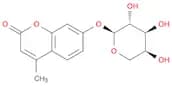
This gene product belongs to a family of glycohydrolytic enzymes which remove sialic acid residues from glycoproteins and glycolipids. It is localized in the plasma membrane, and its activity is specific for gangliosides. It may play a role in modulating the ganglioside content of the lipid bilayer. [provided by RefSeq, Jul 2008],4-Methylumbelliferyl a-L-arabinopyranoside
CAS:Formula:C15H16O7Purity:98%Color and Shape:SolidMolecular weight:308.2833GPC1 rabbit pAb
Cell surface heparan sulfate proteoglycans are composed of a membrane-associated protein core substituted with a variable number of heparan sulfate chains. Members of the glypican-related integral membrane proteoglycan family (GRIPS) contain a core protein anchored to the cytoplasmic membrane via a glycosyl phosphatidylinositol linkage. These proteins may play a role in the control of cell division and growth regulation. [provided by RefSeq, Jul 2008],Histone H3 (Di Methyl Lys14) rabbit pAb
Histones are basic nuclear proteins that are responsible for the nucleosome structure of the chromosomal fiber in eukaryotes. This structure consists of approximately 146 bp of DNA wrapped around a nucleosome, an octamer composed of pairs of each of the four core histones (H2A, H2B, H3, and H4). The chromatin fiber is further compacted through the interaction of a linker histone, H1, with the DNA between the nucleosomes to form higher order chromatin structures. This gene is intronless and encodes a replication-dependent histone that is a member of the histone H3 family. Transcripts from this gene lack polyA tails; instead, they contain a palindromic termination element. This gene is found in the large histone gene cluster on chromosome 6p22-p21.3. [provided by RefSeq, Aug 2015],Raf-B (phospho Thr753) rabbit pAb
This gene encodes a protein belonging to the raf/mil family of serine/threonine protein kinases. This protein plays a role in regulating the MAP kinase/ERKs signaling pathway, which affects cell division, differentiation, and secretion. Mutations in this gene are associated with cardiofaciocutaneous syndrome, a disease characterized by heart defects, mental retardation and a distinctive facial appearance. Mutations in this gene have also been associated with various cancers, including non-Hodgkin lymphoma, colorectal cancer, malignant melanoma, thyroid carcinoma, non-small cell lung carcinoma, and adenocarcinoma of lung. A pseudogene, which is located on chromosome X, has been identified for this gene. [provided by RefSeq, Jul 2008],p53 (Acetyl K319) rabbit pAb
tumor protein p53(TP53) Homo sapiens This gene encodes a tumor suppressor protein containing transcriptional activation, DNA binding, and oligomerization domains. The encoded protein responds to diverse cellular stresses to regulate expression of target genes, thereby inducing cell cycle arrest, apoptosis, senescence, DNA repair, or changes in metabolism. Mutations in this gene are associated with a variety of human cancers, including hereditary cancers such as Li-Fraumeni syndrome. Alternative splicing of this gene and the use of alternate promoters result in multiple transcript variants and isoforms. Additional isoforms have also been shown to result from the use of alternate translation initiation codons (PMIDs: 12032546, 20937277). [provided by RefSeq, Feb 2013],ATG4a Rabbit rabbit pAb
Autophagy is the process by which endogenous proteins and damaged organelles are destroyed intracellularly. Autophagy is postulated to be essential for cell homeostasis and cell remodeling during differentiation, metamorphosis, non-apoptotic cell death, and aging. Reduced levels of autophagy have been described in some malignant tumors, and a role for autophagy in controlling the unregulated cell growth linked to cancer has been proposed. This gene encodes a member of the autophagin protein family. The encoded protein is also designated as a member of the C-54 family of cysteine proteases. [provided by RefSeq, Mar 2016],STAC3 rabbit pAb
The protein encoded by this gene is a component of the excitation-contraction coupling machinery of muscles. This protein is a member of the Stac gene family and contains an N-terminal cysteine-rich domain and two SH3 domains. Mutations in this gene are a cause of Native American myopathy. [provided by RefSeq, Nov 2013],ITBP2 rabbit pAb
domain:The tail domain binds to the cytoplasmic domain of both integrin beta-1a and beta-1d isoforms. The presence of Ca(2+) ions does not prevent binding of a fragment consisting of the second cysteine rich repeat and the tail domain but prevents the binding of the full-length protein.,function:May play a role during maturation and/or organization of muscles cells.,similarity:Contains 1 CS domain.,similarity:Contains 2 CHORD domains.,subunit:Interacts with beta-1 integrin subunit. This interaction is regulated by divalent cations, and it occurs only in absence of calcium.,tissue specificity:Expressed in skeletal and cardiac muscles but not in other tissues.,GPIX rabbit pAb
This gene encodes a small membrane glycoprotein found on the surface of human platelets. It forms a 1-to-1 noncovalent complex with glycoprotein Ib, a platelet surface membrane glycoprotein complex that functions as a receptor for von Willebrand factor. The complete receptor complex includes noncovalent association of the alpha and beta subunits with the protein encoded by this gene and platelet glycoprotein V. Defects in this gene are a cause of Bernard-Soulier syndrome, also known as giant platelet disease. These patients have unusually large platelets and have a clinical bleeding tendency. [provided by RefSeq, Oct 2008],mPRα rabbit pAb
function:Steroid membrane receptor. Binds progesterone in vitro. May be involved in oocyte maturation.,similarity:Belongs to the ADIPOR family.,tissue specificity:Expressed in ovary, testis, placenta, uterus and bladder.,NFκB-p65 (phospho Thr435) rabbit pAb
NF-kappa-B is a ubiquitous transcription factor involved in several biological processes. It is held in the cytoplasm in an inactive state by specific inhibitors. Upon degradation of the inhibitor, NF-kappa-B moves to the nucleus and activates transcription of specific genes. NF-kappa-B is composed of NFKB1 or NFKB2 bound to either REL, RELA, or RELB. The most abundant form of NF-kappa-B is NFKB1 complexed with the product of this gene, RELA. Four transcript variants encoding different isoforms have been found for this gene. [provided by RefSeq, Sep 2011],FGF14 rabbit pAb
The protein encoded by this gene is a member of the fibroblast growth factor (FGF) family. FGF family members possess broad mitogenic and cell survival activities, and are involved in a variety of biological processes, including embryonic development, cell growth, morphogenesis, tissue repair, tumor growth and invasion. A mutation in this gene is associated with autosomal dominant cerebral ataxia. Alternatively spliced transcript variants have been found for this gene. [provided by RefSeq, Jul 2008],SFRS14 rabbit pAb
This gene encodes a member of the arginine/serine-rich family of splicing factors. The encoded protein functions in mRNA processing. Alternatively spliced transcript variants have been described. [provided by RefSeq, Feb 2009],UNKL rabbit pAb
This gene encodes a RING finger protein that may function in Rac signaling. It can bind to Brg/Brm-associated factor 60b and can promote its ubiquitination. Alternative splicing of this gene results in multiple transcript variants. [provided by RefSeq, Jun 2013],NEUG rabbit pAb
Neurogranin (NRGN) is the human homolog of the neuron-specific rat RC3/neurogranin gene. This gene encodes a postsynaptic protein kinase substrate that binds calmodulin in the absence of calcium. The NRGN gene contains four exons and three introns. The exons 1 and 2 encode the protein and exons 3 and 4 contain untranslated sequences. It is suggested that the NRGN is a direct target for thyroid hormone in human brain, and that control of expression of this gene could underlay many of the consequences of hypothyroidism on mental states during development as well as in adult subjects. [provided by RefSeq, Jul 2008],CXCR-7 rabbit pAb
This gene encodes a member of the G-protein coupled receptor family. Although this protein was earlier thought to be a receptor for vasoactive intestinal peptide (VIP), it is now considered to be an orphan receptor, in that its endogenous ligand has not been identified. The protein is also a coreceptor for human immunodeficiency viruses (HIV). Translocations involving this gene and HMGA2 on chromosome 12 have been observed in lipomas. [provided by RefSeq, Jul 2008],TGFα rabbit pAb
This gene encodes a growth factor that is a ligand for the epidermal growth factor receptor, which activates a signaling pathway for cell proliferation, differentiation and development. This protein may act as either a transmembrane-bound ligand or a soluble ligand. This gene has been associated with many types of cancers, and it may also be involved in some cases of cleft lip/palate. Alternatively spliced transcript variants encoding different isoforms have been found for this gene. [provided by RefSeq, Sep 2011],Lamin A/C (phospho Ser22) rabbit pAb
lamin A/C(LMNA) Homo sapiens The nuclear lamina consists of a two-dimensional matrix of proteins located next to the inner nuclear membrane. The lamin family of proteins make up the matrix and are highly conserved in evolution. During mitosis, the lamina matrix is reversibly disassembled as the lamin proteins are phosphorylated. Lamin proteins are thought to be involved in nuclear stability, chromatin structure and gene expression. Vertebrate lamins consist of two types, A and B. Alternative splicing results in multiple transcript variants. Mutations in this gene lead to several diseases: Emery-Dreifuss muscular dystrophy, familial partial lipodystrophy, limb girdle muscular dystrophy, dilated cardiomyopathy, Charcot-Marie-Tooth disease, and Hutchinson-Gilford progeria syndrome. [provided by RefSeq, Apr 2012],YAP (phospho Ser127) rabbit pAb
This gene encodes a downstream nuclear effector of the Hippo signaling pathway which is involved in development, growth, repair, and homeostasis. This gene is known to play a role in the development and progression of multiple cancers as a transcriptional regulator of this signaling pathway and may function as a potential target for cancer treatment. Alternative splicing results in multiple transcript variants encoding different isoforms. [provided by RefSeq, Aug 2013],Paxillin (phospho Tyr31) rabbit pAb
This gene encodes a cytoskeletal protein involved in actin-membrane attachment at sites of cell adhesion to the extracellular matrix (focal adhesion). Alternatively spliced transcript variants encoding different isoforms have been described for this gene. These isoforms exhibit different expression pattern, and have different biochemical, as well as physiological properties (PMID:9054445). [provided by RefSeq, Aug 2011],Rab11-FIP3 rabbit pAb
Proteins of the large Rab GTPase family (see RAB1A; MIM 179508) have regulatory roles in the formation, targeting, and fusion of intracellular transport vesicles. RAB11FIP3 is one of many proteins that interact with and regulate Rab GTPases (Hales et al., 2001 [PubMed 11495908]).[supplied by OMIM, Mar 2008],PSD-93 rabbit pAb
This gene encodes a member of the membrane-associated guanylate kinase (MAGUK) family. The encoded protein forms a heterodimer with a related family member that may interact at postsynaptic sites to form a multimeric scaffold for the clustering of receptors, ion channels, and associated signaling proteins. Multiple transcript variants encoding different isoforms have been found for this gene. Additional transcript variants have been described, but their full-length nature is not known. [provided by RefSeq, Dec 2008],Trk A (phospho Tyr757) rabbit pAb
This gene encodes a member of the neurotrophic tyrosine kinase receptor (NTKR) family. This kinase is a membrane-bound receptor that, upon neurotrophin binding, phosphorylates itself and members of the MAPK pathway. The presence of this kinase leads to cell differentiation and may play a role in specifying sensory neuron subtypes. Mutations in this gene have been associated with congenital insensitivity to pain, anhidrosis, self-mutilating behavior, mental retardation and cancer. Alternate transcriptional splice variants of this gene have been found, but only three have been characterized to date. [provided by RefSeq, Jul 2008],CASZ1 rabbit pAb
The protein encoded by this gene is a zinc finger transcription factor. The encoded protein may function as a tumor suppressor, and single nucleotide polymorphisms in this gene are associated with blood pressure variation. Alternative splicing results in multiple transcript variants that encode different protein isoforms. [provided by RefSeq, Jul 2012],HER4/ErbB4 (phospho-Tyr984) rabbit pAb
This gene is a member of the Tyr protein kinase family and the epidermal growth factor receptor subfamily. It encodes a single-pass type I membrane protein with multiple cysteine rich domains, a transmembrane domain, a tyrosine kinase domain, a phosphotidylinositol-3 kinase binding site and a PDZ domain binding motif. The protein binds to and is activated by neuregulins and other factors and induces a variety of cellular responses including mitogenesis and differentiation. Multiple proteolytic events allow for the release of a cytoplasmic fragment and an extracellular fragment. Mutations in this gene have been associated with cancer. Alternatively spliced variants which encode different protein isoforms have been described; however, not all variants have been fully characterized. [provided by RefSeq, Jul 2008],CMTM1 rabbit pAb
This gene belongs to the chemokine-like factor gene superfamily, a novel family that is similar to the chemokine and the transmembrane 4 superfamilies of signaling molecules. The protein encoded by this gene may play an important role in testicular development. Alternatively spliced transcript variants encoding different isoforms have been identified. Naturally occurring read-through transcription occurs between this locus and the neighboring locus CKLF (chemokine-like factor).[provided by RefSeq, Feb 2011],XPP1 rabbit pAb
This gene encodes the cytosolic form of a metalloaminopeptidase that catalyzes the cleavage of the N-terminal amino acid adjacent to a proline residue. The gene product may play a role in degradation and maturation of tachykinins, neuropeptides, and peptide hormones. Alternative splicing results in multiple transcript variants.[provided by RefSeq, Nov 2009],Olfactory receptor 51A4 rabbit pAb
Olfactory receptors interact with odorant molecules in the nose, to initiate a neuronal response that triggers the perception of a smell. The olfactory receptor proteins are members of a large family of G-protein-coupled receptors (GPCR) arising from single coding-exon genes. Olfactory receptors share a 7-transmembrane domain structure with many neurotransmitter and hormone receptors and are responsible for the recognition and G protein-mediated transduction of odorant signals. The olfactory receptor gene family is the largest in the genome. The nomenclature assigned to the olfactory receptor genes and proteins for this organism is independent of other organisms. [provided by RefSeq, Jul 2008],CD101 rabbit pAb
function:Plays a role as inhibitor of T-cells proliferation induced by CD3. Inhibits expression of IL2RA on activated T-cells and secretion of IL2. Inhibits tyrosine kinases that are required for IL2 production and cellular proliferation. Inhibits phospholipase C-gamma-1/PLCG1 phosphorylation and subsequent CD3-induced changes in intracellular free calcium. Prevents nuclear translocation of nuclear factor of activated T-cell to the nucleus. Plays a role in the inhibition of T-cell proliferation via IL10 secretion by cutaneous dendritic cells. May be a marker of CD4(+) CD56(+) leukemic tumor cells.,PTM:N-glycosylated.,similarity:Contains 7 Ig-like C2-type (immunoglobulin-like) domains.,tissue specificity:Expressed in lung, thymus and small intestine. Detected in cutaneous dendritic cells, activated T-cells, monocytes and granulocytes as well as with epithelial cells with dendritic morphology. Expressed in some leukemic cells, the CD4(+) CD56(+) blastic tumor cells, as well as in Langerhans cells from LCH (Langerhans cell histiocytosis) patients.,T-cadherin rabbit pAb
This gene encodes a member of the cadherin superfamily. The encoded protein is localized to the surface of the cell membrane and is anchored by a GPI moiety, rather than by a transmembrane domain. The protein lacks the cytoplasmic domain characteristic of other cadherins, and so is not thought to be a cell-cell adhesion glycoprotein. This protein acts as a negative regulator of axon growth during neural differentiation. It also protects vascular endothelial cells from apoptosis due to oxidative stress, and is associated with resistance to atherosclerosis. The gene is hypermethylated in many types of cancer. Alternative splicing results in multiple transcript variants encoding different isoforms. [provided by RefSeq, May 2011],IGF2R (Phospho-Ser2484) rabbit pAb
This gene encodes a receptor for both insulin-like growth factor 2 and mannose 6-phosphate. The binding sites for each ligand are located on different segments of the protein. This receptor has various functions, including in the intracellular trafficking of lysosomal enzymes, the activation of transforming growth factor beta, and the degradation of insulin-like growth factor 2. Mutation or loss of heterozygosity of this gene has been association with risk of hepatocellular carcinoma. The orthologous mouse gene is imprinted and shows exclusive expression from the maternal allele; however, imprinting of the human gene may be polymorphic, as only a minority of individuals showed biased expression from the maternal allele (PMID:8267611). [provided by RefSeq, Nov 2015],CaMKIIα/δ rabbit pAb
The product of this gene belongs to the serine/threonine protein kinases family, and to the Ca(2+)/calmodulin-dependent protein kinases subfamily. Calcium signaling is crucial for several aspects of plasticity at glutamatergic synapses. This calcium calmodulin-dependent protein kinase is composed of four different chains: alpha, beta, gamma, and delta. The alpha chain encoded by this gene is required for hippocampal long-term potentiation (LTP) and spatial learning. In addition to its calcium-calmodulin (CaM)-dependent activity, this protein can undergo autophosphorylation, resulting in CaM-independent activity. Two transcript variants encoding distinct isoforms have been identified for this gene. [provided by RefSeq, Nov 2008],Pax-8 rabbit pAb
This gene encodes a member of the paired box (PAX) family of transcription factors. Members of this gene family typically encode proteins that contain a paired box domain, an octapeptide, and a paired-type homeodomain. This nuclear protein is involved in thyroid follicular cell development and expression of thyroid-specific genes. Mutations in this gene have been associated with thyroid dysgenesis, thyroid follicular carcinomas and atypical follicular thyroid adenomas. Alternatively spliced transcript variants encoding different isoforms have been described. [provided by RefSeq, Mar 2010],KILIN rabbit pAb
The protein encoded by this intronless gene is found in the nucleus, where it can inhibit DNA synthesis and promote S phase arrest coupled to apoptosis. The expression of this DNA binding protein is upregulated by transcription factor p53. [provided by RefSeq, Dec 2012],Creatine Kinase M rabbit pAb
The protein encoded by this gene is a cytoplasmic enzyme involved in energy homeostasis and is an important serum marker for myocardial infarction. The encoded protein reversibly catalyzes the transfer of phosphate between ATP and various phosphogens such as creatine phosphate. It acts as a homodimer in striated muscle as well as in other tissues, and as a heterodimer with a similar brain isozyme in heart. The encoded protein is a member of the ATP:guanido phosphotransferase protein family. [provided by RefSeq, Jul 2008],FA8A (heavy chain 92k, Cleaved-Arg759) rabbit pAb
disease:Defects in F8 are the cause of hemophilia A (HEMA) [MIM:306700]. HEMA is a common recessive X-linked coagulation disorder. The frequency of hemophilia A is 1-2 in 10,000 male births in all ethnic groups. About 50% of patients have severe hemophilia A with F8C activity less than 1% of normal; they have frequent spontaneous bleeding into joints, muscles and internal organs. Moderately severe hemophilia A occurs in about 10% of patients; F8C activity is 2-5% of normal, and there is bleeding after minor trauma. Mild hemophilia A, which occurs in 30-40% of patients, is associated with F8C activity of 5-30% and bleeding occurs only after significant trauma or surgery. Of particular interest for the understanding of the function of F8C is the category of CRM (cross-reacting material) positive patients (approximately 5%) that have considerable amount of F8C in their plasma (at least 30% of normal), but the protein is non-functional; i.e., the F8C activity is much less than the plasma protein level. CRM-reduced is another category of patients in which the F8C antigen and activity are reduced to approximately the same level. Most mutations are CRM negative, and probably affect the folding and stability of the protein.,domain:Domain F5/8 type C 2 is responsible for phospholipid-binding and essential for factor VIII activity.,function:Factor VIII, along with calcium and phospholipid, acts as a cofactor for factor IXa when it converts factor X to the activated form, factor Xa.,mass spectrometry:Disulfated PubMed:10368977,mass spectrometry:Monosulfated PubMed:10368977,mass spectrometry:Nonsulfated PubMed:10368977,mass spectrometry:Sulfated PubMed:10368977,mass spectrometry:Trisulfated PubMed:10368977,online information:Factor VIII entry,online information:Factor VIII mutation db,pharmaceutical:Available under the names Kogenate (Bayer) and Recombinate (Baxter and American Home Products). Used to treat hemophilia A.,PTM:Sulfation on Tyr-1699 is essential for binding vWF.,similarity:Belongs to the multicopper oxidase family.,similarity:Contains 1 F5/8 type C domain.,similarity:Contains 2 F5/8 type C domains.,similarity:Contains 3 F5/8 type A domains.,similarity:Contains 6 plastocyanin-like domains.,subunit:Interacts with vWF. vWF binding is essential for the stabilization of F8 in circulation.,EFNB2 rabbit pAb
This gene encodes a member of the ephrin (EPH) family. The ephrins and EPH-related receptors comprise the largest subfamily of receptor protein-tyrosine kinases and have been implicated in mediating developmental events, especially in the nervous system and in erythropoiesis. Based on their structures and sequence relationships, ephrins are divided into the ephrin-A (EFNA) class, which are anchored to the membrane by a glycosylphosphatidylinositol linkage, and the ephrin-B (EFNB) class, which are transmembrane proteins. This gene encodes an EFNB class ephrin which binds to the EPHB4 and EPHA3 receptors. [provided by RefSeq, Jul 2008],TRP14 rabbit pAb
function:Disulfide reductase. May participate in various redox reactions through the reversible oxidation of its active center dithiol to a disulfide and catalyze dithiol-disulfide exchange reactions. Modulates TNF-alpha signaling and NF-kappa-B activation. Has peroxidase activity and may contribute to the elimination of cellular hydrogen peroxide.,PTM:The oxidized protein is reduced by TRXR1.,similarity:Belongs to the thioredoxin family.,similarity:Contains 1 thioredoxin domain.,subunit:Interacts with TRXR1 and DYNLL1/DNCL1.,tissue specificity:Ubiquitously expressed in cell lines.,Cystatin E/M rabbit pAb
The cystatin superfamily encompasses proteins that contain multiple cystatin-like sequences. Some of the members are active cysteine protease inhibitors, while others have lost or perhaps never acquired this inhibitory activity. There are three inhibitory families in the superfamily, including the type 1 cystatins (stefins), type 2 cystatins and the kininogens. The type 2 cystatin proteins are a class of cysteine proteinase inhibitors found in a variety of human fluids and secretions, where they appear to provide protective functions. This gene encodes a cystatin from the type 2 family, which is down-regulated in metastatic breast tumor cells as compared to primary tumor cells. Loss of expression is likely associated with the progression of a primary tumor to a metastatic phenotype. [provided by RefSeq, Jul 2008],Atrophin-1 rabbit pAb
Dentatorubral pallidoluysian atrophy (DRPLA) is a rare neurodegenerative disorder characterized by cerebellar ataxia, myoclonic epilepsy, choreoathetosis, and dementia. The disorder is related to the expansion from 7-35 copies to 49-93 copies of a trinucleotide repeat (CAG/CAA) within this gene. The encoded protein includes a serine repeat and a region of alternating acidic and basic amino acids, as well as the variable glutamine repeat. Alternative splicing results in two transcripts variants that encode the same protein. [provided by RefSeq, Jul 2016],Unc18-1 (phospho Ser313) rabbit pAb
This gene encodes a syntaxin-binding protein. The encoded protein appears to play a role in release of neurotransmitters via regulation of syntaxin, a transmembrane attachment protein receptor. Mutations in this gene have been associated with infantile epileptic encephalopathy-4. Alternatively spliced transcript variants have been described. [provided by RefSeq, Feb 2010],IL36G rabbit pAb
The protein encoded by this gene is a member of the interleukin 1 cytokine family. The activity of this cytokine is mediated by interleukin 1 receptor-like 2 (IL1RL2/IL1R-rp2), and is specifically inhibited by interleukin 1 family, member 5 (IL1F5/IL-1 delta). Interferon-gamma, tumor necrosis factor-alpha and interleukin 1, beta (IL1B) are reported to stimulate the expression of this cytokine in keratinocytes. The expression of this cytokine in keratinocytes can also be induced by a contact hypersensitivity reaction or herpes simplex virus infection. This gene and eight other interleukin 1 family genes form a cytokine gene cluster on chromosome 2. Two alternatively spliced transcript variants encoding different isoforms have been found for this gene. [provided by RefSeq, Jun 2013],FCGRN rabbit pAb
This gene encodes a receptor that binds the Fc region of monomeric immunoglobulin G. The encoded protein transfers immunoglobulin G antibodies from mother to fetus across the placenta. This protein also binds immunoglobulin G to protect the antibody from degradation. Alternative splicing results in multiple transcript variants. [provided by RefSeq, Apr 2009],Plasminogen receptor rabbit pAb
Plasmin dissolves the fibrin of blood clots and acts as a proteolytic factor in a variety of other processes including embryonic development, tissue remodeling, tumor invasion, and inflammation. In ovulation, weakens the walls of the Graafian follicle. It activates the urokinase-type plasminogen activator, collagenases and several complement zymogens, such as C1 and C5. Cleavage of fibronectin and laminin leads to cell detachment and apoptosis. Also cleaves fibrin, thrombospondin and von Willebrand factor. Its role in tissue remodeling and tumor invasion may be modulated by CSPG4. Binds to cells. Angiostatin is an angiogenesis inhibitor that blocks neovascularization and growth of experimental primary and metastatic tumors in vivo.SO1C1 rabbit pAb
This gene encodes a member of the organic anion transporter family. The encoded protein is a transmembrane receptor that mediates the sodium-independent uptake of thyroid hormones in brain tissues. This protein has particularly high affinity for the thyroid hormones thyroxine, tri-iodothyronine and reverse tri-iodothyronine. Polymorphisms in the gene encoding this protein may be associated with fatigue and depression in patients suffering from hyperthyroidism. Alternative splicing results in multiple transcript variants. [provided by RefSeq, Mar 2009],ACSA rabbit pAb
This gene encodes a cytosolic enzyme that catalyzes the activation of acetate for use in lipid synthesis and energy generation. The protein acts as a monomer and produces acetyl-CoA from acetate in a reaction that requires ATP. Expression of this gene is regulated by sterol regulatory element-binding proteins, transcription factors that activate genes required for the synthesis of cholesterol and unsaturated fatty acids. Alternative splicing results in multiple transcript variants. [provided by RefSeq, Jul 2009],Cdc23 rabbit pAb
The protein encoded by this gene shares strong similarity with Saccharomyces cerevisiae Cdc23, a protein essential for cell cycle progression through the G2/M transition. This protein is a component of anaphase-promoting complex (APC), which is composed of eight protein subunits and highly conserved in eukaryotic cells. APC catalyzes the formation of cyclin B-ubiquitin conjugate that is responsible for the ubiquitin-mediated proteolysis of B-type cyclins. This protein and 3 other members of the APC complex contain the TPR (tetratricopeptide repeat), a protein domain important for protein-protein interaction. [provided by RefSeq, Jul 2008],Nucleophosmin rabbit pAb
This gene encodes a phosphoprotein which moves between the nucleus and the cytoplasm. The gene product is thought to be involved in several processes including regulation of the ARF/p53 pathway. A number of genes are fusion partners have been characterized, in particular the anaplastic lymphoma kinase gene on chromosome 2. Mutations in this gene are associated with acute myeloid leukemia. More than a dozen pseudogenes of this gene have been identified. Alternative splicing results in multiple transcript variants.[provided by RefSeq, Nov 2009],GPR176 rabbit pAb
Members of the G protein-coupled receptor family, such as GPR176, are cell surface receptors involved in responses to hormones, growth factors, and neurotransmitters (Hata et al., 1995 [PubMed 7893747]).[supplied by OMIM, Jul 2008],CDHF9 rabbit pAb
The protein encoded by this gene is a member of the flamingo subfamily, part of the cadherin superfamily. The flamingo subfamily consists of nonclassic-type cadherins; a subpopulation that does not interact with catenins. The flamingo cadherins are located at the plasma membrane and have nine cadherin domains, seven epidermal growth factor-like repeats and two laminin A G-type repeats in their ectodomain. They also have seven transmembrane domains, a characteristic unique to this subfamily. It is postulated that these proteins are receptors involved in contact-mediated communication, with cadherin domains acting as homophilic binding regions and the EGF-like domains involved in cell adhesion and receptor-ligand interactions. This particular member is a developmentally regulated, neural-specific gene which plays an unspecified role in early embryogenesis. [provided by RefSeq,GPSM3 rabbit pAb
domain:The GoLoco 1 and/or GoLoco 3 domains exhibit GDI activity towards GDP-bound G(i) alpha protein, but not the GoLoco 2 domain.,function:Interacts with subunit of G(i) alpha proteins and regulates the activation of G(i) alpha proteins.,similarity:Contains 3 GoLoco domains.,tissue specificity:Expressed in heart, placenta, lung and liver.,