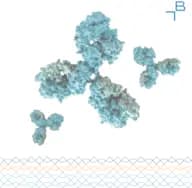
Primary Antibodies
Primary antibodies are immunoglobulins that bind specifically to an antigen of interest, allowing for the detection and quantification of proteins, peptides, or other biomolecules. These antibodies are critical tools in a wide range of applications, including Western blotting, immunohistochemistry, and ELISA. At CymitQuimica, we offer an extensive selection of high-quality primary antibodies that provide specificity and sensitivity for various research needs, including cancer, immunology, and cell biology studies.
Subcategories of "Primary Antibodies"
- Cancer Research Antibodies(3,620 products)
- Cardiovascular Antibodies(2 products)
- Developmental Biology(751 products)
- Epigenetics Antibodies(162 products)
- Immunology Antibodies(2,776 products)
- Metabolism Antibodies(279 products)
- Microbiology Antibodies(736 products)
- Signal Transduction(2,717 products)
- Tags & Cellular Markers(33 products)
Show 1 more subcategories
Found 75326 products of "Primary Antibodies"
Sort by
Purity (%)
0
100
|
0
|
50
|
90
|
95
|
100
Naproxen antibody
<p>The Naproxen antibody is a polyclonal antibody used in life sciences research. It specifically targets and binds to Naproxen, a nonsteroidal anti-inflammatory drug (NSAID) commonly used for pain relief and reducing inflammation. This antibody can be used in various applications, including enzyme-linked immunosorbent assays (ELISA), Western blotting, immunohistochemistry, and flow cytometry.</p>HER4 antibody
<p>The HER4 antibody is a highly effective therapeutic agent that belongs to the class of agonist proteins. It is a monoclonal antibody that specifically targets the HER4 receptor, which plays a crucial role in cell growth and development. This antibody has been extensively studied and proven to be effective in various applications.</p>RPL3 antibody
<p>RPL3 antibody was raised using the C terminal of RPL3 corresponding to a region with amino acids YHHRTEINKKIYKIGQGYLIKDGKLIKNNASTDYDLSDKSINPLGGFVHY</p>PEG10 antibody
<p>PEG10 antibody was raised in Mouse using a purified recombinant fragment of human PEG10 expressed in E. coli as the immunogen.</p>FAM83F antibody
FAM83F antibody was raised using the middle region of FAM83F corresponding to a region with amino acids FRELYAISEEVDLYRQLSLAGRVGLHYSSTVARKLINPKYALVSGCRHPPSTX2 antibody
<p>STX2 antibody was raised in rabbit using the N terminal of STX2 as the immunogen</p>M13 + fd + F1 Filamentous Phages antibody
<p>M13/fd/F1 filamentous phages antibody was raised in mouse using fd phages from E.Coli F+ strain as the immunogen.</p>MEF2C antibody
<p>The MEF2C antibody is a highly specific monoclonal antibody that targets the MEF2C protein. This protein plays a crucial role in various biological processes, including cholinergic signaling, adeno-associated virus formation inhibition, and growth factor regulation. By binding to MEF2C, this antibody can modulate its activity and potentially impact the function of downstream pathways.</p>DUSP6 antibody
<p>The DUSP6 antibody is a highly specific monoclonal antibody that targets the dual specificity phosphatase 6 (DUSP6) protein. This antibody has been extensively tested and validated for use in various research applications, particularly in the field of Life Sciences.</p>KLHDC8B antibody
<p>KLHDC8B antibody was raised using the middle region of KLHDC8B corresponding to a region with amino acids AMAEGSVFSLGGLQQPGPHNFYSRPHFVNTVEMFDLEHGSWTKLPRSLRM</p>ICAM1 antibody
The ICAM1 antibody is a monoclonal antibody that specifically targets ICAM1 (Intercellular Adhesion Molecule 1), a protein involved in cell adhesion and immune response. This antibody has been shown to inhibit the binding of extracellular histones to ICAM1, which can lead to inflammation and tissue damage. Additionally, the ICAM1 antibody has been found to modulate the acetylation of histones, which plays a role in gene expression and cellular function. This antibody may also interfere with growth factor signaling pathways and protein kinase activation, further impacting cellular processes. The cytotoxic and hypomethylating properties of this monoclonal antibody make it a potential therapeutic option for various diseases related to abnormal cell growth and differentiation. In the field of Life Sciences, this antibody is widely used for research purposes, including the study of nuclear chromatin structure and function.DDX1 antibody
<p>DDX1 antibody was raised using a synthetic peptide corresponding to a region with amino acids SQVEPDIKVPVDEFDGKVTYGQKRAAGGGSYKGHVDILAPTVQELAALEK</p>Hepatitis B Virus preS2 antibody
Hepatitis B Virus preS2 antibody was raised in mouse using hepatitis B virus as the immunogen.CD34 antibody
<p>The CD34 antibody is a highly specialized antibody that targets a specific cell antigen known as CD34. This antibody can be used in various applications within the Life Sciences field, particularly in the study of functional endothelial cells and microvessel density.</p>TFDP1 antibody
<p>TFDP1 antibody was raised in rabbit using the middle region of TFDP1 as the immunogen</p>PAPPA antibody
The PAPPA antibody is a highly specialized monoclonal antibody that targets the protein pregnancy-associated plasma protein-A (PAPPA). PAPPA is an acetyltransferase enzyme that plays a crucial role in various biological processes, including cholinergic signaling and insulin-like growth factor regulation. This antibody specifically binds to PAPPA, leading to its neutralization and inhibition of its enzymatic activity.Avidin antibody
<p>The Avidin antibody is a monoclonal antibody that specifically targets and binds to avidin, a protein found in egg whites. It is commonly used in research laboratories and diagnostic tests to detect and measure the presence of avidin or biotinylated molecules. The Avidin antibody can also be used as an inhibitor in experiments involving avidin-binding proteins, such as glucagon or antibodies. Additionally, it has been used in studies investigating autoantibodies and their role in autoimmune diseases. With its high specificity and affinity for avidin, this antibody is a valuable tool for various applications in molecular biology and immunology research.</p>SKP2 antibody
<p>The SKP2 antibody is a highly effective inhibitor that targets the growth factor SKP2. This monoclonal antibody works by immobilizing and binding to SKP2, preventing its interaction with other proteins and inhibiting its activity. It has been specifically designed to block the binding of SKP2 to its receptor, making it an ideal tool for studying the role of SKP2 in various cellular processes.</p>ELP2 antibody
<p>ELP2 antibody was raised using a synthetic peptide corresponding to a region with amino acids EESGVWLEQVRVGEVGGNTLGFYDCQFNEDGSMIIAHAFHGALHLWKQNT</p>TRAF6 antibody
<p>The TRAF6 antibody is a polyclonal antibody that is cytotoxic to human hepatocytes. It specifically targets the TGF-beta pathway, which plays a crucial role in cell growth and differentiation. This antibody has been shown to inhibit the activation of natriuretic glycan receptors, leading to a decrease in collagen production. In the field of Life Sciences, this antibody is widely used for lectin hybridization studies and carbonic polymerase chain reactions. It is also commonly used as an activated monoclonal antibody for various research purposes. With its high specificity and potency, the TRAF6 antibody is an essential tool for scientists and researchers in the field.</p>DPYS antibody
<p>DPYS antibody was raised using the middle region of DPYS corresponding to a region with amino acids LRPDPSTPDFLMNLLANDDLTTTGTDNCTFNTCQKALGKDDFTKIPNGVN</p>RPS14 antibody
<p>RPS14 antibody was raised using the N terminal of RPS14 corresponding to a region with amino acids APRKGKEKKEEQVISLGPQVAEGENVFGVCHIFASFNDTFVHVTDLSGKE</p>HCG beta Antibody
<p>The HCG beta Antibody is a specific monoclonal antibody that is commonly used in Life Sciences research. It has been extensively studied and proven to be highly effective in various applications. This antibody specifically targets the influenza hemagglutinin, which plays a crucial role in receptor binding and viral entry.</p>CPSF2 antibody
<p>CPSF2 antibody was raised using the N terminal of CPSF2 corresponding to a region with amino acids YAVGKLGLNCAIYATIPVYKMGQMFMYDLYQSRHNTEDFTLFTLDDVDAA</p>PTDSS1 antibody
<p>The PTDSS1 antibody is a highly specialized antibody used in Life Sciences research. It is a monoclonal antibody that specifically targets the PTDSS1 antigen, which plays a crucial role in various biological processes. This antibody has been extensively studied for its potential applications in detecting and quantifying PTDSS1 levels in different samples, including human serum and tissue samples.</p>Tau antibody
<p>The 6-Fluoro-3-indoxyl-beta-D-galactopyranoside is a powerful antituberculosis drug that falls under the class of rifamycins. It is highly effective in treating tuberculosis infections due to its bactericidal activity. This active compound works by binding to DNA-dependent RNA polymerase, which prevents transcription and replication, inhibiting bacterial growth. Extensive research has shown its high activity on human erythrocytes using the patch-clamp technique. The drug undergoes various metabolic transformations, including hydrolysis by esterases or glucuronidases, oxidation by cytochrome P450 enzymes, reduction by glutathione reductase, or conjugation with glucuronic acid. Additionally, it specifically targets markers expressed in Mycobacterium tuberculosis strains and inhibits their cell growth in culture.</p>PRC1 antibody
<p>The PRC1 antibody is a highly specific and sensitive tool used in life sciences research. It is a polyclonal antibody that specifically targets the PRC1 antigen, which is found in the nucleus of cells. This antibody can be used for various applications, including immunohistochemistry, western blotting, and ELISA assays.</p>Lp-PLA2 monoclonal antibody
<p>The Lp-PLA2 monoclonal antibody is a powerful growth factor that targets specific proteins involved in the regulation of collagen and fatty acid metabolism. This antibody is designed to bind to Lp-PLA2, an enzyme responsible for the production of inflammatory mediators. By inhibiting this enzyme, the monoclonal antibody reduces inflammation and promotes healthy tissue repair.</p>Tenascin antibody
<p>The Tenascin antibody is a polyclonal antibody used in the field of life sciences. It is commonly used in research and diagnostic applications to detect the presence of tenascin, a protein found in the extracellular matrix. This antibody can be used in various techniques such as immunohistochemistry, western blotting, and ELISA.</p>LMAN2 antibody
<p>LMAN2 antibody was raised in mouse using recombinant Human Lectin, Mannose-Binding 2 (Lman2)</p>VTA1 antibody
<p>The VTA1 antibody is a monoclonal antibody that has been developed for use in chemotherapy. It specifically targets tumor-related macrophages and works by inhibiting the production of interleukin, a protein that promotes tumor growth. The VTA1 antibody can also bind to autoantibodies and antibodies present in the body, thereby reducing their activity and preventing them from attacking healthy cells. Additionally, this antibody recognizes specific glycans on the surface of cancer cells, making it an effective tool in Life Sciences research. It has also shown antiviral properties and can be used in the development of new treatments for viral infections. The VTA1 antibody is available as both a monoclonal and polyclonal form, allowing researchers to choose the option that best suits their needs. With its ability to target antigens extracellularly and withstand high-flux irradiation, this antibody is a valuable asset in the field of cancer research and treatment.</p>DPP3 antibody
DPP3 antibody was raised using the N terminal of DPP3 corresponding to a region with amino acids SRAAWYGGLAVLLQTSPEAPYIYALLSRLFRAQDPDQLRQHALAEGLTEENOB1 antibody
<p>The NOB1 antibody is a cytotoxic antibody-drug that specifically targets the tyrosine residues in the nuclear region of cells. This antibody has been shown to inhibit the production of interleukin-6 (IL-6), a pro-inflammatory cytokine, by binding to its cell surface antigen. Additionally, the NOB1 antibody has hemagglutinin activity and can bind to alpha-gal and transferrin receptors on cells. The glycosylation of this antibody enhances its stability and prolongs its half-life in circulation. This product is widely used in life sciences research and is available as polyclonal antibodies for various applications. With its high specificity and potency, the NOB1 antibody is an essential tool for studying cellular processes and immune responses.</p>Syntaxin 5 antibody
<p>The Syntaxin 5 antibody is a highly specialized neurotrophic factor that plays a crucial role in various biological processes. This antibody is designed to specifically target and bind to the Syntaxin 5 protein, which is involved in the regulation of chemokine activity and the activation of interferon and insulin signaling pathways.</p>Ki67 antibody
<p>The Ki67 antibody is a highly specialized product used in Life Sciences research. It is a monoclonal antibody produced by a hybridoma cell line, specifically designed for the immunohistochemical detection of activated cells. The Ki67 antibody targets the Ki67 protein, which is a marker of cellular proliferation and is commonly used as a growth factor indicator.</p>ASGR1 antibody
<p>ASGR1 antibody was raised using the N terminal of ASGR1 corresponding to a region with amino acids RKMKSLESQLEKQQKDLSEDHSSLLLHVKQFVSDLRSLSCQMAALQGNGS</p>EPHA5 antibody
<p>EPHA5 antibody was raised in Mouse using a purified recombinant fragment of EPHA5(aa620-774) expressed in E. coli as the immunogen.</p>Lp-PLA2 monoclonal antibody
The Lp-PLA2 monoclonal antibody is a highly specialized and targeted therapeutic agent. It is a monoclonal antibody that specifically binds to lipoprotein-associated phospholipase A2 (Lp-PLA2), an enzyme involved in the formation of atherosclerotic plaques. This antibody has been extensively studied and has shown promising results in reducing cardiovascular events.RSBN1 antibody
<p>RSBN1 antibody was raised using the N terminal of RSBN1 corresponding to a region with amino acids GGAVGPFKCVFVGEMAAQVGAVRVVRAVAAQEEPDKEGKEKPHAGVSPRG</p>CD40 antibody
<p>The CD40 antibody is a potent cytotoxic agent that targets pancreatic elastase and collagen. It has been shown to inhibit the activity of transforming growth factor-beta (TGF-beta) in human hepatocytes, which plays a crucial role in liver fibrosis. The CD40 antibody also binds to calmodulin, inhibiting the activity of elastase and preventing tissue damage. This monoclonal antibody has been used as a medicament in various therapeutic applications, including the treatment of autoimmune diseases and cancer. Additionally, it has natriuretic properties and can regulate the levels of growth factors in the body. With its wide range of effects, the CD40 antibody is a valuable tool for researchers and clinicians alike.</p>CDK8 antibody
<p>The CDK8 antibody is a polyclonal antibody that targets CDK8, a protein involved in various cellular processes. It has been shown to interact with β-catenin and mitogen-activated protein kinases, regulating their activity. This antibody can be used in life sciences research to study the role of CDK8 in cell signaling pathways and transcriptional regulation. Additionally, it has been used for immunohistochemistry and Western blotting to detect CDK8 expression in different tissues and cell lines. The CDK8 antibody is highly specific and does not cross-react with other proteins, ensuring accurate results. It is a valuable tool for researchers studying the function of CDK8 and its involvement in disease processes.</p>FNTA antibody
<p>FNTA antibody was raised using the C terminal of FNTA corresponding to a region with amino acids DNKEDILNKALELCEILAKEKDTIRKEYWRYIGRSLQSKHSTENDSPTNV</p>BMP7 antibody
BMP7 antibody was raised in mouse using recombinant human BMP7 (293-431aa) purified from E. coli as the immunogen.CD70 antibody
<p>The CD70 antibody is a highly specialized product in the field of Life Sciences. It acts as a growth factor and plays a crucial role in microvessel density regulation. This antibody specifically targets alpha-synuclein, an antigen associated with neurodegenerative disorders.</p>RGMB antibody
<p>The RGMB antibody is a highly potent monoclonal antibody that exhibits cytotoxic effects. It has been extensively studied and has shown promising results in various fields of Life Sciences. This antibody specifically targets RGMB, a protein involved in endothelial growth and development. By neutralizing RGMB, this antibody inhibits the signaling pathways associated with angiogenesis, making it a valuable tool for researchers studying vascular biology and related diseases.</p>SOCS1 antibody
<p>The SOCS1 antibody is a powerful tool used in the field of Life Sciences for various research purposes. It is a Polyclonal Antibody that specifically targets the Suppressor of Cytokine Signaling 1 (SOCS1) protein. This antibody has been extensively tested and validated for its high specificity and sensitivity.</p>Recoverin antibody
<p>The Recoverin antibody is a powerful tool used in Life Sciences research. It is a polyclonal antibody that specifically targets the protein recoverin, which plays a crucial role in vision and photoreceptor cell function. This antibody can be used to detect and quantify recoverin levels in various biological samples.</p>GLE1 antibody
<p>GLE1 antibody was raised using a synthetic peptide corresponding to a region with amino acids LKLREAEQQRVKQAEQERLRKEEGQIRLRALYALQEEMLQLSQQLDASEQ</p>HEL308 antibody
<p>HEL308 antibody was raised in mouse using recombinant Human Dna Helicase Hel308</p>RAB14 antibody
<p>RAB14 antibody was raised in rabbit using the C terminal of RAB14 as the immunogen</p>RL10 antibody
<p>The RL10 antibody is a highly effective antibiotic that is widely used in the field of Life Sciences. It belongs to the class of monoclonal antibodies and has been specifically designed to target triglyceride lipase, a key enzyme involved in lipid metabolism. This antibody exhibits potent neutralizing activity against triglyceride lipase, making it an invaluable tool for researchers studying adipose tissue and lipoprotein metabolism.</p>MGST1 antibody
<p>MGST1 antibody was raised in rabbit using the N terminal of MGST1 as the immunogen</p>RBM39 antibody
<p>RBM39 antibody was raised using the N terminal of RBM39 corresponding to a region with amino acids ADDIDIEAMLEAPYKKDENKLSSANGHEERSKKRKKSKSRSRSHERKRSK</p>BSDC1 antibody
<p>BSDC1 antibody was raised using the N terminal of BSDC1 corresponding to a region with amino acids VISDTFAPSPDKTIDCDVITLMGTPSGTAEPYDGTKARLYSLQSDPATYC</p>OCT4 antibody
<p>OCT4 antibody was raised in Mouse using a purified recombinant fragment of OCT4 expressed in E. coli as the immunogen.</p>BMP4 antibody
The 6-Fluoro-3-indoxyl-beta-D-galactopyranoside is a powerful antituberculosis drug that falls under the class of rifamycins. It is specifically designed to combat tuberculosis infection by targeting active compounds and exhibiting bactericidal activity. This drug works by binding to DNA-dependent RNA polymerase, preventing transcription and replication, which inhibits bacterial growth. The effectiveness of this drug has been demonstrated through extensive research using the patch-clamp technique on human erythrocytes. It undergoes various metabolic transformations, including hydrolysis by esterases or glucuronidases, oxidation by cytochrome P450 enzymes, reduction by glutathione reductase, or conjugation with glucuronic acid. Additionally, it specifically binds to markers expressed in Mycobacterium tuberculosis strains and inhibits cell growth in culture.CK1 epsilon antibody
<p>CK1 epsilon antibody was raised using the N terminal of CSNK1E corresponding to a region with amino acids MELRVGNKYRLGRKIGSGSFGDIYLGANIASGEEVAIKLECVKTKHPQLH</p>Anti-PGII antibody
The Anti-PGII antibody is a highly specialized drug antibody that is used in immunoassays within the field of Life Sciences. This antibody specifically targets and neutralizes the effects of PGII, a fatty acid known for its role in adipose tissue. By neutralizing PGII, this antibody helps to regulate viscosity levels and maintain proper adipose function. Additionally, it has been found to have antiestrogen properties and can inhibit the activity of cdk4/6, enzymes involved in cell division. The Anti-PGII antibody is a monoclonal antibody, meaning it is derived from a single clone of cells and offers high specificity and potency in its action. With its ability to target and modulate various biological processes, this antibody holds great promise for research and therapeutic applications within the field of Life Sciences.Purity:≥90% By Sds-PageEPO antibody
<p>The EPO antibody is a highly specialized product in the field of Life Sciences. This monoclonal antibody is designed to neutralize arginase, an enzyme that plays a crucial role in various biological processes. The EPO antibody has been extensively tested and validated through electrophoresis techniques to ensure its high quality and efficacy.</p>cFos antibody
The cFos antibody is a highly specialized monoclonal antibody that is designed to target and neutralize the cFos protein. This protein plays a crucial role in cellular growth and development, as well as in the regulation of various biological processes. By binding to the cFos protein, this antibody effectively inhibits its activity and prevents it from carrying out its normal functions.DIL2 antibody
<p>The DIL2 antibody is a human monoclonal antibody that belongs to the class of anti-connexin agents. It is used in the field of Life Sciences for various applications. The DIL2 antibody specifically targets and binds to nuclear glycoproteins, making it a valuable tool for studying cellular processes and protein interactions. This monoclonal antibody has been widely used in research to detect and visualize specific proteins of interest, such as c-myc or tyrosine phosphorylated proteins. The DIL2 antibody is available as both a monoclonal and polyclonal form, allowing researchers to choose the best option for their specific experimental needs. With its high specificity and affinity, the DIL2 antibody is an essential tool for any researcher working in the field of molecular biology or immunology.</p>MTHFR antibody
<p>The MTHFR antibody is a powerful tool used in various immunoassays and research applications. It specifically targets the methylenetetrahydrofolate reductase (MTHFR) enzyme, which plays a crucial role in dopamine metabolism and cytochrome P450 oxidoreductase activity. This monoclonal antibody is derived from a hybridoma cell line and exhibits high specificity and affinity for MTHFR.</p>CDCA5 antibody
<p>CDCA5 antibody was raised using the middle region of CDCA5 corresponding to a region with amino acids RRSYSRLETLGSASTSTPGRRSCFGFEGLLGAEDLSGVSPVVCSKLTEVP</p>SDF4 antibody
<p>SDF4 antibody was raised using the C terminal of SDF4 corresponding to a region with amino acids KQLSVPEFISLPVGTVENQQGQDIDDNWVKDRKKEFEELIDSNHDGIVTA</p>CD8a antibody
<p>CD8a antibody was raised in mouse using trhe alpha chain of chicken CD8 as the immunogen.</p>CD38 antibody (Azide Free)
<p>CD38 antibody (Azide free) was raised in rat using CD38 as the immunogen.</p>PNMT antibody
The PNMT antibody is a monoclonal antibody that specifically targets alpha-fetoprotein (AFP) in human serum. It is a highly specific and sensitive tool for detecting AFP levels in various clinical settings. This antibody can be used in research, diagnostic, and therapeutic applications related to AFP, such as cancer detection and monitoring. Additionally, the PNMT antibody has been shown to have neutralizing effects on certain factors involved in adipose tissue function, such as transferrin, adiponectin, and TGF-beta. This makes it a valuable tool for studying adipocyte biology and potential therapeutic interventions for conditions related to adipose tissue dysfunction. Furthermore, the PNMT antibody has been found to interact with adp-ribosyl cyclase and collagen, suggesting its potential role in modulating cellular processes involving these molecules.ABCF2 antibody
<p>ABCF2 antibody was raised in mouse using recombinant Human Atp-Binding Cassette, Sub-Family F (Gcn20), Member 2 (Abcf2), Nuclear Gene Encoding Mitochondrial Protein</p>GFAP antibody
<p>The GFAP antibody is a highly specific monoclonal antibody that targets the glial fibrillary acidic protein (GFAP). This protein is predominantly expressed in astrocytes, and it plays a crucial role in maintaining the structure and function of these cells. The GFAP antibody can be used for various applications in life sciences research, including immunohistochemistry, western blotting, and flow cytometry.</p>CDK2 antibody
The CDK2 antibody is a high-specificity neutralizing antibody that targets a glycoprotein involved in cell cycle regulation. It has been shown to have low density and high specific activity, making it an ideal tool for research in the field of Life Sciences. This monoclonal antibody inhibits the activity of CDK2, a key enzyme involved in cell division and proliferation. By binding to CDK2, the antibody prevents its interaction with other proteins and interferes with the normal progression of the cell cycle. In addition to its role in cell cycle regulation, this antibody has also been found to have inhibitory effects on fatty acid metabolism and can modulate the production of superoxide and interferon. With its high specificity and potent neutralizing activity, the CDK2 antibody is an essential tool for researchers studying various biological processes and developing potential therapeutic interventions.VWF antibody (HRP)
<p>VWF antibody (HRP) was raised in goat using human vWF purified from plasma as the immunogen.</p>SIGLEC9 antibody
The SIGLEC9 antibody is a powerful tool in the field of life sciences. It is a monoclonal antibody that specifically targets and binds to SIGLEC9, a transmembrane protein involved in various cellular processes. This antibody has been extensively studied for its potential therapeutic applications. One of the key characteristics of the SIGLEC9 antibody is its ability to modulate immune responses. It has been shown to activate immune cells, such as natural killer (NK) cells and macrophages, leading to enhanced anti-tumor activity. Additionally, this antibody can induce interferon-stimulated gene expression, which plays a crucial role in antiviral defense mechanisms. Moreover, the SIGLEC9 antibody has shown promise as a diagnostic tool. It can be used as a serum marker for certain diseases and conditions, including autoimmune disorders and cancer. By detecting the presence or absence of SIGLEC9 autoantibodies in patient samples, healthcare professionals can gain valuable insights into disease progression and treatment response. Furthermore,PAF1 antibody
<p>PAF1 antibody was raised in rabbit using the C terminal of PAF1 as the immunogen</p>MARK3 antibody
<p>MARK3 antibody was raised using the middle region of MARK3 corresponding to a region with amino acids ATYNGPPASPSLSHEATPLSQTRSRGSTNLFSKLTSKLTRSRNVSAEQKD</p>Tau antibody
The Tau antibody is a polyclonal antibody that is widely used in the field of life sciences. It specifically targets tau protein, which plays a crucial role in neurodegenerative disorders such as Alzheimer's disease. This antibody has been extensively studied and has shown promising results in various research applications.ApoA-II antibody
<p>ApoA-II antibody was raised using the N terminal of APOA2 corresponding to a region with amino acids MKLLAATVLLLTICSLEGALVRRQAKEPCVESLVSQYFQTVTDYGKDLME</p>C19orf18 antibody
<p>C19orf18 antibody was raised using the N terminal of C19orf18 corresponding to a region with amino acids NITGLPGSKRSQPPRNITKEPKVFFHKTQLPGIQGAASRSTAASPTNPMK</p>Fibrinogen antibody
Fibrinogen antibody was raised in mouse using fibrin degradation products as the immunogen.SYK antibody
<p>The SYK antibody is a powerful tool in the field of Life Sciences. It is a monoclonal antibody that specifically targets and binds to the SYK protein, which plays a crucial role in multiple cellular processes. This antibody has been extensively studied and proven to be effective in various research applications.</p>Fibrinogen γ prime antibody (HRP)
Fibrinogen gamma prime antibody (HRP) was raised in sheep using A synthetic peptide containing the sequence unique to the gamma chain (VRPEHPAETEYDSLYPEDDL) conjugated to keyhole limpet hemocyanin carrier as the immunogen.EGFR antibody
The EGFR antibody is a powerful tool in the field of Life Sciences. It is a polyclonal antibody that specifically targets the epidermal growth factor receptor (EGFR) and can be used for various applications. The EGFR antibody is derived from ginseng and lecithin, making it a natural and effective solution for studying the EGFR pathway.Ibuprofen antibody
<p>The Ibuprofen antibody is a highly specialized monoclonal antibody used in Life Sciences research. It is designed to target and bind specifically to Ibuprofen, a nonsteroidal anti-inflammatory drug commonly used for pain relief and reducing inflammation. This antibody can be used in various assays, including nuclear and GAPDH assays, to detect the presence and levels of Ibuprofen in samples.</p>MYC antibody
<p>The MYC antibody is a highly versatile and potent tool used in various fields such as Life Sciences, industrial applications, and molecular modeling. This antibody exhibits antioxidant activity and has been shown to have an inhibitory effect on protein kinase, making it a valuable asset in the study of cellular processes. The MYC antibody is available as both monoclonal antibodies and polyclonal antibodies, providing researchers with options that best suit their experimental needs. With its ability to specifically bind to activated MYC proteins, this antibody enables accurate detection and analysis of MYC expression levels. Additionally, the MYC antibody can be utilized in molecular docking studies and cyclic peptide development for drug discovery purposes.</p>DOK6 antibody
<p>DOK6 antibody was raised using the middle region of DOK6 corresponding to a region with amino acids IYSLQGHGFGSSKMSRAQTFPSYAPEQSEEAQQPLSRSSSYGFSYSSSLI</p>Akt antibody (Thr308)
<p>Akt, also known as Protein Kinase B (PKB), is a serine/threonine-specific kinase essential for regulating cellular growth, survival, metabolism, and proliferation. Functioning within the PI3K/Akt/mTOR pathway, Akt responds to signals from growth factors or insulin to help cells adapt and maintain function. There are three Akt isoforms in humans—Akt1, Akt2, and Akt3—each encoded by distinct genes. Akt activation begins when these signals bind to receptors on the cell surface, activating phosphoinositide 3-kinase (PI3K), which produces PIP3 on the cell membrane. This attracts Akt to the membrane, where it becomes fully active through phosphorylation at Thr308 and Ser473, allowing it to move within the cell to phosphorylate proteins in key pathways.Akt’s primary roles include promoting cell survival by inhibiting apoptosis through inactivation of pro-apoptotic proteins like BAD and Caspase-9. It also drives cell growth and proliferation by activating mTOR, a main regulator of protein synthesis, while suppressing growth-inhibiting pathways. In metabolic regulation, Akt increases glucose uptake and glycolysis, particularly in muscle and fat tissues, through GLUT4 translocation and hexokinase activation. Additionally, Akt promotes angiogenesis by upregulating VEGF to support tissue repair and contributes to cell migration, aiding wound healing and, in cancers, tumor spread. Its broad role in cell growth and survival often leads to hyperactivation in cancers, making it a target in cancer therapies, while its influence on glucose metabolism links it to insulin signaling, where pathway defects can lead to insulin resistance and type 2 diabetes.</p>HSPA8 antibody
HSPA8 antibody was raised using the N terminal of HSPA8 corresponding to a region with amino acids MSKGPAVGIDLGTTYSCVGVFQHGKVEIIANDQGNRTTPSYVAFTDTERLAKT1 antibody
<p>The AKT1 antibody is a highly effective monoclonal antibody that is used as a medicament for various therapeutic purposes. It specifically targets and binds to AKT1 dimers, inhibiting their activity. This antibody has been shown to have neutralizing effects against TNF-α, a potent pro-inflammatory cytokine involved in various diseases. Additionally, the AKT1 antibody can recognize and bind to specific glycopeptide structures on glycan molecules, leading to the inhibition of certain biological processes. It has also demonstrated its efficacy in targeting globulins and glycoproteins, including chemokines. The AKT1 antibody is widely used in research and clinical settings for its ability to modulate cellular signaling pathways and regulate important physiological functions.</p>gp340 antibody
<p>The gp340 antibody is a highly specialized monoclonal antibody that is designed to target and neutralize specific proteins in the body. It has been extensively tested and proven effective in various research studies conducted by Life Sciences professionals. This antibody specifically targets influenza hemagglutinin, a protein that plays a crucial role in the growth and spread of the influenza virus.</p>PTPN4 antibody
<p>The PTPN4 antibody is a highly specialized monoclonal antibody used in Life Sciences research. It is specifically designed to target and bind to the PTPN4 protein, which plays a crucial role in cell signaling pathways and growth factor regulation. This multispecific antibody has been extensively tested in vitro experiments and has shown high affinity and specificity for its target.</p>RDBP antibody
<p>RDBP antibody was raised using the N terminal of RDBP corresponding to a region with amino acids LVIPPGLSEEEEALQKKFNKLKKKKKALLALKKQSSSSTTSQGGVKRSLS</p>APP antibody
<p>The APP antibody is a highly effective inhibitor that is widely used in Life Sciences. It specifically targets alpha-fetoprotein (AFP), a growth factor that plays a crucial role in various biological processes. By neutralizing AFP, the APP antibody effectively blocks its interaction with collagen, antibodies, fibrinogen, and other proteins in human serum. This inhibition helps researchers study the functions of AFP and its associated pathways. Additionally, the APP antibody has shown promising results as an anti-mesothelin agent, making it a valuable tool for studying mesothelin-related diseases. With its high specificity and affinity, this monoclonal antibody is an essential component in many research projects involving fibronectin, electrodes, and other applications requiring precise targeting.</p>Mouse anti-human IgG
Mouse anti-human IgG is a monoclonal antibody used in Life Sciences research. It has the ability to lyse cells, making it useful for various applications such as immunoprecipitation and flow cytometry. This antibody specifically targets human IgG, allowing for the detection and quantification of IgG molecules in biological samples. In addition, Mouse anti-human IgG has been shown to neutralize the activity of growth factors such as oncostatin, TGF-alpha, and epidermal growth factor. It also inhibits the expression of E-cadherin, a protein involved in cell adhesion and migration. With its versatility and specificity, Mouse anti-human IgG is an essential tool for researchers studying various aspects of cell biology and immune response.HIST1H2AH antibody
<p>HIST1H2AH antibody was raised in rabbit using the C terminal of HIST1H2AH as the immunogen</p>LNX1 antibody
<p>LNX1 antibody was raised using the C terminal of LNX1 corresponding to a region with amino acids SHREWDLPIYVISVEPGGVISRDGRIKTGDILLNVDGVELTEVSRSEAVA</p>RLBP1 antibody
<p>The RLBP1 antibody is a monoclonal antibody that targets RLBP1, a protein involved in the regulation of microvessel density. This antibody acts as an anticoagulant by binding to RLBP1 and inhibiting its function. It has been shown to reduce fibrinogen levels and inhibit the production of acidic TNF-α, a growth factor involved in inflammation. Additionally, the RLBP1 antibody has been found to have multidrug properties, as it can bind to and neutralize the effects of various antibodies such as adalimumab. Its mechanism of action involves targeting activated nuclear receptors and modulating their activity. With its unique characteristics, the RLBP1 antibody offers potential therapeutic applications in the field of vascular biology and inflammation research.</p>BST2 antibody
<p>The BST2 antibody is a powerful tool in the field of Life Sciences. It has been extensively studied for its potential therapeutic applications in various conditions, including thrombocytopenia and helicobacter-related disorders. This antibody specifically targets BST2, a protein involved in cell adhesion and immune response regulation.</p>ATP6V1B2 antibody
<p>ATP6V1B2 antibody was raised in Rabbit using Human ATP6V1B2 as the immunogen</p>Lamin B1 antibody
The Lamin B1 antibody is a polyclonal antibody that is used in various applications in the field of Life Sciences. It is specifically designed to target and bind to Lamin B1, a protein involved in nuclear structure and function. This antibody can be used for immunoassays, such as Western blotting and immunohistochemistry, to detect and quantify Lamin B1 levels in samples.RPS3 antibody
The RPS3 antibody is a highly specialized monoclonal antibody that targets a specific cell antigen. It is commonly used in Life Sciences research to study various aspects of cell growth and development. This antibody has been shown to have a high affinity for RPS3, a protein involved in the regulation of gene expression and cellular processes. Additionally, it has been found to interact with other proteins such as interleukin-6 and triglyceride lipase, suggesting its potential role in modulating immune responses and lipid metabolism. The RPS3 antibody may also be useful in detecting autoantibodies or studying the pathogenesis of certain diseases, including amyloid plaque formation. With its diverse applications and high specificity, this antibody is an invaluable tool for researchers in the field of molecular biology and immunology.