Primary Antibodies
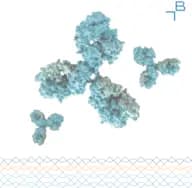
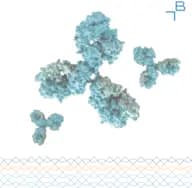
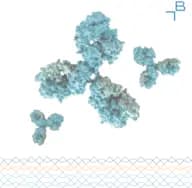
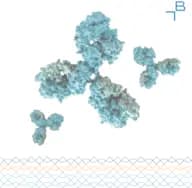
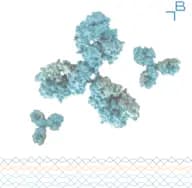
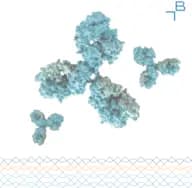
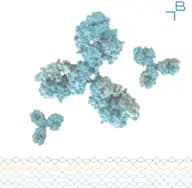
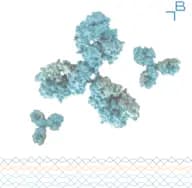
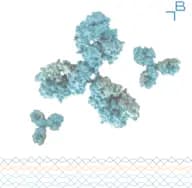
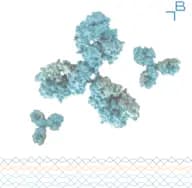
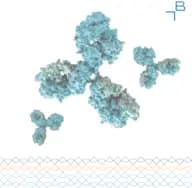
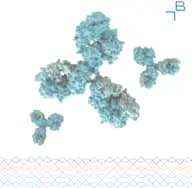
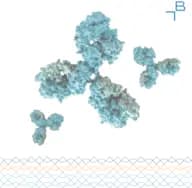
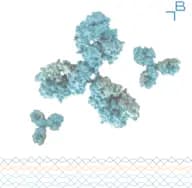
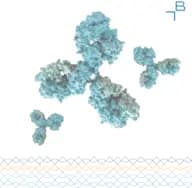
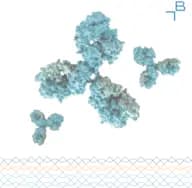
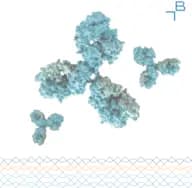
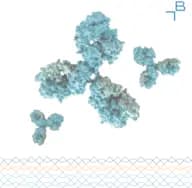
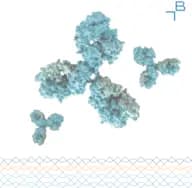
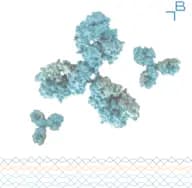
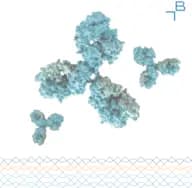
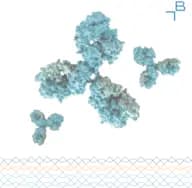
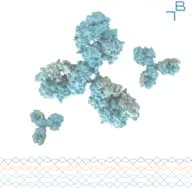
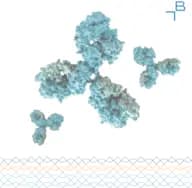
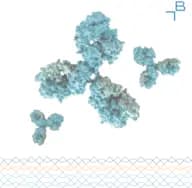
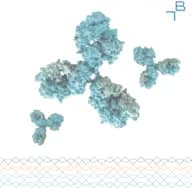
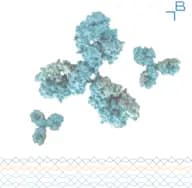
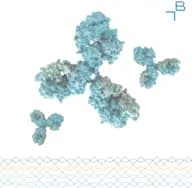
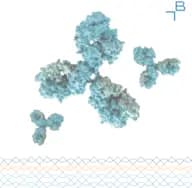
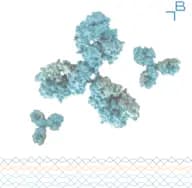
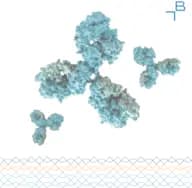
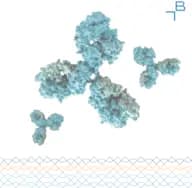
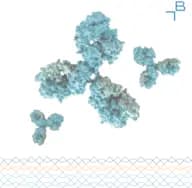
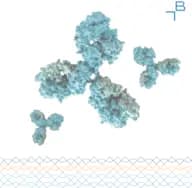
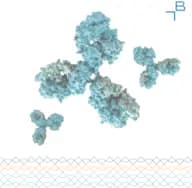
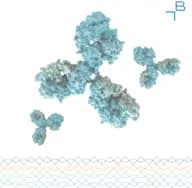
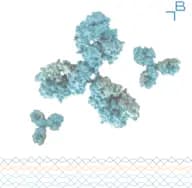
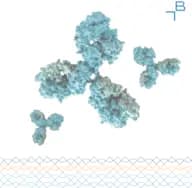
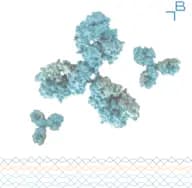
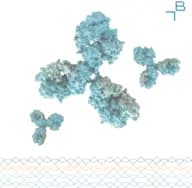
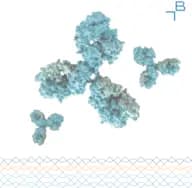
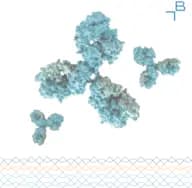
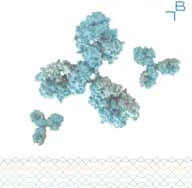
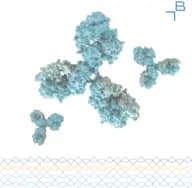
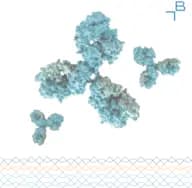
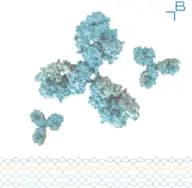
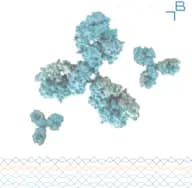
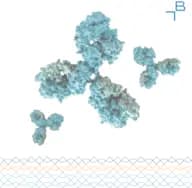
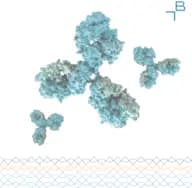
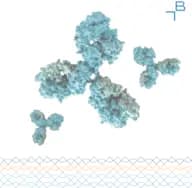
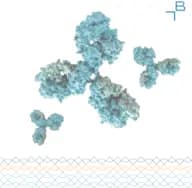
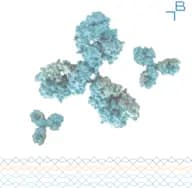
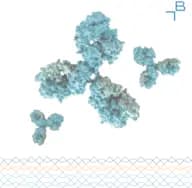
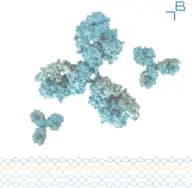
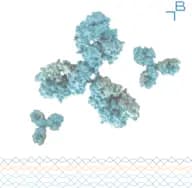
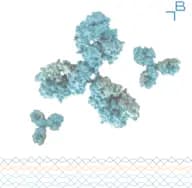
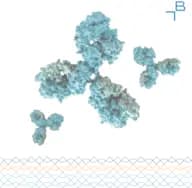
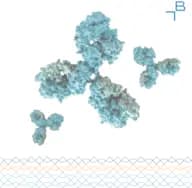
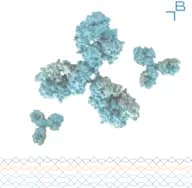
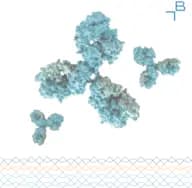
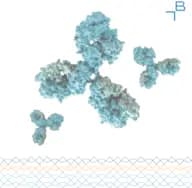
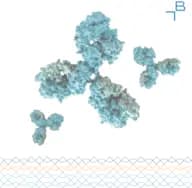
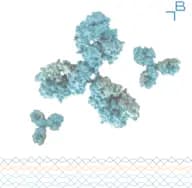
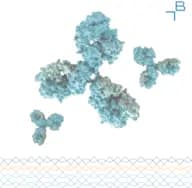
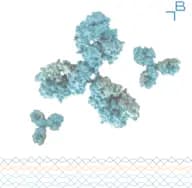
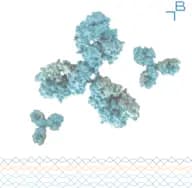
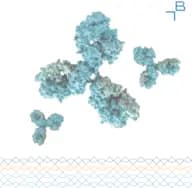
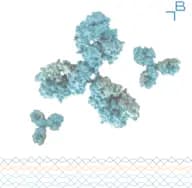
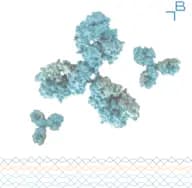
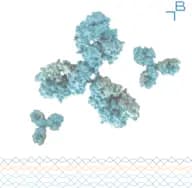
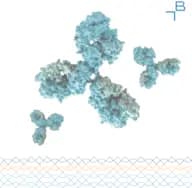
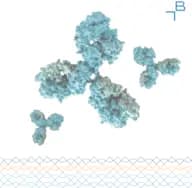
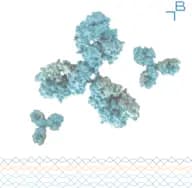
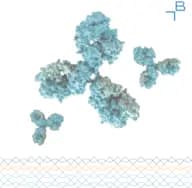
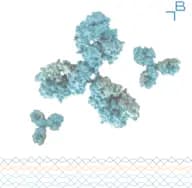
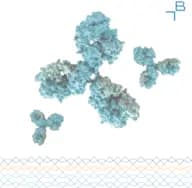
Primary antibodies are immunoglobulins that bind specifically to an antigen of interest, allowing for the detection and quantification of proteins, peptides, or other biomolecules. These antibodies are critical tools in a wide range of applications, including Western blotting, immunohistochemistry, and ELISA. At CymitQuimica, we offer an extensive selection of high-quality primary antibodies that provide specificity and sensitivity for various research needs, including cancer, immunology, and cell biology studies.
Subcategories of "Primary Antibodies"
- Cancer Research Antibodies(3,609 products)
- Cardiovascular Antibodies(2 products)
- Developmental Biology(746 products)
- Epigenetics Antibodies(162 products)
- Immunology Antibodies(2,724 products)
- Metabolism Antibodies(278 products)
- Microbiology Antibodies(736 products)
- Signal Transduction(2,710 products)
- Tags & Cellular Markers(33 products)
Show 1 more subcategories
Found 69953 products of "Primary Antibodies"
Sort by
Purity (%)
0
100
|
0
|
50
|
90
|
95
|
100
ZPBP2 antibody
<p>ZPBP2 antibody was raised using the middle region of ZPBP2 corresponding to a region with amino acids VRLDSCRPGFGKNERLHSNCASCCVVCSPATFSPDVNVTCQTCVSVLTYG</p>EEA1 antibody
<p>The EEA1 antibody is a biomolecule that plays a crucial role in the field of Life Sciences. It is an essential component in the study of interferon and interleukin-6, as it acts as an inhibitor for these molecules. The EEA1 antibody is available in both polyclonal and monoclonal forms, providing researchers with options to suit their specific needs. This antibody demonstrates neutralizing properties, making it highly effective in assays and experiments where protease activity needs to be inhibited. With its colloidal nature, the EEA1 antibody ensures accurate and reliable results. Researchers can rely on this antibody to enhance their understanding of complex biological processes and advance scientific knowledge in various fields.</p>COL4A3 antibody
<p>The COL4A3 antibody is a polyclonal antibody that specifically targets the rubisco molecule. Rubisco is an enzyme involved in photosynthesis and is found in plants and some bacteria. This antibody has been developed for use in life sciences research and has the ability to neutralize the activity of rubisco. It can be used in various applications such as immunohistochemistry, Western blotting, and ELISA assays. The COL4A3 antibody is a valuable tool for researchers studying the role of rubisco in plant biology, as well as those investigating potential therapeutic targets for diseases related to rubisco dysfunction. Additionally, this antibody may have potential applications in the development of new drugs or treatments targeting rubisco-related disorders.</p>MUC16 antibody
<p>The MUC16 antibody is a monoclonal antibody that targets the MUC16 protein. This protein, also known as CA125, is a tumor marker that is often elevated in ovarian cancer. The MUC16 antibody specifically binds to the MUC16 protein, inhibiting its interaction with other molecules and preventing tumor growth and progression.</p>Salmonella antibody (biotin)
<p>Salmonella antibody (biotin) was raised in rabbit using a mixture of S. enteriditis, S. typhimurium and S. heidelburg as the immunogen.</p>CD31 antibody
<p>CD31 antibody was raised in mouse using stimulated human Leukocytes as the immunogen.</p>CKMT2 antibody
<p>CKMT2 antibody was raised using a synthetic peptide corresponding to a region with amino acids GTSVLTTGYLLNRQKVCAEVREQPRLFPPSADYPDLRKHNNCMAECLTPA</p>STEAP1 antibody
<p>The STEAP1 antibody is a highly effective and activated agent that plays a crucial role in various biological processes. It specifically targets vitronectin, an extracellular matrix protein involved in cell adhesion and migration. The STEAP1 antibody has been extensively studied for its ability to neutralize the effects of autoantibodies, which can lead to autoimmune diseases.</p>Tim17 antibody
<p>The 6-Fluoro-3-indoxyl-beta-D-galactopyranoside is a powerful antituberculosis drug that falls under the class of rifamycins. It is highly effective in treating tuberculosis infections due to its bactericidal activity. This active compound works by binding to DNA-dependent RNA polymerase, inhibiting transcription and replication, thus preventing bacterial growth. Its efficacy has been demonstrated through extensive research using the patch-clamp technique on human erythrocytes. The drug undergoes various metabolic transformations, including hydrolysis by esterases or glucuronidases, oxidation by cytochrome P450 enzymes, reduction by glutathione reductase, or conjugation with glucuronic acid. Additionally, it specifically targets markers expressed at high levels in Mycobacterium tuberculosis strains and inhibits their cell growth in culture.</p>HOXB9 antibody
<p>HOXB9 antibody is a powerful tool in the field of Life Sciences. This antibody specifically targets and binds to HOXB9, a protein involved in various biological processes such as collagen synthesis and glycosylation. By inhibiting the activity of HOXB9, this antibody can be used to study its function and impact on cellular processes.</p>LHRH Antibody
<p>LHRH Antibody is a monoclonal antibody that specifically targets luteinizing hormone-releasing hormone (LHRH). It has been shown to inhibit the activity of LHRH, which plays a crucial role in regulating reproductive functions. This antibody has interferon-like activity and can modulate the release of vasoactive intestinal peptide and colony-stimulating factors. Additionally, it has been demonstrated to enhance the production of interferon-gamma (IFN-gamma) in human serum. LHRH Antibody may also have potential therapeutic applications in the treatment of conditions such as prostate cancer and breast cancer, as it can interfere with the growth-promoting effects of LHRH on tumor cells.</p>CMV antibody (FITC)
<p>CMV antibody (FITC) was raised in goat using purified virions of strain AD169 as the immunogen.</p>NOS3 antibody
<p>The NOS3 antibody is a highly specialized monoclonal antibody used in Life Sciences research. It specifically targets and binds to the NOS3 protein, also known as endothelial nitric oxide synthase. This antibody is widely used in various applications, including immunohistochemistry, Western blotting, and ELISA assays.</p>FAM121B antibody
<p>FAM121B antibody was raised using the N terminal Of Fam121B corresponding to a region with amino acids PASLSLLTFKVYAAPKKDSPPKNSVKVDELSLYSVPEGQSKYVEEARSQL</p>cRel antibody
<p>The cRel antibody is a highly specialized monoclonal antibody that targets the cRel protein. This antibody has been extensively studied in the field of Life Sciences and has shown promising results in various applications. The cRel antibody specifically binds to the glutamate residues of the cRel protein, which plays a crucial role in regulating gene expression and immune response.</p>KIAA1191 antibody
<p>KIAA1191 antibody was raised using the middle region of KIAA1191 corresponding to a region with amino acids TKYLRVAEALHKLKLQSGEVTKEERQPASAQSTPSTTPHSSPKQRPRGWF</p>PBLD antibody
<p>PBLD antibody was raised using the N terminal of PBLD corresponding to a region with amino acids KLPIFIADAFTARAFRGNPAAVCLLENELDEDMHQKIAREMNLSETAFIR</p>RPL8 antibody
<p>RPL8 antibody was raised using the C terminal of RPL8 corresponding to a region with amino acids EHPFGGGNHQHIGKPSTIRRDAPAGRKVGLIAARRTGRLRGTKTVQEKEN</p>SMPX antibody
<p>SMPX antibody was raised using the middle region of SMPX corresponding to a region with amino acids TPEVEEGVPPTSDEEKKPIPGAKKLPGPAVNLSEIQNIKSELKYVPKAEQ</p>MVD antibody
<p>The MVD antibody is a highly specialized monoclonal antibody that targets the protein MVD (mevalonate diphosphate decarboxylase). This antibody is commonly used in Life Sciences research to study the function and regulation of MVD in various biological processes. It has been shown to interact with interleukin-6, chemokines, and nuclear proteins, indicating its involvement in immune responses and cellular signaling pathways.</p>IGF1R antibody
<p>The IGF1R antibody is a growth factor that belongs to the class of monoclonal antibodies. It is similar to trastuzumab and other antibodies in its ability to target specific proteins and inhibit their activity. The IGF1R antibody specifically targets the insulin-like growth factor 1 receptor (IGF1R), which plays a crucial role in cell proliferation, differentiation, and survival. By binding to IGF1R, this antibody prevents the activation of downstream signaling pathways, thereby inhibiting tumor growth.</p>COX4I1 antibody
<p>COX4I1 antibody was raised using the N terminal of COX4I1 corresponding to a region with amino acids AISTSVCVRAHESVVKSEDFSLPAYMDRRDHPLPEVAHVKHLSASQKALK</p>AES antibody
<p>AES antibody was raised using the C terminal of AES corresponding to a region with amino acids GLQPPSLPAVSAGTGLLSLSALGSQAHLSKEDKNGHDGDTHQEDDGEKSD</p>NF kappaB p65 antibody
<p>The NF kappaB p65 antibody is a highly specialized monoclonal antibody used in the field of life sciences. It is designed to specifically bind to the NF kappaB p65 protein, which plays a critical role in regulating gene expression and cellular processes. This antibody has been extensively tested and validated for its receptor binding activity in human serum.</p>p90RSK antibody
<p>The p90RSK antibody is a cytotoxic monoclonal antibody that targets the p90 ribosomal S6 kinase (p90RSK). It is commonly used in research to study growth factors, such as hepatocyte growth factor. This antibody has been shown to inhibit the activity of p90RSK, which is involved in multiple cellular processes including cell proliferation and survival. The p90RSK antibody can be used in various applications such as Western blotting, immunohistochemistry, and flow cytometry. It has also been shown to bind to other proteins such as collagen, creatine kinase, fibronectin, and retinoid receptors. This antibody may have potential therapeutic applications due to its ability to target specific proteins involved in disease pathways.</p>CIAPIN1 antibody
<p>The CIAPIN1 antibody is a highly specialized product in the field of Life Sciences. It is an antibody that specifically targets and binds to the CIAPIN1 protein. This protein has been shown to play a crucial role in various cellular processes, including cell growth, apoptosis, and immune response.</p>HSPB6 antibody
<p>HSPB6 antibody was raised using the middle region of HSPB6 corresponding to a region with amino acids ARHEERPDEHGFVAREFHRRYRLPPGVDPAAVTSALSPEGVLSIQAAPAS</p>CtBP2 antibody
The CtBP2 antibody is a highly specialized monoclonal antibody used in Life Sciences research. It specifically targets CtBP2, a protein involved in various cellular processes such as epidermal growth factor signaling and regulation of β-catenin. This antibody is designed to recognize and bind to CtBP2 with high affinity, making it an essential tool for studying the function and localization of this protein.Eotaxin 3 antibody (biotin)
<p>Eotaxin 3 antibody (biotin) was raised in goat using highly pure recombinant human eotaxin-3 as the immunogen.</p>TFEB antibody
<p>The TFEB antibody is a versatile and powerful tool in the field of Life Sciences. It is an antiviral and natriuretic antibody that specifically targets brain natriuretic peptide (BNP). This antibody can be used for various applications, including electrophoresis, where it can detect BNP in human serum samples. Additionally, the TFEB antibody has been shown to have chemokine activity, making it an excellent choice for studying immune responses.</p>Carbonyl Reductase 1 antibody
<p>Carbonyl Reductase 1 antibody was raised using the C terminal of CBR1 corresponding to a region with amino acids PGWVRTDMAGPKATKSPEEGAETPVYLALLPPDAEGPHGQFVSEKRVEQW</p>FUT1 antibody
<p>FUT1 antibody was raised using a synthetic peptide corresponding to a region with amino acids EATPWKDFALLTQCNHTIMTIGTFGFWAAYLAGGDTVYLANFTLPDSEFL</p>KIF5C antibody
<p>KIF5C antibody was raised using the N terminal of KIF5C corresponding to a region with amino acids TVVIGQGKPYVFDRVLPPNTTQEQVYNACAKQIVKDVLEGYNGTIFAYGQ</p>DAP3 antibody
<p>DAP3 antibody was raised in rabbit using the C terminal of DAP3 as the immunogen</p>CEA antibody
<p>The CEA antibody is a monoclonal antibody used in Life Sciences. It has pro-angiogenic activity, meaning it promotes the growth of new blood vessels. This antibody can be used in various research applications, such as immunoassays and immunohistochemistry, to detect and quantify CEA (carcinoembryonic antigen) levels. CEA is a protein that is often elevated in certain types of cancer, particularly colorectal cancer. By targeting CEA, this antibody can help researchers better understand the role of CEA in cancer development and progression. Additionally, the CEA antibody has been shown to interact with other proteins, such as annexin A2 and epidermal growth factor, suggesting potential involvement in signaling pathways related to cell growth and proliferation. With its high specificity and sensitivity, the CEA antibody is a valuable tool for studying CEA-related processes and developing diagnostic tests for cancer detection.</p>RWDD1 antibody
<p>RWDD1 antibody was raised using the middle region of RWDD1 corresponding to a region with amino acids KKRMKEEEQAGKNKLSGKQLFETDHNLDTSDIQFLEDAGNNVEVDESLFQ</p>MELK antibody
<p>The MELK antibody is a highly specialized product in the field of Life Sciences. It is designed to target and neutralize the activity of Maternal Embryonic Leucine Zipper Kinase (MELK), a nuclear protein that plays a crucial role in various cellular processes. This antibody has been extensively studied and proven to be effective in inhibiting the growth and proliferation of cancer cells.</p>TIE1 antibody
<p>The TIE1 antibody is a highly specialized monoclonal antibody used in Life Sciences research. It is designed to specifically target the TIE1 protein, which is activated by Helicobacter pylori infection. The antibody can be immobilized on an electrode or colloidal surface for various applications such as enzyme-linked immunosorbent assays (ELISA) or Western blotting. Additionally, the TIE1 antibody has been shown to have high affinity for collagen and can be used for studying collagen-related diseases. This antibody is reactive with human serum and can be used to detect and quantify TIE1 protein levels in biological samples. Its specificity and sensitivity make it an essential tool in understanding the role of TIE1 in various biological processes, including erythropoietin signaling and growth factor regulation.</p>PGC antibody
<p>The PGC antibody is an anti-Mertk antibody that belongs to the class of antibodies. It is cytotoxic and has been shown to regulate E-cadherin expression. This antibody specifically targets nuclear markers and can be used in various life sciences applications. The PGC antibody also interacts with growth factors and plays a role in interferon signaling pathways. Additionally, it has been found to have multidrug resistance properties and can inhibit the activity of the circumsporozoite protein. With its ability to target tyrosine residues, the PGC antibody is a valuable tool for researchers working with monoclonal antibodies.</p>ApoBEC3G antibody
<p>ApoBEC3G antibody was raised using the N terminal of APOBEC3G corresponding to a region with amino acids AKIFRGQVYSELKYHPEMRFFHWFSKWRKLHRDQEYEVTWYISWSPCTKC</p>Streptavidin antibody (FITC)
<p>Streptavidin antibody (FITC) was raised in rabbit using streptavidin as the immunogen.</p>TAP1 Antibody
<p>The TAP1 Antibody is a high-quality monoclonal antibody that is specifically designed for use in Life Sciences research. This antibody targets the TAP1 protein, which plays a crucial role in antigen presentation and recombination processes within cells. By binding to the TAP1 protein, this antibody allows researchers to study its function and investigate its involvement in various cellular processes.</p>CSB antibody
<p>CSB antibody is a high-quality polyclonal antibody that targets specific proteins and antigens in various life science applications. This antibody is widely used in research and diagnostics due to its exceptional sensitivity and specificity. It has been extensively validated for its ability to detect and neutralize a wide range of target proteins, including neurotrophic factors, glucagon, endothelial growth factors, and more. The CSB antibody utilizes advanced phosphatase technology and colloidal electrodes to ensure accurate and reliable results. Whether you are studying protein expression, conducting immunoassays, or investigating cellular pathways, the CSB antibody is an indispensable tool for your research needs. Trust in its superior performance to accelerate your scientific discoveries.</p>VWF antibody (biotin)
<p>VWF antibody (biotin) was raised in goat using human vWF purified from plasma as the immunogen.</p>C11ORF54 antibody
<p>C11ORF54 antibody was raised using the N terminal Of C11Orf54 corresponding to a region with amino acids CPDLTKEPFTFPVKGICGKTRIAEVGGVPYLLPLVNQKKVYDLNKIAKEI</p>IL4 antibody
<p>IL4 antibody was raised in rabbit using highly pure recombinant murine IL-4 as the immunogen.</p>CCR4 antibody
<p>CCR4 antibody was raised in rabbit using the middle region of CCR4 as the immunogen</p>EDG6 antibody
<p>The EDG6 antibody is a highly specialized antibody that targets the dopamine receptor, fibronectin, and tyrosine kinase receptors. It is designed to specifically bind to these receptors when they are activated, allowing for precise modulation of cellular signaling pathways. This antibody has been shown to inhibit the activity of sulphates and collagen, which are involved in various cellular processes such as cell adhesion and migration. Additionally, the EDG6 antibody has been found to act as an inhibitory factor against certain enzymes such as phosphatase and calpain. With its unique properties, this antibody holds great potential in the development of novel therapeutic strategies targeting growth factors and other disease-related molecules.</p>RPL14 antibody
<p>RPL14 antibody was raised in rabbit using the C terminal of RPL14 as the immunogen</p>CDK7 antibody
<p>CDK7 antibody was raised in rabbit using the C terminal of CDK7 as the immunogen</p>DYRK1A antibody
<p>DYRK1A antibody was raised using a synthetic peptide corresponding to a region with amino acids INEVYYAKKKRRHQQGQGDDSSHKKERKVYNDGYDDDNYDYIVKNGEKWM</p>PUMA antibody
<p>The PUMA antibody is a highly specialized monoclonal antibody used in Life Sciences research. It specifically targets and binds to the PUMA protein, which plays a crucial role in regulating cell death. This antibody is commonly used in studies involving apoptosis, cancer research, and drug development.</p>RSV antibody (biotin)
<p>RSV antibody (biotin) was raised in goat using human RSV isolate as the immunogen.</p>NR4A1 antibody
<p>The NR4A1 antibody is a monoclonal antibody that exhibits cytotoxic properties and acts similar to insulin-like growth factor. It is an anti-HER2 antibody that specifically targets HER2-positive cancer cells. The NR4A1 antibody has been extensively studied in the field of Life Sciences and has shown promising results in inhibiting tumor growth and metastasis. Additionally, it has been found to have a positive impact on thrombocytopenia by increasing platelet count. This protein is also involved in binding proteins such as trastuzumab and epidermal growth factor, making it a valuable tool for research in the field of nuclear growth factors.</p>Desmoglein 2 antibody
<p>Desmoglein 2 antibody is a monoclonal antibody that specifically targets and neutralizes the growth factor Desmoglein 2. This antibody has been extensively studied in the field of Life Sciences and has shown promising results in inhibiting the activity of Desmoglein 2. By blocking the action of this growth factor, Desmoglein 2 antibody can potentially prevent or reduce the proliferation of cells that are dependent on its signaling pathway.</p>XAF1 antibody
<p>XAF1 antibody was raised using the middle region of XAF1 corresponding to a region with amino acids SRTELCQGCGQFIMHRMLAQHRDVCRSEQAQLGKGERISAPEREIYCHYC</p>DP1 antibody
<p>The DP1 antibody is a cytotoxic polyclonal antibody that targets mesothelin, a protein involved in cell growth and differentiation. It is commonly used in Life Sciences research to study the effects of mesothelin on various cellular processes. The DP1 antibody has been shown to inhibit the activity of mesothelin by binding to its receptor site, thereby preventing the binding of growth factors such as erythropoietin and epidermal growth factor. This inhibition leads to a decrease in cell proliferation and an increase in apoptosis. The DP1 antibody is highly specific for mesothelin and does not cross-react with other proteins or receptors. It is available as both a polyclonal and monoclonal antibody, allowing researchers to choose the most appropriate option for their specific experimental needs.</p>Influenza B Antibody
<p>The Influenza B Antibody is a highly specialized monoclonal antibody used in the field of Life Sciences. This antibody is designed to specifically target and bind to the Influenza B virus, preventing its replication and spread within the body. It has been extensively tested and validated for its high specificity and sensitivity in detecting and neutralizing the Influenza B virus.</p>GPD1 antibody
<p>GPD1 antibody was raised using a synthetic peptide corresponding to a region with amino acids TFLESCGVADLITTCYGGRNRKVAEAFARTGKSIEQLEKELLNGQKLQGP</p>EGFR antibody
<p>The EGFR antibody is a highly specialized antibody that targets the epidermal growth factor receptor (EGFR). It can be used for various applications, including research and diagnostic purposes. The EGFR antibody is available in both polyclonal and monoclonal forms, allowing for flexibility in experimental design.</p>RUVBL1 antibody
<p>RUVBL1 antibody was raised using a synthetic peptide corresponding to a region with amino acids KIEEVKSTTKTQRIASHSHVKGLGLDESGLAKQAASGLVGQENAREACGV</p>FAK antibody
<p>The FAK antibody is a highly specialized monoclonal antibody that targets focal adhesion kinase (FAK). FAK is a protein involved in cell adhesion and migration, as well as signal transduction pathways. This antibody specifically binds to FAK and can be used for various applications in life sciences research.</p>NUDT16L1 antibody
<p>NUDT16L1 antibody was raised using a synthetic peptide corresponding to a region with amino acids GLVRVPLYTQKDRVGGFPNFLSNAFVSTAKCQLLFALKVLNMMPEEKLVE</p>WDR4 antibody
<p>WDR4 antibody was raised using the C terminal of WDR4 corresponding to a region with amino acids AGADASFSSLYKATFDNVTSYLKKKEERLQQQLEKKQRRRSPPPGPDGHA</p>RGS13 antibody
<p>RGS13 antibody was raised using the middle region of RGS13 corresponding to a region with amino acids WSRISRAKKLYKIYIQPQSPREINIDSSTRETIIRNIQEPTETCFEEAQK</p>IL10 antibody (biotin)
<p>IL10 antibody (biotin) was raised in rabbit using highly pure recombinant human IL-10 as the immunogen.</p>CD4 antibody (FITC)
<p>CD4 antibody (FITC) was raised in rat using cloned murine CTL line V4 as the immunogen.</p>TARBP2 antibody
<p>TARBP2 antibody was raised using a synthetic peptide corresponding to a region with amino acids ANPGKTPISLLQEYGTRIGKTPVYDLLKAEGQAHQPNFTFRVTVGDTSCT</p>ERG antibody
<p>The ERG antibody is a highly specialized monoclonal antibody that is used in Life Sciences research. It specifically targets the ERG protein, which plays a critical role in cellular processes such as collagen production and TGF-beta1 signaling. This antibody can be used for various applications, including immunohistochemistry, western blotting, and enzyme-linked immunosorbent assays (ELISA). The ERG antibody is designed to provide accurate and reliable results, ensuring the highest level of specificity and sensitivity. It can be used with various enzyme substrates and detection systems to achieve optimal performance. Whether you are studying cell signaling pathways or investigating disease mechanisms, the ERG antibody is an invaluable tool for your research needs. With its exceptional quality and performance, this antibody will help advance your scientific discoveries in the field of Life Sciences.</p>AKR1C1 antibody
<p>AKR1C1 antibody was raised in rabbit using the N terminal of AKR1C1 as the immunogen</p>UBE2O antibody
<p>UBE2O antibody was raised using the middle region of UBE2O corresponding to a region with amino acids YNEAGFDSDRGLQEGYENSRCYNEMALIRVVQSMTQLVRRPPEVFEQEIR</p>Arginase 1 antibody
<p>Arginase 1 antibody was raised using the N terminal of ARG1 corresponding to a region with amino acids HSLAIGSISGHARVHPDLGVIWVDAHTDINTPLTTTSGNLHGQPVSFLLK</p>CD318 antibody
<p>The CD318 antibody is a highly specialized antibody used in the field of Life Sciences. It belongs to the group of Polyclonal Antibodies and is commonly used for antibody-drug conjugates. This antibody specifically targets the CD20 protein, which is found on the surface of certain cells. CD318 antibodies have been extensively researched and are known for their ability to inhibit the growth and proliferation of these cells.</p>ADH1A antibody
<p>ADH1A antibody was raised using a synthetic peptide corresponding to a region with amino acids ESNYCLKNDVSNPQGTLQDGTSRFTCRRKPIHHFLGISTFSQYTVVDENA</p>UBE2L3 antibody
<p>The UBE2L3 antibody is a highly specialized antibody used in life sciences research. It is designed to target and bind to the UBE2L3 protein, which plays a crucial role in various cellular processes. This antibody is available in both polyclonal and monoclonal forms, providing researchers with options for their specific experimental needs.</p>TBCD antibody
<p>TBCD antibody was raised in rabbit using the N terminal of TBCD as the immunogen</p>HCCS antibody
<p>HCCS antibody was raised in rabbit using the N terminal of HCCS as the immunogen</p>WDR83 antibody
<p>WDR83 antibody was raised in rabbit using the C terminal of WDR83 as the immunogen</p>BNP antibody
<p>BNP antibody was raised in Mouse using synthetic peptide corresponding to aa (Cys-Phe-Gly-Arg-Lys-Met-Asp-Arg-Ile-Ser-Ser-Ser-Ser) of human BNP, conjugated to KLH as the immunogen.</p>GAPDH antibody
<p>The GAPDH antibody is a highly specialized monoclonal antibody used in Life Sciences research. It plays a crucial role in various applications such as immunoblotting, immunoprecipitation, and immunohistochemistry. This antibody specifically targets the glyceraldehyde-3-phosphate dehydrogenase (GAPDH) enzyme, which is involved in glycolysis and other metabolic pathways.</p>