Primary Antibodies
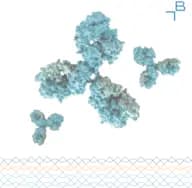
Primary antibodies are immunoglobulins that bind specifically to an antigen of interest, allowing for the detection and quantification of proteins, peptides, or other biomolecules. These antibodies are critical tools in a wide range of applications, including Western blotting, immunohistochemistry, and ELISA. At CymitQuimica, we offer an extensive selection of high-quality primary antibodies that provide specificity and sensitivity for various research needs, including cancer, immunology, and cell biology studies.
Subcategories of "Primary Antibodies"
- Cancer Research Antibodies(3,606 products)
- Cardiovascular Antibodies(2 products)
- Developmental Biology(746 products)
- Epigenetics Antibodies(162 products)
- Immunology Antibodies(2,772 products)
- Metabolism Antibodies(277 products)
- Microbiology Antibodies(736 products)
- Signal Transduction(2,710 products)
- Tags & Cellular Markers(33 products)
Show 1 more subcategories
Found 69953 products of "Primary Antibodies"
Sort by
Purity (%)
0
100
|
0
|
50
|
90
|
95
|
100
JMJD2B antibody
<p>JMJD2B antibody was raised using the middle region of JMJD2B corresponding to a region with amino acids DQDRKWFETWDEEVVGTFSNWGFEDDGTDKDTNFHVALENVDTTMKVHIK</p>Kv1.5 antibody
<p>The Kv1.5 antibody is a growth factor that plays a crucial role in multidrug resistance and immunoassays. It is a polyclonal antibody that specifically targets the Kv1.5 protein kinase, which is involved in various cellular processes. This antibody can be used in research and diagnostic applications to detect and quantify the expression of Kv1.5 in different samples.</p>ISG15 antibody
<p>The ISG15 antibody is a monoclonal antibody that exhibits cytotoxic activity against various targets. It specifically binds to ISG15, a protein involved in immune response and antiviral defense. This antibody has been extensively used in Life Sciences research for assays related to glp-1, lipoprotein lipase, elastase protein, natriuretic factors, fibrinogen, myostatin, alpha-synuclein (α-syn), and other targets. Its high specificity and affinity make it an excellent tool for studying the role of ISG15 in various biological processes. Whether you are conducting experiments or developing diagnostics, the ISG15 antibody is a valuable asset in your scientific endeavors.</p>SH3BGRL3 antibody
<p>The SH3BGRL3 antibody is a theranostic tool used in the field of Life Sciences. It plays a crucial role in various biological processes and has been extensively studied for its potential therapeutic applications. This antibody specifically targets SH3BGRL3, a proline-rich protein involved in cytokine receptor signaling and caveolin-1 regulation.</p>C17ORF39 antibody
<p>C17ORF39 antibody was raised using the C terminal Of C17Orf39 corresponding to a region with amino acids SFAGFYYICFQKSAASIEGYYYHRSSEWYQSLNLTHVPEHSAPIYEFR</p>POR antibody
<p>The POR antibody is a monoclonal antibody that specifically targets the POR protein. It is used in various applications in the field of Life Sciences, including research and diagnostics. The POR antibody is made using magnetic iron oxide as a carrier, which enhances its stability and binding efficiency. It has been extensively tested and validated for its specificity and sensitivity.</p>STK39 antibody
<p>The STK39 antibody is a highly specialized biochemical tool used in Life Sciences research. It specifically targets an oncogenic kinase molecule, which plays a crucial role in the development and progression of certain types of cancer. By inhibiting this kinase, the STK39 antibody offers a valuable resource for scientists studying the underlying mechanisms of oncogenesis and exploring potential therapeutic interventions.</p>Progesterone receptor antibody
<p>The Progesterone receptor antibody is a highly specific monoclonal antibody that targets the progesterone receptor. It is designed to bind to the receptor and inhibit its activity, making it an essential tool for studying the role of progesterone in various biological processes.</p>CRK antibody
<p>CRK antibody was raised in mouse using recombinant Human V-Crk Sarcoma Virus Ct10 Oncogene Homolog (Avian)</p>EIF3S4 antibody
<p>EIF3S4 antibody was raised using the N terminal of EIF3S4 corresponding to a region with amino acids SPEPELLPGAPLPPPKEVINGNIKTVTEYKIDEDGKKFKIVRTFRIETRK</p>NGAL antibody
<p>The NGAL antibody is a monoclonal antibody that specifically targets and binds to neutrophil gelatinase-associated lipocalin (NGAL). NGAL is an important protein involved in various biological processes, including inflammation, cell growth, and iron metabolism. This antibody can be used in research and diagnostic applications to detect NGAL levels in human serum or tissue samples. It is commonly used in life sciences and clinical laboratories for studying the role of NGAL in different diseases and conditions. The NGAL antibody can also be conjugated with streptavidin or other molecules for specific applications such as immunohistochemistry or ELISA. With its high specificity and sensitivity, this antibody is a valuable tool for researchers and healthcare professionals working in the field of molecular biology and diagnostics.</p>Complement C3b β antibody
<p>Complement C3b beta antibody was raised in mouse using human complement component C3 as the immunogen.</p>S6K1 antibody
<p>The S6K1 antibody is a monoclonal antibody used in Life Sciences. It acts as an anticoagulant by neutralizing the binding proteins involved in blood clotting. This antibody targets specific glycosylation sites on activated proteins, preventing them from forming clots. In addition to its anticoagulant properties, the S6K1 antibody can also be used in research and diagnostic applications. It has been shown to inhibit the activity of colony-stimulating factors and interleukin-6, which are involved in inflammation and immune responses. Furthermore, this antibody has demonstrated its ability to bind to fibrinogen and glycopeptides, providing insights into their structure and function. While it offers numerous benefits, it is important to note that the S6K1 antibody should be handled with care due to its potential toxic effects. For researchers and scientists seeking reliable antibodies for their experiments, the S6K1 antibody is a valuable tool in understanding various biological processes and pathways.</p>ITGA5 antibody
<p>The ITGA5 antibody is a growth factor antibody that plays a crucial role in the field of Life Sciences. It specifically targets and neutralizes interleukin-6 (IL-6), an important cytokine involved in various physiological processes. This antibody is available in both polyclonal and monoclonal forms, allowing researchers to choose the most suitable option for their experiments.</p>PFN1 antibody
<p>The 6-Fluoro-3-indoxyl-beta-D-galactopyranoside is an effective antituberculosis drug that falls under the class of rifamycins. It is highly active in treating tuberculosis infections and contains active compounds with bactericidal activity. This drug works by inhibiting bacterial growth through binding to DNA-dependent RNA polymerase, preventing transcription and replication. Extensive research has been conducted using a patch-clamp technique on human erythrocytes, demonstrating its high efficacy. The active form of this drug undergoes various metabolic transformations such as hydrolysis by esterases or glucuronidases, oxidation by cytochrome P450 enzymes, reduction by glutathione reductase, or conjugation with glucuronic acid. Additionally, it specifically targets markers expressed at high levels in Mycobacterium tuberculosis strains and inhibits cell growth in culture.</p>Vimentin antibody
<p>Vimentin antibody was raised using the N terminal of VIM corresponding to a region with amino acids LNDRFANYIDKVRFLEQQNKILLAELEQLKGQGKSRLGDLYEEEMRELRR</p>GCF antibody
<p>The GCF antibody is a growth factor that belongs to the family of monoclonal antibodies. It has been shown to inhibit the activity of various proteins involved in cell growth, including adalimumab, anti-VEGF, and trastuzumab. The GCF antibody has been extensively studied in the field of life sciences and has demonstrated its effectiveness in inhibiting the growth of various cell types, including MCF-7 and endothelial cells. This antibody can be used as a research tool for studying protein interactions and signaling pathways related to cell growth. Additionally, it has shown potential therapeutic applications in targeting specific proteins, such as keratinocyte growth factor and CD33. With its versatile properties and wide range of applications, the GCF antibody is a valuable tool for researchers in various fields.</p>UCK2 antibody
<p>UCK2 antibody was raised using the N terminal of UCK2 corresponding to a region with amino acids AGDSEQTLQNHQQPNGGEPFLIGVSGGTASGKSSVCAKIVQLLGQNEVDY</p>Chikungunya virus antibody
<p>Chikungunya virus antibody is a powerful tool used in the detection and study of the Chikungunya virus. This antibody specifically targets and binds to fibronectin, a protein involved in cell adhesion and migration. By binding to fibronectin, the viscosity of infected cells is increased, making them easier to detect and study.</p>CD75 antibody
<p>The CD75 antibody is a polyclonal antibody that is used for hybridization studies. It specifically targets the CD75 antigen, which is a natriuretic glycan found on collagen and other proteins. This antibody can be used to detect the presence of CD75 in various tissues and cell types. It has been shown to be highly specific and sensitive in detecting CD75 expression in human hepatocytes. The CD75 antibody can also be used for research purposes, such as studying the effects of digoxin or TGF-beta on CD75 expression. With its high affinity and specificity, this monoclonal antibody is an essential tool for protein analysis and characterization.</p>Goat anti Monkey IgG (FITC)
<p>Goat anti-monkey IgG (FITC) was raised in goat using monkey IgG as the immunogen.</p>POLDIP3 antibody
<p>POLDIP3 antibody was raised using a synthetic peptide corresponding to a region with amino acids DAITAYKKYNNRCLDGQPMKCNLHMNGNVITSDQPILLRLSDSPSMKKES</p>Claudin 2 antibody
<p>The Claudin 2 antibody is a highly specific and potent test substance used in various research applications. It is commonly used in polymerase chain reactions (PCR) to detect the presence of autoantibodies, particularly in MDA-MB-231 cells. This antibody is also widely used in the field of life sciences to study the function and structure of cardiomyocytes.</p>SIRT5 antibody
<p>The SIRT5 antibody is a highly specialized product in the field of Life Sciences. It is an antibody that specifically targets and recognizes SIRT5, a protein involved in various cellular processes. This monoclonal antibody has been extensively tested and validated for its high specificity and sensitivity.</p>PLSCR1 antibody
<p>The 6-Fluoro-3-indoxyl-beta-D-galactopyranoside is a powerful antituberculosis drug that falls under the class of rifamycins. It is highly effective in treating tuberculosis infections and contains active compounds with bactericidal activity. This drug works by binding to DNA-dependent RNA polymerase, preventing transcription and replication, thus inhibiting bacterial growth. Studies have shown its high efficacy through patch-clamp technique on human erythrocytes. The drug undergoes various metabolic transformations, including hydrolysis by esterases or glucuronidases, oxidation by cytochrome P450 enzymes, reduction by glutathione reductase, or conjugation with glucuronic acid. Additionally, it specifically targets markers expressed in Mycobacterium tuberculosis strains and inhibits cell growth in culture.</p>TAF15 antibody
<p>The 6-Fluoro-3-indoxyl-beta-D-galactopyranoside is a powerful antituberculosis drug that belongs to the class of rifamycins. It is specifically designed to treat tuberculosis infections and contains active compounds that exhibit bactericidal activity. This drug works by inhibiting bacterial growth through binding to DNA-dependent RNA polymerase, which prevents transcription and replication. Its effectiveness has been demonstrated through rigorous testing using the patch-clamp technique on human erythrocytes. The drug undergoes various metabolic transformations, including hydrolysis by esterases or glucuronidases, oxidation by cytochrome P450 enzymes, reduction by glutathione reductase, or conjugation with glucuronic acid. Additionally, it binds specifically to markers expressed in Mycobacterium tuberculosis strains and inhibits cell growth in culture.</p>AKT1 antibody
<p>AKT1 antibody was raised in Mouse using a purified recombinant fragment of human AKT1 expressed in E. coli as the immunogen.</p>PDGFr β antibody
<p>PDGFr beta antibody was raised in Mouse using a purified recombinant fragment of human PDGFr beta expressed in E. coli as the immunogen.</p>CD23 antibody
<p>CD23 antibody was raised in mouse using human peripheral myeloma cells as the immunogen.</p>PI4KB antibody
<p>PI4KB antibody was raised using the N terminal of PI4KB corresponding to a region with amino acids LILSDELKPAHRKRELPSLSPAPDTGLSPSKRTHQRSKSDATASISLSSN</p>INPP5B antibody
<p>INPP5B antibody was raised using the middle region of INPP5B corresponding to a region with amino acids IHNGQVPCHFEFINKPDEESYCKQWLNANPSRGFLLPDSDVEIDLELFVN</p>MGC39633 antibody
<p>MGC39633 antibody was raised using the N terminal Of Mgc39633 corresponding to a region with amino acids VRTAEKFKNQVINMEKDKHSHFYNQKSDFRIEHSMLEELENKLIHSRKTE</p>KCNAB2 antibody
<p>KCNAB2 antibody was raised using the middle region of KCNAB2 corresponding to a region with amino acids WGGKAETERGLSRKHIIEGLKASLERLQLEYVDVVFANRPDPNTPMEETV</p>PIN1 antibody
<p>The PIN1 antibody is a powerful tool in the field of Life Sciences. It is an antibody specifically designed to target and bind to PIN1, a protein that plays a crucial role in cell growth and development. This antibody has been extensively studied and proven to be effective in various research areas.</p>Troponin I antibody (Cardiac)
<p>Troponin I antibody (cardiac) was raised in mouse using animo acid residues 169-178 of cTnI as the immunogen.</p>C1ORF110 antibody
<p>C1ORF110 antibody was raised using the middle region of C1Orf110 corresponding to a region with amino acids SKARNAHYLRHRVPPESERLLSIGEIFGHGESSSSRAGKECENRVPSKFL</p>Rotavirus antibody (HRP)
<p>Rotavirus antibody (HRP) was raised in goat using nebraska calf diarrhea virus as the immunogen.</p>RGR antibody
<p>The RGR antibody is a highly specialized antibody that targets the actin protein. It has cytotoxic properties, meaning it can kill cells that express the actin protein. This antibody specifically binds to the growth factor-1 receptor (GFR-1), which is involved in cell growth and development. The RGR antibody is colloidal in nature, allowing for easy dispersion and application. Additionally, it has neutralizing properties against certain factors such as glucagon and endothelial growth factors. The RGR antibody is available in both polyclonal and monoclonal forms, providing options for different research needs. It is widely used in life sciences research and has applications in various fields, including immunology and cancer biology. If you are looking for an effective tool to study actin-related processes or to investigate GFR-1 signaling pathways, the RGR antibody is an excellent choice.</p>SGSH antibody
<p>The SGSH antibody is a highly specialized monoclonal antibody used in Life Sciences for various applications. This antibody specifically targets and binds to cytotoxic substances, offering neutralizing effects. It has been extensively studied for its binding properties to proteins such as anti-CD20 and alpha-fetoprotein. The SGSH antibody has shown promising results in the detection and treatment of amyloid plaque, making it a potential medicament for neurodegenerative diseases. Its unique characteristics make it an essential tool in research laboratories and diagnostic settings. With its high specificity and affinity, this monoclonal antibody is widely recognized for its reliability and accuracy.</p>Factor VII antibody (biotin)
<p>Factor VII antibody (biotin) was raised in sheep using human Factor VII purified from plasma as the immunogen.</p>EIF2S3 antibody
<p>EIF2S3 antibody was raised using the N terminal of EIF2S3 corresponding to a region with amino acids AGGEAGVTLGQPHLSRQDLTTLDVTKLTPLSHEVISRQATINIGTIGHVA</p>KLK2 antibody
<p>The KLK2 antibody is a monoclonal antibody that specifically targets the KLK2 protein in human serum. This antibody has been extensively studied and characterized using various techniques, such as molecular docking and polymerase chain reaction (PCR). It has shown high specificity and affinity for the KLK2 protein, making it an ideal tool for research in the field of Life Sciences.</p>RUVBL2 antibody
<p>RUVBL2 antibody was raised using a synthetic peptide corresponding to a region with amino acids IDRPATGTGSKVGKLTLKTTEMETIYDLGTKMIESLTKDKVQAGDVITID</p>RPL5 antibody
<p>RPL5 antibody was raised using the N terminal of RPL5 corresponding to a region with amino acids RLVIQDKNKYNTPKYRMIVRVTNRDIICQIAYARIEGDMIVCAAYAHELP</p>Chlamydia trachomatis MOMP antibody
<p>Chlamydia trachomatis MOMP antibody was raised in mouse using Chlamydia trachomatis elementary bodies as the immunogen.</p>XRCC5 antibody
<p>The XRCC5 antibody is a substance used in the field of Life Sciences and is commonly used as a biomarker for various purposes. It plays a crucial role in the repair of DNA double-strand breaks and is involved in immune complex formation. XRCC5 antibodies are widely utilized in research studies to detect and analyze the presence of XRCC5 protein, making them valuable tools for understanding cellular processes.</p>Desmoplakin 1 + 2 antibody
<p>Desmoplakin 1/2 antibody was raised in mouse using bovine desmoplakin 1&2 as the immunogen.</p>Synaptotagmin 1 antibody
<p>The Synaptotagmin 1 antibody is a high-quality polyclonal antibody used in the field of Life Sciences. It is designed to specifically target and neutralize synaptotagmin 1, a protein involved in neurotransmitter release. This antibody has been extensively tested and proven to be highly effective in various applications, including immunohistochemistry, Western blotting, and ELISA.</p>DUSP9 antibody
<p>The DUSP9 antibody is a powerful tool used in the field of Life Sciences for various applications. This antibody is specifically designed to target and bind to DUSP9, a protein that plays a crucial role in cellular signaling pathways. By binding to DUSP9, this antibody can effectively modulate the activity of this protein and regulate downstream processes.</p>LDLRAD3 antibody
<p>The LDLRAD3 antibody is a polyclonal antibody that specifically targets the LDLRAD3 protein. This protein is an acetyltransferase that plays a crucial role in various cellular processes. The antibody can be used in life sciences research to study the function and regulation of LDLRAD3.</p>Yellow Fever Virus NS1 Antigen Mouse Monoclonal Antibody
<p>A mouse monoclonal antibody (Mab) purified by ion exchange chromatography, presented as a liquid in 0.015M potassium phosphate, 0.85% NaCl, pH 7.2, is a cell-culture derived lysate from strain 17D. Immunoglobulin subclasses IgG1k and IgG2a are available and are potentially suitable for ELISA, rapid lateral flow applications and other immunoassay formats for detection of the Yellow Fever NS1 protein.<br>The occurrence of the viral infection Yellow Fever is largely in Africa and South America where Mosquitoes infected with this Flaviviridae family virus bite humans and transmit the virus. Although symptoms can be mild, severe cases can lead to diseases such as hepatitis and renal failure. The NS1 glycoprotein, complementary to the mouse mab to the Yellow Fever Virus (YFV), is one of 7 non-structural proteins (NS1, NS2A, NS2B, NS3, NS4A, NS4B, and NS5) encoded for by the single stranded RNA of the YFV. Interestingly NS1 can be found within the viral cell as a monomer, on the cell surface as a hydrophobic dimer and as a hexameric species when secreted. NS1 plays a role in virus assembly and it's 12 invariant cysteine residues allow it to function within RNA replication and hence contribute to reducing the host's immune response. Monoclonal antibodies complementary to the NS1 protein bind and inhibit activity and hence can be used in vaccine to offer immunity against YF.</p>Purity:>90% By Sds-Page.Influenza A antibody (H3N2) (FITC)
<p>Influenza A antibody (H3N2) (FITC) was raised in goat using Influenza A, strain Texas 1/77 (H3N2) as the immunogen.</p>IL2Ra antibody
<p>IL2Ra antibody was raised in mouse using recombinant human soluble IL-2 Receptor alpha as the immunogen.</p>Cytochrome P450 2D6 antibody
<p>The Cytochrome P450 2D6 antibody is a highly specialized antibody used in the field of Life Sciences. It is a monoclonal antibody that specifically targets the cytochrome P450 2D6 enzyme. This enzyme plays a crucial role in drug metabolism, particularly in the metabolism of drugs that are commonly used in neurological and psychiatric disorders.</p>AKR1B1 antibody
<p>AKR1B1 antibody was raised using a synthetic peptide corresponding to a region with amino acids QSKGIVVTAYSPLGSPDRPWAKPEDPSLLEDPRIKAIAAKHNKTTAQVLI</p>NK3R antibody
<p>The NK3R antibody is a monoclonal antibody that is used in various immunoassays and research applications in the field of Life Sciences. It specifically targets the fibronectin growth factor receptor, which is known to be involved in cellular processes such as cell adhesion, migration, and proliferation. The NK3R antibody has been shown to neutralize the activity of fibronectin, preventing its binding to the receptor and inhibiting downstream signaling pathways. This antibody can be used for applications such as Western blotting, immunohistochemistry, and flow cytometry to detect and quantify the presence of fibronectin in samples. Additionally, the NK3R antibody has been used in electrochemical biosensing techniques to develop sensitive and specific assays for the detection of fibronectin biomarkers. Its high affinity and specificity make it a valuable tool for researchers studying fibronectin-related processes and diseases.</p>KARS antibody
<p>KARS antibody was raised in Mouse using a purified recombinant fragment of KARS(aa90-174) expressed in E. coli as the immunogen.</p>Transportin 2 antibody
<p>Transportin 2 antibody was raised using a synthetic peptide corresponding to a region with amino acids LVQKTLAQAMMYTQHPEQYEAPDKDFMIVALDLLSGLAEGLGGHVEQLVA</p>AFP antibody
<p>The 6-Fluoro-3-indoxyl-beta-D-galactopyranoside is a powerful antituberculosis drug that falls under the class of rifamycins. It is known for its bactericidal activity against tuberculosis infection. This active compound works by inhibiting bacterial growth through binding to DNA-dependent RNA polymerase, preventing transcription and replication. Its effectiveness has been demonstrated through patch-clamp technique studies on human erythrocytes. The drug undergoes various metabolic transformations, including hydrolysis by esterases or glucuronidases, oxidation by cytochrome P450 enzymes, reduction by glutathione reductase, or conjugation with glucuronic acid. Additionally, it specifically targets markers expressed in Mycobacterium tuberculosis strains and inhibits cell growth in culture.</p>LDB1 antibody
<p>The LDB1 antibody is a powerful tool used in the field of life sciences. It is a polyclonal antibody that specifically targets the LDB1 protein, which plays a crucial role in various cellular processes. This antibody has been extensively studied and proven to be highly effective in applications such as immunohistochemistry, Western blotting, and flow cytometry.</p>BHMT antibody
<p>The BHMT antibody is a highly specialized antibody used in Life Sciences research. It targets the BHMT protein, which plays a crucial role in various biological processes. The BHMT antibody has been shown to have neutralizing properties against the fibronectin, cholinergic, insulin, and collagen pathways. This makes it an essential tool for studying the interactions between these proteins and their associated functions.</p>anti-Plasmodium aldolase Antibody (HRP)
<p>HRP Conjugated Rabbit anti-Plasmodium aldolase Antibody</p>anti-C-Myc Antibody (FITC)
<p>Please enquire for more information about anti-C-Myc Antibody (FITC) including the price, delivery time and more detailed product information at the technical inquiry form on this page</p>anti-C-Myc Antibody (HRP)
<p>Please enquire for more information about anti-C-Myc Antibody (HRP) including the price, delivery time and more detailed product information at the technical inquiry form on this page</p>anti-Bovine Albumin (BSA) Antibody (FITC)
<p>FITC Conjugated Sheep anti-BSA Antibody. Please inquire for bulk pricing.</p>anti-CHO PLBL2 (BIOTIN)
<p>Biotin Conjugated Goat anti-CHO Phospholipase B-like 2 protein (PLBL2) Antibody</p>anti-Biotin Antibody (HRP)
<p>HRP Conjugated Goat anti-Biotin Antibody is suitable for use in ELISA assays, Western Blot and other assays requiring the detection of biotinylated targets.</p>anti-6xHIS Tag Antibody (FITC)
<p>FITC Conjugated Rabbit anti-6xHIS Tag Antibody.The polyclonal purified rabbit anti-HIS tag antibody allows for specific detection of His-tagged fusion proteins.</p>RNASEH2A antibody
<p>RNASEH2A antibody was raised using the middle region of RNASEH2A corresponding to a region with amino acids AQTILEKEAEDVIWEDSASENQEGLRKITSYFLNEGSQARPRSSHRYFLE</p>TIMP1 monoclonal antibody
<p>The TIMP1 monoclonal antibody is a highly specialized antibody that specifically targets and neutralizes the activity of tissue inhibitor of metalloproteinase 1 (TIMP1). TIMP1 is a protein involved in various biological processes, including dopamine regulation, adiponectin signaling, and chemokine activity.</p>TACC2 antibody
<p>The 6-Fluoro-3-indoxyl-beta-D-galactopyranoside is a powerful antituberculosis drug belonging to the rifamycins class. It is specifically designed to combat tuberculosis infections by targeting active compounds and exerting bactericidal activity. This drug works by binding to DNA-dependent RNA polymerase, inhibiting transcription and replication, thus preventing the growth of bacteria. Its efficacy has been demonstrated through extensive research using advanced techniques like the patch-clamp technique on human erythrocytes. 6-Fluoro-3-indoxyl-beta-D-galactopyranoside undergoes various metabolic transformations, including hydrolysis, oxidation, reduction, and conjugation with glucuronic acid. Additionally, it selectively binds to markers expressed at high levels in Mycobacterium tuberculosis strains, inhibiting their cell growth in culture.</p>PAOX antibody
<p>PAOX antibody was raised using a synthetic peptide corresponding to a region with amino acids RGSAVGMEGGRPPPQSVGPAGAAAQAQALAGPSLLCSTRVGGRLGPSFLL</p>STRAP antibody
<p>The STRAP antibody is a highly specialized antibody used in the field of Life Sciences. It is specifically designed to target and bind to colony-stimulating factors (CSFs), which are proteins responsible for stimulating the production and differentiation of immune cells, particularly macrophages. This polyclonal antibody is derived from human serum and contains a high concentration of CSF-binding antibodies.</p>SDC3 antibody
<p>The SDC3 antibody is a highly specialized antibody that targets the nuclear receptor SDC3. It is available in both polyclonal and monoclonal forms, offering versatility for various research applications in the field of Life Sciences. This antibody specifically recognizes SDC3 and can be used to study its role in different biological processes.</p>PSMA4 antibody
<p>The PSMA4 antibody is a monoclonal antibody that has cytotoxic properties. It specifically targets the PSMA4 protein, which is found in the nucleus of cells. This antibody can be used for various biochemical and life science applications, including research and diagnostic purposes. It has been shown to interact with other proteins such as fibrinogen and elastase, making it a valuable tool for studying protein-protein interactions. Additionally, the PSMA4 antibody has been used in electrode-based assays to detect and quantify specific proteins in samples. Its high specificity and affinity make it an ideal choice for researchers working in the field of molecular biology and immunology.</p>SNAI1 antibody
<p>The 6-Fluoro-3-indoxyl-beta-D-galactopyranoside is a powerful antituberculosis drug belonging to the class of rifamycins. It is highly effective in treating tuberculosis infections and contains active compounds that exhibit bactericidal activity. This drug works by binding to DNA-dependent RNA polymerase, preventing transcription and replication, thus inhibiting bacterial growth. Its effectiveness has been demonstrated using a patch-clamp technique on human erythrocytes. The drug undergoes various metabolic transformations, including hydrolysis by esterases or glucuronidases, oxidation by cytochrome P450 enzymes, reduction by glutathione reductase, or conjugation with glucuronic acid. Additionally, it specifically targets markers expressed at high levels in Mycobacterium tuberculosis strains and inhibits cell growth in culture.</p>BNP antibody
<p>BNP antibody was raised in mouse using human BNP or synthetic BNP peptide conjugated with carrier protein as the immunogen.</p>PSD3 antibody
<p>PSD3 antibody was raised using the middle region of PSD3 corresponding to a region with amino acids SDVAKHLGKNNEFSKLVAEEYLKFFDFTGMTLDQSLRYFFKAFSLVGETQ</p>EEF1G antibody
<p>EEF1G antibody was raised using the N terminal of EEF1G corresponding to a region with amino acids AAQYSGAQVRVLSAPPHFHFGQTNRTPEFLRKFPAGKVPAFEGDDGFCVF</p>p27 antibody
<p>The p27 antibody is a highly specialized product in the field of Life Sciences. It is an activated monoclonal antibody that specifically targets c-myc, antiphospholipid antibodies, autoantibodies, fibrinogen, superoxide, antibodies, tyrosine, ribosomal binding, alpha-synuclein, Polyclonal Antibodies, collagen, and anticoagulant. This antibody plays a crucial role in various research applications such as immunohistochemistry (IHC), western blotting (WB), and enzyme-linked immunosorbent assay (ELISA).</p>MERTK antibody
<p>The MERTK antibody is a highly specialized monoclonal antibody used in Life Sciences research. It specifically targets the MERTK protein, which plays a crucial role in various cellular processes. This antibody is widely used in studies related to collagen, blood plasma, interferon, and platelet-derived growth factor-bb.</p>RBM3 antibody
<p>The RBM3 antibody is a polyclonal antibody that is used in the field of Life Sciences. It is designed to target and neutralize specific proteins and molecules related to various biological processes. This antibody has been extensively tested and validated for its effectiveness in detecting and quantifying proteins such as epidermal growth factor, alpha-fetoprotein, insulin, dopamine, and histidine.</p>