


Primary Antibodies
Primary antibodies are immunoglobulins that bind specifically to an antigen of interest, allowing for the detection and quantification of proteins, peptides, or other biomolecules. These antibodies are critical tools in a wide range of applications, including Western blotting, immunohistochemistry, and ELISA. At CymitQuimica, we offer an extensive selection of high-quality primary antibodies that provide specificity and sensitivity for various research needs, including cancer, immunology, and cell biology studies.
Subcategories of "Primary Antibodies"
- Cancer Research Antibodies(3,620 products)
- Cardiovascular Antibodies(2 products)
- Developmental Biology(751 products)
- Epigenetics Antibodies(162 products)
- Immunology Antibodies(2,551 products)
- Metabolism Antibodies(279 products)
- Microbiology Antibodies(740 products)
- Signal Transduction(2,717 products)
- Tags & Cellular Markers(33 products)
Show 1 more subcategories
Found 75448 products of "Primary Antibodies"
Sort by
Purity (%)
0
100
|
0
|
50
|
90
|
95
|
100
ITLN1 rabbit pAb
developmental stage:Found in fetal small intestine and thymus.,function:Has no effect on basal glucose uptake but enhances insulin-stimulated glucose uptake in adipocytes. Increases AKT phosphorylation in the absence and presence of insulin. May play a role in the defense system against microorganisms. May specifically recognize carbohydrate chains of pathogens and bacterial components containing galactofuranosyl residues, in a calcium-dependent manner. May be involved in iron metabolism.,mass spectrometry: PubMed:17621593,PTM:N-glycosylated.,similarity:Contains 1 fibrinogen C-terminal domain.,subcellular location:Enriched in lipid rafts.,subunit:Homotrimer; disulfide-linked.,tissue specificity:Highly expressed in omental adipose tissue where it is found in stromal vascular cells but not in fat cells but is barely detectable in subcutaneous adipose tissue (at protein level). Highly expressed in the small intestine. Also found in the heart, testis, colon, salivary gland, skeletal muscle, pancreas and thyroid and, to a lesser degree, in the uterus, spleen, prostate, lymph node and thymus.,IL-20 rabbit pAb
The protein encoded by this gene is a cytokine structurally related to interleukin 10 (IL10). This cytokine has been shown to transduce its signal through signal transducer and activator of transcription 3 (STAT3) in keratinocytes. A specific receptor for this cytokine is found to be expressed in skin and upregulated dramatically in psoriatic skin, suggesting a role for this protein in epidermal function and psoriasis. [provided by RefSeq, Jul 2008],GDF-3 rabbit pAb
This gene encodes a secreted ligand of the TGF-beta (transforming growth factor-beta) superfamily of proteins. Ligands of this family bind various TGF-beta receptors leading to recruitment and activation of SMAD family transcription factors that regulate gene expression. The encoded preproprotein is proteolytically processed to generate each subunit of the disulfide-linked homodimer. This protein plays a role ocular and skeletal development. Mutations in this gene are associated with microphthalmia, coloboma, and skeletal abnormalities in human patients. [provided by RefSeq, Aug 2016],TBCD rabbit pAb
Cofactor D is one of four proteins (cofactors A, D, E, and C) involved in the pathway leading to correctly folded beta-tubulin from folding intermediates. Cofactors A and D are believed to play a role in capturing and stabilizing beta-tubulin intermediates in a quasi-native confirmation. Cofactor E binds to the cofactor D/beta-tubulin complex; interaction with cofactor C then causes the release of beta-tubulin polypeptides that are committed to the native state. [provided by RefSeq, Jul 2008],RM45 rabbit pAb
Mammalian mitochondrial ribosomal proteins are encoded by nuclear genes and help in protein synthesis within the mitochondrion. Mitochondrial ribosomes (mitoribosomes) consist of a small 28S subunit and a large 39S subunit. They have an estimated 75% protein to rRNA composition compared to prokaryotic ribosomes, where this ratio is reversed. Another difference between mammalian mitoribosomes and prokaryotic ribosomes is that the latter contain a 5S rRNA. Among different species, the proteins comprising the mitoribosome differ greatly in sequence, and sometimes in biochemical properties, which prevents easy recognition by sequence homology. This gene encodes a 39S subunit protein. Alternative splicing results in multiple transcript variants. Pseudogenes corresponding to this gene are found on chromosomes 2p and 17q. [provided by RefSeq, May 2013],POLDIP3 rabbit pAb
This gene encodes an RRM (RNA recognition motif)-containing protein that participates in the regulation of translation by recruiting ribosomal protein S6 kinase beta-1 to mRNAs. Alternative splicing results in multiple transcript variants. [provided by RefSeq, Jul 2013],CAF-1 p60 rabbit pAb
Chromatin assembly factor I (CAF-I) is required for the assembly of histone octamers onto newly-replicated DNA. CAF-I is composed of three protein subunits, p50, p60, and p150. The protein encoded by this gene corresponds to the p60 subunit and is required for chromatin assembly after replication. The encoded protein is differentially phosphorylated in a cell cycle-dependent manner. In addition, it is normally found in the nucleus except during mitosis, when it is released into the cytoplasm. This protein is a member of the WD-repeat HIR1 family and may also be involved in DNA repair. [provided by RefSeq, Jul 2008],ZA2G rabbit pAb
function:Stimulates lipid degradation in adipocytes and causes the extensive fat losses associated with some advanced cancers. May bind polyunsaturated fatty acids.,similarity:Belongs to the MHC class I family.,similarity:Contains 1 Ig-like C1-type (immunoglobulin-like) domain.,subunit:Interacts with PIP.,tissue specificity:Blood plasma, seminal plasma, urine, saliva, sweat, epithelial cells of various human glands, liver.,MTFR1 rabbit pAb
This gene encodes a mitochondrial protein that is characterized by a poly-proline rich region. A chicken homolog of this protein promotes mitochondrial fission and the mouse homolog protects cells from oxidative stress. A related pseudogene of this gene is found on chromosome X. [provided by RefSeq, Mar 2009],PTP1B rabbit pAb
The protein encoded by this gene is the founding member of the protein tyrosine phosphatase (PTP) family, which was isolated and identified based on its enzymatic activity and amino acid sequence. PTPs catalyze the hydrolysis of the phosphate monoesters specifically on tyrosine residues. Members of the PTP family share a highly conserved catalytic motif, which is essential for the catalytic activity. PTPs are known to be signaling molecules that regulate a variety of cellular processes including cell growth, differentiation, mitotic cycle, and oncogenic transformation. This PTP has been shown to act as a negative regulator of insulin signaling by dephosphorylating the phosphotryosine residues of insulin receptor kinase. This PTP was also reported to dephosphorylate epidermal growth factor receptor kinase, as well as JAK2 and TYK2 kinases, which implicated the role ofAHR rabbit pAb
The protein encoded by this gene is a ligand-activated helix-loop-helix transcription factor involved in the regulation of biological responses to planar aromatic hydrocarbons. This receptor has been shown to regulate xenobiotic-metabolizing enzymes such as cytochrome P450. Before ligand binding, the encoded protein is sequestered in the cytoplasm; upon ligand binding, this protein moves to the nucleus and stimulates transcription of target genes. [provided by RefSeq, Sep 2015],CHST3 rabbit pAb
This gene encodes an enzyme which catalyzes the sulfation of chondroitin, a proteoglycan found in the extracellular matrix and most cells which is involved in cell migration and differentiation. Mutations in this gene are associated with spondylepiphyseal dysplasia and humerospinal dysostosis. [provided by RefSeq, Mar 2009],Cathepsin H rabbit pAb
The protein encoded by this gene is a lysosomal cysteine proteinase important in the overall degradation of lysosomal proteins. It is composed of a dimer of disulfide-linked heavy and light chains, both produced from a single protein precursor. The encoded protein, which belongs to the peptidase C1 protein family, can act both as an aminopeptidase and as an endopeptidase. Increased expression of this gene has been correlated with malignant progression of prostate tumors. Alternate splicing of this gene results in multiple transcript variants encoding different isoforms. [provided by RefSeq, Jan 2016],OR7D2 rabbit pAb
olfactory receptor family 7 subfamily D member 2(OR7D2) Homo sapiens Olfactory receptors interact with odorant molecules in the nose, to initiate a neuronal response that triggers the perception of a smell. The olfactory receptor proteins are members of a large family of G-protein-coupled receptors (GPCR) arising from single coding-exon genes. Olfactory receptors share a 7-transmembrane domain structure with many neurotransmitter and hormone receptors and are responsible for the recognition and G protein-mediated transduction of odorant signals. The olfactory receptor gene family is the largest in the genome. The nomenclature assigned to the olfactory receptor genes and proteins for this organism is independent of other organisms. [provided by RefSeq, Jul 2008],O6C74 rabbit pAb
Olfactory receptors interact with odorant molecules in the nose, to initiate a neuronal response that triggers the perception of a smell. The olfactory receptor proteins are members of a large family of G-protein-coupled receptors (GPCR) arising from single coding-exon genes. Olfactory receptors share a 7-transmembrane domain structure with many neurotransmitter and hormone receptors and are responsible for the recognition and G protein-mediated transduction of odorant signals. The olfactory receptor gene family is the largest in the genome. The nomenclature assigned to the olfactory receptor genes and proteins for this organism is independent of other organisms. [provided by RefSeq, Jul 2008],AQP2 rabbit pAb
This gene encodes a water channel protein located in the kidney collecting tubule. It belongs to the MIP/aquaporin family, some members of which are clustered together on chromosome 12q13. Mutations in this gene have been linked to autosomal dominant and recessive forms of nephrogenic diabetes insipidus. [provided by RefSeq, Oct 2008],PPM1J rabbit pAb
This gene encodes the serine/threonine protein phosphatase. The mouse homolog of this gene apparently belongs to the protein phosphatase 2C family of genes. The exact function of this gene is not yet known. [provided by RefSeq, Jul 2008],LYPA2 rabbit pAb
Lysophospholipases are enzymes that act on biological membranes to regulate the multifunctional lysophospholipids. There are alternatively spliced transcript variants described for this gene but the full length nature is not known yet. [provided by RefSeq, Jul 2008],NRIP2 rabbit pAb
function:Down-regulates transcriptional activation by nuclear receptors such as NR1F2.,subunit:Interacts with NR1F2, RARA and THRB in a ligand-dependent manner.,MYPT1 rabbit pAb
Myosin phosphatase target subunit 1, which is also called the myosin-binding subunit of myosin phosphatase, is one of the subunits of myosin phosphatase. Myosin phosphatase regulates the interaction of actin and myosin downstream of the guanosine triphosphatase Rho. The small guanosine triphosphatase Rho is implicated in myosin light chain (MLC) phosphorylation, which results in contraction of smooth muscle and interaction of actin and myosin in nonmuscle cells. The guanosine triphosphate (GTP)-bound, active form of RhoA (GTP.RhoA) specifically interacted with the myosin-binding subunit (MBS) of myosin phosphatase, which regulates the extent of phosphorylation of MLC. Rho-associated kinase (Rho-kinase), which is activated by GTP. RhoA, phosphorylated MBS and consequently inactivated myosin phosphatase. Overexpression of RhoA or activated RhoA in NIH 3T3 cells increased phosphRANKL rabbit pAb
This gene encodes a member of the tumor necrosis factor (TNF) cytokine family which is a ligand for osteoprotegerin and functions as a key factor for osteoclast differentiation and activation. This protein was shown to be a dentritic cell survival factor and is involved in the regulation of T cell-dependent immune response. T cell activation was reported to induce expression of this gene and lead to an increase of osteoclastogenesis and bone loss. This protein was shown to activate antiapoptotic kinase AKT/PKB through a signaling complex involving SRC kinase and tumor necrosis factor receptor-associated factor (TRAF) 6, which indicated this protein may have a role in the regulation of cell apoptosis. Targeted disruption of the related gene in mice led to severe osteopetrosis and a lack of osteoclasts. The deficient mice exhibited defects in early differentiation of T and B lyAMPK α1 Rabbit pAb
AMP-activated protein kinase (AMPK) is highly conserved from yeast to plants and animals and plays a key role in the regulation of energy homeostasis. AMPK is a heterotrimeric complex composed of a catalytic α subunit and regulatory β and γ subunits, each of which is encoded by two or three distinct genes (α1, 2; β1, 2; γ1, 2, 3).EGF Receptor (phospho-Tyr1045) rabbit pAb
The protein encoded by this gene is a transmembrane glycoprotein that is a member of the protein kinase superfamily. This protein is a receptor for members of the epidermal growth factor family. EGFR is a cell surface protein that binds to epidermal growth factor. Binding of the protein to a ligand induces receptor dimerization and tyrosine autophosphorylation and leads to cell proliferation. Mutations in this gene are associated with lung cancer. [provided by RefSeq, Jun 2016],IRAK-1 (phospho Thr387) rabbit pAb
This gene encodes the interleukin-1 receptor-associated kinase 1, one of two putative serine/threonine kinases that become associated with the interleukin-1 receptor (IL1R) upon stimulation. This gene is partially responsible for IL1-induced upregulation of the transcription factor NF-kappa B. Alternatively spliced transcript variants encoding different isoforms have been found for this gene. [provided by RefSeq, Jul 2008],SIK1 rabbit pAb
catalytic activity:ATP + a protein = ADP + a phosphoprotein.,cofactor:Magnesium.,enzyme regulation:Activated by phosphorylation on Thr-182 by STK11 in complex with STE20-related adapter-alpha (STRAD alpha) pseudo kinase and CAB39.,function:Transient role during the earliest stages of myocardial cell differentiation and/or primitive chamber formation and may also be important for the earliest stages of skeletal muscle growth and/or differentiation. Potential role in G2/M cell cycle regulation. Inhibits CREB activity by phosphorylating and repressing the CREB-specific coactivators, CRTC1-3.,PTM:Phosphorylated upon DNA damage, probably by ATM or ATR.,similarity:Belongs to the protein kinase superfamily. CAMK Ser/Thr protein kinase family. AMPK subfamily.,similarity:Contains 1 protein kinase domain.,similarity:Contains 1 UBA domain.,subcellular location:Translocates to the cytoplasm on phosphorylation where it binds binding to YWHAZ.,subunit:Binds to and is activated by YWHAZ when phosphorylated on Thr-182.,HtrA2 rabbit pAb
This gene encodes a serine protease. The protein has been localized in the endoplasmic reticulum and interacts with an alternatively spliced form of mitogen-activated protein kinase 14. The protein has also been localized to the mitochondria with release to the cytosol following apoptotic stimulus. The protein is thought to induce apoptosis by binding the apoptosis inhibitory protein baculoviral IAP repeat-containing 4. Nuclear localization of this protein has also been observed. Alternate splicing of this gene results in multiple transcript variants encoding different isoforms. [provided by RefSeq, Mar 2016],StrepTag II Mouse mAb
Streptavidin is a tetrameric protein purified from Streptomyces avidinii. It has wide used in numerous molecular biological protocols dues to its strong affinity for biotin. NWSHPQFEK (Strep tag II) is a nine amino acid peptide with high specificity and affinity towards streptavidin. NWSHPQFEK Tag Antibody is a useful tool in analysis and affinity purification of Strep tag II fusion proteins.Cdc2 (phospho Tyr15) rabbit pAb
cyclin dependent kinase 1(CDK1) Homo sapiens The protein encoded by this gene is a member of the Ser/Thr protein kinase family. This protein is a catalytic subunit of the highly conserved protein kinase complex known as M-phase promoting factor (MPF), which is essential for G1/S and G2/M phase transitions of eukaryotic cell cycle. Mitotic cyclins stably associate with this protein and function as regulatory subunits. The kinase activity of this protein is controlled by cyclin accumulation and destruction through the cell cycle. The phosphorylation and dephosphorylation of this protein also play important regulatory roles in cell cycle control. Alternatively spliced transcript variants encoding different isoforms have been found for this gene. [provided by RefSeq, Mar 2009],GOGA1 rabbit pAb
The Golgi apparatus, which participates in glycosylation and transport of proteins and lipids in the secretory pathway, consists of a series of stacked cisternae (flattened membrane sacs). Interactions between the Golgi and microtubules are thought to be important for the reorganization of the Golgi after it fragments during mitosis. This gene encodes one of the golgins, a family of proteins localized to the Golgi. This encoded protein is associated with Sjogren's syndrome. [provided by RefSeq, Feb 2010],MCAD rabbit pAb
This gene encodes the medium-chain specific (C4 to C12 straight chain) acyl-Coenzyme A dehydrogenase. The homotetramer enzyme catalyzes the initial step of the mitochondrial fatty acid beta-oxidation pathway. Defects in this gene cause medium-chain acyl-CoA dehydrogenase deficiency, a disease characterized by hepatic dysfunction, fasting hypoglycemia, and encephalopathy, which can result in infantile death. Alternatively spliced transcript variants encoding different isoforms have been found for this gene. [provided by RefSeq, Jul 2008],AMPKα1 Rabbit pAb
AMP-activated protein kinase (AMPK) is highly conserved from yeast to plants and animals and plays a key role in the regulation of energy homeostasis. AMPK is a heterotrimeric complex composed of a catalytic α subunit and regulatory β and γ subunits, each of which is encoded by two or three distinct genes (α1, 2; β1, 2; γ1, 2, 3).ID3 rabbit pAb
The protein encoded by this gene is a helix-loop-helix (HLH) protein that can form heterodimers with other HLH proteins. However, the encoded protein lacks a basic DNA-binding domain and therefore inhibits the DNA binding of any HLH protein with which it interacts. [provided by RefSeq, Aug 2011],CD267 rabbit pAb
The protein encoded by this gene is a lymphocyte-specific member of the tumor necrosis factor (TNF) receptor superfamily. It interacts with calcium-modulator and cyclophilin ligand (CAML). The protein induces activation of the transcription factors NFAT, AP1, and NF-kappa-B and plays a crucial role in humoral immunity by interacting with a TNF ligand. This gene is located within the Smith-Magenis syndrome region on chromosome 17. [provided by RefSeq, Jul 2008],Tubulin α rabbit pAb
Microtubules of the eukaryotic cytoskeleton perform essential and diverse functions and are composed of a heterodimer of alpha and beta tubulins. The genes encoding these microtubule constituents belong to the tubulin superfamily, which is composed of six distinct families. Genes from the alpha, beta and gamma tubulin families are found in all eukaryotes. The alpha and beta tubulins represent the major components of microtubules, while gamma tubulin plays a critical role in the nucleation of microtubule assembly. There are multiple alpha and beta tubulin genes, which are highly conserved among species. This gene encodes alpha tubulin and is highly similar to the mouse and rat Tuba1 genes. Northern blotting studies have shown that the gene expression is predominantly found in morphologically differentiated neurologic cells. This gene is one of three alpha-tubulin genes in a cluster on chromosome 12q.CCDC102B rabbit pAb
CCDC102B (coiled-coil domain containing 102B), also known as AN, ACY1L or HsT1731, is a 513 amino acid protein that exists as three alternatively spliced isoforms. Widely expressed and found in multiple CNV (copy-number variant) regions, CCDC102B contains the deletion breakpoint of a maternally inherited deletion, which is 2.7 Mb in size, and maps to human chromosome 18q22.1. CCDC102B may play a role in the pathogenesis of diaphragmatic hernia, microphthalmia, colorectal carcinoma and schizophrenia. Encoding over 300 genes, chromosome 18 contains about 76 million bases. Translocation between chromosomes 18 and 14 is the most common translocation in cancers and occurs in follicular lymphomas. Niemann-Pick disease, hereditary hemorrhagic telangiectasia and erythropoietic protoporphyria are associated with chromosome 18.PI 3-kinase p85/p55 (phospho Tyr467/199) rabbit pAb
Phosphatidylinositol 3-kinase phosphorylates the inositol ring of phosphatidylinositol at the 3-prime position. The enzyme comprises a 110 kD catalytic subunit and a regulatory subunit of either 85, 55, or 50 kD. This gene encodes the 85 kD regulatory subunit. Phosphatidylinositol 3-kinase plays an important role in the metabolic actions of insulin, and a mutation in this gene has been associated with insulin resistance. Alternative splicing of this gene results in four transcript variants encoding different isoforms. [provided by RefSeq, Jun 2011],ROM1 rabbit pAb
This gene is a member of a photoreceptor-specific gene family and encodes an integral membrane protein found in the photoreceptor disk rim of the eye. This protein can form homodimers or can heterodimerize with another photoreceptor, retinal degeneration slow (RDS). It is essential for disk morphogenesis, and may also function as an adhesion molecule involved in the stabilization and compaction of outer segment disks or in the maintenance of the curvature of the rim. Certain defects in this gene have been associated with the degenerative eye disease retinitis pigmentosa. [provided by RefSeq, Jul 2008],TDIF1 rabbit pAb
DNTTIP1 binds DNA and enhances the activity of terminal deoxynucleotidyltransferase (TDT, or DNTT; MIM 187410), a DNA polymerase that catalyzes the polymerization of DNA in the absence of a DNA template (Yamashita et al., 2001 [PubMed 11473582]).[supplied by OMIM, Mar 2008],VGLL1 rabbit pAb
The protein encoded by this gene binds proteins of the TEA domain family of transcription factors (TEFs) through the Vg (vestigial) homology region found in its N-terminus. It may thus function as a specific coactivator for the mammalian TEFs. [provided by RefSeq, Sep 2009],SphK2 (phospho Thr614) rabbit pAb
This gene encodes one of two sphingosine kinase isozymes that catalyze the phosphorylation of sphingosine into sphingosine 1-phosphate. Sphingosine 1-phosphate mediates many cellular processes including migration, proliferation and apoptosis, and also plays a role in several types of cancer by promoting angiogenesis and tumorigenesis. The encoded protein may play a role in breast cancer proliferation and chemoresistance. Alternatively spliced transcript variants encoding multiple isoforms have been observed for this gene. [provided by RefSeq, Aug 2011],RFC3 rabbit pAb
The elongation of primed DNA templates by DNA polymerase delta and DNA polymerase epsilon requires the accessory proteins proliferating cell nuclear antigen (PCNA) and replication factor C (RFC). RFC, also named activator 1, is a protein complex consisting of five distinct subunits of 140, 40, 38, 37, and 36 kDa. This gene encodes the 38 kDa subunit. This subunit is essential for the interaction between the 140 kDa subunit and the core complex that consists of the 36, 37, and 40 kDa subunits. Alternatively spliced transcript variants encoding distinct isoforms have been described. [provided by RefSeq, Jul 2008],Rhotekin rabbit pAb
This gene encodes a scaffold protein that interacts with GTP-bound Rho proteins. Binding of this protein inhibits the GTPase activity of Rho proteins. This protein may interfere with the conversion of active, GTP-bound Rho to the inactive GDP-bound form by RhoGAP. Rho proteins regulate many important cellular processes, including cytokinesis, transcription, smooth muscle contraction, cell growth and transformation. Dysregulation of the Rho signal transduction pathway has been implicated in many forms of cancer. Alternative splicing results in multiple transcript variants encoding different isoforms. [provided by RefSeq, Jul 2008],INT6 rabbit pAb
DEAD box proteins, characterized by the conserved motif Asp-Glu-Ala-Asp (DEAD), are putative RNA helicases. The protein encoded by this gene is a DEAD box protein that is part of a complex that interacts with the C-terminus of RNA polymerase II and is involved in 3' end processing of snRNAs. In addition, this gene is a candidate tumor suppressor and is located in the critical region of loss of heterozygosity (LOH). Multiple transcript variants encoding different isoforms have been found for this gene. [provided by RefSeq, Apr 2015],CCRL2 rabbit pAb
This gene encodes a chemokine receptor like protein, which is predicted to be a seven transmembrane protein and most closely related to CCR1. Chemokines and their receptors mediated signal transduction are critical for the recruitment of effector immune cells to the site of inflammation. This gene is expressed at high levels in primary neutrophils and primary monocytes, and is further upregulated on neutrophil activation and during monocyte to macrophage differentiation. The function of this gene is unknown. This gene is mapped to the region where the chemokine receptor gene cluster is located. [provided by RefSeq, Jul 2008],ARY2 rabbit pAb
This gene encodes an enzyme that functions to both activate and deactivate arylamine and hydrazine drugs and carcinogens. Polymorphisms in this gene are responsible for the N-acetylation polymorphism in which human populations segregate into rapid, intermediate, and slow acetylator phenotypes. Polymorphisms in this gene are also associated with higher incidences of cancer and drug toxicity. A second arylamine N-acetyltransferase gene (NAT1) is located near this gene (NAT2). [provided by RefSeq, Jul 2008],SARDH rabbit pAb
This gene encodes an enzyme localized to the mitochondrial matrix which catalyzes the oxidative demethylation of sarcosine. This enzyme is distinct from another mitochondrial matrix enzyme, dimethylglycine dehydrogenase, which catalyzes a reaction resulting in the formation of sarcosine. Mutations in this gene are associated with sarcosinemia. Alternatively spliced transcript variants have been described. [provided by RefSeq, Oct 2008],CD33 rabbit pAb
domain:Contains 2 copies of a cytoplasmic motif that is referred to as the immunoreceptor tyrosine-based inhibitor motif (ITIM). This motif is involved in modulation of cellular responses. The phosphorylated ITIM motif can bind the SH2 domain of several SH2-containing phosphatases.,function:Putative adhesion molecule of myelomonocytic-derived cells that mediates sialic-acid dependent binding to cells. Preferentially binds to alpha-2,6-linked sialic acid. The sialic acid recognition site may be masked by cis interactions with sialic acids on the same cell surface. In the immune response, may act as an inhibitory receptor upon ligand induced tyrosine phosphorylation by recruiting cytoplasmic phosphatase(s) via their SH2 domain(s) that block signal transduction through dephosphorylation of signaling molecules. Induces apoptosis in acute myeloid leukemia (in vitro).,online information:Siglec-3,PTM:Phosphorylation of Tyr-340 is involved in binding to PTPN6 and PTPN11. Phosphorylation of Tyr-358 is involved in binding to PTPN6.,similarity:Belongs to the immunoglobulin superfamily. SIGLEC (sialic acid binding Ig-like lectin) family.,similarity:Contains 1 Ig-like C2-type (immunoglobulin-like) domain.,similarity:Contains 1 Ig-like V-type (immunoglobulin-like) domain.,subunit:Interacts with PTPN6/SHP-1 and PTPN11/SHP-2 upon phosphorylation.,tissue specificity:Monocytic/myeloid lineage cells.,Ribosomal Protein L27A rabbit pAb
Ribosomes, the organelles that catalyze protein synthesis, consist of a small 40S subunit and a large 60S subunit. Together these subunits are composed of 4 RNA species and approximately 80 structurally distinct proteins. This gene encodes a ribosomal protein that is a component of the 60S subunit. The protein belongs to the L15P family of ribosomal proteins. It is located in the cytoplasm. Variable expression of this gene in colorectal cancers compared to adjacent normal tissues has been observed, although no correlation between the level of expression and the severity of the disease has been found. As is typical for genes encoding ribosomal proteins, multiple processed pseudogenes derived from this gene are dispersed through the genome. [provided by RefSeq, Jul 2008],VPP2 rabbit pAb
The protein encoded by this gene is a subunit of the vacuolar ATPase (v-ATPase), an heteromultimeric enzyme that is present in intracellular vesicles and in the plasma membrane of specialized cells, and which is essential for the acidification of diverse cellular components. V-ATPase is comprised of a membrane peripheral V(1) domain for ATP hydrolysis, and an integral membrane V(0) domain for proton translocation. The subunit encoded by this gene is a component of the V(0) domain. Mutations in this gene are a cause of both cutis laxa type II and wrinkly skin syndrome. [provided by RefSeq, Jul 2009],UBP1 rabbit pAb
This gene encodes a member of the ubiquitin-specific processing (UBP) family of proteases that is a deubiquitinating enzyme (DUB) with His and Cys domains. This protein is located in the cytoplasm and cleaves the ubiquitin moiety from ubiquitin-fused precursors and ubiquitinylated proteins. The protein specifically deubiquitinates a protein in the Fanconi anemia (FA) DNA repair pathway. Alternate transcriptional splice variants have been characterized. [provided by RefSeq, Jul 2008],KCE1L rabbit pAb
potassium voltage-gated channel subfamily E regulatory subunit 5(KCNE5) Homo sapiens Voltage-gated potassium (Kv) channels represent the most complex class of voltage-gated ion channels from both functional and structural standpoints. Their diverse functions include regulating neurotransmitter release, heart rate, insulin secretion, neuronal excitability, epithelial electrolyte transport, smooth muscle contraction, and cell volume. This gene encodes a membrane protein which has sequence similarity to the KCNE1 gene product, a member of the potassium channel, voltage-gated, isk-related subfamily. This intronless gene is deleted in AMME contiguous gene syndrome and may be involved in the cardiac and neurologic abnormalities found in the AMME contiguous gene syndrome. [provided by RefSeq, Jul 2008],AMPKγ1 rabbit pAb
The protein encoded by this gene is a regulatory subunit of the AMP-activated protein kinase (AMPK). AMPK is a heterotrimer consisting of an alpha catalytic subunit, and non-catalytic beta and gamma subunits. AMPK is an important energy-sensing enzyme that monitors cellular energy status. In response to cellular metabolic stresses, AMPK is activated, and thus phosphorylates and inactivates acetyl-CoA carboxylase (ACC) and beta-hydroxy beta-methylglutaryl-CoA reductase (HMGCR), key enzymes involved in regulating de novo biosynthesis of fatty acid and cholesterol. This subunit is one of the gamma regulatory subunits of AMPK. Alternatively spliced transcript variants encoding distinct isoforms have been observed. [provided by RefSeq, Jul 2008],N-CoR rabbit pAb
This gene encodes a protein that mediates ligand-independent transcription repression of thyroid-hormone and retinoic-acid receptors by promoting chromatin condensation and preventing access of the transcription machinery. It is part of a complex which also includes histone deacetylases and transcriptional regulators similar to the yeast protein Sin3p. This gene is located between the Charcot-Marie-Tooth and Smith-Magenis syndrome critical regions on chromosome 17. Alternate splicing results in multiple transcript variants. Pseudogenes of this gene are found on chromosomes 17 and 20.[provided by RefSeq, Jun 2010],OGG1 rabbit pAb
This gene encodes the enzyme responsible for the excision of 8-oxoguanine, a mutagenic base byproduct which occurs as a result of exposure to reactive oxygen. The action of this enzyme includes lyase activity for chain cleavage. Alternative splicing of the C-terminal region of this gene classifies splice variants into two major groups, type 1 and type 2, depending on the last exon of the sequence. Type 1 alternative splice variants end with exon 7 and type 2 end with exon 8. All variants share the N-terminal region in common, which contains a mitochondrial targeting signal that is essential for mitochondrial localization. Many alternative splice variants for this gene have been described, but the full-length nature for every variant has not been determined. [provided by RefSeq, Aug 2008],Granzyme A rabbit pAb
Cytolytic T lymphocytes (CTL) and natural killer (NK) cells share the remarkable ability to recognize, bind, and lyse specific target cells. They are thought to protect their host by lysing cells bearing on their surface 'nonself' antigens, usually peptides or proteins resulting from infection by intracellular pathogens. The protein described here is a T cell- and natural killer cell-specific serine protease that may function as a common component necessary for lysis of target cells by cytotoxic T lymphocytes and natural killer cells. [provided by RefSeq, Jul 2008],VE-Cadherin (phospho Tyr731) rabbit pAb
This gene encodes a classical cadherin of the cadherin superfamily. The encoded preproprotein is proteolytically processed to generate the mature glycoprotein. This calcium-dependent cell-cell adhesion molecule is comprised of five extracellular cadherin repeats, a transmembrane region and a highly conserved cytoplasmic tail. Functioning as a classical cadherin by imparting to cells the ability to adhere in a homophilic manner, this protein plays a role in endothelial adherens junction assembly and maintenance. This gene is located in a gene cluster in a region on the long arm of chromosome 16 that is involved in loss of heterozygosity events in breast and prostate cancer. [provided by RefSeq, Nov 2015],RNF10 rabbit pAb
The protein encoded by this gene contains a ring finger motif, which is known to be involved in protein-protein interactions. The specific function of this protein has not yet been determined. EST data suggests the existence of multiple alternatively spliced transcript variants, however, their full length nature is not known. [provided by RefSeq, Jul 2008],CETN2 rabbit pAb
Caltractin belongs to a family of calcium-binding proteins and is a structural component of the centrosome. The high level of conservation from algae to humans and its association with the centrosome suggested that caltractin plays a fundamental role in the structure and function of the microtubule-organizing center, possibly required for the proper duplication and segregation of the centrosome. [provided by RefSeq, Jul 2008],Olfactory receptor 52D1 rabbit pAb
Olfactory receptors interact with odorant molecules in the nose, to initiate a neuronal response that triggers the perception of a smell. The olfactory receptor proteins are members of a large family of G-protein-coupled receptors (GPCR) arising from single coding-exon genes. Olfactory receptors share a 7-transmembrane domain structure with many neurotransmitter and hormone receptors and are responsible for the recognition and G protein-mediated transduction of odorant signals. The olfactory receptor gene family is the largest in the genome. The nomenclature assigned to the olfactory receptor genes and proteins for this organism is independent of other organisms. [provided by RefSeq, Jul 2008],SH-PTP2 (phospho Tyr542) rabbit pAb
The protein encoded by this gene is a member of the protein tyrosine phosphatase (PTP) family. PTPs are known to be signaling molecules that regulate a variety of cellular processes including cell growth, differentiation, mitotic cycle, and oncogenic transformation. This PTP contains two tandem Src homology-2 domains, which function as phospho-tyrosine binding domains and mediate the interaction of this PTP with its substrates. This PTP is widely expressed in most tissues and plays a regulatory role in various cell signaling events that are important for a diversity of cell functions, such as mitogenic activation, metabolic control, transcription regulation, and cell migration. Mutations in this gene are a cause of Noonan syndrome as well as acute myeloid leukemia. [provided by RefSeq, Aug 2016],Ref-1 (Acetyl Lys6) rabbit pAb
Apurinic/apyrimidinic (AP) sites occur frequently in DNA molecules by spontaneous hydrolysis, by DNA damaging agents or by DNA glycosylases that remove specific abnormal bases. AP sites are pre-mutagenic lesions that can prevent normal DNA replication so the cell contains systems to identify and repair such sites. Class II AP endonucleases cleave the phosphodiester backbone 5' to the AP site. This gene encodes the major AP endonuclease in human cells. Splice variants have been found for this gene; all encode the same protein. [provided by RefSeq, Jul 2008],Smad2 (phospho Ser467) rabbit pAb
The protein encoded by this gene belongs to the SMAD, a family of proteins similar to the gene products of the Drosophila gene 'mothers against decapentaplegic' (Mad) and the C. elegans gene Sma. SMAD proteins are signal transducers and transcriptional modulators that mediate multiple signaling pathways. This protein mediates the signal of the transforming growth factor (TGF)-beta, and thus regulates multiple cellular processes, such as cell proliferation, apoptosis, and differentiation. This protein is recruited to the TGF-beta receptors through its interaction with the SMAD anchor for receptor activation (SARA) protein. In response to TGF-beta signal, this protein is phosphorylated by the TGF-beta receptors. The phosphorylation induces the dissociation of this protein with SARA and the association with the family member SMAD4. The association with SMAD4 is important for the translocationSMC1 (phospho Ser966) rabbit pAb
structural maintenance of chromosomes 1A(SMC1A) Homo sapiens Proper cohesion of sister chromatids is a prerequisite for the correct segregation of chromosomes during cell division. The cohesin multiprotein complex is required for sister chromatid cohesion. This complex is composed partly of two structural maintenance of chromosomes (SMC) proteins, SMC3 and either SMC1B or the protein encoded by this gene. Most of the cohesin complexes dissociate from the chromosomes before mitosis, although those complexes at the kinetochore remain. Therefore, the encoded protein is thought to be an important part of functional kinetochores. In addition, this protein interacts with BRCA1 and is phosphorylated by ATM, indicating a potential role for this protein in DNA repair. This gene, which belongs to the SMC gene family, is located in an area of the X-chromosome that escapes X inactivation. Mutations in this gene result in Cornelia de Lange syndrome. Alternp56Dok-2 (phospho-Tyr351) rabbit pAb
docking protein 2(DOK2) Homo sapiens The protein encoded by this gene is constitutively tyrosine phosphorylated in hematopoietic progenitors isolated from chronic myelogenous leukemia (CML) patients in the chronic phase. It may be a critical substrate for p210(bcr/abl), a chimeric protein whose presence is associated with CML. This encoded protein binds p120 (RasGAP) from CML cells. [provided by RefSeq, Jul 2008],Olfactory receptor 5W2 rabbit pAb
olfactory receptor family 5 subfamily W member 2(OR5W2) Homo sapiens Olfactory receptors interact with odorant molecules in the nose, to initiate a neuronal response that triggers the perception of a smell. The olfactory receptor proteins are members of a large family of G-protein-coupled receptors (GPCR) arising from single coding-exon genes. Olfactory receptors share a 7-transmembrane domain structure with many neurotransmitter and hormone receptors and are responsible for the recognition and G protein-mediated transduction of odorant signals. The olfactory receptor gene family is the largest in the genome. The nomenclature assigned to the olfactory receptor genes and proteins for this organism is independent of other organisms. [provided by RefSeq, Jul 2008],BNP Rabbit pAb
Natriuretic peptide B(NPPB) Homo sapiens This gene is a member of the natriuretic peptide family and encodes a secreted protein which functions as a cardiac hormone. The protein undergoes two cleavage events, one within the cell and a second after secretion into the blood. The protein's biological actions include natriuresis, diuresis, vasorelaxation, inhibition of renin and aldosterone secretion, and a key role in cardiovascular homeostasis. A high concentration of this protein in the bloodstream is indicative of heart failure. The protein also acts as an antimicrobial peptide with antibacterial and antifungal activity. Mutations in this gene have been associated with postmenopausal osteoporosis.TULA rabbit pAb
This gene encodes one of two family members belonging to the T-cell ubiquitin ligand (TULA) family. Both family members can negatively regulate T-cell signaling. This family member can facilitate growth factor withdrawal-induced apoptosis in T cells, which may occur via its interaction with AIF, an apoptosis-inducing factor. Alternative splicing of this gene results in multiple transcript variants. [provided by RefSeq, Aug 2011],JADE3 rabbit pAb
This gene encodes a member of a family of large proteins containing PHD (plant homeo domain)-type zinc fingers. The encoded protein may be associated in a nuclear complex that functions in histone H4 acetylation. Alternative splicing results in multiple transcript variants encoding the same protein. [provided by RefSeq, Aug 2013],Nkx-2.4 rabbit pAb
function:Probable transcription factor.,similarity:Belongs to the NK-2 homeobox family.,similarity:Contains 1 homeobox DNA-binding domain.,RN103 rabbit pAb
The protein encoded by this gene contains a RING-H2 finger, a motif known to be involved in protein-protein and protein-DNA interactions. This gene is highly expressed in normal cerebellum, but not in the cerebral cortex. The expression of the rat counterpart in the frontal cortex and hippocampus was shown to be induced by elctroconvulsive treatment (ECT) as well as chronic antidepressant treatment, suggesting that this gene may be a molecular target for ECT and antidepressants. The protein is a ubiquitin ligase that functions in the endoplasmic reticulum-associated degradation pathway. Alternative splicing of this gene results in multiple transcript variants. Read-through transcription also exists between this gene and the downstream CHMP3 (charged multivesicular body protein 3) gene. [provided by RefSeq, Oct 2011],HES-6 rabbit pAb
This gene encodes a member of a subfamily of basic helix-loop-helix transcription repressors that have homology to the Drosophila enhancer of split genes. Members of this gene family regulate cell differentiation in numerous cell types. The protein encoded by this gene functions as a cofactor, interacting with other transcription factors through a tetrapeptide domain in its C-terminus. Alternatively spliced transcript variants encoding different isoforms have been described.[provided by RefSeq, Dec 2008],GABA T-3 rabbit pAb
The protein encoded by this gene is a sodium-dependent transporter that uptakes gamma-aminobutyric acid (GABA), an inhibitory neurotransmitter, which ends the GABA neurotransmission. Defects in this gene may result in epilepsy, behavioral problems, or intellectual problems. Two transcript variants encoding different isoforms have been found for this gene. [provided by RefSeq, Dec 2015],Glut1 rabbit pAb
This gene encodes a major glucose transporter in the mammalian blood-brain barrier. The encoded protein is found primarily in the cell membrane and on the cell surface, where it can also function as a receptor for human T-cell leukemia virus (HTLV) I and II. Mutations in this gene have been found in a family with paroxysmal exertion-induced dyskinesia. [provided by RefSeq, Apr 2013],RFX4 rabbit pAb
This gene is a member of the regulatory factor X gene family, which encodes transcription factors that contain a highly-conserved winged helix DNA binding domain. The protein encoded by this gene is structurally related to regulatory factors X1, X2, X3, and X5. It has been shown to interact with itself as well as with regulatory factors X2 and X3, but it does not interact with regulatory factor X1. Alternative splicing results in multiple transcript variants. [provided by RefSeq, May 2011],Phosphoric acid, mono(4-nitrophenyl) ester, sodium salt, hydrate(1:2:6)OTHER CA INDEX NAMES:Phosphoric acid, mono(4-nitrophenyl) ester, disodium salt, hexahydrate
CAS:Formula:C6H16NNa2O12PPurity:97%Color and Shape:SolidMolecular weight:371.1440Synapsin-1 (phospho Ser553) rabbit pAb
This gene is a member of the synapsin gene family. Synapsins encode neuronal phosphoproteins which associate with the cytoplasmic surface of synaptic vesicles. Family members are characterized by common protein domains, and they are implicated in synaptogenesis and the modulation of neurotransmitter release, suggesting a potential role in several neuropsychiatric diseases. This member of the synapsin family plays a role in regulation of axonogenesis and synaptogenesis. The protein encoded serves as a substrate for several different protein kinases and phosphorylation may function in the regulation of this protein in the nerve terminal. Mutations in this gene may be associated with X-linked disorders with primary neuronal degeneration such as Rett syndrome. Alternatively spliced transcript variants encoding different isoforms have been identified. [provided by RefSeq, Jul 2008],DGAT1 rabbit pAb
This gene encodes an multipass transmembrane protein that functions as a key metabolic enzyme. The encoded protein catalyzes the conversion of diacylglycerol and fatty acyl CoA to triacylglycerol. This enzyme can also transfer acyl CoA to retinol. Activity of this protein may be associated with obesity and other metabolic diseases. [provided by RefSeq, Jul 2013],Myomesin-2 rabbit pAb
The giant protein titin, together with its associated proteins, interconnects the major structure of sarcomeres, the M bands and Z discs. The C-terminal end of the titin string extends into the M line, where it binds tightly to M-band constituents of apparent molecular masses of 190 kD and 165 kD. The predicted MYOM2 protein contains 1,465 amino acids. Like MYOM1, MYOM2 has a unique N-terminal domain followed by 12 repeat domains with strong homology to either fibronectin type III or immunoglobulin C2 domains. Protein sequence comparisons suggested that the MYOM2 protein and bovine M protein are identical. [provided by RefSeq, Jul 2008],MDHC rabbit pAb
This gene encodes an enzyme that catalyzes the NAD/NADH-dependent, reversible oxidation of malate to oxaloacetate in many metabolic pathways, including the citric acid cycle. Two main isozymes are known to exist in eukaryotic cells: one is found in the mitochondrial matrix and the other in the cytoplasm. This gene encodes the cytosolic isozyme, which plays a key role in the malate-aspartate shuttle that allows malate to pass through the mitochondrial membrane to be transformed into oxaloacetate for further cellular processes. Alternatively spliced transcript variants have been found for this gene. A recent study showed that a C-terminally extended isoform is produced by use of an alternative in-frame translation termination codon via a stop codon readthrough mechanism, and that this isoform is localized in the peroxisomes. Pseudogenes have been identified on chromosomes X and 6. [provided by RefSeq,HIRA (phospho Thr555) rabbit pAb
This gene encodes a histone chaperone that preferentially places the variant histone H3.3 in nucleosomes. Orthologs of this gene in yeast, flies, and plants are necessary for the formation of transcriptionally silent heterochomatin. This gene plays an important role in the formation of the senescence-associated heterochromatin foci. These foci likely mediate the irreversible cell cycle changes that occur in senescent cells. It is considered the primary candidate gene in some haploinsufficiency syndromes such as DiGeorge syndrome, and insufficient production of the gene may disrupt normal embryonic development. [provided by RefSeq, Jul 2008],Neuroplastin rabbit pAb
This gene encodes a type I transmembrane protein belonging to the Ig superfamily. The protein is believed to be involved in cell-cell interactions or cell-substrate interactions. Alternative splicing results in multiple transcript variants. [provided by RefSeq, May 2009],VSX1 rabbit pAb
The protein encoded by this gene contains a paired-like homeodomain and binds to the core of the locus control region of the red/green visual pigment gene cluster. The encoded protein may regulate expression of the cone opsin genes early in development. Mutations in this gene can cause posterior polymorphous corneal dystrophy and keratoconus. Alternatively spliced transcript variants encoding different isoforms have been described. [provided by RefSeq, Jul 2008],MYP0 rabbit pAb
This gene is specifically expressed in Schwann cells of the peripheral nervous system and encodes a type I transmembrane glycoprotein that is a major structural protein of the peripheral myelin sheath. The encoded protein contains a large hydrophobic extracellular domain and a smaller basic intracellular domain, which are essential for the formation and stabilization of the multilamellar structure of the compact myelin. Mutations in this gene are associated with autosomal dominant form of Charcot-Marie-Tooth disease type 1 (CMT1B) and other polyneuropathies, such as Dejerine-Sottas syndrome (DSS) and congenital hypomyelinating neuropathy (CHN). A recent study showed that two isoforms are produced from the same mRNA by use of alternative in-frame translation termination codons via a stop codon readthrough mechanism. [provided by RefSeq, Oct 2015],PSP rabbit pAb
persephin(PSPN) Homo sapiens This gene encodes a secreted ligand of the GDNF (glial cell line-derived neurotrophic factor) subfamily and TGF-beta (transforming growth factor-beta) superfamily of proteins. The encoded preproprotein is proteolytically processed to generate the mature protein. This protein signals through the RET receptor tyrosine kinase and a GPI-linked coreceptor, and promotes survival of neuronal populations. This protein may play a role in cell death, and nervous system development and function. Elevated expression of this gene has been observed in oral squamous cell carcinoma. [provided by RefSeq, Aug 2016],Frizzled-8 rabbit pAb
frizzled class receptor 8(FZD8) Homo sapiens This intronless gene is a member of the frizzled gene family. Members of this family encode seven-transmembrane domain proteins that are receptors for the Wingless type MMTV integration site family of signaling proteins. Most frizzled receptors are coupled to the beta-catenin canonical signaling pathway. This gene is highly expressed in two human cancer cell lines, indicating that it may play a role in several types of cancer. The crystal structure of the extracellular cysteine-rich domain of a similar mouse protein has been determined. [provided by RefSeq, Jul 2008],T2R49 rabbit pAb
This gene encodes a member of the taste receptor two family of class C G-protein coupled receptors. Receptors of this family have a short extracellular N-terminus, seven transmembrane helices, three extracellular loops and three intracellular loops, and an intracellular C-terminus. Members of this family are expressed in a subset of taste receptor cells, where they function in bitter taste reception, as well as in non-gustatory cells including those of the brain, reproductive organs, respiratory system, and gastrointestinal system. This gene maps to the taste receptor gene cluster on chromosome 12p13. [provided by RefSeq, Jul 2016],TOK-1 rabbit pAb
This gene product was isolated on the basis of its interaction with BRCA2 and p21 proteins. It is an evolutionarily conserved nuclear protein with multiple interacting domains. The N-terminal half shares moderate homology with regions of calmodulin and M-calpain, suggesting that it may also bind calcium. Functional studies indicate that this protein may be an important cofactor for BRCA2 in tumor suppression, and a modulator of CDK2 kinase activity via p21. This protein has also been implicated in the regulation of BRCA2 and RAD51 nuclear focus formation, double-strand break-induced homologous recombination, and cell cycle progression. Multiple transcript variants encoding different isoforms have been described for this gene. [provided by RefSeq, Jul 2008],CHOP (2B1) Mouse mAb
CHOP was identified as a C/EBP-homologous protein that inhibits C/EBP and LAP in a dominant-negative manner. CHOP expression is induced by certain cellular stresses including starvation and the induced CHOP suppresses cell cycle progression from G1 to S phase.Syndecan-4 rabbit pAb
The protein encoded by this gene is a transmembrane (type I) heparan sulfate proteoglycan that functions as a receptor in intracellular signaling. The encoded protein is found as a homodimer and is a member of the syndecan proteoglycan family. This gene is found on chromosome 20, while a pseudogene has been found on chromosome 22. [provided by RefSeq, Jul 2008],LDLRAD1 rabbit pAb
similarity:Belongs to the LDLR family.,similarity:Contains 3 LDL-receptor class A domains.,c-Myb (Acetyl Lys480) rabbit pAb
domain:Comprised of 3 domains; an N-terminal DNA-binding domain, a centrally located transcriptional activation domain and a C-terminal domain involved in transcriptional repression.,function:Transcriptional activator; DNA-binding protein that specifically recognize the sequence 5'-YAAC[GT]G-3'. Plays an important role in the control of proliferation and differentiation of hematopoietic progenitor cells.,PTM:Phosphorylated by NLK on multiple sites, which induces proteasomal degradation.,PTM:Ubiquitinated; mediated by SIAH1 and leading to its subsequent proteasomal degradation.,similarity:Contains 3 HTH myb-type DNA-binding domains.,subunit:Binds MYBBP1A. Interacts with HIPK2, MAF and NLK.,ME3 rabbit pAb
Malic enzyme catalyzes the oxidative decarboxylation of malate to pyruvate using either NAD+ or NADP+ as a cofactor. Mammalian tissues contain 3 distinct isoforms of malic enzyme: a cytosolic NADP(+)-dependent isoform, a mitochondrial NADP(+)-dependent isoform, and a mitochondrial NAD(+)-dependent isoform. This gene encodes a mitochondrial NADP(+)-dependent isoform. Multiple alternatively spliced transcript variants have been found for this gene, but the biological validity of some variants has not been determined. [provided by RefSeq, Jul 2008],SLUR1 rabbit pAb
The protein encoded by this gene is a member of the Ly6/uPAR family but lacks a GPI-anchoring signal sequence. It is thought that this secreted protein contains antitumor activity. Mutations in this gene have been associated with Mal de Meleda, a rare autosomal recessive skin disorder. This gene maps to the same chromosomal region as several members of the Ly6/uPAR family of glycoprotein receptors. [provided by RefSeq, Jul 2008],CaMKIV rabbit pAb
The product of this gene belongs to the serine/threonine protein kinase family, and to the Ca(2+)/calmodulin-dependent protein kinase subfamily. This enzyme is a multifunctional serine/threonine protein kinase with limited tissue distribution, that has been implicated in transcriptional regulation in lymphocytes, neurons and male germ cells. [provided by RefSeq, Jul 2008],RBMS3 rabbit pAb
This gene encodes an RNA-binding protein that belongs to the c-myc gene single-strand binding protein family. These proteins are characterized by the presence of two sets of ribonucleoprotein consensus sequence (RNP-CS) that contain conserved motifs, RNP1 and RNP2, originally described in RNA binding proteins, and required for DNA binding. These proteins have been implicated in such diverse functions as DNA replication, gene transcription, cell cycle progression and apoptosis. The encoded protein was isolated by virtue of its binding to an upstream element of the alpha2(I) collagen promoter. The observation that this protein localizes mostly in the cytoplasm suggests that it may be involved in a cytoplasmic function such as controlling RNA metabolism, rather than transcription. Multiple alternatively spliced transcript variants encoding different isoforms have been foLRC4C rabbit pAb
NGL1 is a specific binding partner for netrin G1 (NTNG1; MIM 608818), which is a member of the netrin family of axon guidance molecules (Lin et al., 2003 [PubMed 14595443]).[supplied by OMIM, Mar 2008],NU205 rabbit pAb
nucleoporin 205(NUP205) Homo sapiens This gene encodes a nucleoporin, which is a subunit of the nuclear pore complex that functions in active transport of proteins, RNAs and ribonucleoprotein particles between the nucleus and cytoplasm. Mutations in this gene are associated with steroid-resistant nephrotic syndrome. [provided by RefSeq, Jul 2016],Ribosomal Protein L14 rabbit pAb
Ribosomes, the organelles that catalyze protein synthesis, consist of a small 40S subunit and a large 60S subunit. Together these subunits are composed of 4 RNA species and approximately 80 structurally distinct proteins. This gene encodes a ribosomal protein that is a component of the 60S subunit. The protein belongs to the L14E family of ribosomal proteins. It contains a basic region-leucine zipper (bZIP)-like domain. The protein is located in the cytoplasm. This gene contains a trinucleotide (GCT) repeat tract whose length is highly polymorphic; these triplet repeats result in a stretch of alanine residues in the encoded protein. Transcript variants utilizing alternative polyA signals and alternative 5'-terminal exons exist but all encode the same protein. As is typical for genes encoding ribosomal proteins, there are multiple processed pseudogenes of this gene dispersed through the genome.CD22 rabbit pAb
alternative products:Additional isoforms seem to exist,domain:Contains 4 copies of a cytoplasmic motif that is referred to as the immunoreceptor tyrosine-based inhibitor motif (ITIM). This motif is involved in modulation of cellular responses. The phosphorylated ITIM motif can bind the SH2 domain of several SH2-containing phosphatases.,function:Mediates B-cell B-cell interactions. May be involved in the localization of B-cells in lymphoid tissues. Binds sialylated glycoproteins; one of which is CD45. Preferentially binds to alpha-2,6-linked sialic acid. The sialic acid recognition site can be masked by cis interactions with sialic acids on the same cell surface. Upon ligand induced tyrosine phosphorylation in the immune response seems to be involved in regulation of B-cell antigen receptor signaling. Plays a role in positive regulation through interaction with Src family tyrosine kinases and may also act as an inhibitory receptor by recruiting cytoplasmic phosphatases via their SH2 domains that block signal transduction through dephosphorylation of signaling molecules.,online information:Siglec-2,online information:Siglec-2 [3 Fc Domains],PTM:Phosphorylated on tyrosine residues by LYN.,PTM:Phosphorylation of Tyr-762, Tyr-807 and Tyr-822 are involved in binding to SYK, GRB2 and SYK, respectively. Phosphorylation of Tyr-842 is involved in binding to SYK, PLCG2 and PIK3R1/PIK3R2.,similarity:Belongs to the immunoglobulin superfamily. SIGLEC (sialic acid binding Ig-like lectin) family.,similarity:Contains 1 Ig-like V-type (immunoglobulin-like) domain.,similarity:Contains 6 Ig-like C2-type (immunoglobulin-like) domains.,subunit:Predominantly monomer of isoform CD22-beta. Also found as heterodimer of isoform CD22-beta and a shorter isoform. Interacts with PTPN6/SHP-1, LYN, SYK, PIK3R1/PIK3R2 and PLCG1 upon phosphorylation. Interacts with GRB2, INPP5D and SHC1 upon phosphorylation (By similarity). May form a complex with INPP5D/SHIP, GRB2 and SHC1.,tissue specificity:B-lymphocytes.,PROL4 rabbit pAb
proline rich 4 (lacrimal)(PRR4) Homo sapiens This gene encodes a member of the proline-rich protein family that lacks a conserved repetitive domain. This protein may play a role in protective functions in the eye. Alternative splicing result in multiple transcript variants. Read-through transcription also exists between this gene and the upstream PRH1 (proline-rich protein HaeIII subfamily 1) gene. [provided by RefSeq, Feb 2011],RhoGEF p115 rabbit pAb
Rho GTPases play a fundamental role in numerous cellular processes that are initiated by extracellular stimuli that work through G protein coupled receptors. The encoded protein may form complex with G proteins and stimulate Rho-dependent signals. Multiple alternatively spliced transcript variants have been found for this gene, but the full-length nature of some variants has not been defined. [provided by RefSeq, Jul 2008],pNO40 rabbit pAb
similarity:Contains 1 CCHC-type zinc finger.,similarity:Contains 1 S1 motif domain.,subunit:Interacts with PNN. Associates with the 60S ribosomal subunit.,FoxO1/3/4 rabbit pAb
This gene belongs to the forkhead family of transcription factors which are characterized by a distinct forkhead domain. The specific function of this gene has not yet been determined; however, it may play a role in myogenic growth and differentiation. Translocation of this gene with PAX3 has been associated with alveolar rhabdomyosarcoma. [provided by RefSeq, Jul 2008],Sodium naphthalen-1-yl phosphate hydrate
CAS:Formula:C10H9Na2O5PPurity:95%Color and Shape:SolidMolecular weight:286.1288Rhodopsin rabbit pAb
Retinitis pigmentosa is an inherited progressive disease which is a major cause of blindness in western communities. It can be inherited as an autosomal dominant, autosomal recessive, or X-linked recessive disorder. In the autosomal dominant form,which comprises about 25% of total cases, approximately 30% of families have mutations in the gene encoding the rod photoreceptor-specific protein rhodopsin. This is the transmembrane protein which, when photoexcited, initiates the visual transduction cascade. Defects in this gene are also one of the causes of congenital stationary night blindness. [provided by RefSeq, Jul 2008],ZNF232 rabbit pAb
function:May be involved in transcriptional regulation.,similarity:Belongs to the krueppel C2H2-type zinc-finger protein family.,similarity:Contains 1 SCAN box domain.,similarity:Contains 5 C2H2-type zinc fingers.,tissue specificity:Ubiquitous. Higher expression seen in the liver, testis and ovary.,STK38 rabbit pAb
This gene encodes a member of the AGC serine/threonine kinase family of proteins. The kinase activity of this protein is regulated by autophosphorylation and phosphorylation by other upstream kinases. This protein has been shown to function in the cell cycle and apoptosis. This protein has also been found to regulate the protein stability and transcriptional activity of the MYC oncogene. Alternative splicing results in multiple transcript variants. [provided by RefSeq, Feb 2015],CP27B rabbit pAb
cytochrome P450 family 27 subfamily B member 1(CYP27B1) Homo sapiens This gene encodes a member of the cytochrome P450 superfamily of enzymes. The cytochrome P450 proteins are monooxygenases which catalyze many reactions involved in drug metabolism and synthesis of cholesterol, steroids and other lipids. The protein encoded by this gene localizes to the inner mitochondrial membrane where it hydroxylates 25-hydroxyvitamin D3 at the 1alpha position. This reaction synthesizes 1alpha,25-dihydroxyvitamin D3, the active form of vitamin D3, which binds to the vitamin D receptor and regulates calcium metabolism. Thus this enzyme regulates the level of biologically active vitamin D and plays an important role in calcium homeostasis. Mutations in this gene can result in vitamin D-dependent rickets type I. [provided by RefSeq, Jul 2008],TBX20 rabbit pAb
T-box 20(TBX20) Homo sapiens This gene encodes a T-box family member. The T-box family members share a common DNA binding domain, termed the T-box, and they are transcription factors involved in the regulation of developmental processes. This gene is essential for heart development. Mutations in this gene are associated with diverse cardiac pathologies, including defects in septation, valvulogenesis and cardiomyopathy. Alternatively spliced transcript variants encoding different isoforms have been found for this gene. [provided by RefSeq, Oct 2009],Lyn rabbit pAb
This gene encodes a tyrosine protein kinase, which maybe involved in the regulation of mast cell degranulation, and erythroid differentiation. Alternatively spliced transcript variants encoding different isoforms have been found for this gene. [provided by RefSeq, Jul 2011],TNF α Rabbit pAb
TNF-α, the prototypical member of the TNF protein superfamily, is a homotrimeric type-II membrane protein. It can cause cytolysis of certain tumor cell lines; it is involved in the induction of cachexia; it is a potent pyrogen, causing fever by direct action or by stimulation of interlerukin-1 secretion; it can stimulate cell proliferation and induce cell differentiation under certain conditions..TECT3 rabbit pAb
This gene encodes a member of the tectonic gene family which functions in Hedgehog signal transduction and development of the neural tube. Mutations in this gene have been associated with Orofaciodigital Syndrome IV and Joubert Syndrom 18. Alternatively spliced transcript variants encoding multiple isoforms have been observed for this gene. [provided by RefSeq, Sep 2012],IDS rabbit pAb
This gene encodes a member of the sulfatase family of proteins. The encoded preproprotein is proteolytically processed to generate two polypeptide chains. This enzyme is involved in the lysosomal degradation of heparan sulfate and dermatan sulfate. Mutations in this gene are associated with the X-linked lysosomal storage disease mucopolysaccharidosis type II, also known as Hunter syndrome. Alternative splicing results in multiple transcript variants, at least one of which encodes a preproprotein that is proteolytically processed. [provided by RefSeq, Jan 2016],WAVE1 (phospho Tyr125) rabbit pAb
The protein encoded by this gene, a member of the Wiskott-Aldrich syndrome protein (WASP)-family, plays a critical role downstream of Rac, a Rho-family small GTPase, in regulating the actin cytoskeleton required for membrane ruffling. It has been shown to associate with an actin nucleation core Arp2/3 complex while enhancing actin polymerization in vitro. Wiskott-Aldrich syndrome is a disease of the immune system, likely due to defects in regulation of actin cytoskeleton. Multiple alternatively spliced transcript variants encoding the same protein have been found for this gene. [provided by RefSeq, Jul 2008],CPN reg rabbit pAb
function:The 83 kDa subunit binds and stabilizes the catalytic subunit at 37 degrees Celsius and keeps it in circulation. Under some circumstances it may be an allosteric modifier of the catalytic subunit.,PTM:Whether or not any Cys residues participate in intrachain bonds is unknown, but they do not form interchain disulfide bonds with the 50 kDa catalytic subunit.,similarity:Contains 13 LRR (leucine-rich) repeats.,subunit:Tetramer of two catalytic chains and two glycosylated inactive chains.,Dectin-2 rabbit pAb
The protein encoded by this gene is a type II membrane receptor with an extracellular C-type lectin-like domain fold. The extracellular portion binds structures with a high mannose content and has been shown to recognize several pathogens, including C. elegans, S. cerevisiae, M. tuberculosis, C. neoformans, and house dust mite. When stimulated, the encoded protein initiates signalling through the CARD9-Bcl10-Malt1 pathway, leading to the induction of cytokines. Two transcript variants encoding different isoforms have been found for this gene. [provided by RefSeq, Dec 2015],DGCR8 rabbit pAb
This gene encodes a subunit of the microprocessor complex which mediates the biogenesis of microRNAs from the primary microRNA transcript. The encoded protein is a double-stranded RNA binding protein that functions as the non-catalytic subunit of the microprocessor complex. This protein is required for binding the double-stranded RNA substrate and facilitates cleavage of the RNA by the ribonuclease III protein, Drosha. Alternate splicing results in multiple transcript variants. [provided by RefSeq, Jun 2010],MAGB6 rabbit pAb
This gene is a member of the MAGEB gene family. The members of this family have their entire coding sequences located in the last exon, and the encoded proteins show 50 to 68% sequence identity to each other. The promoters and first exons of the MAGEB genes show considerable variability, suggesting that the existence of this gene family enables the same function to be expressed under different transcriptional controls. This gene is expressed in testis, and in a significant fraction of tumors of various histological types. The MAGEB genes are clustered on chromosome Xp22-p21. [provided by RefSeq, Jul 2008],CaVα2δ3 rabbit pAb
calcium voltage-gated channel auxiliary subunit alpha2delta 3(CACNA2D3) Homo sapiens This gene encodes a member of the alpha-2/delta subunit family, a protein in the voltage-dependent calcium channel complex. Calcium channels mediate the influx of calcium ions into the cell upon membrane polarization and consist of a complex of alpha-1, alpha-2/delta, beta, and gamma subunits in a 1:1:1:1 ratio. Various versions of each of these subunits exist, either expressed from similar genes or the result of alternative splicing. Research on a highly similar protein in rabbit suggests the protein described in this record is cleaved into alpha-2 and delta subunits. Alternate transcriptional splice variants of this gene have been observed but have not been thoroughly characterized. [provided by RefSeq, Jul 2008],UBP35 rabbit pAb
catalytic activity:Ubiquitin C-terminal thioester + H(2)O = ubiquitin + a thiol.,similarity:Belongs to the peptidase C19 family.,tissue specificity:Expressed in testis, pancreas and skeletal muscle.,IRK15 rabbit pAb
Potassium channels are present in most mammalian cells, where they participate in a wide range of physiologic responses. The protein encoded by this gene is an integral membrane protein and inward-rectifier type potassium channel. The encoded protein has a greater tendency to allow potassium to flow into a cell rather than out of a cell. Eight transcript variants encoding the same protein have been found for this gene. [provided by RefSeq, Feb 2013],TAL1 (phospho Ser122) rabbit pAb
alternative products:The splicing pattern is cell-lineage dependent,disease:A chromosomal aberration involving TAL1 may be a cause of some T-cell acute lymphoblastic leukemias (T-ALL). Translocation t(1;14)(p32;q11) with T-cell receptor alpha chain (TCRA) genes.,domain:The helix-loop-helix domain is necessary and sufficient for the interaction with DRG1.,function:Implicated in the genesis of hemopoietic malignancies. It may play an important role in hemopoietic differentiation. Serves as a positive regulator of erythroid differentiation.,PTM:Phosphorylated on serine residues. Phosphorylation of Ser-122 is strongly stimulated by hypoxia.,PTM:Ubiquitinated; subsequent to hypoxia-dependent phosphorylation of Ser-122, ubiquitination targets the protein for rapid degradation via the ubiquitin system. This process may be characteristic for microvascular endothelial cells, since it could not be observed in large vessel endothelial cells.,similarity:Contains 1 basic helix-loop-helix (bHLH) domain.,subunit:Efficient DNA binding requires dimerization with another bHLH protein. Forms heterodimers with TCF3. Binds to the LIM domain containing protein LMO2 and to DRG1. Can assemble in a complex with LDB1 and LMO2. Component of a TAL-1 complex composed at least of CBFA2T3, LDB1, TAL1 and TCF3.,tissue specificity:Leukemic stem cell.,Trypsin-3 rabbit pAb
This gene encodes a trypsinogen, which is a member of the trypsin family of serine proteases. This enzyme is expressed in the brain and pancreas and is resistant to common trypsin inhibitors. It is active on peptide linkages involving the carboxyl group of lysine or arginine. This gene is localized to the locus of T cell receptor beta variable orphans on chromosome 9. Four transcript variants encoding different isoforms have been described for this gene. [provided by RefSeq, Oct 2010],c-Myc rabbit pAb
The protein encoded by this gene is a multifunctional, nuclear phosphoprotein that plays a role in cell cycle progression, apoptosis and cellular transformation. It functions as a transcription factor that regulates transcription of specific target genes. Mutations, overexpression, rearrangement and translocation of this gene have been associated with a variety of hematopoietic tumors, leukemias and lymphomas, including Burkitt lymphoma. There is evidence to show that alternative translation initiations from an upstream, in-frame non-AUG (CUG) and a downstream AUG start site result in the production of two isoforms with distinct N-termini. The synthesis of non-AUG initiated protein is suppressed in Burkitt's lymphomas, suggesting its importance in the normal function of this gene. [provided by RefSeq, Jul 2008],TAK1 (phospho-Ser412) rabbit pAb
The protein encoded by this gene is a member of the serine/threonine protein kinase family. This kinase mediates the signaling transduction induced by TGF beta and morphogenetic protein (BMP), and controls a variety of cell functions including transcription regulation and apoptosis. In response to IL-1, this protein forms a kinase complex including TRAF6, MAP3K7P1/TAB1 and MAP3K7P2/TAB2; this complex is required for the activation of nuclear factor kappa B. This kinase can also activate MAPK8/JNK, MAP2K4/MKK4, and thus plays a role in the cell response to environmental stresses. Four alternatively spliced transcript variants encoding distinct isoforms have been reported. [provided by RefSeq, Jul 2008],ASB9 rabbit pAb
This gene encodes a member of the ankyrin repeat and suppressor of cytokine signaling (SOCS) box protein family. Members of this family can interact with the elongin B-C adapter complex via their SOCS box domain and further complex with the cullin and ring box proteins to form E3 ubiquitin ligase complexes. They may function to mediate the substrate-recognition of the E3 ubiquitin ligases. A transcribed pseudogene of this gene has been identified on chromosome 15. Multiple transcript variants encoding different isoforms have been found for this gene. [provided by RefSeq, Dec 2009],SREC rabbit pAb
The protein encoded by this gene is a scavenger receptor that is expressed in endothelial cells. It regulates the uptake of chemically modified low density lipoproteins, including acetylated low density lipoprotein (Ac-LDL), and it may be involved in atherogenesis. This gene is regulated by the transcription factors ZNF444/EZF-2 and SP1. Alternative splicing results in multiple transcript variants. [provided by RefSeq, Apr 2013],SYF2 rabbit pAb
This gene encodes a nuclear protein that interacts with cyclin D-type binding-protein 1, which is thought to be a cell cycle regulator at the G1/S transition. Alternate transcriptional splice variants, encoding different isoforms, have been characterized. [provided by RefSeq, Jul 2008],COX6c rabbit pAb
Cytochrome c oxidase, the terminal enzyme of the mitochondrial respiratory chain, catalyzes the electron transfer from reduced cytochrome c to oxygen. It is a heteromeric complex consisting of 3 catalytic subunits encoded by mitochondrial genes and multiple structural subunits encoded by nuclear genes. The mitochondrially-encoded subunits function in electron transfer, and the nuclear-encoded subunits may be involved in the regulation and assembly of the complex. This nuclear gene encodes subunit VIc, which has 77% amino acid sequence identity with mouse subunit VIc. This gene is up-regulated in prostate cancer cells. A pseudogene has been found on chromosomes 16p12. [provided by RefSeq, Jul 2010],HRI rabbit pAb
The protein encoded by this gene acts at the level of translation initiation to downregulate protein synthesis in response to stress. The encoded protein is a kinase that can be inactivated by hemin. Two transcript variants encoding different isoforms have been found for this gene. [provided by RefSeq, Aug 2008],PIPK I γ rabbit pAb
phosphatidylinositol-4-phosphate 5-kinase type 1 gamma(PIP5K1C) Homo sapiens This locus encodes a type I phosphatidylinositol 4-phosphate 5-kinase. The encoded protein catalyzes phosphorylation of phosphatidylinositol 4-phosphate, producing phosphatidylinositol 4,5-bisphosphate. This enzyme is found at synapses and has been found to play roles in endocytosis and cell migration. Mutations at this locus have been associated with lethal congenital contractural syndrome. Alternatively spliced transcript variants encoding different isoforms have been described.[provided by RefSeq, Sep 2010],MLH3 rabbit pAb
This gene is a member of the MutL-homolog (MLH) family of DNA mismatch repair (MMR) genes. MLH genes are implicated in maintaining genomic integrity during DNA replication and after meiotic recombination. The protein encoded by this gene functions as a heterodimer with other family members. Somatic mutations in this gene frequently occur in tumors exhibiting microsatellite instability, and germline mutations have been linked to hereditary nonpolyposis colorectal cancer type 7 (HNPCC7). Several alternatively spliced transcript variants have been identified, but the full-length nature of only two transcript variants has been determined. [provided by RefSeq, Jul 2008],Tubulin α (Acetyl Lys163) rabbit pAb
Microtubules of the eukaryotic cytoskeleton perform essential and diverse functions and are composed of a heterodimer of alpha and beta tubulins. The genes encoding these microtubule constituents belong to the tubulin superfamily, which is composed of six distinct families. Genes from the alpha, beta and gamma tubulin families are found in all eukaryotes. The alpha and beta tubulins represent the major components of microtubules, while gamma tubulin plays a critical role in the nucleation of microtubule assembly. There are multiple alpha and beta tubulin genes, which are highly conserved among species. This gene encodes alpha tubulin and is highly similar to the mouse and rat Tuba1 genes. Northern blotting studies have shown that the gene expression is predominantly found in morphologically differentiated neurologic cells. This gene is one of three alpha-tubulin genes in a cluster on chromosome 12q.RPL35 rabbit pAb
Ribosomes, the organelles that catalyze protein synthesis, consist of a small 40S subunit and a large 60S subunit. Together these subunits are composed of 4 RNA species and approximately 80 structurally distinct proteins. This gene encodes a ribosomal protein that is a component of the 60S subunit. The protein belongs to the L29P family of ribosomal proteins. It is located in the cytoplasm. As is typical for genes encoding ribosomal proteins, there are multiple processed pseudogenes of this gene dispersed through the genome. [provided by RefSeq, Jul 2008],NFκB-p65 (phospho Thr505) rabbit pAb
NF-kappa-B is a ubiquitous transcription factor involved in several biological processes. It is held in the cytoplasm in an inactive state by specific inhibitors. Upon degradation of the inhibitor, NF-kappa-B moves to the nucleus and activates transcription of specific genes. NF-kappa-B is composed of NFKB1 or NFKB2 bound to either REL, RELA, or RELB. The most abundant form of NF-kappa-B is NFKB1 complexed with the product of this gene, RELA. Four transcript variants encoding different isoforms have been found for this gene. [provided by RefSeq, Sep 2011],GEMI8 rabbit pAb
The protein encoded by this gene is part of the SMN complex, which is necessary for spliceosomal snRNP assembly in the cytoplasm and pre-mRNA splicing in the nucleus. The encoded protein binds to both SMN1 and the GEMIN6/GEMIN7 heterodimer, mediating their interaction. This protein is found in nuclear Gemini of Cajal bodies (gems) and in the cytoplasm. Three transcript variants encoding the same protein have been found for this gene. [provided by RefSeq, May 2010],GATA-1 (phospho Ser310) rabbit pAb
This gene encodes a protein which belongs to the GATA family of transcription factors. The protein plays an important role in erythroid development by regulating the switch of fetal hemoglobin to adult hemoglobin. Mutations in this gene have been associated with X-linked dyserythropoietic anemia and thrombocytopenia. [provided by RefSeq, Jul 2008],S47A1 rabbit pAb
This gene is located within the Smith-Magenis syndrome region on chromosome 17. It encodes a protein of unknown function. [provided by RefSeq, Jul 2008],TELT rabbit pAb
titin-cap(TCAP) Homo sapiens Sarcomere assembly is regulated by the muscle protein titin. Titin is a giant elastic protein with kinase activity that extends half the length of a sarcomere. It serves as a scaffold to which myofibrils and other muscle related proteins are attached. This gene encodes a protein found in striated and cardiac muscle that binds to the titin Z1-Z2 domains and is a substrate of titin kinase, interactions thought to be critical to sarcomere assembly. Mutations in this gene are associated with limb-girdle muscular dystrophy type 2G. [provided by RefSeq, Jul 2008],RALA rabbit pAb
RAS like proto-oncogene A(RALA) Homo sapiens The product of this gene belongs to the small GTPase superfamily, Ras family of proteins. GTP-binding proteins mediate the transmembrane signaling initiated by the occupancy of certain cell surface receptors. This gene encodes a low molecular mass ras-like GTP-binding protein that shares about 50% similarity with other ras proteins. [provided by RefSeq, Jul 2008],FUNDC1 rabbit pAb
This gene encodes a protein with a FUN14 superfamily domain. The function of the encoded protein is not known. [provided by RefSeq, Sep 2011],3',6'-Diacetoxy-3-oxo-3H-spiro[isobenzofuran-1,9'-xanthene]-6-carboxylic acid
CAS:Formula:C25H16O9Purity:95%Color and Shape:SolidMolecular weight:460.3891RUNX2 rabbit pAb
This gene is a member of the RUNX family of transcription factors and encodes a nuclear protein with an Runt DNA-binding domain. This protein is essential for osteoblastic differentiation and skeletal morphogenesis and acts as a scaffold for nucleic acids and regulatory factors involved in skeletal gene expression. The protein can bind DNA both as a monomer or, with more affinity, as a subunit of a heterodimeric complex. Two regions of potential trinucleotide repeat expansions are present in the N-terminal region of the encoded protein, and these and other mutations in this gene have been associated with the bone development disorder cleidocranial dysplasia (CCD). Transcript variants that encode different protein isoforms result from the use of alternate promoters as well as alternate splicing. [provided by RefSeq, Jul 2016],O52P1 rabbit pAb
Olfactory receptors interact with odorant molecules in the nose, to initiate a neuronal response that triggers the perception of a smell. The olfactory receptor proteins are members of a large family of G-protein-coupled receptors (GPCR) arising from single coding-exon genes. Olfactory receptors share a 7-transmembrane domain structure with many neurotransmitter and hormone receptors and are responsible for the recognition and G protein-mediated transduction of odorant signals. The olfactory receptor gene family is the largest in the genome. The nomenclature assigned to the olfactory receptor genes and proteins for this organism is independent of other organisms. [provided by RefSeq, Jul 2008],LSP1 rabbit pAb
This gene encodes an intracellular F-actin binding protein. The protein is expressed in lymphocytes, neutrophils, macrophages, and endothelium and may regulate neutrophil motility, adhesion to fibrinogen matrix proteins, and transendothelial migration. Alternative splicing results in multiple transcript variants encoding different isoforms. [provided by RefSeq, Jul 2008],IKKγ (phospho Ser85) rabbit pAb
This gene encodes the regulatory subunit of the inhibitor of kappaB kinase (IKK) complex, which activates NF-kappaB resulting in activation of genes involved in inflammation, immunity, cell survival, and other pathways. Mutations in this gene result in incontinentia pigmenti, hypohidrotic ectodermal dysplasia, and several other types of immunodeficiencies. A pseudogene highly similar to this locus is located in an adjacent region of the X chromosome. [provided by RefSeq, Mar 2016],Akt1 (phospho Tyr474) rabbit pAb
The serine-threonine protein kinase encoded by the AKT1 gene is catalytically inactive in serum-starved primary and immortalized fibroblasts. AKT1 and the related AKT2 are activated by platelet-derived growth factor. The activation is rapid and specific, and it is abrogated by mutations in the pleckstrin homology domain of AKT1. It was shown that the activation occurs through phosphatidylinositol 3-kinase. In the developing nervous system AKT is a critical mediator of growth factor-induced neuronal survival. Survival factors can suppress apoptosis in a transcription-independent manner by activating the serine/threonine kinase AKT1, which then phosphorylates and inactivates components of the apoptotic machinery. Mutations in this gene have been associated with the Proteus syndrome. Multiple alternatively spliced transcript variants have been found for this gene. [provided by RefSeq, Jul 2011]O52I2 rabbit pAb
Olfactory receptors interact with odorant molecules in the nose, to initiate a neuronal response that triggers the perception of a smell. The olfactory receptor proteins are members of a large family of G-protein-coupled receptors (GPCR) arising from single coding-exon genes. Olfactory receptors share a 7-transmembrane domain structure with many neurotransmitter and hormone receptors and are responsible for the recognition and G protein-mediated transduction of odorant signals. The olfactory receptor gene family is the largest in the genome. The nomenclature assigned to the olfactory receptor genes and proteins for this organism is independent of other organisms. [provided by RefSeq, Jul 2008],DYLT1 rabbit pAb
dynein light chain Tctex-type 1(DYNLT1) Homo sapiens This gene encodes a component of the motor complex, cytoplasmic dynein, which transports cellular cargo along microtubules in the cell. The encoded protein regulates the length of primary cilia which are sensory organelles found on the surface of cells. The protein encoded by this gene interacts with viral proteins, like the minor capsid protein L2 of human papillomavirus, and is required for dynein-mediated delivery of the viral nucleic acid to the host nucleus. This protein interacts with oncogenic nucleoporins to disrupt gene regulation and cause leukemic transformation. Pseudogenes of this gene are present on chromosomes 4 and 17. Alternative splicing results in multiple transcript variants encoding different isoforms. [provided by RefSeq, Apr 2014],RINT1 rabbit pAb
developmental stage:Expressed throughout the cell cycle.,function:Involved in regulation of membrane traffic between the Golgi and the endoplasmic reticulum. May play a role in cell cycle checkpoint control. Essential for telomere length control.,miscellaneous:According to PubMed:11096100, a longer form, which may be due to the differential initiation of translation using a non-AUG codon, may exist. However, the existence of such form has not been clearly demonstrated.,similarity:Belongs to the RINT1 family.,similarity:Contains 1 RINT1/TIP20 domain.,subunit:Associated with a SNARE complex consisting of STX18, USE1L, BNIP1/SEC20L, and SEC22B. Interacts directly with BNIP1/SEC20L and ZW10. Interacts with RAD50 during late S and G2/M phases. Interacts with RBL2, preferentially with the active, hypophosphorylated form.,GluR4 rabbit pAb
Glutamate receptors are the predominant excitatory neurotransmitter receptors in the mammalian brain and are activated in a variety of normal neurophysiologic processes. These receptors are heteromeric protein complexes composed of multiple subunits, arranged to form ligand-gated ion channels. The classification of glutamate receptors is based on their activation by different pharmacologic agonists. The subunit encoded by this gene belongs to a family of AMPA (alpha-amino-3-hydroxy-5-methyl-4-isoxazole propionate)-sensitive glutamate receptors, and is subject to RNA editing (AGA->GGA; R->G). Alternative splicing of this gene results in transcript variants encoding different isoforms, which may vary in their signal transduction properties. Some haplotypes of this gene show a positive association with schizophrenia. [provided by RefSeq, Jul 2008],MCEM1 rabbit pAb
This gene encodes a single-pass transmembrane protein. Based on its expression pattern, it is speculated to be involved in regulating mast cell differentiation or immune responses. [provided by RefSeq, Jul 2008],DHX58 rabbit pAb
function:Negative regulator of host innate immune defense against viruses. The repressor domain of DHX58 interacts with DDX58 and negatively regulates DDX58-mediated signaling. Binds dsRNA produced during viral replication, in particuliar HCV RNA.,similarity:Belongs to the helicase family.,similarity:Contains 1 helicase ATP-binding domain.,similarity:Contains 1 helicase C-terminal domain.,subunit:Interacts with DDX58 and probably blocks its homomultimerization.,Ribosomal Protein S11 rabbit pAb
Ribosomes, the organelles that catalyze protein synthesis, consist of a small 40S subunit and a large 60S subunit. Together these subunits are composed of 4 RNA species and approximately 80 structurally distinct proteins. This gene encodes a member of the S17P family of ribosomal proteins that is a component of the 40S subunit. This gene is co-transcribed with the small nucleolar RNA gene U35B, which is located in the third intron. As is typical for genes encoding ribosomal proteins, there are multiple processed pseudogenes of this gene dispersed throughout the genome. [provided by RefSeq, Jul 2012],FKBP1B Polyclona Antibody
The protein encoded by this gene is a member of the immunophilin protein family, which play a role in immunoregulation and basic cellular processes involving protein folding and trafficking. This encoded protein is a cis-trans prolyl isomerase that binds the immunosuppressants FK506 and rapamycin. It is highly similar to the FK506-binding protein 1A. Its physiological role is thought to be in excitation-contraction coupling in cardiac muscle. There are two alternatively spliced transcript variants of this gene encoding different isoforms. [provided by RefSeq, Jul 2008],Na+ CP type IIβ rabbit pAb
The protein encoded by this gene is the beta 2 subunit of the type II voltage-gated sodium channel. The encoded protein is involved in cell-cell adhesion and cell migration. Defects in this gene can be a cause of Brugada Syndrome, atrial fibrillation, or sudden infant death syndrome. [provided by RefSeq, Jul 2015],Histone H4 (Phospho Thr80) rabbit pAb
Histones are basic nuclear proteins that are responsible for the nucleosome structure of the chromosomal fiber in eukaryotes. Two molecules of each of the four core histones (H2A, H2B, H3, and H4) form an octamer, around which approximately 146 bp of DNA is wrapped in repeating units, called nucleosomes. The linker histone, H1, interacts with linker DNA between nucleosomes and functions in the compaction of chromatin into higher order structures. This gene is intronless and encodes a replication-dependent histone that is a member of the histone H4 family. Transcripts from this gene lack polyA tails but instead contain a palindromic termination element. This gene is found in the histone microcluster on chromosome 6p21.33. [provided by RefSeq, Aug 2015],KRA13 rabbit pAb
This protein is a member of the keratin-associated protein (KAP) family. The KAP proteins form a matrix of keratin intermediate filaments which contribute to the structure of hair fibers. KAP family members appear to have unique, family-specific amino- and carboxyl-terminal regions and are subdivided into three multi-gene families according to amino acid composition: the high sulfur, the ultrahigh sulfur, and the high tyrosine/glycine KAPs. This protein is a member of the high sulfur KAP family and the gene is localized to a cluster of KAPs at 17q12-q21. [provided by RefSeq, Jul 2008],Stathmin-3 rabbit pAb
This gene encodes a protein which is a member of the stathmin protein family. Members of this protein family form a complex with tubulins at a ratio of 2 tubulins for each stathmin protein. Microtubules require the ordered assembly of alpha- and beta-tubulins, and formation of a complex with stathmin disrupts microtubule formation and function. A pseudogene of this gene is located on chromosome 22. Alternative splicing results in multiple transcript variants. [provided by RefSeq, Jan 2013],SH-PTP2 rabbit pAb
The protein encoded by this gene is a member of the protein tyrosine phosphatase (PTP) family. PTPs are known to be signaling molecules that regulate a variety of cellular processes including cell growth, differentiation, mitotic cycle, and oncogenic transformation. This PTP contains two tandem Src homology-2 domains, which function as phospho-tyrosine binding domains and mediate the interaction of this PTP with its substrates. This PTP is widely expressed in most tissues and plays a regulatory role in various cell signaling events that are important for a diversity of cell functions, such as mitogenic activation, metabolic control, transcription regulation, and cell migration. Mutations in this gene are a cause of Noonan syndrome as well as acute myeloid leukemia. [provided by RefSeq, Aug 2016],CsGalNAcT-2 rabbit pAb
This gene encodes a member of the chondroitin N-acetylgalactosaminyltransferase family. The encoded protein is involved in elongation during chondroitin sulfate synthesis. Alternative splicing of this gene results in multiple transcript variants. Two related pseudogenes have been identified on chromosome X. [provided by RefSeq, Feb 2016],PCAF rabbit pAb
CBP and p300 are large nuclear proteins that bind to many sequence-specific factors involved in cell growth and/or differentiation, including c-jun and the adenoviral oncoprotein E1A. The protein encoded by this gene associates with p300/CBP. It has in vitro and in vivo binding activity with CBP and p300, and competes with E1A for binding sites in p300/CBP. It has histone acetyl transferase activity with core histones and nucleosome core particles, indicating that this protein plays a direct role in transcriptional regulation. [provided by RefSeq, Jul 2008],DCC rabbit pAb
This gene encodes a netrin 1 receptor. The transmembrane protein is a member of the immunoglobulin superfamily of cell adhesion molecules, and mediates axon guidance of neuronal growth cones towards sources of netrin 1 ligand. The cytoplasmic tail interacts with the tyrosine kinases Src and focal adhesion kinase (FAK, also known as PTK2) to mediate axon attraction. The protein partially localizes to lipid rafts, and induces apoptosis in the absence of ligand. The protein functions as a tumor suppressor, and is frequently mutated or downregulated in colorectal cancer and esophageal carcinoma. [provided by RefSeq, Oct 2009],ACK rabbit pAb
This gene encodes a tyrosine kinase that binds Cdc42Hs in its GTP-bound form and inhibits both the intrinsic and GTPase-activating protein (GAP)-stimulated GTPase activity of Cdc42Hs. This binding is mediated by a unique sequence of 47 amino acids C-terminal to an SH3 domain. The protein may be involved in a regulatory mechanism that sustains the GTP-bound active form of Cdc42Hs and which is directly linked to a tyrosine phosphorylation signal transduction pathway. Several alternatively spliced transcript variants have been identified from this gene, but the full-length nature of only two transcript variants has been determined. [provided by RefSeq, Jul 2008],UNC5C rabbit pAb
This gene product belongs to the UNC-5 family of netrin receptors. Netrins are secreted proteins that direct axon extension and cell migration during neural development. They are bifunctional proteins that act as attractants for some cell types and as repellents for others, and these opposite actions are thought to be mediated by two classes of receptors. The UNC-5 family of receptors mediate the repellent response to netrin; they are transmembrane proteins containing 2 immunoglobulin (Ig)-like domains and 2 type I thrombospondin motifs in the extracellular region. [provided by RefSeq, Jul 2008],MCM3 rabbit pAb
The protein encoded by this gene is one of the highly conserved mini-chromosome maintenance proteins (MCM) that are involved in the initiation of eukaryotic genome replication. The hexameric protein complex formed by MCM proteins is a key component of the pre-replication complex (pre_RC) and may be involved in the formation of replication forks and in the recruitment of other DNA replication related proteins. This protein is a subunit of the protein complex that consists of MCM2-7. It has been shown to interact directly with MCM5/CDC46. This protein also interacts with and is acetylated by MCM3AP, a chromatin-associated acetyltransferase. The acetylation of this protein inhibits the initiation of DNA replication and cell cycle progression. Two transcript variants encoding different isoforms have been found for this gene. [provided by RefSeq, Jul 2012],HAND1 rabbit pAb
The protein encoded by this gene belongs to the basic helix-loop-helix family of transcription factors. This gene product is one of two closely related family members, the HAND proteins, which are asymmetrically expressed in the developing ventricular chambers and play an essential role in cardiac morphogenesis. Working in a complementary fashion, they function in the formation of the right ventricle and aortic arch arteries, implicating them as mediators of congenital heart disease. In addition, it has been suggested that this transcription factor may be required for early trophoblast differentiation. [provided by RefSeq, Jul 2008],Urocortin rabbit pAb
This gene encodes a member of the sauvagine/corticotropin-releasing factor/urotensin I family. The encoded preproprotein is proteolytically processed to generate the mature peptide, an endogenous ligand for both corticotropin-releasing factor receptor 1 and corticotropin-releasing factor receptor 2. In the brain this peptide may be responsible for the effects of stress on appetite. This peptide may also play a role in mood disorders, neurodegeneration, and skeletal system disorders. In spite of the gene family name similarity, the product of this gene has no sequence similarity to urotensin-2. [provided by RefSeq, Feb 2016],TGFβ1 (4B9) Mouse mAb
Transforming growth factor-β (TGF-β) superfamily members are critical regulators of cell proliferation and differentiation, developmental patterning and morphogenesis, and disease pathogenesis. Many cells synthesize TGFB1 and have specific receptors for it. It positively and negatively regulates many other growth factors.


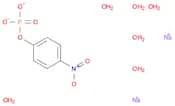

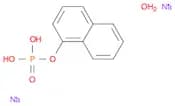
![3',6'-Diacetoxy-3-oxo-3H-spiro[isobenzofuran-1,9'-xanthene]-6-carboxylic acid](/_next/image/?url=https%3A%2Fstatic.cymitquimica.com%2Fproducts%2FIN%2Fthumb-webp%2FDA003N53.webp&w=3840&q=75)