


Primary Antibodies
Primary antibodies are immunoglobulins that bind specifically to an antigen of interest, allowing for the detection and quantification of proteins, peptides, or other biomolecules. These antibodies are critical tools in a wide range of applications, including Western blotting, immunohistochemistry, and ELISA. At CymitQuimica, we offer an extensive selection of high-quality primary antibodies that provide specificity and sensitivity for various research needs, including cancer, immunology, and cell biology studies.
Subcategories of "Primary Antibodies"
- Cancer Research Antibodies(3,620 products)
- Cardiovascular Antibodies(2 products)
- Developmental Biology(751 products)
- Epigenetics Antibodies(162 products)
- Immunology Antibodies(2,551 products)
- Metabolism Antibodies(279 products)
- Microbiology Antibodies(740 products)
- Signal Transduction(2,717 products)
- Tags & Cellular Markers(33 products)
Show 1 more subcategories
Found 75448 products of "Primary Antibodies"
Sort by
Purity (%)
0
100
|
0
|
50
|
90
|
95
|
100
DnaJC17 rabbit pAb
similarity:Contains 1 J domain.,similarity:Contains 1 RRM (RNA recognition motif) domain.,PDE1B rabbit pAb
The protein encoded by this gene belongs to the cyclic nucleotide phosphodiesterase (PDE) family, and PDE1 subfamily. Members of the PDE1 family are calmodulin-dependent PDEs that are stimulated by a calcium-calmodulin complex. This PDE has dual-specificity for the second messengers, cAMP and cGMP, with a preference for cGMP as a substrate. cAMP and cGMP function as key regulators of many important physiological processes. Alternatively spliced transcript variants encoding different isoforms have been described for this gene.[provided by RefSeq, Jul 2011],RIAM rabbit pAb
domain:The two Pro-rich regions are required for the suppression of AP1 transcription activity.,function:Appears to function in the signal transduction from Ras activation to actin cytoskeletal remodeling. Suppresses insulin-induced promoter activities through AP1 and SRE. Mediates Rap1-induced adhesion.,induction:Induced by all-trans-retinoic acid.,similarity:Belongs to the MRL family.,similarity:Contains 1 PH domain.,similarity:Contains 1 Ras-associating domain.,subcellular location:Colocalizes with ENA/VASP proteins at lamellipodia tips and focal adhesions, and F-actin at the leading edge. At the membrane surface, associates, via the PH domain, preferentially with the inositol phosphates, PtdIns(5)P and PtdIns(3)P. This binding appears to be necessary for the efficient interaction of the RA domain to Ras-GTPases.,subunit:Interacts, through the N-terminal Pro-rich region, with the WW domain of APBB1. Interacts with RAP1A, PFN1, VASP and ENAH.,tissue specificity:Widely expressed with high expression in thymus, spleen, lymph node, bone marrow and peripheral leukocytes.,RINT1 rabbit pAb
developmental stage:Expressed throughout the cell cycle.,function:Involved in regulation of membrane traffic between the Golgi and the endoplasmic reticulum. May play a role in cell cycle checkpoint control. Essential for telomere length control.,miscellaneous:According to PubMed:11096100, a longer form, which may be due to the differential initiation of translation using a non-AUG codon, may exist. However, the existence of such form has not been clearly demonstrated.,similarity:Belongs to the RINT1 family.,similarity:Contains 1 RINT1/TIP20 domain.,subunit:Associated with a SNARE complex consisting of STX18, USE1L, BNIP1/SEC20L, and SEC22B. Interacts directly with BNIP1/SEC20L and ZW10. Interacts with RAD50 during late S and G2/M phases. Interacts with RBL2, preferentially with the active, hypophosphorylated form.,O52P1 rabbit pAb
Olfactory receptors interact with odorant molecules in the nose, to initiate a neuronal response that triggers the perception of a smell. The olfactory receptor proteins are members of a large family of G-protein-coupled receptors (GPCR) arising from single coding-exon genes. Olfactory receptors share a 7-transmembrane domain structure with many neurotransmitter and hormone receptors and are responsible for the recognition and G protein-mediated transduction of odorant signals. The olfactory receptor gene family is the largest in the genome. The nomenclature assigned to the olfactory receptor genes and proteins for this organism is independent of other organisms. [provided by RefSeq, Jul 2008],Cox-2 rabbit pAb
Prostaglandin-endoperoxide synthase (PTGS), also known as cyclooxygenase, is the key enzyme in prostaglandin biosynthesis, and acts both as a dioxygenase and as a peroxidase. There are two isozymes of PTGS: a constitutive PTGS1 and an inducible PTGS2, which differ in their regulation of expression and tissue distribution. This gene encodes the inducible isozyme. It is regulated by specific stimulatory events, suggesting that it is responsible for the prostanoid biosynthesis involved in inflammation and mitogenesis. [provided by RefSeq, Feb 2009],SC6A7 rabbit pAb
This gene is a member of the gamma-aminobutyric acid (GABA) neurotransmitter gene family and encodes a high-affinity mammalian brain L-proline transporter protein. This transporter protein differs from other sodium-dependent plasma membrane carriers by its pharmacological specificity, kinetic properties, and ionic requirements. [provided by RefSeq, Jul 2008],LYPA2 rabbit pAb
Lysophospholipases are enzymes that act on biological membranes to regulate the multifunctional lysophospholipids. There are alternatively spliced transcript variants described for this gene but the full length nature is not known yet. [provided by RefSeq, Jul 2008],DRP1 (phospho Ser637) rabbit pAb
This gene encodes a member of the dynamin superfamily of GTPases. The encoded protein mediates mitochondrial and peroxisomal division, and is involved in developmentally regulated apoptosis and programmed necrosis. Dysfunction of this gene is implicated in several neurological disorders, including Alzheimer's disease. Mutations in this gene are associated with the autosomal dominant disorder, encephalopathy, lethal, due to defective mitochondrial and peroxisomal fission (EMPF). Alternative splicing results in multiple transcript variants encoding different isoforms. [provided by RefSeq, Jun 2013],GARNL1 (Phospho-T736) rabbit pAb
This gene encodes a major subunit of the RAL-GTPase activating protein. A similar protein in mouse binds E12, a transcriptional regulator of immunoglobulin genes. The mouse protein also functions in skeletal muscle by binding to the regulatory 14-3-3 proteins upon stimulation with insulin or muscle contraction. A pseudogene of this gene has been identified on chromosome 9. [provided by RefSeq, Oct 2016],CISD2 rabbit pAb
The protein encoded by this gene is a zinc finger protein that localizes to the endoplasmic reticulum. The encoded protein binds an iron/sulfur cluster and may be involved in calcium homeostasis. Defects in this gene are a cause of Wolfram syndrome 2. [provided by RefSeq, Mar 2011],ESX1 rabbit pAb
This gene encodes a dual-function 65 kDa protein that undergoes proteolytic cleavage to produce a 45 kDa N-terminal fragment with a paired-like homeodomain and a 20 kDa C-terminal fragment with a proline-rich domain. The C-terminal fragment localizes to the cytoplasm while the N-terminal fragment localizes exclusively to the nucleus. In contrast to human, the mouse homolog has a novel PN/PF motif in the C-terminus and is paternally imprinted in placental tissue. This gene likely plays a role in placental development and spermatogenesis. [provided by RefSeq, Jan 2010],GTPBP2 rabbit pAb
GTP-binding proteins, or G proteins, constitute a superfamily capable of binding GTP or GDP. G proteins are activated by binding GTP and are inactivated by hydrolyzing GTP to GDP. This general mechanism enables G proteins to perform a wide range of biologic activities.[supplied by OMIM, Jan 2003],NU214 rabbit pAb
nucleoporin 214(NUP214) Homo sapiens The nuclear pore complex is a massive structure that extends across the nuclear envelope, forming a gateway that regulates the flow of macromolecules between the nucleus and the cytoplasm. Nucleoporins are the main components of the nuclear pore complex in eukaryotic cells. This gene is a member of the FG-repeat-containing nucleoporins. The protein encoded by this gene is localized to the cytoplasmic face of the nuclear pore complex where it is required for proper cell cycle progression and nucleocytoplasmic transport. The 3' portion of this gene forms a fusion gene with the DEK gene on chromosome 6 in a t(6,9) translocation associated with acute myeloid leukemia and myelodysplastic syndrome. Alternative splicing of this gene results in multiple transcript variants encoding different isoforms. [provided by RefSeq, Dec 2015],Claudin 11 Antibody
This gene encodes a member of the claudin family. Claudins are integral membrane proteins and components of tight junction strands. Tight junction strands serve as a physical barrier to prevent solutes and water from passing freely through the paracellular space between epithelial or endothelial cell sheets, and also play critical roles in maintaining cell polarity and signal transductions. The protein encoded by this gene is a major component of central nervous system (CNS) myelin and plays an important role in regulating proliferation and migration of oligodendrocytes. Mouse studies showed that the gene deficiency results in deafness and loss of the Sertoli cell epithelial phenotype in the testis. This protein is a tight junction protein at the human blood-testis barrier (BTB), and the BTB disruption is related to a dysfunction of this gene. Alternatively spliced transcript variants encoding different isoSNAI2 rabbit pAb
snail family transcriptional repressor 2(SNAI2) Homo sapiens This gene encodes a member of the Snail family of C2H2-type zinc finger transcription factors. The encoded protein acts as a transcriptional repressor that binds to E-box motifs and is also likely to repress E-cadherin transcription in breast carcinoma. This protein is involved in epithelial-mesenchymal transitions and has antiapoptotic activity. Mutations in this gene may be associated with sporatic cases of neural tube defects. [provided by RefSeq, Jul 2008],KRT84 rabbit pAb
The protein encoded by this gene is a member of the keratin gene family. As a type II hair keratin, it is a basic protein which heterodimerizes with type I keratins to form hair and nails. The type II hair keratins are clustered in a region of chromosome 12q13 and are grouped into two distinct subfamilies based on structure similarity. One subfamily, consisting of KRTHB1, KRTHB3, and KRTHB6, is highly related. The other less-related subfamily includes KRTHB2, KRTHB4, and KRTHB5. All hair keratins are expressed in the hair follicle; this hair keratin is contained primarily in the filiform tongue papilla, among other hair keratins. [provided by RefSeq, Jul 2008],IPMK rabbit pAb
This gene encodes a member of the inositol phosphokinase family. The encoded protein has 3-kinase, 5-kinase and 6-kinase activities on phosphorylated inositol substrates. The encoded protein plays an important role in the biosynthesis of inositol 1,3,4,5,6-pentakisphosphate, and has a preferred 5-kinase activity. This gene may play a role in nuclear mRNA export. Pseudogenes of this gene are located on the long arm of chromosome 13 and the short arm of chromosome 19. [provided by RefSeq, Dec 2010],STK3 rabbit pAb
serine/threonine kinase 3(STK3) Homo sapiens This gene encodes a serine/threonine protein kinase activated by proapoptotic molecules indicating the encoded protein functions as a growth suppressor. Cleavage of the protein product by caspase removes the inhibitory C-terminal portion. The N-terminal portion is transported to the nucleus where it homodimerizes to form the active kinase which promotes the condensation of chromatin during apoptosis. Multiple transcript variants encoding different isoforms have been found for this gene. [provided by RefSeq, Jan 2012],SUOX rabbit pAb
Sulfite oxidase is a homodimeric protein localized to the intermembrane space of mitochondria. Each subunit contains a heme domain and a molybdopterin-binding domain. The enzyme catalyzes the oxidation of sulfite to sulfate, the final reaction in the oxidative degradation of the sulfur amino acids cysteine and methionine. Sulfite oxidase deficiency results in neurological abnormalities which are often fatal at an early age. Alternative splicing results in multiple transcript variants encoding identical proteins. [provided by RefSeq, Jul 2008],COL18A1 rabbit pAb
This gene encodes the alpha chain of type XVIII collagen. This collagen is one of the multiplexins, extracellular matrix proteins that contain multiple triple-helix domains (collagenous domains) interrupted by non-collagenous domains. A long isoform of the protein has an N-terminal domain that is homologous to the extracellular part of frizzled receptors. Proteolytic processing at several endogenous cleavage sites in the C-terminal domain results in production of endostatin, a potent antiangiogenic protein that is able to inhibit angiogenesis and tumor growth. Mutations in this gene are associated with Knobloch syndrome. The main features of this syndrome involve retinal abnormalities, so type XVIII collagen may play an important role in retinal structure and in neural tube closure. Alternative splicing results in multiple transcript variants. [provided by RefSeq, Dec 2014],VLDLR rabbit pAb
The low density lipoprotein receptor (LDLR) gene family consists of cell surface proteins involved in receptor-mediated endocytosis of specific ligands. This gene encodes a lipoprotein receptor that is a member of the LDLR family and plays important roles in VLDL-triglyceride metabolism and the reelin signaling pathway. Mutations in this gene cause VLDLR-associated cerebellar hypoplasia. Alternative splicing generates multiple transcript variants encoding distinct isoforms for this gene. [provided by RefSeq, Aug 2009],Histone H2A.Z (Acetyl Lys7) rabbit pAb
Histones are basic nuclear proteins that are responsible for the nucleosome structure of the chromosomal fiber in eukaryotes. Nucleosomes consist of approximately 146 bp of DNA wrapped around a histone octamer composed of pairs of each of the four core histones (H2A, H2B, H3, and H4). The chromatin fiber is further compacted through the interaction of a linker histone, H1, with the DNA between the nucleosomes to form higher order chromatin structures. This gene encodes a replication-independent member of the histone H2A family that is distinct from other members of the family. Studies in mice have shown that this particular histone is required for embryonic development and indicate that lack of functional histone H2A leads to embryonic lethality. [provided by RefSeq, Jul 2008],Gads rabbit pAb
This gene encodes a member of the GRB2/Sem5/Drk family. This member is an adaptor-like protein involved in leukocyte-specific protein-tyrosine kinase signaling. Like its related family member, GRB2-related adaptor protein (GRAP), this protein contains an SH2 domain flanked by two SH3 domains. This protein interacts with other proteins, such as GRB2-associated binding protein 1 (GAB1) and the SLP-76 leukocyte protein (LCP2), through its SH3 domains. Multiple alternatively spliced transcript variants encoding distinct isoforms have been found for this gene. [provided by RefSeq, Apr 2014],IL-13Rα1 (phospho Tyr405) rabbit pAb
The protein encoded by this gene is a subunit of the interleukin 13 receptor. This subunit forms a receptor complex with IL4 receptor alpha, a subunit shared by IL13 and IL4 receptors. This subunit serves as a primary IL13-binding subunit of the IL13 receptor, and may also be a component of IL4 receptors. This protein has been shown to bind tyrosine kinase TYK2, and thus may mediate the signaling processes that lead to the activation of JAK1, STAT3 and STAT6 induced by IL13 and IL4. [provided by RefSeq, Jul 2008],VRK2 rabbit pAb
vaccinia related kinase 2(VRK2) Homo sapiens This gene encodes a member of the vaccinia-related kinase (VRK) family of serine/threonine protein kinases. The encoded protein acts as an effector of signaling pathways that regulate apoptosis and tumor cell growth. Variants in this gene have been associated with schizophrenia. Alternative splicing results in multiple transcript variants that differ in their subcellular localization and biological activity. [provided by RefSeq, Jan 2014],Photomedin-1 rabbit pAb
PTM:May be cleaved at Lys-295 after secretion.,PTM:O-glycosylated but not N-glycosylated.,similarity:Contains 1 olfactomedin-like domain.,subunit:Homodimer. Binds to heparin and chondroitin sulfate E.,PPT2 rabbit pAb
This gene encodes a member of the palmitoyl-protein thioesterase family. The encoded glycosylated lysosomal protein has palmitoyl-CoA hydrolase activity in vitro, but does not hydrolyze palmitate from cysteine residues in proteins. Alternative splicing results in multiple transcript variants. Read-through transcription also exists between this gene and the downstream EGFL8 (EGF-like-domain, multiple 8) gene. [provided by RefSeq, Feb 2011],β-D-Galactopyranoside, 6-chloro-1H-indol-3-yl
CAS:Formula:C14H16ClNO6Purity:98%Molecular weight:329.7329Chemokine Receptor D6 rabbit pAb
This gene encodes a beta chemokine receptor, which is predicted to be a seven transmembrane protein similar to G protein-coupled receptors. Chemokines and their receptor-mediated signal transduction are critical for the recruitment of effector immune cells to the inflammation site. This gene is expressed in a range of tissues and hemopoietic cells. The expression of this receptor in lymphatic endothelial cells and overexpression in vascular tumors suggested its function in chemokine-driven recirculation of leukocytes and possible chemokine effects on the development and growth of vascular tumors. This receptor appears to bind the majority of beta-chemokine family members; however, its specific function remains unknown. This gene is mapped to chromosome 3p21.3, a region that includes a cluster of chemokine receptor genes. [provided by RefSeq, Jul 2008],Talin-1 rabbit pAb
This gene encodes a cytoskeletal protein that is concentrated in areas of cell-substratum and cell-cell contacts. The encoded protein plays a significant role in the assembly of actin filaments and in spreading and migration of various cell types, including fibroblasts and osteoclasts. It codistributes with integrins in the cell surface membrane in order to assist in the attachment of adherent cells to extracellular matrices and of lymphocytes to other cells. The N-terminus of this protein contains elements for localization to cell-extracellular matrix junctions. The C-terminus contains binding sites for proteins such as beta-1-integrin, actin, and vinculin. [provided by RefSeq, Feb 2009],ALPK3 rabbit pAb
function:Kinases that recognize phosphorylation sites in which the surrounding peptides have an alpha-helical conformation. Plays a role in cardiomyocyte differentiation.,similarity:Belongs to the protein kinase superfamily. Alpha-type protein kinase family. ALPK subfamily.,similarity:Contains 1 alpha-type protein kinase domain.,similarity:Contains 1 Ig-like (immunoglobulin-like) domain.,ZN394 rabbit pAb
The protein encoded by this gene is a zinc finger protein that inhibits the transcription of mitogen-activated protein kinase signaling pathways. The encoded protein may be involved in cardiac function. [provided by RefSeq, Sep 2016],PIASy rabbit pAb
domain:The LXXLL motif is a coregulator signature that is essential for transcriptional corepression.,function:Functions as an E3-type small ubiquitin-like modifier (SUMO) ligase, stabilizing the interaction between UBE2I and the substrate, and as a SUMO-tethering factor. Plays a crucial role as a transcriptional coregulation in various cellular pathways, including the STAT pathway, the p53 pathway, the Wnt pathway and the steroid hormone signaling pathway. Involved in gene silencing. Promotes PARK7 sumoylation. In Wnt signaling, represses LEF1 and enhances TCF4 transcriptional activities through promoting their sumoylations.,pathway:Protein modification; protein sumoylation.,PTM:Sumoylated. Lys-35 is the main site of sumoylation. Sumoylation is required for TCF4 sumoylation and transcriptional activitation. Represses LEF1 transcriptional activity. SUMO1 is the preferred conjugate.,similarity:Belongs to the PIAS family.,similarity:Contains 1 SAP domain.,similarity:Contains 1 SP-RING-type zinc finger.,subcellular location:Colocalizes with SUMO1 and TCF7L2/TCF4 and LEF1 in a subset of PML (promyelocytic leukemia) nuclear bodies.,subunit:Interacts with AR, GATA2, LEF1, TP53 and STAT1 (IFNG-induced). Binds to AT-rich DNA sequences, known as matrix or scaffold attachment regions (MARs/SARs) (By similarity). Interacts with TICAM1. Interacts with KLF8; the interaction results in SUMO ligation and repression of KLF8 transcriptional activity and of its cell cycle progression into G(1) phase.,tissue specificity:Highly expressed in testis and, at lower levels, in spleen, prostate, ovary, colon and peripheral blood leukocytes.,B-Myb (phospho Ser577) rabbit pAb
The protein encoded by this gene, a member of the MYB family of transcription factor genes, is a nuclear protein involved in cell cycle progression. The encoded protein is phosphorylated by cyclin A/cyclin-dependent kinase 2 during the S-phase of the cell cycle and possesses both activator and repressor activities. It has been shown to activate the cell division cycle 2, cyclin D1, and insulin-like growth factor-binding protein 5 genes. Two transcript variants encoding different isoforms have been found for this gene. [provided by RefSeq, Jul 2013],NOM1 rabbit pAb
Proteins that contain MIF4G (middle of eIF4G (MIM 600495)) and/or MA3 domains, such as NOM1, function in protein translation. These domains include binding sites for members of the EIF4A family of ATP-dependent DEAD box RNA helicases (see EIF4A1; MIM 602641) (Simmons et al., 2005 [PubMed 15715967]).[supplied by OMIM, Mar 2008],Ribosomal Protein S15 rabbit pAb
Ribosomes, the organelles that catalyze protein synthesis, consist of a small 40S subunit and a large 60S subunit. Together these subunits are composed of 4 RNA species and approximately 80 structurally distinct proteins. This gene encodes a ribosomal protein that is a component of the 40S subunit. The protein belongs to the S19P family of ribosomal proteins. It is located in the cytoplasm. This gene has been found to be activated in various tumors, such as insulinomas, esophageal cancers, and colon cancers. As is typical for genes encoding ribosomal proteins, there are multiple processed pseudogenes of this gene dispersed through the genome. Alternative splicing results in multiple transcript variants. [provided by RefSeq, Apr 2015],OTC rabbit pAb
This nuclear gene encodes a mitochondrial matrix enzyme. Missense, nonsense, and frameshift mutations in this enzyme lead to ornithine transcarbamylase deficiency, which causes hyperammonemia. Since the gene for this enzyme maps close to that for Duchenne muscular dystrophy, it may play a role in that disease also. [provided by RefSeq, Jul 2008],CSN1 (phospho Ser454) rabbit pAb
This gene is known to suppress G-protein and mitogen-activated signal transduction in mammalian cells. The encoded protein shares significant similarity with Arabidopsis FUS6, which is a regulator of light-mediated signal transduction in plant cells. [provided by RefSeq, Mar 2016],T2R3 rabbit pAb
This gene encodes a member of a family of candidate taste receptors that are members of the G protein-coupled receptor superfamily and that are specifically expressed by taste receptor cells of the tongue and palate epithelia. These apparently intronless taste receptor genes encode a 7-transmembrane receptor protein, functioning as a bitter taste receptor. This gene is clustered with another 3 candidate taste receptor genes in chromosome 7 and is genetically linked to loci that influence bitter perception. [provided by RefSeq, Jul 2008],Microcephalin rabbit pAb
This gene encodes a DNA damage response protein. The encoded protein may play a role in G2/M checkpoint arrest via maintenance of inhibitory phosphorylation of cyclin-dependent kinase 1. Mutations in this gene have been associated with primary autosomal recessive microcephaly 1 and premature chromosome condensation syndrome. Alternatively spliced transcript variants have been described. [provided by RefSeq, Feb 2010],NARF rabbit pAb
Several proteins have been found to be prenylated and methylated at their carboxyl-terminal ends. Prenylation was initially believed to be important only for membrane attachment. However, another role for prenylation appears to be its importance in protein-protein interactions. The only nuclear proteins known to be prenylated in mammalian cells are prelamin A- and B-type lamins. Prelamin A is farnesylated and carboxymethylated on the cysteine residue of a carboxyl-terminal CaaX motif. This post-translationally modified cysteine residue is removed from prelamin A when it is endoproteolytically processed into mature lamin A. The protein encoded by this gene binds to the prenylated prelamin A carboxyl-terminal tail domain. It may be a component of a prelamin A endoprotease complex. The encoded protein is located in the nucleus, where it partially colocalizes with the nuclear lamina. ItIGFBP1 rabbit pAb
This gene is a member of the insulin-like growth factor binding protein (IGFBP) family and encodes a protein with an IGFBP domain and a thyroglobulin type-I domain. The protein binds both insulin-like growth factors (IGFs) I and II and circulates in the plasma. Binding of this protein prolongs the half-life of the IGFs and alters their interaction with cell surface receptors. [provided by RefSeq, Jul 2008],TXND5 rabbit pAb
thioredoxin domain containing 5(TXNDC5) Homo sapiens This gene encodes a protein-disulfide isomerase. Its expression is induced by hypoxia and its role may be to protect hypoxic cells from apoptosis. Alternative splicing results in multiple transcript variants. Read-through transcription also exists between this gene and the neighboring upstream MUTED (muted homolog) gene. [provided by RefSeq, Dec 2010],4.1R rabbit pAb
The protein encoded by this gene, together with spectrin and actin, constitute the red cell membrane cytoskeletal network. This complex plays a critical role in erythrocyte shape and deformability. Mutations in this gene are associated with type 1 elliptocytosis (EL1). Alternatively spliced transcript variants encoding different isoforms have been described for this gene.[provided by RefSeq, Oct 2009],Flt3 (phospho Tyr599) rabbit pAb
This gene encodes a class III receptor tyrosine kinase that regulates hematopoiesis. This receptor is activated by binding of the fms-related tyrosine kinase 3 ligand to the extracellular domain, which induces homodimer formation in the plasma membrane leading to autophosphorylation of the receptor. The activated receptor kinase subsequently phosphorylates and activates multiple cytoplasmic effector molecules in pathways involved in apoptosis, proliferation, and differentiation of hematopoietic cells in bone marrow. Mutations that result in the constitutive activation of this receptor result in acute myeloid leukemia and acute lymphoblastic leukemia. [provided by RefSeq, Jan 2015],FoxC1/2 rabbit pAb
This gene belongs to the forkhead family of transcription factors which is characterized by a distinct DNA-binding forkhead domain. The specific function of this gene has not yet been determined; however, it has been shown to play a role in the regulation of embryonic and ocular development. Mutations in this gene cause various glaucoma phenotypes including primary congenital glaucoma, autosomal dominant iridogoniodysgenesis anomaly, and Axenfeld-Rieger anomaly. [provided by RefSeq, Jul 2008],APC4 rabbit pAb
A large protein complex, termed the anaphase-promoting complex (APC), or the cyclosome, promotes metaphase-anaphase transition by ubiquitinating its specific substrates such as mitotic cyclins and anaphase inhibitor, which are subsequently degraded by the 26S proteasome. Biochemical studies have shown that the vertebrate APC contains eight subunits. The composition of the APC is highly conserved in organisms from yeast to humans. The exact function of this gene product is not known. Two transcript variants encoding different isoforms have been found for this gene. [provided by RefSeq, Nov 2013],CYP3A43 rabbit pAb
cytochrome P450 family 3 subfamily A member 43(CYP3A43) Homo sapiens This gene encodes a member of the cytochrome P450 superfamily of enzymes. The cytochrome P450 proteins are monooxygenases which catalyze many reactions involved in drug metabolism and synthesis of cholesterol, steroids and other lipids. The encoded protein has a low level of testosterone hydroxylase activity, and may play a role in aging mechanisms and cancer progression. This gene is part of a cluster of cytochrome P450 genes on chromosome 7q21.1. Alternate splicing results in multiple transcript variants encoding different isoforms. [provided by RefSeq, Jul 2013],PI 3-kinase p85α (phospho Tyr607) rabbit pAb
Phosphatidylinositol 3-kinase phosphorylates the inositol ring of phosphatidylinositol at the 3-prime position. The enzyme comprises a 110 kD catalytic subunit and a regulatory subunit of either 85, 55, or 50 kD. This gene encodes the 85 kD regulatory subunit. Phosphatidylinositol 3-kinase plays an important role in the metabolic actions of insulin, and a mutation in this gene has been associated with insulin resistance. Alternative splicing of this gene results in four transcript variants encoding different isoforms. [provided by RefSeq, Jun 2011],GβL Rabbit pAb
Unessential component of the TORC1 complex and essential component of the TORC2 complex. TORC1 controls cell growth in response to environmental signals, and is inactivated by nutrient limitation and environmental stress. Within TORC1, LST8 interacts directly with FRAP1 and enhances its kinase activity.CEACAM1/5 rabbit pAb
This gene encodes a member of the carcinoembryonic antigen (CEA) gene family, which belongs to the immunoglobulin superfamily. Two subgroups of the CEA family, the CEA cell adhesion molecules and the pregnancy-specific glycoproteins, are located within a 1.2 Mb cluster on the long arm of chromosome 19. Eleven pseudogenes of the CEA cell adhesion molecule subgroup are also found in the cluster. The encoded protein was originally described in bile ducts of liver as biliary glycoprotein. Subsequently, it was found to be a cell-cell adhesion molecule detected on leukocytes, epithelia, and endothelia. The encoded protein mediates cell adhesion via homophilic as well as heterophilic binding to other proteins of the subgroup. Multiple cellular activities have been attributed to the encoded protein, including roles in the differentiation and arrangement of tissue threMC4-R rabbit pAb
The protein encoded by this gene is a membrane-bound receptor and member of the melanocortin receptor family. The encoded protein interacts with adrenocorticotropic and MSH hormones and is mediated by G proteins. This is an intronless gene. Defects in this gene are a cause of autosomal dominant obesity. [provided by RefSeq, Jan 2010],CRF rabbit pAb
This gene encodes a member of the corticotropin-releasing factor family. The encoded preproprotein is proteolytically processed to generate the mature neuropeptide hormone. In response to stress, this hormone is secreted by the paraventricular nucleus (PVN) of the hypothalamus, binds to corticotropin releasing hormone receptors and stimulates the release of adrenocorticotropic hormone from the pituitary gland. Marked reduction in this protein has been observed in association with Alzheimer's disease. Autosomal recessive hypothalamic corticotropin deficiency has multiple and potentially fatal metabolic consequences including hypoglycemia and hepatitis. In addition to production in the hypothalamus, this protein is also synthesized in peripheral tissues, such as T lymphocytes, and is highly expressed in the placenta. In the placenta it is a marker that determines the length of gestation aPR20C rabbit pAb
This gene is one of five identical loci in a cluster on chromosome 13q21.1. The predicted protein is proline-rich and contains several dopamine D4 receptor signatures and PRINTS domains. [provided by RefSeq, Oct 2008],Arrestin-β-1 (phospho Ser412) rabbit pAb
Members of arrestin/beta-arrestin protein family are thought to participate in agonist-mediated desensitization of G-protein-coupled receptors and cause specific dampening of cellular responses to stimuli such as hormones, neurotransmitters, or sensory signals. Arrestin beta 1 is a cytosolic protein and acts as a cofactor in the beta-adrenergic receptor kinase (BARK) mediated desensitization of beta-adrenergic receptors. Besides the central nervous system, it is expressed at high levels in peripheral blood leukocytes, and thus the BARK/beta-arrestin system is believed to play a major role in regulating receptor-mediated immune functions. Alternatively spliced transcripts encoding different isoforms of arrestin beta 1 have been described. [provided by RefSeq, Jan 2011],PCDAA rabbit pAb
This gene is a member of the protocadherin alpha gene cluster, one of three related gene clusters tandemly linked on chromosome five that demonstrate an unusual genomic organization similar to that of B-cell and T-cell receptor gene clusters. The alpha gene cluster is composed of 15 cadherin superfamily genes related to the mouse CNR genes and consists of 13 highly similar and 2 more distantly related coding sequences. The tandem array of 15 N-terminal exons, or variable exons, are followed by downstream C-terminal exons, or constant exons, which are shared by all genes in the cluster. The large, uninterrupted N-terminal exons each encode six cadherin ectodomains while the C-terminal exons encode the cytoplasmic domain. These neural cadherin-like cell adhesion proteins are integral plasma membrane proteins that most likely play a critical role in the establishment and function of specific cell-cell connections in the brain. Alternative splicing has been observed and additional variants have been suggested but their full-length nature has yet to be determined. [provided by RefSeq, Jul 2008],3,4-DICHLORO-1-BENZOTHIOPHENE-2-CARBOHYDRAZIDE
CAS:Formula:C9H6Cl2N2OSPurity:98%Color and Shape:SolidMolecular weight:261.1277PAK5 rabbit pAb
The protein encoded by this gene is a member of the PAK family of Ser/Thr protein kinases. PAK family members are known to be effectors of Rac/Cdc42 GTPases, which have been implicated in the regulation of cytoskeletal dynamics, proliferation, and cell survival signaling. This kinase contains a CDC42/Rac1 interactive binding (CRIB) motif, and has been shown to bind CDC42 in the presence of GTP. This kinase is predominantly expressed in brain. It is capable of promoting neurite outgrowth, and thus may play a role in neurite development. This kinase is associated with microtubule networks and induces microtubule stabilization. The subcellular localization of this kinase is tightly regulated during cell cycle progression. Alternatively spliced transcript variants encoding the same protein have been described. [provided by RefSeq, Jul 2008],CDNF rabbit pAb
CDNF (Cerebral Dopamine Neurotrophic Factor) is a Protein Coding gene. Trophic factor for dopamine neurons. Prevents the 6-hydroxydopamine (6-OHDA)-induced degeneration of dopaminergic neurons. When administered after 6-OHDA-lesioning, restores the dopaminergic function and prevents the degeneration of dopaminergic neurons in substantia nigra (By similarity).ERK1 Rabbit pAb
Mitogen-activated protein kinases (MAPKs) are a widely conserved family of serine/threonine protein kinases involved in many cellular programs such as cell proliferation, differentiation, motility, and death. The p44/42 MAPK (Erk1/2) signaling pathway can be activated in response to a diverse range of extracellular stimuli including mitogens, growth factors, and cytokines and is an important target in the diagnosis and treatment of cancer.RS10 rabbit pAb
Ribosomes, the organelles that catalyze protein synthesis, consist of a small 40S subunit and a large 60S subunit. Together these subunits are composed of 4 RNA species and approximately 80 structurally distinct proteins. This gene encodes a ribosomal protein that is a component of the 40S subunit. The protein belongs to the S10E family of ribosomal proteins. It is located in the cytoplasm. Variable expression of this gene in colorectal cancers compared to adjacent normal tissues has been observed, although no correlation between the level of expression and the severity of the disease has been found. As is typical for genes encoding ribosomal proteins, there are multiple processed pseudogenes of this gene dispersed through the genome. Alternate splicing results in multiple transcript variants that encode the same protein. Naturally occurring read-through transcription occurs between this locus and tPCM1 rabbit pAb
pericentriolar material 1(PCM1) Homo sapiens The protein encoded by this gene is a component of centriolar satellites, which are electron dense granules scattered around centrosomes. Inhibition studies show that this protein is essential for the correct localization of several centrosomal proteins, and for anchoring microtubules to the centrosome. Chromosomal aberrations involving this gene are associated with papillary thyroid carcinomas and a variety of hematological malignancies, including atypical chronic myeloid leukemia and T-cell lymphoma. Multiple transcript variants encoding different isoforms have been found for this gene. [provided by RefSeq, Oct 2015],Integrin β3 rabbit pAb
The ITGB3 protein product is the integrin beta chain beta 3. Integrins are integral cell-surface proteins composed of an alpha chain and a beta chain. A given chain may combine with multiple partners resulting in different integrins. Integrin beta 3 is found along with the alpha IIb chain in platelets. Integrins are known to participate in cell adhesion as well as cell-surface mediated signalling. [provided by RefSeq, Jul 2008],ATRX rabbit pAb
ATRX, chromatin remodeler(ATRX) Homo sapiens The protein encoded by this gene contains an ATPase/helicase domain, and thus it belongs to the SWI/SNF family of chromatin remodeling proteins. This protein is found to undergo cell cycle-dependent phosphorylation, which regulates its nuclear matrix and chromatin association, and suggests its involvement in the gene regulation at interphase and chromosomal segregation in mitosis. Mutations in this gene are associated with an X-linked mental retardation (XLMR) syndrome most often accompanied by alpha-thalassemia (ATRX) syndrome. These mutations have been shown to cause diverse changes in the pattern of DNA methylation, which may provide a link between chromatin remodeling, DNA methylation, and gene expression in developmental processes. Multiple alternatively spliced transcript variants encoding distinct isoforms have been reported. [provided by RefSeq, Aug 2013],Tau (phospho Thr534) rabbit pAb
This gene encodes the microtubule-associated protein tau (MAPT) whose transcript undergoes complex, regulated alternative splicing, giving rise to several mRNA species. MAPT transcripts are differentially expressed in the nervous system, depending on stage of neuronal maturation and neuron type. MAPT gene mutations have been associated with several neurodegenerative disorders such as Alzheimer's disease, Pick's disease, frontotemporal dementia, cortico-basal degeneration and progressive supranuclear palsy. [provided by RefSeq, Jul 2008],CYP2C19 rabbit pAb
cytochrome P450 family 2 subfamily C member 19(CYP2C19) Homo sapiens This gene encodes a member of the cytochrome P450 superfamily of enzymes. The cytochrome P450 proteins are monooxygenases which catalyze many reactions involved in drug metabolism and synthesis of cholesterol, steroids and other lipids. This protein localizes to the endoplasmic reticulum and is known to metabolize many xenobiotics, including the anticonvulsive drug mephenytoin, omeprazole, diazepam and some barbiturates. Polymorphism within this gene is associated with variable ability to metabolize mephenytoin, known as the poor metabolizer and extensive metabolizer phenotypes. The gene is located within a cluster of cytochrome P450 genes on chromosome 10q24. [provided by RefSeq, Jul 2008],HMGN1/2/3/4 (Acetyl Lys27/K33/K31) rabbit pAb
The protein encoded by this gene binds nucleosomal DNA and is associated with transcriptionally active chromatin. Along with a similar protein, HMG17, the encoded protein may help maintain an open chromatin configuration around transcribable genes. [provided by RefSeq, Aug 2011],GPR37L1 rabbit pAb
function:Orphan receptor.,similarity:Belongs to the G-protein coupled receptor 1 family.,tissue specificity:Expressed in the central nervous system.,SH3BGR rabbit pAb
caution:It is uncertain whether Met-1 or Met-64 is the initiator.,similarity:Belongs to the SH3BGR family.,tissue specificity:Expressed in heart and skeletal muscle.,SR-3D rabbit pAb
The protein encoded this gene belongs to the ligand-gated ion channel receptor superfamily. This gene encodes subunit D of the type 3 receptor for 5-hydroxytryptamine (serotonin), a biogenic hormone that functions as a neurotransmitter, a mitogen and a hormone. This hormone has been linked to neuropsychiatric disorders, including anxiety, depression, and migraine. Serotonin receptors causes fast and depolarizing responses in neurons following activation. The genes encoding subunits C, D and E of this type 3 receptor form a cluster on chromosome 3. Alternatively spliced transcript variants encoding different isoforms have been found for this gene. [provided by RefSeq, Jul 2009],Tubulin α rabbit pAb
Microtubules of the eukaryotic cytoskeleton perform essential and diverse functions and are composed of a heterodimer of alpha and beta tubulins. The genes encoding these microtubule constituents belong to the tubulin superfamily, which is composed of six distinct families. Genes from the alpha, beta and gamma tubulin families are found in all eukaryotes. The alpha and beta tubulins represent the major components of microtubules, while gamma tubulin plays a critical role in the nucleation of microtubule assembly. There are multiple alpha and beta tubulin genes, which are highly conserved among species. This gene encodes alpha tubulin and is highly similar to the mouse and rat Tuba1 genes. Northern blotting studies have shown that the gene expression is predominantly found in morphologically differentiated neurologic cells. This gene is one of three alpha-tubulin genes in a cluster on chromosome 12q.QKI rabbit pAb
The protein encoded by this gene is an RNA-binding protein that regulates pre-mRNA splicing, export of mRNAs from the nucleus, protein translation, and mRNA stability. The encoded protein is involved in myelinization and oligodendrocyte differentiation and may play a role in schizophrenia. Multiple transcript variants encoding different isoforms have been found for this gene. [provided by RefSeq, Jul 2014],Flk-1/VEGFR2 (phospho Tyr1214) rabbit pAb
Vascular endothelial growth factor (VEGF) is a major growth factor for endothelial cells. This gene encodes one of the two receptors of the VEGF. This receptor, known as kinase insert domain receptor, is a type III receptor tyrosine kinase. It functions as the main mediator of VEGF-induced endothelial proliferation, survival, migration, tubular morphogenesis and sprouting. The signalling and trafficking of this receptor are regulated by multiple factors, including Rab GTPase, P2Y purine nucleotide receptor, integrin alphaVbeta3, T-cell protein tyrosine phosphatase, etc.. Mutations of this gene are implicated in infantile capillary hemangiomas. [provided by RefSeq, May 2009],SHIP-1 rabbit pAb
This gene is a member of the inositol polyphosphate-5-phosphatase (INPP5) family and encodes a protein with an N-terminal SH2 domain, an inositol phosphatase domain, and two C-terminal protein interaction domains. Expression of this protein is restricted to hematopoietic cells where its movement from the cytosol to the plasma membrane is mediated by tyrosine phosphorylation. At the plasma membrane, the protein hydrolyzes the 5' phosphate from phosphatidylinositol (3,4,5)-trisphosphate and inositol-1,3,4,5-tetrakisphosphate, thereby affecting multiple signaling pathways. The protein is also partly localized to the nucleus, where it may be involved in nuclear inositol phosphate signaling processes. Overall, the protein functions as a negative regulator of myeloid cell proliferation and survival. Mutations in this gene are associated with defects and cancers of the immune system. APLP2 rabbit pAb
This gene encodes an integral membrane protein that localizes to the endoplasmic reticulum in colonic epithelial cells. The encoded protein can multimerize and may function as an ion channel. A polymorphism in the promoter of this gene may be linked to an increased risk of X-linked mental retardation. A pseudogene of this gene is found on chromosome 5. [provided by RefSeq, Jan 2010],CUG-BP1 rabbit pAb
CUGBP, Elav-like family member 1(CELF1) Homo sapiens Members of the CELF/BRUNOL protein family contain two N-terminal RNA recognition motif (RRM) domains, one C-terminal RRM domain, and a divergent segment of 160-230 aa between the second and third RRM domains. Members of this protein family regulate pre-mRNA alternative splicing and may also be involved in mRNA editing, and translation. This gene may play a role in myotonic dystrophy type 1 (DM1) via interactions with the dystrophia myotonica-protein kinase (DMPK) gene. Alternative splicing results in multiple transcript variants encoding different isoforms. [provided by RefSeq, Jul 2008],RBBP9 rabbit pAb
The protein encoded by this gene is a retinoblastoma binding protein that may play a role in the regulation of cell proliferation and differentiation. Two alternatively spliced transcript variants of this gene with identical predicted protein products have been reported, one of which is a nonsense-mediated decay candidate. [provided by RefSeq, Jul 2008],OATP1 rabbit pAb
This gene encodes a sodium-independent transporter which mediates cellular uptake of organic ions in the liver. Its substrates include bile acids, bromosulphophthalein, and some steroidal compounds. The protein is a member of the SLC21A family of solute carriers. Alternative splicing of this gene results in multiple transcript variants. [provided by RefSeq, Dec 2008],NGN1 rabbit pAb
function:Appears to mediate neuronal differentiation.,similarity:Contains 1 basic helix-loop-helix (bHLH) domain.,subunit:Efficient DNA binding requires dimerization with another bHLH protein.,tissue specificity:Expression restricted to the embryonic nervous system.,AR (Acetyl Lys632) rabbit pAb
disease:Defects in AR are the cause of androgen insensitivity syndrome (AIS) [MIM:300068]; previously known as testicular feminization syndrome (TFM). AIS is an X-linked recessive form of pseudohermaphroditism due end-organ resistance to androgen. Affected males have female external genitalia, female breast development, blind vagina, absent uterus and female adnexa, and abdominal or inguinal testes, despite a normal 46,XY karyotype.,disease:Defects in AR are the cause of androgen insensitivity syndrome partial (PAIS) [MIM:312300]; also known as Reifenstein syndrome. PAIS is characterized by hypospadias, hypogonadism, gynecomastia, genital ambiguity, normal XY karyotype, and a pedigree pattern consistent with X-linked recessive inheritance. Some patients present azoospermia or severe oligospermia without other clinical manifestations.,disease:Defects in AR are the cause of spinal and bulbar muscular atrophy X-linked type 1 (SMAX1) [MIM:313200]; also known as Kennedy disease. SMAX1 is an X-linked recessive form of spinal muscular atrophy. Spinal muscular atrophy refers to a group of neuromuscular disorders characterized by degeneration of the anterior horn cells of the spinal cord, leading to symmetrical muscle weakness and atrophy. SMAX1 occurs only in men. Age at onset is usually in the third to fifth decade of life, but earlier involvement has been reported. It is characterized by slowly progressive limb and bulbar muscle weakness with fasciculations, muscle atrophy, and gynecomastia. The disorder is clinically similar to classic forms of autosomal spinal muscular atrophy. SMAX1 is caused by trinucleotide CAG repeat expansion. In SMAX1 patients the number of Gln ranges from 38 to 62. Longer expansions result in earlier onset and more severe clinical manifestations of the disease.,disease:Defects in AR may play a role in metastatic prostate cancer. The mutated receptor stimulates prostate growth and metastases development despite of androgen ablation. This treatment can reduce primary and metastatic lesions probably by inducing apoptosis of tumor cells when they express the wild-type receptor.,domain:Composed of three domains: a modulating N-terminal domain, a DNA-binding domain and a C-terminal steroid-binding domain. In the presence of bound steroid the ligand-binding domain interacts with the N-terminal modulating domain, and thereby activates AR transcription factor activity. Agonist binding is required for dimerization and binding to target DNA. The transcription factor activity of the complex formed by ligand-activated AR and DNA is modulated by interactions with coactivator and corepressor proteins. Interaction with RANBP9 is mediated by both the N-terminal domain and the DNA-binding domain. Interaction with EFCAB6/DJBP is mediated by the DNA-binding domain.,function:Steroid hormone receptors are ligand-activated transcription factors that regulate eukaryotic gene expression and affect cellular proliferation and differentiation in target tissues. Transcription factor activity is modulated by bound coactivator and corepressor proteins. Transcription activation is down-regulated by NR0B2. Activated, but not phosphorylated, by HIPK3.,miscellaneous:In the absence of ligand, steroid hormone receptors are thought to be weakly associated with nuclear components; hormone binding greatly increases receptor affinity. The hormone-receptor complex appears to recognize discrete DNA sequences upstream of transcriptional start sites.,miscellaneous:The level of tyrosine phosphorylation may serve as a diagnostic tool to predict patient outcome in response to hormone-ablation therapy. Inhibition of tyrosine phosphorylation may be an effective intervention target for hormone-refractory prostate cancer.,miscellaneous:Transcriptional activity is enhanced by binding to RANBP9.,online information:Androgen receptor entry,polymorphism:The poly-Gln region of AR is highly polymorphic and the number of Gln varies in the population (from 17 to 26). A smaller size of the poly-Gln region may be associated with the development of prostate cancer.,polymorphism:The poly-Gly region of AR is polymorphic and ranges from 24 to 31 Gly. A poly-Gly region shorter or equal to 23 may be associated with the development of androgenetic alopecia.,PTM:Phosphorylated in prostate cancer cells in response to several growth factors including EGF. Phosphorylation is induced by c-Src kinase (CSK). Tyr-534 is one of the major phosphorylation sites and an increase in phosphorylation and Src kinase activity is associated with prostate cancer progression.,PTM:Sumoylated on Lys-386 (major) and Lys-520.,similarity:Belongs to the nuclear hormone receptor family.,similarity:Belongs to the nuclear hormone receptor family. NR3 subfamily.,similarity:Contains 1 nuclear receptor DNA-binding domain.,subunit:Binds DNA as a homodimer. Part of a ternary complex containing AR, EFCAB6/DJBP and PARK7. Interacts with HIPK3 and NR0B2 in the presence of androgen. The ligand binding domain interacts with MYST2/HBO1 in the presence of dihydrotestosterone. Interacts with EFCAB6/DJBP, PELP1, PQBP1, RANBP9, RBAK, SPDEF, SRA1, TGFB1I1, ZNF318 and RREB1. Interacts with ZMIZ1/ZIMP10 and ZMIZ2/ZMIP7 which both enhance its transactivation activity. Interacts with SLC30A9 and RAD54L2/ARIP4 (By similarity). Interacts via the ligand-binding domain with LXXLL and FXXLF motifs from NCOA1, NCOA2, NCOA3, NCOA4 and MAGEA11. The AR N-terminal poly-Gln region binds Ran resulting in enhancement of AR-mediated transactivation. Ran-binding decreases as the poly-Gln length increases. Interacts with HIP1 (via coiled coil domain).,tissue specificity:Isoform 2 is mainly expressed in heart and skeletal muscle.,MYH-pan rabbit pAb
Myosin is a major contractile protein which converts chemical energy into mechanical energy through the hydrolysis of ATP. Myosin is a hexameric protein composed of a pair of myosin heavy chains (MYH) and two pairs of nonidentical light chains. Myosin heavy chains are encoded by a multigene family. In mammals at least 10 different myosin heavy chain (MYH) isoforms have been described from striated, smooth, and nonmuscle cells. These isoforms show expression that is spatially and temporally regulated during development. [provided by RefSeq, Jul 2008],PKC γ rabbit pAb
Protein kinase C (PKC) is a family of serine- and threonine-specific protein kinases that can be activated by calcium and second messenger diacylglycerol. PKC family members phosphorylate a wide variety of protein targets and are known to be involved in diverse cellular signaling pathways. PKC also serve as major receptors for phorbol esters, a class of tumor promoters. Each member of the PKC family has a specific expression profile and is believed to play distinct roles in cells. The protein encoded by this gene is one of the PKC family members. This protein kinase is expressed solely in the brain and spinal cord and its localization is restricted to neurons. It has been demonstrated that several neuronal functions, including long term potentiation (LTP) and long term depression (LTD), specifically require this kinase. Knockout studies in mice also suggest that this kinase may be involved in neuropPNKP rabbit pAb
This locus represents a gene involved in DNA repair. In response to ionizing radiation or oxidative damage, the protein encoded by this locus catalyzes 5' phosphorylation and 3' dephosphorylation of nucleic acids. Mutations at this locus have been associated with microcephaly, seizures, and developmental delay.[provided by RefSeq, Sep 2010],Granuphilin rabbit pAb
This gene encodes a member of the synaptotagmin like protein family. Members of this family are characterized by an N-terminal Rab27 binding domain and C-terminal tandem C2 domains. The encoded protein binds specific small Rab GTPases and is involved in intracellular membrane trafficking. This protein binds Rab27 and may be involved in inhibiting dense core vesicle exocytosis. Alternate splicing results in multiple transcript variants that encode the same protein. [provided by RefSeq, Mar 2010],DNA Ligase III rabbit pAb
This gene is a member of the DNA ligase family. Each member of this family encodes a protein that catalyzes the joining of DNA ends but they each have a distinct role in DNA metabolism. The protein encoded by this gene is involved in excision repair and is located in both the mitochondria and nucleus, with translation initiation from the upstream start codon allowing for transport to the mitochondria and translation initiation from a downstream start codon allowing for transport to the nucleus. Additionally, alternate transcriptional splice variants, encoding different isoforms, have been characterized. [provided by RefSeq, Jul 2008],T2AG rabbit pAb
Accurate transcription initiation on TATA-containing class II genes involves the ordered assembly of RNA polymerase II (POLR2A; MIM 180660) and the general initiation factors TFIIA, TFIIB (MIM 189963), TFIID (MIM 313650), TFIIE (MIM 189962), TFIIF (MIM 189968), TFIIG/TFIIJ, and TFIIH (MIM 189972). The first step involves recognition of the TATA element by the TATA-binding subunit (TBP; MIM 600075) and may be regulated by TFIIA, a factor that interacts with both TBP and a TBP-associated factor (TAF; MIM 600475) in TFIID. TFIIA has 2 subunits (43 and 12 kD) in yeast and 3 subunits in higher eukaryotes. In HeLa extracts, it consists of a 35-kD alpha subunit and a 19-kD beta subunit encoded by the N- and C-terminal regions of GTF2A1 (MIM 600520), respectively, and a 12-kD gamma subunit encoded by GTF2A2 (DeJong et al., 1995 [PubMed 7724559]).[supplied by OMIM, Mar 2008],JAK1 (phospho Tyr1022) rabbit pAb
This gene encodes a membrane protein that is a member of a class of protein-tyrosine kinases (PTK) characterized by the presence of a second phosphotransferase-related domain immediately N-terminal to the PTK domain. The encoded kinase phosphorylates STAT proteins (signal transducers and activators of transcription) and plays a key role in interferon-alpha/beta and interferon-gamma signal transduction. Alternative splicing results in multiple transcript variants. [provided by RefSeq, Mar 2016],Flk-1/VEGFR2 rabbit pAb
Vascular endothelial growth factor (VEGF) is a major growth factor for endothelial cells. This gene encodes one of the two receptors of the VEGF. This receptor, known as kinase insert domain receptor, is a type III receptor tyrosine kinase. It functions as the main mediator of VEGF-induced endothelial proliferation, survival, migration, tubular morphogenesis and sprouting. The signalling and trafficking of this receptor are regulated by multiple factors, including Rab GTPase, P2Y purine nucleotide receptor, integrin alphaVbeta3, T-cell protein tyrosine phosphatase, etc.. Mutations of this gene are implicated in infantile capillary hemangiomas. [provided by RefSeq, May 2009],RM55 rabbit pAb
Mammalian mitochondrial ribosomal proteins are encoded by nuclear genes and help in protein synthesis within the mitochondrion. Mitochondrial ribosomes (mitoribosomes) consist of a small 28S subunit and a large 39S subunit. They have an estimated 75% protein to rRNA composition compared to prokaryotic ribosomes, where this ratio is reversed. Another difference between mammalian mitoribosomes and prokaryotic ribosomes is that the latter contain a 5S rRNA. Among different species, the proteins comprising the mitoribosome differ greatly in sequence, and sometimes in biochemical properties, which prevents easy recognition by sequence homology. This gene encodes a 39S subunit protein. Multiple transcript variants encoding two different isoforms were identified through sequence analysis. [provided by RefSeq, Jul 2008],ETL rabbit pAb
developmental stage:Up-regulated in the adult heart.,domain:The transmembrane domain is not required for cleavage, but it is required for dimer formation.,function:Could be involved in cardiac development.,PTM:Proteolytically cleaved into 2 subunits, an extracellular alpha subunit and a seven-transmembrane subunit.,similarity:Belongs to the G-protein coupled receptor 2 family. LN-TM7 subfamily.,similarity:Contains 1 GPS domain.,similarity:Contains 2 EGF-like domains.,subunit:Forms a heterodimer, consisting of a large extracellular region (alpha subunit) non-covalently linked to a seven-transmembrane moiety (beta subunit). Forms stable dimer at the cells surface.,tissue specificity:Mainly expressed in smooth muscle.,NR4A2 rabbit pAb
This gene encodes a member of the steroid-thyroid hormone-retinoid receptor superfamily. The encoded protein may act as a transcription factor. Mutations in this gene have been associated with disorders related to dopaminergic dysfunction, including Parkinson disease, schizophernia, and manic depression. Misregulation of this gene may be associated with rheumatoid arthritis. Alternatively spliced transcript variants have been described, but their biological validity has not been determined. [provided by RefSeq, Jul 2008],SEMA4A rabbit pAb
This gene encodes a member of the semaphorin family of soluble and transmembrane proteins. Semaphorins are involved in numerous functions, including axon guidance, morphogenesis, carcinogenesis, and immunomodulation. The encoded protein is a single-pass type I membrane protein containing an immunoglobulin-like C2-type domain, a PSI domain and a sema domain. It inhibits axonal extension by providing local signals to specify territories inaccessible for growing axons. It is an activator of T-cell-mediated immunity and suppresses vascular endothelial growth factor (VEGF)-mediated endothelial cell migration and proliferation in vitro and angiogenesis in vivo. Mutations in this gene are associated with retinal degenerative diseases including retinitis pigmentosa type 35 (RP35) and cone-rod dystrophy type 10 (CORD10). Multiple alternatively spliced transcript variants encoding different isoforms have been identifBAP1 (phospho-Ser592) rabbit pAb
This gene belongs to the ubiquitin C-terminal hydrolase subfamily of deubiquitinating enzymes that are involved in the removal of ubiquitin from proteins. The encoded enzyme binds to the breast cancer type 1 susceptibility protein (BRCA1) via the RING finger domain of the latter and acts as a tumor suppressor. In addition, the enzyme may be involved in regulation of transcription, regulation of cell cycle and growth, response to DNA damage and chromatin dynamics. Germline mutations in this gene may be associated with tumor predisposition syndrome (TPDS), which involves increased risk of cancers including malignant mesothelioma, uveal melanoma and cutaneous melanoma. [provided by RefSeq, May 2013],ABHD6 rabbit pAb
catalytic activity:Hydrolyzes glycerol monoesters of long-chain fatty acids.,function:Has 2-arachidonoylglycerol hydrolase activity (By similarity). May be a regulator of endocannabinoid signaling pathways.,similarity:Belongs to the AB hydrolase superfamily.,MaxiKβ2 rabbit pAb
MaxiK channels are large conductance, voltage and calcium-sensitive potassium channels which are fundamental to the control of smooth muscle tone and neuronal excitability. MaxiK channels can be formed by 2 subunits: the pore-forming alpha subunit and the modulatory beta subunit. The protein encoded by this gene is an auxiliary beta subunit which decreases the activation time of MaxiK alpha subunit currents. Alternative splicing results in multiple transcript variants of this gene. Additional variants are discussed in the literature, but their full length nature has not been described. [provided by RefSeq, Jul 2013],p53 (Acetyl-K120) rabbit pAb
tumor protein p53(TP53) Homo sapiens This gene encodes a tumor suppressor protein containing transcriptional activation, DNA binding, and oligomerization domains. The encoded protein responds to diverse cellular stresses to regulate expression of target genes, thereby inducing cell cycle arrest, apoptosis, senescence, DNA repair, or changes in metabolism. Mutations in this gene are associated with a variety of human cancers, including hereditary cancers such as Li-Fraumeni syndrome. Alternative splicing of this gene and the use of alternate promoters result in multiple transcript variants and isoforms. Additional isoforms have also been shown to result from the use of alternate translation initiation codons (PMIDs: 12032546, 20937277). [provided by RefSeq, Feb 2013],DCK rabbit pAb
Deoxycytidine kinase (DCK) is required for the phosphorylation of several deoxyribonucleosides and their nucleoside analogs. Deficiency of DCK is associated with resistance to antiviral and anticancer chemotherapeutic agents. Conversely, increased deoxycytidine kinase activity is associated with increased activation of these compounds to cytotoxic nucleoside triphosphate derivatives. DCK is clinically important because of its relationship to drug resistance and sensitivity. [provided by RefSeq, Jul 2008],CCDC8 rabbit pAb
This gene encodes a coiled-coil domain-containing protein. The encoded protein functions as a cofactor required for p53-mediated apoptosis following DNA damage, and may also play a role in growth through interactions with the cytoskeletal adaptor protein obscurin-like 1. Mutations in this gene are a cause of 3M syndrome-3 (3M3). [provided by RefSeq, Dec 2011],ERK 3 rabbit pAb
The protein encoded by this gene is a member of the Ser/Thr protein kinase family, and is most closely related to mitogen-activated protein kinases (MAP kinases). MAP kinases also known as extracellular signal-regulated kinases (ERKs), are activated through protein phosphorylation cascades and act as integration points for multiple biochemical signals. This kinase is localized in the nucleus, and has been reported to be activated in fibroblasts upon treatment with serum or phorbol esters. [provided by RefSeq, Jul 2008],β-Catenin (phospho-Ser675) rabbit pAb
The protein encoded by this gene is part of a complex of proteins that constitute adherens junctions (AJs). AJs are necessary for the creation and maintenance of epithelial cell layers by regulating cell growth and adhesion between cells. The encoded protein also anchors the actin cytoskeleton and may be responsible for transmitting the contact inhibition signal that causes cells to stop dividing once the epithelial sheet is complete. Finally, this protein binds to the product of the APC gene, which is mutated in adenomatous polyposis of the colon. Mutations in this gene are a cause of colorectal cancer (CRC), pilomatrixoma (PTR), medulloblastoma (MDB), and ovarian cancer. Alternative splicing results in multiple transcript variants. [provided by RefSeq, Aug 2016],LTβR rabbit pAb
lymphotoxin beta receptor(LTBR) Homo sapiens This gene encodes a member of the tumor necrosis factor receptor superfamily. The major ligands of this receptor include lymphotoxin alpha/beta and tumor necrosis factor ligand superfamily member 14. The encoded protein plays a role in signalling during the development of lymphoid and other organs, lipid metabolism, immune response, and programmed cell death. Activity of this receptor has also been linked to carcinogenesis. Alternatively spliced transcript variants encoding multiple isoforms have been observed. [provided by RefSeq, Aug 2012],EFS rabbit pAb
The longest protein isoform encoded by this gene contains an SH3 domain, which is known to be important in intracellular signal transduction. The protein encoded by a similiar gene in mice was shown to bind to SH3 domains of protein-tyrosine kinases. The function of this gene is unknown. Three alternatively spliced variants encoding different isoforms have been described for this gene. [provided by RefSeq, Mar 2013],FA11 (heavy chain, Cleaved-Arg387) rabbit pAb
This gene encodes coagulation factor XI of the blood coagulation cascade. This protein is present in plasma as a zymogen, which is a unique plasma coagulation enzyme because it exists as a homodimer consisting of two identical polypeptide chains linked by disulfide bonds. During activation of the plasma factor XI, an internal peptide bond is cleaved by factor XIIa (or XII) in each of the two chains, resulting in activated factor XIa, a serine protease composed of two heavy and two light chains held together by disulfide bonds. This activated plasma factor XI triggers the middle phase of the intrisic pathway of blood coagulation by activating factor IX. Defects in this factor lead to Rosenthal syndrome, a blood coagulation abnormality. [provided by RefSeq, Jul 2008],UB2D4 rabbit pAb
catalytic activity:ATP + ubiquitin + protein lysine = AMP + diphosphate + protein N-ubiquityllysine.,function:Catalyzes the covalent attachment of ubiquitin to other proteins.,pathway:Protein modification; protein ubiquitination.,similarity:Belongs to the ubiquitin-conjugating enzyme family.,DHHC-15 rabbit pAb
The protein encoded by this gene belongs to the DHHC palmitoyltransferase family. Mutations in this gene are associated with mental retardatio X-linked type 91 (MRX91). Alternatively spliced transcript variants encoding different isoforms have been found for this gene. [provided by RefSeq, Sep 2009],COPT1 rabbit pAb
The protein encoded by this gene is a high-affinity copper transporter found in the cell membrane. The encoded protein functions as a homotrimer to effect the uptake of dietary copper. [provided by RefSeq, Aug 2011],VPS11 rabbit pAb
Vesicle mediated protein sorting plays an important role in segregation of intracellular molecules into distinct organelles. Genetic studies in yeast have identified more than 40 vacuolar protein sorting (VPS) genes involved in vesicle transport to vacuoles. This gene encodes the human homolog of yeast class C Vps11 protein. The mammalian class C Vps proteins are predominantly associated with late endosomes/lysosomes, and like their yeast counterparts, may mediate vesicle trafficking steps in the endosome/lysosome pathway. Alternative splicing results in multiple transcript variants. [provided by RefSeq, Feb 2014],ZC3H13 rabbit pAb
PTM:Phosphorylated upon DNA damage, probably by ATM or ATR.,similarity:Contains 1 C3H1-type zinc finger.,SF3A1 rabbit pAb
This gene encodes a subunit of the splicing factor 3a protein complex. The splicing factor 3a heterotrimer is a component of the mature U2 small nuclear ribonucleoprotein particle (snRNP). U2 small nuclear ribonucleoproteins play a critical role in spliceosome assembly and pre-mRNA splicing. [provided by RefSeq, Aug 2014],RUVB1 rabbit pAb
This gene encodes a protein that has both DNA-dependent ATPase and DNA helicase activities and belongs to the ATPases associated with diverse cellular activities (AAA+) protein family. The encoded protein associates with several multisubunit transcriptional complexes and with protein complexes involved in both ATP-dependent remodeling and histone modification. Alternate splicing results in multiple transcript variants. [provided by RefSeq, Jan 2016],Collagen XI α1 rabbit pAb
collagen type XI alpha 1 chain(COL11A1) Homo sapiens This gene encodes one of the two alpha chains of type XI collagen, a minor fibrillar collagen. Type XI collagen is a heterotrimer but the third alpha chain is a post-translationally modified alpha 1 type II chain. Mutations in this gene are associated with type II Stickler syndrome and with Marshall syndrome. A single-nucleotide polymorphism in this gene is also associated with susceptibility to lumbar disc herniation. Multiple transcript variants have been identified for this gene. [provided by RefSeq, Nov 2009],MMP24 rabbit pAb
This gene encodes a member of the peptidase M10 family of matrix metalloproteinases (MMPs). Proteins in this family are involved in the breakdown of extracellular matrix in normal physiological processes, such as embryonic development, reproduction, and tissue remodeling, as well as in disease processes, such as arthritis and metastasis. The encoded preproprotein is proteolytically processed to generate the mature protease. Unlike most MMPs, which are secreted, this protease is a member of the membrane-type MMP (MT-MMP) subfamily, contains a transmembrane domain and is expressed at the cell surface. Substrates of this protease include the proteins cadherin 2 and matrix metallopeptidase 2 (also known as 72 kDa type IV collagenase). [provided by RefSeq, Feb 2016],CD292 rabbit pAb
The bone morphogenetic protein (BMP) receptors are a family of transmembrane serine/threonine kinases that include the type I receptors BMPR1A and BMPR1B and the type II receptor BMPR2. These receptors are also closely related to the activin receptors, ACVR1 and ACVR2. The ligands of these receptors are members of the TGF-beta superfamily. TGF-betas and activins transduce their signals through the formation of heteromeric complexes with 2 different types of serine (threonine) kinase receptors: type I receptors of about 50-55 kD and type II receptors of about 70-80 kD. Type II receptors bind ligands in the absence of type I receptors, but they require their respective type I receptors for signaling, whereas type I receptors require their respective type II receptors for ligand binding. [provided by RefSeq, Jul 2008],FA46D rabbit pAb
Antibodies against the protein encoded by this gene were found only in plasma from cancer patients. While it may be a target for immunotherapy, the function of this gene is unknown. [provided by RefSeq, Dec 2009],Gγ 5 rabbit pAb
G protein subunit gamma 5(GNG5) Homo sapiens G proteins are trimeric (alpha-beta-gamma) membrane-associated proteins that regulate flow of information from cell surface receptors to a variety of internal metabolic effectors. Interaction of a G protein with its activated receptor promotes exchange of GTP for GDP that is bound to the alpha subunit. The alpha-GTP complex dissociates from the beta-gamma heterodimer so that the subunits, in turn, may interact with and regulate effector molecules (Gilman, 1987 [PubMed 3113327]; summary by Ahmad et al., 1995) [PubMed 7606925].[supplied by OMIM, Nov 2010],Crystallin-αB (phospho Ser45) rabbit pAb
Mammalian lens crystallins are divided into alpha, beta, and gamma families. Alpha crystallins are composed of two gene products: alpha-A and alpha-B, for acidic and basic, respectively. Alpha crystallins can be induced by heat shock and are members of the small heat shock protein (HSP20) family. They act as molecular chaperones although they do not renature proteins and release them in the fashion of a true chaperone; instead they hold them in large soluble aggregates. Post-translational modifications decrease the ability to chaperone. These heterogeneous aggregates consist of 30-40 subunits; the alpha-A and alpha-B subunits have a 3:1 ratio, respectively. Two additional functions of alpha crystallins are an autokinase activity and participation in the intracellular architecture. The encoded protein has been identified as a moonlighting protein based on its ability to perform mechanistically distinRHG25 rabbit pAb
ARHGAPs, such as ARHGAP25, encode negative regulators of Rho GTPases (see ARHA; MIM 165390), which are implicated in actin remodeling, cell polarity, and cell migration (Katoh and Katoh, 2004 [PubMed 15254788]).[supplied by OMIM, Mar 2008],MARCH2 rabbit pAb
MARCH2 is a member of the MARCH family of membrane-bound E3 ubiquitin ligases (EC 6.3.2.19). MARCH enzymes add ubiquitin (see MIM 191339) to target lysines in substrate proteins, thereby signaling their vesicular transport between membrane compartments. MARCH2 reduces surface accumulation of several glycoproteins and appears to regulate early endosome-to-trans-Golgi network (TGN) trafficking (Bartee et al., 2004 [PubMed 14722266]; Nakamura et al., 2005 [PubMed 15689499]).[supplied by OMIM, Mar 2010],Peroxin 19 rabbit pAb
peroxisomal biogenesis factor 19(PEX19) Homo sapiens This gene is necessary for early peroxisomal biogenesis. It acts both as a cytosolic chaperone and as an import receptor for peroxisomal membrane proteins (PMPs). Peroxins (PEXs) are proteins that are essential for the assembly of functional peroxisomes. The peroxisome biogenesis disorders (PBDs) are a group of genetically heterogeneous autosomal recessive, lethal diseases characterized by multiple defects in peroxisome function. These disorders have at least 14 complementation groups, with more than one phenotype being observed for some complementation groups. Although the clinical features of PBD patients vary, cells from all PBD patients exhibit a defect in the import of one or more classes of peroxisomal matrix proteins into the organelle. Defects in this gene are a cause of Zellweger syndrome (ZWS), as well as peroxisome biogenesis disorder complementation group 14 (PBD-CG14), which isGhrelin Receptor rabbit pAb
This gene encodes a member of the G-protein coupled receptor family. The encoded protein may play a role in energy homeostasis and regulation of body weight. Two identified transcript variants are expressed in several tissues and are evolutionary conserved in fish and swine. One transcript, 1a, excises an intron and encodes the functional protein; this protein is the receptor for the Ghrelin ligand and defines a neuroendocrine pathway for growth hormone release. The second transcript (1b) retains the intron and does not function as a receptor for Ghrelin; however, it may function to attenuate activity of isoform 1a. Mutations in this gene are associated with autosomal idiopathic short stature.[provided by RefSeq, Apr 2010],AGK rabbit pAb
The protein encoded by this gene is a mitochondrial membrane protein involved in lipid and glycerolipid metabolism. The encoded protein is a lipid kinase that catalyzes the formation of phosphatidic and lysophosphatidic acids. Defects in this gene have been associated with mitochondrial DNA depletion syndrome 10. [provided by RefSeq, Feb 2012],RM36 rabbit pAb
Mammalian mitochondrial ribosomal proteins are encoded by nuclear genes and help in protein synthesis within the mitochondrion. Mitochondrial ribosomes (mitoribosomes) consist of a small 28S subunit and a large 39S subunit. They have an estimated 75% protein to rRNA composition compared to prokaryotic ribosomes, where this ratio is reversed. Another difference between mammalian mitoribosomes and prokaryotic ribosomes is that the latter contain a 5S rRNA. Among different species, the proteins comprising the mitoribosome differ greatly in sequence, and sometimes in biochemical properties, which prevents easy recognition by sequence homology. This gene encodes a 39S subunit protein. A pseudogene corresponding to this gene is found on chromosome 2p. [provided by RefSeq, Jul 2008],RNF149 rabbit pAb
domain:The RING-type zinc finger domain mediates binding to an E2 ubiquitin-conjugating enzyme.,pathway:Protein modification; protein ubiquitination.,similarity:Contains 1 PA (protease associated) domain.,similarity:Contains 1 RING-type zinc finger.,ALKB3 rabbit pAb
The Escherichia coli AlkB protein protects against the cytotoxicity of methylating agents by repair of the specific DNA lesions generated in single-stranded DNA. ALKBH2 (MIM 610602) and ALKBH3 are E. coli AlkB homologs that catalyze the removal of 1-methyladenine and 3-methylcytosine (Duncan et al., 2002 [PubMed 12486230]).[supplied by OMIM, Mar 2008],Kir4.1 rabbit pAb
This gene encodes a member of the inward rectifier-type potassium channel family, characterized by having a greater tendency to allow potassium to flow into, rather than out of, a cell. The encoded protein may form a heterodimer with another potassium channel protein and may be responsible for the potassium buffering action of glial cells in the brain. Mutations in this gene have been associated with seizure susceptibility of common idiopathic generalized epilepsy syndromes. [provided by RefSeq, Jul 2008],GP179 rabbit pAb
This gene encodes a member of the glutamate receptor subfamily of G protein-coupled receptors. The encoded protein has an EGF-like calcium binding domain and a seven transmembrane domain in the N-terminal region of the protein. Mutations in this gene are associated with congenital stationary night blindness type 1E. [provided by RefSeq, Apr 2012],Bcl-2 (phospho Thr74) rabbit pAb
BCL2, apoptosis regulator(BCL2) Homo sapiens This gene encodes an integral outer mitochondrial membrane protein that blocks the apoptotic death of some cells such as lymphocytes. Constitutive expression of BCL2, such as in the case of translocation of BCL2 to Ig heavy chain locus, is thought to be the cause of follicular lymphoma. Alternative splicing results in multiple transcript variants. [provided by RefSeq, Feb 2016],NRX1B rabbit pAb
alternative products:A number of isoforms are produced by alternative promoter usage including the alpha-type (shown here) and beta-type (AC P58400) isoforms which differ in their N-terminus. Additional isoforms may be produced by alternative splicing,alternative products:A number of isoforms, alpha-type (AC Q9ULB1) and beta-type (shown here), are produced by alternative promoter usage. Beta-type isoforms differ from alpha-type isoforms in their N-terminus,function:Neuronal cell surface protein that may be involved in cell recognition and cell adhesion by forming intracellular junctions through binding to neuroligins. May play a role in formation or maintenance of synaptic junctions. May mediate intracellular signaling.,function:Neuronal cell surface protein that may be involved in cell recognition and cell adhesion. May mediate intracellular signaling.,PTM:Highly O-glycosylated and minor N-glycosylated.,PTM:N- and O-glycosylated.,similarity:Belongs to the neurexin family.,similarity:Contains 1 laminin G-like domain.,similarity:Contains 3 EGF-like domains.,similarity:Contains 6 laminin G-like domains.,subunit:The cytoplasmic C-terminal region binds to CASK, CASKIN1 and APBA1. The laminin G-like domain 2 binds to NXPH1. Specific isoforms bind to alpha-dystroglycan and to alpha-latroxin. Interacts with SYT13 and SYTL1.,subunit:The cytoplasmic C-terminal region binds to CASK. Isoforms Beta 4b bind neuroligins NLGN1, NLGN2 and NLGN3, alpha-dystroglycan and alpha-latrotoxin.,tissue specificity:Heart and brain.,Msx-2 rabbit pAb
This gene encodes a member of the muscle segment homeobox gene family. The encoded protein is a transcriptional repressor whose normal activity may establish a balance between survival and apoptosis of neural crest-derived cells required for proper craniofacial morphogenesis. The encoded protein may also have a role in promoting cell growth under certain conditions and may be an important target for the RAS signaling pathways. Mutations in this gene are associated with parietal foramina 1 and craniosynostosis type 2. [provided by RefSeq, Jul 2008],IFI-56K rabbit pAb
This gene encodes a protein containing tetratricopeptide repeats that was originally identified as induced upon treatment with interferon. The encoded protein may inhibit viral replication and translational initiation. This gene is located in a cluster on chromosome 10 with five other closely related genes. There is a pseudogene for this gene on chromosome 13. Alternatively spliced transcript variants encoding multiple isoforms have been observed. [provided by RefSeq, Aug 2012],Ribosomal Protein S25 rabbit pAb
Ribosomes, the organelles that catalyze protein synthesis, consist of a small 40S subunit and a large 60S subunit. Together these subunits are composed of 4 RNA species and approximately 80 structurally distinct proteins. This gene encodes a ribosomal protein that is a component of the 40S subunit. The protein belongs to the S25E family of ribosomal proteins. It is located in the cytoplasm. As is typical for genes encoding ribosomal proteins, there are multiple processed pseudogenes of this gene dispersed through the genome. [provided by RefSeq, Jul 2008],Glycerate Kinase rabbit pAb
This locus encodes a member of the glycerate kinase type-2 family. The encoded enzyme catalyzes the phosphorylation of (R)-glycerate and may be involved in serine degradation and fructose metabolism. Decreased activity of the encoded enzyme may be associated with the disease D-glyceric aciduria. Alternatively spliced transcript variants have been described. [provided by RefSeq, Jan 2009],GATA-5 rabbit pAb
The protein encoded by this gene is a transcription factor that contains two GATA-type zinc fingers. The encoded protein is known to bind to hepatocyte nuclear factor-1alpha (HNF-1alpha), and this interaction is essential for cooperative activation of the intestinal lactase-phlorizin hydrolase promoter. In other organisms, similar proteins may be involved in the establishment of cardiac smooth muscle cell diversity. [provided by RefSeq, Jul 2008],PLUNC rabbit pAb
This gene is the human homolog of murine plunc, and like the mouse gene, is specifically expressed in the upper airways and nasopharyngeal regions. The encoded antimicrobial protein displays antibacterial activity against Gram-negative bacteria. It is thought to be involved in inflammatory responses to irritants in the upper airways and may also serve as a potential molecular marker for detection of micrometastasis in non-small-cell lung cancer. Multiple transcript variants resulting from alternative splicing in the 3' UTR have been detected, but the full-length nature of only three are known. [provided by RefSeq, Aug 2014],Collagen I (4B5) Mouse mAb
Type 1 collagen is a trimeric complex comprised of two molecules of COL1A1 (alpha-1 type 1 collagen) and one molecule of COL1A2 (alpha-2 type 1 collagen). The expression levels of COL1A1 are regulated by multiple mechanisms, including mRNA stability, translation, and posttranslational modification.ATP5G1 rabbit pAb
This gene encodes a subunit of mitochondrial ATP synthase. Mitochondrial ATP synthase catalyzes ATP synthesis, utilizing an electrochemical gradient of protons across the inner membrane during oxidative phosphorylation. ATP synthase is composed of two linked multi-subunit complexes: the soluble catalytic core, F1, and the membrane-spanning component, Fo, comprising the proton channel. The catalytic portion of mitochondrial ATP synthase consists of 5 different subunits (alpha, beta, gamma, delta, and epsilon) assembled with a stoichiometry of 3 alpha, 3 beta, and a single representative of the other 3. The proton channel seems to have nine subunits (a, b, c, d, e, f, g, F6 and 8). This gene is one of three genes that encode subunit c of the proton channel. Each of the three genes have distinct mitochondrial import sequences but encode the identiPO5F2 rabbit pAb
function:Transcription factor that binds preferentially to the octamer motif (5'-ATGTTAAT-3'). May exert a regulatory function in meiotic events that are required for terminal differentiation of male germ cell.,similarity:Belongs to the POU transcription factor family. Class-5 subfamily.,similarity:Contains 1 homeobox DNA-binding domain.,similarity:Contains 1 POU-specific domain.,tissue specificity:Expressed in skeletal and cardiac muscles, brain, heart and lung. Little or no detectable expression found in pancreas, kidney, liver or placenta.,MITF (phospho Ser180) rabbit pAb
This gene encodes a transcription factor that contains both basic helix-loop-helix and leucine zipper structural features. It regulates the differentiation and development of melanocytes retinal pigment epithelium and is also responsible for pigment cell-specific transcription of the melanogenesis enzyme genes. Heterozygous mutations in the this gene cause auditory-pigmentary syndromes, such as Waardenburg syndrome type 2 and Tietz syndrome. Alternatively spliced transcript variants encoding different isoforms have been identified. [provided by RefSeq, Jul 2008],Collagen II α1 (Cleaved-Ala1241) rabbit pAb
disease:Defects in COL2A1 are a cause of primary avascular necrosis of femoral head (ANFH) [MIM:608805]; also called ischemic necrosis of the femoral head or osteonecrosis of the femoral head. ANFH causes disability that often requires surgical intervention. Most cases are sporadic, but families in which there is an autosomal dominant inheritance of the disease have been identified. It has been estimated that 300,000 to 600,000 people in the United States have ANFH. Approximately 15,000 new cases of this common and disabling disorder are reported annually. The age at the onset is earlier than that for osteoarthritis. The diagnosis is typically made when patients are between the ages of 30 and 60 years. The clinical manifestations, such as pain on exertion, a limping gait, and a discrepancy in leg length, cause considerable disability. Moreover, nearly 10 percent of the 500,000 total-hip arthroplasties performed each year in the United States involve patients with ANFH. As a result, this disease creates a substantial socioeconomic cost as well as a burden for patients and their families.,disease:Defects in COL2A1 are a cause of rhegmatogenous retinal detachment autosomal dominant (DRRD) [MIM:609508]. Rhegmatogenous retinal detachment most frequently results from a break or tear in the retina that allows fluid from the vitreous humor to enter the potential space beneath the retina. It is often associated with pathologic myopia and in most cases leads to visual impairment or blindness if untreated.,disease:Defects in COL2A1 are the cause of a variety of chondrodysplasia including hypochondrogenesis and osteoarthritis.,disease:Defects in COL2A1 are the cause of achondrogenesis hypochondrogenesis type 2 (ACG2) [MIM:200610]. ACG2 is a disease characterized by the absence of ossification in the vertebral column, sacrum and pubic bones.,disease:Defects in COL2A1 are the cause of Kniest syndrome (KS) [MIM:156550]; also known as Kniest dysplasia or metatropic dwarfism type II. KS is a moderately severe chondrodysplasia phenotype that results from mutations in the COL2A1 gene. Characteristics of the disorder include a short trunk and extremities, mid-face hypoplasia, cleft palate, myopia, retinal detachment, and hearing loss.,disease:Defects in COL2A1 are the cause of Legg-Calve-Perthes disease (LCPD) [MIM:150600]; also known as Legg-Perthes disease or Perthes disease. LCPD is characterized by loss of circulation to the femoral head, resulting in avascular necrosis in a growing child. Clinical pictures of the disease vary, depending on the phase of disease progression through ischemia, revascularization, fracture and collapse, and repair and remodeling of the bone.,disease:Defects in COL2A1 are the cause of multiple epiphyseal dysplasia with myopia and conductive deafness (EDMMD) [MIM:132450]. Multiple epiphyseal dysplasia is a generalized skeletal dysplasia associated with significant morbidity. Joint pain, joint deformity, waddling gait, and short stature are the main clinical signs and symptoms. EDMMD is an autosomal dominant disorder characterized by epiphyseal dysplasia associated with progressive myopia, retinal thinning, crenated cataracts, conductive deafness.,disease:Defects in COL2A1 are the cause of osteoarthritis with mild chondrodysplasia [MIM:604864]. Osteoarthritis is a common disease that produces joint pain and stiffness together with radiologic evidence of progressive degeneration of joint cartilage. Some forms of osteoarthritis are secondary to events such as trauma, infections, metabolic disorders, or congenital or heritable conditions that deform the epiphyses or related structures. In most patients, however, there is no readily identifiable cause of osteoarthritis. Inheritance in a Mendelian dominant manner has been demonstrated in some families with primary generalized osteoarthritis. Reports demonstrate coinheritance of primary generalized osteoarthritis with specific alleles of the gene COL2A1, the precursor of the major protein of cartilage.,disease:Defects in COL2A1 are the cause of platyspondylic lethal skeletal dysplasia Torrance type (PLSD-T) [MIM:151210]. Platyspondylic lethal skeletal dysplasias (PLSDs) are a heterogeneous group of chondrodysplasias characterized by severe platyspondyly and limb shortening. PLSD-T is characterized by varying platyspondyly, short ribs with anterior cupping, hypoplasia of the lower ilia with broad ischial and pubic bones, and shortening of the tubular bones with splayed and cupped metaphyses. Histology of the growth plate typically shows focal hypercellularity with slightly enlarged chondrocytes in the resting cartilage and relatively well-preserved columnar formation and ossification at the chondro-osseous junction. PLSD-T is generally a perinatally lethal disease, but a few long-term survivors have been reported.,disease:Defects in COL2A1 are the cause of spondyloepiphyseal dysplasia congenital type (SEDC) [MIM:183900]. This disorder is characterized by disproportionate short stature and pleiotropic involvement of the skeletal and ocular systems.,disease:Defects in COL2A1 are the cause of spondyloperipheral dysplasia (SPD) [MIM:271700]. SPD patients manifest short stature, midface hypoplasia, sensorineural hearing loss, spondyloepiphyseal dysplasia, platyspondyly and brachydactyly.,disease:Defects in COL2A1 are the cause of Stickler syndrome type 1 (STL1) [MIM:108300]; also known as vitreous type 1, or membranous vitreous type. STL1 is an autosomal dominant form of Stickler syndrome, an inherited disorder that associates ocular signs with more or less complete forms of Pierre Robin sequence, bone disorders and sensorineural deafness. Ocular disorders may include juvenile cataract, myopia, strabismus, vitreoretinal or chorioretinal degeneration, retinal detachment, and chronic uveitis. Robin sequence includes an opening in the roof of the mouth (a cleft palate), a large tongue (macroglossia), and a small lower jaw (micrognathia). Bones are affected by slight platyspondylisis and large, often defective epiphyses. Juvenile joint laxity is followed by early signs of arthrosis. The degree of hearing loss varies among affected individuals and may become more severe over time. Syndrome expressivity is variable.,disease:Defects in COL2A1 are the cause of Stickler syndrome type 1 non-syndromic ocular (STL1O) [MIM:609508]. STL1O is an autosomal dominant form of Stickler syndrome characterized by the ocular signs typically seen in STL1 such as cataract, myopia, retinal detachment. STL1 systemic features of premature osteoarthritis, cleft palate, hearing impairment, and craniofacial abnormalities are either absent or very mild in STL1O patients.,disease:Defects in COL2A1 are the cause of Strudwick type spondyloepimetaphyseal dysplasia (SEMD) [MIM:184250]. SEMD is characterized by disproportionate short stature, pectus carinatum, and scoliosis, as well as dappled metaphyses (which is not seen in SEDC).,disease:Defects in COL2A1 are the cause of Wagner syndrome type II (WS-II); a disease characterized by early-onset cataracts, lattice degeneration of the retina, and retinal detachment without involvement of monocular tissues.,disease:Of special interest are three different variants that replace arginine codons at positions 275, 719 and 989 in the triple-helical domain with codons for cysteine, an amino acid not normally found in the triple-helical domain of type II collagen from any species. They are of special interest, because they are the only amino acid substitutions in the triple-helical domain that replaces a Y-position amino acid and cause a disease phenotype. Also, they are recurrent in that they have been found in more than one unrelated individual.,function:Type II collagen is specific for cartilaginous tissues. It is essential for the normal embryonic development of the skeleton, for linear growth and for the ability of cartilage to resist compressive forces.,PTM:Prolines at the third position of the tripeptide repeating unit (G-X-Y) are hydroxylated in some or all of the chains.,PTM:The N-telopeptide is covalently linked to the helical COL2 region of alpha 1(IX), alpha 2(IX) and alpha 3(IX) chain. The C-telopeptide is covalently linked to an another site in the helical region of alpha 3(IX) COL2.,similarity:Belongs to the fibrillar collagen family.,similarity:Contains 1 VWFC domain.,subunit:Homotrimers of alpha 1(II) chains.,tissue specificity:High expression of isoform 2 in juvenile chondrocyte and low in fetal chondrocyte.,C1QT5 rabbit pAb
This gene encodes a member of a family of proteins that function as components of basement membranes and may play a role in cell adhesion. Mutations in this gene have been associated with late-onset retinal degeneration. The protein may be encoded by either a bicistronic transcript including sequence from the upstream membrane frizzled-related protein gene (MFRP), or by a monocistronic transcript expressed from an internal promoter. [provided by RefSeq, Jun 2013],Frizzled-8 rabbit pAb
frizzled class receptor 8(FZD8) Homo sapiens This intronless gene is a member of the frizzled gene family. Members of this family encode seven-transmembrane domain proteins that are receptors for the Wingless type MMTV integration site family of signaling proteins. Most frizzled receptors are coupled to the beta-catenin canonical signaling pathway. This gene is highly expressed in two human cancer cell lines, indicating that it may play a role in several types of cancer. The crystal structure of the extracellular cysteine-rich domain of a similar mouse protein has been determined. [provided by RefSeq, Jul 2008],Actin-pan rabbit pAb
The protein encoded by this gene belongs to the actin family of proteins, which are highly conserved proteins that play a role in cell motility, structure and integrity. Alpha, beta and gamma actin isoforms have been identified, with alpha actins being a major constituent of the contractile apparatus, while beta and gamma actins are involved in the regulation of cell motility. This actin is an alpha actin that is found in skeletal muscle. Defects in this gene cause aortic aneurysm familial thoracic type 6. Multiple alternatively spliced variants, encoding the same protein, have been identified. [provided by RefSeq, Nov 2008],Histone H2B (Acetyl Lys109) rabbit pAb
Histones are basic nuclear proteins that are responsible for the nucleosome structure of the chromosomal fiber in eukaryotes. Nucleosomes consist of approximately 146 bp of DNA wrapped around a histone octamer composed of pairs of each of the four core histones (H2A, H2B, H3, and H4). The chromatin fiber is further compacted through the interaction of a linker histone, H1, with the DNA between the nucleosomes to form higher order chromatin structures. This gene is intronless and encodes a replication-dependent histone that is a testis/sperm-specific member of the histone H2B family. Transcripts from this gene contain a palindromic termination element. [provided by RefSeq, Aug 2015],Versican rabbit pAb
This gene is a member of the aggrecan/versican proteoglycan family. The protein encoded is a large chondroitin sulfate proteoglycan and is a major component of the extracellular matrix. This protein is involved in cell adhesion, proliferation, proliferation, migration and angiogenesis and plays a central role in tissue morphogenesis and maintenance. Mutations in this gene are the cause of Wagner syndrome type 1. Multiple transcript variants encoding different isoforms have been found for this gene. [provided by RefSeq, Aug 2009],AR-α1A rabbit pAb
Alpha-1-adrenergic receptors (alpha-1-ARs) are members of the G protein-coupled receptor superfamily. They activate mitogenic responses and regulate growth and proliferation of many cells. There are 3 alpha-1-AR subtypes: alpha-1A, -1B and -1D, all of which signal through the Gq/11 family of G-proteins and different subtypes show different patterns of activation. This gene encodes alpha-1A-adrenergic receptor. Alternative splicing of this gene generates four transcript variants, which encode four different isoforms with distinct C-termini but having similar ligand binding properties. [provided by RefSeq, Jul 2008],Acrp30 rabbit pAb
adiponectin, C1Q and collagen domain containing(ADIPOQ) Homo sapiens This gene is expressed in adipose tissue exclusively. It encodes a protein with similarity to collagens X and VIII and complement factor C1q. The encoded protein circulates in the plasma and is involved with metabolic and hormonal processes. Mutations in this gene are associated with adiponectin deficiency. Multiple alternatively spliced variants, encoding the same protein, have been identified. [provided by RefSeq, Apr 2010],DAB2 rabbit pAb
This gene encodes a mitogen-responsive phosphoprotein. It is expressed in normal ovarian epithelial cells, but is down-regulated or absent from ovarian carcinoma cell lines, suggesting its role as a tumor suppressor. This protein binds to the SH3 domains of GRB2, an adaptor protein that couples tyrosine kinase receptors to SOS (a guanine nucleotide exchange factor for Ras), via its C-terminal proline-rich sequences, and may thus modulate growth factor/Ras pathways by competing with SOS for binding to GRB2. Alternatively spliced transcript variants encoding different isoforms have been found for this gene. [provided by RefSeq, Oct 2011],Acetic acid, [[2-(diethylamino)ethyl]thio]-,(3aS,4R,5S,6S,8R,9S,9aR,10R)-6-ethenyldecahydro-5-hydroxy-4,6,9,10-tetramethyl-1-oxo-3a,9-propano-3aH-cyclopentacycloocten-8-ylester, (2E)-2-butenedioate (1:1) (salt)
CAS:Formula:C32H51NO8SPurity:98%Color and Shape:SolidMolecular weight:609.8142LYAG rabbit pAb
This gene encodes lysosomal alpha-glucosidase, which is essential for the degradation of glycogen to glucose in lysosomes. The encoded preproprotein is proteolytically processed to generate multiple intermediate forms and the mature form of the enzyme. Defects in this gene are the cause of glycogen storage disease II, also known as Pompe's disease, which is an autosomal recessive disorder with a broad clinical spectrum. Alternative splicing results in multiple transcript variants. [provided by RefSeq, Jan 2016],TRAF1 rabbit pAb
TNF receptor associated factor 1(TRAF1) Homo sapiens The protein encoded by this gene is a member of the TNF receptor (TNFR) associated factor (TRAF) protein family. TRAF proteins associate with, and mediate the signal transduction from various receptors of the TNFR superfamily. This protein and TRAF2 form a heterodimeric complex, which is required for TNF-alpha-mediated activation of MAPK8/JNK and NF-kappaB. The protein complex formed by this protein and TRAF2 also interacts with inhibitor-of-apoptosis proteins (IAPs), and thus mediates the anti-apoptotic signals from TNF receptors. The expression of this protein can be induced by Epstein-Barr virus (EBV). EBV infection membrane protein 1 (LMP1) is found to interact with this and other TRAF proteins; this interaction is thought to link LMP1-mediated B lymphocyte transformation to the signal transduction from TNFR family receptors. Three transcript variants encoding two different isoforms haveS-Tag Mouse mAb
S-tag is the name of an oligopeptide derived from pancreatic ribonuclease A (RNase A). If RNase A is digested with subtilisin, a single peptide bond is cleaved, but the resulting two products remain weakly bound to each other and the protein, called ribonuclease S, remains active although each of the two products alone shows no enzymatic activity. The N-terminus of the original RNase A, also called S-peptide, consists of 20 amino acid residues, of which only the first 15 are required for ribonuclease activity. This 15 amino acids long peptide is called S15 or S-tag.The amino acid sequence of the S-tag is: KETAAAKFERQHMDS conjugated to KLH. S- Tag antibody can recognize C-terminal, internal, and N-terminal S-tagged proteins.ERα (Acetyl Lys303) rabbit pAb
domain:Composed of three domains: a modulating N-terminal domain, a DNA-binding domain and a C-terminal steroid-binding domain.,function:Nuclear hormone receptor. The steroid hormones and their receptors are involved in the regulation of eukaryotic gene expression and affect cellular proliferation and differentiation in target tissues.,online information:Estrogen receptor entry,polymorphism:Genetic variations in ESR1 are correlated with bone mineral density (BMD). Low BMD is a risk factor for osteoporotic fracture. Osteoporosis is characterized by reduced bone mineral density, disrutption of bone microarchitecture, and the alteration of the amount and variety of non-collagenous proteins in bone. Osteoporotic bones are more at risk of fracture.,PTM:Glycosylated; contains N-acetylglucosamine, probably O-linked.,PTM:Phosphorylated by cyclin A/CDK2. Phosphorylation probably enhances transcriptional activity.,similarity:Belongs to the nuclear hormone receptor family.,similarity:Belongs to the nuclear hormone receptor family. NR3 subfamily.,similarity:Contains 1 nuclear receptor DNA-binding domain.,subunit:Interacts with SLC30A9 (By similarity). Binds DNA as a homodimer. Can form a heterodimer with ESR2. Interacts with NCOA3, NCOA5 and NCOA6 coactivators, leading to a strong increase of transcription of target genes. Interacts with NCOA7 in a ligand-inducible manner. Interacts with PHB2, PELP1 and UBE1C. Interacts with AKAP13. Interacts with CUEDC2. Interacts with KDM5A. Interacts with SMARD1. Interacts with HEXIM1 and MAP1S. Interacts with PBXIP1. Interaction with MUC1 is stimulated by 7 beta-estradiol (E2) and enhances ERS1-mediated transcription. Interacts with DNTTIP2, FAM120B and UIMC1. Interacts with isoform 4 of TXNRD1. Interacts with MLL2. Interacts with ATAD2 and this interaction is enhanced by estradiol.,Ribosomal Protein L30 rabbit pAb
Ribosomes, the organelles that catalyze protein synthesis, consist of a small 40S subunit and a large 60S subunit. Together these subunits are composed of 4 RNA species and approximately 80 structurally distinct proteins. This gene encodes a ribosomal protein that is a component of the 60S subunit. The protein belongs to the L30E family of ribosomal proteins. It is located in the cytoplasm. This gene is co-transcribed with the U72 small nucleolar RNA gene, which is located in its fourth intron. As is typical for genes encoding ribosomal proteins, there are multiple processed pseudogenes of this gene dispersed through the genome. [provided by RefSeq, Jul 2008],ADCK5 rabbit pAb
function:The function of this protein is not yet clear. It is not known if it has protein kinase activity and what type of substrate it would phosphorylate (Ser, Thr or Tyr).,similarity:Belongs to the protein kinase superfamily. ADCK protein kinase family.,similarity:Contains 1 protein kinase domain.,GCN5 rabbit pAb
KAT2A, or GCN5, is a histone acetyltransferase (HAT) that functions primarily as a transcriptional activator. It also functions as a repressor of NF-kappa-B (see MIM 164011) by promoting ubiquitination of the NF-kappa-B subunit RELA (MIM 164014) in a HAT-independent manner (Mao et al., 2009 [PubMed 19339690]).[supplied by OMIM, Sep 2009],


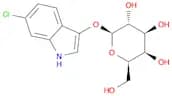

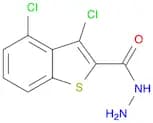
![Acetic acid, [[2-(diethylamino)ethyl]thio]-,(3aS,4R,5S,6S,8R,9S,9aR,10R)-6-ethenyldecahydro-5-hydr…](/_next/image/?url=https%3A%2Fstatic.cymitquimica.com%2Fproducts%2FIN%2Fthumb-webp%2FDA01CCMN.webp&w=3840&q=75)