Primary Antibodies
Primary antibodies are immunoglobulins that bind specifically to an antigen of interest, allowing for the detection and quantification of proteins, peptides, or other biomolecules. These antibodies are critical tools in a wide range of applications, including Western blotting, immunohistochemistry, and ELISA. At CymitQuimica, we offer an extensive selection of high-quality primary antibodies that provide specificity and sensitivity for various research needs, including cancer, immunology, and cell biology studies.
Subcategories of "Primary Antibodies"
- Cancer Research Antibodies(3,721 products)
- Cardiovascular Antibodies(2 products)
- Developmental Biology(764 products)
- Epigenetics Antibodies(162 products)
- Immunology Antibodies(2,585 products)
- Metabolism Antibodies(286 products)
- Microbiology Antibodies(741 products)
- Signal Transduction(2,765 products)
- Tags & Cellular Markers(34 products)
Show 1 more subcategories
Found 75562 products of "Primary Antibodies"
Sort by
Purity (%)
0
100
|
0
|
50
|
90
|
95
|
100
c-Kit (phospho-Tyr568/570) rabbit pAb
This gene encodes the human homolog of the proto-oncogene c-kit. C-kit was first identified as the cellular homolog of the feline sarcoma viral oncogene v-kit. This protein is a type 3 transmembrane receptor for MGF (mast cell growth factor, also known as stem cell factor). Mutations in this gene are associated with gastrointestinal stromal tumors, mast cell disease, acute myelogenous lukemia, and piebaldism. Multiple transcript variants encoding different isoforms have been found for this gene. [provided by RefSeq, Jul 2008],RPA32 (phospho Thr21) rabbit pAb
function:Required for DNA recombination, repair and replication. The activity of RP-A is mediated by single-stranded DNA binding and protein interactions.,PTM:Phosphorylated in a cell-cycle-dependent manner (from the S phase until mitosis). Phosphorylated by ATR upon DNA damage, which promotes its translocation to nuclear foci. Can be phosphorylated in vitro by PRKDC/DNA-PK in the presence of Ku and DNA, and by CDC2.,subcellular location:Also present in PML nuclear bodies. Redistributes to discrete nuclear foci upon DNA damage.,subunit:Heterotrimer of 70, 32 and 14 kDa chains. The DNA-binding activity may reside exclusively on the 70 kDa subunit. Binds to SERTAD3/RBT1. Interacts with TIPIN.,TAF II p18 rabbit pAb
Initiation of transcription by RNA polymerase II requires the activities of more than 70 polypeptides. The protein that coordinates these activities is transcription factor IID (TFIID), which binds to the core promoter to position the polymerase properly, serves as the scaffold for assembly of the remainder of the transcription complex, and acts as a channel for regulatory signals. TFIID is composed of the TATA-binding protein (TBP) and a group of evolutionarily conserved proteins known as TBP-associated factors or TAFs. TAFs may participate in basal transcription, serve as coactivators, function in promoter recognition or modify general transcription factors (GTFs) to facilitate complex assembly and transcription initiation. This gene encodes a small subunit associated with a subset of TFIID complexes. This subunit interacts with TBP and with two other small subunits of TFIIOR5J2 rabbit pAb
olfactory receptor family 5 subfamily J member 2(OR5J2) Homo sapiens Olfactory receptors interact with odorant molecules in the nose, to initiate a neuronal response that triggers the perception of a smell. The olfactory receptor proteins are members of a large family of G-protein-coupled receptors (GPCR) arising from single coding-exon genes. Olfactory receptors share a 7-transmembrane domain structure with many neurotransmitter and hormone receptors and are responsible for the recognition and G protein-mediated transduction of odorant signals. The olfactory receptor gene family is the largest in the genome. The nomenclature assigned to the olfactory receptor genes and proteins for this organism is independent of other organisms. [provided by RefSeq, Jul 2008],RAP1B rabbit pAb
This gene encodes a member of the RAS-like small GTP-binding protein superfamily. Members of this family regulate multiple cellular processes including cell adhesion and growth and differentiation. This protein localizes to cellular membranes and has been shown to regulate integrin-mediated cell signaling. This protein also plays a role in regulating outside-in signaling in platelets. Alternate splicing results in multiple transcript variants. Pseudogenes of this gene are found on chromosomes 3, 5, 6 and 9. [provided by RefSeq, Oct 2011],DIP2C rabbit pAb
This gene encodes a member of the disco-interacting protein homolog 2 family. The protein shares strong similarity with a Drosophila protein which interacts with the transcription factor disco and is expressed in the nervous system. [provided by RefSeq, Oct 2008],TEF-4 rabbit pAb
function:Putative transcription factor that binds to the SPH and GT-IIC "enhansons" (5'-GTGGAATGT-3'). May be involved in the gene regulation of neural development. Binds to the M-CAT motif.,similarity:Contains 1 TEA DNA-binding domain.,Amphiphysin I rabbit pAb
This gene encodes a protein associated with the cytoplasmic surface of synaptic vesicles. A subset of patients with stiff-man syndrome who were also affected by breast cancer are positive for autoantibodies against this protein. Alternate splicing of this gene results in two transcript variants encoding different isoforms. Additional splice variants have been described, but their full length sequences have not been determined. A pseudogene of this gene is found on chromosome 11.[provided by RefSeq, Nov 2010],TAF10 rabbit pAb
Initiation of transcription by RNA polymerase II requires the activities of more than 70 polypeptides. The protein that coordinates these activities is transcription factor IID (TFIID), which binds to the core promoter to position the polymerase properly, serves as the scaffold for assembly of the remainder of the transcription complex, and acts as a channel for regulatory signals. TFIID is composed of the TATA-binding protein (TBP) and a group of evolutionarily conserved proteins known as TBP-associated factors or TAFs. TAFs may participate in basal transcription, serve as coactivators, function in promoter recognition or modify general transcription factors (GTFs) to facilitate complex assembly and transcription initiation. This gene encodes one of the small subunits of TFIID that is associated with a subset of TFIID complexes. Studies with human and mammalian cells have shOR4D9 rabbit pAb
olfactory receptor family 4 subfamily D member 9(OR4D9) Homo sapiens Olfactory receptors interact with odorant molecules in the nose, to initiate a neuronal response that triggers the perception of a smell. The olfactory receptor proteins are members of a large family of G-protein-coupled receptors (GPCR) arising from single coding-exon genes. Olfactory receptors share a 7-transmembrane domain structure with many neurotransmitter and hormone receptors and are responsible for the recognition and G protein-mediated transduction of odorant signals. The olfactory receptor gene family is the largest in the genome. The nomenclature assigned to the olfactory receptor genes and proteins for this organism is independent of other organisms. [provided by RefSeq, Jul 2008],SELV rabbit pAb
This gene encodes a selenoprotein, which contains a selenocysteine (Sec) residue at its active site. The selenocysteine is encoded by the UGA codon that normally signals translation termination. The 3' UTR of selenoprotein genes have a common stem-loop structure, the sec insertion sequence (SECIS), that is necessary for the recognition of UGA as a Sec codon rather than as a stop signal. [provided by RefSeq, Jul 2008],COL18A1 rabbit pAb
This gene encodes the alpha chain of type XVIII collagen. This collagen is one of the multiplexins, extracellular matrix proteins that contain multiple triple-helix domains (collagenous domains) interrupted by non-collagenous domains. A long isoform of the protein has an N-terminal domain that is homologous to the extracellular part of frizzled receptors. Proteolytic processing at several endogenous cleavage sites in the C-terminal domain results in production of endostatin, a potent antiangiogenic protein that is able to inhibit angiogenesis and tumor growth. Mutations in this gene are associated with Knobloch syndrome. The main features of this syndrome involve retinal abnormalities, so type XVIII collagen may play an important role in retinal structure and in neural tube closure. Alternative splicing results in multiple transcript variants. [provided by RefSeq, Dec 2014],Kpm rabbit pAb
This gene encodes a serine/threonine protein kinase belonging to the LATS tumor suppressor family. The protein localizes to centrosomes during interphase, and early and late metaphase. It interacts with the centrosomal proteins aurora-A and ajuba and is required for accumulation of gamma-tubulin and spindle formation at the onset of mitosis. It also interacts with a negative regulator of p53 and may function in a positive feedback loop with p53 that responds to cytoskeleton damage. Additionally, it can function as a co-repressor of androgen-responsive gene expression. [provided by RefSeq, Jul 2008],Bcl-10 rabbit pAb
This gene was identified by its translocation in a case of mucosa-associated lymphoid tissue (MALT) lymphoma. The protein encoded by this gene contains a caspase recruitment domain (CARD), and has been shown to induce apoptosis and to activate NF-kappaB. This protein is reported to interact with other CARD domain containing proteins including CARD9, 10, 11 and 14, which are thought to function as upstream regulators in NF-kappaB signaling. This protein is found to form a complex with MALT1, a protein encoded by another gene known to be translocated in MALT lymphoma. MALT1 and this protein are thought to synergize in the activation of NF-kappaB, and the deregulation of either of them may contribute to the same pathogenetic process that leads to the malignancy. Alternative splicing results in multiple transcript variants. [provided by RefSeq, Mar 2016],EGR2 rabbit pAb
The protein encoded by this gene is a transcription factor with three tandem C2H2-type zinc fingers. Defects in this gene are associated with Charcot-Marie-Tooth disease type 1D (CMT1D), Charcot-Marie-Tooth disease type 4E (CMT4E), and with Dejerine-Sottas syndrome (DSS). Multiple transcript variants encoding two different isoforms have been found for this gene. [provided by RefSeq, Oct 2008],HBP1 rabbit pAb
function:Transcriptional repressor that binds to the promoter region of target genes. Plays a role in the regulation of the cell cycle and of the Wnt pathway. Binds preferentially to the sequence 5'-TTCATTCATTCA-3'. Binding to the H1F0 promoter is enhanced by interaction with RB1. Disrupts the interaction between DNA and TCF4.,similarity:Contains 1 AXH domain.,similarity:Contains 1 HMG box DNA-binding domain.,subunit:Binds the second PAH repeat of SIN3A (By similarity). Binds TCF4 and RB1.,ZFY26 rabbit pAb
This gene encodes a protein which contains a FYVE zinc finger binding domain. The presence of this domain is thought to target these proteins to membrane lipids through interaction with phospholipids in the membrane. Mutations in this gene are associated with autosomal recessive spastic paraplegia-15. [provided by RefSeq, Oct 2008],OR2BB rabbit pAb
Olfactory receptors interact with odorant molecules in the nose, to initiate a neuronal response that triggers the perception of a smell. The olfactory receptor proteins are members of a large family of G-protein-coupled receptors (GPCR) arising from single coding-exon genes. Olfactory receptors share a 7-transmembrane domain structure with many neurotransmitter and hormone receptors and are responsible for the recognition and G protein-mediated transduction of odorant signals. The olfactory receptor gene family is the largest in the genome. The nomenclature assigned to the olfactory receptor genes and proteins for this organism is independent of other organisms. [provided by RefSeq, Jul 2008],Peroxin 5 rabbit pAb
The product of this gene binds to the C-terminal PTS1-type tripeptide peroxisomal targeting signal (SKL-type) and plays an essential role in peroxisomal protein import. Peroxins (PEXs) are proteins that are essential for the assembly of functional peroxisomes. The peroxisome biogenesis disorders (PBDs) are a group of genetically heterogeneous autosomal recessive, lethal diseases characterized by multiple defects in peroxisome function. The peroxisomal biogenesis disorders are a heterogeneous group with at least 14 complementation groups and with more than 1 phenotype being observed in cases falling into particular complementation groups. Although the clinical features of PBD patients vary, cells from all PBD patients exhibit a defect in the import of one or more classes of peroxisomal matrix proteins into the organelle. Defects in this gene are a cause of neonatal adrenoleukodystrophy (NALD)CD69 rabbit pAb
This gene encodes a member of the calcium dependent lectin superfamily of type II transmembrane receptors. Expression of the encoded protein is induced upon activation of T lymphocytes, and may play a role in proliferation. Furthermore, the protein may act to transmit signals in natural killer cells and platelets. [provided by RefSeq, Aug 2011],MMP-10 rabbit pAb
This gene encodes a member of the peptidase M10 family of matrix metalloproteinases (MMPs). Proteins in this family are involved in the breakdown of extracellular matrix in normal physiological processes, such as embryonic development, reproduction, and tissue remodeling, as well as in disease processes, such as arthritis and metastasis. The encoded preproprotein is proteolytically processed to generate the mature protease. This secreted protease breaks down fibronectin, laminin, elastin, proteoglycan core protein, gelatins, and several types of collagen. The gene is part of a cluster of MMP genes on chromosome 11. [provided by RefSeq, Jan 2016],ABCA3 rabbit pAb
The membrane-associated protein encoded by this gene is a member of the superfamily of ATP-binding cassette (ABC) transporters. ABC proteins transport various molecules across extra- and intracellular membranes. ABC genes are divided into seven distinct subfamilies (ABC1, MDR/TAP, MRP, ALD, OABP, GCN20, White). This protein is a member of the ABC1 subfamily. Members of the ABC1 subfamily comprise the only major ABC subfamily found exclusively in multicellular eukaryotes. The full transporter encoded by this gene may be involved in development of resistance to xenobiotics and engulfment during programmed cell death. [provided by RefSeq, Jul 2008],Olfactory receptor 10C1 rabbit pAb
Olfactory receptors interact with odorant molecules in the nose, to initiate a neuronal response that triggers the perception of a smell. The olfactory receptor proteins are members of a large family of G-protein-coupled receptors (GPCR) arising from single coding-exon genes. Olfactory receptors share a 7-transmembrane domain structure with many neurotransmitter and hormone receptors and are responsible for the recognition and G protein-mediated transduction of odorant signals. The olfactory receptor gene family is the largest in the genome. The nomenclature assigned to the olfactory receptor genes and proteins for this organism is independent of other organisms. This olfactory receptor gene is a segregating pseudogene, where some individuals have an allele that encodes a functional olfactory receptor, while other individuals have an allele encoding aAT8A1 rabbit pAb
The P-type adenosinetriphosphatases (P-type ATPases) are a family of proteins which use the free energy of ATP hydrolysis to drive uphill transport of ions across membranes. Several subfamilies of P-type ATPases have been identified. One subfamily catalyzes transport of heavy metal ions. Another subfamily transports non-heavy metal ions (NMHI). The protein encoded by this gene is a member of the third subfamily of P-type ATPases and acts to transport amphipaths, such as phosphatidylserine. Two transcript variants encoding different isoforms have been found for this gene. [provided by RefSeq, Jul 2008],Rad17 (phospho Ser645) rabbit pAb
The protein encoded by this gene is highly similar to the gene product of Schizosaccharomyces pombe rad17, a cell cycle checkpoint gene required for cell cycle arrest and DNA damage repair in response to DNA damage. This protein shares strong similarity with DNA replication factor C (RFC), and can form a complex with RFCs. This protein binds to chromatin prior to DNA damage and is phosphorylated by the checkpoint kinase ATR following damage. This protein recruits the RAD1-RAD9-HUS1 checkpoint protein complex onto chromatin after DNA damage, which may be required for its phosphorylation. The phosphorylation of this protein is required for the DNA-damage-induced cell cycle G2 arrest, and is thought to be a critical early event during checkpoint signaling in DNA-damaged cells. Multiple alternatively spliced transcript variants of this gene, which encode four distinct protein isoforms, hArkadia rabbit pAb
ring finger protein 111(RNF111) Homo sapiens The protein encoded by this gene is a nuclear RING-domain containing E3 ubiquitin ligase. This protein interacts with the transforming growth factor (TGF) -beta/NODAL signaling pathway by promoting the ubiquitination and proteosomal degradation of negative regulators, like SMAD proteins, and thereby enhances TGF-beta target-gene transcription. As a modulator of the nodal signaling cascade, this gene plays a critical role in the induction of mesoderm during embryonic development. Alternative splicing of this gene results in multiple transcript variants encoding distinct isoforms. [provided by RefSeq, Jul 2012],Oct-6 rabbit pAb
function:Transcription factor that binds to the octamer motif (5'-ATTTGCAT-3'). Thought to be involved in early embryogenesis and neurogenesis.,similarity:Belongs to the POU transcription factor family. Class-3 subfamily.,similarity:Contains 1 homeobox DNA-binding domain.,similarity:Contains 1 POU-specific domain.,tissue specificity:Expressed in embryonal stem cells and in the developing brain.,VNN2 rabbit pAb
This gene product is a member of the Vanin family of proteins that share extensive sequence similarity with each other, and also with biotinidase. The family includes secreted and membrane-associated proteins, a few of which have been reported to participate in hematopoietic cell trafficking. No biotinidase activity has been demonstrated for any of the vanin proteins, however, they possess pantetheinase activity, which may play a role in oxidative-stress response. The encoded protein is a GPI-anchored cell surface molecule that plays a role in transendothelial migration of neutrophils. This gene lies in close proximity to, and in same transcriptional orientation as two other vanin genes on chromosome 6q23-q24. Alternatively spliced transcript variants encoding different isoforms have been described for this gene. [provided by RefSeq, May 2011],Nrf2 rabbit pAb
This gene encodes a transcription factor which is a member of a small family of basic leucine zipper (bZIP) proteins. The encoded transcription factor regulates genes which contain antioxidant response elements (ARE) in their promoters; many of these genes encode proteins involved in response to injury and inflammation which includes the production of free radicals. Multiple transcript variants encoding different isoforms have been characterized for this gene. [provided by RefSeq, Sep 2015],ZO1 rabbit pAb
This gene encodes a protein located on a cytoplasmic membrane surface of intercellular tight junctions. The encoded protein may be involved in signal transduction at cell-cell junctions. Alternative splicing of this gene results in multiple transcript variants. [provided by RefSeq, Jul 2014],Smad2 (phospho Ser465) rabbit pAb
The protein encoded by this gene belongs to the SMAD, a family of proteins similar to the gene products of the Drosophila gene 'mothers against decapentaplegic' (Mad) and the C. elegans gene Sma. SMAD proteins are signal transducers and transcriptional modulators that mediate multiple signaling pathways. This protein mediates the signal of the transforming growth factor (TGF)-beta, and thus regulates multiple cellular processes, such as cell proliferation, apoptosis, and differentiation. This protein is recruited to the TGF-beta receptors through its interaction with the SMAD anchor for receptor activation (SARA) protein. In response to TGF-beta signal, this protein is phosphorylated by the TGF-beta receptors. The phosphorylation induces the dissociation of this protein with SARA and the association with the family member SMAD4. The association with SMAD4 is important for the translocationVEGF Rabbit pAb
VEGFA, also named as VEGF or VPF, belongs to the PDGF/VEGF growth factor family. It is a growth factor active in angiogenesis, vasculogenesis and endothelial cell growth. VEGFA induces endothelial cell proliferation, promotes cell migration, inhibits apoptosis and induces permeabilization of blood vessels. It binds to the FLT1/VEGFR1 and KDR/VEGFR2 receptors, heparan sulfate and heparin. Defects in VEGFA are associated with microvascular complications of diabetes type 1 (MVCD1). VEGFA has 17 isoforms with MW from 16 to 45 kDa. Some isoforms have homodimer forms (e.g.; VEGFA189 38kDa or VEFGA110 34kDa). VEGF-A exists in at least seven homodimeric isoforms. The monomers consist of 121, 145, 148, 165, 183, 189, or 206 amino acids (PMID:15602010 ). This antibody can recognize all VEGFA isoforms.Skp2 p45 rabbit pAb
This gene encodes a member of the F-box protein family which is characterized by an approximately 40 amino acid motif, the F-box. The F-box proteins constitute one of the four subunits of ubiquitin protein ligase complex called SCFs (SKP1-cullin-F-box), which function in phosphorylation-dependent ubiquitination. The F-box proteins are divided into 3 classes: Fbws containing WD-40 domains, Fbls containing leucine-rich repeats, and Fbxs containing either different protein-protein interaction modules or no recognizable motifs. The protein encoded by this gene belongs to the Fbls class; in addition to an F-box, this protein contains 10 tandem leucine-rich repeats. This protein is an essential element of the cyclin A-CDK2 S-phase kinase. It specifically recognizes phosphorylated cyclin-dependent kinase inhibitor 1B (CDKN1B, also referred to as p27 or KIP1) predominantly in S phase and intKALIG-1 rabbit pAb
Mutations in this gene cause the X-linked Kallmann syndrome. The encoded protein is similar in sequence to proteins known to function in neural cell adhesion and axonal migration. In addition, this cell surface protein is N-glycosylated and may have anti-protease activity. [provided by RefSeq, Jul 2008],TOB1 rabbit pAb
This gene encodes a member of the transducer of erbB-2 /B-cell translocation gene protein family. Members of this family are anti-proliferative factors that have the potential to regulate cell growth. The encoded protein may function as a tumor suppressor. Alternate splicing results in multiple transcript variants. [provided by RefSeq, Aug 2011],WASL rabbit pAb
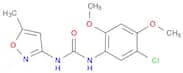
This gene encodes a member of the Wiskott-Aldrich syndrome (WAS) protein family. Wiskott-Aldrich syndrome proteins share similar domain structure, and associate with a variety of signaling molecules to alter the actin cytoskeleton. The encoded protein is highly expressed in neural tissues, and interacts with several proteins involved in cytoskeletal organization, including cell division control protein 42 (CDC42) and the actin-related protein-2/3 (ARP2/3) complex. The encoded protein may be involved in the formation of long actin microspikes, and in neurite extension. [provided by RefSeq, Jul 2013],N-(5-CHLORO-2,4-DIMETHOXYPHENYL)-N'-(5-METHYL-3-ISOXAZOLYL)-UREA
CAS:Formula:C13H14ClN3O4Purity:98%Color and Shape:SolidMolecular weight:311.7210c-Kit rabbit pAb
This gene encodes the human homolog of the proto-oncogene c-kit. C-kit was first identified as the cellular homolog of the feline sarcoma viral oncogene v-kit. This protein is a type 3 transmembrane receptor for MGF (mast cell growth factor, also known as stem cell factor). Mutations in this gene are associated with gastrointestinal stromal tumors, mast cell disease, acute myelogenous lukemia, and piebaldism. Multiple transcript variants encoding different isoforms have been found for this gene. [provided by RefSeq, Jul 2008],PROX1 rabbit pAb
The protein encoded by this gene is a member of the homeobox transcription factor family. Members of this family contain a homeobox domain that consists of a 60-amino acid helix-turn-helix structure that binds DNA and RNA. The protein encoded by this gene is conserved across vertebrates and may play an essential role during development. Altered levels of this protein have been reported in cancers of different organs, such as colon, brain, blood, breast, pancreas, liver and esophagus. Alternative splicing results in multiple transcript variants. [provided by RefSeq, Jul 2012],TPD53 rabbit pAb
This gene encodes a member of a family of proteins that contain coiled-coil domains and may form hetero- or homomers. The encoded protein is involved in cell proliferation and calcium signaling. It also interacts with the mitogen-activated protein kinase kinase kinase 5 (MAP3K5/ASK1) and positively regulates MAP3K5-induced apoptosis. Multiple alternatively spliced transcript variants have been observed. [provided by RefSeq, Jan 2016],HPGDS rabbit pAb
Prostaglandin-D synthase is a sigma class glutathione-S-transferase family member. The enzyme catalyzes the conversion of PGH2 to PGD2 and plays a role in the production of prostanoids in the immune system and mast cells. The presence of this enzyme can be used to identify the differentiation stage of human megakaryocytes. [provided by RefSeq, Jul 2008],P53 Rabbit pAb
p53 plays a major role in the cellular response to DNA damage and other genomic aberrations. The activation of p53 can lead to either cell cycle arrest and DNA repair, or apoptosis. p53 is phosphorylated at multiple sites in vivo and by several different protein kinases in vitro.DAPK1 (phospho Ser308) rabbit pAb
Death-associated protein kinase 1 is a positive mediator of gamma-interferon induced programmed cell death. DAPK1 encodes a structurally unique 160-kD calmodulin dependent serine-threonine kinase that carries 8 ankyrin repeats and 2 putative P-loop consensus sites. It is a tumor suppressor candidate. Alternative splicing results in multiple transcript variants. [provided by RefSeq, Dec 2013],Cleaved-Notch 1 (V1754) rabbit pAb
notch 1(NOTCH1) Homo sapiens This gene encodes a member of the NOTCH family of proteins. Members of this Type I transmembrane protein family share structural characteristics including an extracellular domain consisting of multiple epidermal growth factor-like (EGF) repeats, and an intracellular domain consisting of multiple different domain types. Notch signaling is an evolutionarily conserved intercellular signaling pathway that regulates interactions between physically adjacent cells through binding of Notch family receptors to their cognate ligands. The encoded preproprotein is proteolytically processed in the trans-Golgi network to generate two polypeptide chains that heterodimerize to form the mature cell-surface receptor. This receptor plays a role in the development of numerous cell and tissue types. Mutations in this gene are associated with aortic valve disease, Adams-Oliver syndrome, T-cell acute lymphoblastic leukemia, chronic lymphGPR18 rabbit pAb
function:Receptor for N-arachidonyl glycine. The activity of this receptor is mediated by G proteins which inhibit adenylyl cyclase. May contribute to regulation of the immune system.,similarity:Belongs to the G-protein coupled receptor 1 family.,tissue specificity:Most abundant in testis and spleen. Highly expressed in CD4 and CD8-positive T-cells as well as CD19-positive B-cells.,BCKDK rabbit pAb
The branched-chain alpha-ketoacid dehydrogenase complex (BCKD) is an important regulator of the valine, leucine, and isoleucine catabolic pathways. The protein encoded by this gene is found in the mitochondrion, where it phosphorylates and inactivates BCKD. Several transcript variants encoding different isoforms have been found for this gene. [provided by RefSeq, Dec 2012],Sgo1 (phospho Ser14) rabbit pAb
The protein encoded by this gene is a member of the shugoshin family of proteins. This protein is thought to protect centromeric cohesin from cleavage during mitotic prophase by preventing phosphorylation of a cohesin subunit. Reduced expression of this gene leads to the premature loss of centromeric cohesion, mis-segregation of sister chromatids, and mitotic arrest. Evidence suggests that this protein also protects a small subset of cohesin found along the length of the chromosome arms during mitotic prophase. An isoform lacking exon 6 has been shown to play a role in the cohesion of centrioles (PMID: 16582621 and PMID:18331714). Mutations in this gene have been associated with Chronic Atrial and Intestinal Dysrhythmia (CAID) syndrome, characterized by the co-occurrence of Sick Sinus Syndrome (SSS) and Chronic Intestinal Pseudo-obstruction (CIPO) within the first four decades of life (PMID:25282101). FibroGPR150 rabbit pAb
function:Orphan receptor.,similarity:Belongs to the G-protein coupled receptor 1 family.,CYP3A4/5 rabbit pAb
This gene encodes a member of the cytochrome P450 superfamily of enzymes. The cytochrome P450 proteins are monooxygenases that catalyze many reactions involved in drug metabolism and synthesis of cholesterol, steroids and other lipids. This protein localizes to the endoplasmic reticulum and its expression is induced by glucocorticoids and some pharmacological agents. This enzyme is involved in the metabolism of approximately half the drugs in use today, including acetaminophen, codeine, cyclosporin A, diazepam and erythromycin. The enzyme also metabolizes some steroids and carcinogens. This gene is part of a cluster of cytochrome P450 genes on chromosome 7q21.1. Previously another CYP3A gene, CYP3A3, was thought to exist; however, it is now thought that this sequence represents a transcript variant of CYP3A4. Alternatively spliced transcript variants encoding different isoforIL-19 rabbit pAb
The protein encoded by this gene is a cytokine that belongs to the IL10 cytokine subfamily. This cytokine is found to be preferentially expressed in monocytes. It can bind the IL20 receptor complex and lead to the activation of the signal transducer and activator of transcription 3 (STAT3). A similar cytokine in mouse is reported to up-regulate the expression of IL6 and TNF-alpha and induce apoptosis, which suggests a role of this cytokine in inflammatory responses. Alternatively spliced transcript variants encoding the distinct isoforms have been described. [provided by RefSeq, Jul 2008],c-Fgr rabbit pAb
This gene is a member of the Src family of protein tyrosine kinases (PTKs). The encoded protein contains N-terminal sites for myristylation and palmitylation, a PTK domain, and SH2 and SH3 domains which are involved in mediating protein-protein interactions with phosphotyrosine-containing and proline-rich motifs, respectively. The protein localizes to plasma membrane ruffles, and functions as a negative regulator of cell migration and adhesion triggered by the beta-2 integrin signal transduction pathway. Infection with Epstein-Barr virus results in the overexpression of this gene. Multiple alternatively spliced variants, encoding the same protein, have been identified. [provided by RefSeq, Jul 2008],TF2L1 rabbit pAb
function:Transcriptional suppressor. May suppress UBP1-mediated transcriptional activation. Modulates the placental expression of CYP11A1.,similarity:Belongs to the grh/CP2 family. CP2 subfamily.,tissue specificity:Highly expressed in placental JEG-3 cells and very low levels of expression in non-steroidogenic cells. No expression was seen in adrenal NCI-H295A cells or in adrenal tissue.,DDX3 rabbit pAb
The protein encoded by this gene is a member of the large DEAD-box protein family, that is defined by the presence of the conserved Asp-Glu-Ala-Asp (DEAD) motif, and has ATP-dependent RNA helicase activity. This protein has been reported to display a high level of RNA-independent ATPase activity, and unlike most DEAD-box helicases, the ATPase activity is thought to be stimulated by both RNA and DNA. This protein has multiple conserved domains and is thought to play roles in both the nucleus and cytoplasm. Nuclear roles include transcriptional regulation, mRNP assembly, pre-mRNA splicing, and mRNA export. In the cytoplasm, this protein is thought to be involved in translation, cellular signaling, and viral replication. Misregulation of this gene has been implicated in tumorigenesis. This gene has a paralog located in the nonrecombining region of the Y chromosome. Pseudogenes sharing similaritSHBG rabbit pAb
This gene encodes a steroid binding protein that was first described as a plasma protein secreted by the liver but is now thought to participate in the regulation of steroid responses. The encoded protein transports androgens and estrogens in the blood, binding each steroid molecule as a dimer formed from identical or nearly identical monomers. Polymorphisms in this gene have been associated with polycystic ovary syndrome and type 2 diabetes mellitus. Alternative splicing results in multiple transcript variants. [provided by RefSeq, Jan 2014],Acetyl eIF5A/eIF5A2 (K47) rabbit pAb
function:The precise role of eIF-5A in protein biosynthesis is not known but it functions by promoting the formation of the first peptide bond.,PTM:eIF-5A seems to be the only eukaryotic protein to have an hypusine residue which is a post-translational modification of a lysine by the addition of a butylamino group (from spermidine).,similarity:Belongs to the eIF-5A family.,tissue specificity:Expressed in ovarian and colorectal cancer cell lines (at protein level). Highly expressed in testis. Overexpressed in some cancer cells.,PP2A-B56-δ rabbit pAb
The product of this gene belongs to the phosphatase 2A regulatory subunit B family. Protein phosphatase 2A is one of the four major Ser/Thr phosphatases, and it is implicated in the negative control of cell growth and division. It consists of a common heteromeric core enzyme, which is composed of a catalytic subunit and a constant regulatory subunit, that associates with a variety of regulatory subunits. The B regulatory subunit might modulate substrate selectivity and catalytic activity. This gene encodes a delta isoform of the regulatory subunit B56 subfamily. Alternatively spliced transcript variants encoding different isoforms have been identified. [provided by RefSeq, Jul 2008],IgA rabbit pAb
disease:A chromosomal aberration involving IGHA1 is found in multiple myeloma (MM) cell lines. Translocation t(1;14)(q21;q32) that forms a FCRL4-IGHA1 fusion protein.,function:Ig alpha is the major immunoglobulin class in body secretions. It may serve both to defend against local infection and to prevent access of foreign antigens to the general immunologic system.,PTM:3-Hydroxykynurenine, an oxidized tryptophan metabolite that is common in biological fluids, reacts with alpha-1-microglobulin to form heterogeneous polycyclic chromophores including hydroxanthommatin. The chromophore reacts with accessible cysteines forming non-reducible thioether cross-links with Ig alpha-1 chain C region Cys-352.,similarity:Contains 3 Ig-like (immunoglobulin-like) domains.,subunit:Monomeric or polymeric.,GPR124 rabbit pAb
caution:It is uncertain whether Met-1 or Met-8 is the initiator.,domain:Binds to DLG1 through its PDZ-binding motif.,function:Orphan receptor.,similarity:Belongs to the G-protein coupled receptor 2 family. LN-TM7 subfamily.,similarity:Contains 1 GPS domain.,similarity:Contains 1 Ig-like (immunoglobulin-like) domain.,similarity:Contains 5 LRR (leucine-rich) repeats.,subunit:Interacts with DLG1.,tissue specificity:Expressed in endothelial cells (at protein level). Abundantly expressed in tumor vessels, heart, placenta, ovary, small intestine, and colon.,NLTP rabbit pAb
This gene encodes two proteins: sterol carrier protein X (SCPx) and sterol carrier protein 2 (SCP2), as a result of transcription initiation from 2 independently regulated promoters. The transcript initiated from the proximal promoter encodes the longer SCPx protein, and the transcript initiated from the distal promoter encodes the shorter SCP2 protein, with the 2 proteins sharing a common C-terminus. Evidence suggests that the SCPx protein is a peroxisome-associated thiolase that is involved in the oxidation of branched chain fatty acids, while the SCP2 protein is thought to be an intracellular lipid transfer protein. This gene is highly expressed in organs involved in lipid metabolism, and may play a role in Zellweger syndrome, in which cells are deficient in peroxisomes and have impaired bile acid synthesis. Alternative splicing of this gene produces multiple transcript variants, some encoding different isoforms.[provided by RefSeq, Aug 2010],CT455 rabbit pAb
This gene represents one of a cluster of several similar genes located on the q arm of chromosome X. The genes in this cluster encode members of the cancer/testis (CT) family of antigens, and are distinct from other CT antigens. These antigens are thought to be novel therapeutic targets for human cancers. Alternative splicing results in multiple transcript variants. [provided by RefSeq, Apr 2014],MALT1 rabbit pAb
This gene has been found to be recurrently rearranged in chromosomal translocation with two other genes - baculoviral IAP repeat-containing protein 3 (also known as apoptosis inhibitor 2) and immunoglobulin heavy chain locus - in mucosa-associated lymphoid tissue lymphomas. The protein encoded by this gene may play a role in NF-kappaB activation. Two alternatively spliced transcript variants encoding different isoforms have been described for this gene. [provided by RefSeq, Jul 2008],SRGP2 rabbit pAb
This locus encodes a member of the SLIT-ROBO Rho GTPase activating protein family. The encoded protein stimulates GTPase activity of Rac1, and plays a role in cortical neuron development. This locus has several paralogs on human chromosome 1 resulting from segmental duplication. While this locus itself is conserved among various species, the paralogs are found only in the genus Homo, and not in the genomes of non-human great apes. Alternatively spliced transcript variants have been described for this locus. [provided by RefSeq, Jul 2014],MARCKS (phospho-Ser159/163) rabbit pAb
The protein encoded by this gene is a substrate for protein kinase C. It is localized to the plasma membrane and is an actin filament crosslinking protein. Phosphorylation by protein kinase C or binding to calcium-calmodulin inhibits its association with actin and with the plasma membrane, leading to its presence in the cytoplasm. The protein is thought to be involved in cell motility, phagocytosis, membrane trafficking and mitogenesis. [provided by RefSeq, Jul 2008],P3C2A rabbit pAb
The protein encoded by this gene belongs to the phosphoinositide 3-kinase (PI3K) family. PI3-kinases play roles in signaling pathways involved in cell proliferation, oncogenic transformation, cell survival, cell migration, and intracellular protein trafficking. This protein contains a lipid kinase catalytic domain as well as a C-terminal C2 domain, a characteristic of class II PI3-kinases. C2 domains act as calcium-dependent phospholipid binding motifs that mediate translocation of proteins to membranes, and may also mediate protein-protein interactions. The PI3-kinase activity of this protein is not sensitive to nanomolar levels of the inhibitor wortmanin. This protein was shown to be able to be activated by insulin and may be involved in integrin-dependent signaling. [provided by RefSeq, Jul 2008],RPA32 rabbit pAb
function:Required for DNA recombination, repair and replication. The activity of RP-A is mediated by single-stranded DNA binding and protein interactions.,PTM:Phosphorylated in a cell-cycle-dependent manner (from the S phase until mitosis). Phosphorylated by ATR upon DNA damage, which promotes its translocation to nuclear foci. Can be phosphorylated in vitro by PRKDC/DNA-PK in the presence of Ku and DNA, and by CDC2.,subcellular location:Also present in PML nuclear bodies. Redistributes to discrete nuclear foci upon DNA damage.,subunit:Heterotrimer of 70, 32 and 14 kDa chains. The DNA-binding activity may reside exclusively on the 70 kDa subunit. Binds to SERTAD3/RBT1. Interacts with TIPIN.,UT1 rabbit pAb
The protein encoded by this gene is a membrane transporter that mediates urea transport in erythrocytes. This gene forms the basis for the Kidd blood group system. [provided by RefSeq, Mar 2009],FAM9C rabbit pAb
This gene is a member of a gene family which arose through duplication on the X chromosome. The encoded protein may be localized to the nucleus as the protein contains several nuclear localization signals, and has similarity to a synaptonemal complex protein. [provided by RefSeq, Aug 2011],CL16A rabbit pAb
This gene encodes a member of the C-type lectin domain containing family. Single nucleotide polymorphisms in introns of this gene have been associated with diabetes mellitus, multiple sclerosis and rheumatoid arthritis. Multiple transcript variants encoding different isoforms have been found for this gene. [provided by RefSeq, Aug 2011],CALML5 rabbit pAb
This gene encodes a novel calcium binding protein expressed in the epidermis and related to the calmodulin family of calcium binding proteins. Functional studies with recombinant protein demonstrate it does bind calcium and undergoes a conformational change when it does so. Abundant expression is detected only in reconstructed epidermis and is restricted to differentiating keratinocytes. In addition, it can associate with transglutaminase 3, shown to be a key enzyme in the terminal differentiation of keratinocytes. [provided by RefSeq, Jul 2008],Phospho-Stat3 (Y705) (1E9) Mouse mAb
Signal transducer and activator of transcription 3, also known as STAT3, is a transcription factor which in humans is encoded by the STAT3 gene. Stat3 is constitutively activated in a number of human tumors and possesses oncogenic potential and anti-apoptotic activities.Histone H3 (Mono Methyl Lys10) rabbit pAb
Histones are basic nuclear proteins that are responsible for the nucleosome structure of the chromosomal fiber in eukaryotes. This structure consists of approximately 146 bp of DNA wrapped around a nucleosome, an octamer composed of pairs of each of the four core histones (H2A, H2B, H3, and H4). The chromatin fiber is further compacted through the interaction of a linker histone, H1, with the DNA between the nucleosomes to form higher order chromatin structures. This gene is intronless and encodes a replication-dependent histone that is a member of the histone H3 family. Transcripts from this gene lack polyA tails; instead, they contain a palindromic termination element. This gene is found in the large histone gene cluster on chromosome 6p22-p21.3. [provided by RefSeq, Aug 2015],A Cyclase V/VI rabbit pAb
This gene encodes a member of the adenylyl cyclase family of proteins, which are required for the synthesis of cyclic AMP. All members of this family have an intracellular N-terminus, a tandem repeat of six transmembrane domains separated by a cytoplasmic loop, and a C-terminal cytoplasmic domain. The two cytoplasmic regions bind ATP and form the catalytic core of the protein. Adenylyl cyclases are important effectors of transmembrane signaling pathways and are regulated by the activity of G protein coupled receptor signaling. This protein belongs to a small subclass of adenylyl cyclase proteins that are functionally related and are inhibited by protein kinase A, calcium ions and nitric oxide. A mutation in this gene is associated with arthrogryposis multiplex congenita. [provided by RefSeq, May 2015],LDLR rabbit pAb
The low density lipoprotein receptor (LDLR) gene family consists of cell surface proteins involved in receptor-mediated endocytosis of specific ligands. Low density lipoprotein (LDL) is normally bound at the cell membrane and taken into the cell ending up in lysosomes where the protein is degraded and the cholesterol is made available for repression of microsomal enzyme 3-hydroxy-3-methylglutaryl coenzyme A (HMG CoA) reductase, the rate-limiting step in cholesterol synthesis. At the same time, a reciprocal stimulation of cholesterol ester synthesis takes place. Mutations in this gene cause the autosomal dominant disorder, familial hypercholesterolemia. Alternate splicing results in multiple transcript variants.[provided by RefSeq, Sep 2010],Rabphilin-3A (phospho Ser237) rabbit pAb
Exocytosis of neurotransmitters and hormones is fundamental to synaptic neurotransmission and cell-cell communication. RAB3A (MIM 179390) is a small G protein that is thought to act at late stages of exocytosis, and RPH3A is a RAB3A effector (Lin et al., 2007 [PubMed 17149709]).[supplied by OMIM, Jul 2008],RGPA1 rabbit pAb
This gene encodes a major subunit of the RAL-GTPase activating protein. A similar protein in mouse binds E12, a transcriptional regulator of immunoglobulin genes. The mouse protein also functions in skeletal muscle by binding to the regulatory 14-3-3 proteins upon stimulation with insulin or muscle contraction. A pseudogene of this gene has been identified on chromosome 9. [provided by RefSeq, Oct 2016],ARAP1 rabbit pAb
The protein encoded by this gene contains SAM, ARF-GAP, RHO-GAP, ankyrin repeat, RAS-associating, and pleckstrin homology (PH) domains. In vitro, this protein displays RHO-GAP and phosphatidylinositol (3,4,5) trisphosphate (PIP3)-dependent ARF-GAP activity. The encoded protein associates with the Golgi, and the ARF-GAP activity mediates changes in the Golgi and the formation of filopodia. It is thought to regulate the cell-specific trafficking of a receptor protein involved in apoptosis. Multiple transcript variants encoding different isoforms have been found for this gene. [provided by RefSeq, Sep 2008],SRSF9 rabbit pAb
The protein encoded by this gene is a member of the serine/arginine (SR)-rich family of pre-mRNA splicing factors, which constitute part of the spliceosome. Each of these factors contains an RNA recognition motif (RRM) for binding RNA and an RS domain for binding other proteins. The RS domain is rich in serine and arginine residues and facilitates interaction between different SR splicing factors. In addition to being critical for mRNA splicing, the SR proteins have also been shown to be involved in mRNA export from the nucleus and in translation. Two pseudogenes, one on chromosome 15 and the other on chromosome 21, have been found for this gene. [provided by RefSeq, Sep 2010],STAG3 rabbit pAb
The protein encoded by this gene is expressed in the nucleus and is a subunit of the cohesin complex which regulates the cohesion of sister chromatids during cell division. A mutation in this gene is associated with premature ovarian failure. Alternate splicing results in multiple transcript variants encoding distinct isoforms. This gene has multiple pseudogenes. [provided by RefSeq, Apr 2014],GGPPS rabbit pAb
This gene is a member of the prenyltransferase family and encodes a protein with geranylgeranyl diphosphate (GGPP) synthase activity. The enzyme catalyzes the synthesis of GGPP from farnesyl diphosphate and isopentenyl diphosphate. GGPP is an important molecule responsible for the C20-prenylation of proteins and for the regulation of a nuclear hormone receptor. Alternate transcriptional splice variants, both protein-coding and non-protein-coding, have been found for this gene. [provided by RefSeq, Sep 2010],NF2 (phospho Ser518) rabbit pAb
This gene encodes a protein that is similar to some members of the ERM (ezrin, radixin, moesin) family of proteins that are thought to link cytoskeletal components with proteins in the cell membrane. This gene product has been shown to interact with cell-surface proteins, proteins involved in cytoskeletal dynamics and proteins involved in regulating ion transport. This gene is expressed at high levels during embryonic development; in adults, significant expression is found in Schwann cells, meningeal cells, lens and nerve. Mutations in this gene are associated with neurofibromatosis type II which is characterized by nervous system and skin tumors and ocular abnormalities. Two predominant isoforms and a number of minor isoforms are produced by alternatively spliced transcripts. [provided by RefSeq, Jul 2008],p47-phox rabbit pAb
The protein encoded by this gene is a 47 kDa cytosolic subunit of neutrophil NADPH oxidase. This oxidase is a multicomponent enzyme that is activated to produce superoxide anion. Mutations in this gene have been associated with chronic granulomatous disease. [provided by RefSeq, Jul 2008],Asf1a rabbit pAb
This gene encodes a member of the H3/H4 family of histone chaperone proteins and is similar to the anti-silencing function-1 gene in yeast. The protein is a key component of a histone donor complex that functions in nucleosome assembly. It interacts with histones H3 and H4, and functions together with a chromatin assembly factor during DNA replication and repair. [provided by RefSeq, Jul 2008],Ribosomal Protein L5 rabbit pAb
Ribosomes, the organelles that catalyze protein synthesis, consist of a small 40S subunit and a large 60S subunit. Together these subunits are composed of 4 RNA species and approximately 80 structurally distinct proteins. This gene encodes a ribosomal protein that is a component of the 60S subunit. The protein belongs to the L18P family of ribosomal proteins. It is located in the cytoplasm. The protein binds 5S rRNA to form a stable complex called the 5S ribonucleoprotein particle (RNP), which is necessary for the transport of nonribosome-associated cytoplasmic 5S rRNA to the nucleolus for assembly into ribosomes. The protein interacts specifically with the beta subunit of casein kinase II. Variable expression of this gene in colorectal cancers compared to adjacent normal tissues has been observed, although no correlation between the level of expression and the severity of the disease has been foundRFX2 rabbit pAb
This gene is a member of the regulatory factor X gene family, which encodes transcription factors that contain a highly-conserved winged helix DNA binding domain. The protein encoded by this gene is structurally related to regulatory factors X1, X3, X4, and X5. It is a transcriptional activator that can bind DNA as a monomer or as a heterodimer with other RFX family members. This protein can bind to cis elements in the promoter of the IL-5 receptor alpha gene. Two transcript variants encoding different isoforms have been described for this gene, and both variants utilize alternative polyadenylation sites. [provided by RefSeq, Jul 2008],EF-1 α1/2 (Acetyl Lys146) rabbit pAb
This gene encodes an isoform of the alpha subunit of the elongation factor-1 complex, which is responsible for the enzymatic delivery of aminoacyl tRNAs to the ribosome. This isoform (alpha 1) is expressed in brain, placenta, lung, liver, kidney, and pancreas, and the other isoform (alpha 2) is expressed in brain, heart and skeletal muscle. This isoform is identified as an autoantigen in 66% of patients with Felty syndrome. This gene has been found to have multiple copies on many chromosomes, some of which, if not all, represent different pseudogenes. [provided by RefSeq, Jul 2008],FOLR3 rabbit pAb
This gene encodes a member of the folate receptor (FOLR) family of proteins, which have a high affinity for folic acid and for several reduced folic acid derivatives, and mediate delivery of 5-methyltetrahydrofolate to the interior of cells. Expression of this gene may be elevated in ovarian and primary peritoneal carcinoma. This gene is present in a gene cluster on chromosome 11. Alternative splicing results in multiple transcript variants. [provided by RefSeq, Dec 2015],MXRA5 rabbit pAb
This gene encodes one of the matrix-remodelling associated proteins. This protein contains 7 leucine-rich repeats and 12 immunoglobulin-like C2-type domains related to perlecan. This gene has a pseudogene on chromosome Y. [provided by RefSeq, Mar 2010],Smo rabbit pAb
The protein encoded by this gene is a G protein-coupled receptor that interacts with the patched protein, a receptor for hedgehog proteins. The encoded protein tranduces signals to other proteins after activation by a hedgehog protein/patched protein complex. [provided by RefSeq, Jul 2010],RIP2 rabbit pAb
This gene encodes a member of the receptor-interacting protein (RIP) family of serine/threonine protein kinases. The encoded protein contains a C-terminal caspase activation and recruitment domain (CARD), and is a component of signaling complexes in both the innate and adaptive immune pathways. It is a potent activator of NF-kappaB and inducer of apoptosis in response to various stimuli. [provided by RefSeq, Jul 2008],MEK-6 rabbit pAb
This gene encodes a member of the dual specificity protein kinase family, which functions as a mitogen-activated protein (MAP) kinase kinase. MAP kinases, also known as extracellular signal-regulated kinases (ERKs), act as an integration point for multiple biochemical signals. This protein phosphorylates and activates p38 MAP kinase in response to inflammatory cytokines or environmental stress. As an essential component of p38 MAP kinase mediated signal transduction pathway, this gene is involved in many cellular processes such as stress induced cell cycle arrest, transcription activation and apoptosis. [provided by RefSeq, Jul 2008],DPYL1 rabbit pAb
This gene encodes a member of a family of cytosolic phosphoproteins expressed exclusively in the nervous system. The encoded protein is thought to be a part of the semaphorin signal transduction pathway implicated in semaphorin-induced growth cone collapse during neural development. Alternative splicing results in multiple transcript variants. [provided by RefSeq, Jul 2008],p70 S6 kinase α (phospho Thr421) rabbit pAb
ribosomal protein S6 kinase B1(RPS6KB1) Homo sapiens This gene encodes a member of the ribosomal S6 kinase family of serine/threonine kinases. The encoded protein responds to mTOR (mammalian target of rapamycin) signaling to promote protein synthesis, cell growth, and cell proliferation. Activity of this gene has been associated with human cancer. Alternatively spliced transcript variants have been observed. The use of alternative translation start sites results in isoforms with longer or shorter N-termini which may differ in their subcellular localizations. There are two pseudogenes for this gene on chromosome 17. [provided by RefSeq, Jan 2013],ZEP2 rabbit pAb
This gene encodes a member of a family of closely related, large, zinc finger-containing transcription factors. The encoded protein regulates transcription by binding to regulatory regions of various cellular and viral genes that maybe involved in growth, development and metastasis. The protein contains the ZAS domain comprised of two widely separated regions of zinc finger motifs, a stretch of highly acidic amino acids and a serine/threonine-rich sequence. [provided by RefSeq, Nov 2012],Laminin-R rabbit pAb
Laminins, a family of extracellular matrix glycoproteins, are the major noncollagenous constituent of basement membranes. They have been implicated in a wide variety of biological processes including cell adhesion, differentiation, migration, signaling, neurite outgrowth and metastasis. Many of the effects of laminin are mediated through interactions with cell surface receptors. These receptors include members of the integrin family, as well as non-integrin laminin-binding proteins. This gene encodes a high-affinity, non-integrin family, laminin receptor 1. This receptor has been variously called 67 kD laminin receptor, 37 kD laminin receptor precursor (37LRP) and p40 ribosome-associated protein. The amino acid sequence of laminin receptor 1 is highly conserved through evolution, suggesting a key biological function. It has been observed that the level of the laminin receptor transcript is higher inNSE2 rabbit pAb
similarity:Belongs to the FAM84 family.,tissue specificity:Expressed in esophageal squamous cell carcinomas.,DDX3 rabbit pAb
The protein encoded by this gene is a member of the large DEAD-box protein family, that is defined by the presence of the conserved Asp-Glu-Ala-Asp (DEAD) motif, and has ATP-dependent RNA helicase activity. This protein has been reported to display a high level of RNA-independent ATPase activity, and unlike most DEAD-box helicases, the ATPase activity is thought to be stimulated by both RNA and DNA. This protein has multiple conserved domains and is thought to play roles in both the nucleus and cytoplasm. Nuclear roles include transcriptional regulation, mRNP assembly, pre-mRNA splicing, and mRNA export. In the cytoplasm, this protein is thought to be involved in translation, cellular signaling, and viral replication. Misregulation of this gene has been implicated in tumorigenesis. This gene has a paralog located in the nonrecombining region of the Y chromosome. Pseudogenes sharing similaritSCAMP1 rabbit pAb
This gene product belongs to the SCAMP family of proteins, which are secretory carrier membrane proteins. They function as carriers to the cell surface in post-golgi recycling pathways. Different family members are highly related products of distinct genes, and are usually expressed together. These findings suggest that these protein family members may function at the same site during vesicular transport rather than in separate pathways. A pseudogene of this gene has been defined on chromosome 1. Alternative splicing results in multiple transcript variants. [provided by RefSeq, Mar 2014],ERF (phospho Thr526) rabbit pAb
ETS2 is a transcription factor and protooncogene involved in development, apoptosis, and the regulation of telomerase. The protein encoded by this gene binds to the ETS2 promoter and is a strong repressor of ETS2 transcription. Several transcript variants encoding two different isoforms have been found for this gene. [provided by RefSeq, Aug 2015],CD5 rabbit pAb
function:May act as a receptor in regulating T-cell proliferation. CD5 interacts with CD72/LYB-2.,similarity:Contains 3 SRCR domains.,ERAP1 rabbit pAb
The protein encoded by this gene is an aminopeptidase involved in trimming HLA class I-binding precursors so that they can be presented on MHC class I molecules. The encoded protein acts as a monomer or as a heterodimer with ERAP2. This protein may also be involved in blood pressure regulation by inactivation of angiotensin II. Three transcript variants encoding two different isoforms have been found for this gene.[provided by RefSeq, Oct 2010],cGKII rabbit pAb
This gene encodes a protein that belongs to the serine/threonine protein kinase family of proteins. The encoded protein plays a role in the regulation of fluid balance in the intestine. A similar protein in mouse is thought to regulate differentiation and proliferation of cells in the colon. Alternate splicing results in multiple transcript variants. [provided by RefSeq, Sep 2013],USH2A rabbit pAb
This gene encodes a protein that contains laminin EGF motifs, a pentaxin domain, and many fibronectin type III motifs. The protein is found in the basement membrane, and may be important in development and homeostasis of the inner ear and retina. Mutations within this gene have been associated with Usher syndrome type IIa and retinitis pigmentosa. Multiple transcript variants encoding different isoforms have been found for this gene. [provided by RefSeq, Dec 2008],LMA2L rabbit pAb
This gene encodes a protein belonging to the L-type lectin group of type 1 membrane proteins, which function in the mammalian early secretory pathway. These proteins contain luminal carbohydrate recognition domains, which display homology to leguminous lectins. Unlike other proteins of the group, which cycle in the early secretory pathway and are predominantly associated with post endoplasmic reticulum membranes, the protein encoded by this gene is a non-cycling resident protein of the ER, where it functions as a cargo receptor for glycoproteins. It is proposed to regulate exchange of folded proteins for transport to the Golgi and exchange of misfolded glycoproteins for transport to the ubiquitin-proteasome pathway. [provided by RefSeq, Apr 2016],A Cyclase I rabbit pAb
This gene encodes a member of the of adenylate cyclase gene family that is primarily expressed in the brain. This protein is regulated by calcium/calmodulin concentration and may be involved in brain development. Alternate splicing results in multiple transcript variants. [provided by RefSeq, Aug 2013],p47-phox (phospho Ser359) rabbit pAb
The protein encoded by this gene is a 47 kDa cytosolic subunit of neutrophil NADPH oxidase. This oxidase is a multicomponent enzyme that is activated to produce superoxide anion. Mutations in this gene have been associated with chronic granulomatous disease. [provided by RefSeq, Jul 2008],Cathepsin E rabbit pAb
This gene encodes a member of the A1 family of peptidases. Alternative splicing of this gene results in multiple transcript variants. At least one of these variants encodes a preproprotein that is proteolytically processed to generate the mature enzyme. This enzyme, an aspartic endopeptidase, may be involved in antigen processing and the maturation of secretory proteins. Elevated expression of this gene has been observed in neurodegeneration. [provided by RefSeq, Nov 2015],MYBPC1 rabbit pAb
This gene encodes a member of the myosin-binding protein C family. Myosin-binding protein C family members are myosin-associated proteins found in the cross-bridge-bearing zone (C region) of A bands in striated muscle. The encoded protein is the slow skeletal muscle isoform of myosin-binding protein C and plays an important role in muscle contraction by recruiting muscle-type creatine kinase to myosin filaments. Mutations in this gene are associated with distal arthrogryposis type I. Alternatively spliced transcript variants encoding multiple isoforms have been observed for this gene. [provided by RefSeq, Dec 2011],ACYP2 rabbit pAb
Acylphosphatase can hydrolyze the phosphoenzyme intermediate of different membrane pumps, particularly the Ca2+/Mg2+-ATPase from sarcoplasmic reticulum of skeletal muscle. Two isoenzymes have been isolated, called muscle acylphosphatase and erythrocyte acylphosphatase on the basis of their tissue localization. This gene encodes the muscle-type isoform (MT). An increase of the MT isoform is associated with muscle differentiation. Several transcript variants encoding different isoforms have been found for this gene. [provided by RefSeq, Feb 2016],HXA11 rabbit pAb
In vertebrates, the genes encoding the class of transcription factors called homeobox genes are found in clusters named A, B, C, and D on four separate chromosomes. Expression of these proteins is spatially and temporally regulated during embryonic development. This gene is part of the A cluster on chromosome 7 and encodes a DNA-binding transcription factor which may regulate gene expression, morphogenesis, and differentiation. This gene is involved in the regulation of uterine development and is required for female fertility. Mutations in this gene can cause radio-ulnar synostosis with amegakaryocytic thrombocytopenia. [provided by RefSeq, Jul 2008],IL-6Rα rabbit pAb
This gene encodes a subunit of the interleukin 6 (IL6) receptor complex. Interleukin 6 is a potent pleiotropic cytokine that regulates cell growth and differentiation and plays an important role in the immune response. The IL6 receptor is a protein complex consisting of this protein and interleukin 6 signal transducer (IL6ST/GP130/IL6-beta), a receptor subunit also shared by many other cytokines. Dysregulated production of IL6 and this receptor are implicated in the pathogenesis of many diseases, such as multiple myeloma, autoimmune diseases and prostate cancer. Alternatively spliced transcript variants encoding distinct isoforms have been reported. A pseudogene of this gene is found on chromosome 9.[provided by RefSeq, May 2011],Collagen IV α2 (Cleaved-Ser1485) rabbit pAb
domain:Alpha chains of type IV collagen have a non-collagenous domain (NC1) at their C-terminus, frequent interruptions of the G-X-Y repeats in the long central triple-helical domain (which may cause flexibility in the triple helix), and a short N-terminal triple-helical 7S domain.,function:Type IV collagen is the major structural component of glomerular basement membranes (GBM), forming a 'chicken-wire' meshwork together with laminins, proteoglycans and entactin/nidogen. Potently inhibits angiogenesis and tumor growth.,PTM:Prolines at the third position of the tripeptide repeating unit (G-X-Y) are hydroxylated in some or all of the chains.,PTM:The trimeric structure of the NC1 domains may be stabilized by covalent bonds between Lys and Met residues.,PTM:Type IV collagens contain numerous cysteine residues which are involved in inter- and intramolecular disulfide bonding. 12 of these, located in the NC1 domain, are conserved in all known type IV collagens.,similarity:Belongs to the type IV collagen family.,similarity:Contains 1 collagen IV NC1 (C-terminal non-collagenous) domain.,subunit:There are six type IV collagen isoforms, alpha 1(IV)-alpha 6(IV), each of which can form a triple helix structure with 2 other chains to generate type IV collagen network.,Caspase 10 (p23/17, Cleaved-Val220) Antibody
This gene encodes a protein which is a member of the cysteine-aspartic acid protease (caspase) family. Sequential activation of caspases plays a central role in the execution-phase of cell apoptosis. Caspases exist as inactive proenzymes which undergo proteolytic processing at conserved aspartic residues to produce two subunits, large and small, that dimerize to form the active enzyme. This protein cleaves and activates caspases 3 and 7, and the protein itself is processed by caspase 8. Mutations in this gene are associated with type IIA autoimmune lymphoproliferative syndrome, non-Hodgkin lymphoma and gastric cancer. Alternatively spliced transcript variants encoding different isoforms have been described for this gene. [provided by RefSeq, Apr 2011],Mfn2 rabbit pAb
This gene encodes a mitochondrial membrane protein that participates in mitochondrial fusion and contributes to the maintenance and operation of the mitochondrial network. This protein is involved in the regulation of vascular smooth muscle cell proliferation, and it may play a role in the pathophysiology of obesity. Mutations in this gene cause Charcot-Marie-Tooth disease type 2A2, and hereditary motor and sensory neuropathy VI, which are both disorders of the peripheral nervous system. Defects in this gene have also been associated with early-onset stroke. Two transcript variants encoding the same protein have been identified. [provided by RefSeq, Jul 2008],Chfr rabbit pAb
This gene encodes an E3 ubiquitin-protein ligase required for the maintenance of the antephase checkpoint that regulates cell cycle entry into mitosis and, therefore, may play a key role in cell cycle progression and tumorigenesis. The encoded protein has an N-terminal forkhead-associated domain, a central RING-finger domain, and a cysteine-rich C-terminal region. Alternatively spliced transcript variants that encode different protein isoforms have been described. [provided by RefSeq, Mar 2014],Akt1 Rabbit pAb
Akt, is a serine/threonine-specific protein kinase that plays a key role in multiple cellular processes such as glucose metabolism, apoptosis, cell proliferation, transcription and cell migration. Akt1 is involved in cellular survival pathways, by inhibiting apoptotic processes. Akt1 is also able to induce protein synthesis pathways, and is therefore a key signaling protein in the cellular pathways that lead to skeletal muscle hypertrophy, and general tissue growth.S28A1 rabbit pAb
function:Sodium-dependent and pyrimidine-selective. Exhibits the transport characteristics of the nucleoside transport system cit or N2 subtype (N2/cit) (selective for pyrimidine nucleosides and adenosine). It also transports the antiviral pyrimidine nucleoside analogs 3'-azido-3'-deoxythymidine (AZT) and 2',3'-dideoxycytidine (ddC). It may be involved in the intestinal absorption and renal handling of pyrimidine nucleoside analogs used to treat acquired immunodeficiency syndrome (AIDS). It has the following selective inhibition: adenosine, thymidine, cytidine, uridine >> guanosine, inosine.,polymorphism:Three variant forms of isoform 1 (A, B and C) are expressed in the kidney. All three variant forms have similar nucleoside transport activity.,similarity:Belongs to the concentrative nucleoside transporter (CNT) (TC 2.A.41) family.,tissue specificity:Expressed in kidney.,Lamin B1 rabbit pAb
lamin B1(LMNB1) Homo sapiens This gene encodes one of the two B-type lamin proteins and is a component of the nuclear lamina. A duplication of this gene is associated with autosomal dominant adult-onset leukodystrophy (ADLD). Alternative splicing results in multiple transcript variants. [provided by RefSeq, Dec 2015],MRP-S16 rabbit pAb
Mammalian mitochondrial ribosomal proteins are encoded by nuclear genes and help in protein synthesis within the mitochondrion. Mitochondrial ribosomes (mitoribosomes) consist of a small 28S subunit and a large 39S subunit. They have an estimated 75% protein to rRNA composition compared to prokaryotic ribosomes, where this ratio is reversed. Another difference between mammalian mitoribosomes and prokaryotic ribosomes is that the latter contain a 5S rRNA. Among different species, the proteins comprising the mitoribosome differ greatly in sequence, and sometimes in biochemical properties, which prevents easy recognition by sequence homology. This gene encodes a 28S subunit protein that belongs to the ribosomal protein S16P family. The encoded protein is one of the most highly conserved ribosomal proteins between mammalian and yeast mitochondria. Three pseudogenes (located at 8q21.3, 20Six1 rabbit pAb
The protein encoded by this gene is a homeobox protein that is similar to the Drosophila 'sine oculis' gene product. This gene is found in a cluster of related genes on chromosome 14 and is thought to be involved in limb development. Defects in this gene are a cause of autosomal dominant deafness type 23 (DFNA23) and branchiootic syndrome type 3 (BOS3). [provided by RefSeq, Jul 2008],STK33 rabbit pAb
catalytic activity:ATP + a protein = ADP + a phosphoprotein.,similarity:Belongs to the protein kinase superfamily. CAMK Ser/Thr protein kinase family. CaMK subfamily.,similarity:Contains 1 protein kinase domain.,tissue specificity:Highly expressed in testis, fetal lung and heart, followed by pituitary gland, kidney, interventricular septum, pancreas, heart, trachea, thyroid gland and uterus. Weak hybridization signals were observed in the following tissues: amygdala, aorta, esophagus, colon ascending, colon transverse, skeletal muscle, spleen, peripheral blood leukocyte, lymph node, bone marrow, placenta, prostate, liver, salivary gland, mammary gland, some tumor cell lines, fetal brain, fetal liver, fetal spleen and fetal thymus. No signal at all was detectable in RNA from tissues of the nervous system.,Bonzo rabbit pAb
function:Receptor for the C-X-C chemokine CXCL16. Used as a coreceptor by SIVs and by strains of HIV-2 and m-tropic HIV-1.,online information:CXC chemokine receptors entry,similarity:Belongs to the G-protein coupled receptor 1 family.,tissue specificity:Expressed in lymphoid tissues and activated T cells.,HA-Tag(HRP Conjugated) Mouse mAb
Human influenza hemagglutinin (HA) is a surface glycoprotein required for the infectivity of the human virus. The HA tag is derived from the HA-molecule corresponding to amino acids 98-106 has been extensively used as a general epitope tag in expression vectors. Many recombinant proteins have been engineered to express the HA tag, which does not appear to interfere with the bioactivity or the biodistribution of the recombinant protein.HA tag antibody is a highly sensitive and affinity monoclonal antibody applicable to HA-tagged fusion protein detection.AMPKα1 (phospho-Ser485) rabbit pAb
The protein encoded by this gene belongs to the ser/thr protein kinase family. It is the catalytic subunit of the 5'-prime-AMP-activated protein kinase (AMPK). AMPK is a cellular energy sensor conserved in all eukaryotic cells. The kinase activity of AMPK is activated by the stimuli that increase the cellular AMP/ATP ratio. AMPK regulates the activities of a number of key metabolic enzymes through phosphorylation. It protects cells from stresses that cause ATP depletion by switching off ATP-consuming biosynthetic pathways. Alternatively spliced transcript variants encoding distinct isoforms have been observed. [provided by RefSeq, Jul 2008],PMM1 rabbit pAb
Phosphomannomutase catalyzes the conversion between D-mannose 6-phosphate and D-mannose 1-phosphate which is a substrate for GDP-mannose synthesis. GDP-mannose is used for synthesis of dolichol-phosphate-mannose, which is essential for N-linked glycosylation and thus the secretion of several glycoproteins as well as for the synthesis of glycosyl-phosphatidyl-inositol (GPI) anchored proteins. [provided by RefSeq, Jul 2008],CCKBR Rabbit pAb
Receptor for gastrin and cholecystokinin. The CKK-B receptors occur throughout the central nervous system where they modulate anxiety, analgesia, arousal, and neuroleptic activity.GAPDH Rabbit pAb
Glyceraldehyde 3 phosphate dehydrogenase (GAPDH) is well known as one of the key enzymes involved in glycolysis. GAPDH is constitutively expressed in almost all tissues at high levels, therefore antibodies against GAPDH are useful as loading controls for Western Blotting. Some physiological factors, such as hypoxia and diabetes, increase GAPDH expression in certain cell types.GMIP rabbit pAb
This gene encodes a member of the ARHGAP family of Rho/Rac/Cdc42-like GTPase activating proteins. The encoded protein interacts with the Ras-related protein Gem through its N-terminal domain. Separately, it interacts with RhoA through a RhoGAP domain, and stimulates RhoA-dependent GTPase activity. Alternative splicing results in multiple transcript variants. [provided by RefSeq, Jan 2014],CHRAC15 rabbit pAb
CHRAC1 is a histone-fold protein that interacts with other histone-fold proteins to bind DNA in a sequence-independent manner. These histone-fold protein dimers combine within larger enzymatic complexes for DNA transcription, replication, and packaging.[supplied by OMIM, Apr 2004],GLP1R Rabbit pAb
The activity of this receptor is mediated by G proteins which activate adenylyl cyclase.C/EBP β (phospho Thr235) rabbit pAb
This intronless gene encodes a transcription factor that contains a basic leucine zipper (bZIP) domain. The encoded protein functions as a homodimer but can also form heterodimers with CCAAT/enhancer-binding proteins alpha, delta, and gamma. Activity of this protein is important in the regulation of genes involved in immune and inflammatory responses, among other processes. The use of alternative in-frame AUG start codons results in multiple protein isoforms, each with distinct biological functions. [provided by RefSeq, Oct 2013],Transferrin rabbit pAb
transferrin(TF) Homo sapiens This gene encodes a glycoprotein with an approximate molecular weight of 76.5 kDa. It is thought to have been created as a result of an ancient gene duplication event that led to generation of homologous C and N-terminal domains each of which binds one ion of ferric iron. The function of this protein is to transport iron from the intestine, reticuloendothelial system, and liver parenchymal cells to all proliferating cells in the body. This protein may also have a physiologic role as granulocyte/pollen-binding protein (GPBP) involved in the removal of certain organic matter and allergens from serum. [provided by RefSeq, Sep 2009],IBPL1 rabbit pAb
function:IGF-binding proteins prolong the half-life of IGFs and have been shown to either inhibit or stimulate the growth promoting effects of the IGFs in cell culture. They alter the interaction of IGFs with their cell surface receptors (By similarity). May be a putative tumor suppressor protein.,induction:Down-regulated in multiple tumors.,similarity:Contains 1 Ig-like C2-type (immunoglobulin-like) domain.,similarity:Contains 1 IGFBP N-terminal domain.,similarity:Contains 1 Kazal-like domain.,tissue specificity:Expressed at the highest level in both brain and testis, with lower levels in the prostate, bladder and lung.,IGF-I Receptor β (phospho-Tyr1131) rabbit pAb
This receptor binds insulin-like growth factor with a high affinity. It has tyrosine kinase activity. The insulin-like growth factor I receptor plays a critical role in transformation events. Cleavage of the precursor generates alpha and beta subunits. It is highly overexpressed in most malignant tissues where it functions as an anti-apoptotic agent by enhancing cell survival. Alternatively spliced transcript variants encoding distinct isoforms have been found for this gene. [provided by RefSeq, May 2014],DCOR rabbit pAb
ornithine decarboxylase 1(ODC1) Homo sapiens This gene encodes the rate-limiting enzyme of the polyamine biosynthesis pathway which catalyzes ornithine to putrescine. The activity level for the enzyme varies in response to growth-promoting stimuli and exhibits a high turnover rate in comparison to other mammalian proteins. Originally localized to both chromosomes 2 and 7, the gene encoding this enzyme has been determined to be located on 2p25, with a pseudogene located on 7q31-qter. Multiple alternatively spliced transcript variants encoding distinct isoforms have been identified. [provided by RefSeq, Dec 2013],ELOF1 Polyclona Antibody
function:Transcription elongation factor implicated in the maintenance of proper chromatin structure in actively transcribed regions.,similarity:Belongs to the ELOF1 family.,PNMT rabbit pAb
The product of this gene catalyzes the last step of the catecholamine biosynthesis pathway, which methylates norepinephrine to form epinephrine (adrenaline). The enzyme also has beta-carboline 2N-methyltransferase activity. This gene is thought to play a key step in regulating epinephrine production. Alternatively spliced transcript variants have been found for this gene. [provided by RefSeq, Nov 2012],EST3 rabbit pAb
This gene encodes a member of the carboxylesterase large family. The family members are responsible for the hydrolysis or transesterification of various xenobiotics, such as cocaine and heroin, and endogenous substrates with ester, thioester, or amide bonds. They may participate in fatty acyl and cholesterol ester metabolism, and may play a role in the blood-brain barrier system. This gene is expressed in several tissues, particularly in colon, trachea and in brain, and the protein participates in colon and neural drug metabolism. Multiple alternatively spliced transcript variants encoding distinct isoforms have been reported, but the biological validity and/or full-length nature of some variants have not been determined.[provided by RefSeq, Jun 2010],Nkx-6.1 rabbit pAb
In the pancreas, NKX6.1 is required for the development of beta cells and is a potent bifunctional transcription regulator that binds to AT-rich sequences within the promoter region of target genes Iype et al. (2004) [PubMed 15056733].[supplied by OMIM, Mar 2008],ME2 rabbit pAb
This gene encodes a mitochondrial NAD-dependent malic enzyme, a homotetrameric protein, that catalyzes the oxidative decarboxylation of malate to pyruvate. It had previously been weakly linked to a syndrome known as Friedreich ataxia that has since been shown to be the result of mutation in a completely different gene. Certain single-nucleotide polymorphism haplotypes of this gene have been shown to increase the risk for idiopathic generalized epilepsy. Alternatively spliced transcript variants encoding different isoforms found for this gene. [provided by RefSeq, Dec 2009],Fusin rabbit pAb
C-X-C motif chemokine receptor 4(CXCR4) Homo sapiens This gene encodes a CXC chemokine receptor specific for stromal cell-derived factor-1. The protein has 7 transmembrane regions and is located on the cell surface. It acts with the CD4 protein to support HIV entry into cells and is also highly expressed in breast cancer cells. Mutations in this gene have been associated with WHIM (warts, hypogammaglobulinemia, infections, and myelokathexis) syndrome. Alternate transcriptional splice variants, encoding different isoforms, have been characterized. [provided by RefSeq, Jul 2008],Integrin β1 (phospho Thr788) rabbit pAb
Integrins are heterodimeric proteins made up of alpha and beta subunits. At least 18 alpha and 8 beta subunits have been described in mammals. Integrin family members are membrane receptors involved in cell adhesion and recognition in a variety of processes including embryogenesis, hemostasis, tissue repair, immune response and metastatic diffusion of tumor cells. This gene encodes a beta subunit. Multiple alternatively spliced transcript variants which encode different protein isoforms have been found for this gene. [provided by RefSeq, Jul 2008],IP3 Receptor (Phospho Tyr353) rabbit pAb
This gene encodes an intracellular receptor for inositol 1,4,5-trisphosphate. Upon stimulation by inositol 1,4,5-trisphosphate, this receptor mediates calcium release from the endoplasmic reticulum. Mutations in this gene cause spinocerebellar ataxia type 15, a disease associated with an heterogeneous group of cerebellar disorders. Multiple transcript variants have been identified for this gene. [provided by RefSeq, Nov 2009],ATF-2 rabbit pAb
activating transcription factor 2(ATF2) Homo sapiens This gene encodes a transcription factor that is a member of the leucine zipper family of DNA binding proteins. The encoded protein has been identified as a moonlighting protein based on its ability to perform mechanistically distinct functions This protein binds to the cAMP-responsive element (CRE), an octameric palindrome. It forms a homodimer or a heterodimer with c-Jun and stimulates CRE-dependent transcription. This protein is also a histone acetyltransferase (HAT) that specifically acetylates histones H2B and H4 in vitro; thus it may represent a class of sequence-specific factors that activate transcription by direct effects on chromatin components. The encoded protein may also be involved in cell's DNA damage response independent of its role in transcriptional regulation. Several alternatively spliced transcript variants have been found for this gene [provided by RefSeq, Jan 2014Septin 1 rabbit pAb
septin 1(SEPT1) Homo sapiens This gene is a member of the septin family of GTPases. Members of this family are required for cytokinesis and the maintenance of cellular morphology. This gene encodes a protein that can form homo- and heterooligomeric filaments, and may contribute to the formation of neurofibrillary tangles in Alzheimer's disease. Alternatively spliced transcript variants have been found but the full-length nature of these variants has not been determined. [provided by RefSeq, Dec 2012],ARSJ rabbit pAb
Sulfatases (EC 3.1.5.6), such as ARSJ, hydrolyze sulfate esters from sulfated steroids, carbohydrates, proteoglycans, and glycolipids. They are involved in hormone biosynthesis, modulation of cell signaling, and degradation of macromolecules (Sardiello et al., 2005 [PubMed 16174644]).[supplied by OMIM, Mar 2008],Eos rabbit pAb
Members of the Ikaros (ZNFN1A1; MIM 603023) family of transcription factors, which includes Eos, are expressed in lymphocytes and are implicated in the control of lymphoid development.[supplied by OMIM, Jul 2002],Zhangfei rabbit pAb
function:Strongly activates transcription when bound to HCFC1. Suppresses the expression of HSV proteins in cells infected with the virus in a HCFC1-dependent manner. Also suppresses the HCFC1-dependent transcriptional activation by CREB3 and reduces the amount of CREB3 in the cell. Able to down-regulate expression of some cellular genes in CREBZF-expressing cells.,miscellaneous:Named Zhangfei after a legendary Chinese warrior who was contemporary with Luman in around 220 AD.,similarity:Belongs to the bZIP family. ATF subfamily.,similarity:Contains 1 bZIP domain.,subcellular location:Colocalizes at punctate nuclear structures with CREB3 and HCFC1.,subunit:Interacts with HCFC1, causing suppression of CREB3 transcriptional activity.,tissue specificity:In adults, expressed most abundantly in heart, liver and skeletal muscle, moderately abundant in kidney and pancreas, and barely detectable in lungs. In fetal tissues, expressed most abundantly in kidney and very low amounts in heart, lung and liver.,TSP3 rabbit pAb
thrombospondin 3(THBS3) Homo sapiens The protein encoded by this gene belongs to the thrombospondin family. Thrombospondin family members are adhesive glycoproteins that mediate cell-to-cell and cell-to-matrix interactions. This protein forms a pentameric molecule linked by a single disulfide bond. This gene shares a common promoter with metaxin 1. Alternate splicing results in coding and non-coding transcript variants. [provided by RefSeq, Nov 2011],PACS1 rabbit pAb
This gene encodes a protein with a putative role in the localization of trans-Golgi network (TGN) membrane proteins. Mouse and rat homologs have been identified and studies of the homologous rat protein indicate a role in directing TGN localization of furin by binding to the protease's phosphorylated cytosolic domain. In addition, the human protein plays a role in HIV-1 Nef-mediated downregulation of cell surface MHC-I molecules to the TGN, thereby enabling HIV-1 to escape immune surveillance. [provided by RefSeq, Jul 2008],Nrf3 rabbit pAb
This gene encodes a member of the cap 'n' collar basic-region leucine zipper family of transcription factors. The encoded protein heterodimerizes with small musculoaponeurotic fibrosarcoma factors to bind antioxidant response elements in target genes. This protein is a membrane bound glycoprotein that is targeted to the endoplasmic reticulum and the nuclear envelope. Pseudogenes of this gene are found on chromosomes 16, 17, and 18. [provided by RefSeq, Mar 2009],Calpain 12 rabbit pAb
The calpains, calcium-activated neutral proteases, are nonlysosomal, intracellular cysteine proteases. The mammalian calpains include ubiquitous, stomach-specific, and muscle-specific proteins. The ubiquitous enzymes consist of heterodimers with distinct large, catalytic subunits associated with a common small, regulatory subunit. This gene encodes a member of the calpain large subunit family. [provided by RefSeq, Jun 2012],MIA rabbit pAb
function:Elicits growth inhibition on melanoma cells in vitro as well as some other neuroectodermal tumors, including gliomas.,PTM:May possess two intramolecular disulfide bonds.,similarity:Belongs to the MIA/OTOR family.,similarity:Contains 1 SH3 domain.,tissue specificity:All malignant melanoma cell lines tested and infrequently in glioma cell lines.,MEIS3 rabbit pAb
This gene encodes a homeobox protein and probable transcriptional regulator. The orthologous protein in mouse controls expression of 3-phosphoinositide dependent protein kinase 1, which promotes survival of pancreatic beta-cells. [provided by RefSeq, Sep 2016],NCS1 rabbit pAb
This gene is a member of the neuronal calcium sensor gene family, which encode calcium-binding proteins expressed predominantly in neurons. The protein encoded by this gene regulates G protein-coupled receptor phosphorylation in a calcium-dependent manner and can substitute for calmodulin. The protein is associated with secretory granules and modulates synaptic transmission and synaptic plasticity. Multiple transcript variants encoding different isoforms have been found for this gene. [provided by RefSeq, Jul 2008],Atg4A rabbit pAb
Autophagy is the process by which endogenous proteins and damaged organelles are destroyed intracellularly. Autophagy is postulated to be essential for cell homeostasis and cell remodeling during differentiation, metamorphosis, non-apoptotic cell death, and aging. Reduced levels of autophagy have been described in some malignant tumors, and a role for autophagy in controlling the unregulated cell growth linked to cancer has been proposed. This gene encodes a member of the autophagin protein family. The encoded protein is also designated as a member of the C-54 family of cysteine proteases. [provided by RefSeq, Mar 2016],SSRB rabbit pAb
The signal sequence receptor (SSR) is a glycosylated endoplasmic reticulum (ER) membrane receptor associated with protein translocation across the ER membrane. The SSR consists of 2 subunits, a 34-kD glycoprotein (alpha-SSR or SSR1) and a 22-kD glycoprotein (beta-SSR or SSR2). The human beta-signal sequence receptor gene (SSR2) maps to chromosome bands 1q21-q23. [provided by RefSeq, Jul 2008],Kv2.1/KCNB1 rabbit pAb
Voltage-gated potassium (Kv) channels represent the most complex class of voltage-gated ion channels from both functional and structural standpoints. Their diverse functions include regulating neurotransmitter release, heart rate, insulin secretion, neuronal excitability, epithelial electrolyte transport, smooth muscle contraction, and cell volume. Four sequence-related potassium channel genes - shaker, shaw, shab, and shal - have been identified in Drosophila, and each has been shown to have human homolog(s). This gene encodes a member of the potassium channel, voltage-gated, shab-related subfamily. This member is a delayed rectifier potassium channel and its activity is modulated by some other family members. [provided by RefSeq, Jul 2008],Cleaved-Caspase-7 (S199) rabbit pAb
This gene encodes a member of the cysteine-aspartic acid protease (caspase) family. Sequential activation of caspases plays a central role in the execution-phase of cell apoptosis. Caspases exist as inactive proenzymes which undergo proteolytic processing at conserved aspartic residues to produce two subunits, large and small, that dimerize to form the active enzyme. The precursor of the encoded protein is cleaved by caspase 3 and 10, is activated upon cell death stimuli and induces apoptosis. Alternatively spliced transcript variants encoding multiple isoforms have been observed for this gene. [provided by RefSeq, May 2012],TTN rabbit pAb
This gene encodes a large abundant protein of striated muscle. The product of this gene is divided into two regions, a N-terminal I-band and a C-terminal A-band. The I-band, which is the elastic part of the molecule, contains two regions of tandem immunoglobulin domains on either side of a PEVK region that is rich in proline, glutamate, valine and lysine. The A-band, which is thought to act as a protein-ruler, contains a mixture of immunoglobulin and fibronectin repeats, and possesses kinase activity. An N-terminal Z-disc region and a C-terminal M-line region bind to the Z-line and M-line of the sarcomere, respectively, so that a single titin molecule spans half the length of a sarcomere. Titin also contains binding sites for muscle associated proteins so it serves as an adhesion template for the assembly of contractile machinery in muscle cells. It has also been identified as a structural protein for chromosomes.HNF-4α/γ rabbit pAb
The protein encoded by this gene is a nuclear transcription factor which binds DNA as a homodimer. The encoded protein controls the expression of several genes, including hepatocyte nuclear factor 1 alpha, a transcription factor which regulates the expression of several hepatic genes. This gene may play a role in development of the liver, kidney, and intestines. Mutations in this gene have been associated with monogenic autosomal dominant non-insulin-dependent diabetes mellitus type I. Alternative splicing of this gene results in multiple transcript variants encoding several different isoforms. [provided by RefSeq, Apr 2012],Bombesin Receptor 2 rabbit pAb
Gastrin-releasing peptide (GRP) regulates numerous functions of the gastrointestinal and central nervous systems, including release of gastrointestinal hormones, smooth muscle cell contraction, and epithelial cell proliferation and is a potent mitogen for neoplastic tissues. The effects of GRP are mediated through the gastrin-releasing peptide receptor. This receptor is a glycosylated, 7-transmembrane G-protein coupled receptor that activates the phospholipase C signaling pathway. The receptor is aberrantly expressed in numerous cancers such as those of the lung, colon, and prostate. An individual with autism and multiple exostoses was found to have a balanced translocation between chromosome 8 and a chromosome X breakpoint located within the gastrin-releasing peptide receptor gene.AP-1/Jun D (phospho Ser73/100) rabbit pAb
This gene is the putative transforming gene of avian sarcoma virus 17. It encodes a protein which is highly similar to the viral protein, and which interacts directly with specific target DNA sequences to regulate gene expression. This gene is intronless and is mapped to 1p32-p31, a chromosomal region involved in both translocations and deletions in human malignancies. [provided by RefSeq, Jul 2008],Cdc25B rabbit pAb
cell division cycle 25B(CDC25B) Homo sapiens CDC25B is a member of the CDC25 family of phosphatases. CDC25B activates the cyclin dependent kinase CDC2 by removing two phosphate groups and it is required for entry into mitosis. CDC25B shuttles between the nucleus and the cytoplasm due to nuclear localization and nuclear export signals. The protein is nuclear in the M and G1 phases of the cell cycle and moves to the cytoplasm during S and G2. CDC25B has oncogenic properties, although its role in tumor formation has not been determined. Multiple transcript variants for this gene exist. [provided by RefSeq, Jul 2008],HUS1B rabbit pAb
The protein encoded by this gene is most closely related to HUS1, a component of a cell cycle checkpoint protein complex involved in cell cycle arrest in response to DNA damage. This protein can interact with the check point protein RAD1 but not with RAD9. Overexpression of this protein has been shown to induce cell death, which suggests a related but distinct role of this protein, as compared to the HUS1. [provided by RefSeq, Jul 2008],Csk (phospho Ser364) rabbit pAb
catalytic activity:ATP + a [protein]-L-tyrosine = ADP + a [protein]-L-tyrosine phosphate.,function:Specifically phosphorylates 'Tyr-504' on LCK, which acts as a negative regulatory site. Can also act on the LYN and FYN kinases.,PTM:Autophosphorylation of Tyr-304 occurs only at abnormally high CSK concentrations in vitro.,similarity:Belongs to the protein kinase superfamily. Tyr protein kinase family.,similarity:Belongs to the protein kinase superfamily. Tyr protein kinase family. CSK subfamily.,similarity:Contains 1 protein kinase domain.,similarity:Contains 1 SH2 domain.,similarity:Contains 1 SH3 domain.,subcellular location:Mainly cytoplasmic, also present in lipid rafts.,subunit:Interacts with PTPN8 (By similarity). Interacts with phosphorylated SIT1, PAG1, LIME1 and TGFB1I1.,tissue specificity:Expressed in lung and macrophages.,