Primary Antibodies
Primary antibodies are immunoglobulins that bind specifically to an antigen of interest, allowing for the detection and quantification of proteins, peptides, or other biomolecules. These antibodies are critical tools in a wide range of applications, including Western blotting, immunohistochemistry, and ELISA. At CymitQuimica, we offer an extensive selection of high-quality primary antibodies that provide specificity and sensitivity for various research needs, including cancer, immunology, and cell biology studies.
Subcategories of "Primary Antibodies"
- Cancer Research Antibodies(3,721 products)
- Cardiovascular Antibodies(2 products)
- Developmental Biology(764 products)
- Epigenetics Antibodies(162 products)
- Immunology Antibodies(2,585 products)
- Metabolism Antibodies(286 products)
- Microbiology Antibodies(741 products)
- Signal Transduction(2,765 products)
- Tags & Cellular Markers(34 products)
Show 1 more subcategories
Found 75562 products of "Primary Antibodies"
Sort by
Purity (%)
0
100
|
0
|
50
|
90
|
95
|
100
TAAR3 rabbit pAb
caution:Seems to be a non functional due to its divergence in positions 20 to 45 (due to a frameshift) but does not seem to be the product of a pseudogene.,function:Orphan receptor.,similarity:Belongs to the G-protein coupled receptor 1 family.,tissue specificity:Not expressed in the pons, thalamus, globus pallidus, caudate, putamen or cerebellum.,RIT2 rabbit pAb
RIN belongs to the RAS (HRAS; MIM 190020) superfamily of small GTPases (Shao et al., 1999 [PubMed 10545207]).[supplied by OMIM, Mar 2008],RT18B rabbit pAb
Mammalian mitochondrial ribosomal proteins are encoded by nuclear genes and help in protein synthesis within the mitochondrion. Mitochondrial ribosomes (mitoribosomes) consist of a small 28S subunit and a large 39S subunit. They have an estimated 75% protein to rRNA composition compared to prokaryotic ribosomes, where this ratio is reversed. Another difference between mammalian mitoribosomes and prokaryotic ribosomes is that the latter contain a 5S rRNA. Among different species, the proteins comprising the mitoribosome differ greatly in sequence, and sometimes in biochemical properties, which prevents easy recognition by sequence homology. This gene encodes a 28S subunit protein that belongs to the ribosomal protein S18P family. The encoded protein is one of three that has significant sequence similarity to bacterial S18 proteins. The primary sequences of the three human mitochondriaKAT6B rabbit pAb
The protein encoded by this gene is a histone acetyltransferase and component of the MOZ/MORF protein complex. In addition to its acetyltransferase activity, the encoded protein has transcriptional activation activity in its N-terminal end and transcriptional repression activity in its C-terminal end. This protein is necessary for RUNX2-dependent transcriptional activation and could be involved in brain development. Mutations have been found in patients with genitopatellar syndrome. A translocation of this gene and the CREBBP gene results in acute myeloid leukemias. Three transcript variants encoding different isoforms have been found for this gene. [provided by RefSeq, Mar 2012],VEGF Rabbit rabbit pAb
This gene is a member of the PDGF/VEGF growth factor family. It encodes a heparin-binding protein, which exists as a disulfide-linked homodimer. This growth factor induces proliferation and migration of vascular endothelial cells, and is essential for both physiological and pathological angiogenesis. Disruption of this gene in mice resulted in abnormal embryonic blood vessel formation. This gene is upregulated in many known tumors and its expression is correlated with tumor stage and progression. Elevated levels of this protein are found in patients with POEMS syndrome, also known as Crow-Fukase syndrome. Allelic variants of this gene have been associated with microvascular complications of diabetes 1 (MVCD1) and atherosclerosis. Alternatively spliced transcript variants encoding different isoforms have been described. There is also evidence for alternative translation initiation froANPRB rabbit pAb
This gene encodes natriuretic peptide receptor B, one of two integral membrane receptors for natriuretic peptides. Both NPR1 and NPR2 contain five functional domains: an extracellular ligand-binding domain, a single membrane-spanning region, and intracellularly a protein kinase homology domain, a helical hinge region involved in oligomerization, and a carboxyl-terminal guanylyl cyclase catalytic domain. The protein is the primary receptor for C-type natriuretic peptide (CNP), which upon ligand binding exhibits greatly increased guanylyl cyclase activity. Mutations in this gene are the cause of acromesomelic dysplasia Maroteaux type. [provided by RefSeq, Jul 2008],GUC2B rabbit pAb
This gene encodes a preproprotein that is proteolytically processed to generate multiple protein products, including uroguanylin, a member of the guanylin family of peptides and an endogenous ligand of the guanylate cyclase-C receptor. Binding of this peptide to its cognate receptor stimulates an increase in cyclic GMP and may regulate salt and water homeostasis in the intestine and kidneys. [provided by RefSeq, Nov 2015],RDM1 rabbit pAb
This gene encodes a protein involved in the cellular response to cisplatin, a drug commonly used in chemotherapy. The protein encoded by this gene contains two motifs: a motif found in RAD52, a protein that functions in DNA double-strand breaks and homologous recombination, and an RNA recognition motif (RRM) that is not found in RAD52. The RAD52 motif region in RAD52 is important for protein function and may be involved in DNA binding or oligomerization. Alternatively spliced transcript variants encoding different isoforms have been reported. [provided by RefSeq, Jul 2008],Elk-1 rabbit pAb
This gene is a member of the Ets family of transcription factors and of the ternary complex factor (TCF) subfamily. Proteins of the TCF subfamily form a ternary complex by binding to the the serum response factor and the serum response element in the promoter of the c-fos proto-oncogene. The protein encoded by this gene is a nuclear target for the ras-raf-MAPK signaling cascade. This gene produces multiple isoforms by using alternative translational start codons and by alternative splicing. Related pseudogenes have been identified on chromosomes 7 and 14. [provided by RefSeq, Mar 2012],PGE synthase rabbit pAb
prostaglandin E synthase(PTGES) Homo sapiens The protein encoded by this gene is a glutathione-dependent prostaglandin E synthase. The expression of this gene has been shown to be induced by proinflammatory cytokine interleukin 1 beta (IL1B). Its expression can also be induced by tumor suppressor protein TP53, and may be involved in TP53 induced apoptosis. Knockout studies in mice suggest that this gene may contribute to the pathogenesis of collagen-induced arthritis and mediate acute pain during inflammatory responses. [provided by RefSeq, Jul 2008],ZnT-4 rabbit pAb
Zinc is the second most abundant trace metal in the human body. It is an essential element, serving both a structural role, as in the formation of zinc fingers in DNA-binding proteins, and a catalytic role in metalloenzymes, such as pancreatic carboxypeptidases (e.g., MIM 114852), alkaline phosphatases (e.g., MIM 171760), various dehydrogenases, and superoxide dismutases (e.g., MIM 147450). SLC30A4, or ZNT4, belongs to the ZNT family of zinc transporters. ZNTs are involved in transporting zinc out of the cytoplasm and have similar structures, consisting of 6 transmembrane domains and a histidine-rich cytoplasmic loop (Huang and Gitschier, 1997 [PubMed 9354792]).[supplied by OMIM, Mar 2008],FIGLA rabbit pAb
This gene encodes a protein that functions in postnatal oocyte-specific gene expression. The protein is a basic helix-loop-helix transcription factor that regulates multiple oocyte-specific genes, including genes involved in folliculogenesis and those that encode the zona pellucida. Mutations in this gene cause premature ovarian failure type 6. [provided by RefSeq, Sep 2009],CD3EAP rabbit pAb
caution:It is not known whether the so-called human ASE1 and human CAST proteins represent two sides of a single gene product with sharply different functional characteristics. Experiments done with the mouse homolog protein are in favor of an implication of this gene in rRNA transcription instead of T-cell receptor signaling.,function:DNA-dependent RNA polymerase catalyzes the transcription of DNA into RNA using the four ribonucleoside triphosphates as substrates. Component of RNA polymerase I which synthesizes ribosomal RNA precursors. Isoform 1 is involved in UBTF-activated transcription, presumably at a step following PIC formation.,function:Isoform 2 has been described as a component of preformed T-cell receptor (TCR) complex.,miscellaneous:It is in an antisense orientation to and overlaps the gene of the DNA repair enzyme ERCC1. This gene overlap is conserved in mouse suggesting an important biologic function.,PTM:Isoform 1 is phosphorylated on tyrosine residues in initiation-competent Pol I-beta complexes but not in Pol I-alpha complexes.,PTM:Isoform 2 undergoes tyrosine phosphorylation upon T-cell receptor (TCR) stimulation. This phosphorylation has not been confirmed by other group.,PTM:Phosphorylated upon DNA damage, probably by ATM or ATR.,similarity:Belongs to the eukaryotic RPA34 RNA polymerase subunit family.,subcellular location:Found at the fibrillar centers of the nucleolus in interphase and during cell division it is localized to the nucleolus organizer regions of the chromosomes.,subunit:Component of the RNA polymerase I (Pol I) complex consisting of at least 13 subunits. Interacts with TAF1A thereby associates with the SL1 complex. Interacts with UBTF. Interacts with POLR1E/PRAF1 through its N-terminal region (By similarity). Isoform 2 interacts with CD3E.,P2RY8 rabbit pAb
purinergic receptor P2Y8(P2RY8) Homo sapiens The protein encoded by this gene belongs to the family of G-protein coupled receptors, that are preferentially activated by adenosine and uridine nucleotides. This gene is moderately expressed in undifferentiated HL60 cells, and is located on both chromosomes X and Y. [provided by RefSeq, Jul 2008],Stat5a rabbit pAb
The protein encoded by this gene is a member of the STAT family of transcription factors. In response to cytokines and growth factors, STAT family members are phosphorylated by the receptor associated kinases, and then form homo- or heterodimers that translocate to the cell nucleus where they act as transcription activators. This protein is activated by, and mediates the responses of many cell ligands, such as IL2, IL3, IL7 GM-CSF, erythropoietin, thrombopoietin, and different growth hormones. Activation of this protein in myeloma and lymphoma associated with a TEL/JAK2 gene fusion is independent of cell stimulus and has been shown to be essential for tumorigenesis. The mouse counterpart of this gene is found to induce the expression of BCL2L1/BCL-X(L), which suggests the antiapoptotic function of this gene in cells. Alternatively spliced transcript variants have beenInhibin β-C rabbit pAb
This gene encodes a member of the TGF-beta (transforming growth factor-beta) superfamily of proteins. The encoded preproprotein is proteolytically processed to generate a subunit of homodimeric and heterodimeric activin complexes. The heterodimeric complex may function in the inhibition of activin A signaling. Transgenic mice overexpressing this gene exhibit defects in testis, liver and prostate. [provided by RefSeq, Aug 2016],CD158b2/j rabbit pAb
Killer cell immunoglobulin-like receptors (KIRs) are transmembrane glycoproteins expressed by natural killer cells and subsets of T cells. The KIR genes are polymorphic and highly homologous and they are found in a cluster on chromosome 19q13.4 within the 1 Mb leukocyte receptor complex (LRC). The gene content of the KIR gene cluster varies among haplotypes, although several "framework" genes are found in all haplotypes (KIR3DL3, KIR3DP1, KIR3DL4, KIR3DL2). The KIR proteins are classified by the number of extracellular immunoglobulin domains (2D or 3D) and by whether they have a long (L) or short (S) cytoplasmic domain. KIR proteins with the long cytoplasmic domain transduce inhibitory signals upon ligand binding via an immune tyrosine-based inhibitory motif (ITIM), while KIR proteins with the short cytoplasmic domain lack theMIC2 rabbit pAb
The protein encoded by this gene is a cell surface glycoprotein involved in leukocyte migration, T-cell adhesion, ganglioside GM1 and transmembrane protein transport, and T-cell death by a caspase-independent pathway. In addition, the encoded protein may have the ability to rearrange the actin cytoskeleton and may also act as an oncosuppressor in osteosarcoma. This gene is found in the pseudoautosomal region of chromosomes X and Y and escapes X-chromosome inactivation. There is a related pseudogene located immediately adjacent to this locus. [provided by RefSeq, Mar 2016],O13C5 rabbit pAb
Olfactory receptors interact with odorant molecules in the nose, to initiate a neuronal response that triggers the perception of a smell. The olfactory receptor proteins are members of a large family of G-protein-coupled receptors (GPCR) arising from single coding-exon genes. Olfactory receptors share a 7-transmembrane domain structure with many neurotransmitter and hormone receptors and are responsible for the recognition and G protein-mediated transduction of odorant signals. The olfactory receptor gene family is the largest in the genome. The nomenclature assigned to the olfactory receptor genes and proteins for this organism is independent of other organisms. [provided by RefSeq, Jul 2008],MYCPP rabbit pAb
This gene encodes a DENN domain-containing protein that may function as a guanine nucleotide exchange factor that specifically activates ras-related protein Rab-10. This protein also contains a interferon stimulated response element-binding domain and may be involved in regulating the v-myc avian myelocytomatosis viral (MYC) oncogene. Alternate splicing results in multiple transcript variants. A pseudogene of this gene is found on chromosome 8. [provided by RefSeq, Mar 2016],SP-100 rabbit pAb
This gene encodes a subnuclear organelle and major component of the PML (promyelocytic leukemia)-SP100 nuclear bodies. PML and SP100 are covalently modified by the SUMO-1 modifier, which is considered crucial to nuclear body interactions. The encoded protein binds heterochromatin proteins and is thought to play a role in tumorigenesis, immunity, and gene regulation. Alternatively spliced variants have been identified for this gene; one of which encodes a high-mobility group protein. [provided by RefSeq, Aug 2011],Ribosomal Protein L37 rabbit pAb
Ribosomes, the organelles that catalyze protein synthesis, consist of a small 40S subunit and a large 60S subunit. Together these subunits are composed of 4 RNA species and approximately 80 structurally distinct proteins. This gene encodes a ribosomal protein that is a component of the 60S subunit. The protein belongs to the L37E family of ribosomal proteins. It is located in the cytoplasm. The protein contains a C2C2-type zinc finger-like motif. As is typical for genes encoding ribosomal proteins, there are multiple processed pseudogenes of this gene dispersed through the genome. [provided by RefSeq, Jul 2008],TNF-α rabbit pAb
This gene encodes a multifunctional proinflammatory cytokine that belongs to the tumor necrosis factor (TNF) superfamily. This cytokine is mainly secreted by macrophages. It can bind to, and thus functions through its receptors TNFRSF1A/TNFR1 and TNFRSF1B/TNFBR. This cytokine is involved in the regulation of a wide spectrum of biological processes including cell proliferation, differentiation, apoptosis, lipid metabolism, and coagulation. This cytokine has been implicated in a variety of diseases, including autoimmune diseases, insulin resistance, and cancer. Knockout studies in mice also suggested the neuroprotective function of this cytokine. [provided by RefSeq, Jul 2008],Grap rabbit pAb
This gene encodes a member of the GRB2/Sem5/Drk family and functions as a cytoplasmic signaling protein which contains an SH2 domain flanked by two SH3 domains. The SH2 domain interacts with ligand-activated receptors for stem cell factor and erythropoietin, and facilitates the formation of a stable complex with the BCR-ABL oncoprotein. This protein also associates with the Ras guanine nucleotide exchange factor SOS1 (son of sevenless homolog 1) through its N-terminal SH3 domain. In general, it couples signals from receptor and cytoplasmic tyrosine kinases to the Ras signaling pathway. [provided by RefSeq, Jul 2012],PTBP3 rabbit pAb
The protein encoded by this gene binds RNA and is a regulator of cell differentiation. The encoded protein preferentially binds to poly(G) and poly(U) sequences in vitro. Several transcript variants encoding different isoforms have been found for this gene. [provided by RefSeq, Oct 2011],ARHGF rabbit pAb
Rho GTPases play a fundamental role in numerous cellular processes that are initiated by extracellular stimuli that work through G protein-coupled receptors. This gene encodes a protein that functions as a specific guanine nucleotide exchange factor for RhoA. It also interacts with ephrin A4 in vascular smooth muscle cells. Two alternatively spliced transcripts variants that encode the same protein have been found for this gene. [provided by RefSeq, Aug 2010],GRASP rabbit pAb
This gene encodes a protein that functions as a molecular scaffold, linking receptors, including group 1 metabotropic glutamate receptors, to neuronal proteins. The encoded protein contains conserved domains, including a leucine zipper sequence, PDZ domain and a C-terminal PDZ-binding motif. Alternately spliced transcript variants have been observed for this gene.[provided by RefSeq, Dec 2012],CD72 rabbit pAb
function:Plays a role in B-cell proliferation and differentiation. Associates with CD5.,online information:CD72,similarity:Contains 1 C-type lectin domain.,subunit:Homodimer; disulfide-linked.,tissue specificity:Pre-B-cells and B-cells but not terminally differentiated plasma cells.,SHIP2 (phospho-Tyr1135) rabbit pAb
The protein encoded by this gene is an SH2-containing 5'-inositol phosphatase that is involved in the regulation of insulin function. The encoded protein also plays a role in the regulation of epidermal growth factor receptor turnover and actin remodelling. Additionally, this gene supports metastatic growth in breast cancer and is a valuable biomarker for breast cancer. [provided by RefSeq, Jan 2009],KOR-1 (phospho Ser369) rabbit pAb
Endogenous opioid peptides and opiates, like morphine, transmit their pharmacological effects through membrane bound opioid receptors. Pharmacological studies and molecular cloning have led to the identification of three different types of opioid receptor, mu-type, delta-type and kappa-type, also designated MOR-1, DOR-1 and KOR-1, respectively. MOR-1 is a receptor for beta-endorphin, DOR-1 is a receptor for enkephalins, and KOR-1 is a receptor for dynorphins.The three opioid receptor types are highly homologous and belong to the superfamily of G-protein-coupled receptors. Opioid receptors have been shown to modulate a range of brain functions, including instinctive behavior and emotions. This regulation is thought to involve the inhibition of neurotransmitter release by reducing calcium ion currents and increasing potassium ion conductance.OTUB2 rabbit pAb
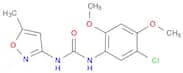
OTU deubiquitinase, ubiquitin aldehyde binding 2(OTUB2) Homo sapiens This gene encodes one of several deubiquitylating enzymes. Ubiquitin modification of proteins is needed for their stability and function; to reverse the process, deubiquityling enzymes remove ubiquitin. This protein contains an OTU domain and binds Ubal (ubiquitin aldehyde); an active cysteine protease site is present in the OTU domain. [provided by RefSeq, Aug 2011],N-(5-CHLORO-2,4-DIMETHOXYPHENYL)-N'-(5-METHYL-3-ISOXAZOLYL)-UREA
CAS:Formula:C13H14ClN3O4Purity:98%Color and Shape:SolidMolecular weight:311.7210AP4B1 rabbit pAb
This gene encodes a subunit of a heterotetrameric adapter-like complex 4 that is involved in targeting proteins from the trans-Golgi network to the endosomal-lysosomal system. Mutations in this gene are associated with cerebral palsy spastic quadriplegic type 5 (CPSQ5) disorder. Alternatively spliced transcript variants encoding different isoforms have been found for this gene. [provided by RefSeq, Dec 2011],KIR3.1 (phospho Ser185) rabbit pAb
Potassium channels are present in most mammalian cells, where they participate in a wide range of physiologic responses. The protein encoded by this gene is an integral membrane protein and inward-rectifier type potassium channel. The encoded protein, which has a greater tendency to allow potassium to flow into a cell rather than out of a cell, is controlled by G-proteins and plays an important role in regulating heartbeat. It associates with three other G-protein-activated potassium channels to form a heteromultimeric pore-forming complex that also couples to neurotransmitter receptors in the brain and whereby channel activation can inhibit action potential firing by hyperpolarizing the plasma membrane. These multimeric G-protein-gated inwardly-rectifying potassium (GIRK) channels may play a role in the pathophysiology of epilepsy, addiction, Down's syndrome, atIntegrin α4 rabbit pAb
integrin subunit alpha 4(ITGA4) Homo sapiens The gene encodes a member of the integrin alpha chain family of proteins. Integrins are heterodimeric integral membrane proteins composed of an alpha chain and a beta chain that function in cell surface adhesion and signaling. The encoded preproprotein is proteolytically processed to generate light and heavy chains that comprise the alpha 4 subunit. This subunit associates with a beta 1 or beta 7 subunit to form an integrin that may play a role in cell motility and migration. This integrin is a therapeutic target for the treatment of multiple sclerosis, Crohn's disease and inflammatory bowel disease. Alternative splicing results in multiple transcript variants. [provided by RefSeq, Oct 2015],JAK2 (phospho Tyr570) rabbit pAb
This gene product is a protein tyrosine kinase involved in a specific subset of cytokine receptor signaling pathways. It has been found to be constituitively associated with the prolactin receptor and is required for responses to gamma interferon. Mice that do not express an active protein for this gene exhibit embryonic lethality associated with the absence of definitive erythropoiesis. [provided by RefSeq, Jul 2008],AT1 rabbit pAb
Angiotensin II is a potent vasopressor hormone and a primary regulator of aldosterone secretion. It is an important effector controlling blood pressure and volume in the cardiovascular system. It acts through at least two types of receptors. This gene encodes the type 1 receptor which is thought to mediate the major cardiovascular effects of angiotensin II. This gene may play a role in the generation of reperfusion arrhythmias following restoration of blood flow to ischemic or infarcted myocardium. It was previously thought that a related gene, denoted as AGTR1B, existed; however, it is now believed that there is only one type 1 receptor gene in humans. Multiple alternatively spliced transcript variants have been reported for this gene. [provided by RefSeq, Jul 2012],