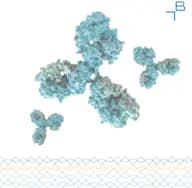
Primary Antibodies
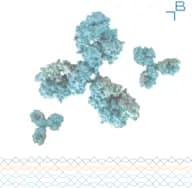
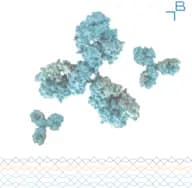
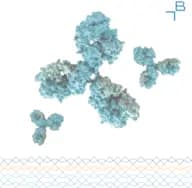
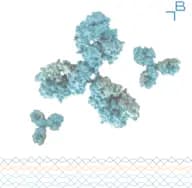
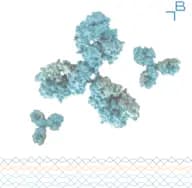
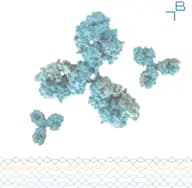
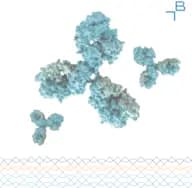
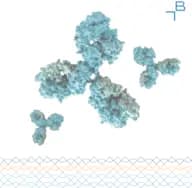
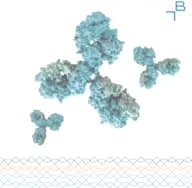
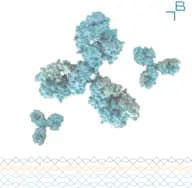
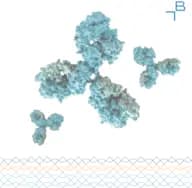
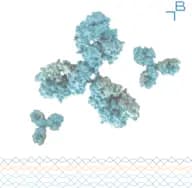
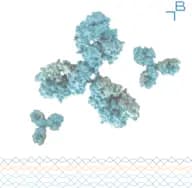
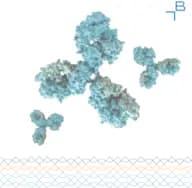
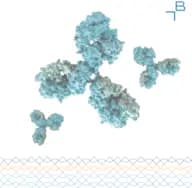
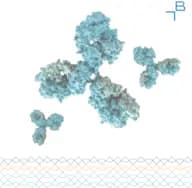
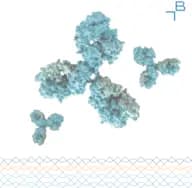
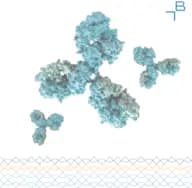
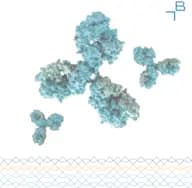
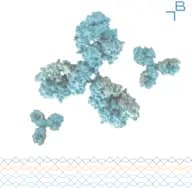
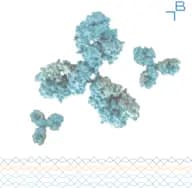
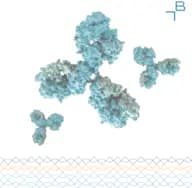
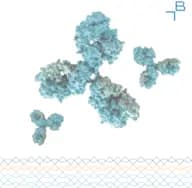
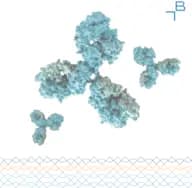
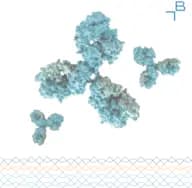
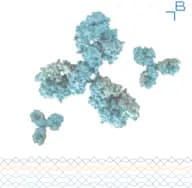
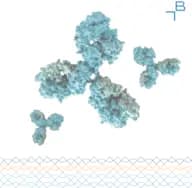
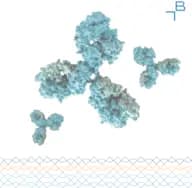
Primary antibodies are immunoglobulins that bind specifically to an antigen of interest, allowing for the detection and quantification of proteins, peptides, or other biomolecules. These antibodies are critical tools in a wide range of applications, including Western blotting, immunohistochemistry, and ELISA. At CymitQuimica, we offer an extensive selection of high-quality primary antibodies that provide specificity and sensitivity for various research needs, including cancer, immunology, and cell biology studies.
Subcategories of "Primary Antibodies"
- Cancer Research Antibodies(3,609 products)
- Cardiovascular Antibodies(2 products)
- Developmental Biology(746 products)
- Epigenetics Antibodies(162 products)
- Immunology Antibodies(2,392 products)
- Metabolism Antibodies(278 products)
- Microbiology Antibodies(736 products)
- Signal Transduction(2,710 products)
- Tags & Cellular Markers(33 products)
Show 1 more subcategories
Found 75081 products of "Primary Antibodies"
Sort by
Purity (%)
0
100
|
0
|
50
|
90
|
95
|
100
Tryptophan Hydroxylase antibody (Ser260)
<p>Rabbit Polyclonal Tryptophan Hydroxylase antibody (Ser260)</p>PRR13 antibody
<p>PRR13 antibody was raised using the N terminal of PRR13 corresponding to a region with amino acids MWNPNAGQPGPNPYPPNIGCPGGSNPAHPPPINPPFPPGPCPPPPGAPHG</p>C1ORF131 antibody
<p>C1ORF131 antibody was raised using the middle region of C1Orf131 corresponding to a region with amino acids TGPEILAAAVPPSSLKNNREQVEVVEFHSNKKRKLTPDHNKNTKQANPSV</p>MKK4 antibody
<p>The 6-Fluoro-3-indoxyl-beta-D-galactopyranoside is a powerful antituberculosis drug from the rifamycin class. It is specifically designed to target tuberculosis infections and contains active compounds that exhibit bactericidal activity. This drug works by inhibiting bacterial growth through its binding to DNA-dependent RNA polymerase, preventing transcription and replication. The effectiveness of this drug has been extensively studied using advanced techniques like transcription-quantitative polymerase chain reaction and patch-clamp technique. It undergoes various metabolic transformations, including hydrolysis by esterases or glucuronidases, oxidation by cytochrome P450 enzymes, reduction by glutathione reductase, or conjugation with glucuronic acid. Additionally, it specifically targets Mycobacterium tuberculosis strains and inhibits their growth in culture.</p>EXPH5 antibody
<p>EXPH5 antibody was raised using the middle region of EXPH5 corresponding to a region with amino acids QGRLWKPSFLKNPGFLKDDLRNPPNPSESLSSNSPSSQVPEDGLSPSEPL</p>PCGF5 antibody
<p>PCGF5 antibody was raised using the N terminal of PCGF5 corresponding to a region with amino acids ATQRKHLVKDFNPYITCYICKGYLIKPTTVTECLHTFCKTCIVQHFEDSN</p>NPDC1 antibody
<p>NPDC1 antibody was raised using the N terminal of NPDC1 corresponding to a region with amino acids MATPLPPPSPRHLRLLRLLLSGLVLGAALRGAAAGHPDVAACPGSLDCAL</p>PYGB antibody
<p>PYGB antibody was raised using the N terminal of PYGB corresponding to a region with amino acids QQHYYERDPKRIYYLSLEFYMGRTLQNTMVNLGLQNACDEAIYQLGLDLE</p>DCT antibody
<p>The DCT antibody is a polyclonal antibody that specifically targets actin filaments. It is commonly used in Life Sciences research to study the activation and function of actin in various cellular processes. This antibody can be used for immunostaining, Western blotting, and other experimental techniques to visualize and quantify actin levels in cells and tissues.</p>CLU antibody
<p>The CLU antibody is a monoclonal antibody that specifically targets collagen. It has been shown to have therapeutic potential in various applications, including the treatment of liver cancer. The CLU antibody works by inhibiting the activity of sorafenib, a drug used in the treatment of hepatocellular carcinoma. Additionally, this antibody can modulate the activity of phosphatase enzymes and promote the growth of mesenchymal stem cells. In research settings, the CLU antibody has been used to study human folate metabolism and as a tool for electrode-based detection methods. This high-quality product from Life Sciences is suitable for use in various assays and research applications involving human serum samples or creatine kinase activation studies. Trust in the reliability and specificity of Monoclonal Antibodies' CLU antibody for your research needs.</p>TUBA1C antibody
<p>TUBA1C antibody was raised in rabbit using the C terminal of TUBA1C as the immunogen</p>QTRT1 antibody
<p>QTRT1 antibody was raised using a synthetic peptide corresponding to a region with amino acids KDKPRYLMGVGYATDLVVCVALGCDMFDCVFPTRTARFGSALVPTGNLQL</p>LDHA antibody
<p>The LDHA antibody is a monoclonal antibody that specifically targets lactate dehydrogenase A (LDHA), an enzyme involved in the conversion of pyruvate to lactate. This antibody has been shown to be highly specific and effective in neutralizing LDHA activity in various experimental settings. It can be used for applications such as immunohistochemistry, Western blotting, ELISA, and flow cytometry.</p>PTCH1 antibody
<p>The PTCH1 antibody is a powerful tool in the field of Life Sciences. It belongs to the class of monoclonal antibodies and is known for its cytotoxic properties. This antibody specifically targets the beta-hairpin region of PTCH1, a protein involved in cell signaling pathways. By binding to PTCH1, this antibody inhibits its function and disrupts downstream signaling events.</p>CD8a antibody
<p>CD8a antibody was raised in Mouse using the alpha chainc of chicken CD8 as the immunogen.</p>BSG antibody
<p>The BSG antibody is a highly specialized Monoclonal Antibody that has a wide range of applications in the field of Life Sciences. This antibody is specifically designed to target and neutralize BSG (Basigin) protein, which plays a crucial role in various cellular processes.</p>Lactoferrin antibody
<p>Lactoferrin antibody was raised in Mouse using Human lactoferrin as the immunogen.</p>MDA5 antibody
<p>The MDA5 antibody is a cytotoxic antibody that belongs to the class of antibodies. It acts as an inhibitory factor for dopamine and is widely used in the field of Life Sciences. This antibody is produced by a hybridoma cell line and has been shown to be highly effective in blocking the activity of activated MDA5, which is involved in autoimmune diseases such as dermatomyositis and polymyositis. The MDA5 antibody can also neutralize autoantibodies and growth factors, making it a valuable tool for research purposes. Both polyclonal and monoclonal antibodies are available, with the monoclonal form being particularly useful for its specificity and consistency. Researchers have also found that this antibody can block the activity of liver microsomes, further expanding its potential applications.</p>EPHX1 antibody
<p>EPHX1 antibody was raised in mouse using recombinant human EPHX1 (21-455aa) purified from E. coli as the immunogen.</p>TNFRII antibody
<p>TNFRII antibody was raised in Mouse using recombinant soluble human TNFRII-Fc fusion protein as the immunogen.</p>PIP3-E antibody
<p>PIP3-E antibody was raised using the C terminal of PIP3-E corresponding to a region with amino acids DDPKLTARKYREWKVMNTLLIQDIYQQQRASPAPDDTDDTPQELKKSPSS</p>GDF9 antibody
<p>The GDF9 antibody is a powerful tool in the field of Life Sciences. It belongs to the family of interferon and epidermal growth factor inhibitors, making it highly effective in blocking the activity of these proteins. This monoclonal antibody exhibits cytotoxic properties, making it an ideal choice for research involving cell death mechanisms.</p>CD4 antibody
<p>The CD4 antibody is a monoclonal antibody that specifically targets the CD4 protein, which is found on the surface of certain immune cells. This antibody is widely used in life sciences research to study and understand immune responses and diseases related to the immune system. The CD4 antibody binds to the CD4 protein, blocking its interaction with other molecules and inhibiting various cellular processes. It can be used for immunohistochemistry, flow cytometry, and other techniques to detect and analyze CD4-positive cells. This antibody has also been explored as a potential therapeutic agent for conditions such as cancer and autoimmune diseases. Its high specificity and affinity make it a valuable tool in scientific research and medical applications.</p>MBD3 antibody
<p>MBD3 antibody was raised using the N terminal of MBD3 corresponding to a region with amino acids SKMNKSRQRVRYDSSNQVKGKPDLNTALPVRQTASIFKQPVTKITNHPSN</p>CTA-126B4.3 antibody
<p>CTA-126B4.3 antibody was raised using the N terminal of CTA-126B4.3 corresponding to a region with amino acids NVPPYCTEESLSRLLSTCGLVQSVELQEKPDLAESPKESRSKFFHPKPVP</p>