


Primary Antibodies
Primary antibodies are immunoglobulins that bind specifically to an antigen of interest, allowing for the detection and quantification of proteins, peptides, or other biomolecules. These antibodies are critical tools in a wide range of applications, including Western blotting, immunohistochemistry, and ELISA. At CymitQuimica, we offer an extensive selection of high-quality primary antibodies that provide specificity and sensitivity for various research needs, including cancer, immunology, and cell biology studies.
Subcategories of "Primary Antibodies"
- Cancer Research Antibodies(3,722 products)
- Cardiovascular Antibodies(2 products)
- Developmental Biology(764 products)
- Epigenetics Antibodies(162 products)
- Immunology Antibodies(2,591 products)
- Metabolism Antibodies(291 products)
- Microbiology Antibodies(741 products)
- Signal Transduction(2,771 products)
- Tags & Cellular Markers(34 products)
Show 1 more subcategories
Found 75602 products of "Primary Antibodies"
Sort by
Purity (%)
0
100
|
0
|
50
|
90
|
95
|
100
EphA6 rabbit pAb
catalytic activity:ATP + a [protein]-L-tyrosine = ADP + a [protein]-L-tyrosine phosphate.,function:Receptor for members of the ephrin-A family.,similarity:Belongs to the protein kinase superfamily. Tyr protein kinase family. Ephrin receptor subfamily.,similarity:Contains 1 protein kinase domain.,similarity:Contains 1 SAM (sterile alpha motif) domain.,similarity:Contains 2 fibronectin type-III domains.,tissue specificity:Expressed in brain and testis.,MAST4 rabbit pAb
This gene encodes a member of the microtubule-associated serine/threonine protein kinases. The proteins in this family contain a domain that gives the kinase the ability to determine its own scaffold to control the effects of their kinase activities. Alternative splicing results in multiple transcript variants encoding different isoforms. [provided by RefSeq, Mar 2014],AXL (Phospho Tyr697) rabbit pAb
The protein encoded by this gene is a member of the Tyro3-Axl-Mer (TAM) receptor tyrosine kinase subfamily. The encoded protein possesses an extracellular domain which is composed of two immunoglobulin-like motifs at the N-terminal, followed by two fibronectin type-III motifs. It transduces signals from the extracellular matrix into the cytoplasm by binding to the vitamin K-dependent protein growth arrest-specific 6 (Gas6). This gene may be involved in several cellular functions including growth, migration, aggregation and anti-inflammation in multiple cell types. Alternative splicing results in multiple transcript variants of this gene. [provided by RefSeq, Jul 2013],CD55 rabbit pAb
This gene encodes a glycoprotein involved in the regulation of the complement cascade. Binding of the encoded protein to complement proteins accelerates their decay, thereby disrupting the cascade and preventing damage to host cells. Antigens present on this protein constitute the Cromer blood group system (CROM). Alternative splicing results in multiple transcript variants. The predominant transcript variant encodes a membrane-bound protein, but alternatively spliced transcripts may produce soluble proteins. [provided by RefSeq, Jul 2014],RFA1 rabbit pAb
function:It participates in a very early step in initiation. RP-A is a single-stranded DNA-binding protein. Absolutely required for simian virus 40 DNA replication in vitro.,PTM:Phosphorylated upon DNA damage, probably by ATM or ATR.,similarity:Belongs to the replication factor A protein 1 family.,subunit:Heterotrimer of 70, 32 and 14 kDa chains. The DNA-binding activity may reside exclusively on the 70 kDa subunit. Interacts with RIP and XPA. Interacts with RPA4.,NFκB-p105/p50 (phospho Ser337) rabbit pAb
nuclear factor kappa B subunit 1(NFKB1) Homo sapiens This gene encodes a 105 kD protein which can undergo cotranslational processing by the 26S proteasome to produce a 50 kD protein. The 105 kD protein is a Rel protein-specific transcription inhibitor and the 50 kD protein is a DNA binding subunit of the NF-kappa-B (NFKB) protein complex. NFKB is a transcription regulator that is activated by various intra- and extra-cellular stimuli such as cytokines, oxidant-free radicals, ultraviolet irradiation, and bacterial or viral products. Activated NFKB translocates into the nucleus and stimulates the expression of genes involved in a wide variety of biological functions. Inappropriate activation of NFKB has been associated with a number of inflammatory diseases while persistent inhibition of NFKB leads to inappropriate immune cell development or delayed cell growth. Alternative splicing results in multiple transcript variants encoding different isofKaryopherin α2 (Acetyl Lys22) rabbit pAb
The import of proteins into the nucleus is a process that involves at least 2 steps. The first is an energy-independent docking of the protein to the nuclear envelope and the second is an energy-dependent translocation through the nuclear pore complex. Imported proteins require a nuclear localization sequence (NLS) which generally consists of a short region of basic amino acids or 2 such regions spaced about 10 amino acids apart. Proteins involved in the first step of nuclear import have been identified in different systems. These include the Xenopus protein importin and its yeast homolog, SRP1 (a suppressor of certain temperature-sensitive mutations of RNA polymerase I in Saccharomyces cerevisiae), which bind to the NLS. KPNA2 protein interacts with the NLSs of DNA helicase Q1 and SV40 T antigen and may be involved in the nuclear transport of proteins. KPNA2 also may play a role in V(D)J reRIPK3 rabbit pAb
The product of this gene is a member of the receptor-interacting protein (RIP) family of serine/threonine protein kinases, and contains a C-terminal domain unique from other RIP family members. The encoded protein is predominantly localized to the cytoplasm, and can undergo nucleocytoplasmic shuttling dependent on novel nuclear localization and export signals. It is a component of the tumor necrosis factor (TNF) receptor-I signaling complex, and can induce apoptosis and weakly activate the NF-kappaB transcription factor. [provided by RefSeq, Jul 2008],IFNA5 rabbit pAb
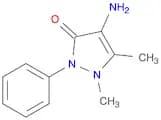
function:Produced by macrophages, IFN-alpha have antiviral activities. Interferon stimulates the production of two enzymes: a protein kinase and an oligoadenylate synthetase.,similarity:Belongs to the alpha/beta interferon family.,4-Amino-1,5-dimethyl-2-phenyl-1H-pyrazol-3(2H)-one
CAS:Formula:C11H13N3OPurity:98%Color and Shape:SolidMolecular weight:203.2404Ref: IN-DA003KQQ
5kgTo inquire10kgTo inquire10g25.00€5g26.00€25g28.00€50g47.00€100g65.00€500g196.00€1kg235.00€p95/NBS1 (phospho-Ser343) rabbit pAb
Mutations in this gene are associated with Nijmegen breakage syndrome, an autosomal recessive chromosomal instability syndrome characterized by microcephaly, growth retardation, immunodeficiency, and cancer predisposition. The encoded protein is a member of the MRE11/RAD50 double-strand break repair complex which consists of 5 proteins. This gene product is thought to be involved in DNA double-strand break repair and DNA damage-induced checkpoint activation. [provided by RefSeq, Jul 2008],MFGM rabbit pAb
This gene encodes a preproprotein that is proteolytically processed to form multiple protein products. The major encoded protein product, lactadherin, is a membrane glycoprotein that promotes phagocytosis of apoptotic cells. This protein has also been implicated in wound healing, autoimmune disease, and cancer. Lactadherin can be further processed to form a smaller cleavage product, medin, which comprises the major protein component of aortic medial amyloid (AMA). Alternative splicing results in multiple transcript variants. [provided by RefSeq, Jul 2015],TRI69 rabbit pAb
This gene encodes a member of the RING-B-box-coiled-coil (RBCC) family and encodes a protein with an N-terminal RING finger motif, a PRY domain and a C-terminal SPRY domain. The mouse ortholog of this gene is specifically expressed in germ cells at the round spermatid stages during spermatogenesis and, when overexpressed, induces apoptosis. Alternatively spliced transcript variants encoding distinct isoforms have been described. [provided by RefSeq, Jul 2008],TRAK1 rabbit pAb
PTM:O-glycosylated.,similarity:Contains 1 HAP1 N-terminal domain.,subunit:Interacts with O-GlcNAc transferase. Interacts with RHOT1/Miro-1 and RHOT2/Miro-2.,tissue specificity:High expression in spinal cord and moderate expression in all other tissues and specific brain regions examined. Expressed in all cell lines examined.,AL1A3 rabbit pAb
This gene encodes an aldehyde dehydrogenase enzyme that uses retinal as a substrate. Mutations in this gene have been associated with microphthalmia, isolated 8, and expression changes have also been detected in tumor cells. Alternative splicing results in multiple transcript variants. [provided by RefSeq, Jun 2014],2-Naphthacenecarboxamide,4-(dimethylamino)-1,4,4a,5,5a,6,11,12a-octahydro-3,5,10,12,12a-pentahydroxy-6-methyl-1,11-dioxo-, monohydrochloride,(4S,4aR,5S,5aR,6R,12aS)-
CAS:Formula:C22H25ClN2O8Purity:95%Color and Shape:SolidMolecular weight:480.8955Cleaved-ITI-H4 70k (R661) rabbit pAb
The protein encoded by this gene is secreted into the blood, where it is cleaved by plasma kallikrein into two smaller forms. Expression of this gene has been detected only in liver, and it seems to be upregulated during surgical trauma. This gene is part of a cluster of similar genes on chromosome 3. Two transcript variants encoding different isoforms have been found for this gene. [provided by RefSeq, Oct 2009],mOrange-Tag Mouse mAb
mOrange and mOrange2 are extremely bright orange fluorescent protein monomers which can be used as tags or reporters. Both mOrange fluorescent proteins are mutants derived from mRFP1, a monomeric mutant of DsRed.GRK2 (Phospho-Ser685) Antibody
The product of this gene phosphorylates the beta-2-adrenergic receptor and appears to mediate agonist-specific desensitization observed at high agonist concentrations. This protein is an ubiquitous cytosolic enzyme that specifically phosphorylates the activated form of the beta-adrenergic and related G-protein-coupled receptors. Abnormal coupling of beta-adrenergic receptor to G protein is involved in the pathogenesis of the failing heart. [provided by RefSeq, Jul 2008],PPAR α (Phospho Ser21) rabbit pAb
function:Receptor that binds peroxisome proliferators such as hypolipidemic drugs and fatty acids. Once activated by a ligand, the receptor binds to a promoter element in the gene for acyl-CoA oxidase and activates its transcription. It therefore controls the peroxisomal beta-oxidation pathway of fatty acids.,online information:Peroxisome proliferator-activated receptor entry,similarity:Belongs to the nuclear hormone receptor family. NR1 subfamily.,similarity:Contains 1 nuclear receptor DNA-binding domain.,subunit:Heterodimer with the retinoid X receptor. Interacts with NCOA3 and NCOA6 coactivators, leading to a strong increase of transcription of target genes. Also interacts with PPARBP coactivator in vitro. Interacts with AKAP13.,tissue specificity:Skeletal muscle, liver, heart and kidney.,DLG4 rabbit pAb
This gene encodes a member of the membrane-associated guanylate kinase (MAGUK) family. It heteromultimerizes with another MAGUK protein, DLG2, and is recruited into NMDA receptor and potassium channel clusters. These two MAGUK proteins may interact at postsynaptic sites to form a multimeric scaffold for the clustering of receptors, ion channels, and associated signaling proteins. Multiple transcript variants encoding different isoforms have been found for this gene. [provided by RefSeq, Jul 2008],Cbl rabbit pAb
Cbl proto-oncogene(CBL) Homo sapiens This gene is a proto-oncogene that encodes a RING finger E3 ubiquitin ligase. The encoded protein is one of the enzymes required for targeting substrates for degradation by the proteasome. This protein mediates the transfer of ubiquitin from ubiquitin conjugating enzymes (E2) to specific substrates. This protein also contains an N-terminal phosphotyrosine binding domain that allows it to interact with numerous tyrosine-phosphorylated substrates and target them for proteasome degradation. As such it functions as a negative regulator of many signal transduction pathways. This gene has been found to be mutated or translocated in many cancers including acute myeloid leukaemia, and expansion of CGG repeats in the 5' UTR has been associated with Jacobsen syndrome. Mutations in this gene are also the cause of Noonan syndrome-like disorder. [provided by RefSeq, Jul 2016],CMTM8 rabbit pAb
This gene belongs to the chemokine-like factor gene superfamily, a novel family that is similar to the chemokine and the transmembrane 4 superfamilies. This gene is one of several chemokine-like factor genes located in a cluster on chromosome 3. This gene acts as a tumor suppressor, and plays a role in regulating the migration of tumor cells. The encoded protein is thought to function as a a negative regulator of epidermal growth factor-induced signaling. Alternative splicing results in multiple transcript variants encoding different isoforms. [provided by RefSeq, Feb 2016],Presenilin 2 rabbit pAb
Alzheimer's disease (AD) patients with an inherited form of the disease carry mutations in the presenilin proteins (PSEN1 or PSEN2) or the amyloid precursor protein (APP). These disease-linked mutations result in increased production of the longer form of amyloid-beta (main component of amyloid deposits found in AD brains). Presenilins are postulated to regulate APP processing through their effects on gamma-secretase, an enzyme that cleaves APP. Also, it is thought that the presenilins are involved in the cleavage of the Notch receptor such that, they either directly regulate gamma-secretase activity, or themselves act are protease enzymes. Two alternatively spliced transcript variants encoding different isoforms of PSEN2 have been identified. [provided by RefSeq, Jul 2008],ERK1 Rabbit pAb
Mitogen-activated protein kinases (MAPKs) are a widely conserved family of serine/threonine protein kinases involved in many cellular programs such as cell proliferation, differentiation, motility, and death. The p44/42 MAPK (Erk1/2) signaling pathway can be activated in response to a diverse range of extracellular stimuli including mitogens, growth factors, and cytokines and is an important target in the diagnosis and treatment of cancer.MMP-15 rabbit pAb
This gene encodes a member of the peptidase M10 family and membrane-type subfamily of matrix metalloproteinases (MMPs). Proteins in this family are involved in the breakdown of extracellular matrix in normal physiological processes, such as embryonic development, reproduction, and tissue remodeling, as well as in disease processes, such as arthritis and metastasis. Members of this subfamily contain a transmembrane domain suggesting that these proteins are expressed at the cell surface rather than secreted. The encoded preproprotein is proteolytically processed to generate the mature protease. This protein may play a role in cancer progression. [provided by RefSeq, Jan 2016],DDAH1 rabbit pAb
This gene belongs to the dimethylarginine dimethylaminohydrolase (DDAH) gene family. The encoded enzyme plays a role in nitric oxide generation by regulating cellular concentrations of methylarginines, which in turn inhibit nitric oxide synthase activity. [provided by RefSeq, Jul 2008],p53 (phospho Ser366) rabbit pAb
tumor protein p53(TP53) Homo sapiens This gene encodes a tumor suppressor protein containing transcriptional activation, DNA binding, and oligomerization domains. The encoded protein responds to diverse cellular stresses to regulate expression of target genes, thereby inducing cell cycle arrest, apoptosis, senescence, DNA repair, or changes in metabolism. Mutations in this gene are associated with a variety of human cancers, including hereditary cancers such as Li-Fraumeni syndrome. Alternative splicing of this gene and the use of alternate promoters result in multiple transcript variants and isoforms. Additional isoforms have also been shown to result from the use of alternate translation initiation codons (PMIDs: 12032546, 20937277). [provided by RefSeq, Feb 2013],EI2BB rabbit pAb
This gene encodes the beta subunit of eukaryotic initiation factor-2B (EIF2B). EIF2B is involved in protein synthesis and exchanges GDP and GTP for its activation and deactivation. [provided by RefSeq, Aug 2011],GR (phospho Ser226) rabbit pAb
This gene encodes glucocorticoid receptor, which can function both as a transcription factor that binds to glucocorticoid response elements in the promoters of glucocorticoid responsive genes to activate their transcription, and as a regulator of other transcription factors. This receptor is typically found in the cytoplasm, but upon ligand binding, is transported into the nucleus. It is involved in inflammatory responses, cellular proliferation, and differentiation in target tissues. Mutations in this gene are associated with generalized glucocorticoid resistance. Alternative splicing of this gene results in transcript variants encoding either the same or different isoforms. Additional isoforms resulting from the use of alternate in-frame translation initiation sites have also been described, and shown to be functional, displaying diverse cytoplasm-to-nucleus trafficking pat3',6'-Diacetoxy-3-oxo-3H-spiro[isobenzofuran-1,9'-xanthene]-6-carboxylic acid
CAS:Formula:C25H16O9Purity:95%Color and Shape:SolidMolecular weight:460.3891Tyrosine Hydroxylase rabbit pAb
The protein encoded by this gene is involved in the conversion of tyrosine to dopamine. It is the rate-limiting enzyme in the synthesis of catecholamines, hence plays a key role in the physiology of adrenergic neurons. Mutations in this gene have been associated with autosomal recessive Segawa syndrome. Alternatively spliced transcript variants encoding different isoforms have been noted for this gene. [provided by RefSeq, Jul 2008],RASEF rabbit pAb
This gene is a member of the Rab family of GTPases that are involved in regulation of membrane traffic. The encoded protein contains an N-terminal EF-hand domain, a coiled-coil motif and a C-terminal Rab domain. A potential role as tumor suppressor has been indicated for this gene. [provided by RefSeq, Nov 2012],NBPF1/9/10/12/14/15/16/20 rabbit pAb
This gene is a member of the neuroblastoma breakpoint family (NBPF) which consists of dozens of recently duplicated genes primarily located in segmental duplications on human chromosome 1. This gene family has experienced its greatest expansion within the human lineage and has expanded, to a lesser extent, among primates in general. Members of this gene family are characterized by tandemly repeated copies of DUF1220 protein domains. Gene copy number variations in the human chromosomal region 1q21.1, where most DUF1220 domains are located, have been implicated in a number of developmental and neurogenetic diseases such as microcephaly, macrocephaly, autism, schizophrenia, mental retardation, congenital heart disease, neuroblastoma, and congenital kidney and urinary tract anomalies. Altered expression of some gene family members is associated with several types of cancer. ThisBlk rabbit pAb
This gene encodes a nonreceptor tyrosine-kinase of the src family of proto-oncogenes that are typically involved in cell proliferation and differentiation. The protein has a role in B-cell receptor signaling and B-cell development. The protein also stimulates insulin synthesis and secretion in response to glucose and enhances the expression of several pancreatic beta-cell transcription factors. [provided by RefSeq, Aug 2010],ITIH6 rabbit pAb
The protein encoded by this gene belongs to the interalpha trypsin inhibitor heavy chain (ITIH) family. Interalpha trypsin inhibitor (ITI) is composed of two heavy chains (containing VWA domain) and one light chain. The light chain confers the protease-inhibitor function, while the heavy chains are involved in mediating protein-protein interactions with the components of the extracellular matrix. [provided by RefSeq, Sep 2009],Ferritin heavy chain rabbit pAb
This gene encodes the heavy subunit of ferritin, the major intracellular iron storage protein in prokaryotes and eukaryotes. It is composed of 24 subunits of the heavy and light ferritin chains. Variation in ferritin subunit composition may affect the rates of iron uptake and release in different tissues. A major function of ferritin is the storage of iron in a soluble and nontoxic state. Defects in ferritin proteins are associated with several neurodegenerative diseases. This gene has multiple pseudogenes. Several alternatively spliced transcript variants have been observed, but their biological validity has not been determined. [provided by RefSeq, Jul 2008],N33 rabbit pAb
This gene is a candidate tumor suppressor gene. It is located within a homozygously deleted region of a metastatic prostate cancer. The gene is expressed in most nonlymphoid human tissues including prostate, lung, liver, and colon. Expression was also detected in many epithelial tumor cell lines. Two transcript variants encoding distinct isoforms have been identified for this gene. [provided by RefSeq, Jul 2008],VCX3 rabbit pAb
This gene belongs to the VCX/Y gene family, which has multiple members on both X and Y chromosomes, and all are expressed exclusively in male germ cells. The X-linked members are clustered on chromosome Xp22 and Y-linked members are two identical copies of the gene within a palindromic region on Yq11. The family members share a high degree of sequence identity, with the exception that a 30-bp unit is tandemly repeated in X-linked members but occurs only once in Y-linked members. The VCX gene cluster is polymorphic in terms of copy number; different individuals may have a different number of VCX genes. VCX/Y genes encode small and highly charged proteins of unknown function. The presence of a putative bipartite nuclear localization signal suggests that VCX/Y members are nuclear proteins. This gene contains 8 repeats of the 30-bp unit. [provided by RefSeq, Jul 2008],ERLN2 rabbit pAb
This gene encodes a member of the SPFH domain-containing family of lipid raft-associated proteins. The encoded protein is localized to lipid rafts of the endoplasmic reticulum and plays a critical role in inositol 1,4,5-trisphosphate (IP3) signaling by mediating ER-associated degradation of activated IP3 receptors. Mutations in this gene are a cause of spastic paraplegia-18 (SPG18). Alternatively spliced transcript variants encoding multiple isoforms have been observed for this gene. [provided by RefSeq, Feb 2012],EMID2 rabbit pAb
This gene encodes a protein containing an emilin domain and two collagen stretches. This gene may be associated with aspirin-intolerant asthma. Alternatively spliced transcript variants encoding different isoforms have been found for this gene. [provided by RefSeq, Aug 2013],CYP7B1 rabbit pAb
This gene encodes a member of the cytochrome P450 superfamily of enzymes. The cytochrome P450 proteins are monooxygenases which catalyze many reactions involved in drug metabolism and synthesis of cholesterol, steroids and other lipids. This endoplasmic reticulum membrane protein catalyzes the first reaction in the cholesterol catabolic pathway of extrahepatic tissues, which converts cholesterol to bile acids. This enzyme likely plays a minor role in total bile acid synthesis, but may also be involved in the development of atherosclerosis, neurosteroid metabolism and sex hormone synthesis. Mutations in this gene have been associated with hereditary spastic paraplegia (SPG5 or HSP), an autosomal recessive disorder. [provided by RefSeq, Apr 2016],FPRL2 rabbit pAb
function:Low affinity receptor for N-formyl-methionyl peptides, which are powerful neutrophils chemotactic factors. Binding of FMLP to the receptor causes activation of neutrophils. This response is mediated via a G-protein that activates a phosphatidylinositol-calcium second messenger system.,similarity:Belongs to the G-protein coupled receptor 1 family.,




![3',6'-Diacetoxy-3-oxo-3H-spiro[isobenzofuran-1,9'-xanthene]-6-carboxylic acid](/_next/image/?url=https%3A%2Fstatic.cymitquimica.com%2Fproducts%2FIN%2Fthumb-webp%2FDA003N53.webp&w=3840&q=75)