Primary Antibodies
Primary antibodies are immunoglobulins that bind specifically to an antigen of interest, allowing for the detection and quantification of proteins, peptides, or other biomolecules. These antibodies are critical tools in a wide range of applications, including Western blotting, immunohistochemistry, and ELISA. At CymitQuimica, we offer an extensive selection of high-quality primary antibodies that provide specificity and sensitivity for various research needs, including cancer, immunology, and cell biology studies.
Subcategories of "Primary Antibodies"
- Cancer Research Antibodies(3,620 products)
- Cardiovascular Antibodies(2 products)
- Developmental Biology(751 products)
- Epigenetics Antibodies(162 products)
- Immunology Antibodies(2,551 products)
- Metabolism Antibodies(279 products)
- Microbiology Antibodies(739 products)
- Signal Transduction(2,717 products)
- Tags & Cellular Markers(33 products)
Show 1 more subcategories
Found 75447 products of "Primary Antibodies"
Sort by
Purity (%)
0
100
|
0
|
50
|
90
|
95
|
100
AAT rabbit pAb
The protein encoded by this gene is secreted and is a serine protease inhibitor whose targets include elastase, plasmin, thrombin, trypsin, chymotrypsin, and plasminogen activator. Defects in this gene can cause emphysema or liver disease. Several transcript variants encoding the same protein have been found for this gene. [provided by RefSeq, Jul 2008],CPA1 rabbit pAb
This gene encodes a member of the carboxypeptidase A family of zinc metalloproteases. This enzyme is produced in the pancreas and preferentially cleaves C-terminal branched-chain and aromatic amino acids from dietary proteins. This gene and several family members are present in a gene cluster on chromosome 7. Mutations in this gene may be linked to chronic pancreatitis, while elevated protein levels may be associated with pancreatic cancer. [provided by RefSeq, Jan 2015],ARMCX1 rabbit pAb
armadillo repeat containing, X-linked 1(ARMCX1) Homo sapiens This gene encodes a member of the ALEX family of proteins and may play a role in tumor suppression. The encoded protein contains a potential N-terminal transmembrane domain and two Armadillo (arm) repeats. Other proteins containing the arm repeat are involved in development, maintenance of tissue integrity, and tumorigenesis. This gene is closely localized with other family members, including ALEX2 and ALEX3, on the X chromosome. [provided by RefSeq, Jul 2008],TCPR2 rabbit pAb
The protein encoded by this gene is a member of the tectonin beta-propeller repeat-containing (TECPR) family, and contains both TECPR and tryptophan-aspartic acid repeat (WD repeat) domains. This gene has been implicated in autophagy, as reduced expression levels of this gene have been associated with impaired autophagy. Recessive mutations in this gene have been associated with a hereditary form of spastic paraparesis (HSP). HSP is characterized by progressive spasticity and paralysis of the legs. There is also some evidence linking mutations in this gene with birdshot chorioretinopathy (BSCR), which results in inflammation of the choroid and retina. Alternative splicing results in multiple transcript variants encoding different isoforms. [provided by RefSeq, Aug 2015],FCERG rabbit pAb
The high affinity IgE receptor is a key molecule involved in allergic reactions. It is a tetramer composed of 1 alpha, 1 beta, and 2 gamma chains. The gamma chains are also subunits of other Fc receptors. [provided by RefSeq, Jul 2008],ApoF rabbit pAb
The product of this gene is one of the minor apolipoproteins found in plasma. This protein forms complexes with lipoproteins and may be involved in transport and/or esterification of cholesterol. [provided by RefSeq, Jul 2008],T2R8 rabbit pAb
This gene product belongs to the family of candidate taste receptors that are members of the G-protein-coupled receptor superfamily. These proteins are specifically expressed in the taste receptor cells of the tongue and palate epithelia. They are organized in the genome in clusters and are genetically linked to loci that influence bitter perception in mice and humans. In functional expression studies, they respond to bitter tastants. This gene maps to the taste receptor gene cluster on chromosome 12p13. [provided by RefSeq, Jul 2008],SYP rabbit pAb
This gene encodes an integral membrane protein of small synaptic vesicles in brain and endocrine cells. The protein also binds cholesterol and is thought to direct targeting of vesicle-associated membrane protein 2 (synaptobrevin) to intracellular compartments. Mutations in this gene are associated with X-linked mental retardation (XLMR). [provided by RefSeq, Aug 2011],Cytokeratin 17 rabbit pAb
This gene encodes the type I intermediate filament chain keratin 17, expressed in nail bed, hair follicle, sebaceous glands, and other epidermal appendages. Mutations in this gene lead to Jackson-Lawler type pachyonychia congenita and steatocystoma multiplex. [provided by RefSeq, Aug 2008],Elf-1 rabbit pAb
This gene encodes an E26 transformation-specific related transcription factor. The encoded protein is primarily expressed in lymphoid cells and acts as both an enhancer and a repressor to regulate transcription of various genes. Alternative splicing results in multiple transcript variants. [provided by RefSeq, Feb 2009],CHD9 rabbit pAb
function:Acts as a transcriptional coactivator for PPARA and possibly other nuclear receptors. Proposed to be a ATP-dependent chromatin remodeling protein. Has DNA-dependent ATPase activity and binds to A/T-rich DNA. Associates with A/T-rich regulatory regions in promoters of genes that participate in the differentiation of progenitors during osteogenesis.,PTM:Phosphorylated on serine and tyrosine residues.,sequence caution:Wrong choice of frame.,similarity:Belongs to the SNF2/RAD54 helicase family.,similarity:Contains 1 helicase ATP-binding domain.,similarity:Contains 1 helicase C-terminal domain.,similarity:Contains 2 chromo domains.,subunit:Interacts with PPARA. Probably interacts with ESR1 and NR1I3.,tissue specificity:Widely expressed at low levels. In bone marrow, expression is restricted to osteoprogenitor cells adjacent to mature osteoblasts.,KCNT1 rabbit pAb
Potassium channels represent the most complex class of voltage-gated ion channels from both functional and structural standpoints. Their diverse functions include regulating neurotransmitter release, heart rate, insulin secretion, neuronal excitability, epithelial electrolyte transport, smooth muscle contraction, and cell volume. This gene encodes a sodium-activated potassium channel subunit which is thought to function in ion conductance and developmental signaling pathways. Mutations in this gene cause the early-onset epileptic disorders, malignant migrating partial seizures of infancy and autosomal dominant nocturnal frontal lobe epilepsy. Alternative splicing results in multiple transcript variants. [provided by RefSeq, Dec 2012],JAB1 rabbit pAb
The protein encoded by this gene is one of the eight subunits of COP9 signalosome, a highly conserved protein complex that functions as an important regulator in multiple signaling pathways. The structure and function of COP9 signalosome is similar to that of the 19S regulatory particle of 26S proteasome. COP9 signalosome has been shown to interact with SCF-type E3 ubiquitin ligases and act as a positive regulator of E3 ubiquitin ligases. This protein is reported to be involved in the degradation of cyclin-dependent kinase inhibitor CDKN1B/p27Kip1. It is also known to be an coactivator that increases the specificity of JUN/AP1 transcription factors. [provided by RefSeq, Jul 2008],EPHA1 (Phospho-Tyr605) rabbit pAb
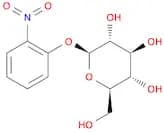
This gene belongs to the ephrin receptor subfamily of the protein-tyrosine kinase family. EPH and EPH-related receptors have been implicated in mediating developmental events, particularly in the nervous system. Receptors in the EPH subfamily typically have a single kinase domain and an extracellular region containing a Cys-rich domain and 2 fibronectin type III repeats. The ephrin receptors are divided into 2 groups based on the similarity of their extracellular domain sequences and their affinities for binding ephrin-A and ephrin-B ligands. This gene is expressed in some human cancer cell lines and has been implicated in carcinogenesis. [provided by RefSeq, Jul 2008],2-Nitrophenyl b-D-glucopyranoside
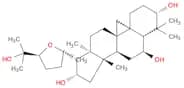
CAS:Formula:C12H15NO8Purity:98%Color and Shape:SolidMolecular weight:301.24949,19-Cyclolanostane-3,6,16,25-tetrol, 20,24-epoxy-,(3b,6a,16b,20R,24S)-
CAS:Formula:C30H50O5Purity:98%Color and Shape:SolidMolecular weight:490.7150MEF-2 (phospho Thr319) rabbit pAb
The protein encoded by this gene is a DNA-binding transcription factor that activates many muscle-specific, growth factor-induced, and stress-induced genes. The encoded protein can act as a homodimer or as a heterodimer and is involved in several cellular processes, including muscle development, neuronal differentiation, cell growth control, and apoptosis. Defects in this gene could be a cause of autosomal dominant coronary artery disease 1 with myocardial infarction (ADCAD1). Several transcript variants encoding different isoforms have been found for this gene.[provided by RefSeq, Jan 2010],Olfactory receptor 8D1 rabbit pAb
olfactory receptor family 8 subfamily D member 1(OR8D1) Homo sapiens Olfactory receptors interact with odorant molecules in the nose, to initiate a neuronal response that triggers the perception of a smell. The olfactory receptor proteins are members of a large family of G-protein-coupled receptors (GPCR) arising from single coding-exon genes. Olfactory receptors share a 7-transmembrane domain structure with many neurotransmitter and hormone receptors and are responsible for the recognition and G protein-mediated transduction of odorant signals. The olfactory receptor gene family is the largest in the genome. The nomenclature assigned to the olfactory receptor genes and proteins for this organism is independent of other organisms. [provided by RefSeq, Jul 2008],V-ATPase D rabbit pAb
This gene encodes a component of vacuolar ATPase (V-ATPase), a multisubunit enzyme that mediates acidification of eukaryotic intracellular organelles. V-ATPase dependent organelle acidification is necessary for such intracellular processes as protein sorting, zymogen activation, receptor-mediated endocytosis, and synaptic vesicle proton gradient generation. V-ATPase is composed of a cytosolic V1 domain and a transmembrane V0 domain. The V1 domain consists of three A and three B subunits, two G subunits plus the C, D, E, F, and H subunits. The V1 domain contains the ATP catalytic site. The V0 domain consists of five different subunits: a, c, c', c", and d. Additional isoforms of many of the V1 and V0 subunit proteins are encoded by multiple genes or alternatively spliced transcript variants. This gene encodes the V1 domain D subunit protein. [provided by RefSeq, Jul 2008],mtTFA rabbit pAb
This gene encodes a key mitochondrial transcription factor containing two high mobility group motifs. The encoded protein also functions in mitochondrial DNA replication and repair. Sequence polymorphisms in this gene are associated with Alzheimer's and Parkinson's diseases. There are pseudogenes for this gene on chromosomes 6, 7, and 11. Alternative splicing results in multiple transcript variants. [provided by RefSeq, Aug 2012],Histone H3 (Acetyl Lys27) rabbit pAb
Histones are basic nuclear proteins that are responsible for the nucleosome structure of the chromosomal fiber in eukaryotes. This structure consists of approximately 146 bp of DNA wrapped around a nucleosome, an octamer composed of pairs of each of the four core histones (H2A, H2B, H3, and H4). The chromatin fiber is further compacted through the interaction of a linker histone, H1, with the DNA between the nucleosomes to form higher order chromatin structures. This gene is intronless and encodes a replication-dependent histone that is a member of the histone H3 family. Transcripts from this gene lack polyA tails; instead, they contain a palindromic termination element. This gene is found in the large histone gene cluster on chromosome 6p22-p21.3. [provided by RefSeq, Aug 2015],CD328 rabbit pAb
domain:Contains 1 copy of a cytoplasmic motif that is referred to as the immunoreceptor tyrosine-based inhibitor motif (ITIM). This motif is involved in modulation of cellular responses. The phosphorylated ITIM motif can bind the SH2 domain of several SH2-containing phosphatases.,function:Putative adhesion molecule that mediates sialic-acid dependent binding to cells. Preferentially binds to alpha-2,3- and alpha-2,6-linked sialic acid. Also binds disialogangliosides (disialogalactosyl globoside, disialyl lactotetraosylceramide and disialyl GalNAc lactotetraoslylceramide). The sialic acid recognition site may be masked by cis interactions with sialic acids on the same cell surface. In the immune response, may act as an inhibitory receptor upon ligand induced tyrosine phosphorylation by recruiting cytoplasmic phosphatase(s) via their SH2 domain(s) that block signal transduction through dephosphorylation of signaling molecules. Mediates inhibition of natural killer cells cytotoxicity. May play a role in hemopoiesis. Inhibits differentiation of CD34+ cell precursors towards myelomonocytic cell lineage and proliferation of leukemic myeloid cells (in vitro).,online information:Siglec-7,PTM:Tyrosine phosphorylated.,similarity:Belongs to the immunoglobulin superfamily. SIGLEC (sialic acid binding Ig-like lectin) family.,similarity:Contains 1 Ig-like V-type (immunoglobulin-like) domain.,similarity:Contains 2 Ig-like C2-type (immunoglobulin-like) domains.,subunit:Interacts with PTPN6/SHP-1 upon phosphorylation.,tissue specificity:Predominantly expressed by resting and activated natural killer cells and at lower levels by granulocytes and monocytes. High expression found in placenta, liver, lung, spleen, and peripheral blood leukocytes.,Cadherin-8 rabbit pAb
This gene encodes a type II classical cadherin from the cadherin superfamily, integral membrane proteins that mediate calcium-dependent cell-cell adhesion. Mature cadherin proteins are composed of a large N-terminal extracellular domain, a single membrane-spanning domain, and a small, highly conserved C-terminal cytoplasmic domain. The extracellular domain consists of 5 subdomains, each containing a cadherin motif, and appears to determine the specificity of the protein's homophilic cell adhesion activity. Type II (atypical) cadherins are defined based on their lack of a HAV cell adhesion recognition sequence specific to type I cadherins. This particular cadherin is expressed in brain and is putatively involved in synaptic adhesion, axon outgrowth and guidance. [provided by RefSeq, Jul 2008],PECR rabbit pAb
catalytic activity:Acyl-CoA + NADP(+) = trans-2,3-dehydroacyl-CoA + NADPH.,function:Participates in chain elongation of fatty acids. Has no 2,4-dienoyl-CoA reductase activity.,induction:Not induced by IR.,pathway:Lipid metabolism; fatty acid biosynthesis.,similarity:Belongs to the short-chain dehydrogenases/reductases (SDR) family.,subunit:Interacts with PEX5, probably required to target it into peroxisomes.,ERAB rabbit pAb
This gene encodes 3-hydroxyacyl-CoA dehydrogenase type II, a member of the short-chain dehydrogenase/reductase superfamily. The gene product is a mitochondrial protein that catalyzes the oxidation of a wide variety of fatty acids and steroids, and is a subunit of mitochondrial ribonuclease P, which is involved in tRNA maturation. The protein has been implicated in the development of Alzheimer disease, and mutations in the gene are the cause of 17beta-hydroxysteroid dehydrogenase type 10 (HSD10) deficiency. Several alternatively spliced transcript variants have been identified, but the full-length nature of only two transcript variants has been determined. [provided by RefSeq, Aug 2014],CD123 rabbit pAb
function:Required for S phase entry of the cell cycle.,PTM:Phosphorylated.,similarity:Belongs to the CDC123 family.,tissue specificity:Widely expressed. Expressed in spleen, thymus, prostate, testis, ovary, small intestine, colon and leukocytes with the highest expression in testis.,CHIP rabbit pAb
This gene encodes a protein containing tetratricopeptide repeat and a U-box that functions as a ubiquitin ligase/cochaperone. The encoded protein binds to and ubiquitinates shock cognate 71 kDa protein (Hspa8) and DNA polymerase beta (Polb), among other targets. Mutations in this gene cause spinocerebellar ataxia, autosomal recessive 16. Alternative splicing results in multiple transcript variants. There is a pseudogene for this gene on chromosome 2. [provided by RefSeq, Jun 2014],MIP-5 rabbit pAb
This gene is located in a cluster of similar genes in the same region of chromosome 17. These genes encode CC cytokines, which are secreted proteins characterized by two adjacent cysteines. The product of this gene is chemotactic for T cells and monocytes, and acts through C-C chemokine receptor type 1 (CCR1). The proprotein is further processed into numerous smaller functional peptides. Naturally-occurring readthrough transcripts occur from this gene into the downstream gene, CCL14 (chemokine (C-C motif) ligand 14). [provided by RefSeq, Jan 2013],CNOT4 rabbit pAb
CCR4-NOT transcription complex subunit 4(CNOT4) Homo sapiens The protein encoded by this gene is a subunit of the CCR4-NOT complex, a global transcriptional regulator. The encoded protein interacts with CNOT1 and has E3 ubiquitin ligase activity. Several transcript variants encoding different isoforms have been found for this gene.[provided by RefSeq, Jul 2010],LRSM1 rabbit pAb
This gene encodes a ring finger protein involved in a variety of functions, including regulation of signaling pathways and cell adhesion, mediation of self-ubiquitylation, and involvement in cargo sorting during receptor endocytosis. Mutations in this gene have been associated with Charcot-Marie-Tooth disease. Multiple transcript variants encoding different isoforms have been identified for this gene. [provided by RefSeq, Jan 2012],PROS rabbit pAb
This gene encodes a vitamin K-dependent plasma protein that functions as a cofactor for the anticoagulant protease, activated protein C (APC) to inhibit blood coagulation. It is found in plasma in both a free, functionally active form and also in an inactive form complexed with C4b-binding protein. Mutations in this gene result in autosomal dominant hereditary thrombophilia. An inactive pseudogene of this locus is located at an adjacent region on chromosome 3. Alternative splicing results in multiple transcript variants encoding different isoforms that may undergo similar processing to generate mature protein. [provided by RefSeq, Oct 2015],PCSK5 rabbit pAb
This gene encodes a member of the subtilisin-like proprotein convertase family, which includes proteases that process protein and peptide precursors trafficking through regulated or constitutive branches of the secretory pathway. The encoded protein undergoes an initial autocatalytic processing event in the ER to generate a heterodimer which exits the ER. It then sorts to the trans-Golgi network where a second autocatalytic event takes place and the catalytic activity is acquired. This encoded protein is widely expressed and one of the seven basic amino acid-specific members which cleave their substrates at single or paired basic residues. It mediates posttranslational endoproteolytic processing for several integrin alpha subunits and is thought to process prorenin, pro-membrane type-1 matrix metalloproteinase and HIV-1 glycoprotein gp160. Alternative splicing results in multiple transcript variants, some of which encode distinct isoforms, including a protease packaged into dense core granules (PC5A) and a type 1 membrane bound protease (PC5B). [provided by RefSeq, May 2014],Cleaved-Notch 2 (D1733) rabbit pAb
notch 2(NOTCH2) Homo sapiens This gene encodes a member of the Notch family. Members of this Type 1 transmembrane protein family share structural characteristics including an extracellular domain consisting of multiple epidermal growth factor-like (EGF) repeats, and an intracellular domain consisting of multiple, different domain types. Notch family members play a role in a variety of developmental processes by controlling cell fate decisions. The Notch signaling network is an evolutionarily conserved intercellular signaling pathway which regulates interactions between physically adjacent cells. In Drosophilia, notch interaction with its cell-bound ligands (delta, serrate) establishes an intercellular signaling pathway that plays a key role in development. Homologues of the notch-ligands have also been identified in human, but precise interactions between these ligands and the human notch homologues remain to be determined. This protein is cleOR1I1 rabbit pAb
olfactory receptor family 1 subfamily I member 1(OR1I1) Homo sapiens Olfactory receptors interact with odorant molecules in the nose, to initiate a neuronal response that triggers the perception of a smell. The olfactory receptor proteins are members of a large family of G-protein-coupled receptors (GPCR) arising from single coding-exon genes. Olfactory receptors share a 7-transmembrane domain structure with many neurotransmitter and hormone receptors and are responsible for the recognition and G protein-mediated transduction of odorant signals. The olfactory receptor gene family is the largest in the genome. The nomenclature assigned to the olfactory receptor genes and proteins for this organism is independent of other organisms. [provided by RefSeq, Jul 2008],TdT rabbit pAb
This gene is a member of the DNA polymerase type-X family and encodes a template-independent DNA polymerase that catalyzes the addition of deoxynucleotides to the 3'-hydroxyl terminus of oligonucleotide primers. In vivo, the encoded protein is expressed in a restricted population of normal and malignant pre-B and pre-T lymphocytes during early differentiation, where it generates antigen receptor diversity by synthesizing non-germ line elements (N-regions) at the junctions of rearranged Ig heavy chain and T cell receptor gene segments. Alternatively spliced transcript variants encoding different isoforms of this gene have been described. [provided by RefSeq, Jul 2008],mPRγ rabbit pAb
function:Steroid membrane receptor. Binds progesterone. May be involved in oocyte maturation.,similarity:Belongs to the ADIPOR family.,tissue specificity:Expressed in the kidney, colon, adrenal and lung.,SNUT1 rabbit pAb
This gene encodes two proteins, the SART1(800) protein expressed in the nucleus of the majority of proliferating cells, and the SART1(259) protein expressed in the cytosol of epithelial cancers. The SART1(259) protein is translated by the mechanism of -1 frameshifting during posttranscriptional regulation; its full-length sequence is not published yet. The two encoded proteins are thought to be involved in the regulation of proliferation. Both proteins have tumor-rejection antigens. The SART1(259) protein possesses tumor epitopes capable of inducing HLA-A2402-restricted cytotoxic T lymphocytes in cancer patients. This SART1(259) antigen may be useful in specific immunotherapy for cancer patients and may serve as a paradigmatic tool for the diagnosis and treatment of patients with atopy. The SART1(259) protein is found to be essential for the recruitment of the tri-snRWDFY1 rabbit pAb
The protein encoded by this gene is a phosphatidylinositol 3-phosphate binding protein, which contains a FYVE zinc finger domain and multiple WD-40 repeat domains. When exogenously expressed, it localizes to early endosomes. Mutagenesis analysis demonstrates that this endosomal localization is mediated by the FYVE domain. [provided by RefSeq, Jan 2015],EKLF rabbit pAb
This gene encodes a hematopoietic-specific transcription factor that induces high-level expression of adult beta-globin and other erythroid genes. The zinc-finger protein binds to the DNA sequence CCACACCCT found in the beta hemoglobin promoter. Heterozygous loss-of-function mutations in this gene result in the dominant In(Lu) blood phenotype. [provided by RefSeq, Oct 2009],