Primary Antibodies
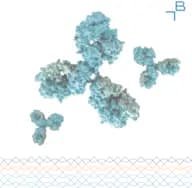
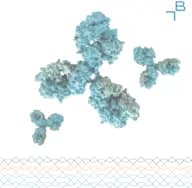
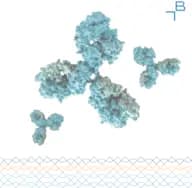
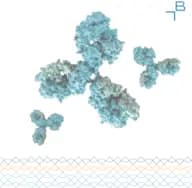
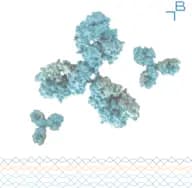
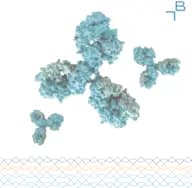
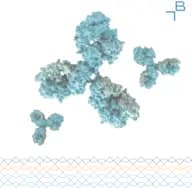
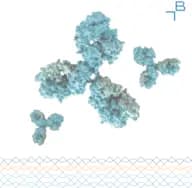
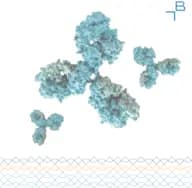
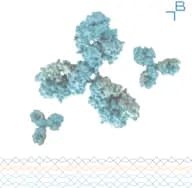
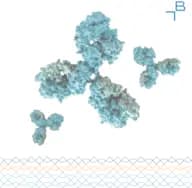
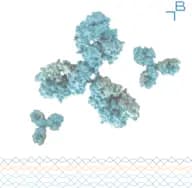
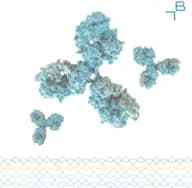
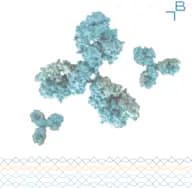
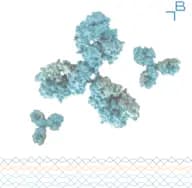
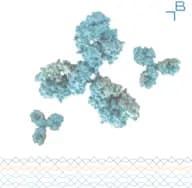
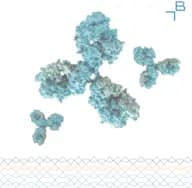
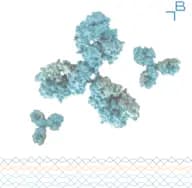
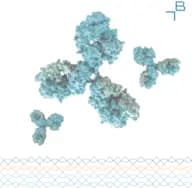
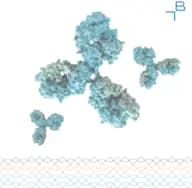
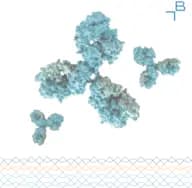
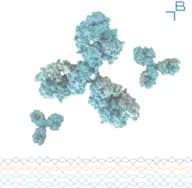
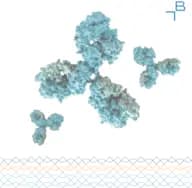
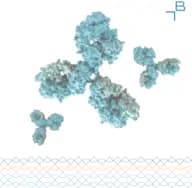
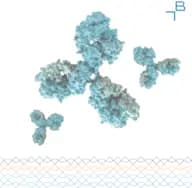
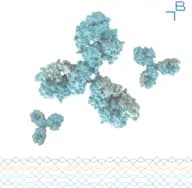
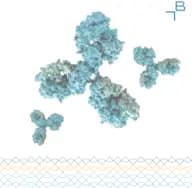
Primary antibodies are immunoglobulins that bind specifically to an antigen of interest, allowing for the detection and quantification of proteins, peptides, or other biomolecules. These antibodies are critical tools in a wide range of applications, including Western blotting, immunohistochemistry, and ELISA. At CymitQuimica, we offer an extensive selection of high-quality primary antibodies that provide specificity and sensitivity for various research needs, including cancer, immunology, and cell biology studies.
Subcategories of "Primary Antibodies"
- Cancer Research Antibodies(3,620 products)
- Cardiovascular Antibodies(2 products)
- Developmental Biology(751 products)
- Epigenetics Antibodies(162 products)
- Immunology Antibodies(2,566 products)
- Metabolism Antibodies(279 products)
- Microbiology Antibodies(736 products)
- Signal Transduction(2,717 products)
- Tags & Cellular Markers(33 products)
Show 1 more subcategories
Found 75302 products of "Primary Antibodies"
Sort by
Purity (%)
0
100
|
0
|
50
|
90
|
95
|
100
Mitofilin antibody
<p>The Mitofilin antibody is a highly specialized product in the field of Life Sciences. It is an essential tool for researchers studying various aspects of cellular function, particularly related to fatty acid metabolism and energy production. This monoclonal antibody specifically targets Mitofilin, a protein found in the inner mitochondrial membrane.</p>JAK3 antibody
JAK3 antibody was raised in Mouse using a purified recombinant fragment of human JAK3 expressed in E. coli as the immunogen.AKAP7 antibody
<p>AKAP7 antibody was raised using a synthetic peptide corresponding to a region with amino acids LELKPFIEELLQGKHLTLPFQGIGTFGNQVGFVKLAEGDHVNSLLEIAET</p>POP4 antibody
<p>POP4 antibody was raised using a synthetic peptide corresponding to a region with amino acids EDRLKVIPKLNCVFTVETDGFISYIYGSKFQLRSSERSAKKFKAKGTIDL</p>DEFB4A antibody
<p>DEFB4A antibody was raised in rabbit using the N terminal of DEFB4A as the immunogen</p>INPP5D antibody
<p>INPP5D antibody was raised in rabbit using the C terminal of INPP5D as the immunogen</p>CTBP1 antibody
<p>The CTBP1 antibody is a polyclonal antibody that is used in Life Sciences research. It has a high affinity for the low-density lipoprotein receptor-related protein 1 (LRP1) and can be used to study its role in various cellular processes. The CTBP1 antibody has been shown to inhibit the binding of epidermal growth factor (EGF) to LRP1, suggesting that it may play a role in EGF signaling pathways. Additionally, this antibody has been used to detect autoantibodies against CTBP1 in patients with certain autoimmune diseases. The CTBP1 antibody can be used in various techniques such as immunohistochemistry, western blotting, and ELISA to detect and quantify CTBP1 expression levels. Its specificity and sensitivity make it an ideal tool for researchers studying the function of CTBP1 and its potential as a therapeutic target.</p>PPP1R3B antibody
<p>PPP1R3B antibody was raised in rabbit using the N terminal of PPP1R3B as the immunogen</p>OTX2 antibody
The OTX2 antibody is a monoclonal antibody that specifically targets and binds to the OTX2 protein. This protein plays a crucial role in regulating gene expression and development in various tissues, including the brain and eyes. The OTX2 antibody can be used for research purposes in the field of Life Sciences to study the function and localization of OTX2 in different cell types.FAM47A antibody
<p>FAM47A antibody was raised using the middle region of FAM47A corresponding to a region with amino acids SEPPKTRRTSSLRSEPPKTRRTSSLGPEPPKTRRVSSLRPELPKSRRVSS</p>WWOX antibody
<p>WWOX antibody was raised in rabbit using the C terminal of WWOX as the immunogen</p>MYL3 antibody
<p>MYL3 antibody was raised using the N terminal of MYL3 corresponding to a region with amino acids VEFDASKIKIEFTPEQIEEFKEAFMLFDRTPKCEMKITYGQCGDVLRALG</p>DLC1 antibody
<p>DLC1 antibody was raised using the C terminal of DLC1 corresponding to a region with amino acids NLAVCLAPSLFHLNTLKRENSSPRVMQRKQSLGKPDQKDLNENLAATQGL</p>MMP10 antibody
<p>The MMP10 antibody is a polyclonal antibody that is used in immunohistochemical studies to detect the presence of matrix metalloproteinase 10 (MMP10) protein. This antibody is widely used in life sciences research to study various cellular processes, including pluripotent stem cell differentiation and hematopoietic development. The MMP10 antibody can be used as a valuable tool for researchers to investigate the expression and localization of MMP10 in different tissues and cell types. It can also be used to inhibit the activity of MMP10 or as a therapeutic reagent in the development of new cytokine inhibitors. With its high specificity and sensitivity, the MMP10 antibody is an essential component for any researcher working in the field of molecular biology and immunology.</p>PKC zeta antibody
<p>The PKC zeta antibody is a polyclonal antibody that specifically reacts with the activated form of protein kinase C zeta (PKCζ). PKCζ is an endogenous protein kinase that plays a crucial role in various cellular processes, including cell proliferation, differentiation, and apoptosis. This antibody is widely used in Life Sciences research to study the function and regulation of PKCζ.</p>CHKA antibody
<p>CHKA antibody was raised using the middle region of CHKA corresponding to a region with amino acids LESVMFAILAERSLGPKLYGIFPQGRLEQFIPSRRLDTEELSLPDISAEI</p>MKK4 antibody
<p>The MKK4 antibody is a polyclonal antibody that specifically targets the MKK4 protein. It is derived from porcine serum and has been extensively tested for its specificity and efficacy. The MKK4 antibody can be used in various life science applications, including Western blotting, immunohistochemistry, and ELISA. It has been shown to effectively detect the presence of MKK4 in samples and has minimal cross-reactivity with other proteins such as lipoprotein, myoglobin, albumin, and transferrin. This high-quality antibody is an essential tool for researchers studying the role of MKK4 in various cellular processes, including coagulation.</p>CSK antibody
<p>CSK antibody is a monoclonal antibody that specifically targets influenza hemagglutinin, a glycoprotein found on the surface of the influenza virus. This antibody has neutralizing properties, meaning it can bind to and inhibit the activity of the virus, preventing its entry into host cells. CSK antibody is produced by hybridoma cells, which are created by fusing immune cells with myeloma cells. This allows for the production of large quantities of highly specific antibodies. CSK antibody can be used in various applications in life sciences research, including studying the role of hemagglutinin in viral infection and developing diagnostic tests for influenza. Its high specificity and affinity make it a valuable tool for researchers in the field.</p>Gem antibody
<p>Gem antibody was raised using a synthetic peptide corresponding to a region with amino acids QALAEKVKEAERDVSLTSLAKLPSETIFVGCEFLHHLLREWGEELQAVLR</p>ALDOA antibody
<p>ALDOA antibody was raised using the N terminal of ALDOA corresponding to a region with amino acids MPYQYPALTPEQKKELSDIAHRIVAPGKGILAADESTGSIAKRLQSIGTE</p>GFP antibody (HRP)
<p>GFP antibody (HRP) was raised in Mouse using The immunogen is a GST- Green Fluorescent Protein (GFP) fusion protein corresponding to the full length amino acid sequence (246aa) derived from the jellyfish Aequorea victoria. as the immunogen.</p>HIV1 p24 antibody (HRP)
HIV1 p24 antibody (HRP) was raised in mouse using purified, full length recombinant p24 (HIV-1) produced in baculovirus expression system as the immunogen.Glutathione Peroxidase 2 antibody
<p>Affinity purified Rabbit polyclonal Glutathione Peroxidase 2 antibody</p>RKIP antibody
<p>The RKIP antibody is a powerful tool used in Life Sciences research. It is an expression plasmid that can be used in polymerase chain reactions (PCR) to amplify specific DNA sequences. This antibody specifically targets and binds to chemokines, which are small signaling proteins involved in immune responses. The RKIP antibody has been shown to have a significant impact on neonatal cardiac myocytes, reducing the production of tumor necrosis factor-alpha (TNF-α) and other inflammatory markers. It can be used in various techniques such as transcription-polymerase chain reaction (RT-PCR) and immunohistochemistry to study the expression levels of chemokines and their receptors. The RKIP antibody is available as both polyclonal and monoclonal antibodies, with the latter being produced from a hybridoma cell line. Researchers can use this antibody to investigate the role of chemokines in different cellular processes and study their potential therapeutic applications. Additionally, it can be delivered using adeno</p>