Primary Antibodies
Primary antibodies are immunoglobulins that bind specifically to an antigen of interest, allowing for the detection and quantification of proteins, peptides, or other biomolecules. These antibodies are critical tools in a wide range of applications, including Western blotting, immunohistochemistry, and ELISA. At CymitQuimica, we offer an extensive selection of high-quality primary antibodies that provide specificity and sensitivity for various research needs, including cancer, immunology, and cell biology studies.
Subcategories of "Primary Antibodies"
- Cancer Research Antibodies(3,721 products)
- Cardiovascular Antibodies(2 products)
- Developmental Biology(764 products)
- Epigenetics Antibodies(162 products)
- Immunology Antibodies(2,585 products)
- Metabolism Antibodies(286 products)
- Microbiology Antibodies(741 products)
- Signal Transduction(2,765 products)
- Tags & Cellular Markers(34 products)
Show 1 more subcategories
Found 75562 products of "Primary Antibodies"
Sort by
Purity (%)
0
100
|
0
|
50
|
90
|
95
|
100
HGFL rabbit pAb
The protein encoded by this gene contains four kringle domains and a serine protease domain, similar to that found in hepatic growth factor. Despite the presence of the serine protease domain, the encoded protein may not have any proteolytic activity. The receptor for this protein is RON tyrosine kinase, which upon activation stimulates ciliary motility of ciliated epithelial lung cells. This protein is secreted and cleaved to form an alpha chain and a beta chain bridged by disulfide bonds. [provided by RefSeq, Jan 2010],CtBP1 rabbit pAb
This gene encodes a protein that binds to the C-terminus of adenovirus E1A proteins. This phosphoprotein is a transcriptional repressor and may play a role during cellular proliferation. This protein and the product of a second closely related gene, CTBP2, can dimerize. Both proteins can also interact with a polycomb group protein complex which participates in regulation of gene expression during development. Alternative splicing of transcripts from this gene results in multiple transcript variants. [provided by RefSeq, Jul 2008],Acyclovir
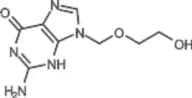
CAS:Acyclovir (Aciclovir) is a synthetic analog of the purine nucleoside, guanosine, with potent antiviral activity against herpes simplex viruses type 1 and 2,Formula:C8H11N5O3Purity:99.77% - >99.99%Color and Shape:Crystals From Methanol SolidMolecular weight:225.2CSTF3 rabbit pAb
The protein encoded by this gene is one of three (including CSTF1 and CSTF2) cleavage stimulation factors that combine to form the cleavage stimulation factor complex (CSTF). This complex is involved in the polyadenylation and 3' end cleavage of pre-mRNAs. The encoded protein functions as a homodimer and interacts directly with both CSTF1 and CSTF2 in the CSTF complex. Alternative splicing results in multiple transcript variants encoding different isoforms. [provided by RefSeq, Jul 2008],DERL1 rabbit pAb
derlin 1(DERL1) Homo sapiens The protein encoded by this gene is a member of the derlin family. Members of this family participate in the ER-associated degradation response and retrotranslocate misfolded or unfolded proteins from the ER lumen to the cytosol for proteasomal degradation. This protein recognizes substrate in the ER and works in a complex to retrotranslocate it across the ER membrane into the cytosol. This protein may select cystic fibrosis transmembrane conductance regulator protein (CFTR) for degradation as well as unfolded proteins in Alzheimer's disease. Alternative splicing results in multiple transcript variants that encode different protein isoforms. [provided by RefSeq, Aug 2012],DMBX1 rabbit pAb
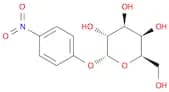
This gene encodes a member of the bicoid sub-family of homeodomain-containing transcription factors. The encoded protein acts as a transcription factor and may play a role in brain and sensory organ development. Two transcript variants encoding distinct isoforms have been identified for this gene. [provided by RefSeq, Jul 2008],4-Nitrophenyl a-D-galactopyranoside
CAS:Formula:C12H15NO8Purity:97%Color and Shape:SolidMolecular weight:301.2494PAR15 rabbit pAb
PARP15 is a macrodomain-containing transcriptional repressor with poly(ADP-ribose) polymerase activity (Aguiar et al., 2005 [PubMed 16061477]).[supplied by OMIM, May 2008],Ku-70 (Acetyl Lys542) rabbit pAb
The p70/p80 autoantigen is a nuclear complex consisting of two subunits with molecular masses of approximately 70 and 80 kDa. The complex functions as a single-stranded DNA-dependent ATP-dependent helicase. The complex may be involved in the repair of nonhomologous DNA ends such as that required for double-strand break repair, transposition, and V(D)J recombination. High levels of autoantibodies to p70 and p80 have been found in some patients with systemic lupus erythematosus. [provided by RefSeq, Jul 2008],S39A5 rabbit pAb
The protein encoded by this gene belongs to the ZIP family of zinc transporters that transport zinc into cells from outside, and play a crucial role in controlling intracellular zinc levels. Zinc is an essential cofactor for many enzymes and proteins involved in gene transcription, growth, development and differentiation. Mutations in this gene have been associated with autosomal dominant high myopia (MYP24). Alternatively spliced transcript variants have been found for this gene. [provided by RefSeq, Sep 2014],Neuromedin-U rabbit pAb
This gene encodes a member of the neuromedin family of neuropeptides. The encoded protein is a precursor that is proteolytically processed to generate a biologically active neuropeptide that plays a role in pain, stress, immune-mediated inflammatory diseases and feeding regulation. Increased expression of this gene was observed in renal, pancreatic and lung cancers. Alternative splicing results in multiple transcript variants encoding different isoforms. Some of these isoforms may undergo similar processing to generate the mature peptide. [provided by RefSeq, Jul 2015],B23 (phospho Thr234) rabbit pAb
This gene encodes a phosphoprotein which moves between the nucleus and the cytoplasm. The gene product is thought to be involved in several processes including regulation of the ARF/p53 pathway. A number of genes are fusion partners have been characterized, in particular the anaplastic lymphoma kinase gene on chromosome 2. Mutations in this gene are associated with acute myeloid leukemia. More than a dozen pseudogenes of this gene have been identified. Alternative splicing results in multiple transcript variants.[provided by RefSeq, Nov 2009],Cdc42EP2 rabbit pAb
CDC42, a small Rho GTPase, regulates the formation of F-actin-containing structures through its interaction with the downstream effector proteins. The protein encoded by this gene is a member of the Borg family of CDC42 effector proteins. Borg family proteins contain a CRIB (Cdc42/Rac interactive-binding) domain. They bind to, and negatively regulate the function of CDC42. Coexpression of this protein with CDC42 suggested a role of this protein in actin filament assembly and cell shape control. [provided by RefSeq, Aug 2011],RB40L rabbit pAb
This gene encodes a member of the Rab40 subfamily of Rab small GTP-binding proteins that contains a C-terminal suppressors of cytokine signaling box. Disruptions in this gene are associated with Duchenne muscular dystrophy. [provided by RefSeq, Apr 2010],CD45 (phospho Ser1007) rabbit pAb
The protein encoded by this gene is a member of the protein tyrosine phosphatase (PTP) family. PTPs are known to be signaling molecules that regulate a variety of cellular processes including cell growth, differentiation, mitosis, and oncogenic transformation. This PTP contains an extracellular domain, a single transmembrane segment and two tandem intracytoplasmic catalytic domains, and thus is classified as a receptor type PTP. This PTP has been shown to be an essential regulator of T- and B-cell antigen receptor signaling. It functions through either direct interaction with components of the antigen receptor complexes, or by activating various Src family kinases required for the antigen receptor signaling. This PTP also suppresses JAK kinases, and thus functions as a regulator of cytokine receptor signaling. Alternatively spliced transcripts variants of this gene, which encNSUN2 rabbit pAb
This gene encodes a methyltransferase that catalyzes the methylation of cytosine to 5-methylcytosine (m5C) at position 34 of intron-containing tRNA(Leu)(CAA) precursors. This modification is necessary to stabilize the anticodon-codon pairing and correctly translate the mRNA. Alternatively spliced transcript variants encoding different isoforms have been noted for this gene.[provided by RefSeq, Mar 2011],NGRN rabbit pAb
function:May be involved in neuronal differentiation.,induction:Highly up-regulated in neuroblastostoma cells by RA treatment inducing neurite outgrowth.,similarity:Belongs to the neugrin family.,tissue specificity:Expressed at high levels in heart, brain and skeletal muscle. In brain, mainly expressed in neurons rather than glial cells.,TIMP-1 rabbit pAb
This gene belongs to the TIMP gene family. The proteins encoded by this gene family are natural inhibitors of the matrix metalloproteinases (MMPs), a group of peptidases involved in degradation of the extracellular matrix. In addition to its inhibitory role against most of the known MMPs, the encoded protein is able to promote cell proliferation in a wide range of cell types, and may also have an anti-apoptotic function. Transcription of this gene is highly inducible in response to many cytokines and hormones. In addition, the expression from some but not all inactive X chromosomes suggests that this gene inactivation is polymorphic in human females. This gene is located within intron 6 of the synapsin I gene and is transcribed in the opposite direction. [provided by RefSeq, Jul 2008],EGFR (phospho Tyr1172) rabbit pAb
The protein encoded by this gene is a transmembrane glycoprotein that is a member of the protein kinase superfamily. This protein is a receptor for members of the epidermal growth factor family. EGFR is a cell surface protein that binds to epidermal growth factor. Binding of the protein to a ligand induces receptor dimerization and tyrosine autophosphorylation and leads to cell proliferation. Mutations in this gene are associated with lung cancer. [provided by RefSeq, Jun 2016],Nek9 rabbit pAb
This gene encodes a member of the NimA (never in mitosis A) family of serine/threonine protein kinases. The encoded protein is activated in mitosis and, in turn, activates other family members during mitosis. This protein also mediates cellular processes that are essential for interphase progression. [provided by RefSeq, Jul 2016],NFκB-p105/p50 rabbit pAb
nuclear factor kappa B subunit 1(NFKB1) Homo sapiens This gene encodes a 105 kD protein which can undergo cotranslational processing by the 26S proteasome to produce a 50 kD protein. The 105 kD protein is a Rel protein-specific transcription inhibitor and the 50 kD protein is a DNA binding subunit of the NF-kappa-B (NFKB) protein complex. NFKB is a transcription regulator that is activated by various intra- and extra-cellular stimuli such as cytokines, oxidant-free radicals, ultraviolet irradiation, and bacterial or viral products. Activated NFKB translocates into the nucleus and stimulates the expression of genes involved in a wide variety of biological functions. Inappropriate activation of NFKB has been associated with a number of inflammatory diseases while persistent inhibition of NFKB leads to inappropriate immune cell development or delayed cell growth. Alternative splicing results in multiple transcript variants encoding different isofGNAS2 rabbit pAb
This locus has a highly complex imprinted expression pattern. It gives rise to maternally, paternally, and biallelically expressed transcripts that are derived from four alternative promoters and 5' exons. Some transcripts contain a differentially methylated region (DMR) at their 5' exons, and this DMR is commonly found in imprinted genes and correlates with transcript expression. An antisense transcript is produced from an overlapping locus on the opposite strand. One of the transcripts produced from this locus, and the antisense transcript, are paternally expressed noncoding RNAs, and may regulate imprinting in this region. In addition, one of the transcripts contains a second overlapping ORF, which encodes a structurally unrelated protein - Alex. Alternative splicing of downstream exons is also observed, which results in different forms of the stimulatory G-protein alpha subunit, a key element of the classical signal transduction pathway linking receptor-ligand interactions with the activation of adenylyl cyclase and a variety of cellular reponses. Multiple transcript variants encoding different isoforms have been found for this gene. Mutations in this gene result in pseudohypoparathyroidism type 1a, pseudohypoparathyroidism type 1b, Albright hereditary osteodystrophy, pseudopseudohypoparathyroidism, McCune-Albright syndrome, progressive osseus heteroplasia, polyostotic fibrous dysplasia of bone, and some pituitary tumors. [provided by RefSeq, Aug 2012],Ox40L rabbit pAb
This gene encodes a cytokine of the tumor necrosis factor (TNF) ligand family. The encoded protein functions in T cell antigen-presenting cell (APC) interactions and mediates adhesion of activated T cells to endothelial cells. Polymorphisms in this gene have been associated with Sjogren's syndrome and systemic lupus erythematosus. Alternative splicing results in multiple transcript variants. [provided by RefSeq, Jul 2014],TIG3 rabbit pAb
Retinoids exert biologic effects such as potent growth inhibitory and cell differentiation activities and are used in the treatment of hyperproliferative dermatological diseases. These effects are mediated by specific nuclear receptor proteins that are members of the steroid and thyroid hormone receptor superfamily of transcriptional regulators. RARRES1, RARRES2, and RARRES3 are genes whose expression is upregulated by the synthetic retinoid tazarotene. RARRES3 is thought act as a tumor suppressor or growth regulator. [provided by RefSeq, Jul 2008],PPM1E rabbit pAb
This gene encodes a member of the PPM family of serine/threonine-protein phosphatases. The encoded protein is localized to the nucleus and dephosphorylates and inactivates multiple substrates including serine/threonine-protein kinase PAK 1, 5'-AMP-activated protein kinase (AMPK) and the multifunctional calcium/calmodulin-dependent protein kinases. Alternatively spliced transcript variants have been observed for this gene. [provided by RefSeq, May 2012],KCNH6 rabbit pAb
Voltage-gated potassium (Kv) channels represent the most complex class of voltage-gated ion channels from both functional and structural standpoints. Their diverse functions include regulating neurotransmitter release, heart rate, insulin secretion, neuronal excitability, epithelial electrolyte transport, smooth muscle contraction, and cell volume. This gene encodes a member of the potassium channel, voltage-gated, subfamily H. This member is a pore-forming (alpha) subunit. Alternative splicing results in multiple transcript variants that encode different isoforms. [provided by RefSeq, Jul 2013],HXA10 rabbit pAb
In vertebrates, the genes encoding the class of transcription factors called homeobox genes are found in clusters named A, B, C, and D on four separate chromosomes. Expression of these proteins is spatially and temporally regulated during embryonic development. This gene is part of the A cluster on chromosome 7 and encodes a DNA-binding transcription factor that may regulate gene expression, morphogenesis, and differentiation. More specifically, it may function in fertility, embryo viability, and regulation of hematopoietic lineage commitment. Alternatively spliced transcript variants have been described. Read-through transcription also exists between this gene and the downstream homeobox A9 (HOXA9) gene. [provided by RefSeq, Mar 2011],USP19 rabbit pAb
catalytic activity:Ubiquitin C-terminal thioester + H(2)O = ubiquitin + a thiol.,function:Involved in the ubiquitin-dependent proteolytic pathway in conjunction with the 26S proteasome.,PTM:Phosphorylated upon DNA damage, probably by ATM or ATR.,sequence caution:Translation N-terminally shortened.,similarity:Belongs to the peptidase C19 family.,similarity:Contains 1 MYND-type zinc finger.,similarity:Contains 2 CS domains.,SMRD1 rabbit pAb
The protein encoded by this gene is a member of the SWI/SNF family of proteins, whose members display helicase and ATPase activities and which are thought to regulate transcription of certain genes by altering the chromatin structure around those genes. The encoded protein is part of the large ATP-dependent chromatin remodeling complex SNF/SWI and has sequence similarity to the yeast Swp73 protein. Two transcript variants encoding different isoforms have been found for this gene. [provided by RefSeq, Jul 2008],SOD1 Rabbit pAb
Superoxide dismutase [Cu-Zn] also known as superoxide dismutase 1 or SOD1 is an enzyme that in humans is encoded by the SOD1 gene, located on chromosome 21. SOD1 is one of three human superoxide dismutases.Survivin Rabbit pAb
Survivin, also called baculoviral inhibitor of apoptosis repeat-containing 5 or BIRC5, is a protein that, in humans, is encoded by the BIRC5 gene. Survivin is a member of the inhibitor of apoptosis (IAP) family. The survivin protein functions to inhibit caspase activation, thereby leading to negative regulation of apoptosis or programmed cell death.ALS rabbit pAb
The protein encoded by this gene is a serum protein that binds insulin-like growth factors, increasing their half-life and their vascular localization. Production of the encoded protein, which contains twenty leucine-rich repeats, is stimulated by growth hormone. Defects in this gene are a cause of acid-labile subunit deficiency, which maifests itself in a delayed and slow puberty. Three transcript variants encoding two different isoforms have been found for this gene. [provided by RefSeq, Mar 2009],ATOH7 rabbit pAb
This intronless gene encodes a member of the basic helix-loop-helix family of transcription factors, with similarity to Drosophila atonal gene that controls photoreceptor development. Studies in mice suggest that this gene plays a central role in retinal ganglion cell and optic nerve formation. Mutations in this gene are associated with nonsyndromic congenital retinal nonattachment. [provided by RefSeq, Dec 2011],53BP1 (phospho Ser6) rabbit pAb
function:May have a role in checkpoint signaling during mitosis (By similarity). Enhances TP53-mediated transcriptional activation. Plays a role in the response to DNA damage.,PTM:Asymmetrically dimethylated on Arg residues by PRMT1. Methylation is required for DNA binding.,PTM:Phosphorylated at basal level in the absence of DNA damage. Hyper-phosphorylated in an ATM-dependent manner in response to DNA damage induced by ionizing radiation. Hyper-phosphorylated in an ATR-dependent manner in response to DNA damage induced by UV irradiation.,similarity:Contains 2 BRCT domains.,subcellular location:Associated with kinetochores. Both nuclear and cytoplasmic in some cells. Recruited to sites of DNA damage, such as double stand breaks. Methylation of histone H4 at 'Lys-20' is required for efficient localization to double strand breaks.,subunit:Interacts with IFI202A (By similarity). Binds to the central domain of TP53/p53. May form homo-oligomers. Interacts with DCLRE1C. Interacts with histone H2AFX and this requires phosphorylation of H2AFX on 'Ser-139'. Interacts with histone H4 that has been dimethylated at 'Lys-20'. Has low affinity for histone H4 containing monomethylated 'Lys-20'. Does not bind histone H4 containing unmethylated or trimethylated 'Lys-20'. Has low affinity for histone H3 that has been dimethylated on 'Lys-79'. Has very low affinity for histone H3 that has been monomethylated on 'Lys-79' (in vitro). Does not bind unmethylated histone H3.,OAT1 rabbit pAb
domain:Multiple cysteine residues are necessary for proper targeting to the plasma membrane.,function:Involved in the renal elimination of endogenous and exogenous organic anions. Functions as organic anion exchanger when the uptake of one molecule of organic anion is coupled with an efflux of one molecule of endogenous dicarboxylic acid (glutarate, ketoglutarate, etc). Mediates the sodium-independent uptake of 2,3-dimercapto-1-propanesulfonic acid (DMPS) (By similarity). Mediates the sodium-independent uptake of p-aminohippurate (PAH), ochratoxin (OTA), acyclovir (ACV), 3'-azido-3-'deoxythymidine (AZT), cimetidine (CMD), 2,4-dichloro-phenoxyacetate (2,4-D), hippurate (HA), indoleacetate (IA), indoxyl sulfate (IS) and 3-carboxy-4-methyl-5-propyl-2-furanpropionate (CMPF), cidofovir, adefovir, 9-(2-phosphonylmethoxyethyl) guanine (PMEG), 9-(2-phosphonylmethoxyethyl) diaminopurine (PMEDAP) and edaravone sulfate. PAH uptake is inhibited by p-chloromercuribenzenesulphonate (PCMBS), diethyl pyrocarbonate (DEPC), sulindac, diclofenac, carprofen, glutarate and okadaic acid (By similarity). PAH uptake is inhibited by benzothiazolylcysteine (BTC), S-chlorotrifluoroethylcysteine (CTFC), cysteine S-conjugates S-dichlorovinylcysteine (DCVC), furosemide, steviol, phorbol 12-myristate 13-acetate (PMA), calcium ionophore A23187, benzylpenicillin, furosemide, indomethacin, bumetamide, losartan, probenecid, phenol red, urate, and alpha-ketoglutarate.,PTM:Glycosylated. Glycosylation at Asn-113 may occur at a secondary level. Glycosylation is necesssary for proper targeting of the transporter to the plasma membrane.,similarity:Belongs to the major facilitator superfamily. Organic cation transporter family.,tissue specificity:Strongly expressed in kidney and to a lower extent in liver, skeletal muscle, brain and placenta. Found at the basolateral membrane of the proximal tubule.,CL18A rabbit pAb
This is one of three closely related paralogous genes on chromosome 16 encoding secreted proteins containing C-type lectin domains. These domains bind to carbohydrates in the presence of calcium, and may be involved in cell adhesion, immune response and apoptosis. Alternatively spliced transcript variants encoding multiple isoforms have been observed for this gene. [provided by RefSeq, Sep 2012],NALP4 rabbit pAb
NALPs are cytoplasmic proteins that form a subfamily within the larger CATERPILLER protein family. Most short NALPs, such as NALP4, have an N-terminal pyrin (MEFV; MIM 608107) domain (PYD), followed by a NACHT domain, a NACHT-associated domain (NAD), and a C-terminal leucine-rich repeat (LRR) region. The long NALP, NALP1 (MIM 606636), also has a C-terminal extension containing a function to find domain (FIIND) and a caspase recruitment domain (CARD). NALPs are implicated in the activation of proinflammatory caspases (e.g., CASP1; MIM 147678) via their involvement in multiprotein complexes called inflammasomes (Tschopp et al., 2003 [PubMed 12563287]).[supplied by OMIM, Mar 2008],14-3-3 β/ζ rabbit pAb
This gene product belongs to the 14-3-3 family of proteins which mediate signal transduction by binding to phosphoserine-containing proteins. This highly conserved protein family is found in both plants and mammals, and this protein is 99% identical to the mouse, rat and sheep orthologs. The encoded protein interacts with IRS1 protein, suggesting a role in regulating insulin sensitivity. Several transcript variants that differ in the 5' UTR but that encode the same protein have been identified for this gene. [provided by RefSeq, Oct 2008],