Primary Antibodies
Primary antibodies are immunoglobulins that bind specifically to an antigen of interest, allowing for the detection and quantification of proteins, peptides, or other biomolecules. These antibodies are critical tools in a wide range of applications, including Western blotting, immunohistochemistry, and ELISA. At CymitQuimica, we offer an extensive selection of high-quality primary antibodies that provide specificity and sensitivity for various research needs, including cancer, immunology, and cell biology studies.
Subcategories of "Primary Antibodies"
- Cancer Research Antibodies(3,721 products)
- Cardiovascular Antibodies(2 products)
- Developmental Biology(764 products)
- Epigenetics Antibodies(162 products)
- Immunology Antibodies(2,585 products)
- Metabolism Antibodies(286 products)
- Microbiology Antibodies(741 products)
- Signal Transduction(2,765 products)
- Tags & Cellular Markers(34 products)
Show 1 more subcategories
Found 75562 products of "Primary Antibodies"
Sort by
Purity (%)
0
100
|
0
|
50
|
90
|
95
|
100
Oxr1 rabbit pAb
function:May be involved in protection from oxidative damage.,induction:By heat and oxidative stress.,PTM:Phosphorylated upon DNA damage, probably by ATM or ATR.,similarity:Belongs to the OXR1 family.,similarity:Contains 1 GRAM domain.,similarity:Contains 1 LysM repeat.,similarity:Contains 1 TLD domain.,C1S (light chain, Cleaved-Ile438) rabbit pAb
catalytic activity:Cleavage of Arg-|-Ala bond in complement component C4 to form C4a and C4b, and Lys(or Arg)-|-Lys bond in complement component C2 to form C2a and C2b: the 'classical' pathway C3 convertase.,disease:Defects in C1S are the cause of selective C1s deficiency [MIM:120580]; that is associated with early onset multiple autoimmune diseases.,enzyme regulation:Inhibited by SERPING1.,function:C1s B chain is a serine protease that combines with C1q and C1s to form C1, the first component of the classical pathway of the complement system. C1r activates C1s so that it can, in turn, activate C2 and C4.,online information:C1S mutation db,PTM:The iron and 2-oxoglutarate dependent 3-hydroxylation of aspartate and asparagine is (R) stereospecific within EGF domains.,similarity:Belongs to the peptidase S1 family.,similarity:Contains 1 EGF-like domain.,similarity:Contains 1 peptidase S1 domain.,similarity:Contains 2 CUB domains.,similarity:Contains 2 Sushi (CCP/SCR) domains.,subunit:C1 is a calcium-dependent trimolecular complex of C1q, C1r and C1s in the molar ration of 1:2:2. Activated C1s is an disulfide-linked heterodimer of a heavy chain and a light chain.,ATM Rabbit pAb
Ataxia telangiectasia mutated kinase (ATM) is a serine/threonine kinase that regulates cell cycle checkpoints and DNA repair. ATM kinase regulates a number of proteins involved in cell cycle checkpoint control, apoptosis, and DNA repair.G2A rabbit pAb
This gene encodes a member of the guanine nucleotide-binding protein (G protein)-coupled receptor (GPCR) superfamily. The receptors are seven-pass transmembrane proteins that respond to extracellular cues and activate intracellular signal transduction pathways. This protein was reported to be a receptor for lysophosphatidylcholine action, but PubMedID: 15653487 retracts this finding and instead suggests this protein to be an effector of lysophosphatidylcholine action. This protein may have proton-sensing activity and may be a receptor for oxidized free fatty acids. Alternative splicing results in multiple transcript variants. [provided by RefSeq, Jul 2013],CD89 rabbit pAb
This gene is a member of the immunoglobulin gene superfamily and encodes a receptor for the Fc region of IgA. The receptor is a transmembrane glycoprotein present on the surface of myeloid lineage cells such as neutrophils, monocytes, macrophages, and eosinophils, where it mediates immunologic responses to pathogens. It interacts with IgA-opsonized targets and triggers several immunologic defense processes, including phagocytosis, antibody-dependent cell-mediated cytotoxicity, and stimulation of the release of inflammatory mediators. Multiple alternatively spliced transcript variants encoding different isoforms have been described for this gene. [provided by RefSeq, Jul 2008],Alliinase Rabbit pAb
Alliinase is responsible for catalyzing chemical reactions that produce the volatile chemicals that give these foods their flavors, odors, and tear-inducing properties. Alliinases are part of the plant's defense against herbivores. Alliinase is normally sequestered within a plant cell, but, when the plant is damaged by a feeding animal, the alliinase is released to catalyze the production of the pungent chemicals.EHMT2 rabbit pAb
This gene encodes a methyltransferase that methylates lysine residues of histone H3. Methylation of H3 at lysine 9 by this protein results in recruitment of additional epigenetic regulators and repression of transcription. This gene was initially thought to be two different genes, NG36 and G9a, adjacent to each other in the HLA locus. Alternative splicing results in multiple transcript variants. [provided by RefSeq, Jan 2016],O52N5 rabbit pAb
Olfactory receptors interact with odorant molecules in the nose, to initiate a neuronal response that triggers the perception of a smell. The olfactory receptor proteins are members of a large family of G-protein-coupled receptors (GPCR) arising from single coding-exon genes. Olfactory receptors share a 7-transmembrane domain structure with many neurotransmitter and hormone receptors and are responsible for the recognition and G protein-mediated transduction of odorant signals. The olfactory receptor gene family is the largest in the genome. The nomenclature assigned to the olfactory receptor genes and proteins for this organism is independent of other organisms. [provided by RefSeq, Jul 2008],p27 (phospho Thr187) rabbit pAb
This gene encodes a cyclin-dependent kinase inhibitor, which shares a limited similarity with CDK inhibitor CDKN1A/p21. The encoded protein binds to and prevents the activation of cyclin E-CDK2 or cyclin D-CDK4 complexes, and thus controls the cell cycle progression at G1. The degradation of this protein, which is triggered by its CDK dependent phosphorylation and subsequent ubiquitination by SCF complexes, is required for the cellular transition from quiescence to the proliferative state. Mutations in this gene are associated with multiple endocrine neoplasia type IV (MEN4). [provided by RefSeq, Apr 2014],Che-1 rabbit pAb
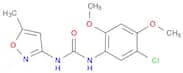
The protein encoded by this gene was identified on the basis of its interaction with MAP3K12/DLK, a protein kinase known to be involved in the induction of cell apoptosis. This gene product contains a leucine zipper, which is a characteristic motif of transcription factors, and was shown to exhibit strong transactivation activity when fused to Gal4 DNA binding domain. Overexpression of this gene interfered with MAP3K12 induced apoptosis. [provided by RefSeq, Jul 2008],N-(5-CHLORO-2,4-DIMETHOXYPHENYL)-N'-(5-METHYL-3-ISOXAZOLYL)-UREA
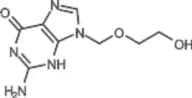
CAS:Formula:C13H14ClN3O4Purity:98%Color and Shape:SolidMolecular weight:311.7210Acyclovir
CAS:Acyclovir (Aciclovir) is a synthetic analog of the purine nucleoside, guanosine, with potent antiviral activity against herpes simplex viruses type 1 and 2,Formula:C8H11N5O3Purity:99.77% - >99.99%Color and Shape:Crystals From Methanol SolidMolecular weight:225.2