Glycerophospholipids / Phospholipids
Found 383 products of "Glycerophospholipids / Phospholipids"
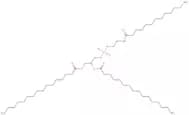
1,2-Dimyristoyl-sn-glycero-3-phosphocholine
CAS:Dimyristoyl-sn-glycero-3-phosphocholine (DMPC) is a phospholipid that is found in the plasma membrane. DMPC is composed of one molecule of glycerol, two molecules of fatty acid, and one molecule of choline. It has been shown to be a model system for studying transfer reactions, such as those involved in nonsteroidal anti-inflammatory drugs. DMPC can form bilayers with other lipids such as dimyristoylphosphatidylcholine (DMPP) and phosphatidylcholine (PC). The phase transition temperature of DMPC has been determined to be about 37°C. This lipid is also a surfactant because it lowers the surface tension between two liquids or between a liquid and a solid. Dimyristoyl-sn-glycero-3-phosphocholine has been shown to bind to basic proteins and peptide hormones throughFormula:C36H72NO8PPurity:Area-% Min. 95 Area-%Color and Shape:White PowderMolecular weight:677.93 g/mol1-Palmitoyl-sn-glycero-3-phosphocholine
CAS:Controlled Product1-Palmitoyl-sn-glycero-3-phosphocholine is a phospholipid that is present in the cell membrane of all cells. It is a major component of the pulmonary surfactant and is important for maintaining the integrity of the alveolar type II cells. Lipids are used to prepare samples for analysis, such as urine samples. 1-Palmitoyl-sn-glycero-3-phosphocholine has been identified as a potential biomarker for oxidative stress and metabolic disorders in humans. The fatty acid composition of 1-Palmitoyl-sn-glycero-3-phosphocholine can be determined by gas chromatography, which involves a reaction with hydrochloric acid in order to separate fatty acids based on their chain length. A disulfide bond links two amino acid chains together and is necessary for the proper function of many proteins. The hydroxyl group on 1-PalmitoyFormula:C24H50NO7PPurity:Min. 98 Area-%Color and Shape:White PowderMolecular weight:495.63 g/mol1-O-Octadecyl-2-O-methyl-sn-glycero-3-phosphocholine
CAS:Edelfosine is a novel antiparasitic drug that has been shown to be effective against diseases caused by parasites. It binds to the nuclear DNA of the parasite, triggering apoptosis and preventing cell division, which leads to the death of the parasite. Edelfosine can also act as an anti-inflammatory agent and has been shown to inhibit leishmania in vitro assays. The drug is not toxic for normal cells but may cause some toxicity in cancer cells. Edelfosine was found to be safe in mice with a tumor and was found to inhibit hl-60 cells without any adverse effects on cellular physiology.
Formula:C27H58NO6PPurity:Min. 95 Area-%Color and Shape:PowderMolecular weight:523.73 g/mol18:1-14:0 PC
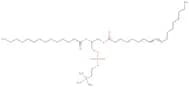
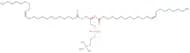
CAS:18:1-14:0 PC is a phospholipid that belongs to the group of fatty acids. It is a component of cell membranes and has an acyl chain composition of 18:1-14:0. 18:1-14:0 PC can be found in the lamellar phase, which is the most prevalent lipid phase in biological membranes. It has been shown that 18:1-14:0 PC has a higher melting temperature than other phosphatidylcholines, which may be due to its increased content of polyunsaturated fatty acids. The biogenic amine profiles for 18:1-14:0 PC include dopamine, norepinephrine, epinephrine, serotonin, histamine, and tyramine. The biochemical pathway for 18:1-14:0 PC includes glycerophospholipid metabolism.Formula:C40H78NO8PPurity:Min. 95%Molecular weight:732.02 g/mol13:0 PC
CAS:13:0 PC is a fatty acid that belongs to the group of phosphatidylcholine. It is one of the most abundant lipids found in biological membranes, accounting for approximately 10% of all membrane lipids. 13:0 PC is an important component of lipid bilayers and its concentration varies according to the type of cell it is found in. The thermodynamic data for 13:0 PC has been determined by measuring the fluorescence intensity from samples that were prepared using different solvents and different sample cells. The viscosity and phase transition temperature for this lipid have also been measured using a monolayer technique. 13:0 PC can be observed through microscopy when analyzed by matrix-assisted laser desorption/ionization (MALDI) microscopy.Formula:C34H68NO8PPurity:Min. 95%Molecular weight:649.88 g/mol1,3-Dilauroyl-glycero-2-phosphocholine
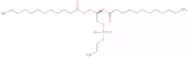
CAS:1,3-Dilauroyl-glycero-2-phosphocholine (DLPC) is a fatty acid derived from the phospholipase A2 enzyme. It has been used to analyze the sequence of amino acids in proteins and for kinetic parameters in enzymes. DLPC is hydrophobic and interacts with other molecules through hydrophobic interactions. It has been used to study the sequence of genomic DNA in Indian populations, as well as to study the effects of fatty acids on protein structure. DLPC has a molecular mass of 323 Da and is an anion that can act as a substrate for many enzymes.Purity:Min. 95%2-O-Hexadecyl-rac-glycero-3-phosphocholine
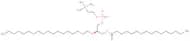
2-O-Hexadecyl-rac-glycero-3-phosphocholine is a high quality reagent that can be used as an intermediate for the synthesis of complex compounds. It has been shown to be a useful scaffold for research chemicals, and is a versatile building block that can be used in reactions with many other substances. This compound is also a speciality chemical, and has been shown to have many uses including as a reaction component. The CAS number for this compound is 68415-87-6.Formula:C24H52NO6PPurity:Min. 95 Area-%Molecular weight:481.65 g/mol1,2-Dioleoyl-sn-glycero-3-phosphoethanolamine-N-methyl
CAS:1,2-Dioleoyl-sn-glycero-3-phosphoethanolamine-N-methyl is a phospholipid compound that has various applications in research and chemical analysis. It is commonly used as an emission product mixture in experiments involving anthranilate, herbicides, pyrazine, hydrogen fluoride, olaparib, hydrochloric acid, recrystallization, phenyl sulfonyl, crosslinking, headspace solid-phase microextraction (HS-SPME), crystallography, and other research chemicals. This compound is known for its versatility and reliability in laboratory settings. Researchers and scientists trust 1,2-Dioleoyl-sn-glycero-3-phosphoethanolamine-N-methyl for its consistent performance and accurate results. Whether you are conducting experiments or analyzing samples, this compound is an essential tool for your research needs.
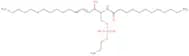
Formula:C42H80NO8PPurity:Min. 95%Molecular weight:758.1 g/molN-Lauroyl-D-erythro-sphingosyl phosphoethanolamine
CAS:Please enquire for more information about N-Lauroyl-D-erythro-sphingosyl phosphoethanolamine including the price, delivery time and more detailed product information at the technical inquiry form on this pageFormula:C31H63N2O6PPurity:Min. 95%Molecular weight:590.8 g/molPhosphatidylcholines
CAS:Phosphatidylcholines are a class of compounds that consist of a glycerol backbone with two fatty acids esterified to the hydroxyl groups. They have a phase transition temperature between 18 and 34 degrees Celsius. Phosphatidylcholines are naturally occurring in biological systems and can be extracted from eggs, soybeans, and other sources. Monoclonal antibodies can be used to detect the presence of phosphatidylcholines in tumor cells. This technique is more sensitive than other methods such as immunohistochemistry or immunofluorescence. The phosphatidylcholine-binding site on the monoclonal antibody is composed of three amino acid residues: serine, lysine, and arginine. These amino acids form an alpha helix structure that interacts with the hydrophobic region of phosphatidylcholine molecules by hydrogen bonding. The monoclonal antibody binds to the surface of tumor cells,Purity:Min. 95%1,2-Di-O-hexadecyl-rac-glycero-3-phosphoethanolamine
CAS:1,2-Di-O-hexadecyl-rac-glycero-3-phosphoethanolamine is a research chemical with various applications. It has been used in studies involving cadmium and dioxetane reactions, as well as in the synthesis of clomipramine. This compound has also been tested for its ability to act as a photocatalyst and promote the crystallization of certain substances. Additionally, 1,2-Di-O-hexadecyl-rac-glycero-3-phosphoethanolamine has shown potential in adsorption processes, particularly with zeolite and acidic environments. Its properties make it a versatile compound for use in scientific research and experimentation.Formula:C37H78NO6PPurity:Min. 95%Molecular weight:664 g/molL-±-phosphatidylcholine, hydrogenated (Egg, Chicken)
CAS:L-±-phosphatidylcholine is a fatty acid that is found in the membranes of cells. It is also a component of liposomes, which are spheres made of phospholipids. L-±-Phosphatidylcholine has been shown to have an inhibitory effect on the activity of toll-like receptor 4 (TLR4) and TLR2, which are innate immune receptors that recognize bacterial cell wall components and activate inflammatory responses. L-±-Phosphatidylcholine has been shown to inhibit the growth of Gram-negative bacteria such as Pseudomonas aeruginosa and Klebsiella pneumoniae, as well as Gram-positive bacteria such as Staphylococcus aureus, methicillin resistant S. aureus (MRSA), and Enterococcus faecalis. This drug also inhibits the expression of proinflammatory cytokines through inhibition of NFκB activation.Formula:PredominantSpeciesPurity:Min. 95%Molecular weight:779.76 g/mol1,2-Dioleoyl-sn-glycero-3-phosphoethanolamine-N-(dodecanoyl) sodium
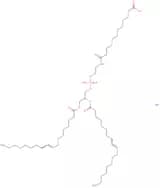
CAS:Please enquire for more information about 1,2-Dioleoyl-sn-glycero-3-phosphoethanolamine-N-(dodecanoyl) sodium including the price, delivery time and more detailed product information at the technical inquiry form on this page
Formula:C53H98NNaO11PPurity:Min. 95%Molecular weight:979.3 g/molD-Erythro-sphingosyl phosphoinositol
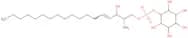
CAS:D-Erythro-sphingosyl phosphoinositol is a lipid nanoparticle that is covalently attached to an antibody. D-Erythro-sphingosyl phosphoinositol binds to antigen and then activates the immune system by binding to the lipopolysaccharide (LPS) found on the surface of Gram-negative bacteria such as Escherichia coli, Klebsiella pneumoniae, and Pseudomonas aeruginosa. The LPS activates macrophages, which produce cytokines that activate T cells. This leads to increased production of antibodies and other substances that combat bacterial infections.Formula:C24H48NO10PPurity:Min. 95%Molecular weight:541.6 g/mol1,2-Dioleoyl-sn-glycero-3-phosphoethanolamine-N-lactosyl ammonium
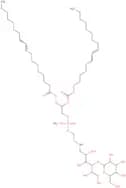
CAS:Please enquire for more information about 1,2-Dioleoyl-sn-glycero-3-phosphoethanolamine-N-lactosyl ammonium including the price, delivery time and more detailed product information at the technical inquiry form on this page
Formula:C53H103N2O18PPurity:Min. 95%Molecular weight:1,087.4 g/molPhosphatidylinositol-bis-4,5-phosphate sodium salt
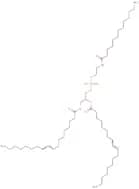
Please enquire for more information about Phosphatidylinositol-bis-4,5-phosphate sodium salt including the price, delivery time and more detailed product information at the technical inquiry form on this pagePurity:Min. 95%1,2-Dioleoyl-sn-glycero-3-phosphoethanolamine-N-(dodecanylamine)
CAS:Please enquire for more information about 1,2-Dioleoyl-sn-glycero-3-phosphoethanolamine-N-(dodecanylamine) including the price, delivery time and more detailed product information at the technical inquiry form on this pageFormula:C53H101N2O9PPurity:Min. 95%Molecular weight:941.3 g/mol1,2-Dipalmitoyl-sn-glycero-3-phosphoethanolamine-N-(dodecanylamine)
CAS:Please enquire for more information about 1,2-Dipalmitoyl-sn-glycero-3-phosphoethanolamine-N-(dodecanylamine) including the price, delivery time and more detailed product information at the technical inquiry form on this pageFormula:C49H97N2O9PPurity:Min. 95%Molecular weight:889.3 g/mol1-Arachidoyl-sn-glycero-3-phosphocholine
1-Arachidoyl-sn-glycero-3-phosphocholine (1APC) is a fine chemical that is useful for the synthesis of diverse compounds. It is an intermediate for many reactions and a versatile building block in organic synthesis. 1APC is useful as a research chemical and has CAS number 7719-86-2. 1APC can be used as a reagent, complex compound, and building block in organic syntheses. 1APC is also used for the synthesis of pharmaceuticals and agrochemicals.Formula:C28H58NO7PMolecular weight:551.74 g/mol1-o-1'-(Z)-Octadecenyl-2-hydroxy-sn-glycero-3-phosphoethanolamine
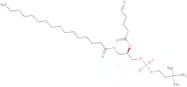
CAS:Please enquire for more information about 1-o-1'-(Z)-Octadecenyl-2-hydroxy-sn-glycero-3-phosphoethanolamine including the price, delivery time and more detailed product information at the technical inquiry form on this pageFormula:C23H48NO6PPurity:Min. 95%Molecular weight:465.6 g/molPOVPC
CAS:POVPC is a zirconium oxide that has been used in the production of artificial joints, dental implants, and bone replacements. It has also been used to coat catheters and other medical devices to prevent infection. POVPC is an antioxidant with strong anti-inflammatory properties, inhibiting the release of inflammatory mediators such as tumor necrosis factor-α (TNF-α) and interleukin-1β (IL-1β). It also inhibits nuclear factor kappa B (NFκB), which is involved in the inflammatory response. The use of POVPC has been shown to reduce atherosclerotic lesion size in mice by inhibiting the production of reactive oxygen species and reducing oxidative stress.
Formula:C29H56NO9PPurity:Min. 95%Molecular weight:593.73 g/mol1,2-Dioleoyl-sn-glycero-3-phospho-L-serine sodium salt
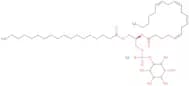
CAS:DOPS; negatively charged cell membrane phospholipidFormula:C42H77NO10PNaPurity:Min. 95%Molecular weight:810.0 g/molL-α-Phosphatidylinositol (sodium salt)
CAS:Please enquire for more information about L-α-Phosphatidylinositol (Liver, Bovine) (sodium salt) including the price, delivery time and more detailed product information at the technical inquiry form on this page
Purity:Min. 95%1-Stearoyl-3-oleoyl-rac-glycerol
Please enquire for more information about 1-Stearoyl-3-oleoyl-rac-glycerol including the price, delivery time and more detailed product information at the technical inquiry form on this page
Purity:Min. 95%1-Myristoyl-2-Hydroxy-sn-Glyc-3-Phosphatidylethanolamine
CAS:1-Myristoyl-2-hydroxy-sn-glyc-3-phosphatidylethanolamine is a phospholipid with various applications, mostly relating to membrane biochemistry studies.Formula:C19H40NO7PPurity:Min. 95%Molecular weight:425.5 g/mol1,2-Dipalmitoyl-sn-glycero-3-phosphoethanolamine-N-(glutaryl) sodium
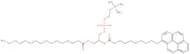
CAS:Please enquire for more information about 1,2-Dipalmitoyl-sn-glycero-3-phosphoethanolamine-N-(glutaryl) sodium including the price, delivery time and more detailed product information at the technical inquiry form on this pageFormula:C42H79NNaO11PPurity:Min. 95%Molecular weight:828 g/mol1-Palmitoyl-2-(pyrene-1-yl)decanoyl-sn-glycero-3-phosphocholine
CAS:1-Palmitoyl-2-(pyrene-1-yl)decanoyl-sn-glycero-3-phosphocholine is a synthetic phospholipid analog that can be used as an acceptor in fluorescence resonance energy transfer (FRET). It has been shown to have a very broad range of excitation and emission spectra. This molecule is stable, but can be activated by the addition of silicon or germanium. 1-Palmitoyl-2-(pyrene-1-yl)decanoyl-sn-glycero-3-phosphocholine is also able to form micelles spontaneously in water.Formula:C50H76NO8PPurity:Min. 95%Molecular weight:850.11 g/mol17:0 PC
CAS:17:0 PC is a fatty acid found in human serum and tissue samples. It is a major component of the lipidome, accounting for approximately 20% of all lipids. 17:0 PC has been shown to be associated with insulin resistance, as well as other diseases such as hepatitis. The analytical method for determining the presence of 17:0 PC in tissue samples is based on vibrational spectroscopy. A sample preparation procedure involves drying the sample at room temperature, which causes phase transition from liquid to solid state. This procedure also facilitates the separation of fats from water by using a vacuum pump to evacuate air from a closed container containing the sample and then heating it up to evaporate all water content. This leaves only dry solids that can be analyzed using vibrational spectroscopy.Formula:C42H84NO8PPurity:Min. 95%Molecular weight:762.09 g/mol1-Octanoyl-2-hydroxy-sn-glycero-3-phosphocholine
CAS:Lecithin is a lipid that is found in the cell membranes of all living organisms. It is made up of glycerol and fatty acids, with an ester bond between the two. Lecithin can be hydrolyzed by phospholipase to produce lysolecithin and glycerophosphoric acid. Lecithin has been shown to have a high content of choline, which can be used as an energy source for cells. Lecithin also has a high content of other lipids such as cholesterol, phosphatidylcholine, and stearic acid. The lecithins are classified into four groups based on their fatty acid composition: monoglycerides (MG), diglycerides (DG), triglycerides (TG), and phosphatidylcholines (PC). The MG lecithins are found in animal sources while DG, TG, and PC lecithins are mainly found in plantFormula:C16H34NO7PPurity:Min. 95%Molecular weight:383.42 g/mol19:0 PC
CAS:19:0 PC is a fatty acid that is found in phospholipids and glycolipids. It can be detected by a lipidomic technique called phase chromatography. This technique separates lipids based on the length of their acyl chains. The detection sensitivity of this technique is 0.1% of the total lipid content in the sample and it has been used to detect fatty acids that are not easily detectable by other techniques, such as gas chromatography or thin-layer chromatography. 19:0 PC has been shown to play an important role in metabolic disorders and in the regulation of cb2 receptor activity. It also participates in biosynthesis and cellular metabolism, where it plays a role in membrane fluidity and stability. 19:0 PC has also been shown to be important for lipidome analysis, which studies the metabolites produced by cells during lipid metabolism.Formula:C46H92NO8PPurity:Min. 95%Molecular weight:818.2 g/mol06:0 PE
CAS:06:0 PE is a supramolecular polymer that has been developed as an efficient method for the detection of infectious diseases. It is based on the interaction energies between the polymeric scaffold and the fluorescent probe molecules, which are attached to the polymeric scaffold by covalent bonds. 06:0 PE has a high signal-to-noise ratio and can be used to measure metabolomics changes in infectious diseases at early stages. This polymer also has sixfold symmetry, which allows it to emit light over a wide range of angles, making it easier to detect than other polymers with only twofold symmetry.Formula:C17H34NO8PPurity:Min. 95%Molecular weight:411.43 g/mol1,2-Distearoyl-sn-glycero-3-phosphoethanolamine-N-[carboxy(polyethylene glycol)-2000] (ammonium salt)
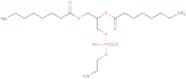
CAS:Please enquire for more information about 1,2-Distearoyl-sn-glycero-3-phosphoethanolamine-N-[carboxy(polyethylene glycol)-2000] (ammonium salt) including the price, delivery time and more detailed product information at the technical inquiry form on this pageFormula:C134H267N2O57PPurity:Min. 95%Molecular weight:2,849.51 g/mol1,2-Dioctanoyl-sn-glycero-phosphoethanolamine
CAS:1,2-Dioctanoyl-sn-glycero-phosphoethanolamine is a synthetic amphiphilic compound that is used as an excipient in pharmaceutical formulation. It forms liposomes and microparticles and can be used to encapsulate drugs. 1,2-Dioctanoyl-sn-glycero-phosphoethanolamine has been shown to have anti-cancer properties in mice. It penetrates the blood brain barrier and accumulates in the endoplasmic reticulum (ER), which leads to cell death by apoptosis. The compound also inhibits the synthesis of fatty acids and surfactants, which are known to promote tumor growth.Formula:C21H42NO8PPurity:Min. 95%Molecular weight:467.5 g/mol1,2-distearoyl-sn-glycero-3-phosphoethanolamine-N-[folate(polyethylene glycol)-2000] (ammonium salt)
CAS:Controlled Product1,2-distearoyl-sn-glycero-3-phosphoethanolamine-N-[folate(polyethylene glycol)-2000] (ammonium salt) is a compound that combines the benefits of pioglitazone and lycobetaine. It has anti-fibrotic properties and can be used in conjunction with medications like canagliflozin to treat various conditions. This compound belongs to the class of phospholipids and has been found to have antifibrotic effects similar to nintedanib.Formula:C151H286N11O59PPurity:Min. 95%Color and Shape:PowderMolecular weight:3,230.9 g/mol1,2-Di-o-dodecyl-sn-glycero-3-phosphocholine
CAS:1,2-Di-O-dodecyl-sn-glycero-3-phosphocholine (DODPC) is a lipid molecule that is used in the preparation of liposomes. Liposomes are spherical structures consisting of a phospholipid bilayer membrane enclosing an inner aqueous phase. The structure and properties of liposomes depend on the type of phospholipid used to form the bilayer membrane. DODPC forms large unilamellar vesicles with an average diameter of about 150 nm, which are stable for months at 4°C as well as at room temperature. DODPC can be used to diagnose bacterial infections by monitoring changes in the orientation and transmembrane protein distribution when bacteria attach to the surface of a liposome. This molecule is also used in environmental monitoring, filtration, and magnetic separation processes.Formula:C32H68NO6PPurity:Min. 95%Molecular weight:593.9 g/mol1,2-Dipalmitoyl-sn-glycero-3-phosphocholine
CAS:1,2-Dipalmitoyl-sn-glycero-3-phosphocholine (DPPC) is a sodium salt that has the ability to form surfactant bilayers. DPPC is a model system for studying biochemical reactions and the phase transition of lipid bilayers. This compound has been used to study the effects of various drugs on cell membranes in biochemical research. In addition, DPPC has been shown to have hypoglycemic effects in animal models as well as having an anti-inflammatory effect.Formula:C40H80NO8PPurity:Min. 95 Area-%Color and Shape:PowderMolecular weight:734.04 g/mol1,2-Dierucoyl-sn-glycero-3-phosphocholine
CAS:1,2-Dierucoyl-sn-glycero-3-phosphocholine (DDPC) is a synthetic molecule that is used in the study of lipid bilayers. DDPC is composed of two subunits, a glycerol backbone and a choline head group. It can be activated by pH change, which changes the fluorescence properties of the molecule. DDPC has been shown to bind peptides and amphipathic molecules such as gramicidin. The carbonyl group and solute in DDPC make it an excellent probe for studying hydrophobic interactions in lipid bilayers and other hydrophobic interactions.Formula:C52H100NO8PPurity:Min. 95%Molecular weight:898.34 g/mol1-Arachidoyl-sn-glycero-3-phosphocholine
CAS:1-Arachidoyl-sn-glycero-3-phosphocholine (AchPC) is a phospholipid that is found in high concentrations in the pancreas. AchPC has been shown to be associated with pancreatic cancer and can be used as a biomarker for diagnosis. AchPC levels have been correlated with severity of pancreatic cancer, and there is evidence that increased levels of AchPC are associated with better prognosis. The serum level of AchPC can also be used as a marker for cholangiocarcinoma. The concentration of AchPC was measured by ultra-high-performance liquid chromatography in patients who had undergone surgery for pancreatic cancer, and the results were validated by logistic regression analysis.Formula:C28H58NO7PPurity:Min. 95%Color and Shape:PowderMolecular weight:551.7 g/molL-α-Phosphatidylethanolamine, transphosphatidylated
CAS:Please enquire for more information about L-α-Phosphatidylethanolamine, transphosphatidylated including the price, delivery time and more detailed product information at the technical inquiry form on this pagePurity:Min. 95%1,2-Dipalmitoyl phosphatidylinositol 4-phosphate ammonium salt
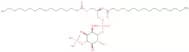
CAS:1,2-Dipalmitoyl phosphatidylinositol 4-phosphate ammonium salt (DPPI) is a protein that belongs to the group of phosphoinositides. The main function of this molecule is to regulate the intracellular levels of calcium by transporting it from the cytosol to the cell membrane. DPPI has been shown to inhibit viral replication and may be useful in treating autoimmune diseases, liver lesions, bowel disease, and diabetic neuropathy. It also inhibits the production of inflammatory cytokines such as tumor necrosis factor-α (TNF-α) and interleukin-1β (IL-1β). DPPI is an important component for cellular signaling pathways that are activated by external stimuli or by internal conditions such as stress or diabetes. This molecule can also activate protein kinase C (PKC), which leads to changes in gene expression and cell proliferation.
Formula:C41H80O16P2Purity:Min. 95%Molecular weight:891.01 g/mol1,2-Isopropylidene-sn-glycerol-3-phosphate calcium salt
CAS:Please enquire for more information about 1,2-Isopropylidene-sn-glycerol-3-phosphate calcium salt including the price, delivery time and more detailed product information at the technical inquiry form on this pageFormula:C6H11CaO6PPurity:Min. 95%Molecular weight:250.2 g/mol1,2-Dilauroyl-sn-glycero-3-phosphoethanolamine
CAS:1,2-Dilauroyl-sn-glycero-3-phosphoethanolamine (DLPE) is a lipid molecule that can induce phase transition in aqueous solutions. DLPE is an active ingredient in nonsteroidal anti-inflammatory drugs and has been shown to inhibit the activity of enzymes such as cyclooxygenase and lipoxygenase. DLPE also inhibits the growth of infectious organisms such as Escherichia coli and HIV by inhibiting receptor activity. DLPE binds to receptors on the surface of cells, which prevents these cells from releasing inflammatory cytokines.Formula:C29H58NO8PPurity:Min. 95%Color and Shape:PowderMolecular weight:579.75 g/mol1-Palmitoyl-2-oleyl-sn-glycero-3-phospho-rac-(1-glycerol) Sodium Salt
CAS:1-Palmitoyl-2-oleyl-sn-glycero-3-phospho-rac-(1-glycerol) Sodium Salt is a phospholipid extract from soybean lecithin that has been shown to be efficient in preventing vaginal infections. The administration of 1-Palmitoyl-2-oleyl-sn-glycero-3-phospho-(1,2 glycerol) Sodium Salt was investigated as an alternative treatment for entrapment of the vagina and cervix. It has been found to have high permeability and to be effective at inhibiting bacterial growth. This drug has also been shown to increase the production of phosphatidylcholine, which can be used as a carrier molecule for other drugs that are used in vaginal preparations.Formula:C40H76NaO10PPurity:Min. 95%Molecular weight:771 g/mol2-O-Hexadecyl-rac-glycero-3-phosphoethanolamine
CAS:Please enquire for more information about 2-O-Hexadecyl-rac-glycero-3-phosphoethanolamine including the price, delivery time and more detailed product information at the technical inquiry form on this pageFormula:C21H46NO6PPurity:Min. 95%Molecular weight:439.57 g/mol1,2-Distearoyl-sn-glycero-3-phosphoethanolamine-N-[maleimide(polyethylene glycol)-2000] (ammonium salt)
CAS:1,2-distearoyl-sn-glycero-3-phosphoethanolamine-N-[maleimide(polyethylene glycol)-2000] (ammonium salt) is a lipid conjugate consisting of 1,2-distearoyl-sn-glycero-PE and maleimide(polyethylene glycol)-2000. It is synthesized by reacting the PEGylated derivative with an amine terminated lipid. The resulting product is a water soluble compound that can be used to prepare immunoliposomes or siRNA delivery systems.Formula:C139H271N4O57PPurity:Min. 95%Molecular weight:2,941.61 g/molPAF (Platelet-Activating Factor, bovine heart)
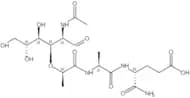
CAS:Formula:C19H32N4O11Purity:95%Color and Shape:In solution, ChloroformMolecular weight:492.48Phosphatidylethanolamine Plasmalogen (bovine brain) 60% Plasmalogen
CAS:Formula:UnspecifiedPurity:60%Color and Shape:In solution, Choloform


















![1,2-Distearoyl-sn-glycero-3-phosphoethanolamine-N-[carboxy(polyethylene glycol)-2000] (ammonium sa…](/_next/image/?url=https%3A%2Fstatic.cymitquimica.com%2Fproducts%2F3D%2Fthumb-webp%2FZTA92220.webp&w=3840&q=75)
![1,2-distearoyl-sn-glycero-3-phosphoethanolamine-N-[folate(polyethylene glycol)-2000] (ammonium sal…](/_next/image/?url=https%3A%2Fstatic.cymitquimica.com%2Fproducts%2F3D%2Fthumb-webp%2FLZB28825.webp&w=3840&q=75)







![1,2-Distearoyl-sn-glycero-3-phosphoethanolamine-N-[maleimide(polyethylene glycol)-2000] (ammonium …](/_next/image/?url=https%3A%2Fstatic.cymitquimica.com%2Fproducts%2F3D%2Fthumb-webp%2FZTA92222.webp&w=3840&q=75)