Nucleosides
Found 3569 products of "Nucleosides"
N4-Benzoyl-2'-deoxy-5'-O-levulinoylcytidine-3'-CE phosphoramidite
N4-Benzoyl-2'-deoxy-5'-O-levulinoylcytidine-3'-CE phosphoramidite is a novel nucleoside analogue that is synthesized by coupling the 5'-O-levulinoyl group to the 3'-OH of cytidine. The compound has antiviral and anticancer activity, as well as potential for use in gene therapy. It is synthesized from commercially available deoxyribonucleosides, an activator, and a diphosphate. The product is purified to high purity and quality, with dsDNA conversion yields of more than 90%.Formula:C30H40N5O8PPurity:Min. 95%Molecular weight:629.64 g/mol5'-Deoxy-5'-iodo-2',3'-O-isopropylidene-5-chlorouridine
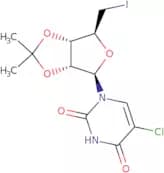
CAS:5'-Deoxy-5'-iodo-2',3'-O-isopropylidene-5-chlorouridine is a novel antiviral agent that inhibits replication of viruses. It is synthesized from 5'-deoxy-5'-iodo-2',3'-O-isopropylideneuridine, which is then phosphorylated by the addition of a phosphate group. This compound has shown to be an activator in the synthesis of ribonucleosides and deoxyribonucleosides. The high purity and high quality of this compound make it suitable for use as a starting material for the synthesis of modified nucleosides for anticancer drugs.
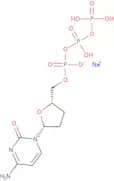
Formula:C12H14ClIN2O5Purity:Min. 95%Molecular weight:428.61 g/mol2',3'-Dideoxycytidine-5'-triphosphate lithium salt - 100mM aqueous solution
CAS:2',3'-Dideoxycytidine-5'-triphosphate lithium salt is a novel nucleoside, which can be used in the synthesis of oligonucleotides and DNA. The phosphoramidite is highly reactive and stable, and has been shown to have antiviral activity against influenza A virus. This chemical has also been shown to inhibit the growth of cancer cells by inhibiting DNA synthesis.Formula:C9H16N3O12P3Purity:Min. 95%Molecular weight:451.16 g/molN2-O-Acetyl-2'-deoxy-3',5'-di-O-acetyl-O6-DPC-a-b-guanosine
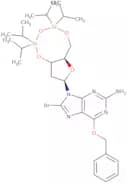
N2-O-Acetyl-2'-deoxy-3',5'-di-O-acetyl-O6-DPC-a-b-guanosine is a modified nucleoside that has antiviral and anticancer activities. It is synthesized by the modification of deoxyribonucleosides with acetyl groups at the 2' position, which are then removed using hydrolysis. The resulting product is a phosphoramidite intermediate that can be used in the synthesis of oligodeoxynucleotides. This compound has shown to have high quality and purity, as well as being novel.Purity:Min. 95%O6-Benzyl-8-bromo-3',5'-O(1,1,3,3-tetrakis(isopropyl)-1,3-disiloxanediyl)2'-deoxyguanine
CAS:O6-Benzyl-8-bromo-3',5'-O(1,1,3,3-tetrakis(isopropyl)-1,3-disiloxanediyl)2'-deoxyguanine is a modified nucleoside that is used as an antiviral and anticancer agent. It has been shown to be a potent activator of the immune system. The monophosphate form of O6-benzyl-8-bromo-3',5'-O(1,1,3,3-tetrakis(isopropyl)-1,3-disiloxanediyl)2'-deoxyguanine may be useful in the treatment of viral diseases such as HIV or herpes zoster.Formula:C29H44BrN5O5Si2Purity:Min. 95%Molecular weight:678.77 g/mol2'-Deoxy-5'-O-DMT-5-fluorouridine
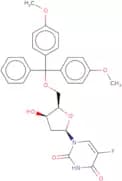
2'-Deoxy-5'-O-DMT-5-fluorouridine (2'DFUR) is a synthetic nucleoside that inhibits the synthesis of DNA. 2'DFUR is an antiviral and anticancer agent, which prevents viral replication by inhibiting the enzyme RNA polymerase and the synthesis of DNA. 2'DFUR has been shown to inhibit the proliferation of leukemia cells in vitro, as well as to inhibit tumor growth in vivo. The molecular weight of 2'DFUR is 284.23 g/mol, with a CAS number of 52488-02-9.
Formula:C30H29FN2O7Purity:Min. 95%Molecular weight:548.57 g/molAdenosine 3',5'-diphosphate barium salt
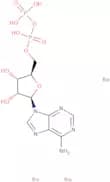
CAS:Adenosine 3',5'-diphosphate barium salt is a nucleoside that is used in the synthesis of oligonucleotides. Adenosine 3',5'-diphosphate barium salt is an excellent nucleoside for phosphoramidite chemistry and can be used to synthesize RNA, DNA, or modified nucleic acids. It has antiviral and anticancer activity. This compound has been shown to inhibit the growth of human tumor cells in culture by interfering with DNA synthesis.Formula:C10H13N5O10P2BaPurity:Min. 95%Molecular weight:562.51 g/molO-Propargyl-puromycin (OPP)
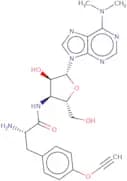
CAS:O-propargyl-puromycin (OPP) is an alkyne analog of puromycin that is efficiently incorporated into newly translated proteins, which are rapidly turned over by the proteasome and can be visualized or captured by copper(I)-catalyzed azide-alkyne cycloaddition. Unlike methionine analogs, OPP does not require methionine-free conditions and, uniquely, can be used to label and assay nascent proteins in whole organisms.Formula:C24H29N7O5Purity:Min. 95%Color and Shape:PowderMolecular weight:495.5 g/mol8-Azidoadenosine 5'-triphosphate tetralithium salt
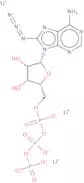
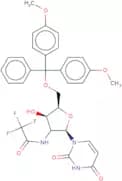
8-Azidoadenosine 5'-triphosphate tetralithium salt is a modified nucleoside phosphoramidite. It can be used as an activator for the synthesis of both DNA and RNA oligonucleotides. 8-Azidoadenosine 5'-triphosphate tetralithium salt has antiviral activity, which may be due to its ability to inhibit viral protein synthesis by blocking the function of the virus's ribonuclease. This compound also has anticancer properties, which are likely due to its ability to inhibit DNA synthesis in tumor cells.Formula:C10H15N8O13P3Purity:Min. 95%Color and Shape:Yellow oil.Molecular weight:548.19 g/mol2'-Deoxy-5'-O-DMT-2'-trifluoroacetamidouridine
2'-Deoxy-5'-O-DMT-2'-trifluoroacetamidouridine is a nucleoside that is used in the production of DNA and RNA. It is an activator of phosphoramidites, which are used to synthesize oligonucleotides. 2'-Deoxy-5'-O-DMT-2'-trifluoroacetamidouridine can be used as an anti-cancer drug and has antiviral activity. It has been shown to inhibit the replication of HIV by interfering with viral enzymes such as reverse transcriptase and integrase. 2'-Deoxy-5'-O-DMT-2'-trifluoroacetamidouridine can also be used for the treatment of influenza A virus infections. This drug is highly purified, with a high quality, monophosphate form as well as a diphosphate form. There are no known side effects associated with this product.!--
Formula:C32H30F3N3O8Purity:Min. 95%Molecular weight:641.61 g/molUridine-15N2
CAS:Uridine-15N2 is a novel nucleoside that has antiviral, anticancer and antifungal effects. It has been shown to inhibit the growth of tumor cells by blocking the synthesis of DNA and RNA. Uridine-15N2 is synthesized from uridine-5N2 and 15N2 gas. This product is used in molecular biology research as a substrate for DNA polymerase, to study the enzymatic process of DNA replication. It can also be used as an activator for ribonuclesides or deoxyribonucleosides in organic synthesis. Uridine-15N2 is soluble in water and has a high purity.Formula:C9H12N2O6Purity:Min. 95%Molecular weight:244.20 g/mol2'-Deoxycytidine phosphoramidite dimer
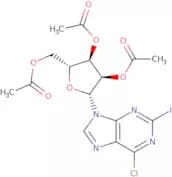
2'-Deoxycytidine phosphoramidite dimer is a Novel, high quality, and CAS No. Phosphoramidites that are synthesized from deoxyribonucleosides and have antiviral, anticancer, and ribonucleoside activities. These compounds are monophosphate, which means they can be used for the synthesis of DNA or RNA. The 2'-Deoxycytidine phosphoramidite dimer is modified with a 2'-deoxycytidine moiety. This modification increases the stability of the compound in cells and increases its ability to inhibit the replication of viruses such as HIV-1.Purity:Min. 95%6-Chloro-2-iodo-9-(2',3',5'-tri-O-acetyl-b-D-ribofuranosyl)purine
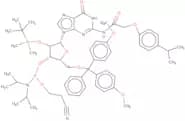
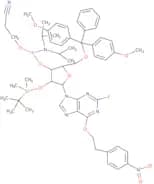
CAS:6-Chloro-2-iodo-9-(2',3',5'-tri-O-acetyl-b-D-ribofuranosyl)purine is a protected purine nucleosideFormula:C16H16ClIN4O7Purity:Min. 95%Molecular weight:538.68 g/mol2'-O-tert-Butyldimethylsilyl-5'-O-DMT-N2-(4-isopropylphenoxyacetyl)guanosine 3'-CE phosphoramidite
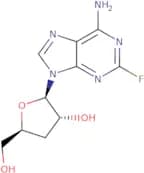
2'-O-tert-Butyldimethylsilyl-5'-O-DMT-N2-(4-isopropylphenoxyacetyl)guanosine 3'-CE phosphoramidite is a nucleoside that was synthesized by the reaction of 2'-O-tert-butyldimethylsilyl-5'-O-dimethoxytritylguanosine 3'-CE with 4-isopropylphenoxyacetic acid. This nucleoside has antiviral and anticancer activities. It has been shown to inhibit the growth of human leukemia cells in culture, and also inhibits the replication of human immunodeficiency virus (HIV).Formula:C57H74N7O10PSiPurity:Min. 95%Molecular weight:1,076.33 g/mol3'-Deoxy-2-fluoroadenosine
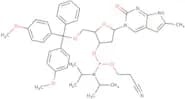
CAS:3'-Deoxy-2-fluoroadenosine is a byproduct of the metabolism of nucleoside phosphorylase. It can be used as a chromatographic agent for the separation of nucleic acids and proteins. 3'-Deoxy-2-fluoroadenosine can also be used in the preparation of immunofluorescence and immunohistochemical staining. 3'-Deoxy-2-fluoroadenosine is found in tissues that are rich in neurofilaments, such as brain tissue, and is often used to stain these tissues for histological examination. Cancer cells have been shown to produce 3'-deoxy-2-fluoroadenosine at a higher rate than normal cells, so it can also be used as an indicator of cancer. The thermophilic bacterium Thermus thermophilus produces high levels of this compound during DNA replication, which may be due to its role in the synthesis of d-arabinose from ribFormula:C10H12FN5O3Purity:Min. 95%Molecular weight:269.23 g/molPyrrolo-2’-deoxycytidine 3’-CE phosphoramidite
CAS:A fluorescent analogue of deoxycytidine. Used for monitoring RNA secondary structure formation, where its fluorescence is reversibly quenched upon base-pairing. Emission max is at 473nm.Formula:C42H50N5O7PPurity:Min. 95%Molecular weight:767.8 g/molNPE-caged- GTP sodium salt
NPE-caged- GTP sodium salt is a novel nucleoside that can be used as a monophosphate or ribonucleotide, which is synthesized through the use of chemical phosphoramidites. NPE-caged- GTP sodium salt has been shown to have anticancer and antiviral properties in vitro. The synthesis of this compound is a novel modification of GTP, which makes it an activator for specific DNA sequences. It also has high purity and high quality.
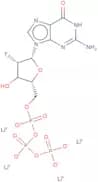
Formula:C18H23N6O16P3·xNaPurity:Min. 95%Molecular weight:672.33 g/mol2'-Deoxy-2'-fluoroguanosine-5'-triphosphate lithium salt - 100mM aqueous solution
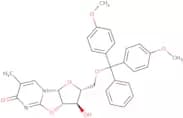
CAS:2'-Deoxy-2'-fluoroguanosine-5'-triphosphate lithium salt - 100mM aqueous solution is an antiviral agent of the deoxyribonucleoside family. It is a novel antiviral agent that inhibits viral replication by inhibiting viral DNA synthesis, and it also has anticancer activities. 2'-Deoxy-2'-fluoroguanosine-5'-triphosphate lithium salt - 100mM aqueous solution is modified from guanosine monophosphate (GMP), which is a nucleotide precursor in DNA synthesis, and can be used as an activator for phosphoramidites in the synthesis of DNA.Formula:C10H11FN5O13P3Li4Purity:Min. 95%Color and Shape:LiquidMolecular weight:548.9 g/mol2,2’-Anhydro-5’-O-DMT-5-methyluridine
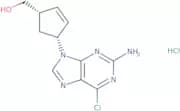
CAS:2,2’-Anhydro-5’-O-DMT-5-methyluridine is an anhydro nucleosideFormula:C31H30N2O7Purity:Min. 95%Molecular weight:542.58 g/mol(1S,4R)-4-(2-Amino-6-chloro-9H-purin-9-yl)-2-cyclopentene-1-methanol hydrochloride
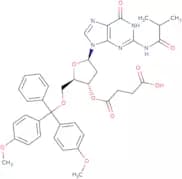
CAS:(1S,4R)-4-(2-Amino-6-chloro-9H-purin-9-yl)-2-cyclopentene-1-methanol HCl is an activator of DNA polymerase. It is a novel modified deoxyribonucleosides and nucleosides that has antiviral, anticancer and antifungal activities. It can be used in the treatment of various diseases such as HIV, cancer and chronic hepatitis B virus infection.Formula:C11H12ClN5O•HClPurity:Min. 95%Molecular weight:302.16 g/mol2'-Deoxy-5'-O-DMT-N2-isobutyrylguanosine 3'-O-succinate
CAS:2'-Deoxy-5'-O-DMT-N2-isobutyrylguanosine 3'-O-succinate is a nucleoside that is modified by the incorporation of an isobutyryl group at the 2' position. It has shown to be an activator of phosphoramidites and can be used as a precursor for the synthesis of nucleic acids, including DNA and RNA. 2'-Deoxy-5'-O-DMT-N2-isobutyrylguanosine 3'-O-succinate has been shown to have anticancer properties, antiviral properties, and antiinflammatory properties.Formula:C39H41N5O10Purity:Min. 95%Molecular weight:739.77 g/mol3,7-Dihydro-5-iodo-4-oxo-4H-pyrrolo[2,3-d]pyrimidine
CAS:3,7-Dihydro-5-iodo-4-oxo-4H-pyrrolo[2,3-d]pyrimidine is a novel antiviral drug with anticancer activity. It is an inhibitor of the enzyme ribonucleotide reductase and has been shown to inhibit the production of deoxyribonucleosides in tumor cells. It also inhibits DNA synthesis by inhibiting DNA polymerase. 3,7-Dihydro-5-iodo-4-oxo-4H-pyrrolo[2,3-d]pyrimidine is a high purity product that is available in both monophosphate and diphosphate forms.Formula:C6H4IN3OPurity:Min. 95%Molecular weight:261.02 g/mol5-(4-Amino-5-fluoro-2-oxo-1(2H)-pyrimidinyl)-1,3-oxathiolane-2-carboxylic acid 5-methyl-2-(1-methylethyl)cyclohexyl ester
CAS:5-(4-Amino-5-fluoro-2-oxo-1(2H)-pyrimidinyl)-1,3-oxathiolane-2-carboxylic acid 5-methylcyclohexyl ester is a novel nucleoside analog with antiviral and anticancer properties. It is an inhibitor of influenza virus replication. The compound is also active against human DNA polymerase beta, herpes simplex virus type 1 and 2, and Epstein Barr virus. This compound is synthesized as a phosphate derivative for use in phosphoramidite chemistry for the synthesis of DNA or RNA.Formula:C18H26FN3O4SPurity:Min. 95%Molecular weight:399.48 g/mol5'-O-DMT-2'-ethylfluoro-5-methyluridine 3'-CE phophoramidite
5'-O-DMT-2'-ethylfluoro-5-methyluridine 3'-CE phophoramidite is an antiviral agent that has been shown to inhibit the replication of HIV in cell culture and to prevent the synthesis of the virus. 5'-O-DMT-2'-ethylfluoro-5-methyluridine 3'-CE phophoramidite inhibits viral replication by acting as a competitive inhibitor of HIV reverse transcriptase and blocking viral DNA synthesis from viral RNA. It has also been shown to have anticancer properties, which may be due to its ability to suppress tumor growth through inhibition of protein synthesis.
Purity:Min. 95%Adenosine 2',3'-cyclic monophosphate-5'-monophosphate
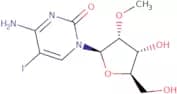
Adenosine 2',3'-cyclic monophosphate-5'-monophosphate (AMP-CP) is a nucleotide that is the cyclic form of adenosine monophosphate. It is a modified nucleoside that is used in the synthesis of DNA and RNA, as well as in anticancer and antiviral research. The structure of AMP-CP consists of an adenosine base attached to ribose through a phosphate group at the 3' carbon position. This nucleotide can be converted to adenosine 5'-monophosphate (AMP) by phosphoramidites, which are chemical compounds consisting of an aminopropyl group joined to a phosphoryl group. AMP-CP is also known as diphosphate or deoxyribonucleosides. AMP-CP has shown antiviral activity against herpes simplex virus type 1, HIV, influenza A virus, and vesicular stomPurity:Min. 95%5-Iodo-2’-O-methylcytidine
CAS:5-Iodo-2’-O-methylcytidine is a nucleoside that is used as an activator for the synthesis of ribonucleosides. It is also used in the synthesis of DNA, RNA, and phosphoramidites. 5-Iodo-2’-O-methylcytidine has shown anticancer activity against a variety of cancer cell lines. This novel nucleotide exhibits high quality and purity, with an excellent yield and low impurities. The compound has been assigned CAS No. 847650-69-5 and its physical properties have been described in detail.
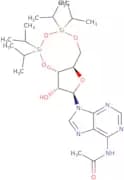
Formula:C10H14IN3O5Purity:Min. 95%Molecular weight:383.14 g/molN-Acetyl-3',5'-O-(1,1,3,3-tetraisopropyl-1,3-disiloxanediyl)adenosine
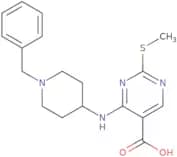
CAS:N-Acetyl-3',5'-O-(1,1,3,3-tetraisopropyl-1,3-disiloxanediyl)adenosine is a novel nucleoside analog which has been modified to improve its anticancer activity. This compound is an activator of adenosine deaminase and inhibits the proliferation of various tumor cells. It also blocks the formation of DNA by inhibiting the synthesis of ribonucleotides. N-acetyl-3',5'-O-(1,1,3,3-tetraisopropyl-1,3-disiloxanediyl)adenosine has antiviral properties and can inhibit HIV replication in vitro.Formula:C23H41N3O7Si2Purity:Min. 95%Molecular weight:527.76 g/mol4-(1-Benzylpiperidin-4-Ylamino)-2-(Methylthio)Pyrimidine-5-Carboxylic Acid
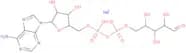
CAS:4-(1-Benzylpiperidin-4-Ylamino)-2-(Methylthio)Pyrimidine-5-Carboxylic Acid is a novel nucleoside analog that has been shown to have anticancer activity. It has also been found to have antiviral and antitumor activities. 4-(1-Benzylpiperidin-4-Ylamino)-2-(Methylthio)Pyrimidine-5-Carboxylic Acid is a nucleoside analog that is synthesized from monophosphate, diphosphate, and phosphate esters of 2-(methylthio)pyrimidine 5'-carboxylic acid. It is an analogue of the natural nucleoside uridine and has phosphorylase enzyme activity. This agent is cytotoxic against cells in culture by inhibiting DNA synthesis.Formula:C18H22N4O2SPurity:Min. 95%Molecular weight:358.46 g/molAdenosine 5′-diphosphoribose monosodium
CAS:Adenosine 5′-diphosphoribose monosodium is a novel nucleotide that can be used in the synthesis of antiviral, anticancer, and anti-inflammatory drugs. Adenosine 5′-diphosphoribose monosodium is a modified form of adenosine 5′-triphosphate (ATP) with an added phosphate group at the 5′ position on the ribose sugar. It is synthesized from ATP by phosphoramidite chemistry. The CAS number for this product is 68414-18-6. Adenosine 5′-diphosphoribose monosodium has been shown to inhibit replication of human immunodeficiency virus type 1 (HIV-1) and herpes simplex virus type 1 (HSV-1).Formula:C15H23N5O14P2•NaPurity:Min. 95%Molecular weight:582.31 g/mol9-(b-D-Arabinofuranosyl)-N6-benzoyladenine
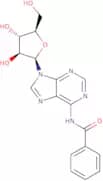
CAS:9-(b-D-arabinofuranosyl)-N6-benzoyladenine is a novel nucleoside analogue that has been shown to be an effective anticancer agent. It is structurally related to the natural nucleosides adenosine and guanosine, but with the addition of a benzoyl group on the 9 position. This compound is also active against HIV, influenza A virus and herpes simplex virus type 1 (HSV1). It can be used as an antiviral agent in cancer therapy due to its ability to inhibit viral replication. 9-(b-D-arabinofuranosyl)-N6-benzoyladenine inhibits the growth of tumor cells by inhibiting DNA synthesis and RNA transcription. It also binds to DNA, thereby preventing DNA synthesis and RNA transcription.
Formula:C17H17N5O5Purity:Min. 95%Molecular weight:371.35 g/mol3'-Azido-3'-deoxythymidine methyl-D3
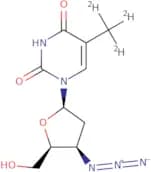
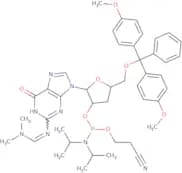
Controlled Product3'-Azido-3'-deoxythymidine methyl-D3 is a novel synthetic nucleoside. It is a modified version of the natural nucleoside deoxyribonucleoside, which is an essential component of DNA and RNA. 3'-Azido-3'-deoxythymidine methyl-D3 is an activator of the antiviral and anticancer properties of other drugs. It can be used as a phosphate donor in phosphoramidite synthesis to produce oligonucleotides for use in PCR amplification or in protein synthesis. 3'-Azido-3'-deoxythymidine methyl-D3 is also used as an antiviral agent because it inhibits viral replication by inhibiting viral reverse transcriptase.Formula:C10H10D3N5O4Purity:Min. 95%Molecular weight:270.26 g/mol3'-Deoxy-N2-DMF-5'-O-DMT-guanosine 2'-CE phosphoramidite
CAS:3'-Deoxy-N2-DMF-5'-O-DMT-guanosine 2'-CE phosphoramidite is a novel nucleoside, which is structurally similar to cytidine and has been synthesized for the first time. 3'-Deoxy-N2-DMF-5'-O-DMT-guanosine 2'-CE phosphoramidite has antiviral and anticancer activities. It inhibits the growth of viruses by inhibiting DNA synthesis. 3'-Deoxy-N2-DMF-5'-O-DMT-guanosine 2'-CE phosphoramidite also inhibits the growth of cancer cells by inhibiting RNA synthesis.Formula:C43H53N8O7PPurity:Min. 95%Molecular weight:824.9 g/molN6-Benzoyl-9-(a-D-mannopyranosyl)adenine
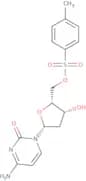
N6-Benzoyl-9-(a-D-mannopyranosyl)adenine is a novel, synthetic nucleoside analog. It is an antiviral drug that inhibits viral replication by replacing the natural substrate in DNA synthesis. N6-Benzoyl-9-(a-D-mannopyranosyl)adenine has been shown to be effective against human leukemia cells and to have anticancer properties. This drug also stimulates the immune system by triggering the production of antibodies and other immunoglobulins.Formula:C18H19N5O6Purity:Min. 95%Color and Shape:PowderMolecular weight:401.37 g/mol5'-Tosyl-2'-deoxycytidine
CAS:5'-Tosyl-2'-deoxycytidine is a nucleoside with anticancer activity and is a novel derivative of cytidine. It has been shown to inhibit the proliferation of human cancer cells in culture. 5'-Tosyl-2'-deoxycytidine is also an antiviral agent that inhibits the synthesis of viral DNA by inhibiting the enzyme RNA polymerase. This product is synthetic, water soluble, and stable at pH 2.0 to 10.5, making it suitable for use in pharmaceutical formulations. The purity of this product is high and its chemical structure has been modified from cytidine to increase its stability against degradation by intracellular phosphatases.Formula:C16H19N3O5SPurity:Min. 95%Molecular weight:365.41 g/mol2,5'-Anhydro-5,6-didehydro-2'-deoxy-2',2'-difluorouridine
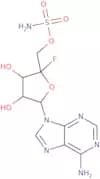
2,5'-Anhydro-5,6-didehydro-2'-deoxy-2',2'-difluorouridine is a novel ribonucleoside that has been synthesized as a phosphoramidite. It is an anticancer agent with antiviral and antiretroviral properties. The 2,5'-Anhydro-5,6-didehydro-2'-deoxy-2',2'-difluorouridine is a modified nucleoside that has the potential to be used in the treatment of certain cancers. It can also be used to inhibit viral replication by inhibiting RNA synthesis. This compound inhibits the enzyme diphosphate kinase, which converts ATP into ADP and phosphate. This leads to an accumulation of ADP in cells and inhibition of DNA synthesis.Formula:C9H10F2N2O5Purity:Min. 95%Molecular weight:264.18 g/mol4'-C-Fluoroadenosine 5'-sulfamate
CAS:4'-C-Fluoroadenosine 5'-sulfamate is a molecule that inhibits protein synthesis by binding to the ribosomes of bacteria. It also has anti-angiogenic effects and can be used as an antimicrobial agent against staphylococci, streptococci, and mycobacteria. 4'-C-Fluoroadenosine 5'-sulfamate has minimal toxicity in humans and is not active against Saccharomyces cerevisiae or Escherichia coli. The optimum concentration for inhibiting protein synthesis in vitro was determined to be between 100 and 500 μM. This compound is inexpensive and can be synthesized from commercially available starting materials. In cell culture assays, this compound showed antimicrobial activity against staphylococci, streptococci, and mycobacteria with MIC values ranging from 0.03 to 1 mM.br> 4'-C-Fluoroadenosine 5'-sFormula:C10H13FN6O6SPurity:Min. 95%Molecular weight:364.31 g/molStavudine 5'-monophosphate triethyammonium salt
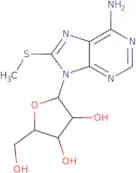
Stavudine 5'-monophosphate triethylammonium salt is a nucleoside analog that is structurally related to the natural deoxyribonucleosides. It has antiviral activity and is used in the treatment of HIV-1. Stavudine 5'-monophosphate triethylammonium salt inhibits viral replication by inhibiting DNA polymerase, which leads to a decrease in the production of new copies of the virus. This drug has also been shown to have anticancer properties, although it is not currently approved for this use. Stavudine 5'-monophosphate triethylammonium salt is synthesized in high purity and high quality, with a CAS number of 102747-23-2.Purity:Min. 95%8-Methylthioadenosine
CAS:8-Methylthioadenosine is a synthetic analogue of adenosine that has been used as a biochemical stimulator. It has been shown to inhibit uptake of fatty acids and phospholipids into cells, which may be due to the inhibition of cellular ATPase. 8-Methylthioadenosine can also be used as a precursor for other molecules, such as methylation of DNA or RNA. 8-Methylthioadenosine is synthesized from linolenic acid and phosphate in a reaction catalyzed by molecular oxygen. The synthesis is stimulated by light and heat and inhibited by cyanide. Magnetic resonance spectroscopy (NMR) was used to confirm that the molecule had the correct structure.Purity:Min. 95%5-Methylcytidine
CAS:5-Methylcytidine is a methyltransferase enzyme that catalyzes the transfer of a methyl group from S-adenosylmethionine to 5-methylcytosine. This reaction is essential for DNA replication and repair. 5-Methylcytidine has been shown to be an important factor in the regulation of mitochondrial functions, as well as other cellular processes such as protein synthesis, nuclear DNA replication, and tumor suppression. It also has been shown to inhibit the replication of murine sarcoma virus and Toll-like receptor. 5-Methylcytidine can be used in chemotherapy treatment against mouse tumors and murine sarcoma virus by preventing viral RNA synthesis with monoclonal antibodies.Formula:C10H15N3O5Molecular weight:257.24 g/molRef: 3D-W-201877
25gTo inquire50gTo inquire100gTo inquire250gTo inquire500gTo inquire-Unit-ggTo inquire2',3',5-Tri-O-acetyl-N1-tritylinosine
2',3',5-Tri-O-acetyl-N1-tritylinosine is a novel nucleoside with antiviral and anticancer activities. It is a modified deoxyribonucleoside, which is synthesized by the acetylation of N1-tritylinosine. It has high purity and high quality.Purity:Min. 95%Uracil Sodium salt
CAS:Pyrimidine nucleobase; allosteric regulator and coenzyme for reactions
Purity:Min. 95%Adenosine 5'-monophosphate [U-13C10,U-15N5]
CAS:Adenosine 5'-monophosphate (AMP) is a nucleoside that is used in the synthesis of DNA, RNA and other nucleic acids. AMP is also an antiviral and anticancer agent that can be used to activate other drugs. AMP is synthesized from adenosine triphosphate (ATP) by removing one phosphate group, resulting in the formation of adenosine diphosphate (ADP). ADP can then be converted to AMP by adding a phosphate group back on. This synthetic process can be modified to produce novel derivatives of AMP with enhanced properties.Formula:C10H14N5O7PPurity:Min. 95%Molecular weight:362.11 g/mol8,5'-(S)-Cycloadenosine
CAS:8,5'-(S)-Cycloadenosine is a radiosensitizer that is used in the treatment of cancer. It is an adenosine derivative that has been shown to increase the sensitivity of cells to radiation. 8,5'-(S)-Cycloadenosine has been used in clinical trials as a radiosensitizer for the treatment of non-small cell lung cancer and myeloma. It can be used with other chemotherapeutic agents or irradiation to reduce tumor size and improve survival rates. The compound binds to DNA and increases the formation of hydrogen peroxide by inhibiting DNA repair enzymes such as topoisomerase II, which are responsible for breaking down hydrogen peroxide. 8,5'-(S)-Cycloadenosine also prevents the production of reactive oxygen species (ROS) from azobisisobutyronitrile (AIBN), which is often used as a radical initiator during polymerization reactions.Formula:C10H11N5O4Purity:Min. 95%Color and Shape:White to off-white solid.Molecular weight:265.23 g/molN4-Benzoyl-5'-O-DMT-2'-O-(2-methylacetamido)-5-methylcytidine 3'-CE phosphoramidite
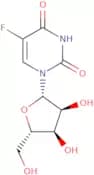
N4-Benzoyl-5'-O-DMT-2'-O-(2-methylacetamido)-5-methylcytidine 3'-CE phosphoramidite is a novel, antiviral, and anticancer agent. It has high purity and quality, and is modified with an acetyl group (N4-benzoyl) at the 5' position of the nucleotide sugar. This product has a CAS No. of 636371-27-0 and may be used as a monophosphate or diphosphate. The N4-benzoyl group is not present in natural nucleosides; therefore, this analog can serve as an activator for ribonucleoside kinase by mimicking the natural substrate.Purity:Min. 95%5-Fluoro-1-(b-L-ribofuranosyl)-uracil
CAS:5-Fluoro-1-(b-L-ribofuranosyl)-uracil is a triflate that is synthesized by the intramolecular, stereospecific reaction of l-guanosine and l-adenosine. It has been shown to have high yields in its synthesis. 5-Fluoro-1-(b-L-ribofuranosyl)-uracil can be used to produce glycosidations with d-galactose and l-thymidine. This product can also be used for the production of l-[5-(2,4,6-trimethoxybenzoyl)-1Hpyrazol]-3-[(2S,3R)-3-(bromomethyl)pyrrolidin]-2one (PBI), which is an inhibitor of protein kinase C.Purity:Min. 95%4'-a-C-Methylguanosine
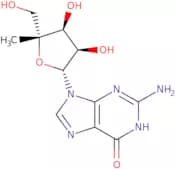
CAS:4'-a-C-Methylguanosine is a nucleoside that is synthesized by the condensation of 4'-amino-2',3'-dideoxyadenosine and 1,2-ethanediol. This product is an activator that can be used to synthesize novel DNA analogues with various chemical modifications. It has shown antiviral and anticancer activity in vitro. 4'-a-C-Methylguanosine was also found to be more active than guanosine when it came to inhibiting viral replication in human cells.Purity:Min. 95%2-(2-Furyl)-5-pyrimidinecarbaldehyde
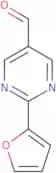
CAS:2-(2-Furyl)-5-pyrimidinecarbaldehyde (2FP) is a novel anticancer activator that belongs to the class of modified DNA. 2FP is a nucleoside analogue that inhibits the synthesis of DNA, RNA, and protein. It has been shown to inhibit the growth of cancer cells in vitro and in vivo. This compound may be used as an antiviral agent against HIV and herpes virus infections. 2FP has high purity and quality, with CAS number 959240-19-8.Formula:C9H6N2O2Purity:Min. 95%Molecular weight:174.16 g/molBenzoyl stavudine
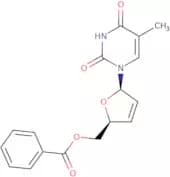
CAS:Benzoyl stavudine is a nucleoside that is used as an anti-HIV drug. It has been shown to be a prodrug of the active form, stavudine, by reductive elimination. Benzoyl stavudine has been shown to inhibit HIV replication by competitively binding to the viral reverse transcriptase enzyme and preventing the synthesis of RNA from DNA. This drug also inhibits ribonucleotide reductase, an enzyme that converts ribonucleotides into deoxyribonucleotides for DNA synthesis. This inhibition prevents the formation of new viral DNA and halts viral replication.Formula:C17H16N2O5Purity:Min. 95%Molecular weight:328.32 g/molN6-Benzoyl-2'-deoxy-5'-O-pixyladenosine
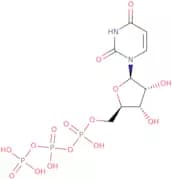
N6-Benzoyl-2'-deoxy-5'-O-pixyladenosine is a novel nucleoside that acts as an antiviral and anticancer agent. It inhibits the synthesis of DNA and RNA by binding to the ribonucleotide reductase enzyme. N6-Benzoyl-2'-deoxy-5'-O-pixyladenosine has shown activity against several human cancer cell lines, including leukemia cells. This drug also binds to the viral reverse transcriptase enzyme, preventing viral replication.Formula:C36H29N5O5Purity:Min. 95%Molecular weight:611.66 g/molUridine 5'-triphosphate
CAS:P2Y receptor agonist; precursor in RNA biosynthesis
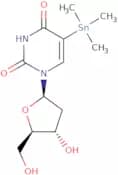
Formula:C9H15N2O15P3Purity:Min. 95%Molecular weight:484.14 g/mol5-(Trimethylstannyl)-2'-deoxyuridine
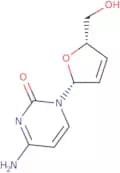
CAS:5-(Trimethylstannyl)-2'-deoxyuridine is a nucleoside analogue that is structurally related to thymidine. It has been shown to be cytotoxic in vitro, with high cytotoxicity for human glioma cells. This drug has been detected in vivo using autoradiography and microspectrophotometry, with a maximum uptake in the brain and detectable levels in the kidneys and liver. 5-(Trimethylstannyl)-2'-deoxyuridine is taken up by cells through an energy transfer process. The drug is demercurated from the cell surface by extracellular enzymes, such as sulfatases and phosphatases, converting it into 5-mercapto-2'-deoxyuridine (MdUrd), which can be detected by its UV-absorption characteristics.Formula:C12H20N2O5SnPurity:Min. 95%Molecular weight:391.01 g/mol2',3'-Dideoxy-2',3'-didehydrocytidine
CAS:2',3'-Dideoxy-2',3'-didehydrocytidine (ddC) is a nucleoside analog that is used in the treatment of hepatitis B and C. This drug inhibits the reverse transcriptase enzyme and has cytostatic effects on viruses, for example, by preventing cell division. 2',3'-Dideoxy-2',3'-didehydrocytidine also inhibits viral replication by acting as an antigen and inducing antibody production. This drug binds to a variety of enzymes, including preparations of cellular enzymes, human immunodeficiency virus type 1 (HIV-1), and reverse transcriptase. The effective dose of ddC is 300 mg/day given orally.Formula:C9H11N3O3Purity:Min. 95%Molecular weight:209.2 g/mol2',3',5'-Tri-O-acetylnebularine
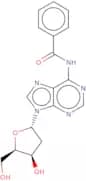
CAS:2',3',5'-Tri-O-acetylnebularine is a modified nucleoside that is synthesized from nebulareine. It has been shown to inhibit the growth of cancer cells, as well as HIV and influenza virus. This drug also has antiviral effects against herpes simplex virus type 1 (HSV-1) and herpes simplex virus type 2 (HSV-2). 2',3',5'-Tri-O-acetylnebularine inhibits viral replication by inhibiting DNA synthesis and RNA transcription, which prevents the production of proteins needed for cell multiplication.Formula:C16H18N4O7Purity:Min. 95%Molecular weight:378.34 g/molN6-Benzoyl-2'-deoxy-a-adenosine
N6-Benzoyl-2'-deoxy-a-adenosine is a synthetic nucleoside analog. N6-Benzoyl-2'-deoxy-a-adenosine has antiviral and anticancer properties. It is a potent inhibitor of DNA polymerase and also inhibits ribonucleotide reductase, which are enzymes crucial for DNA synthesis. N6-Benzoyl-2'-deoxy-a-adenosine inhibits the synthesis of viral RNA, leading to inhibition of viral replication. It has been shown to inhibit proliferation of tumor cells in vitro and in vivo by inhibiting DNA synthesis and inducing apoptosis.Formula:C17H17N5O4Purity:Min. 95%Molecular weight:355.36 g/mol3'-Azido-2',3'-dideoxyuridine
CAS:3'-Azido-2',3'-dideoxyuridine is an analog of the nucleoside dideoxyuridine that inhibits HIV replication. It has a high inhibitory dose and low toxicity. 3'-Azido-2',3'-dideoxyuridine is converted to its active form, 3'-azido-2',3'-dideoxythymidine (AZT), by dephosphorylation in human serum. AZT inhibits HIV replication by competing with the natural substrate for viral DNA polymerase, thereby inhibiting synthesis of viral DNA. 3'-Azido-2',3'-dideoxyuridine has been shown to be effective against hepatitis B virus and hepatitis C virus in cell cultures.
Formula:C9H11N5O4Purity:Min. 95%Color and Shape:Off-White PowderMolecular weight:253.21 g/mol2-Fluoro-I ce-phosphoramidite (convertible G ce-phosphoramidite)
CAS:Please enquire for more information about 2-Fluoro-I ce-phosphoramidite (convertible G ce-phosphoramidite) including the price, delivery time and more detailed product information at the technical inquiry form on this pageFormula:C54H67FN7O10PSiPurity:Min. 95%Molecular weight:1,052.2 g/mol4'-C-Azido-2'-deoxy-2'-fluoro-b-D-arabinouridine
CAS:4'-C-Azido-2'-deoxy-2'-fluoro-b-D-arabinouridine is a novel nucleoside analog that can be activated to the monophosphate form for incorporation into DNA. It has antiviral and anticancer properties. 4'-C-Azido-2'-deoxy-2'-fluoro-b-D-arabinouridine has been shown to inhibit the proliferation of cultured tumor cells, suggesting a potential use in cancer chemotherapy.
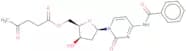
Formula:C9H10FN5O5Purity:Min. 95%Molecular weight:287.2 g/molN4-Benzoyl-2'-deoxy-5'-O-levulinoylcytidine
N4-Benzoyl-2'-deoxy-5'-O-levulinoylcytidine is a modified nucleoside that is synthesized from 2,4-dichloroacetophenone and cytidine. It has been shown to be an activator of the ribonucleotide reductase enzyme, which converts deoxyribonucleosides into their corresponding ribonucleotides. This drug is used in cancer therapy as well as antiviral and antiretroviral therapy. N4-Benzoyl-2'-deoxy-5'-O-levulinoylcytidine is also being investigated for use in treating other diseases such as malaria and AIDS.Formula:C21H23N3O7Purity:Min. 95%Molecular weight:429.43 g/mol3’-Azido-3’-deoxy-b-L-uridine
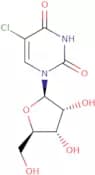
CAS:3’-Azido-3’-deoxy-b-L-uridine is a novel nucleoside analog that inhibits DNA polymerase. It is a modified, phosphoramidite precursor of the antiviral drug AZT and has been shown to inhibit human immunodeficiency virus (HIV) in vitro. 3’-Azido-3’-deoxy-b-L-uridine has also been found to be cytotoxic against cancer cells and may have antitumor activity. The phosphoramidite form of 3’ azido 3’ deoxy b L uridine can be used for the synthesis of oligonucleotides with high purity and quality.Formula:C9H11N5O5Purity:Min. 95%Molecular weight:269.21 g/mol5-Chlorouridine
CAS:5-Chlorouridine is a nucleoside with hypochlorous acid. It has been shown to inhibit the growth of tumor cells in tissue culture and to have an inhibitory effect on cervical cancer, which may be due to its ability to inhibit cellular metabolism and DNA synthesis. 5-Chlorouridine inhibits the uptake of uridine by blocking the conversion of uridine into cytosine, thereby preventing DNA synthesis. This prodrug also prevents radiation from inducing mutations in DNA. The molecular modeling study shows that 5-chlorouridine forms hydrogen bonds with hydroxyl groups in RNA, which may be important for its anti-cancer activity.Formula:C9H11ClN2O6Purity:Min. 95%Color and Shape:White PowderMolecular weight:278.65 g/mol4',5'-Didehydro-5'-deoxy-2'-O-methyluridine
CAS:4',5'-Didehydro-5'-deoxy-2'-O-methyluridine is a novel nucleoside phosphoramidite. It is a monophosphate, high purity and high quality. 4',5'-Didehydro-5'-deoxy-2'-O-methyluridine is an activator of DNA polymerase and can be used in the synthesis of DNA. 4',5'-Didehydro-5'-deoxy-2'-O-methyluridine also has antiviral properties and can be used to synthesize deoxyribonucleosides. It has been modified to have a diphosphate group at the 5' end, which allows it to be incorporated into DNA during synthesis.
Formula:C11H13NO5Purity:Min. 95%Molecular weight:239.22 g/molN6-Benzoyl-7-deaza-2'-deoxy-5'-O-DMT-adenosine
CAS:N6-Benzoyl-7-deaza-2'-deoxy-5'-O-DMT-adenosine (BENZA) is a modified nucleoside that is synthesized by the modification of 7-deaza adenosine. BENZA has antiviral activity and has been shown to be a potent activator of the interferon system in vitro. This compound has been shown to be effective against viruses such as HIV, herpes simplex virus, and hepatitis B virus. In addition, BENZA was found to have a high purity level and is available at competitive prices.Formula:C39H36N4O6Purity:Min. 95%Molecular weight:656.73 g/mol2'-Deoxy-2',2'-difluorouridine 5'-triphosphate triethylammonium salt
2'-Deoxy-2',2'-difluorouridine 5'-triphosphate triethylammonium salt is a synthetic nucleoside which is an activator of deoxyribonucleoside monophosphates and diphosphates. This compound has antiviral, anticancer and antimicrobial properties. It is a novel nucleoside that has not been previously reported. This product is high purity, high quality, and CAS No.
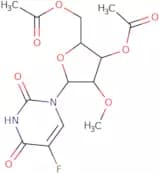
Purity:Min. 95%3',5'-Di-o-acetyl-5-fluoro-2'-o-methyluridine
CAS:3',5'-Di-O-acetyl-5-fluoro-2'-O-methyluridine is a modified nucleoside with antiviral properties. 3',5'-Di-O-acetyl-5-fluoro-2'-O-methyluridine inhibits viral replication by inhibiting the enzyme ribonucleotide reductase, which catalyzes the conversion of ribonucleoside diphosphates to deoxyribonucleoside diphosphates. 3',5'-Di-O-acetyl-5-fluoro-2'-O-methyluridine has been shown to be effective against herpes simplex virus type 1 and 2, as well as human cytomegalovirus, and can be used in the treatment of cancer.Formula:C14H17FN2O8Purity:Min. 95%Molecular weight:360.29 g/mol2-Thio-2'-deoxycytidine
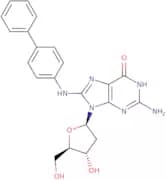
CAS:2-Thio-2'-deoxycytidine is a polycrystalline material that belongs to the group of experimental materials. 2-Thio-2'-deoxycytidine is a tautomeric form of cytosine which has been studied theoretically and experimentally. It has been shown that this compound is stable in the environment and can be used as a research material.Formula:C9H13N3O3SPurity:Min. 95%Molecular weight:243.29 g/molN-(2'-Deoxyguanosin-8-yl)-4-amino(biphenyl)
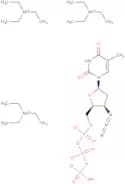
CAS:N-(2'-Deoxyguanosin-8-yl)-4-amino(biphenyl) (NGB) is a genotoxic compound that causes mutations in mammalian cells. It has been shown to cause cancer in rats, and it is carcinogenic in the bladder of both rats and humans. NGB is also mutagenic to the wild-type strain of bacteria, which may be due to its ability to affect DNA replication. This drug has been detected in human urine at levels as high as 2 micrograms per milliliter and has been found in tissues of mammals, including humans. NGB binds tightly to eicosatetraynoic acid (ETYA), a fatty acid that is an intermediate product of lipid metabolism, which may account for its genotoxic effects.Formula:C22H22N6O4Purity:Min. 95%Molecular weight:434.45 g/mol3'-Azido-3'-deoxythymidine 5'-triphosphate triethylammonium salt
CAS:3'-Azido-3'-deoxythymidine 5'-triphosphate triethylammonium salt is a nucleoside analogue of 3'-azido-3'-deoxythymidine. It is an antiviral agent that inhibits the synthesis of viral DNA and RNA by inhibiting the activity of DNA polymerase, which has been shown to be effective against HIV and herpes simplex virus type 1. The phosphoramidites are synthesized from the corresponding phosphonate, 3'-azido-3'-deoxythymidine 5'-triphosphate, by treatment with a base (e.g., sodium methoxide). This novel nucleoside analogue has been shown to have anticancer properties in animal models.Formula:C10H16N5O13P3·3C6H15NPurity:Min. 95%Molecular weight:810.75 g/molN6-Benzoyl-3'-deoxy-5'-O-DMT-cytidine 2'-CE phosphoramidite
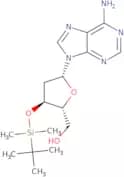
CAS:N6-Benzoyl-3'-deoxy-5'-O-DMT-cytidine 2'-CE phosphoramidite is a Ribonucleoside, Novel, High quality, Activator, Deoxyribonucleosides, Modified, CAS No. 157327-96-3. It is one of the main ingredients in the synthesis of DNA monophosphate and diphosphate. It is also used as an anticancer and antiviral agent.Formula:C46H52N5O8PPurity:Min. 95%Molecular weight:833.91 g/mol3’-O-tert-Butyldimethylsilyl-2’-deoxyadenosine
CAS:3’-O-tert-Butyldimethylsilyl-2’-deoxyadenosine is a nucleoside that is used as an antiviral and anticancer drug. It inhibits viral RNA synthesis by acting as a competitive inhibitor of the enzyme ribonucleotide reductase, which converts ribonucleotides to deoxyribonucleotides. 3′-O-tert-Butyldimethylsilyl-2’-deoxyadenosine has been shown to inhibit cancer cells in vitro and in vivo. This compound also has antiangiogenic effects and may inhibit tumor cell proliferation by targeting the Ras/Raf/MEK/ERK pathway.Purity:Min. 95%6-(2-Deoxy-5-O-DMT-b-D-ribofuranosyl)-3,4-dihydro-8H-pyrimido-[4,5-c][1,2]oxazin-7-one
CAS:6-(2-Deoxy-5-O-DMT-b-D-ribofuranosyl)-3,4-dihydro-8H-pyrimido-[4,5-c][1,2]oxazin-7-one is a synthetic diphosphate that is active as an activator of phosphoramidites. It has shown anticancer activity in vitro and in vivo. This compound has been shown to inhibit the DNA synthesis of tumor cells and to be effective against viruses such as herpes simplex virus type 1 and 2 (HSV1 and HSV2). 6-(2-Deoxy-5-O-DMT b -D ribofuranosyl)-3,4 -dihydro 8H pyrimido [4,5 c ][1,2]oxazin 7 one also inhibits the replication of RNA viruses such as influenza A virus (IAV), human immunodeficiency virusFormula:C32H35N3O7Purity:Min. 95%Molecular weight:573.64 g/mol2'-Deoxy-5'-O-DMT-inosine 3'-succinyl CPG
2'-Deoxy-5'-O-DMT-inosine 3'-succinyl CPG is a novel chemical compound that has anticancer properties. It is synthesized by the phosphoramidite chemistry and modified with succinyl CPG. This compound can be used as an activator in DNA synthesis, as well as antiviral and anti-inflammatory activities. 2'-Deoxy-5'-O-DMT-inosine 3'-succinyl CPG is a nucleoside monophosphate derived from 2'-deoxy-5'-O-dimethoxytrityl adenosine and 3'-succinyl CPG. It has a CAS number of 90161-81-0.Purity:Min. 95%8-Aza-7-deaza-2'-deoxy-N2-DMF-5'-O-DMT-adenosine
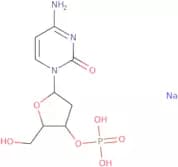
CAS:8-Aza-7-deaza-2'-deoxy-N2-DMF-5'-O-DMT-adenosine is an activator of RNA synthesis. It is a novel, modified nucleoside that was synthesized to be used as a building block in the synthesis of ribonucleosides and deoxyribonucleosides. This compound has anticancer and antiviral activity. 8-Aza-7-deaza-2'-deoxy-N2-DMF-5'-O-DMT adenosine is phosphoramidite with CAS No. 8693551406. The purity of this reagent is high and it can be used for medical research.Formula:C34H36N6O5Purity:Min. 95%Molecular weight:608.69 g/mol2'-Deoxycytidine-3'-monophosphate sodium salt
CAS:2'-Deoxycytidine-3'-monophosphate sodium salt is a synthetic phosphoramidite that can be used as an activator to synthesize DNA. It is a nucleoside that has antiviral and anticancer properties, and it is also being investigated for use in the treatment of diseases such as chronic myeloid leukemia. 2'-Deoxycytidine-3'-monophosphate sodium salt is a novel nucleoside with high purity and high quality. It has been shown to inhibit the growth of cancer cells by inhibiting DNA synthesis.Formula:C9H12N3O7P·2NaPurity:Min. 95%Molecular weight:351.16 g/mol2’,3’,5’-Tri-O-(tert-butyldimethylsilyl)-adenosine
2’,3’,5’-Tri-O-(tert-butyldimethylsilyl)-adenosine is a novel nucleoside that is synthetically modified by the replacement of the ribose sugar with an amino sugar. The modification of the sugar reduces the likelihood of hydrolysis to ribose and phosphate. This product has shown anticancer effects against human tumor cells in vitro and in vivo. It also has antiviral activities against herpes simplex virus type 1 (HSV-1). 2’,3’,5’-Tri-O-(tert-butyldimethylsilyl)-adenosine is a monophosphate nucleoside that inhibits DNA synthesis by inhibiting DNA polymerase. It acts as a competitive inhibitor for deoxyribonucleotides and phosphoramidites, which are used in DNA synthesis. 2’,3’,5’-
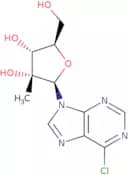
Purity:Min. 95%6-Chloro-9-(2-C-methyl-beta-D-ribofuranosyl)-9H-purine
CAS:6-Chloro-9-(2-C-methyl-beta-D-ribofuranosyl)-9H-purine is a novel nucleoside analogue. It is synthesized by reacting 2,6-dichloro 9-(2'-C-methyl beta D ribofuranosyl) 9H purine with methyl bromoacetate in the presence of sodium methoxide in methanol. 6-chloro 9-(2'-C-methyl beta D ribofuranosyl) 9H purine has antiviral activity against DNA and RNA viruses that are sensitive to it. It is phosphoramidite and can be used for DNA synthesis.Formula:C11H13ClN4O4Purity:Min. 95%Molecular weight:300.7 g/mol2'-Bromo-2'-deoxyadenosine-5'-[(beta,gamma)-imido]triphosphate triethylammonium salt - 10mM aqueous solution
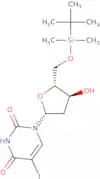
CAS:2'-Bromo-2'-deoxyadenosine-5'-[(beta,gamma)-imido]triphosphate triethylammonium salt (IDP) is a synthetic analog of adenosine that has been used as a bioreactor in tissue culture. IDP binds to the mineralocorticoid receptor and activates it, leading to increased levels of fatty acid synthesis in the blood sample. This drug has shown efficacy in treating cancer and inhibiting tumor growth in animal studies. IDP also has potential for use as an environmental pollutant due to its ability to be activated by wastewater treatment processes.Formula:C10H16N6O11P3BrPurity:Min. 95%Molecular weight:569.09 g/mol5'-O-tert-Butyldimethylsilyl-2'-deoxy-5-iodouridine
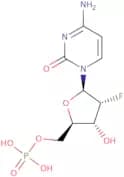
CAS:5'-O-tert-Butyldimethylsilyl-2'-deoxy-5-iodouridine is an antiviral agent that acts by inhibiting DNA polymerase, preventing the production of viral DNA. It has a high purity and is modified with tert-butyldimethylsilyl groups so it can be used in phosphoramidite synthesis. It also has a CAS number of 134218-81-8 and is synthesized using monophosphate, phosphoramidites, or nucleosides as starting materials.Formula:C15H25IN2O5SiPurity:Min. 95%Color and Shape:PowderMolecular weight:468.37 g/mol2'-Deoxy-2'-fluorocytidine-5'-monophosphate
CAS:2'-Deoxy-2'-fluorocytidine-5'-monophosphate (2F-dFMP) is a synthetic nucleoside that is used in the treatment of cancer and as an antiviral agent. 2F-dFMP inhibits DNA synthesis by inhibiting DNA polymerase, which is needed for replication of the cell's genetic material. It also has anti-HIV activity and can be used to treat HIV infection. 2F-dFMP is phosphorylated to 2'-deoxy-2'-fluorocytidine 5'-triphosphate (2F-dCTP), which then competes with natural nucleotides for incorporation into DNA and RNA. This drug binds to the enzyme thymidylate synthase, preventing the formation of thymine monophosphate from erythronic acid.Formula:C9H13FN3O7PPurity:Min. 95%Molecular weight:325.19 g/mol1-(5'-Deoxy-5'-fluoro-a-D-arabinofuranosyl)-2-nitroimidazole
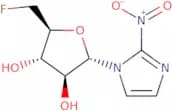
CAS:1-(5'-Deoxy-5'-fluoro-a-D-arabinofuranosyl)-2-nitroimidazole is an anticancer drug that has been shown to inhibit tumor growth in vivo. This drug binds to the integrin receptor, which is expressed on the surface of cells and is involved in the process of cell adhesion. 1-(5'-Deoxy-5'-fluoro-a-D-arabinofuranosyl)-2-nitroimidazole inhibits tumor growth by inhibiting hypoxic tumor formation. Hypoxia is a condition where there is not enough oxygen for normal cell function. This drug has also been shown to reduce inflammation, which may be due to its ability to inhibit proinflammatory cytokines, such as IL-1β and TNFα, from binding to their receptors on cells. 1-(5'-Deoxy-5'-fluoro-a-D-arabinofuranosyl)-Formula:C8H10FN3O5Purity:Min. 95%Color and Shape:PowderMolecular weight:247.18 g/molγ-[(6-Azidohexyl)-imido]-ATP sodium
Please enquire for more information about γ-[(6-Azidohexyl)-imido]-ATP sodium including the price, delivery time and more detailed product information at the technical inquiry form on this pageFormula:C16H28N9O12P3•NaxPurity:Min. 95%Biotin-5-deoxyuridine-5'-triphosphate, lithium salt - 1 mM aqueous solution
Biotin-5-deoxyuridine-5'-triphosphate, lithium salt is a novel phosphoramidite. It has been shown to be an anticancer agent and antiviral agent. Biotin-5-deoxyuridine-5'-triphosphate, lithium salt inhibits the growth of cancer cells by binding to the ribonucleotide reductase enzyme, thereby preventing synthesis of DNA and RNA.Formula:C22H34N5O16P3S·xLiPurity:Min. 95%Molecular weight:749.52 g/mol5-Aminoimidazole-4-carboxamide-1-b-D-ribofuranosyl 5'-triphosphate
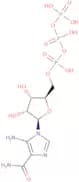
CAS:5-Aminoimidazole-4-carboxamide-1-b-D-ribofuranosyl 5'-triphosphate (AICAR) is a bifunctional agent that has been shown to stimulate the activity of adenylosuccinate synthetase, an enzyme that catalyzes the conversion of adenosine monophosphate (AMP) to adenosine triphosphate (ATP). AICAR is also a substrate for adenylosuccinate synthetase. The use of AICAR as a pharmacological agent has been associated with increased levels of nucleotides in cells and tissues. This may be due to the activation of AMPK, which stimulates ATP production by breaking down ATP through oxidative phosphorylation. AICAR can be detected using chromatographic techniques, such as high performance liquid chromatography or thin layer chromatography.Formula:C9H17N4O14P3Purity:Min. 95%Molecular weight:498.17 g/molN-Acetyl-5-[1,2-bis(acetyloxy)ethyl]-5'-O-DMT-2'-deoxycytidine
CAS:N-Acetyl-5-[1,2-bis(acetyloxy)ethyl]-5'-O-DMT-2'-deoxycytidine is a nucleoside that is modified with acetyl groups at the 2' and 5' positions of the deoxyribose sugar. It is used as an antiviral and anticancer agent. The acetyl groups on the 2' position prevent N-Acetyl-5-[1,2-bis(acetyloxy)ethyl]-5'-O-DMT-2'-deoxycytidine from being phosphorylated by cellular enzymes, which may be useful in cancer therapy. This compound also has high purity and can be used to synthesize other nucleosides.Formula:C47H58N5O12PPurity:Min. 95%Molecular weight:915.96 g/mol5-Bromo-2,4-di(benzyloxy)pyrimidine
CAS:5-Bromo-2,4-di(benzyloxy)pyrimidine is an activator of DNA and RNA synthesis. It is a phosphoramidite that is used in the synthesis of oligonucleotides. 5-Bromo-2,4-di(benzyloxy)pyrimidine has antiviral activity and can inhibit the replication of HIV in vitro. This compound also has anticancer activity when it is given as a monophosphate, while its diphosphate form inhibits DNA and RNA synthesis. 5-Bromo-2,4-di(benzyloxy)pyrimidine can be synthesized from 2,4-dibenzyloxy pyrimidine and bromine in high purity with a CAS number 41244-53-5.
Formula:C18H15BrN2O2Purity:Min. 95%Molecular weight:371.23 g/molN4-Benzoyl-5-bromo-2'-deoxy-5'-O-DMT-cytidine 3'-CE phosphoramidite
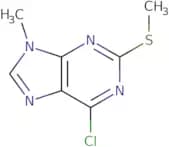
CAS:N4-Benzoyl-5-bromo-2'-deoxy-5'-O-DMT-cytidine 3'-CE phosphoramidite is a novel modified cytosine derivative. It has anticancer activity and can be used in the treatment of cancer cells that are resistant to other anticancer drugs. This product has a high purity and quality, which allows it to be widely used in the synthesis of DNA, RNA, and ribonucleosides. In addition, N4-Benzoyl-5-bromo-2'-deoxy-5'-O-DMT-cytidine 3'-CE phosphoramidite is an activator for diphosphate formation as well as a nucleotide analogue with antiviral effects. This product is also an inhibitor of DNA polymerase α and β, which are enzymes involved in DNA replication.Formula:C46H51BrN5O8PPurity:Min. 95%Molecular weight:912.8 g/mol2-Methylthio-6-chloro-9-methylpurine
CAS:2-Methylthio-6-chloro-9-methylpurine is an activator that inhibits the enzyme ribonucleotide reductase, which is involved in the synthesis of DNA and RNA. 2-Methylthio-6-chloro-9-methylpurine has been shown to inhibit viral replication and may be used as a antiviral agent. This compound has novel properties and is a potential anticancer drug due to its ability to inhibit the growth of tumor cells.Formula:C7H7CIN4SPurity:Min. 95%Molecular weight:318.14 g/mol2',3',5'-Triacetyl -azacytidine
CAS:2',3',5'-Triacetyl-azacytidine is a transcription factor that has dose-dependent effects on the production of melanin. It inhibits the synthesis of melanin by binding to two specific transcription factors, the microphthalmia-associated transcription factor and the histone methyltransferases. This drug also inhibits tyrosinase, which is an enzyme involved in the production of melanin. 2',3',5'-Triacetyl-azacytidine has been shown to inhibit the growth of murine melanoma cells and may be useful for treating skin cancer.Formula:C14H18N4O8Purity:Min. 95%Molecular weight:370.31 g/mol2'-O-Me-5'-O-DMT-1,3-di-N-POM-pseudouridine-3'-CE phosphoramidite
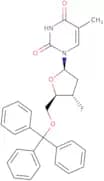
2'-O-Me-5'-O-DMT-1,3-di-N-POM-pseudouridine-3'-CE phosphoramidite is an antiviral agent that inhibits the synthesis of RNA. It has been shown to inhibit the production of new viruses in cultured cells and to be active against some strains of influenza virus. The modification was developed by chemists at Boehringer Ingelheim, who have also synthesised other novel nucleosides that are being tested as anticancer agents. This product is a monophosphate derivative with a high purity level and a CAS number.Purity:Min. 95%3'-Deoxy-3'-fluoro-5'-O-tritylthymidine
CAS:3'-Deoxy-3'-fluoro-5'-O-tritylthymidine is a monophosphate nucleoside that inhibits the viral DNA polymerase. It has antiviral activity against herpes viruses, including HSV-1 and HSV-2. 3'-Deoxy-3'-fluoro-5'-O-tritylthymidine is a synthetic nucleoside with modified phosphate groups to improve stability and purity. This product has shown anticancer effects in vitro and in vivo by inhibiting DNA synthesis and promoting apoptosis of cancer cells.Formula:C29H27FN2O4Purity:Min. 95%Molecular weight:486.53 g/mol2'-Deoxy-5-fluorouridine 5'-diphosphate sodium salt
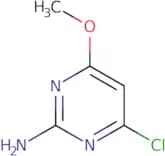
CAS:2'-Deoxy-5-fluorouridine 5'-diphosphate sodium salt is an antiviral agent that inhibits the synthesis of viral RNA. It is a modified monophosphate nucleotide that is used to treat hepatitis B and C virus infections, as well as AIDS. This drug has been shown to be effective in treating cancer cells, such as leukemia and lymphoma. 2'-Deoxy-5-fluorouridine 5'-diphosphate sodium salt has also been shown to have anticancer properties against colon cancer cells.Formula:C9H13FN2O11P2·xNaPurity:Min. 95%2-Amino-6-chloro-4-methoxypyrimidine
CAS:2-Amino-6-chloro-4-methoxypyrimidine (2ACMP) is a molecule that has been synthesized by the process of asymmetric synthesis. It is soluble in ethyl formate and has shown to be a strong inhibitor of the enzyme uv absorption, with an inhibition constant of 1.0 x 10 M. 2ACMP has been shown to inhibit molecular processes such as vibrational excitation, molecular modeling, and surface methodology. This molecule also binds to metal hydroxides and can be used for process optimization when combined with solubility data and nutrient solutions.
Formula:C5H6ClN3OPurity:Min. 95%Molecular weight:159.57 g/molRSPACER CEP
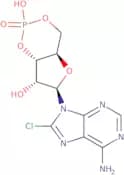
CAS:RSPACER CEP is a novel synthetic oligonucleotide with anti-cancer and antiviral activity. The product has been shown to inhibit the proliferation of tumor cells in vitro and reduce the production of pro-inflammatory cytokines in macrophages. The product is phosphoramidite, which is an intermediate for the chemical synthesis of DNA. It is synthesized from deoxyribonucleosides, modified nucleosides, and monophosphate nucleotides. RSPACER CEP also has antiviral properties that are mediated by inhibiting viral RNA replication in infected cells through inhibition of viral polymerase.Formula:C41H59N2O7PSiPurity:Min. 95%Molecular weight:751 g/mol8-Chloroadenosine 3',5'-cyclic monophosphate
CAS:8-Chloroadenosine 3',5'-cyclic monophosphate (8-CAM) is a potent inducer of the mitochondrial membrane potential. It has been shown to have cytotoxic effects on human myeloma cell line, HL-60 cells, and fetal bovine serum. 8-CAM has shown anticancer properties in solid tumours in mice. It was also found to be toxic to human carcinoma cell lines and synergistic with other pharmacological agents, such as doxorubicin. 8-CAM has been shown to have immunosuppressive effects in animal models and may be a potential therapeutic agent for autoimmune diseases.Formula:C10H11ClN5O6PPurity:Min. 95%Color and Shape:White PowderMolecular weight:363.65 g/mol6-Azathymidine
CAS:6-Azathymidine is an antiviral agent that prevents the synthesis of viral DNA. It is a nucleoside analogue that contains a hydroxyl group at the 6 position on a pyrimidine ring. This compound has been shown to be effective in treating HIV infection and cancer, as well as herpes simplex virus and influenza virus. 6-Azathymidine inhibits the enzyme ribonucleotide reductase, which is responsible for converting ribonucleotides into deoxyribonucleotides, thereby blocking DNA synthesis. The phosphate derivatives of this drug have been shown to inhibit the biosynthesis of human immunodeficiency virus (HIV) by interfering with intermolecular hydrogen bonding between guanine and adenine.
Formula:C9H13N3O5Purity:Min. 95%Molecular weight:243.22 g/mol2'-C-Methyluridine 5'-triphosphate lithium salt - 10mM aqueous solution
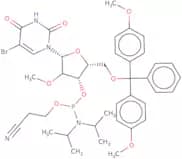
2'-C-Methyluridine 5'-triphosphate lithium salt is a nucleoside that is a high quality, activator and novel. It is used to synthesize ribonucleosides and deoxyribonucleosides. This drug has anticancer properties and can be used as an immunomodulator. 2'-C-Methyluridine 5'-triphosphate is not active against acid-fast bacteria such as Mycobacterium tuberculosis or Mycobacterium avium complex.Formula:C10H13N2O15P3Li4Purity:Min. 95%Molecular weight:521.9 g/mol5-Bromo-5'-O-DMT-2'-O-methyluridine 3'-CE phosphoramidite
5-Bromo-5'-O-DMT-2'-O-methyluridine 3'-CE phosphoramidite is a novel, modified nucleoside and diphosphate that has antiviral activity. It is synthesized from 5-bromouracil and 2'-O-methyluridine by the use of a high purity reagent. The product is an anticancer agent that can be used to treat different types of cancer. This compound has also shown to have high purity and high quality.Formula:C40H48BrN4O9PPurity:Min. 95%Molecular weight:839.71 g/mol3'-Deoxy-3'-fluorothymidine-5'-triphosphate sodium salt
3'-Deoxy-3'-fluorothymidine-5'-triphosphate sodium salt (3'-DFP) is a modified nucleoside that acts as an antiviral and anticancer drug. It is a monophosphate derivative of thymidine, which is converted to diphosphate by the enzyme thymidylate kinase. 3'-DFP inhibits DNA synthesis by preventing the incorporation of deoxyribonucleotides into DNA. 3'-DFP can also be used as a building block in the synthesis of other nucleosides such as cytidine 5′-triphosphate, uridine 5′-triphosphate, and adenosine 5′-triphosphate. 3'-DFP is active against herpesviruses including Epstein-Barr virus, cytomegalovirus, and varicella zoster virus. It has also been shown to inhibit cancer cell proliferation when used at high doses.Purity:Min. 95%6-Chloro-9-methylpurine
CAS:6-Chloro-9-methylpurine is an inhibitor of the enzyme kinase. It has been shown to inhibit the activity of 6-chloropurine phosphohydrolase and 6-chloropurine nucleoside phosphorylase, which are important enzymes in purine metabolism. 6-Chloro-9-methylpurine can be used to treat a number of diseases, including myeloid leukemia, where it inhibits the production of nucleic acids. This drug has also been shown to inhibit the growth of lettuce by inhibiting chlorophyll synthesis.Formula:C6H5ClN4Purity:Min. 95%Molecular weight:168.58 g/mol3'-O-Azidomethyl 2'-deoxyguanosine 5'-O-triphosphate sodium salt
3'-O-Azidomethyl 2'-deoxyguanosine 5'-O-triphosphate sodium salt is an antiviral and anticancer agent used in the treatment of HIV, hepatitis B, hepatitis C, herpes simplex virus type 1, herpes simplex virus type 2, varicella zoster virus, cytomegalovirus, Epstein-Barr virus, and Kaposi's sarcoma. It is a nucleotide analog that inhibits viral replication by inhibiting DNA synthesis. The phosphate group on this compound is modified with an azide group to inhibit deamination by phosphodiesterases. This product has been shown to be effective against leukemia cells.Purity:Min. 95%2'-O-tert-Butyldimethylsilyl-3'-deoxy-5-methyluridine
CAS:2'-O-tert-Butyldimethylsilyl-3'-deoxy-5-methyluridine (2'-O-TBDMS-5'-dMU) is a synthetic nucleoside that is an antiviral agent. It has been shown to be an activator of DNA polymerase, which may be due to its ability to bind to the enzyme's catalytic site and inhibit the enzyme's activity. 2'-O-TBDMS-5'-dMU also has high purity and can be used in the synthesis of modified nucleosides, phosphoramidites, diphosphates, and ribonucleosides. 2'-O-TBDMS-5'-dMU is a white powder with a melting point of about 221°C. It is soluble in water and alcohols and insoluble in acetone or ether.Formula:C16H28N2O5SiPurity:Min. 95%Molecular weight:356.49 g/mol





![3,7-Dihydro-5-iodo-4-oxo-4H-pyrrolo[2,3-d]pyrimidine](/_next/image/?url=https%3A%2Fstatic.cymitquimica.com%2Fproducts%2F3D%2Fthumb-webp%2FND57427.webp&w=3840&q=75)








![Adenosine 5'-monophosphate [U-13C10,U-15N5]](/_next/image/?url=https%3A%2Fstatic.cymitquimica.com%2Fproducts%2F3D%2Fthumb-webp%2FNA31536.webp&w=3840&q=75)











![6-(2-Deoxy-5-O-DMT-b-D-ribofuranosyl)-3,4-dihydro-8H-pyrimido-[4,5-c][1,2]oxazin-7-one](/_next/image/?url=https%3A%2Fstatic.cymitquimica.com%2Fproducts%2F3D%2Fthumb-webp%2FND145589.webp&w=3840&q=75)


![2'-Bromo-2'-deoxyadenosine-5'-[(beta,gamma)-imido]triphosphate triethylammonium salt - 10mM aqueou…](/_next/image/?url=https%3A%2Fstatic.cymitquimica.com%2Fproducts%2F3D%2Fthumb-webp%2FNB166259.webp&w=3840&q=75)
![γ-[(6-Azidohexyl)-imido]-ATP sodium](/_next/image/?url=https%3A%2Fstatic.cymitquimica.com%2Fproducts%2F3D%2Fthumb-webp%2FNA183120.webp&w=3840&q=75)

![N-Acetyl-5-[1,2-bis(acetyloxy)ethyl]-5'-O-DMT-2'-deoxycytidine](/_next/image/?url=https%3A%2Fstatic.cymitquimica.com%2Fproducts%2F3D%2Fthumb-webp%2FNA146816.webp&w=3840&q=75)