Nucleosides
Nucleosides are fundamental building blocks of nucleic acids, composed of a nitrogenous base attached to a sugar molecule. In this section, you can find a wide variety of nucleosides essential for research in molecular biology, biochemistry, and pharmacology. These compounds play crucial roles in the synthesis of DNA and RNA, and are also vital in various metabolic processes. Nucleosides are used in studying genetic material, developing antiviral and anticancer therapies, and understanding cellular mechanisms. At CymitQuimica, we provide high-quality nucleosides to support your research and development needs, ensuring purity and reliability for your experimental applications.
Found 3567 products of "Nucleosides"
Sort by
Purity (%)
0
100
|
0
|
50
|
90
|
95
|
100
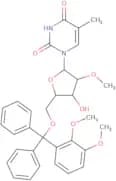
5'-o-(Dimethoxytrityl)-5-methyl-2'-o-methyluridine
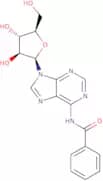
CAS:<p>5'-O-(Dimethoxytrityl)-5-methyl-2'-O-methyluridine is a DNA building block that is used as a monophosphate and can be converted to diphosphate or modified with various protecting groups. This compound has been shown to have antiviral and anticancer properties, as well as being a novel nucleoside analog. 5'-O-(Dimethoxytrityl)-5-methyl-2'-O-methyluridine has the CAS number of 115173-73-4.</p>Formula:C32H34N2O8Purity:Min. 95%Molecular weight:574.6 g/mol9-(b-D-Arabinofuranosyl)-N6-benzoyladenine
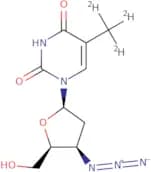
CAS:<p>9-(b-D-arabinofuranosyl)-N6-benzoyladenine is a novel nucleoside analogue that has been shown to be an effective anticancer agent. It is structurally related to the natural nucleosides adenosine and guanosine, but with the addition of a benzoyl group on the 9 position. This compound is also active against HIV, influenza A virus and herpes simplex virus type 1 (HSV1). It can be used as an antiviral agent in cancer therapy due to its ability to inhibit viral replication. 9-(b-D-arabinofuranosyl)-N6-benzoyladenine inhibits the growth of tumor cells by inhibiting DNA synthesis and RNA transcription. It also binds to DNA, thereby preventing DNA synthesis and RNA transcription.</p>Formula:C17H17N5O5Purity:Min. 95%Molecular weight:371.35 g/mol3'-Azido-3'-deoxythymidine methyl-D3
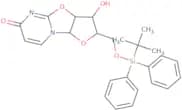
Controlled Product<p>3'-Azido-3'-deoxythymidine methyl-D3 is a novel synthetic nucleoside. It is a modified version of the natural nucleoside deoxyribonucleoside, which is an essential component of DNA and RNA. 3'-Azido-3'-deoxythymidine methyl-D3 is an activator of the antiviral and anticancer properties of other drugs. It can be used as a phosphate donor in phosphoramidite synthesis to produce oligonucleotides for use in PCR amplification or in protein synthesis. 3'-Azido-3'-deoxythymidine methyl-D3 is also used as an antiviral agent because it inhibits viral replication by inhibiting viral reverse transcriptase.</p>Formula:C10H10D3N5O4Purity:Min. 95%Molecular weight:270.26 g/mol2,2'-Anhydro-5'-O-t-butyldiphenylsilyluridine
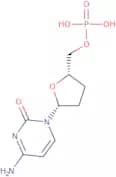
CAS:<p>2,2'-Anhydro-5'-O-t-butyldiphenylsilyluridine (2,2'-ABSU) is a novel modified nucleoside that was synthesized in order to be used as an antiviral agent. 2,2'-ABSU has shown to be an effective inhibitor of HIV-1 replication and it has been shown to have anticancer properties. This drug is high quality and can be used for the manufacture of phosphoramidites.</p>Purity:Min. 95%2',3'-Dideoxycytidine 5'-monophosphate
CAS:<p>Dideoxycytidine 5'-monophosphate (DDCMP) is a molecule that inhibits HIV infection by inhibiting the synthesis of DNA. It binds to the dna template strand, preventing the addition of new nucleotides and thus blocking the progression of HIV infection. DDCMP has been shown to be potent in vitro and in vivo in clinical studies. In cell culture, DDCMP has been shown to inhibit DNA duplexes, leading to a decrease in lymphocytic leukemia cells activated by T-cell receptor stimulation. Structural biology studies have revealed that DDCMP inhibits HIV-1 reverse transcriptase through binding at the M2 subunit of the enzyme's active site.</p>Formula:C9H14N3O6PPurity:Min. 95%Color and Shape:PowderMolecular weight:291.2 g/molN4-Benzoyl-5'-O-DMT-2'-O-(2-methoxyethyl)-5-methylcytidine 3'-O succinate TEA salt
<p>N4-Benzoyl-5'-O-DMT-2'-O-(2-methoxyethyl)-5-methylcytidine 3'-O succinate TEA salt is a novel, modified nucleoside analogue that is used as an antiviral agent. It inhibits the synthesis of viral DNA and RNA by competing with natural nucleosides during the process of nucleic acid synthesis. The drug binds to the enzyme ribonucleotide reductase, which is essential for DNA synthesis. N4-Benzoyl-5'-O-DMT-2'-O-(2-methoxyethyl)-5-methylcytidine 3'-O succinate TEA salt has been shown to be effective in treating patients with cancer.</p>Purity:Min. 95%2′-O-Succinyladenosine 3′,5′-monophosphate
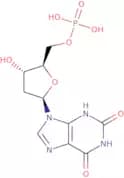
CAS:<p>Please enquire for more information about 2′-O-Succinyladenosine 3′,5′-monophosphate including the price, delivery time and more detailed product information at the technical inquiry form on this page</p>Formula:C14H16N5O9PPurity:Min. 95%Molecular weight:429.28 g/mol2'-Deoxyxanthosine 5'-monophosphate
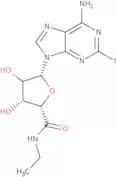
CAS:<p>2'-Deoxyxanthosine 5'-monophosphate is a nucleoside which is an activator of the DNA polymerase. It has antiviral activity and is used in the synthesis of oligonucleotides. 2'-Deoxyxanthosine 5'-monophosphate is also used as a phosphoramidite in the chemical synthesis of DNA, and can be modified with fluorine or other atoms to form synthetic analogues.</p>Purity:Min. 95%5'-Ethylcarboxamido-2-iodoadenosine
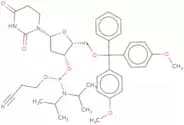
CAS:<p>5'-Ethylcarboxamido-2-iodoadenosine is a novel antiviral drug that belongs to the class of deoxyribonucleosides. It has been shown to inhibit viral replication at the level of DNA synthesis and RNA transcription. 5'-Ethylcarboxamido-2-iodoadenosine has shown activity against cancer cells as well as antiviral activity against HIV and influenza virus. This compound has also been shown to be an activator of phosphoramidites, which are used in many industrial chemical reactions. 5'-Ethylcarboxamido-2-iodoadenosine is synthesized from 2',3'-dideoxyadenosine by replacing the 3' hydroxyl group with ethyl carboxamide group. It is then reacted with iodine to give the final product, 5'-ethylcarboxamido-2-iodoadenosine.</p>Formula:C12H15IN6O4Purity:Min. 95%Molecular weight:434.19 g/mol5,6-Dihydro-2'-deoxy-5'-O-DMT-uridine 3'-CE phosphoramidite
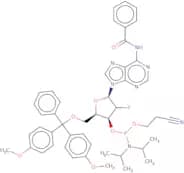
<p>5,6-Dihydro-2'-deoxy-5'-O-DMT-uridine 3'-CE phosphoramidite is a modified nucleoside that is used as an activator in DNA synthesis. It has been shown to have anticancer properties by inhibiting the growth of cancer cells. 5,6-Dihydro-2'-deoxy-5'-O-DMT-uridine 3'-CE phosphoramidite is synthesized from the monophosphate form and can be used for the synthesis of both DNA and RNA.</p>Formula:C39H49N4O8PPurity:Min. 95%Molecular weight:732.82 g/molN6-Benzoyl-9-(2'-deoxy-5'-O-DMT-2'-fluoro-b-D-arabinofuranosyl)adenine 3'-CE phosphoramidite
CAS:<p>N6-Benzoyl-9-(2'-deoxy-5'-O-DMT-2'-fluoro-b-D-arabinofuranosyl)adenine 3'-CE phosphoramidite is an antiviral agent that inhibits the activity of viral DNA polymerase. This chemical has been shown to be effective against herpes virus, pox virus and HIV. N6-Benzoyl-9-(2'-deoxy-5'-O-DMT-2'-fluoro-b-D-arabinofuranosyl)adenine 3'-CE phosphoramidite is a novel nucleotide analogue that contains a modified deoxyribose sugar backbone. It has been shown to be active against cancer cells in vitro, but not in vivo.</p>Formula:C47H51FN7O7PPurity:Min. 95%Color and Shape:PowderMolecular weight:875.95 g/mol2'-Ethylfluoro-5'-O-DMT-5-methylcytidine
<p>2'-Ethylfluoro-5'-O-DMT-5-methylcytidine is a novel antiviral agent that is synthesized from 2'-deoxyribonucleosides. This product has been shown to be an effective activator of the human immune system and has potent anticancer activity. It inhibits DNA synthesis and protein synthesis, which leads to the death of cancer cells. In addition, this product has a high purity and high quality.</p>Purity:Min. 95%N6-2-(4-Aminophenyl)ethyladenosine
CAS:<p>N6-2-(4-Aminophenyl)ethyladenosine is a carbamazepine prodrug that is converted to the active form, carbamazepine, by esterases. It has been shown to inhibit the binding of adenosine to adenosine receptor subtypes and to have an antagonistic effect on the activity of endogenous adenosine at these receptors. N6-2-(4-Aminophenyl)ethyladenosine has also been shown to act as an antagonist at the A3 adenosine receptor. This drug has been shown to reduce bronchoconstrictor responses in animal models and may be used for treating asthma.<br>N6-2-(4-Aminophenyl)ethyladenosine has also been shown in vitro studies using human papillary muscle cells to enhance polymerase chain reactions (PCR).</p>Purity:Min. 95%2'-O-(2-Ethoxy-2-oxoethyl)adenosine
<p>2'-O-(2-Ethoxy-2-oxoethyl)adenosine is a nucleoside that is a modified version of adenosine. It is phosphorylated to form 2'-O-(2-ethoxy-2-oxoethyl)adenosin-5'-yl monophosphate, which has antiviral activity and is used as an antiviral agent in the treatment of herpes simplex virus. The chemical structure of this nucleoside is novel, and it binds to the ribonucleotide reductase enzyme to prevent the synthesis of DNA and RNA. This drug also has anticancer properties, but it is not active against bacterial infections.</p>Purity:Min. 95%2',3'-Di-O-acetyl-5'-O-DMT-5-methyluridine
<p>2',3'-Di-O-acetyl-5'-O-DMT-5-methyluridine is a monophosphate nucleotide, which is an antiviral agent. It is a novel, high quality and high purity compound. The CAS number for 2',3'-Di-O-acetyl-5'-O-DMT-5-methyluridine is 69681-06-8. It has antiviral activity against the herpes simplex virus type 1 (HSV1) and Epstein Barr virus (EBV). This drug also inhibits DNA synthesis by inhibiting the enzyme DNA polymerase. This product can be used in research to synthesize phosphoramidites, activator molecules, and nucleosides.</p>Purity:Min. 95%2'-Deoxy-6N-DMF-5'-O-DMT-adenosine
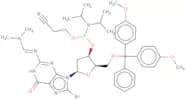
CAS:<p>2'-Deoxy-6N-DMF-5'-O-DMT-adenosine is a novel antiviral agent that is activated by phosphoramidites and has high quality, high purity, and good stability. It has been shown to inhibit the replication of DNA by binding to the 3' hydroxyl group of deoxyribonucleotides. 2'-Deoxy-6N-DMF-5'-O-DMT-adenosine also inhibits the synthesis of RNA by binding to nucleoside monophosphates. This compound is synthesized in a modified form as an analog of adenosine and has been shown to be active against herpes simplex virus type 1 (HSV1).</p>Formula:C34H36N6O5Purity:Min. 95%Color and Shape:White Off-White PowderMolecular weight:608.274728-Bromo-2'-deoxy-N2-DMF-5'-O-DMT-guanosine 3'-CE phosphoramidite
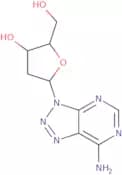
CAS:<p>8-Bromo-2'-deoxy-N2-DMF-5'-O-DMT guanosine 3'-CE phosphoramidite is a novel synthetic phosphoramidite and activator for the synthesis of oligodeoxynucleotides. The product is a white to off-white powder with a purity of 99% and an average molecular weight of 635.8. It has been used in the synthesis of oligonucleotides as an activator and monophosphate, including DNA, RNA, and PNA (peptide nucleic acid). 8-Bromo-2'-deoxy-N2-DMF 5'-O DMT guanosine 3'-CE phosphoramidite may be used as an anticancer drug or antiviral agent.</p>Formula:C43H52BrN8O7PPurity:Min. 95%Molecular weight:903.82 g/mol8-Aza-2'-deoxyadenosine
<p>8-Aza-2'-deoxyadenosine is an anion that is cytotoxic to cells and can be activated to form a phosphate ester. It has been shown to have a higher cytotoxicity than adenosine in cell cultures, but is less effective in animal studies. 8-Aza-2'-deoxyadenosine has been shown to have a significant toxicity in rats and mice when administered at doses greater than 500 mg/kg body weight. The activation of 8-aza-2'-deoxyadenosine into the phosphate ester can be stereoselective. This activation has also been shown to cause enhancement of tumor growth inhibition.</p>Purity:Min. 95%2’,3’,5’-Tri-O-(tert-butyldimethylsilyl)-adenosine
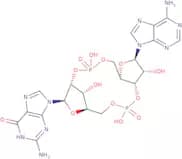
<p>2’,3’,5’-Tri-O-(tert-butyldimethylsilyl)-adenosine is a novel nucleoside that is synthetically modified by the replacement of the ribose sugar with an amino sugar. The modification of the sugar reduces the likelihood of hydrolysis to ribose and phosphate. This product has shown anticancer effects against human tumor cells in vitro and in vivo. It also has antiviral activities against herpes simplex virus type 1 (HSV-1). 2’,3’,5’-Tri-O-(tert-butyldimethylsilyl)-adenosine is a monophosphate nucleoside that inhibits DNA synthesis by inhibiting DNA polymerase. It acts as a competitive inhibitor for deoxyribonucleotides and phosphoramidites, which are used in DNA synthesis. 2’,3’,5’-</p>Purity:Min. 95%2',3'-Cyclic guanosine monophosphate-adenosine monophosphate
CAS:cyclic guanosine monophosphate (cGMP) is increasingly recognized as having widespread consequences for human health which include regulation of biofilm formation as well as virulence. It has now been identified as a specific and high affinity ligand for the GEMM class of bacterial riboswitches that regulate gene expression.Formula:C20H24N10O13P2Purity:Min. 95%Molecular weight:674.41 g/mol2'-O-tert-Butyldimethylsilyl-N2-isobutyrylguanosine
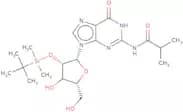
CAS:<p>2'-O-tert-Butyldimethylsilyl-N2-isobutyrylguanosine is an antiviral nucleoside that has been shown to inhibit the activity of a novel human DNA polymerase. This nucleoside is a monophosphate, CAS No. 182007-86-9, and is highly reactive with various phosphoramidites. 2'-O-tert-Butyldimethylsilyl-N2-isobutyrylguanosine is synthesized by the reaction of guanosine with dimethylchlorosilane in the presence of triethylamine. It can be used as a building block for synthesis of oligodeoxyribonucleotides or modified ribonucleotides.</p>Formula:C20H33N5O6SiPurity:Min. 95%Color and Shape:PowderMolecular weight:467.59 g/mol5'-ODMT cEt G Phosphoramidite
CAS:<p>Please enquire for more information about 5'-ODMT cEt G Phosphoramidite including the price, delivery time and more detailed product information at the technical inquiry form on this page</p>Formula:C46H56N7O9PMolecular weight:881.95 g/mol6-Iodo-uridine
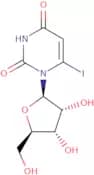
CAS:<p>6-Iodo-uridine is an antiviral drug that is used to treat tuberculosis, influenza, and hepatitis. It has a propionyl group in place of the hydroxyl group on the pyrimidine ring. This substitution stabilizes the molecule and prevents it from being broken down by enzymes in the body. 6-Iodo-uridine can be synthesized from uridine through a cross-coupling reaction with formaldehyde and propionaldehyde. 6-Iodo-uridine can also be synthesized by coupling orotic acid 5′ monophosphate decarboxylase with formaldehyde.</p>Formula:C9H11IN2O6Purity:Min. 95%Molecular weight:370.1 g/mol2',5'-Bis-O-(triphenylmethyl)uridine
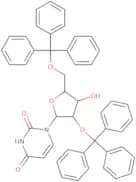
CAS:<p>2',5'-Bis-O-(triphenylmethyl)uridine is a synthetic nucleoside that is used in the treatment of leukemia. It is used as an analogue of uridine and guanosine, and is converted to these compounds by decarboxylase enzymes. 2',5'-Bis-O-(triphenylmethyl)uridine has been shown to inhibit the proliferation of L1210 cells in vitro and in vivo, but not normal cells. 2',5'-Bis-O-(triphenylmethyl)uridine also inhibits DNA synthesis by inhibiting the enzyme hydroxylase and carboxylate, which are involved in purine metabolism. This drug binds to the ribonucleotide reductase enzyme and blocks its activity, thereby inhibiting RNA synthesis.</p>Purity:Min. 95%N4-Benzoyl-2'-deoxy-5'-O-DMT-3'-O-(methanesulfonyl)cytidine
<p>N4-Benzoyl-2'-deoxy-5'-O-DMT-3'-O-(methanesulfonyl)cytidine is a novel nucleoside with anticancer and antiviral activities. It is synthesized by reacting 4-benzoyl cytidine with 2'-deoxy-5'-O-DMT, followed by the treatment with methanesulfonyl chloride. This compound can be used as an activator of DNA polymerase. It has also been shown to be effective against HIV in vitro.</p>Purity:Min. 95%N4-Benzoyl-3'-O-tert-butyldimethylsilyl-5'-O-DMT-cytidine 2'-CE phosphoramidite
<p>N4-Benzoyl-3'-O-tert-butyldimethylsilyl-5'-O-DMT-cytidine 2'-CE phosphoramidite is a monophosphate nucleotide analog that inhibits the growth of cancer cells by binding to DNA and inhibiting the synthesis of RNA. This drug is a novel, modified nucleoside with anticancer properties. It binds to DNA and inhibits the synthesis of RNA, which may be due to its ability to inhibit the enzyme ribonucleotide reductase. N4-Benzoyl-3'-O-tert-butyldimethylsilyl-5'-O-DMT-cytidine 2'-CE phosphoramidite also has antiviral activity against HIV and Herpes Simplex Virus Type 1 (HSV1).</p>Formula:C52H66N5O9PSiPurity:Min. 95%Molecular weight:964.17 g/mol2'-O-tert-Butyldimethylsilyl-N6-chloroacetyl-N1-methyl-5'-O-MMT-adenosine 3'-CE phosphoramidite
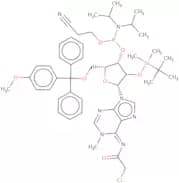
<p>2'-O-tert-Butyldimethylsilyl-N6-chloroacetyl-N1-methyl-5'-O-MMT-adenosine 3'-CE phosphoramidite is an activated monophosphate chemical compound. It is a modified nucleoside that has been used for the synthesis of oligonucleotides and DNA. It also has anticancer, antiviral, and other pharmacological activities.</p>Formula:C48H63ClN7O7PSiPurity:Min. 95%Molecular weight:944.57 g/mol1,N6-Ethenoadenosine-5'-diphosphate, Sodium salt
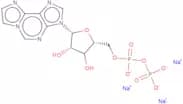
CAS:<p>Emission max - 415nmMolar extinction coefficient ε [L·mol⁻¹·cm⁻¹] - 6000Fluorescent analogue of 5'-ADP, NA10698</p>Formula:C12H15N5O10P2Purity:Min. 95%Molecular weight:451.22 g/mol5'-O-DMT-N2-(4-isopropylphenoxyacetyl)-2'-O-methylguanosine 3'-CE phosphoramidite
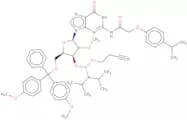
<p>This is a phosphoramidite that is used in the synthesis of DNA. The chemical name for this compound is 5'-O-DMT-N2-(4-isopropylphenoxyacetyl)-2'-O-methylguanosine 3'-CE phosphoramidite. This compound has been shown to be an anticancer drug and has high purity, high quality, and novel properties.</p>Formula:C52H62N7O10PPurity:Min. 95%Color and Shape:White PowderMolecular weight:976.09 g/mol2-Methylsulfanyl-4-phenylpyrimidine
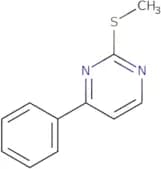
CAS:<p>2-Methylsulfanyl-4-phenylpyrimidine is a heterocyclic compound that has been shown to be an effective anti-malarial agent. The drug inhibits the growth of malaria parasites by binding to the parasite's DNA and preventing its replication. 2-Methylsulfanyl-4-phenylpyrimidine also recycles the monocyclic pyrimidines, which are nucleophiles, and therefore can be used as a precursor for other drugs.<br>2-Methylsulfanyl-4-phenylpyrimidine is not very soluble in water but is soluble in organic solvents such as ethanol, propylene glycol, or acetone. It has also been found to form stable salts with perchlorate and guanidine.</p>Purity:Min. 95%Cytidine-5'-triphosphate
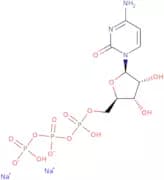
CAS:<p>Cytidine-5'-triphosphate is a nucleotide that is involved in the biosynthesis of fatty acids. It is synthesized by the enzyme cytidine triphosphate synthetase and converted to cytidine diphosphate (CDP) by the enzyme CTP synthetase. The nitrogen atoms are derived from ammonia. Cytidine-5'-triphosphate is found in mitochondria, where it participates in lipid synthesis. Cytidine-5'-triphosphate may also be used to treat cancer. This drug has been shown to inhibit tumor growth and metastasis, as well as induce apoptosis in cancer cells.</p>Purity:Min. 95%2-Amino-N6-isopentenyladenosine
CAS:<p>2-Amino-N6-isopentenyladenosine is a nucleoside that is an activator of ribonucleotide reductase. It has antiviral properties and can be used as a therapeutic agent for HIV infection. 2-Amino-N6-isopentenyladenosine is also known to have anticancer properties, although it is not well studied.</p>Purity:Min. 95%N4-p-Anisoylcytidine
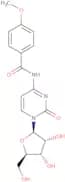
CAS:<p>N4-p-Anisoylcytidine is a labile, crystalline, and water soluble oligoribonucleotide. It is an intermediate in the synthesis of cytidine and phenyl ring. N4-p-Anisoylcytidine can be prepared by reacting p-anisic acid with 4-benzoylcytosine. The reaction yields a mixture of products that can be purified by recrystallization or chromatography. It is hydrolyzed by acidic conditions to yield cytidine and phenyl ring. N4-p-Anisoylcytidine has been used as an intermediate in the synthesis of cytidine, which is subsequently converted to phenyl ring by reaction with benzene. This compound also has been used as an esterification agent for orthoesters.</p>Formula:C17H19N3O7Purity:Min. 95%Molecular weight:377.35 g/mol1-(3’,5’-Di-O-benzoyl-2'-Deoxy-2'-fluoro-b-D-arabinofuranosyl)uracil
CAS:<p>1-(3’,5’-Di-O-benzoyl-2'-Deoxy-2'-fluoro-b-D-arabinofuranosyl)uracil (1DBUA) is a nucleoside phosphoramidite that is an antiviral agent. It inhibits viral replication by blocking the synthesis of DNA and RNA. 1DBUA does not have any anticancer activity and has been shown to be toxic to cells in culture. The purity of 1DBUA is high and it can be used for the preparation of oligonucleotides. 1DBUA has been modified with a benzoyl group at C1’ position. This modification improves solubility and prevents hydrolysis by esterases or glucuronidases. 1DBUA also acts as an activator in DNA polymerase reactions, which increases the efficiency of DNA synthesis.</p>Purity:Min. 95%2'/3'-O-Trinitrophenyl-adenosine-5'-diphosphate triethylammonium salt
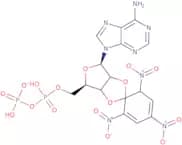
CAS:<p>2'/3'-O-Trinitrophenyl-adenosine-5'-diphosphate triethylammonium salt (TPENAP) is an irreversible inhibitor of the enzyme adenosine kinase. TPENAP binds to the active site of the enzyme and blocks ATP synthesis, resulting in a rapid decrease in ATP levels. TPENAP is a potent fluorescence probe that reacts with tryptophan residues in proteins, thereby enhancing the fluorescence intensity. It has been shown to inhibit actin polymerization and depolymerize actin filaments, which may be due to its ability to inhibit ATP production.</p>Formula:C16H16N8O16P2Purity:Min. 95%Molecular weight:638.29 g/mol5′-O-DMT-LNA N-dmf guanosine
CAS:<p>5′-O-DMT-LNA N-dmf guanosine is a modified nucleoside that has anticancer, antiviral, and anti-inflammatory activities. It binds to the ribonucleotide reductase enzyme, which is an enzyme required for the production of new DNA and RNA. This binding prevents the synthesis of new DNA and RNA in cells, leading to cell death. 5′-O-DMT-LNA N-dmf guanosine has been shown to be active against cancer cells in vitro and in vivo. In addition, it also inhibits replication of human immunodeficiency virus type 1 (HIV) by binding to reverse transcriptase (RT), which is an enzyme critical for HIV replication.</p>Formula:C35H36N6O7Purity:Min. 95%Molecular weight:652.7 g/molEthyl-2,4-diamino-pyrimidine-5-carboxylate
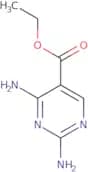
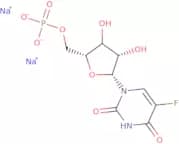
CAS:<p>Ethyl-2,4-diamino-pyrimidine-5-carboxylate is a nucleoside that is used in the synthesis of ribonucleosides and deoxyribonucleosides. It has been shown to be an activator for DNA polymerase and an antiviral agent. Ethyl-2,4-diamino-pyrimidine-5-carboxylate binds to the enzyme DNA polymerase and stimulates its activity by facilitating the conversion of RNA into DNA. This drug also inhibits the replication of virus cells by inhibiting viral RNA synthesis.</p>Formula:C7H10N4O2Purity:Min. 95%Molecular weight:182.18 g/mol5-Fluorouridine-5'-monophosphate sodium salt - 10mM aqueous solution
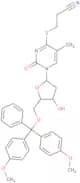
CAS:<p>5-Fluorouridine-5'-monophosphate sodium salt is a nucleoside analog that is used as an antiviral drug. It inhibits viral DNA synthesis by competitive inhibition of thymidylate, which is a precursor for DNA synthesis. 5-Fluorouridine-5'-monophosphate sodium salt has been shown to be active against human pathogens and cancer cells in vitro. The enzyme activity of 5-fluorouridine-5'-monophosphate sodium salt can be inhibited by the presence of p-nitrophenyl phosphate, which is also a product of the enzymatic reaction. This may lead to synergistic effects in cells with both enzymes present.</p>Formula:C9H12FN2O9PPurity:Min. 95%Color and Shape:Colorless PowderMolecular weight:342.17 g/molS4-(2-Cyanoethyl)-5'-o-(dimethoxytrityl)-4-thiothymidine
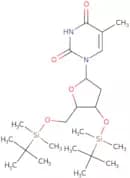
CAS:<p>S4-(2-Cyanoethyl)-5'-o-(dimethoxytrityl)-4-thiothymidine is a DNA analog that inhibits the growth of tumor cells. It binds to purine nucleosides and prevents the synthesis of DNA and RNA, which can lead to cell death. S4-(2-Cyanoethyl)-5'-o-(dimethoxytrityl)-4-thiothymidine has been shown to inhibit the growth of tumor cells in vitro. It is an effective inhibitor of HIV replication in vitro, but it does not have any antiviral activity against other viruses. This drug is a modified form of thymidine, which is an important component of DNA.</p>Formula:C34H35N3O6SPurity:Min. 95%Molecular weight:613.7 g/mol3',5'-Bis-O-(t-butyldimethylsilyl)thymidine
CAS:<p>3',5'-Bis-O-(t-butyldimethylsilyl)thymidine is a novel nucleoside phosphoramidite that can be used in the synthesis of oligonucleotides. This compound has antiviral and anticancer activities and is an excellent building block for the synthesis of modified nucleosides. 3',5'-Bis-O-(t-butyldimethylsilyl)thymidine is a high quality, high purity chemical with a CAS number of 40733-26-4.</p>Formula:C22H42N2O5Si2Purity:Min. 95%Molecular weight:470.7 g/molBiotin-5-deoxyuridine-5'-triphosphate, lithium salt - 1 mM aqueous solution
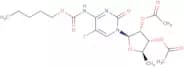
<p>Biotin-5-deoxyuridine-5'-triphosphate, lithium salt is a novel phosphoramidite. It has been shown to be an anticancer agent and antiviral agent. Biotin-5-deoxyuridine-5'-triphosphate, lithium salt inhibits the growth of cancer cells by binding to the ribonucleotide reductase enzyme, thereby preventing synthesis of DNA and RNA.</p>Formula:C22H34N5O16P3S·xLiPurity:Min. 95%Molecular weight:749.52 g/mol2',3'-Di-O-acetyl-5'-deoxy-5-fluoro-N4-(pentoxycarbonxyl)cytidine
CAS:<p>2',3'-Di-O-acetyl-5'-deoxy-5-fluoro-N4-(pentoxycarbonxyl)cytidine is a nucleoside analog that inhibits DNA polymerase and RNA polymerase, which are enzymes vital for the production of DNA and RNA, respectively. This drug has been shown to be effective in treating cancer cells that are resistant to other chemotherapeutic agents. 2',3'-Di-O-acetyl-5'-deoxy-5-fluoro-N4-(pentoxycarbonxyl)cytidine has also been shown to inhibit viral replication by inhibiting viral reverse transcriptase.</p>Formula:C19H26FN3O8Purity:Min. 95%Molecular weight:443.43 g/mol2'-Deoxyadenosine-5'-carboxylic acid
CAS:<p>dA oxidised at the 5'-position.</p>Formula:C10H11N5O4Purity:Min. 95%Molecular weight:265.23 g/molN1-Methyladenosine hydroiodide
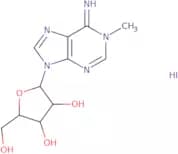
CAS:<p>N1-Methyladenosine hydroiodide is a novel nucleoside analogue that inhibits viral replication by preventing the formation of viral DNA. It also inhibits the growth of cancer cells and is used as an anticancer drug. N1-Methyladenosine hydroiodide has been shown to be an activator of RNA polymerase II, increasing the production of messenger RNA (mRNA) in human cells. The phosphoramidite form of this compound is used for the synthesis of oligodeoxyribonucleotides, which are chemically modified in order to improve their stability and inhibit degradation by nucleases. N1-Methyladenosine hydroiodide is highly pure and has CAS No. 34308-25-3.</p>Formula:C11H15N5O4·HIPurity:Min. 95%Molecular weight:409.18 g/mol3',5'-Di-O-Benzoyl-N4-benzoyl-2'-deoxy-2'-fluoroarabinocytidine
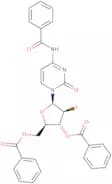
CAS:<p>3',5'-Di-O-Benzoyl-N4-benzoyl-2'-deoxy-2'-fluoroarabinocytidine is a novel nucleoside analogue that has been synthesized to inhibit the activity of DNA polymerase. This compound is also an activator of diphosphate and ribonucleoside monophosphate. 3',5'-Di-O-Benzoyl-N4-benzoyl-2'-deoxy-2'-fluoroarabinocytidine has been shown to inhibit the replication of herpes simplex virus type 1 in cell culture and the replication of human cytomegalovirus in cell culture. 3',5'-Di-O-Benzoyl-N4-benzoyl-2'-deoxy-- 2'-fluoroarabinocytidine does not have any antiviral activity against HIV.</p>Purity:Min. 95%3'-O-Allylcytidine
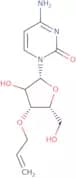
<p>3'-O-Allylcytidine is a phosphoramidite nucleoside that is synthesized by the coupling of cytidine with allyl bromoacetate. It has antiviral activity, and has been shown to be active against herpes simplex virus type 1 (HSV-1) and hepatitis B virus (HBV). 3'-O-Allylcytidine has also been shown to inhibit the growth of cells in culture, suggesting that it may have anticancer properties. 3'-O-Allylcytidine is a novel monophosphate nucleoside that has not been previously reported.br></p>Formula:C12H17N3O5Purity:Min. 95%Color and Shape:PowderMolecular weight:283.28 g/mol3',5'-Di-o-acetyl-O6-phenyl-2'-deoxyinosine
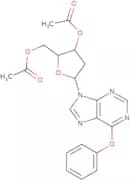
CAS:<p>3',5'-Di-O-acetyl-O6-phenyl-2'-deoxyinosine is a nucleoside analog that has antiviral and anticancer activities. It is an activator of the enzyme ribonucleotide reductase and has been shown to be effective against herpes simplex virus type 1 and 2, cytomegalovirus, Epstein Barr virus, human immunodeficiency virus type 1, and Kaposi sarcoma cells. 3',5'-Di-O-acetyl-O6-phenyl-2'-deoxyinosine also inhibits the production of tumor necrosis factor alpha (TNFα), which can cause inflammatory reactions in the body. This compound is a modified nucleoside with high purity and quality. It has CAS number 133471-06-4.</p>Formula:C20H20N4O6Purity:Min. 95%Molecular weight:412.4 g/molO6-Benzyl guanosine
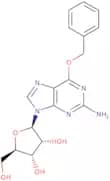
CAS:<p>O6-Benzyl guanosine is a polymerized compound that has been shown to have anticancer efficacy. It has been tested in mice with medulloblastoma, a type of brain tumor, and in rats with breast cancer. O6-Benzyl guanosine was found to be hydrophobic and bound to the methyltransferase enzyme, which resulted in the inhibition of DNA synthesis. The polymerized compound is able to form conjugates with other molecules such as iron oxide nanoparticles or hydrazone derivatives, which can be used for treatments that involve bioconjugate chemistry.</p>Formula:C17H19N5O5Purity:Min. 95%Molecular weight:373.36 g/mol2',5'-Dideoxyinosine
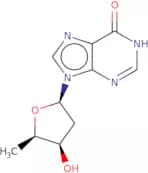
CAS:<p>2',5'-Dideoxyinosine is a nucleoside that can be used as an antiviral or anticancer agent. It is synthesized from the natural nucleoside inosine by phosphorylation of the hydroxyl group on position 5 of the sugar ring and replacement of the hydroxyl group on position 2 with a deoxyribose. The resulting product has a higher potency than the natural form, and is more stable to enzymatic hydrolysis. 2',5'-Dideoxyinosine has been shown to inhibit DNA polymerase in vitro, and also inhibits RNA synthesis, leading to cell death. In addition, it has been shown to be active against leukemia cells as well as breast cancer cells in vivo.</p>Formula:C10H12N4O3Purity:Min. 95%Molecular weight:236.23 g/mol5'-ODMT cEt N-Bzm5 C Phosphoramidite
CAS:<p>Please enquire for more information about 5'-ODMT cEt N-Bzm5 C Phosphoramidite including the price, delivery time and more detailed product information at the technical inquiry form on this page</p>Formula:C49H56N5O9PMolecular weight:889.97 g/mol