Benzimidazole and Imidazole Derivatives
Benzimidazole is a compound consisting of a benzene ring fused to an imidazole ring, a five-membered structure containing two nitrogen atoms. Benzimidazole derivatives, such as albendazole, are known for their antiparasitic and antifungal activity, used in the treatment of parasitic infections and certain parasitic diseases in animals and humans. Imidazole, on the other hand, is a five-membered structure with two nitrogen atoms found in various biologically active compounds. Imidazole derivatives, such as metronidazole, have antimicrobial and antiparasitic properties. These compounds are also used in the pharmaceutical industry for treating bacterial infections, parasitic diseases, and some fungal infections, as well as in organic chemistry as catalysts.
At CymitQuimica, we offer high-purity benzimidazoles and imidazoles for research in medicinal chemistry, pharmacology, and biotechnology.
Found 10354 products of "Benzimidazole and Imidazole Derivatives"
Sort by
Purity (%)
0
100
|
0
|
50
|
90
|
95
|
100
Pantoprazole sulfide N-oxide
CAS:<p>Pantoprazole sulfide N-oxide is a metabolite of pantoprazole, which is a proton pump inhibitor used to reduce stomach acid production. Pantoprazole sulfide N-oxide is an impurity in pantoprazole that can be detected by HPLC. It has been shown to have about the same biological activity as pantoprazole when given orally.</p>Formula:C16H15F2N3O4SPurity:Min. 95%Color and Shape:Off-White To Yellow SolidMolecular weight:383.37 g/mol2-Hydroxybenzimidazole
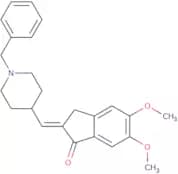
CAS:<p>2-Hydroxybenzimidazole is a benzimidazole compound that is used in the treatment of nervous system diseases. It has been shown to have anti-inflammatory properties and can be used in the treatment of syncytial virus infection. 2-Hydroxybenzimidazole inhibits the production of reactive oxygen species and nitric oxide, which are involved in neurodegenerative disorders. The mechanism of action for 2-Hydroxybenzimidazole involves the formation of hydrogen bonds with hydroxyl groups on proteins. It also has been shown to reduce locomotor activity and increase sleep time in mice, which may be due to inhibition of acetylcholine release from cholinergic neurons.</p>Formula:C7H6N2OPurity:Min. 97.5 Area-%Color and Shape:Off-White PowderMolecular weight:134.14 g/mol1-Benzyl-4-(5,6-dimethoxy-1-oxoindan-2-ylidene)methylpiperidine
CAS:<p>1-Benzyl-4-(5,6-dimethoxy-1-oxoindan-2-ylidene)methylpiperidine is an analytical standard and a drug product. It is a synthetic compound that has been shown to have pharmacological effects similar to those of the analgesic or opioid drugs. 1-Benzyl-4-(5,6-dimethoxy-1-oxoindan-2-ylidene)methylpiperidine can be used as an impurity standard for HPLC analyses as well as metabolic studies. This compound is also known to have potential interactions with other drugs.</p>Formula:C24H27NO3Purity:Min. 98 Area-%Color and Shape:PowderMolecular weight:377.48 g/mol2,3-Dichlorobenzoic acid
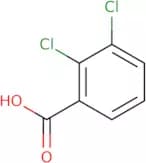
CAS:<p>2,3-Dichlorobenzoic acid is an organic compound that belongs to the class of carboxylates. It is used as a drug substance in the treatment of mycobacterial infections. 2,3-Dichlorobenzoic acid has been shown to have antimicrobial activity against Mycobacterium tuberculosis and other mycobacteria. The sensitivity index for this compound was determined using a chromatographic method with human erythrocytes as the test organism. 2,3-Dichlorobenzoic acid displays its antibacterial activity by inhibiting protein synthesis and cell division. This drug also forms crystalline solids that are soluble in organic solvents such as chloroform or benzene.</p>Formula:C7H4Cl2O2Purity:Min. 95%Color and Shape:PowderMolecular weight:191.01 g/mol5-Methoxy-2-[[(4-methoxy-3,5-dimethyl-2-pyridinyl)methyl]sulfinyl]-1H-benzimidazole N-oxide
CAS:<p>5-Methoxy-2-[[(4-methoxy-3,5-dimethyl-2-pyridinyl)methyl]sulfinyl]-1H-benzimidazole N-oxide is an ammonium salt of a sulfoxide with a chloride. It is also known as esomeprazole magnesium. This drug is used in the preparation of pharmaceutical preparations and is used to treat gastroesophageal reflux disease (GERD), peptic ulcers, and other conditions. The magnesium salt form is a polymorphic substance that has a crystalline form that occurs in nature, called alpha form, and a synthetic form that occurs in laboratory experiments and has been designated beta form. The alpha form exhibits enantioselectivity when it binds to the enzyme pepsin, which causes the drug to have an antiulcer effect.</p>Formula:C17H19N3O4SPurity:Min. 95%Color and Shape:PowderMolecular weight:361.42 g/mol2-(3-(1-Benzylpiperidin-4-yl)-2-oxopropyl)-4,5-dimethoxybenzoic acid sodium salt
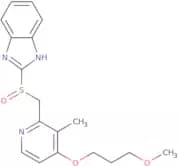
<p>2-(3-(1-Benzylpiperidin-4-yl)-2-oxopropyl)-4,5-dimethoxybenzoic acid sodium salt is a white to off-white crystalline powder. It is soluble in water and sparingly soluble in alcohol. This product is used as an analytical standard and has been found to be a metabolite of the drug clozapine. 2-(3-(1-Benzylpiperidin-4-yl)-2-oxopropyl)-4,5-dimethoxybenzoic acid sodium salt has also been found to be an impurity in the drug product lamotrigine.</p>Formula:C24H29NO5•NaPurity:Min. 95%Molecular weight:434.49 g/mol2-[[[4-(3-Methoxypropoxy)-3-methyl-2-pyridinyl]methyl]thio]-1H-benzimidazole
CAS:<p>Rabeprazole is a proton pump inhibitor that is used to treat acid-related disorders such as gastroesophageal reflux disease and peptic ulcers. Rabeprazole inhibits the production of gastric acid by blocking the hydrogen/potassium ATPase that is found in the parietal cells of the stomach. The main mechanism of action for rabeprazole is competitive inhibition of the proton pump, which leads to decreased gastric acid secretion. Rabeprazole can be administered orally or intravenously, with a half-life of about 2 hours. It has been shown to have an effect on human liver cytochrome P450s, but does not affect the activity of recombinant cytochrome P450 3A4 (CYP3A4). In clinical studies, rabeprazole was shown to have no adverse effects on CYP3A4 activity and may even increase it slightly.</p>Formula:C18H21N3O2SPurity:Min. 95%Color and Shape:White PowderMolecular weight:343.44 g/molN-(2-Phenethyl)benzamide
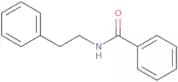
CAS:<p>N-(2-Phenethyl)benzamide (NPEB) is a molecule that belongs to the group of reactive molecules. It has been shown to be toxic to gram-positive bacteria, such as Staphylococcus aureus and Bacillus subtilis, but not gram-negative bacteria such as Escherichia coli. NPEB also has been shown to have locomotor activity in animals, which may be due to its ability to inhibit the mitochondrial electron transport chain and inhibit ATP production. NPEB's biological properties are well characterized. FTIR spectroscopy showed that this molecule has an amide functional group and is a small molecule with a molecular weight of 176.4 g/mol. This molecule was also found to be able to bind to mitochondria in animals.</p>Formula:C15H15NOPurity:Min. 97 Area-%Color and Shape:PowderMolecular weight:225.29 g/mol2-[[[3-Methyl-4-(methylthio)-2-pyridinyl]methyl]sulfinyl]-1H-benzimidazole
CAS:<p>2-[[[3-Methyl-4-(methylthio)-2-pyridinyl]methyl]sulfinyl]-1H-benzimidazole is a synthetic, nonsteroidal anti-inflammatory drug. It is soluble in methanol and ethanol, not soluble in water. The impurity standard of 2-[[[3-Methyl-4-(methylthio)-2-pyridinyl]methyl]sulfinyl]-1H-benzimidazole is 3-[2-[(3,4,5-trimethoxyphenyl)amino]-1H-benzimidazolium methyl sulfate].</p>Formula:C15H15N3OS2Purity:Min. 95%Molecular weight:317.43 g/molPantoprazole N-oxide sodium
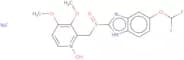
CAS:<p>Pantoprazole N-oxide sodium is a custom synthesis drug product that is being developed as an impurity standard in the synthesis of Pantoprazole. The compound is also used as a pharmacopoeia analytical standard and a HPLC standard.</p>Formula:C16H15F2N3O5S·NaPurity:Min. 95%Color and Shape:PowderMolecular weight:422.36 g/mol5-Methoxy-2-[[(4-methoxy-3,5-dimethyl-2-pyridinyl)methyl]sulphonyl]-1H-benzimidazole N-oxide
CAS:<p>5-Methoxy-2-[[(4-methoxy-3,5-dimethyl-2-pyridinyl)methyl]sulphonyl]-1H-benzimidazole N-oxide is a cyclic sulfoxide that has shown to be a potent inhibitor of gastric acid secretion. It is an important intermediate in the synthesis of esomeprazole magnesium, a proton pump inhibitor used to treat gastroesophageal reflux disease and other gastrointestinal disorders. 5-Methoxy-2-[(4-methoxy 3,5 dimethyl 2 pyridinyl) methyl] sulphonyl]-1H benzimidazole N oxide is also known as (RS)-N-[4-(4′ methoxyphenyl)-3,5 dimethylpyrazol -2 - ylmethyl] methanesulfonamide. This compound has been shown to have a polymorphic form with two different</p>Formula:C17H19N3O5SPurity:Min. 95%Color and Shape:PowderMolecular weight:377.42 g/molPantoprazole sulphone
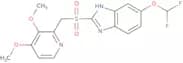
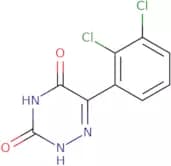
CAS:<p>Pantoprazole sulphone is a proton-pump inhibitor that inhibits the production of stomach acid and protects the esophagus from damage. Pantoprazole sulphone has been shown to be effective in treating heart disease patients and reducing their risk of death. It also has biological properties, including modulating the effects of bosentan, which is used to treat pulmonary arterial hypertension. Pantoprazole sulphone has been shown to be chemically stable and stereoselective, which means it binds more strongly to one site than another. Clinical pharmacology studies have found that pantoprazole sulphone has no effect on abomasal motility or gastric emptying time.</p>Formula:C16H15F2N3O5SPurity:Min. 97 Area-%Color and Shape:PowderMolecular weight:399.37 g/mol6-(2,3-Dichlorophenyl)-1,2,4-triazine-3,5(2H,4H)-dione
CAS:<p>6-(2,3-Dichlorophenyl)-1,2,4-triazine-3,5(2H,4H)-dione is a chlorinating agent that converts alcohols to alkyl chlorides. It is used for the conversion of diazotizable aromatic compounds to diazo compounds. This compound has been shown to be neuroprotective in animal models and provides protection against glutamate excitotoxicity. 6-(2,3-Dichlorophenyl)-1,2,4-triazine-3,5(2H,4H)-dione also reacts with nitrite ions to form the corresponding nitroso derivatives. These derivatives can cause DNA damage and are mutagenic. 6-(2,3-Dichlorophenyl)-1,2,4-triazine-3,5(2H,4H)-dione has been shown to react with aminoguanidine to produce a chromat</p>Formula:C9H5Cl2N3O2Purity:Min. 95%Color and Shape:PowderMolecular weight:258.06 g/molRabeprazole
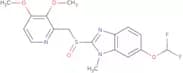
CAS:<p>Rabeprazole is a proton pump inhibitor that suppresses the production of stomach acid by blocking the H+/K+ ATPase enzyme. It is used for the treatment of gastroesophageal reflux disease, peptic ulcers, and Zollinger-Ellison syndrome. Rabeprazole has been shown to be more effective than omeprazole in reducing gastric acid secretion in two-way crossover studies. Rabeprazole also has been shown to inhibit the growth of antibiotic-resistant strains of bacteria. In addition, rabeprazole binds to metal ions like iron and copper, which may affect its pharmacokinetics and efficacy. This drug is currently being investigated as an analytical method for determination of proton pump inhibitors in human serum and urine samples by electrochemical impedance spectroscopy (EIS).</p>Formula:C18H21N3O3SPurity:Min. 95%Color and Shape:White PowderMolecular weight:359.44 g/molPantoprazole sodium hydrate - Mixture of impurities D and F
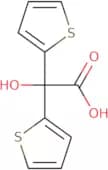
CAS:<p>Pantoprazole sodium hydrate is a custom synthesis that is used as a drug product. The CAS number for this compound is 624742-53-6. This compound has the following impurities: D and F. Pantoprazole sodium hydrate has been shown to be metabolized in vitro by human liver microsomes to its metabolites, including the following: (1) pantoprazol acid, (2) 4-hydroxypantoprazol acid, (3) 4-hydroxyisoxazole acid, and (4) 5-(4-hydroxyphenyl)-2H-1,2-benzoxazin-3(4H)-one. The metabolite 4-hydroxypantoprazol acid has been found to be pharmacologically active in animal models of gastric ulceration and healing.</p>Formula:C17H17F2N3O4SPurity:Min. 95%Color and Shape:Off-white to yellow powder.Molecular weight:397.4 g/mol2-Hydroxy-2,2-bis(2-thienyl) acetic acid
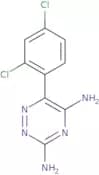
CAS:<p>2-Hydroxy-2,2-bis(2-thienyl) acetic acid is a long-acting bronchodilator that can be administered by inhalation. It has been used in the clinical development of medicines for the treatment of asthma and chronic obstructive pulmonary disease. 2-Hydroxy-2,2-bis(2-thienyl) acetic acid is chemically related to pyridinium compounds. It is a potent inhibitor of muscarinic receptors and has an anticholinergic profile similar to atropine. The safety profile of this drug seems to be favourable in humans with no major side effects reported so far.</p>Formula:C10H8O3S2Purity:Min. 95%Color and Shape:Yellow PowderMolecular weight:240.3 g/mol6-(2,4-Dichlorophenyl)-1,2,4-triazine-3,5-diamine
CAS:<p>6-(2,4-Dichlorophenyl)-1,2,4-triazine-3,5-diamine is a metabolite that can be found in the urine and blood of humans. It has been shown to have cytotoxic effects on human lymphocytes and erythrocytes. 6-(2,4-Dichlorophenyl)-1,2,4-triazine-3,5-diamine is used as an impurity standard for HPLC analysis and as a reference compound for pharmacopoeia. This chemical is also used in the synthesis of some drugs. 6-(2,4-Dichlorophenyl)-1,2,4-triazine-3,5-diamine is not listed in any pharmacopoeia or natural product database.</p>Formula:C9H7Cl2N5Purity:Min. 95%Color and Shape:White PowderMolecular weight:256.09 g/mol5-Methoxy-2-[[(4-methoxy-3,5-dimethyl-2-pyridinyl)methyl]sulfonyl]-1H-benzimidazole
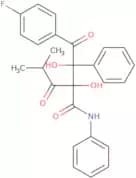
CAS:<p>5-Methoxy-2-[[(4-methoxy-3,5-dimethyl-2-pyridinyl)methyl]sulfonyl]-1H-benzimidazole is an inhibitor of cytochrome P450 2C19. It has been shown to inhibit the activity of this enzyme in a concentration dependent manner and to enhance the activity of omeprazole by inhibiting its metabolism. 5-Methoxy-2-[(4-methoxy, 3,5 dimethylpyridiniumyl)methyl]sulfonyl]-1H benzimidazole is used as a model system for studying drug interactions due to its ability to inhibit cytochrome P450 2C19 and CYP2C19 protein expression. 5 METHOXY - 2 - [[ ( 4 - METHOXY - 3 , 5 - DIMETHYL - 2 - PYRIDINYL ) M</p>Formula:C17H19N3O4SPurity:Min. 95%Color and Shape:White Off-White PowderMolecular weight:361.42 g/molDihydroxy diketo atorvastatin impurity
CAS:<p>Dihydroxy diketo atorvastatin impurity is a synthetic impurity that is generated by the metabolism of atorvastatin. This drug product is an analytical standard for the determination of purity, and can also be used to develop high purity drugs.</p>Formula:C26H24FNO5Purity:Min. 95%Molecular weight:449.47 g/mol5-Methoxy-2-[[(3,5-dimethyl-2-pyridinyl)methyl]sulphinyl]-1H-benzimidazole
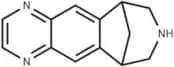
CAS:<p>5-Methoxy-2-[[(3,5-dimethyl-2-pyridinyl)methyl]sulphinyl]-1H-benzimidazole is a natural product. It is an impurity in the drug development process and may be present as an analytical marker for impurities. 5-Methoxy-2-[(3,5-dimethylpyridinium)methyl]sulfinyl]-1Hbenzimidazole is used as a pharmacopoeia standard and can be synthesized on request.</p>Formula:C16H17N3O2SPurity:Min. 95%Color and Shape:PowderMolecular weight:315.39 g/molVarenicline
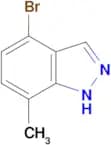
CAS:<p>Varenicline (CP 526555) is a selective partial agonist of the α4β2 nAChR and a full agonist of the α3β4 nAChR and α7 nAChR.</p>Formula:C13H13N3Purity:99.76%Color and Shape:SolidMolecular weight:211.264-BROMO-7-METHYL-1H-INDAZOLE
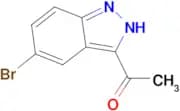
CAS:Formula:C8H7BrN2Purity:98%Color and Shape:SolidMolecular weight:211.0621-(5-Bromo-1H-indazol-3-yl)ethanone
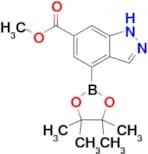
CAS:Formula:C9H7BrN2OPurity:97%Color and Shape:No data available.Molecular weight:239.072Methyl 4-(4,4,5,5-tetramethyl-1,3,2-dioxaborolan-2-yl)-1H-indazole-6-carboxylate
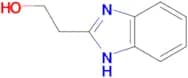
CAS:Purity:97%Molecular weight:302.14001461H-Benzimidazole-2-ethanol
CAS:Formula:C9H10N2OPurity:97%Color and Shape:SolidMolecular weight:162.1926-Bromo-1-methyl-1H-benzo[d]imidazol-2(3H)-one
CAS:Formula:C8H7BrN2OPurity:95%Molecular weight:227.061tert-Butyl 6-(4,4,5,5-tetramethyl-1,3,2-dioxaborolan-2-yl)-1H-benzo[d]imidazole-1-carboxylate
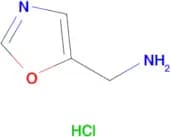
CAS:Purity:98%Molecular weight:344.2200012Oxazol-5-yl-methylamine hydrochloride
CAS:Formula:C4H7ClN2OPurity:95%Color and Shape:SolidMolecular weight:134.564-Methyl-oxazole-5-carboxylic acid ethyl ester
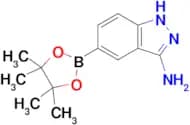
CAS:Formula:C7H9NO3Purity:95%Color and Shape:SolidMolecular weight:155.1535-(4,4,5,5-Tetramethyl-1,3,2-dioxaborolan-2-yl)-1H-indazol-3-amine
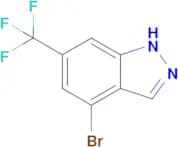
CAS:Formula:C13H18BN3O2Purity:95%Color and Shape:SolidMolecular weight:259.124-Bromo-6-(trifluoromethyl)-1H-indazole
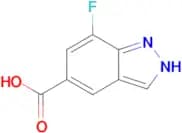
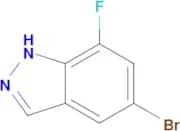
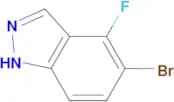
CAS:Formula:C8H4BrF3N2Purity:95.0%Color and Shape:SolidMolecular weight:263.9515-BROMO-7-FLUORO-1H-INDAZOLE
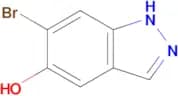
CAS:Formula:C7H4BrFN2Purity:97%Color and Shape:No data available.Molecular weight:215.0256-Bromo-1H-indazol-5-ol
CAS:Formula:C7H5BrN2OPurity:97.0%Color and Shape:SolidMolecular weight:211.959tert-Butyl 2-hydroxy-1H-benzo[d]imidazole-1-carboxylate
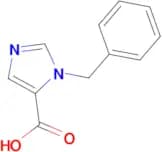
CAS:Formula:C12H14N2O3Purity:95%Molecular weight:234.2551-Benzyl-1H-imidazole-5-carboxylic acid
CAS:Formula:C11H10N2O2Purity:95%Color and Shape:SolidMolecular weight:202.2131-Methyl-3-n-octylimidazolium Bromide
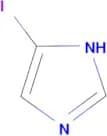
CAS:Purity:98%Color and Shape:LiquidMolecular weight:275.23400884-Iodoimidazole
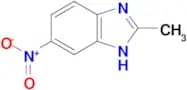
CAS:Formula:C3H3IN2Purity:95%Color and Shape:Crystalline PowderMolecular weight:193.9752-Methyl-5-nitro-1H-benzoimidazole
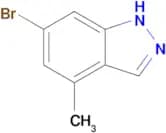
CAS:Formula:C8H7N3O2Purity:97%Color and Shape:SolidMolecular weight:177.1636-Bromo-4-methyl-1H-indazole
CAS:Formula:C8H7BrN2Purity:97%Color and Shape:SolidMolecular weight:211.0622-Amino-5-bromobenzimidazole
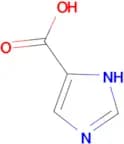
CAS:Formula:C7H6BrN3Purity:95%Color and Shape:SolidMolecular weight:212.05Imidazole-4-carboxylic acid
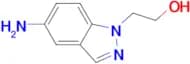
CAS:Formula:C4H4N2O2Purity:97%Color and Shape:White to Off-White to Light Yellow to BrownMolecular weight:112.0882-(5-Amino-1H-indazol-1-yl)ethanol
CAS:Formula:C9H11N3OPurity:98%Color and Shape:SolidMolecular weight:177.207(2-phenyl-1H-imidazol-5-yl)methanol
CAS:Formula:C10H10N2OPurity:95%Color and Shape:SolidMolecular weight:174.203(S)-3-((Benzyloxy)carbonyl)oxazolidine-4-carboxylic acid
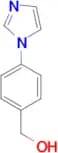
CAS:Formula:C12H13NO5Purity:95%Molecular weight:251.238(4-Imidazol-1-yl-phenyl)methanol
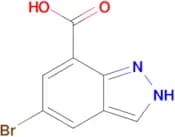
CAS:Formula:C10H10N2OPurity:98%Color and Shape:SolidMolecular weight:174.2035-Bromo-1H-indazole-7-carboxylic acid
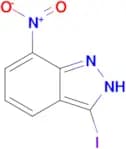
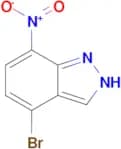
CAS:Formula:C8H5BrN2O2Purity:96%Color and Shape:SolidMolecular weight:241.0443-Iodo-7-nitro-1H-indazole
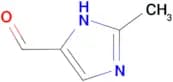
CAS:Formula:C7H4IN3O2Purity:98%Color and Shape:SolidMolecular weight:289.0322-Methyl-1H-imidazole-4-carbaldehyde
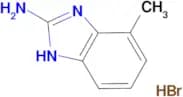
CAS:Formula:C5H6N2OPurity:97%Color and Shape:SolidMolecular weight:110.1164-methyl-1H-benzimidazol-2-amine hydrobromide
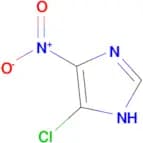
CAS:Formula:C8H10BrN3Purity:97%Molecular weight:228.0935-Chloro-4-nitro-1H-imidazole
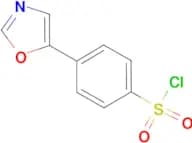
CAS:Formula:C3H2ClN3O2Purity:98%Color and Shape:SolidMolecular weight:147.524-Oxazol-5-yl-benzenesulfonyl chloride
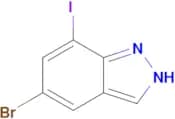
CAS:Formula:C9H6ClNO3SPurity:97%Color and Shape:Off-white solidMolecular weight:243.665-Bromo-7-iodo-1H-indazole
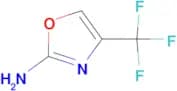
CAS:Formula:C7H4BrIN2Purity:95%Color and Shape:SolidMolecular weight:322.9314-Trifluoromethyl-oxazol-2-ylamine
CAS:Formula:C4H3F3N2OPurity:98%Color and Shape:SolidMolecular weight:152.0761-hexyl-3-methylimidazolium iodide
CAS:Formula:C10H19IN2Purity:97%Color and Shape:LiquidMolecular weight:294.18Methyl 1-methyl-1H-benzo[d]imidazole-6-carboxylate
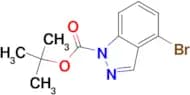
CAS:Formula:C10H10N2O2Purity:97%Molecular weight:190.2021-Boc-4-Bromo-1H-indazole
CAS:Formula:C12H13BrN2O2Purity:97%Color and Shape:SolidMolecular weight:297.152(4-FLUORO-1-ISOPROPYL-2-METHYL-1H-BENZO[D]IMIDAZOL-6-YL)BORONIC ACID PINACOL ESTER
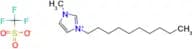
CAS:Formula:C17H24BFN2O2Purity:95%Color and Shape:SolidMolecular weight:318.24-(3-Methyl-1H-imidazol-3-ium-1-yl)butane-1-sulfonate trifluoromethanesulfonate
CAS:Purity:98%Molecular weight:368.346-Bromo-5-fluoro-3-methyl-1H-indazole
CAS:Formula:C8H6BrFN2Purity:97%Color and Shape:Liquid, No data available.Molecular weight:229.0521,3-Bis(2,6-diisopropylphenyl)-1H-imidazol-3-ium-2-ide
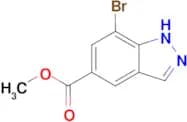
CAS:Formula:C27H36N2Purity:98%Color and Shape:SolidMolecular weight:388.599METHYL 7-BROMO-1H-INDAZOLE-5-CARBOXYLATE
CAS:Formula:C9H7BrN2O2Purity:97%Color and Shape:LiquidMolecular weight:255.071Ethyl 4-(1-methyl-5-nitro-1H-benzo[d]imidazol-2-yl)butanoate
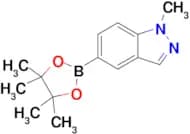
CAS:Formula:C14H17N3O4Purity:98%Molecular weight:291.3071-METHYL-5-(4,4,5,5-TETRAMETHYL-1,3,2-DIOXABOROLAN-2-YL)-1H-INDAZOLE
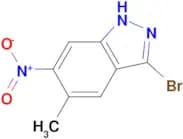
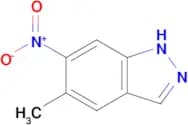
CAS:Formula:C14H19BN2O2Purity:97%Molecular weight:258.135-Methyl-6-nitro-1H-indazole
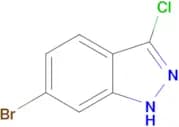
CAS:Formula:C8H7N3O2Purity:95.0%Color and Shape:SolidMolecular weight:177.0546-Bromo-3-chloro-1H-indazole
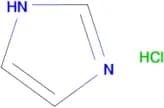
CAS:Formula:C7H4BrClN2Purity:95.0%Color and Shape:Solid, Yellow solidMolecular weight:229.9251H-Imidazole hydrochloride
CAS:Formula:C3H5ClN2Purity:95%Color and Shape:Solid, White to off-white crystalline powderMolecular weight:104.54


![5-Methoxy-2-[[(4-methoxy-3,5-dimethyl-2-pyridinyl)methyl]sulfinyl]-1H-benzimidazole N-oxide](/_next/image/?url=https%3A%2Fstatic.cymitquimica.com%2Fproducts%2F3D%2Fthumb-webp%2FIM57921.webp&w=3840&q=75)

![2-[[[4-(3-Methoxypropoxy)-3-methyl-2-pyridinyl]methyl]thio]-1H-benzimidazole](/_next/image/?url=https%3A%2Fstatic.cymitquimica.com%2Fproducts%2F3D%2Fthumb-webp%2FIM57863.webp&w=3840&q=75)
![2-[[[3-Methyl-4-(methylthio)-2-pyridinyl]methyl]sulfinyl]-1H-benzimidazole](/_next/image/?url=https%3A%2Fstatic.cymitquimica.com%2Fproducts%2F3D%2Fthumb-webp%2FIM21229.webp&w=3840&q=75)
![5-Methoxy-2-[[(4-methoxy-3,5-dimethyl-2-pyridinyl)methyl]sulphonyl]-1H-benzimidazole N-oxide](/_next/image/?url=https%3A%2Fstatic.cymitquimica.com%2Fproducts%2F3D%2Fthumb-webp%2FIM57920.webp&w=3840&q=75)
![5-Methoxy-2-[[(4-methoxy-3,5-dimethyl-2-pyridinyl)methyl]sulfonyl]-1H-benzimidazole](/_next/image/?url=https%3A%2Fstatic.cymitquimica.com%2Fproducts%2F3D%2Fthumb-webp%2FIM57926.webp&w=3840&q=75)
![5-Methoxy-2-[[(3,5-dimethyl-2-pyridinyl)methyl]sulphinyl]-1H-benzimidazole](/_next/image/?url=https%3A%2Fstatic.cymitquimica.com%2Fproducts%2F3D%2Fthumb-webp%2FIM57917.webp&w=3840&q=75)


![6-Bromo-1-methyl-1H-benzo[d]imidazol-2(3H)-one](/_next/image/?url=https%3A%2Fstatic.cymitquimica.com%2Fproducts%2F10%2Fthumb-webp%2FF452254.webp&w=3840&q=75)
![tert-Butyl 6-(4,4,5,5-tetramethyl-1,3,2-dioxaborolan-2-yl)-1H-benzo[d]imidazole-1-carboxylate](/_next/image/?url=https%3A%2Fstatic.cymitquimica.com%2Fproducts%2F10%2Fthumb-webp%2FF758378.webp&w=3840&q=75)


![tert-Butyl 2-hydroxy-1H-benzo[d]imidazole-1-carboxylate](/_next/image/?url=https%3A%2Fstatic.cymitquimica.com%2Fproducts%2F10%2Fthumb-webp%2FF437863.webp&w=3840&q=75)
![6-CHLORO-2-METHYL-1H-BENZO[D]IMIDAZOL-4-OL](/_next/image/?url=https%3A%2Fstatic.cymitquimica.com%2Fproducts%2F10%2Fthumb-webp%2FF472234.webp&w=3840&q=75)




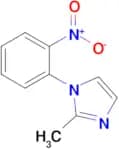
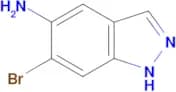
![1H-Benzo[d]imidazol-4-ol](/_next/image/?url=https%3A%2Fstatic.cymitquimica.com%2Fproducts%2F10%2Fthumb-webp%2FF241143.webp&w=3840&q=75)
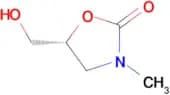

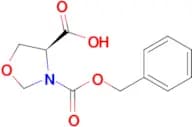


![Methyl 1-methyl-1H-benzo[d]imidazole-6-carboxylate](/_next/image/?url=https%3A%2Fstatic.cymitquimica.com%2Fproducts%2F10%2Fthumb-webp%2FF230863.webp&w=3840&q=75)
![(4-FLUORO-1-ISOPROPYL-2-METHYL-1H-BENZO[D]IMIDAZOL-6-YL)BORONIC ACID PINACOL ESTER](/_next/image/?url=https%3A%2Fstatic.cymitquimica.com%2Fproducts%2F10%2Fthumb-webp%2FF466867.webp&w=3840&q=75)


![Ethyl 4-(1-methyl-5-nitro-1H-benzo[d]imidazol-2-yl)butanoate](/_next/image/?url=https%3A%2Fstatic.cymitquimica.com%2Fproducts%2F10%2Fthumb-webp%2FF212952.webp&w=3840&q=75)
![5,7-Dichloro-1H-benzo[d]imidazole](/_next/image/?url=https%3A%2Fstatic.cymitquimica.com%2Fproducts%2F10%2Fthumb-webp%2FF629363.webp&w=3840&q=75)
![(5-Fluoro-1H-benzo[d]imidazol-2-yl)methanol](/_next/image/?url=https%3A%2Fstatic.cymitquimica.com%2Fproducts%2F10%2Fthumb-webp%2FF228976.webp&w=3840&q=75)