Flavonoids and Polyphenols
Flavonoids are phenolic compounds that contain a structure of 15 carbon atoms, consisting of two aromatic rings linked by a three-carbon bridge. Polyphenols are a broader class of organic compounds containing multiple phenolic groups. Both groups have potent antioxidant properties, allowing them to protect cells from damage caused by free radicals. Flavonoids are commonly found in fruits, vegetables, and tea and are associated with improved cardiovascular health and the prevention of chronic diseases. Polyphenols also have applications in cancer prevention and brain health promotion.
At CymitQuimica, we offer high-quality flavonoids and polyphenols for research in chemistry, pharmacology, and biomedicine.
Found 17012 products of "Flavonoids and Polyphenols"
Sort by
Purity (%)
0
100
|
0
|
50
|
90
|
95
|
100
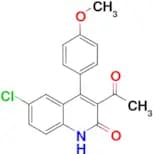
3-acetyl-6-chloro-4-(4-methoxyphenyl)quinolin-2(1H)-one
CAS:Purity:95.0%Molecular weight:327.7600097656251-((4'-methoxy-[1,1'-biphenyl])-4-sulfonamido)cyclohexane-1-carboxylic acid
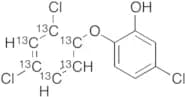
CAS:Purity:95.0%Molecular weight:389.4700012207031Triclosan-13C6
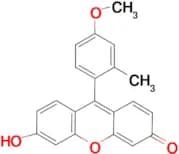
CAS:Controlled Product<p>Applications Isotope labelled Triclosan is used as bactericide and preservative for cosmetic and detergent compositions (1). Broadly used as an antiseptic and disinfectant (2). This compound is a contaminant of emerging concern (CECs). Drinking water contaminant candidate list 3 (CCL 3) compound as per United States Environmental Protection Agency (EPA). Environmental contaminants; Food contaminants.<br> Not a dangerous good if item is equal to or less than 1g/ml and there is less than 100g/ml in the package<br>References 1. Lindström, A. et al.: Environ. Sci. Technol. 2002 Jun 1;36(11):2322-9. 2. Ruszkiewicz, J. et al.: J. Toxicol. Environ. Health B. Crit. Rev. 2017;20(2):104-117.<br></p>Formula:C613C6H7Cl3O2Color and Shape:WhiteMolecular weight:295.56-HYDROXY-9-(4-METHOXY-2-METHYLPHENYL)-3H-XANTHEN-3-ONE
CAS:Purity:95.0%Molecular weight:332.3550109863281Methyleugenol
CAS:<p>Applications Methyleugenol is a phenylpropene that is commonly found in plants such as nutmeg, pimento, lemongrass, tarragon, basil, star anise, and fennel. Methyleugenol has been shown to inhibit histone deacetylase (HDAC) activity in the human colon carcinoma cell line HT29. Compounds that exhibit HDAC-inhibitory properties or disrupt the HDAC complex have potential applications in cancer therapy and chemoprevention. In addition, Methyleugenol is a flavoring agent often used in consumer products such as jellies, baked goods, beverages,chewing gums, ice cream, and fragrance.<br>References Groh, I. A., et al.: J Nutr Metab. 2013, 821082 (2013); R. L. Smith, et al.: Food Chem Toxicol 40, 851 (2002)<br></p>Formula:C11H14O2Color and Shape:ColourlessMolecular weight:178.23b-Glucogallin
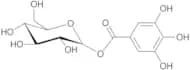
CAS:Controlled Product<p>Stability Moisture Sensitive<br>Applications β-Glucogallin is used as a novel aldose reductase (ALR2) inhibitor, one of the factors regulating the secondary complications arising from diabetes mellitus.<br>References Puppala, M. et al.: PLoS. One., 7, 31399 (2012);<br></p>Formula:C13H16O10Color and Shape:NeatMolecular weight:332.263-O-(E)-Feruloylquinic Acid
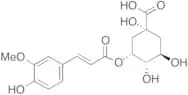
CAS:<p>Applications 5-O-(E)-Feruloylquinic Acid is a phenolic acid with potential antioxidant and antifungal activities. Secondary metabolite in the coffee brewing process.<br>References Matei, M. et al.: J. Agri. Food Chem., 60, 12105 (2012); Dokli, I. et al.: Tetrahedron Asymm., 24, 785 (2013);<br></p>Formula:C17H20O9Color and Shape:NeatMolecular weight:368.342-(4-Methoxy-phenyl)-2,6-dihydro-4H-thieno[3,4-c]pyrazol-3-ylamine
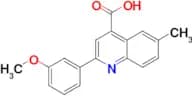
CAS:Purity:95.0%Molecular weight:247.320007324218752-(3-methoxyphenyl)-6-methylquinoline-4-carboxylic acid
CAS:Purity:95.0%Molecular weight:293.3219909667969[6]-Shogaol (>90%)
CAS:Controlled Product<p>Applications [6]-Shogaol is an aromatic constituent of ginger and the chain-dehydroxylated analog of [6]-Gingerol. [6]-Shogaol has activity very similar to [6]-Gingerol and produced an inhibition of spontaneous motor activity, antipyretic and analgesic effects, and prolonged hexobarbital-induced sleeping time. [6]-Shogaol also has potent antitussive activity and affected the cortical EEG.<br>References Suekawa, M. et al.: J. Pharm-Dyn., 7, 836 (1984); Yoshikawa, M. et al.: Chem. Pharmac. Bull., 40, 2239 (1992);<br></p>Formula:C17H24O3Purity:>90%Color and Shape:NeatMolecular weight:276.37Cyanidol 3-Glucoside
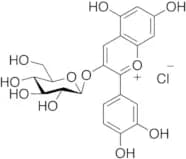
CAS:<p>Stability Hygroscopic<br>Applications Cyanidol 3-Glucoside is a anthocyanin that is naturally occurring in various fruits, vegetable and plants. Cyanidol 3-Glucoside is known to exhibit high antioxidant capacity and neuroprotective effects by triggering mobilization of cellular free sialic acid and utilizing it as an additional biological antioxidant in brain neural cells.<br>References Damar, I., et al.: Food. Chem., 135, 2910 (2012); Kim, S.M., et al.: Life. Sci., 90, 874 (2012); Asada, T., et al.: J. Agri. Chem., 60, 10634 (2012);<br></p>Formula:C21H21O11·ClColor and Shape:NeatMolecular weight:484.84Scopoletin
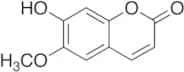
CAS:<p>Applications Scopoletin is the aglucone of Scopolin. Used for cosmetics, topical formulations, and foods. Dyes and metabolites.<br></p>Formula:C10H8O4Color and Shape:White To Light BrownMolecular weight:192.17N-(5-Chloro-2-methoxyphenyl)-3-hydroxynaphthalene-2-carboxamide
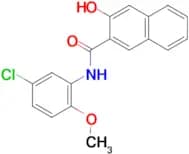
CAS:Purity:95.0%Color and Shape:SolidMolecular weight:327.760009765625Phenol-13C6
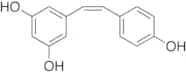
CAS:Controlled Product<p>Stability Hygroscopic, Light Sensitive<br>Applications 13C-labelled Phenol (P318000).<br> Not a dangerous good if item is equal to or less than 1g/ml and there is less than 100g/ml in the package<br></p>Formula:C6H6OColor and Shape:White To Light YellowMolecular weight:100.07cis-Resveratrol
CAS:<p>Stability Light Sensitive<br>Applications Minor constituent of wine, correlated with serum lipid reduction and inhibition of platelet aggregation. Resveratrol is a specific inhibitor of COX-1, and it also inhibits the hydroperoxidase activity of COX-1. It has been shown to inhibit events associated with tumor initiation, promotion and progression.<br>References Powell, R.G., et al.: Phytochemistry, 35, 335 (1994), Jeandet, P., et al.: J. Phytopathol., 143, 135 (1995), Mattivi, F., et al.: J. Agric. Food Chem., 43, 1820 (1995),<br></p>Formula:C14H12O3Color and Shape:NeatMolecular weight:228.24

![1-((4'-methoxy-[1,1'-biphenyl])-4-sulfonamido)cyclohexane-1-carboxylic acid](/_next/image/?url=https%3A%2Fstatic.cymitquimica.com%2Fproducts%2F10%2Fthumb-webp%2FF512251.webp&w=3840&q=75)


![2-(4-Methoxy-phenyl)-2,6-dihydro-4H-thieno[3,4-c]pyrazol-3-ylamine](/_next/image/?url=https%3A%2Fstatic.cymitquimica.com%2Fproducts%2F10%2Fthumb-webp%2FF494633.webp&w=3840&q=75)
![[6]-Shogaol (>90%)](/_next/image/?url=https%3A%2Fstatic.cymitquimica.com%2Fproducts%2FTR%2Fthumb-webp%2FS357800.webp&w=3840&q=75)