Metal Salts
Found 2872 products of "Metal Salts"
Cobalt(II) oxide
CAS:Cobalt is a transition metal with the atomic number 27. It has an oxidation state of +2 and belongs to group 8 on the periodic table. Cobalt(II) oxide (CoO) is a black solid that can be formed by heating cobalt metal at temperatures greater than 1400°C. The electrochemical impedance spectroscopy of CoO shows that it has high resistivity and good electrical conductivity, making it useful for corrosion protection. Cobalt oxide is also used as a catalyst in chemical reactions, such as oxidation and reduction, due to its redox potential. Cobalt oxide can be produced from the reaction between hydrochloric acid and zirconium oxide by electrolysis, which produces an electric current. This process can be done in two ways: either by using an electrochemical cell or by laser ablation. The latter method is more efficient because it requires less energy input than using an electrochemical cell. In addition, CoO particles are spherical in shape, have
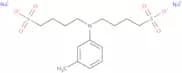
Formula:CoOPurity:75%MinColor and Shape:PowderMolecular weight:74.93 g/molN,N-Bis-(4-sulfobutyl)-3-methylaniline disodium salt
CAS:N,N-Bis-(4-sulfobutyl)-3-methylaniline disodium salt is a fine chemical that is used as a building block for organic synthesis. It can be used in the formulation of pharmaceuticals and other chemicals. N,N-Bis-(4-sulfobutyl)-3-methylaniline disodium salt has been shown to be an excellent reagent for the synthesis of complex compounds with high purity and high quality. This compound is also versatile in its use as a building block, scaffold or intermediate for the synthesis of many different types of molecules.Formula:C15H23NNa2O6S2Purity:Min. 95%Color and Shape:PowderMolecular weight:423.46 g/molSodium tetrachloropalladate(II)
CAS:Sodium tetrachloropalladate(II) is a photoelectron acceptor that absorbs x-rays in the wavelength range of 0.2-1.5 Å. It is used as a nanomaterial for the preparation of microspheres and optical devices. Sodium tetrachloropalladate(II) has been shown to have a chloride ion content of 36%. The chemical composition of this element can be determined by using preparative methods such as suzuki coupling reaction, phase chromatography, or elemental analysis. The isolated yield of sodium tetrachloropalladate(II) can be determined by immobilizing it on an ion exchange resin and eluting with 0.1 M HCl.Formula:Cl4Na2PdPurity:Min. 95%Molecular weight:294.21 g/molDichloro[1,3-Bis(2,6-diisopropylphenyl)imidazolyl-2-idene](3-chloropyridyl)palladium(IV)
CAS:Controlled ProductDichloro[1,3-Bis(2,6-diisopropylphenyl)imidazolyl-2-idene](3-chloropyridyl)palladium(IV) is an insoluble molecule with a beige color. The molecule belongs to the class of palladium catalyzed cross coupling reactions. It can react with various halides and has been shown to have functionalities, skeleton and reactive groups. This compound is used in synthetic organic chemistry in order to generate sequences with chloride and pentane.Formula:C32H40Cl3N3PdPurity:Min. 95%Color and Shape:PowderMolecular weight:679.46 g/molPotassium chlorate
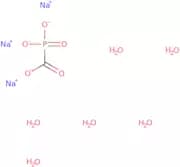
CAS:Controlled ProductPotassium chlorate is a strong oxidizing agent and a salt of potassium and chlorate. Potassium chlorate is used as an oxidizer in fireworks, propellants, and for the treatment of wastewater. It can also be used to generate chlorine dioxide, which is used as a disinfectant. Potassium chlorate has been shown to have genotoxic effects on rat liver cells, which may be due to its ability to induce transcriptional regulation by altering DNA methylation status. Chronic exposure to high concentrations of potassium chlorate can cause apical necrosis in rats. This type of necrosis is caused by the accumulation of potassium ions that lead to a disruption in membrane integrity. Chlorates are also known to cause chronic renal toxicity via oxidative stress mechanisms.Formula:ClKO3Purity:Min. 95%Color and Shape:White SolidMolecular weight:122.55 g/molTrisodium phosphonoformate hexahydrate
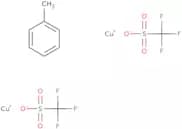
CAS:Trisodium phosphonoformate hexahydrate is a cytotoxic drug that is used to treat cytomegalovirus infections. It acts by inhibiting viral DNA polymerase and RNA synthesis, leading to cell death. Trisodium phosphonoformate hexahydrate can be used in combination with other antiviral drugs such as ganciclovir or foscarnet sodium for the treatment of HIV-1 infection. Trisodium phosphonoformate hexahydrate can also be used for prophylactic treatment against cytomegalovirus infection in immunosuppressed patients. This drug has been shown to be effective in reducing the incidence of CMV disease and mortality in transplant recipients who were undergoing low-dose chemotherapy. Trisodium phosphonoformate hexahydrate has been shown to be more effective than foscarnet sodium alone in preventing CMV disease and mortality during low-dose chemotherapy.Formula:CH12O11Na3PPurity:Min. 95%Color and Shape:PowderMolecular weight:300.04 g/molCopper(I) trifluoromethanesulfonate toluene complex
CAS:Controlled ProductToluene complex
Formula:C9H8Cu2F6O6S2Purity:Min. 95%Molecular weight:517.37 g/mol(Trimethyl)pentamethylcyclopentadienyltitanium(IV)
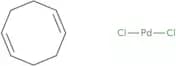
CAS:Please enquire for more information about (Trimethyl)pentamethylcyclopentadienyltitanium(IV) including the price, delivery time and more detailed product information at the technical inquiry form on this pageFormula:C13H24TiPurity:Min. 95%Molecular weight:228.2 g/molDichloro(1,5-cyclooctadiene)palladium(II)
CAS:Controlled ProductDichloro(1,5-cyclooctadiene)palladium(II) is a stable metal complex in which the chlorine atom is coordinated to two benzyl groups and one palladium atom. The chloride ion is coordinated to the palladium atom through a strong coordinate bond. The chloride ion is also coordinated to the two benzyl groups by weaker coordinate bonds. In the presence of sodium carbonate, hydrogen chloride and nitrogen gas, dichloro(1,5-cyclooctadiene)palladium(II) reacts with hydrogen chloride to form stable complexes that are soluble in water. These complexes can be used as catalysts for organic reactions because they are able to transfer hydrogen atoms between molecules without breaking covalent bonds. Dichloro(1,5-cyclooctadiene)palladium(II) has been shown to have antibacterial activity against Staphylococcus aureus and Pseudomonas aeruginosaFormula:C8H12Cl2PdPurity:Min. 98%Molecular weight:285.51 g/molZinc iodide
CAS:Zinc iodide is a chemical compound with the molecular formula ZnI. It is used as an anti-inflammatory agent, and it has been shown to be effective against inflammatory diseases such as asthma. The reaction mechanism of zinc iodide is complex and may involve a copper complex. One possible reactive site for this reaction is a hydroxyl group on the nitrogen atom. Hydrogen bonds are also present in this molecule, which may allow the formation of polymeric matrices that can be used to deliver ZnI to cells or tissues.
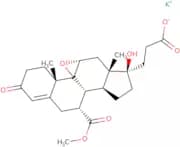
Formula:I2ZnPurity:Min. 95%Color and Shape:PowderMolecular weight:319.19 g/molEplerenone hydroxyacid potassium salt
CAS:Eplerenone is a drug that belongs to the class of drugs known as selective mineralocorticoid receptor antagonists. It is a prodrug that is metabolized in vivo to its active form, eplerenone acid. Eplerenone inhibits the binding of aldosterone to its receptors in the kidney. Eplerenone hydroxyacid potassium salt has been shown to have stereochemical purity of >98% and no detectable process-related impurities or experimental impurities. High-performance liquid chromatography (HPLC) methods have been used to characterize this drug substance and confirm that it has an average particle size 10 micrometers with no particles > 150 micrometers.Formula:C24H31KO7Purity:Min. 95%Molecular weight:470.6 g/molShikimate-3-phosphate trisodium salt
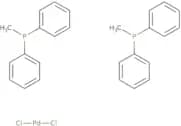
CAS:Shikimate-3-phosphate trisodium salt (SPTS) is a herbicide that inhibits the enzyme EPSPS, which is essential for the production of aromatic amino acids in plants. It binds to the active site of the enzyme and prevents it from functioning properly. SPTS is used as a pesticide on crops such as wheat, rye, barley, oats, rice, soybeans, maize, potato and sugar beet. The herbicide has been shown to be effective in nanomolar range concentrations. It can be detected using biosensors designed for environmental monitoring purposes. The surface of these biosensors are functionalized with SPTS and immobilized on a solid support such as glass or silicon dioxide. These sensors have been shown to detect glyphosate at concentrations as low as 0.01 ppm. SPTS has been investigated for use in developing biosensors that could be used to monitor levels of this herbicide in water sources such as rivers and streams.END>Formula:C7H8Na3O8PPurity:Min. 95%Color and Shape:White PowderMolecular weight:320.08 g/molBis(methyldiphenylphosphine)palladium(II) Dichloride
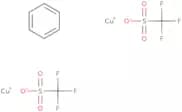
CAS:Controlled ProductBis(methyldiphenylphosphine)palladium(II) chloride is an aryl halide catalyst that is used in the preparation of aryl chlorides. It can be used for the synthesis of pharmaceuticals, agrochemicals, perfumes and other chemical compounds. This catalyst has been shown to be effective in the presence of chloride as well as aryl halides. The reaction can be performed in either the presence or absence of solvent. Methyldiphenylphosphine is soluble in organic solvents such as ether, benzene, and toluene.Formula:C26H26Cl2P2PdPurity:Min. 95%Molecular weight:577.76 g/molCopper(I) trifluoromethanesulfonate benzene complex
CAS:Copper trifluoromethanesulfonate is a copper complex that inhibits the activity of thrombin receptor and other diazo compounds. It has been shown to inhibit the activity of the cannabinoid receptors, sodium channels, and voltage-gated potassium channels. Copper trifluoromethanesulfonate can be used in organic chemistry as an alkylating agent or to form thioacetals. The activity of this compound is chiral, meaning that it can exist as two different enantiomers: (1) (S)-(+)-Copper(I) trifluoromethanesulfonate benzene complex and (2) (R)-(-)-Copper(I) trifluoromethanesulfonate benzene complex. These two enantiomers have different chemical properties, including their ability to bind to protein receptors.Formula:(CF3SO3Cu)2•C6H6Purity:Min. 95%Color and Shape:PowderMolecular weight:503.34 g/molMercury thiocyanate
CAS:Controlled ProductMercury thiocyanate is a coordination complex that is an organometallic compound. It contains mercury and thiocyanate ions, which are coordinated by four sulfur atoms from the thiocyanate ion. This compound is a light-sensitive, white powder with a basic structure. Mercury thiocyanate has been used in gravimetric analysis for determining the concentration of thiocyanates in solutions. Powder diffraction analysis has shown that mercury thiocyanate crystallizes in the monoclinic system with space group C2/c and unit cell dimensions a = 12.7 Å, b = 8.5 Å, c = 4.7 Å, β = 108°, V = 518 Å3 (calculated). The morphology of this compound is acicular crystals with smooth surfaces and edges that are often striated or curved on one side. It also exhibits thermal expansion properties as well as high chemical stability and resistance to
Formula:C2HgN2S2Purity:Min. 95%Molecular weight:316.76 g/molSodium 1-Dodecanesulfonate
CAS:Sodium 1-dodecanesulfonate is a surfactant that can be used in the treatment of wastewater containing organic and inorganic substances. This compound adsorbs on the surface of bacteria and helps to destroy them by inhibiting their growth. Sodium 1-dodecanesulfonate has been shown to inhibit the growth of Gram-positive and Gram-negative bacteria, including Pseudomonas aeruginosa, Staphylococcus aureus, Escherichia coli, Enterobacter cloacae, Klebsiella pneumoniae, Citrobacter freundii, Proteus mirabilis, Salmonella typhimurium, Campylobacter jejuni and Shigella sonnei. The sodium dodecyl sulfonate molecule binds to phospholipids in bacterial cell membranes by electrostatic interactions with the hydrophilic head group and hydrophobic tail. This inhibits the activity of enzymes such as proteinFormula:C12H25NaO3SPurity:Min. 95%Color and Shape:White To Light (Or Pale) Yellow SolidMolecular weight:272.38 g/molPhosphatidylinositol-bis-4,5-phosphate sodium salt
Please enquire for more information about Phosphatidylinositol-bis-4,5-phosphate sodium salt including the price, delivery time and more detailed product information at the technical inquiry form on this pagePurity:Min. 95%Succinyl coenzyme A sodium
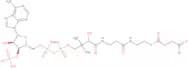
CAS:Succinyl coenzyme A sodium (SCCA) is a membrane-permeable probe that can be used to measure the mitochondrial membrane potential. SCCA is transported into mitochondria and reduced by dehydrogenase, resulting in an increase in the concentration of its oxidized form, succinic semialdehyde. This increase in extracellular concentrations of succinic semialdehyde can be detected using high performance liquid chromatography with fluorescence detection. The use of this probe has been shown to be useful for measuring mitochondrial function in live cells and tissues, and for investigating genetic disorders that affect mitochondrial function.
Formula:C25H40N7O19P3S•NaxPurity:Min. 95%Molecular weight:889.59 g/molBis(tricyclohexylphosphine)palladium(II) Dichloride
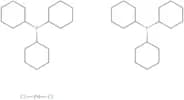
CAS:Controlled ProductBis(tricyclohexylphosphine)palladium(II) Dichloride is a cross-coupling agent that is used for the synthesis of organic and organometallic compounds. It reacts with terminal alkynes to form a phosphine oxide, which can then be converted into an arylated product. The reaction proceeds by the formation of a palladium-carbon bond and subsequent cleavage of the carbon-palladium bond in the presence of ammonium formate. Bis(tricyclohexylphosphine)palladium(II) Dichloride is insoluble in water, but soluble in organic solvents such as dichloromethane, 1,2-dichloroethane, or chloroform. This reagent has been shown to enhance the rate of transfer reactions between monomers.Formula:C36H66Cl2P2PdPurity:Min. 95%Molecular weight:738.18 g/molN-Ethyl-N-(2-hydroxy-3-sulfopropyl)-3,5-dimethoxyaniline sodium salt
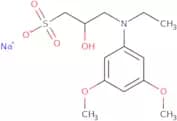
CAS:N-Ethyl-N-(2-hydroxy-3-sulfopropyl)-3,5-dimethoxyaniline sodium salt is an antioxidant that has been shown to have antiviral properties. This drug has been found to be a potent inhibitor of HIV replication in wild type mice and was able to inhibit the virus in human serum. The mechanism by which this drug inhibits the virus is not known, but it may be due to its ability to scavenge free radicals and protect cells against oxidative stress. Studies have also shown that this drug can increase the activity of antioxidant enzymes such as superoxide dismutase, catalase, and glutathione reductase. It has also been found to decrease lipoprotein lipase activity in vitro. These effects are thought to be due to the ability of this drug to bind with proteins and lipids on cell membranes and prevent them from being oxidized. Clinical trials have shown that N-Ethyl-N-(2Formula:C13H20NO6S·NaPurity:Min. 98 Area-%Color and Shape:White PowderMolecular weight:341.36 g/molCalcium chloride dihydrate
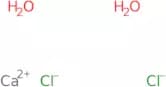
CAS:Calcium chloride dihydrate is a chemical compound that is used in the preparation of buffers, as well as in polymer synthesis and analytical chemistry. It is also used in the treatment of low blood calcium levels, which may occur from chronic kidney failure, malnutrition or malabsorption. Calcium chloride dihydrate has been shown to inhibit the proliferation of various cancer cells, including prostate cancer cells. This inhibition has been shown to be due to its ability to significantly cytotoxic effects on these cells. The cytotoxicity was found to be due to lysosomal membrane permeabilization and Ca2+ influx into the cell leading to apoptosis induction.Formula:CaCl2•(H2O)2Purity:Min. 95%Color and Shape:White Clear LiquidMolecular weight:147.01 g/molRuthenium dioxide
CAS:Ruthenium dioxide is a chemical compound that can be used as an oxidation catalyst. It is a solid material with high resistance and can be used in the water treatment process as well as in electrochemical processes, such as wastewater treatment. Ruthenium dioxide has been shown to have an acidic reaction mechanism, which is related to the particle size of the substance. The large particle size leads to a higher surface area for catalytic activity. Ruthenium dioxide also has the ability to react with hydrogen gas and form hydrogen bonds. This property makes it useful for electrochemical processes, such as wastewater treatment. Ruthenium dioxide also reacts with cationic surfactants containing boron nitride, which allows it to be used in catalysis and electrochemical processes.
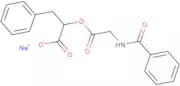
Formula:RuO2Purity:Min. 95%Molecular weight:133.07 g/molO-Hippuryl-DL-b-phenyllactic acid sodium salt
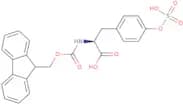
CAS:Please enquire for more information about O-Hippuryl-DL-b-phenyllactic acid sodium salt including the price, delivery time and more detailed product information at the technical inquiry form on this pageFormula:C18H16NNaO5Purity:Min. 95%Molecular weight:349.31 g/molFmoc-Tyr(SO3H)-OH barium salt
CAS:Please enquire for more information about Fmoc-Tyr(SO3H)-OH barium salt including the price, delivery time and more detailed product information at the technical inquiry form on this pageFormula:C24H21NO8SPurity:Min. 95%Molecular weight:483.49 g/molBis(N-butylcyclopentadienyl)zirconiumdichloride
CAS:Please enquire for more information about Bis(N-butylcyclopentadienyl)zirconiumdichloride including the price, delivery time and more detailed product information at the technical inquiry form on this pageFormula:C18H26Cl2ZrPurity:Min. 95%Molecular weight:404.53 g/molSilver(I) 2,2,2-trifluoroacetate
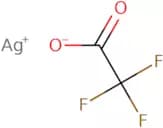
CAS:Silver trifluoroacetate is a chemical compound that is a silver salt of trifluoroacetic acid. Silver trifluoroacetate is a white crystalline solid, soluble in water and alcohols, but insoluble in ethers. It has the chemical formula AgCF3CO2H. The crystal structure of silver trifluoroacetate has been determined by x-ray diffraction techniques and found to be orthorhombic with space group Pbam. The molecule consists of two 5-membered heteroaromatic rings, one containing carbon atoms and the other containing nitrogen atoms. The nitrogen atom is bonded to six hydrogen atoms and three fluorine atoms, while the carbon atom is bonded to four oxygen atoms and one fluorine atom. Synthesis methods for this compound include reacting silver nitrate with sodium carbonate in water vapor at 120°C.Formula:C2AgF3O2Purity:Min. 95%Molecular weight:220.88 g/molCloprostenol sodium
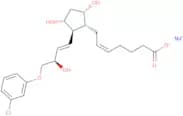
CAS:Cloprostenol sodium is a prostaglandin analogue that is used in veterinary medicine. It is administered intravenously to induce ovulation, improve estrus and fertility, or control luteal function in cows. Cloprostenol sodium has been shown to have a positive effect on the ovulatory process by stimulating the release of endogenous progesterone and estradiol benzoate from the follicle cells. This drug also increases luteal activity by increasing the production of progesterone and inhibiting its metabolism. Cloprostenol sodium has been shown to be effective in inducing ovulation in pregnant women who do not respond to clomiphene citrate (CC) alone. Cloprostenol sodium can also be used for induction of labour in pregnant women with an uncomplicated pregnancy at term, where it is given intravenously or intramuscularly, but intravaginally or orally are not recommended.Formula:C22H28ClNaO6Purity:Min. 95%Color and Shape:White PowderMolecular weight:446.9 g/molCalcium phosphate
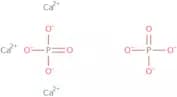
CAS:Calcium phosphate is a white, odorless powder that is used in the production of casein, a protein used to make cheese. In cell culture, calcium phosphate has been shown to have important transport properties and can be used to maintain the pH gradient across the cell membrane. Calcium phosphate has also been shown to reduce renal dysfunction associated with chronic kidney disease. Hydroxyapatite is an important component of bone tissue and its presence in the body can help prevent osteoporosis. Calcium phosphate also has anti-infective properties and can be used as a film-forming polymer or in pharmaceutical dosage forms such as tablets or capsules.Formula:Ca3O8P2Purity:Min. 95%Color and Shape:PowderMolecular weight:310.18 g/mol2-Hydroxy-4-(methylthio)butyric acid calcium salt
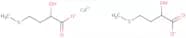
CAS:2-Hydroxy-4-(methylthio)butyric acid calcium salt (2HMBAC) is a fatty acid that is found in malic acid. It is an important industrial chemical used for the preparation of other chemicals such as acetic anhydride, adipic acid, and butyric acid. 2HMBAC has been shown to have various biological functions including the inhibition of protein synthesis and the reduction of chloride ion transport. The dietary administration of 2HMBAC has been shown to relieve diarrhoea in rats.Formula:C10H18CaO6S2Purity:Min. 95%Molecular weight:338.46 g/molDiethylenetriaminepenta(methylenephosphonic acid) sodiumsalt
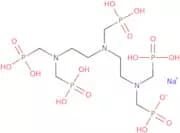
CAS:Diethylenetriaminepenta(methylenephosphonic acid) sodium salt (DTPMP) is a substance that can be found in the environment. It is toxic to living organisms and may cause toxic effects if it is swallowed or inhaled. DTPMP has been classified as a toxic substance by the United States Environmental Protection Agency (EPA).Formula:C9H18N3Na10O15P5Purity:Min. 95%Color and Shape:LiquidMolecular weight:793.02 g/molBismuth subgallate
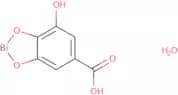
CAS:Bismuth subgallate is a basic compound that is used to treat dermatitis, acne, and other skin conditions. It has been shown to inhibit the growth of human osteosarcoma cells by inhibiting collagen synthesis. Bismuth subgallate also has antibacterial properties against Escherichia coli, Pseudomonas aeruginosa, Staphylococcus aureus, and Streptococcus pyogenes. This drug inhibits bacterial growth by binding to the copper ion in the enzyme superoxide dismutase (SOD), preventing the formation of hydrogen peroxide. The activity of bismuth subgallate is due to its ability to inhibit eosinophil cationic protein and eosinophil peroxidase.Formula:C7H5BiO6Purity:Min. 95%Molecular weight:394.09 g/molCalcium ascorbate dihydrate
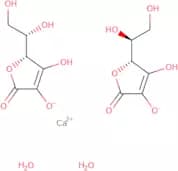
CAS:Calcium ascorbate dihydrate (CAD) is a model system of the skin tumor formation in response to ionizing radiation. CAD is a reaction solution that contains calcium and ascorbate ions. The optimum concentration for CAD is 8 mg/ml. This solution has been shown to be an effective inhibitor of microbial growth and can be used as an antimicrobial agent. It also has a protective effect against acute toxicities, such as those caused by ascorbic acid or sodium citrate.Formula:C12H14CaO12•(H2O)2Purity:Min. 95%Molecular weight:426.34 g/molSodium ferriceddha
CAS:Sodium ferriceddha is a chemical compound that belongs to the family of ferrocenes. It has been used in research as a useful building block and reagent, as well as in the synthesis of various compounds. Sodium ferriceddha is a versatile building block that can be used in the synthesis of complex compounds, such as pharmaceuticals, agricultural chemicals, and other specialty chemicals. It can also be used as an intermediate or scaffold for drug discovery.
Formula:C18H16FeN2NaO6Color and Shape:PowderMolecular weight:435.16 g/molIron(III) trifluoromethanesulfonate
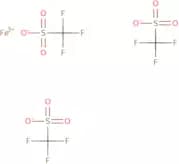
CAS:Iron trifluoromethanesulfonate is an inorganic compound that is used as a catalyst in organic reactions. It is a salt of iron(III) and triflic acid, with the formula Fe(O)(CF). It has been shown to be a cocatalyst for benzofuran derivatives and can be used to synthesize methyl ketones, alkylation products, diarylmethanes, primary alcohols, and cleavage products. Iron trifluoromethanesulfonate can also be used as a control experiment to study reaction mechanisms.Formula:C3F9FeO9S3Purity:Min. 95%Color and Shape:White SolidMolecular weight:503.06 g/mol1,2-Distearoyl-sn-glycero-3-phosphatidic acid·disodium salt
CAS:Please enquire for more information about 1,2-Distearoyl-sn-glycero-3-phosphatidic acid·disodium salt including the price, delivery time and more detailed product information at the technical inquiry form on this pageFormula:C39H75Na2O8PPurity:Min. 95%Molecular weight:748.96 g/mol1-Naphthylphosphoric acid calcium
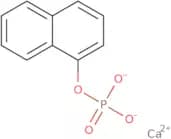
CAS:1-Naphthylphosphoric acid calcium salt (1NPAC) is a fine chemical that has been used as a building block in the synthesis of complex organic compounds. 1NPAC has been shown to be useful in the production of research chemicals and speciality chemicals. It is also employed as an intermediate for the production of high quality reagents. 1NPAC has versatile uses, as it can be used to synthesize other compounds, such as pharmaceuticals and agrochemicals.Formula:C20H18O8P2•CaPurity:Min. 95%Color and Shape:PowderMolecular weight:488.38 g/molMethotrexate disodium
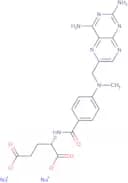
CAS:Methotrexate is a drug that suppresses the immune system by inhibiting the production of white blood cells. It is used in the treatment of a number of diseases, including some cancers and autoimmune diseases such as rheumatoid arthritis and psoriasis. Methotrexate is metabolized to its active form, methotrexate, by an enzyme called dihydrofolate reductase (DHFR). The DHFR inhibitor activity of methotrexate blocks the synthesis of folate-dependent enzymes and prevents DNA synthesis in rapidly dividing cells. Methotrexate has been used in combination with other drugs to treat cancer. Methotrexate has also been shown to have antifungal properties against opportunistic fungal infections.Formula:C20H20N8Na2O5Purity:Min. 95%Color and Shape:PowderMolecular weight:498.4 g/molCarbamoyl-Asp-OH·magnesium salt/Carbamoyl-Asp-OH·dipotassium salt (1:1)
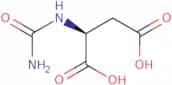
CAS:Carbamoyl-Asp-OH·magnesium salt/Carbamoyl-Asp-OH·dipotassium salt (1:1) is a derivate of p-hydroxybenzoic acid that has been shown to inhibit leukotriene receptor antagonists and basic proteins. It has been found in urine samples, but its function is not yet known. The uptake of this molecule may be a potential biomarker for the diagnosis of orotic aciduria and HIV infection. Carbamoyl-Asp-OH·magnesium salt/Carbamoyl-Asp-OH·dipotassium salt (1:1) has also been shown to be an inhibitor of intramolecular hydrogen transfer reactions in model systems.Formula:C10H12K2MgN4O10Purity:Min. 95%Molecular weight:450.72 g/molCalcium oxalate
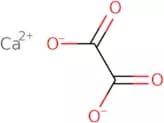
CAS:Calcium oxalate is a crystal that can be found in plants and animals. It is used as a model system to study cell death. Calcium oxalate crystals are inert, but when they react with other substances, they create reactive calcium oxalate crystals that can kill cells by caspase-independent cell death. The crystals also cause cell lysis and are a potential candidate for chemoattractant proteins. Calcium oxalates have been shown to induce phase transition at temperatures below the boiling point of water, which may lead to pharmacological treatments for osteoporosis or kidney stones.Formula:CaC2O4Purity:Min. 95%Molecular weight:128.1 g/mol1,3,6,8-Pyrenetetrasulfonic acid tetrasodium, 10% aqueous solution
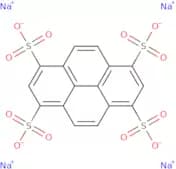
CAS:1,3,6,8-Pyrenetetrasulfonic acid tetrasodium salt (PTS) is a palladium complex that is used as a catalyst in the chemical industry. It can be prepared by the reaction of palladium chloride with sodium sulfide and sodium hydroxide. PTS has been shown to react with diethyl succinate, forming a solid catalyst that can be stored for longer periods of time. This compound has been found to catalyze hydrogenations under constant pressure conditions and also exhibit low energy consumption when performing reactions. PTS is able to bind to DNA, leading to cancer cell death. PTS also has fluorescence properties and can be used in electrochemical impedance spectroscopy.Formula:C16H10O12S4•Na4Purity:Min. 95%Color and Shape:Clear LiquidMolecular weight:614.47 g/molSodium-O-pantothenate
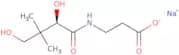
CAS:Sodium-O-pantothenate is a natural form of vitamin B5. It is the sodium salt of pantothenic acid, which is used in the synthesis of coenzyme A and acetylcholine. Sodium-O-pantothenate has been shown to be nontoxic in animals and humans when ingested as an additive in food. In vitro studies have shown that this compound inhibits the production of epidermal growth factor, an effect that may be due to its ability to inhibit phospholipase A2 activity. Sodium-O-pantothenate also has been found to enhance the production of erythrocytes, platelets, and leukocytes in human serum. This compound is used as a cofactor for many enzyme reactions involving pyridoxine hydrochloride (B6) and calcium pantothenate.Formula:C9H16NNaO5Purity:Min. 95%Color and Shape:White PowderMolecular weight:241.22 g/molPotassium diformate
CAS:Potassium diformate is a fatty acid that is used for dietary purposes, as it may be helpful in the treatment of pancreatic enzyme deficiencies. It has been shown to inhibit the growth of lactic acid bacteria, such as Lactobacillus acidophilus, and other microorganisms. Potassium diformate reacts with sodium hydroxide to form potassium hydroxide, which is then reacted with hydrogen chloride gas to produce potassium chloride. This reaction provides an alternative method for industrial preparation of potassium chloride from potash. Potassium diformate also shows potential use as an antimicrobial agent due to its ability to bind and disrupt bacterial cell membranes.
Formula:CH2O2·CHKO2Purity:Min. 95%Molecular weight:130.14 g/molCalcium-Like Peptide 3 trifluoroacetate salt
CAS:Please enquire for more information about Calcium-Like Peptide 3 trifluoroacetate salt including the price, delivery time and more detailed product information at the technical inquiry form on this pageFormula:C44H68N10O9Purity:Min. 95%Molecular weight:881.07 g/molPotassium 4-methoxycinnamate
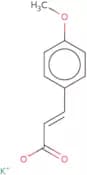
CAS:Potassium 4-methoxycinnamate is a fine chemical that is used as a versatile building block in the synthesis of complex compounds. It can be used in research and as a reagent or speciality chemical. It is also a useful building block for high quality, useful intermediate, and reaction component. Potassium 4-methoxycinnamate can be used as a scaffold to synthesize compounds with diverse applications such as pharmaceuticals, polymers, and agrochemicals.Formula:C10H9O3·KPurity:Min. 95%Molecular weight:216.27 g/molCalcium stearate
CAS:Calcium stearate is a calcium salt that is used as an emulsifier and thickener. It has been shown to have the optimum concentration for inhibiting enzymes such as phospholipase A2, which is responsible for the release of arachidonic acid from phospholipids found in cell membranes. Calcium stearate can also be used in combination with zirconium oxide or sodium salts as a drug-release system. The phase transition temperature of calcium stearate is around 100 degrees Celsius, which means it melts at this temperature. This property makes calcium stearate useful in many applications, including as a lubricant and anti-wear additive in automotive parts. Calcium stearate may also have physiological effects on the human body, such as reducing water vapor and increasing co2 flow.Formula:C36H70CaO4Purity:Min. 95%Color and Shape:White PowderMolecular weight:607.02 g/molSodium benzenesulfonate
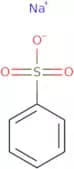
CAS:Sodium benzenesulfonate is a glycol ester that is used as an additive in detergents. It produces foam with air entrainment, which makes it suitable for cleaning surfaces and fabrics. Sodium benzenesulfonate can be used as a co-solvent to enhance the solubility of other substances. It has been shown to have synergistic effects with sodium pentachlorophenate, sodium hydroxide, and sodium hypochlorite when used for wastewater treatment. The reaction mechanism of this compound is not well understood, but it is thought to involve the formation of a sulfonic acid in water solution. Sodium benzenesulfonate also has analytical applications such as determining the concentration of human serum albumin or x-ray diffraction data to identify its crystalline structure.
Formula:C6H5NaO3SPurity:Min. 95%Molecular weight:180.16 g/molN-Acetoacetylcresidine sulfonic acid sodiumsalt
CAS:Please enquire for more information about N-Acetoacetylcresidine sulfonic acid sodiumsalt including the price, delivery time and more detailed product information at the technical inquiry form on this page
Formula:C12H14NNaO6SPurity:Min. 95%Molecular weight:323.3 g/molp-Sulfophenylazochromotropic acid trisodium salt
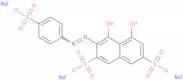
CAS:p-Sulfophenylazochromotropic acid trisodium salt is a chemical that can be used as a building block for the synthesis of various organic compounds. It is an intermediate for the synthesis of other chemicals and can be used as a research chemical in laboratories. This compound has been shown to be useful in the production of pharmaceuticals, agrochemicals, and dyes. CAS No. 23647-14-5.Formula:C16H9N2Na3O11S3Purity:Min. 95 Area-%Color and Shape:Yellow PowderMolecular weight:570.42 g/molTrisodium 1,3,6-naphthalenetrisulfonate
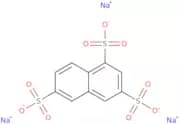
CAS:Trisodium 1,3,6-naphthalenetrisulfonate is a polymer coating that can be used for industrial applications such as water treatment, oil and gas drilling, or textile manufacturing. It has been shown to have a high hydrophobicity and low surface tension. Trisodium 1,3,6-naphthalenetrisulfonate has also been shown to have a ring structure that can interact with other materials. Trisodium 1,3,6-naphthalenetrisulfonate has been observed to form supramolecular structures when in contact with surfactants and other additives. Trisodium 1,3,6-naphthalenetrisulfonate is reactive and can be used as an alternative to chromium plating for the production of plates.Formula:C10H8O9S3•Na3Purity:Min. 95%Color and Shape:White To Reddish Yellow SolidMolecular weight:437.33 g/molO-Hippuryl-L-b-phenyllactic acid sodium salt
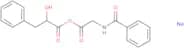
CAS:Please enquire for more information about O-Hippuryl-L-b-phenyllactic acid sodium salt including the price, delivery time and more detailed product information at the technical inquiry form on this pageFormula:C18H16NNaO5Purity:Min. 95%Molecular weight:349.31 g/molPatent blue V Calcium salt
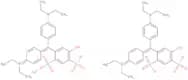
CAS:Patent Blue V calcium salt is a calcium salt of Patent Blue V, which is a light-sensitive dye with an absorption peak at 450 nm. It has been used in analytical chemistry to measure the fatty acid content of oils and fats. Patent Blue V calcium salt has also been used as a reagent in kinetic studies to measure the rate of reactions involving detergent compositions, cationic surfactants, and hydroxyl groups. The lymphatic vessels react to this dye by showing an increase in permeability. The activation energies for these reactions have been determined using kinetic data.Formula:C27H31N2O7S2·5CaPurity:Min. 85.0 Area-%Color and Shape:PowderMolecular weight:582.7 g/molPotassium cyanate
CAS:Potassium cyanate is an active analogue of sodium cyanate. It is used in biochemical research for the preparation of samples and in the study of reactions that involve the formation of carboxylic acid derivatives from primary alkyl halides. This compound was found to be significantly cytotoxic, with a median lethal dose (LD50) at 3,000 mg/kg. The mechanism of action is not known. Potassium cyanate has been shown to inhibit human serum cholesterol levels and reduce atherosclerotic cardiovascular events in animal models, which may be due to its ability to inhibit cholesterol synthesis by inhibiting HMG-CoA reductase activity.Formula:KOCNPurity:Min. 95%Molecular weight:81.12 g/molDehydroacetic acid sodium salt
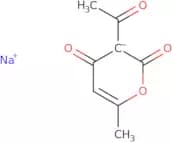
CAS:Dehydroacetic acid sodium salt is a chemical compound with the formula CH3COOCH2NaO2. It is an ionic liquid that can be used as a preservative or stabilizer in foods and other products. Dehydroacetic acid sodium salt has been shown to inhibit the growth of bacteria and fungi in biological studies. The analytical method for dehydroacetic acid sodium salt is based on x-ray diffraction data, which is used to identify its purity and concentration. The reaction solution includes dehydroacetic acid, water vapor, sodium salts, phosphorus pentoxide, and control analysis.Formula:C8H7O4NaPurity:Min. 95%Color and Shape:PowderMolecular weight:190.13 g/molEthylenediaminetetraacetic acid tripotassium salt dihydrate
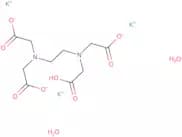
CAS:Ethylenediaminetetraacetic acid tripotassium salt dihydrate is an anticoagulant that can be used as a coagulant for blood samples. It is often used in polymerase chain reactions to synthesize DNA, or to isolate and purify genomic DNA. This compound has ferroelectric properties and can be used as a target cell in optical imaging applications. Ethylenediaminetetraacetic acid tripotassium salt dihydrate is also used in the production of polyurethanes and as a polymerization inhibitor in cinnamon oil.Formula:C10H13K3N2O8·2H2OPurity:Min. 95%Molecular weight:442.54 g/molDiethyldithiocarbamic acid sodium trihydrate
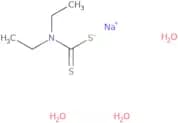
CAS:Diethyldithiocarbamic acid sodium salt trihydrate (DDC) is an inhibitor of the response element that belongs to a class of pharmacological agents called diethyldithiocarbamates. DDC inhibits the growth of tumor cells by blocking enzyme activities and decreasing the production of GSH-Px enzymes, which are required for cellular protection against oxidative stress. DDC is also a potent inducer of experimental models for myocardial infarcts. The matrix effect is another mechanism by which DDC exerts its antitumor activity. This effect is due to its ability to inhibit protein synthesis in tumor cells and its ability to inhibit the synthesis of collagen in endothelial cells, thereby preventing angiogenesis.Formula:C5H11NS2•Na•(H2O)3Purity:Min. 95%Color and Shape:PowderMolecular weight:226.32 g/molα-Ketoglutaric acid potassium
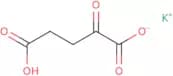
CAS:Intermediate in the Krebs cycle; nitrogen transporter
Formula:C5H5O5KPurity:Min. 98 Area-%Color and Shape:PowderMolecular weight:184.19 g/molBismuth citrate
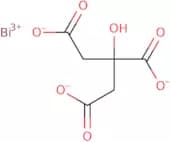
CAS:Bismuth citrate is an antimicrobial agent that is used to treat helicobacter pylori infections. Bismuth citrate may be an alternative to clarithromycin and metronidazole for the treatment of antibiotic-resistant strains of helicobacter. It has been shown to improve duodenal ulcer healing and reduce the incidence of gastric ulcers in a group of patients with duodenal ulcer disease. This drug has also been shown to significantly reduce the incidence of gastric cancer in patients with Helicobacter pylori infection. Bismuth citrate is a polymeric compound that is thought to bind to the bacterial cell wall and inhibit its growth through inhibition of protein synthesis, but this mechanism is not well understood. Bismuth citrate has been used as an antacid for decades, but it does not have any anti-inflammatory properties and should not be used for this purpose.Formula:C6H5BiO7Purity:Min. 95%Color and Shape:PowderMolecular weight:398.08 g/mol1-Butanesulfonic acid sodium
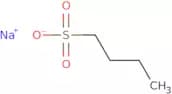
CAS:1-Butanesulfonic acid sodium salt is a perfluorinated compound that inhibits the activity of various enzymes in the body, such as kinases and phosphatases. It has been used to study the effects of these enzymes on chemical reactions. 1-Butanesulfonic acid sodium salt is also used to detect the presence of selenium compounds in urine samples. The inhibition of an enzyme by this compound results in a decreased rate of reaction and a change in kinetic behavior. This can be observed by measuring the time it takes for the reaction to reach half its maximum value. Sodium taurocholate, chloride, and trifluoroacetic acid are all reagents that are commonly used with this compound when performing kinetic studies. 1-Butanesulfonic acid sodium salt has been shown to inhibit cholesterol synthesis in many animal models. In addition, this compound has been shown to bind to and inhibit plasma mass spectrometry by chromatography on silica gel from human plasmaFormula:C4H10O3S•NaPurity:Min. 95%Color and Shape:PowderMolecular weight:161.18 g/molZinc oxalate dihydrate
CAS:Zinc oxalate hydrate is a skin condition treatment that is made of zinc oxide and oxalic acid. It is used to treat acne, eczema, and psoriasis by inhibiting bacterial growth. The reaction solution is prepared by adding sodium citrate to a solution of vitamin B3 in dextrose. The mixture is heated until the crystals dissolve and then cooled down. The final product has a liquid phase synthesis and contains ZnO, Na2C6H5O7, C6H12O6, and H2O. Other uses for this compound include its use as an antibacterial agent for biomineralization or as a dextrose substitute in the manufacture of cyclic hydrocarbons. This product also has the ability to form nanowires when it is dehydrated under high temperatures.Formula:ZnC2O4•2H2OPurity:Min. 95%Color and Shape:Powder(1S,2S)-N,N'-Bis(2-acetyl-3-oxo-2-butenylidene)-1,2-dimesitylethylenediaminato Cobalt(II)
CAS:(1S,2S)-N,N'-Bis(2-acetyl-3-oxo-2-butenylidene)-1,2-dimesitylethylenediaminato Cobalt(II) is a catalyst in cycloaddition reactions. It is soluble in organic solvents and has been used as a catalyst for the synthesis of imines and aryl ketones. This compound also catalyzes the reduction of borohydride to form borane.Formula:C32H38CoN2O4Purity:Min. 95%Molecular weight:573.59 g/molSodiumbenzotriazole
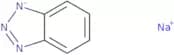
CAS:Sodiumbenzotriazole is an organic compound with the chemical formula C6H4N3Na. Sodiumbenzotriazolate has been shown to be active against infectious diseases caused by bacteria, such as Streptococcus pyogenes and Neisseria meningitidis. It also has been shown to have anti-inflammatory properties in mice with collagen-induced arthritis, as well as inhibitory effects on inflammatory diseases such as Crohn's disease and colitis. The mechanism of action for these effects may be due to its ability to act as a metal chelator and scavenger of reactive oxygen species.
Formula:C6H4N3NaPurity:Min. 95%Color and Shape:Clear LiquidMolecular weight:141.11 g/molSodium 2,2,2-trifluoroethanolate
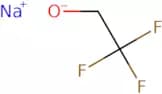
CAS:Sodium 2,2,2-trifluoroethanolate is a fluorinated alcohol. It is used as an animal health drug and has been shown to have a significant inhibitory effect on the growth of bacteria. The reaction intermediate for this compound is trifluoroacetic acid, which can be formed from sodium and hydrogen fluoride in the presence of ethylene glycol. This molecule also reacts with nitrosyl chloride to form a nitrogen-containing product. Sodium 2,2,2-trifluoroethanolate has been shown to be active against both Gram-positive and Gram-negative bacteria. The FTIR spectra for this compound shows that it has two sets of absorption bands at 3,200 cm−1 (due to C–H stretching) and 3,000 cm−1 (due to C=C stretching).Formula:C2H2F3NaOPurity:Min. 95%Color and Shape:PowderMolecular weight:122.02 g/molCalcium carbonate
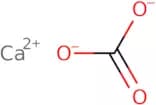
CAS:Calcium carbonate is a chemical compound that can be found in natural limestone, marble and seashells. It is used as an industrial mineral for the production of lime and cement, as well as a chemical agent in wastewater treatment. Calcium carbonate has been shown to have synergistic effects with sodium carbonate when used to treat sewage effluent. It also has a high solubility in water, which makes it suitable for use in the production of concrete. The reaction mechanism is dependent on the particle size and temperature. The thermal expansion coefficient of calcium carbonate is 2.6x10^-5/°C, meaning that it expands by 0.26% per degree Celsius increase in temperature.Formula:CaCO3Purity:Min. 95%Color and Shape:PowderMolecular weight:100.09 g/molDichloro(pentamethylcyclopentadienyl)iridium(III) dimer
CAS:Dichloro(pentamethylcyclopentadienyl)iridium(III) dimer (DCPI) is a synthetic ligand that can be used in biomolecular and chemical applications. DCPI has been shown to be stable in the presence of chloride, which is needed for many catalytic reactions. This compound has high activity as a transfer agent and is also able to transfer amines and cyclic compounds. DCPI can be used in fluorescence-based assays, due to its strong fluorescence emission.Formula:C20H30Cl4Ir2Purity:Min. 95%Color and Shape:PowderMolecular weight:796.7 g/molLithium carbonate
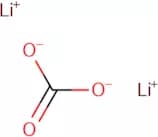
CAS:Controlled ProductLithium carbonate is a salt that contains lithium and carbonate ions. It is used as a mood stabilizer, primarily to treat bipolar disorder. Lithium carbonate is available in three different concentrations: lithium carbonate 5% (Li2CO3), lithium carbonate 10% (Li2CO3), and lithium carbonate 15% (Li2CO3). The optimum concentration of lithium carbonate for the treatment of bipolar disorder is 10%. Lithium has been shown to increase the activity index in combination therapy groups with either mianserin hydrochloride or carbamazepine. Electrochemical impedance spectroscopy has also been used to measure the effect of lithium on human body mass index (BMI).Formula:CLi2O3Purity:Min. 95%Molecular weight:73.89 g/molγ-Polyglutamic acid sodium - MW 800-1500
CAS:Polymer of glutamic acid
Formula:(C5H9NO3)nPurity:Min. 95%Color and Shape:PowderTetrakis(4-Fluorophenyl)-Borate Sodium (1:1)
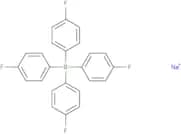
CAS:Tetrakis(4-fluorophenyl)borate sodium (1:1) is a solid that is soluble in organic solvents. It has been used as an adsorbent for nuclear waste and organic molecules. Tetrakis(4-fluorophenyl)borate sodium (1:1) has been shown to adsorb hydrophobic molecules such as polycyclic aromatic hydrocarbons, which are difficult to remove from the environment. Tetrakis(4-fluorophenyl)borate sodium (1:1) can be prepared by reacting tetraphenylborate with 4-fluoroboric acid. This reaction produces a mixture of products, of which tetrakis(4-fluorophenyl)borate sodium (1:1) is the most common. Tetrakis(4-fluorophenyl)borate sodium (1:1), like other borate salts, is used in zeolites toFormula:C24H16BF4NaPurity:Min. 95%Molecular weight:414.18 g/mol4,4'-Dichlorodiphenylsulfone-3,3'-disulfonic acid disodium salt
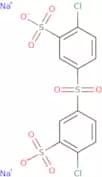
CAS:Please enquire for more information about 4,4'-Dichlorodiphenylsulfone-3,3'-disulfonic acid disodium salt including the price, delivery time and more detailed product information at the technical inquiry form on this pageFormula:C12H6Cl2Na2O8S3Purity:Min. 95 Area-%Color and Shape:White Off-White PowderMolecular weight:491.25 g/molBis(tri-tert-butylphosphine)platinum(0)
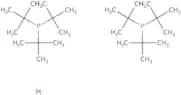
CAS:Bis(tri-tert-butylphosphine)platinum(0) is a coordination complex with a chemical formula of Pt[P(C)(CH)]. It has been shown that this compound is obtained in high yields when the platinum metal is heated to temperatures between 500 and 600 degrees Celsius. This compound has been shown to be soluble in acetone at low temperatures, and it crystallizes to form a purple solid. Bis(tri-tert-butylphosphine)platinum(0) has been shown to have magnetic properties, as well as being active in x-ray crystallographic studies. The crystal diffraction pattern of this compound was found to be similar to that observed for the ligand phosphine, which is consistent with the proposed structure of bis(tri-tert-butylphosphine)platinum(0).Formula:C24H54P2PtPurity:Min. 95%Molecular weight:599.72 g/molCobalt sulfate heptahydrate
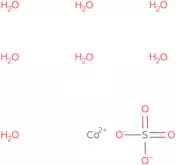
CAS:Cobalt sulfate heptahydrate is an inorganic compound that is used as a pigment and a catalyst. It has been shown to be carcinogenic in vivo and in vitro. Cobalt sulfate heptahydrate appears to have carcinogenic activity, producing high values in the electrochemical impedance spectroscopy (EIS) spectrum of human serum. The carcinogenicity of cobalt sulfate heptahydrate was demonstrated by the induction of liver tumors in rats and mice, with no evidence of a threshold dose.Formula:CoSO4•(H2O)7Purity:Min. 95%Color and Shape:PowderMolecular weight:281.1 g/molSodium dimethyldithiocarbamate hydrate
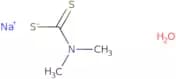
CAS:Sodium dimethyldithiocarbamate hydrate is a salt of dimethyldithiocarbamic acid. It is used as an additive in paints and coatings to prevent corrosion of metal. Sodium dimethyldithiocarbamate hydrate is also used in the production of polyurethane and polyester resins, where it acts as a curing agent. Dimethyldithiocarbamic acid has been shown to be a ligand for the influenza virus, inhibiting viral activity by binding to the hemagglutinin protein. The crystal system of this substance is hexagonal; its salts exist in both acidic and basic forms. The functional theory explains the stabilization of this compound through coordination with nitrogen atoms on one side and phenyl substituents on the other side. Hexamethylenetetramine reacts with sodium chloride to form sodium dimethyldithiocarbamate hydrate, which can then react with methanol or eth
Formula:C3H6NNaS2·xH2OPurity:Min. 95%Color and Shape:White PowderMolecular weight:143.2 g/mol2-Hydroxy-3-mercapto-1-propanesulfonic acid sodium salt
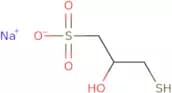
CAS:2-Hydroxy-3-mercapto-1-propanesulfonic acid sodium salt (2HMP) is a diagnostic agent that can be used for the detection of bacterial infections. The conformational properties of 2HMP are similar to those of ATP, which allows it to bind to the polymerase chain reaction enzyme and initiate an enzymatic reaction. This leads to the production of a signal that can be detected by spectrophotometry or fluorometry. 2HMP has also been shown to have chemokine activity in vitro, but this has not been tested in vivo. 2HMP is a competitive inhibitor of human protein serine proteases, such as trypsin and chymotrypsin, with an IC50 value of approximately 1 μM.Formula:C3H7NaO4S2Purity:Min. 95%Molecular weight:194.2 g/molSodium pyroglutamate
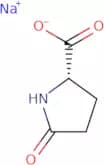
CAS:Sodium pyroglutamate is a surface methodology that inhibits leukemia inhibitory factor and has been shown to be effective in inhibiting the growth of mouse tumor cells. Sodium pyroglutamate has been shown to be cytotoxic to prostate cancer cells, which may be due to its ability to inhibit glutamate-mediated activation of the MAP kinase pathway. This drug also has anti-tumor effects on skin cells, which may be due to its inhibition of cell proliferation and induction of apoptosis. Sodium pyroglutamate also inhibits the production of collagenase, a major enzyme in the degradation of extracellular matrix, by human fibroblast cells. It also has an anti-inflammatory effect and is used as a food additive.Formula:C5H7NO3•NaPurity:Min. 95%Color and Shape:Colorless PowderMolecular weight:152.1 g/molZinc trifluoromethanesulfonate
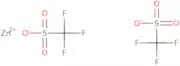
CAS:Zinc trifluoromethanesulfonate is a catalyst that catalyses the reaction of amines with coumarin derivatives, producing an electrochemical impedance spectroscopy. It has been shown to have a redox potential that is higher than ferrocenecarboxylic acid. Zinc trifluoromethanesulfonate has been used in asymmetric synthesis, which involves substituting a hydrogen atom with another atom or group, and in salt metathesis, which is the process of forming new chemical compounds from reactants without using any energy. The zinc trifluoromethanesulfonate can also be activated by light or heat. This makes it possible for this compound to release the corrosive sulfur dioxide gas when heated to high temperatures, producing a synergic effect with other substances such as potassium permanganate (KMnO4).Formula:C2F6O6S2ZnPurity:Min. 95%Color and Shape:White PowderMolecular weight:363.52 g/molLithium bis(oxalato)borate
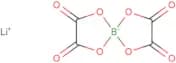
CAS:Lithium bis(oxalato)borate (LBBO), also known as Lithiumbis(oxalato)borate, is a lithium salt of the borate ester. The optimum concentration for LBBO is 1-2 mol/L. LBBO is soluble in water and reacts with glycol esters to form lithium glycolates. This reaction is reversible and the equilibrium can be shifted by changing the temperature or pressure. The NMR spectra of LBBO show a peak at 3.3 ppm which corresponds to the carbon atom attached to the carbonyl group, which is indicative of an organic solution. LBBO has been shown to be an electrolyte for lithium ion batteries but it has not been studied extensively because it decomposes at temperatures above 400°C and exhibits poor transport properties, limiting its application in electronic devices.Formula:C4BO8•LiPurity:Min. 95%Molecular weight:193.79 g/molBiotin 3-sulfo-N-hydroxysuccinimide ester sodium salt
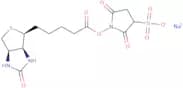
CAS:Biotin 3-sulfo-N-hydroxysuccinimide ester sodium salt (BSHES) is a reactive molecule that can be used as a pharmacological agent. It has been shown to have biological properties in vivo models and in vitro cell lysis experiments. BSHES has also been shown to bind to the receptor molecule epidermal growth factor, which may account for its toxicity. In addition, this drug has been shown to bind dna binding domains, such as streptavidin or monoclonal antibodies. This drug is often used experimentally with an apical electrochemical impedance spectroscopy model.
Formula:C14H19N3S2O8NaPurity:Min. 95%Color and Shape:White PowderMolecular weight:444.44 g/mol(Trifluoromethylthio) Silver(I)
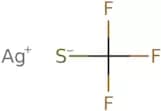
CAS:(Trifluoromethylthio) silver(I) is an efficient method for the synthesis of chiral, functionalized organosulfur compounds. It is prepared by the trifluoromethylthiolation of aryl acetonitriles in the presence of persulfate and a radical coupling agent. The reaction time can be adjusted to suit the desired product, with shorter times producing more complex molecules. This compound can be used as a nucleophile in organic reactions, including sulfide activation reactions.Formula:CHAgF3SPurity:Min. 95%Molecular weight:209.95 g/molSodium L-glutamate
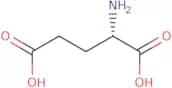
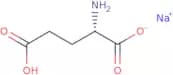
CAS:Glutamate is the most abundant amino acid in the body and plays an important role in metabolism, brain function, and immune function. It is involved in many biochemical reactions and has been found to be associated with liver lesions, thermal expansion, and brain functions. Glutamate also has a role in diseases such as Huntington's disease, amyotrophic lateral sclerosis (ALS), and Parkinson's disease. Furthermore, glutamate is used as a neurotransmitter that regulates the central nervous system. The treatment of diseases can be done through glutamate replacement therapy or by inhibiting glutamate receptors. Glutamate levels in human serum have been shown to increase when blood sampling is taken from individuals with metabolic disorders. Results show high values for glutamate levels in human serum samples collected from patients with metabolic disorders.Formula:C5H9NO4•NaPurity:Min. 95%Color and Shape:PowderMolecular weight:170.12 g/molCesium bicarbonate
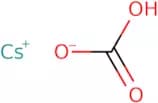
CAS:An inorganic cesium saltFormula:CsHCO3Purity:Min. 95%Color and Shape:PowderMolecular weight:193.92 g/mol[4,4'-Di-t-butyl-2,2'-bipyridine][bis[5-(t-butyl)-2-[4-(t-butyl)-2-pyridinyl-kN]phenyl-kC]iridium(III) hexafluorophosphate
CAS:Please enquire for more information about [4,4'-Di-t-butyl-2,2'-bipyridine][bis[5-(t-butyl)-2-[4-(t-butyl)-2-pyridinyl-kN]phenyl-kC]iridium(III) hexafluorophosphate including the price, delivery time and more detailed product information at the technical inquiry form on this pageFormula:C56H72F6IrN4PPurity:Min. 95%Molecular weight:1,138.38 g/mol2-Hydroxyethanesulfonic acid sodium salt
CAS:2-Hydroxyethanesulfonic acid sodium salt is a drug that is used to treat metabolic disorders such as cystinuria and hyperchloremic metabolic acidosis. It is also used for the treatment of water-vapor related respiratory problems and cataracts, as well as for the prevention of renal stone formation. This drug is made through electrochemical impedance spectroscopy of taurine in reaction solution with phosphorus pentoxide. 2-Hydroxyethanesulfonic acid sodium salt has been shown to increase locomotor activity in rats by improving their biochemical properties. This compound binds to the chloride ion receptor site on the Na+/K+ ATPase, causing an inhibition of the enzyme's function.Formula:C2H5O4S·NaPurity:Min. 95%Color and Shape:White PowderMolecular weight:148.11 g/mol1,1'-Dibenzoylferrocene
CAS:1,1'-Dibenzoylferrocene is a ferrocene derivative that has been shown to be an excellent ligand for the separation of heavy metal ions. The physicochemical properties of 1,1'-dibenzoylferrocene make it a good candidate for ionization and separation techniques. It can accommodate different substituents on the ferrocene molecule, which allows it to interact with different types of metal ions. 1,1'-Dibenzoylferrocene has been used in metallocene catalysis as a solvent, although its use as a ligand has not yet been explored.
Formula:C24H18FeO2Purity:Min. 95%Molecular weight:394.24 g/molSodium selenite
CAS:Sodium selenite is an inorganic chemical compound that is a byproduct of the refining process of crude oil. It is used as a dietary supplement and in clinical studies for inflammatory bowel disease. Sodium selenite is a strong reducing agent because it has a redox potential of -1.5 V, which can cause genotoxic effects in cells with low antioxidant defenses. The pro-oxidant effect may be due to its ability to generate reactive oxygen species, such as hydrogen peroxide and hydroxyl radicals. It also exhibits antimicrobial activity against bacteria, fungi, and yeast.
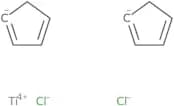
Formula:Na2SeO3Purity:Min. 95%Color and Shape:PowderMolecular weight:174.95 g/molBis(cyclopentadienyl)titanium (IV) dichloride
CAS:Bis(cyclopentadienyl)titanium (IV) dichloride is a cationic polymerization catalyst that has been used to produce polyolefins with high molecular weights. It is also an important component of solid catalysts for the production of butadiene and styrene. Bis(cyclopentadienyl)titanium (IV) dichloride is a potent carcinogen in animals and is mutagenic in bacteria. It has been shown to cause cancer in animal models, and has been shown to be mutagenic in bacterial mutation assay tests. Bis(cyclopentadienyl)titanium (IV) dichloride reacts with dimethylformamide and aromatic hydrocarbons to produce photochemical properties that can lead to skin irritation or sensitization. This compound also has hydroxyl groups, which can react with oxidants such as chlorine gas to form chlorohydrins, which are toxic compounds that may be carcinogenic.
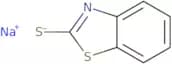
Formula:C10H10TiCl2Purity:Min. 95%Color and Shape:Red Clear LiquidMolecular weight:248.96 g/molSodium 2-mercaptobenzothiazole - 50% aqueous solution
CAS:2-Mercaptobenzothiazole is a white crystalline powder that is soluble in water and insoluble in organic solvents. It has an odor threshold of 1.5 ppm and a melting point of 158°C. 2-Mercaptobenzothiazole is used as an absorption enhancer for ultraviolet light, infrared radiation, or X-rays. It is also used to improve the efficiency of chemical reactions, such as the synthesis of polyurethane resins and other polymers. The most common application for 2-mercaptobenzothiazole is as a cationic surfactant, which is often used in textile processing and oil refining. This compound can be prepared by reacting sodium carbonate with hydrochloric acid and glycol ether, followed by the addition of water vapor to produce hydrogen chloride gas. 2-Mercaptobenzothiazole can be synthesized using a liquid chromatography method with electrochemical impedance spectroscopy (Formula:C7H4NNaS2Purity:Min. 95%Color and Shape:Yellow To Brown LiquidMolecular weight:189.24 g/molSodium stearate
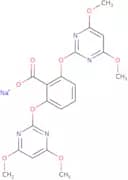
CAS:Sodium stearate is a sodium salt that is commonly used as a surfactant and emulsifying agent in the food industry. The drug interactions with sodium stearate are not well known, but it has been shown to have an effect on fetal bovine serum (FBS) cell viability at concentrations above 10%. Sodium stearate typically shows a thermal expansion of 5–6% per degree Celsius. It is also used in conjunction with CO2 flow to produce anhydrous sodium carbonate and sodium bicarbonate. Sodium stearate can be found in foods such as margarine, shortening, and baking powder. It also has metabolic effects such as promoting the production of insulin and reducing blood sugar levels. It has also been shown to inhibit tumor growth in bone cancer cell lines.Formula:C18H35NaO2Purity:Min. 95%Color and Shape:White/Off-White SolidMolecular weight:306.46 g/molBispyribac sodium
CAS:Controlled ProductBispyribac sodium is a herbicide that belongs to the triazolopyrimidine class. It inhibits plant growth by inhibiting photosynthesis. Bispyribac sodium has been shown to be effective against the following plants: Triticum aestivum, eclipta prostrata, and cationic surfactant when applied at a concentration of 0.5 kg/ha. This herbicide is not active against plants with a neutral pH, such as corn and soybeans. The herbicide does not inhibit the enzyme activities in plants with an acidic pH, such as rice and wheat.
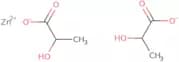
Formula:C19H17N4NaO8Purity:Min. 95%Color and Shape:PowderMolecular weight:452.35 g/molZinc lactate
CAS:Zinc lactate is an ionic salt that contains zinc and lactate ions. It is a particle that can be used as an oral supplement to treat zinc deficiency. Zinc lactate is soluble in water, which makes it easy to take orally. The other benefits of this supplement include its ability to reduce the risk of dental cavities and promote wound healing. In addition, zinc lactate has been shown to have antibacterial properties against throat infections and cavity-causing bacteria such as Streptococcus mutans. This product is also beneficial for brain cells due to its ability to remove polyphosphates from neurons, which are toxic substances that accumulate when brain cells are injured or diseased.Formula:C6H10O6ZnPurity:Min. 95%Color and Shape:White PowderMolecular weight:243.52 g/molSodium 2-thiobarbiturate
CAS:Controlled ProductSodium 2-thiobarbiturate is a nitrosating agent that has been shown to protect the lungs from ischemia–reperfusion injury in vitro. It exerts its protective effects by inhibiting the release of nitric oxide (NO) and protects against neuronal death by preventing mitochondrial dysfunction. Sodium 2-thiobarbiturate also has genotoxic effects, which are reduced in the presence of antioxidants, and can cause DNA damage. This drug is reactive with oxygen, so it should not be stored in airtight containers or exposed to light.Formula:C4H4N2O2S·NaPurity:Min. 95%Color and Shape:White/Off-White SolidMolecular weight:167.14 g/molH-Tyr(SO3H)-OH sodium salt
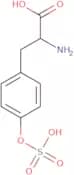
CAS:Please enquire for more information about H-Tyr(SO3H)-OH sodium salt including the price, delivery time and more detailed product information at the technical inquiry form on this page
Formula:C9H11NO6SPurity:Min. 95%Molecular weight:261.25 g/molPotassium ferrocyanide trihydrate
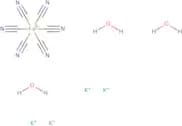
CAS:Potassium ferrocyanide trihydrate is a stable compound that has high resistance to corrosion by acids and bases. It is an inorganic compound that belongs to the class of ferroelectric materials. The crystal structure of potassium ferrocyanide trihydrate is a metastable phase with a very high thermal expansion coefficient. This compound can be synthesized by reacting ethylene diamine with hydrochloric acid and sodium carbonate, followed by adding potassium hydroxide. Potassium ferrocyanide trihydrate can also be produced from potassium malonate, which is prepared from malonic acid and potassium hydroxide in the presence of an aryl halide.Formula:C6FeN6•(H2O)3•K4Purity:Min. 95%Molecular weight:422.39 g/molH-Cys(SO3H)-OH sodium salt
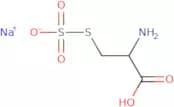
CAS:Please enquire for more information about H-Cys(SO3H)-OH sodium salt including the price, delivery time and more detailed product information at the technical inquiry form on this page
Formula:C3H7NO5S2·xNaPurity:Min. 98 Area-%Color and Shape:White PowderMolecular weight:201.22 g/molPotassium bicarbonate
CAS:Potassium bicarbonate is a chemical compound that is used as a buffer in a variety of applications. It is commonly used to maintain the pH of laboratory solutions and can be found in many home products such as baking powder, fire extinguishers, and antacids. Potassium bicarbonate has been shown to bind to metal ions, such as hydrogen fluoride and metal chelates, which may be responsible for its ability to inhibit cox-2 activity. Potassium bicarbonate also has high water permeability properties. This property makes it useful in blood sampling, where it causes the red blood cells to swell up and burst so they can be removed by centrifugation. Potassium bicarbonate also has hydrogen bonding interactions with water molecules (H2O).
Formula:KHCO3Purity:Min. 99.0%Color and Shape:White Clear LiquidMolecular weight:100.12 g/mol2,7-Naphthalenedisulfonic acid disodium salt
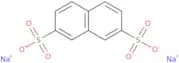
CAS:2,7-Naphthalenedisulfonic acid disodium salt is a heteronuclear molecule that is synthesized by the reaction of 2,7-naphthalenedisulfonyl chloride with sodium sulfite in water. It has been used in the manufacture of dyes and pigments, as a corrosion inhibitor for steel and aluminum, and as an intermediate in the synthesis of pharmaceuticals. The compound has been detected in groundwater samples at concentrations up to 10 mg/L. The compound is also found in geothermal waters at concentrations up to 0.6 mg/L.Formula:C10H6Na2O6S2Purity:Min. 95%Molecular weight:332.26 g/mol4-Sulpho-1,8-naphthalic anhydride potassium salt
CAS:4-Sulpho-1,8-naphthalic anhydride potassium salt is a reagent that belongs to the family of sulfonic acids. It is used for recycling purposes in biochemical studies and for the synthesis of other compounds in organic chemistry. The chloride ion can be substituted with bromide or iodide ions to yield 4-bromobenzaldehyde. Studies have also shown that 4-SNAK can act as an electron acceptor in cellular respiration pathways and has been shown to inhibit synaptic transmission.
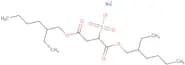
Formula:C12H5KO6SPurity:Min. 95%Color and Shape:SolidMolecular weight:316.33 g/molDioctyl sulfosuccinate sodium salt
CAS:Dioctyl sulfosuccinate sodium salt (DSS) is a surfactant that is used in the formulation of aerosol products. It can be used as a matrix for the analytical determination of enzyme activities such as glutathione reductase and cytochrome p450, which are involved in the metabolism of xenobiotics. DSS has been shown to have an optimum concentration of 0.1% and fluorescence probe with a pH range between 7-9. The surfactant also shows ionotropic gelation properties at concentrations greater than 1%.
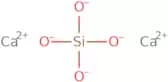
Formula:C20H37NaO7SPurity:Min. 95%Color and Shape:White PowderMolecular weight:444.57 g/molCalcium silicate
CAS:Calcium silicate is a crystalline compound of calcium and silicon with the chemical formula CaSiO3. It is chemically stable and has a high resistance to particle wear. Calcium silicate is used in the production of dental cements, adhesives, sealants, and other dental restorations. In addition, it is used in the manufacture of paints and coatings as well as in papermaking. Calcium silicate also has biological properties that make it useful for cell culture. It can be used to support the growth of primary cells such as human osteosarcoma cells or epidermal growth factor-stimulated fibroblasts. It also has been shown to have a basic structure that can bind to basic proteins such as laminin
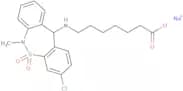
Formula:CaSiO3Purity:Min. 95%Color and Shape:White PowderMolecular weight:116.16Tianeptine sodium salt
CAS:Controlled ProductFull agonist of the μ-opioid receptor (MOR) with Ki of 383 nM. It also weakly agonizes the δ-opioid receptor (DOR) with a Ki >10 μM. Tianeptine has antidepressant effects but can also regulate neuroplasticity in the amygdala and stress-induced release of glutamate. It can generate analgesia and reward, typical opiate-like behavioural effects, but does not induce tolerance or withdrawal.
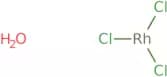
Formula:C21H24ClN2NaO4SPurity:Min. 98.5 Area-%Color and Shape:White Slightly Yellow PowderMolecular weight:458.93 g/molRhodium(III) chloride hydrate
CAS:Rhodium(III) chloride hydrate is a catalyst that is used in the oxidation of aromatic hydrocarbons. It has been shown to have an acidic reaction with hydrochloric acid and is used in the oxidation of benzene, toluene, ethylbenzene, and xylene. Rhodium(III) chloride hydrate has also been shown to be a good catalyst for the production of polycyclic aromatic hydrocarbons from light emitting diodes. This product can be used as an oxidizing agent in organic synthesis reactions. The 6-Fluoro-3-indoxyl-beta-D-galactopyranoside is an antituberculosis drug that belongs to the class of rifamycins. It is the most active of the rifamycins for the treatment of tuberculosis. Rifapentine inhibits bacterial growth by binding to DNA-dependent RNA polymerase, thereby preventing transcription and replication. The high frequency of
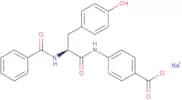
Formula:RhCl3·xH2OPurity:Min. 95%Molecular weight:209.26 g/molBz-Tyr-4-Abz-OH·sodium salt
CAS:Please enquire for more information about Bz-Tyr-4-Abz-OH·sodium salt including the price, delivery time and more detailed product information at the technical inquiry form on this pageFormula:C23H19N2NaO5Purity:Min. 95%Molecular weight:426.4 g/mol



palladium(IV)](/_next/image/?url=https%3A%2Fstatic.cymitquimica.com%2Fproducts%2F3D%2Fthumb-webp%2FFB157435.webp&w=3840&q=75)


















![[4,4'-Di-t-butyl-2,2'-bipyridine][bis[5-(t-butyl)-2-[4-(t-butyl)-2-pyridinyl-kN]phenyl-kC]iridium(…](/_next/image/?url=https%3A%2Fstatic.cymitquimica.com%2Fproducts%2F3D%2Fthumb-webp%2FFD159336.webp&w=3840&q=75)