Metal Salts
In this section, you can find various metal salts, which are compounds characterized by containing both metal and non-metal atoms. Essentially, metal salts are composed of cations that are one or more metal atoms. These salts play a crucial role in numerous chemical reactions and applications, serving as catalysts, reactants, or intermediates in various industrial and research processes. At CymitQuimica, we offer a wide selection of high-quality metal salts to meet your research and industrial needs, ensuring reliable and effective performance in your applications.
Found 2870 products of "Metal Salts"
Sort by
Purity (%)
0
100
|
0
|
50
|
90
|
95
|
100
Dichloro(pentamethylcyclopentadienyl)iridium(III) dimer
CAS:Dichloro(pentamethylcyclopentadienyl)iridium(III) dimer (DCPI) is a synthetic ligand that can be used in biomolecular and chemical applications. DCPI has been shown to be stable in the presence of chloride, which is needed for many catalytic reactions. This compound has high activity as a transfer agent and is also able to transfer amines and cyclic compounds. DCPI can be used in fluorescence-based assays, due to its strong fluorescence emission.Formula:C20H30Cl4Ir2Purity:Min. 95%Color and Shape:PowderMolecular weight:796.7 g/molCopper(II) stearate
CAS:<p>Copper(II) stearate is an inorganic compound that consists of copper chloride and stearic acid. It has a reactive functional group, a copper complex, and a metal-metal bond. Copper(II) stearate is used as an ingredient in cosmetics to enhance the color stability of pigments, such as iron oxides, titanium dioxide, and zinc oxide. The particle size of the compound can be adjusted by controlling the ratio of copper chloride to stearic acid. Copper(II) stearate has been shown to have good chemical stability at high temperatures and is not affected by boron nitride or calcium stearate. Activation energies for the formation of copper(II) stearate are found at about -4.8 kJ/mol for copper chloride and about -5.6 kJ/mol for stearic acid. It also exhibits electrochemical impedance spectroscopy properties with a higher resistance than other metal salts with similar functional groups</p>Formula:C36H70CuO4Purity:Min. 95%Molecular weight:630.48 g/molCarbamoyl-Asp-OH·magnesium salt/Carbamoyl-Asp-OH·dipotassium salt (1:1)
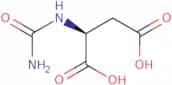
CAS:Carbamoyl-Asp-OH·magnesium salt/Carbamoyl-Asp-OH·dipotassium salt (1:1) is a derivate of p-hydroxybenzoic acid that has been shown to inhibit leukotriene receptor antagonists and basic proteins. It has been found in urine samples, but its function is not yet known. The uptake of this molecule may be a potential biomarker for the diagnosis of orotic aciduria and HIV infection. Carbamoyl-Asp-OH·magnesium salt/Carbamoyl-Asp-OH·dipotassium salt (1:1) has also been shown to be an inhibitor of intramolecular hydrogen transfer reactions in model systems.Formula:C10H12K2MgN4O10Purity:Min. 95%Molecular weight:450.72 g/molSilver(I) 2,2,2-trifluoroacetate
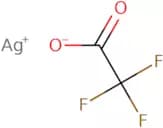
CAS:Silver trifluoroacetate is a chemical compound that is a silver salt of trifluoroacetic acid. Silver trifluoroacetate is a white crystalline solid, soluble in water and alcohols, but insoluble in ethers. It has the chemical formula AgCF3CO2H. The crystal structure of silver trifluoroacetate has been determined by x-ray diffraction techniques and found to be orthorhombic with space group Pbam. The molecule consists of two 5-membered heteroaromatic rings, one containing carbon atoms and the other containing nitrogen atoms. The nitrogen atom is bonded to six hydrogen atoms and three fluorine atoms, while the carbon atom is bonded to four oxygen atoms and one fluorine atom. Synthesis methods for this compound include reacting silver nitrate with sodium carbonate in water vapor at 120°C.Formula:C2AgF3O2Purity:Min. 95%Molecular weight:220.88 g/molMethotrexate disodium
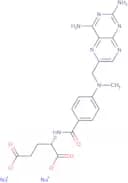
CAS:Methotrexate is a drug that suppresses the immune system by inhibiting the production of white blood cells. It is used in the treatment of a number of diseases, including some cancers and autoimmune diseases such as rheumatoid arthritis and psoriasis. Methotrexate is metabolized to its active form, methotrexate, by an enzyme called dihydrofolate reductase (DHFR). The DHFR inhibitor activity of methotrexate blocks the synthesis of folate-dependent enzymes and prevents DNA synthesis in rapidly dividing cells. Methotrexate has been used in combination with other drugs to treat cancer. Methotrexate has also been shown to have antifungal properties against opportunistic fungal infections.Formula:C20H20N8Na2O5Purity:Min. 95%Color and Shape:PowderMolecular weight:498.4 g/molDioctyl sulfosuccinate sodium salt
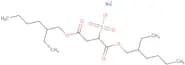
CAS:<p>Dioctyl sulfosuccinate sodium salt (DSS) is a surfactant that is used in the formulation of aerosol products. It can be used as a matrix for the analytical determination of enzyme activities such as glutathione reductase and cytochrome p450, which are involved in the metabolism of xenobiotics. DSS has been shown to have an optimum concentration of 0.1% and fluorescence probe with a pH range between 7-9. The surfactant also shows ionotropic gelation properties at concentrations greater than 1%.</p>Formula:C20H37NaO7SPurity:Min. 95%Color and Shape:White PowderMolecular weight:444.57 g/molCobalt sulfate heptahydrate
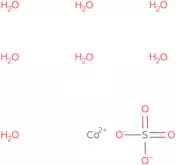
CAS:<p>Cobalt sulfate heptahydrate is an inorganic compound that is used as a pigment and a catalyst. It has been shown to be carcinogenic in vivo and in vitro. Cobalt sulfate heptahydrate appears to have carcinogenic activity, producing high values in the electrochemical impedance spectroscopy (EIS) spectrum of human serum. The carcinogenicity of cobalt sulfate heptahydrate was demonstrated by the induction of liver tumors in rats and mice, with no evidence of a threshold dose.</p>Formula:CoSO4•(H2O)7Purity:Min. 95%Color and Shape:PowderMolecular weight:281.1 g/molBis(dibenzylideneacetone)palladium(0)
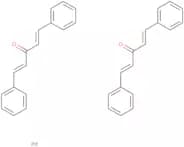
CAS:<p>Bis(dibenzylideneacetone)palladium(0) (Pd 2 (dba)) is a reactive metal complex that can be used to synthesize allyl compounds. The Pd 2 (dba) complex has been shown to have potential as an anti-infective agent for the treatment of infectious diseases. It has been reported that Pd 2 (dba) has a high resistance to halides, hydrochloric acid, and electrochemical impedance spectroscopy.</p>Formula:C34H28O2PdPurity:Min. 95%Molecular weight:575 g/mol2-Hydroxy-3-mercapto-1-propanesulfonic acid sodium salt
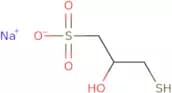
CAS:2-Hydroxy-3-mercapto-1-propanesulfonic acid sodium salt (2HMP) is a diagnostic agent that can be used for the detection of bacterial infections. The conformational properties of 2HMP are similar to those of ATP, which allows it to bind to the polymerase chain reaction enzyme and initiate an enzymatic reaction. This leads to the production of a signal that can be detected by spectrophotometry or fluorometry. 2HMP has also been shown to have chemokine activity in vitro, but this has not been tested in vivo. 2HMP is a competitive inhibitor of human protein serine proteases, such as trypsin and chymotrypsin, with an IC50 value of approximately 1 μM.Formula:C3H7NaO4S2Purity:Min. 95%Molecular weight:194.2 g/molTetrabromophenol blue sodium salt
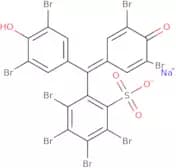
CAS:<p>Tetrabromophenol blue sodium salt is a dye that is used as an additive in the production of vinyl alcohol polymer films. Tetrabromophenol blue sodium salt can be used to measure albumin concentration and postexposure by adding phenyl groups to the molecule. The color of tetrabromophenol blue sodium salt changes upon exposure to radiation, which makes it useful for diagnostic purposes. It also has a hydrocarbon group that transforms into an insoluble form when exposed to evaporation, making it useful for titration methods. Tetrabromophenol blue sodium salt is relatively stable and labile in nature, making it susceptible to techniques such as pyrolysis, oxidation, or reduction.</p>Formula:C19H5Br8NaO5SPurity:Min. 95%Molecular weight:1,007.53 g/mol(Trifluoromethylthio) Silver(I)
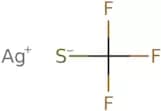
CAS:<p>(Trifluoromethylthio) silver(I) is an efficient method for the synthesis of chiral, functionalized organosulfur compounds. It is prepared by the trifluoromethylthiolation of aryl acetonitriles in the presence of persulfate and a radical coupling agent. The reaction time can be adjusted to suit the desired product, with shorter times producing more complex molecules. This compound can be used as a nucleophile in organic reactions, including sulfide activation reactions.</p>Formula:CHAgF3SPurity:Min. 95%Molecular weight:209.95 g/molBismuth subgallate
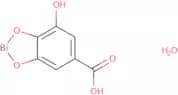
CAS:Bismuth subgallate is a basic compound that is used to treat dermatitis, acne, and other skin conditions. It has been shown to inhibit the growth of human osteosarcoma cells by inhibiting collagen synthesis. Bismuth subgallate also has antibacterial properties against Escherichia coli, Pseudomonas aeruginosa, Staphylococcus aureus, and Streptococcus pyogenes. This drug inhibits bacterial growth by binding to the copper ion in the enzyme superoxide dismutase (SOD), preventing the formation of hydrogen peroxide. The activity of bismuth subgallate is due to its ability to inhibit eosinophil cationic protein and eosinophil peroxidase.Formula:C7H5BiO6Purity:Min. 95%Molecular weight:394.09 g/molSodium dibutylnaphthalenesulphonate
CAS:<p>Sodium dibutylnaphthalenesulphonate is a stabilizer that reacts with fatty acids, dialkyl phosphates, and growth regulators to form insoluble particles. It has been found to be particularly effective in the treatment of plant diseases caused by fungi. Sodium dibutylnaphthalenesulphonate has been shown to stabilize active substances and bioactive substances, such as organic acids and oxime derivatives. These compounds are used in a variety of applications, such as pharmaceuticals, pesticides, herbicides, food additives, and cosmetics.</p>Formula:C18H24O3S•NaPurity:60 To 65%Color and Shape:PowderMolecular weight:343.43 g/molSodium dicyanamide
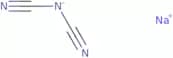
CAS:<p>Sodium dicyanamide is a diphenyl ether that has been shown to be effective in the treatment of polycystic ovarian syndrome. It binds to picolinic acid, which is a cofactor for the enzyme phenylalanine hydroxylase, and inhibits the production of tyrosine. This leads to an increase in the levels of luteinizing hormone and follicle-stimulating hormone, which helps ovulation. Sodium dicyanamide also interacts with hydrogen bond interactions and chelate ligands. The reaction mechanism of this compound is not well understood, but it is known that it can react with oxygen at high temperatures.</p>Formula:C2N3NaPurity:Min. 95%Color and Shape:White PowderMolecular weight:89.03 g/molPamoic acid disodium salt monohydrate
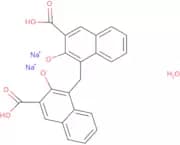
CAS:Pamoic acid is a disodium salt of p-aminobenzoic acid. It is an excipient that is considered safe for use in food and pharmaceuticals. Pamoic acid has been used as a preservative and an antioxidant. It prevents the oxidation of fats, oils, and other lipids by reacting with them to form stable compounds. The most common use of pamoic acid is as an anti-spasmodic drug to manage colitis, although it also has been used to treat seizures and spasticity in people with nervous system diseases. Pamoic acid can be used in combination with benzalkonium chloride as a preservative for injectable drugs such as antibiotics or chemotherapy agents. When combined with benzalkonium chloride, pamoic acid acts as a sweetener and particle size modifier.Formula:C23H14O6·2Na·H2OPurity:Min. 95%Color and Shape:SolidMolecular weight:450.35 g/molSodium fluoroacetate
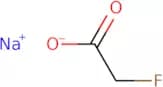
CAS:<p>Sodium fluoroacetate is a salt that is synthesized by the reaction of methyl ethyl and sodium trifluoroacetate. It has been used as an insecticide, but also has been used to treat metabolic disorders such as bowel disease and eye disorders. Sodium fluoroacetate also has been used in natural products for the treatment of autoimmune diseases. The toxicological studies of sodium fluoroacetate have shown that it can cause eye disorders and x-ray crystal structures have revealed its mechanism of action.</p>Formula:C2H2FNaO2Color and Shape:White PowderMolecular weight:100.02 g/molSodium 2,2,2-trifluoroethanolate
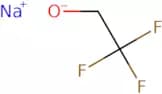
CAS:Sodium 2,2,2-trifluoroethanolate is a fluorinated alcohol. It is used as an animal health drug and has been shown to have a significant inhibitory effect on the growth of bacteria. The reaction intermediate for this compound is trifluoroacetic acid, which can be formed from sodium and hydrogen fluoride in the presence of ethylene glycol. This molecule also reacts with nitrosyl chloride to form a nitrogen-containing product. Sodium 2,2,2-trifluoroethanolate has been shown to be active against both Gram-positive and Gram-negative bacteria. The FTIR spectra for this compound shows that it has two sets of absorption bands at 3,200 cm−1 (due to C–H stretching) and 3,000 cm−1 (due to C=C stretching).Formula:C2H2F3NaOPurity:Min. 95%Color and Shape:PowderMolecular weight:122.02 g/molL-α-Phosphatidylserine sodium, porcine brain
CAS:<p>L-alpha-Phosphatidylserine sodium salt, derived from porcine brain, is a research chemical that has shown promising potential in various fields. It has been studied for its role in HIV-1 infection, where it has been found to inhibit the fusion of the virus with host cells. Additionally, L-alpha-Phosphatidylserine sodium salt has shown positive effects on spermatozoa motility and fertility. In cancer research, L-alpha-Phosphatidylserine sodium salt has been investigated for its ability to enhance the efficacy of certain anti-cancer drugs. It is believed to work by increasing the uptake of these drugs into cancer cells, thereby improving their effectiveness. This compound also plays a role in neurological health. It is involved in the synthesis of steroidal hormones and neurotransmitters such as dopamine. Studies have suggested that L-alpha-Phosphatidylserine sodium salt may support cognitive function and memory. Furthermore, L-alpha-Ph</p>Purity:Min. 95%2,7-Naphthalenedisulfonic acid disodium salt
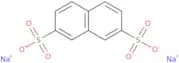
CAS:2,7-Naphthalenedisulfonic acid disodium salt is a heteronuclear molecule that is synthesized by the reaction of 2,7-naphthalenedisulfonyl chloride with sodium sulfite in water. It has been used in the manufacture of dyes and pigments, as a corrosion inhibitor for steel and aluminum, and as an intermediate in the synthesis of pharmaceuticals. The compound has been detected in groundwater samples at concentrations up to 10 mg/L. The compound is also found in geothermal waters at concentrations up to 0.6 mg/L.Formula:C10H6Na2O6S2Purity:Min. 95%Molecular weight:332.26 g/molSodium-O-pantothenate
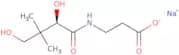
CAS:<p>Sodium-O-pantothenate is a natural form of vitamin B5. It is the sodium salt of pantothenic acid, which is used in the synthesis of coenzyme A and acetylcholine. Sodium-O-pantothenate has been shown to be nontoxic in animals and humans when ingested as an additive in food. In vitro studies have shown that this compound inhibits the production of epidermal growth factor, an effect that may be due to its ability to inhibit phospholipase A2 activity. Sodium-O-pantothenate also has been found to enhance the production of erythrocytes, platelets, and leukocytes in human serum. This compound is used as a cofactor for many enzyme reactions involving pyridoxine hydrochloride (B6) and calcium pantothenate.</p>Formula:C9H16NNaO5Purity:Min. 95%Color and Shape:White PowderMolecular weight:241.22 g/mol