Metal Salts
Found 2872 products of "Metal Salts"
Raltegravir potassium
CAS:Anti-viral; HIV integrase inhibitor
Formula:C20H20FKN6O5Purity:Min. 98 Area-%Color and Shape:White Off-White PowderMolecular weight:482.51 g/molRef: 3D-FR27670
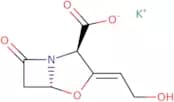
Discontinued productPotassium clavulanate - 1:1 mixture with cellulose
CAS:Potassium clavulanate is a beta-lactamase inhibitor that is used in the treatment of bacterial infections. The active site of potassium clavulanate is the beta-lactam ring, which has an ester bond to the 4-hydroxyl group of the penicillin nucleus. This bond can be hydrolyzed by beta-lactamase, an enzyme produced by bacteria, which will render the antibiotic ineffective. Potassium clavulanate inhibits this enzyme by binding to it and preventing it from breaking down penicillin. The temperature range for potassium clavulanate is between 2°C and 30°C, and its UV spectrophotometric technique ranges from 220 nm to 350 nm.
Formula:C8H8NO5·KPurity:Min. 95%Color and Shape:PowderMolecular weight:237.25 g/molRef: 3D-FP16197
Discontinued productCalcium hydroxide
CAS:Calcium hydroxide is a naturally occurring mineral that is used as a source of calcium for food and pharmaceutical products. It has been shown to have antibacterial properties, including inhibiting the growth of infectious bacteria such as Enterococcus faecalis and Pseudomonas aeruginosa. Calcium hydroxide also reduces the concentration of water vapor in wastewater treatment systems. This chemical also has been shown to inhibit the formation of metal hydroxides by reaction with solutions containing metal ions, such as iron (III) or zinc (II). Electrochemical impedance spectroscopy is an analytical method that can be used to measure the water content in biological samples. The apical surface of teeth can be analyzed using this technique and calcium hydroxide has been shown to have biological properties, including anti-inflammatory effects on dental plaque.
Formula:CaH2O2Purity:Min. 95%Color and Shape:White Clear LiquidMolecular weight:74.09 g/molRef: 3D-FC47052
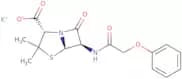
Discontinued productPenicillin V potassium salt
CAS:Penicillin V potassium salt is a penicillin antibiotic that has been used to treat infections caused by bacteria, such as streptococcal throat infections. It is a prodrug of penicillin G and has the same mechanism of action. Penicillin V potassium salt binds to penicillin-binding proteins in the bacterial cell wall by competitive inhibition. This binding prevents the formation of an antibiotic-inhibitor complex with the enzyme cell wall synthesis that is required for cell wall biosynthesis, inhibiting protein synthesis and cell division. Penicillin V potassium salt is often used as an alternative to oral cephalosporins due to its lower incidence of gastrointestinal side effects.
Formula:C16H17KN2O5SPurity:(Hplc) 95.0 To 102.0%Color and Shape:White PowderMolecular weight:388.48 g/molRef: 3D-FP26794
Discontinued productSodium lauryl ether sulfate
CAS:Sodium lauryl ether sulfate is a surfactant that is used as an analytical agent, solubilizer, or in wastewater treatment. It can also be used as a conditioning agent and solute. Sodium lauryl ether sulfate is used in the manufacturing of detergents and toothpaste. Sodium lauryl ether sulfate has a dodecyl chain with 10-18 carbon atoms and a hydrophobic end group. The molecule measures 2-5 microns in diameter and can be divided into three parts: the hydrophilic head (sodium), the hydrophobic tail (lauryl), and the phosphate group (-O-P(O)(OH)2). Sodium lauryl ether sulfate is biodegradable and has been shown to have no adverse effects on Caco-2 cells.
Formula:C16H33NaO6SColor and Shape:PowderMolecular weight:376.49Ref: 3D-FS71695
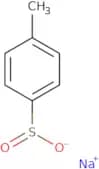
Discontinued product4-Toluene-sulfinic acid sodium salt, anhydrous
CAS:4-Toluene-sulfinic acid sodium salt is a sulfamic acid that is used as a cross-linking agent in the synthesis of organic polymers. It is commonly used in the synthesis of poly(methyl methacrylate) and other alkyd resins. 4-Toluene-sulfinic acid sodium salt can be used to detect hydrogen chloride gas by the reaction with sulfur dioxide to form 4-toluene sulfonic acid. This method provides a sensitive detection system, which is useful for detecting small quantities of hydrogen chloride gas. The optimal reaction conditions are between pH 5 and 7 and at room temperature. 4-Toluene-sulfinic acid sodium salt also has been shown to form an efficient method for synthesizing diphenyl ethers with unsymmetrical substitutions.Formula:C7H7NaO2SPurity:Min. 95%Color and Shape:PowderMolecular weight:178.19 g/molRef: 3D-FT00626
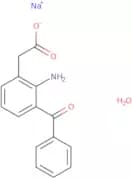
Discontinued productAmfenac sodium salt hydrate
CAS:Amfenac sodium salt hydrate is a nonsteroidal anti-inflammatory drug that inhibits prostaglandin synthesis. It has been shown to have minimal toxicity and inhibit the production of PGE2 in vitro. Amfenac sodium salt hydrate has also been shown to have anti-inflammatory properties in vivo, as it was able to inhibit bowel disease in rats. Amfenac sodium salt hydrate also has a protective effect against mitochondrial membrane depolarization in basic fibroblasts, which may be due to its ability to maintain levels of ATP.
Formula:C15H14NNaO4Purity:Min. 95%Color and Shape:PowderMolecular weight:295.27 g/molRef: 3D-FA17348
Discontinued productSodium L-lactate - powder
CAS:Sodium L-lactate is a sodium salt of L-lactic acid, which is metabolized in the body to produce energy. It is used as a nutritional supplement and has been shown to have an inhibitory effect on Staphylococcus. The uptake of sodium L-lactate was found to be greater than that of glucose, which may be due to its ability to bind fatty acids. Sodium L-lactate also regulates mitochondrial biogenesis and increases the production of ATP levels. This increase in ATP levels may be due to its inhibition of fatty acid synthesis for use as an energy source. Sodium L-lactate has been shown to decrease the number of neuronal cells that die during high fat diet consumption, which may make it a potential drug target for preventing obesity.
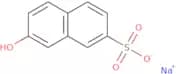
Formula:C3H5NaO3Purity:Area-% Min. 95 Area-%Color and Shape:White Off-White PowderMolecular weight:112.06 g/mol7-Hydroxy-2-naphthalene sulfonic acid sodium
CAS:7-Hydroxy-2-naphthalene sulfonic acid sodium (7HNS) is a fluorescent probe that can be used for the detection of cross-links in collagen and elastin. The sensitivity of this compound is very high, with a detection limit of 1 pmol/ml. 7HNS binds to the lysine residues in collagen and elastin, forming covalent bonds that are detectable by fluorescence. It has been used in the analysis of tissues such as cartilage, bone, skin, and blood vessels.Formula:C10H7NaO4SPurity:Min. 93 Area-%Color and Shape:PowderMolecular weight:246.22 g/molCopper (I) chloride
CAS:Copper (I) chloride is a chemical compound that is made up of copper and chlorine. It has an ideal pH of 5.8 and reacts with water to form cuprous chloride, which can be used in the production of nitric acid. Copper (I) chloride also forms insoluble complexes with fatty acids, amines, and nitrogen atoms. Copper (I) chloride has been shown to inhibit the growth of some bacteria, such as Staphylococcus aureus, by inhibiting protein synthesis. This inhibition may be due to the structural similarities between copper (I) chloride and copper (II) sulfate, which inhibits protein synthesis by binding to ribosomes. Copper (I) chloride has also been shown to cause autoimmune diseases in mice because it contains hydroxyl groups that are similar to those found on human thyroglobulin proteins. The resulting immune response leads to an inflammatory reaction that damages tissues in the body.br>br>
Formula:CuClColor and Shape:Yellow Clear LiquidMolecular weight:99 g/molRef: 3D-FC32568
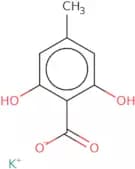
Discontinued product2,6-Dihydroxy-4-methylbenzoic acid potassium
CAS:2,6-Dihydroxy-4-methylbenzoic acid potassium salt (2,6-DMBAK) is a high quality reagent that is used as an intermediate in the synthesis of complex compounds. CAS No. 856177-01-0. It is a white crystalline solid with an mp of about 190 degrees Celsius and a bp of about 315 degrees Celsius. 2,6-DMBAK has been shown to be useful in the synthesis of speciality chemicals and research chemicals. This product can be used as a versatile building block for the preparation of various kinds of chemical compounds, and it also has many applications in organic synthesis because it reacts well with many different types of compounds.
Formula:C8H8O4•KPurity:Min. 95%Color and Shape:PowderMolecular weight:207.25 g/molCreatine zinc chloride
CAS:Creatine zinc chloride is a basic protein that is metabolized to creatinine and guanidinoacetate. Creatine zinc chloride has been shown to inhibit the mitochondrial membrane potential, leading to the inhibition of cardiac muscle contraction and myocardial infarct size. Creatine zinc chloride also has physiological functions in energy metabolism, cytosolic calcium regulation, and glomerular filtration rate. Creatine zinc chloride may be used for the treatment of metabolic disorders, such as obesity and diabetes mellitus type II.
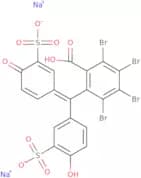
Formula:C4H9N3O2·ZnCl2Purity:Min. 99%Color and Shape:PowderMolecular weight:267.43 g/molSulfobromophthalein disodium salt hydrate
CAS:Sulfobromophthalein disodium salt hydrate is a fluorescent chemical that is used as a marker for renal function. It is most commonly used to assess the function of proximal tubules in the kidney and to assess the presence of cancer cells in various tissues. The uptake of sulfobromophthalein by the renal proximal tubules can be measured with an assay involving caco-2 cells. Multidrug resistance-associated protein (MRP) and other efflux pumps are expressed in these cells, which limits the amount of drug that can be absorbed into the cell. MRP also plays a role in multidrug resistance by pumping drugs back out of cells into the extracellular fluid, preventing them from being reabsorbed into circulation. This causes higher concentrations of drugs to accumulate inside the cell, leading to apoptosis. Sulfobromophthalein has been shown to attenuate cancer progression, as well as reduce multidrug resistanceFormula:C20H8Br4O10S2·2Na·xH2OColor and Shape:White PowderMolecular weight:838 g/molCarboxyethylsilanetriol sodium salt - 25% in water
CAS:Carboxyethylsilanetriol sodium salt - 25% in water is a reagent that is used to form complex compounds. It can be used as a reaction component or a building block to create more complex compounds, such as new medicines. Carboxyethylsilanetriol sodium salt - 25% in water has been shown to be an efficient and versatile scaffold for the production of fine chemicals and research chemicals. CAS No. 18191-40-7 is a speciality chemical that can react with other organic compounds to form new compounds for research purposes. Carboxyethylsilanetriol sodium salt - 25% in water is a useful intermediate and building block for various synthetic reactions because it can easily react with other organics to form new compounds which are useful in pharmaceuticals, agrochemicals, and other industries.
Formula:C3H6Na2O5SiPurity:Approximately 25%Color and Shape:Clear LiquidMolecular weight:196.14 g/molRef: 3D-FC139273
Discontinued productCalcium dobesilate
CAS:Calcium dobesilate is a calcium salt that emits chemiluminescence in the presence of an oxidant. It has been used as a treatment for hypercalcemia, which is caused by high levels of calcium in the blood, and to prevent skin cancer. The experimental model was conducted on human serum and showed that calcium dobesilate reduced the enzyme activities in serum samples by 30% after 15 minutes of incubation. This reduction was statistically significant when compared to untreated groups. Calcium dobesilate also inhibited the growth of skin cancer cells in a pharmacological agent-induced experimental model.
Formula:C8H6O5S•Ca0Purity:Min. 98 Area-%Color and Shape:PowderMolecular weight:418.41 g/molRef: 3D-FC40877
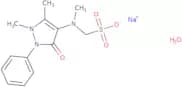
Discontinued productMetamizol sodium monohydrate
CAS:Metamizol sodium monohydrate is a nonsteroidal anti-inflammatory drug that is used as an analgesic and antipyretic. Metamizol sodium monerate is metabolized in the liver via cytochrome P450 (CYP) to form metamizole. It has been shown to inhibit chemiluminescence of polycyclic aromatic hydrocarbons using a dipyrone-treated biological sample, and the rate constant for this inhibition has been determined by the use of a chemiluminescence method. An analytical method for metamizol sodium monohydrate has also been developed using polymerase chain reaction (PCR) amplification of DNA sequences from human squamous cells, which can be used for forensic purposes. Metamizol sodium monohydrate has shown anti-inflammatory activity against rat paw edema and carrageenan-induced inflammation in rats, but it can cause side effects such as dizziness, drowsiness, headache, nausea,
Formula:C13H16N3O4S•H2O•NaPurity:Min. 95%Molecular weight:351.36 g/molSilver trifluoromethanesulfonate
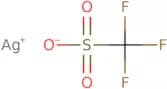
CAS:Silver trifluoromethanesulfonate is a silver salt that is used in carbohydrate chemistry. It can be used for the synthesis of coumarin derivatives, which are important for the development of pharmaceuticals and other organic compounds. The reaction with acylating agents produces an acylated silver ion that reacts with amines to form a cationic polymerization. This polymerization is activated by the presence of high salt or amines, and proceeds with high efficiency. The asymmetric synthesis of carbohydrates using this method has been demonstrated using x-ray diffraction data and nmr spectroscopic data.
Formula:CAgF3O3SPurity:Min. 95%Color and Shape:White PowderMolecular weight:256.94 g/mol1-Octanesulfonic sodium salt monohydrate
CAS:1-Octanesulfonic acid sodium salt monohydrate is an animal drug that has been used for the long-term treatment of chronic exposure to animals. It can be used as a component of a chromatographic method for the analysis of dopamine in biological fluids. 1-Octanesulfonic acid sodium salt monohydrate has also been shown to have antipsychotic effects, which may be due to its ability to increase dopaminergic neurotransmission by inhibiting the reuptake of dopamine. This drug is not active against human cancer cells, but it does inhibit imatinib (the active form) and other tyrosine kinase inhibitors at micromolar concentrations, making it a potential candidate for use in pharmaceutical dosages as an adjunct therapy for chronic myeloid leukemia.Formula:C8H17O3SNa•H2OPurity:Min. 95%Color and Shape:White PowderMolecular weight:234.29 g/molRef: 3D-FO52664
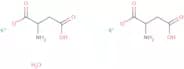
Discontinued productPotassium DL-aspartate hemihydrate
CAS:Potassium DL-aspartate hemihydrate is a versatile building block that can be used as a reagent and as a speciality chemical. It is useful for research and development, as well as for the production of high-quality compounds and intermediates. This compound can be used in organic synthesis reactions and has been shown to be useful in the construction of scaffolds.
Formula:C4H7NO4H2O·KPurity:Min. 95%Color and Shape:White PowderMolecular weight:181.21 g/molRef: 3D-FP43133
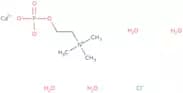
Discontinued productPhosphocholine chloride calcium salt tetrahydrate
CAS:Phosphocholine chloride calcium salt tetrahydrate is a lipid-regulating agent that can be used in health-care products. It has a safety profile and does not cause any adverse reactions when taken orally. The uptake of phosphocholine chloride calcium salt tetrahydrate is pH dependent, and it has been shown to inhibit lipoprotein lipase activity at acidic pH levels (below 4.5). This drug is used in the preparation of samples for fluorescence assays, such as monoclonal antibodies or density lipoprotein, which requires hydrophobic substances to bind with the fluorescent dye. Phosphocholine chloride calcium salt tetrahydrate can also be used as an emulsifying agent in enzymatic methods, such as calcium carbonate or chloride.Formula:C5H13CaClNO4P·4H2OColor and Shape:White PowderMolecular weight:329.73 g/molRef: 3D-FP75521
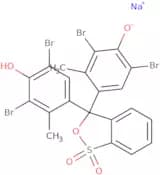
Discontinued productBromocresol green, sodium salt
CAS:Bromocresol green is a dye that is used in biological assays to measure the kinetics of fluorescence. It is a type of tryptophan-releasing compound that releases a yellowish-green light when it absorbs light at wavelengths between 350 and 450 nm. Bromocresol green has been quantified by measuring the intensity of the fluorescence emission as a function of time. This can be done visually or using an instrument called a fluorometer, which detects changes in light intensity over time. Bromocresol green can be used to detect the presence of amino acid residues in proteins through protonation reactions with their tryptophan residues and subsequent quenching with acetonitrile. The bromocresol green dye is also used in lithographic printing, where it serves as an acceptor for electrons from an arene (aromatic hydrocarbon). This process generates energy for lithography and also provides contrast between regions with different electron densities.
Formula:C21H14Br4O5SNaColor and Shape:PowderMolecular weight:721 g/molRef: 3D-FB01465
Discontinued productCesium chloride
CAS:Cesium chloride is a cationic salt that is used in research as a model system for nuclear DNA. It has been used to study the response element of the nitrate reductase gene and the polymerase chain reaction. Cesium chloride has been found to be an optimum concentration of 0.5mM for 3T3-L1 preadipocytes, which are cells that play a role in obesity and bowel disease. Cesium chloride also has been shown to inhibit papillary muscle contraction and whole-cell recordings from live cells. The compound may have therapeutic potential for treating heart failure by inhibiting diatomic molecule activity in the heart.
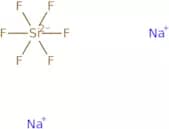
Formula:CsClColor and Shape:White PowderMolecular weight:168.36 g/molSodium fluorosilicate
CAS:Controlled ProductSodium fluorosilicate is an inorganic acid that can be prepared by dissolving sodium carbonate and hydrogen fluoride in water. It is used as a sample preparation agent for electrochemical impedance spectroscopy, as well as a reagent for the determination of acidic properties. Sodium fluorosilicate has been shown to inhibit the growth of epidermal cells, which may be due to its ability to cause an increase in the mitochondrial membrane potential. This compound also inhibits the synthesis of proteins from RNA, which may result from its coordination geometry or hydrogen-bonding interactions. Sodium fluorosilicate has been used in analytical methods involving x-ray diffraction data and plasma mass spectrometry.
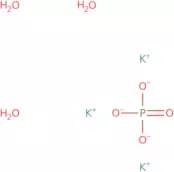
Formula:Na2SiF6Purity:Min. 95%Molecular weight:188.06 g/molPotassium phosphate tribasic trihydrate
CAS:Potassium phosphate tribasic trihydrate is an inorganic salt that is used as a buffer. It has a molecular weight of 266.08, and it is soluble in water. Potassium phosphate tribasic trihydrate can be used to treat acidosis and kidney stones due to its high potassium content. This compound also has biological properties that allow it to be used in the preparation of urine samples for gravimetric analysis and biological properties.
Formula:H6K3O7PColor and Shape:White PowderMolecular weight:266.31 g/molPotassium pyrophosphate
CAS:Potassium pyrophosphate is a salt of pyrophosphoric acid, which is a weak acid with pKa = 2.8. It is used in the laboratory to generate phosphate ions from adenosine triphosphate (ATP) and magnesium ions. This reaction is used for the synthesis of nucleotides. Potassium pyrophosphate also inhibits bacterial growth by binding to an enzyme that is necessary for the synthesis of adenine nucleotide, which is essential for protein synthesis.
Formula:K4P2O7Color and Shape:White Off-White PowderMolecular weight:330.34 g/molRef: 3D-FP63067
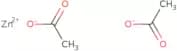
Discontinued productZinc acetate
CAS:Zinc acetate is a chemical compound that contains zinc, oxygen, and carbon. It is used in the treatment of infectious diseases, such as bowel disease. Zinc acetate also functions as an antiseptic and astringent. The reaction mechanism for this compound is ionotropic gelation. This process involves the formation of hydrogen bonds between molecules that are then converted to a solid state. Zinc acetate will react with phosphorus pentoxide to form zinc phosphate, which can be used as a structural analysis for x-ray diffraction data. In addition, it has been shown to have high values when nitrogen atoms are present and zinc acetate is also soluble in water vapor and reacts with copper chloride to form zirconium oxide.
Formula:C4H6O4ZnPurity:Min. 95%Color and Shape:PowderMolecular weight:183.47 g/molRef: 3D-FZ32609
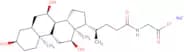
Discontinued productGlycocholic acid, sodium salt hydrate
CAS:Glycocholic acid, sodium salt hydrate is a bile acid derivative, which is primarily derived from cholesterol in the liver. It is formed by the conjugation of cholic acid with the amino acid glycine. This compound acts primarily as a detergent in the digestive system, aiding in the emulsification and absorption of lipids and fat-soluble vitamins in the small intestine.
Formula:C26H42NNaO6(anhydrousbasis)Purity:Min. 98 Area-%Color and Shape:White PowderMolecular weight:487.62 g/molTris(2,4-pentanedionato)chromium(III)
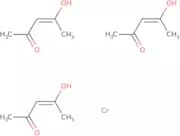
CAS:Tris(2,4-pentanedionato)chromium(III) is a chemical compound that is stable in the presence of acids and bases. It has been characterized using thermodynamic data, electrochemical impedance spectroscopy, and laser ablation. Tris(2,4-pentanedionato)chromium(III) has a high resistance to oxidation and reduction reactions. The phase transition temperature for this compound is -35 °C. Tris(2,4-pentanedionato)chromium(III) can be used as an oxidation catalyst for organic compounds. It can also be used to catalyze the decomposition of water vapor into hydrogen and oxygen gas.
Formula:C15H21CrO6Purity:Min. 95%Color and Shape:Red PowderMolecular weight:349.32 g/molRef: 3D-FT60927
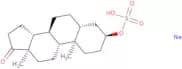
Discontinued productAndrosterone sulfate sodium
CAS:Androsterone sulfate sodium is a fine chemical that is used as a versatile building block in the synthesis of complex compounds. It is also a valuable reagent in research and speciality chemicals. Androsterone sulfate sodium is used as a high-quality reaction component and can be used as an intermediate to produce other useful compounds. This compound has the CAS number 1852-41-1 and can be used as a scaffold to generate other related compounds.
Formula:C19H29NaO5SPurity:Min. 95 Area-%Color and Shape:White PowderMolecular weight:392.49 g/molSodium phosphate monobasic
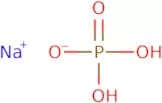
CAS:Sodium phosphate monobasic is a salt of sodium and phosphoric acid. It is used as a buffer to maintain the pH of an aqueous solution at the desired level. The pH of this solution can be adjusted by adding either acid or base. Sodium phosphate monobasic has been shown to react with calcium pantothenate, sodium salts, and ambroxol hydrochloride injection in a model system to produce hydrogen phosphate and water vapor. This reaction is the first step in the production of hydrogen phosphate, which is an important intermediate for many chemical reactions.
Formula:H3O4P·NaColor and Shape:White Off-White PowderMolecular weight:120.98 g/molRef: 3D-FS42365
Discontinued productEstramustine sodium phosphate
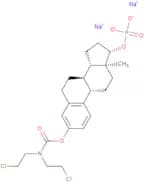
CAS:Estramustine is a cytotoxic agent that inhibits the growth of cancer cells by interfering with intracellular targets. It is classified as an alkylating agent, which means it damages DNA and RNA by binding to them. Estramustine can be used in chemotherapy for the treatment of various types of cancers, including prostate cancer. This drug has minimal toxicity and long-term toxicity effects on the prostate gland, which limits its use in treating prostate cancer. Estramustine phosphate also inhibits a protein that helps maintain cellular calcium levels and can be used as an anti-inflammatory agent.
Formula:C23H32Cl2NO6P•Na2Purity:Min. 98 Area-%Color and Shape:PowderMolecular weight:566.36 g/molTitanium dioxide
CAS:Titanium dioxide is a chemical compound with the chemical formula TiO2. It is a white pigment that has good light-fastness and weatherability, and it is insoluble in water. The particle size of titanium dioxide ranges from 10 nm to about 100 nm. Titanium dioxide can be produced by the reaction of titanium tetrachloride with water or ammonia gas at 750-1,000 °C. This chemical compound has been used for many purposes, including paint pigments, sunscreen products, toothpaste, cosmetics, plastics, photocatalyst components and wastewater treatment. Studies have shown that titanium dioxide particles are not genotoxic but may induce oxidative stress in skin cells. Although safe when used as a food additive or cosmetic ingredient, titanium dioxide can cause adverse effects on skin health when used in certain concentrations.
Formula:TiO2Purity:Min. 95%Color and Shape:PowderMolecular weight:79.87 g/molRef: 3D-FT167791
Discontinued productSodium dodecyl sulfate, crystalline
CAS:Sodium dodecyl sulfate (SDS) is a surfactant that is commonly used in detergents and as a laboratory reagent. It is also an antimicrobial agent and has been shown to be effective against bacterial cells. The solubility of SDS in water is dependent on the pH, with optimum concentrations at pH 7.4 and 8.2. Cell lysis can be induced by SDS at concentrations of 0.1% or greater, which can be monitored using plasma mass spectrometry. SDS has been used as an experimental model for autoimmune diseases, such as systemic lupus erythematosus and rheumatoid arthritis, to study disease progression and treatment efficacy. In these studies, laser ablation was used to create lesions in the skin of mice to simulate chronic inflammatory processes that are characteristic of autoimmune diseases. Crystalline cellulose was found to have high values for sodium dodecyl sulfate adsorption when compared with other
Formula:C12H26O4S•NaPurity:Min 99%Color and Shape:PowderMolecular weight:289.39 g/molBarium cis-epoxy-succinate
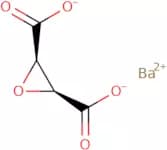
CAS:Please enquire for more information about Barium cis-epoxy-succinate including the price, delivery time and more detailed product information at the technical inquiry form on this page
Formula:C4H2BaO5Purity:Min. 95%Color and Shape:PowderMolecular weight:267.38 g/molRef: 3D-FB18143
Discontinued productD-(+)-2-Phosphoglyceric acid sodium hydrate
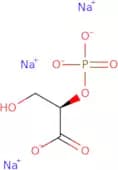
CAS:Please enquire for more information about D-(+)-2-Phosphoglyceric acid sodium hydrate including the price, delivery time and more detailed product information at the technical inquiry form on this page
Formula:C3H4Na3O7PPurity:Min. 95 Area-%Color and Shape:PowderMolecular weight:252 g/molPhthalimide potassium
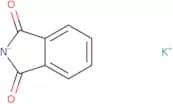
CAS:Phthalimide potassium is a chemical that reacts with oxygen nucleophiles to form the corresponding N-hydroxyphthalimide. It has been shown as an effective treatment for cancer by targeting tumor cells and inhibiting their growth. The mechanism of action involves binding to 5-HT2 receptors in the cell membrane, which leads to inhibition of the enzyme adenylate cyclase, leading to decreased levels of cAMP. This decreases the activity of protein kinase A, which in turn leads to decreased production of proteins such as p21WAF1/CIP1, which are required for cell cycle progression. Phthalimide potassium has also been shown to be active against HIV infection and may be useful for other diseases involving virus infections. This drug binds covalently with HLA proteins on the surface of infected cells and inhibits viral replication by preventing reverse transcription.
Formula:C8H4KNO2Color and Shape:White PowderMolecular weight:185.22 g/molRef: 3D-FP32310
Discontinued productLorglumide sodium salt
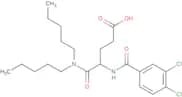
CAS:Lorglumide sodium salt is a guanine nucleotide-binding protein that has low potency and is used as an experimental model for polymerase chain reaction. It interacts with the transcriptional regulator cck-a, which inhibits the production of estradiol benzoate, cortisol concentration, and energy metabolism. Lorglumide sodium salt also interacts with receptors to inhibit the activity of peptide hormones and carcinoma cell lines.
Formula:C22H31Cl2N2NaO4Purity:Min. 95%Color and Shape:PowderMolecular weight:481.39 g/molRef: 3D-FL43268
Discontinued productIralukast Na
CAS:Iralukast Na is a leukotriene receptor antagonist that prevents bronchoconstrictor response. It binds to the cystic fibrosis transmembrane conductance regulator (CFTR) and blocks the binding of leukotrienes, which are potent bronchoconstrictors. Iralukast Na also blocks the activity of inflammatory cells and reduces bowel inflammation. Iralukast Na has been shown to be effective in treating asthma, inflammatory bowel disease, and other autoimmune diseases.
Formula:C38H36F3NaO8SPurity:Min. 95%Molecular weight:732.198072-Sulphoterephthalic monosodium
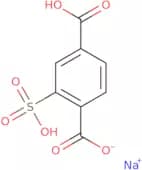
CAS:2-Sulphoterephthalic monosodium (2-SPM) is a zirconium oxide that is synthesized by reacting 5-hydroxymethylfurfural with hydrochloric acid in the presence of 2-aminoterephthalic acid. It has been shown to be an efficient catalyst for the synthesis of 5-hmf from glucose in aqueous media. This product also exhibits strong protonation properties and can be used as a hydrogen bonding donor. The fluorescence properties of 2-SPM have also been studied, which may lead to its potential use as a supramolecular fluorescent probe.
Formula:C8H5NaO7SPurity:Min. 95%Color and Shape:White PowderMolecular weight:268.18 g/molSodium butyrate
CAS:Reversible inhibitor of histone deacetylases (HDAC) that causes histone hyperacetylation, changes in chromatin structure and in gene expression. Sodium butyrate was shown to induce apoptosis in adenoma and carcinoma cell lines as well as to stimulate neurogenesis following cerebral ischemic injury. Sodium butyrate is present in large bowel as naturally occurring fatty acid and a by-product of bacterial fermentation of dietary fibres.
Formula:C4H7NaO2Color and Shape:White PowderMolecular weight:110.09 g/mol(R)-3-Hydroxybutyric acid sodium
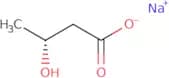
CAS:Chiral intermediate in the biosynthesis and metabolism of fatty acids
Formula:C4H8O3•NaColor and Shape:PowderMolecular weight:127.09 g/molRef: 3D-FH09770
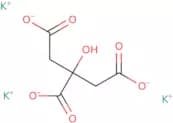
Discontinued productPotassium citrate
CAS:Potassium citrate is a salt of potassium and citric acid. It is used as an antacid to help relieve the symptoms of heartburn, sour stomach, and acid indigestion. Potassium citrate can also be used as a supplement when the body does not produce enough of this chemical on its own. It is usually taken with calcium pantothenate to provide additional relief for people who have low levels of these chemicals in their urine. The phase transition temperature for potassium citrate is approximately 33°C (91°F).
Formula:C6H5K3O7Color and Shape:White Off-White PowderMolecular weight:306.39 g/molRef: 3D-FP02355
Discontinued productNetobimin sodium salt
CAS:Netobimin sodium salt is a versatile building block with a CAS number of 88254-99-3. It is used in the synthesis of complex compounds and research chemicals, as well as in the preparation of reagents, specialty chemicals, and useful intermediates. Netobimin sodium salt can be used as a reaction component or scaffold for generating high-quality compounds. Netobimin sodium salt has been shown to be a useful intermediate for synthesizing pharmaceuticals, agrochemicals, and other fine chemicals.
Formula:C14H19N4O7S2NaPurity:Min. 95 Area-%Color and Shape:Yellow PowderMolecular weight:442.45 g/molRef: 3D-FN159398
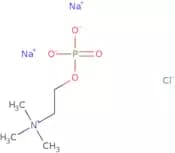
Discontinued productPhosphocholine chloride sodium salt hydrate
CAS:Phosphocholine chloride sodium salt hydrate is an organic compound that is used as a cross-linking agent in the production of polymers. It is also used as a reactant in ring-opening reactions and as an intermediate in the synthesis of pyridinium salts. This product has been shown to be metabolized by human serum to form fatty acids, which may play a role in metabolic disorders such as obesity and diabetes. The reagent can also be used for the chromatographic determination of cholesterol and other lipids.
Formula:C5H13ClNNa2O4P·xH2OPurity:Min. 95%Color and Shape:White PowderMolecular weight:263.58 g/molRef: 3D-FP75522
Discontinued productPhenol red sodium salt
CAS:Phenol red is a pH indicator that finds broad applications from chemistry to microbiology. Colour varies from yellow at pH<6.8 (lmax 443nm) through to light red/pink at 6.8<pH<8.2 (lmax 570 nm) to vivid purple/red at pH>8.2. It is widely used in cell culture to monitor pH and for colorimetric titration. For example, phenol red can be used to quantify Br- content in sea or fresh water. It is added to VTM as pH indicator, at the concentration of 10mg/ml, maintaining a pink colour at neutral pH.
Formula:C19H13NaO5SColor and Shape:Slightly Brown Red PowderMolecular weight:376.36 g/molRef: 3D-FP01503
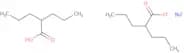
Discontinued productValproic acid semisodium
CAS:Controlled ProductValproic acid is a medication used to treat seizures and other conditions. Valproic acid has been shown to be effective in the treatment of metabolic disorders such as hyperammonemia, hypertriglyceridemia, and hypoglycemia. It also has been shown to be an effective treatment for bipolar disorder. Valproic acid does have side-effect profiles that include weight gain, nausea, vomiting, and hair loss. Side effects are more likely to develop when valproic acid is taken with other medications such as erythromycin or divalproex sodium. Valproic acid can cause hypersensitivity syndrome in some patients. In order to avoid this side effect, blood sampling should be done before starting treatment. Valproic acid is metabolized by the liver into the active form, divalproex sodium (divalproex), which then inhibits the enzyme histone deacetylase (HDAC). The inhibition of HDAC leads to an increase inFormula:C8H16O2•Na0Purity:Min. 95%Color and Shape:White to off-white solid.Molecular weight:311.41 g/molRef: 3D-FV28660
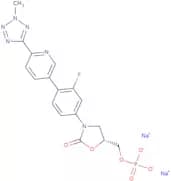
Discontinued productTedizolid phosphate disodium salt
CAS:Inhibitor of monoamine oxidase; anti-bacterial agent
Formula:C17H16FN6O6P·2NaPurity:Min. 97 Area-%Color and Shape:White Off-White PowderMolecular weight:496.3 g/mol[Nitrilotris(methylene)]tris-phosphonic acid pentasodiumsalt - 38.0 to 42.0%, in water
CAS:Nitrilotris(methylene)tris-phosphonic acid pentasodiumsalt is a compound that has antimicrobial properties. The product is used as a corrosion inhibitor, wetting agent, and pH control agent in water treatment. It is also used as an antimicrobial additive to paints and coatings. Nitrilotris(methylene)tris-phosphonic acid pentasodiumsalt inhibits the activity of matrix metalloproteinases and has been shown to be effective against bacterial strains such as Staphylococcus aureus, Streptococcus pneumoniae, Escherichia coli, Enterobacter cloacae, Pseudomonas aeruginosa, and Candida albicans.
br>
Nitrilotris(methylene)tris-phosphonic acid pentasodiumsalt is also an acidic chemical with a pH of 2 to 3. It is also mainly composed of an aliphaticFormula:C3H7NNa5O9P3Color and Shape:Clear LiquidMolecular weight:408.96 g/molRef: 3D-FN153153
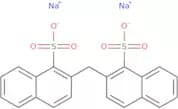
Discontinued productDisodium methylenebisnaphthalenesulfonate
CAS:Disodium methylenebisnaphthalenesulfonate is an organic compound that belongs to the group of bisnaphthyl-sulfones. It is a white solid with a melting point of 236°C. Disodium methylenebisnaphthalenesulfonate is used as a reagent in organic synthesis and as a building block for other compounds. The compound has been shown to be useful in the synthesis of 2-amino-5-methyl-1,3,4-thiadiazole derivatives, which are important building blocks for pharmaceuticals. Disodium methylenebisnaphthalenesulfonate can also be used as a scaffold for complex compounds with new or unknown structures.
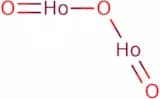
Formula:C21H16O6S2·2NaPurity:Min. 95%Color and Shape:Beige To Brown SolidMolecular weight:474.46 g/molHolmium (III) oxide
CAS:Holmium is a rare earth metal that belongs to the group of oxide. It is a soft, silvery-white, chemically inert and malleable metal. The element has two allotropic forms, holmium (III) oxide and holmium (III) nitrate. Holmium (III) oxide is used in high-temperature applications such as in x-ray equipment. It has a transition temperature range of 865°C to 1085°C and can be used at temperatures up to 1450°C with an argon atmosphere. The diffraction pattern for holmium (III) oxide is similar to those of other crystals in the same family. This element exhibits strong absorption lines in the infrared region between 2500 nm and 3200 nm.
Formula:Ho2O3Purity:Min. 95%Color and Shape:Slightly Yellow PowderMolecular weight:377.86 g/mol


















![[Nitrilotris(methylene)]tris-phosphonic acid pentasodiumsalt - 38.0 to 42.0%, in water](/_next/image/?url=https%3A%2Fstatic.cymitquimica.com%2Fproducts%2F3D%2Fthumb-webp%2FFN153153.webp&w=3840&q=75)