Amino Acids (AA)
Subcategories of "Amino Acids (AA)"
- Amino Acid Derivatives(4,017 products)
- Amino Acid and Amino Acid Related Compounds(3,491 products)
- Amino Acids with Oxygen or Sulphur(168 products)
- Boc- Amino Acids(351 products)
- Fmoc Amino Acids(1,710 products)
Found 38387 products of "Amino Acids (AA)"
D-Glutamic Acid 1,5-Dimethyl Ester Hydrochloride
CAS:Controlled ProductApplications D-Glutamic Acid 1,5-Dimethyl Ester Hydrochloride, is a diester analogue of D-Glutamic Acid (G596965), a non-essential amino acid. It can also be used for the synthesis of more complex pharmaceutical compounds.
References McEntee, W. et al.: Psychopharmacology, 111, 391 (1993); Manev, H. et al.: Mol. Pharmacol., 36, 106 (1989);Formula:C7H14ClNO4Color and Shape:WhiteMolecular weight:211.64N,N-Bis(7-methyloctanyl)trifluoromethane Sulfonamide
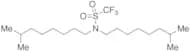
CAS:Controlled ProductApplications N,N-Bis(7-methyloctanyl)trifluoromethane Sulfonamide (cas# 1246815-82-6) is a compound useful in organic synthesis.
Formula:C19H38F3NO2SColor and Shape:NeatMolecular weight:401.57N,N-Diisopropyl-3-(2-methoxy-5-methyl-phenyl)-3-phenylpropylamide-d14
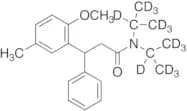
CAS:Controlled ProductApplications N,N-Diisopropyl-3-(2-methoxy-5-methyl-phenyl)-3-phenylpropylamide-d14 (cas# 1795013-34-1) is a compound useful in organic synthesis.
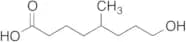
Formula:C23H17D14NO2Color and Shape:NeatMolecular weight:367.588-Hydroxy-5-methyloctanoic Acid
Controlled ProductApplications 8-Hydroxy-5-methyloctanoic Acid is a starting material and useful building block of various pharmaceuticals.
Formula:C9H18O3Color and Shape:NeatMolecular weight:174.2374,4'-[2,2,2-Trifluoro-1-(trifluoromethyl)ethylidene]-O-benzyl Mono-β-D-glucuroniC Acid Methyl Ester 2,3,4-O-Triacetate
Controlled ProductApplications 4,4'-[2,2,2-Trifluoro-1-(trifluoromethyl)ethylidene]-O-benzyl Mono-β-D-glucuroniC Acid Methyl Ester 2,3,4-O-Triacetate is an intermediate used in the synthesis of 4,4'-[2,2,2-Trifluoro-1-(trifluoromethyl)ethylidene]bisphenol Mono-β-D-glucuronide (T792735), which is a metabolite of 2,2-Bis-(4-hydroxyphenyl)hexafluoropropane (B447290), which acts as an endocrine-disrupting chemical (EDC), activating estrogen through the estrogen receptor ERα. It is a full agonist for the estrogen receptor.
References Matsushima, A. et al.: Environ. Health, Perspect. 118, 1267 (2010);Formula:C35H32F6O11Color and Shape:NeatMolecular weight:742.611-Methyldibenzothiophene
CAS:Controlled ProductApplications 1-Methyldibenzothiophene, is an alkyldibenzothiophene present in crude oil. Research concerning the biodegradation of Dibenzothiophene by different types of bacteria is a currently being carried out, as these bacteria have the ability to breakdown other harmful PAH’s as well. This may be used in removing spilled oil from marine and terrestrial environments.
Not a dangerous good if item is equal to or less than 1g/ml and there is less than 100g/ml in the package
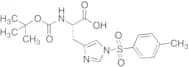
References Boberg, F., et al.: Erdoel & Kohle, Erdgas, Petrochemie, 47, 187 (1994); Tanaka, Y., et al.: Applied Microbiology and Biotech., 59 (2), 325 (2002); Prince, R., Spill Sci. Tech. Bulletin, 8 (2), 145 (2003);Formula:C13H10SColor and Shape:NeatMolecular weight:198.28Boc-L-His(Tos)-OH
CAS:Controlled ProductApplications Boc-L-His(Tos)-OH, is an amino acid building block used in peptide synthesis. With a growing peptide drug market the fast, reliable synthesis of peptides is of great importance.
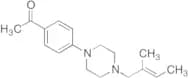
Formula:C18H23N3O6SColor and Shape:NeatMolecular weight:409.46(E)-1-(4-(4-(2-Methylbut-2-en-1-yl)piperazin-1-yl)phenyl)ethanone
CAS:Controlled ProductApplications (E)-1-(4-(4-(2-Methylbut-2-en-1-yl)piperazin-1-yl)phenyl)ethanone is an intermediate in the synthesis of (E)-1-(4-(4-(2-Methylbut-2-en-1-yl)piperazin-1-yl)phenyl)ethanone Hydrochloride (M725995), which is a piperazinyl phenylethanone compound that acts as an inhibitor of traffic between the trans-Golgi network (TGN) and endosomes that depends on the clathrin adaptor complex AP-1. Additionally, Membrane Traffic Inhibitor, A5 has been shown to have little effect against other trafficking pathways involving endosomes and TGN.
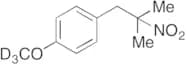
References Duncan, M. C., et al.: Proc. Natl. Acad. Sci. U S A, 104, 6235 (2007)Formula:C17H24N2OColor and Shape:NeatMolecular weight:272.3851-Methoxy-4-(2-methyl-2-nitropropyl)benzene-d3
CAS:Controlled ProductApplications 1-Methoxy-4-(2-methyl-2-nitropropyl)benzene-d3 is an isotope labelled substituent in the synthesis of Olodaterol (O262000), a novel inhaled β2-adrenoceptor agonist with a 24h bronchodilatory efficacy.
References Bouyssou, T., et al.: Bioorg. Med. Chem. Lett., 20, 1410 (2010);Formula:C11D3H12NO3Color and Shape:NeatMolecular weight:212.26Ethyl 3-Methyl-2-butenoate-d6
CAS:Controlled ProductApplications Ethyl 3-Methyl-2-butenoate-d6 (cas# 53439-15-9) is a compound useful in organic synthesis.
Not a dangerous good if item is equal to or less than 1g/ml and there is less than 100g/ml in the packageFormula:C72H6H6O2Color and Shape:NeatMolecular weight:134.212-Methyl-3,4,6-trifluorobenzoic Acid
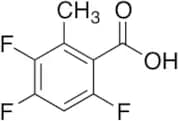
CAS:Controlled ProductApplications 2-Methyl-3,4,6-trifluorobenzoic Acid is an intermediate in the synthesis of dl-Grepafloxacin (G783000), which is an antibacterial compound used to treat various respirator infections.
References O'Shea, R. et al.: J. Med. Chem., 51, 2871 (2008); Zhanel, G. et al.: Drugs, 62, 13 (2002);Formula:C8H5O2F3Color and Shape:NeatMolecular weight:190.11(R)-3,5-Dihydroxy-3-methylpentanenitrile
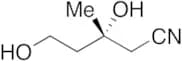
CAS:Controlled ProductApplications (R)-3,5-Dihydroxy-3-methylpentanenitrile is an intermediate in enantioselective synthesis of mevalonolactone.
References Eliel, E. L., et al.: Tetrahedron. Lett., 22, 2859 (1981);Formula:C6H11NO2Color and Shape:NeatMolecular weight:129.16N-Methyl-2-piperidinemethanol-d5
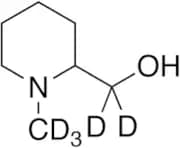
CAS:Controlled ProductApplications Can be used in the preparation of substances for treatment of dermatological conditions and skin protection.
Formula:C7H10D5NOColor and Shape:NeatMolecular weight:134.232-Ethyl-2-methyl-succinonitrile-d3
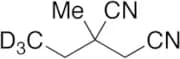
CAS:Controlled ProductApplications An intermediate in the preparation of labelled Ethosuximide.
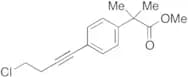
Formula:C7H7D3N2Color and Shape:NeatMolecular weight:125.19Methyl 2-(4-(4-Chlorobut-1-yn-1-yl)phenyl)-2-methylpropanoate
CAS:Controlled ProductApplications Methyl 2-(4-(4-Chlorobut-1-yn-1-yl)phenyl)-2-methylpropanoate is an intermediate in the synthesis of 4-(4-Chloro-1-oxobutyl)-α,α-dimethylbenzeneacetic Acid Methyl Ester (C374930), a fexofenadine (F322490) intermediate.
References Chang, R., et al.: Eur. J. Pharmacol., 48, 463 (1978), McTavish, D., et al.: Drugs, 39, 552 (1990), Honig, P., et al.: Clin. Pharmacol. Ther., 52, 231 (1992), Yun, C., et al.: Drug Metab. Dispos., 21, 403 (1993),Formula:C15H17ClO2Color and Shape:NeatMolecular weight:264.754-Methylbenzyl Alcohol
CAS:Controlled ProductApplications 4-Methylbenzyl alcohol (cas# 589-18-4) is a useful research chemical.
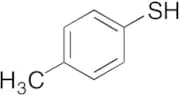
Formula:C8H10OColor and Shape:NeatMolecular weight:122.164-Methylbenzenethiol
CAS:Controlled ProductStability Smelly, Air Sensitive
Applications 4-Methylbenzenethiol is used as a reactant in the preparation of sulfides by palladium-catalyzed coupling with aryl halides or sulfonates in presence of Josiphos ligand.
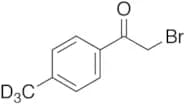
References Fernandez-Rodriguez, M., et al.: J. Am. Chem. Soc., 128, 2180 (2006);Formula:C7H8SColor and Shape:NeatMolecular weight:124.22-Bromo-4’-methylacetophenone-d3
CAS:Controlled ProductApplications 2-Bromo-4’-methylacetophenone-d3 (cas# 959605-55-1) is a compound useful in organic synthesis.
Formula:C92H3H6BrOColor and Shape:NeatMolecular weight:216.09Ethyl-d5 2-Methylbutyrate
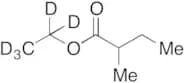
CAS:Controlled ProductApplications Ethyl-d5 2-Methylbutyrate is the labeled analogue of Ethyl 2-Methylbutyrate (E923200), an ester that has a sweet, apple-like aroma. Ethyl 2-methylbutyrate is naturally found in apples, cherries and orange juice.
Not a dangerous good if item is equal to or less than 1g/ml and there is less than 100g/ml in the package
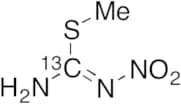
References Cho, I., et al.: J. Agr. Food Chem., 54, 6332 (2006); Mattheis, J., et al.: J. Agr. Food Chem., 45, 212 (1997); Moshonas, M. & Shaw, P.: J. Agr. Food Chem., 35, 161 (1987); Willaert, G., et al.: J. Agr. Food Chem., 31, 809 (1983)Formula:C7H9D5O2Color and Shape:NeatMolecular weight:135.22N-Nitro-S-methylisothiourea-13C
CAS:Controlled ProductApplications N-Nitro-S-methylisothiourea-13C is an intermediate used in the synthesis of Clothianidin-d3, 13C1 (C588502), which is the isotope labelled analog of Clothianidin. Clothianidin is a neonicotinoid insecticide for use in food crops.
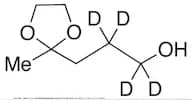
References Kamel, A., et al.: J. Agric. Food Chem., 58, 5926 (2010), Lynd, L., et al.: Energy Environ. Sci., 3, 1150 (2010), Cresswell, J., et al.: Ecotoxicology, 20, 149 (2011),Formula:CCH5N3O2SColor and Shape:NeatMolecular weight:136.1382-Methyl-1,3-dioxolane-2-propanol-d4
CAS:Controlled ProductApplications An intermediate in the preparation of labelled Cletoquine, Chloroquine and respective derivatives
References Cavallaro, R., et al.: J. Med. Chem., 42, 2527 (1999), Fellmann, P., et al.: Biochem., 39, 4994 (2000),Formula:C7H10D4O3Color and Shape:NeatMolecular weight:150.21N-Isopropyl-N-methylamine-d7 Hydrochloride
CAS:Controlled ProductApplications N-Isopropyl-N-methylamine-d7 Hydrochloride is an intermediate in the synthesis of Saflufenacil-d7 (S081802). Saflufenacil-d7 is the labeled version of Saflufenacil (S081800), which is a herbicide of the pyrimidinedione chemical class used for the preplant burndown and selective preemergence dicot weed control in different field crops. It was found to inhibit protoporphyrinogen IX oxidase (PPO) enzyme.
References Knezevic, S., et al.: Crop Prot., 29, 148 (2010); Grossmann, K., et al.: Weed Sci., 58, 1 (2010)Formula:C4H4D7N·(HCl)Color and Shape:NeatMolecular weight:116.642,2,2-Trichloro-1-(1-methyl-4-nitro-1H-pyrrol-2-yl)ethanone
CAS:Controlled ProductApplications 2,2,2-Trichloro-1-(1-methyl-4-nitro-1H-pyrrol-2-yl)ethanone (cas# 120122-47-6) is a useful research chemical.
Formula:C7H5N2O3Cl3Color and Shape:NeatMolecular weight:271.48N-tert-Boc-2-(4-hydroxy-2-methoxyphenoxy)ethylamine-d3
CAS:Controlled ProductApplications N-tert-Boc-2-(4-hydroxy-2-methoxyphenoxy)ethylamine-d3 (cas# 1189659-07-1) is a compound useful in organic synthesis.
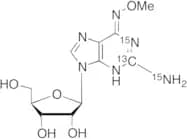
Formula:C14H18D3NO5Color and Shape:NeatMolecular weight:286.34O-Methyloxime Guanosine-13C15N2
CAS:Controlled ProductApplications O-Methyloxime Guanosine-13C15N2 is an isotope labelled intermediate in the preparation of nucleotide analogs.
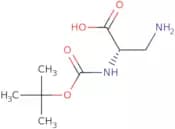
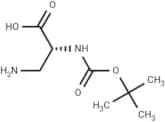
References Robins, M. J., et al.: J. Am. Chem. Soc., 105, 4059 (1983);Formula:C25H40O5Color and Shape:NeatMolecular weight:420.582Boc-D-2,3-diaminopropionic acid
CAS:Boc-D-2,3-diaminopropionic acid (N-t-Boc-amino-D-alanine) is a derivative of an amino acid featuring a Boc protecting group. It is utilized in the synthesis of a powerful NMDA receptor glycine site agonist that exhibits specific activity towards the GluN2 subunit.Formula:C8H16N2O4Color and Shape:SolidMolecular weight:204.22Dansylleucine
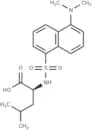
CAS:Dansylleucine is an agent of bioactive chemical.Formula:C18H24N2O4SPurity:98%Color and Shape:SolidMolecular weight:364.46Sodium N-lauroylalanine
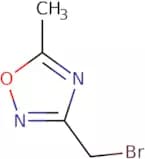
CAS:Sodium N-lauroylalanine is an agent of fatty acid.Formula:C15H28NNaO3Purity:98%Color and Shape:SolidMolecular weight:293.383-(Bromomethyl)-5-methyl-1,2,4-oxadiazole
CAS:3-(Bromomethyl)-5-methyl-1,2,4-oxadiazole is an activating molecule that can be used as a histochemical stain. It forms a blue dye when reacted with the amino acid histidine in tissue. This compound stains cells and tissues blue, which can be used to identify different types of cells. 3-(Bromomethyl)-5-methyl-1,2,4-oxadiazole is also useful for identifying the location of specific proteins by detecting their presence in different types of cells. This compound can also be used in vivo to activate angiotensinogen in wild-type mice and then analyzing the effects on angiotensin levels.
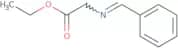
Formula:C4H5BrN2OPurity:Min. 95 Area-%Color and Shape:Yellow Clear LiquidMolecular weight:177 g/molN-Benzylideneglycine ethyl ester
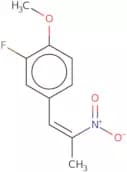
CAS:N-Benzylideneglycine ethyl ester is a cyclic, solid form of an alkylating agent that has a hydrocarbon group and an alkoxycarbonyl group. It is used in pharmaceutical formulations as a chiral reagent for the synthesis of amines and other compounds. N-Benzylideneglycine ethyl ester reacts with amines to produce methyl sulfones, which are then reacted with aldehydes to produce chiral cyclic ethers. This reaction can be used to synthesize adrenergic receptors, aromatic hydrocarbons, and alkoxycarbonyls.Formula:C11H13NO2Purity:Min. 95%Color and Shape:PowderMolecular weight:191.23 g/mol1-(3-Fluoro-4-methoxyphenyl)-2-nitropropene
CAS:1-(3-Fluoro-4-methoxyphenyl)-2-nitropropene is a chemical compound with the molecular formula CHNO. It is a high quality reagent that is useful for preparing complex compounds, scaffolds and building blocks for use in research and development. 1-(3-Fluoro-4-methoxyphenyl)-2-nitropropene is a fine chemical that can be used as a versatile building block in reactions.Formula:C10H10FNO3Purity:Min. 95%Molecular weight:211.19 g/mol4-Methoxy-2-nitro-benzaldehyde
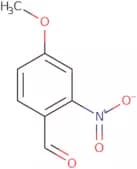
CAS:4-Methoxy-2-nitrobenzaldehyde is a chemical that is used in the synthesis of many pharmaceuticals. It has been shown to be an effective agent in the treatment of cancer cells and is activated by chloride ions. 4-Methoxy-2-nitrobenzaldehyde reacts with nucleophiles such as hydroxide, amines, or thiols in order to form alkylating agents. This reaction can be used for the synthesis of many drugs including antihistamines, antidiabetic drugs, and antipsychotics. The rate of this reaction increases with increasing temperature. It also undergoes demethylation when exposed to nitrous acid, which may lead to a different product.Formula:C8H7NO4Purity:Min. 95%Molecular weight:181.15 g/mol4-Methylphenyl hydrazine hydrochloride
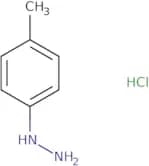
CAS:4-Methylphenyl hydrazine hydrochloride is a chemical compound that has been shown to be an effective treatment for lung tumors. It has been shown to inhibit tumorigenesis in animal models by the inhibition of angiogenesis and tumor growth. This drug is administered as a subcutaneous injection and can cause hemorrhaging, inflammation, and necrosis at the injection site. 4-Methylphenyl hydrazine hydrochloride has also been postulated to have anti-tumorigenic properties in animals.
4-Methylphenyl hydrazine hydrochloride inhibits the production of adenomas and adenocarcinomas in rats when given orally or intragastrically, but not when given intravenously.Formula:C7H10N2·HClPurity:Min 98%Molecular weight:158.63 g/mol4-Methylcyclohexanone
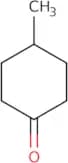
CAS:4-Methylcyclohexanone is a diazonium salt that has been shown to be an intramolecular hydrogen-bonded substrate for the hydroxyl group. It has been used as a precursor for the synthesis of 2,4-diaminobenzoic acid (2,4-DABA) and 3,5-diaminoquinoxaline (3,5-DQNX). 4-Methylcyclohexanone is also used in the production of herbicides and other organic compounds. The reaction mechanism can be explained by considering that 4-methylcyclohexanone is an electron donor with two hydroxyl groups. One of these groups will react with a diazonium salt to provide the α-hydroxyimine intermediate. This intermediate then reacts with another molecule of cyclohexanone to yield the desired product. A typical example of this mechanism is shown below: The acetateFormula:C7H12OPurity:Min. 95%Color and Shape:Clear LiquidMolecular weight:112.17 g/molN-Acetyl-β-D-glucosaminyl-(1→4)-N-acetylmuramoyl-L-alanyl-D-isoglutamine
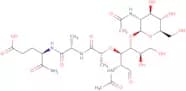
CAS:Please enquire for more information about N-Acetyl-β-D-glucosaminyl-(1→4)-N-acetylmuramoyl-L-alanyl-D-isoglutamine including the price, delivery time and more detailed product information at the technical inquiry form on this pageFormula:C27H45N5O16Purity:Min. 95%Color and Shape:PowderMolecular weight:695.67 g/mol(R)-(+)-N-Benzyl-1-phenylethylamine
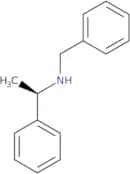
CAS:(R)-(+)-N-Benzyl-1-phenylethylamine is an enantiomer of phenylethylamine. It is a chiral, vinylic amine that can be used to produce catalytic asymmetric Grignard reactions. The synthesis of this compound starts with the addition of benzyl chloride to 1-phenylethylamine. This reaction produces (R)-(+)-N-benzyl-1-phenylethylamine as the major product and its corresponding bisulfate salt as the minor product. This compound has been shown to be an anti HIV drug in a number of studies, which may be due to its ability to inhibit reverse transcriptase and/or prevent viral entry into cells.
Formula:C15H17NPurity:Min. 95%Color and Shape:Colourless To Pale Yellow LiquidMolecular weight:211.3 g/molNε-Methyl-L-lysine hydrochloride
CAS:Ne-Methyl-L-lysine hydrochloride is an acetylated form of the amino acid L-lysine. It has shown to be effective in treating pernicious anemia, a condition in which the body lacks sufficient vitamin B12. Ne-Methyl-L-lysine hydrochloride inhibits the production of human vascular endothelial growth factor (VEGF) and can also be used as a diagnostic tool for pernicious anemia. This drug is expressed by genetically engineered cells and has been shown to inhibit acetylation reactions, leading to monoclonal antibodies with increased stability. Ne-Methyl-L-lysine hydrochloride also binds to vitamin B12 and prevents its catabolism, thereby increasing the levels of this essential nutrient.Formula:C7H16N2O2•HClPurity:Min. 95%Color and Shape:White PowderMolecular weight:196.67 g/mol2,4-Dimethoxy-5-methylbenzyl alcohol
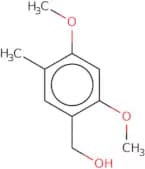
CAS:2,4-Dimethoxy-5-methylbenzyl alcohol is a high quality chemical that is used as an intermediate for the synthesis of complex compounds. It has been used as a reagent and as a building block for the synthesis of other chemicals. This compound can be used to produce fine chemicals and research chemicals. 2,4-Dimethoxy-5-methylbenzyl alcohol has been shown to be useful in the production of versatile building blocks and reaction components.
Formula:C10H14O3Purity:Min. 95%Molecular weight:182.22 g/molL-α-Lysophosphatidylcholine
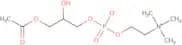
CAS:L-alpha-Lysophosphatidylcholine (from bovine brain) is a phospholipid that has been shown to have a matrix effect in biological samples. It can be used for the diagnosis of diseases, such as infectious diseases, by assessing the enzyme activities and receptor activity. L-alpha-Lysophosphatidylcholine (from bovine brain) can also be used to evaluate the response of polymorphonuclear leucocytes to an antigen. This molecule is an important component of the basic protein, which is found in higher concentrations in infectious diseases. L-alpha-Lysophosphatidylcholine (from bovine brain) has been shown to have an inhibitory effect on the polymerase chain reaction process.Purity:Min. 95%Color and Shape:PowderBoc-2-nitro-L-phenylalanine
CAS:Boc-2-nitro-L-phenylalanine is a chemical building block that has been used as an intermediate in the synthesis of other compounds. It has been shown to be a useful scaffold for the synthesis of complex compounds and can be used as a reagent in organic syntheses. Boc-2-nitro-L-phenylalanine is commercially available from several suppliers and can be purchased at low cost.Formula:C14H18N2O6Purity:Min. 95%Color and Shape:PowderMolecular weight:310.3 g/molFmoc-S-acetamidomethyl-L-cysteine
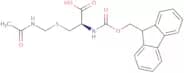
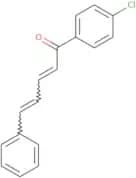
CAS:Fmoc-S-acetamidomethyl-L-cysteine is a peptide analog that has been shown to inhibit the growth of HIV in human prostate cells. It binds to the du-145 cell receptor and inhibits the proteolytic activity of HIV, which may be due to its ability to form an amide bond or disulfide bond with the Cys residue (Cys-X). Fmoc-S-acetamidomethyl-L-cysteine also inhibits the growth of prostate cancer cells by binding to human serum albumin. This drug has minimal toxicity in fetal bovine serum and is not toxic to most bacteria, as it does not bind with glycopeptides, antimicrobial peptides, or proteins. Fmoc-S-acetamidomethyl-L-cysteine has been shown to have biological properties against Trichophyton mentagrophytes and Staphylococcus aFormula:C21H22N2O5SPurity:(Chiral Hplc) Min. 98 Area-%Color and Shape:White Off-White PowderMolecular weight:414.48 g/mol(2E,4E)-1-(4-Chlorophenyl)-5-phenylpenta-2,4-dien-1-one
CAS:2,4-Dien-1-one is a cyclic dienone that is used in the preparation of various pharmaceutical drugs. It has been reported to be an excellent building block for the synthesis of complex compounds. This compound has shown antimicrobial activity against methicillin resistant Staphylococcus aureus (MRSA) and Mycobacterium tuberculosis. 2,4-Dien-1-one is a versatile intermediate that can be used as a speciality chemical or research chemicals. It is also a useful scaffold for the synthesis of various pharmaceutical drugs and can be used as a reaction component for various reactions.Formula:C17H13ClOPurity:Min. 95%Color and Shape:PowderMolecular weight:268.74 g/molRengasin-3'-O-glucoside
Rengasin-3'-O-glucoside is a fine chemical, useful building block, and research chemical. It is a versatile building block that can be used in the synthesis of complex compounds. Rengasin-3'-O-glucoside is also a useful intermediate or scaffold for reactions. This compound has been shown to react with 1,2-ethanediol and form an ester, which can be hydrolyzed to release glycerol and the original rengasin-3'-O-glucoside.
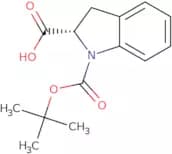
Formula:C22H22O11Purity:(%) Min. 75%Molecular weight:462.4 g/molBoc-L-indoline-2-carboxylic acid
CAS:Boc-L-indoline-2-carboxylic acid is a high quality, versatile building block that can be used as a reagent or intermediate in organic synthesis. It is used as a research chemical and has potential applications in the development of new drugs. Boc-L-indoline-2-carboxylic acid is a complex compound that reacts with nucleophiles to form valuable products. It also has the ability to bind to metal ions such as copper, zinc, and nickel. This product can be used in reactions involving amines, alcohols, amides, phenols, carboxylic acids, sulfonic acids, and other compounds.
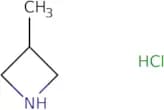
Formula:C14H17NO4Purity:Min. 95%Color and Shape:White PowderMolecular weight:263.29 g/mol3-Methylazetidine hydrochloride
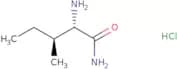
CAS:3-Methylazetidine hydrochloride is a versatile building block that can be used as a reagent or speciality chemical. It is a useful intermediate in the synthesis of complex compounds and research chemicals. 3-Methylazetidine hydrochloride is also an important reaction component for the synthesis of new, high quality, useful scaffolds.Formula:C4H9N·HClPurity:Min. 95%Color and Shape:Clear colourless syrup/liquid.Molecular weight:107.58 g/molL-Isoleucine amide hydrochloride
CAS:L-Isoleucine amide hydrochloride is a high quality reagent that is useful as an intermediate, fine chemical or speciality chemical. It can be used to synthesize compounds with a wide range of properties and uses. L-Isoleucine amide hydrochloride can be used in research for the development of new drugs or other chemicals. The versatility of this reagent makes it a useful building block for reactions involving amino acids, peptides, nucleosides, and carbohydrates.Formula:C6H14N2O·HClPurity:Min. 95%Color and Shape:White PowderMolecular weight:166.65 g/molBoc-D-Tyr-OH
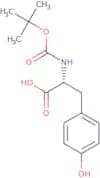
CAS:Boc-D-Tyr-OH is a monomer that is used as a building block for the synthesis of sacubitril. It reacts with chlorides in the presence of a base to form Boc-D-Tyr-Cl, which can be converted to sacubitril by removal of the Boc protecting group. Boc-D-Tyr-OH can also be synthesized by reaction of biphenyl and D-Tyr with trifluoromethanesulfonic acid in the presence of a catalyst. This chemical is fluorescent and can be used as an analytical reagent for chromatographic methods. The synthetic process involves ligation of four molecules of tetrapeptides (which are linked by amide bonds) to biphenyl, followed by Suzuki coupling reaction.Formula:C14H19NO5Purity:Min. 95%Color and Shape:PowderMolecular weight:281.3 g/mol2-Methyl-1-hexene
CAS:2-Methyl-1-hexene is a reaction product of ethylene and phosphite. It is used in the manufacture of butyl acrylate and methyl methacrylate. 2-Methyl-1-hexene reacts with oxygen to form a peroxide intermediate, which then reacts with aldehyde groups to form products that are characterized by their mass spectra. The rate of this reaction is dependent on the concentrations of both reactants, as well as on the temperature and acidity of the reaction environment. This process can be carried out in either liquid or gas phase at various temperatures.Formula:C7H14Purity:Min. 95%Color and Shape:Colorless Clear LiquidMolecular weight:98.19 g/molHoechst 33342
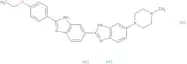
CAS:2'-(4-Ethoxyphenyl)-5-(4-methyl-1-piperazinyl)-2,5'-bi-1H-benzimidazole trihydrochloride (EPMB) is a DNA binding agent that is used in tumor detection and research into apoptosis. It has been shown to inhibit the activity of p-glycoprotein, which is an efflux pump protein, and Bcl-2 protein. EPMB has also been shown to cause apoptosis in human squamous cell carcinoma cells in a concentration dependent manner. This compound has shown potential as a treatment for cancer because it inhibits the ability of cancer cells to proliferate by binding to the NMDA receptor.
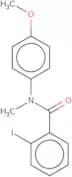
Formula:C27H28N6O·3HCl·xH2OPurity:Min. 95%Color and Shape:Yellow PowderMolecular weight:561.93 g/mol2-Iodo-N-(4-methoxyphenyl)-N-methylbenzamide
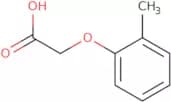
CAS:2-Iodo-N-(4-methoxyphenyl)-N-methylbenzamide is a versatile building block that can be used in research and as a reagent. It is a high quality chemical and useful as a building block or intermediate for the synthesis of more complex compounds. This chemical is also a useful scaffold for the synthesis of more complex molecules.Formula:C15H14INO2Purity:Min. 95%Molecular weight:367.18 g/mol2-Methylphenoxyacetic acid
CAS:2-Methylphenoxyacetic acid is a small-molecule drug that acts as an inhibitor of the protein kinase C (PKC) enzyme. It binds to the active site of PKC and prevents it from phosphorylating other proteins, which ultimately leads to cell death. The PKC enzyme is a potential drug target for cancer and cardiovascular disease because it plays a role in both pathologies. 2-Methylphenoxyacetic acid has been shown to inhibit PKC in vitro and in vivo, with the latter being demonstrated using mathematical modeling and molecular dynamics simulations. 2-Methylphenoxyacetic acid also inhibits annexin II, which is believed to be involved in signal transduction pathways that lead to tumor growth. 2-Methylphenoxyacetic acid has been shown to bind to the hydroxyl group of phospholipids and form hydrogen bonds with amino acids that are important for protein–protein interactions or intermolecular hydrogen bonds.Formula:C9H10O3Purity:Min. 95%Color and Shape:White PowderMolecular weight:166.17 g/mol1,3-Phenylenediacetic acid
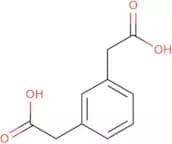
CAS:1,3-Phenylenediacetic acid is a molecule that contains an aromatic ring and two carboxylate groups. It has been shown to react with collagen and water molecules by forming hydrogen bonds. 1,3-Phenylenediacetic acid also reacts with the hydroxyl group in the cell culture media to form a crosslink between two molecules. This reaction was found to be responsible for the observed increase in stiffness of collagen gels. The vibrational and macroscopic analysis of 1,3-phenylenediacetic acid has also revealed that it adopts a tetranuclear structure at room temperature.
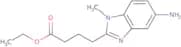
Formula:C10H10O4Purity:Min. 95%Molecular weight:194.18 g/mol1-Methyl-5-amino-1H-benzimidazole-2-butanoic acid ethyl ester
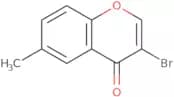
CAS:1-Methyl-5-amino-1H-benzimidazole-2-butanoic acid ethyl ester is a fine chemical that can be used to make a variety of other compounds. It is also used as a reagent in the synthesis of complex compounds, research chemicals, and speciality chemicals. The CAS number for this compound is 3543-73-5. This product has a high quality and is useful as an intermediate or reaction component in the synthesis of useful scaffolds.Formula:C14H19N3O2Purity:Min. 95%Color and Shape:Orange To Brown SolidMolecular weight:261.32 g/mol3-Bromo-6-methylchromone
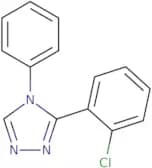
CAS:3-Bromo-6-methylchromone is a versatile building block that can be used in the synthesis of a variety of chemicals. It is an intermediate for the synthesis of 3,4-dimethylbenzaldehyde and is also used as a reagent in research. This chemical has been found to be useful in the synthesis of high-quality compounds with a wide range of applications. The compound is also used as an intermediate for the production of pharmaceuticals and pesticides. 3-Bromo-6-methylchromone can also be used as a scaffold for synthesizing new compounds with interesting properties.Formula:C10H7BrO2Purity:Min. 95%Color and Shape:PowderMolecular weight:239.07 g/mol5-(2-Chlorophenyl)-1-phenyl-1,3,4-triazole
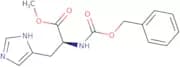
CAS:5-(2-Chlorophenyl)-1-phenyl-1,3,4-triazole is a useful reagent and building block for the synthesis of various chemical compounds. It has been used as a reaction component in organic synthesis as well as a useful scaffold for new chemical compounds. 5-(2-Chlorophenyl)-1-phenyl-1,3,4-triazole is an intermediate in the production of pharmaceuticals and pesticides. It is also used as a speciality chemical for research purposes. Additionally, this compound can be used to make fine chemicals such as dyes and perfumes.Formula:C14H10N3ClPurity:Min. 95%Color and Shape:PowderMolecular weight:255.7 g/molNa-Z-L-histidine methyl ester
CAS:Na-Z-L-histidine methyl ester is a solvent that is used in the synthesis of peptides. It is a low water, hydrophobic, and thermodynamically stable liquid that is soluble in dimethylformamide. Na-Z-L-histidine methyl ester is also an amide with a trifluoroacetic acid group and can be used to synthesize solid phase peptides. The compound has been shown to have thyrotropin releasing effects on rats when administered intravenously.Formula:C15H17N3O4Purity:Min. 95%Color and Shape:White PowderMolecular weight:303.31 g/molN-Boc-2-methyl-L-proline
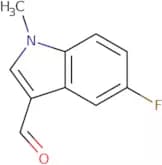
CAS:N-Boc-2-methyl-L-proline is a chemical compound that is used as a building block in the synthesis of other compounds. This substance is also an intermediate in the production of pharmaceuticals and pesticides. The compound has been shown to have high quality, versatility, and complexity. N-Boc-2-methyl-L-proline can be used as a reagent for research or as a speciality chemical. The CAS number for this substance is 103336-06-7.Formula:C11H19NO4Purity:Min. 95%Color and Shape:White To Off-White SolidMolecular weight:229.27 g/mol5-Fluoro-1-Methyl-1H-Indole-3-Carbaldehyde
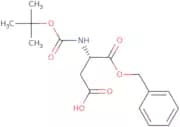
CAS:5-Fluoro-1-Methyl-1H-Indole-3-Carbaldehyde is a high quality chemical that is used as a reagent, an intermediate for the synthesis of pharmaceuticals, and in the production of fine chemicals. 5FMICA is also a useful scaffold for developing valuable building blocks. This chemical has been shown to be a versatile building block for the synthesis of complex compounds. 5FMICA can be used as a reaction component for the preparation of speciality chemicals and research chemicals.Formula:C10H8FNOPurity:Min. 95%Color and Shape:PowderMolecular weight:177.18 g/molBoc-Asp-OBzl
CAS:Boc-Asp-OBzl is a hydrolysate that contains aspartic acid and has been shown to inhibit the activity of the enzyme peptidylglycine alpha-amidating monooxygenase. It is an orthogonal inhibitor that can be used to study the role of aspartic acid in peptide synthesis. Boc-Asp-OBzl has also been shown to inhibit rat liver microsomes, with an IC50 value of about 0.4 mM, and it did not affect the activity of vitamin K1 or other enzymes. This inhibitor can also be used in experiments on rat liver microsomes and solubilized rat liver preparations.br>Formula:C16H21NO6Purity:Min. 95%Color and Shape:White PowderMolecular weight:323.34 g/molN-[4-(Acetylamino)phenyl]glycine
CAS:N-[4-(Acetylamino)phenyl]glycine is a fine chemical that can be used as a building block in the synthesis of pharmaceuticals, agricultural chemicals, and other speciality chemicals. It is an intermediate in the synthesis of heterocyclic compounds and has been shown to be useful for the preparation of complex compounds. N-[4-(Acetylamino)phenyl]glycine also serves as a reaction component in many organic reactions and has been used as a research chemical. This compound has high purity and can be obtained at competitive prices.Formula:C10H12N2O3Purity:Min. 95%Color and Shape:PowderMolecular weight:208.21 g/molDL-Norvaline
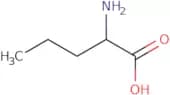
CAS:DL-Norvaline is a non-proteinogenic amino acid that can be synthesized in the laboratory. It has been shown to inhibit bacterial growth by binding to the polymerase chain reaction and preventing the synthesis of RNA. DL-Norvaline binds to the ribosome and inhibits protein synthesis, which is necessary for bacterial cell division. DL-Norvaline also binds to glutamate and may inhibit energy metabolism. DL-Norvaline is used as an antimicrobial agent against a number of bacteria, such as Escherichia coli and Staphylococcus aureus. The antimicrobial activity of DL-norvaline may be due to its ability to bind to hydrophobic regions on bacterial cells.Formula:C5H11NO2Purity:Min. 95%Color and Shape:White PowderMolecular weight:117.15 g/mol2-Chloro-6-methylaniline
CAS:2-Chloro-6-methylaniline is a molecule that has been used for wastewater treatment and process optimization. It is synthesized from the reaction of amines with trifluoroacetic acid. 2-Chloro-6-methylaniline was found to stimulate the growth of human population in a study conducted at the University of Texas. This molecule has been shown to inhibit the proliferation of t-cells by binding to their surface receptors. 2-Chloro-6-methylaniline has also been shown to be effective in inhibiting dasatinib, which is an anti-cancer drug. 2CMA binds to dasatinib and inhibits its activity by competing with it for binding sites on the protein target. The structure of 2CMA is characterized by proton NMR spectroscopic data and liquid chromatography methods.Formula:C7H8ClNPurity:Min. 95%Color and Shape:Colourless To Purple To Brown LiquidMolecular weight:141.6 g/mol2-Iodo-N-methyl-N-phenylbenzamide
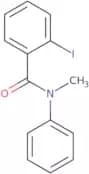
CAS:2-Iodo-N-methyl-N-phenylbenzamide is a cyclised molecule that has been synthesized by intramolecular arylation and reductive cyclisation. 2-Iodo-N-methyl-N-phenylbenzamide can be used as an industrial catalyst for the production of phenols, benzaldehydes, and indoles. The catalytic activity of 2-Iodo-N-methyl-N-phenylbenzamide is high, with yields of up to 99%. This molecule is recyclable because it can be easily regenerated from the crude product. It also has high catalytic activity due to its cyclic structure.Formula:C14H12INOPurity:Min. 95%Molecular weight:337.16 g/molH-Ile-OEt.HCl
CAS:H-Ile-OEt.HCl is an ester hydrochloride that is a dietary supplement. It is used in short-term exposures and as a dietary supplement, and has been shown to have anti-inflammatory properties. H-Ile-OEt.HCl is an acid with a pH of 2.0 to 3.0, and it has the ability to be absorbed by the body through the stomach and small intestine. This acid can also be converted into HCl in the stomach, which may cause irritation or ulceration.Formula:C6H13N3O2•HClPurity:Min. 95%Color and Shape:PowderMolecular weight:195.65 g/mol1-Phenyl-1H-5-(2'-hydroxy-5'-methylphenyl)pyrazole
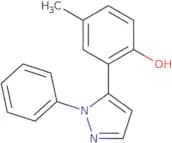
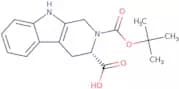
CAS:1-Phenyl-1H-5-(2'-hydroxy-5'-methylphenyl)pyrazole is a chemical compound with the molecular formula C14H10N2O. It is a white crystalline solid that can be used as a building block, intermediate, or reagent in organic synthesis. It is soluble in most solvents, but insoluble in water. 1-Phenyl-1H-5-(2'-hydroxy-5'-methylphenyl)pyrazole has been used as a useful scaffold for high quality compounds and research chemicals. The CAS number for this chemical compound is 90617-39-3.Formula:C16H14N2OPurity:Min. 95%Molecular weight:250.3 g/molBoc-L-1,2,3,4-tetrahydronorharman-3-carboxylic acid
CAS:Boc-L-1,2,3,4-tetrahydronorharman-3-carboxylic acid is a versatile building block that can be used as a reaction component in the synthesis of complex compounds. It can also be used as a starting material in the preparation of high quality research chemicals. Boc-L-1,2,3,4-tetrahydronorharman-3-carboxylic acid has CAS number 66863-43-2 and is a speciality chemical with many uses.Formula:C17H20N2O4Purity:Min. 95%Color and Shape:White PowderMolecular weight:316.35 g/mol5-Methoxydurmillone
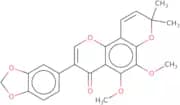
CAS:5-Methoxydurmillone is a rotenoid that is found in many plants, including the seeds of the plant Ferruginea. 5-Methoxydurmillone has been shown to have anti-inflammatory properties and can be used to treat inflammatory diseases such as arthritis. It also inhibits the production of superoxide radicals and nitric oxide, which are important mediators of inflammation. 5-Methoxydurmillone has been shown to inhibit protein synthesis in bacteria, but not mammalian cells.
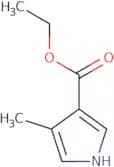
Formula:C23H20O7Purity:Min. 95%Molecular weight:408.4 g/molEthyl 4-methylpyrrole 3-carboxylate
CAS:Ethyl 4-methylpyrrole 3-carboxylate is a monomer that belongs to the group of functional groups. It is used in the polymerization process and has been shown to be able to imprint or introduce other functional groups into polymers. The following are some of its properties: it can be used as an operational group, it has chemical interactions with other functional groups, and it can be used for selectivity techniques. It also has isomeric properties, which depend on the type of functional group attached. Some examples of these properties are electrochemical polymerization and electropolymerization. The molecule also interacts with different polarities depending on the type of functional group attached.Formula:C8H11NO2Purity:Min. 95%Color and Shape:Yellow PowderMolecular weight:153.18 g/mol2-Iodo-N-methyl-N-p-tolylbenzamide
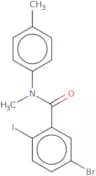
CAS:2-Iodo-N-methyl-N-p-tolylbenzamide is a fine chemical that has the CAS No. 1387529-49-8 and is a versatile building block with a wide range of applications, including research chemicals, reaction components and speciality chemicals. 2-Iodo-N-methyl-N-p-tolylbenzamide is soluble in organic solvents such as ethers, chloroform and benzene, while insoluble in water. It has been shown to be a useful intermediate for the synthesis of complex compounds and can be used as a reagent to prepare other compounds. 2Iodo-Nmethyl--Np--tolylbenzamide has been shown to have high quality and is an excellent building block for synthesizing pharmaceuticals.
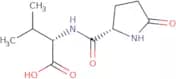
Formula:C15H13BrINOPurity:Min. 95%Molecular weight:430.08 g/molPyr-Val-OH
CAS:Pyr-Val-OH is a molecule that is catalysed by the enzyme histone deacetylase. Pyr-Val-OH has been shown to inhibit cancer cell proliferation and growth. Pyr-Val-OH also has been shown to reduce bacterial vaginosis in mice with bacterial vaginosis, as well as nephrology dialysis patients. Pyr-Val-OH is a diagnostic marker for cancer, bacterial vaginosis and nephrology dialysis patients. It can be used to diagnose these conditions by profiling specific metabolic profiles. This molecule may also be used in the diagnosis of bladder cancer, as it reacts with amp-activated protein, which is elevated in bladder cancer patients.Formula:C10H16N2O4Purity:Min. 95%Color and Shape:PowderMolecular weight:228.25 g/molN-Acetyl-DL-phenylalanine 2-naphthyl ester
CAS:N-Acetyl-DL-phenylalanine 2-naphthyl ester (NAFEN) is a molecule that belongs to the class of chemokines. It is a potent chemoattractant for neutrophils, monocytes, and lymphocytes. NAFEN has been shown to induce calcium binding and chemotactic activity in cells that have been treated with this drug. NAFEN may be effective against infectious diseases such as cancer and inflammatory diseases, such as autoimmune diseases. This drug also has an effect on postprandial plasma fatty acid levels in humans.Formula:C21H19NO3Purity:Min. 95%Color and Shape:SolidMolecular weight:333.38 g/molN-alpha-Boc-L-2,3-diaminopropionic acid
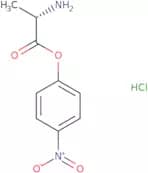
CAS:N-alpha-Boc-L-2,3-diaminopropionic acid is a synthetic amino acid that has been shown to have anticancer properties. The amino acid contains a functional group with two carboxylates and a disulfide bond. It has also been shown to inhibit the nuclear factor kappa B ligand (NFκB) and hepg2 cells, leading to cell death. This agent is a glycopeptide conjugate that inhibits the growth of mammalian cells by preventing protein synthesis. N-alpha-Boc-L-2,3-diaminopropionic acid has been shown to be cytotoxic in vitro against human leukemia HL60 cells.Formula:C8H16N2O4Purity:Min. 95%Color and Shape:White PowderMolecular weight:204.22 g/molH-Ala-ONp·HCl
CAS:Please enquire for more information about H-Ala-ONp·HCl including the price, delivery time and more detailed product information at the technical inquiry form on this page
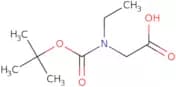
Formula:C9H10N2O4·HClPurity:Min. 95%Color and Shape:PowderMolecular weight:246.65 g/molBoc-N-Ethylglycine
CAS:Building blockFormula:C9H17NO4Purity:Min. 95%Color and Shape:White PowderMolecular weight:203.24 g/molL-Isoleucine
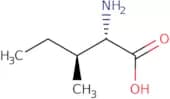
CAS:Isoleucine is an essential amino acid. It is a branched-chain amino acid that is used in the synthesis of proteins, and it is also important for the metabolism of fats and cholesterol. Isoleucine can be converted to other amino acids such as leucine, valine, and threonine. It is catabolized through a series of reactions that are catalyzed by enzymes including ketoreductase, dehydrogenase, reductase, and oxidase. The rate constant for this conversion has been shown to be 0.02 min-1 at pH 7.5 and 37°C.Formula:C6H13NO2Purity:98.5 - 101.5%Color and Shape:White PowderMolecular weight:131.17 g/molBoc-Thionoala-1-(6-nitro)benzotriazolide
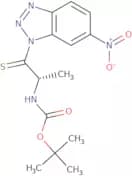
CAS:Please enquire for more information about Boc-Thionoala-1-(6-nitro)benzotriazolide including the price, delivery time and more detailed product information at the technical inquiry form on this pageFormula:C14H17N5O4SPurity:Min. 95%Molecular weight:351.38 g/mol4-Methoxy-2-methylphenylacetone
CAS:4-Methoxy-2-methylphenylacetone (4MMPA) is a reagent that is used as an intermediate for the synthesis of high quality fine chemicals. It is also a useful scaffold and building block in organic synthesis. 4MMPA is a versatile building block, which can be used in the synthesis of speciality chemicals, research chemicals, and reaction components. 4MMPA has CAS number 16882-24-9.Formula:C11H14O2Purity:Min. 95%Molecular weight:178.23 g/molFmoc-3-pyrenyl-L-alanine
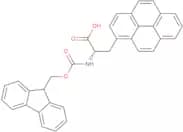
CAS:Fmoc-3-pyrenyl-L-alanine is a chemical building block that can be used as an intermediate in the synthesis of complex compounds. It has a CAS number of 183071-07-0 and is used for research purposes. This compound is soluble in organic solvents, allowing it to be used as a reaction component or reagent. Fmoc-3-pyrenyl-L-alanine can be synthesized from the corresponding acid chloride and 3-(pyridiniummethyl)-2,5-dioxopyrrolidine. It has a molar mass of 206.2 g/mol and its melting point is 190°C.Formula:C34H25NO4Purity:Min. 99 Area-%Molecular weight:511.57 g/mol3-(2-Methylphenyl)-1H-pyrazol-5-amine
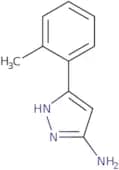
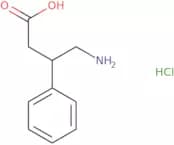
CAS:3-(2-Methylphenyl)-1H-pyrazol-5-amine is a chemical compound that can be used as a reactant, reagent, or scaffold in the synthesis of other compounds. It is a useful building block and intermediate for the synthesis of complex compounds. 3-(2-Methylphenyl)-1H-pyrazol-5-amine has been shown to have high purity and quality and is available at a reasonable price. This chemical is also versatile, as it can be used in reactions with other chemicals to form diverse products. 3-(2-Methylphenyl)-1H-pyrazol-5-amine belongs to CAS No. 57860-42-1 and is a fine chemical that can be used for research purposes only.Formula:C10H11N3Purity:Min. 95%Color and Shape:Off-White To Light Brown LiquidMolecular weight:173.21 g/mol4-Amino-3-phenylbutyric acid hydrochloride
CAS:Controlled Product4-Amino-3-phenylbutyric acid hydrochloride (4APB) is a GABA receptor agonist that belongs to the class of pharmacological agents. It has been shown to be effective in treating pediatric patients with epilepsy, as well as in the treatment of various metabolic disorders. The drug has also been used to treat symptoms caused by benzodiazepine withdrawal. 4APB binds to the benzodiazepine binding site on GABAA receptors and enhances the inhibitory actions of GABA. This causes sedation and muscle relaxation, which can be helpful for patients who have experienced a seizure or are withdrawing from benzodiazepines. 4APB also increases locomotor activity in rats and has been shown to have no effect on cardiac function.Formula:C10H13NO2•HClPurity:Min. 98 Area-%Color and Shape:PowderMolecular weight:215.68 g/mol2-(4-Methoxyphenyl)-4,6-bis(trichloromethyl)-1,3,5-triazine
CAS:2-(4-Methoxyphenyl)-4,6-bis(trichloromethyl)-1,3,5-triazine is a chemical compound that belongs to the class of cyanine dyes. It is used as a developer in photopolymerization and as an electron donor in electron-sensitive materials. 2-(4-Methoxyphenyl)-4,6-bis(trichloromethyl)-1,3,5-triazine has a viscosity of 0.56 Pa·s at 25°C and is sensitive to light with wavelengths ranging from 300 to 400 nm. This dye also has a yield of 1.0 g/g and a phenolic content of 0.2%.Formula:C12H7Cl6N3OPurity:Min. 95%Color and Shape:White PowderMolecular weight:421.92 g/molD-Valine Methyl Ester Hydrochloride
CAS:Formula:C6H13NO2·HClPurity:>98.0%(N)Color and Shape:White powder to crystalMolecular weight:167.633-Phenoxytoluene
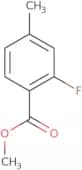
CAS:3-Phenoxytoluene is a colorless, viscous liquid that is soluble in nonpolar solvents. It is used as a raw material for the production of phenoxyethanol and other compounds. 3-Phenoxytoluene can be synthesized by reacting an alcohol with a chloroformate in the presence of copper chloride. This reaction proceeds through the following steps:Formula:C13H12OPurity:Min. 95%Color and Shape:Clear LiquidMolecular weight:184.23 g/mol2-Fluoro-4-methylbenzoic acid methyl ester
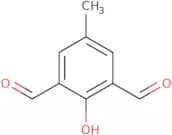
CAS:2-Fluoro-4-methylbenzoic acid methyl ester is a versatile building block useful for the synthesis of a variety of compounds. It is an important intermediate and research chemical that can be used as a reaction component or speciality chemical. 2-Fluoro-4-methylbenzoic acid methyl ester is also a useful building block with high quality and reagent.Formula:C9H9FO2Purity:Min. 95%Color and Shape:Clear LiquidMolecular weight:168.16 g/mol2-Hydroxy-5-methylisophthalaldehyde
CAS:2-Hydroxy-5-methylisophthalaldehyde is a tetranuclear coordination compound with a tridentate ligand. The ligand can bind to three metal ions in the same way as an octahedral geometry, but the fourth nitrogen atom is not coordinated and can be replaced by other ligands. Two of these compounds have been synthesized and their structures determined by x-ray crystallography. The ligands are planar and form hydrogen bonds, which contribute to the high stability of these compounds. These properties may be useful for biological studies, such as synchronous fluorescence and intramolecular hydrogen transfer, as well as for catalysis and chemical sensing.Formula:C9H8O3Purity:Min. 95%Color and Shape:PowderMolecular weight:164.16 g/mol1-((Diiodomethyl)sulfonyl)-4-methylbenzene
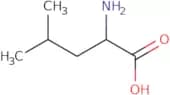
CAS:1-((Diiodomethyl)sulfonyl)-4-methylbenzene is a preservative that is used in cosmetics and pharmaceuticals. The toxicity of this compound was studied using the cationic surfactant tebuconazole as a probe. 1-((Diiodomethyl)sulfonyl)-4-methylbenzene has been shown to have antimicrobial properties, with biocidal activity against bacteria, fungi, and yeasts. It has been shown to be effective against Staphylococcus aureus, Escherichia coli, Pseudomonas aeruginosa, and Aspergillus niger at concentrations of 0.5%. This compound also showed good antibacterial efficacy in water vapor byproducts.Formula:C8H8I2O2SPurity:Min. 95 Area-%Color and Shape:PowderMolecular weight:422.02 g/molDL-Leucine
CAS:DL-Leucine is an amino acid that is needed for the formation of proteins. It is also able to inhibit the activity of enzymes by hydrolyzing them. DL-Leucine has been shown to be a potent inhibitor of lysine hydrolases and can be used as an additive in the manufacture of animal feed. DL-Leucine has been shown to be stable in many environments, including those containing chlorine, hydrochloric acid, n-dimethyl formamide, and x-ray crystallography. The enantiomers of DL-leucine have different chemical stability; one form is more stable than the other in acidic environments.
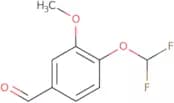
Formula:C6H13NO2Purity:Min. 95%Color and Shape:PowderMolecular weight:131.17 g/mol3-Methoxy-4-(difluoromethoxy)benzaldehyde
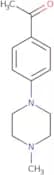
CAS:3-Methoxy-4-(difluoromethoxy)benzaldehyde is a chemical compound that has been found to have anti-tumor properties. It inhibits tumor cells by inducing cell apoptosis. 3-Methoxy-4-(difluoromethoxy)benzaldehyde induces apoptosis in human carcinoma cells, with optimal activity at doses of 10 micromolar and higher. This chemical can be used as an anti-tumor agent because it shows no genotoxic effects, and has high yield with a low toxicity profile. When this compound is exposed to UV radiation, the formation of reactive oxygen species (ROS) increases the rate of cell death. 3-Methoxy-4-(difluoromethoxy)benzaldehyde also has anti-inflammatory properties, which may be due to its ability to inhibit prostaglandin synthesis.Formula:C9H8F2O3Purity:Min. 95%Color and Shape:Colourless To Pale Yellow LiquidMolecular weight:202.15 g/mol4-(4-Methylpiperazino)acetophenone
CAS:4-(4-Methylpiperazino)acetophenone is a chemical compound that can be used as a building block in the synthesis of more complex compounds. It is a versatile intermediate and can be used to synthesize other compounds. 4-(4-Methylpiperazino)acetophenone has been shown to act as a reaction component in the synthesis of pharmaceuticals, pesticides, and agrochemicals. This compound has high purity and quality.
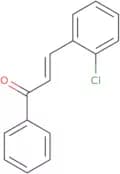
Formula:C13H18N2OPurity:Min. 95%Color and Shape:PowderMolecular weight:218.30 g/mol3-(2-Chlorophenyl)-1-phenylpropene-1-one
CAS:3-(2-Chlorophenyl)-1-phenylpropene-1-one is an amide that is synthesized by the acylation of 3-phenylpropene-1-one with 2,3,5,6-tetrafluorobenzoyl chloride in the presence of a base. The proton transport mechanism is initiated by the addition of a proton to the carbonyl group and then proceeds through an intermediate called a chalcone. This reaction can be accomplished using biomimetic methods or by using chalcones and halides as intermediates.Formula:C15H11ClOPurity:Min. 95%Molecular weight:242.7 g/molN-Methyloctadecylamine
CAS:N-Methyloctadecylamine is a cationic surfactant that is used in the production of specialty chemicals, such as emulsifiers and wetting agents. It has been reported to have reactive properties, which may be due to its ability to react with fatty acids or amines. N-Methyloctadecylamine is also known as a lubricity agent, which improves the lubricity of materials. This chemical is an organic solution that contains hydroxyl groups, which are responsible for its high water solubility.
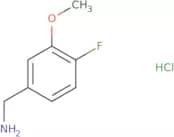
Formula:C19H41NPurity:Min. 95%Color and Shape:White/Off-White SolidMolecular weight:283.54 g/mol4-Fluoro-3-methoxybenzylamine hydrochloride
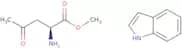
CAS:4-Fluoro-3-methoxybenzylamine hydrochloride is a fine chemical that can be used as a building block in research, as a reagent in the synthesis of complex compounds, and as a versatile scaffold for the synthesis of natural products. This compound is an intermediate for the production of other pharmaceuticals and has been shown to be useful in the production of various drugs. It is also used as a reactant in organic chemistry reactions due to its high quality. 4-Fluoro-3-methoxybenzylamine hydrochloride has CAS No. 869296-41-3 and can be found on the Chemical Abstract Service (CAS) database.Formula:C8H11ClFNOPurity:Min. 95%Molecular weight:191.63 g/molIndole-3-acetyl-L-alanine acid methyl ester
CAS:Please enquire for more information about Indole-3-acetyl-L-alanine acid methyl ester including the price, delivery time and more detailed product information at the technical inquiry form on this page
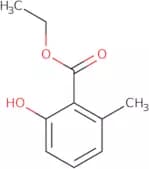
Formula:C14H16N2O3Purity:Min. 95%Molecular weight:260.29 g/molEthyl 6-methylsalicylate
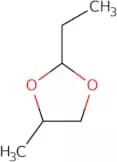
CAS:Ethyl 6-methylsalicylate is a synthetic organic chemical which is used in perfumery. It has a carboxylic acid group and two hydroxyl groups, and can be synthesized from the Grignard reagent and phenol. The chemical's functionalities are similar to aspirin, which is a drug that inhibits the production of prostaglandins. Ethyl 6-methylsalicylate may also have antibacterial activity, as it has been shown to inhibit bacteria such as Staphylococcus aureus. This compound also reacts with protonated amines, and can decouple protons from aromatic rings via an exchange reaction with deuterium oxide.Formula:C10H12O3Purity:Min. 95%Color and Shape:White PowderMolecular weight:180.2 g/mol2-Ethyl-4-methyl-1,3-dioxolane
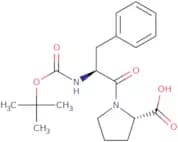
CAS:2-Ethyl-4-methyl-1,3-dioxolane is an organic compound that belongs to the dioxolane class. It is a colorless liquid with a sweet odor and can be used as a solvent and as a reactant in organic synthesis. 2-Ethyl-4-methyl-1,3-dioxolane is activated by reaction with chloride ions. The activation energy for this reaction is between 27 and 44 kJ/mol. The reaction mechanism of 2-ethyl-4-methyl-1,3 -dioxolane involves the formation of an oxirane ring from two alcohol groups, which are attached to adjacent carbon atoms on the same side of the molecule. The hydroxyl group reacts with chloride ion to form an intermediate chlorohydrin, which then undergoes hydrolysis to produce the desired product. Spectrometry analyses have shown that 2ethyl 4 methyl 1,3 dioxolane has both cis and transFormula:C6H12O2Purity:Min. 95%Color and Shape:PowderMolecular weight:116.16 g/molBoc-Phe-Pro-OH
CAS:Boc-Phe-Pro-OH is an opioid receptor agonist. It binds to the δ opioid receptors and activates them, which leads to analgesic effects. Boc-Phe-Pro-OH also has antibacterial properties and can be used for the treatment of bacterial infections. This compound may also have antiinflammatory properties that are mediated by its ability to inhibit prostaglandin synthesis. Boc-Phe-Pro-OH has been shown to possess a high affinity for the μ opioid receptor, but does not activate this receptor subtype.
Formula:C19H26N2O5Purity:Min. 95%Color and Shape:White To Off-White SolidMolecular weight:362.42 g/molN-Acetyl-L-tryptophan
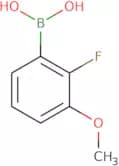
CAS:N-Acetyl-L-tryptophan is a neuroprotective agent that binds to the group p2 receptor for neurokinin-1 (NK-1) and inhibits the apoptosis pathway. It is used in the treatment of Parkinson's disease, Alzheimer's disease, and Huntington's disease. N-Acetyl-L-tryptophan has been shown to inhibit inflammatory lesions in rats with experimental autoimmune encephalomyelitis, an animal model of multiple sclerosis. This drug also interacts with toll-like receptor 4 (TLR4), which activates downstream signaling cascades involving NFκB, MAP kinase, and JAK/STAT pathways. The molecular docking analysis revealed that N-acetyl tryptophan binds to specific sites on TLR4 and prevents its activation by preventing binding of LPS.Formula:C13H14N2O3Purity:Min. 95%Color and Shape:PowderMolecular weight:246.26 g/mol(2-Fluoro-3-methoxyphenyl)boronic acid
CAS:2-Fluoro-3-methoxyphenylboronic acid is a boronic acid that has been shown to be orally activated. It is a potent inhibitor of the enzyme target, which is involved in the production of estradiol. 2-Fluoro-3-methoxyphenylboronic acid has been found to inhibit cellular growth and induce cancer cell death by targeting estrogen receptor β. This molecule also inhibits the growth factor, leading to inhibition of prostate cancer cells in vitro.Formula:C7H8BFO3Purity:Min. 95%Color and Shape:White PowderMolecular weight:169.95 g/mol1,2-Benzisoxazole-3-methanesulfonate sodium salt
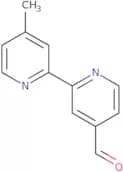
CAS:1,2-Benzisoxazole-3-methanesulfonate sodium salt (BMS) is a reactive intermediate that is used in the synthesis of drugs. It is a dehydrating agent and can be used as an impurity in the synthesis of pharmaceuticals. BMS has a flow rate of 0.5 to 2.0 g/min and an end point at around 200°C. BMS can be synthesized by reacting benzisoxazole with methanesulfonyl chloride in acetonitrile or chloroform or by reacting cetylpyridinium chloride with hydrochloric acid in acetonitrile. This compound can be purified by chromatographic methods such as flash column chromatography or gas chromatography, which are both reproducible and validated methods for purification.Formula:C8H6NNaO4SPurity:Min. 95%Color and Shape:White PowderMolecular weight:235.19 g/mol4'-Methyl-2,2'-bipyridine-4-carboxaldehyde
CAS:4'-Methyl-2,2'-bipyridine-4-carboxaldehyde is a heterocyclic compound that contains a nitro group. It has the chemical formula C8H6N2O and the molecular weight of 122.15 g/mol. This compound belongs to the class of formyl compounds and it is composed of two formyl groups and one hydrogen atom. The bipyridines are linked by a methylene bridge to form a six-membered ring. The compound can be used as an intermediate for the synthesis of other organic compounds such as pharmaceuticals, dyes, water repellents, pesticides, and herbicides.Formula:C12H10N2OPurity:Min. 95%Color and Shape:PowderMolecular weight:198.22 g/mol


![4,4'-[2,2,2-Trifluoro-1-(trifluoromethyl)ethylidene]-O-benzyl Mono-β-D-glucuroniC Acid Methyl Este…](/_next/image/?url=https%3A%2Fstatic.cymitquimica.com%2Fproducts%2FTR%2Fthumb-webp%2FT792765.webp&w=3840&q=75)











![N-[4-(Acetylamino)phenyl]glycine](/_next/image/?url=https%3A%2Fstatic.cymitquimica.com%2Fproducts%2F3D%2Fthumb-webp%2FFA123743.webp&w=3840&q=75)