Amino Acids (AA)
Amino acids (AAs) are the fundamental building blocks of proteins, playing a crucial role in various biological processes. These organic compounds are essential for protein synthesis, metabolic pathways, and cell signaling. In this category, you will find a comprehensive range of amino acids, including essential, non-essential, and modified forms, which are vital for research in biochemistry, molecular biology, and nutritional sciences. At CymitQuimica, we provide high-quality amino acids to support your research and development needs, ensuring accuracy and reliability in your experimental outcomes.
Subcategories of "Amino Acids (AA)"
- Amino Acid Derivatives(3,957 products)
- Amino Acid and Amino Acid Related Compounds(3,472 products)
- Amino Acids with Oxygen or Sulphur(168 products)
- Boc- Amino Acids(351 products)
- Fmoc Amino Acids(1,710 products)
Found 38265 products of "Amino Acids (AA)"
Sort by
Purity (%)
0
100
|
0
|
50
|
90
|
95
|
100
4-Fluoro-3-methylphenol
CAS:<p>4-Fluoro-3-methylphenol is a low molecular weight compound that has been shown to have antibacterial activity. It inhibits the growth of Mycobacterium tuberculosis, and this inhibition may be due to a transfer mechanism. 4-Fluoro-3-methylphenol also inhibits the enzyme activities of esterases and glutathione reductase, which may contribute to its antitubercular activity. This molecule has been shown to have vibrational and optical properties. It has been used in microscopy experiments for the detection of mineralization in bone tissue.</p>Formula:C7H7FOPurity:Min. 95%Molecular weight:126.13 g/mol6-Amino-8-methyl-2H-1,4-benzoxazin-3(4H)-one
CAS:<p>6-Amino-8-methyl-2H-1,4-benzoxazin-3(4H)-one is a fine chemical that is a useful building block for research chemicals and speciality chemicals. It can be used as a reagent in organic synthesis, as well as in the production of high quality and versatile building blocks. 6-Amino-8-methyl-2H-1,4-benzoxazin-3(4H)-one can be reacted to form useful scaffolds or intermediates that are valuable in the process of making complex compounds.</p>Formula:C9H10N2O2Purity:Min. 95%Color and Shape:PowderMolecular weight:178.19 g/molN-Cbz-L-Phenylalanine
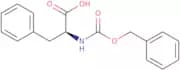
CAS:<p>N-Cbz-L-Phenylalanine is a synthetic amino acid that is used as an inhibitor of protease activity. It binds to the active site of a protease enzyme and prevents it from cleaving its substrate peptide bonds, thereby inhibiting the enzyme’s activity. N-Cbz-L-Phenylalanine has been shown to inhibit trypsin from soybean, pancreatic elastase, and chymotrypsin from hog pancreas. This inhibitor has also been shown to inhibit growth factors and other biochemical properties.</p>Formula:C17H17NO4Purity:Min. 95%Color and Shape:PowderMolecular weight:299.32 g/mol3-Bromo-6-methylchromone
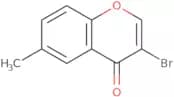
CAS:<p>3-Bromo-6-methylchromone is a versatile building block that can be used in the synthesis of a variety of chemicals. It is an intermediate for the synthesis of 3,4-dimethylbenzaldehyde and is also used as a reagent in research. This chemical has been found to be useful in the synthesis of high-quality compounds with a wide range of applications. The compound is also used as an intermediate for the production of pharmaceuticals and pesticides. 3-Bromo-6-methylchromone can also be used as a scaffold for synthesizing new compounds with interesting properties.</p>Formula:C10H7BrO2Purity:Min. 95%Color and Shape:PowderMolecular weight:239.07 g/mol2-Methyl-4-propyl-1,3 oxathiane
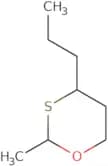
CAS:<p>2-Methyl-4-propyl-1,3 oxathiane is a terpene. It has been shown to have significant effects on acetaldehyde levels in the brain and liver after consumption of alcohol. 2-Methyl-4-propyl-1,3 oxathiane is also able to increase the levels of acetaldehyde in blood plasma. It does this by inhibiting an enzyme that breaks down acetaldehyde called alcohol dehydrogenase. This means that alcohol will stay in the system for longer, resulting in higher blood alcohol levels. 2-Methyl-4-propyl-1,3 oxathiane may be used as a biomarker for alcohol consumption. It can be detected by analytical methods such as high performance liquid chromatography (HPLC).</p>Formula:C8H16OSPurity:Min. 95%Color and Shape:Colourless To Light (Or Pale) Yellow Or Pink LiquidMolecular weight:160.28 g/molLaricitrin-3,7,5'-tri-O-glucoside
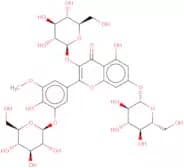
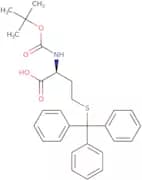
CAS:<p>Laricitrin-3,7,5'-tri-O-glucoside is a fine chemical that can be used as a versatile building block. It is an intermediate in the synthesis of many complex compounds and useful scaffolds. Laricitrin-3,7,5'-tri-O-glucoside has been shown to react with other chemicals in order to form new compounds. This compound also has potential applications in research as a reaction component or speciality chemical. Laricitrin-3,7,5'-tri-O-glucoside has high purity and quality and is available at a reasonable price.</p>Formula:C34H42O23Purity:Min. 95%Molecular weight:818.68 g/molBoc-S-trityl-L-homocysteine
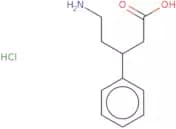
CAS:<p>Boc-S-trityl-L-homocysteine is a synthetic molecule that is used as a prodrug to introduce the amino acid homocysteine into cells. It has been shown to have anti-cancer and estrogen receptor modulating properties. Boc-S-trityl-L-homocysteine is synthesized by reacting L-homocysteine with diisopropylamino chlorides in the presence of sodium hydroxide, followed by ligation with dicyclohexylcarbodiimide. The compound adopts a centrosymmetric conformation due to the presence of two chiral centers at C3 and C4 positions on the pyridyl ring. The active site consists of an aromatic ring with three substituents, one of which is an amide group. This chemical transformation occurs through a nucleophilic attack by the amide group on an electrophilic carbonyl carbon atom.</p>Formula:C28H31NO4SPurity:Min. 95%Color and Shape:PowderMolecular weight:477.62 g/mol4-(Aminomethyl)-3-phenylbutyric acid hydrochloride
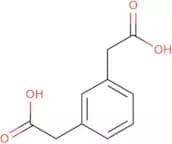
CAS:<p>4-(Aminomethyl)-3-phenylbutyric acid hydrochloride is a reagent that can be used as a building block in synthesizing new chemical compounds. It is also an intermediate for the synthesis of 4-(aminomethyl)benzoic acid, which is useful for producing pharmaceuticals, pesticides, and other agrochemicals. 4-(Aminomethyl)-3-phenylbutyric acid hydrochloride has a CAS number of 860252-34-2 and can be used in reactions with a variety of reagents to produce fine chemicals, research chemicals, and speciality chemicals.</p>Formula:C11H16ClNO2Purity:Min. 95%Molecular weight:229.7 g/mol1,3-Phenylenediacetic acid
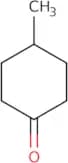
CAS:<p>1,3-Phenylenediacetic acid is a molecule that contains an aromatic ring and two carboxylate groups. It has been shown to react with collagen and water molecules by forming hydrogen bonds. 1,3-Phenylenediacetic acid also reacts with the hydroxyl group in the cell culture media to form a crosslink between two molecules. This reaction was found to be responsible for the observed increase in stiffness of collagen gels. The vibrational and macroscopic analysis of 1,3-phenylenediacetic acid has also revealed that it adopts a tetranuclear structure at room temperature.</p>Formula:C10H10O4Purity:Min. 95%Molecular weight:194.18 g/mol4-Methylcyclohexanone
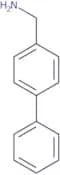
CAS:<p>4-Methylcyclohexanone is a diazonium salt that has been shown to be an intramolecular hydrogen-bonded substrate for the hydroxyl group. It has been used as a precursor for the synthesis of 2,4-diaminobenzoic acid (2,4-DABA) and 3,5-diaminoquinoxaline (3,5-DQNX). 4-Methylcyclohexanone is also used in the production of herbicides and other organic compounds. The reaction mechanism can be explained by considering that 4-methylcyclohexanone is an electron donor with two hydroxyl groups. One of these groups will react with a diazonium salt to provide the α-hydroxyimine intermediate. This intermediate then reacts with another molecule of cyclohexanone to yield the desired product. A typical example of this mechanism is shown below:<br>The acetate</p>Formula:C7H12OPurity:Min. 95%Color and Shape:Clear LiquidMolecular weight:112.17 g/mol4-Phenylbenzylamine
CAS:<p>4-Phenylbenzylamine is an amide that has shown multiphase antibacterial activity against both Gram-positive and Gram-negative bacteria. 4-Phenylbenzylamine binds to the active site of glycopeptide antibiotics such as teicoplanin, which are used to treat bacterial infections. It also inhibits the replication of influenza virus in vivo. 4-Phenylbenzylamine has antiviral properties and can be used for antiviral therapy targeting the influenza virus. This drug also acts as a receptor antagonist on the sigma subtype, which may contribute to its antiviral activity.</p>Formula:C13H13NPurity:Min. 95%Color and Shape:SolidMolecular weight:183.25 g/molBoc-L-glutamic acid a-t-butyl ester
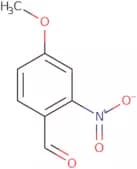
CAS:<p>Boc-L-glutamic acid a-t-butyl ester is a specific antibody that has been shown to be effective in the diagnosis of cancer. This antibody binds to an antigen expressed by liver cells and can be used as a marker for cancer. It has also been shown to have an adjuvant effect on vaccines, which may lead to better protection against disease. Boc-L-glutamic acid a-t-butyl ester can also be used in the treatment of pancreatitis and other acute ischemic conditions because it promotes the release of hydrogen chloride, which helps to relieve pain.</p>Formula:C14H25NO6Purity:Min. 95%Color and Shape:PowderMolecular weight:303.35 g/mol4-Methoxy-2-nitro-benzaldehyde
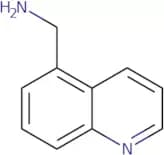
CAS:<p>4-Methoxy-2-nitrobenzaldehyde is a chemical that is used in the synthesis of many pharmaceuticals. It has been shown to be an effective agent in the treatment of cancer cells and is activated by chloride ions. 4-Methoxy-2-nitrobenzaldehyde reacts with nucleophiles such as hydroxide, amines, or thiols in order to form alkylating agents. This reaction can be used for the synthesis of many drugs including antihistamines, antidiabetic drugs, and antipsychotics. The rate of this reaction increases with increasing temperature. It also undergoes demethylation when exposed to nitrous acid, which may lead to a different product.</p>Formula:C8H7NO4Purity:Min. 95%Molecular weight:181.15 g/molQuinolin-5-yl-methylamine
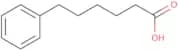
CAS:<p>Quinolin-5-yl-methylamine is a fine chemical that is used as a research chemical. It can be used as a reagent and as a speciality chemical. This compound has a high quality and is versatile in its use. Quinolin-5-yl-methylamine can be used in the synthesis of complex compounds, such as pharmaceuticals, agrochemicals, and polymers. It is also an intermediate that can be used to create other useful compounds, such as building blocks or scaffolds. The CAS number for this compound is 58123-57-2.</p>Formula:C10H10N2Purity:Min. 95%Color and Shape:SolidMolecular weight:158.2 g/mol6-Phenylhexanoic acid
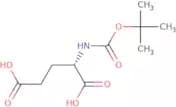
CAS:<p>6-Phenylhexanoic acid is a fatty acid that is biosynthesized by microbial metabolism. It has been shown to be an analog of dodecanedioic acid and has been used in the structural studies of recombinant proteins. 6-Phenylhexanoic acid has also been shown to have anticancer activity, although it does not inhibit lipid synthesis or promote apoptosis.</p>Formula:C12H16O2Purity:Min. 95%Color and Shape:LiquidMolecular weight:192.25 g/molBoc-L-glu-OH
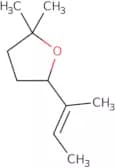
CAS:<p>Boc-L-glu-OH is a synthetic, predictive model system that can be used to study the interaction of acidic ligands with receptors. It has been shown that this molecule is able to bind to bacterial enzyme and inhibit its activity. The molecular modeling studies of Boc-L-glu-OH with bacterial enzyme have revealed that it is possible for the molecule to interfere with the catalytic site of the enzyme by binding to an amino acid residue. The crystal structure of Boc-L-glu-OH bound to bacterial serine protease (Bsp) has also been determined using bioconjugate chemistry. Synthetic Boc-L-glu-OH can be prepared in high yield from glutamate and L-(+)-glutamic acid methyl ester hydrochloride at ambient temperature.</p>Formula:C10H17NO6Purity:Min. 95%Color and Shape:White PowderMolecular weight:247.25 g/mol2,2-Dimethyl-5-(1-methylprop-1-enyl)tetrahydrofuran
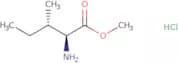
CAS:<p>2,2-Dimethyl-5-(1-methylprop-1-enyl)tetrahydrofuran is a compound that is used in coatings and foodstuff. It has synergistic effects when combined with other compounds such as citric acid, hydrogen peroxide, or terpineol.</p>Formula:C10H18OPurity:Min. 95%Color and Shape:Clear LiquidMolecular weight:154.25 g/molL-Isoleucine methyl ester hydrochloride
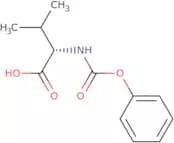
CAS:<p>L-Isoleucine methyl ester hydrochloride (LIME) is a chemical pesticide that inhibits the synthesis of prostaglandins. It is used to treat inflammatory bowel disease and cancer, as well as other inflammatory diseases. LIME is metabolized by an enzyme called synthase to produce L-methionine methyl ester hydrochloride, which is a substrate for another enzyme called nitric oxide synthase. Nitrous acid and butyric acid are two metabolites of LIME that have been shown to inhibit the production of beta-amyloid peptides. One study has also shown that LIME can reduce the levels of vitamin D3 in rats with colitis.</p>Formula:C7H16ClNO2Purity:Min. 95%Color and Shape:PowderMolecular weight:181.66 g/molN-Phenoxycarbonyl-L-valine
CAS:<p>N-Phenoxycarbonyl-L-valine is an impurity that is found in the influenza drug oseltamivir phosphate. This impurity can be detected using electrospray ionization mass spectrometry and has been shown to inhibit the activity of reverse transcriptase, which is a key enzyme in the replication of HIV. N-Phenoxycarbonyl-L-valine has been shown to be active against human and animal viruses, including hepatitis B virus and influenza A virus. It also inhibits the replication of HIV by blocking reverse transcriptase, a crucial enzyme for viral replication. N-Phenoxycarbonyl-L-valine has been shown to be an effective antiviral agent for humans and animals with no adverse effects observed at therapeutic doses.</p>Formula:C12H15NO4Purity:Min. 95%Color and Shape:PowderMolecular weight:237.25 g/mol4,5-Dimethyl-1,2-phenylenediamine
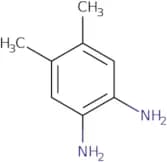
CAS:<p>4,5-Dimethyl-1,2-phenylenediamine is a fluorescent derivative of an unlabeled amine that is used in analytical chemistry. It has been shown to react with hydrogen bond donors and acceptors in aqueous solution to produce a new compound with a different fluorescence spectrum. This reaction mechanism can be used for sample preparation prior to analysis by various analytical methods. The coordination geometry of 4,5-dimethyl-1,2-phenylenediamine has been determined using x-ray crystal structures obtained from the compound in fetal bovine serum. A model system that mimics the disease activity of diabetic patients has been constructed using this compound as the analyte.</p>Formula:C8H12N2Purity:Min. 95%Color and Shape:PowderMolecular weight:136.19 g/mol