Amino Acids (AA)
Subcategories of "Amino Acids (AA)"
- Amino Acid Derivatives(4,017 products)
- Amino Acid and Amino Acid Related Compounds(3,491 products)
- Amino Acids with Oxygen or Sulphur(168 products)
- Boc- Amino Acids(351 products)
- Fmoc Amino Acids(1,710 products)
Found 38387 products of "Amino Acids (AA)"
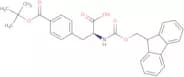
Fmoc-(4-tert-butyloxycarbonyl)-L-phenylalanine
CAS:Fmoc-(4-tert-butyloxycarbonyl)-L-phenylalanine is a chemical compound that is used as a building block in organic synthesis. This chemical has been shown to be useful as a reagent in the synthesis of natural products and pharmaceuticals, such as immunosuppressants and anticancer agents. Fmoc-(4-tert-butyloxycarbonyl)-L-phenylalanine is also used as an intermediate for the production of other chemicals, including pharmaceuticals, pesticides, and fragrance chemicals. The CAS number for this compound is 183070-44-2.
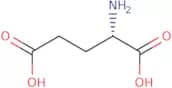
Formula:C29H29NO6Purity:Min. 95%Color and Shape:White PowderMolecular weight:487.54 g/molL-Glutamic acid
CAS:Amino acid; neurotransmitter; flavor enhancer
Formula:C5H9NO4Color and Shape:Off-White Clear LiquidMolecular weight:147.13 g/molThiophene-2-glyoxylic acid
CAS:Thiophene-2-glyoxylic acid is a reactive metabolite of thiophene that is formed from the environmental degradation of this compound. Thiophene-2-glyoxylic acid reacts with halides to form an electrophilic intermediate. This intermediate can react with a variety of nucleophiles, including the drug metabolites, leading to the formation of new compounds. Thiophene-2-glyoxylic acid has been shown to enhance the fluorescence properties of some organic compounds. It also has been shown to inhibit the metabolism of some drugs that are conjugated with acids and can be detected in plasma by mass spectrometry.
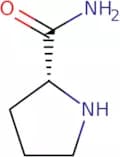
Formula:C6H4O3SPurity:Min. 95%Color and Shape:PowderMolecular weight:156.16 g/molD-Proline amide
CAS:Intermediate in the synthesis of vildagliptin
Formula:C5H10N2OPurity:Min. 95%Color and Shape:PowderMolecular weight:114.15 g/molRef: 3D-FP48181
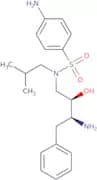
Discontinued product4-Amino-N-((2R,3S)-3-amino-2-hydroxy-4-phenylbutyl)-N-ispobutylbenzenesulfonamide
CAS:4-Amino-N-((2R,3S)-3-amino-2-hydroxy-4-phenylbutyl)-N-isobutylbenzenesulfonamide is an amide that is used to treat HIV infections. It has been shown to have potent anti-viral activity against HIV infected cells in the laboratory and can inhibit the replication of HIV by interfering with the virus's ability to use the reverse transcriptase enzyme. 4ABAB has been shown to bind to the enzyme ribonuclease H (crth2), which is responsible for breaking down viral RNA. This binding prevents crth2 from cleaving viral RNA, thus inhibiting DNA synthesis and preventing cell death. 4ABAB also interferes with a hydrogen bond between ethyl group and the hydroxyl group on crth2, leading to a decrease in activity.
Formula:C20H29N3O3SPurity:Min. 95%Color and Shape:White PowderMolecular weight:391.53 g/molRef: 3D-FA58013
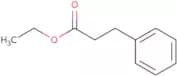
Discontinued productEthyl 3-phenylpropionate
CAS:Ethyl 3-phenylpropionate is a clear, colorless liquid with a fruity odor. It has been used in the production of perfumes and as a solvent. The compound is also known to be used in the synthesis of other organic compounds and can be found in dry weight. Palladium complexes are formed when ethyl 3-phenylpropionate is mixed with palladium chloride or palladium acetate. Ethyl 3-phenylpropionate is an intermediate in the conversion of ethyl decanoate to methyl anthranilate by diethyl succinate and p. pastoris. This conversion takes place at room temperature and below the phase transition temperature (T). The compound has been shown to have low lp-pla2 activity, which may be due to its lack of hydroxyl group.
Formula:C11H14O2Purity:Min. 95%Color and Shape:Colorless PowderMolecular weight:178.23 g/molRef: 3D-FE39043
Discontinued product2-Oxo-3-methylbutanoic acid
CAS:2-Oxo-3-methylbutanoic acid is a metabolite that belongs to the group of pantothenic acids. It is synthesized from pantothenate by enzymes in mitochondria, and also occurs as a metabolic intermediate in the body. 2-Oxo-3-methylbutanoic acid has been shown to have potential as a biomarker for congestive heart failure and obesity. The biochemical properties of this metabolite are not yet well understood. However, it has been shown to be an active component in vivo that may play an important role in energy metabolism. Structural analysis on this metabolite has revealed that it can bind calcium ions and form calcium pantothenate, which may be involved in the synthesis of ATP. X-ray diffraction data collected on this metabolite has shown that it has structural similarities with α subunit (ATP synthase). Dehydrogenase activity and calorimetric titration experiments have demonstrated that 2-ox
Formula:C5H8O3Purity:Min. 95%Color and Shape:Clear Liquid Solidified MassMolecular weight:116.12 g/molRef: 3D-FO153267
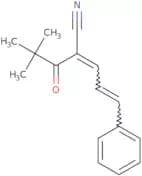
Discontinued product2-(2,2-dimethylpropanoyl)-5-phenylpenta-2,4-dienenitrile
CAS:Please enquire for more information about 2-(2,2-dimethylpropanoyl)-5-phenylpenta-2,4-dienenitrile including the price, delivery time and more detailed product information at the technical inquiry form on this page
Formula:C16H17NOPurity:Min. 95%Color and Shape:PowderMolecular weight:239.31 g/molRef: 3D-FD169909
Discontinued productD,L-Azatryptophan hydrate
CAS:Azatryptophan hydrate is an organic compound that is a useful building block, reagent, and intermediate in the synthesis of many complex compounds. Azatryptophan hydrate is soluble in water and reacts readily with a variety of other compounds. It can be used as a starting material to prepare complex molecules such as heterocycles and natural products. Azatryptophan hydrate has been shown to have high purity and quality and is often used as a research chemical or speciality chemical for commercial purposes.
Formula:C10H13N3O3Purity:Min. 95%Color and Shape:White To Light (Or Pale) Yellow SolidMolecular weight:223.23 g/molRef: 3D-FA18065
Discontinued product6-Amino-3,4-methylenedioxyacetophenone HCl
CAS:Please enquire for more information about 6-Amino-3,4-methylenedioxyacetophenone HCl including the price, delivery time and more detailed product information at the technical inquiry form on this page
Formula:C9H10ClNO3Purity:Min. 95%Color and Shape:PowderMolecular weight:215.63 g/molRef: 3D-FA70523
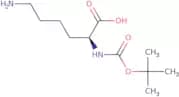
Discontinued productN-Boc-L-Lysine
CAS:N-Boc-L-Lysine is a model of the amino acid lysine. This compound has been shown to inhibit the growth of cancer cells in vitro and in vivo. N-Boc-L-Lysine inhibits protein synthesis by blocking the formation of peptide bonds between amino acids, thus stopping the production of proteins vital for cell division. The inhibition of fatty acid synthesis by this compound may be due to its ability to inhibit the activity of fatty acid synthase, which catalyzes the conversion of acetyl coenzyme A into fatty acids. This product can also be synthesized from caproic acid and an ester hydrochloride or from a fatty acid and an ester hydrochloride.
Formula:C11H22N2O4Purity:Min. 95%Color and Shape:White Off-White PowderMolecular weight:246.3 g/molRef: 3D-FB16295
Discontinued product(2R)-4-Methyl-2-[2-oxo-2-[(phenylmethoxy)amino]ethyl]pentanoic acid
CAS:Please enquire for more information about (2R)-4-Methyl-2-[2-oxo-2-[(phenylmethoxy)amino]ethyl]pentanoic acid including the price, delivery time and more detailed product information at the technical inquiry form on this page
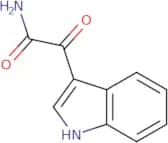
Formula:C15H21NO4Molecular weight:279.33 g/molIndole-3-glyoxylamide
CAS:Indole-3-glyoxylamide is a synthetic compound that was originally developed as a potential anti-cancer drug. It has been shown to inhibit glycogen synthase kinase 3 (GSK-3) and thereby reduce the production of proinflammatory cytokines in bowel disease. Indole-3-glyoxylamide also inhibits inflammatory bowel disease by inhibiting secretory phospholipase A2, which prevents the release of arachidonic acid from phospholipids. This synthesis is required for the production of prostaglandins and leukotrienes, which are involved in the inflammatory process. The compound has been shown to have immunomodulatory effects in chronic bronchitis, with an inhibitory effect on neutrophil chemotaxis, macrophage activity, and cytokine production. Indole-3-glyoxylamide has also been shown to be effective against cancer cells in vitro and in vivo animal models. It is metabolized through
Formula:C10H8N2O2Purity:Min. 95%Color and Shape:PowderMolecular weight:188.18 g/molRef: 3D-FI30472
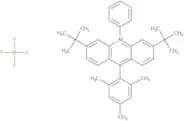
Discontinued product3,6-Bis(1,1-dimethylethyl)-10-phenyl-9-(2,4,6-trimethylphenyl)-acridinium tetrafluoroborate
CAS:3,6-Bis(1,1-dimethylethyl)-10-phenyl-9-(2,4,6-trimethylphenyl)-acridinium tetrafluoroborate is a high quality reagent that is used as an intermediate in the synthesis of other compounds. It has CAS No. 1810004-87-5 and a molecular weight of 345.7 g/mol. This compound is useful for the synthesis of complex compounds and can be used in fine chemicals. 3,6-Bis(1,1-dimethylethyl)-10-phenyl-9-(2,4,6-trimethylphenyl)-acridinium tetrafluoroborate is also useful for research purposes and can be used as a scaffold for drug discovery. It is also a versatile building block that can be used in reactions to produce speciality chemicals and reaction components such as esters or amides.Formula:C36H40BF4NPurity:Min 95%Color and Shape:PowderMolecular weight:573.51 g/molRef: 3D-FB76607
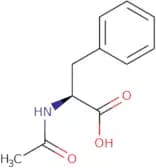
Discontinued productN-Acetyl-L-Phenylalanine
CAS:N-Acetyl-L-Phenylalanine is a reactive compound that is involved in the metabolism of amino acids. It has been shown to inhibit liver cell growth and induce apoptosis. The reaction mechanism of N-acetyl-L-phenylalanine has been extensively studied, with studies showing it to react with carbonyl oxygens, hydrogen bond, and intramolecular hydrogen. N-Acetyl-L-phenylalanine has also been shown to have an optimum pH of 6.5 and its chemical formula is C10H11NO2.
Formula:C11H13NO3Purity:Min. 95%Color and Shape:PowderMolecular weight:207.23 g/mol2,4-Dioxo-4-phenylbutanoic acid
CAS:2,4-Dioxo-4-phenylbutanoic acid is an inhibitor of the influenza virus that binds to its surface proteins and inhibits the replication of the virus. 2,4-Dioxo-4-phenylbutanoic acid is a stable complex that has been shown to be active against HIV. This compound has been shown to inhibit viral life by binding to the subunits of influenza A and B viruses. 2,4-Dioxo-4-phenylbutanoic acid has been synthesized as an active analogue of zanamivir and it is believed that this compound binds to the same site on the influenza A virus as zanamivir. The molecule is also tautomerizable, which means it can exist in two forms: ketone (the more stable form) or enol (less stable).
Formula:C10H8O4Purity:Min. 95%Color and Shape:PowderMolecular weight:192.17 g/molRef: 3D-FD133357
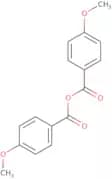
Discontinued product4-Methoxybenzoic anhydride
CAS:4-Methoxybenzoic anhydride is a nonsteroidal anti-inflammatory drug (NSAID) that has a hydroxy group, which makes it susceptible to nucleophilic attack. The reaction mechanism of 4-methoxybenzoic anhydride involves hydroxyl group and phosphorus pentachloride. Kinetic data for the reaction was obtained from kinetic studies. The kinetic study found that the rate of the reaction increased with increasing concentration of amines and amides in the reaction mixture. 4-Methoxybenzoic anhydride has been shown to have antiinflammatory activity in various tests on animals, including rats, guinea pigs, and rabbits. The mechanism of this activity may be due to its ability to inhibit prostaglandin synthesis by blocking cyclooxygenase enzyme activity.
Formula:C16H14O5Purity:Min. 95%Color and Shape:PowderMolecular weight:286.28 g/molRef: 3D-FM35899
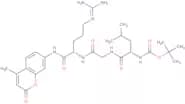
Discontinued productBoc-Leu-Gly-Arg-AMC acetate salt
CAS:Boc-Leu-Gly-Arg-AMC acetate salt is a potential drug target for leishmaniasis. It inhibits the growth of Leishmania by binding to the 17β-estradiol receptor and inhibiting protein synthesis. This drug also has a hydrolytic activity against proteins, which is activated by an acidic environment. It has been shown to inhibit the growth of bacteria including Staphylococcus aureus and Chlamydia pneumoniae by inhibiting urokinase-type plasminogen activator (uPA) and serine protease activities. Boc-Leu-Gly-Arg-AMC acetate salt has also been shown to inhibit cellular proliferation in cancer cells.
Formula:C29H43N7O7•C2H4O2Purity:Min. 98 Area-%Color and Shape:PowderMolecular weight:661.74 g/molRef: 3D-FB110486
Discontinued product2-Phenylbenzamide
CAS:2-Phenylbenzamide (2PB) is a drug that belongs to the class of anthelmintics. It binds to the nicotinic acetylcholine receptor and inhibits the release of acetylcholine at neuromuscular junctions, leading to paralysis and death of the parasite. 2PB also has been shown to have anti-inflammatory properties in mice with colitis, which may be due to its ability to inhibit prostaglandin synthesis. The molecular docking analysis showed that 2PB binds covalently with nitro-containing molecules, such as nitrosamines, which are found in cigarette smoke and are known carcinogens. This binding may contribute to the development of cancer through inhibition of DNA repair mechanisms.
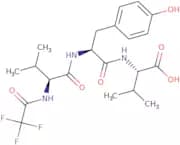
Formula:C13H11NOPurity:Min. 95%Color and Shape:PowderMolecular weight:197.23 g/molN-(2,2,2-Trifluoroacetyl)-L-valyl-L-tyrosyl-L-valine
CAS:Trifluoroacetic acid is a synthetic molecule that is used as a precursor for the synthesis of various pharmaceuticals, including the skin-lightening agent N-(2,2,2-trifluoroacetyl)-L-valyl-L-tyrosyl-L-valine. This drug is an inhibitor of tyrosinase and blocks the synthesis of melanin. Trifluoroacetic acid has been shown to inhibit tyrosinase activity in human skin cells by binding to tyrosinase and blocking its catalytic site. The hydrogenation of trifluoroacetic acid yields 2,2,2-trifluoroethanol (TFE), which can be used as a solvent in cosmetic formulations.Formula:C21H28F3N3O6Purity:Min. 98 Area-%Color and Shape:PowderMolecular weight:475.46 g/mol




![(2R)-4-Methyl-2-[2-oxo-2-[(phenylmethoxy)amino]ethyl]pentanoic acid](/_next/image/?url=https%3A%2Fstatic.cymitquimica.com%2Fproducts%2F3D%2Fthumb-webp%2FB-9970.webp&w=3840&q=75)