Amino Acids (AA)
Subcategories of "Amino Acids (AA)"
- Amino Acid Derivatives(4,010 products)
- Amino Acid and Amino Acid Related Compounds(3,486 products)
- Amino Acids with Oxygen or Sulphur(168 products)
- Boc- Amino Acids(351 products)
- Fmoc Amino Acids(1,710 products)
Found 38355 products of "Amino Acids (AA)"
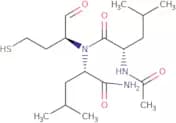
N-Acetyl-L-leucyl-L-leucyl-L-methioninal
CAS:Inhibitor of cathepsinFormula:C19H35N3O4SPurity:Min. 95%Molecular weight:401.57 g/molRef: 3D-FA137466
Discontinued product1-Methyl-2-(piperazin-1-ylcarbonyl)-1H-indole hydrochloride
CAS:Controlled ProductPlease enquire for more information about 1-Methyl-2-(piperazin-1-ylcarbonyl)-1H-indole hydrochloride including the price, delivery time and more detailed product information at the technical inquiry form on this pageFormula:C14H17N3OPurity:Min. 95%Molecular weight:243.3 g/molRef: 3D-FM125004
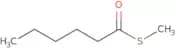
Discontinued productS-Methyl thiohexanoate
CAS:S-Methyl thiohexanoate is a fatty acid that is the product of the serine protease activity of the potato tuber. It has been shown to have a transcriptional regulatory effect on carbon source utilization and natural compounds production, which may be due to its ability to alter the phospholipid composition in plant cells. S-Methyl thiohexanoate can inhibit or induce natural compounds production depending on the concentration used. The effects of this compound are mediated by its ability to form hydrogen bonds with hydroxyl groups in phospholipids, altering their configuration and consequently disrupting membrane integrity. S-Methyl thiohexanoate also has been shown to act as an electron donor for covalent polymerization reactions catalyzed by DNA polymerases and reverse transcriptases. This may be due to its ability to form hydrogen bonds with phosphate groups in nucleic acids, altering their configuration and consequently disrupting DNA or RNA synthesis.
Formula:C7H14OSPurity:Min. 95%Color and Shape:Clear LiquidMolecular weight:146.25 g/molN,N'-Di-(4-methyl-phenyl)-N,N'-diphenyl-1,4-phenylendiamine
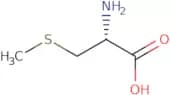
CAS:Please enquire for more information about N,N'-Di-(4-methyl-phenyl)-N,N'-diphenyl-1,4-phenylendiamine including the price, delivery time and more detailed product information at the technical inquiry form on this pageFormula:C32H28N2Purity:Min. 95%Molecular weight:440.58 g/molH-Cys(Me)-OH
CAS:H-Cys(Me)-OH is an organosulfur compound that contains a sulfhydryl group. It is used as a model system for the study of the p2 group of compounds in nitrogen chemistry and enzyme activity. H-Cys(Me)-OH has been shown to have anti-inflammatory properties, which may be due to its ability to inhibit prostaglandin synthesis. The compound also exhibits carcinogenic potential, as it induces mitochondrial membrane depolarization and kidney bean necrosis in rats when administered at high doses.
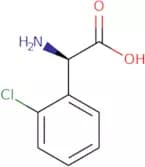
Formula:C4H9NO2SPurity:Min. 95 Area-%Molecular weight:135.19 g/molD-(+)-2-ChlorophenylglycIne
CAS:D-(+)-2-Chlorophenylglycine is a synthetic, chiral aldehyde that serves as an industrial solvent. It is used to produce other organic compounds and has been shown to cause environmental pollution. D-(+)-2-Chlorophenylglycine is also used in the synthesis of thiourea and organocatalysts. This compound is synthesized from quinidine and enantiomeric (D or L) thionyl chloride, which are both manufactured on an industrial scale. The stereoselective process for D-(+)-2-chlorophenylglycine involves the use of a chiral catalyst.
Purity:Min. 95%Ref: 3D-FC39658
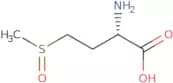
Discontinued productL-Methionine sulfoxide
CAS:Methionine sulfoxide is a methionine that has been oxidized to methionine sulfoxide. Methionine sulfoxides are produced through protein oxidation, which is the chemical process of reacting with oxygen in the air or other compounds to form an organic peroxide and superoxide radical. Methionine sulfoxides are found in proteins and are formed as a result of oxidative stress on cells and tissues. The rate constant for the conversion of methionine to methionine sulfoxide is 0.01983 min-1 at pH 7, 25°C. There are two methods of detection: chemiluminescence method and chromatographic analysis. In addition, methionine sulfoxides have natural antioxidant properties that can be used to treat diseases such as Alzheimer's disease and Parkinson's disease, as well as cancer treatments. Methionine sulfoxides have been shown to have a significant effect on wild-type strains of bacteria, reducing their growth rates
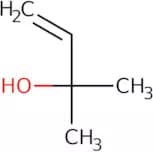
Formula:C5H11NO3SPurity:Min. 98 Area-%Color and Shape:White PowderMolecular weight:165.21 g/mol2-Methyl-3-buten-2-ol
CAS:2-Methyl-3-buten-2-ol is a reactive oxygenated compound that can be found in the environment. It is produced by the oxidation of glyoxal, glycolaldehyde, and other simple sugars. 2-Methyl-3-buten-2-ol has been found to have toxic effects on wild type strains of Escherichia coli, including inhibition of growth and induction of cell death. In addition, 2-methyl-3 buten 2 ol has been shown to react with other molecules in the environment to produce epoxides. This compound can also be found in some foods and beverages as a result of its presence as a natural component or from contamination during processing. !-- END-->
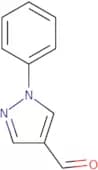
Formula:C5H10OPurity:Max. 98%Molecular weight:86.13 g/mol1-Phenyl-1H-pyrazole-4-carbaldehyde
CAS:1-Phenyl-1H-pyrazole-4-carbaldehyde is an antibacterial agent that has been shown to have bactericidal activity against bacteria. It inhibits the growth of bacteria by binding to the pyrazole ring in the bacterial cell wall and blocking the formation of a hydrogen bond. 1-Phenyl-1H-pyrazole-4-carbaldehyde has been shown to be effective against methicillin resistant Staphylococcus aureus (MRSA) and Ciprofloxacin resistant Pseudomonas aeruginosa isolates, but not against Mycobacterium tuberculosis or Mycobacterium avium complex.
Formula:C10H8N2OPurity:Min. 95%Molecular weight:172.18 g/molDemeton-S-methyl
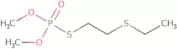
CAS:Demeton-S-methyl is a chemical pesticide that belongs to the group of organophosphates. It inhibits acetylcholinesterase activity and is used for the control of insects. Demeton-S-methyl is an anticholinesterase agent that binds reversibly to the active site of acetylcholinesterase, inhibiting the enzyme's activity. This inhibition leads to accumulation of acetylcholine in nerve tissue and increased transmission at cholinergic synapses. Demeton-S-methyl has been shown to be acutely toxic in rats, mice, and dogs by inhalation or ingestion. Acute toxicities are more severe with higher dosages as well as with repeated exposures.
Formula:C6H15O3PS2Purity:Min. 95%Color and Shape:Clear LiquidMolecular weight:230.29 g/molD,L-Threo-b-hydroxy aspartic acid
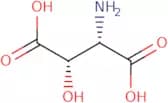
CAS:D,L-Threo-b-hydroxy aspartic acid is a stereoselective synthetic amino acid that has been used to study the uptake and hydrolysis of D,L-threo-b-hydroxy aspartic acid by rat brain synaptosomes. It has also been used in the synthesis of an L-alanine analogue with the same stereochemistry at the chiral center. The stereoselective synthesis of this compound is achieved by epimerization reaction using d-alanine as a starting material. Threo bhda has been shown to inhibit glutamate release from neurons and stimulate GABA release in synaptosomes, which may be due to its ability to bind to ion channels. Threo bhda has also been found to inhibit the binding of radioactive thymidine to calf thymus DNA with a high degree of stereoselectivity.
Formula:C4H7NO5Purity:Min. 95%Molecular weight:149.1 g/molRef: 3D-FT28259
Discontinued product2-(2-Methoxyphenoxy)ethanol
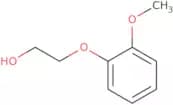
CAS:2-(2-Methoxyphenoxy)ethanol (2-MPE) is a metabolite of propanediol, which is a precursor in the synthesis of polyurethanes. 2-MPE can be oxidized by monooxygenases to form syringyl and other reactive metabolites. Basic hydrolysis may also produce monomers such as phenols, alcohols, and carboxylic acids. Syringyl is one of the metabolic products of 2-MPE, which has been shown to be resistant to degradation by basidiomycete fungi.
Formula:C9H12O3Purity:Min. 95%Molecular weight:168.19 g/molRef: 3D-FM58242
Discontinued productAcetyl-L-proline methyl ester
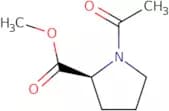
CAS:Acetyl-L-proline methyl ester is a conformationally restricted chiral compound. It is an ester of the amino acid L-proline and acetyl chloride. The conformational restriction in this molecule may be due to the interaction between the amide group and the methyl ester side chain. This chemical is used in collagen production as well as a theoretical model for other molecules with similar structural properties. Acetyl-L-proline methyl ester has been shown to have anti-inflammatory properties, which are thought to be due to its ability to stabilize collagen fibers and inhibit the formation of matrix metalloproteinases.
Formula:C8H13NO3Purity:Min. 95%Color and Shape:PowderMolecular weight:171.19 g/molRef: 3D-FA47444
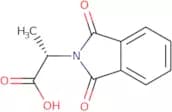
Discontinued productPhthaloyl-L-alanine
CAS:Phthaloyl-L-alanine is a molecule with a hydrochloric acid group and a carbonyl group. It has been shown to have the ability to bind to peptidyl molecules and immobilize them, leading to an inhibition of the reaction mechanism. This process can be induced by enzymatic inactivation or by hydrogen bonding with chloride. The cisplatin-induced apoptosis of cancer cells has been demonstrated using patch-clamp technique on human erythrocytes. Caspases are proteins that are activated during apoptosis and have been found to interact with Phthaloyl-L-alanine in vitro. Molecular modeling studies suggest that Phthaloyl-L-alanine may inhibit caspases by binding to the enzyme's active site.
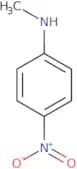
Formula:C11H9NO4Purity:Min. 95%Color and Shape:PowderMolecular weight:219.19 g/molN-Methyl-4-nitroaniline
CAS:Controlled ProductIntermediate in the synthesis of nintedanib
Formula:C7H8N2O2Purity:Min. 95%Molecular weight:152.15 g/molRef: 3D-FM76174
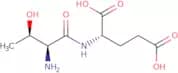
Discontinued productH-Thr-Glu-OH
CAS:H-Thr-Glu-OH is a nucleotide that is a component of RNA. It is one of the 20 natural amino acids and it is found in proteins as well as in RNA molecules. H-Thr-Glu-OH can be synthesized by hydrolysis of proteins with an enzyme called glutamic acid hydrolase. H-Thr-Glu-OH has been shown to have a high affinity for lysine, which has been shown to be required for the enzymatic activity of many protein enzymes. This amino acid can also be found in large quantities in cheese, soy sauce, and yogurt.
Formula:C9H16N2O6Purity:Min. 98 Area-%Color and Shape:PowderMolecular weight:248.23 g/molRef: 3D-FT108272
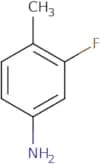
Discontinued product3-Fluoro-4-methylaniline
CAS:3-Fluoro-4-methylaniline is a synthesized compound that is used to produce anti-cancer agents. It is an amide and has anti-cancer properties. 3-Fluoro-4-methylaniline also binds to DNA and inhibits the synthesis of proteins in cancer cells. The binding constants for ligands are found to be high. 3-Fluoro-4-methylaniline can also bind with DNA through intercalation or hybridization, which prevents transcription of RNA from DNA, thereby inhibiting protein synthesis. This results in cell death by apoptosis.
Formula:C7H8FNPurity:Min. 95%Color and Shape:Clear LiquidMolecular weight:125.14 g/molRef: 3D-FF104392
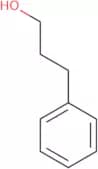
Discontinued product3-Phenyl-1-propanol
CAS:3-Phenyl-1-propanol is an organic compound that belongs to the class of trifluoroacetic acids. It has a molecular weight of 134.24 and a molecular formula of C8H12O2F3. 3-Phenyl-1-propanol is a reactive compound that reacts with germinating seeds, causing them to stop growing. The reaction products are fatty acid esters, which may be responsible for the inhibition of seed germination. 3-Phenyl-1-propanol can be prepared by reacting phenylacetaldehyde with trifluoroacetic acid in the presence of potassium hydroxide at high temperature and pressure. This method also produces 4-vinylbenzyl alcohol as a side product, which is used in the production of polymers and plastics.
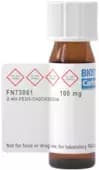
Formula:C9H12OPurity:Min. 95%Molecular weight:136.19 g/molZ-NH-PEG5-CH2CH2COOH
Z-NH-PEG5-CH2CH2COOH is a PEG compound with two different functional groups (also known as heterobifunctional). Unlike homobifunctional PEG compounds (same functional group on both ends), this type of compounds are more versatile as have two different anchor points. Z-NH-PEG5-CH2CH2COOH is used as a linker and spacer to add a PEG moiety, via pegylation (a bioconjugation technique) to proteins, peptides, oligonucleotides, small molecules and nanoparticles.
Formula:C21H33NO9Purity:Min. 95%Molecular weight:443.49 g/molRef: 3D-FN73061
Discontinued product1,3-Dipropyl-7-methylxanthine
CAS:Controlled Product1,3-Dipropyl-7-methylxanthine is a xanthine compound that is structurally related to caffeine. It has been shown to have an inhibitory effect on the production of reactive oxygen species and cytosolic calcium levels in primary cells, as well as a nonselective adenosine receptor antagonist activity. It has also been shown to antagonize the effects of adenosine receptors, p2 receptors, and p2y receptors. This drug is used for the treatment of basophilic leukemia.
Formula:C12H18N4O2Purity:Min. 95%Molecular weight:250.3 g/molRef: 3D-FD22522
Discontinued product