Amino Acids (AA)
Amino acids (AAs) are the fundamental building blocks of proteins, playing a crucial role in various biological processes. These organic compounds are essential for protein synthesis, metabolic pathways, and cell signaling. In this category, you will find a comprehensive range of amino acids, including essential, non-essential, and modified forms, which are vital for research in biochemistry, molecular biology, and nutritional sciences. At CymitQuimica, we provide high-quality amino acids to support your research and development needs, ensuring accuracy and reliability in your experimental outcomes.
Subcategories of "Amino Acids (AA)"
- Amino Acid Derivatives(3,969 products)
- Amino Acid and Amino Acid Related Compounds(3,474 products)
- Amino Acids with Oxygen or Sulphur(168 products)
- Boc- Amino Acids(351 products)
- Fmoc Amino Acids(1,710 products)
Found 38282 products of "Amino Acids (AA)"
Sort by
Purity (%)
0
100
|
0
|
50
|
90
|
95
|
100
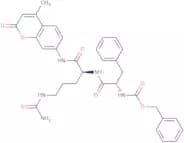
Z-Phe-Cit-AMC
CAS:<p>Z-Phe-Cit-AMC is a fluorescent substrate for the enzymes cysteine and peptide aminopeptidases. It has been synthesized by conjugating 7-amino-4-methylcoumarin with L-phenylalanine. The product is useful in assays to measure the activity of these enzymes, which are involved in protein digestion and wound healing. Z-Phe-Cit-AMC can be hydrolyzed by bromelain, ficin, or papain and it can be used as a substrate for enzyme reactions.</p>Formula:C33H35N5O7Purity:Min. 95%Molecular weight:613.66 g/molRef: 3D-FP110564
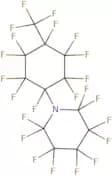
Discontinued productPerfluoro-N-(4-methylcyclohexyl)piperidine
CAS:Controlled Product<p>Perfluoro-N-(4-methylcyclohexyl)piperidine (4-FPP) is a fluorine compound that has been shown to inhibit the enzymatic activity of tyrosine kinases. It is a potent inhibitor of both human and murine tyrosine kinases, but it does not bind to bacterial tyrosine kinase domains. 4-FPP has been used in clinical studies as an anti-cancer drug, although it's clinical relevance remains unclear. It has also been shown to be effective against the influenza virus by inhibiting the synthesis of viral proteins that are involved in replication. The chemical structure of 4-FPP contains a carbonyl group that can react with other compounds through a photochemical process. This reaction is thought to result in the development of new drugs with similar biochemical properties to 4-FPP.</p>Formula:C12F23NPurity:Min. 95%Color and Shape:Clear LiquidMolecular weight:595.1 g/mol