Amino Acids (AA)
Amino acids (AAs) are the fundamental building blocks of proteins, playing a crucial role in various biological processes. These organic compounds are essential for protein synthesis, metabolic pathways, and cell signaling. In this category, you will find a comprehensive range of amino acids, including essential, non-essential, and modified forms, which are vital for research in biochemistry, molecular biology, and nutritional sciences. At CymitQuimica, we provide high-quality amino acids to support your research and development needs, ensuring accuracy and reliability in your experimental outcomes.
Subcategories of "Amino Acids (AA)"
- Amino Acid Derivatives(3,955 products)
- Amino Acid and Amino Acid Related Compounds(3,451 products)
- Amino Acids with Oxygen or Sulphur(168 products)
- Boc- Amino Acids(351 products)
- Fmoc Amino Acids(1,710 products)
Found 38234 products of "Amino Acids (AA)"
Sort by
Purity (%)
0
100
|
0
|
50
|
90
|
95
|
100
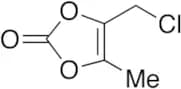
4-Chloromethyl-5-methyl-1,3-dioxol-2-one
CAS:Controlled Product<p>Applications 4-Chloromethyl-5-methyl-1,3-dioxol-2-one is an important reagent in the preparation of angiotensin II receptor antagonist such as Olmesratan Medoxomil (O550000). 4-Chloromethyl-5-methyl-1,3-dioxol-2-one is also used in the preparation of prodrugs of ampicillin.<br>References Ikeda, S. et al.: Chem. Pharmac. Bull., 32, 4316 (1984); Wu, T. Yaox. Xueb., 41, 537 (2006);<br></p>Formula:C5H5ClO3Color and Shape:NeatMolecular weight:148.54D,L-o-Tyrosine
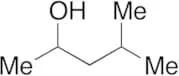
CAS:Controlled Product<p>Applications D,L-o-Tyrosine is a metabolite of Phenylalanine (P319415). A precursor in the formation of catecholamines. Used as biomarkers of protein oxidative damage in β-thalassemia.<br>References Tsugita, A., et al.: Eur. J. Biochem., 124, 585 (1982), Nielsen, F., et al.: Clin. Chem., 43, 1209 (1997), Mates, J., et al.: Clin. Biochem., 32, 595 (1999),<br></p>Formula:C9H11NO3Color and Shape:WhiteMolecular weight:181.194-Methyl-2-pentanol
CAS:<p>Applications 4-Methyl-2-pentanol is used in the synthesis of 4-quinolone derivatives as high-affinity ligands for the brain GABAA receptors. Also used in the preparation of antimycotic imadazoles, as antifungals.<br> Not a dangerous good if item is equal to or less than 1g/ml and there is less than 100g/ml in the package<br>References Lager, E. et al.: J. Med. Chem., 49, 2526 (2006); Heeres, J. et al.: J. Med. Chem., 22, 1003 (1979);<br></p>Formula:C6H14OColor and Shape:Clear ColourlessMolecular weight:102.171-Methyl-4-nitropyrrole-2-carboxylic Acid
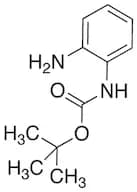
CAS:Controlled Product<p>Applications 1-Methyl-4-nitropyrrole-2-carboxylic Acid is used in the synthesis of Lexitropsin and distamycin analogs with antimicrobial activities.<br>References Anthony, N., et al.: J. Med. Chem., 50, 6116 (2007); Khalaf, A., et al.: J. Med. Chem., 47, 2133 (2004)<br></p>Formula:C6H6N2O4Color and Shape:NeatMolecular weight:170.12N-Boc-1,2-phenyldiamine
CAS:Controlled Product<p>Applications Protected 1,2-Phenyldiamine, an intermediate in the synthesis of histone deacetylase agents and antitumor agents.<br>References Andrews, D., et al.: Bioorg. Med. Chem. Lett., 18, 2580 (2008), Mahboobi, S., et al.: J. Med. Chem., 52, 2265 (2009),<br></p>Formula:C11H16N2O2Color and Shape:NeatMolecular weight:208.263-Mercapto-3-methylbutanoic Acid Ethyl Ester
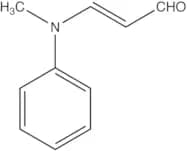
CAS:Controlled Product<p>Applications 3-Mercapto-3-methylbutanoic Acid Ethyl Ester is an intermediate in the synthesis of 3-Mercapto-3-methylbutyl Formate (M253540), which is one of the major odor-active thiol in pan-roasted white sesame seeds.<br>References Czerny, M., et al.: J .Agric. Food Chem., 47, 695 (1999), Steinhaus, M., et al.: Eur. Food Res. Technol., 226, 45 (2007), Tamura, H., et al.: Agric. Food Chem., 2010, 58, 7368 (2010),<br></p>Formula:C7H14O2SColor and Shape:NeatMolecular weight:162.25trans 3-(N-Methylanilino)acrolein
CAS:Controlled Product<p>Applications trans 3-(N-Methylanilino)acrolein (cas# 34900-01-1) is a compound useful in organic synthesis.<br></p>Formula:C10H11NOColor and Shape:NeatMolecular weight:161.202-Azido-2-deoxy-D-glucose
CAS:<p>Applications 2-Azido-2-deoxy-D-glucose is a glucose derivative that have been used to study the substrate specificity of galactokinase.<br>References Zou, W., et al.: Bioorg. Med. Chem. Lett., 22, 3540 (2012);<br></p>Formula:C6H11N3O5Color and Shape:White PowderMolecular weight:205.17Methylpropylnitrosamine
CAS:Controlled Product<p>Applications Methylpropylnitrosamine is used in biological studies as human liver microsomal cytochrome P-450 enzymes which are involved in the bioactivation of procarcinogens detected by umu gene response in Salmonella typhimurium TA 1535/pSK1002.<br>References Shimada, T., et al.: Cancer Res., 48, 3218 (1989);<br></p>Formula:C4H10N2OColor and Shape:NeatMolecular weight:102.142-Ethyl-4-methylpentyl Acrylate
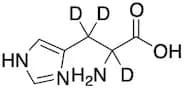
Controlled Product<p>Stability Temperature Sensitive, Light Sensitive<br>Applications 2-Ethyl-4-methylpentyl Acrylate<br></p>Formula:C11H20O2Color and Shape:NeatMolecular weight:184.28DL-Histidine-α,β,β-d3
CAS:Controlled Product<p>Applications DL-Histidine-alpha,beta,beta-d3 (CAS# 344299-50-9) is a useful isotopically labeled research compound.<br></p>Formula:C6D3H6N3O2Color and Shape:Off-White To BeigeMolecular weight:158.18Fmoc N-Hydroxysuccinimide Ester
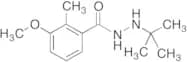
CAS:<p>Stability Moisture Sensitive<br>Applications Used in conjunction with Isothiocyanate to conduct partial Edman Degradation on biologically active peptides.<br> Not a dangerous good if item is equal to or less than 1g/ml and there is less than 100g/ml in the package<br>References Heidenreich, O., et al.: J. Biol. Chem., 269, 2131 (1994), Kothe, U., et al.: Anal. Biochem., 356, 148 (2006), Thakkar, A., et al.: Anal. Chem., 78, 5935 (2006),<br></p>Formula:C19H15NO5Color and Shape:NeatMolecular weight:337.33N'-tert-Butyl-3-methoxy-2-methylbenzohydrazide
CAS:Controlled Product<p>Applications N'-tert-Butyl-3-methoxy-2-methylbenzohydrazide is an intermediate used in the synthesis of methoxyfenozide; an active ingredient for the commercial production of certain insecticidal and pesticidal formulations.<br>References Shao, J., et al.: Xiandai Nongyao, 2, 12, (2003), Mao, W. T., et al.: Chin. Chem. Lett., 23, 1233 (2012)<br></p>Formula:C13H20N2O2Color and Shape:NeatMolecular weight:236.31Ammonium Perfluoro(2-methyl-3-oxahexanoate)
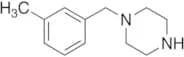
CAS:Controlled Product<p>Applications AMMONIUM PERFLUORO(2-METHYL-3-OXAHEXANOATE) (cas# 62037-80-3) is a useful research chemical.<br></p>Formula:C6F11O3·H4NColor and Shape:White To Off-WhiteMolecular weight:347.081-(3-Methylbenzyl)piperazine
CAS:Controlled ProductFormula:C12H18N2Color and Shape:NeatMolecular weight:190.284-Amino-2-methyl-5-pyrimidinemethanesulfonic acid
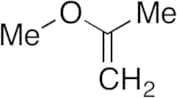
CAS:Controlled Product<p>Applications 4-Amino-2-methyl-5-pyrimidinemethanesulfonic acid is used in the biosynthesis of Thiamine (T344185) in yeast.<br>References White, R., et al.: Journal of the American Chemical Society, 104, 4934 (1982).<br></p>Formula:C6H9N3O3SColor and Shape:NeatMolecular weight:203.222-Methoxypropene
CAS:Controlled Product<p>Applications 2-Methoxypropene is used in the synthesis of Macrolactin A, a 24-member macrolide typically employed as an antibiotic. Also used in the synthesis of phenylalanine derivatives used as α4β1 and α4β7 receptor antagonists in the treatment of allergic asthma.<br>References Marino, K. et al.: J. Am. Chem. Soc., 12, 1664, (2002); Tilley, J. et al.: Bioorg. Med. Chem. Lett., 23, 1036 (2013);<br></p>Formula:C4H8OColor and Shape:NeatMolecular weight:72.11Methyl 4-Methoxysalicylate
CAS:Controlled Product<p>Applications Methyl 4-Methoxysalicylate, is an organic building block, used for the synthesis of (+)-coriandrone A and B, two bioactive natural products. It can also be used for the preparation of Dimethoxybenzofuran derivatives as potent and selective inhibitors of CYP2A6.<br>References Wang, W., et al.: Org. Biomol. Chem., 11, 6686 (2013); Yamaguchi, Y., et al.: Heterocycles, 87, 1727 (2013);<br></p>Formula:C9H10O4Color and Shape:NeatMolecular weight:182.173-Methyl-5-(3-nitrophenyl)cyclohex-2-enone
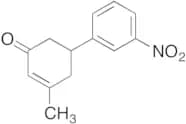
CAS:Controlled Product<p>Applications 3-Methyl-5-(3-nitrophenyl)cyclohex-2-enone is derived from Acetone (A163800), which is a common organic building block in organic chemistry.<br>References Neubert, L., et al.: J. Am. Chem. Soc., 134, 12239 (2012); Zhai, J.J., et al.: J. Am. Soc. Mass. Spec., 20, 1366 (2009);<br></p>Formula:C13H13NO3Color and Shape:NeatMolecular weight:231.253,3’-Methylimino-di-propionitrile
CAS:Controlled Product<p>Applications 3,3’-Methylimino-di-propionitrile (cas# 1555-58-4) is a compound useful in organic synthesis.<br> Not a dangerous good if item is equal to or less than 1g/ml and there is less than 100g/ml in the package<br></p>Formula:C7H11N3Color and Shape:NeatMolecular weight:137.18(1-Chlorocyclohexyl)cyclohexyl-methanone
CAS:Controlled Product<p>Applications (1-Chlorocyclohexyl)cyclohexyl-methanone is a synthetic intermediate and a potential reagent for the synthesis of Dicyclomine Impurity A (B382435) and Dihexyverine Hydrochloride (D448200).<br>References Cramer, R., et al.: J. Med. Chem., 47, 6777 (2004); Vilar, S., et al.: J. Med. Chem., 49, 1118 (2006); Kopp, M., et al.: B. Soc. Chim. Fr., no vol., 84 (1952); Levy, J., et al.: CR. Soc. Biol., 144, 339 (1950)<br></p>Formula:C13H21ClOColor and Shape:NeatMolecular weight:228.765-Amino-2-methyl-benzenesulfonamide
CAS:Controlled Product<p>Applications 5-amino-2-methyl-benzenesulfonamide (cas# 6973-09-7) is a useful research chemical.<br></p>Formula:C7H10N2O2SColor and Shape:NeatMolecular weight:186.23Ethyl 2-(4-Hydroxyphenyl)-4-methylthiazole-5-carboxylate
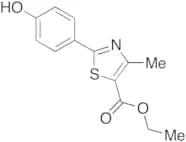
CAS:<p>Applications Ethyl 2-(4-Hydroxyphenyl)-4-methylthiazole-5-carboxylate is used in the synthesis of the major metabolites of Febuxostat (F229000), a xanthine oxidase/xanthine dehydrogenase inhibitor. Used for treatment of hyperuricemia and chronic gout. 40-120 mg/day febuxostat was proven effective in lowering serum urate levels when administered to manage hyperuricemia in patients with gout.<br>References Li, X., et. al.: Lett. Org. Chem., 12, 217 (2015); Vallu, V., et. al.: Anal. Chem. Indian J., 14, 339 (2014); Osada, Y., et al.: Eur. J. Pharmacol., 241, 183 (1993); Okamoto, K., et al.: J. Biol. Chem., 278, 1848 (2003); Mayer, M.D., et al.: Am. J. Therap., 12, 22 (2005); Tomlinson, B., et al.: Curr. Opin. Invest. Drugs, 6, 1168 (2005)<br></p>Formula:C13H13NO3SColor and Shape:NeatMolecular weight:263.315-Oxo-DL-proline-d5
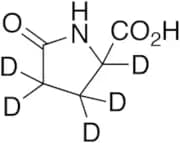
CAS:Controlled Product<p>Applications 5-Oxo-DL-proline-d5 is a labelled cyclized derivative of L-Glutamic Acid (G596960). The pyroglutamate core has potential application for synthesis of novel anti-bacterials.<br>References Mischo A. et al.: ChemBioChem., 13, 1421 (2012); Angelov P. et al.: Org. Biomol. Chem.: 10, 3472 (2012);<br></p>Formula:C52H5H2NO3Color and Shape:NeatMolecular weight:134.14[2-(1-Methyl-1H-pyrazol-3-yl)-1H-benzimidazol-1-yl]acetic Acid
CAS:Controlled Product<p>Applications [2-(1-methyl-1H-pyrazol-3-yl)-1H-benzimidazol-1-yl]acetic acid (cas# 1171565-50-6) is a useful research chemical.<br></p>Formula:C13H12N4O2Color and Shape:NeatMolecular weight:256.262,2-Dimethoxy-N-methylethanamine
CAS:<p>Applications 2,2-Dimethoxy-N-methylethanamine is an impurity formed in the synthetic process of Methimazole (M260300), a thiourea antithyroid agent that prevents iodine organification,<br> Not a dangerous good if item is equal to or less than 1g/ml and there is less than 100g/ml in the package<br>References Sitar, D.S., et al.: J. Pharmacol. Exp. Ther., 184, 432 (1973), Aboul-Enein, H.Y., et al.: Anal. Profiles Drug Subs., 8, 351 (1979), Cooper, D.S., et al.: N. Engl. J. Med., 311, 1353 (1984), Atterwill, C.K., et al.: Food Chem. Toxicol., 29, 355 (1991),<br></p>Formula:C5H13NO2Color and Shape:NeatMolecular weight:119.16N-Methyl-1H-imidazole-1-carboxamide (~90%)
CAS:Controlled Product<p>Stability Moisture Sensitive<br>Applications N-Methyl-1H-imidazole-1-carboxamide is a useful Methyl Isocyanate (MIC) substitute.<br></p>Formula:C5H7N3OPurity:~90%Color and Shape:NeatMolecular weight:125.123-[4-(2-Methoxyphenyl)piperazin-1-yl]propan-1-amine
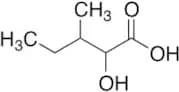
CAS:Controlled Product<p>Applications 3-[4-(2-methoxyphenyl)piperazin-1-yl]propan-1-amine (cas# 20529-23-1) is a useful research chemical.<br></p>Formula:C14H23N3OColor and Shape:NeatMolecular weight:249.352-Hydroxy-3-methylpentanoic Acid (Mixture of Diastereomers)
CAS:Controlled Product<p>Applications 2-hydroxy-3-methylpentanoic acid (cas# 488-15-3) is a useful research chemical.<br></p>Formula:C6H12O3Color and Shape:NeatMolecular weight:132.15N-(4-Bromo-2-methylphenyl)-2-chloroacetamide
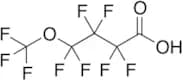
CAS:Controlled Product<p>Applications N-(4-Bromo-2-methylphenyl)-2-chloroacetamide (cas# 96686-51-0) is a useful research chemical.<br></p>Formula:C9H9NOClBrColor and Shape:NeatMolecular weight:262.53Perfluoro-4-methoxybutanoic Acid
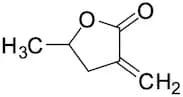
CAS:<p>Applications Perfluoro-4-Methoxybutanoic Acid (cas# 863090-89-5) is a useful research chemical.<br> Not a dangerous good if item is equal to or less than 1g/ml and there is less than 100g/ml in the package<br></p>Formula:C5HF9O3Color and Shape:NeatMolecular weight:280.05α-Methylene-γ-valerolactone
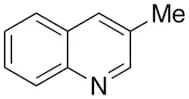
CAS:Controlled Product<p>Applications alpha-Methylene-gamma-valerolactone (cas# 62873-16-9) is a useful research chemical.<br></p>Formula:C6H8O2Color and Shape:NeatMolecular weight:112.1263-Methylquinoline
CAS:Controlled Product<p>Applications It can be degraded efficiently by the QL-degrading bacteria.<br>References Shukla, O., et al.: Microbios., 59, 47 (1989), Oh, Y; Biotechnol Bioeng 1994, 44, 533,,,<br></p>Formula:C10H9NColor and Shape:NeatMolecular weight:143.192-Mercapto-4-methyl-5-thiazoleacetic Acid
CAS:Controlled Product<p>Applications 2-Mercapto-4-methyl-5-thiazoleacetic Acid is used as a reagent for determination of hydroxylamine using fused gold nanoparticles immobilized on sol-gel film modified gold electrode.<br> Not a dangerous good if item is equal to or less than 1g/ml and there is less than 100g/ml in the package<br>References Kannan, P., John, A.: Anal. Chim. Acta, 663, 158 (2010);<br></p>Formula:C6H7NO2S2Color and Shape:NeatMolecular weight:189.268-Methoxycarbonyloctanoic Acid
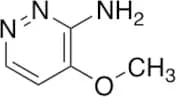
CAS:Controlled Product<p>Applications 8-Methoxycarbonyloctanoic Acid (cas# 2104-19-0) is a compound useful in organic synthesis.<br></p>Formula:C10H18O4Color and Shape:NeatMolecular weight:202.254-Methoxypyridazin-3-amine
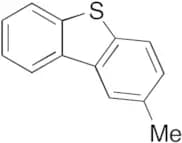
CAS:Controlled ProductFormula:C5H7N3OColor and Shape:NeatMolecular weight:125.1282-Methyldibenzothiophene
CAS:Controlled Product<p>Applications 2-Methyldibenzothiophene, is an alkyldibenzothiophene present in crude oil. Research concerning the biodegradation of Dibenzothiophene by different types of bacteria is a currently being carried out, as these bacteria have the ability to breakdown other harmful PAH’s as well. This may be used in removing spilled oil from marine and terrestrial environments.<br>References Boberg, F., et al.: Erdoel & Kohle, Erdgas, Petrochemie, 47, 187 (1994); Tanaka, Y., et al.: Applied Microbiology and Biotech., 59 (2), 325 (2002); Prince, R., Spill Sci. Tech. Bulletin, 8 (2), 145 (2003);<br></p>Formula:C13H10SColor and Shape:NeatMolecular weight:198.282-Methylbutyrylglycine-d9
CAS:Controlled Product<p>Applications Labelled 2-Methylbutyrylglycine (M294340). 2-Methylbutyrylglycine is one of the acylglycines, an important class of metabolites that have been used in the diagnosis of several inborn errors of metabolism (IEM).<br>References Costa, C., et al.: J. Pharmaceut. Biomed. Anal., 21, 1215 (2000), Garcia-Villoria, J., et al.: Clin. Biochem., 42, 2 (2009), Scalbert, A., et al.: Metabolomics, 5, 435 (2009),<br></p>Formula:C72H9H4NO3Color and Shape:Off-WhiteMolecular weight:168.24N-Methyl-L-alanine
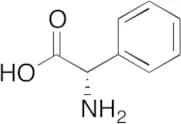
CAS:Controlled Product<p>Applications N-Methyl-L-alanine is a reactant used in the preparation of site-specific trastuzumab maytansinoid antibody-drug conjugates with improved therapeutic activity.<br>References Pillow, T.H., et. al.: J. Med. Chem., 57, 7890 (2014)<br></p>Formula:C4H9NO2Color and Shape:NeatMolecular weight:103.12L-(+)-2-Phenylglycine
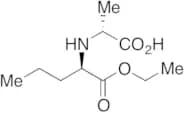
CAS:<p>Applications L-(+)-2-Phenylglycine is a derivative of Glycine (G615990), the smallest of all the amino acids, and is also used to treat schizophrenia, stroke, and benign prostatic hyperplasia. L-(+)-2-Phenylglycine is also used as an N-linked side chain of an SMTP (Stachybotrys microspora tripenyl phenols) congener, which was potent in enhancing plasminogen activation in S. microspora.<br>References Gusev, E., et al.: Cerebrovasc. Dis., 10, 49 (2000); Koide, H., et al.: J. Antibiot., 65, 91 (2012); Rosse, R., et al.: Clin. Neuropharmacol., 12, 416 (1989); Tuszynski, G., et al.: Lab. Invest., 70, 228 (1994)<br></p>Formula:C8H9NO2Color and Shape:Off White Crystalline PowderMolecular weight:151.1626(R)-N-(1-Carboxyethyl)-D-norvaline 1-Ethyl Ester
CAS:Controlled Product<p>Applications (R)-N-(1-Carboxyethyl)-D-norvaline 1-Ethyl Ester is an intermediate in the synthesis of Perindoprilat (P287530), an angiotensin-converting enzyme (ACE) inhibitor. Antihypertensive.<br>References Pascard, C., et al.: J. Med. Chem., 34, 663 (1991)<br></p>Formula:C10H19NO4Color and Shape:NeatMolecular weight:217.263-Indolepropionic-d2 Acid
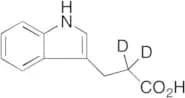
CAS:Controlled Product<p>Stability Hygroscopic<br>Applications 3-Indolepropionic-d2 acid is deuterium labelled 3-Indolepropionic acid (I627170). 3-Indolepropionic acid is a deamination product of Tryptophan (T947200) that protects the hippocampus (studied in gerbils) from ischemic damage and oxidative stress. It’s ability to protect the neurons in this way is attributed to its potent antioxidative effects. 3-Indolepropionic acid is also hypothesized to have protective effects on the thyroid gland.<br>References Hwang, I., et al.: J. Neurosci. Res., 87, 2126 (2009); Karbownik, M., et al.: J. Cell. Biochem., 95, 131 (2005)<br></p>Formula:C11D2H9NO2Color and Shape:NeatMolecular weight:191.22N-Carbamyl-L-glutamic Acid
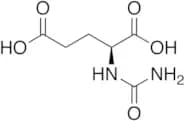
CAS:Controlled Product<p>Applications N-Carbamyl-L-glutamic Acid has been shown to have protective effects against ammonia intoxication and is used in the treatment of acute hyperammonemia.<br>References Paik, W.K. et al.: Life Sci., 15, 1189 (1974); O'Connor, J.E. et al.: Eur. J. Pediat., 148, 540 (1989); Lee, J.H. et al.: Biochem. Biophys. Res. Chem., 248, 391 (1998);<br></p>Formula:C6H10N2O5Color and Shape:NeatMolecular weight:190.15N-Boc-L-proline
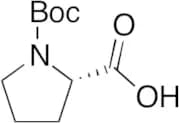
CAS:Controlled Product<p>Applications N-Boc-L-proline is a useful synthetic intermediate. It is used to synthesize Daclatasvir (D101500) which nhibits the HCV protein NS5A. Daclatasvir (D101500) can be used as a drug candidate for the treatment of hepatitis C (HCV).<br>References Gao, M., et al.: Nature, 465(7294), 96 (2010); Bell, T. W., Chem. Med. Chem., 5(10), 1663 (2010);<br></p>Formula:C10H17NO4Color and Shape:NeatMolecular weight:215.25Cyclo(L-prolyl-L-leucyl)
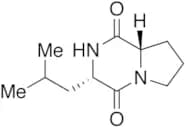
CAS:Controlled Product<p>Applications Sorbicillin analog. A bioactive secondary metabolites from terrestrial Streptomyces species TN262.<br>References Ma, L. et al. : J. Anitibiot. 64, 645 (2011); Elleuch, L. et al.: Appl. Biochem. Biotech. 162, 579 (2010)<br></p>Formula:C11H18N2O2Color and Shape:NeatMolecular weight:210.27L-Valine-d8
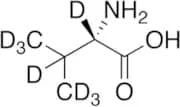
CAS:Controlled Product<p>Applications Labelled analogue of L-Vailne. L-Valine is an essential amino acid and one of 20 proteinogenic amino acids. L-Valine cannot be manufactured by the body and must be acquired through diet or supplementation. L-valine is found in grains, dairy products, mushrooms, meats, peanuts and soy proteins. L-Valine has been used in studies to attenuate arrhythmias and induce hypotensive effects.<br>References Choi, C.W. et al.: Anim. Feed Sci. Technol., 102, 15 (2002); Kolarski, D. et al.: Krmiva, 30, 155 (1988); Oba, M. et al.: J. Dairy Sci., 93, 2044 (2010); Mitrega, K. et al.: Pharmacol. Res., 64, 218 (2011);<br></p>Formula:C52H8H3NO2Color and Shape:NeatMolecular weight:125.203-Bromo-L-tyrosine
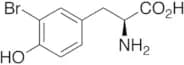
CAS:Controlled Product<p>Applications 3-Bromo-L-tyrosine is used in the preparation and synthesis of polyclonal antibodies that work against brominated protein related allergic responses and afflictions. Also effective in asthma control and prediction in children.<br>References Kambayashi, Y. et al.: J. Clin. Biochem., 44, 95 (2009); Wedes, S. et al.: J. Ped., 159, 248 (2011);<br></p>Formula:C9H10BrNO3Color and Shape:White To Light BrownMolecular weight:260.08L-Ornithine Hydrochloride
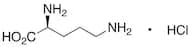
CAS:Controlled Product<p>Stability Hygroscopic<br>Applications L-Ornithine is a non-essential amino acid for human development but is required intermediate in arginine biosynthesis. L-Ornithine is found in virtually all vertebrate tissues as well as incorporated into proteins, such as tyrocidine. Isolation from chicken excreta.<br>References Fattori, D., et al.: J. Med. Chem., 50, 550 (2007), Gomez-Alonso, S., et al.: J. Agric. Food Chem., 55, 608 (2007), Subramaniam, R., et al.: Bioorg. Med. Chem. Lett., 18, 3333 (2008),<br></p>Formula:C5H12N2O2·ClHColor and Shape:White To Off-WhiteMolecular weight:168.62












![[2-(1-Methyl-1H-pyrazol-3-yl)-1H-benzimidazol-1-yl]acetic Acid](/_next/image/?url=https%3A%2Fstatic.cymitquimica.com%2Fproducts%2FTR%2Fthumb-webp%2FM322388.webp&w=3840&q=75)


![3-[4-(2-Methoxyphenyl)piperazin-1-yl]propan-1-amine](/_next/image/?url=https%3A%2Fstatic.cymitquimica.com%2Fproducts%2FTR%2Fthumb-webp%2FM229390.webp&w=3840&q=75)