


Amino Acids (AA)
Amino acids (AAs) are the fundamental building blocks of proteins, playing a crucial role in various biological processes. These organic compounds are essential for protein synthesis, metabolic pathways, and cell signaling. In this category, you will find a comprehensive range of amino acids, including essential, non-essential, and modified forms, which are vital for research in biochemistry, molecular biology, and nutritional sciences. At CymitQuimica, we provide high-quality amino acids to support your research and development needs, ensuring accuracy and reliability in your experimental outcomes.
Subcategories of "Amino Acids (AA)"
- Amino Acid Derivatives(3,955 products)
- Amino Acid and Amino Acid Related Compounds(3,436 products)
- Amino Acids with Oxygen or Sulphur(168 products)
- Boc- Amino Acids(351 products)
- Fmoc Amino Acids(1,710 products)
Found 38216 products of "Amino Acids (AA)"
Sort by
Purity (%)
0
100
|
0
|
50
|
90
|
95
|
100
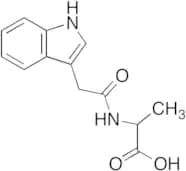
Indole-3-acetic-L-alanine
CAS:Controlled Product<p>Applications Indole-3-acetic-L-alanine is a derivative of the phytohormone indole-3-acetic acid (I577340) used in studies for the isolation and characterization of Arabdopsis thaliana mutants.<br>References Rampey, R.A., et al.: G3 (Bethesda), 3, 131-141 (2013)<br></p>Formula:C13H14N2O3Color and Shape:NeatMolecular weight:246.265-(2-Hydroxyethylamino)-2-methoxylaniline sulfate
CAS:Controlled Product<p>Applications 5-(2-Hydroxyethylamino)-2-methoxylaniline sulfate (cas# 83763-48-8) is a useful research chemical.<br> Not a dangerous good if item is equal to or less than 1g/ml and there is less than 100g/ml in the package<br></p>Formula:C9H14N2O2•H2SO4Color and Shape:NeatMolecular weight:280.294-benzoyl-8-benzyl-1-oxa-4,8-diazaspiro[4.5]decane-3-carboxylic acid
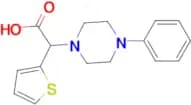
CAS:Purity:95.0%Molecular weight:380.44400024414062-(2,3-Dimethylphenyl)-2-[4-(4-fluorophenyl)piperazin-1-yl]acetic acid
CAS:Molecular weight:342.414001464843758-ethyl-4-(naphthalene-1-carbonyl)-1-oxa-4,8-diazaspiro[4.5]decane-3-carboxylic acid
CAS:Purity:95.0%Molecular weight:368.4330139160156Ac-Glu-OMe
CAS:Controlled Product<p>Applications Ac-Glu-OMe (cas# 17015-15-5) is a useful research chemical.<br></p>Formula:C8H13NO5Color and Shape:NeatMolecular weight:203.194-(3,4-dichlorophenyl)-3H,4H,5H,6H,7H-imidazo[4,5-c]pyridine-6-carboxylic acid
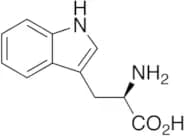
CAS:Purity:95.0%Molecular weight:312.1499938964844D-Tryptophan
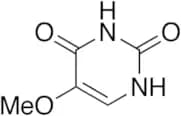
CAS:Controlled Product<p>Applications An essential amino acid found in naturally produced peptides. Unlike its stereoisomer, L-tryptophan, it is not used in structural or enzyme proteins.<br>References Karunakaran, S.et al.: Bochem. J., 414, 343 (2008); Pallaghy, P.K. et al.: Biochem., 38, 11553 (1999);<br></p>Formula:C11H12N2O2Color and Shape:NeatMolecular weight:204.235-Methoxyuracil
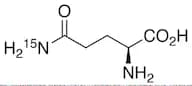
CAS:Controlled Product<p>Impurity Fluorouracil EP Impurity D<br>Applications 5-Methoxyuracil (Fluorouracil EP Impurity D) is methoxylated uracil, a component of nucleid acid. 5-Methoxyuracil is used in the preparation of nucleosides.<br>References Vorbrueggen, H. et al.: Chem. Ber., 114, 1279 (1981); Novacek, A. et al.: Coll. Czech. Chem. Comm., 32, 1045 (1967);<br></p>Formula:C5H6N2O3Color and Shape:NeatMolecular weight:142.11L-Glutamine-amide-¹⁵N
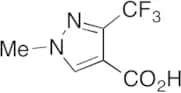
CAS:Controlled Product<p>Applications Labelled L-Glutamine (G597000). L-Glutamine is an essential amino acid that is a crucial component of culture media that serves as a major energy source for cells in culture. L-Glutamine is very stable as a dry powder and as a frozen solution. In liquid media or stock solutions, however, L-glutamine degrades relatively rapidly. Optimal cell performance usually requires supplementation of the media with L-glutamine prior to use.<br>References Rivett, A., et al.: J. Biol. Chem., 260, 300 (1985), Watford, M., et al.: Metabolism, 49, 141 (2000), Wilmore, D., et al.: J. Nutr., 131, 2543S (2001),<br></p>Formula:C5H1015NNO3Color and Shape:NeatMolecular weight:147.143-(Trifluoromethyl)-1-methyl-1H-pyrazole-4-carboxylic Acid
CAS:Controlled Product<p>Applications 3-(Trifluoromethyl)-1-methyl-1H-pyrazole-4-carboxylic Acid is used in the synthesis of diaryl ether inhibitors of Toxoplasma gondii enoyl reductase. Also used in the synthesis of 4-carboxamide derivatives acting as antifungal agents.<br>References Cheng, G. et al.: Bioorg. Med. Chem. Lett., 23, 2035 (2013); Wu, Z. et al.: Molecules, 17, 14205 (2012);<br></p>Formula:C6H5F3N2O2Color and Shape:NeatMolecular weight:194.11N-Methylformanilide
CAS:Controlled Product<p>Applications N-Methylformanilide is an aromatic reagent used in the synthesis of dye-sensitized solar cells. Also used in the synthesis of potent tyrosinase inhibitors.<br>References Meyer, T et al.: J. Org. Chem., 77, 3704 (2012); Nihei, K. et al.: Bioorg. Med. Chem. Lett., 14, 681 (2004);<br></p>Formula:C8H9NOColor and Shape:NeatMolecular weight:135.162-{8-[(tert-butoxy)carbonyl]-8-azabicyclo[3.2.1]octan-3-yl}acetic acid
CAS:Purity:98%Molecular weight:269.341003417968754-(4-chlorobenzoyl)-8-ethyl-1-oxa-4,8-diazaspiro[4.5]decane-3-carboxylic acid
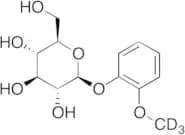
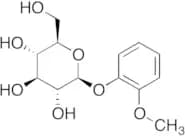
CAS:Purity:95.0%Molecular weight:352.82000732421875Guaiacol-β-D-glucopyranoside-d3
CAS:Controlled Product<p>Stability Hygroscopic<br>Applications Guaiacol-beta-D-glucopyranoside-d3, is a labeled analogue of Guaiacol-beta-D-glucopyranoside (G245565), a Guaiacol Conjugate, that has shown to present in fermentation of grapes that had been exposed to bushfire smoke and can potentially yield unpalatable, smoke-affected wine.<br>References Hayasaka, Y.m et al.: J. Arg. Food Chem., Vol. 58, Issue 4, P: 2076; 2081 (2010);<br></p>Formula:C13H15D3O7Color and Shape:NeatMolecular weight:289.31-[2-Amino-1-(m-tolyl)ethyl]pyrrolidine-3-carboxylic acid hydrochloride
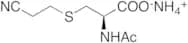
CAS:Formula:C14H21ClN2O2Purity:97.0%Color and Shape:SolidMolecular weight:284.78N-Acetyl-S-(2-cyanoethyl)-L-cysteine Ammonium Salt
CAS:<p>Stability Hygroscopic<br>Applications N-Acetyl-S-(2-cyanoethyl)-L-cysteine Ammonium Salt is a metabolite of Acrylonitrile (AN) and acrylamide (AM); and are commonly used in the synthesis of plastics and polymers.<br>References van Bladeren, P., et al.: Drug Metab. Dispos., 9, 246 (1981), Guengerich, F., et al.: Chem. Res. Toxicol., 4, 168 (1991),<br></p>Formula:C8H11N2O3S·H4NColor and Shape:SolidMolecular weight:233.294-(3-methylbenzoyl)-8-propyl-1-oxa-4,8-diazaspiro[4.5]decane-3-carboxylic acid
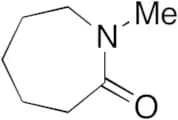
CAS:Purity:95.0%Molecular weight:346.427001953125N-Methylcaprolactam
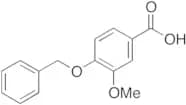
CAS:<p>Applications N-Methylcaprolactam is a reagent that is used in the synthesis of 3-Chloro-4-(dichloromethyl)-5-hydroxy-2(5H)-furanone-13C5, which is a chlorinated furanone that accounts for more of the mutagenic activity of drinking water than any other disinfection byproduct.<br></p>Formula:C7H13NOColor and Shape:NeatMolecular weight:127.184-Benzyloxy-3-methoxybenzoic Acid
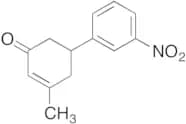
CAS:Controlled Product<p>Applications 4-Benzyloxy-3-methoxybenzoic Acid is used in the synthesis of Hsp90 inhibitors as EGCG analogues. Also used in the preparation of vanillates exhibiting cytostatic properties towards cancel cells resistant to pro-apoptotic stimuli.<br>References Khandelwal, A. et al.: J. Org. Chem., 78, 7859 (2013); Lamoral-Theys, D. et al.: Bioorg. Med. Chem., 18, 3823 (2010);<br></p>Formula:C15H14O4Color and Shape:NeatMolecular weight:258.273-Methyl-5-(3-nitrophenyl)cyclohex-2-enone
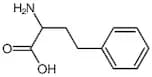
CAS:Controlled Product<p>Applications 3-Methyl-5-(3-nitrophenyl)cyclohex-2-enone is derived from Acetone (A163800), which is a common organic building block in organic chemistry.<br>References Neubert, L., et al.: J. Am. Chem. Soc., 134, 12239 (2012); Zhai, J.J., et al.: J. Am. Soc. Mass. Spec., 20, 1366 (2009);<br></p>Formula:C13H13NO3Color and Shape:NeatMolecular weight:231.25D-Homophenylalanine
CAS:Controlled Product<p>Applications D-Homophenylalanine<br></p>Formula:C10H13NO2Color and Shape:NeatMolecular weight:179.225-Hydroxy-N-methylprotriptyline
CAS:Controlled Product<p>Impurity Cyclobenzaprine USP Related Compound A<br>Applications 5-Hydroxy-N-methylprotriptyline acts as a reducing agent in chemical reactions. Cyclobenzaprine USP Related Compound A.<br>References Gribble, G. et al.: Synthesis., 3, 172 (1977);<br></p>Formula:C20H23NOColor and Shape:NeatMolecular weight:293.402-[4-(2-Methylpropenyl)phenyl]propionic Acid
CAS:<p>Applications 2-[4-(2-Methylpropenyl)phenyl]propionic Acid is a byproduct of Ibuprofen (I140000(P)), which is an anti-inflammatory drug.<br>References Sharma, K., et al.: Int. J. Environ. Sci. Tech., 16, 8315 (2019)<br></p>Formula:C13H16O2Color and Shape:Light YellowMolecular weight:204.262-Ethyl-2-methylpentanoic Acid
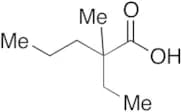
CAS:Controlled Product<p>Applications 2-Ethyl-2-methylpentanoic Acid is a derivative of 2,5-Dimethyl-2-ethylhexanoic Acid (D461540), used in biological studies to evaluate environmental chemicals for estrogenicity.<br>References Rabinowitz, J.R., et al.: Chem. Res. Toxicol.,22, 1594 (2009); Judson, R., et al.: Environ. Health Perspect, 117, 685 (2009)<br></p>Formula:C8H16O2Color and Shape:Colourless OilyMolecular weight:144.21N6-{[(2-Phenylethyl)amino]carbonothioyl}lysine (PEITC-Lys)
CAS:Controlled ProductFormula:C15H23N3O2SColor and Shape:NeatMolecular weight:309.431-Methyl-2-pyrrolidinone-d3
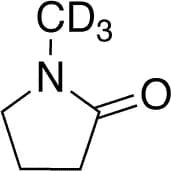
CAS:Controlled Product<p>Applications Labelled 1-Methyl-2-pyrrolidinone (M326120). It is a versatile industrial solvent. NMP is currently approved for use only in veterinary pharmaceuticals. The determination of the disposition and metabolism of NMP in the rat will contribute toward understanding the toxicology of this exogenous chemical which man may likely be exposed to in increasing amounts.<br>References Southwell, D., et al.: J. Pharm. Pharmacol., 33, 3 (1981), Barry, W., et al.: J. Invest. Dermatol., 82, 49 (1984),<br></p>Formula:C5H6D3NOColor and Shape:NeatMolecular weight:102.154-Methyl-1-naphthoic Acid
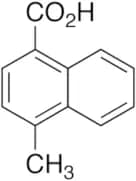
CAS:<p>Applications Naphthalenecarboxylic acid derivatives known for their antidote activity against urea and other herbicides.<br></p>Formula:C12H10O2Color and Shape:NeatMolecular weight:186.212-Methoxy-1-[4-(oxiranylmethoxy)phenyl]ethanone
CAS:Controlled Product<p>Applications 2-Methoxy-1-[4-(oxiranylmethoxy)phenyl]ethanone (cas# 110458-44-1) is a compound useful in organic synthesis.<br></p>Formula:C12H14O4Color and Shape:Off-White To Light YellowMolecular weight:222.243-Fluoro-4-methoxycarbonylphenylboronic Acid, Pinacol Ester
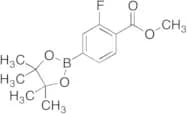
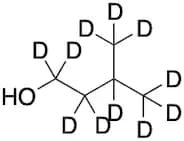
CAS:Controlled Product<p>Applications 3-Fluoro-4-methoxycarbonylphenylboronic acid, pinacol ester is a useful intermediate for organic synthesis and other chemical transformations.<br>References Zhao, F., et al.: Eur. J. Med. Chem., 134, 147 (2017); Zhao, F., et al.: Bioorg. Med. Chem., 24, 4281 (2016)<br></p>Formula:C19H38F3NO2SColor and Shape:NeatMolecular weight:401.5713-Methyl-1-butyl-d11 Alcohol
CAS:Controlled Product<p>Applications 3-Methyl-1-butyl-d11 Alcohol (CAS# 170678-50-9) is a useful isotopically labeled research compound.<br></p>Formula:C5D11HOColor and Shape:NeatMolecular weight:99.228-benzyl-4-hexanoyl-1-oxa-4,8-diazaspiro[4.5]decane-3-carboxylic acid
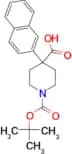
CAS:Purity:95.0%Molecular weight:374.4809875488281Boc-4-(naphthalen-2-yl)-piperidine-4-carboxylic acid
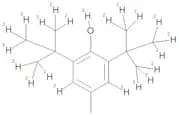
CAS:Purity:97.0%Molecular weight:355.43399047851562,6-Di-(tert-butyl-d9)-4-methylphenol-3,5-d2,OD
CAS:Controlled Product<p>Applications 2,6-Di-(tert-butyl-d9)-4-methylphenol-3,5-d2,OD (CAS# 64502-99-4) is a useful isotopically labeled research compound.<br></p>Formula:C152H21H3OColor and Shape:NeatMolecular weight:241.483-Methyl-1H-Indole-d8
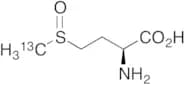
CAS:Controlled Product<p>Applications 3-(methyl-d3)-1H-Indole-2,4,5,6,7-d5 is the labeled analogue of 3-Methylindole (M313470), a naturally abundant pneumotoxin, found primarily in mammalian feces providing its strong fecal odor; however in lower concentrations the compound has a pleasent aroma, giving orange blossoms and jasmine their pleasing scent. It is often a component of commercial fragrances and perfumes.<br> Not a dangerous good if item is equal to or less than 1g/ml and there is less than 100g/ml in the package<br>References Nakashima, T., et al.: Biol. Pharm. Bull., 32, 832 (2009), Xu, H., et al.: Chem. Pharm. Bull., 57, 321 (2009), Bodoor, K., et al.: J. Med. Chem., 52, 3753 (2009), Naskar, S., et al.: J. Chem. Res., 3, 174 (2009), Sollner, K., et al.: J. Agric. Food Chem., 57, 4319 (2009),<br></p>Formula:C92H8HNColor and Shape:NeatMolecular weight:139.22L-Methionine Sulfoxide,13C
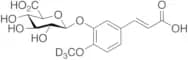
CAS:Controlled Product<p>Applications L-Methionine Sulfoxide 13C1 is a labelled analogue of L-Methionine Sulfoxide ( M260450). L-Methionine Sulfoxide ( M260450) an intermediate in the synthesis of the acyclic amino carboxylic acid L-Methionine sulfoximine.<br>References Lee, B., et al.: J. Biol. Chem., 283, 28361 (2008), Nordqvist, A., et al.: Bioorg. Med. Chem., 16, 5501 (2008);Balog, E., et al.: Biochem., 48, 3005 (2009);<br></p>Formula:CC4H11NO3SColor and Shape:White To Off-WhiteMolecular weight:166.203Isoferulic Acid-d3 3-O-β-D-Glucuronide
CAS:Controlled Product<p>Applications Labelled Isoferulic Acid 3-O-β-D-Glucuronide, the glucuronide conjugate of Isoferulic Acid (H946180). Isoferulic Acid 3-O-β-D-Glucuronide is one of the circulating metabolites in human plasma after coffee consumption.<br>References Fumeaux, R. et al.: Org. Biomol. Chem., 8, 5199 (2010); Redeuil, K. et al.: J. Chrom. A, 1218, 4678 (2011);<br></p>Formula:C16H15D3O10Color and Shape:NeatMolecular weight:373.33Rac-(3ar,6ar)-octahydrocyclopenta[c]pyrrole-3a-carboxylic acid
CAS:Purity:98%Molecular weight:155.197006225585944-Chloro-2-methylaniline
CAS:Controlled Product<p>Stability Air Sensitive<br>Applications 4-Chloro-2-methylaniline<br> Not a dangerous good if item is equal to or less than 1g/ml and there is less than 100g/ml in the package<br></p>Formula:C7H8ClNColor and Shape:Light BrownMolecular weight:141.60Methylpropylnitrosamine
CAS:Controlled Product<p>Applications Methylpropylnitrosamine is used in biological studies as human liver microsomal cytochrome P-450 enzymes which are involved in the bioactivation of procarcinogens detected by umu gene response in Salmonella typhimurium TA 1535/pSK1002.<br>References Shimada, T., et al.: Cancer Res., 48, 3218 (1989);<br></p>Formula:C4H10N2OColor and Shape:NeatMolecular weight:102.142-(3-Aminophenyl)-quinoline-4-carboxylic acid
CAS:Purity:97%Color and Shape:SolidMolecular weight:264.28399658203125Guaiacol-β-D-glucopyranoside
CAS:Controlled Product<p>Applications Guaiacol-beta-D-glucopyranoside, is a Guaiacol Conjugate, that has shown to present in fermentation of grapes that had been exposed to bushfire smoke and can potentially yield unpalatable, smoke-affected wine.<br>References Hayasaka, Y.m et al.: J. Arg. Food Chem., Vol. 58, Issue 4, P: 2076; 2081 (2010);<br></p>Formula:C13H18O7Color and Shape:NeatMolecular weight:286.288-ethyl-4-(3-phenylpropanoyl)-1-oxa-4,8-diazaspiro[4.5]decane-3-carboxylic acid
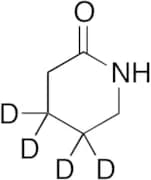
CAS:Purity:95.0%Molecular weight:346.427001953125δ-Valerolactam-d4
CAS:Controlled Product<p>Applications δ-Valerolactam-d4 is a labeled analog of δ-Valerolactam (V091440), which is a useful synthetic intermediate. It is an intermediate used to synthesize Cenicriviroc (C256550), an experimental drug candidate for the treatment of HIV infection. It is also a starting material for a new route to hexahydrojulolidines, using intramolecular 1,4-cycloaddition.<br>References Potts, K., et al. J. Org. Chem., 58, 5040 (1993); Klibanov, O., et al.: Curr. Opinion Invest. Drugs, 11, 940 (2010);<br></p>Formula:C5H5D4NOColor and Shape:NeatMolecular weight:103.164,6,7,8-Tetrahydro-8-hydroxy-6-methylpyrimido[1,2-a]purin-10(3H)-one (Mixture of Diastereomers)
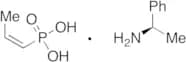
CAS:Controlled Product<p>Applications Cyclic propano guanine adduct DNA acetaldehyde histone.<br>References Nath, R., et al.: Cancer Res., 58, 581 (1998), Wang, M., et al.: Chem. Res., 13, 1065 (2000), Terashima, I., et al.: Biochemistry, 40, 4106 (2001), Yokoyama, A., et al.: Carcinogenesis, 23, 1851 (2002),<br></p>Formula:C9H11N5O2Color and Shape:Off-WhiteMolecular weight:221.22cis-Propenylphosphonic Acid (R)-(+)-α-Methylbenzylamine Salt
CAS:Controlled Product<p>Applications cis-Propenylphosphonic Acid (R)-(+)-α-Methylbenzylamine Salt is used as a reagent in the microbial production of Fosfomycin (F727505); a compound used as an antibiotic in the treatment of urinary tract infections.<br>References Watanabe, M., et al.: Appl. Environ. Microb., 65, 1036 (1999); Itoh, N., et al.: Appl. Microbiol. Biot., 43, 394 (1995); White, R.F., et al.: Appl. Microbiol., 22, 55 (1971); Keating, G. et al.: Drugs, 73, 1951 (2013); Demir, T. et al.: Int. J. Infect. Dis., 17, e966 (2013)<br></p>Formula:C3H7O3P(C8H11N)Color and Shape:NeatMolecular weight:243.102436-[(E)-4-Hydroxy-3-methylbut-2-enylamino]-9-β-D-ribofuranosylpurine
CAS:Controlled Product<p>Applications A well-known, highly active stimulant of cell divisions in plant tissue cultures.<br>References D.S. Letham: Phytochemistry, 12, 2445 (1973)<br></p>Formula:C15H21N5O5Color and Shape:NeatMolecular weight:351.36


![4-benzoyl-8-benzyl-1-oxa-4,8-diazaspiro[4.5]decane-3-carboxylic acid](/_next/image/?url=https%3A%2Fstatic.cymitquimica.com%2Fproducts%2F10%2Fthumb-webp%2FF525791.webp&w=3840&q=75)

![2-(2,3-Dimethylphenyl)-2-[4-(4-fluorophenyl)piperazin-1-yl]acetic acid](/_next/image/?url=https%3A%2Fstatic.cymitquimica.com%2Fproducts%2F10%2Fthumb-webp%2FF300390.webp&w=3840&q=75)
![8-ethyl-4-(naphthalene-1-carbonyl)-1-oxa-4,8-diazaspiro[4.5]decane-3-carboxylic acid](/_next/image/?url=https%3A%2Fstatic.cymitquimica.com%2Fproducts%2F10%2Fthumb-webp%2FF525686.webp&w=3840&q=75)

![4-(3,4-dichlorophenyl)-3H,4H,5H,6H,7H-imidazo[4,5-c]pyridine-6-carboxylic acid](/_next/image/?url=https%3A%2Fstatic.cymitquimica.com%2Fproducts%2F10%2Fthumb-webp%2FF522492.webp&w=3840&q=75)


![2-{8-[(tert-butoxy)carbonyl]-8-azabicyclo[3.2.1]octan-3-yl}acetic acid](/_next/image/?url=https%3A%2Fstatic.cymitquimica.com%2Fproducts%2F10%2Fthumb-webp%2FF676183.webp&w=3840&q=75)
![4-(4-chlorobenzoyl)-8-ethyl-1-oxa-4,8-diazaspiro[4.5]decane-3-carboxylic acid](/_next/image/?url=https%3A%2Fstatic.cymitquimica.com%2Fproducts%2F10%2Fthumb-webp%2FF525671.webp&w=3840&q=75)
![1-[2-Amino-1-(m-tolyl)ethyl]pyrrolidine-3-carboxylic acid hydrochloride](/_next/image/?url=https%3A%2Fstatic.cymitquimica.com%2Fproducts%2F10%2Fthumb-webp%2FF040924.webp&w=3840&q=75)
![4-(3-methylbenzoyl)-8-propyl-1-oxa-4,8-diazaspiro[4.5]decane-3-carboxylic acid](/_next/image/?url=https%3A%2Fstatic.cymitquimica.com%2Fproducts%2F10%2Fthumb-webp%2FF525741.webp&w=3840&q=75)

![2-[4-(2-Methylpropenyl)phenyl]propionic Acid](/_next/image/?url=https%3A%2Fstatic.cymitquimica.com%2Fproducts%2FTR%2Fthumb-webp%2FM325929.webp&w=3840&q=75)
![N6-{[(2-Phenylethyl)amino]carbonothioyl}lysine (PEITC-Lys)](/_next/image/?url=https%3A%2Fstatic.cymitquimica.com%2Fproducts%2FTR%2Fthumb-webp%2FP335918.webp&w=3840&q=75)
![2-Methoxy-1-[4-(oxiranylmethoxy)phenyl]ethanone](/_next/image/?url=https%3A%2Fstatic.cymitquimica.com%2Fproducts%2FTR%2Fthumb-webp%2FM265250.webp&w=3840&q=75)

![8-benzyl-4-hexanoyl-1-oxa-4,8-diazaspiro[4.5]decane-3-carboxylic acid](/_next/image/?url=https%3A%2Fstatic.cymitquimica.com%2Fproducts%2F10%2Fthumb-webp%2FF525801.webp&w=3840&q=75)

![Rac-(3ar,6ar)-octahydrocyclopenta[c]pyrrole-3a-carboxylic acid](/_next/image/?url=https%3A%2Fstatic.cymitquimica.com%2Fproducts%2F10%2Fthumb-webp%2FF661542.webp&w=3840&q=75)


![8-ethyl-4-(3-phenylpropanoyl)-1-oxa-4,8-diazaspiro[4.5]decane-3-carboxylic acid](/_next/image/?url=https%3A%2Fstatic.cymitquimica.com%2Fproducts%2F10%2Fthumb-webp%2FF525678.webp&w=3840&q=75)
![4,6,7,8-Tetrahydro-8-hydroxy-6-methylpyrimido[1,2-a]purin-10(3H)-one (Mixture of Diastereomers)](/_next/image/?url=https%3A%2Fstatic.cymitquimica.com%2Fproducts%2FTR%2Fthumb-webp%2FT293685.webp&w=3840&q=75)
![6-[(E)-4-Hydroxy-3-methylbut-2-enylamino]-9-β-D-ribofuranosylpurine](/_next/image/?url=https%3A%2Fstatic.cymitquimica.com%2Fproducts%2FTR%2Fthumb-webp%2FH946500.webp&w=3840&q=75)