Amino Acids (AA)
Amino acids (AAs) are the fundamental building blocks of proteins, playing a crucial role in various biological processes. These organic compounds are essential for protein synthesis, metabolic pathways, and cell signaling. In this category, you will find a comprehensive range of amino acids, including essential, non-essential, and modified forms, which are vital for research in biochemistry, molecular biology, and nutritional sciences. At CymitQuimica, we provide high-quality amino acids to support your research and development needs, ensuring accuracy and reliability in your experimental outcomes.
Subcategories of "Amino Acids (AA)"
- Amino Acid Derivatives(3,955 products)
- Amino Acid and Amino Acid Related Compounds(3,464 products)
- Amino Acids with Oxygen or Sulphur(168 products)
- Boc- Amino Acids(351 products)
- Fmoc Amino Acids(1,710 products)
Found 38247 products of "Amino Acids (AA)"
Sort by
Purity (%)
0
100
|
0
|
50
|
90
|
95
|
100
6-Methoxy-2-naphthol
CAS:Controlled Product<p>Stability Light Sensitive<br>Applications 6-Methoxy-2-naphthol is a reactant in the development of sirtuin inhibitors from pyrazolone and isoxazol-5-one cambinol analogs.<br>References Mahajan, S.S., et. al.: J. Med. Chem., 57, 3283 (2014)<br></p>Formula:C11H10O2Color and Shape:NeatMolecular weight:174.201-(2-Methoxyphenethyl)piperazine
CAS:Controlled Product<p>Applications 1-(2-METHOXYPHENETHYL)PIPERAZINE (cas# 6722-54-9) is a useful research chemical.<br></p>Formula:C13H20N2OColor and Shape:NeatMolecular weight:220.328-propyl-4-(pyridine-3-carbonyl)-1-oxa-4,8-diazaspiro[4.5]decane-3-carboxylic acid
CAS:Purity:95.0%Molecular weight:333.388000488281252-Methylbutyrylglycine-d9
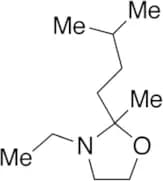
CAS:Controlled Product<p>Applications Labelled 2-Methylbutyrylglycine (M294340). 2-Methylbutyrylglycine is one of the acylglycines, an important class of metabolites that have been used in the diagnosis of several inborn errors of metabolism (IEM).<br>References Costa, C., et al.: J. Pharmaceut. Biomed. Anal., 21, 1215 (2000), Garcia-Villoria, J., et al.: Clin. Biochem., 42, 2 (2009), Scalbert, A., et al.: Metabolomics, 5, 435 (2009),<br></p>Formula:C72H9H4NO3Color and Shape:Off-WhiteMolecular weight:168.243-Ethyl-2-methyl-2-(3-methylbutyl)-oxazolidine
CAS:<p>Applications 3-Ethyl-2-methyl-2-(3-methylbutyl)-oxazolidine is a oxazolidine-based moisture scavenger for use in urethane coatings, sealants and elastomers.<br> Not a dangerous good if item is equal to or less than 1g/ml and there is less than 100g/ml in the package<br></p>Formula:C11H23NOColor and Shape:NeatMolecular weight:185.31NG,NG-Dimethylarginine-D6 Dihydrochloride
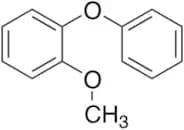
CAS:Controlled Product<p>Stability Very Hygroscopic<br>Applications A potent inhibitor of NO synthase of adrenal glands, brain, and vascular endothelial cells.<br>References Vallence, P., et al.: Lancet, 339, 572 (1992),<br></p>Formula:C8H14D6Cl2N4O2Color and Shape:NeatMolecular weight:281.212-Methoxyphenyl Phenyl Ether
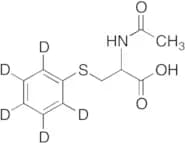
CAS:Controlled ProductFormula:C13H12O2Color and Shape:NeatMolecular weight:200.233N-Acetyl-S-phenyl-d5-DL-cysteine
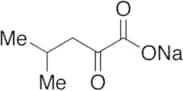
CAS:Controlled Product<p>Applications N-Acetyl-S-phenyl-d5-DL-cysteine is the deuterium labelled form of N-Acetyl-S-phenyl-DL-cysteine, which is used as a reactant in the preparation of potent HIV-1 protease inhibitors that use D-amino acids as P2/P3 ligands.<br>References Jungheim, L., et al.: J. Med. Chem., 39, 96 (1996);<br></p>Formula:C11D5H8NO3SColor and Shape:BrownMolecular weight:244.324-Methyl-2-oxovaleric Acid Sodium Salt
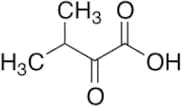
CAS:Controlled Product<p>Stability Hygroscopic<br>Applications 4-Methyl-2-oxovaleric Acid is an α-ketomonocarboxylic acid that triggers insulin release by acting upon receptor sites which differ from those occupied by amino acids. 4-Methyl-2-oxovaleric Acid is an intermediate in the metabolism of Leucine.<br>References Panten, U. et al.: Naun.-Schmied. Arch. Pharmacol., 291, 405 (1975); Vague, P. et al.: Diab. Metab., 1, 185 (1975); Francois, G. et al.: Lancet, 1, 858 (1984);<br></p>Formula:C6H9O3·NaColor and Shape:NeatMolecular weight:152.122-Oxo-3-methylbutanoic acid >90%
CAS:Controlled Product<p>Applications 2-Oxo-3-methylbutanoic acid (cas# 759-05-7) is a useful research chemical.<br> Not a dangerous good if item is equal to or less than 1g/ml and there is less than 100g/ml in the package<br></p>Formula:C5H8O3Purity:>90%Color and Shape:NeatMolecular weight:116.12N-Succinimidyl 3-Methoxy-4-nitrobenzoate
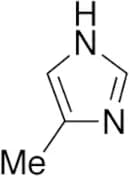
CAS:<p>Applications N-Succinimidyl 3-Methoxy-4-nitrobenzoate (cas# 2006277-78-5) is a useful research chemical.<br></p>Formula:C12H10N2O7Color and Shape:White To Off-WhiteMolecular weight:294.224-Methylimidazole
CAS:<p>Applications 4-Methylimidazole is a monomethylated imidazole that can be used as a building block in the preparation of a wide range of biologically active compounds. 4-Methylimidazole is a product which results from the interaction of reducing sugars with ammonia. 4-Methylimidazole showed convulsant activity in animals and is listed as a possible carcinogen.<br> Not a dangerous good if item is equal to or less than 1g/ml and there is less than 100g/ml in the package<br>References Nishie, K. et al.: Toxicol. Appl. Pharmacol., 14, 301 (1969): Cunha, S.C. et al.: J. Food Comp. Anal., 24, 609 (2011); Chan, P.C. et al.: Arch. Toxicol., 82, 55 (2008);<br></p>Formula:C4H6N2Color and Shape:Light YellowMolecular weight:82.106-Methylheptanoic Acid (>90%)
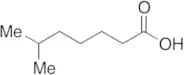
CAS:Controlled Product<p>Applications 6-Methylheptanoic acid is used as a reagent to synthesize analogues of Eponemycin, an antibiotic that also exhibits anti-angiogenic activity by inhibiting proteasome function. 6-Methylheptanoic acid naturally occurs as a component of the scent chemical of the brushtail possum.<br> Not a dangerous good if item is equal to or less than 1g/ml and there is less than 100g/ml in the package<br>References McLean, S., et al.: J. Chem. Ecol., 38, 1318 (2012); Oikawa, T., et al.: Biochem. Biophys. Res. Comm., 181, 1070 (1991); Sin, N., et al.: Bioorg. Med. Chem., 6, 1209 (1998)<br></p>Formula:C8H16O2Purity:>90%Color and Shape:NeatMolecular weight:144.215-Methyl-2-furanmethanol
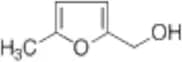
CAS:Controlled Product<p>Stability Hygroscopic<br>Applications 5-Methyl-2-furanmethanol (cas# 3857-25-8) is a compound useful in organic synthesis.<br></p>Formula:C6H8O2Color and Shape:NeatMolecular weight:112.135-Hydroxy-N-methylprotriptyline
CAS:Controlled Product<p>Impurity Cyclobenzaprine USP Related Compound A<br>Applications 5-Hydroxy-N-methylprotriptyline acts as a reducing agent in chemical reactions. Cyclobenzaprine USP Related Compound A.<br>References Gribble, G. et al.: Synthesis., 3, 172 (1977);<br></p>Formula:C20H23NOColor and Shape:NeatMolecular weight:293.40D-Cysteine Hydrochloride Monohydrate
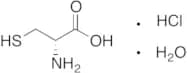
CAS:Controlled Product<p>Applications D-Cysteine Hydrochloride Monohydrate is used as a reactant in the expedient synthesis of electronically modified luciferins for bioluminescence imaging.<br>References McCutcheon, D., et al.: J. Am. Chem. Soc., 134, 7604 (2012);<br></p>Formula:C3H7NO2S·HCl·H2OColor and Shape:NeatMolecular weight:121.16+(36.46)+(18.02)L-Glucose-1-13C
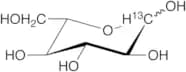
CAS:Controlled Product<p>Applications Labelled L-Glucose is the enantiomer of D-Glucose (G595000), a naturally occurring carbohydrate used in an abundance of cellular processes. L-Glucose is a synthetic sugar used in the formation of L-Glucose Pentaacetate (G596510), a potential therapeutic agent regarding type II diabetes. In addition, L-glucose can be used as a colon cleansing agent for before a colonoscopy procedure.<br>References Malaisse, W. et al.: Int. J. Mol. Med., 2, 383 (1998); Raymer, G. et al.: Gastrointest. Endosc., 58, 30 (2003); Wang, R., et al.: J. Mol. Catal. B. Enz., 56, 131 (2009),<br></p>Formula:CC5H12O6Color and Shape:NeatMolecular weight:181.149(E)-2-Cyano-3-(4-(4-(2,2-diphenylvinyl)phenyl)-1,2,3,3a,4,8b-hexahydrocyclopenta[b]indol-7-yl)acrylic acid
CAS:Purity:98+%Color and Shape:SolidMolecular weight:508.621002197266Ref: 10-F806736
1gTo inquire5mgTo inquire10mgTo inquire25mgTo inquire50mgTo inquire100mgTo inquire250mgTo inquire(2R)-2-Hydroxyglutaric Acid Disodium Salt
CAS:<p>Stability Hygroscopic<br>Applications A potential inhibitor of glutamate carboxypeptidase.<br>References Wolcott, T.G., et al.: Biochem. Biophys. Res. Commun., 57, 709 (1974), Knowles, P.F., et al.: Eur. J. Biochem., 114, 139 (1981),<br></p>Formula:C5H6O5·2NaColor and Shape:NeatMolecular weight:192.08D,L-b-Chloroalanine Methyl Ester Hydrochloride
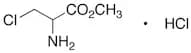
CAS:Controlled Product<p>Applications D,L-β-Chloroalanine Methyl Ester Hydrochloride (cas# 33646-31-0) is a compound useful in organic synthesis.<br></p>Formula:C4H8ClNO2·ClHColor and Shape:NeatMolecular weight:174.03L-(+)-2-Phenylglycine
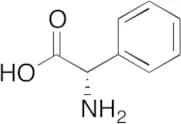
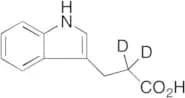
CAS:<p>Applications L-(+)-2-Phenylglycine is a derivative of Glycine (G615990), the smallest of all the amino acids, and is also used to treat schizophrenia, stroke, and benign prostatic hyperplasia. L-(+)-2-Phenylglycine is also used as an N-linked side chain of an SMTP (Stachybotrys microspora tripenyl phenols) congener, which was potent in enhancing plasminogen activation in S. microspora.<br>References Gusev, E., et al.: Cerebrovasc. Dis., 10, 49 (2000); Koide, H., et al.: J. Antibiot., 65, 91 (2012); Rosse, R., et al.: Clin. Neuropharmacol., 12, 416 (1989); Tuszynski, G., et al.: Lab. Invest., 70, 228 (1994)<br></p>Formula:C8H9NO2Color and Shape:Off White Crystalline PowderMolecular weight:151.16263-Indolepropionic-d2 Acid
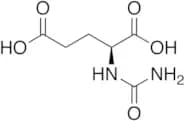
CAS:Controlled Product<p>Stability Hygroscopic<br>Applications 3-Indolepropionic-d2 acid is deuterium labelled 3-Indolepropionic acid (I627170). 3-Indolepropionic acid is a deamination product of Tryptophan (T947200) that protects the hippocampus (studied in gerbils) from ischemic damage and oxidative stress. It’s ability to protect the neurons in this way is attributed to its potent antioxidative effects. 3-Indolepropionic acid is also hypothesized to have protective effects on the thyroid gland.<br>References Hwang, I., et al.: J. Neurosci. Res., 87, 2126 (2009); Karbownik, M., et al.: J. Cell. Biochem., 95, 131 (2005)<br></p>Formula:C11D2H9NO2Color and Shape:NeatMolecular weight:191.22N-Carbamyl-L-glutamic Acid
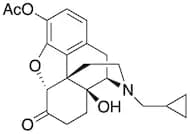
CAS:Controlled Product<p>Applications N-Carbamyl-L-glutamic Acid has been shown to have protective effects against ammonia intoxication and is used in the treatment of acute hyperammonemia.<br>References Paik, W.K. et al.: Life Sci., 15, 1189 (1974); O'Connor, J.E. et al.: Eur. J. Pediat., 148, 540 (1989); Lee, J.H. et al.: Biochem. Biophys. Res. Chem., 248, 391 (1998);<br></p>Formula:C6H10N2O5Color and Shape:NeatMolecular weight:190.153-O-Acetylnaltrexone
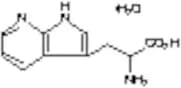
CAS:Controlled ProductFormula:C22H25NO5Color and Shape:White To Off-WhiteMolecular weight:383.44D,L-Azatryptophan Hydrate
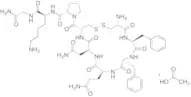
CAS:Controlled ProductFormula:C10H13N3O3Color and Shape:NeatMolecular weight:223.23Felypressin Acetate
CAS:Controlled Product<p>Applications Felypressin(Octapressin) is a vasopressin 1 agonist and a peptide containing eight amino acids including cystine. Felypressin is used as a vasoconstrictor.<br>References Boissonnas, G., et al.: Helv. Chim. Acta, 43, 190 (1960), Farkas, D., et al.: Curr. Drug Metab., 6, 111 (2005), Elferink, M., et al.: Toxicol. Appl. Pharmacol., 229, 300 (2008),<br></p>Formula:C46H65N13O11S2·x(C2H4O2)Color and Shape:NeatMolecular weight:1040.222-Methoxypropanol
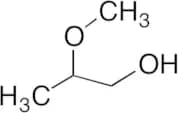
CAS:Controlled Product<p>Applications 2-Methoxypropanol is a susbtance used in the relative parameter sensitivity in prenatal toxicity studies with substances classified as developmental toxicants. Also applied in the studies for the analysis of volatile organic compounds in cigarette packaging materials by SPME-GC/MS.<br> Not a dangerous good if item is equal to or less than 1g/ml and there is less than 100g/ml in the package<br>References Rorije, E., et al.: Reprod. Toxicol., 34, 284 (2012); Hong, W, et al.: Fujian Fenxi Ceshi, 19, 24 (2010)<br></p>Formula:C4H10O2Color and Shape:ColourlessMolecular weight:90.125-Chloro-2-methylphenol
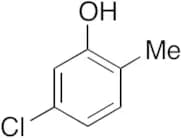
CAS:Controlled Product<p>Applications 5-Chloro-2-methylphenol can be used in the preparation of dichlorotoluqinones.<br>References James, C., et al.: J. Org. Chem., 16, 328 (1951)<br></p>Formula:C7H7ClOColor and Shape:NeatMolecular weight:142.58rac-3-Aminoisobutyric Acid-d3 Hydrochloride
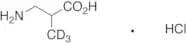
CAS:Controlled Product<p>Stability Hygroscopic<br>Applications Labelled 3-Aminoisobutyric Acid (A611585). Substituted β-alanines. Used for preparation and isolation of D(-)-β-aminoisobutyric acid.<br>References Kakimoto, Y., et al.: J. Biol. Chem., 236, 3288 (1961),<br></p>Formula:C4H7D3ClNO2Color and Shape:NeatMolecular weight:142.6N-[(Benzyloxy)carbonyl]glycylglycine
CAS:<p>Applications N-[(Benzyloxy)carbonyl]glycylglycine is a reagent in the synthesis of Glycylglycyl-L-tyrosine (G718500), which is a fungal tyrosinases and their capability to oxidize peptide-bound tyrosine residues is important in a view of applicability of tyrosinases.<br>References Bowness, J., et al.: Biochem. J., 53, 620 (1953), Cuff, M., et al.: J. Mol. Biol., 278, 855 (1998), Kubo, I., et al.: Bioorg. Med. Chem., 12, 5349 (2004),<br></p>Formula:C12H14N2O5Color and Shape:NeatMolecular weight:266.254-(furan-2-carbonyl)-8-methyl-1-oxa-4,8-diazaspiro[4.5]decane-3-carboxylic acid
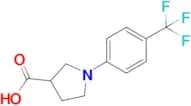
CAS:Purity:95.0%Molecular weight:294.30700683593751-(4-(Trifluoromethyl)phenyl)pyrrolidine-3-carboxylic acid
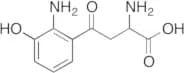
CAS:Purity:97%Molecular weight:259.22799682617193-Hydroxy-DL-kynurenine
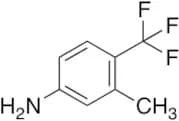
CAS:<p>Stability Hygroscopic<br>Applications 3-Hydroxy-DL-kynurenine is a tryptophan metabolite. Could be associated with symptoms in Parkinson's disease.<br>References Heilman, P. L., et al.: Movement Disorders, 35, 2028 (2020)<br></p>Formula:C10H12N2O4Color and Shape:NeatMolecular weight:224.213-Methyl-4-(trifluoromethyl)aniline
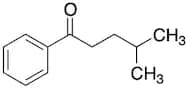
CAS:<p>Applications 3-METHYL-4-(TRIFLUOROMETHYL)ANILINE (cas# 106877-31-0) is a useful research chemical.<br></p>Formula:C8H8NF3Color and Shape:Pale Yellow to Pale Beige OilMolecular weight:175.154-Methyl-valerophenone
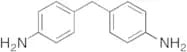
CAS:Controlled Product<p>Applications 4-Methyl-valerophenone is an intermediate used in the synthesis of a-Pyrrolidinoisohexanophenone (Hydrochloride) (P841230), which is a phenone derivative used for research purposes.<br>References Guo, Z.K., et al.: Marine Drugs, 16, 45/1 (2018)<br></p>Formula:C12H16OColor and Shape:NeatMolecular weight:176.254,4'-Methylenedianiline
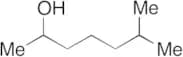
CAS:Controlled Product<p>Applications 4,4'-Methylenedianiline is used in the production of polyurethane foams and epoxy resins (1). Potential contributor in pulmonary arterial hypertension (PAH) in rats through alteration of the serotenergic transport system (2). Drinking water contaminant candidate list 3 (CCL 3) compound as per United States Environmental Protection Agency (EPA), environmental, and food contaminants. Dyes and metabolites, Environmental Testing.<br> Not a dangerous good if item is equal to or less than 1g/ml and there is less than 100g/ml in the package<br>References 1. Hebert V. et al.: Cardiovas. Toxicol., 2011 Dec;11(4):316-24.2. Carroll-Turpin, M. et al.: Toxicol. Sci. 2015 Sep;147(1):235-45<br></p>Formula:C13H14N2Color and Shape:NeatMolecular weight:198.266-Methyl-2-heptanol
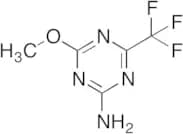
CAS:Controlled Product<p>Applications 6-Methyl-2-heptanol is an intermediate used to prepare tri- and tetrasubstituted imidazoles as highly potent and specific ATP-mimetic inhibitors of p38 MAP kinase.<br>References Laufer, S., et al.: J. Med. Chem., 51, 4122 (2008)<br></p>Formula:C8H18OColor and Shape:NeatMolecular weight:130.234-Methoxy-6-(trifluoromethyl)-1,3,5-triazin-2-amine
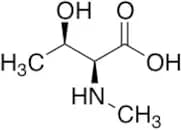
CAS:<p>Applications 4-Methoxy-6-(trifluoromethyl)-1,3,5-triazin-2-amine can be used as reactant/reagent in preparation of N-phenylsulfony-N'-pyrimidinylureas as herbicides.<br>References Hamprecht, G., et al.: Ger. Offen., DE 4322726 A1 19950112 (1995)<br></p>Formula:C5H5F3N4OColor and Shape:NeatMolecular weight:194.11H-L-MeThr-OH
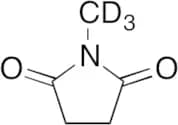
CAS:Controlled Product<p>Applications H-L-METHR-OH (cas# 2812-28-4) is a useful research chemical.<br></p>Formula:C5H11NO3Color and Shape:NeatMolecular weight:133.15N-Methylsuccinimide-d3
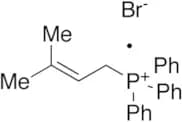
CAS:Controlled Product<p>Applications N-Methylsuccinimide-d3 is the isotope labelled analog of N-Methylsuccinimide (M329425); a model compound used to investigate the mechanism of enolization step by density-functional theory (DFT) calculations. N-Methylsuccinimide is a metabolite of N-methyl-2-pyrrolidone (NMP) and its presence in plasma and urine can be used as a biomarker of exposure to NMP<br>References Takahashi, O., et al.: Chem. Biodivers., 7, 1349 (2010)<br></p>Formula:C5D3H4NO2Color and Shape:NeatMolecular weight:116.133(3-Methyl-2-butenyl)triphenyl-phosphonium Bromide
CAS:Controlled Product<p>Applications (3-Methyl-2-butenyl)triphenyl-phosphonium Bromide (cas# 1530-34-3 ) is a compound useful in organic synthesis.<br></p>Formula:C23H24BrPColor and Shape:NeatMolecular weight:411.31N-Acetyl-L-alanine
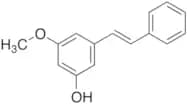
CAS:Controlled Product<p>Applications N-Acetyl-L-alanine is used as a biomarker for prostate cancer.<br>References Jansen, R., et al.: Clin. Biochem., 38, 362 (2005),<br></p>Formula:C5H9NO3Color and Shape:NeatMolecular weight:131.13(E)-3-Methoxy-5-styrylphenol
CAS:Controlled Product<p>Applications (E)-3-Methoxy-5-styrylphenol (cas# 35302-70-6) is a useful research chemical.<br></p>Formula:C15H14O2Color and Shape:NeatMolecular weight:226.27L-3-Benzothienylalanine
CAS:Controlled Product<p>Applications L-3-Benzothienylalanine<br></p>Formula:C11H11NO2SColor and Shape:NeatMolecular weight:221.28N-Cinnamylglycine
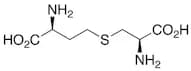
CAS:<p>Applications N-Cinnamylglycine is a derivative of ferulic acid (F308900), a widely distributed compound in plants that is used as an antioxidant and food preservative.<br>References Jellum,E., et al.: J. Pharma. Biomed. Anal., 9, 663 (1991); Kayahara, H., et al.: Anticancer. Res., 19, 3763 (1999); Bollina, V., et al.: Plant. Molec. Biol., 77, 355 (2011);<br></p>Formula:C11H11NO3Color and Shape:NeatMolecular weight:205.21L-(+)-Cystathionine
CAS:Controlled Product<p>Applications Intermediate in transsulfuration whereby the mammal transfers the sulfur of methionine via homocysteine to cysteine.<br>References Prochazka, Z., et al.: Collection Czechoslov. Chem. Commun., 45, 1982 (1980), Yorek, M.A. & Spector, A.A.: Prog. Clin. Biol. Res., 179, 361 (1985)<br></p>Formula:C7H14N2O4SColor and Shape:White To Off-WhiteMolecular weight:222.26


![8-propyl-4-(pyridine-3-carbonyl)-1-oxa-4,8-diazaspiro[4.5]decane-3-carboxylic acid](/_next/image/?url=https%3A%2Fstatic.cymitquimica.com%2Fproducts%2F10%2Fthumb-webp%2FF525740.webp&w=3840&q=75)





![(E)-2-Cyano-3-(4-(4-(2,2-diphenylvinyl)phenyl)-1,2,3,3a,4,8b-hexahydrocyclopenta[b]indol-7-yl)acry…](/_next/image/?url=https%3A%2Fstatic.cymitquimica.com%2Fproducts%2F10%2Fthumb-webp%2FF759999.webp&w=3840&q=75)

![N-[(Benzyloxy)carbonyl]glycylglycine](/_next/image/?url=https%3A%2Fstatic.cymitquimica.com%2Fproducts%2FTR%2Fthumb-webp%2FB287100.webp&w=3840&q=75)
![4-(furan-2-carbonyl)-8-methyl-1-oxa-4,8-diazaspiro[4.5]decane-3-carboxylic acid](/_next/image/?url=https%3A%2Fstatic.cymitquimica.com%2Fproducts%2F10%2Fthumb-webp%2FF525626.webp&w=3840&q=75)