Amino Acids (AA)
Amino acids (AAs) are the fundamental building blocks of proteins, playing a crucial role in various biological processes. These organic compounds are essential for protein synthesis, metabolic pathways, and cell signaling. In this category, you will find a comprehensive range of amino acids, including essential, non-essential, and modified forms, which are vital for research in biochemistry, molecular biology, and nutritional sciences. At CymitQuimica, we provide high-quality amino acids to support your research and development needs, ensuring accuracy and reliability in your experimental outcomes.
Subcategories of "Amino Acids (AA)"
- Amino Acid Derivatives(3,955 products)
- Amino Acid and Amino Acid Related Compounds(3,465 products)
- Amino Acids with Oxygen or Sulphur(168 products)
- Boc- Amino Acids(351 products)
- Fmoc Amino Acids(1,710 products)
Found 38248 products of "Amino Acids (AA)"
Sort by
Purity (%)
0
100
|
0
|
50
|
90
|
95
|
100
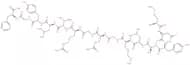
Dynorphin A (1-13) amide trifluoroacetate salt
CAS:<p>Please enquire for more information about Dynorphin A (1-13) amide trifluoroacetate salt including the price, delivery time and more detailed product information at the technical inquiry form on this page</p>Formula:C75H127N25O14Purity:Min. 95%Molecular weight:1,602.97 g/mol4-Fluoromethyl-α-methylbenzyl alcohol
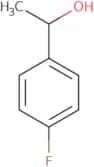
CAS:<p>4-Fluoromethyl-alpha-methylbenzyl alcohol is a nonclassical molecule that has been synthesized. This molecule has been modeled computationally and the results indicate that it exhibits a planar geometry with a diastereomeric ratio of 1:1. The theoretical calculations show that the reaction of 4-fluoromethyl-alpha-methylbenzyl alcohol with water is exothermic, which would result in the formation of an intermediate hydroxide ion. Kinetic studies have shown that this molecule can undergo transfer reactions and dehydrogenation reactions, both of which are possible mechanisms for its reactivity.</p>Formula:C8H9FOPurity:Min. 95%Molecular weight:140.15 g/molAc-Glu-Glu-Val-Val-Ala-Cys-pNA
CAS:<p>Please enquire for more information about Ac-Glu-Glu-Val-Val-Ala-Cys-pNA including the price, delivery time and more detailed product information at the technical inquiry form on this page</p>Formula:C34H50N8O13SPurity:Min. 95%Molecular weight:810.87 g/mol3-Hydroxy-4-methyl-2-nitro-benzoic acid
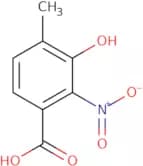
CAS:<p>3-Hydroxy-4-methyl-2-nitrobenzoic acid is an analog of the natural substrate for the enzyme nitroreductase. It can be used in oxidative coupling reactions to generate a covalently bonded product, which is immobilized on sepharose. 3-Hydroxy-4-methyl-2-nitrobenzoic acid has a high affinity for nucleic acids and can be used in biospecific assays. The chromophore of 3-hydroxy-4-methyl-2-nitrobenzoic acid is easily oxidized, leading to its use in nitroreduction reactions in which a nitro group is reduced to an amino group.</p>Purity:Min. 95%Homo-L-tyrosine hydrobromide
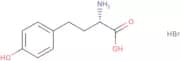
CAS:<p>Homo-L-tyrosine hydrobromide (HLTB) is a prodrug that is converted to L-3,4-dihydroxyphenylalanine (L-dopa) in vivo. It is used as an immunomodulator by stimulating the immune system and reducing inflammation. HLTB has been shown to have anti-inflammatory effects on the production of cytokines and chemokines, which are important for tumor growth and metastasis. HLTB is also known to inhibit tyrosine kinase, which plays a role in the development of some cancers.</p>Formula:C10H14BrNO3Purity:Min. 95%Molecular weight:276.13 g/molTos-Gly-Pro-OH
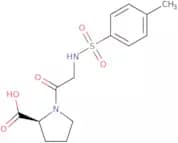
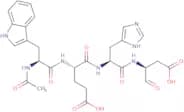
CAS:<p>Tos-Gly-Pro-OH is a fluorescent histone deacetylase (HDAC) inhibitor. It has been validated as a competitive inhibitor of HDACs by using a fluorescence assay to detect the deacetylated form of 7-amino-4-methylcoumarin. Tos-Gly-Pro-OH is used in the treatment of malignant tumors, such as leukemia and lymphoma, by inhibiting HDACs that are responsible for cellular proliferation. In addition, Tos-Gly-Pro-OH may be useful in the treatment of diseases caused by bacterial infection because it inhibits bacterial HDACs that are responsible for protein synthesis and chemotaxis. This drug also inhibits trypsin activity and can be used as an alternative to nonisotopic solvents for peptide synthesis.</p>Formula:C14H18N2O5SPurity:Min. 95%Molecular weight:326.37 g/molAc-Trp-Glu-His-Asp-aldehyde (pseudo acid)
CAS:<p>Ac-Trp-Glu-His-Asp-aldehyde is a tetrapeptide that has been shown to inhibit the activity of caspases. Caspases are proteases that play an important role in cell death by inducing apoptosis and necrosis. The structure of the Ac-Trp-Glu-His-Asp-aldehyde was determined by X-ray crystallography, revealing a hydrophobic molecule with a pseudo acid residue. This compound binds to peptides and blocks the binding site for caspase substrates, which prevents their activation. Acetylation of this compound also increases its hydrophobicity, making it more likely to bind to other molecules such as proteins or lipids.</p>Formula:C28H33N7O9Purity:Min. 95%Molecular weight:611.6 g/mol(H-Cys-Phe-OH)2 (Disulfide bond)
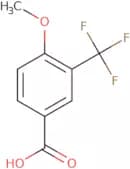
CAS:<p>Please enquire for more information about (H-Cys-Phe-OH)2 (Disulfide bond) including the price, delivery time and more detailed product information at the technical inquiry form on this page</p>Formula:C24H30N4O6S2Purity:Min. 95%Molecular weight:534.65 g/mol4-Methoxy-3-(trifluoromethyl)benzoic acid
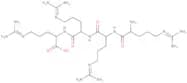
CAS:<p>4-Methoxy-3-(trifluoromethyl)benzoic acid is a useful scaffold that can be used as a building block for the synthesis of complex compounds. It has been shown to react with various reagents and is a versatile building block that can be used in organic synthesis. 4-Methoxy-3-(trifluoromethyl)benzoic acid is a high quality chemical and has been classified as speciality chemicals. This product is also known by the CAS number 213598-09-5.</p>Formula:C9H7F3O3Purity:Min. 98 Area-%Color and Shape:PowderMolecular weight:220.15 g/molH-Arg-Arg-Arg-Arg-OH acetate salt
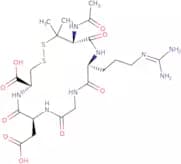
CAS:<p>Acetate salt</p>Formula:C24H50N16O5Purity:Min. 95%Molecular weight:642.76 g/molAc-Pen-Arg-Gly-Asp-Cys-OH (Disulfide bond)
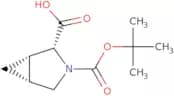
CAS:<p>Disulfide bond is an analytical method for the determination of the concentration-time curve. It is a cyclic peptide that competes with fibrinogen for binding to platelets. Disulfide bond has been shown to be an antagonist of receptor antagonist, and has potential applications in the treatment of autoimmune diseases. Disulfide bond can also be used as a model system for toxicological studies and experimental models in humans.</p>Formula:C22H36N8O9S2Purity:Min. 95%Molecular weight:620.7 g/molN-Boc-cis-3,4-methylene D-proline
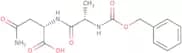
CAS:<p>Please enquire for more information about N-Boc-cis-3,4-methylene D-proline including the price, delivery time and more detailed product information at the technical inquiry form on this page</p>Formula:C11H17NO4Purity:Min. 95%Molecular weight:227.26 g/molZ-Ala-Asn-OH
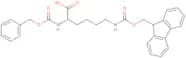
CAS:<p>Z-Ala-Asn-OH is a hydrophobic amino acid that is used in industrial applications, such as paints and coatings. It can be synthesized from L-alanine and D-asparagine by the enzyme carboxypeptidase Y. Z-Ala-Asn-OH has been shown to have relevance for biochemically screening hyperthermophilic microorganisms, such as E. coli or other bacteria from the family Enterobacteriaceae. This amino acid has also been shown to be an essential component of a consortium of gram negative bacteria that produce an enzyme called xylanase and are used in the production of xylitol.</p>Formula:C15H19N3O6Purity:Min. 95%Molecular weight:337.33 g/molZ-Lys(Fmoc)-OH
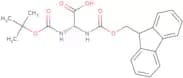
CAS:<p>Please enquire for more information about Z-Lys(Fmoc)-OH including the price, delivery time and more detailed product information at the technical inquiry form on this page</p>Formula:C29H30N2O6Purity:Min. 95%Molecular weight:502.56 g/molFmoc-α-amino-D-Gly(Boc)-OH
CAS:<p>Please enquire for more information about Fmoc-α-amino-D-Gly(Boc)-OH including the price, delivery time and more detailed product information at the technical inquiry form on this page</p>Formula:C22H24N2O6Purity:Min. 95%Molecular weight:412.44 g/molH-D-Ala-Gly-Gly-OH
CAS:<p>H-D-Ala-Gly-Gly-OH is a bifunctional amide that can be used as an acceptor or donor. It has been shown to function in polymerase chain reactions, where it binds to the subunits of DNA polymerase and acts as an acceptor. This compound also has carboxypeptidase activity and isomerizes to form D-alanine at a thermodynamic equilibrium. H-D-Ala-Gly-Gly-OH is found in Geobacillus stearothermophilus, which displays cell lysis after being exposed to this compound. The same enzyme activity was found in Ochrobactrum anthropi, but not in other bacteria such as Streptomyces griseus or Bacillus subtilis.</p>Formula:C7H13N3O4Purity:Min. 95%Molecular weight:203.2 g/molH-p-Chloro-Phe-D-Cys-b-(3-pyridyl)-Ala-D-Trp-Lys-tBu-Gly-Cys-2-Nal-NH2 trifluoroacetate salt (Disulfide bond)
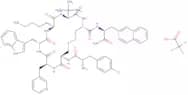
CAS:<p>Please enquire for more information about H-p-Chloro-Phe-D-Cys-b-(3-pyridyl)-Ala-D-Trp-Lys-tBu-Gly-Cys-2-Nal-NH2 trifluoroacetate salt (Disulfide bond) including the price, delivery time and more detailed product information at the technical inquiry form on this page</p>Formula:C59H71ClN12O8S2Purity:Min. 95%Molecular weight:1,175.86 g/molFmoc-Met-Wang resin (200-400 mesh)
<p>Please enquire for more information about Fmoc-Met-Wang resin (200-400 mesh) including the price, delivery time and more detailed product information at the technical inquiry form on this page</p>Purity:Min. 95%Histogranin
CAS:<p>Histogranin H is a glycoprotein that is secreted by gland cells. Histogranin H has been shown to have pharmacological effects on locomotor activity and pain in animal models. This protein has also been shown to inhibit cancer growth in vitro and in vivo. In addition, it has a protective effect on the central nervous system, which may be due to its ability to increase the expression of brain-derived neurotrophic factor (BDNF). It also inhibits the proliferation of glioma cells, which are cancerous tumors that originate from glial cells in the brain. Histogranin H binds to histone proteins and glutamate receptors, which leads to an antinociceptive effect when injected into rats. The antinociceptive effect of this protein is attenuated by trypsin treatment. Histogranin H has also been shown to have an analgesic effect when injected into rats with chronic pain models.</p>Formula:C78H119N21O21SPurity:Min. 95%Molecular weight:1,718.97 g/molFmoc-Lys(N3)-OH
CAS:<p>Fmoc-Lys(N3)-OH is a glutamic acid molecule with a specific lysine and histidine residue. It has been shown to be cytotoxic in vitro, specifically targeting cancer cells. Fmoc-Lys(N3)-OH can be conjugated to vancomycin or other molecules that are not normally cell permeable for the treatment of neurodegenerative diseases. The divalent nature of this molecule allows it to cross the blood-brain barrier. Solid phase synthesis is used to produce this compound, which is then purified by chromatography and characterized by mass spectrometry.</p>Formula:C21H22N4O4Purity:Min. 95%Molecular weight:394.42 g/molZ-N-Me-Ser(tBu)-OH·DCHA
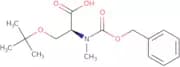
CAS:<p>Please enquire for more information about Z-N-Me-Ser(tBu)-OH·DCHA including the price, delivery time and more detailed product information at the technical inquiry form on this page</p>Formula:C16H23NO5·C12H23NPurity:Min. 95%Molecular weight:490.68 g/mol(Thr4,Gly7)-Oxytocin
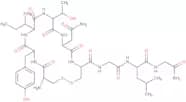
CAS:<p>Oxytocin is a hormone that is released from the pituitary gland. It has been shown to have a variety of biological effects, including stimulation of uterine contractions, breast milk production, and social behaviors such as bonding and sexual behavior. Oxytocin has also been shown to regulate the release of gamma-aminobutyric acid (GABA) in the brain. This effect may be due to oxytocin's ability to stimulate GABA receptors. In addition, oxytocin can inhibit lipolysis by inhibiting the release of fatty acids from adipose tissue. The effect on fatty acid release is due to an inhibition of phosphodiesterase activity. Oxytocin can also cause membrane hyperpolarization by increasing potassium ion flow through channels in the cell membrane. Oxytocin has also been shown to act as a growth factor for certain types of cells, such as smooth muscle cells and osteoblasts.</p>Formula:C39H61N11O12S2Purity:Min. 95%Molecular weight:940.1 g/mol(D-Trp6)-LHRH pamoate salt
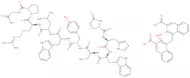
CAS:<p>The hormone LHRH is a decapeptide that stimulates the production of gonadotropins, which stimulate the synthesis and release of sex hormones. LHRH has been used for the treatment of prostate cancer. It can be administered in the form of a long-acting ester formulation, such as the pamoate salt (Pyr-His-Trp-Ser-Tyr-D-Trp-Leu-Arg-Pro-Gly), or as an analog, such as triptorelin acetate. The analogs are more potent than LHRH and have greater efficacy in preventing tumor growth and inducing regression. Analogs may be administered in microcapsules for extended release or orally to provide higher levels of drug at target sites. The ester linkages between amino acids allow for a sustained release of LHRH over time. These esters are hydrolyzed by enzymes present in plasma and tissues, releasing active LHRH into circulation that binds</p>Formula:C64H82N18O13·xC23H16O6Purity:Min. 95%Molecular weight:1,311.45 g/molH-Asp-Arg-Val-Tyr-Ile-His-Pro-Phe-His-Leu-Val-Ile-His-Asn-OH
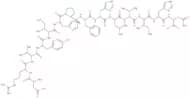
CAS:<p>Please enquire for more information about H-Asp-Arg-Val-Tyr-Ile-His-Pro-Phe-His-Leu-Val-Ile-His-Asn-OH including the price, delivery time and more detailed product information at the technical inquiry form on this page</p>Formula:C83H122N24O19Purity:Min. 95%Molecular weight:1,760.01 g/molSomatostatin-14 (reduced)
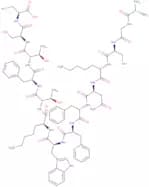
CAS:<p>Somatostatin-14 (reduced) H-Ala-Gly-Cys-Lys-Asn-Phe-Phe-Trp-Lys-Thr-Phe-Thr-Ser-Cys is a synthetic peptide that is an adjuvant for vaccines. It induces a biphasic response by increasing the humoral immune response and decreasing the cellular immune response. Somatostatin has been shown to decrease the severity of symptoms in patients with psychiatric disorders and can be used as a long term treatment for these conditions. Somatostatin also has effects on the pancreas, such as inhibiting insulin release, leading to decreased blood glucose levels. Its disulfide bond in its structure may be important for its activity and stability.</p>Formula:C76H106N18O19S2Purity:Min. 95%Molecular weight:1,639.9 g/molH-Tyr-D-Ala-Gly-OH
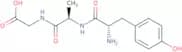
CAS:<p>H-Tyr-D-Ala-Gly-OH is a chemical compound that is used in the field of molecular biology. It is an amino acid which has been modified to contain a terminal amine group, so it can be coupled to other molecules through a covalent bond. H-Tyr-D-Ala-Gly-OH can be used as a diagnostic marker for mouse monoclonal antibodies. The antibody reacts with the H-Tyr-D-Ala-Gly-OH by binding to its peptide receptors, which are located on the cell surface and inside the cells. This receptor activity can be detected using immunohistochemistry or flow cytometry. Immunohistochemical detection of H-Tyr-D-Ala-Gly--OH is useful for diagnosing cancer, such as breast cancer, where it can be found in high levels in metastatic lesions.</p>Formula:C14H19N3O5Purity:Min. 95%Molecular weight:309.32 g/molH-Arg-Ile-OH acetate salt
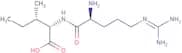
CAS:<p>H-Arg-Ile-OH acetate salt is a regulatory protein that is found in plant cells. It has been shown to be involved in the regulation of cancer, as well as having some anti-inflammatory activities. H-Arg-Ile-OH acetate salt also has been shown to inhibit the production of fatty acids and coagulation factors by inhibiting serine proteases and thromboplastin activity, respectively. H-Arg-Ile-OH acetate salt may have an important role in regulating blood clotting by preventing fibrinogen from converting to fibrin, which leads to clot formation.</p>Formula:C12H25N5O3Purity:Min. 95%Molecular weight:287.36 g/mol(D-Leu6,Pro-NHEt 9)-LHRH (4-9)
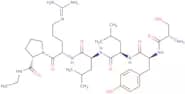
CAS:<p>Please enquire for more information about (D-Leu6,Pro-NHEt 9)-LHRH (4-9) including the price, delivery time and more detailed product information at the technical inquiry form on this page</p>Formula:C37H62N10O8Purity:Min. 95%Molecular weight:774.95 g/molH-Arg-Arg-OH acetate salt
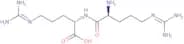
CAS:<p>H-Arg-Arg-OH acetate salt is a protease inhibitor. It has been shown to inhibit the activity of serine proteases, such as trypsin and chymotrypsin, in vitro. H-Arg-Arg-OH acetate salt binds to the active site of the enzyme and prevents substrate binding. The acidity of the environment where this inhibitor is active can be used to control its activity. At acidic pH, H-Arg-Arg-OH acetate salt is more potent than at neutral pH. When it comes into contact with a protein substrate, H-Arg-Arg-OH acetate salt will bind to a hydroxyl group on the protein molecule and prevent it from hydrolyzing its substrate. This process can be reversed by adding an alkaline buffer to increase the pH of the system or by adding an acid buffer to decrease it.br>br> H-Arg-Arg-OH acetate salt is found in cyanob</p>Formula:C12H26N8O3Purity:Min. 95%Molecular weight:330.39 g/molBz-Pro-Phe-Arg-pNA·HCl
CAS:<p>Bz-Pro-Phe-Arg-pNA·HCl is a synthetic peptide that has been shown to be a specific marker for diagnosis of thrombocytopenia. The peptide is cleaved by proteases, including serine proteases and trypsin, and the resulting fragments are assayed in biochemical tests. Bz-Pro-Phe-Arg-pNA·HCl is synthesized by solid phase peptide synthesis with an N-terminal amide bond. This synthetic peptide can be used as a substrate for various serine proteases and trypsin to generate diagnostic fragments. Bz-Pro-Phe-Arg-pNA·HCl also specifically binds to wild type erythrocytes and hemocytes, which are cells that produce blood cells.</p>Formula:C33H38N8O6·HClPurity:Min. 95%Molecular weight:679.17 g/molZ-D-Phe-Val-OH
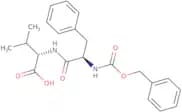
CAS:<p>N-hydroxysuccinimide is a reactive, nucleophilic compound that is used in the synthesis of peptides and other biologically active molecules. It reacts with carboxylic acids to form esters and with amines to form amides. N-hydroxysuccinimide is also used as an additive in organic reactions, such as carbodiimide coupling or benzoin condensation.</p>Formula:C22H26N2O5Purity:Min. 95%Molecular weight:398.45 g/molBiotinyl-Somatostatin-14
CAS:<p>Please enquire for more information about Biotinyl-Somatostatin-14 including the price, delivery time and more detailed product information at the technical inquiry form on this page</p>Formula:C86H118N20O21S3Purity:Min. 95%Molecular weight:1,864.18 g/molH-Gly-Gly-Asp-Ala-OH
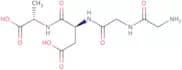
CAS:<p>Please enquire for more information about H-Gly-Gly-Asp-Ala-OH including the price, delivery time and more detailed product information at the technical inquiry form on this page</p>Formula:C11H18N4O7Purity:Min. 95%Molecular weight:318.28 g/molH-Gly-Lys-His-OH acetate salt
CAS:<p>Please enquire for more information about H-Gly-Lys-His-OH acetate salt including the price, delivery time and more detailed product information at the technical inquiry form on this page</p>Formula:C14H24N6O4Purity:Min. 95%Molecular weight:340.38 g/molBoc-Ala-PAM resin (200-400 mesh)
<p>Please enquire for more information about Boc-Ala-PAM resin (200-400 mesh) including the price, delivery time and more detailed product information at the technical inquiry form on this page</p>Purity:Min. 95%ACTH (1-39) (mouse, rat) trifluoroacetate salt
CAS:<p>Trifluoroacetate salt</p>Formula:C210H315N57O57SPurity:Min. 95%Molecular weight:4,582.16 g/molH-Ala-allyl ester·p-tosylate
CAS:<p>H-Ala-allyl ester·p-tosylate is an organic solvent that has been used to synthesize cyclic peptides and amide derivatives. It is a molecule with a chiral center, which means that it can have two different structures that are mirror images of each other. The enantiomer of H-Ala-allyl ester·p-tosylate is the opposite of L-Ala-allyl ester·p-tosylate in terms of its physical properties and biological activity. Modifications on the side chain such as positioning or modifications can be made to the molecule. Disulfide bonds can also be introduced into the side chain to form linkers for polymerization initiators. Synthesis of H-Ala-allyl ester·p-tosylate requires strong conditions such as heating or irradiation with UV light, which makes it difficult for production.</p>Formula:C6H11NO2·C7H8O3SPurity:Min. 95%Molecular weight:301.36 g/molH-Gly-Gly-Pro-OH
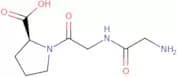
CAS:<p>H-Gly-Gly-Pro-OH is a recombinant polypeptide with affinity for amino acids. It is a positionally defined sequence of amino acids that has been shown to bind to Alzheimer's disease (AD) amyloid peptides and inhibit the formation of beta amyloid fibrils. The N-terminal sequence of this polypeptide is immunogenic, which may be useful for generating antibodies against AD.</p>Formula:C9H15N3O4Purity:Min. 95%Molecular weight:229.23 g/molC-Peptide 2 (rat) trifluoroacetate salt
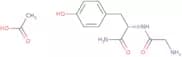
CAS:<p>Please enquire for more information about C-Peptide 2 (rat) trifluoroacetate salt including the price, delivery time and more detailed product information at the technical inquiry form on this page</p>Formula:C135H222N38O49Purity:Min. 95%Molecular weight:3,161.43 g/molH-Gly-Tyr-NH2 acetate salt
CAS:Controlled Product<p>Please enquire for more information about H-Gly-Tyr-NH2 acetate salt including the price, delivery time and more detailed product information at the technical inquiry form on this page</p>Formula:C13H19N3O5Purity:Min. 95%Molecular weight:297.31 g/molH-Tyr-Gly-NH2·HCl
CAS:<p>Please enquire for more information about H-Tyr-Gly-NH2·HCl including the price, delivery time and more detailed product information at the technical inquiry form on this page</p>Formula:C11H15N3O3·HClPurity:Min. 95%Molecular weight:273.72 g/molBoc-N-Me-D-Tyr-OH·DCHA
CAS:Controlled Product<p>Please enquire for more information about Boc-N-Me-D-Tyr-OH·DCHA including the price, delivery time and more detailed product information at the technical inquiry form on this page</p>Formula:C15H21NO5·C12H23NPurity:Min. 95%Molecular weight:476.65 g/mol(D-Phe12, Nle 21·38)-CRF (12-41) (human, rat) trifluoroacetate salt
CAS:<p>Please enquire for more information about (D-Phe12, Nle 21·38)-CRF (12-41) (human, rat) trifluoroacetate salt including the price, delivery time and more detailed product information at the technical inquiry form on this page</p>Formula:C158H265N49O43Purity:Min. 95%Molecular weight:3,539.1 g/molFmoc-Ala-Cys(Psi(Me ,Me)pro)-OH
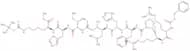
<p>Please enquire for more information about Fmoc-Ala-Cys(Psi(Me ,Me)pro)-OH including the price, delivery time and more detailed product information at the technical inquiry form on this page</p>Formula:C24H26N2O5SPurity:Min. 95%Molecular weight:454.54 g/molZ-Arg-Arg-Pro-Phe-His-Sta-Ile-His-Lys(Boc)-OMe
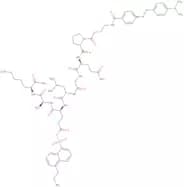
CAS:<p>Z-Arg-Arg-Pro-Phe-His-Sta-Ile-His-Lys(Boc)-OMe is an angiotensin II analogue that is used for the treatment of blood disorders. It inhibits angiotensin converting enzyme (ACE) and prevents the formation of angiotensin II from angiotensin I. ACE inhibitors are also used to treat diseases such as glomerular dysfunction, congestive heart failure, high blood pressure, and cirrhosis. In addition, it has been shown to be effective in treating cardiovascular diseases such as hypertension and heart disease. ZARAPROHES is a synthetic substrate for nitrosation reactions and can be used to produce monoclonal antibodies against ACE.</p>Formula:C72H110N20O15Purity:Min. 95%Molecular weight:1,495.77 g/molDABCYL-γ-Abu-Pro-Gln-Gly-Leu-Glu(EDANS)-Ala-Lys-NH2
CAS:<p>Please enquire for more information about DABCYL-gamma-Abu-Pro-Gln-Gly-Leu-Glu(EDANS)-Ala-Lys-NH2 including the price, delivery time and more detailed product information at the technical inquiry form on this page</p>Formula:C63H88N16O14SPurity:Min. 95%Molecular weight:1,325.54 g/molBombesin trifluoroacetate salt
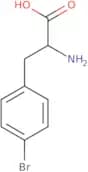
CAS:<p>Trifluoroacetate salt</p>Formula:C71H110N24O18SPurity:Min. 95%Molecular weight:1,619.85 g/mol4-Bromophenylalanine
CAS:<p>4-Bromophenylalanine is a chemical compound that can be used as a spectroscopic probe to study the dynamics of protein synthesis. It is derived from 4-bromobenzaldehyde, which is oxidized by hydrogen peroxide in the presence of cytochrome P450 reductase and NADPH, yielding 4-bromophenylalanine. This compound has been shown to inhibit protein synthesis by binding reversibly to the synthetase during its synthetic cycle. The binding of 4-bromophenylalanine inhibits the synthesis of peptides with a C-terminal amide group. This inhibition leads to a decrease in the amount of functional groups present in proteins and an increase in the amount of buffers. These effects have been demonstrated through modelling studies using both model organisms and buffer solutions.</p>Formula:C9H10BrNO2Purity:Min. 95%Color and Shape:White PowderMolecular weight:244.09 g/molNeurotensin (9-13)
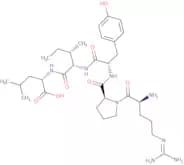
CAS:<p>Neurotensin (NT) is a peptide hormone that belongs to the family of amides and is found in the stomach, small intestine, and central nervous system. NT is an agonist of the neurotensin receptor and binds to allosteric binding sites on the receptor. Neurotensin (NT) is modified by proteolysis, which may be due to its acidic residue at position 9. This modification leads to increased affinity for the neurotensin receptor binding site. The pharmacokinetic properties of NT are not well-understood as it has been shown to have both high lipophilicity and low plasma protein binding rates. Neurotensin (NT) receptors have been shown to be G protein coupled receptors with different subtypes, such as NT1, NT2A, NT2B, and NT3.</p>Formula:C32H52N8O7Purity:Min. 95%Molecular weight:660.81 g/molPyr-Pro-Val-pNA trifluoroacetate salt
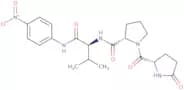
CAS:<p>Pyr-Pro-Val-pNA is a synthetic peptide that is structurally homologous to the proteases serine and chymotrypsin. This peptide has been shown to have proteolytic activity on fibronectin, n-terminal of angiotensin, and epithelium. Pyr-Pro-Val-pNA also causes an inflammatory response in leukocytes and shigella.</p>Formula:C21H27N5O6Purity:Min. 95%Molecular weight:445.47 g/mol