Amino Acids (AA)
Subcategories of "Amino Acids (AA)"
- Amino Acid Derivatives(4,012 products)
- Amino Acid and Amino Acid Related Compounds(3,490 products)
- Amino Acids with Oxygen or Sulphur(168 products)
- Boc- Amino Acids(351 products)
- Fmoc Amino Acids(1,710 products)
Found 38366 products of "Amino Acids (AA)"
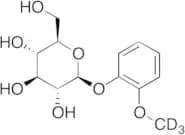
Guaiacol-β-D-glucopyranoside-d3
CAS:Controlled ProductStability Hygroscopic
Applications Guaiacol-beta-D-glucopyranoside-d3, is a labeled analogue of Guaiacol-beta-D-glucopyranoside (G245565), a Guaiacol Conjugate, that has shown to present in fermentation of grapes that had been exposed to bushfire smoke and can potentially yield unpalatable, smoke-affected wine.
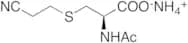
References Hayasaka, Y.m et al.: J. Arg. Food Chem., Vol. 58, Issue 4, P: 2076; 2081 (2010);Formula:C13H15D3O7Color and Shape:NeatMolecular weight:289.3N-Acetyl-S-(2-cyanoethyl)-L-cysteine Ammonium Salt
CAS:Stability Hygroscopic
Applications N-Acetyl-S-(2-cyanoethyl)-L-cysteine Ammonium Salt is a metabolite of Acrylonitrile (AN) and acrylamide (AM); and are commonly used in the synthesis of plastics and polymers.
References van Bladeren, P., et al.: Drug Metab. Dispos., 9, 246 (1981), Guengerich, F., et al.: Chem. Res. Toxicol., 4, 168 (1991),Formula:C8H11N2O3S·H4NColor and Shape:SolidMolecular weight:233.29Methyl 4-Methyl-3-hydroxybenzoate
CAS:Controlled ProductApplications Methyl 4-Methyl-3-hydroxybenzoate is used in the preparation of potent antimalarial agents. Also used in the preparation of aromatic inhibtors of anthranilate synthase.
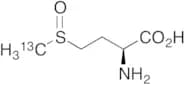
References Fattorusso, C. et al.: J. Med. Chem., 51, 1333 (2008); Payne, R. et al.: Org. biomol. Chem., 3, 3629 (2005);Formula:C9H10O3Color and Shape:NeatMolecular weight:166.17L-Methionine Sulfoxide,13C
CAS:Controlled ProductApplications L-Methionine Sulfoxide 13C1 is a labelled analogue of L-Methionine Sulfoxide ( M260450). L-Methionine Sulfoxide ( M260450) an intermediate in the synthesis of the acyclic amino carboxylic acid L-Methionine sulfoximine.
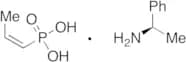
References Lee, B., et al.: J. Biol. Chem., 283, 28361 (2008), Nordqvist, A., et al.: Bioorg. Med. Chem., 16, 5501 (2008);Balog, E., et al.: Biochem., 48, 3005 (2009);Formula:CC4H11NO3SColor and Shape:White To Off-WhiteMolecular weight:166.203cis-Propenylphosphonic Acid (R)-(+)-α-Methylbenzylamine Salt
CAS:Controlled ProductApplications cis-Propenylphosphonic Acid (R)-(+)-α-Methylbenzylamine Salt is used as a reagent in the microbial production of Fosfomycin (F727505); a compound used as an antibiotic in the treatment of urinary tract infections.
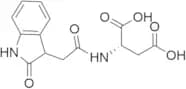
References Watanabe, M., et al.: Appl. Environ. Microb., 65, 1036 (1999); Itoh, N., et al.: Appl. Microbiol. Biot., 43, 394 (1995); White, R.F., et al.: Appl. Microbiol., 22, 55 (1971); Keating, G. et al.: Drugs, 73, 1951 (2013); Demir, T. et al.: Int. J. Infect. Dis., 17, e966 (2013)Formula:C3H7O3P(C8H11N)Color and Shape:NeatMolecular weight:243.24Oxindole-3-acetyl-N-aspartic Acid
CAS:Controlled ProductFormula:C14H14N2O6Color and Shape:NeatMolecular weight:306.2713-[(4-Methylphenyl)amino]phenol
CAS:Controlled ProductApplications 3-[(4-Methylphenyl)amino]phenol, is the reagent that can be used in the preparation of Phentolamine Hydrochloride (P302550), an adrenergic blocking agent, and an antihypertensive
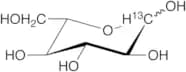
References Meier, R., et al.: Proc. Soc. Exp. Biol. Med., 71, 70 (1949), Spergel, G., et al.: J. Am. Med. Assoc., 211, 266 (1970), Gould, L. and Reddy, C.V.R.: Am. Heart J., 92, 397 (1976)Formula:C13H13NOColor and Shape:NeatMolecular weight:199.25L-Glucose-1-13C
CAS:Controlled ProductApplications Labelled L-Glucose is the enantiomer of D-Glucose (G595000), a naturally occurring carbohydrate used in an abundance of cellular processes. L-Glucose is a synthetic sugar used in the formation of L-Glucose Pentaacetate (G596510), a potential therapeutic agent regarding type II diabetes. In addition, L-glucose can be used as a colon cleansing agent for before a colonoscopy procedure.
References Malaisse, W. et al.: Int. J. Mol. Med., 2, 383 (1998); Raymer, G. et al.: Gastrointest. Endosc., 58, 30 (2003); Wang, R., et al.: J. Mol. Catal. B. Enz., 56, 131 (2009),Formula:CC5H12O6Color and Shape:NeatMolecular weight:181.1494-[2-(4-Hydroxyphenyl)-4-methylpentan-2-yl]phenol
CAS:Applications 4-[2-(4-Hydroxyphenyl)-4-methylpentan-2-yl]phenol could be a useful reagent for making visible-transparent aromatic polymers.
Not a dangerous good if item is equal to or less than 1g/ml and there is less than 100g/ml in the package
References Agou, T., et al.: Macromolecules (Washington, DC, U. S.), 53, 2942 (2020)Formula:C18H22O2Color and Shape:Off-WhiteMolecular weight:270.374-benzoyl-8-propyl-1-oxa-4,8-diazaspiro[4.5]decane-3-carboxylic acid
CAS:Purity:95.0%Molecular weight:332.39999389648445-Methyl-4,5,6,7-tetrahydrothiazolo[5,4-c]pyridine-2-carboxylic Acid Hydrochloride
CAS:Controlled ProductStability Hygroscopic
Applications 5-Methyl-4,5,6,7-tetrahydrothiazolo[5,4-c]pyridine-2-carboxylic Acid Hydrochloride is used as a reagent in the synthesis of N-(2-acylaminobenzyl or 2-acylaminoheterocyclylmethyl)thiophene-2-carboxamide derivatives as antithrombotics. It is also used as a reagent in the synthesis of diamide derivatives as FXa inhibitors. 5-Methyl-4,5,6,7-tetrahydrothiazolo[5,4-c]pyridine-2-carboxylic Acid Hydrochloride is an intermediate for Edoxaban (E555520).
References Mochizuki, A., et al.: Jpn. Kokai Tokkyo Koho. JP 2010120852 A 20100603. Jun 3, 2010; Mochizuki, A., et al.: PCT Int. Appl. WO 2008123017 A1 20081016. Oct 16, 2008Formula:C8H11ClN2O2SColor and Shape:Light BrownMolecular weight:234.74-(2-methoxybenzoyl)-8-methyl-1-oxa-4,8-diazaspiro[4.5]decane-3-carboxylic acid
CAS:Purity:95.0%Molecular weight:334.37200927734375Dl-valine
CAS:Controlled ProductApplications Dl-valine
Formula:C5H11NO2Color and Shape:NeatMolecular weight:117.151'-(tert-Butoxycarbonyl)spiro[indoline-3,4'-piperidine]-5-carboxylic acid
CAS:Purity:95.0%Molecular weight:332.39999389648444-(4-chloro-2-fluorobenzoyl)-8-ethyl-1-oxa-4,8-diazaspiro[4.5]decane-3-carboxylic acid
CAS:Purity:95.0%Molecular weight:370.809997558593753-QUINOLINECARBOXYLIC ACID, 7-[(2-AMINOETHYL)AMINO]-1-CYCLOPROPYL-6-FLUORO-1,4-DIHYDRO-8-METHOXY-4-OXO-
CAS:Purity:97.0%Molecular weight:335.33499145507818-ethyl-4-(3-fluorobenzoyl)-1-oxa-4,8-diazaspiro[4.5]decane-3-carboxylic acid
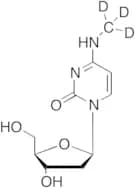
CAS:Purity:95.0%Molecular weight:336.36300659179692'-Deoxy-N-methyl-cytidine-d3
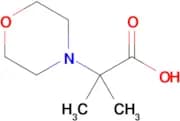
CAS:Controlled ProductFormula:C10H12D3N3O4Color and Shape:NeatMolecular weight:244.262-[4-(2-Chlorophenyl)piperazin-1-yl]-2-(4-fluorophenyl)acetic acid
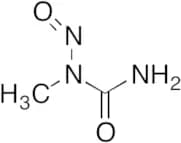
CAS:Molecular weight:348.79998779296875N-Methyl-N-nitroso Urea (Wetted with water >20%)
CAS:Controlled ProductStability Temperature Sensitive
Applications Precursor of Diazomethane. It has a cytotoxicity effect.This product contains an undetermined amount of water.
Not a dangerous good if item is equal to or less than 1g/ml and there is less than 100g/ml in the package
References Huggins, C., et al.: J. Exp. Med., 131, 321 (1970), Gullino, P.M., et al.: J. Natl. Cancer Inst., 54, 401 (1975),Formula:C2H5N3O2Color and Shape:Off-White To Light BeigeMolecular weight:103.08DL-2-aminobutyric acid
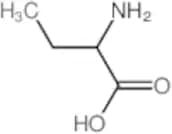
CAS:Controlled ProductApplications DL-2-aminobutyric acid
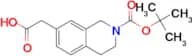
Formula:C4H9NO2Color and Shape:NeatMolecular weight:103.122-(2-(TERT-BUTOXYCARBONYL)-1,2,3,4-TETRAHYDROISOQUINOLIN-7-YL)ACETIC ACID
CAS:Purity:95.0%Molecular weight:291.346984863281254-{[1,1'-biphenyl]-4-carbonyl}-8-ethyl-1-oxa-4,8-diazaspiro[4.5]decane-3-carboxylic acid
CAS:Purity:95.0%Molecular weight:394.471008300781254-[4-(dimethylamino)benzoyl]-8-methyl-1-oxa-4,8-diazaspiro[4.5]decane-3-carboxylic acid
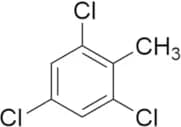
CAS:Purity:95.0%Molecular weight:347.41500854492191,3,5-Trichloro-2-methylbenzene
CAS:Applications 1,3,5-Trichloro-2-methylbenzene can be used as reactant/reagent in hydrodechlorination process and catalysts for the production of 2,6-dichlorotoluene from polychlorotoluene-containing mixtures. Also, it is derived from 2,4,6-Trichlorobenzoic Acid (T774715), which is a possible degradation intermediate of Polychlorinated Biphenyls (PCBs) in contaminated soil, suggesting the occurrence of microbial transformation processes over time.
Not a dangerous good if item is equal to or less than 1g/ml and there is less than 100g/ml in the package
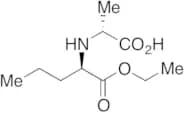
References Eichinger, W., et al.: PCT Int. Appl., WO 2001017932 A1 20010315 (2001); Stella, T., et al.: Sci Total Environ, 533, 177-186 (2015)Formula:C7H5Cl3Color and Shape:White To Off-WhiteMolecular weight:195.47(R)-N-(1-Carboxyethyl)-D-norvaline 1-Ethyl Ester
CAS:Controlled ProductApplications (R)-N-(1-Carboxyethyl)-D-norvaline 1-Ethyl Ester is an intermediate in the synthesis of Perindoprilat (P287530), an angiotensin-converting enzyme (ACE) inhibitor. Antihypertensive.
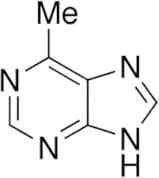
References Pascard, C., et al.: J. Med. Chem., 34, 663 (1991)Formula:C10H19NO4Color and Shape:NeatMolecular weight:217.266-Methylpurine
CAS:Controlled ProductApplications 6-Methylpurine (cas# 2004-03-7) is a compound useful in organic synthesis.
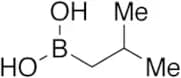
Not a dangerous good if item is equal to or less than 1g/ml and there is less than 100g/ml in the packageFormula:C6H6N4Color and Shape:NeatMolecular weight:134.142-Methylpropylboronic Acid
CAS:Controlled ProductApplications 2-Methylpropylboronic Acid is used in the preparation of isocoumarin analogs as inhibitors of γ-secretase cleavage. Also used in the preparation of peptide boronc acid.
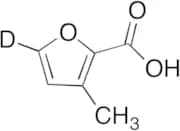
References Peuchmaur, M. et al.: Bioorg. Med. Chem. Lett., 21, 1018 (2013); Roemmele, R. et al.: Org. Proc. Res. Devel., 17, 422 (2013);Formula:C4H11BO2Color and Shape:NeatMolecular weight:101.943-Methyl-2-furoic Acid-d (Contained d0)
CAS:Controlled ProductApplications 3-Methyl-2-furoic Acid-d is a deuterated version of 3-Methyl-2-furoic Acid (M219553), a useful reactant in the synthesis of therapeutic agents.
References Dragovich, Peter S., et al.: Bioorg. & Med. Chem. Let., 24(3), 954-962 (2014);Garcia-Barrantes, Pedro M., et al.: J. of Med. Chem., 58(20), 7959-7971 (2015)Formula:C6H5DO3Color and Shape:NeatMolecular weight:127.124-(2-ethoxybenzoyl)-8-ethyl-1-oxa-4,8-diazaspiro[4.5]decane-3-carboxylic acid
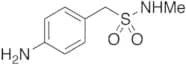
CAS:Purity:95.0%Molecular weight:362.42599487304694-Amino-N-methyl-a-toluenesulfonamide
CAS:Controlled ProductApplications 4-Amino-N-methyl-α-toluenesulfonamide is an intermediate used in the synthesis of Sumatriptan (S810000).
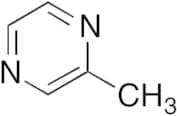
References Prasad, A., et al.: Eur. J. Med. Chem., 24, 199 (1989), Abdou, N., et al.: J. Pharm. Sci., 6, 25 (1990), Tasaka, A., et al.: Chem. Pharma. Bull., 41, 1035 (1993),Formula:C8H12N2O2SColor and Shape:NeatMolecular weight:200.262-Methylpyrazine
CAS:Controlled ProductApplications 2-Methyl-pyrazine is an intermediate used to synthesize 5-Methyl-2(1H)-pyrazinone (M324900) which is a derivative of 2-Hydroxypyrazine (H952710). 2-Hydroxypyrazine (H952710) is used in the synthesis of potential antioxidants.
Not a dangerous good if item is equal to or less than 1g/ml and there is less than 100g/ml in the package
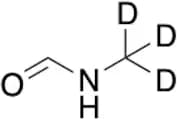
References Shi, J. et al.: J. Phys. Org. Chem., 22, 1038 (2009); Bonde, C. et al.: Ind. J. Hetero. Chem., 10, 271 (2001);Formula:C5H6N2Color and Shape:NeatMolecular weight:94.11N-Methyl-d3-formamide
CAS:Controlled ProductApplications N-Methyl-d3-formamide (CAS# 87955-92-8) is a useful isotopically labeled research compound.
Formula:C2D3H2NOColor and Shape:NeatMolecular weight:62.055942'-Amino-5'-(4-carboxyphenyl)-[1,1':3',1''-terphenyl]-4,4''-dicarboxylic acid
CAS:Purity:97%Molecular weight:453.45001220703125(5,6-Diphenyl-furo[2,3-d]pyrimidin-4-ylamino)-acetic acid
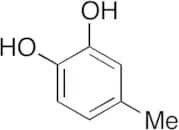
CAS:Purity:93.0%Molecular weight:345.35800170898444-Methylcatechol
CAS:Applications 4-Methylcatechol is a potent inducer of nerve growth factor (NGF) synthesis in vitro and in vivo.
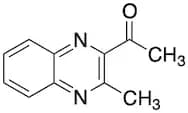
References Kaechi, K., et al.: J. Pharmacol. Exp. Ther., 272, 1300 (1995); Hanaoka, Y., et al.: J. Neurol. Sci., 122, 28 (1994)Formula:C7H8O2Color and Shape:NeatMolecular weight:124.143-Acetyl-2-methylquinoxaline
CAS:Applications 3-Acetyl-2-methylquinoxaline is an intermediate in the synthesis of Desoxyquinocetone which is a metabolite of the veterinay drug Quinocetone.
References Li, Y. et al.: J. AOAC Int., 91, 1494 (2008); Liu, Z.-Y. et al.: Anal. Bioanal. Chem., 396, 1259 (1271);Formula:C11H10N2OColor and Shape:NeatMolecular weight:186.218-methyl-4-(2,4,6-trimethylbenzoyl)-1-oxa-4,8-diazaspiro[4.5]decane-3-carboxylic acid
CAS:Purity:95.0%Molecular weight:346.4270019531254-{[1,1'-biphenyl]-4-carbonyl}-8-methyl-1-oxa-4,8-diazaspiro[4.5]decane-3-carboxylic acid
CAS:Purity:95.0%Molecular weight:380.4440002441406a-Chloro-p-methyltoluene
CAS:Controlled ProductApplications α-Chloro-p-methyltoluene is a building block that has been used as a reactant for the preparation of 6-aminoquinolone derivatives as submicromolar hepatitis C virus NS5B inhibitors
Not a dangerous good if item is equal to or less than 1g/ml and there is less than 100g/ml in the package
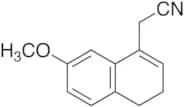
References Manfroni, G., et. al.: J. Med. Chem., Ahead of Print (2013)Formula:C8H9ClColor and Shape:NeatMolecular weight:140.617-Methoxy-3,4-dihydro-1-naphthalenyl-acetonitrile
CAS:Controlled ProductApplications 7-Methoxy-3,4-dihydro-1-naphthalenyl-acetonitrile (cas# 861960-34-1) is a compound useful in organic synthesis.
Formula:C13H13NOColor and Shape:NeatMolecular weight:199.254-(2-phenylbutanoyl)-8-propyl-1-oxa-4,8-diazaspiro[4.5]decane-3-carboxylic acid
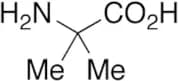
CAS:Purity:95.0%Molecular weight:374.48098754882812-Aminoisobutyric Acid (2-Methylalanine)
CAS:Controlled ProductApplications 2-Methylalanine is an Alanine (A481400) derivative. Alanine is an amino acid that occurs naturally in nature. It is a functional component in the alanine cycle which regulates the level of alanine aminotransferases which can be used as a diagnostic tool to predict type II diabetes.
References Naveed S. et al.: Diab., 53, 11 (2004); Barlind, J. et al.: Bioorg. Med. Chem. Lett., 23, 2721 (2013);Formula:C4H9NO2Color and Shape:NeatMolecular weight:103.128-Methoxycarbonyloctanoic Acid
CAS:Controlled ProductApplications 8-Methoxycarbonyloctanoic Acid (cas# 2104-19-0) is a compound useful in organic synthesis.
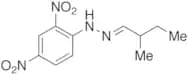
Formula:C10H18O4Color and Shape:NeatMolecular weight:202.252-Methylbutanal 2,4-Dinitrophenylhydrazone
CAS:Applications 2,4-Dinitrophenylhydrazone (DNPH) derivative.
References Lindsay, R.C., et al.: J. Food Sci., 29, 266 (1964),Formula:C11H14N4O4Color and Shape:NeatMolecular weight:266.25Ferrous Bisglycinate
CAS:Controlled ProductStability Hygroscopic
Applications Ferrous Bisglycinate is used in the fortification of infant formulations and foods.
References Fox, T. et al.: Am. J. Clin. Nutri., 67, 664 (1998); Heath, A. et al.: J. Am. Coll. Nutr., 20, 477 (2001);Formula:C2H4NO2·FeColor and Shape:NeatMolecular weight:203.96


![3-[(4-Methylphenyl)amino]phenol](/_next/image/?url=https%3A%2Fstatic.cymitquimica.com%2Fproducts%2FTR%2Fthumb-webp%2FM260085.webp&w=3840&q=75)
![4-[2-(4-Hydroxyphenyl)-4-methylpentan-2-yl]phenol](/_next/image/?url=https%3A%2Fstatic.cymitquimica.com%2Fproducts%2FTR%2Fthumb-webp%2FB434508.webp&w=3840&q=75)


![4-benzoyl-8-propyl-1-oxa-4,8-diazaspiro[4.5]decane-3-carboxylic acid](/_next/image/?url=https%3A%2Fstatic.cymitquimica.com%2Fproducts%2F10%2Fthumb-webp%2FF525714.webp&w=3840&q=75)
![5-Methyl-4,5,6,7-tetrahydrothiazolo[5,4-c]pyridine-2-carboxylic Acid Hydrochloride](/_next/image/?url=https%3A%2Fstatic.cymitquimica.com%2Fproducts%2FTR%2Fthumb-webp%2FM330085.webp&w=3840&q=75)
![4-(2-methoxybenzoyl)-8-methyl-1-oxa-4,8-diazaspiro[4.5]decane-3-carboxylic acid](/_next/image/?url=https%3A%2Fstatic.cymitquimica.com%2Fproducts%2F10%2Fthumb-webp%2FF525647.webp&w=3840&q=75)

![1'-(tert-Butoxycarbonyl)spiro[indoline-3,4'-piperidine]-5-carboxylic acid](/_next/image/?url=https%3A%2Fstatic.cymitquimica.com%2Fproducts%2F10%2Fthumb-webp%2FF223613.webp&w=3840&q=75)
![4-(4-chloro-2-fluorobenzoyl)-8-ethyl-1-oxa-4,8-diazaspiro[4.5]decane-3-carboxylic acid](/_next/image/?url=https%3A%2Fstatic.cymitquimica.com%2Fproducts%2F10%2Fthumb-webp%2FF525713.webp&w=3840&q=75)
![3-QUINOLINECARBOXYLIC ACID, 7-[(2-AMINOETHYL)AMINO]-1-CYCLOPROPYL-6-FLUORO-1,4-DIHYDRO-8-METHOXY-4…](/_next/image/?url=https%3A%2Fstatic.cymitquimica.com%2Fproducts%2F10%2Fthumb-webp%2FF386963.webp&w=3840&q=75)
![8-ethyl-4-(3-fluorobenzoyl)-1-oxa-4,8-diazaspiro[4.5]decane-3-carboxylic acid](/_next/image/?url=https%3A%2Fstatic.cymitquimica.com%2Fproducts%2F10%2Fthumb-webp%2FF525685.webp&w=3840&q=75)
![2-[4-(2-Chlorophenyl)piperazin-1-yl]-2-(4-fluorophenyl)acetic acid](/_next/image/?url=https%3A%2Fstatic.cymitquimica.com%2Fproducts%2F10%2Fthumb-webp%2FF300205.webp&w=3840&q=75)
![4-{[1,1'-biphenyl]-4-carbonyl}-8-ethyl-1-oxa-4,8-diazaspiro[4.5]decane-3-carboxylic acid](/_next/image/?url=https%3A%2Fstatic.cymitquimica.com%2Fproducts%2F10%2Fthumb-webp%2FF525684.webp&w=3840&q=75)
![4-[4-(dimethylamino)benzoyl]-8-methyl-1-oxa-4,8-diazaspiro[4.5]decane-3-carboxylic acid](/_next/image/?url=https%3A%2Fstatic.cymitquimica.com%2Fproducts%2F10%2Fthumb-webp%2FF525661.webp&w=3840&q=75)
![4-(2-ethoxybenzoyl)-8-ethyl-1-oxa-4,8-diazaspiro[4.5]decane-3-carboxylic acid](/_next/image/?url=https%3A%2Fstatic.cymitquimica.com%2Fproducts%2F10%2Fthumb-webp%2FF525712.webp&w=3840&q=75)
![2'-Amino-5'-(4-carboxyphenyl)-[1,1':3',1''-terphenyl]-4,4''-dicarboxylic acid](/_next/image/?url=https%3A%2Fstatic.cymitquimica.com%2Fproducts%2F10%2Fthumb-webp%2FF621990.webp&w=3840&q=75)
![(5,6-Diphenyl-furo[2,3-d]pyrimidin-4-ylamino)-acetic acid](/_next/image/?url=https%3A%2Fstatic.cymitquimica.com%2Fproducts%2F10%2Fthumb-webp%2FF511717.webp&w=3840&q=75)
![8-methyl-4-(2,4,6-trimethylbenzoyl)-1-oxa-4,8-diazaspiro[4.5]decane-3-carboxylic acid](/_next/image/?url=https%3A%2Fstatic.cymitquimica.com%2Fproducts%2F10%2Fthumb-webp%2FF525662.webp&w=3840&q=75)
![4-{[1,1'-biphenyl]-4-carbonyl}-8-methyl-1-oxa-4,8-diazaspiro[4.5]decane-3-carboxylic acid](/_next/image/?url=https%3A%2Fstatic.cymitquimica.com%2Fproducts%2F10%2Fthumb-webp%2FF525635.webp&w=3840&q=75)

![1'-Acetyl-[1,4'-bipiperidine]-4-carboxylic acid](/_next/image/?url=https%3A%2Fstatic.cymitquimica.com%2Fproducts%2F10%2Fthumb-webp%2FF325631.webp&w=3840&q=75)
![4-(2-phenylbutanoyl)-8-propyl-1-oxa-4,8-diazaspiro[4.5]decane-3-carboxylic acid](/_next/image/?url=https%3A%2Fstatic.cymitquimica.com%2Fproducts%2F10%2Fthumb-webp%2FF525728.webp&w=3840&q=75)