Enzyme Substrates
Enzyme substrates are molecules upon which enzymes act to catalyze chemical reactions. The substrate binds to the active site of the enzyme, where it undergoes a specific transformation to form the product of the reaction. Enzyme substrates are essential tools in research for studying enzyme kinetics, specificity, and mechanism of action. They are also used in diagnostic assays and biochemical studies. At CymitQuimica, we provide a diverse selection of high-quality enzyme substrates to support your research in enzymology and biochemistry.
Subcategories of "Enzyme Substrates"
Found 1527 products of "Enzyme Substrates"
Sort by
Purity (%)
0
100
|
0
|
50
|
90
|
95
|
100
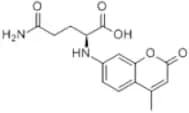
g-L-Glutamic Acid 7-Amido-4-Methylcoumarin extrapure, 98%
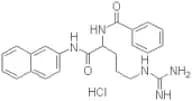
CAS:Formula:C15H16N2O5Purity:min. 98%Color and Shape:White to off white, PowderMolecular weight:304.3N-a-Benzoyl-DL-Arginine-ß-Naphthylamide Hydrochloride (BANA) extrapure, 97%
CAS:Formula:C23H25N5O2·HClPurity:min. 97%Color and Shape:White, PowderMolecular weight:439.95D-Alanine-7-Amido-4-Methylcoumarin Trifluoroacetate Salt extrapure, 99%
CAS:Formula:C15H15F3N2O5Molecular weight:360.3D-Luciferin Potassium Salt ex. Firefly, 99%
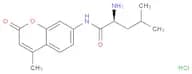
CAS:Formula:C11H7KN2O3S2Purity:min. 99%Color and Shape:Yellow, PowderMolecular weight:318.42L-Leucine 7-Amido-4-Methylcoumarin Hydrochloride Salt extrapure, 98%
CAS:Formula:C16H21ClN2O3Purity:min. 98%Color and Shape:White to off-white, PowderMolecular weight:324.8a-Ketoglutaric Acid Disodium Dihydrate extrapure, 98%
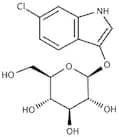
CAS:Formula:C5H4O5Na2·2H2OPurity:min.98%Color and Shape:White to off-white, Crystalline Powder, ClearMolecular weight:226.096-Chloro-3-Indolyl ß-D-Galactopyranoside (Salmon Gal) extrapure, 98%
CAS:Formula:C14H16ClNO6Purity:min. 98.0%Color and Shape:White to off-white, Crystalline powderMolecular weight:329.746-Chloro-3-Indolyl-ß-D-Glucuronide Cyclohexylammonium Salt extrapure, 97%
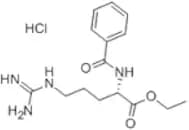
CAS:Formula:C14H14ClNO7·C6H13NPurity:min. 97%Color and Shape:Off - white to pale yellow, Powder, Clear, Pale yellowMolecular weight:442.89N-a-Benzoyl-L-Arginine Ethyl Ester Hydrochloride (BAEE) extrapure AR, 99%
CAS:Formula:C15H22N4O3·HClPurity:min. 99%Color and Shape:White, Hygroscopic crystalline powder, Clear, ColourlessMolecular weight:342.836-Chloro-3-Indoxyl-a-D-Glucopyranoside (Salmon-a-D-Glc) extrapure, 98%
CAS:Formula:C14H16ClNO6Purity:min. 98.0%Color and Shape:White to off-white, Powder, Clear, Colourless to Pale yellowMolecular weight:329.743,3,5,5-Tetramethylbenzidine (TMB) extrapure AR, ExiPlus, Multi-Compendial, 98%
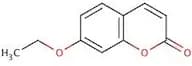
CAS:Formula:C16H20N2Purity:min. 98.0%Color and Shape:Off - white to brown, Crystalline powderMolecular weight:240.357-Ethoxycoumarin extrapure, 98%
CAS:Formula:C11H10O3Purity:min. 98%Color and Shape:White to off-white, Crystalline powderMolecular weight:190.205-Bromo-4-Chloro-3-Indolyl-ß-D-Glucopyranoside (X-Glu, X-Glc) for molecular biology, 98%
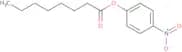
CAS:Formula:C14H15BrClNO6Purity:min. 99%Color and Shape:White to Pale yellow, Crystalline powder, ClearMolecular weight:408.614-Nitrophenyl caprylate
CAS:<p>Chromogenic substrate targeting lipase, C8 esterase</p>Formula:C14H19NO4Purity:Min. 95 Area-%Color and Shape:Slightly Brown Yellow Clear LiquidMolecular weight:265.31 g/molCrimson-Gal
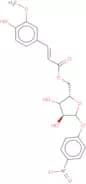
<p>Crimson-Gal (Crimson-beta-D-galactopyranoside) is a chromogenic indicator for beta-galactosidase activity. The colorless product is cleaved by lactose-utilizing bacteria in liquid media or on agar plates and yields a crimson colored precipitate. Crimson-Gal can also be used as detecting agent for beta-galactosidase activity in reporter gene assays or for identification of positive transformants on agar plates when using the α-complementation approach. Read more in the Application Notes.</p>Molecular weight:360.96 g/mol4-Nitrophenyl 5-O-trans-feruloyl-a-L-arabinofuranoside
CAS:<p>4-Nitrophenyl 5-O-trans-feruloyl-alpha-L-arabinofuranoside is a chromogenic substrate for alpha-L-arabinofuranosidase. Upon hydrolysis, para-nitrophenol is released yielding a yellowish colour. 4-Nitrophenyl 5-O-trans-feruloyl-alpha-L-arabinofuranoside is used in different applications such as the Plant cell wall degradation assays, bacterial enzyme profiling</p>Formula:C21H21NO10Purity:Min. 95%Color and Shape:PowderMolecular weight:447.4 g/mol5-Bromo-4-chloro-3-indolyl 2-Acetamido-2-deoxy-α-D-galactopyranoside
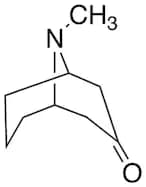
CAS:Controlled Product<p>Applications A histochemical substrate for a-N-acetyl-galactosaminidase.<br>References Zhu, et al.: Gene, 137, 309 (1994)<br></p>Formula:C16H18BrClN2O6Color and Shape:NeatMolecular weight:449.68Pseudopelletierine
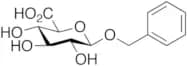
CAS:Controlled Product<p>Applications It was found in the root bark of Punica granatum L., Punicaceae. Used as a enzyme substrate.<br>References Hunt, R., et al.: J. Pharm. Pharmacol., 22, 29S (1970), Hashimoto, T., et al.: Plant Physiol., 100, 836 (1992), Boswell, H., et al.: Phytochemistry, 52, 855 (1999),<br></p>Formula:C9H15NOColor and Shape:NeatMolecular weight:153.22Benzyl β-D-Glucopyranosiduronic Acid
CAS:Controlled Product<p>Stability Hygroscopic<br>Applications Protected Glucopyranosiduronic Acid.<br></p>Formula:C13H16O7Color and Shape:NeatMolecular weight:284.26p-Nitrophenyl α-D-Glucopyranoside
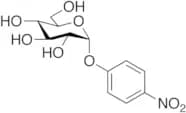
CAS:<p>Applications p-Nitrophenyl α-D-Glucopyranoside is a substrate for α-glucosidase inhibitor.<br>References O'Neill, R., et al.: J. Biol. Chem., 264, 20430 (1989), Carpita, N., et al.: Plant J., 3, 1 (1993), Henrissat, B., et al.: Biochem. J., 293, 781 (1993), Nakai, H., et al.: Biochimie, 89, 49 (2007) ,<br></p>Formula:C12H15NO8Color and Shape:White To Off-WhiteMolecular weight:301.25(S)-Ethyl 2,6-Diisocyanatohexanoate
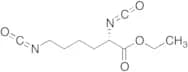
CAS:Controlled Product<p>Applications (S)-ETHYL 2,6-DIISOCYANATOHEXANOATE (cas# 45172-15-4) is a useful research chemical.<br> Not a dangerous good if item is equal to or less than 1g/ml and there is less than 100g/ml in the package<br></p>Formula:C10H14N2O4Color and Shape:NeatMolecular weight:226.226,8-Difluoro-4-methylumbelliferyl b-D-cellotrioside
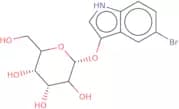
<p>6,8-Difluoro-4-methylumbelliferyl b-D-cellotrioside is a ligand that binds to active sites of enzymes such as beta-glucuronidase and beta-glucosidase. It is used in diagnostics for the detection of bacteria in culture media and food testing where it can be used as a chromogenic or fluorogenic substrate. 6,8-Difluoro-4-methylumbelliferyl b-D-cellotrioside is also used to detect the presence of bacteria and fungi in environmental samples. It has a high purity and conjugate with other molecules for use in fluorescence microscopy.</p>Purity:Min. 95%Color and Shape:White to off-white powder.Molecular weight:698.57 g/mol5-Bromo-3-indolyl a-D-galactopyranoside
<p>5-Bromo-3-indolyl a-D-galactopyranoside is a fluorogenic substrate that can be used for the detection of beta-galactosidase activity. It is also used as an enzyme substrate in diagnostics and research, as well as a chromogenic substrate in staining. 5-Bromo-3-indolyl a-D-galactopyranoside has been shown to be an excellent conjugate for proteins, nucleic acids, and other biomolecules. This product can also be used in culture media for the cultivation of bacteria and yeast.</p>Formula:C14H16BrNO6Purity:Min. 95%Molecular weight:374.18 g/mol2-Dodecylresorufin
CAS:<p>2-Dodecylresorufin is a fluorescent probe that reacts with the hydroxyl radicals in the cell, which are generated by the enzyme superoxide dismutase. 2-Dodecylresorufin can be used to measure reactive oxygen species (ROS) and ROS-induced cellular damage. It is also used to study oxidative stress in vitro. The chemical structure of 2-dodecylresorufin contains a linker arm that provides a reversible linkage to the cell surface, allowing for extracellular measurements of reactive oxygen species (ROS). This compound has been shown to have high reactivity, making it useful for studying population dynamics and fluorescent techniques.</p>Purity:Min. 95%Molecular weight:381.51 g/mol2-Nitrophenyl 2-acetamido-3,4,6-tri-O-acetyl-2-deoxy-b-D-glucopyranoside
CAS:<p>2-Nitrophenyl 2-acetamido-3,4,6-tri-O-acetyl-2-deoxy-b-D-glucopyranoside is a chromogenic substrate used to detect and measure the activity of glycosidase enzymes. Glycosidases are enzymes that hydrolyze glycosidic bonds in carbohydrates, and are produced by many organisms. The substrate is cleaved by glycosidase to release a chromophore, which can be quantified via spectrophotometry analysis. 2-Nitrophenyl 2-acetamido-3,4,6-tri-O-acetyl-2-deoxy-b-D-glucopyranoside is widely used in various applications, including enzyme kinetics studies, inhibitor screening, and the detection of NAGase activity in biological samples, such as serum, urine, and cell lysates. It is also used for the identification and characterization of glycosidases in microorganisms and the study of glycosylation-related processes in cells and tissues.</p>Purity:Min. 95%Molecular weight:468.41 g/molAldol® 470 L-pyroglutamic acid amide, Biosynth Patent: EP 2427431 and US 8940909
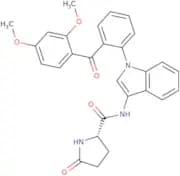
CAS:Controlled Product<p>Aldol® 470 L-pyroglutamic acid amide is a chromogenic and fluorogenic enzyme substrate used for detection of pyrrolidonyl peptidase (PYRase) activity. The colorless enzyme substrate is cleaved by PYRase-producing bacteria grown in liquid or solid media, yielding orange color. In addition, green fluorescence is generated when a suitable matrix is present, such as, the surface of cellulose acetate filters, polypropylene tubes or microplates, and polyethylene vials. Aldol® 470 L-pyroglutamic acid amide is suitable for use under aerobic and anaerobic conditions.</p>Formula:C28H25N3O5Purity:Min. 95.0 Area-%Molecular weight:483.52 g/mol4-Trifluoromethylumbelliferyl a-D-N-acetylneuraminic acid
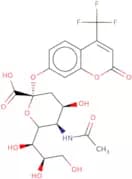
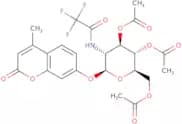
CAS:<p>4-Trifluoromethylumbelliferyl a-D-N-acetylneuraminic acid is a fluorescent chemiluminescent substrate that is used in the detection of beta-galactosidase activity. Beta-galactosidase catalyzes the hydrolysis of 4-trifluoromethylumbelliferyl a-D-N-acetylneuraminic acid to form 4-trifluoromethylumbelliferone and D-galactose, which emits light at approximately 480 nm. This reaction can be detected by fluorescence spectrophotometry using a fluorometer or photometer. 4TFUNA is not toxic, does not inhibit enzymes, and has been tested for toxicity and mutagenicity using bacteria and mammalian cells.</p>Purity:Min. 95%Molecular weight:521.39 g/mol4-Methylumbelliferyl 3,4,6-tri-O-acetyl-2-deoxy-2-trifluoroacetamido-b-D-glucopyranoside
CAS:<p>4-Methylumbelliferyl 3,4,6-tri-O-acetyl-2-deoxy-2-trifluoroacetamido-b-D-glucopyranoside is a fluorogenic substrate specifically designed for the detection and quantification of hexosaminidase enzymes. Upon cleavage by the target enzyme, it generates a bright fluorescent signal facilitating the investigation of enzyme activity, screening of inhibitors, and diagnostics.</p>Purity:Min. 95%Molecular weight:559.44 g/mol2-Nitrophenyl 2,3,4-tri-O-acetyl-β-D-xylopyranoside
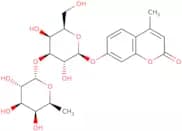
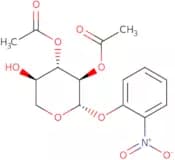
CAS:<p>2-Nitrophenyl 2,3,4-tri-O-acetyl-beta-D-xylopyranoside is a chromogenic substrate used to detect the enzymatic activity of xylosidase. After cleavage, the nitrophenyl moiety is released exhibiting a light yellowish color. 2-Nitrophenyl 2,3,4-tri-O-acetyl-beta-D-xylopyranoside is used in bacterial hemicellulose metabolism assays.</p>Formula:C17H19NO10Purity:Min. 95%Color and Shape:PowderMolecular weight:397.33 g/mol4-Methylumbelliferyl 3-O-(a-L-fucopyranosyl)-b-D-galactopyranoside
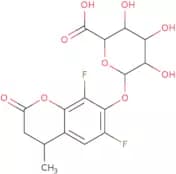
CAS:<p>4-Methylumbelliferyl 3-O-(α-L-fucopyranosyl)-β-D-galactopyranoside is an organic compound that is used as a radioactive marker for DNA. It can be synthesized in the laboratory and its use allows for the tracking of DNA molecules. The production of this marker is achieved by recombinant expression of the gene encoding the enzyme β-D-galactosidase, which hydrolyzes 4-methylumbelliferyl β-D-galactopyranoside to release 4-methylumbelliferone and α-L-fucopyranose. The enzyme uses UDP glucose as a cofactor to catalyse the reaction. This product has been isolated from Corynebacterium glutamicum, with recombinant expression vectors used to produce it in host cells such as Escherichia coli or Corynebacterium glutamicum. It has been found that</p>Formula:C22H28O12Purity:Min. 95%Color and Shape:PowderMolecular weight:484.45 g/mol6,8-Difluoro-4-methylumbelliferyl b-D-glucuronide
CAS:<p>6,8-Difluoro-4-methylumbelliferyl b-D-glucuronide is a chemiluminescent substrate for the enzyme glucuronidase. The compound has been shown to be stable in the presence of a wide range of pHs and temperatures. It can be used in applications such as diagnostics, culture media and food testing. 6,8-Difluoro-4-methylumbelliferyl b-D-glucuronide has a high purity level and can be used as an indicator for other compounds such as acetaminophen or ibuprofen.</p>Purity:Min. 95%Color and Shape:White To Off-White SolidMolecular weight:388.27 g/mol2-Nitrophenyl 2,3-di-O-acetyl-b-D-xylopyranoside
CAS:<p>2-Nitrophenyl 2,3-di-O-acetyl-b-D-xylopyranoside is a chromogenic substrate used to assay the activity of xylosidase enzymes. It is hydrolyzed by xylosidase to yield a yellow-colored product, 2-nitrophenol, which absorbs light at 405 and 410 nm. This substrate is used in research to study the function of xylosidase enzymes and their role in various biological processes. It is also used in diagnostic tests for the detection of xylosidase activity in different microorganisms, including bacteria and fungi.</p>Purity:Min. 95%Molecular weight:355.3 g/molAldol® 450 acetate, Biosynth Patent: EP 2427431 and US 8940909
CAS:<p>Aldol® 450 acetate is an enzyme substrate that is used in the detection of aldolase activity. Aldol® 450 acetate has been shown to be a useful alternative to the traditional bioluminescence and chemiluminescence methods for detecting aldolase activity. It has also been shown to be effective as a fluorogenic substrate for detecting aldolase activity in food products. Aldol® 450 acetate can be conjugated with other compounds, such as ligands and dyes, to enable it to detect different enzymes.<br>Aldol® 450 acetate has an absorption maximum at 450 nm and fluoresces blue-green under longwave UV light excitation. It is soluble in water and exhibits excellent stability at high temperatures (up to 50°C) and pH (1-14).</p>Formula:C27H19NO3Purity:Min. 95.0 Area-%Molecular weight:405.44 g/mol4-Methylumbelliferyl acetate - 95%
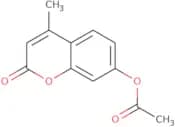
CAS:<p>4-Methylumbelliferyl acetate is a fluorescent compound that can be used to measure the activity of cytochrome P450 enzymes. The fluorescence intensity of 4-methylumbelliferyl acetate increases when it reacts with substrates and inhibitors in vitro. This chemical has been shown to inhibit the enzyme cyclooxygenase in rat liver microsomes, which may lead to blood disorders. It also inhibits coumarin derivatives and human pathogens, such as erythromycin-resistant Staphylococcus aureus (MRSA). 4-Methylumbelliferyl acetate is used as a substrate for polymerase chain reaction (PCR) analysis because it is not susceptible to hydrolysis by esterases.</p>Formula:C12H10O4Purity:Min. 95%Color and Shape:PowderMolecular weight:218.21 g/molResorufin benzyl ether
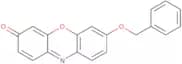
CAS:<p>Resorufin benzyl ether is a chemical compound that can be used as a substrate for cytochrome P450. It has been shown to inhibit the activity of epoxide hydrolase, an enzyme involved in the metabolism of endoperoxides. Resorufin benzyl ether has also been found to inhibit cytochrome P450 enzymes, which are responsible for oxidative metabolism of xenobiotics. This compound has been shown to have a high affinity for mouse monoclonal antibody and is used in immunoassays to detect mouse antibodies. Resorufin benzyl ether is used in biochemical assays and polymerase chain reactions (PCRs) as a fluorescence marker. In addition, this compound is used in model systems to study enzyme activities such as recombinant cytochrome p450 and protein oxidation by reactive oxygen species (ROS).</p>Purity:Min. 95%Molecular weight:303.31 g/molColchicine fluorescein
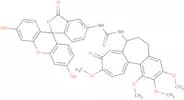
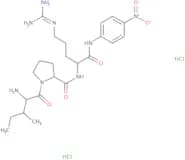
CAS:<p>Colchicine fluorescein is the fluorogenic form of colchicine. It is used for staining assembly of tubulin. Colchicine-site inhibitors (abbrevated as CBSIs) disrupt tubulin polymerization. Colchicine fluorescein serves as a probe to study the binding of colchicine to tubulin, as the colchicine binding site is a promising target for discovering novel antitumour agents.</p>Formula:C41H34N2O10SPurity:Min. 90 Area-%Color and Shape:Orange PowderMolecular weight:746.78 g/molD-Ile-Pro-Arg p-nitroanilide dihydrochloride
CAS:<p>D-Ile-Pro-Arg p-nitroanilide dihydrochloride is a chromogenic substrate commonly used in research to assess the activity of various enzymes. It has been utilized in studies related to thrombin inhibition, enzyme assays of protease enzymes, activation and enzymatic activity analysis of Factor VII-activating protease, and as a substrate for measuring glandular kallikrein activity. This substrate has been employed in assays to study the amidolytic activity of enzymes such as thrombin, plasma kallikrein, plasmin, and other proteases.</p>Formula:C23H38Cl2N8O5Purity:Min. 95%Molecular weight:577.5 g/molBCM® Histamine-producing bacteria Broth
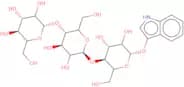
<p>Histamine (Scombrotoxin) fish poisoning is the most frequent cause of fish poisoning incidents today. Cymit Quimica's BCM®; Histamine-producingbacteria Broth (C-0450) is a growth medium for the detection of histamine-producing bacteria in food and water samples. The medium contains an indicator that turns orange to red due to metabolites released by histidine decarboxylase.</p>3-Indolyl b-D-cellotrioside
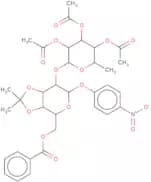
<p>3-Indolyl b-D-cellotrioside is a chemiluminescent substrate that is used for the detection of bacterial activity. 3-Indolyl b-D-cellotrioside reacts with hydrogen peroxide to produce light, which can be detected by luminometers. This product can be used in diagnostic tests to detect the presence of bacteria in food, water, and other samples. It has been shown to have excellent performance characteristics and high purity and quality.</p>Purity:Min. 95%Molecular weight:619.57 g/mol4-Nitrophenyl 2-O-(2,3,4-tri-O-acetyl-a-L-fucopyranosyl)-6-O-benzoyl-3,4-O-isopropylidene-a-D-galactopyranoside
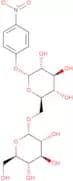
CAS:<p>4-Nitrophenyl 2-O-(2,3,4-tri-O-acetyl-a-L-fucopyranosyl)-6-O-benzoyl-3,4-O-isopropylidene a D galactopyranoside is an analog of galactose that binds to the DNA and regulates gene expression. This compound has been shown to be able to regulate gene expression levels in cells. 4NP2B6OB was used as a probe for microarray analysis of gene expression profiles from environmental samples. It was found that 4NP2B6OB could be used as a probe for the identification of genes in high density arrays.</p>Purity:Min. 95%Molecular weight:717.67 g/mol4-Nitrophenyl 6-O-(a-D-glucopyranosyl)-a-D-glucopyranoside
CAS:<p>4-Nitrophenyl 6-O-(a-D-glucopyranosyl)-a-D-glucopyranoside is an advanced chromogenic pNP enzyme substrate that delivers unparalleled performance in enzymatic assays. This high-quality substrate is specifically designed for studying glycosidases and other enzymes involved in carbohydrate metabolism. Our 4-Nitrophenyl 6-O-(a-D-glucopyranosyl)-a-D-glucopyranoside is synthesized with the highest quality materials to provide incredible accuracy and reliability in your research applications.</p>Purity:Min. 95%Molecular weight:463.39 g/mol5-Bromo-4-chloro-3-indoxyl nonanoate
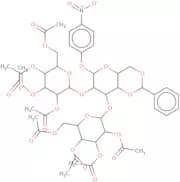
CAS:5-Bromo-4-chloro-3-indoxyl nonanoate (5BCNI) is a chromogenic substrate for the detection of alkaline phosphatase. It is soluble in most organic solvents and is stable at room temperature for up to 30 days. 5BCNI has been shown to be a high quality, sensitive and specific substrate for the detection of alkaline phosphatase in culture media, diagnostics, conjugates, environmental testing and chemiluminescence. It has also been used as an enzyme substrate in bioluminescence studies. The CAS number for 5BCNI is 133950-77-3.Formula:C17H21BrClNO2Molecular weight:386.72 g/mol4-Nitrophenyl 2,3-di-O-(2,3,4,6-tetra-O-acetyl-b-D-glucopyranosyl)-4,6-benzylidene-b-D-glucopyranoside
<p>4-Nitrophenyl 2,3-di-O-(2,3,4,6-tetra-O-acetyl-b-D-glucopyranosyl)-4,6-benzylidene-b-D-glucopyranoside is a high purity, high quality 4nitrophenol derivative that is used as a food testing substrate. It is also used for the detection of fluorescence in environmental testing. This product can be conjugated with ligands for use in diagnostic assays.</p>Purity:Min. 95%Molecular weight:1,049.93 g/molResorufin pentyl ether
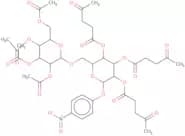
CAS:<p>Resorufin pentyl ether is a drug transporter that can be used as an experimental model for studying the effects of chemical pesticides on humans. Resorufin pentyl ether inhibits energy metabolism and inhibits hepatic p450 activity and polymerase chain reaction in hepatocyte-like cells in vitro. It has been shown to inhibit the enzyme activities of rat liver p450s and human cytochrome P450 3A4 (CYP3A4) at physiological levels. Resorufin pentyl ether has also been shown to be toxic in mice, with toxicity studies showing an LD50 of 4.5 mg/kg after oral administration. This drug is not active against bacteria or fungi, but it is able to inhibit protein synthesis in model systems containing mouse monoclonal antibodies or calf thymus DNA.</p>Purity:Min. 95%Molecular weight:283.32 g/mol4-Nitrophenyl 6-O-(2,3,4,6-tetra-O-acetyl-a-D-mannopyranosyl)-2,3,4-tri-O-levulinoyl-a-D-mannopyranoside
4-Nitrophenyl 6-O-(2,3,4,6-tetra-O-acetyl-a-D-mannopyranosyl)-2,3,4-tri-O-levulinoyl-a-D-mannopyranoside is a fluorogenic substrate that is used in assays for detecting nitrates. This compound reacts with 4-(methylnitrosamino)pyridine (MNAP) to produce an intense light that can be detected by a luminometer. It has been shown to react with the enzyme nitrate reductase and is used in food testing and environmental testing as a means of measuring the amount of nitrates present.Purity:Min. 95%Molecular weight:925.84 g/mol5-Bromo-4-chloro-1H-indol-3-yl-b-D-glucuronide
CAS:<p>5-Bromo-4-chloro-3-indolyl β-D-glucuronide (BCIG) is an chromogenic enzyme substrate used to detect the presence of glucuronidase enzyme activity. The reaction occurs when BCIG reacts with the enzyme beta-glucuronidase yielding an intense blue color. It is used in a variety of biochemical and biomedical applications, such as the detection of pathogenic bacteria, the diagnosis of genetic disorders, and the isolation of recombinant proteins.</p>Formula:C14H13BrClNO7Purity:Min. 95%Molecular weight:422.61 g/mol5-Bromo-3-indolyl a-D-mannopyranoside
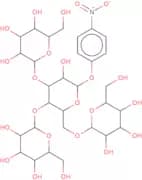
<p>5-Bromo-3-indolyl a-D-mannopyranoside is a chromogenic substrate that is used as an enzyme substrate for various spectrophotometric, fluorometric, or chemiluminescent assays. The 5-bromo group of the dye reacts with the active site of an enzyme to form a product that can be measured by spectrophotometry. This product can also be used as a fluorescent indicator in the presence of luciferase and ATP. 5-Bromo-3-indolyl a-D-mannopyranoside is also used to estimate bacterial counts during culture media preparation and it has been shown to inhibit the growth of Gram negative bacteria such as E. coli and Pseudomonas aeruginosa. This compound does not contain any heavy metals or toxic substances and it is highly soluble in water. It has been found to have no adverse effects on humans and other animals at concentrations up to 100</p>Formula:C14H16BrNO6Purity:Min. 95%Molecular weight:374.18 g/mol4-Nitrophenyl 3,4,6-tri-O-(a-D-mannopyranosyl)-b-D-mannopyranoside
CAS:<p>This compound inhibits the enzyme protein kinase. It has been shown to inhibit the activity of a number of protein kinases including those that are involved in cell proliferation, differentiation and apoptosis. This drug is also known to be a potent inhibitor of human c-Jun N-terminal kinase (JNK) and other types of kinases such as cyclin-dependent protein kinases. The inhibition of these enzymes results in the prevention of tumorigenesis, inflammation and immunological responses.</p>Purity:Min. 95%Molecular weight:787.67 g/mol