Apoptosis
Los inhibidores de la apoptosis son compuestos que previenen o retrasan el proceso de muerte celular programada, conocido como apoptosis. Estos inhibidores son vitales para estudiar los mecanismos de supervivencia celular y se utilizan para investigar enfermedades donde la apoptosis está desregulada, como el cáncer, los trastornos neurodegenerativos y las enfermedades autoinmunes. Al modular la apoptosis, estos inhibidores pueden ayudar en el desarrollo de terapias dirigidas a controlar la muerte celular. En CymitQuimica, ofrecemos una amplia selección de inhibidores de la apoptosis de alta calidad para apoyar su investigación en biología celular, oncología y campos relacionados.
Subcategorías de "Apoptosis"
- ASK(6 productos)
- BCL(11 productos)
- Caspasa(125 productos)
- FOXO1(3 productos)
- IAP(66 productos)
- Mdm2(12 productos)
- PD-1 / PD-L1(125 productos)
- PDK(9 productos)
- PERK(25 productos)
- Serina / treonina quinasa(15 productos)
- Survivin(13 productos)
- TNF(92 productos)
- c-RET(51 productos)
- p53(62 productos)
Mostrar 6 subcategorías más
Se han encontrado 5600 productos de "Apoptosis"
Ordenar por
Pureza (%)
0
100
|
0
|
50
|
90
|
95
|
100
CAR-2
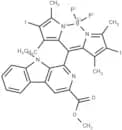
CAS:<p>CAR-2 is a BODIPY-based photosensitizer that induces ferroptosis in photodynamic therapy (PDT) by targeting the endoplasmic reticulum (ER) and lipid droplets (LD). It exhibits phototoxicity against breast cancer cells with an IC50 of 0.01-0.02 μM and demonstrates antitumor efficacy in a 4T1 xenograft mouse model.</p>Fórmula:C27H23BF2I2N4O2Forma y color:SolidPeso molecular:738.114HER2-IN-11
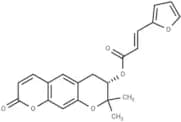
<p>HER2-IN-11 is a psoralen derivative that induces apoptosis. HER2-IN-11 shows light-activated cytotoxicity and also exhibits anti-breast cancer activity [1].</p>Fórmula:C17H11NO6Forma y color:SolidPeso molecular:325.27ZLHQ-5f
<p>ZLHQ-5f inhibits CDK2/Topo I, with IC50 of 0.145μM for CDK2/CycA2, and promotes apoptosis by arresting HCT116 cells in S phase.</p>Fórmula:C28H25N5O2Forma y color:SolidPeso molecular:463.53PD-1/PD-L1-IN-23
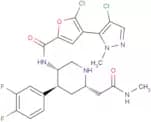
CAS:<p>PD-1/PD-L1-IN-23: potent, oral PD-1/PD-L1 inhibitor; L7's ester prodrug; exhibits strong antitumor effects.</p>Fórmula:C32H30BrCl2N3O6Forma y color:SolidPeso molecular:703.41Ketorolac hydrochloride
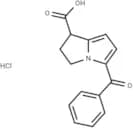
CAS:<p>Ketorolac (RS37619) hydrochloride is a nonsteroidal anti-inflammatory drug and a non-selective COX inhibitor, exhibiting IC50 values of 20 nM for COX-1 and 120 nM for COX-2. This compound is utilized in a 0.5% ophthalmic solution format for the investigation of allergic conjunctivitis, cystoid macular edema, intraoperative miosis, and post-operative ocular inflammation pain. Additionally, Ketorolac hydrochloride serves as a DDX3 inhibitor, making it pertinent for research in cancer therapies.</p>Fórmula:C15H14ClNO3Forma y color:SolidPeso molecular:291.73c-Myc inhibitor 16 iodide
CAS:<p>c-Myc inhibitor16 iodide (Compound W11) is a selective inhibitor of the c-MycG-quadruplex (c-MycG4). It suppresses the transcription and translation of the c-Myc gene, disrupts the tumor cell cycle by halting growth at the G0/G1 phase, and activates mitochondrial apoptotic pathways, leading to early apoptosis in cancer cells. This compound shows potential for research in breast cancer.</p>Fórmula:C26H24INOForma y color:SolidPeso molecular:493.379AKT-IN-3
CAS:<p>AKT-IN-3: potent oral Akt inhibitor with low hERG blockage. IC50: 1.4-1.7 nM for Akt1-3. Inhibits AGC kinases like PKA, PKC.</p>Fórmula:C23H23Cl2F2N5O3Pureza:98%Forma y color:SolidPeso molecular:526.36HDAC-IN-9
<p>HDAC-IN-9, a dual tubulin/HDAC inhibitor, impedes A549 cell invasion/migration and shows strong anti-tumor/angiogenic effects.</p>Fórmula:C33H38N2O4Forma y color:SolidPeso molecular:526.67Lometrexol disodium
CAS:<p>Lometrexol disodium: Inhibits hSHMT1/2 and GARFT, anticancer by blocking purine synthesis, induces apoptosis and cell cycle arrest.</p>Fórmula:C21H23N5Na2O6Forma y color:SolidPeso molecular:487.424Decarbamoylmitomycin C
CAS:<p>Decarbamoylmitomycin C, an analog of Mitomycin C (MC), functions as a DNA alkylating agent. It is capable of activating chromatin relaxation by the ataxia-telangiectasia and Rad3-related protein (ATR) in a p53-independent manner.</p>Fórmula:C14H17N3O4Forma y color:SolidPeso molecular:291.302PSF-IN-2
CAS:<p>PSF-IN-2 (Compound (C)-30) is a PSF inhibitor with an IC50 value of 0.005 pM. It exhibits anticancer properties, inhibiting the proliferation of 22Rv1 cells with an IC50 value of 0.5 μM. PSF-IN-2 activates the p53 signaling pathway by disrupting PSF-RNA binding, inducing expression of related genes, promoting apoptosis, and inhibiting the cell cycle. This compound is applicable in cancer research.</p>Fórmula:C18H16O5Forma y color:SolidPeso molecular:312.317PI3K-IN-35
CAS:<p>PI3K-IN-35 (6l) selectively inhibits PI3K-α, β, δ (IC50: 13.98, 7.22, 10.94 μM), blocks G2/M phase, induces apoptosis, and is useful in leukemia research.</p>Fórmula:C25H23N7O2Forma y color:SolidPeso molecular:453.5VEGFR-2-IN-52
CAS:<p>VEGFR-2-IN-52 (compound 14d) serves as a powerful inhibitor of VEGFR-2, exhibiting an IC 50 of 191.1 nM. It effectively reduces the protein expression levels of p-VEGFR-2, MMP9, p-ERK1/2, and p-MEK1. In addition, VEGFR-2-IN-52 demonstrates cytotoxic properties by inducing apoptosis and arresting the cell cycle at the G0/G1 phase, and it enhances the levels of ROS.</p>Fórmula:C20H25ClN4O2SForma y color:SolidPeso molecular:420.96Antitumor agent-202
CAS:<p>Antitumor agent-202 is a stabilizer of the p53Y220C mutant, selectively inhibiting the proliferation of tumor cells carrying the p53Y220C mutation. It is applicable for research focused on cancers associated with the p53 Y220C mutation.</p>Fórmula:C17H13NOForma y color:SolidPeso molecular:247.291TAS-117 hydrochloride
<p>TAS-117 HCl: potent oral Akt inhibitor (Akt1 IC50: 4.8nM, Akt2: 1.6nM, Akt3: 44nM), boosts anti-myeloma effects, induces cell death.</p>Fórmula:C26H25ClN4O2Forma y color:SolidPeso molecular:460.96LQB-118
CAS:<p>LQB-118, an orally active compound sourced from sandalwood, demonstrates multiple therapeutic capabilities. It has shown proficiency in inhibiting glioblastoma cell migration and inducing apoptosis. Additionally, LQB-118 can curtail both migration and invasion of prostate cancer cells by modulating the AKT/GSK3β pathway and regulating MMP-9/reck gene expression. The compound is also effective against yeast polysaccharide-induced inflammation in both in vivo and in vitro settings. Notably, LQB-118 specifically triggers ROS-mediated and mitochondrial-dependent apoptosis in Leishmania amazonensis, highlighting its potential in studies focusing on inflammation, infections, and various cancers.</p>Fórmula:C19H12O4Forma y color:SolidPeso molecular:304.30BHA536
CAS:<p>BHA536 is an orally effective inhibitor of PKCα/β and the NF-kB signaling pathway. This compound inhibits the proliferation of ABC DLBCL cells harboring CD79 mutations by causing cell cycle arrest in the G1 phase and induces apoptosis in TMD8 cells. Additionally, BHA536 exhibits antitumor activity in mice.</p>Fórmula:C30H30ClN3O5Forma y color:SolidPeso molecular:548.03CLM3
CAS:<p>CLM3, a pyrazolopyrimidine derivative, functions as a multitargeted tyrosine kinase inhibitor. It exhibits antiproliferative and proapoptotic activities on endothelial and cancer cells, activities that are synergistically enhanced by SN38. The primary mechanism of action for CLM3 involves the inhibition of phosphorylation in tyrosine kinases such as VEGFR-2, EGFR, and RET, along with their associated signaling pathways.</p>Fórmula:C21H21N5Forma y color:SolidPeso molecular:343.43PIM1-IN-3
<p>PIM1-IN-3 (HL8) selectively blocks PIM1, induces Colo320 cell apoptosis, and may be researched for cancer.</p>Fórmula:C27H25BrN6OForma y color:SolidPeso molecular:529.43Caspase-3 activator 4
CAS:<p>Caspase-3 Activator 4 (compound 4o) is an effective caspase-3 activator that can cross the blood-brain barrier. This compound exhibits antiproliferative activity and can induce cell apoptosis (apoptosis). Additionally, Caspase-3 Activator 4 enhances the gene expression of TNF-α and reduces the expression of cleaved caspase-3/caspases 3.</p>Fórmula:C31H27N5O3Forma y color:SolidPeso molecular:517.58Cernuumolide J
CAS:<p>Cernuumolide J (TMJ-105) functions as a JAK2/STAT3 inhibitor and exhibits potent activity against HEL leukemia cells by inhibiting their growth in both time-dependent and concentration-dependent manners, with an IC 50 value of 1.79 μM. This compound effectively induces G2/M phase arrest and apoptosis by downregulating the phosphorylation of JAK2, STAT3, and Erk, while simultaneously upregulating the phosphorylation of JNK and p38 MAPK. Cernuumolide J holds potential for research applications in anti-cancer therapy.</p>Fórmula:C24H34O8Forma y color:SolidPeso molecular:450.52ONC213
CAS:<p>ONC213, an αKGDH inhibitor, functions by hindering αKGDH activity, thus suppressing mitochondrial respiration and elevating α-ketoglutarate levels, ultimately inducing apoptosis (Apoptosis) in AML cells. It is utilized in the study of acute myeloid leukemia.</p>Fórmula:C23H22F2N4OForma y color:SolidPeso molecular:408.44Mps-BAY1
CAS:<p>Mps-BAY1, an MPS1 inhibitor, exhibits anticancer activity. It inhibits cell proliferation and induces cell apoptosis by activating mitotic aberrations in cancer cells, leading to overall aneuploidy and polyploidy. Mps-BAY1 is used in research pertaining to colorectal and cervical cancer.</p>Fórmula:C27H20N6OForma y color:SolidPeso molecular:444.49CHI-KAT8i5
CAS:<p>CHI-KAT8i5 is a selective inhibitor of KAT8 with a KD of 19.72 μM. It induces apoptosis (Apoptosis) in a dose-dependent manner. CHI-KAT8i5 can inhibit tumor growth in esophageal squamous cell carcinoma, colon cancer, melanoma, gastric cancer, non-small cell adenocarcinoma, and liver cancer.</p>Fórmula:C23H29N3O5S3Forma y color:SolidPeso molecular:523.688MRK003
CAS:<p>MRK003, a γ-secretase inhibitor, induces apoptosis, halts cell growth in myeloma/NHL, and affects notch signaling and PI3K/Akt pathway.</p>Fórmula:C25H31F6N3O2SForma y color:SolidPeso molecular:551.59VNPP433-3β
CAS:<p>VNPP433-3β acts as a molecular glue degrader, targeting the androgen receptor (AR) and its splice variants (AR-Vs) as well as MAP kinase-interacting serine/threonine protein kinase Mnk1/2. It effectively inhibits the proliferation of cancer cells LNCaP, C4-2B, and CWR22Rv1, with GI50 values of 0.2, 0.3, and 0.31 μM, respectively. Additionally, VNPP433-3β shows favorable pharmacokinetics in CD-1 mice and suppresses tumor growth in the CWR22Rv1 xenograft mouse model.</p>Fórmula:C29H34N4Forma y color:SolidPeso molecular:438.61Glyphosate isopropylammonium
CAS:<p>Glyphosate isopropylammonium is a broad-spectrum, non-selective systemic biocide derived from the amino acid glycine. It inhibits the enzyme activity of 5-enolpyruvylshikimate-3-phosphate synthase (EPSPS) in the shikimate pathway, blocking the synthesis of aromatic amino acids tyrosine, phenylalanine, and tryptophan. Additionally, Glyphosate isopropylammonium induces oxidative stress, neuroinflammation, and mitochondrial dysfunction, leading to neuronal death through autophagy, necrosis, or apoptosis, resulting in behavioral and motor disturbances.</p>Fórmula:C6H17N2O5PPeso molecular:228.18IMB5046
CAS:<p>IMB5046 is a microtubule inhibitor that induces apoptosis (cell death) by obstructing the G2/M phase of the cell cycle. It possesses antitumor properties.</p>Fórmula:C19H20N2O5SForma y color:SolidPeso molecular:388.438Tubulin polymerization-IN-68
CAS:<p>Tubulin polymerization-IN-68 (compound 32) serves as a tubulin inhibitor, disrupting cellular microtubule networks by hindering tubulin polymerization. It also upregulates PARP-1 and caspase-3 expression, thereby inducing apoptosis and exhibiting anticancer properties. Notably, Tubulin polymerization-IN-68 effectively suppresses HepG2 cells with an IC50 of 93 nM and markedly reduces the growth of HepG2 xenograft tumors in nude mice through oral administration.</p>Fórmula:C16H13N3OForma y color:SolidPeso molecular:263.29PF-3837
CAS:<p>PF-3837 is an inhibitor of the Mps1 kinase, with a Ki value of 0.33 nM and an IC50 value of 5.5 nM. It disrupts cell cycle checkpoints by inhibiting the catalytic activity of Mps1, thereby reducing genomic stability and leading to cancer cell apoptosis (Apoptosis). PF-3837 is utilized in the study of breast cancer.</p>Fórmula:C21H26N8O2Forma y color:SolidPeso molecular:422.48ER covalent antagonist-1
CAS:<p>ER covalent antagonist-1 (Compound 39D) acts as an antagonist of the estrogen receptor α (ERα). This compound inhibits the proliferation of ERα-positive MCF-7 cells with an IC50 of 0.98 μM, induces cell cycle arrest at the G0/G1 phase, and triggers apoptosis. Additionally, ER covalent antagonist-1 demonstrates antitumor activity in mouse models.</p>Fórmula:C33H32N2O5SForma y color:SolidPeso molecular:568.683Sampangine
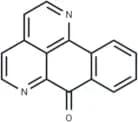
CAS:<p>Sampangine, an alkaloid, induces apoptosis by causing cell cycle arrest at the G0/G1 phase and inhibits the biosynthesis of heme.</p>Fórmula:C15H8N2OForma y color:SolidPeso molecular:232.24Thalidomide-NH-amido-C4-NH2
CAS:<p>Thalidomide-NH-amido-C4-NH2 is a synthetic E3 ligase ligand-linker conjugate composed of a Thalidomide-based cereblon ligand and a linker, which is utilized in the synthesis of PROTAC.</p>Fórmula:C19H23N5O5Peso molecular:401.42SLCB050
CAS:<p>SLCB050 is a compound with anticancer activity that inhibits the interaction between DX2 and p14/ARF. It decreases the viability of human lung cancer cells, particularly small cell lung cancer cells, in a p14/ARF-dependent manner, and induces cell apoptosis (apoptosis) and senescence.</p>Fórmula:C21H18O6Forma y color:SolidPeso molecular:366.36WK88-1
CAS:<p>WK88-1, an inhibitor of Hsp90, effectively induces the degradation of various oncogenic signaling molecules, including EGFR, ErbB2, and ErbB3, in the gefitinib-resistant H1975 cell line. This leads to subsequent growth arrest and apoptosis.</p>Fórmula:C28H42N2O6Forma y color:SolidPeso molecular:502.64RIPK1-IN-14
CAS:<p>RIPK1-IN-14 inhibits RIPK1 with 92 nM IC50 and reduces necrotic apoptosis in U937 cells.</p>Forma y color:SoildZNU-IMB-Z15
CAS:<p>Compound Z15 (ZNU-IMB-Z15) acts as an antagonist and degrader of the androgen receptor (AR). It inhibits the proliferation of castration-resistant prostate cancer (CRPC) cell lines that are AR-positive and induces apoptosis. Compound Z15 exhibits anticancer activity both in vivo and in vitro.</p>Fórmula:C20H17N3O3S2Forma y color:SolidPeso molecular:411.5PIM-1/HDAC-IN-1
<p>PIM-1/HDAC-IN-1 (4d): inhibits PIM-1 (IC50: 343.87nM), HDAC1 (63.65nM), HDAC6 (62.39nM); induces apoptosis in MCF-7 cells.</p>Fórmula:C22H19N3O3Forma y color:SolidPeso molecular:373.4LL-Z 1640-4
CAS:A signal-specific JNK/p38 pathway and TAK 1 inhibitorFórmula:C19H24O7Pureza:98%Forma y color:SolidPeso molecular:364.39STAT3-IN-9
<p>STAT3-IN-9 hinders STAT3 at Tyr705, doesn't affect STAT1 Tyr701, induces apoptosis, and arrests cells in G2/M phase.</p>Fórmula:C22H21N3O4Forma y color:SolidPeso molecular:391.42TRPM7-IN-1
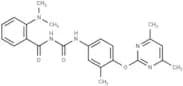
CAS:<p>TRPM7-IN-1 (compound SUD) is a benzamide-urea derivative and an effective inhibitor of TRPM7. This compound induces cell cycle arrest and apoptosis in MCF-7 and BGC-823 cells, reducing their migration capabilities. It decreases vimentin expression while increasing E-cadherin expression. TRPM7-IN-1 reduces TRPM7-like currents and inhibits TRPM7 expression by activating the PI3K/Akt signaling pathway. This compound shows potential as a therapeutic agent for reducing breast and gastric cancer metastasis by targeting TRPM7 expression and activity.</p>Fórmula:C23H25N5O3Forma y color:SolidPeso molecular:419.48N-a-Tosyl-L-lysinyl-chloromethylketone hydrochloride
CAS:<p>N-a-Tosyl-L-lysinyl-chloromethylketone hydrochloride (TLCK hydrochloride) is an irreversible serine protease inhibitor that functions by alkylating the histidine residue at the active site, thus inhibiting trypsin and trypsin-like proteases. It effectively inhibits caspase-3, caspase-6, and caspase-7 with IC50 values of 12.0, 54.5, and 19.3 μM, respectively. Additionally, N-a-Tosyl-L-lysinyl-chloromethylketone hydrochloride induces apoptosis in HL-60 cells and prevents the reduction of mitochondrial transmembrane potential during the apoptosis process.</p>Fórmula:C14H22Cl2N2O3SPeso molecular:369.31EGFR/VEGFR2-IN-3
CAS:<p>EGFR/VEGFR2-IN-3 (compound 9) is an effective inhibitor of EGFR and VEGFR-2, demonstrating IC50 values of 0.129 µM for EGFR, 0.142 µM for VEGFR-2, and 3.428 µM for COX-2. This compound exhibits cytotoxic properties and induces cell apoptosis (apoptosis) as well as cell cycle arrest at the G2/M phase.</p>Fórmula:C24H20ClN5O2S2Forma y color:SolidPeso molecular:510.03p53 Stabilizer 2
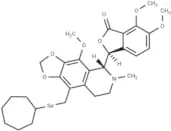
CAS:<p>p53 Stabilizer 2 (Compound 17a16) is a p53 stabilizing agent. It can induce S-phase arrest and apoptosis in both p53-functional and p53-deficient cancer cells. Additionally, p53 Stabilizer 2 triggers mitochondrial stress and activates two immune checkpoint pathways: NA-PKcs dependent p53 stabilization and the ATR-Chk1 axis activation. It also inhibits tumor growth in p53-deficient xenograft models.</p>Fórmula:C30H37NO7SeForma y color:SolidPeso molecular:602.58MLS-0053105
CAS:<p>MLS-0053105, a chloromaleimide, functions as a selective inhibitor of BFL-1, exhibiting an IC50 of 0.4 µM against Bfl-1/F-Bid. Its inhibitory potency is over tenfold lower for Bcl-W, Bcl-2, and Bcl-XL, and it shows no activity against Bcl-B and Mcl-1.</p>Fórmula:C15H14Cl3N3O2Forma y color:SolidPeso molecular:374.65ERK1/2 inhibitor 11
<p>ERK1/2 inhibitor 11 (compound L6) is a dual inhibitor of ERK1/2 that promotes the accumulation of DSBs and the degradation of ERK1/2 expression. This compound decreases BCL-2 levels and induces DNA damage by inhibiting PARP and ERK1/2. Additionally, ERK1/2 inhibitor 11 activates caspase 3 to induce apoptosis.</p>Fórmula:C15H19N5O2SForma y color:SolidPeso molecular:333.41CB-184
CAS:<p>CB-184 is a selective ligand for sigma-2 (σ2) receptors, with Ki values of 7436 nM for sigma-1 (σ1) and 13.4 nM for sigma-2 (σ2), and it promotes apoptosis with antitumor activity.</p>Fórmula:C22H21Cl2NO2Forma y color:SolidPeso molecular:402.31SMO-IN-5
<p>SMO-IN-5 (Compound 25(B31)) is an effective inhibitor of smoothened (SMO), which suppresses the Hedgehog (Hh) signaling pathway. This compound inhibits cellular proliferation and induces apoptosis, demonstrating antitumor activity.</p>Fórmula:C25H24N6OForma y color:SolidPeso molecular:424.5Ferrostatin-1 diyne
CAS:<p>Ferrostatin-1 diyne (Fer-1 diyne) (compound 2) serves as an inhibitor of ferroptosis, accumulating in cellular lysosomes, mitochondria, and the endoplasmic reticulum. It notably inhibits ferroptosis independently of lysosomal and mitochondrial activity.</p>Fórmula:C18H22N2O2Forma y color:SolidPeso molecular:298.38PAK4-IN-5
<p>PAK4-IN-5 (Compound 12i) is a potent inhibitor of PAK4 (IC50: PAK4 at 7.68 nM, PAK1 at 1872.01 nM) that forms stable interactions with the PAK4 enzyme. This compound effectively inhibits the proliferation and migration potential of MDA-MB-231 cells by hindering the phosphorylation of PAK4 and LIMK1. Additionally, PAK4-IN-5 arrests the cell cycle in the G0/G1 phase, induces apoptosis, and prompts the production of reactive oxygen species. The LD50 in mice is greater than 500 mg/kg (oral).</p>Fórmula:C31H28ClN5OForma y color:SolidPeso molecular:522.04PD-L1-IN-1
<p>PD-L1-IN-1, potent PD-L1 inhibitor with 115 nM IC50, suppresses tumors, boosts immune response, and spares healthy cells.</p>Fórmula:C21H23N5O2Forma y color:SolidPeso molecular:377.44Tandutinib sulfate
CAS:<p>Tandutinib (MLN518) sulfate is an effective and selective inhibitor of FLT3, with an IC50 value of 0.22 μM. It also inhibits c-Kit and PDGFR, displaying IC50 values of 0.17 μM and 0.20 μM respectively. This compound can be utilized in the treatment of acute myeloid leukemia and has the capability to cross the blood-brain barrier.</p>Fórmula:C31H44N6O8SForma y color:SolidPeso molecular:660.78Keap1-Nrf2-IN-4
<p>Keap1-Nrf2-IN-4 hinders MGC-803 cell growth (IC50=2.55μM), migration, and induces apoptosis with low toxicity.</p>Fórmula:C26H34N2OForma y color:SolidPeso molecular:390.56Lonitoclax
CAS:<p>Lonitoclax is an inhibitor of B-cell lymphoma 2 (Bcl-2). It demonstrates antitumor activity in B-cell and myeloid malignancy models comparable to Venetoclax. Lonitoclax holds potential for research in relapsed or refractory chronic lymphocytic leukemia (CLL), small lymphocytic lymphoma, and certain low-grade lymphomas.</p>Fórmula:C43H45ClN4O5Forma y color:SolidPeso molecular:733.294Antiangiogenic agent 7
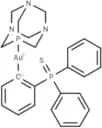
CAS:<p>Antiangiogenic agent 7 (Compound 1) induces apoptosis, elevates Reactive Oxygen Species (Reactive Oxygen Species), and inhibits the intracellular enzyme thioredoxin reductase. It exhibits anticancer activity with IC50 values ranging from 0.08 to 3.5 μM against cervical cancer cells (HeLa), prostate cancer cells (PC-3), and non-small cell lung cancer cells (A549). Additionally, Antiangiogenic agent 7 suppresses tumor growth in a mouse xenograft model.</p>Fórmula:C24H26AuN3P2SForma y color:SolidPeso molecular:647.46Oxamic acid
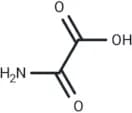
CAS:<p>Oxamic acid is an inhibitor of LDH-A and exhibits antitumor activity. It demonstrates antiproliferative effects on cancer cells and can induce apoptosis.</p>Fórmula:C2H3NO3Forma y color:SolidPeso molecular:89.05CRI9
<p>CRI9 effectively inhibits the c-MET/PI3K/Akt/mTOR axis, suppressing the proliferation of hepatocellular carcinoma (HCC) cells. This compound exhibits potent cytotoxicity against HCC cells and induces apoptosis.</p>Fórmula:C26H18N6O4Forma y color:SolidPeso molecular:478.46(Rac)-Idroxioleic acid sodium
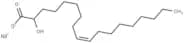
CAS:<p>(Rac)-Idroxioleic acid (2-Hydroxyoleic acid) sodium is a synthetic derivative of oleic acid (OA) that binds to the plasma membrane, altering lipid composition. This compound exhibits antitumor properties.</p>Fórmula:C18H33NaO3Forma y color:SolidPeso molecular:320.44Top/HDAC-IN-3
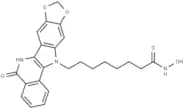
CAS:<p>Top/HDAC-IN-3 (Compound 31) is a dual inhibitor of Topoisomerase and HDAC with oral activity. It induces DNA damage by elevating reactive oxygen species (ROS) levels, consequently inhibiting the clonal formation and migration of cancer cells, and triggering apoptosis (Apoptosis) and cell cycle arrest. Top/HDAC-IN-3 demonstrates a significant antitumor effect in NSCLC models, exhibiting a tumor growth inhibition (TGI = 77.5%, 100 mg/kg) superior to that of the HDAC inhibitor SAHA and the combination of SAHA with the topoisomerase inhibitor Irinotecan.</p>Fórmula:C24H25N3O5Forma y color:SolidPeso molecular:435.473′-Hydroxyflavanone
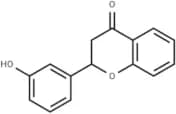
CAS:<p>3′-Hydroxyflavanone is a cyclized flavonoid with anti-tumor properties that induces apoptosis in HeLa cells.</p>Fórmula:C15H12O3Forma y color:SolidPeso molecular:240.25EGFR-IN-134
<p>EGFR-IN-134 (compound 3f) is a triazolo[3,4-a]quinoline derivative and functions as a potent EGFR inhibitor with an IC50 of 0.023 µM. It induces apoptosis and necrosis in cells, and causes cell cycle arrest in the G2/M and pre-G1 phases. EGFR-IN-134 modulates the expression of apoptosis-regulating proteins by downregulating anti-apoptotic protein Bcl2 and upregulating pro-apoptotic proteins p53, Bax, and caspases 3, 8, and 9, demonstrating significant antiproliferative and anticancer activities.</p>Fórmula:C36H30N6O5Forma y color:SolidPeso molecular:626.66DWP-05195
CAS:<p>DWP-05195 is a TRPV1 antagonist capable of inhibiting pain signal transduction. Additionally, it induces ER stress-dependent apoptosis in human ovarian cancer cells via the ROS-p38-CHOP pathway.</p>Fórmula:C18H10BrF3N4Forma y color:SolidPeso molecular:419.2RIP3 activator 1
CAS:<p>RIP3 Activator 1 (compound C8) is an effective RIP3 activator that inhibits cell growth and induces necroptotic cell death (necroptosis) and autophagy through the RIP3/p62/Keap1 signaling pathway. Additionally, this compound enhances the expression of p-MLKL and promotes the accumulation of LC3-II and p62 proteins.</p>Fórmula:C26H50N4O3Forma y color:SolidPeso molecular:466.7M3258
CAS:<p>LMP7-IN-1 may used in the research of inflammatory and autoimmune diseases, neurodegenerative diseases, proliferative diseases and cancer, is an inhibitor of</p>Fórmula:C17H20BNO5Pureza:98%Forma y color:SolidPeso molecular:329.16APD-94
CAS:<p>APD-94 is a dual inhibitor targeting tubulin and Bmi-1. It disrupts the normal polymerization of tubulin and suppresses the expression of Bmi-1. This compound induces cell cycle arrest at the G2/M phase and triggers apoptosis, thereby inhibiting cancer cell proliferation. Additionally, APD-94 inhibits the growth of HT29 cell xenograft tumors in NOD/SCID mice and is applicable to colorectal cancer research.</p>Fórmula:C18H17N3O4Forma y color:SolidPeso molecular:339.34506:0 PE
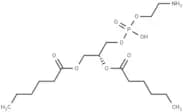
CAS:<p>06:0 PE (PE(6:0/6:0)) is a water-soluble phospholipid characterized by its short acyl chains. It possesses notable antitumor activity and can inhibit tumor progression in the body. Additionally, it exhibits antiproliferative and pro-apoptotic properties, and serves as a precursor for phosphatidylcholine and phosphatidylethanolamine.</p>Fórmula:C17H34NO8PForma y color:SolidPeso molecular:411.43EGFR-IN-47
<p>EGFR-IN-47: strong oral EGFRL858R/T790M/C797S blocker, induces cell death; promising for NSCLC research. IC50: 0.01 μM.</p>Fórmula:C29H35N7Forma y color:SolidPeso molecular:481.64Scytonemin
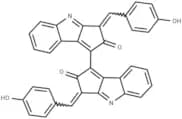
CAS:<p>Scytonemin, a cyanobacterial pigment, inhibits cancer cell growth by decreasing Plk1 activity, especially effective on U266 myeloma cells.</p>Fórmula:C36H20N2O4Forma y color:SolidPeso molecular:544.55FAK-IN-4
<p>FAK-IN-4 (Compound 7d) has anticancer activities that can induce cell apoptosis. FAK-IN-4 is potential inhibitor of FAK [1].</p>Fórmula:C20H22N4OForma y color:SolidPeso molecular:334.41Anticancer agent 45
<p>Anticancer agent 46, potent and selective, induces apoptosis, is cytotoxic to cancer cells, with low toxicity to human lymphocytes.</p>Fórmula:C22H14ClN3O6S2Forma y color:SolidPeso molecular:515.95PDEδ/NAMPT IN-1
CAS:<p>PDEδ/NAMPT IN-1 (Compound 17d) is a dual inhibitor targeting phosphodiesterase 6 (PDE6) with a dissociation constant (KD) of 0.410 nM and nicotinamide phosphoribosyltransferase (NAMPT) with an inhibitory concentration (IC50) of 2.21 nM. It disrupts KRAS-related signaling by inhibiting NAMPT's role in the synthesis of nicotinamide adenine dinucleotide (NAD+), consequently inducing apoptosis in pancreatic cancer cells with KRAS mutations. This compound holds potential for research in KRAS-mutant pancreatic cancer.</p>Fórmula:C26H30N4O4SForma y color:SolidPeso molecular:494.61CRT0066101
CAS:<p>CRT0066101 is a potent, orally active PKD inhibitor with IC 50 values of 1 nM, 2.5 nM, and 2 nM for PKD1, PKD2, and PKD3, respectively [1]. Additionally, it inhibits PIM2 with an IC 50 of approximately 135.7 nM and demonstrates anticancer effects [2].</p>Fórmula:C18H22N6OForma y color:SolidPeso molecular:338.41PD-1-IN-17 TFA
<p>PD-1-IN-17 TFA is a potent PD-1 inhibitor, blocking 92% of splenocyte growth at 100 nM.</p>Fórmula:C15H23F3N6O9Forma y color:SolidPeso molecular:488.37MLKL-IN-6
<p>MLKL-IN-6 (compound P28) is a mixed lineage kinase inhibitor that specifically targets the Mixed Lineage Kinase domain-like (MLKL) protein.</p>Fórmula:C20H18N4O5Pureza:98%Forma y color:SolidPeso molecular:394.38TrxR-IN-8
CAS:<p>TrxR-IN-8 (Compound 6f) is a selective inhibitor of TrxR with an IC50 of 10.2 μM. It induces apoptosis through oxidative stress by stimulating the production of reactive oxygen species, reducing intracellular thiols, and lowering the glutathione/glutathione disulfide ratio. TrxR-IN-8 exhibits significant cytotoxicity against non-small cell lung cancer (NSCLC) cells.</p>Fórmula:C16H16INO2Forma y color:SolidPeso molecular:381.21microRNA-21-IN-1
CAS:<p>microRNA-21-IN-1: microRNA inhibitor, curbs HeLa/HCT-116 growth (IC50: 5.5/2.8 μM), induces HeLa apoptosis, elevates PTEN/EGR1/SLIT2, for cancer research.</p>Fórmula:C30H37FN6O3Forma y color:SolidPeso molecular:548.65TFCP2L1-IN-1
CAS:<p>TFCP2L1-IN-1 is a TFCP2L1 transcription factor inhibitor that regulates cell proliferation and promotes antitumor effect of Sorafenib by STAT3/NANOG pathway.</p>Fórmula:C15H13BrN2OSPureza:98.86%Forma y color:SolidPeso molecular:349.25Samuraciclib hydrochloride hydrate
<p>Samuraciclib (CT7001) is a potent oral CDK7 inhibitor (IC50: 41 nM) with anti-breast cancer properties.</p>Fórmula:C22H35ClN6O3Forma y color:SolidPeso molecular:521.7GRP78-IN-1
<p>GRP78-IN-1 binds to GRP78 protein, inhibits cell growth, and triggers apoptosis in breast cancer; has -8.07 kcal/mol binding energy.</p>Fórmula:C21H23FO3Forma y color:SolidPeso molecular:342.4Tubulin polymerization-IN-6
<p>Compound 5f, a potent tubulin polymerization inhibitor (IC50 = 1.09 μM), blocks cell migration, tube formation, and has anti-angiogenic effects.</p>Fórmula:C19H21NO7Forma y color:SolidPeso molecular:375.37BTK-IN-7
<p>BTK-IN-7 is a potent inhibitor for BTK with 4.0 nM IC50, highly selective over ITK and EGFR, showing strong antitumor activity.</p>Fórmula:C30H32N6O4Forma y color:SolidPeso molecular:540.61c-Met/HDAC-IN-2
CAS:<p>Potent dual c-Met/HDAC inhibitor, IC50: HDAC1 5.4 nM, c-Met 18.49 nM; anti-cancer, induces apoptosis, G2/M arrest in HCT-116.</p>Fórmula:C34H33N5O7Forma y color:SolidPeso molecular:623.66STAT3-IN-12
CAS:<p>STAT3-IN-12,STAT3 signaling inhibitor. Blocks IL-6-induced JAK/STAT3 activation. Induces apoptosis. Used in HCC and esophageal cancer research.</p>Fórmula:C28H30N4O2Pureza:99.19%Forma y color:SoildPeso molecular:454.56TOPOI/PARP-1-IN-1
CAS:<p>Compound B6, also known as TOPOI/PARP-1-IN-1, is a dual inhibitor targeting TOPOI and PARP, exhibiting low cytotoxicity and oral activity with a PARP1 IC 50 of 0.09 μM. This compound effectively inhibits cancer cell proliferation and migration, induces cell cycle arrest at the G0/G1 phase, and triggers apoptosis. In murine models, TOPOI/PARP-1-IN-1 demonstrated a tumor growth inhibition rate (TGI) of 75.4% [1].</p>Fórmula:C36H38Br2N4O2Forma y color:SolidPeso molecular:718.52TP-030-2
CAS:<p>TP-030-2 is a RIPK1 inhibitor (human K i =0.43 nM ; mouse IC 50 =100 nM) .</p>Fórmula:C23H21BrN4O3Forma y color:SolidPeso molecular:481.34Anticancer agent 44
<p>Anticancer agent 44 induces apoptosis, is selective, cytotoxic to cancer cells, and minimally toxic to human lymphocytes.</p>Fórmula:C22H13Cl2N3O5S2Forma y color:SolidPeso molecular:534.39Microtubule inhibitor 2
<p>Microtubule inhibitor 2: potent, selective, oral, induces ferroptosis, strong antitumor effect.</p>Fórmula:C20H23NO7Forma y color:SolidPeso molecular:389.4Thalidomide-O-PEG4-amine TFA
CAS:<p>Thalidomide-O-PEG4-amine TFA is a synthetic E3 ligase ligand-linker conjugate, composed of a cereblon ligand derived from Thalidomide and a single linker.</p>Fórmula:C25H32F3N3O11Peso molecular:607.53SM-433 hydrochloride
<p>SM-433 hydrochloride, a Smac mimetic & IAP inhibitor, binds XIAP BIR3; potent IC50 <1 μM. (Patent WO2008128171A2)</p>Fórmula:C32H44ClN5O4Forma y color:SolidPeso molecular:598.18Multi-kinase-IN-1
CAS:<p>Multi-kinase-IN-1, a powerful kinase inhibitor, exhibits antitumor properties by inducing cell apoptosis.</p>Fórmula:C35H36F2N6O6SForma y color:SolidPeso molecular:706.76MG-B-28
<p>MG-B-28, a BTLA-HVEM inhibitor, demonstrates an IC50 value of 906 nM. It promotes T cell activation dose-dependently by inhibiting the interaction between BTLA and HVEM.</p>Fórmula:C28H25N5O3Forma y color:SolidPeso molecular:479.53PD-1/PD-L1-IN-55
CAS:<p>PD-1/PD-L1-IN-55 (compound D6) is a potent PD-1/PD-L1 inhibitor with an IC50 of 4.8 nM. It enhances IFN-γ secretion and decreases the proportion of late apoptosis due to PD-L1.</p>Fórmula:C25H23ClN2O3Forma y color:SolidPeso molecular:434.92ASP9831
CAS:<p>ASP9831 is an orally active PDE4 inhibitor. It suppresses LPS-induced TNF-α production and exhibits anti-inflammatory properties. ASP9831 is useful in the study of steatohepatitis.</p>Fórmula:C20H23N3O3Forma y color:SolidPeso molecular:353.42Antiproliferative agent-8
<p>Compound 5a, an anticancer agent, enhances P53 and has antiproliferative effects.</p>Fórmula:C22H16ClN3O3Forma y color:SolidPeso molecular:405.83PARP1/BRD4-IN-2
<p>PARP1/BRD4-IN-2, a potent inhibitor of PARP1 and BRD4, halts cell cycle, triggers apoptosis, and has antitumor effects on TNBC.</p>Fórmula:C25H20N4O4Forma y color:SolidPeso molecular:440.45JAK-2/3-IN-3
<p>JAK-2-/3-IN-3 (ST4j) is a potent JAK2/3 inhibitor for leukemia research, with IC50s: JAK2, 13 nM; JAK3, 14.86 nM; induces apoptosis.</p>Fórmula:C13H10Cl2N4O2Forma y color:SolidPeso molecular:325.15GNE684
CAS:<p>GNE684 inhibits RIP1; Ki app: 21 nM (human), 189 nM (mouse), 691 nM (rat).</p>Fórmula:C23H24N6O3Pureza:98%Forma y color:SolidPeso molecular:432.48Topo I-IN-1
<p>Topo I-IN-1 (14d) is a powerful Topo I inhibitor with antitumor effects and DNA intercalation, inducing apoptosis.</p>Fórmula:C20H14BrN3O2Forma y color:SolidPeso molecular:408.25Topo I/COX-2-IN-1
<p>Topo I/COX-2-IN-1: potent dual inhibitor; IC50 0.24μM (COX-2), 4.42μM (Topo I); anti-cancer; induces apoptosis, halts migration.</p>Fórmula:C21H18ClFN2O3Forma y color:SolidPeso molecular:400.83Sinulatumolin E
CAS:<p>Sinulatumolin E, a terpenoid, inhibits TNF-α (IC 50: 3.6 μM); has anti-inflammatory properties.</p>Fórmula:C15H22O2Forma y color:SolidPeso molecular:234.33