Apoptosis
Los inhibidores de la apoptosis son compuestos que previenen o retrasan el proceso de muerte celular programada, conocido como apoptosis. Estos inhibidores son vitales para estudiar los mecanismos de supervivencia celular y se utilizan para investigar enfermedades donde la apoptosis está desregulada, como el cáncer, los trastornos neurodegenerativos y las enfermedades autoinmunes. Al modular la apoptosis, estos inhibidores pueden ayudar en el desarrollo de terapias dirigidas a controlar la muerte celular. En CymitQuimica, ofrecemos una amplia selección de inhibidores de la apoptosis de alta calidad para apoyar su investigación en biología celular, oncología y campos relacionados.
Subcategorías de "Apoptosis"
- ASK(6 productos)
- BCL(11 productos)
- Caspasa(125 productos)
- FOXO1(3 productos)
- IAP(66 productos)
- Mdm2(12 productos)
- PD-1 / PD-L1(125 productos)
- PDK(9 productos)
- PERK(25 productos)
- Serina / treonina quinasa(15 productos)
- Survivin(13 productos)
- TNF(92 productos)
- c-RET(51 productos)
- p53(62 productos)
Mostrar 6 subcategorías más
Se han encontrado 5600 productos de "Apoptosis"
Ordenar por
Pureza (%)
0
100
|
0
|
50
|
90
|
95
|
100
FAK-IN-4
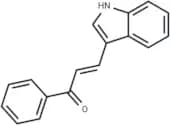
<p>FAK-IN-4 (Compound 7d) has anticancer activities that can induce cell apoptosis. FAK-IN-4 is potential inhibitor of FAK [1].</p>Fórmula:C20H22N4OForma y color:SolidPeso molecular:334.41Lonitoclax
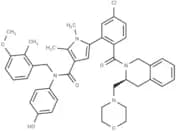
CAS:<p>Lonitoclax is an inhibitor of B-cell lymphoma 2 (Bcl-2). It demonstrates antitumor activity in B-cell and myeloid malignancy models comparable to Venetoclax. Lonitoclax holds potential for research in relapsed or refractory chronic lymphocytic leukemia (CLL), small lymphocytic lymphoma, and certain low-grade lymphomas.</p>Fórmula:C43H45ClN4O5Forma y color:SolidPeso molecular:733.294Topoisomerase I/II inhibitor 8
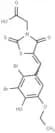
CAS:<p>TopoisomeraseI/II inhibitor 8 (Compound Ru7) is a dual catalytic inhibitor of TopoisomeraseI/II that induces DNA damage and activates PARP-1, leading to the activation of RIPK1, RIPK3, and MLKL, ultimately causing necroptosis. It shows significant anticancer activity by effectively targeting cancer cell nuclei and inducing cell death through necroptosis, offering substantial clinical potential in overcoming resistance in cancer treatment.</p>Fórmula:C14H11Br2NO5S2Forma y color:SolidPeso molecular:497.179Keap1-Nrf2-IN-4
<p>Keap1-Nrf2-IN-4 hinders MGC-803 cell growth (IC50=2.55μM), migration, and induces apoptosis with low toxicity.</p>Fórmula:C26H34N2OForma y color:SolidPeso molecular:390.56BMS 310705
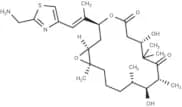
CAS:<p>BMS 310705, an Epothilone B analog, targets ovarian/renal/bladder/lung cancer, inducing apoptosis via mitochondria.</p>Fórmula:C27H42N2O6SForma y color:SolidPeso molecular:522.70PD-L1-IN-1
<p>PD-L1-IN-1, potent PD-L1 inhibitor with 115 nM IC50, suppresses tumors, boosts immune response, and spares healthy cells.</p>Fórmula:C21H23N5O2Forma y color:SolidPeso molecular:377.44WEHI-9625
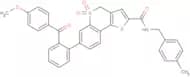
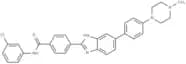
CAS:<p>WEHI-9625 is a tricyclic sulfone small molecule apoptosis inhibitor (EC50: 69 nM).</p>Fórmula:C34H27NO5S2Pureza:98%Forma y color:SolidPeso molecular:593.71Siphonaxanthin
CAS:<p>Siphonaxanthin is a carotenoid found in green algae, known for targeting the death receptor 5 (DR5) on cancer cells to induce apoptosis. In human leukemia HL-60 cells, it increases DR5 expression, reduces Bcl-2 levels, and activates caspase-3. It also inhibits fibroblast growth factor receptor-1 (FGFR-1) signaling in endothelial cells. Siphonaxanthin suppresses the proliferation, migration, and tubular formation of human umbilical vein endothelial cells (HUVECs), as well as the growth of microvessels in rat aorta rings. Additionally, it has anti-inflammatory properties by blocking the translocation of high-affinity IgE receptors (FcεRI) to lipid rafts in mast cells. Siphonaxanthin shows potential for research into diseases such as cancer, diabetic retinopathy, and rheumatoid arthritis.</p>Fórmula:C40H56O4Forma y color:SolidPeso molecular:600.87CDK-IN-9
<p>CDK-IN-9: A potent CDK inhibitor, gels to enhance CDK12/DDB1 binding, targets CDK2/E (IC50: 4 nM), induces apoptosis via dephosphorylation.</p>Fórmula:C21H24N8SForma y color:SolidPeso molecular:420.53NTU281
CAS:<p>NTU281 inhibits transglutaminase-2, lowers creatinine in diabetic rats, reduces proteinuria, and fights glomerulosclerosis.</p>Fórmula:C25H31N2O6SForma y color:SolidPeso molecular:487.59Cernuumolide J
CAS:<p>Cernuumolide J (TMJ-105) functions as a JAK2/STAT3 inhibitor and exhibits potent activity against HEL leukemia cells by inhibiting their growth in both time-dependent and concentration-dependent manners, with an IC 50 value of 1.79 μM. This compound effectively induces G2/M phase arrest and apoptosis by downregulating the phosphorylation of JAK2, STAT3, and Erk, while simultaneously upregulating the phosphorylation of JNK and p38 MAPK. Cernuumolide J holds potential for research applications in anti-cancer therapy.</p>Fórmula:C24H34O8Forma y color:SolidPeso molecular:450.52Anticancer agent 69
<p>Anticancer agent 69 targets PC3 cells (IC50=26 nM), raises ROS, lowers EGFR, and induces apoptosis.</p>Fórmula:C19H26N8SForma y color:SolidPeso molecular:398.53Bafilomycin C1
CAS:<p>vacuolar H+-ATPases (V-ATPases) inhibitor</p>Fórmula:C39H60O12Pureza:98%Forma y color:Light Tan SolidPeso molecular:720.89Belotecan
CAS:<p>Belotecan (CKD-602) inhibits DNA topoisomerase I, blocks cell cycle, induces apoptosis, and is a camptothecin-derived anticancer agent.</p>Fórmula:C25H27N3O4Forma y color:SolidPeso molecular:433.5LL-Z 1640-4
CAS:A signal-specific JNK/p38 pathway and TAK 1 inhibitorFórmula:C19H24O7Pureza:98%Forma y color:SolidPeso molecular:364.39AB8939
CAS:<p>AB8939 is a potent small-molecule inhibitor of microtubule/tubulin polymerization, exhibiting antitumor activity (with tumor cell proliferation inhibition IC50≤10 nM). It effectively circumvents resistance mechanisms mediated by P-glycoprotein and myeloperoxidase. AB8939 can induce G2/M phase cell cycle arrest and apoptosis.</p>Fórmula:C22H24N4O3Forma y color:SolidPeso molecular:392.451Ac-DMLD-CMK
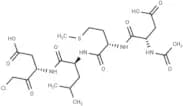
CAS:<p>Ac-DMLD-CMK is a peptide designed to target the caspase3-Gsdme signaling pathway in mice. It specifically inhibits the activation of caspase 3 and Gsdme, preventing the cleavage of Gsdme by caspase 3, which reduces pyroptosis. This process helps alleviate damage to renal tubular epithelial cells and decrease the secretion of inflammatory cytokines. Ac-DMLD-CMK can lower serum creatinine and blood urea nitrogen levels in mice induced by Cisplatin, thereby mitigating the progression of renal dysfunction. It holds potential for research into chemotherapy-induced nephrotoxicity.</p>Fórmula:C22H35ClN4O9SForma y color:SolidPeso molecular:567.053ONC213
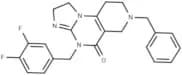
CAS:<p>ONC213, an αKGDH inhibitor, functions by hindering αKGDH activity, thus suppressing mitochondrial respiration and elevating α-ketoglutarate levels, ultimately inducing apoptosis (Apoptosis) in AML cells. It is utilized in the study of acute myeloid leukemia.</p>Fórmula:C23H22F2N4OForma y color:SolidPeso molecular:408.44EGFR/VEGFR2-IN-3
CAS:<p>EGFR/VEGFR2-IN-3 (compound 9) is an effective inhibitor of EGFR and VEGFR-2, demonstrating IC50 values of 0.129 µM for EGFR, 0.142 µM for VEGFR-2, and 3.428 µM for COX-2. This compound exhibits cytotoxic properties and induces cell apoptosis (apoptosis) as well as cell cycle arrest at the G2/M phase.</p>Fórmula:C24H20ClN5O2S2Forma y color:SolidPeso molecular:510.03NLRP3-IN-78
CAS:<p>NLRP3-IN-78 (compound 21) is an NLRP3 inhibitor with a 46.72% inhibition rate of GSDMD-induced pyroptosis at 5 μM. It binds to the NLRP3 protein and prevents GSDMD-NT oligomerization. Additionally, NLRP3-IN-78 inhibits GSDMD cleavage and upstream NF-κB signaling, demonstrating anti-inflammatory activity.</p>Fórmula:C12H5Cl2N3O4S2Forma y color:SolidPeso molecular:390.222CHI-KAT8i5
CAS:<p>CHI-KAT8i5 is a selective inhibitor of KAT8 with a KD of 19.72 μM. It induces apoptosis (Apoptosis) in a dose-dependent manner. CHI-KAT8i5 can inhibit tumor growth in esophageal squamous cell carcinoma, colon cancer, melanoma, gastric cancer, non-small cell adenocarcinoma, and liver cancer.</p>Fórmula:C23H29N3O5S3Forma y color:SolidPeso molecular:523.688NDs-IN-1
CAS:NDs-IN-1 (Compound 3g) is a novel non-covalent multi-target inhibitor that inhibits the activities of key enzymes such as hBACE-1, hAChE, and hMAO-B, and is primarily used in the study of neurodegenerative diseases [1].Fórmula:C20H18N2O2Peso molecular:318.373-AP-Me
CAS:<p>3-AP-Me is the dimethyl derivative of the ribonucleotide reductase inhibitor 3-AP (SML0568). It activates the endoplasmic reticulum (ER) stress pathway by promoting eIF2α phosphorylation and upregulating gene expression of transcription factors ATF4 and ATF6, thereby inducing apoptosis. Additionally, 3-AP-Me activates cellular stress kinases c-Jun N-terminal kinase (JNK) and p38 mitogen-activated protein kinase, leading to the upregulation of spliced mRNA variant XBP1. It is applicable in cancer research.</p>Fórmula:C9H13N5SForma y color:SolidPeso molecular:223.298Antitumor agent-202
CAS:<p>Antitumor agent-202 is a stabilizer of the p53Y220C mutant, selectively inhibiting the proliferation of tumor cells carrying the p53Y220C mutation. It is applicable for research focused on cancers associated with the p53 Y220C mutation.</p>Fórmula:C17H13NOForma y color:SolidPeso molecular:247.291Kahweol Acetate
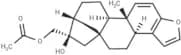
CAS:<p>Kahweol Acetate, a semi-synthetic coffee bean derivative, inhibits osteoclasts, cancer cells, DNA damage, and oxidative stress.</p>Fórmula:C22H28O4Forma y color:SolidPeso molecular:356.46PI3K-IN-35
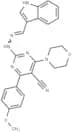
CAS:<p>PI3K-IN-35 (6l) selectively inhibits PI3K-α, β, δ (IC50: 13.98, 7.22, 10.94 μM), blocks G2/M phase, induces apoptosis, and is useful in leukemia research.</p>Fórmula:C25H23N7O2Forma y color:SolidPeso molecular:453.5RIP1 kinase inhibitor 1
CAS:<p>RIP1 kinase inhibitor 1 is an orally available and brain-penetrating inhibitor of RIP1 kinase with pKi of 9.04.</p>Fórmula:C24H20ClN5O3Pureza:98%Forma y color:SolidPeso molecular:461.9p53 Stabilizer 2
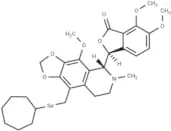
CAS:<p>p53 Stabilizer 2 (Compound 17a16) is a p53 stabilizing agent. It can induce S-phase arrest and apoptosis in both p53-functional and p53-deficient cancer cells. Additionally, p53 Stabilizer 2 triggers mitochondrial stress and activates two immune checkpoint pathways: NA-PKcs dependent p53 stabilization and the ATR-Chk1 axis activation. It also inhibits tumor growth in p53-deficient xenograft models.</p>Fórmula:C30H37NO7SeForma y color:SolidPeso molecular:602.58PSF-IN-2
CAS:<p>PSF-IN-2 (Compound (C)-30) is a PSF inhibitor with an IC50 value of 0.005 pM. It exhibits anticancer properties, inhibiting the proliferation of 22Rv1 cells with an IC50 value of 0.5 μM. PSF-IN-2 activates the p53 signaling pathway by disrupting PSF-RNA binding, inducing expression of related genes, promoting apoptosis, and inhibiting the cell cycle. This compound is applicable in cancer research.</p>Fórmula:C18H16O5Forma y color:SolidPeso molecular:312.317Fosizensertib
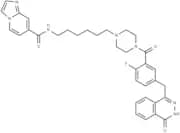
CAS:<p>Fosizensertib is an inhibitor of RIP-1 kinase and is used in research related to ulcerative colitis.</p>Fórmula:C22H21F2N4O5PForma y color:SolidPeso molecular:490.397PROTAC FKBP Degrader-3
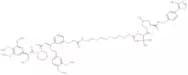
CAS:<p>PROTAC FKBP Degrader-3, with FKBP and VHL binding groups linked, is a potent FKBP degrader.</p>Fórmula:C68H90N6O17SPureza:98%Forma y color:SolidPeso molecular:1295.54Top/HDAC-IN-1
<p>Top/HDAC-IN-1: Dual Top/HDAC inhibitor, potent against HDAC1-3,6,8 and HCT116 cells; blocks G2 phase, induces apoptosis.</p>Fórmula:C29H27N5O4Forma y color:SolidPeso molecular:509.56Mcl-1 inhibitor 21
CAS:<p>Mcl-1 inhibitor21 (Example 1-36) is an Mcl-1 inhibitor with an IC50 of 328 nM. It exhibits pro-apoptotic and anti-proliferative activity against SUDHL5 and SUDHL10 cell lines, making it applicable for cancer research.</p>Fórmula:C32H33N3O4Forma y color:SolidPeso molecular:523.622FTO-IN-13
CAS:<p>FTO-IN-13 (compound 8t) is a potent FTO inhibitor with antiproliferative properties. It induces apoptosis (cell apoptosis) and reduces the expression of Bcl-2 and Caspase 3 active proteins. Additionally, FTO-IN-13 lowers the expression of MYC and CEBPA genes and demonstrates anticancer activity.</p>Fórmula:C18H12Br2N2O4Forma y color:SolidPeso molecular:480.107HDAC-IN-27 dihydrochloride
CAS:<p>HDAC-IN-27 dihydrochloride (Compound 11h) is a potent, orally active, HDACI class-selective inhibitor, with IC50 values ranging from 0.43 to 3.01 nM for HDAC1-3. This compound exhibits both in vivo and in vitro anticancer activity. HDAC-IN-27 shows significant antiproliferative effects against acute myeloid leukemia (AML) cell lines by inducing apoptosis and histone acetylation (AcHH3 and AcHH4). It is useful for research on acute myeloid leukemia (AML).</p>Fórmula:C20H24Cl2N4O2Forma y color:SolidPeso molecular:423.336Mcl-1 inhibitor 22
CAS:<p>Mcl-1 inhibitor22 (Example 36) is an MCL-1 inhibitor that suppresses its anti-apoptotic function by blocking the interaction between MCL-1 and pro-apoptotic proteins. It exhibits antiproliferative activity against various cancer cell lines and can be utilized for cancer research.</p>Fórmula:C33H33ClFN3O4Forma y color:SolidPeso molecular:590.084L-threo-Sphingosine C-18
CAS:<p>L-threo-Sphingosine C-18 is a protein kinase C inhibitor.</p>Fórmula:C18H37NO2Pureza:98%Forma y color:SolidPeso molecular:299.49Elocalcitol
CAS:<p>Elocalcitol is a calcitriol analog for inhibition of prostate cell growth.</p>Fórmula:C29H43FO2Forma y color:SolidPeso molecular:442.65Topo I/COX-2-IN-2
<p>Compound W10 is a dual inhibitor of Topo I (IC50: 0.90μM) and COX-2 (IC50: 2.31μM), inducing cancer cell apoptosis via mitochondria.</p>Fórmula:C24H25ClN4OForma y color:SolidPeso molecular:420.93Mps-BAY1
CAS:<p>Mps-BAY1, an MPS1 inhibitor, exhibits anticancer activity. It inhibits cell proliferation and induces cell apoptosis by activating mitotic aberrations in cancer cells, leading to overall aneuploidy and polyploidy. Mps-BAY1 is used in research pertaining to colorectal and cervical cancer.</p>Fórmula:C27H20N6OForma y color:SolidPeso molecular:444.49GI-Y2
CAS:<p>GI-Y2 is a GSDMD inhibitor that suppresses macrophage pyroptosis induced by oxidized low-density lipoprotein (ox-LDL). In vivo, GI-Y2 dose-dependently reduces atherosclerotic plaques and decreases lesion size and fibrosis in the aortic root of ApoE-/- mice. GI-Y2 holds potential for research in pyroptosis and cardiovascular diseases, such as atherosclerosis.</p>Fórmula:C18H14N2O6SForma y color:SolidPeso molecular:386.379WF-47-JS03
<p>WF-47-JS03: RET kinase inhibitor, crosses blood-brain barrier, 500x more selective for KDR, IC50: 1.7 nM in Ba/F3 cells, 5.3 nM in LC-2/ad lung cancer cells.</p>Fórmula:C30H38N6O2Forma y color:SolidPeso molecular:514.66FLT3-ITD-IN-3
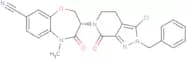
CAS:<p>FLT3-ITD-IN-3 (13v) is an orally active inhibitor of FLT3-ITD (internal tandem duplication of FLT3), which works by blocking FLT3 signaling. This inhibition leads to cell cycle arrest in the G0/G1 phase and induces apoptosis. The compound is currently employed in studies related to acute myeloid leukemia (AML).</p>Fórmula:C27H21ClF2N6O5Forma y color:SolidPeso molecular:582.943ZB-R-55
CAS:<p>ZB-R-55 is an oral and highly potent bimodal RIPK1 inhibitor with excellent kinase selectivity in lps-induced sepsis models for the study of SIRS and sepsis.</p>Fórmula:C25H23N5O3Pureza:98.26%Forma y color:SolidPeso molecular:441.48HDAC-IN-34
<p>HDAC-IN-34 inhibits HDAC1 (IC50: 0.022 μM) & HDAC6 (IC50: 0.45 μM), binds DNA causing damage, and halts HCT-116 cell growth (IC50: 1.41 μM).</p>Fórmula:C24H26N6O3Forma y color:SolidPeso molecular:446.5Antitumor agent-37
<p>Antitumor agent-37: strong anti-growth, anti-spread, induces DNA damage, apoptosis via Bcl-2/Bax/caspase3, boosts immune response.</p>Fórmula:C16H18Cl2N2O4PtForma y color:SolidPeso molecular:568.32PARP1-IN-12
<p>PARP1-IN-12: potent PARP1 inhibitor, IC50 2.99 nM, triggers cell apoptosis, G2/M arrest, induces DSBs in BRCA-deficient cells.</p>Fórmula:C43H56FN5O5Forma y color:SolidPeso molecular:741.93PARP/NAMPT-IN-1
CAS:<p>PARP/NAMPT-IN-1 (Compound 13j) is a dual-target inhibitor of PARP and NAMPT, with IC50 values of 0.8 nM for PARP1 and 18 nM for NAMPT. It suppresses breast cancer cell proliferation and migration, inducing apoptosis. PARP/NAMPT-IN-1 is applicable for research on triple-negative breast cancer.</p>Fórmula:C34H36FN7O3Forma y color:SolidPeso molecular:609.693hCAIX/XII-IN-1
<p>hCAIX/XII-IN-1: potent CAIX inhibitor (KI=0.48μM), CAXII (KI=0.83μM), antiproliferative, induces apoptosis in MCF-7 cells.</p>Fórmula:C19H11NO5S2Forma y color:SolidPeso molecular:397.42CB-184
CAS:<p>CB-184 is a selective ligand for sigma-2 (σ2) receptors, with Ki values of 7436 nM for sigma-1 (σ1) and 13.4 nM for sigma-2 (σ2), and it promotes apoptosis with antitumor activity.</p>Fórmula:C22H21Cl2NO2Forma y color:SolidPeso molecular:402.31EGFR-IN-161
CAS:<p>EGFR-IN-161 (Compound DD-8) is a potent and reversible inhibitor of the L858R/T790M/C797S mutant EGFR kinase, with an IC50 value of 0.87 nM. EGFR-IN-161 effectively inhibits tumor cell apoptosis, G1 phase arrest, and migration.</p>Fórmula:C33H36Cl2N8O2Forma y color:SolidPeso molecular:647.597PD-1/PD-L1-IN-15
<p>PD-1/PD-L1-IN-15 is a potent inhibitor of PD-1/PD-L1 (IC50: 60.1 nM) and has shown investigational potential for tumor immunotherapy.</p>Fórmula:C32H30N4O3Forma y color:SolidPeso molecular:518.61HR-19011
CAS:<p>HR-19011 (Compound 40) is an inducer of eIF2α phosphorylation that increases expression levels of downstream proteins ATF and CHOP,antiproliferative.</p>Fórmula:C25H19F6N3O3Pureza:99.89%Forma y color:SolidPeso molecular:523.4306:0 PE
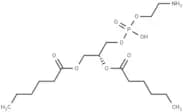
CAS:<p>06:0 PE (PE(6:0/6:0)) is a water-soluble phospholipid characterized by its short acyl chains. It possesses notable antitumor activity and can inhibit tumor progression in the body. Additionally, it exhibits antiproliferative and pro-apoptotic properties, and serves as a precursor for phosphatidylcholine and phosphatidylethanolamine.</p>Fórmula:C17H34NO8PForma y color:SolidPeso molecular:411.43NVP-CGM097 sulfate
CAS:<p>NVP-CGM097 sulfate is a potent and selective inhibitor of MDM2 (hMDM2, IC50 of 1.7±0.1 nM).</p>Fórmula:C38H49ClN4O8SPureza:98%Forma y color:SolidPeso molecular:757.34MA242 free base
CAS:<p>MA242 free base is a dual MDM2/NFAT1 inhibitor that triggers apoptosis in pancreatic cancer cells.</p>Fórmula:C24H20ClN3O3SForma y color:SolidPeso molecular:465.95Urease-IN-20
CAS:<p>Urease-IN-20 (compound XBP2) is an inhibitor of Helicobacter pylori (H. pylori), with an IC50 of 0.14 μM for H. pylori inhibition. It effectively decreases apoptosis in GES-1 cells infected with H. pylori and reduces levels of ROS and γH2AX. Urease-IN-20 also demonstrates significant gastric mucosal protective effects, making it suitable for H. pylori research.</p>Fórmula:C14H8FNO2SeForma y color:SolidPeso molecular:320.18NLRP3-IN-72
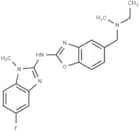
CAS:<p>NLRP3-IN-72 (Compound 2) is a benzimidazole derivative. It exhibits anti-inflammatory and antioxidant properties, with an IC50 of 0.3 μM for NLRP3 IL-1β, a PD50 of 0.4 μM for protection against cell pyroptosis, and an EC50 of 0.6 μM for inducing HO-1.</p>Fórmula:C19H20FN5OForma y color:SolidPeso molecular:353.393AK-295
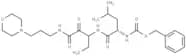
CAS:<p>AK 295, also known as CX 295, is a dipeptide inhibitor of alpha-ketoamide calpain.</p>Fórmula:C26H40N4O6Forma y color:SolidPeso molecular:504.624-Hydroxyresveratrol
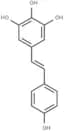
CAS:<p>4-Hydroxyresveratrol (3,4,5,4'-Tetrahydroxystibene) is a resveratrol analog that variably induces the expression of pro-apoptotic genes such as p53 and Bax. It triggers apoptosis in SV40 virus-transformed WI38 cells (WI38VA), but not in WI38 cells. Additionally, 4-Hydroxyresveratrol significantly increases the expression of p53, GADD45, and Bax genes in WI38VA cells, while suppressing the expression of the bcl-2 gene.</p>Fórmula:C14H12O4Forma y color:SolidPeso molecular:244.243ZIF-8
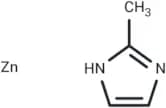
CAS:<p>ZIF-8 is an anticancer agent that can inherently trigger pyroptosis through a caspase-1/gasdermin D (GSDMD)-dependent pathway.</p>Fórmula:C4H6N2ZnForma y color:SolidPeso molecular:147.513Anticancer agent 14
<p>Anticancer agent 14: a potent breast cancer inhibitor; induces cell death, disrupts mito. membrane potential (IC50: 0.20-0.65 μM).</p>Fórmula:C29H34N2O3Forma y color:SolidPeso molecular:458.59DNMT1-IN-5
CAS:<p>DNMT1-IN-5 (Compound 55) is an inhibitor of DNMT, specifically targeting DNMT1 and DNMT3A, with IC50 values of 2.42 μM and 14.4 μM, respectively. It demonstrates antiproliferative effects across various cancer cell lines (TMD-8, DOHH2, MOLM-13, THP-1, RPIM-8226, and HCT116) with IC50 values ranging from 0.19 to 2.37 μM. The compound induces G2/M phase cell cycle arrest and apoptosis in TMD-8 and DOHH2 cells. Additionally, DNMT1-IN-5 exhibits antitumor efficacy in a TMD-8 xenograft mouse model.</p>Fórmula:C24H32FN7Forma y color:SolidPeso molecular:437.556Antitumor agent-54
<p>Compound C11 inhibits 14-3-3η protein (KD: 35 μM), targets liver cancer cells, blocks G1-S phase, and induces apoptosis.</p>Fórmula:C29H32N2O3Forma y color:SolidPeso molecular:456.58Casein kinase 1δ-IN-29
CAS:<p>Casein kinase1δ-IN-29 (Compound 18) is an inhibitor that targets p38α and casein kinase 1 (CK1), exhibiting inhibitory effects on p38α, CK1δ, and CK1ε with IC50 values of 0.041 µM, 0.005 µM, and 0.447 µM, respectively. This compound causes cell cycle arrest at the subG1 phase and induces apoptosis in AC1-M88 cells.</p>Fórmula:C26H23FN4O4SForma y color:SolidPeso molecular:506.549SMO-IN-5
<p>SMO-IN-5 (Compound 25(B31)) is an effective inhibitor of smoothened (SMO), which suppresses the Hedgehog (Hh) signaling pathway. This compound inhibits cellular proliferation and induces apoptosis, demonstrating antitumor activity.</p>Fórmula:C25H24N6OForma y color:SolidPeso molecular:424.5PAK4-IN-5
<p>PAK4-IN-5 (Compound 12i) is a potent inhibitor of PAK4 (IC50: PAK4 at 7.68 nM, PAK1 at 1872.01 nM) that forms stable interactions with the PAK4 enzyme. This compound effectively inhibits the proliferation and migration potential of MDA-MB-231 cells by hindering the phosphorylation of PAK4 and LIMK1. Additionally, PAK4-IN-5 arrests the cell cycle in the G0/G1 phase, induces apoptosis, and prompts the production of reactive oxygen species. The LD50 in mice is greater than 500 mg/kg (oral).</p>Fórmula:C31H28ClN5OForma y color:SolidPeso molecular:522.04DOR agonist 2
CAS:<p>Compound 3 (DOR agonist 2) acts as a Delta Opioid Receptor agonist. It inhibits the expression of TNF-α, obstructs NF-κB transportation to the nucleus, and activates the G protein-mediated ERK1/2 pathway. This compound is useful for research into neurodegenerative diseases.</p>Fórmula:C29H26N2O3Forma y color:SolidPeso molecular:450.53M3258
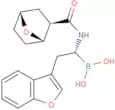
CAS:<p>LMP7-IN-1 may used in the research of inflammatory and autoimmune diseases, neurodegenerative diseases, proliferative diseases and cancer, is an inhibitor of</p>Fórmula:C17H20BNO5Pureza:98%Forma y color:SolidPeso molecular:329.16Scytonemin
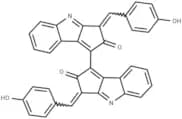
CAS:<p>Scytonemin, a cyanobacterial pigment, inhibits cancer cell growth by decreasing Plk1 activity, especially effective on U266 myeloma cells.</p>Fórmula:C36H20N2O4Forma y color:SolidPeso molecular:544.55ASTX295
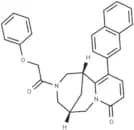
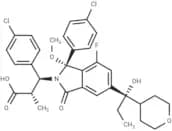
CAS:<p>ASTX295 is a selective mouse double minute 2 (MDM2) antagonist with an IC50 value of less than 1 nM. It specifically inhibits the interaction between MDM2 and p53, reactivating wild-type (WT) TP53, which subsequently induces the expression of related transcriptional targets, leading to cell death and cell cycle arrest. ASTX295 holds potential for research in lymphoid malignancies such as diffuse large B-cell lymphoma (DLBCL), mantle cell lymphoma (MCL), and T-cell lymphoma.</p>Fórmula:C33H34Cl2FNO6Forma y color:SolidPeso molecular:630.531Pim-1 kinase inhibitor 2
CAS:<p>Compound 13, a potent Pim-1 inhibitor, induces apoptosis with potential for cancer research.</p>Fórmula:C24H14N4O3Forma y color:SolidPeso molecular:406.39Tubulin polymerization-IN-68
CAS:<p>Tubulin polymerization-IN-68 (compound 32) serves as a tubulin inhibitor, disrupting cellular microtubule networks by hindering tubulin polymerization. It also upregulates PARP-1 and caspase-3 expression, thereby inducing apoptosis and exhibiting anticancer properties. Notably, Tubulin polymerization-IN-68 effectively suppresses HepG2 cells with an IC50 of 93 nM and markedly reduces the growth of HepG2 xenograft tumors in nude mice through oral administration.</p>Fórmula:C16H13N3OForma y color:SolidPeso molecular:263.29S100A2-p53-IN-1
CAS:<p>S100A2-p53-IN-1 inhibits S100A2-p53 in pancreatic cancer, stunting MiaPaCa-2 cell growth at 1.2-3.4 μM.</p>Fórmula:C20H20F6N2O4SForma y color:SolidPeso molecular:498.44hCAIX/XII-IN-5
<p>Coumarin 9a: Selective inhibitor of hCA IX/XII (Ki 93.3/85.7 nM), blocks cancer cell growth, and induces apoptosis.</p>Fórmula:C18H13NO3Forma y color:SolidPeso molecular:291.3Sabialimon P
CAS:<p>Sabialimon P (compound 16), with an IC50 of 18.12 μM, functions as a NO release inhibitor and exhibits anti-inflammatory properties. It effectively diminishes the secretion of TNF-α, iNOS, IL-6, and NF-κB, and suppresses the expression of COX-2 and NF-κB/p65 in LPS-induced RAW264.7 cells.</p>Fórmula:C31H50O4Forma y color:SolidPeso molecular:486.73Anticancer agent 54
<p>Anticancer agent 54 blocks cell cycle in G0/G1, induces apoptosis, and fights cancer via DNA embedding and ROS.</p>Fórmula:C33H36N6Forma y color:SolidPeso molecular:516.68VEGFR-2-IN-11
<p>VEGFR-2-IN-11 is a potent inhibitor of VEGFR-2 (IC50: 60.27 nM) with an IC50 value of 60.27 nM, which induces apoptosis and has anticancer activity.</p>Fórmula:C29H22BrN5SForma y color:SolidPeso molecular:552.49ZLHQ-5f
<p>ZLHQ-5f inhibits CDK2/Topo I, with IC50 of 0.145μM for CDK2/CycA2, and promotes apoptosis by arresting HCT116 cells in S phase.</p>Fórmula:C28H25N5O2Forma y color:SolidPeso molecular:463.53NCAO
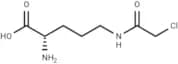
CAS:<p>N-ω-chloroacetyl-L-ornithine (NCAO) serves as a powerful reversible competitive inhibitor of ornithine decarboxylase (ODC), displaying cytotoxic and antiproliferative properties against various tumor cell lines, with EC50 values spanning from 1 to 50.6 µM. In vitro studies reveal that NCAO promotes Apoptosis and restricts tumor cell migration. Additionally, it demonstrates significant antitumor efficacy in a mouse model, targeting both solid and ascitic tumors using the myeloma (Ag8) cell line. NCAO holds promise in the development of antitumor agents.</p>Fórmula:C7H13ClN2O3Forma y color:SolidPeso molecular:208.64MDK-3345
CAS:<p>MDK-3345 is a reversible covalent inhibitor for Mcl-1.</p>Fórmula:C36H34BN3O7Pureza:98%Forma y color:SolidPeso molecular:631.48YCW-E11
CAS:<p>YCW-E11 is an antiapoptotic Bcl-2 family proteins inhibitor.</p>Fórmula:C25H21Cl2N3O6S2Pureza:98%Forma y color:SolidPeso molecular:594.49TAI-95
CAS:<p>TAI-95 is an inhibitor of highly expressed cancer protein 1 (Hec1).</p>Fórmula:C24H23N5O3S2Forma y color:SolidPeso molecular:493.60Caspase-3-IN-2
CAS:<p>Caspase-3-IN-2 (Compound 4d) acts as an inhibitor of α-Chymotrypsin. It also exhibits inhibitory activity against HIV protease and caspase 3, with inhibition rates of 57% and 51% respectively at a concentration of 100 μM.</p>Fórmula:C10H6ClNO5Forma y color:SolidPeso molecular:255.611HDAC6/HSP90-IN-2
<p>HDAC6/HSP90-IN-2, a cancer research chemical, inhibits HDAC6 & Hsp90 with IC50s of 105.7 & 61 nM.</p>Fórmula:C19H22N2O5Forma y color:SolidPeso molecular:358.39AQX-435
CAS:<p>AQX-435 activates SHIP1, inhibits PI3K in BCR signaling, induces apoptosis in B cells, and slows lymphoma growth.</p>Fórmula:C27H34N2O4Forma y color:SolidPeso molecular:450.57BRD1991
CAS:<p>BRD1991 is a chemical compound that specifically disrupts the interaction between Beclin 1 and Bcl-2, thereby inducing autophagy.</p>Fórmula:C33H35Cl2N3O4Forma y color:SolidPeso molecular:608.55Flonoltinib sulfate
CAS:<p>Flonoltinib maleate is an orally active dual inhibitor of JAK2/FLT3, with IC50 values of 0.7 nM for JAK2, 4 nM for FLT3, 26 nM for JAK1, and 39 nM for JAK3. It exhibits anticancer properties.</p>Fórmula:C25H36FN7O5SForma y color:SolidPeso molecular:565.661VDR agonist 1
CAS:<p>Compound 28 is a nonsteroidal VDR agonist with 690 nM potency, inducing cell cycle arrest and apoptosis in MCF-7 cells.</p>Fórmula:C32H51N3O2Pureza:98%Forma y color:SolidPeso molecular:509.77DL-Buthionine-(S,R)-sulfoximine hydrochloride
<p>DL-Buthionine-(S,R)-sulfoximine hydrochloride (Buthionine sulfoximine hydrochloride) is a potent and specific glutamylcysteine synthetase biosynthesis inhibitor</p>Fórmula:C8H19ClN2O3SForma y color:SolidPeso molecular:258.77RWJ-56110
CAS:<p>protease-activated receptor-1 (PAR1) antagonist</p>Fórmula:C41H43Cl2F2N7O3Pureza:98%Forma y color:SolidPeso molecular:790.73PLK1-IN-13
CAS:<p>PLK1-IN-13 is a selective, orally active PLK1 inhibitor with an IC50 of 0.27 nM. It also inhibits PLK2 (IC50: 12.72 nM) and PLK3 (IC50: 4.12 nM). PLK1-IN-13 induces cell cycle arrest at the G2 phase, promotes apoptosis, and downregulates the transcription of the cancer-associated oncogene c-MYC. This compound inhibits tumor growth and is applicable for research in acute myeloid leukemia (AML).</p>Fórmula:C29H39N9O2SForma y color:SolidPeso molecular:577.744Ganoderic acid R
CAS:<p>Ganoderic acid R: potent anticancer, induces apoptosis, cytotoxic to MDR and sensitive tumor cells.</p>Fórmula:C34H50O6Forma y color:SolidPeso molecular:554.76NSD2-IN-1
CAS:<p>NSD2-IN-1: potent, selective NSD2-PWWP1 inhibitor, IC50 0.11 μM, induces gene expression changes, apoptosis, cell cycle arrest.</p>Fórmula:C29H31N5Forma y color:SolidPeso molecular:449.59mTOR/HDAC6-IN-1
<p>mTOR/HDAC6-IN-1 inhibits HDAC6 (IC50: 56 nM) & mTOR (IC50: 133.7 nM), may treat TNBC by inducing autophagy and apoptosis.</p>Fórmula:C20H20ClN5O2Forma y color:SolidPeso molecular:397.86PI3K-IN-58
CAS:<p>PI3K-IN-58 (Compound 17f) is an inhibitor of PI3Kα with an IC50 value of 0.039 μM. It shows significant antiproliferative effects on PC-3, 22RV1, MDA-MB-231, and MDA-MB-453 cell lines with IC50 values of 3.48 μM, 1.06 μM, 2.21 μM, and 0.93 μM, respectively. PI3K-IN-58 induces apoptosis by downregulating the expression of anti-apoptotic proteins Bcl-XL and Bcl-2 while upregulating the expression of the pro-apoptotic protein BAX. This compound is applicable for research in cancer targeting through PI3K pathways.</p>Fórmula:C22H22N6O3SForma y color:SolidPeso molecular:450.51Coprostanone
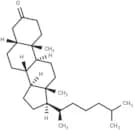
CAS:<p>Coprostanone (5β-cholestan-3-one) is an active metabolite of hydroxycholesterol and cholesterol. It induces apoptosis in primary gallbladder epithelial cells in dogs. Coprostanone holds potential for research into colon cancer or adenomatous polyps.</p>Fórmula:C27H46OForma y color:SolidPeso molecular:386.654DHU-Se1
<p>DHU-Se1: potent anti-inflammatory, releases reactive selenium from macrophages, inhibits iNOS/TNF-α, blocks M0 to M1 polarization.</p>Fórmula:C23H23N3OSSeForma y color:SolidPeso molecular:468.47ASCT2-IN-1
CAS:ASCT2-IN-1 (compound 20k) is an inhibitor of ASCT2, demonstrating IC50 values of 5.6 μM in A549 cells and 3.5 μM in HEK293 cells. It induces apoptosis and inhibits tumor growth.Fórmula:C36H32Cl2N2O4Peso molecular:627.56β-Carotene-13C10
CAS:<p>β-Carotene-13C10 (Provitamin A-13C10) is a form of β-Carotene labeled with 13C. It is a carotenoid compound and serves as a natural precursor to vitamin A. This compound acts as a regulator of reactive oxygen species (ROS), exhibiting both antioxidant and anti-inflammatory properties. Depending on its intrinsic characteristics and the redox potential of the biological environment, β-Carotene can function either as an antioxidant or a pro-oxidant. It also possesses anticancer activity, inducing apoptosis in breast cancer cells.</p>Fórmula:C40H56Forma y color:SolidPeso molecular:546.799